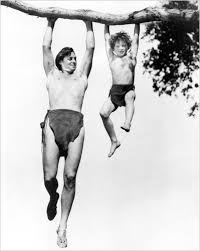
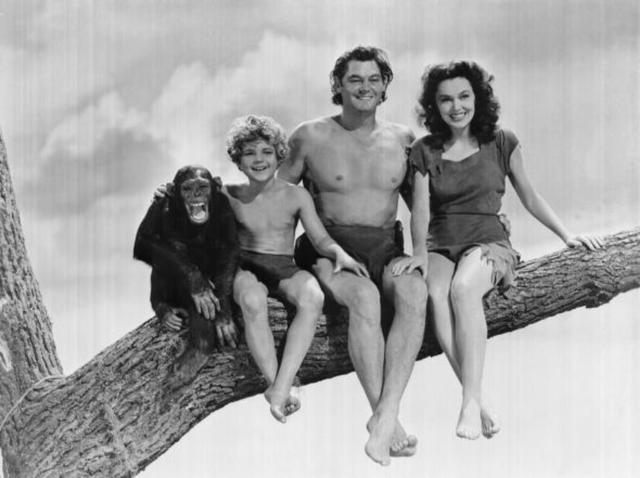
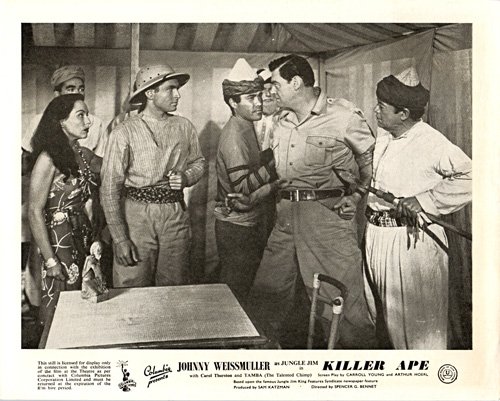
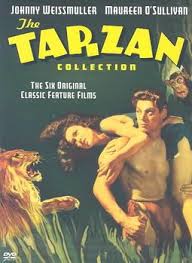
There was a time when Tarzan was one of the ruling heroes of my boyhood fantasies of power and self-fulfillment. And, while Tarzan was a cartoon show on Saturday morning, comics by Burne Hogarth, movies in the theater in color with Mike Henry, or a weekly series on TV with Ron Ely, he was always Johnny Weissmuller to me. Weissmuller who played both Tarzan and Jungle Jim in the Saturday afternoon black-and-white movies.
I have to admit, I didn’t identify with the character of Tarzan as much as I thought of myself like the character “Boy”, played by Johnny Sheffield in movies like “Tarzan Finds a Son”. It was a significant part of my boyhood to imagine myself being like Boy, free from practically all restraints, able to gad about the dangerous jungle nearly naked with monkey pals and no fear. If I got into trouble by believing my skills were greater than they really were, I would save myself with ingenuity, and, barring that, Tarzan would rescue me. And, believe it or not, sometimes there were fixes that Tarzan got into that he needed me and Cheetah to be creative and get him out of. I knew in my heart that one day real life would be like that, especially once I grew into Tarzan and stopped being just Boy. That idea was in my head so loudly that several times I went to Bingham Park Woods, stripped down, and played Boy in the Jungle.
As in the previous essay about Heroes of Yesteryear, I learned important things from Johnny Weissmuller on Saturday TV. He taught me that all you really needed, even in the darkest jungles of Africa, was confidence and courage. You could stand up to any deadly danger without the protection of any armor, practically naked, in fact, if only you had that heroic goodness of heart. The little boy I was then still believes that whole-heartedly even in the aging body of an old man.
So, Tarzan continues to live in my memory, a part of me, an essential part of my education. He is me and I am he. But only in my mind. Me in a loincloth, swinging on a vine now… and probably going splat like an overripe melon on the jungle floor… well, that is too ridiculous to even imagine being real anymore. Yet he lives on in me. And he battles the metaphorical leopard-people of modern life through me. Unarmored. Confident. And unafraid.
I may be suffering from the onset of… what’s that disease called? The one that makes you shake and be mentally confused about… what was I talking about? Oh, yes, I still can’t remember.
It disturbs me that I have difficulty recalling names that I used to rattle off the top of my head quite accurately when I was teaching and was a total master of all the useless trivia information in the universe.
Recently my daughter and number-one son were arguing with me about actors who played Superman. I successfully remembered TV Superman George Reeves who I watched as a pre-teen kid, and Christopher Reeve who I watched on the big screen as a college sophomore, and I even put the “s” at the end of the right one’s name. But I couldn’t remember the name of that new guy… No, not Brandon Routh from Superman Returns (apparently for only one movie), but that other new guy… from Man of Steel, and he was in the movie remake of The Man from U.N.C.L.E.
Number-One Son finally figured out who I meant by looking it up on his smartphone. Henry Cavill! Why couldn’t I remember that guy’s name? I recently watched him in the Witcher on Netflix. Henry gol-danged Cavill!!?
But then I ponder why there are some names and details I can’t seem to forget. Dawn Wells played Mary Ann on Gilligan’s Island. But it wasn’t the actress’s name I could never forget. It was the sight of her belly button. When the series was on television on a night that didn’t conflict with watching Batman, I watched Mary Ann’s every movement and flounce and prance and twirl, and every banana cream or coconut cream pie she ever handed to Gilligan. At the ages of ten, eleven, and twelve I was mad to see a glimpse of her actual belly button. But not for the reason you think! I insisted to all my friends at school that I did NOT LIKE GIRLS! (Even though I actually did.) It was because I didn’t know if she had one. She wore revealing clothes and even bikini two-pieces on the show, and yet, it was always covered somehow. I remember every delicious detail of my too-close-to-the-TV inspection of Dawn Wells’ acting ability in black-and-white, and later, in syndication, in color. It was clear that somebody in the TV universe didn’t want me to see it. And maybe that is precisely why I can never forget it.
But, then again, I can’t remember this guy’s name. Yes, I know, Uncle Fester from The Addams Family. I even remember the two “d’s” in Addams. And I remember that he played the Kid when he was a little kid in Charlie Chaplin’s movie The Kid.
Yes, I honestly could not remember Jackie Coogan’s name until I looked up the Chaplin movie on Wikipedia.
It really bothers me that I cannot remember some things that I used to know really well. But given time I am able to remember that it is Parkinson’s Disease that my father has and may be causing my memory losses, and that the narrator-guy in the first picture I used in this post is Ludwig Von Drake, a character voiced by legendary cartoon voice actor Paul Frees. I am getting old. And forgetful. But how was I going to end this essay? I forget.
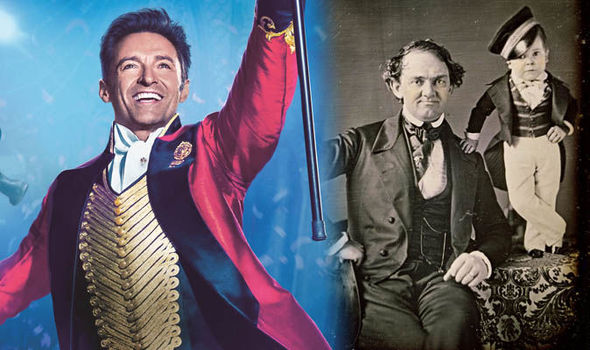
Last night my wife and my daughter the Princess went with me to the movie musical The Greatest Showman at the dollar movie. I was enchanted. My wife laughed at me for how much the movie made me cry. But it was a very touching and timely movie for me because it was about pursuing dreams in spite of economic hardships. The award-winning songs promote with energy and stunning beauty the notion that you should follow your passion no matter the risk, and that choosing to do so will produce rewards as long as family and love are with you and along for the ride.
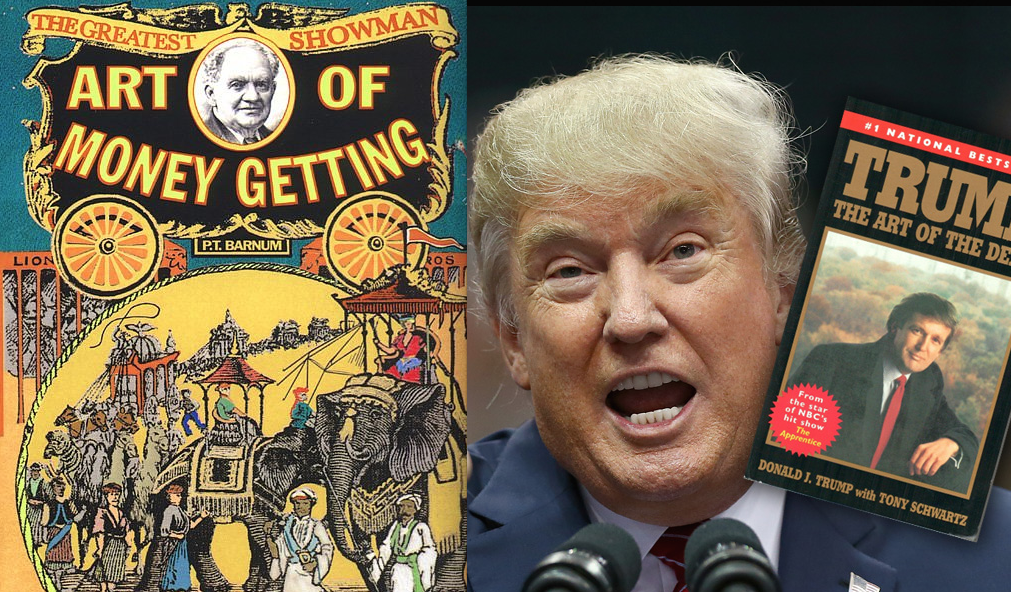
Of course, one has to remember that the whole story is based on the life and work of Phineas Taylor Barnum, a man who is a lot more like Donald Trump than he is Hugh Jackman. I really doubt he could sing and dance the way the movie portrays him. And words like “humbug”, “fraud”, and “exploiter” apply to him in a very real way.
Barnum was actually one of those wheeler dealers who wants to control the story. He actively found ways to alter the public narrative about himself and used criticism to help promote his money-making shows. The idea of bad publicity being just as good if not better than good publicity actually makes its presence felt in at least one scene in the movie. There is ample evidence that more than a little of Barnum’s efforts were aimed at making himself a star.
And although the movie sentimentalizes his exploitation of freaks and special individuals, giving him credit for giving them self esteem and a means to make a good living, that was really only the fictional Barnum created by Barnum’s own media efforts.
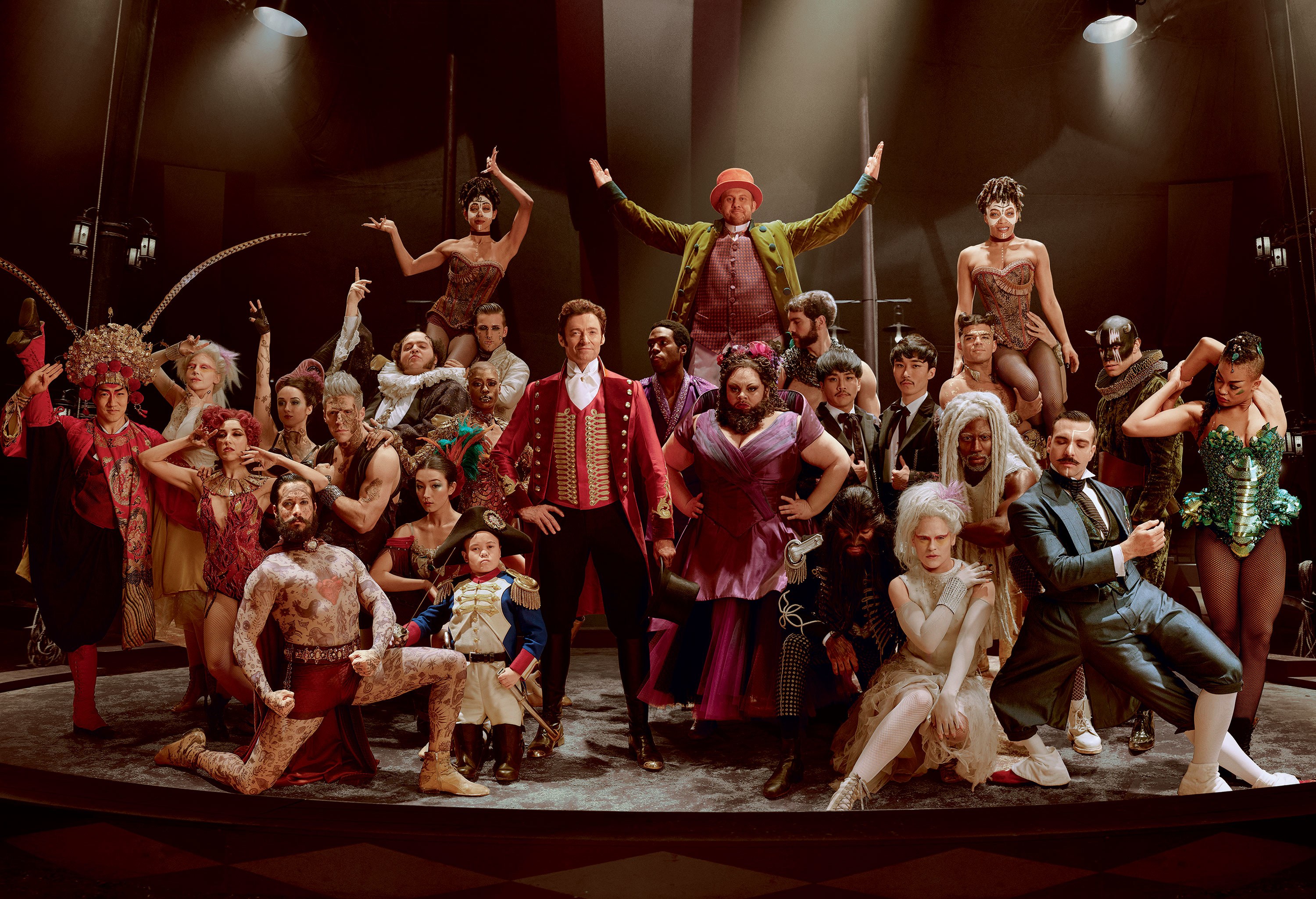
The truth of the matter, though far more fascinating than the movie version of Barnum, does not make for a good musical libretto. In the movie the theme of special people outcast from the society because of their uniqueness coming together to support each other in a circus is strongly woven into both the story and the music. The song “This is Me” performed by Keala Settle playing the part of bearded lady Lettie Lutz is a powerful anthem for everyone who feels smaller than they really are because of prejudice, bullying, racism, sexism, or any of the other forms of moronic stupidity that humans are so often guilty of. I have to admit, the song made me cry even as it filled me with joy. The musical score of this movie is one that I intend to listen to again and again and again. It makes the circus seem like an answer to life’s problems. It is the same feeling that I got the first time, and every time, I ever saw the circus with all its clowns and jugglers, acrobats and lion tamers, bare-back riders and elephants. And I knew it was all illusion. All humbug. But it was pure joy worth the price of the ticket never-the-less.
The movie was only rated 56% fresh on Rotten Tomatoes. But I rarely pay attention to things like that. This musical goes into the category with The Sound of Music, The Music Man, Oklahoma!,and Mary Poppins of musicals I can’t live without. Never mind the greedy little man that it is based on. This movie is about big dreams and even bigger achievements. And it is well worth the price.
Rowan Atkinson is a genius comedian, and the character of Mr. Bean is the greatest work he has done, the best proof of his genius. As someone who works at humor and tries to get it right, I have to analyze and carefully study the work of the master. How does he do it? What does it all mean? And what can I learn from it?
Atkinson not only created the character, he co-wrote the entire television series and controls every aspect of the performance as the central character. Mr. Bean is the bumbling every-man, going through horrific troubles because of the cascade effect of simple little errors. We laugh at him because we have all been there. Tasting the hot sauce leads to a meltdown that causes chaos and disaster for the entire store. Overcoming fear of heights makes him the center of attention for the entire pool-house when can’t overcome the urge to use the diving board, and yet, can’t make himself jump off. We have all lived the nightmare of being trapped naked in the hotel hallway, locked out of our room, just when the hallway becomes crowded.
There is a certain charm to Mr. Bean. He is a childlike character, blissfully unaware of how much he doesn’t know about the complex society around him. He has a teddy bear that sleeps with him and comforts him. He lays out his supplies for the big exam, and he’s thought of practically everything he will possibly need, but basic physics fails him and makes the pencils keep rolling out of place.
Rowan Atkinson is a master of the art form because he has such tremendous control of his rubberized goofy face and manic body. He can drive his goofy little yellow car from a sofa mounted on top. He can change clothes while driving. Just watching him shave with an electric razor is a total hoot.
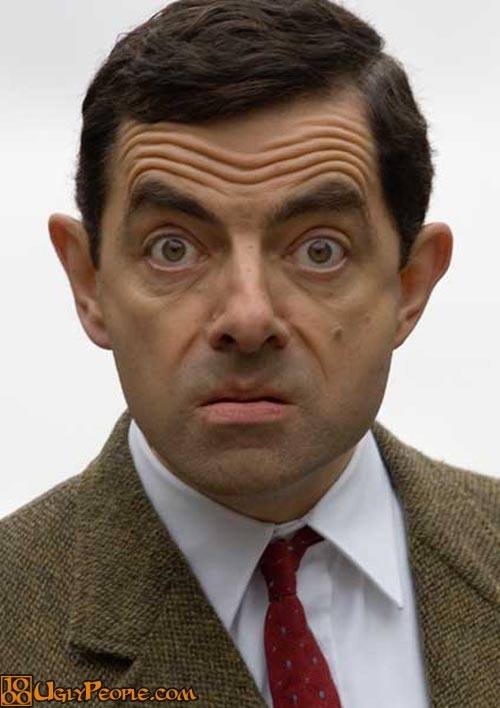
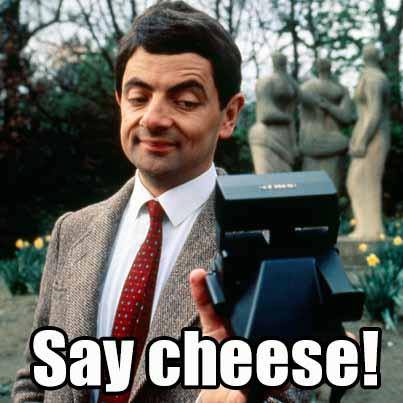
This is a picture of Rowan Atkinson as Mr. Bean. It is NOT a picture of me.
It is mostly physical comedy, almost slapstick, and yet it is not the broad unfeeling poke-in-the-eye you get with the Three Stooges. Most of the real damage is done to himself, though pompous and deserving people are often near enough to get a helping of it smack in the face. A lot of it is practically pantomime, with hardly any real dialogue. Much of it, like the sword fight with the bumblebee using a butter knife, is simply silly.
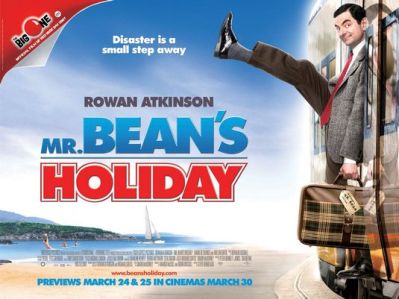
The movie, Mr. Bean’s Holiday, extends the character by making him actually interact with other characters, though in his own inimitable Mr. Bean way. The limited dialogue thing is amplified by the fact that he is traveling in France and does not speak French. Still, he interacts with the boy he accidentally kidnaps, the girl who wants to be a movie star whom he helps in her quest by an accident at the Cannes Film Festival, and the movie director whom he almost kills but ends up saving his career with a hit home movie.
Mr. Bean makes the ridiculous an art form by helping us to laugh at ourselves as we are beset by all the little troubles of life that Bean magically floats through.
So, now I have told you why I love Rowan Atkinson as a comedian. He is a comedic genius. Of course, you knew that already, right?
I slept in this morning. Spent another late night doing nothing but watching monster movies. I recently got myself a DVD collection of Hammer Films monster movies from the sixties. I found it in the $5 bargain bin at Walmart, a place I regularly shop for movies.
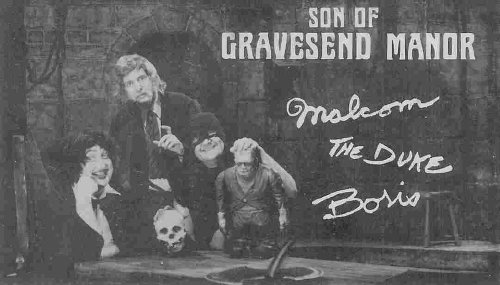
When I was a boy, back in the 60’s, there always used to be a midnight monster movie feature called Gravesend Manor on Channel 5, WOI TV in Ames, Iowa. It started at 11:00 pm and ran til 1:00 am. I, of course, being a weird little monster-obsessed kid, would sneak downstairs in my PJ’s when everyone else was asleep and I would laugh at the antics of the goofy butler, possibly gay vampire duke, and the other guy who was supposedly made in the master’s laboratory. And when the movie started, I was often scared witless by the black-and-white monster B-movie like Scream of Fear!, or Curse of the Mummy’s Tomb, or Eyes of the Gorgon. It was always the reason I could rarely get up in time for church and Sunday school the next morning without complaints and bleary-eyed stumbling through breakfast. I never knew if my parents figured it out or not, but they probably did and were just too tired to care.
It was my source for critical monster-knowledge that would aid me greatly when I grew up to be a fireman/cowboy hero. Because battling monsters was… you know, a hero prerequisite. And I intended to be the greatest one there ever was. Even better than Wyatt Earp or Sherlock Holmes or Jungle Jim.
Boris Karloff, Bela Lugosi, Peter Lorre, Peter Cushing, Vincent Price, and the immortal Christopher Lee were my tutors in the ways of combating the darkness. When I started watching a really creepy monster movie, I always had to stick it out to the end to see the monster defeated and the pretty girl saved. And they didn’t always end in ways that allowed me to sleep soundly after Gravesend Manor had signed off the airways for the night. Some movies were tragedies. Sometimes the hero didn’t win. Sometimes it was really more of a romance than a monster movie, and the monster was the one you were rooting for by the end. I remember how the original Mighty Joe Young made me cry. And sometimes you had to contemplate more than tragedy. You had to face the facts of death… sometimes grisly, painful, and filled with fear. You had to walk in the shoes of that luckless victim who never looked over his shoulder at the right moment, or walked down the wrong dark alley, or opened the wrong door. The future was filled with terrifying possibilities.
Now, at the end of a long life, when I am supposed to be more mature and sensible, I find myself watching midnight monster movies again. What’s wrong with me? Am in my second childhood already? Am I just a goofy old coot with limited decision-making capabilities? Of course I am. And I intend to enjoy every horrifying moment of it.
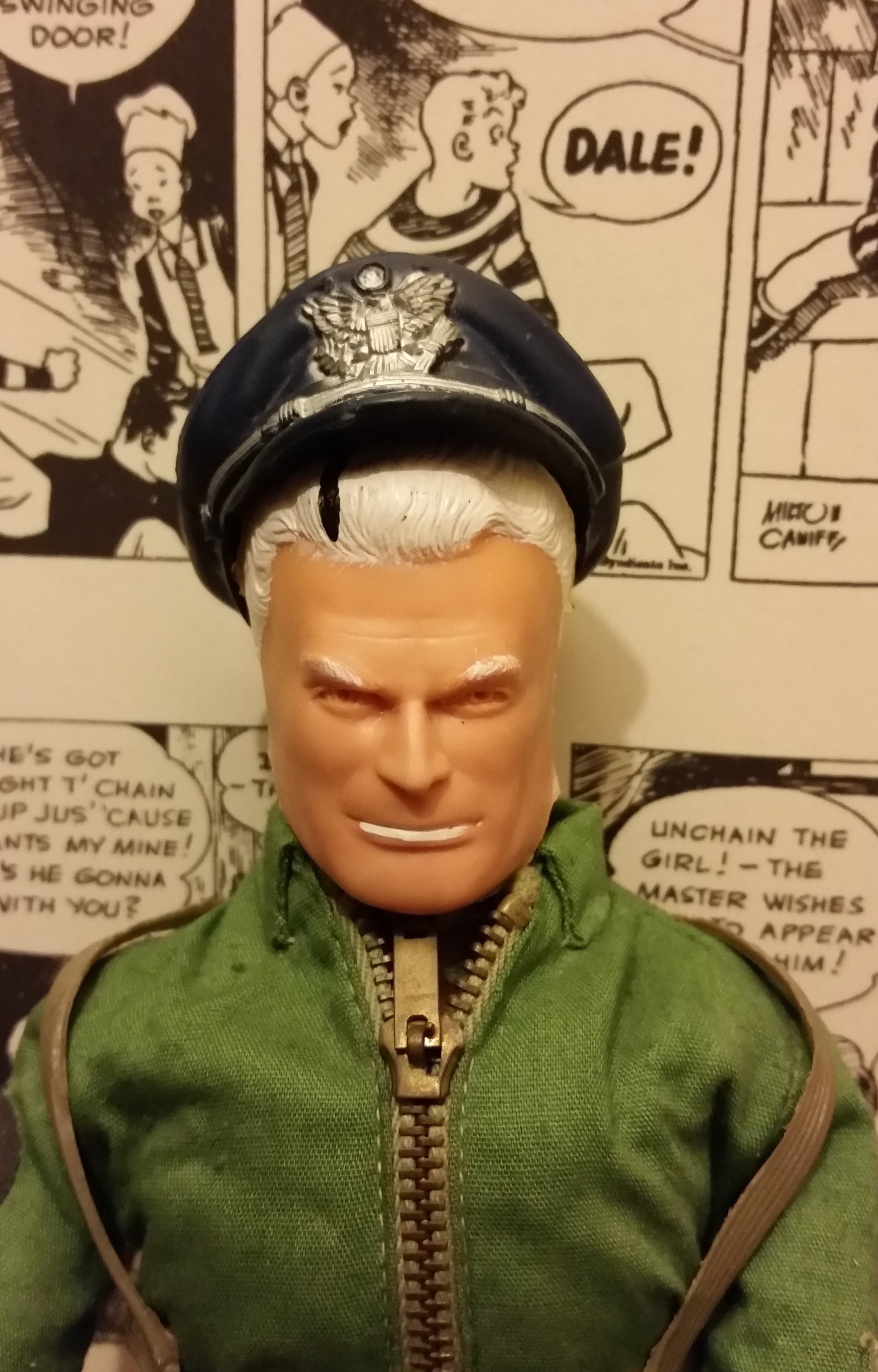
My 1967 Captain Action Steve Canyon action figure.
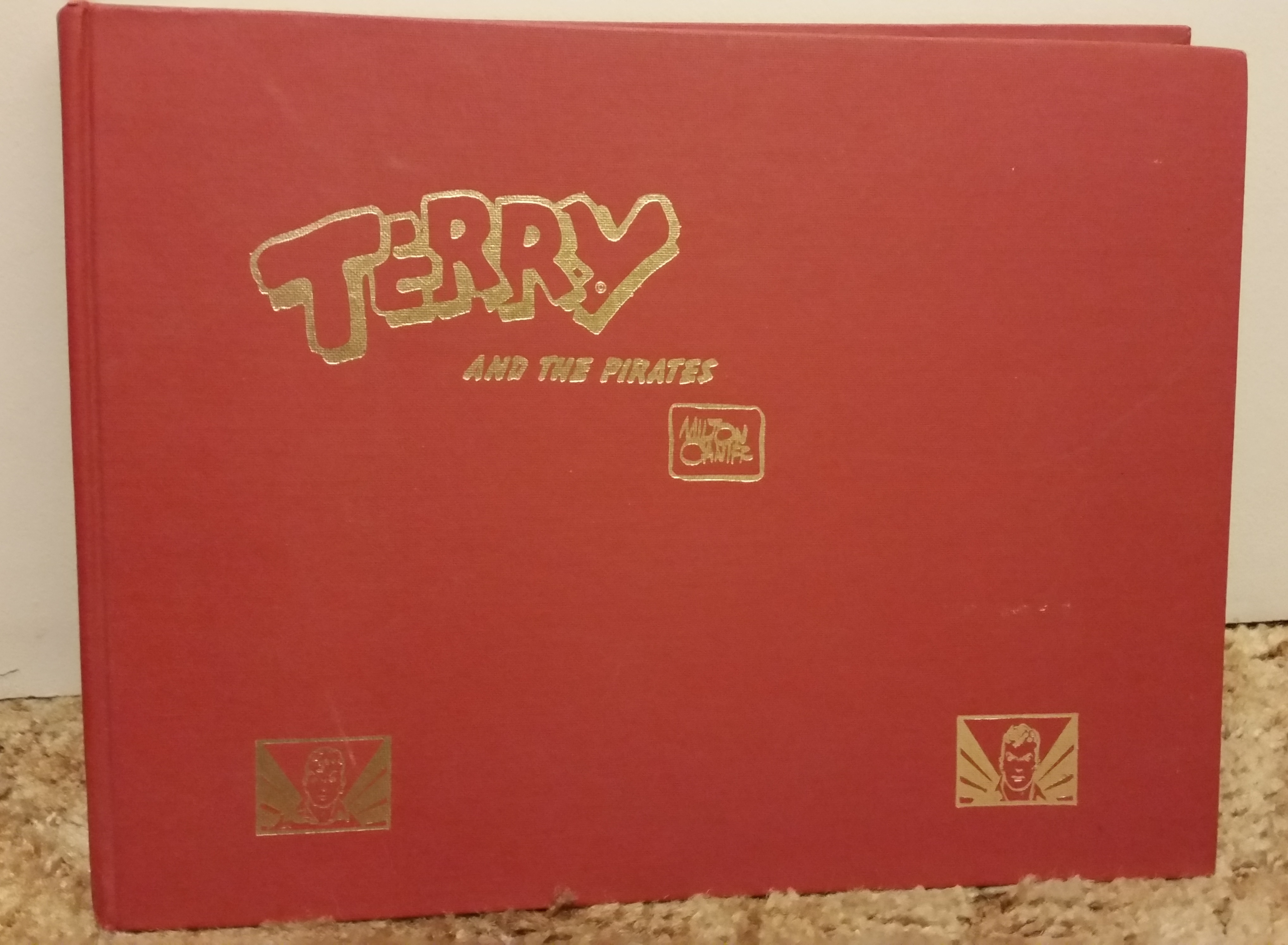
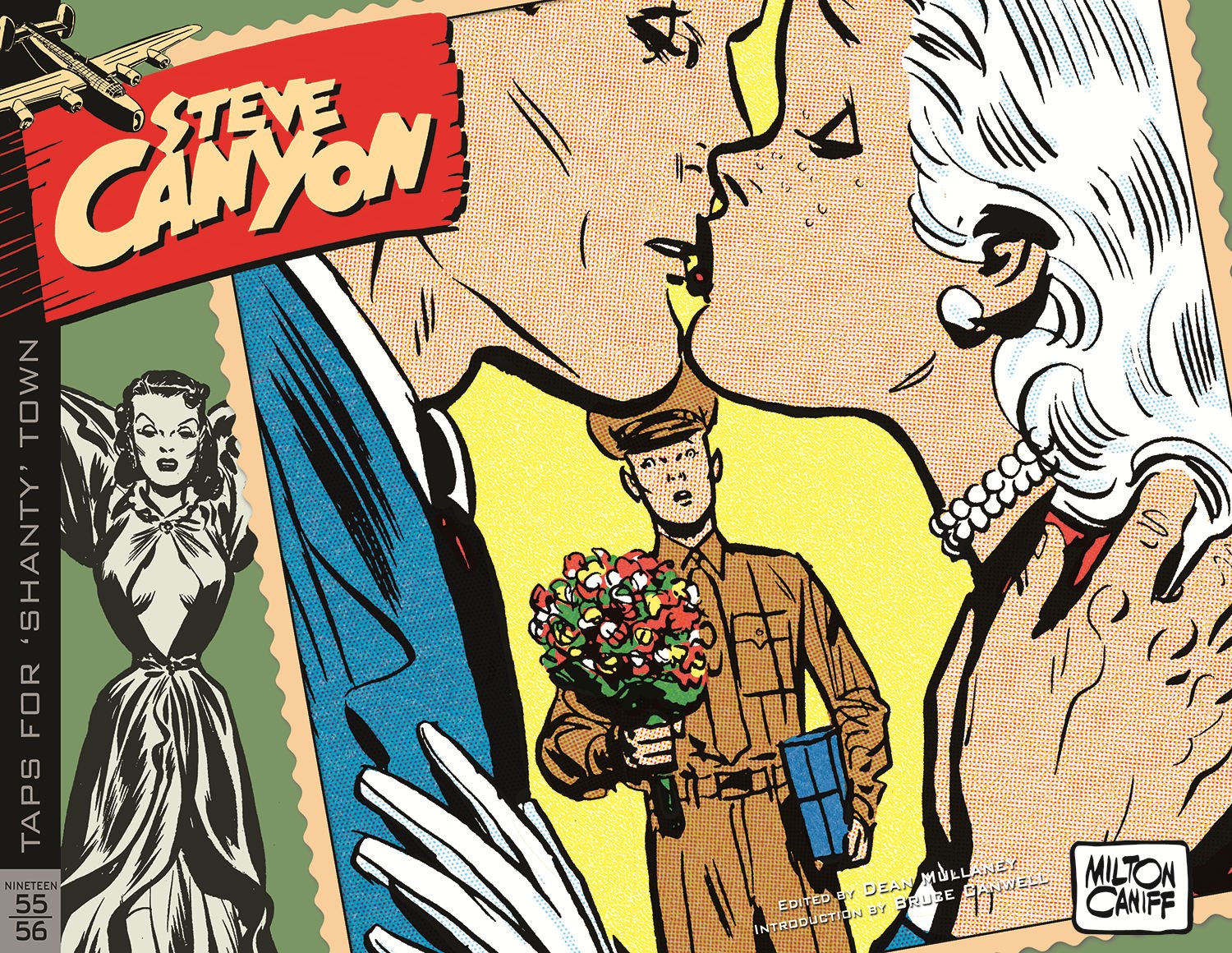
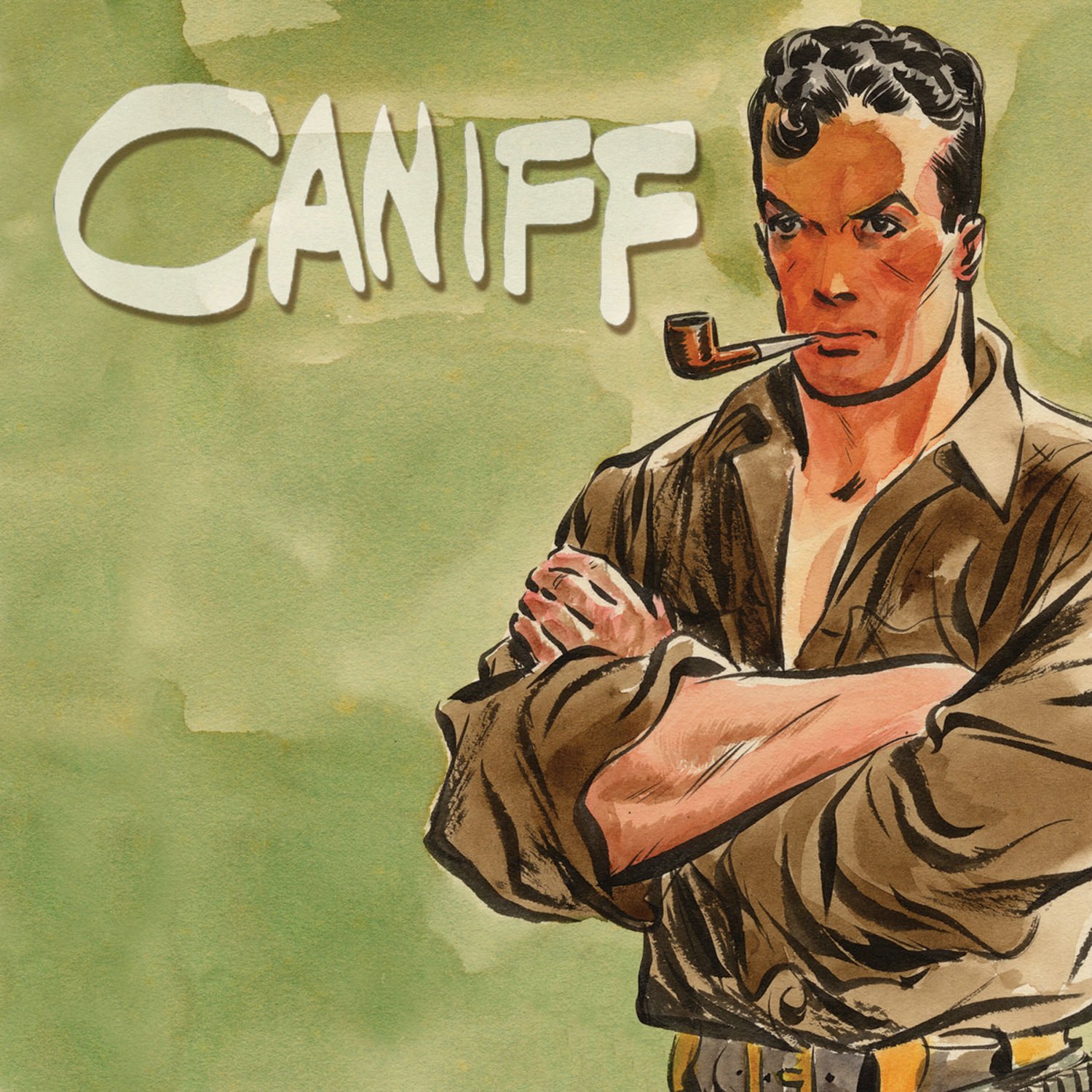
I have always been a deeply devoted fan of the Sunday funnies. And one of the reasons I read the comics religiously was the work of Milt Caniff. His comic strips, Terry and the Pirates, Male Call, and Steve Canyon set a standard for the age of action comics and adventure strips.
I read his comics in the 1960’s and 1970’s and always it was Steve Canyon. But this, of course, was not his first strip. I would discover in my college years the wonders of Terry and the Pirates. When Caniff started the strip before World War II, he set it in China, but actually knew nothing about China. So he did research. He learned about people who became oriental hereditary pirate families and organizations. He learned to draw authentic Chinese settings. His comedy relief characters, Connie and the Big Stoop, were rather racist parodies of Chinamen and were among the reasons that the original strip had to mature into his later work in Steve Canyon. But perhaps the most enduring character from the strip was the mysterious pirate leader known as the Dragon Lady.
Steve Canyon is a fascinating study in the comic arts. When he left the Terry and the Pirates strip in 1946, it went on without him. It was owned by the Chicago Tribune-New York Daily News distribution syndicate, not Caniff himself. Steve Canyon would change that. He created it and owned it himself, making Caniff one of only two or three comics artists who actually owned their own creations. Canyon started out as a civilian pilot, but enlisted in the Air Force for the Korean War and would remain in the Air Force for the remainder of the strip. Some of the characters in the strip were based on real people. His long-time friend Charlie Russhon, a former photographer and Lieutenant in the Air Force who went on to be a technical adviser for James Bond films was the model for the character Charlie Vanilla, the man with the ice cream cone. Madame Lynx was based on the femme fatale spy character played by Illona Massey in the 1949 Marx Brothers’ movie Love Happy. Caniff designed Pipper the Piper after John Kennedy and Miss Mizzou after Marilyn Monroe.
I am not the only cartoonist who was taken with the work of Milt Caniff. The effects of his ground-breaking work can be seen to influence the works of comic artists like Jack Kirby, Bob Kane, John Romita Sr., and Doug Wildey. If you are anything like the comic book nut I am, than you are impressed by that list, even more so if I listed everyone he influenced. Milt Caniff was a cartoonists’ cartoonist. He was one of the founders of the National Cartoonists’ Society and served two terms as its president in 1948 and 1949. He is also a member of the Will Eisner Comic Book Hall of Fame.
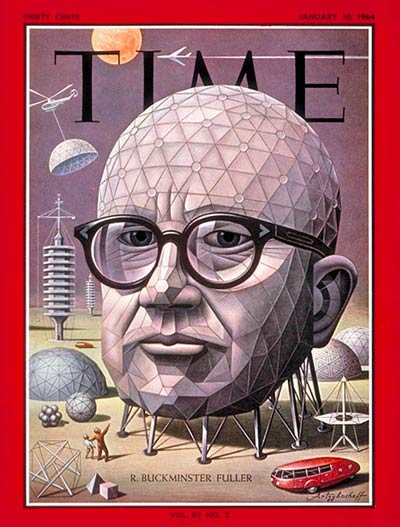
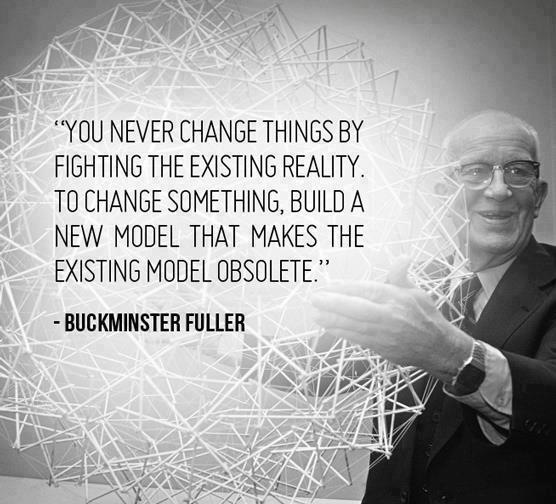
Buckminster Fuller is an intellectual hero of mine. As he said in the video, if you bothered to watch it, “I was told I had to get a job and make money, but would you rather be making money, or making sense?” Bucky was always a little bit to the left of center, and basically in the farthest corner of the outfield. That’s why we depend so much on him in times like these when the ball is being hit to the warning track. (I know the world doesn’t really work on baseball metaphors any more, but my life has always been about metaphors from 1964 with the St. Louis Cardinals playing and beating the New York Yankees. Mantle was on their side, but Maris was playing for us.) You have to live in the world that fits into your own mental map of reality. And if you’ve been whacked on the side of the head one too many times… it changes the way you think. You begin to think differently.
If you don’t know who Bucky is, as you probably don’t because he revolutionized the world in the 60’s and died in the 1980’s, Richard Buckminster “Bucky” Fuller was an American architect, systems theorist, author, designer, and inventor. He is credited with the invention of the Geodesic Dome. But he was so much more than that. He wanted to build things that made better sense, in a practical sort of way, than the way we actually do them. He built geodesic homes because he felt a home should maximize space and use of materials and minimize costs and amounts of materials as well as environmental impacts. He is the one who popularized the notion of “Spaceship Earth”. He wrote and published more than thirty books, and gave us a variety of truly wise insights. He promoted the concept of synergy. He said, “Don’t fight forces, use them.” He also pointed out, “Ninety per cent of who you are is invisible and untouchable.” He was a man full of quotes useful for internet memes.
So, lets consider an example from the mixed up mind of Mickey;
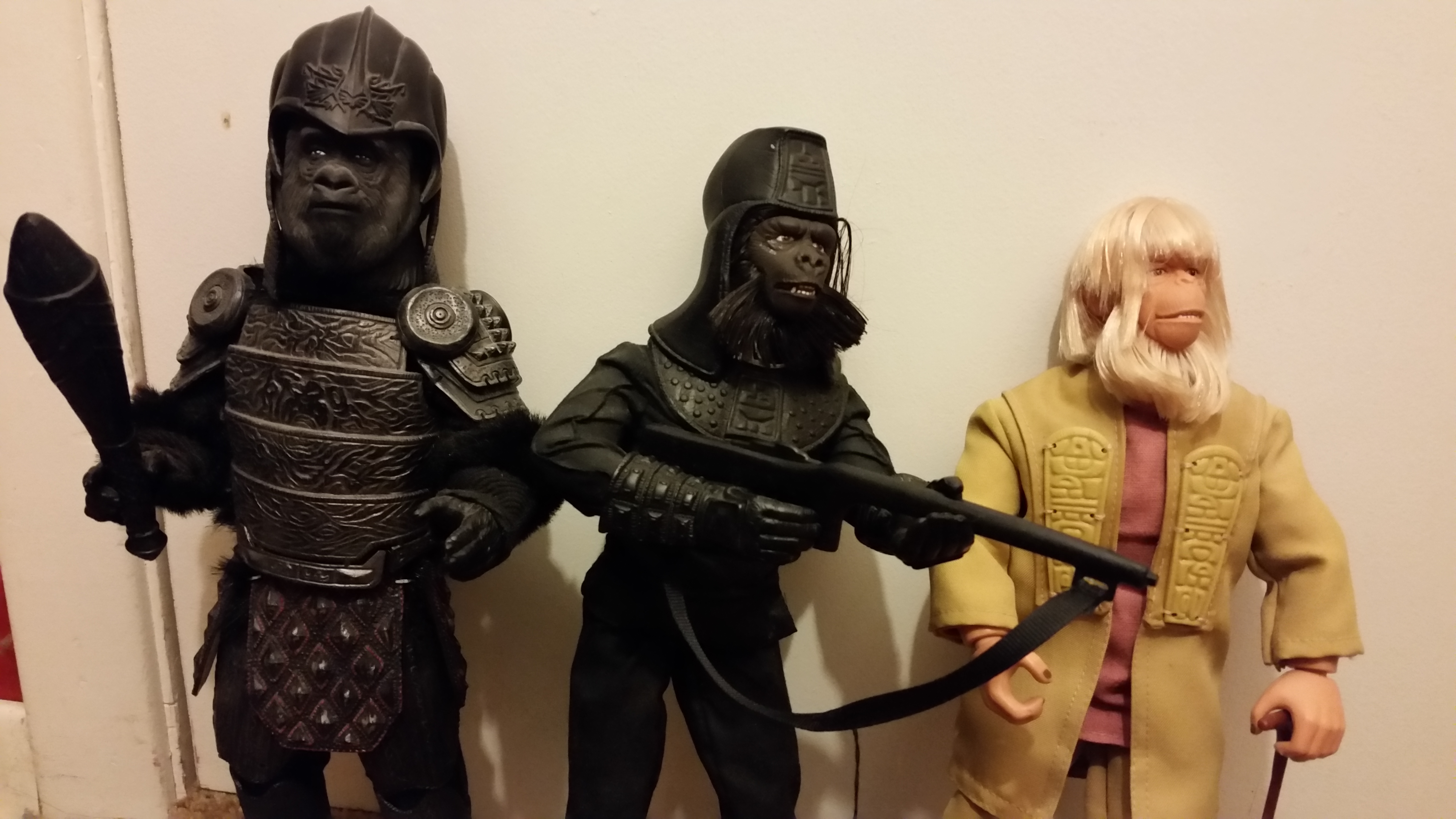
Here are three dolls from the Planet of the Apes part of my doll collection. (Two different movies are represented here, the 1968 original, and the Tim Burton 2001 remake.)
The world we now live in is increasingly like the movie, The Planet of the Apes. In that film the world the astronauts set down upon is ruled by talking apes. The human beings in that film are relegated to the fields and forests where they are no more than speechless animals. Much like the Republican Party and the wealthy ruling elite of this day and age, the apes control everything and, led by Dr. Zaius (seen on the far right) reject science and evidence as a way to explain things. They rely on the rules set down by the Lawgiver in much the same way that modern day Republicans swear by the U.S. Constitution to determine the truth of all things.
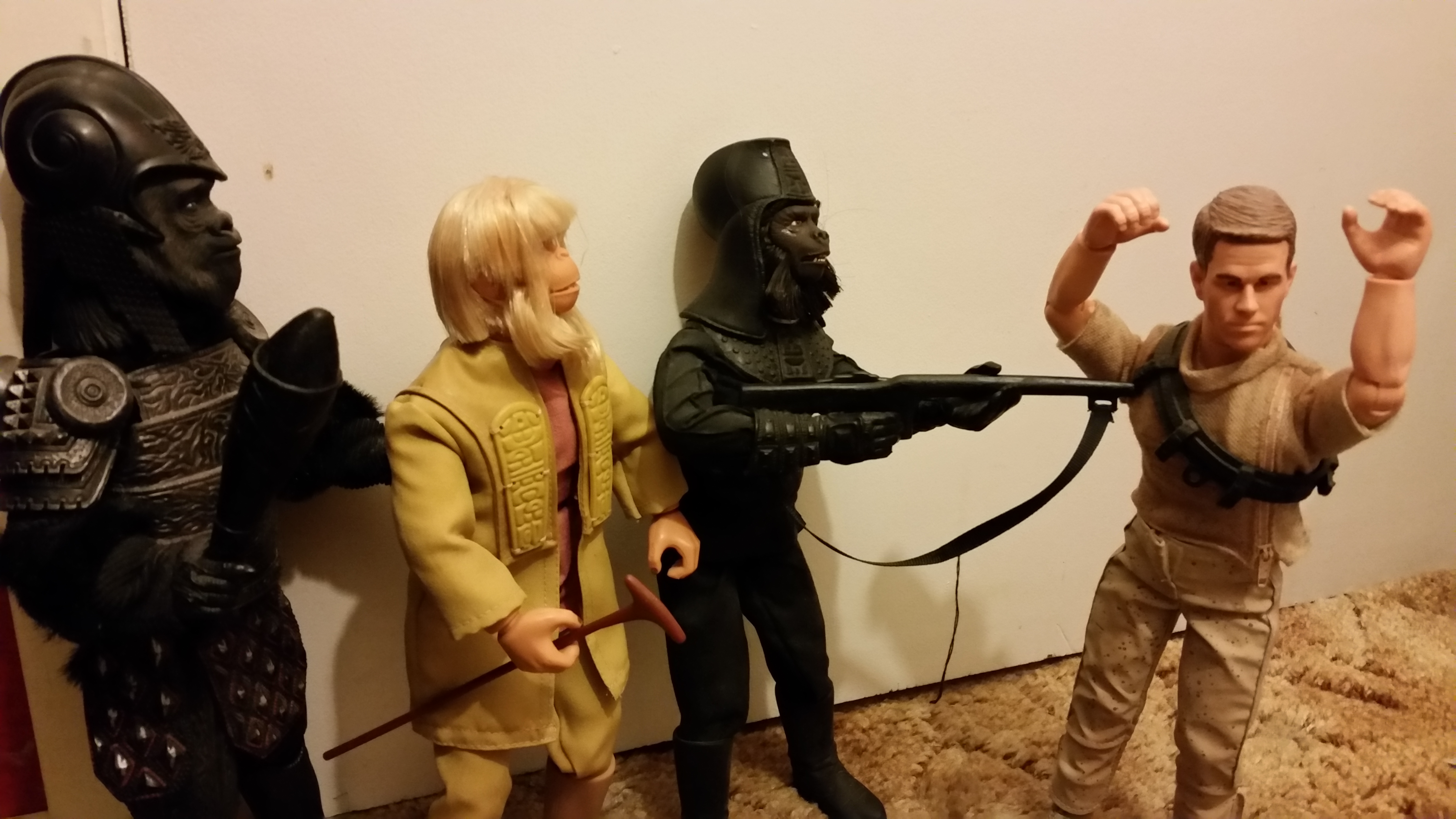
Here we see the apes capturing and enslaving Marky Mark… er… Mark Wahlberg rather than Chuck Heston from the original movie.
In the original set of movies, Charleton Heston, playing the astronaut Taylor, discovers that through hatred and warring, the human beings of Earth have bombed themselves back into the stone age and enabled the evolved apes to take over. How does Mr. Heston deal with that problem? He discovers an old doomsday device and blows up the world. Chuck Heston has always approved Second Amendment solutions to modern problems, so it is no wonder that he lays waste to everything, the good and the bad. I think we can see that old orangutan-man, Donald Trump doing exactly the same things now as he runs for President, or Great Ape, or whatever…
In both the previous series, and the current remake, salvation from the rule of the monkey people comes in the form of a leader among the apes. Caesar, whether he be played by Roddy MacDowell or by Andy Serkis, is able to solve the problems of apes and men by reaching out to those of the other species, assigning them value, and ultimately doing what helps everyone to survive and live together. Diversity is power and provides a workable solution through cooperation. The forces of hatred and fear are the things that must be overcome and threaten the existence of everyone. Donald Trump needs to learn from the lesson of The Planet of the Apes, and be less like General Ursus. We need Bernie Sanders to embrace the role of Caesar and show us how we can get along with our Muslim brothers… after all, they are more like us than the apes are, and Caesar builds bridges between apes and men.
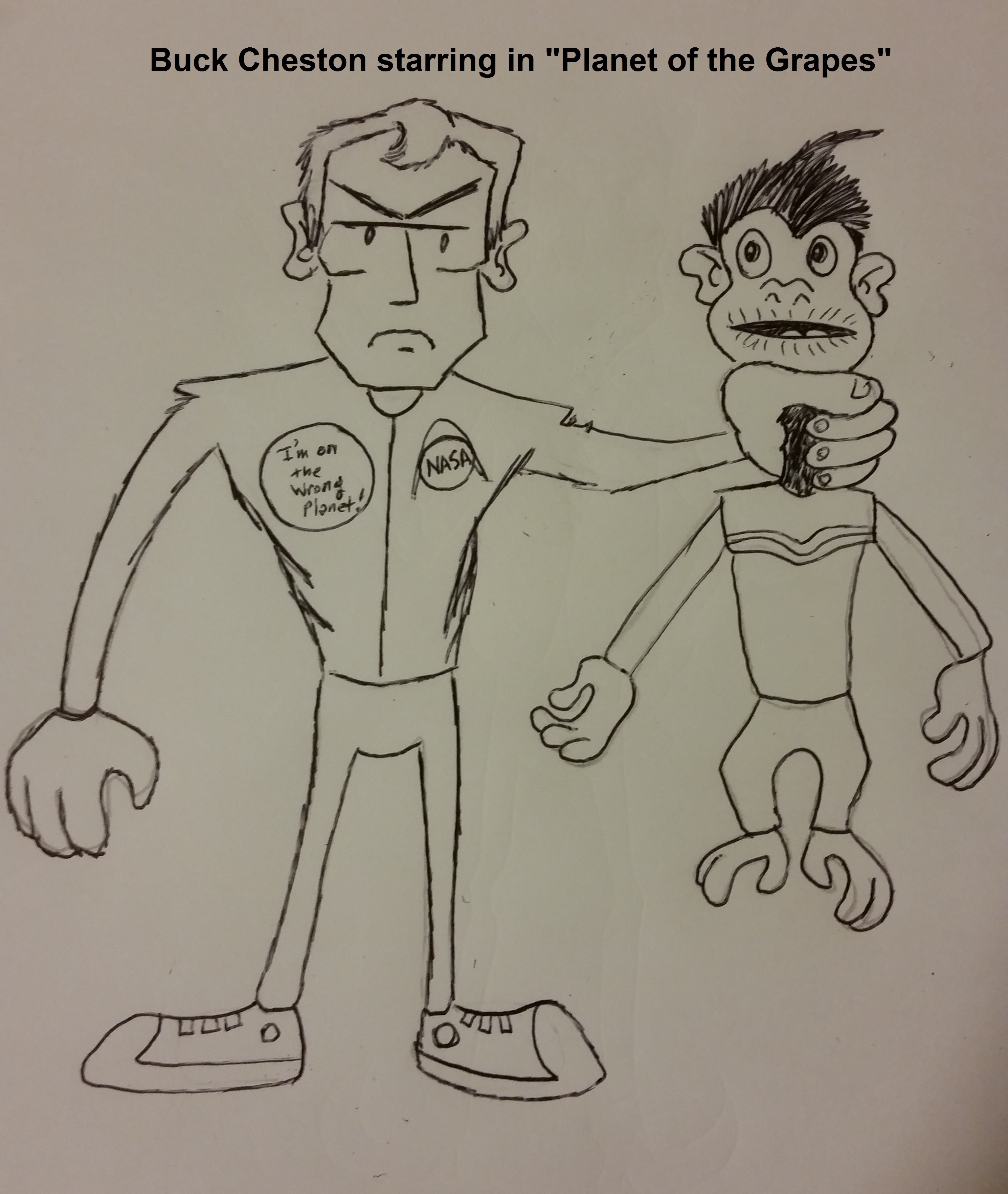
So, there you have it, my attempt to build a new model based on an old movie… or on the remake… whichever you prefer. And if that doesn’t work, well, there’s always…
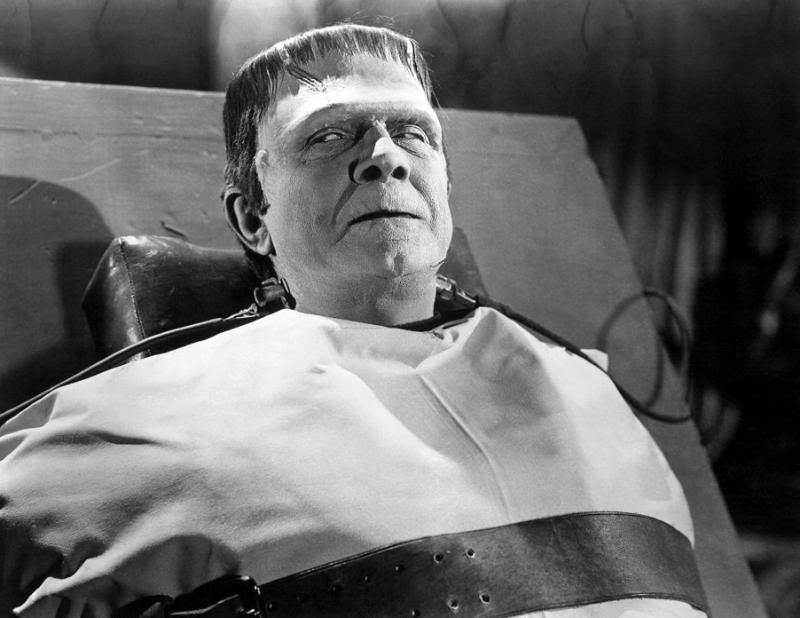
I am fascinated by the darker alleyways in the city of human thought. I love monster movies, those love-story tragedies where the monster is us with one or more of our basic flaws pumped up to the absolute maximum. We are all capable of becoming a monster. There are consequences to every hurtful thing we have ever thought or ever said to other people, especially the people we love.
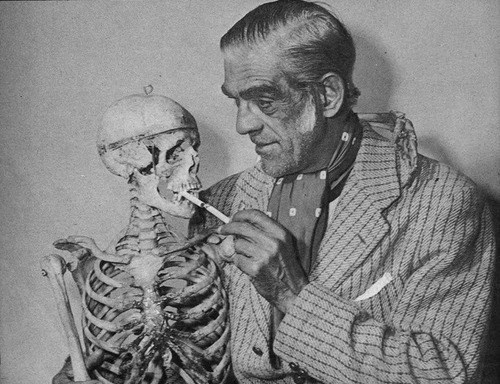
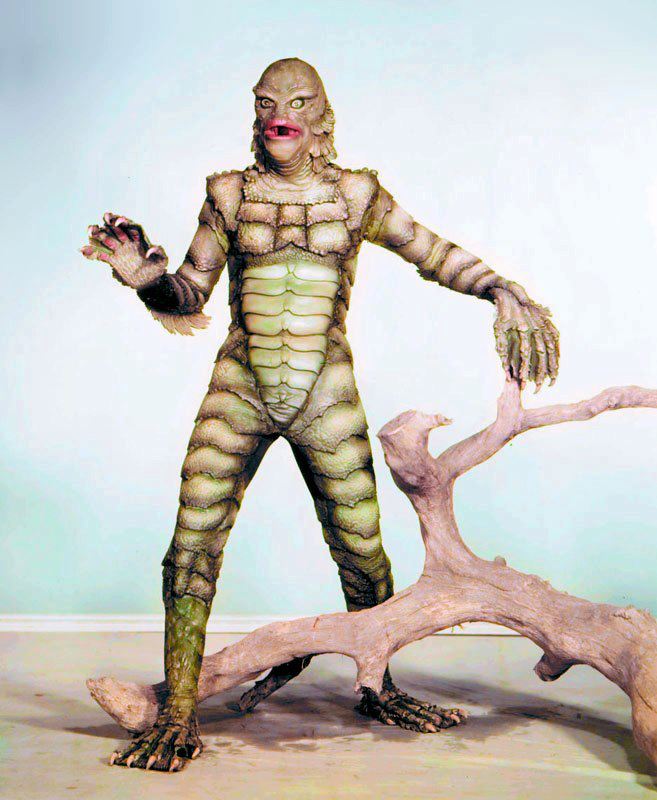
The monster movies I love most are the old black and whites from Universal Studios. But I can also seriously enjoy the monsters of Hammer Films, and even the more recent remakes of Frankenstein, The Mummy, and their silly sequels. I am fascinated by the Creature from the Black Lagoon because it is the story of a total outsider who is so different he can’t really communicate with the others he meets. All he can do is grab the one that attracts him and strike out at those who cause him pain. It occurs to me that I am him when having an argument with my wife. Sometimes I am too intelligent and culturally different to talk to her and be understood. She gets mad at me and lashes out at me because when I am trying to make peace she thinks I am somehow making fun of her. How do you convince someone of anything if they always think your heartfelt apology is actually sarcasm? How do you share what’s in your heart if they are always looking for double meaning in everything you say?
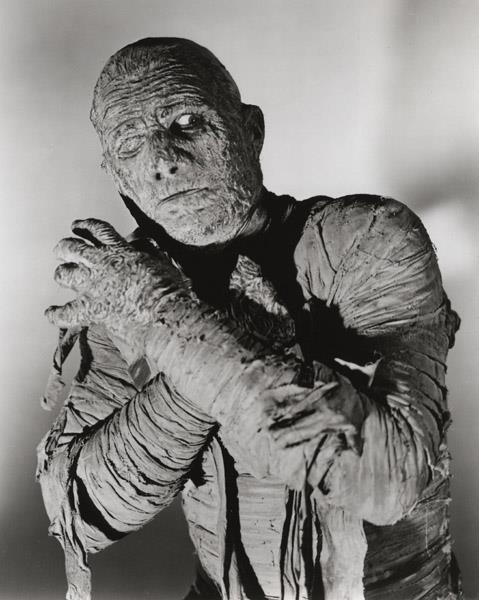
But other people can change into monsters too. I am not the only one. People who are bitter about how their life seems to have turned out can strike out at others like the Mummy. Wrapped in restrictive wrappings of what they think should have been, and denied the eternal rest of satisfaction over the way the past treated them, they attack with intent to injure, even just with hurtful words, because their past sins have animated them with a need to change the past, though the time is long past when they should’ve let their bitterness simply die away.
And we might all of us fall into the trap of Victor Frankenstein’s monster, who never asked to be made. He finds life to be an unmanageable nightmare with others constantly assaulting him with the pitchforks and torches of their fear and rejection.
But the thing about monster movies… at least the good ones, is that you can watch it to the end and see the monster defeated. We realize in the end that the monster never really wins. He can defeat the monstrous qualities within himself and stop himself. Or the antidote to what ails him is discovered (as Luke did with Darth Vader). Or we can see him put to his justifiable end and remember that if we should see those qualities within ourselves, we should do something about it so that we do not suffer the same fate. Or, better yet, we can learn to laugh at the monstrosity that is every-day life. Humor is a panacea for most of life’s ills.
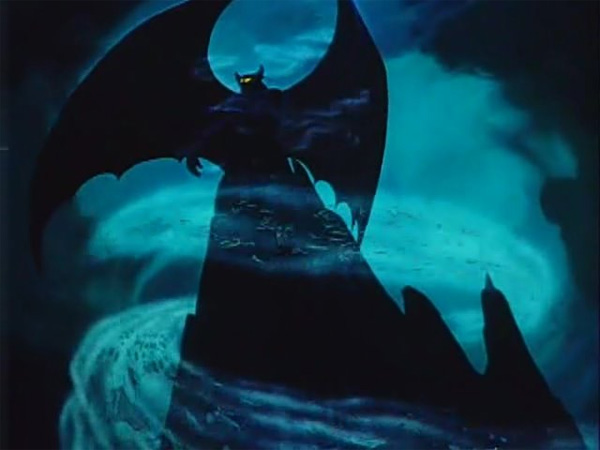
Mussorgsky’s Night on Bald Mountain from Disney’s Fantasia
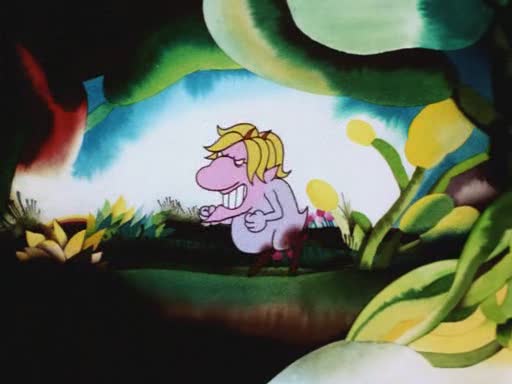
The old faun
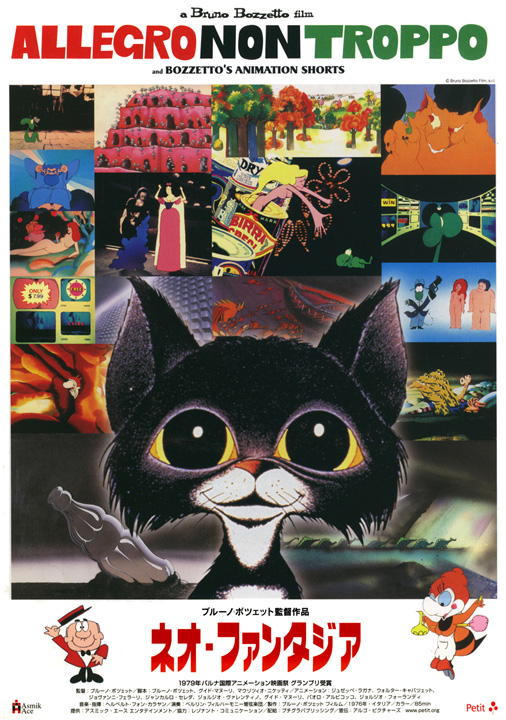
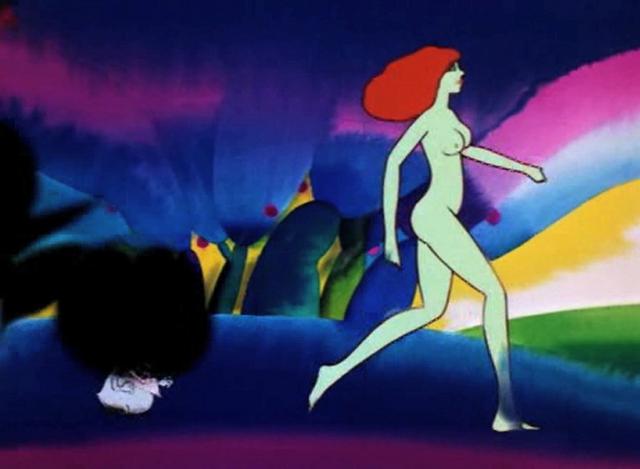
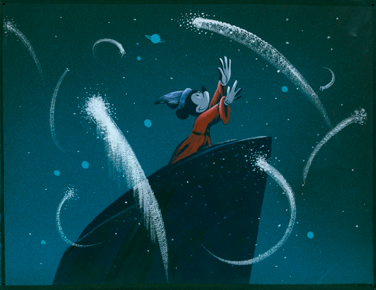
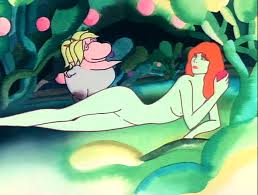
In musical terms, Allegro Non Troppo means fast tempo, but not too fast. So, I recently discovered that Allegro Non Troppo is one of many rare and obscure old movies which I am passionate about that can be found in its entirety on YouTube. I will include the YouTube link to a portion of it at the end of this post, and I sincerely recommend that if you have never seen this movie, you watch the whole thing at least once. No matter how many cringes or winces or blushes it causes, this is a movie of many bizarre parts that you really need to take in as a whole. It ranges from the ridiculous to the sublime, the atrociously ugly to the lyrically beautiful, from the brilliant classical score being played by a mistreated band of old ladies with orchestral instruments to a gorilla running amok, from Debussy to Ravel, from an artist released from his cage to single-handedly draw the animation, to a satire rich with baudy humor making fun of no less a work of animation than Prisney’s.. I mean Disney’s Fantasia. The dark elements are there. The light-hearted, lilting comedy is there. The fairy tale delicacy and technicolor dreaming is all there.
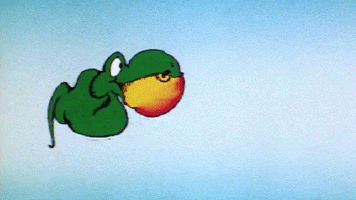
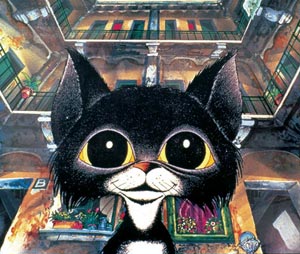
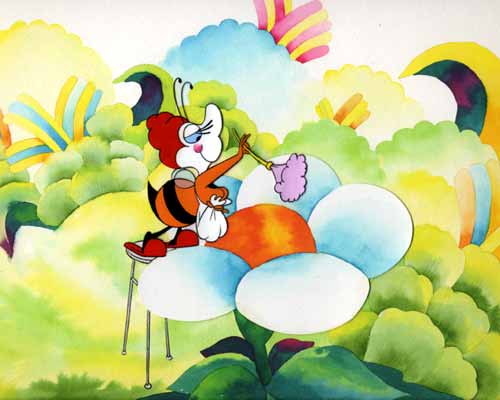
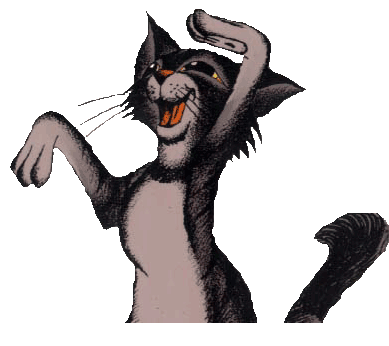
And why should this be important to me? Especially now that I am retired from a long and fruitful teaching career? Well, I have history with this movie. I saw it first in college. I was an English major, but I took every film as literature class I could fit into my silly schedule. As an undergrad, I was determined to be a cartoonist for a career. I took classes seriously and aced most of them, but I was at college to intellectually play around. I didn’t take the prescribed courses to be an English teacher. That had to wait for the more responsible me to come along in grad school for that. I saw both Fantasia and Allegro Non Troppo during one of the play-time years. Much as the old satyr in Claude Debussy’s Prélude à l’après-midi d’un faune, I was enamored with sensory experience. I took my first girlfriend to see Disney’s Fantasia, and she later turned down the opportunity to see Allegro Non Troppo with me. Good sense on her part, but the beginning of the end of our relationship. Just as Fantasia has the part in it where Stravinsky’s Rite of Spring describes evolution from the beginning of the Earth to the end of the dinosaurs, Allegro Non Troppo uses Ravel’s Bolero to describe the evolution of life on a weird planet from germs in a discarded Coke bottle to the inevitable coming of the malevolent monkey who is ultimately us. And, of course, the satire would not be complete without some off-set for Dukas’ The Sorcerer’s Apprentice. As near as I can figure it out, the apprentice, played by Mickey Mouse, becomes the snake from the Garden of Eden in Allegro Non Troppo. When the snake is unable to get Adam and Eve to eat the apple, he makes the mistake of eating the apple himself. He learns the hard way that, no matter how clever, even diabolically clever, you think you are, you are not really in control of anything in life. Every would-be wizard in the world has to understand that he is powerless without hard experience. And what a boring world full of naked people this would be if there were never any apprentices in it foolish enough to actually become wizards. Of course, I haven’t really talked about the most heart-twisting part of Allegro Non Troppo… the sad cat wandering the ruins of his former home, or the most laugh-aloud part with the super-tidy little lady-bee trying to eat a blossom, but being interrupted by a couple of picnickers.
But the thing is, this movie is a timely subject for me. Not only did I, just yesterday, rediscover it, but it still has the same meaning for me now as it did when I first saw it. Then I was an aspiring young artist who loved this movie because it approached ideas non-consecutively, just as I approached my learning years… rambling here and there, finding first a bitter-sweet something, and then a sad beauty behind everything in life. And it is where I am again now, in a poor-health enforced retirement… divorced from teacher’s schedules and time itself. Able to do as I please, and aspiring once again to commit great acts of art.
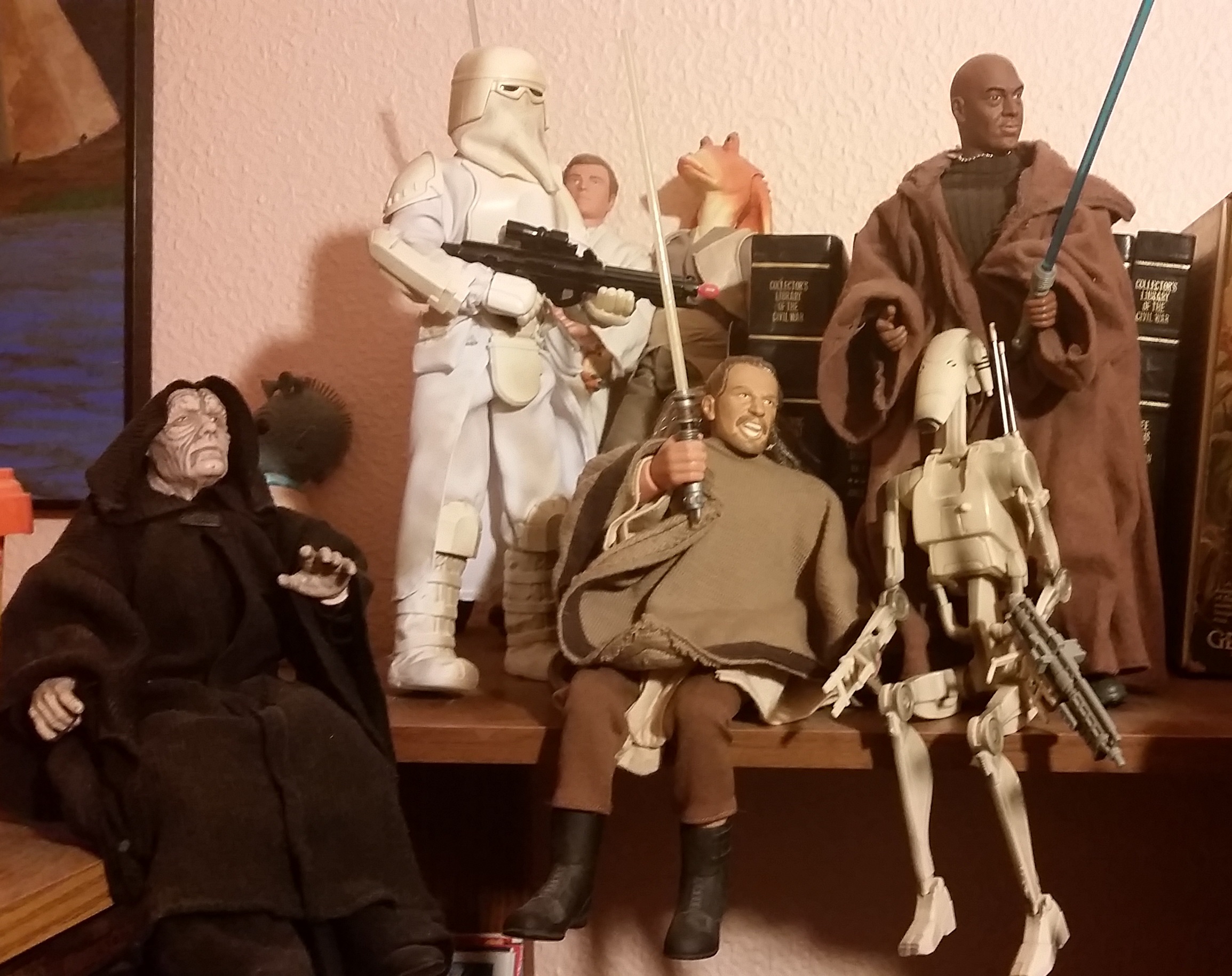
On a previous Saturday I admitted to the crime of using 12-inch action figures to play the Star Wars role-playing game. The Dungeons and Dragons RPG world was horrified. You are supposed to use scale-appropriate metal miniatures. How can you simulate combat without small figures on a grid? I have to confess. It was via x’s and dots on graph paper. But we didn’t use the action figures to represent ranges and lines of site in combat. And one of my players was my niece, an actual girl. So, I guess, to be honest, we were actually playing with dolls.
But it helps to have a lot of dolls.
Emperor Palpatine, Snow Trooper, Obi-Wan, Jar Jar, Quigon, Droid Soldier, and home-made Mace Windu
We started play after the first two movies in the Prequel Trilogy.
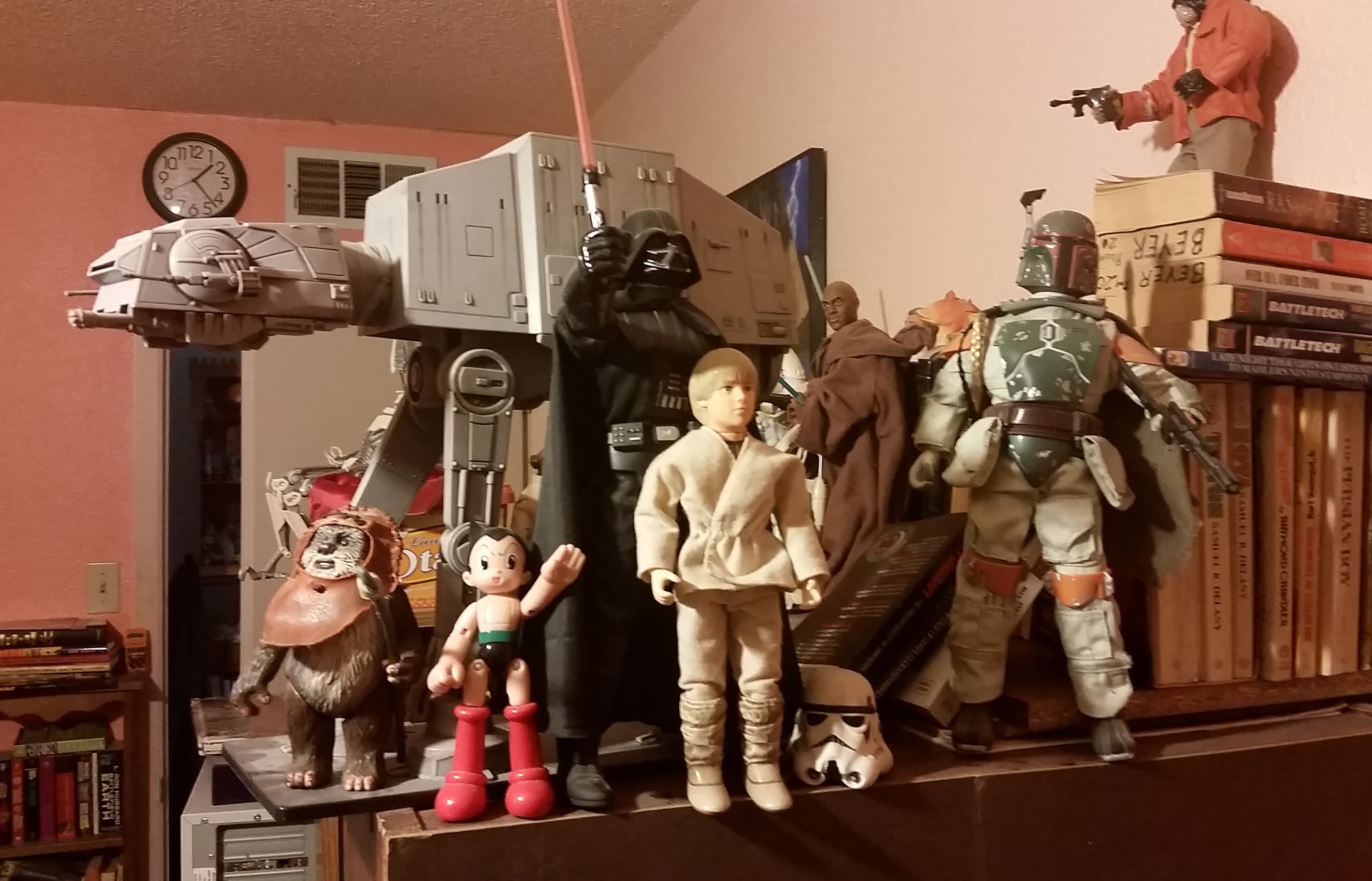
Wicket, Imperial Walker, Astroboy (What’s he doing there?) Darth Vader, Little Anakin, and Boba Fett.
We got creative with stories.
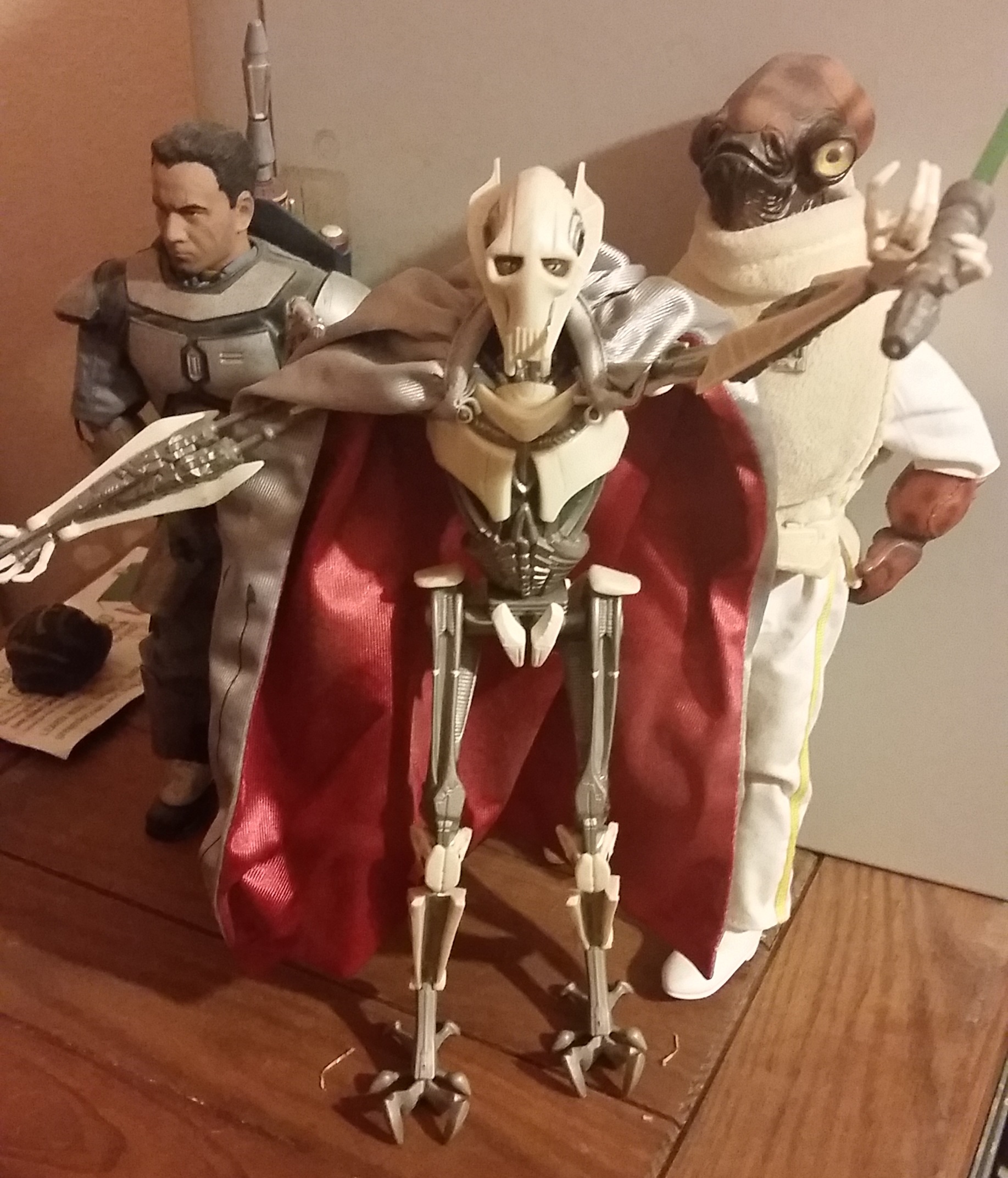
Jango Fett, General Grievous, and Admiral Akbar
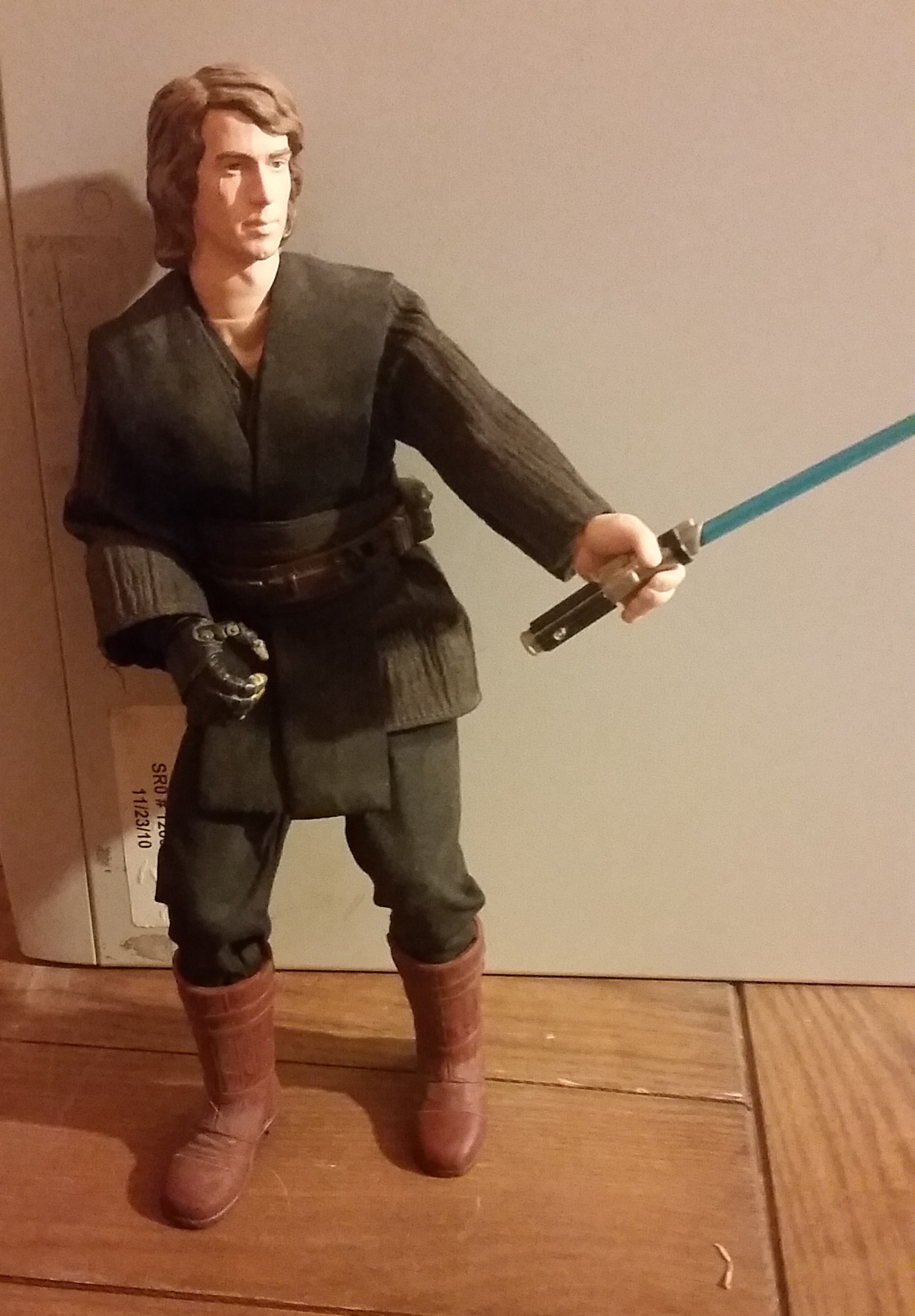
Anakin Skywalker
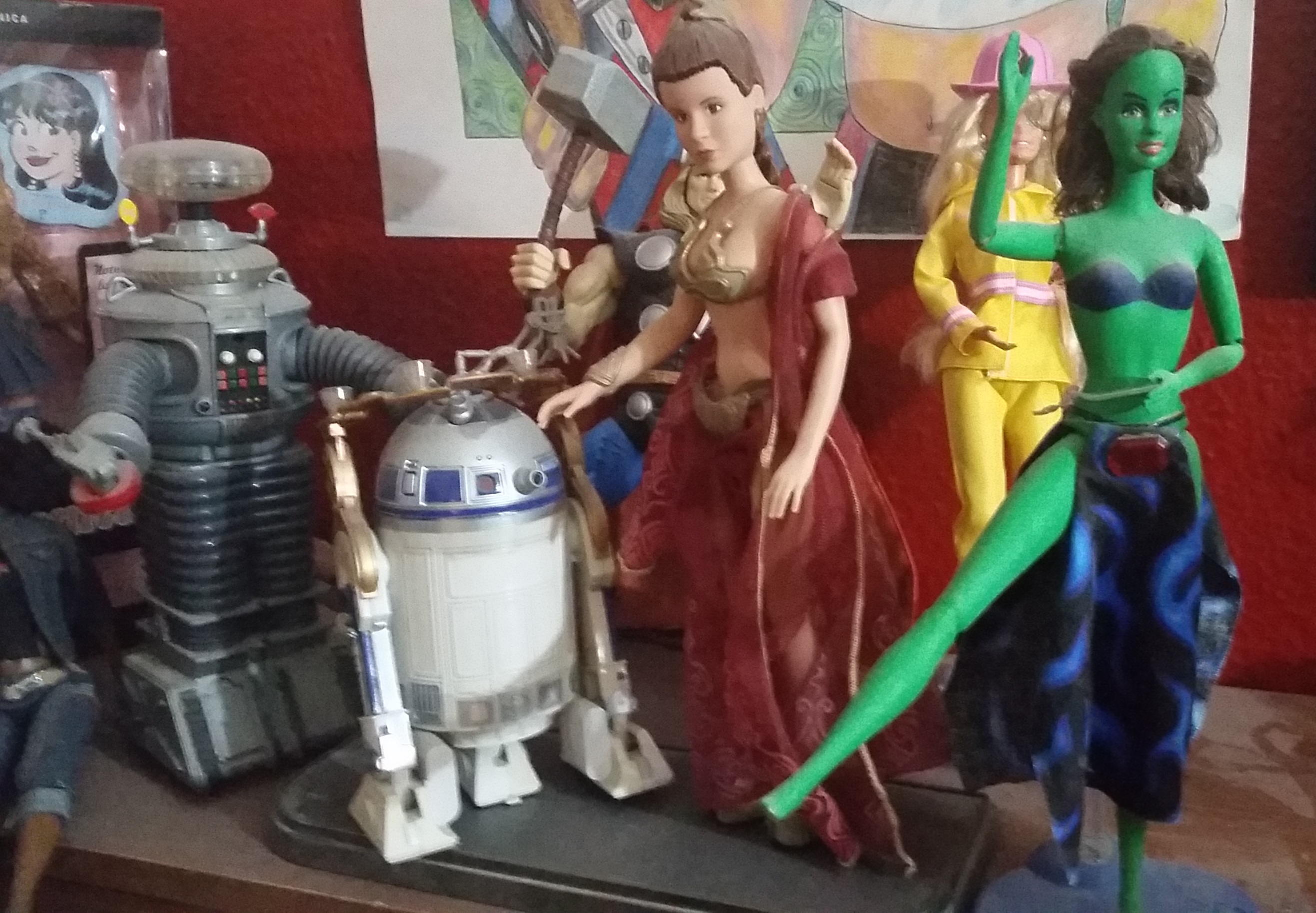
Robot from Lost in Space, R2D2, Slave Girl Leia, and a Green Orion Slave Girl Dancer from Star Trek
So there is evidence available to my offspring to help them have me committed to an institution. The truth is, these are not even all of my Star Wars Dolls. So this morning’s confession session is now at an end, though all of the horrible truth is not yet revealed.




![Clofillia, Josphine [Madame Clofullia, P.T. Barnum's "Bearded Lady of Geneva"]. Daguerreotype by Thomas M. Easterly, 1853. Photographs and Prints Collections. Missouri History Museum. Easterly 321. NS 17387. Scan © 2008, Missouri History Museum.](https://i0.wp.com/catchafallingstarbook.net/wp-content/uploads/2018/04/beardedlady.jpg?w=273&h=154&ssl=1 "beardedlady")

















 But the thing about monster movies… at least the good ones, is that you can watch it to the end and see the monster defeated. We realize in the end that the monster never really wins. He can defeat the monstrous qualities within himself and stop himself. Or the antidote to what ails him is discovered (as Luke did with Darth Vader). Or we can see him put to his justifiable end and remember that if we should see those qualities within ourselves, we should do something about it so that we do not suffer the same fate. Or, better yet, we can learn to laugh at the monstrosity that is every-day life. Humor is a panacea for most of life’s ills.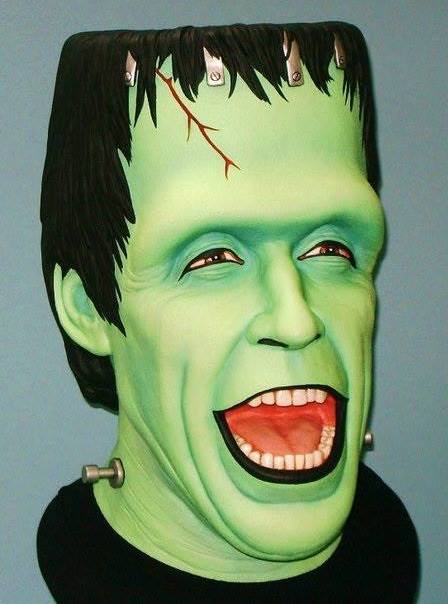
 J
J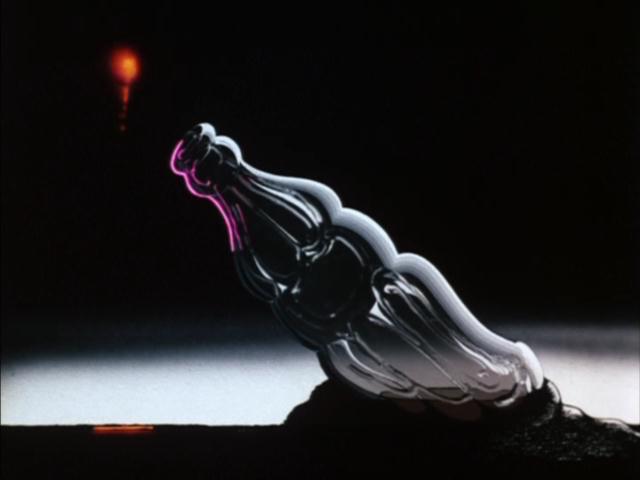
 Catch a Falling Star
Forgetfulness
I may be suffering from the onset of… what’s that disease called? The one that makes you shake and be mentally confused about… what was I talking about? Oh, yes, I still can’t remember.
It disturbs me that I have difficulty recalling names that I used to rattle off the top of my head quite accurately when I was teaching and was a total master of all the useless trivia information in the universe.
Recently my daughter and number-one son were arguing with me about actors who played Superman. I successfully remembered TV Superman George Reeves who I watched as a pre-teen kid, and Christopher Reeve who I watched on the big screen as a college sophomore, and I even put the “s” at the end of the right one’s name. But I couldn’t remember the name of that new guy… No, not Brandon Routh from Superman Returns (apparently for only one movie), but that other new guy… from Man of Steel, and he was in the movie remake of The Man from U.N.C.L.E.
Number-One Son finally figured out who I meant by looking it up on his smartphone. Henry Cavill! Why couldn’t I remember that guy’s name? I recently watched him in the Witcher on Netflix. Henry gol-danged Cavill!!?
But then I ponder why there are some names and details I can’t seem to forget. Dawn Wells played Mary Ann on Gilligan’s Island. But it wasn’t the actress’s name I could never forget. It was the sight of her belly button. When the series was on television on a night that didn’t conflict with watching Batman, I watched Mary Ann’s every movement and flounce and prance and twirl, and every banana cream or coconut cream pie she ever handed to Gilligan. At the ages of ten, eleven, and twelve I was mad to see a glimpse of her actual belly button. But not for the reason you think! I insisted to all my friends at school that I did NOT LIKE GIRLS! (Even though I actually did.) It was because I didn’t know if she had one. She wore revealing clothes and even bikini two-pieces on the show, and yet, it was always covered somehow. I remember every delicious detail of my too-close-to-the-TV inspection of Dawn Wells’ acting ability in black-and-white, and later, in syndication, in color. It was clear that somebody in the TV universe didn’t want me to see it. And maybe that is precisely why I can never forget it.
But, then again, I can’t remember this guy’s name. Yes, I know, Uncle Fester from The Addams Family. I even remember the two “d’s” in Addams. And I remember that he played the Kid when he was a little kid in Charlie Chaplin’s movie The Kid.
Yes, I honestly could not remember Jackie Coogan’s name until I looked up the Chaplin movie on Wikipedia.
It really bothers me that I cannot remember some things that I used to know really well. But given time I am able to remember that it is Parkinson’s Disease that my father has and may be causing my memory losses, and that the narrator-guy in the first picture I used in this post is Ludwig Von Drake, a character voiced by legendary cartoon voice actor Paul Frees. I am getting old. And forgetful. But how was I going to end this essay? I forget.
Leave a comment
Filed under autobiography, commentary, feeling sorry for myself, humor, nostalgia
Tagged as blog, life, movies, Superman, TV