
The title is taken directly from the poet Dylan Thomas. He was thinking about the death of his father. But, even though my father cannot last much longer either, it is my own mortality that has been weighing heavily on my mind.
I have been thinking a lot about death of late. I am now three years farther along in my retirement than I believed I would be when I retired in 2014. I honestly believed I would not live beyond 2017 with my six incurable diseases. Especially when Banco Americo sued me over medical bills and won, forcing me into bankruptcy, and leaving me unable to pay for insulin for my diabetes or mental health services for family members who needed them as a matter of life or death.
So, I suppose I can be forgiven for reading a lot of life-or-death stories lately, especially the kind that don’t have a happy ending.
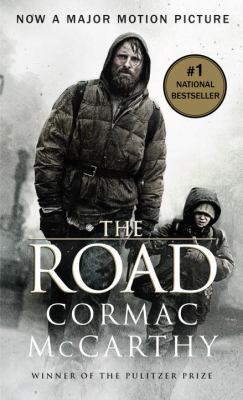
The Road, Cormac McCarthy’s 2006 post-apocalyptic novel, ripped a good half to three-quarters of my soul out. It is about two characters making their way along a road after some unnamed disaster has blasted away most of life on Earth, and that which is left is dying. There is no miracle nor any life-saving solution at the end of the novel. The only grace the reader is allowed is that the character who dies at the end lived as long as possible, motivated only by love, and, by dying, allowed the beloved other character to live beyond him. It is a hard, terrible story to read. But it achieves its goal. It touches your hopeless heart in ways only an award-winning novel can.
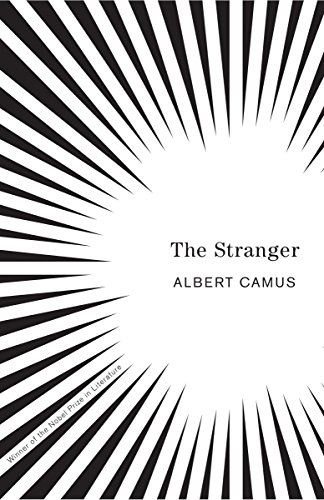
The book I just finished reading was a story I originally had to read for an Iowa State University class on Existentialism in Literature. The Nobel Prize-winning author, Albert Camus’s book, The Stranger, is no easier to read than The Road. In fact, it may be even more depressing and dark than the first novel I mentioned. The main character lives as a stranger in a meaningless world and is sentenced to death by a jury because he didn’t cry at his mother’s funeral. The story devastates your compassionate heart and shakes your belief in a benevolent God. And I read it the first time long before I was an atheist who believes in a different form of god. The story is itself cruel. But in the long view, it grants you a certain melancholy sort of peace that can only be had by coming to terms with your place in all of existence.
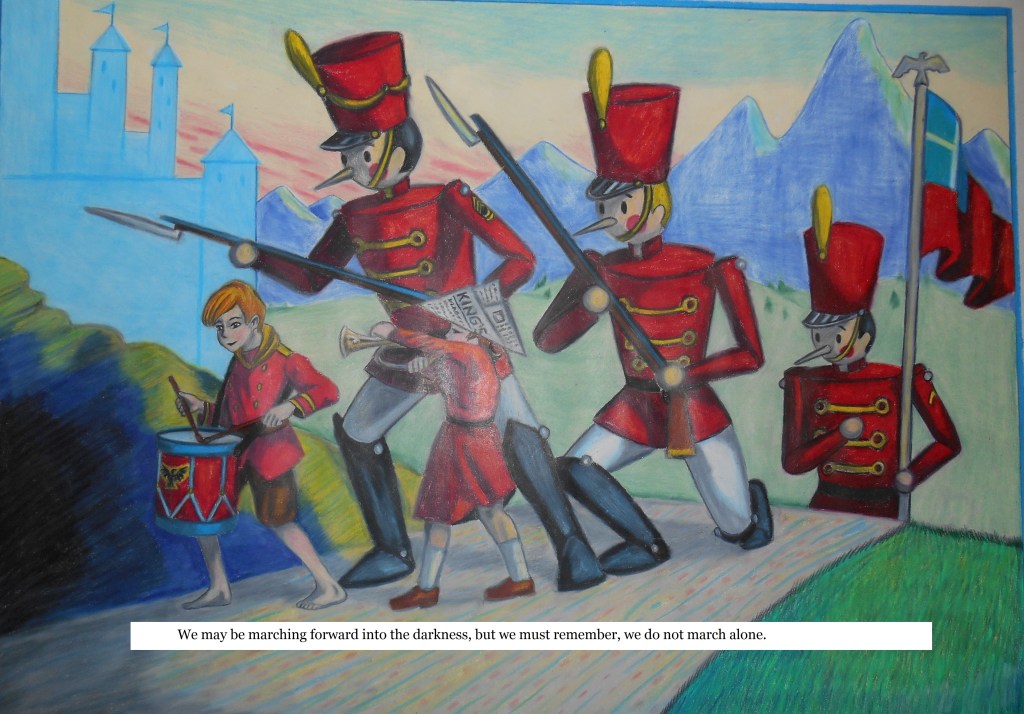
So, I admit it. I have been obsessing about the end of life far too much. The current pandemic that has us all on the ropes in the boxing match of life has brought me to grips with the fact that, even though the end of life is far closer to now than its beginning, living life is what still matters. I have been spending my shut-in days writing novels about life, and love, and laughter. I have also been talking to relatives by phone and connecting with people through social media, all of which can be done without risk of viral infection. Well… maybe a computer virus.
But I am alive now. And I am living in every manner I can still manage. For now. Because I can. And because it is the right thing to do.


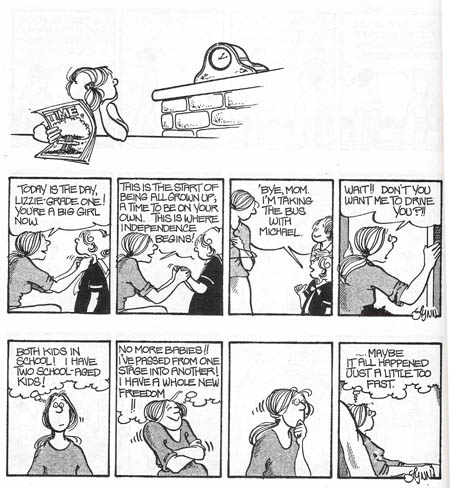 Lynn Johnston’s For Better or Worse is also an old friend. I used to read it in the newspaper practically every day. I watched those kids grow up and have adventures almost as if they were members of my own family. So the mashed potatoes part of the meal is easy to digest too.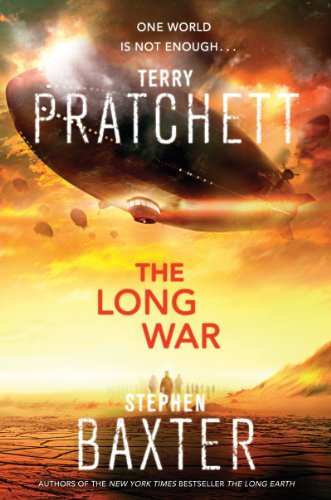


 Catch a Falling Star
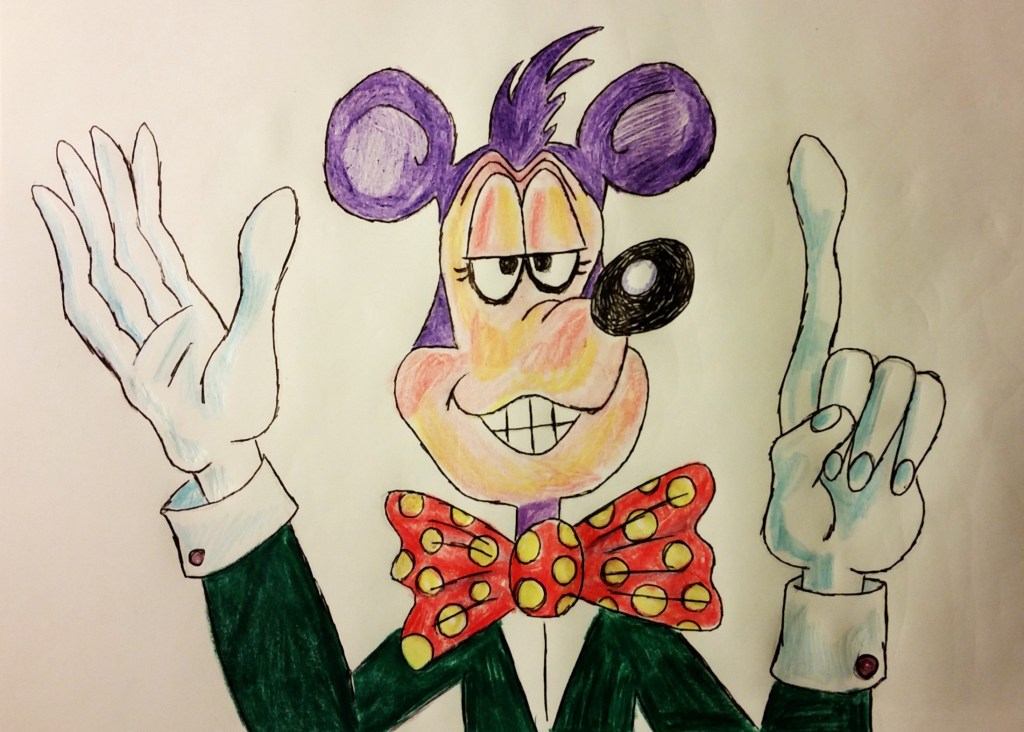
Messing Up With Mickey
The way I handle the computer tends to be the way I handle life as a whole. Thirteen tabs open at the same time, eleven of them not responding, and me cussing the machine for not working properly.
Spring has come. In fact, Spring Break has come. My daughter the Princess and I were planning to plant flowers in the yard where the pool used to be. We started work yesterday spreading compost on the flower bed and churning the soil. But we should’ve done it sooner. It was too much for tired muscles to finish yesterday. Then the rains came last night. It would’ve been perfect to plant the seeds yesterday, then have God water them naturally at night. But plans don’t go anywhere near perfectly. Thirteen tabs are open and twelve are not responding.
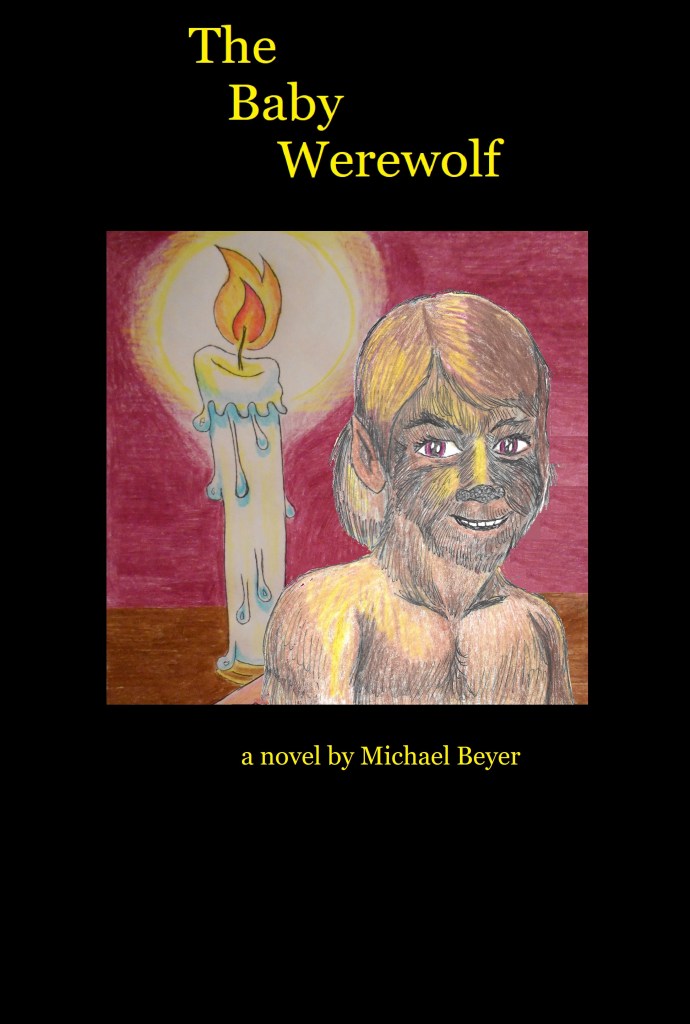
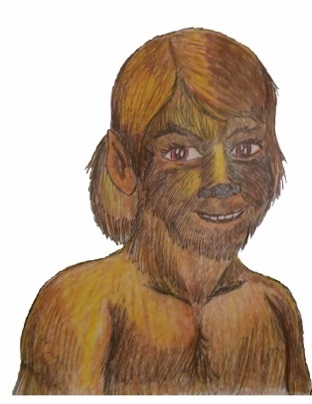
In my novel, The Baby Werewolf, the murderer is now unmasked and he has started on his final killing spree. But as I was supposed to write the next Canto the last two nights, I found myself overwhelmed and overtired. I got no further writing done. I vowed to do it tonight, but the time change has left me no less tired and overwhelmed. Thirteen tabs not responding.
So here I sit, paralyzed by entropy and worriedly contemplating the eventual heat death of the universe. What to do? What to do?
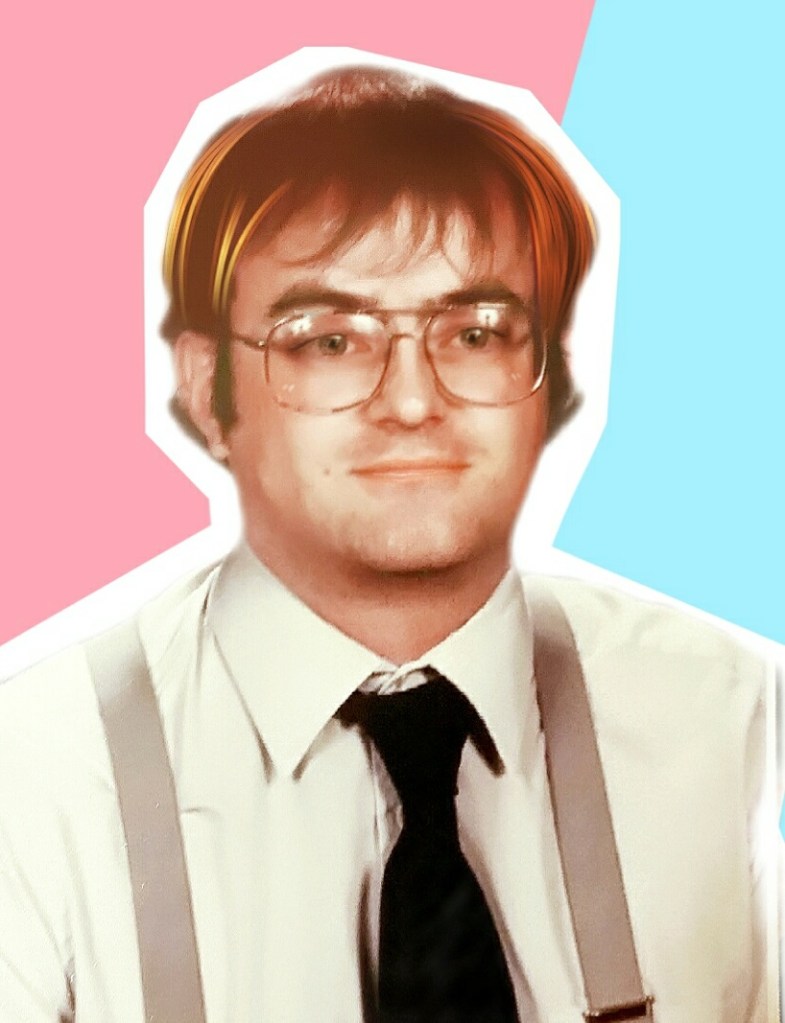
Mickey’s inevitable answer… Mickey opens a new tab and keeps on writing. Did you think he had an actual plan for the rest of his life? Of course not. He planned on retiring from teaching and writing for about three years, and then dropping dead from one of his six incurable diseases. Guess what? This June will be twelve complete years. Who knows how many more?
Leave a comment
Filed under artwork, autobiography, commentary, daughters, feeling sorry for myself, goofy thoughts, humor, Paffooney
Tagged as books, fiction, life, short story, writing