
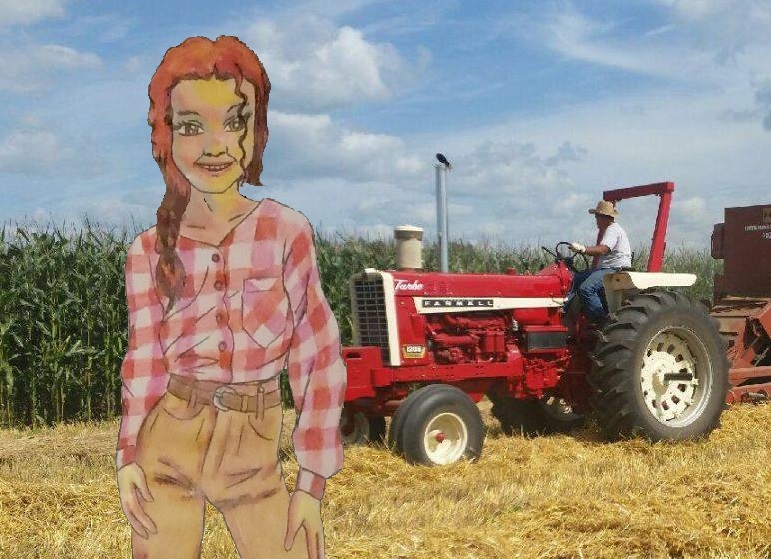
Creating myself as an author meant making some conscious choices at the beginning. I made some very clear ones. First of all, I intended to write as much about my real life as I possibly could. Accepting, of course, the fact that my real life was infested with imaginary people and events. There was the faun that slept in my bed with me every night in the form of a large, black pillow my sister made for me as a 4-H project. There were the three-inch-tall fairies that had a complete underground empire that surfaced at the roots of the old willow tree by the Rowan school building and community center. There was the gryphon that circled the skies looking constantly to swoop down and eat me at any opportunity. So, it wasn’t as much about realism as it was surrealism. It was necessary to protect my traumatized psyche from the damage I sustained as a ten-year-old.
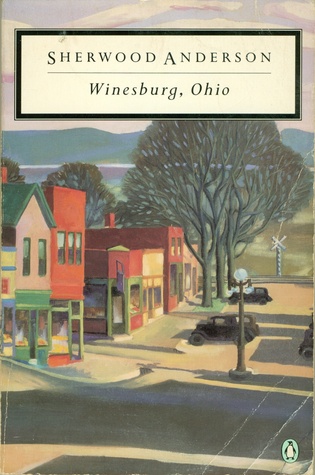
Of course, I had literary heroes and inspirations to go by. I read some key books as a college student that deeply influenced how I wanted to write.
Winesburg, Ohio is the first major influence that affected the stories I began writing in my college years. Sherwood Anderson was writing about his own hometown in this short-story cycle, basing Winesburg on his home town of Clyde, Ohio in the very early 1900s.
Arguably he wrote stories about real people from his renamed home town. Thus, I renamed Rowan, my home town, Norwall, mixing up the letters from Rowan and adding two letter “L’s.” His stories were all themed about the loneliness and longings of a small Midwestern town. I would make mine about breaking out of the cages loneliness builds with the people who surround you.
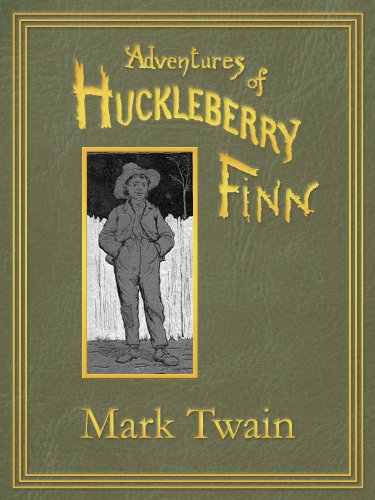
I also determined that like Mark Twain, I would give my characters a sense of realism by basing them on real people from Rowan, Belmond (where I went to high school), and Cotulla, Texas (where I would teach for 23 years.) And I would change some basically minor physical details to hide their true identities behind names I found in the Ames, Iowa phone book from 1978. But I always tried to give them their authentic voices, though that often meant translating Texican and Hispanish into Iowegian.
And like Twain vowed to write stories only about the 19th Century, I decided to only set my stories in the last half of the 20th Century.
Of course, imagination is not easily limited, so I had to also accept that some of my stories of the science-fiction persuasion would be set in the 56th Century in the Orion Spur of the Sagittarius Spiral Arm of the Milky Way Galaxy.

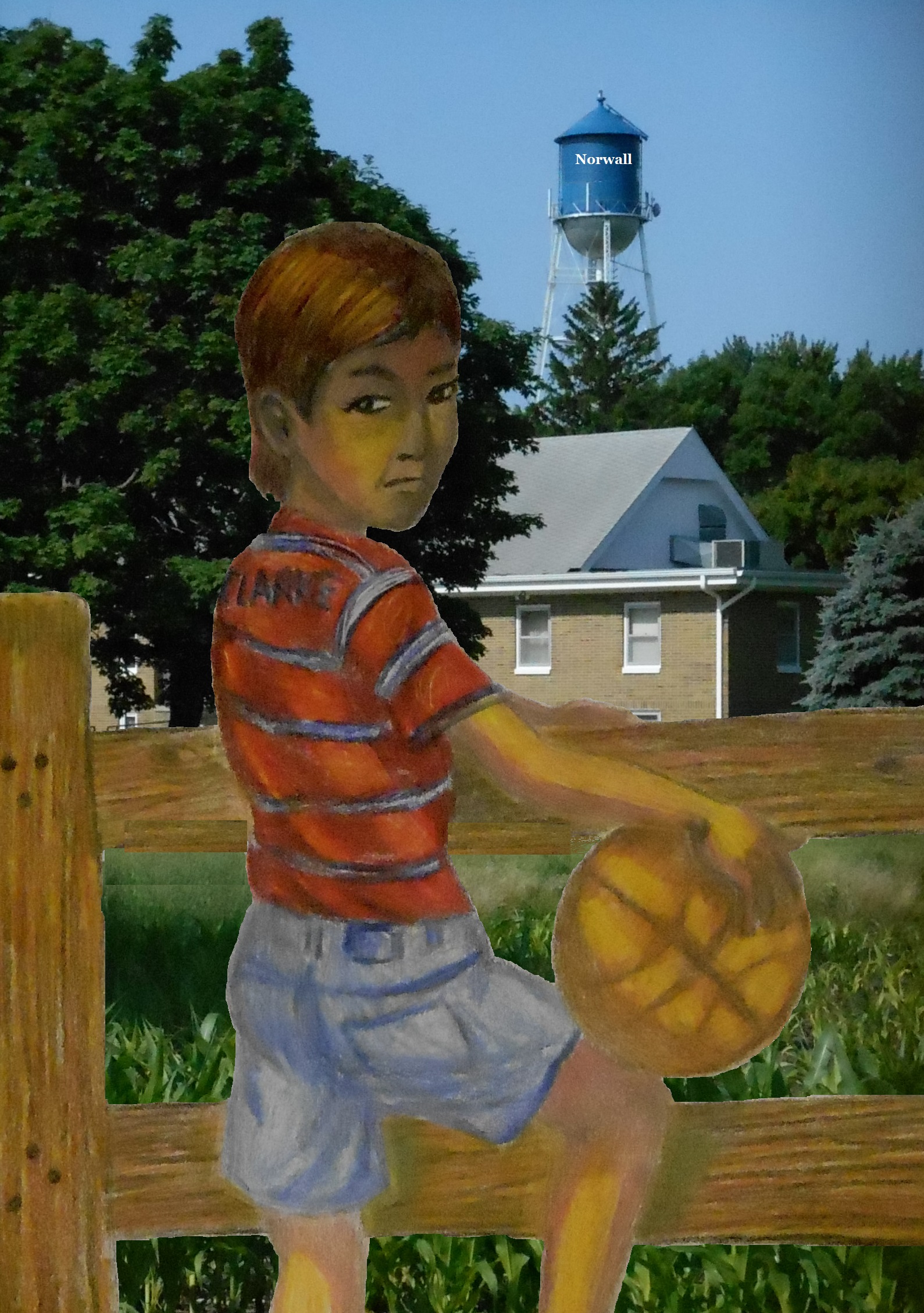
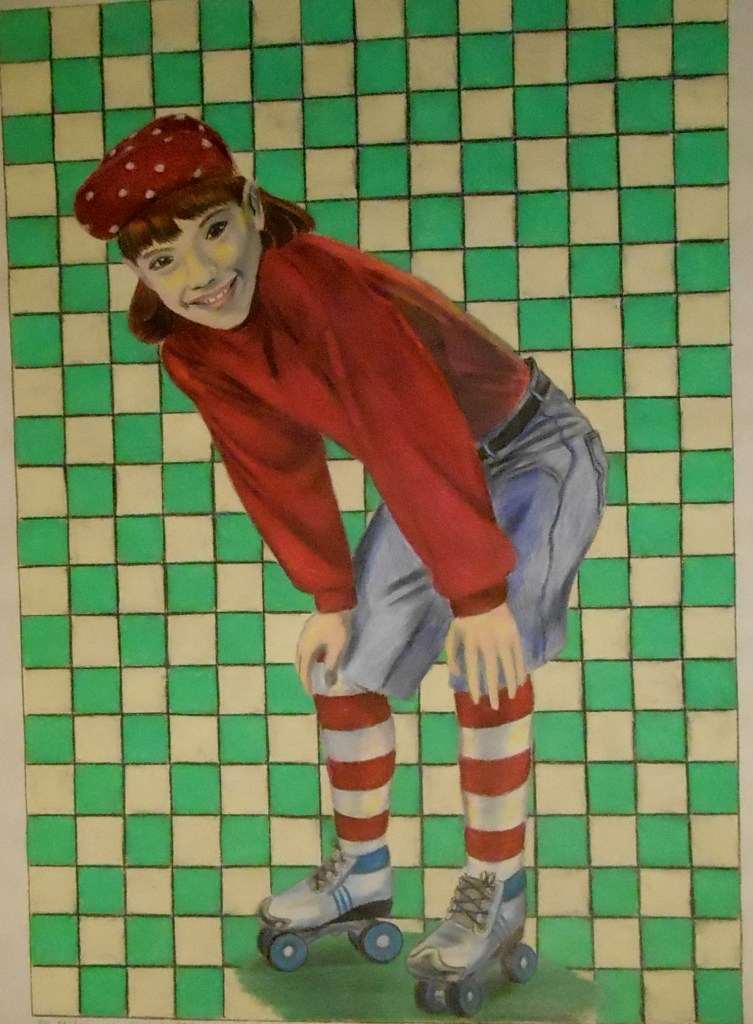
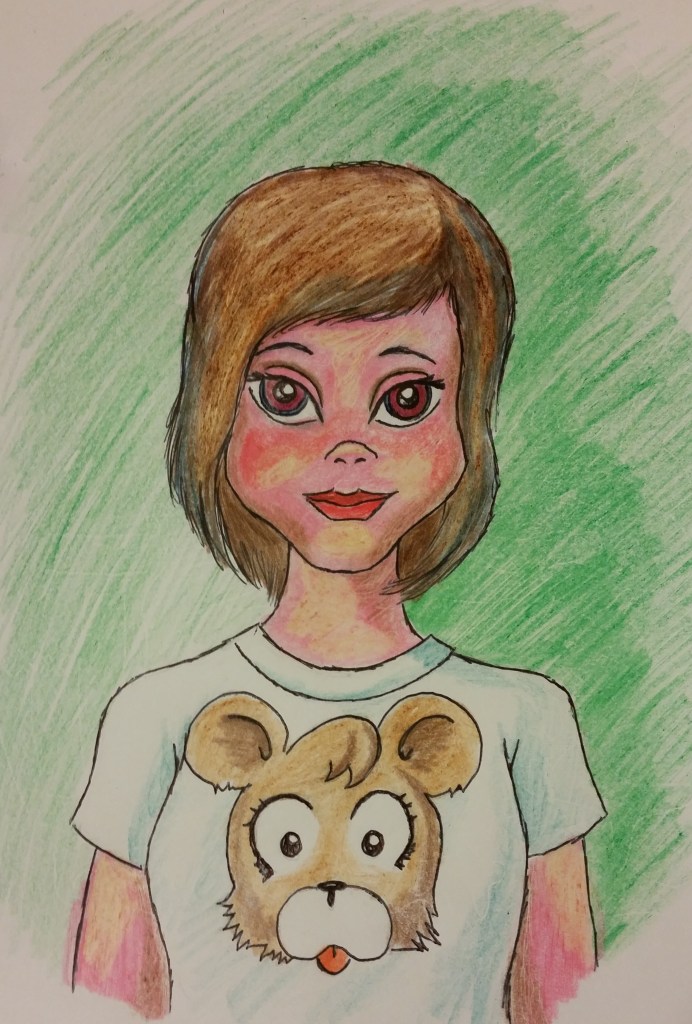
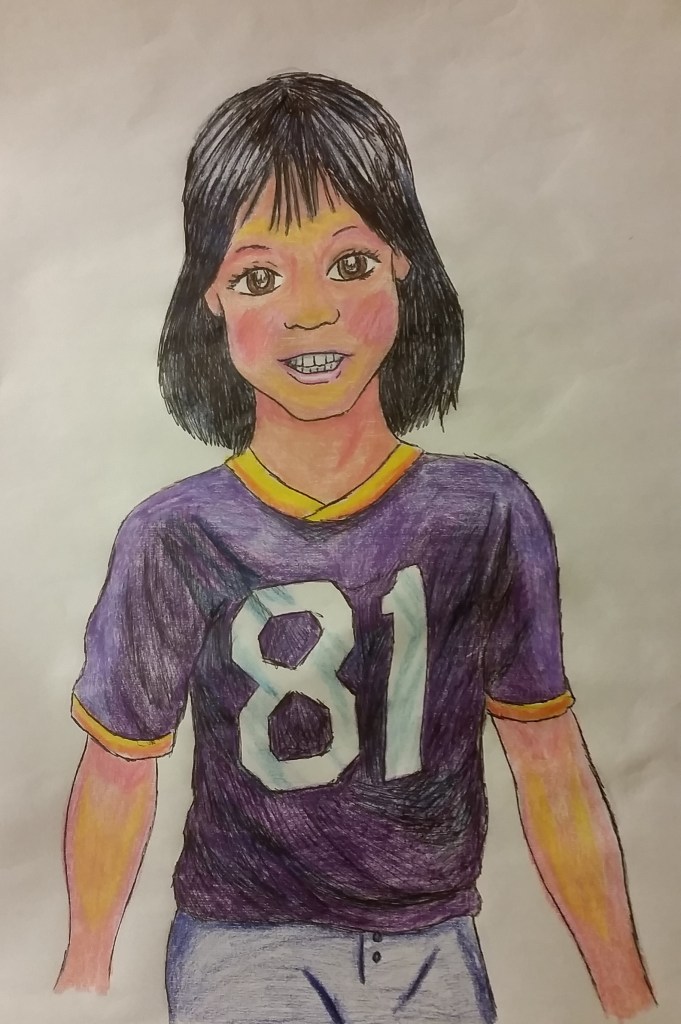
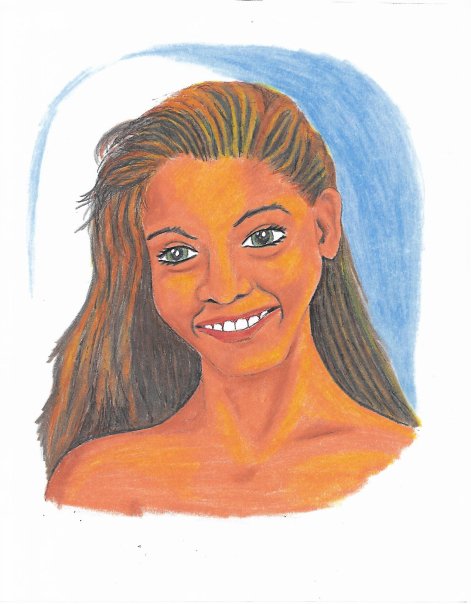
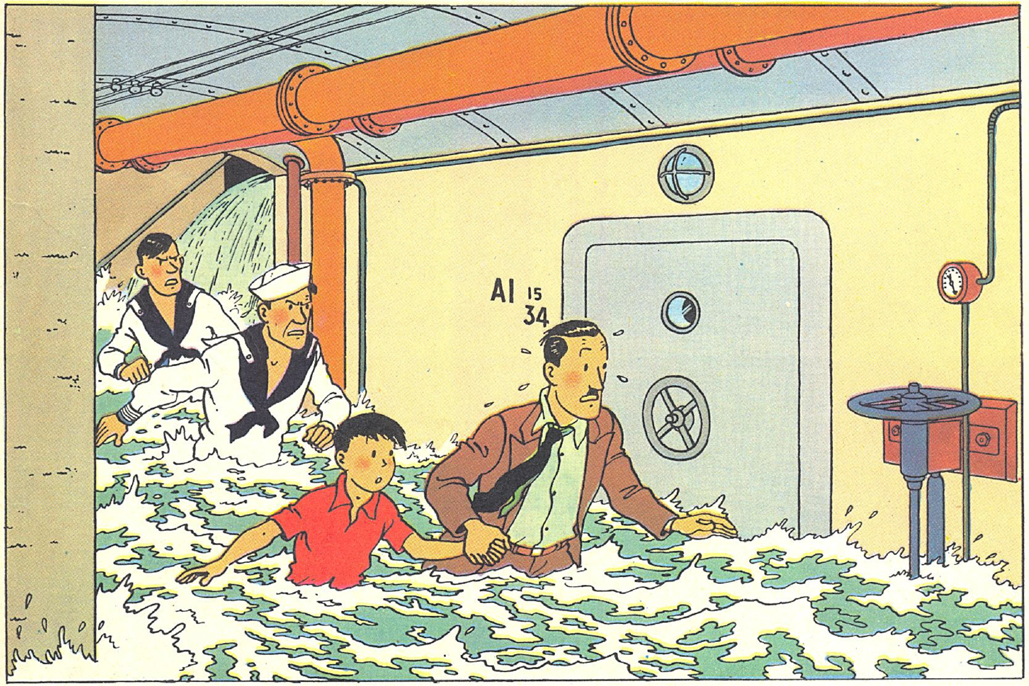
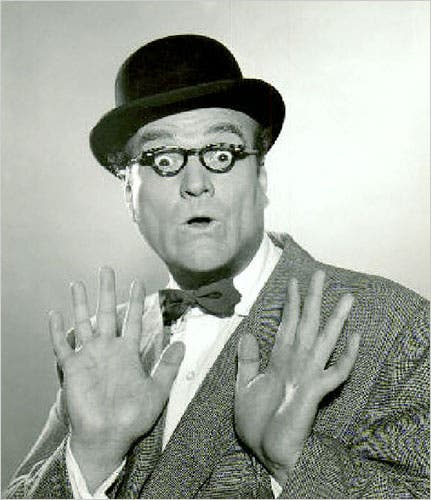
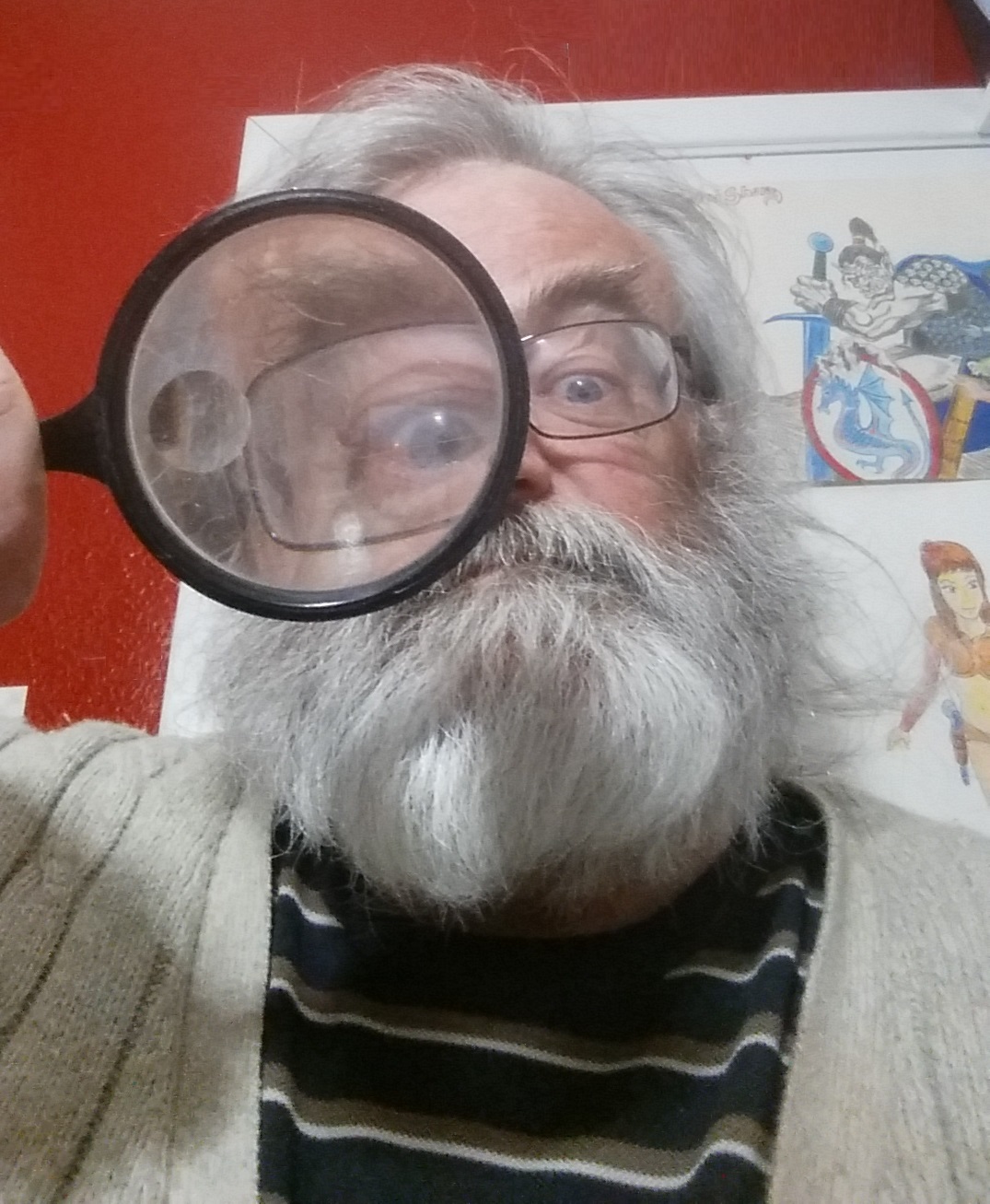
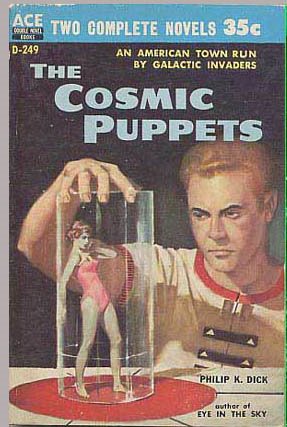
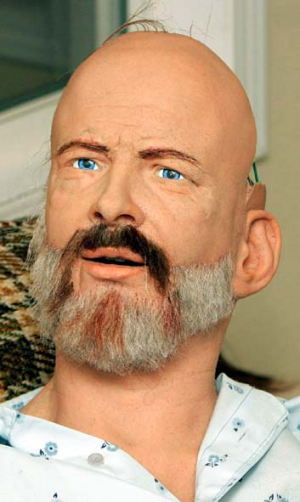
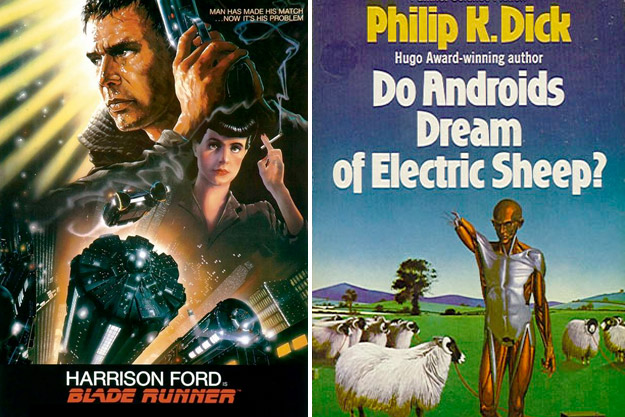
And even before I discovered the genius of David Mitchell through his spectacular novel, Cloud Atlas, I had begun to explore how stories could be expanded and connected and revisited through shared characters, shared histories, and shared places, all of which develop, grow, or deteriorate over time. All things are connected, after all. Anita Jones from that first picture, and Brent Clarke in the last picture were both in the first novel, Superchicken, set in 1974, and Anita appears as an adult in Sing Sad Songs set in 1985, while Brent appears in the last novel in my timeline, The Wizard in his Keep, set in 1999.





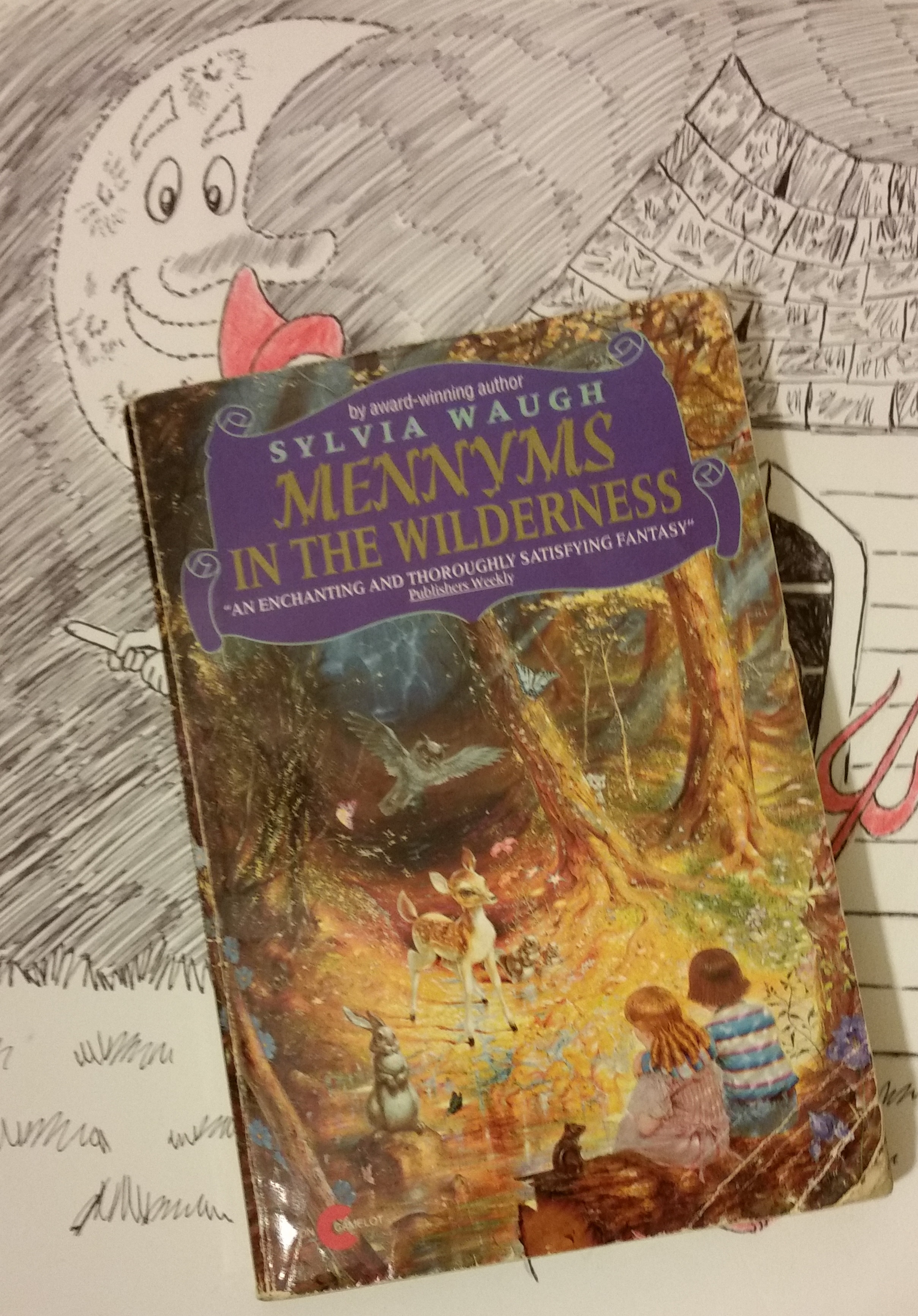
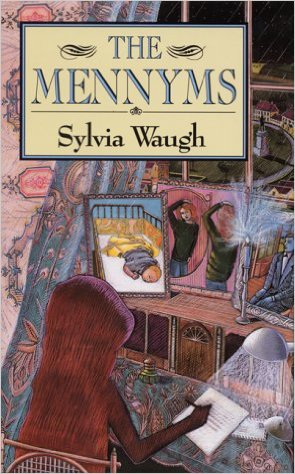








 Catch a Falling Star
How It Should Be… According to Mickey
My bicycle was red. It was red and looked just like the ones that Captain Kangaroo had in his commercials that we watched on a black-and-white TV every day before we walked or rode our bicycle to school, across town a whole long seven blocks away. After school I could ride it out a whole mile and a half to Jack’s farm with Bobby and Richard and Mark the preacher’s kid to go skinny dipping in the cold creek in Jack’s South pasture. Jack was younger than any of us except Bobby. And it was a golden age.
Spiderman comic books and Avengers comic books cost twelve cents to own, but they were forbidden. And as much as we sneaked them and passed them around until they fell apart, usually in Bobby’s hands, we never knew that Dr. Wertham had gone to Congress to make our parents believe that comic books would make us gay and violent. He was a psychiatrist who wrote a book, so even if you didn’t believe him, you had to worry about such things.
I believed in Santa Claus until 1967. And after I found out, I only despaired a tiny little bit, because I began to understand you have to grow up. And adults can lie to you, even if they don’t do it to be mean. And the world is a hard place. And the golden age ended in November of 1963 when JFK was assassinated.
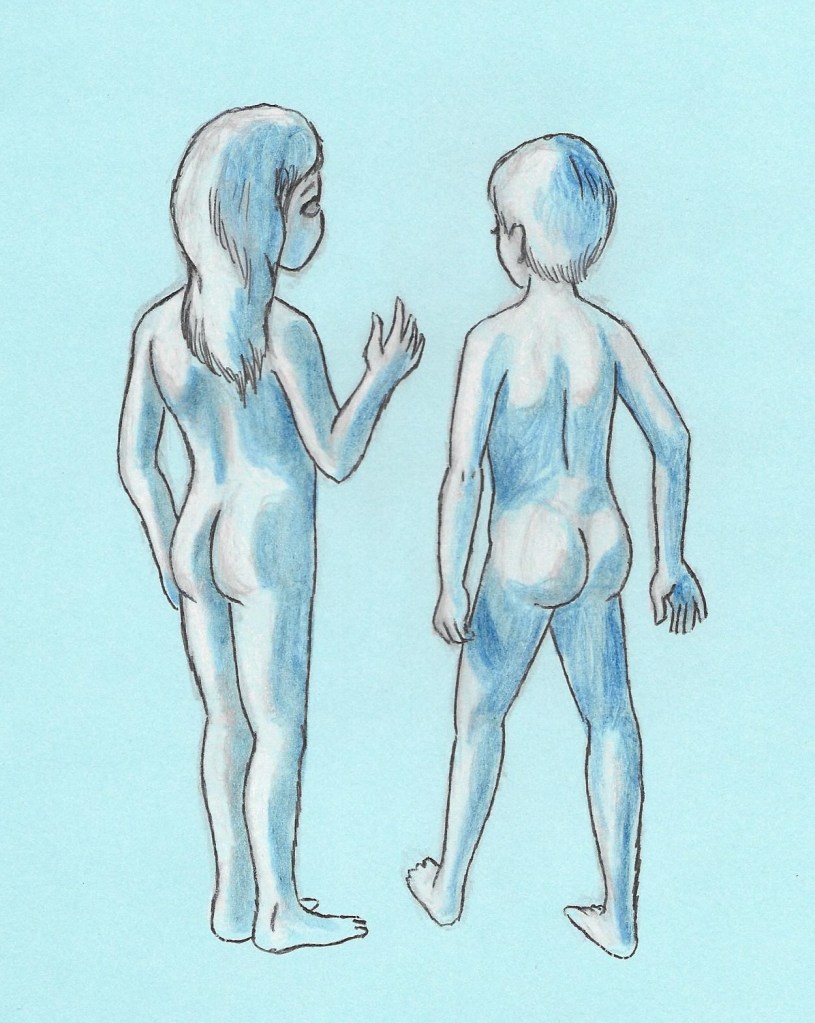
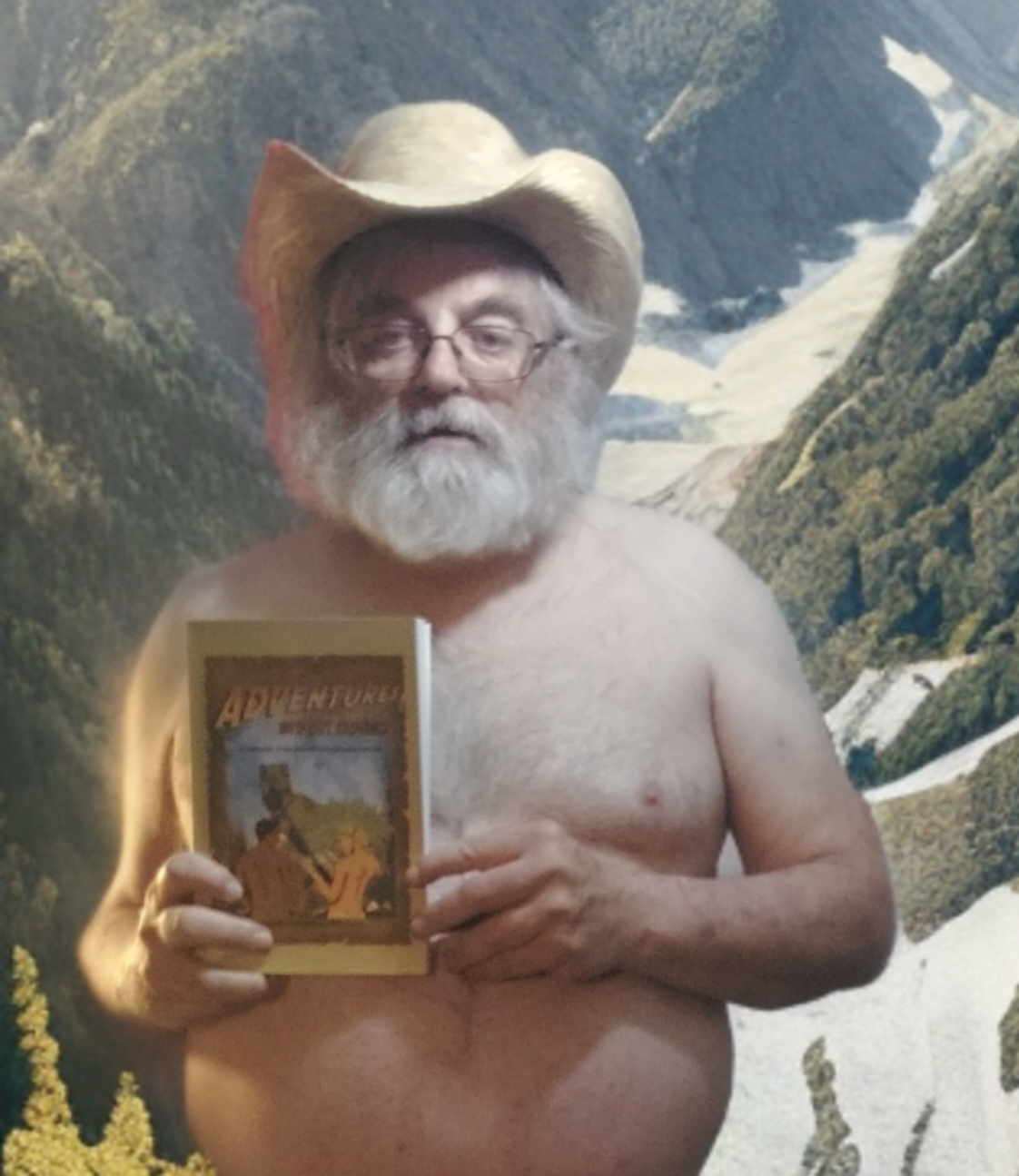
In June of 1968 I rode my bicycle out to the Bingham Park woods, Once there, I took off all my clothes and put them in the bicycle basket, and then I rode up and down the walking paths through the trees with nothing between me and God but my skin. I had a serious think about how life should be. All the while I was terrified that someone might see me. I was naked and vulnerable. A mere two years before that I had been sexually assaulted and was terrified of older boys, especially when I was naked and vulnerable. But I was a fan of the St. Louis Cardinals and Bob Gibson. They were repeated World Series winners. And they beat the Yankees in the series in 1964. And more important than that, cardinals were the little red songbirds who never flew away when the winter came. You don’t give up in the face of hardship. You face the trouble. No matter how deep the snow may pile up.
And in 1969, the first man to walk on the moon showed that a Star Trek world was in reach of mankind. Star Trek was on every afternoon after school. I watched a lot of those episodes at Verner’s house on his family’s black-and-white TV. The Klingons were always bested or beaten because the crew of the Enterprise outsmarted them. You can solve the problems of the universe with science. I know this because of all the times Mr. Spock proved it to me not just by telling me so, but by showing me how you do it. And what you can achieve is greatly enhanced if you work together like Spock and Kirk and Bones… and sometimes Scotty always did.
So, what is the way it should be? What did Mickey decide while naked in the forest like a Dakota Sioux shaman on a spirit-quest?
JFK’s 104th birthday was on May 29th. Dr. Wertham has been dead for 40 years. Bob Gibson was 85 when he passed away in October of last year. Captain Kirk turned 90 in March of this year.
The Golden age is long gone. There is no single set of rules that can clearly establish how it should be now. But I like those ideas of how it should be that I established for myself while naked on a Schwinn Spitfire in a forest long ago.
Leave a comment
Filed under autobiography, cardinals, comic book heroes, commentary, humor, inspiration, oldies, Paffooney, philosophy
Tagged as bicycle, book reviews, cycling, travel, writing