
I would like to contend that a blog is a form of self-portrait. Do you want to argue with me? Have a piece of Gooseberry Pie….
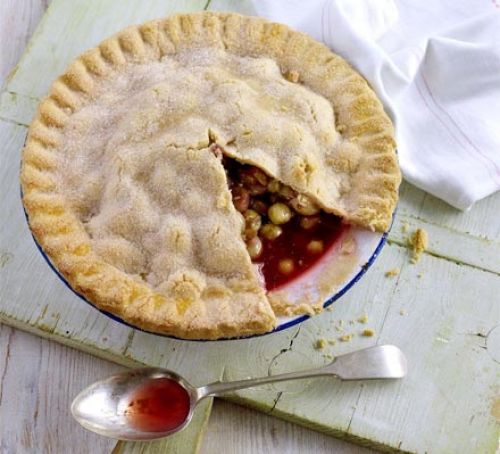
You see, gooseberries aren’t made from geese. They don’t look like gooses… er, goosei… um, geese. They aren’t the favorite food of a goose, unless, maybe… Mother Goose. The name is a corrupted form of the Dutch word kruisbes , or possibly the German Krausbeere. You know, because people who speak English don’t know how to talk right. They don’t have anything to do with geese. In the same way, a person’s name doesn’t really help you understand the person that wears it. You have to dig deeper. Do you know, I have never actually tasted gooseberry pie? I have seen and even picked the gooseberries. They are danged ugly, spikey-furred snot-green berries. I am not tempted in any way to put one in my mouth. And yet, I should not judge gooseberry pie before I taste a piece. I know people who adore gooseberry pie. Maybe you are one of them.
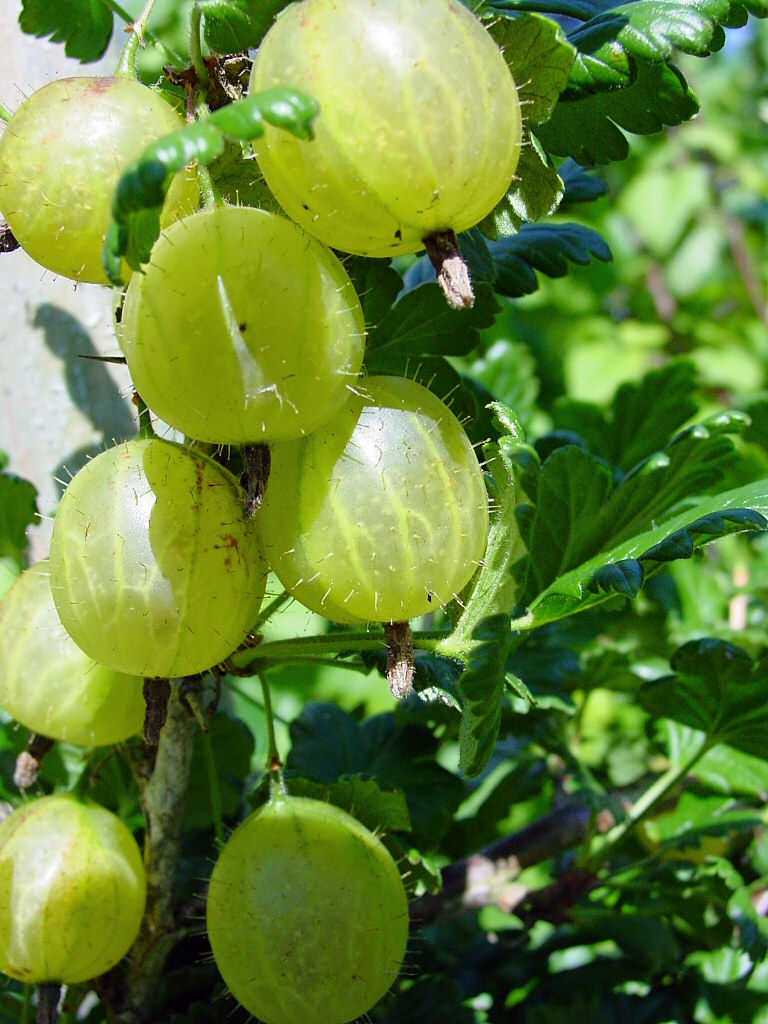
The point is, blogs are exactly the same thing. An artist, a writer, a producer of something, or a day-dreamy noodling goober has put together a blog to display their wares, show off their creations, and share their words and wisdom. You have to look at them, warts and all, and actually take a bite. You have to try them out and test them. Follow them over time. Read, absorb, and appreciate… not merely zoom through and look at the pictures… and maybe click “like” at the bottom of the post.
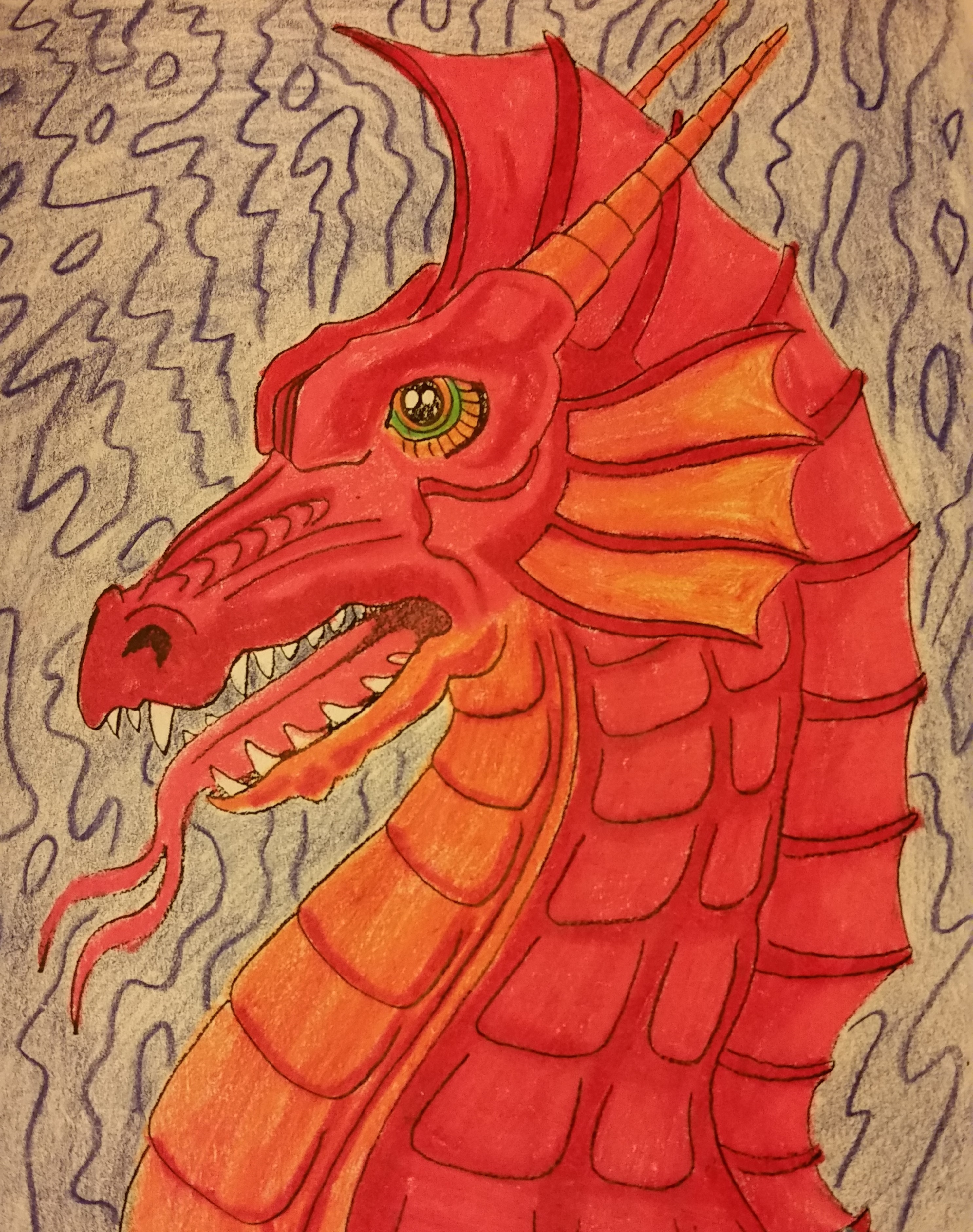
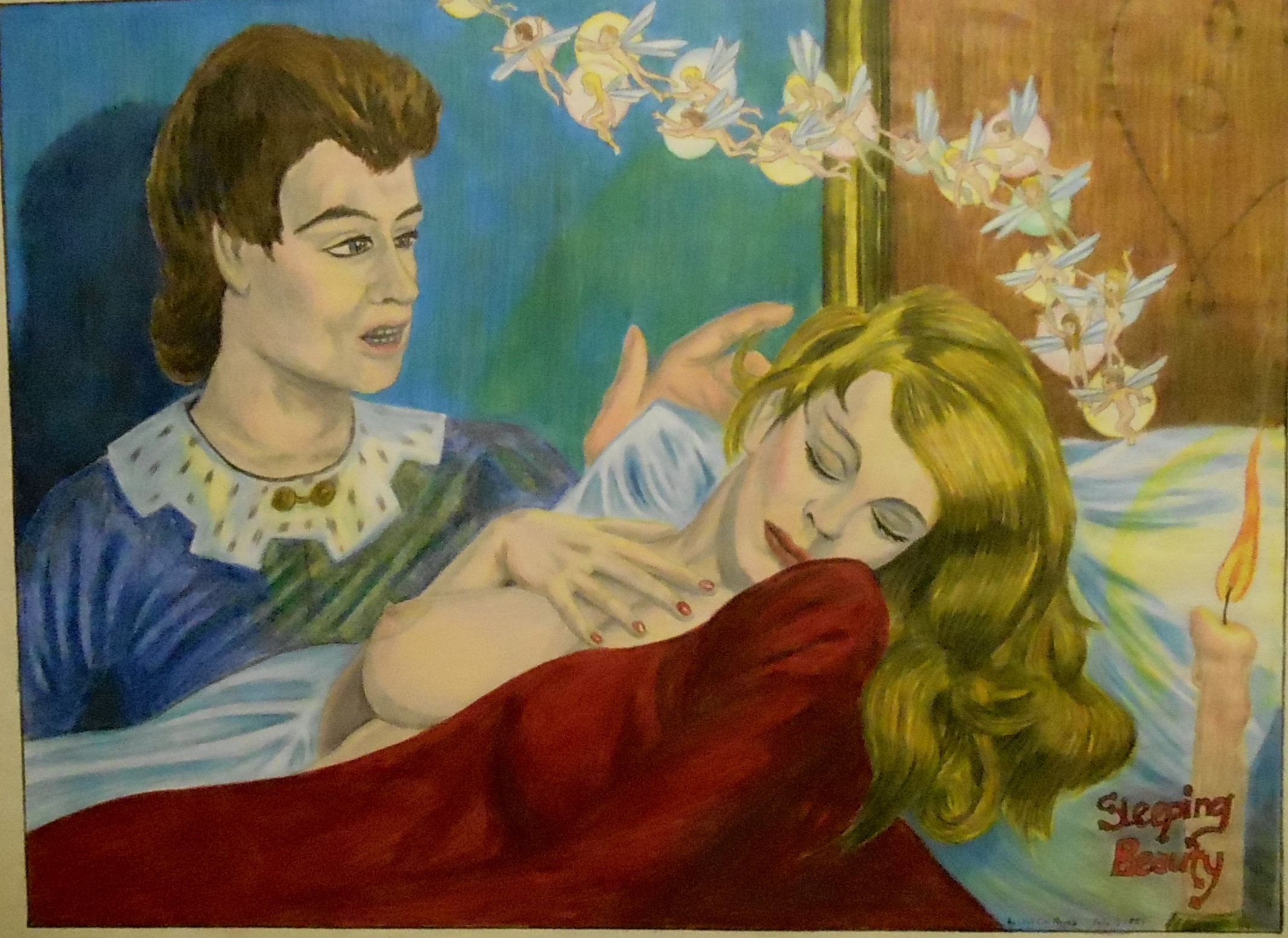
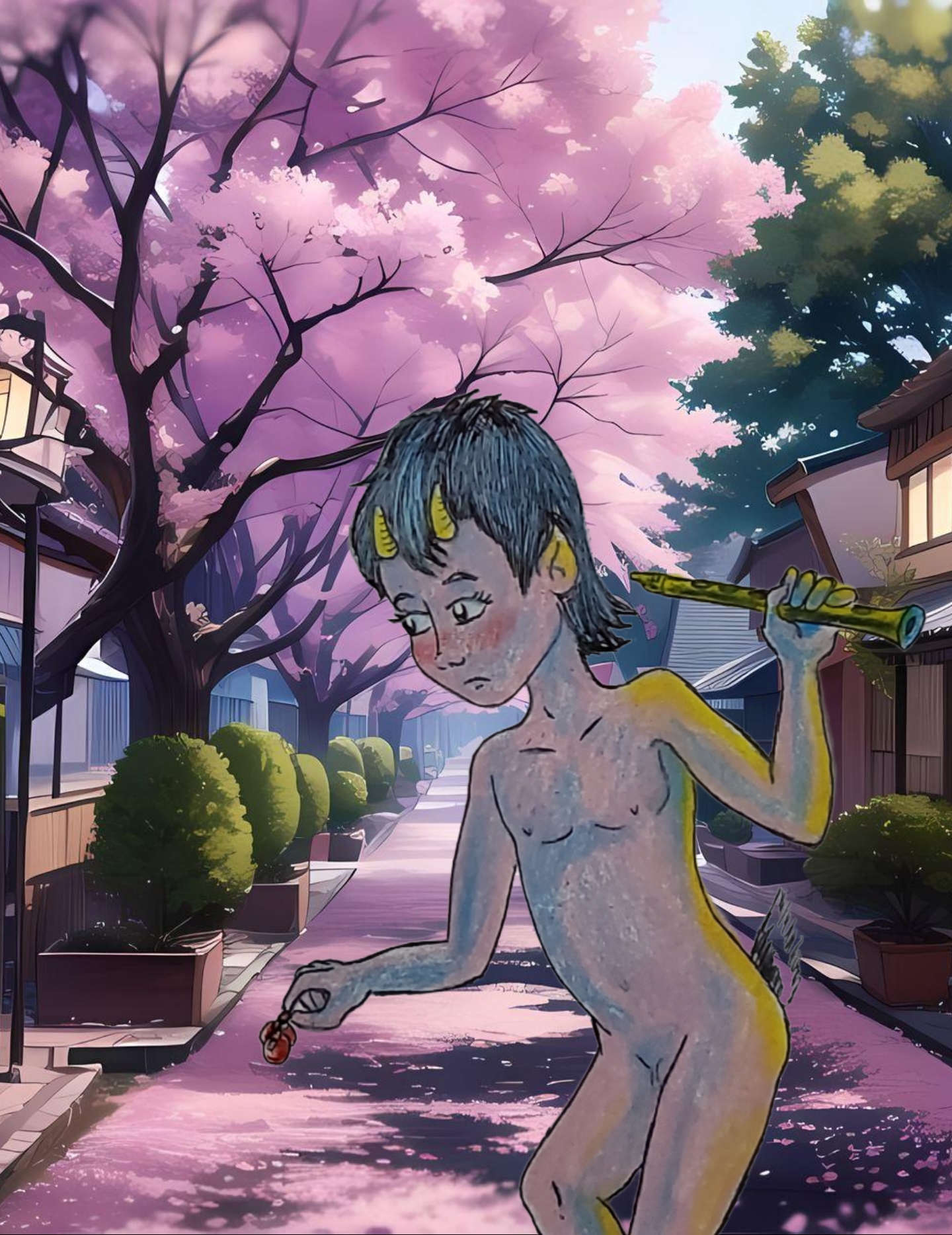
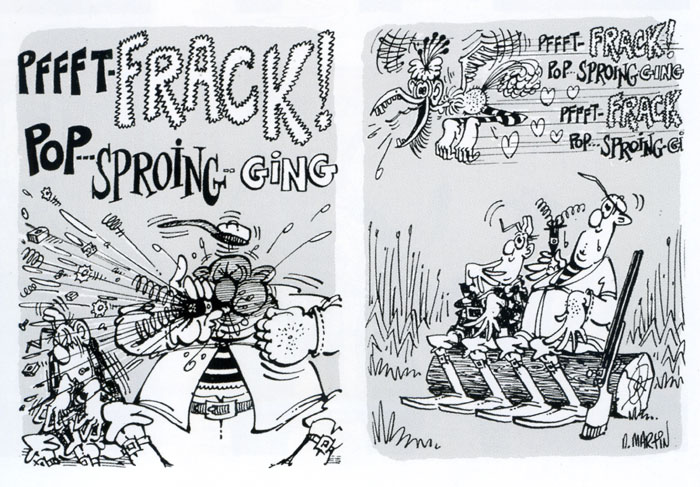
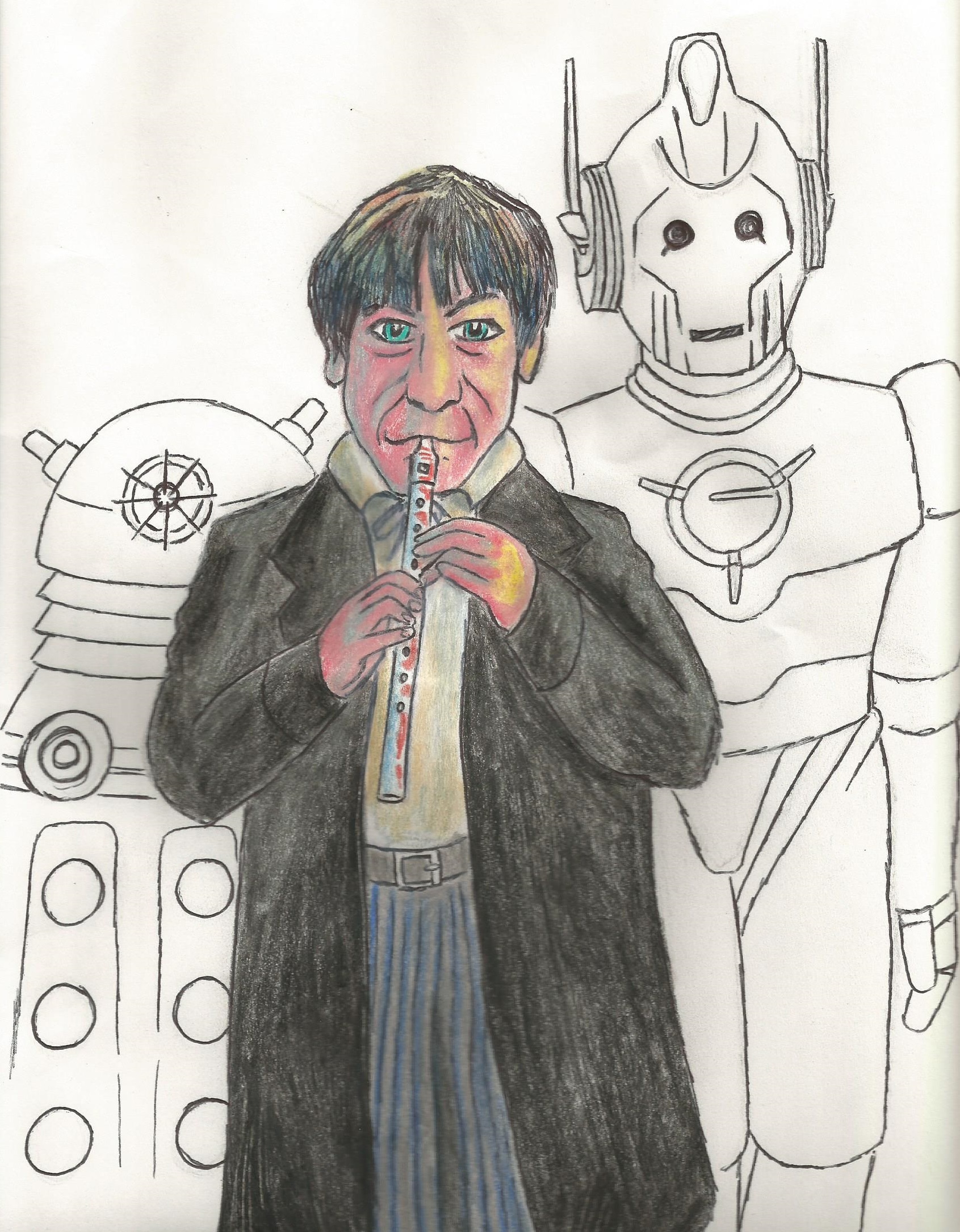
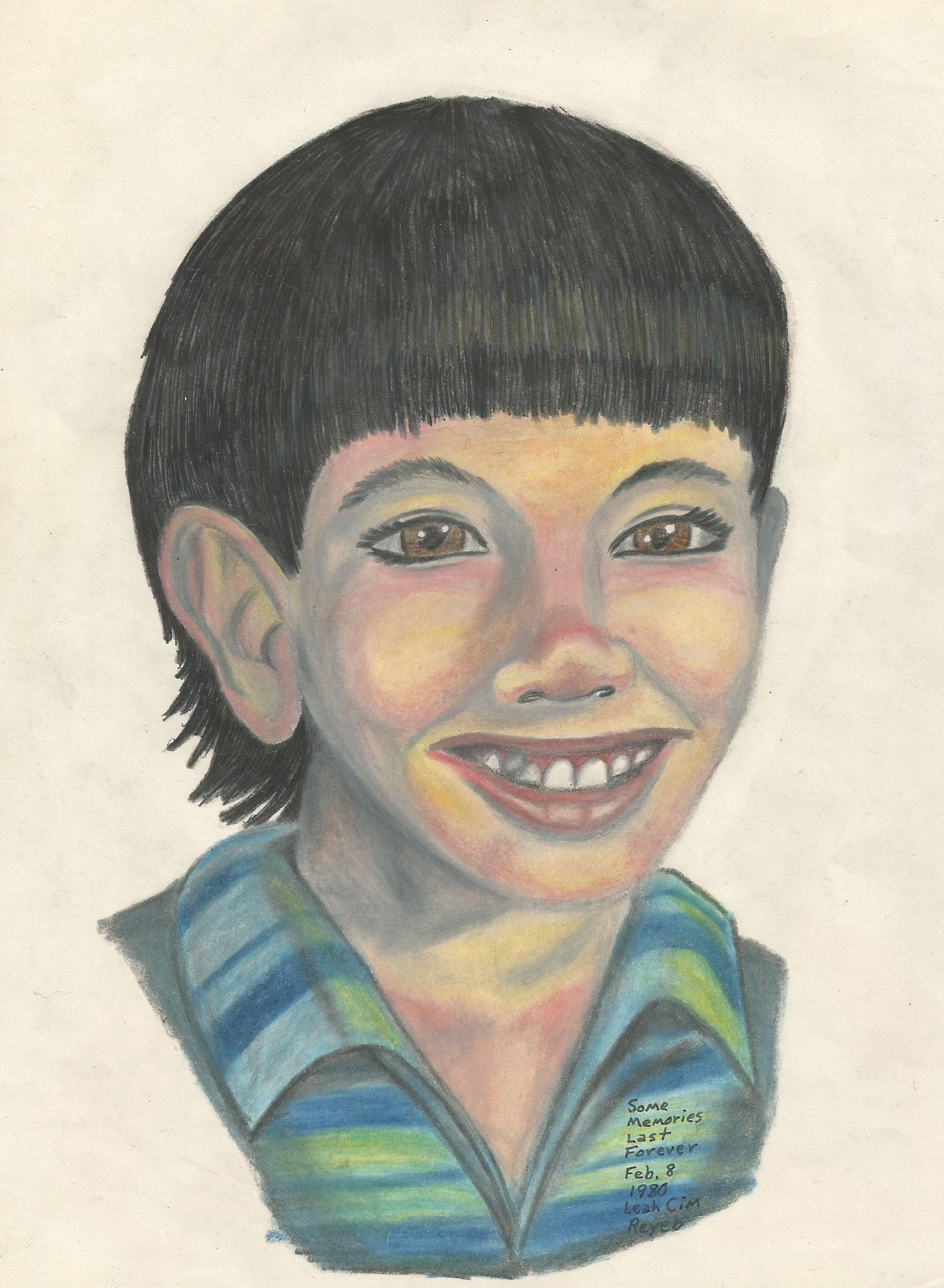
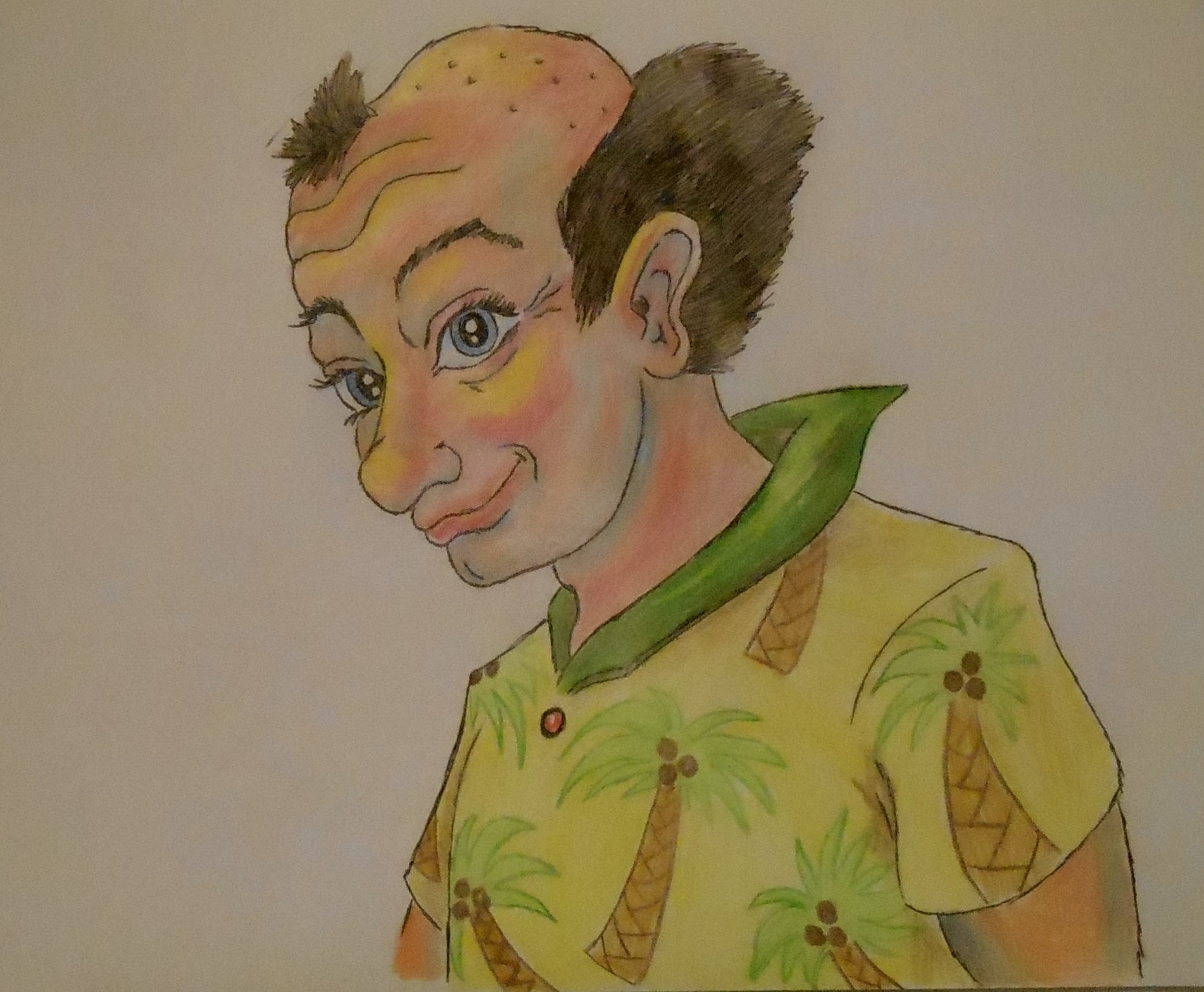
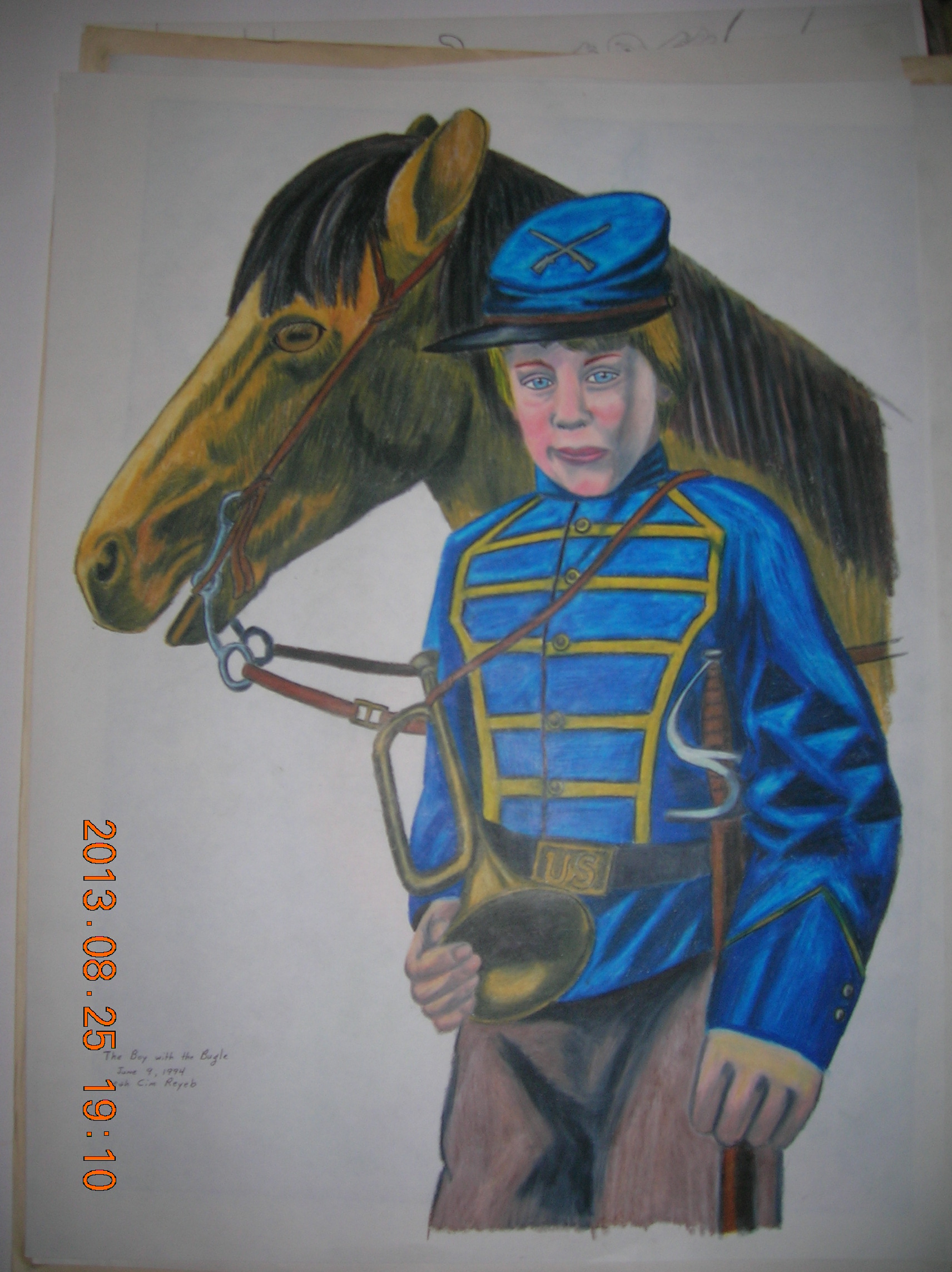
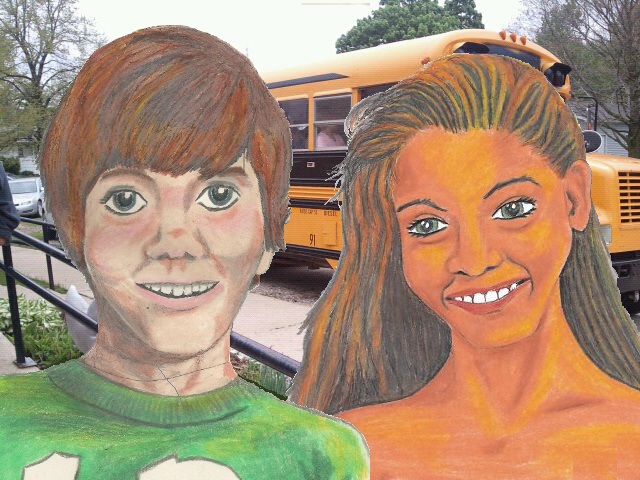
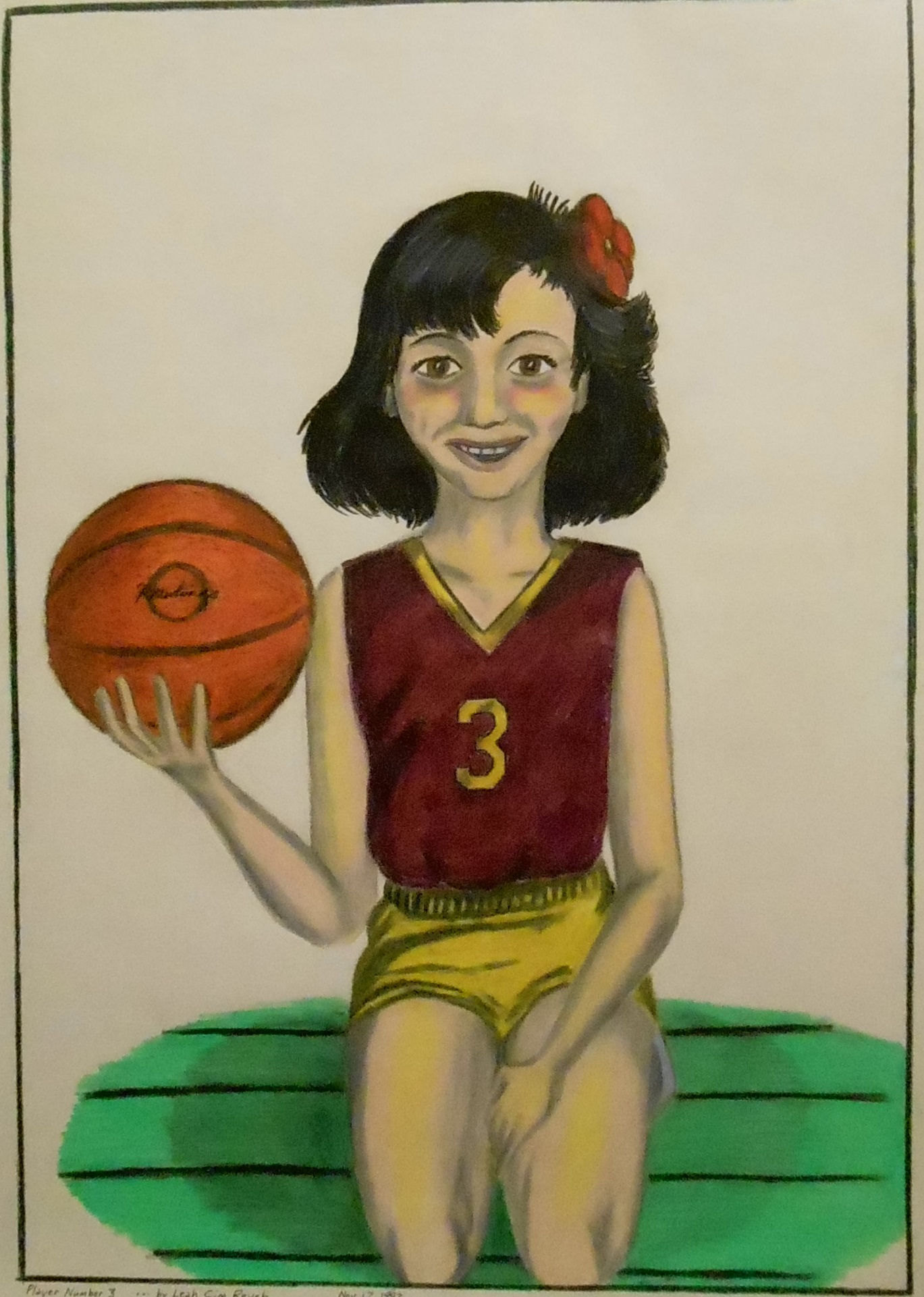
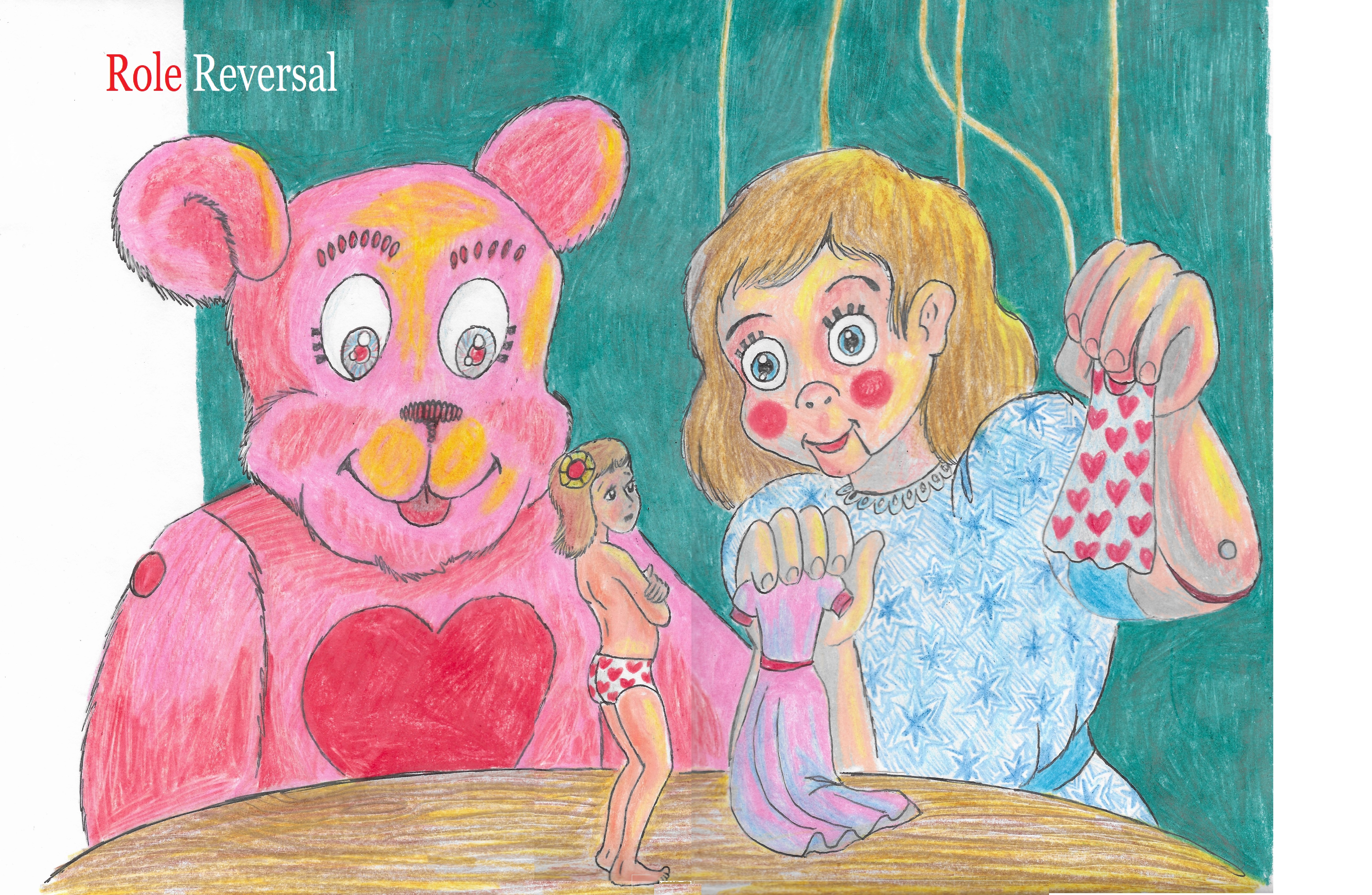
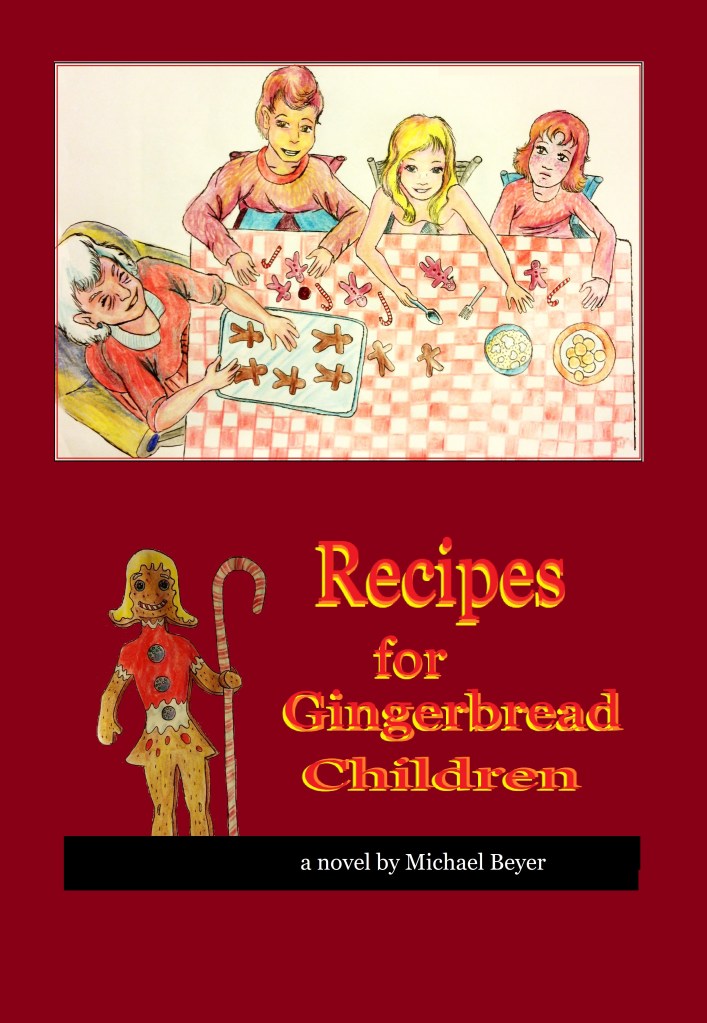
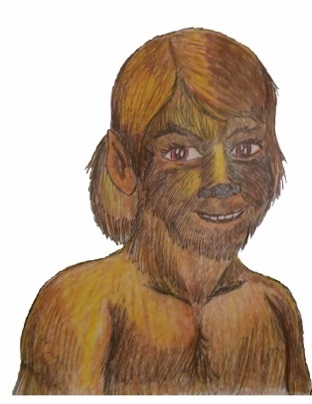
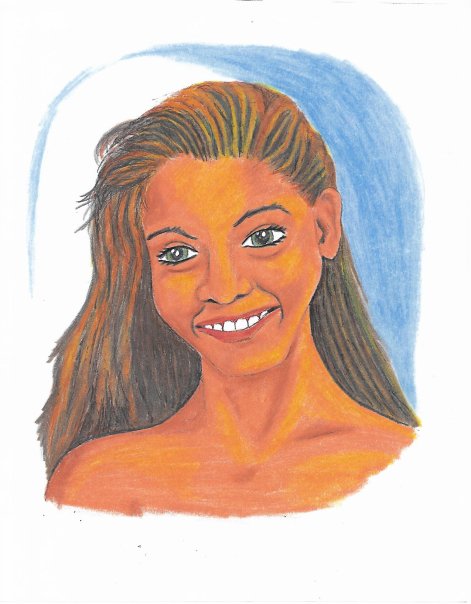
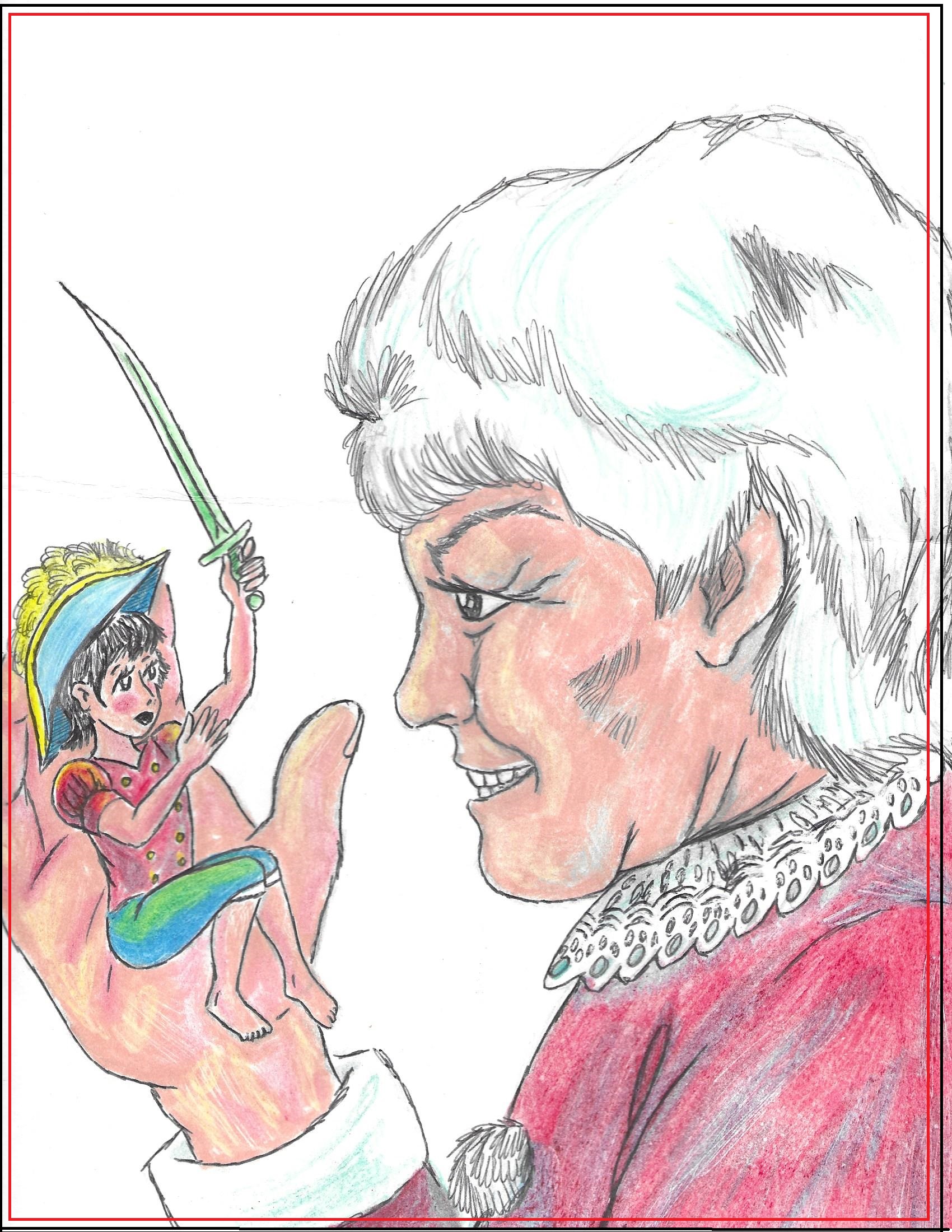
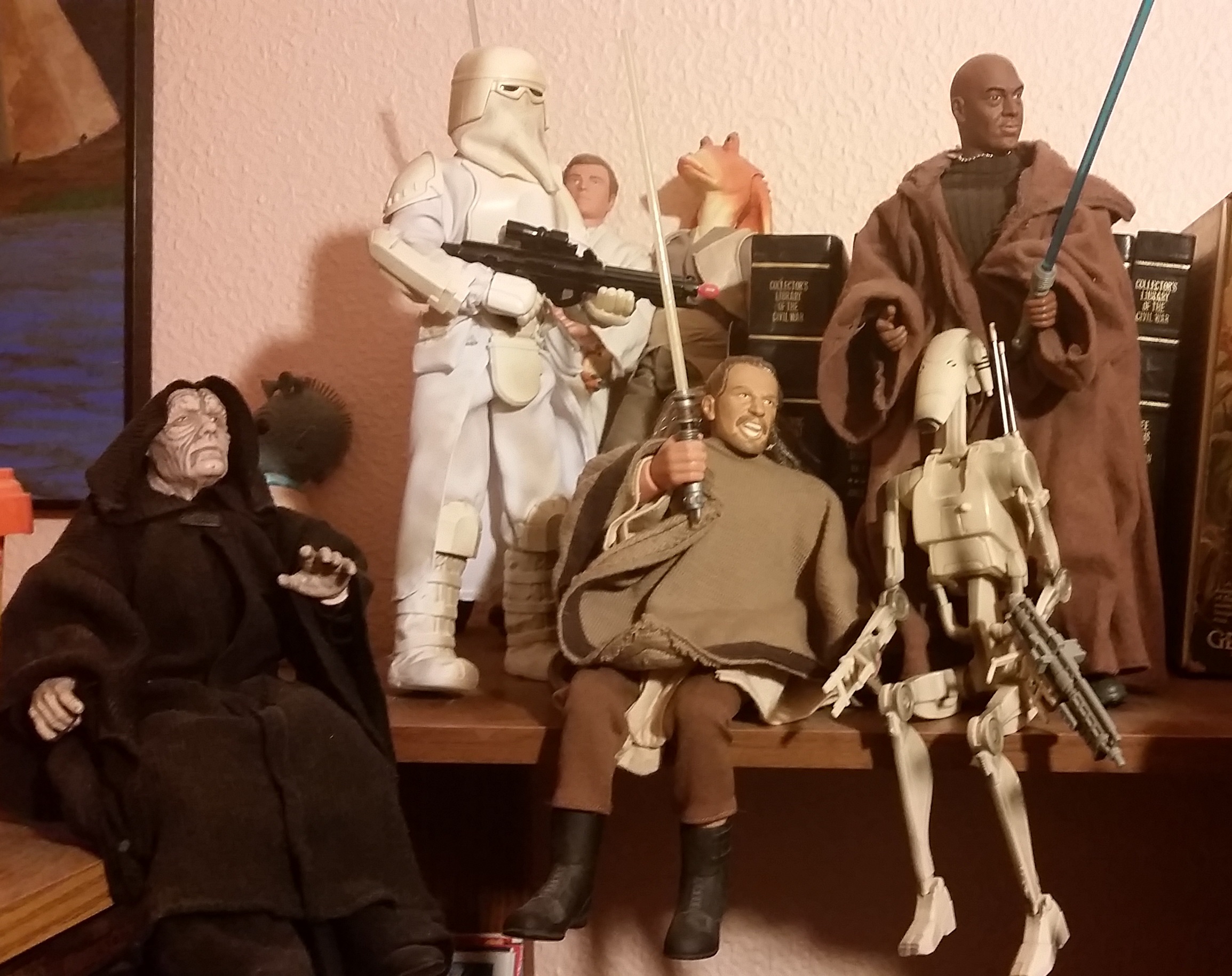
Of course, I admit, I do the very thing I am advising you not to do. The first few times I visit a blog, I scan through and only focus on a few things that catch my falling stars. (oop! Shame on me… I should say “catch my fancy”. Forgive me for lapsing into Mickian brain farts for a moment there). But if I am lured into coming back, I dip deeper and read more… tasting it thoroughly, as it were… And much of what I taste there will end up in my own recipe somewhere down the line. I begin to learn who that blogger is, and their writing style… sometimes even their thinking style (though I don’t read minds… only smell brain farts and odoriferous mental cooking smells) and I picture them as people in my minds eye. Sometimes I wonder if they match in real life the person I am picturing. Of course, the answer is no. People don’t look like what you think they should look like. They don’t even look like what they think they look like either… even in photos. So let me end this goofy pie-based argument about why blogs are self portraits with a few self portraits I have created that aren’t really what I look like , even if it is a photo.
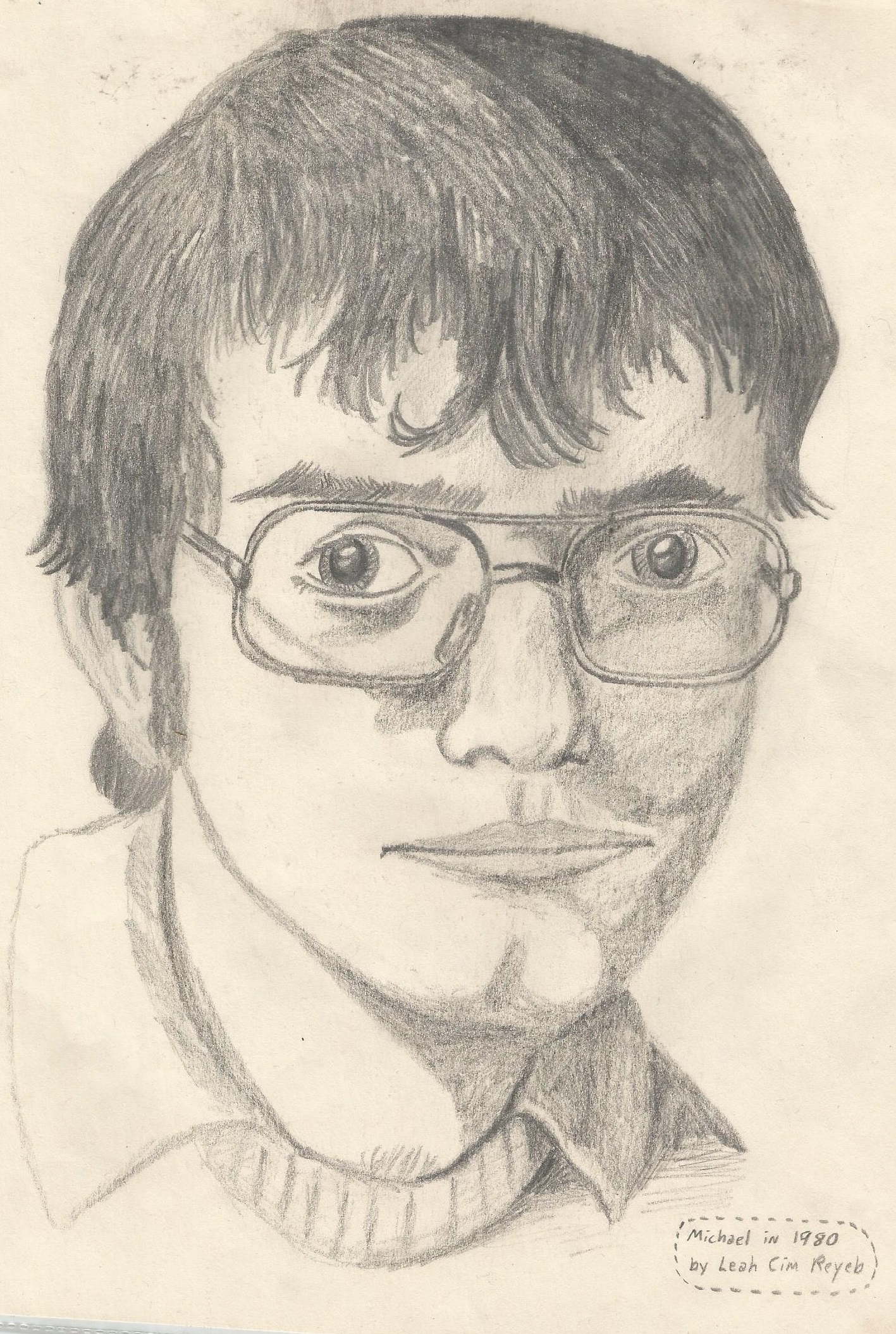
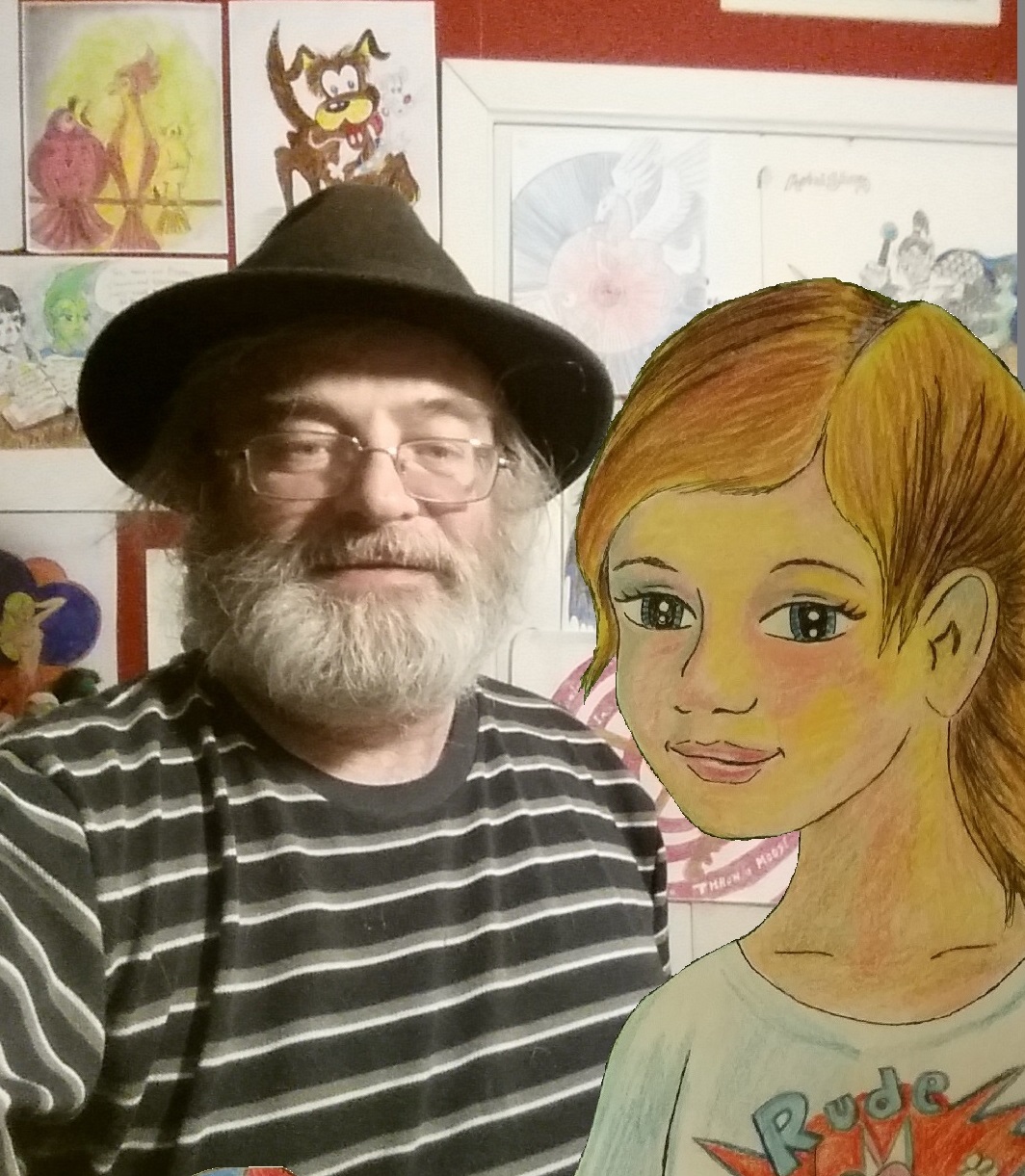
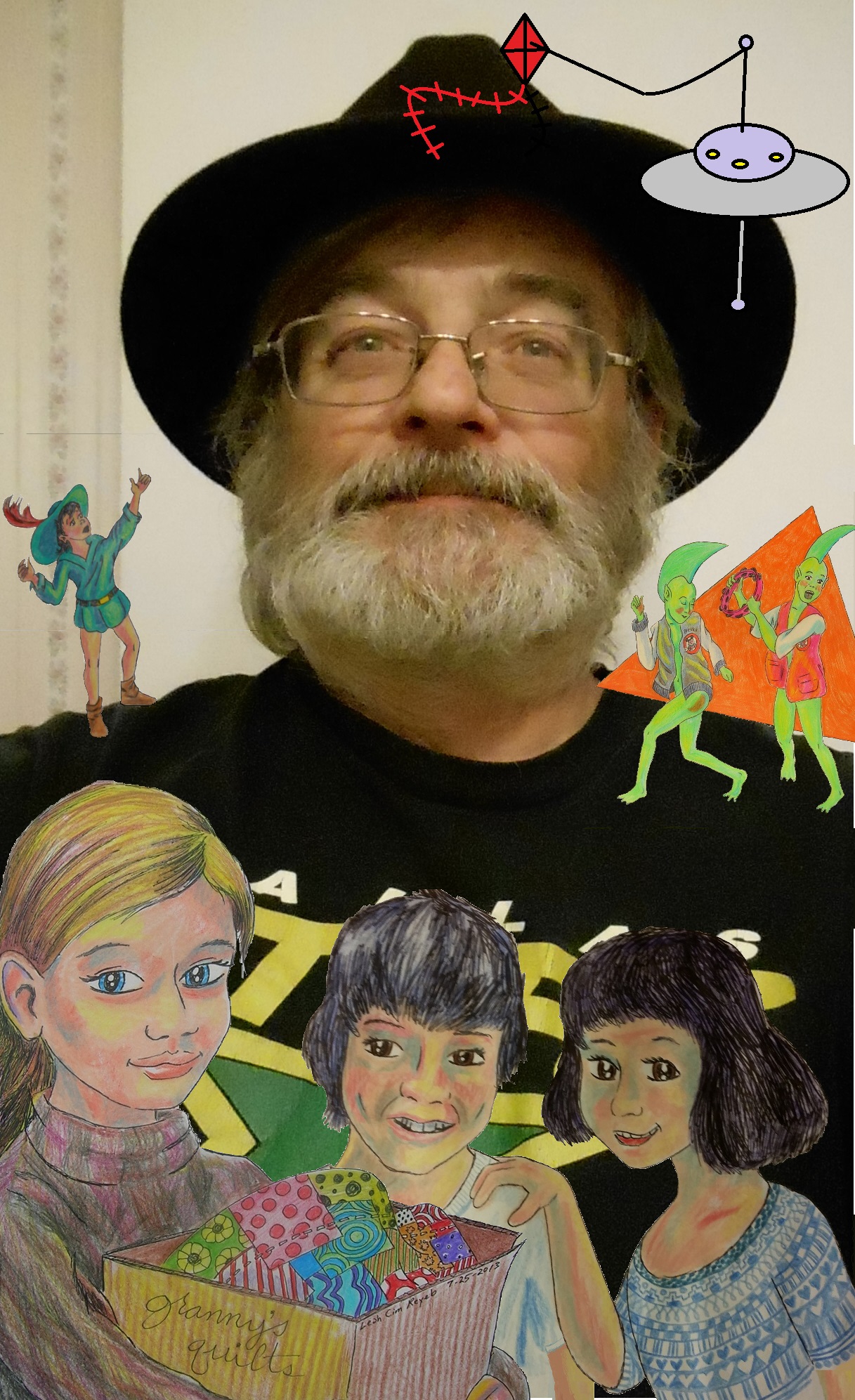

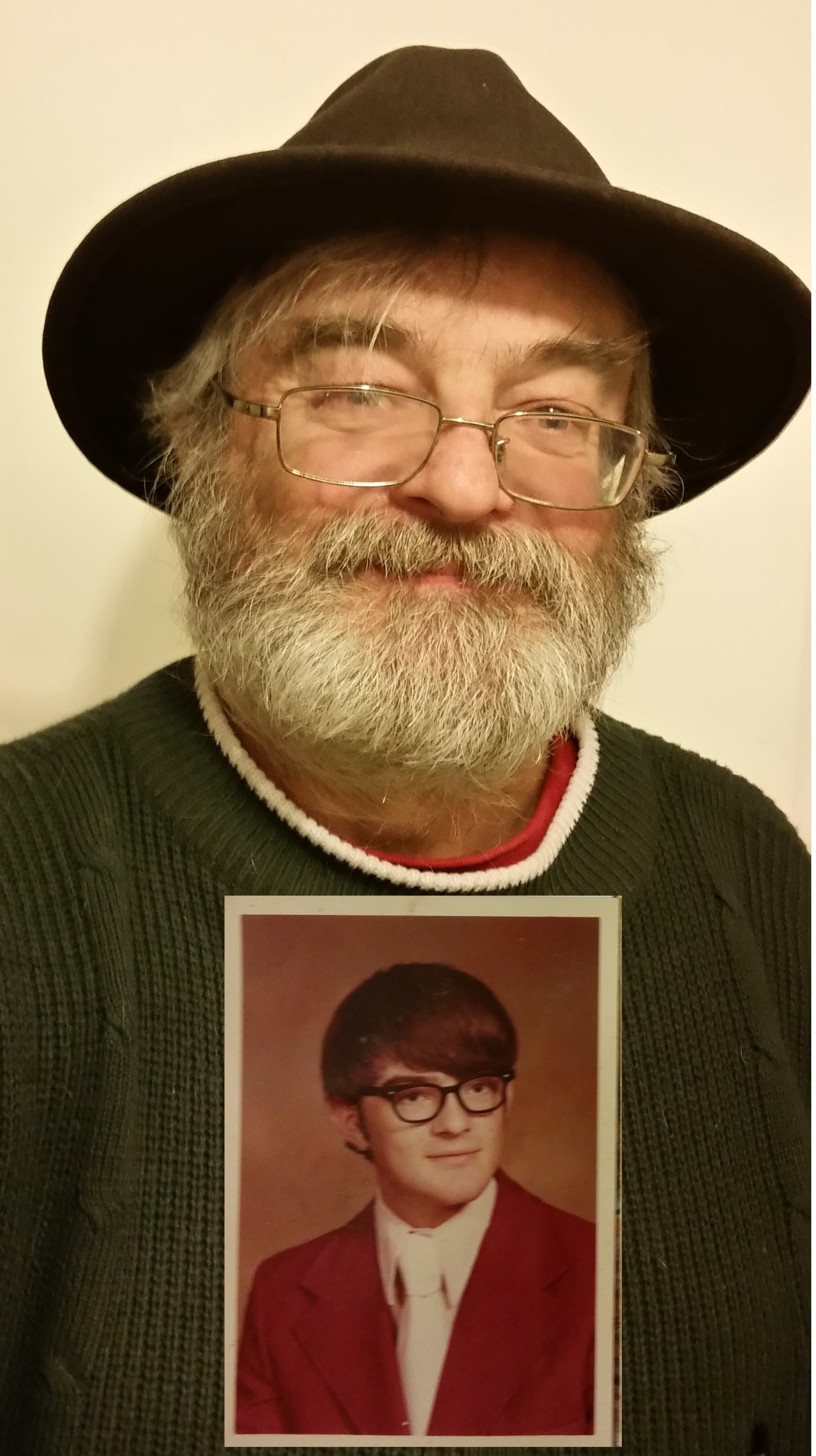
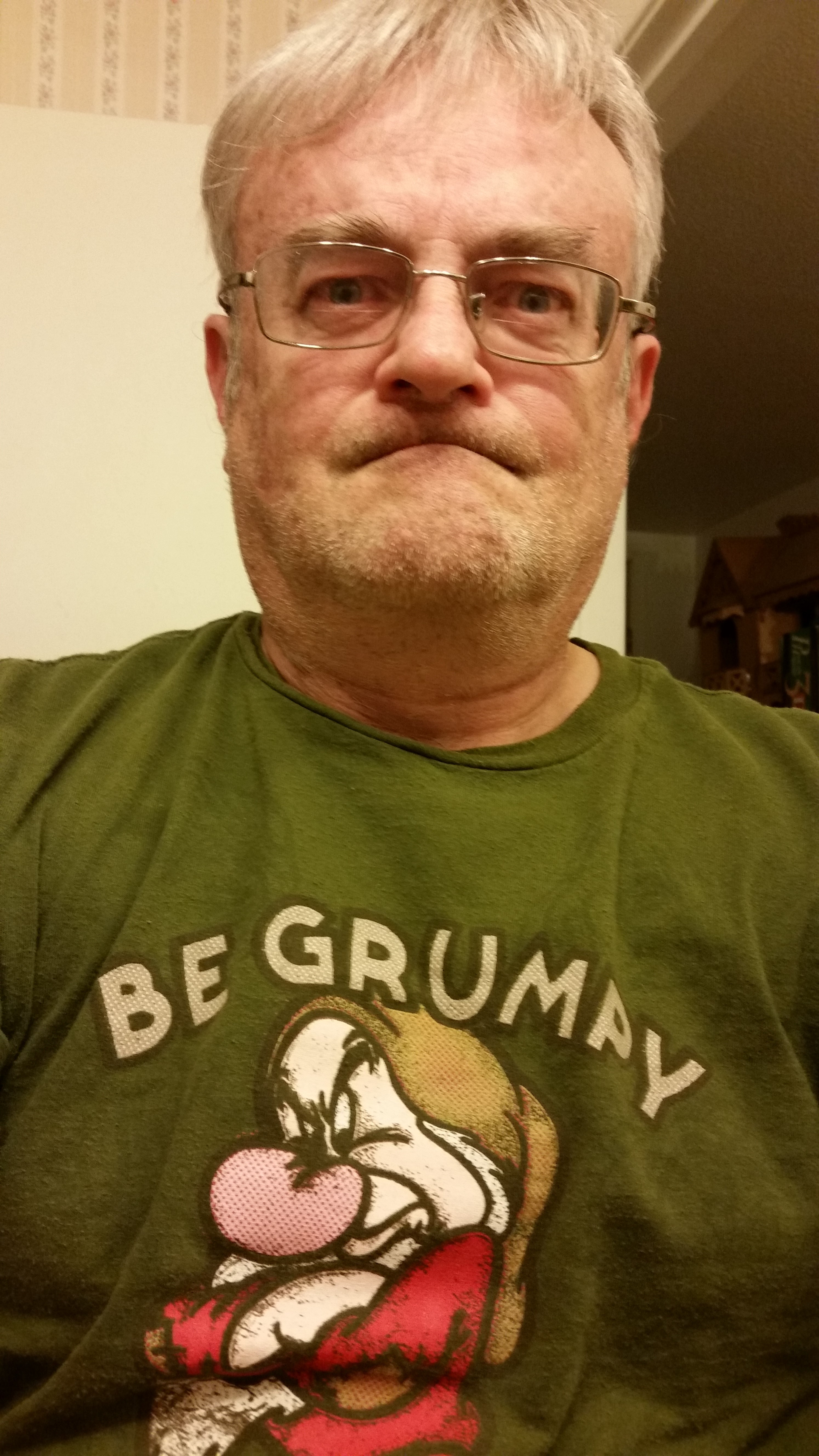
Gag! Enough of the gooseberries already! Or are they gross-berries? I think that I really don’t look anything like me anymore.














Milt Caniff
My 1967 Captain Action Steve Canyon action figure.
I have always been a deeply devoted fan of the Sunday funnies. And one of the reasons I read the comics religiously was the work of Milt Caniff. His comic strips, Terry and the Pirates, Male Call, and Steve Canyon set a standard for the age of action comics and adventure strips.
I read his comics in the 1960’s and 1970’s and always it was Steve Canyon. But this, of course, was not his first strip. I would discover in my college years the wonders of Terry and the Pirates. When Caniff started the strip before World War II, he set it in China, but actually knew nothing about China. So he did research. He learned about people who became oriental hereditary pirate families and organizations. He learned to draw authentic Chinese settings. His comedy relief characters, Connie and the Big Stoop, were rather racist parodies of Chinamen and were among the reasons that the original strip had to mature into his later work in Steve Canyon. But perhaps the most enduring character from the strip was the mysterious pirate leader known as the Dragon Lady.
Steve Canyon is a fascinating study in the comic arts. When he left the Terry and the Pirates strip in 1946, it went on without him. It was owned by the Chicago Tribune-New York Daily News distribution syndicate, not Caniff himself. Steve Canyon would change that. He created it and owned it himself, making Caniff one of only two or three comics artists who actually owned their own creations. Canyon started out as a civilian pilot, but enlisted in the Air Force for the Korean War and would remain in the Air Force for the remainder of the strip. Some of the characters in the strip were based on real people. His long-time friend Charlie Russhon, a former photographer and Lieutenant in the Air Force who went on to be a technical adviser for James Bond films was the model for the character Charlie Vanilla, the man with the ice cream cone. Madame Lynx was based on the femme fatale spy character played by Illona Massey in the 1949 Marx Brothers’ movie Love Happy. Caniff designed Pipper the Piper after John Kennedy and Miss Mizzou after Marilyn Monroe.
I am not the only cartoonist who was taken with the work of Milt Caniff. The effects of his ground-breaking work can be seen to influence the works of comic artists like Jack Kirby, Bob Kane, John Romita Sr., and Doug Wildey. If you are anything like the comic book nut I am, than you are impressed by that list, even more so if I listed everyone he influenced. Milt Caniff was a cartoonists’ cartoonist. He was one of the founders of the National Cartoonists’ Society and served two terms as its president in 1948 and 1949. He is also a member of the Will Eisner Comic Book Hall of Fame.
Leave a comment
Filed under action figures, comic strips, commentary, inspiration
Tagged as art, books, comic art, comic strips, comics, Milt Caniff, movies, Steve Canyon, Terry and the Pirates