
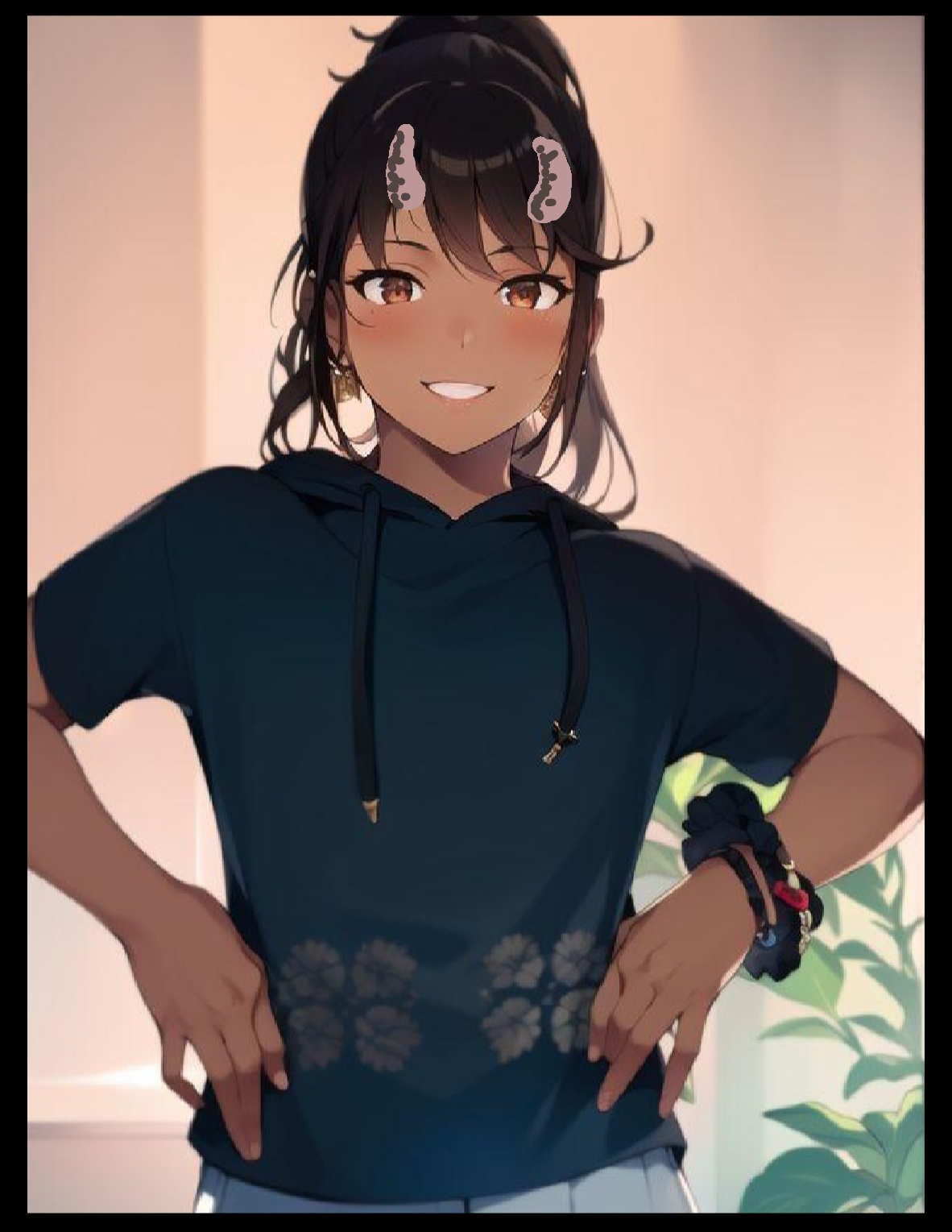
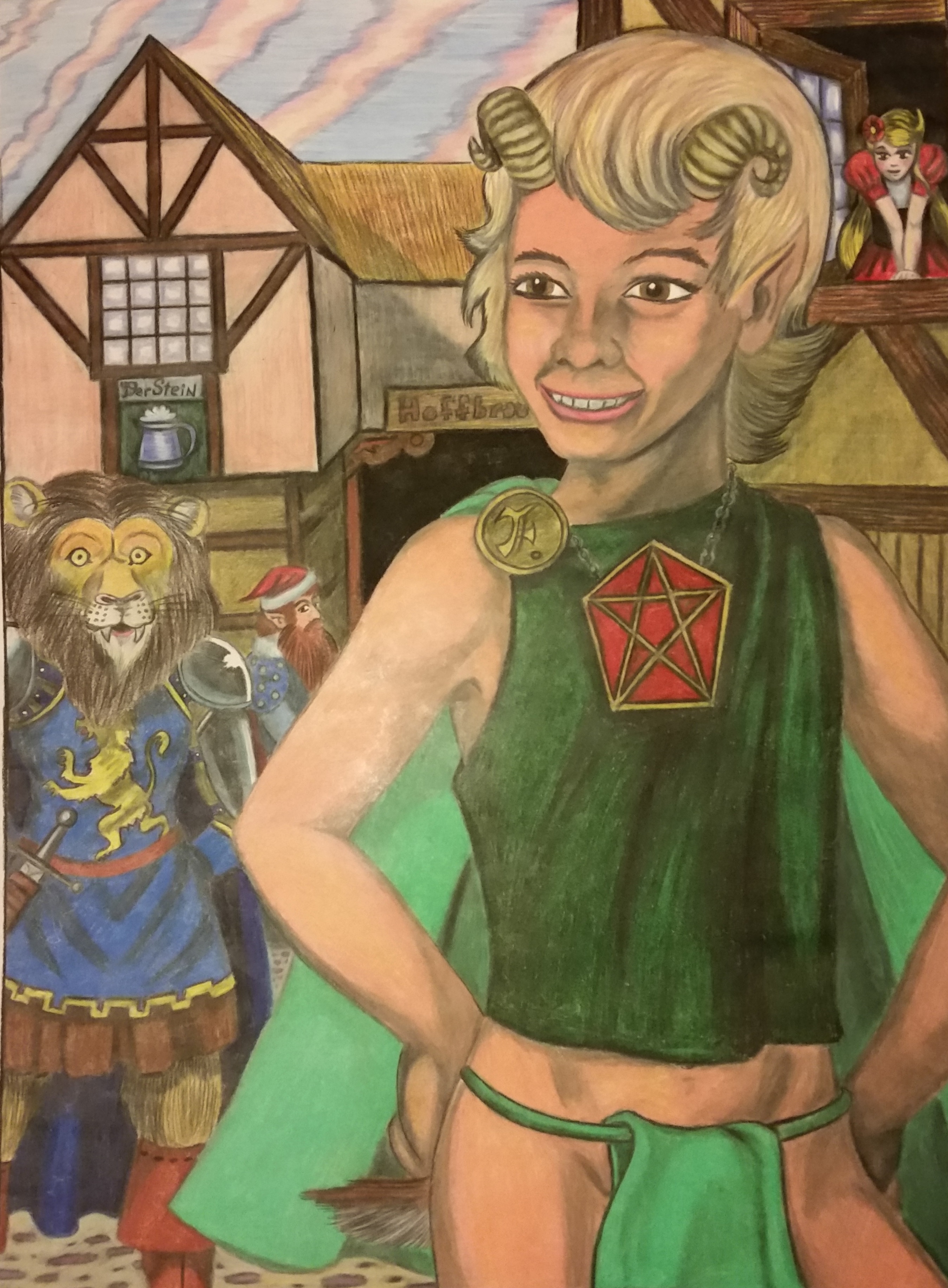
She came over the fence at Elmer’s farm,
Leaping like a deer, the white tail flying behind her,
Into the middle of Elmer’s cookout seeking me.
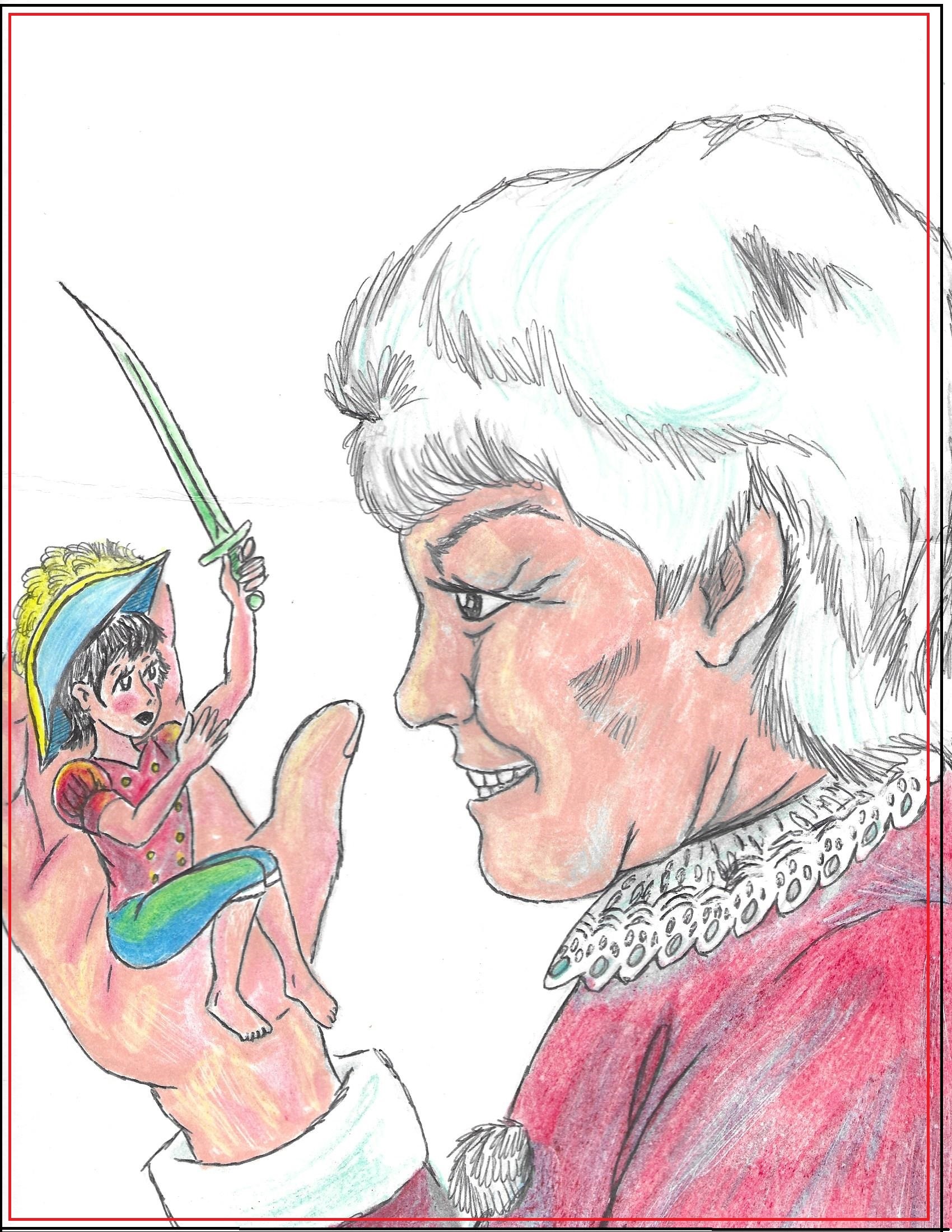
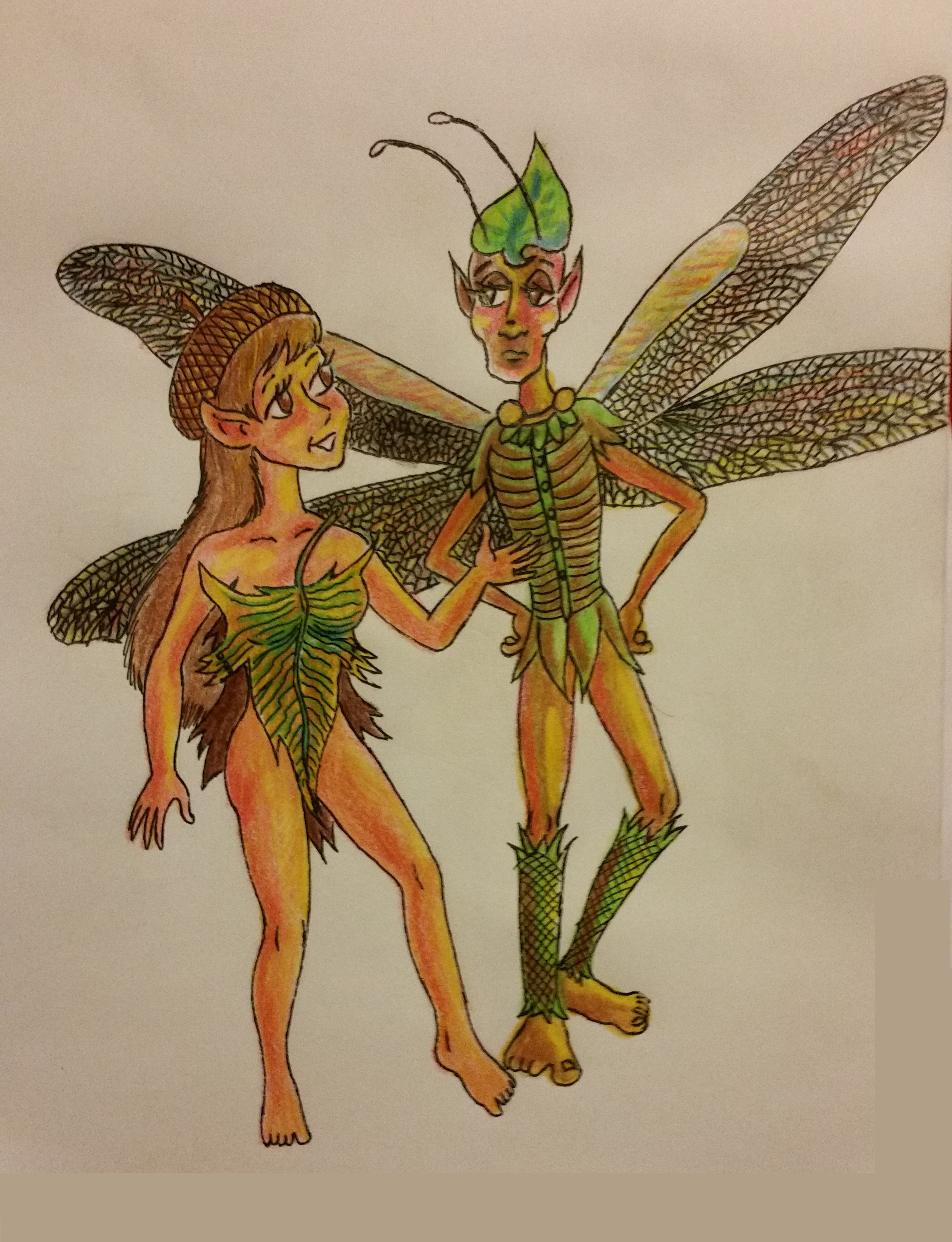
“What’s this?” I exclaimed, “A faun wearing clothes?”
“Elmer’s oldest boy is a Sensitive like you,” she said.
“I don’t need farm boy to see me nude again,,
At least, not until I decide to seduce him.”
“You must be Su-Fey Pan,
Radasha told me about you.”
She grinned a sinister grin.
“It must be nice to own your own faun.”
“I own him not,” I said of Ra,
“He came to me during my trauma.”

“He led me to the garden in my mind to heal.”
“That’s what I must do for Elmer”s boy, Wilbur.”
“Because he alone survived his mother’s car crash?”
She only nodded sadly.
The farmer’s wives with plates of mashed potatoes,
Looked at me strangely for talking to myself.
“So, why have you come here seeking only me?”
“Because you write a book of poems,
And claim you are an awful poet.
And you know of fauns and fairies,
And what their uses are.
And you understand the metaphors,
And sling the symbols all around.
And you understand that poetry
Sucks the poison from your soul
And turns venom into candy,
With sound and fury and sometimes even rhyme.”
“And you are asking me to give you some of that for him?”
“That magic, yes, to save his life,
From you through me to him.”
“And how is this miracle to be done?”
“Kiss my cheek, and give it me,
And I’ll bestow on him.”
I kissed her lightly on the sun-tanned cheek.
She grinned, a twinkle in her hazel eyes.
And she kissed me back on the lips.
The magic took my sight away.
Su-Fey was gone.
“Mickey, are you all right?” said a farmer’s wife,
“Or are you having another episode?”
“Oh, I’ll be fine,” I said, still smirking.
“Is there any of that sausage left?”
“










 Catch a Falling Star
The Cowboy Code
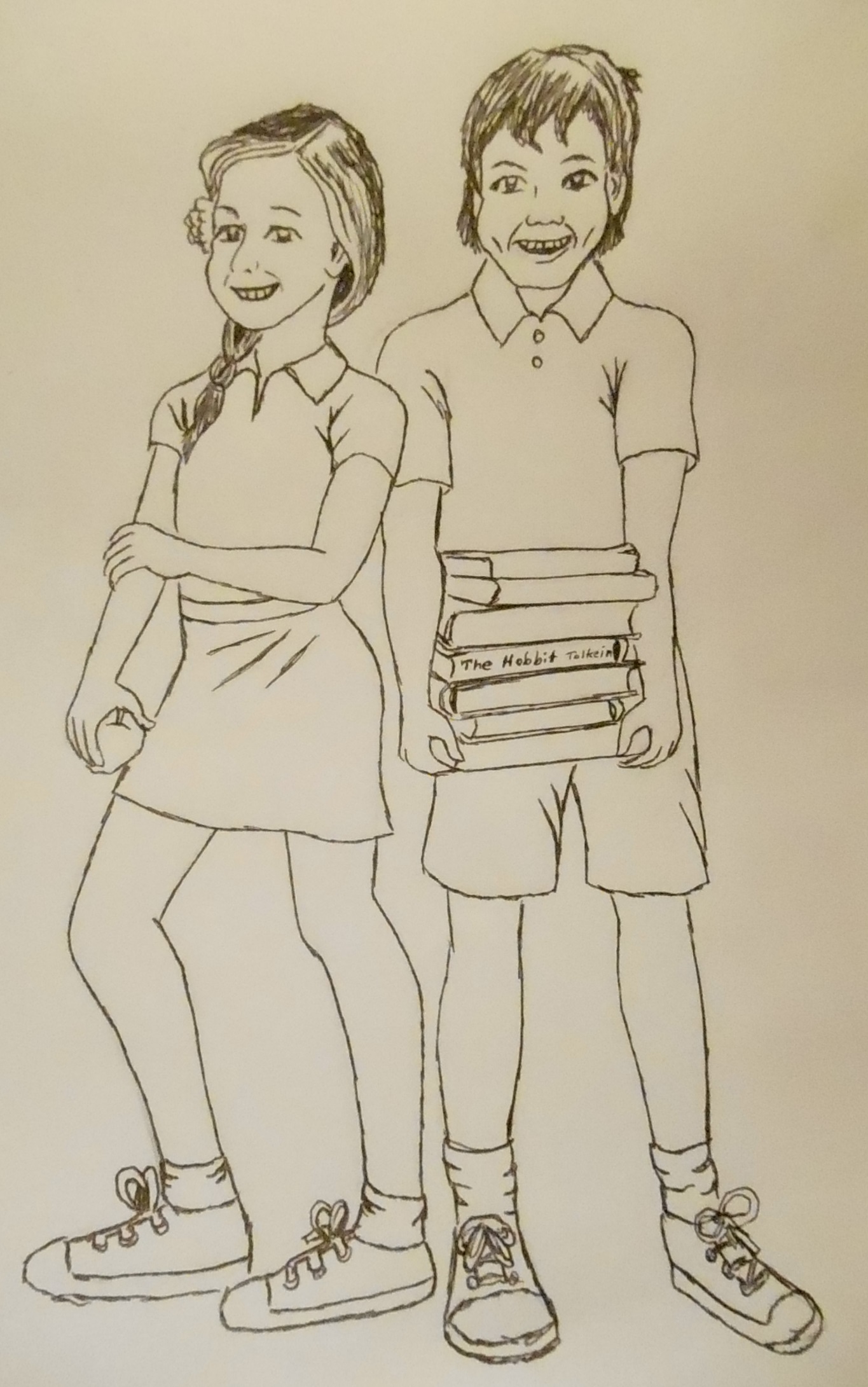
When I was a boy playing cowboys and Indians with cap pistols and rubber tomahawks, we all knew that cowboys had a code. The guy in the white hat always shoots straight. He knows right from wrong. He only shoots the bad guy. He even shoots the gun out of the bad guy’s hand if he can. Westerns are about right and wrong, good and bad, and the unyieldingly good knights of plains.
And boys believe what they see on TV and in the movie theaters. People who make television shows never lie, do they? In fact, Wyatt Earp was based on a real guy who really lived and really shot the bad guys at the gosh-darn real OK Corral.
Daniel Boone was a real guy too. He faced the opening up of new lands full of deadly dangers. And when Fess Parker played him in 1964, wearing Davy Crockett’s coonskin hat, he walked the earth like a guardian angel, making everyone safe by the end of the episode. He even knew which Indians were good and which were bad. Mingo was always on Daniel’s side. And when they spoke to each other about the dangers they faced, it was never about killing the people they feared. It was about doing what is was right, about helping the community at Boonesboro to survive. Being encouraging… looking forward to a more settled future created by following the cowboy frontier code.
So, I am left wondering what ever happened to the cowboy code? I listen to Republican presidential candidates talking about dipping bullets in pig’s blood to kill Muslims, and building walls against Mexican immigrants, and why our right to carry assault rifles is sacred, and I wonder what happened. Didn’t they experience the same education from the television versions of the Great American Mythology? Didn’t they learn the code too?
I am old enough now to know that cap guns are not real guns and you cannot solve problems by shooting somebody. But that was never the point of the cowboy code. We need straight-shooters again in our lives, not to shoot people, but to tell the unvarnished truth. We need wise people who can tell who are the good Indians and who are the bad We need them to shoot the weapons out of the bad guys’ hands. And I know that’s asking for leaders to be larger than life and be more perfect than a man can actually be. But Daniel Boone was a real man. Myths and legends start with a fundamental truth.
Leave a comment
Filed under autobiography, commentary, cowboys, humor, insight, philosophy, politics, Uncategorized
Tagged as arizona, autobiography, childhood beliefs, cowboy code, Daniel Boone, humor, politics, Red Ryder, Roy Rogers, satire, writing, Wyatt Earp