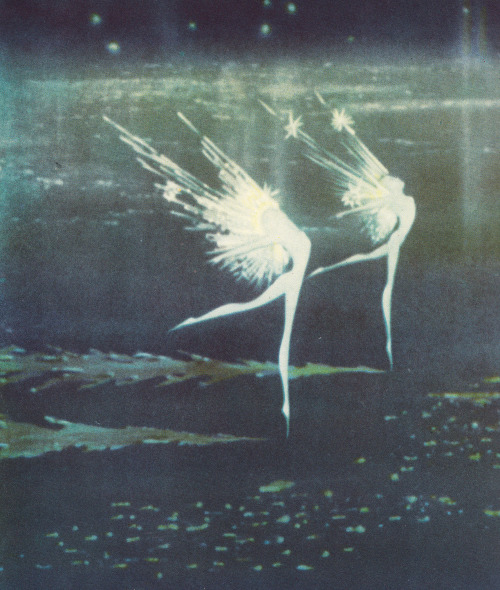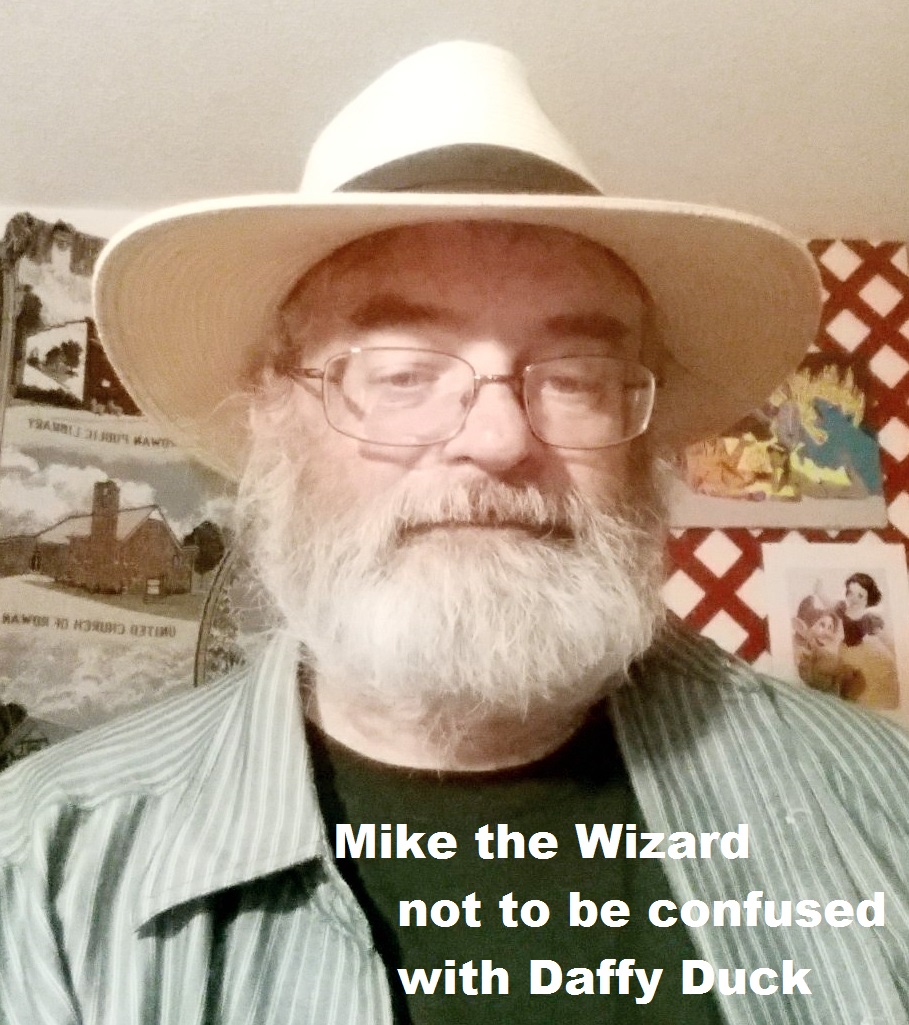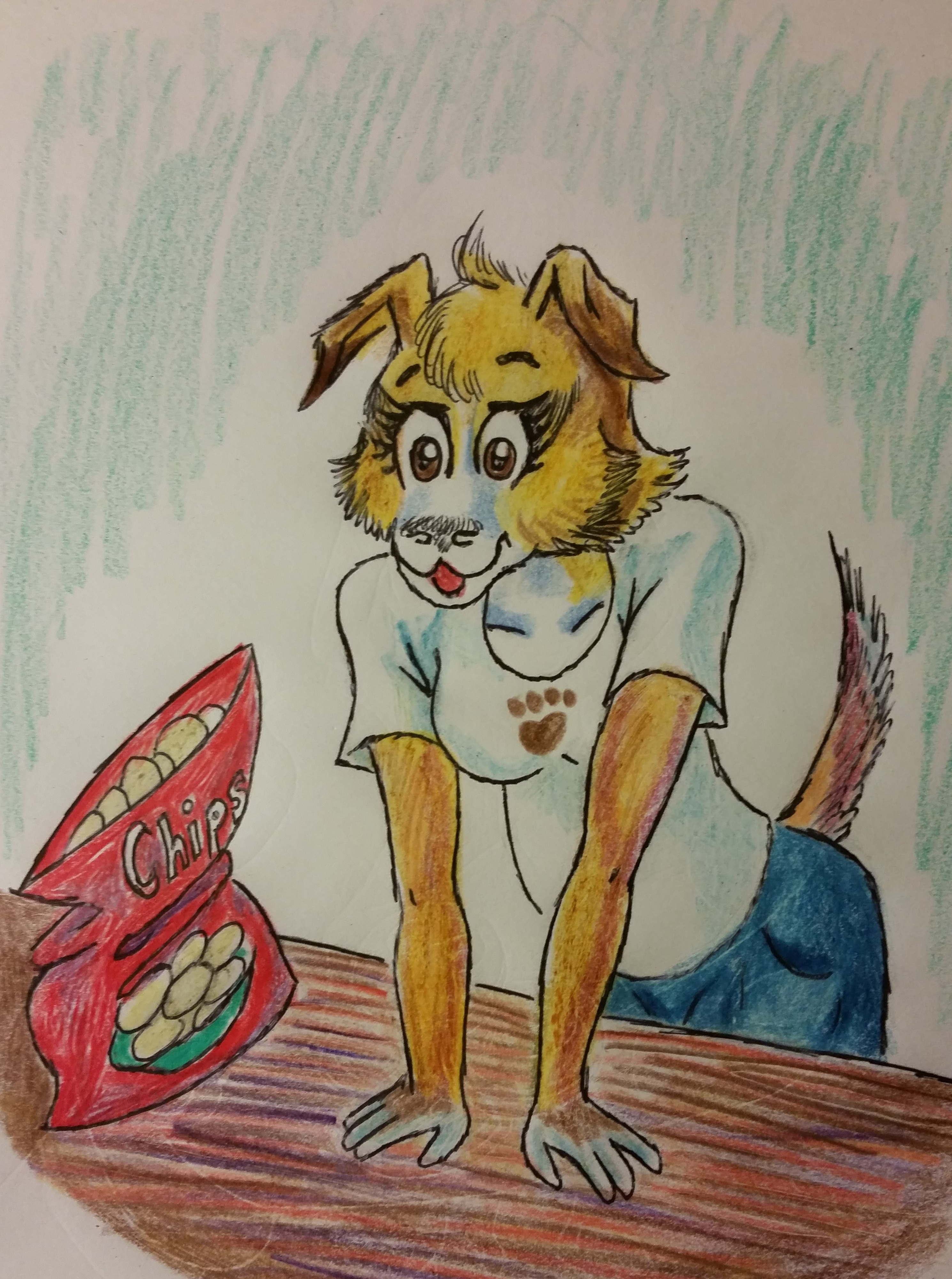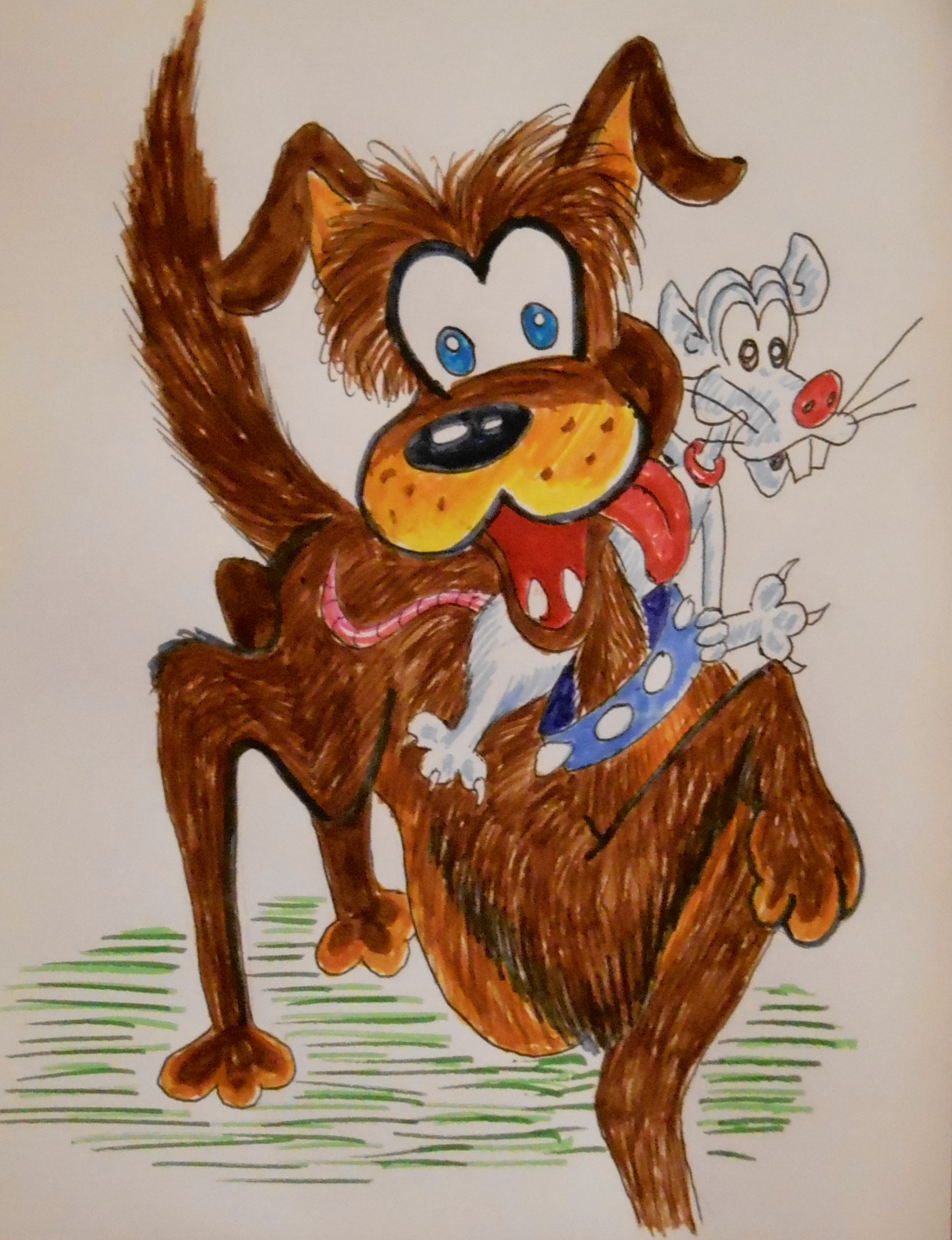


Here is a link to Chapter 1 if you haven’t seen it, or don’t remember it. https://catchafallingstarbook.net/2018/11/24/hidden-kingdom-chapter-1-complete/


Here is a link to Chapter 1 if you haven’t seen it, or don’t remember it. https://catchafallingstarbook.net/2018/11/24/hidden-kingdom-chapter-1-complete/
Filed under comic strips, fairies, Hidden Kingdom, humor, Paffooney


Of course, authors create characters. Even autobiographers create characters. Carl Sandburg could no more make his words into Lincoln than a bird can make its tweets into a cat. Sandburg can, however, help us to understand Lincoln as Carl Sandburg understands the words that are Lincoln.
Lincoln probably did not have the words for “bikini girls” in his head when he wrote those words in the second quote. But somebody thought that the picture would help us understand the words. By all accounts, Lincoln was not a particularly happy man leading a particularly happy life. But he showed us the meaning of his words when he stood firm against the strong winds of harsh words and bad ideas in a terrible time. And he was as happy about it as he made up his mind to be.
I, too, have not lived a particularly happy life. But I was always the “teacher with a sense of humor” in the classroom, and students loved me for it. Funny people are often not happy people. But they make themselves out of funny words because laughter heals pain, and jokes are effective medicine. And so I choose to write comedy novels. Novels that are funny even though they are about hard things like freezing to death, losing loved ones, being humiliated, being molested, and fear of death. Magical purple words can bring light to any darkness. I am the words I choose to write in my own story. The words not only reveal me, they make me who I am. And it is up to me to write those words. Other people might wish to do it for me. But they really can’t. The words are for me alone to write.
And so it is imperative that I write my words in the form of my novels, my essays, and this goofy blog post. I am writing myself to life, even if no one ever reads my writing.
Filed under humor, Paffooney, wordplay, writing, writing humor

A tattooed Thrall warrior from the Seven Kingdoms.

A Gnomekin from the Seven Kingdoms.

An Oceanian ship’s boy from the pirate crew of the Skull-Bearer, a three-masted schooner with lateen sails.

A Gryph scout from the Seven Kingdoms.

A Tanasian wizard from Cymril in the Seven Kingdoms.
Filed under Dungeons and Dragons
If you have seen any of my numerous posts about dolls or old books or even, you guessed it, Pez dispensers, you know how badly I am gifted with hoarding disorder. You know the disease. Every old string-saving grandpa or scrap-booking maiden aunt you had as a kid had it. Piles and piles of useless and pointless things all neatly stacked and sorted somewhere in the house, or possibly garage… lurking like a monster of many pieces waiting to take over the whole house.
I can’t help it. Collections have to be completed. If you see it and you don’t already have it, you must possess it. Twenty-seven cents short of the full price with tax included? Go out to the car and dig in the cup holder. Oops! Can’t part with those particular State Quarters. Will they take that many pennies? Have to try.

Lately I have been victimized by a combination of my disorder and the fact that Toys-R-Us is a convenient restroom stop on the rush-hour drive along I-35 to pick up the Princess at her high school in Carrollton, Texas and my son Henry at his school in Lewisville, Texas. It is a killer two hours and I need to go potty at the halfway point. And I can’t make my way to the restroom without passing the Pez dispenser display. And I can’t pass the Pez dispenser display without… well, you know.

What can I say? I’m diabetic. I have to visit the restroom frequently.

And they do look good on my bookshelves with a lot of the other junk I collect.

And not all of these are new, bought some time this school year. In fact, not most of them.

And they only cost a couple of dollars each.

And I do resist the urge to buy one once in a while… honest, I really do.

And see here? Only Minnie Mouse and Pluto on this shelf are new. And how could I leave this collection without Minnie and Pluto?
And it’s not like butterfly collecting, which I shamefully admit I did as a kid. You don’t kill and mount Pez dispensers. Although I admit, I really don’t know for sure how their factory works.
But I also have to admit, Pez dispensers aren’t the only thing that turns my collecting urge up to the highest possible settings.

So don’t hate me for hoarding. If you’re worried, all of these things are available in stores too. And I have worked on my photographicalizing skills a bit to share them with you. And who knows where these treasures will end up when I pass on to the cartoonist’s paint box in the sky? My daughter has vowed not to let them end up in a landfill somewhere. Somebody will play with them and love them when I’m finally done. MAYBE EVEN FUTURE GRANDCHILDREN. There is a possibility, you know… always a possibility.


There is a major drawback to being so smart that you can perceive the edges of infinity. It makes you bedbug crazy. I love the science fiction that populated the paperback shelves in the 50’s and 60’s when I was a boy. I love the work of Philip K. Dick. But it leads you to contemplate what is real… what is imaginary… and what is the nature of what will be.

the robot Philip K. Dick who appeared at Comic Con and answered questions
There are numerous ways to investigate life. But it is in the nature of imaginary people to try to find ways to make themselves real. When the replicants in Bladerunner try to make themselves into real people, they must try to create memories that didn’t exist. They try to mirror human life to the extent that they can actually fool the bladerunner into letting them live. Of course, it doesn’t work. They are not real. (Bladerunner is the movie name of Do Androids Dream of Electric Sheep).

It is like that for me as well. Being an imaginary person is difficult. You have to constantly invent yourself and re-invent yourself. By the time you finally get to know yourself, you have to change again so that the anti-android factions don’t destroy you. Although, I think I may not actually be an android.
Does that sound a bit crazy? Well Philip K. Dick’s life story may in fact have led him down the path to really crazy. In 1971 he broke up with his wife, Nancy Hackett. She moved out of his life, and an amphetamine-abuse bender moved in. In 1972, ironically the year I began reading Dick’s work, he fell in love at the Vancouver Science Fiction Convention. That was immediately followed by erratic behavior, a break-up, and an attempted suicide overdosing on the sedative potassium bromide. This, of course, led directly to his 1977 novel A Scanner Darkly.

The story is about a police detective who is corrupted by a dangerous addictive drug that takes him down the rabbit hole of paranoia, and being assaulted by the perception of multiple realities simultaneously. His novel Ubik from 1969 is a story of psychics trying to battle groups of other psychics even after they are killed by a bomb. The crazy seems to have been building for a while.

In 1974 he had a transcendental experience when a lady delivering medicine to his door wore a fish-shaped pendant which he said shot a pink beam into his head. He came to believe the beam imparted wisdom and clairvoyance, and also believed it to be intelligent. He would later admit to believing he had been reincarnated as the prophet Elijah.

Imagination has its dangers. It is a powerful thing able to transform reality. Science fiction writers often use their imagination to shape what the future will actually make come into being. But it can also turn your mind inside out. A great science fiction writer like Philip K. Dick can contemplate the nature of reality and turn his own reality inside out. It is a lesson for me, a lesson for all of us. Wait, is that a pink beam of light I see? No, I just imagined it.
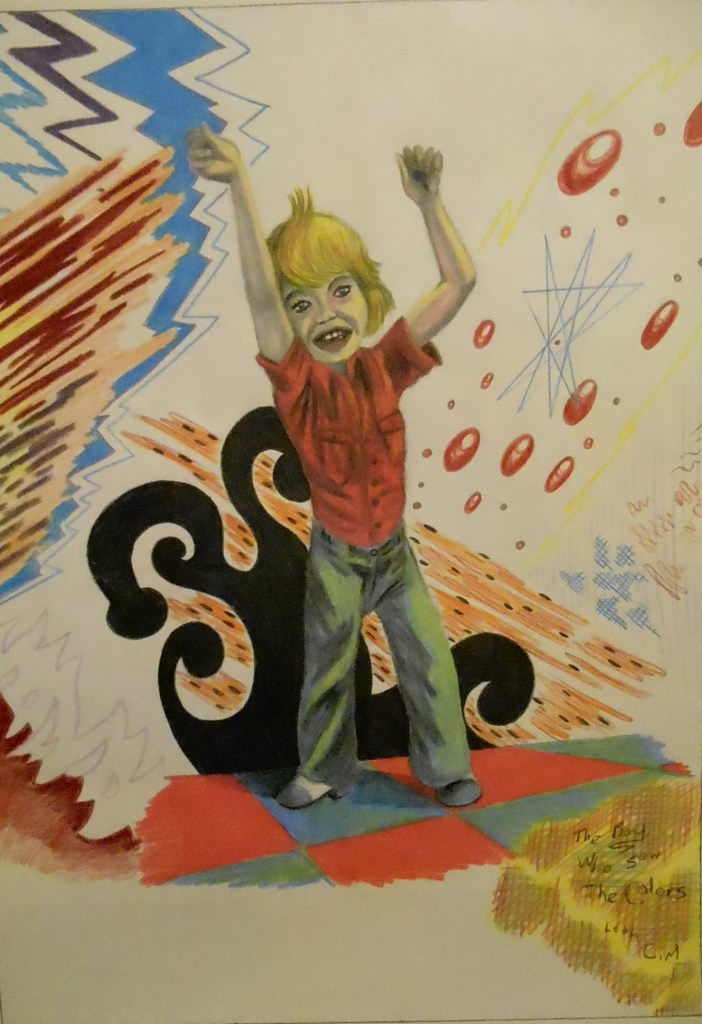
Okay, so on the synesthesia tests I didn’t score as a synesthete on the music/color test. But I was extremely synesthetic on the tests for color/months/days of the week. I was a little over the mark on letter/number/colors synesthesia too, but it was more a problem with manipulating the color-selector device when I don’t have a mouse to use on my laptop. The test for music did not test the way I see colors with music. They wanted me to respond to what color each individual note seemed to be, and that isn’t even close to the way I experience it. For me, the perfect description of how synesthesia works for me is Bach’s Tocata and Fugue in D minor as it is depicted in Fantasia.
I was shocked when I first saw it. The colors are wrong for this piece, but the visual experience is almost exactly how I experience music, especially wordless instrumental music. The only problem with this piece is that the overall color schemes are wrong. But this comes about because every synesthete sees the colors differently. And I have no doubt that at least one of the artists who created this had synesthesia. If there were more reds, yellows, and magenta in the opening and more indigo contrasted with silver later, this interpretation would be perfect.

Music synesthetically works in two directions for me. The picture above, called The Wings of Imagination, makes me think of La Mer by Claude Debussy.
If you listen to the piece, don’t look at the YouTube illustration, look at my picture if you want to see the music the way I do. The following song, Don’t Worry, Be Happy, is a multicolored song that I can best express with the colors in the picture I call Rainbow Peacock.

The full range of primary colors together in one picture, or one song, always means completeness, fullness, and happiness to me. If there is absence of one or more of the basic colors from the color wheel, the mood and emotion present in the song or picture is altered to something other than happiness. The Firebird Suite by Igor Stravinsky goes from the indigo and navy blue of fear and confusion to instances of angry red and feverish orange. It would look something like this in the theater of my imagination;

And one of my favorite instrumental pieces of all times, Prelude to the Afternoon of the Faun by Claude Debussy, is full of melancholy and sexual tension, deeply felt vibrations in the depths of my stomach, and would look like my picture Sleeping Beauty with its teal and blue melancholia juxtaposed with candle-lit yellows and wood brown mixed feelings of joy and anxiety.

Now, if you have waded through all of this goofy color-and-music analysis from a source whose sanity is questionable at best, you probably have no earthly idea what any of it has to do with anything. But if you have that aha!-moment and see it all clearly too, then I suspect you probably are a synesthete too. Poor you. It is not a treatable condition. But it is also not a burden. Learn to enjoy it. It resonates in your very soul.
I read a lot of other people’s blogs for a lot of reasons. As an old writing teacher and retired Grammar Nazi, I love to see where writers are on the talent spectrum. I have read everything from the philosophy of Camus and Kant to the beginning writing of ESL kids who are illiterate in two languages. I view it like a vast flower garden of varied posies where even the weeds can be considered beautiful. And like rare species of flower, I notice that many of the best blossoms out there in the blogosphere are consistent with their coloring and patterns. In other words, they have a theme.

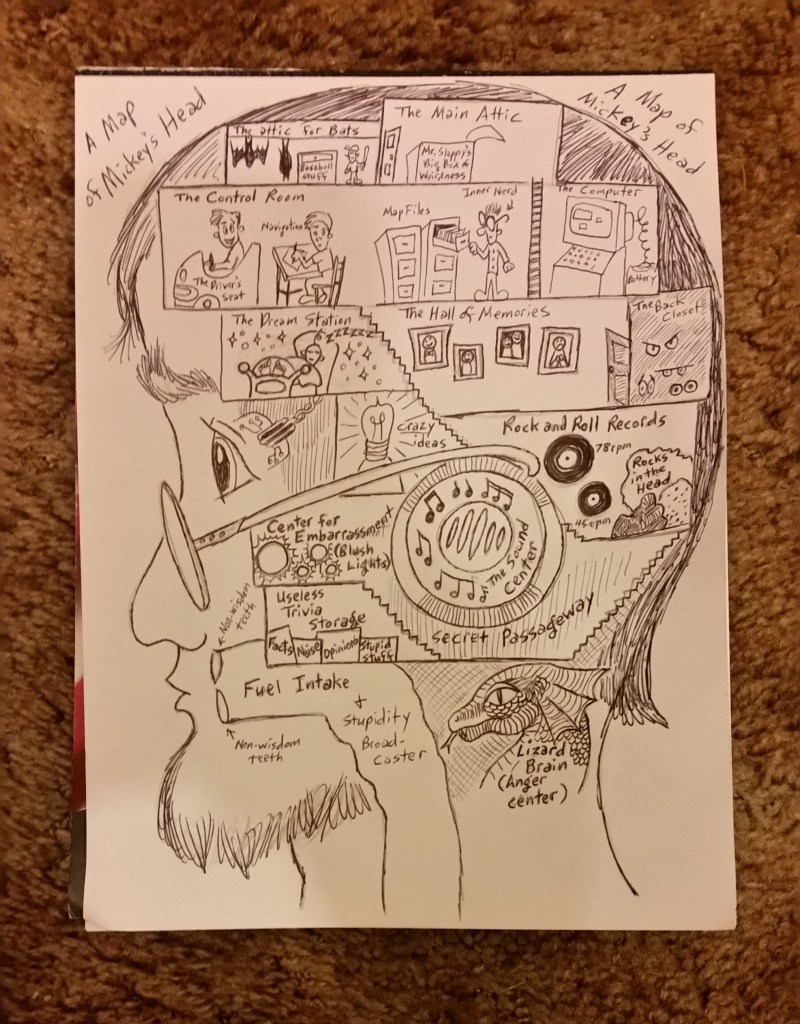
So, do I have an over-all theme for my blog? It isn’t purely poetical like some of the poetry blogs I like to read. I really only write comically bad poetry. It has photos in it, but it isn’t anything like some of the photography blogs I follow. They actually know how to photograph stuff and make it look perfect and pretty. It is not strictly an art blog. I do a lot of drawing and cartooning and inflict it upon you in this blog. But I am not a professional artist and can’t hold a candle to some of the painters and artists I follow and sometimes even post about. I enjoy calling Trump President Pumpkinhead, but I can’t say that my blog is a political humor blog, or that I am even passable as a humorous political commentator.
One thing that I can definitely say is that I was once a teacher. I was one of those organizers and explainers who stand in front of diverse groups of kids five days a week for six shows a day and try to make them understand a little something. Something wise. Something wonderful. Something new. Look at the video above if you haven’t already watched it. Not only does it give you a sense of the power of holding the big pencil, it teaches you something you probably didn’t realize before with so much more than mere words.

But can I say this is an education blog? No. It is far too silly and pointless to be that. If you want a real education blog, you have to look for someone like Diane Ravitch’s blog. Education is a more serious and sober topic than Mickey.
By the way, were you worried about the poor bunny in that first cartoon getting eaten by the fox and the bear? Well, maybe this point from that conversation can put your mind at ease.

Mickey is tricky and gets good mileage out of his cartoons.
You may have gotten the idea that I like Bobby McFerrin by this point in my post. It is true. Pure genius and raw creative talent fascinate me. Is that the end point of my journey to an answer about what the heck this blog is about? Perhaps. As good an answer as any. But I think the question is still open for debate. It is the journey from thought through many thoughts to theme that make it all fun. And I don’t anticipate that journey actually ending anytime soon.
This link will help you understand Synesthesia

Yes, Mondays are blue. Specifically French blue. Every day of the week has its own color. Sunday is golden yellow, Tuesday is a yellow-ochre, Wednesday is indigo blue and sometimes changes to blue violet, Thursday is burnt orange, and Friday is solid wood brown, and of course Saturday is rich pure red while Mondays are not just any blue… they are French blue. I learned the names of these colors from being a painter and using oil paints. I experience these colors every week and they help me maintain the calendar in my stupid old head. I began to realize when I first heard about the colors of the wind in the Disney movie Pocahontas that there was something to this everyday thing, something different in the way I see the world. I have in the last few years learned that this condition has a name. It is called synesthesia.

It has been suggested to me by more than a few people that I don’t really perceive the world the same way “normal people do”. When I was growing up, and going to school, I never had trouble remembering to capitalize the first word in a sentence. I did however, have a great deal of difficulty with capital letters on nouns. Looking back on that difficulty now, I can say without a doubt that I was having trouble not because I didn’t know the difference between proper nouns and common nouns. It was because things like the word “dog” or “chair” had to begin with the right color. Dogs are blue when you are talking about the color of the letters in the word. But small “d” is blue-green, not true blue. It doesn’t fit as well as the dark blue capital “D”. And chairs are orange-red when you write them down, while the small “c” appears light green by itself.

Sundays are Sun-days, and that’s why they are golden yellow.
I am told that most synesthetes are taken by surprise when they learn that they are seeing things differently than other people do. I certainly was. I always got funny looks whenever I described Thursdays as orange, or the month of November as sky blue. My classmates in 4th grade thought I was nuts… of course, it wasn’t just for the orange Thursdays thing. I was not a normal kid in any real sense of the word. I always suspected that if I could look at the world through other people’s eyes, I would probably see the color green as what I called red, or that glowing halo that surrounded things when organ music played in the Methodist church would no longer be there. But once I learned how synesthesia works I knew it was true. The visual part of the brain can be scanned to show activity, and lights up on the scanner as if the brain is seeing bright colors when Beethoven’s Ninth Symphony is being played while the subject of the scan is actually blindfolded. I am told that synesthesia is more common in left-handed girls. My daughter, the Princess, tells me that she also sees color on printed numbers and letters. She is left handed and also gifted at drawing. I suspect she inherited the synesthesia from me.

Synesthesia probably explains what this nonsense is all about.
Now, I acknowledge the fact that my synesthesia is self-diagnosed and not proven by any of the methods the articles I have read about the condition talked about. But my personal experiences always seem to fall in line with descriptions of letter/number/color combinations and music/color combinations that I have read about. And if I do have it, it is not the same as any of my six incurable diseases. It is not a bad condition to have. In an artistic sense, it might actually be a good thing. I could use some good for a change. Good doesn’t usually come from weirdness… not my weirdness, anyway. (Oh, and capital “G” is lime green… as is the word Goodness).