
Category Archives: strange and wonderful ideas about life

Mickey Viewed From the Inside

Yes, this post is a self-examination.  Not the kind you see Donald Trump enacting every weekend, where he says any crappy thing that occurs to his craptastical very good brain to cover what he doesn’t want us to believe about the truth on Twitter and Truth Social, basically for the purpose of continuing to say he is great and we are poop.   I do not like myself the way Trump likes himself.  I am an old bag of gas that is in pain most of the time, in poor health, and the subject of endless persecution from Bank of America and other money-grubbing machines that are convinced any money I might accidentally have really belongs to them.  But this is not a complain-about-crap fest either.

This is a self-examination that attempts to honestly examine where I am in my quest for wisdom and my affliction with being a writer.
DJHpWqAXcAAIpEW

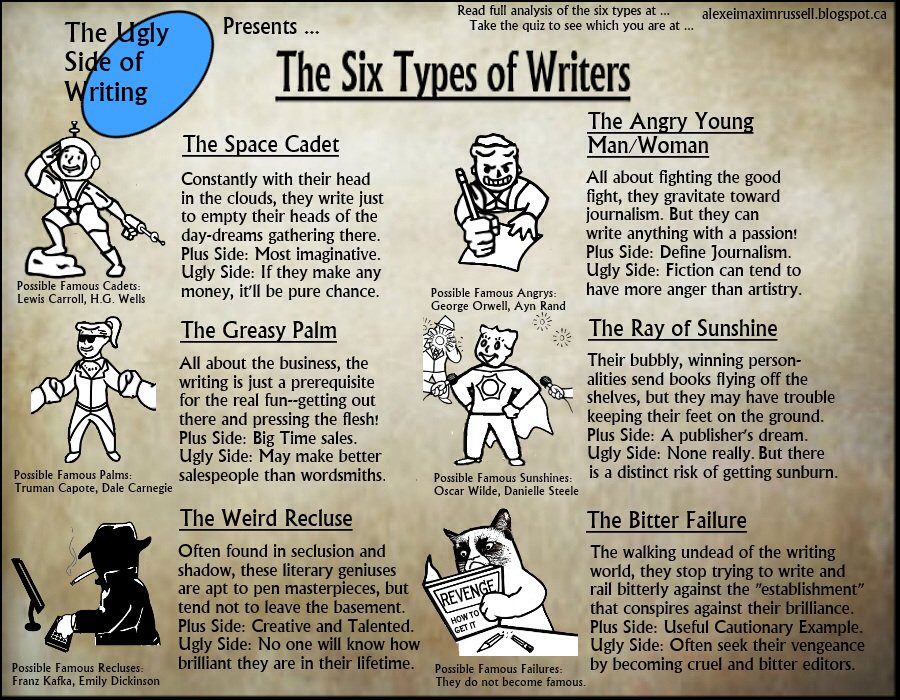
If I am being honest about the type of writer I really am, I guess I am most like the Weird Recluse in the bottom corner.  I can’t claim to be as good as Kafka or Dickinson, but I am definitely better than some of the crap that gets published and marketed as young adult literature.  The business of publishing is more interested in how many books they can sell, rather than literary merit or good writing.  Some of the crap that is out there and being made into bad movies (which I have not seen because I don’t go to movies that don’t pass the fiction-source smell test) is actually a form of brain poison that will mold young people into sexual predators and professional poop makers.  And people will take poison happily if it has been deviously marketed well.  So far, in the money test, I have made only $16.43 dollars as an author (plus whatever I have made from I-Universe that doesn’t cut a check until it reaches at least $25 dollars).  Nobody is buying my books because nobody has read them.  I have sold a few copies to friends and relatives.  Some of those books are just sitting on a shelf somewhere unread.  I have a couple of 5-star reviews on Amazon, and that is it.  I will die in the near future not having known any measurable success from my books at all.
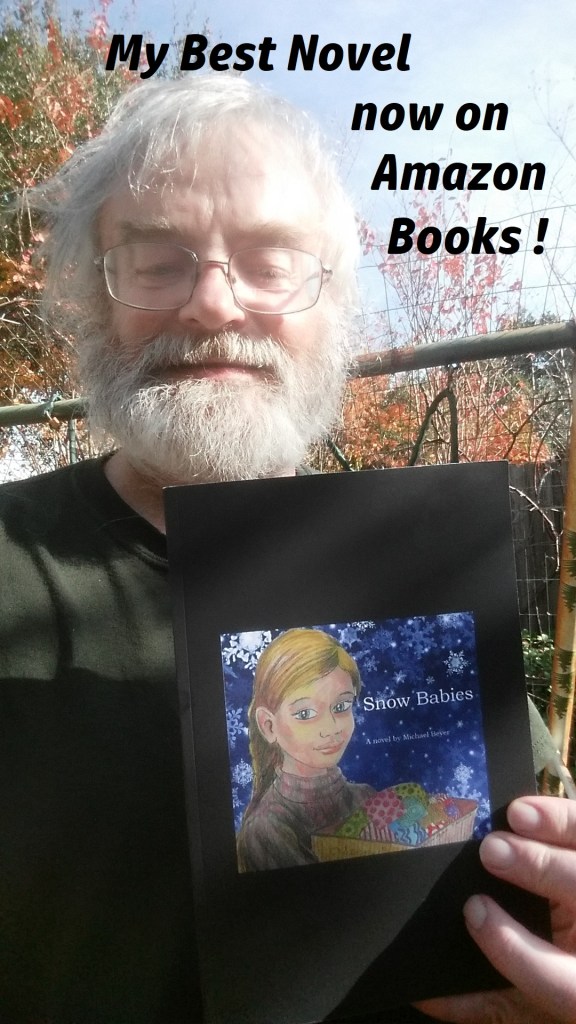
I have entered novels in writing contests and done well enough to make it into the final round of judging twice.  I have not, however, made a big enough splash that anyone really noticed.  I have paid reviewers to review my books online.  One of those charged me money, and then reviewed a book with the same title by a different author, a book which was nothing like my book, and then, when forced to correct their error, only read the blurb on the back of the book to write the oopsie-I-goofed-last-time review.  They were not worth the money I paid them, money that Bank of America could’ve sued me for instead.

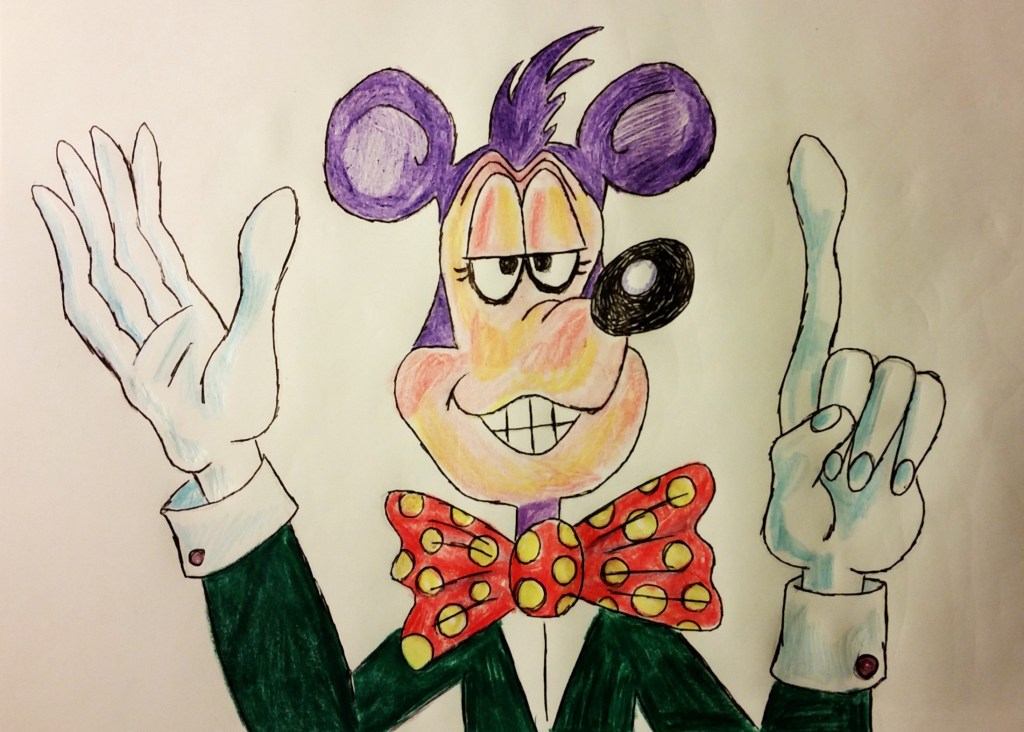
The only thing I have done successfully as a writer is, I think, this goofy blog.  By writing every day, I have managed to give myself considerable practice at connecting with readers.  I have practiced writing humor and written some laughable stuff.  I have plumbed my soul for new writing ideas and found a creative artesian well bubbling up with new ideas daily.  I can regularly manufacture inspiration.  I am never truly without an idea to write about.  Even when I write a post about not having an idea to write about, I am lying.  Of course, I am a fiction writer, so telling lies is what I do best.  I am also a humorist, so that means I can also tell the truth when I have to, because the best humor is the kind where you surprise the reader with a thing that is weirdly true.  Like just now.

So, somewhere ages and ages hence, I hope there will be a trove of old books in a cellar somewhere that will include one of mine.  And some future kid will pick it up, read it, and laugh.  The golden quality of that laughter is the only treasure I have really been searching for.  It is the reason I write.  It is the reason I continue to be Mickey.

Since I wrote this blog post originally, I have added a few books published on Amazon.  You can find information about this random noveliciousness here at this page in my blog.  Click on this linkie thingie here.
Leave a comment

Filed under autobiography, feeling sorry for myself, foolishness, forgiveness, humor, Paffooney, philosophy, publishing, self pity, self portrait, strange and wonderful ideas about life, writing humor

If I Thunk It, Then Wrote It, I Will Leave It In There

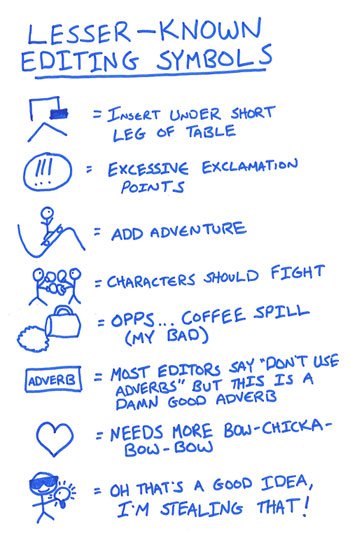
One good thing about being a humorist is, if somebody calls you out for an error you made in your writing, you can always say, “Well, it’s a joke, isn’t it?”  Errors are for serious gobbos and anal-retentive editors.  I live with happy accidents.  It is a way of life dictated in the Bob Ross Bible.

DWjmeXxW0AAHdst

Yeah, I know it’s supposed to be “oops” not “OPPS”, but after all, this isn’t even a list I made up myself.  I stole the whole thing from another writer on Twitter.

You have no idea what a cornucopia of ravings from knit-wit twit-tweets Twitter really is.

Oh, you waste time time on Twitter too too?

Then you know already.

Twitter makes you want to shout at your computer, and has so many Trump-tweets and conservative blather-bombs on it, that it can seriously impair your editing skills.

So I look elsewhere and elsewhen to sharpen my critical English-teacher eye.

redinNwrytin

Yes, the illustrator of that meme doesn’t get the blame for the content.  I wrote that violation of the sacredness of classic literature myself.  I think we should thank God for the fact that neither Charles Darwin nor Dr. Seuss decided to act on evil impulses.  The world is a better place for their decision on how to use their genius, and how to edit themselves.

AGHUTnoody

So, this is me writing today’s post about editing as a writer, and failing miserably to edit my own self.  I got the pictures from Twitter and edited them myself.  Or failed to edit them properly, as the case is more likely to prove.  But however I may have twisted stuff and changed stuff and made up new words, editing is essential.  It makes the whole world better.  Now let’s consider editing the White House for a bit, shall we?

Leave a comment

Filed under foolishness, goofy thoughts, humor, memes, reading, strange and wonderful ideas about life, writing, writing humor

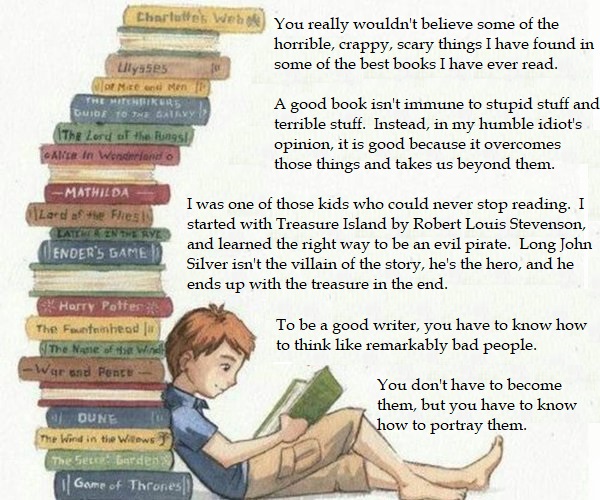
My Bookish Journey (Finale)

by Maxfield Parrish

Like every real, honest-to-God writer, I am on a journey. Like all the good ones and the great ones, I am compelled to find it…

“What is it?” you ask.

“I don’t know,” I answer. “But I’ll know it when I see it.”

“The answer?” you ask. “The secret to everything? Life, the universe, and everything? The equation that unifies all the theories that physicists instinctively know are all one thing? The treasure that pays for everything?”

Yes. That. The subject of the next book. The next idea. Life after death. The most important answer.

And I honestly believe that once found, then you die. Life is over. You have your meaning and purpose. You are fulfilled. Basically, I am writing and thinking and philosophizing to find the justification I need to accept the end of everything.

Leah Cim Reyeb is me, Michael Beyer written backwards.

And you know what? The scariest thing about this post is that I never intended to write these particular words when I started typing. I was going to complain about the book-review process. It makes me think that, perhaps, I will type one more sentence and then drop dead. But maybe not. I don’t think I’ve found it yet.

The thing I am looking for, however, is not an evil thing. It is merely the end of the story. The need no longer to tell another tale.

When a book closes, it doesn’t cease to exist. My life is like that. It will end. Heck, the entire universe may come to an end, though not in our time. And it will still exist beyond that time. The story will just be over. And other stories that were being told will continue. And new ones by new authors will begin. That is how infinity happens.

I think, though, that the ultimate end of the Bookish Journey lies with the one that receives the tale, the listener, the reader, or the mind that is also pursuing the goal and thinks that what I have to say about it might prove useful to his or her own quest.

I was going to complain about the book reviewer I hired for Catch a Falling Star who wrote a book review for a book by that name that was written by a lady author who was not even remotely me. And I didn’t get my money back on that one. Instead I got a hastily re-done review composed from details on the book jacket so the reviewer didn’t have to actually read my book to make up for his mistake. I was also going to complain about Pubby who only give reviewers four days to read a book, no matter how long or short it is, and how some reviewers don’t actually read the book. They only look at the other reviews on Amazon and compose something from there. Or the review I just got today, where the reviewer didn’t bother to read or buy the book as he was contracted to do, and then gave me a tepid review on a book with no other reviews to go by, and the Amazon sales report proves no one bought a book. So, it is definitely a middling review on a book that the reviewer didn’t read. Those are things I had intended to talk about today.

But, in the course of this essay, I have discovered that I don’t need to talk about those tedious and unimportant things. What matters really depends on what you, Dear Reader, got from this post. The ultimate McGuffin is in your hands. Be careful what you do with it. I believe neither of us is really ready to drop dead.

Leave a comment

Filed under book review, commentary, humor, illustrations, novel writing, Paffooney, publishing, reading, strange and wonderful ideas about life, writing

My Bookish Journey (Part V)

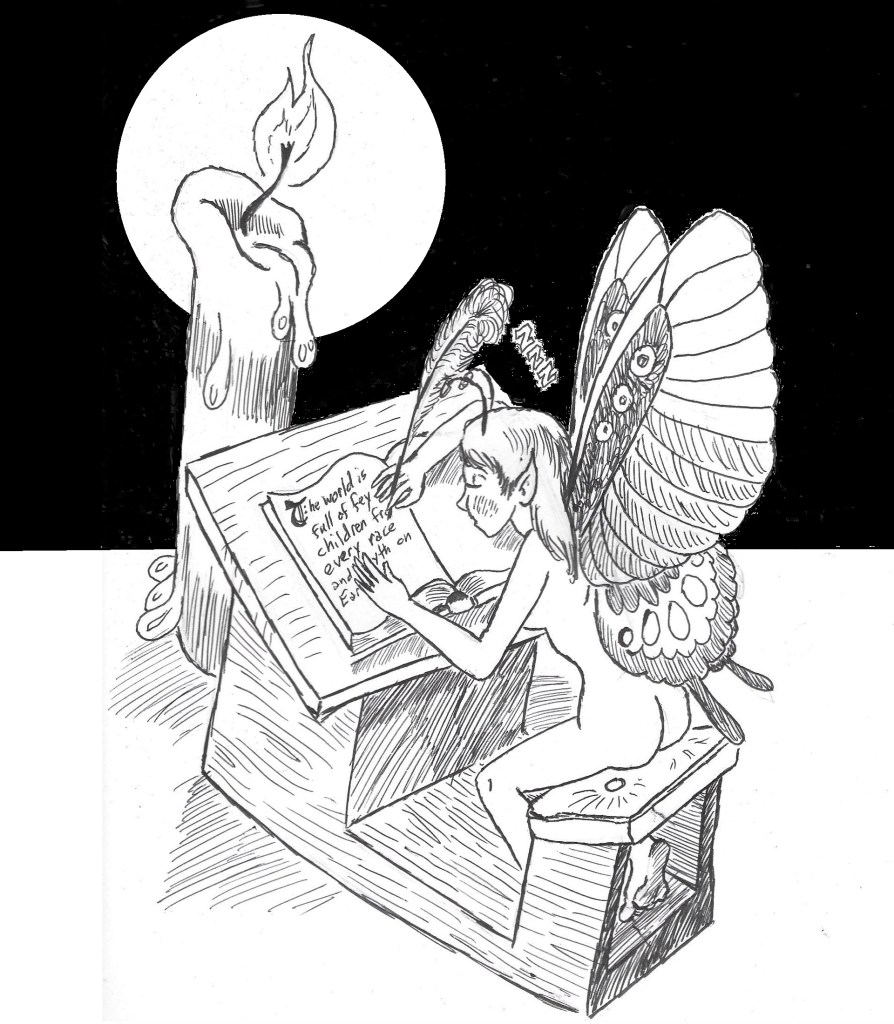
Creating myself as an author meant making some conscious choices at the beginning. I made some very clear ones. First of all, I intended to write as much about my real life as I possibly could. Accepting, of course, the fact that my real life was infested with imaginary people and events. There was the faun that slept in my bed with me every night in the form of a large, black pillow my sister made for me as a 4-H project. There were the three-inch-tall fairies that had a complete underground empire that surfaced at the roots of the old willow tree by the Rowan school building and community center. There was the gryphon that circled the skies looking constantly to swoop down and eat me at any opportunity. So, it wasn’t as much about realism as it was surrealism. It was necessary to protect my traumatized psyche from the damage I sustained as a ten-year-old.

Of course, I had literary heroes and inspirations to go by. I read some key books as a college student that deeply influenced how I wanted to write.

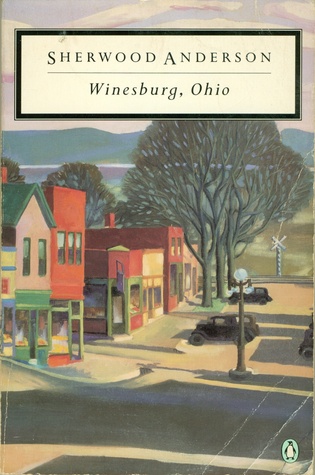
Winesburg, Ohio is the first major influence that affected the stories I began writing in my college years. Sherwood Anderson was writing about his own hometown in this short-story cycle, basing Winesburg on his home town of Clyde, Ohio in the very early 1900s.

Arguably he wrote stories about real people from his renamed home town. Thus, I renamed Rowan, my home town, Norwall, mixing up the letters from Rowan and adding two letter “L’s.” His stories were all themed about the loneliness and longings of a small Midwestern town. I would make mine about breaking out of the cages loneliness builds with the people who surround you.

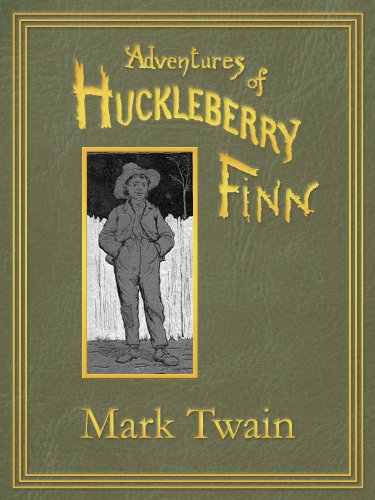
I also determined that like Mark Twain, I would give my characters a sense of realism by basing them on real people from Rowan, Belmond (where I went to high school), and Cotulla, Texas (where I would teach for 23 years.) And I would change some basically minor physical details to hide their true identities behind names I found in the Ames, Iowa phone book from 1978. But I always tried to give them their authentic voices, though that often meant translating Texican and Hispanish into Iowegian.

And like Twain vowed to write stories only about the 19th Century, I decided to only set my stories in the last half of the 20th Century.

Of course, imagination is not easily limited, so I had to also accept that some of my stories of the science-fiction persuasion would be set in the 56th Century in the Orion Spur of the Sagittarius Spiral Arm of the Milky Way Galaxy.

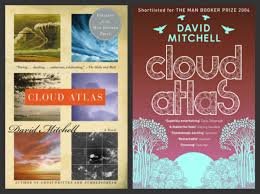
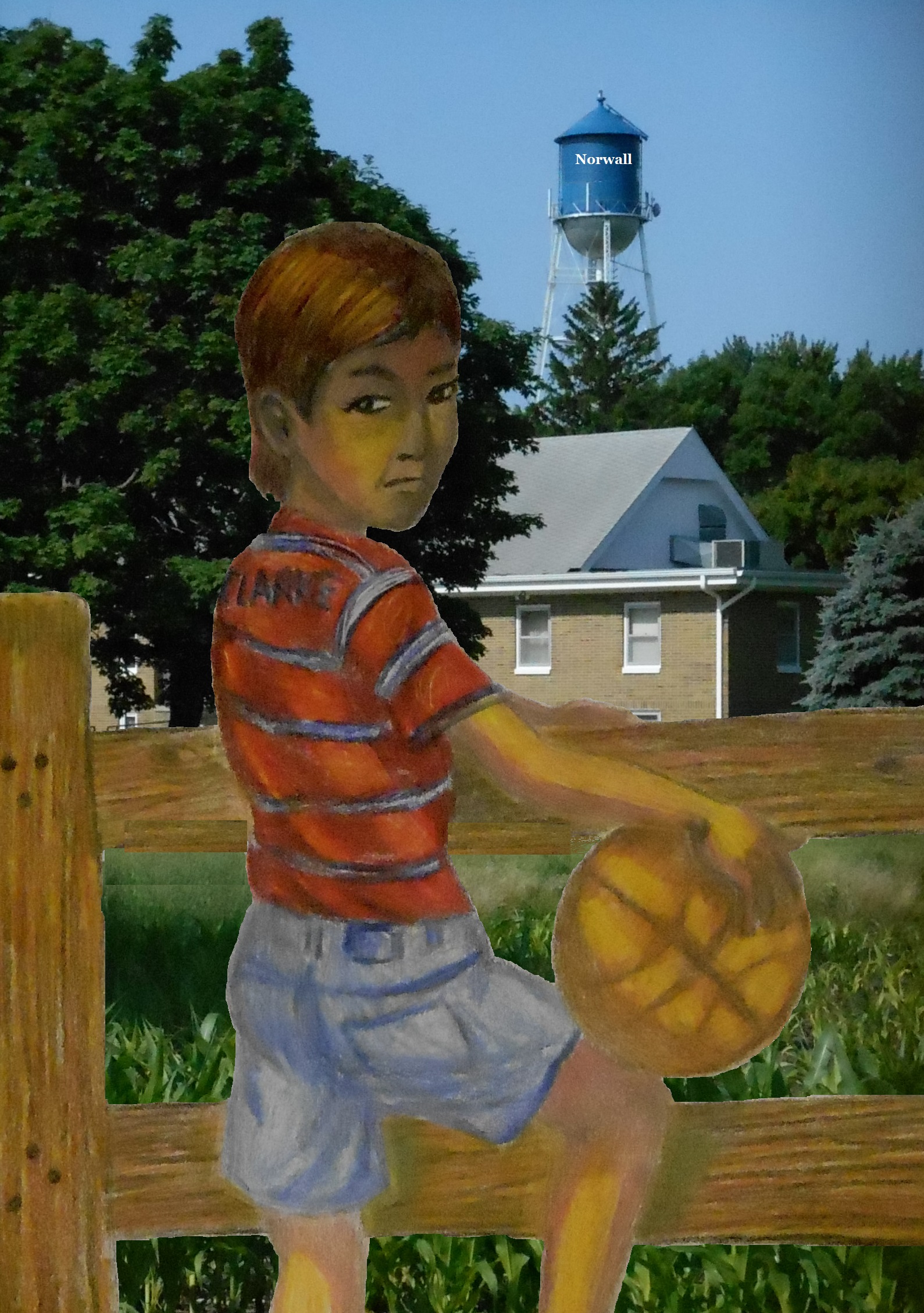
And even before I discovered the genius of David Mitchell through his spectacular novel, Cloud Atlas, I had begun to explore how stories could be expanded and connected and revisited through shared characters, shared histories, and shared places, all of which develop, grow, or deteriorate over time. All things are connected, after all. Anita Jones from that first picture, and Brent Clarke in the last picture were both in the first novel, Superchicken, set in 1974, and Anita appears as an adult in Sing Sad Songs set in 1985, while Brent appears in the last novel in my timeline, The Wizard in his Keep, set in 1999.

Leave a comment

Filed under humor, novel writing, Paffooney, publishing, strange and wonderful ideas about life, surrealism, writing

Word Magic

From the time I could first remember, I was always surrounded by stories. I had significantly gifted story-tellers in my life. My Grandpa Aldrich (Mom’s Dad) could spin a yarn about Dolly O’Rourke and her husband, Shorty the Dwarf, that would leave everybody in stitches. (Metaphorical, not Literal)

And my Grandma Beyer (Dad’s Mom) taught me about family history. She told me the story of how my great-uncle, her brother, died in a Navy training accident during World War II. He was in a gun turret aboard a destroyer when something went wrong, killing three in the explosion.

Words have power. They can connect you to people who died before you were ever born. They have the power to make you laugh or make you cry.

Are you reading my words now? After you have read them, they will be “read.” Take away the “a” and they will change color. They will be “red.” Did you see that trick coming? Especially since I telegraphed it with the colored picture that, if you are a normal reader, you read the “red” right before I connected it to “reading.”

Comedy, the writing of things that can be (can bee, can dee, candee, candy) funny, is a magical sort of word wrangling that is neither fattening nor a threat to diabetes if you consume it. How many word tricks are in the previous sentence? I count 8. But that wholly depends on which “previous sentence” I meant. I didn’t say, “the sentence previous to this one.” There were thirteen sentences previous to that one (including the one in the picture) and “previous” simply means “coming before.” Of course, if it doesn’t simply mean that, remember, lying is also a word trick.

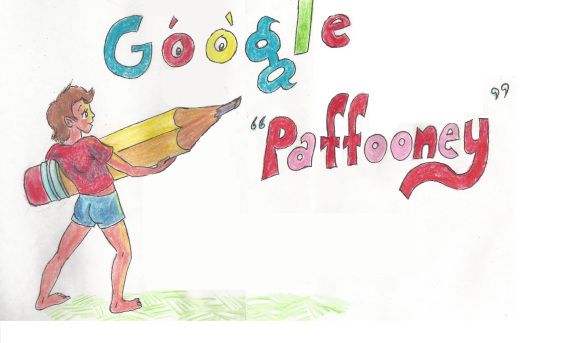
Here’s a magic word I created myself. It was a made-up word. But do a Google picture search on that word and see if you can avoid artwork by Mickey. And you should always pay attention to the small print.

So, now you see how it is. Words have magic. Real magic. If you know how to use them. And it is not always a matter of morphological prestidigitation like this post is full of. It can be the ordinary magic of a good sentence or a well-crafted paragraph. But it is a wizardry because it takes practice, and reading, and more practice, and arcane theories spoken in the back of old bookshops, and more practice. But anyone can do it. At least… anyone literate. Because the magic doesn’t exist without a reader. So, thank you for being gullible enough for me to enchant you today.

Leave a comment

Filed under humor, Paffooney, strange and wonderful ideas about life, wizards, word games, wordplay, writing, writing humor, writing teacher

Wake Up Sunday Morning!

2017-01

As weekly rituals go, one of the most important ones came every Sunday morning when I was a kid.  My parents were 50’s people.  By that I mean they were teenagers and young adults during the post war boom of the 1950’s when everything seemed hopeful and bright and alive with wonderful possibilities.  As a kid in the 1960’s the Sunday morning routine was this;

content

  • Wake up grouchy from staying up too late to sneak a look at the late-night monster movie on Saturday.
  • Read the funny papers.
  • Learn life lessons from Family Circus, Dagwood Bumstead, Pogo, Lil’ Abner, and Steve Canyon.
  • Eat scrambled eggs and toast for breakfast.
  • Complain about having to go to church and Sunday school.
  • Go to Sunday School and church at the Methodist Church in Rowan, Iowa.
  • Complain about having to go to church every Sunday on the way home from church.
  • Pray over Sunday dinner and be really, actually thankful for all the positive good things in life.

Obviously the most important thing in that routine was complaining, because I listed it twice.  But when it got down to it, we were thankful for all the good things about life.  We were positive people.  We sometimes listened to Norman Vincent Peale on the radio.  We knew we ought to be positive and thankful and love goodness and be kind.

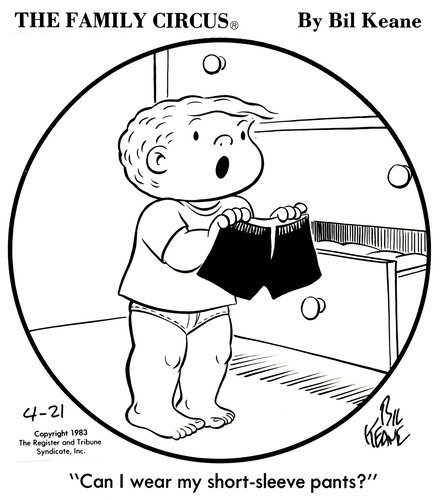
familycircus_custom-2e676e025b685bfca2827c77158115437c142847-s6-c30


Somewhere along the way, though, the world forgot the life lessons of Family Circus.

Somehow we managed to screw things up.

Environmental scientists like Paul Ehrlich, who wrote The Population Bomb, warned us that the world could soon be ending.  And we ignored them.

Richard Nixon taught us not to trust politicians any more.

We stopped believing in things like the wholesome goodness of scrambled eggs.

content (1)

We let corruption in our government and inequality in the economic sphere become the norm.  The greedy people who were cynical and had no empathy for the rest of us took over.  That is how we ended up with someone like Donald Trump.  Racism, fear, and complaining now rule the emotional landscape in America and most of the world.

So, what is the answer?  What do we do?

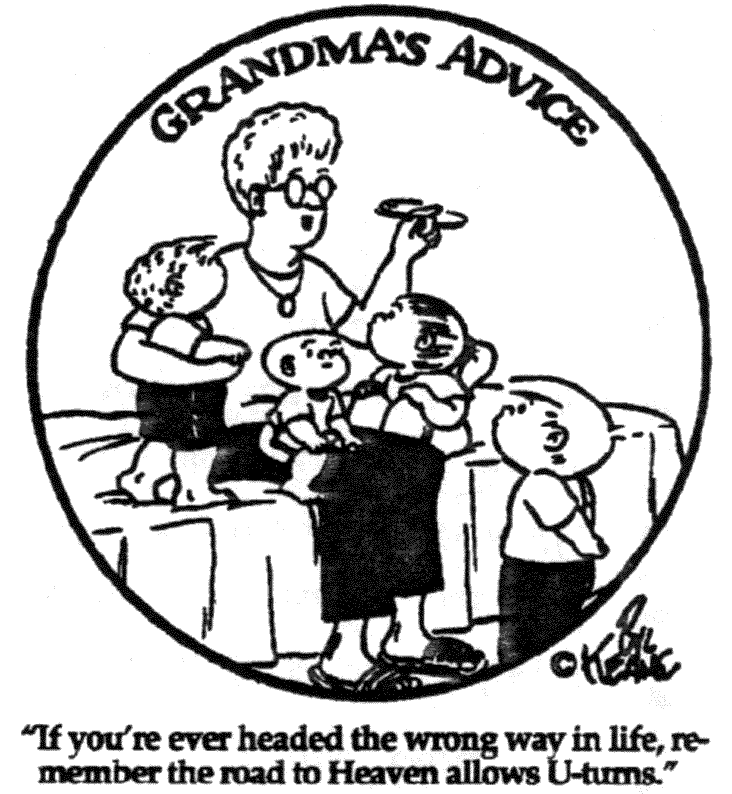
Well, The Family Circus is still out there.  We can learn from it, laugh a little, and apply some of those life lessons.  Especially this one;
family-circus-cartoon-clipart-1

Leave a comment

Filed under cartoons, comic strips, commentary, goofy thoughts, humor, inspiration, strange and wonderful ideas about life

Oxfordian Rationalizations

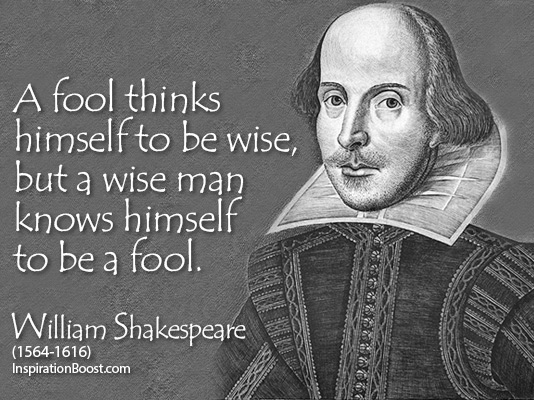
Yes, I am, perhaps, a bit of a fool for believing Edward de Vere, the 17th Earl of Oxford, is the writer behind the works of William Shakespeare.  How do you prove something is true when it is so obvious that someone worked really hard to keep it a secret for all this time?  Is it a betrayal of the man to go against his apparent wishes and try to out him for his incredible secret?  It is hard for me to judge.  After all, I know I am a fool.
But even if he is not Shakespeare, and just sits at the apex of a mountain of coincidences, I am fascinated by the historical character of Edward de Vere.

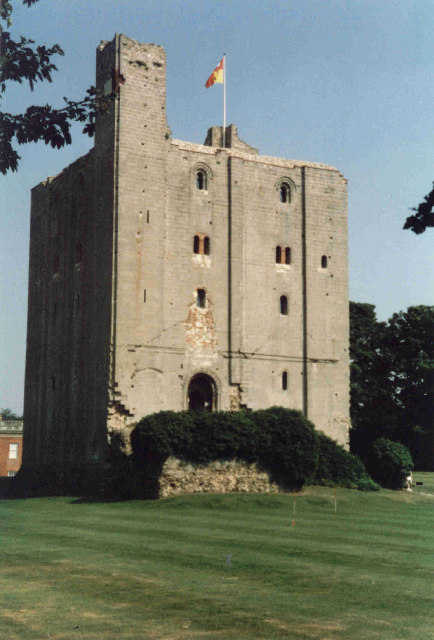
the_keep_at_castle_hedingham_-_geograph-org-uk_-_30510
The keep at Hedingham Castle, the de Vere family seat in Essex (photo by David Phillips)

He was born the only son of John de Vere, the 16th Earl of Oxford, and heir to the second oldest title among English nobility.  His father stood by Elizabeth when she was under house arrest under the reign of Bloody Mary, and went with her as a court favorite to the throne of England when she survived the ordeal.  So naturally Edward was a favorite of Elizabeth’s since childhood.  Later stories would suggest he became the Queen’s secret lover, but the rumors of the Virgin Queen’s harlotry were most likely the invention of Philip of Spain and other nobility in Catholic Europe who plotted endlessly against her because she chose to adopt her father’s protestant Anglican religion instead of returning England to Catholicism like her half-sister Mary before her.  Elizabeth’s personal integrity may not have been perfect. Still, the love she bore for young Edward was probably not the improper kind that the movie Anonymous, directed by Roland Emmerich, suggested.

But even though de Vere was born lucky, I would not say he was particularly lucky in life.  He was only twelve when his father (though having completed his will) died.  The result being that he was made ward to Queen Elizabeth herself.  She was not exactly the foster-mother type, however.  She sent the boy to be raised in the home of her Secretary of State and chief adviser, William Cecil (later made Lord Baron Burghley).  Meanwhile, Elizabeth took possession of some of his estates in payment for the wardship and bestowed them on Robert Dudley (her childhood friend and probable one true love, though he was married to someone else).  Young Edward was a difficult student.  His tutor, the famous scholar Laurence Nowell, resigned in frustration, probably because the boy was too bright and far-reaching for the antiquarian scholar to deal with, possibly himself being a bit dumber than advertised.   Edward quickly developed a reputation for love poetry at Elizabeth’s royal court.  He was a gifted, though somewhat conflicted, prodigy.

cecilwilliam1bburghley04
William Cecil, 1st Baron Burghley

And here is what I find most fascinating about his life story.  As you reread it, keeping the works of Shakespeare in mind, you begin to see Shakespeare’s source material coming to life.  Edward would end up marrying Cecil’s young daughter Anne, so that Lord Burghley was not only a man who raised him, but also his father-in-law.  But marrying off your offspring to nobility was an accepted manner of social climbing, and Cecil wasn’t entirely sure he couldn’t do better for his daughter.  And the meddlesome, lecturing, and self-righteous nature of the man comes out in Shakespearean characters like Polonius in Hamlet who spies upon the suicidal prince because he fears the effect Hamlet’s love for his daughter Ophelia might have on her reputation, causing him to spout all manner of cliches and stuffy, self-important advice.

cecil
Robert Cecil, Lord Salisbury

Cecil’s son Robert, the hunchbacked boy who grows up to take over his father’s office as adviser to both Elizabeth and James I, is a crafty statesman and plotter who is the undoing of the Earl of Essex in a real-life plot against the throne of Elizabeth.  It is hard not to read about his real-life exploits without seeing the connections to Iago in Othello and the conniving hunchback Richard III.

So, once again I have overshot my target length in this essay because I get so wound up in the details of my discoveries.  There are numerous things written and published about the connections between de Vere and the Bard himself.  I have only begun to scratch the surface in this telling of it.  But I am just a fool with a humor blog.  If it interests you at all, I encourage you to go to as many of the available sources as you can possibly Google.  I haven’t yet finished doing that myself.  And I do hope I haven’t told anything here that makes Shakespeare turn over in his grave (if, indeed, a grave could ever really hold him.)

Leave a comment

Filed under artists I admire, conspiracy theory, foolishness, humor, strange and wonderful ideas about life, William Shakespeare

The Uncritical Critic Watches Another Quirky Movie

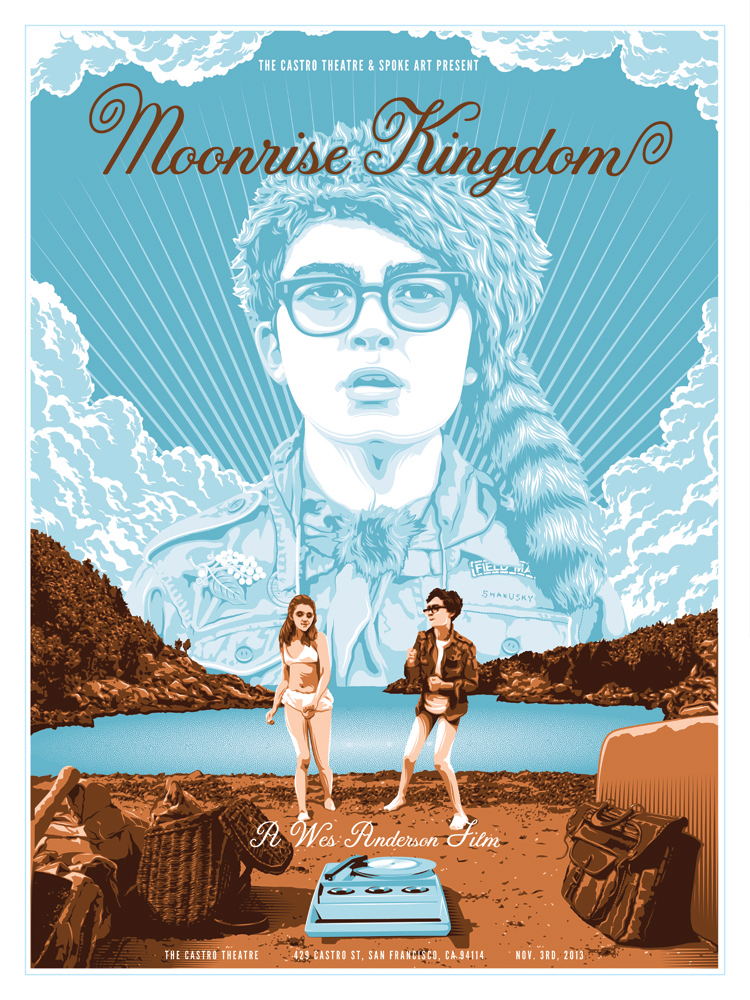
MoonriseKingdom

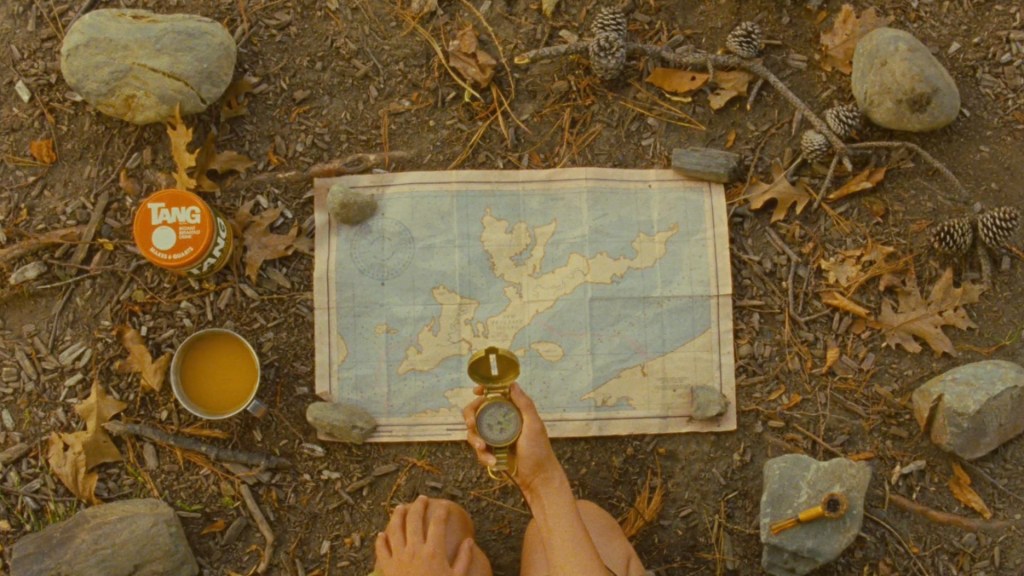
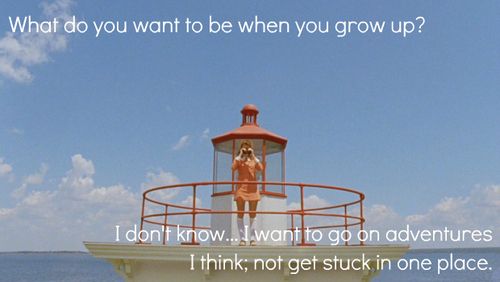
Yesterday was a weird day.  If you looked carefully at the mental map I made of Mickey’s head the other day, you realize that Uncle Slappy’s Big Box of Weirdness occupies a key position in the top center.  I had a traffic accident in the parking lot of Long Middle School yesterday morning, banging bumpers with a lady named Vilma.  The sun was in my eyes, and she started to go, then suddenly stopped for no reason I could see.  No damage was done to anything but my pride.  My wife put her parents, Tatang and Inang, on an airplane yesterday bound for the Philippine Islands, going home for a visit.  Afterwards, my wife was feeling mortal, betting me that she was going to die before me even though I have the head start of six incurable diseases and surviving cancer once already.  There are no symptoms for her impending heart attack, so I will probably win that bet.  But the point is, it was a weird time yesterday to stumble weirdly over a weird and wacky movie on Netflix called Moonrise Kingdom.  It is a Romeo and Juliet sort of story about two twelve-year-olds who fall in love at first sight, and though their families try to keep them apart, they end up together.  Thankfully it is not a Shakespearian Tragedy where everybody dies at the end, though Sam is struck by lightning and the big storm nearly drowns all the boy scouts.  It is more like a Shakespearian Comedy where everybody gets married at the end, though the twelve-year-olds don’t get married at the end… rather, they are married by the middle.

9cd430de

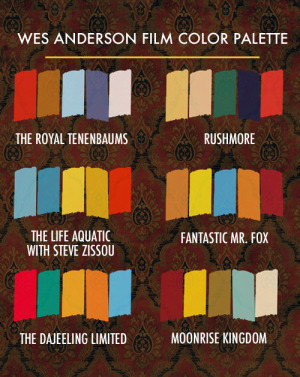
Wes Anderson is the genius director behind movies like;

tumblr_m66zbuiAG41r9a2pz

None of which I have seen, but now have to watch ALL of them sooner or later.  Kinda like the mad quest to see every Tim Burton movie ever made.  I am one of the few idiots out there who think Dark Shadows was a truly wonderful movie, and along with Edward Scissor-hands, one of the finest things Johnny Depp has ever done.

In Moonrise Kingdom Anderson uses tracking shots at the beginning that shift quickly from one room to the next in a way that invokes an old-time slide show.  The story is set in 1965 in Maine, and is filled with all kinds of iconic references to things we 60’s kids all vividly recall.

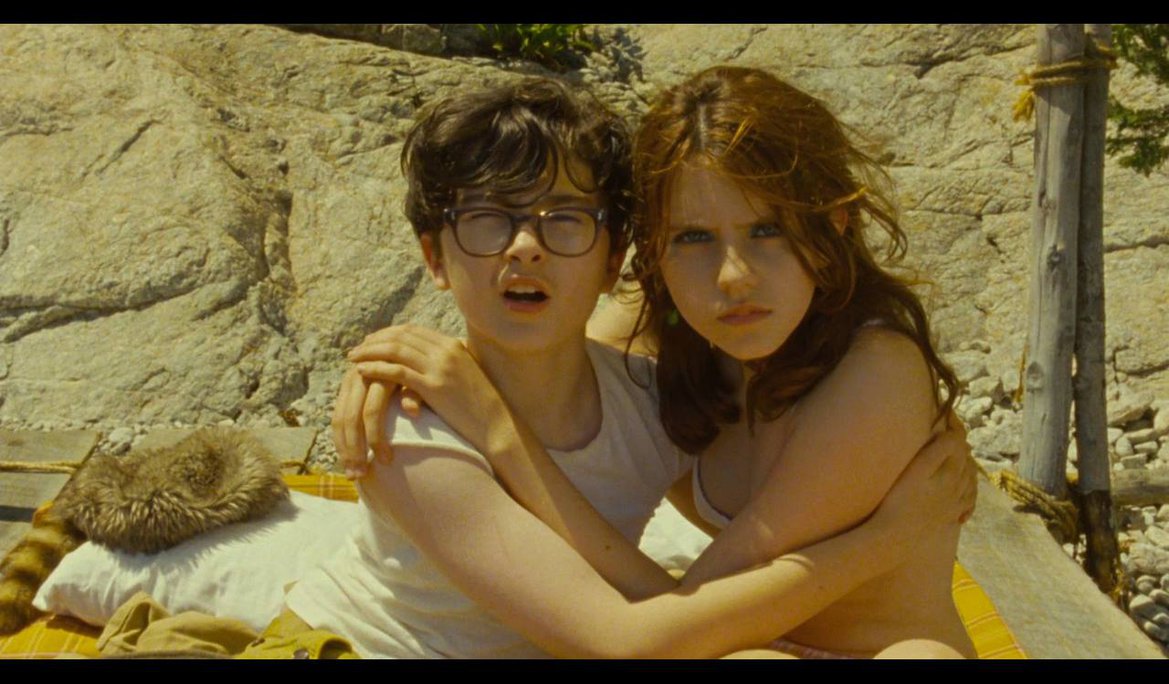
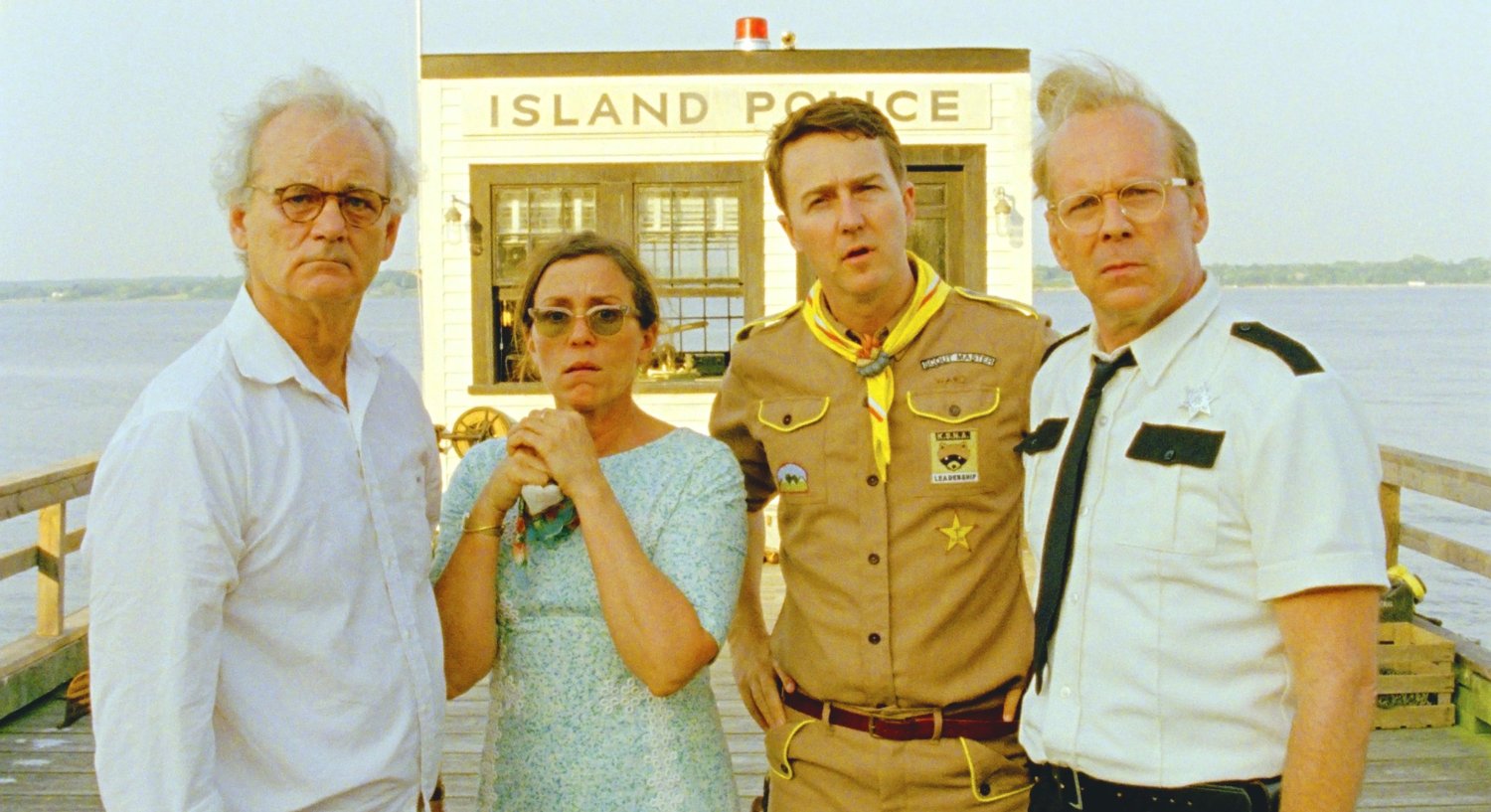
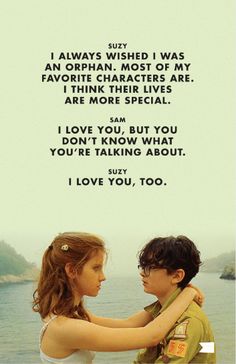
The movie also tells the love story of Sam and Suzy with a painter’s sense of iconic pictures that focus you on important plot points and themes.

c7482fc480a1bef169ba43932b279cb8

moonrise_kingdom_beach

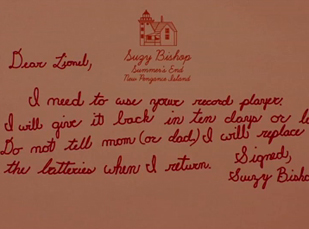
And there are numerous quotable bits that make the movie what we teachers refer to as a text-rich environment, complete with phony kids’ books and maps and notes.

81Jn7yQSuAL._SL1500_

The all-star cast is pretty good, too.

ce6e360efec533bec4bf766dff5c85c3

This is now one of my new favorite movies.  It is a happy-ending-type fairy tale with no fairies in it.  It is full of ineffectual and incompetent adults who have rules of behavior like grown-ups and motivations like goofy kids… just like real life.  The plot is driven by the notion that anything you do in life is a mistake, and mistakes have consequences, but you have to do them anyway because, well… that’s life.

Am I telling you that you should watch this movie too?  Well, you should… but, no.  I am simply gushing about this quirky movie because I like it, and yesterday was a very weird day.

Leave a comment

Filed under goofiness, humor, movie review, strange and wonderful ideas about life, surrealism

Stupid Sunday

When you spend most of your time writing and thinking with the Sword of Damocles hanging over your head and the hourglass of your life looking more and more like the sands of time are running out, you are tempted to take the curves too fast and make extremely stupid mistakes that make your brain crash into a brick wall of stupidity.  You are stuck in a stupor of stupidity that must somehow un-stupid you with downtime and do-nothing brainless activity.  I won’t try to explain what I did wrong, because, after all, I am still stupid at the moment and don’t really know what I did wrong.

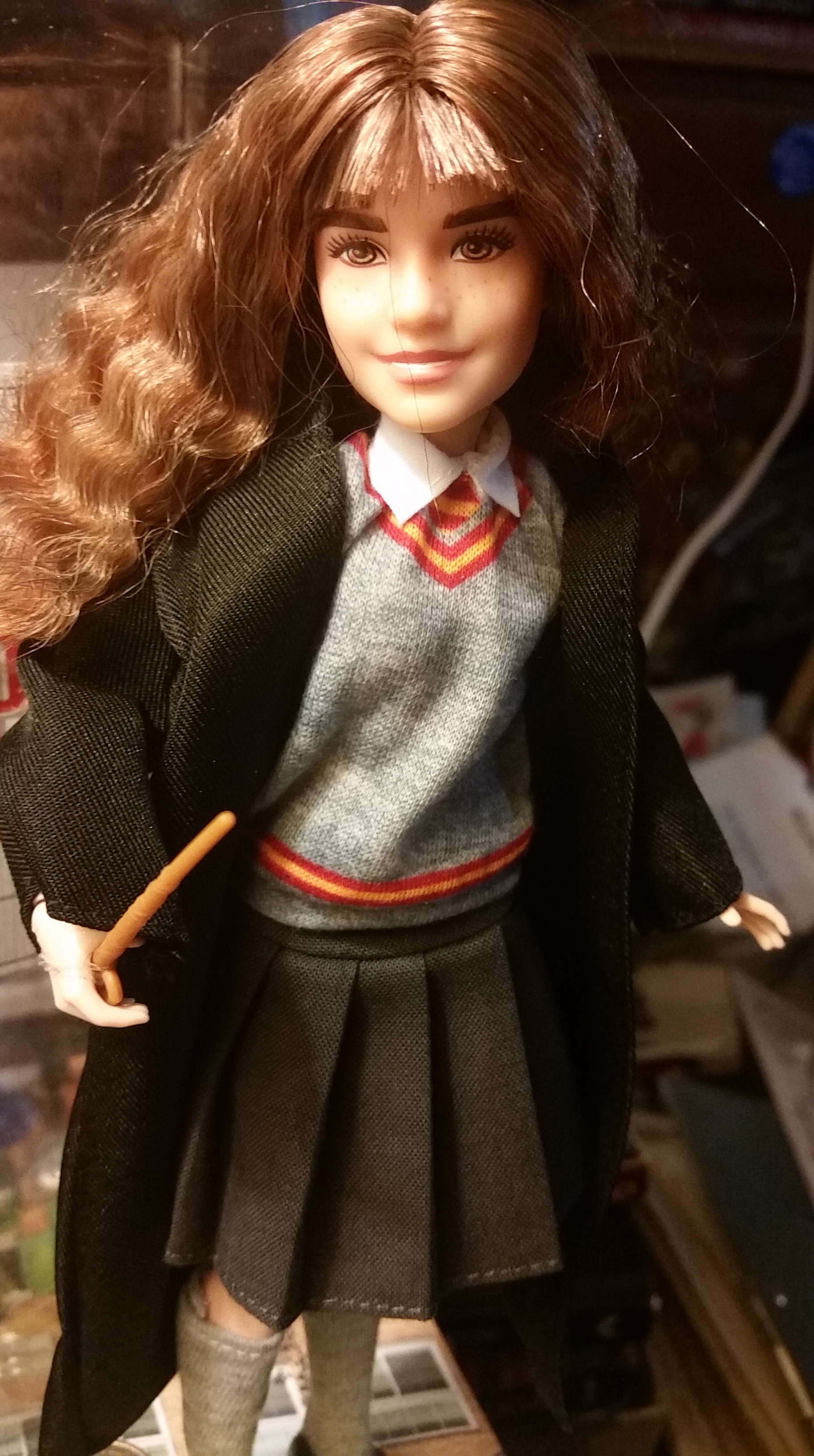
A Hermione Harry-Potter doll, which is my birthday present. 

I bought myself a doll yesterday.  I spent some of my birthday money on it.  My octogenarian mother sends me birthday money every year to remind me how many years beyond sixty I have aged, especially now that, after more than twenty years spent not celebrating birthdays as a nominal Jehovah’s Witness, I am now no longer associated with prohibitions from God due to the arbitrary rules of religion.  It was a stupid act based on the fact that I have been avoiding wasting money on my doll-collecting hoarding disorder for a matter of months.  It could be like an alcoholic taking a drink after months of being sober.  But the doll is pretty in a magical sort of way and provides me with someone else to talk to when I am brooding about being stupid. 

It may seem like, since I am writing this while still stupid, that I am saying that being stupid is, by definition, a bad thing.  If I am saying that, it is only because I am currently stupid.

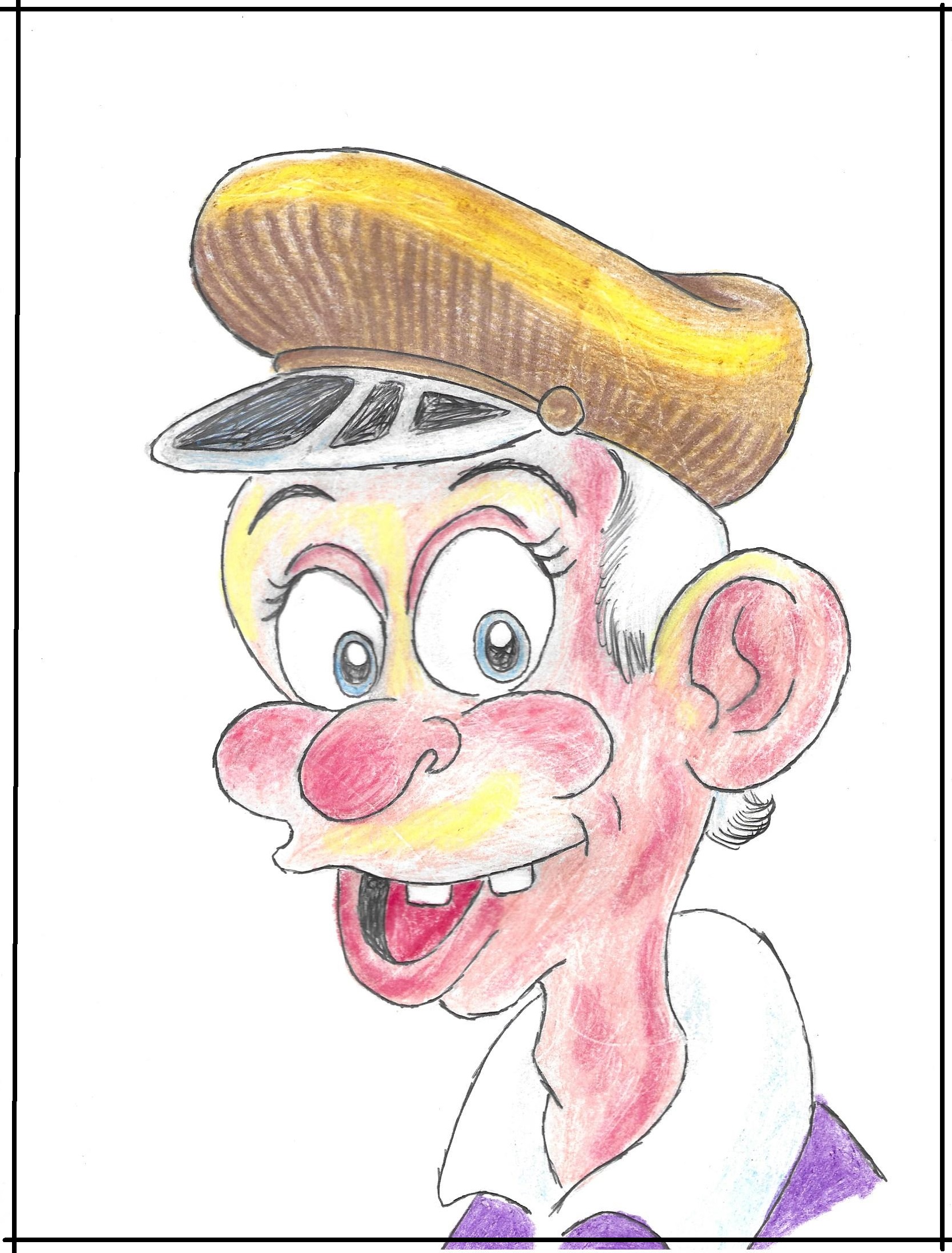
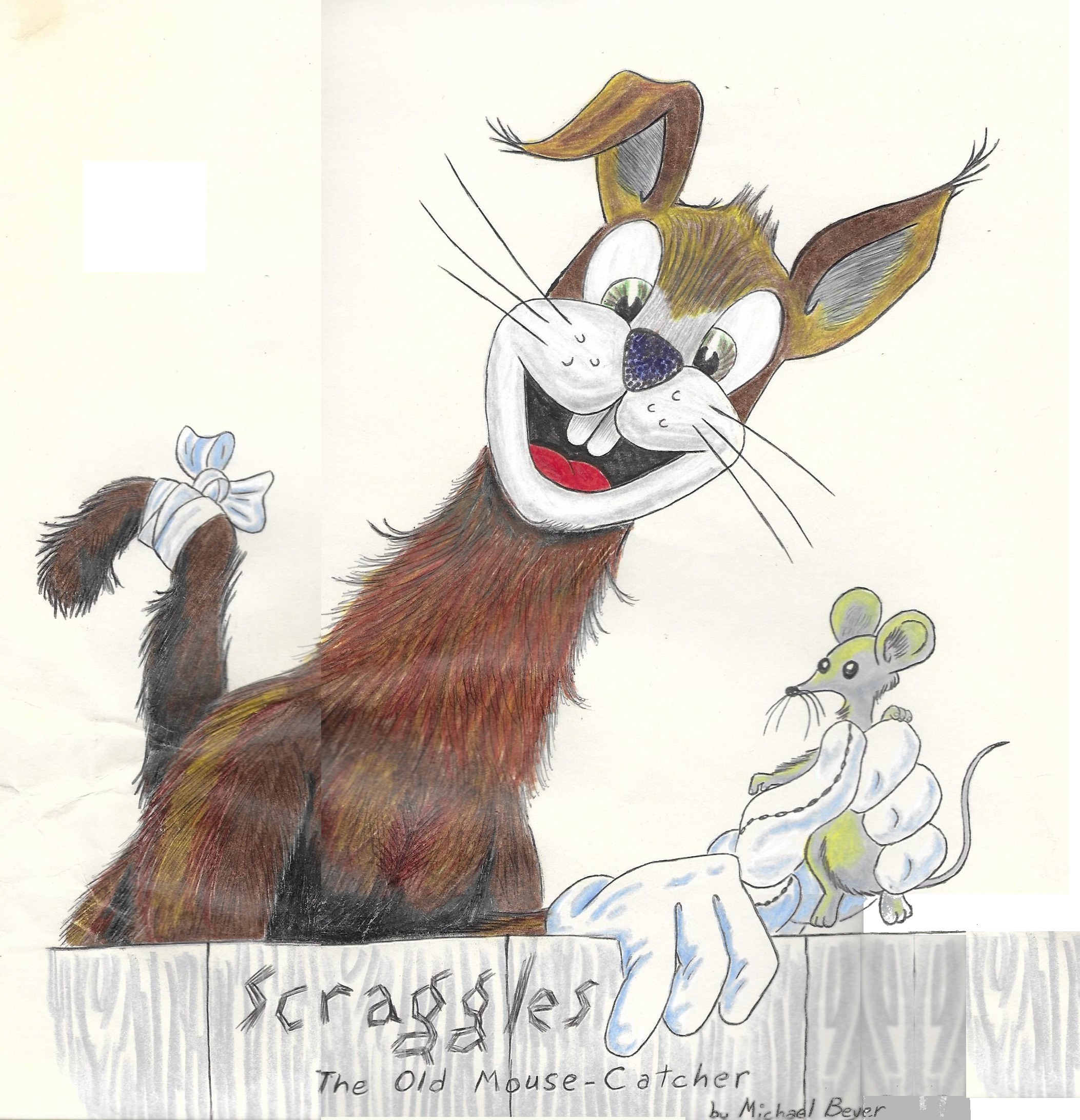
If you look at the smiles on the faces of the gentleman with the brown cap and Scraggles the mouser, you can easily see that being happy is a simple thing.  And it is the province of simple people, not complicated and extremely smart people.  I can testify from hard experience that being too smart is a barrier to being simply happy.  So, I benefit emotionally from being stupid this Sunday.

As to being stupid today and what caused it, well, it may have something to do with the fact that I am currently editing The Baby Werewolf, the most complex and potentially controversial novel I have ever written.  Horror stories often mine and expose the author’s own traumas and fundamental fears.  And I am trying to publish it as the fourth novel I have published in 2018.  Is that biting off more than I can chew with my old teeth?  I don’t know the answer.  I am currently pretty stupid.

Leave a comment

Filed under action figures, autobiography, collecting, doll collecting, feeling sorry for myself, goofy thoughts, humor, novel writing, Paffooney, strange and wonderful ideas about life

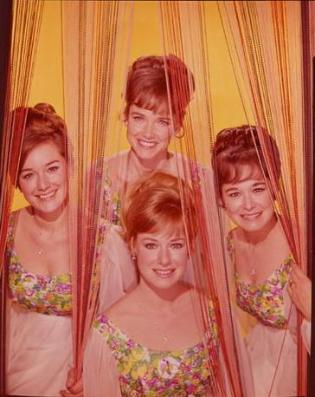
The Lovely Lennon Sisters

Grandpa and Grandma Aldrich lived on the family farm outside of town, a little more than two miles from the tiny farm town of Rowan, Iowa.  I walked it more than once.  It was faster to walk the railroad tracks between the two places.  About a mile and three quarters as the crow flies… three hours as the boy investigates the critters in the weeds, throws rocks at dragonflies, and listens to the birdsong along the way.  But the point is, my maternal grandparents lived close enough to have a profound influence on my young life.  Much of what they loved became what I love.  And every Saturday night, they loved to watch the Lawrence Welk Show.  And that show had highlights that we longed to see again and again… on a show that never really went into reruns.  We lived to see Jo Ann Castle play the old rinky-tink piano, Bobby and Cissy doing a dance routine, and most of all… the lovely Lennon Sisters.

I always wanted to be the things they wished me to be in the song “May You Always”.  I wanted to “walk in sunshine” and “live with laughter”.  They presented a world of possibilities all clean and good and wholesome.  As a young boy who hated girls, I had a secret crush on Janet Lennon who was the youngest, though a decade older than me, and on Peggy Lennon, the one with the exotic Asian eyes.  They sang to me and spoke directly to my heart.

You have to believe in something when you are young.  The world can present you with so many dark and hurtful experiences that you simply have to have something to hang onto and keep you from being blighted and crippled by the pain.  For me, it often came in the form of a lovely and simple lyric sung by the lovely Lennon Sisters.  When you are faced with hard choices… especially in those dark moments when you think about ending it all because it is all just too much to bear, the things stored in those special pockets of your heart are the only things that can save you.  For me, one of those things will always be the music of the Lennon Sisters… especially when watched on the old black-and-white TV in the farmhouse where my grandparents lived and helped raise me every Saturday night in the 1960s.

Leave a comment

Filed under art my Grandpa loved, battling depression, Celebration, humor, inspiration, nostalgia, strange and wonderful ideas about life, TV review