My 1967 Captain Action Steve Canyon action figure.
I have always been a deeply devoted fan of the Sunday funnies. And one of the reasons I read the comics religiously was the work of Milt Caniff. His comic strips, Terry and the Pirates, Male Call, and Steve Canyon set a standard for the age of action comics and adventure strips.
I read his comics in the 1960’s and 1970’s and always it was Steve Canyon. But this, of course, was not his first strip. I would discover in my college years the wonders of Terry and the Pirates. When Caniff started the strip before World War II, he set it in China, but actually knew nothing about China. So he did research. He learned about people who became oriental hereditary pirate families and organizations. He learned to draw authentic Chinese settings. His comedy relief characters, Connie and the Big Stoop, were rather racist parodies of Chinamen and were among the reasons that the original strip had to mature into his later work in Steve Canyon. But perhaps the most enduring character from the strip was the mysterious pirate leader known as the Dragon Lady.
Steve Canyon is a fascinating study in the comic arts. When he left the Terry and the Pirates strip in 1946, it went on without him. It was owned by the Chicago Tribune-New York Daily News distribution syndicate, not Caniff himself. Steve Canyon would change that. He created it and owned it himself, making Caniff one of only two or three comics artists who actually owned their own creations. Canyon started out as a civilian pilot, but enlisted in the Air Force for the Korean War and would remain in the Air Force for the remainder of the strip. Some of the characters in the strip were based on real people. His long-time friend Charlie Russhon, a former photographer and Lieutenant in the Air Force who went on to be a technical adviser for James Bond films was the model for the character Charlie Vanilla, the man with the ice cream cone. Madame Lynx was based on the femme fatale spy character played by Illona Massey in the 1949 Marx Brothers’ movie Love Happy. Caniff designed Pipper the Piper after John Kennedy and Miss Mizzou after Marilyn Monroe.
I am not the only cartoonist who was taken with the work of Milt Caniff. The effects of his ground-breaking work can be seen to influence the works of comic artists like Jack Kirby, Bob Kane, John Romita Sr., and Doug Wildey. If you are anything like the comic book nut I am, than you are impressed by that list, even more so if I listed everyone he influenced. Milt Caniff was a cartoonists’ cartoonist. He was one of the founders of the National Cartoonists’ Society and served two terms as its president in 1948 and 1949. He is also a member of the Will Eisner Comic Book Hall of Fame.
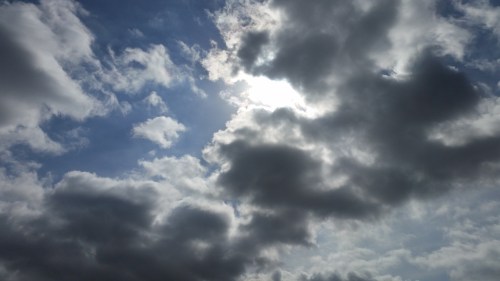
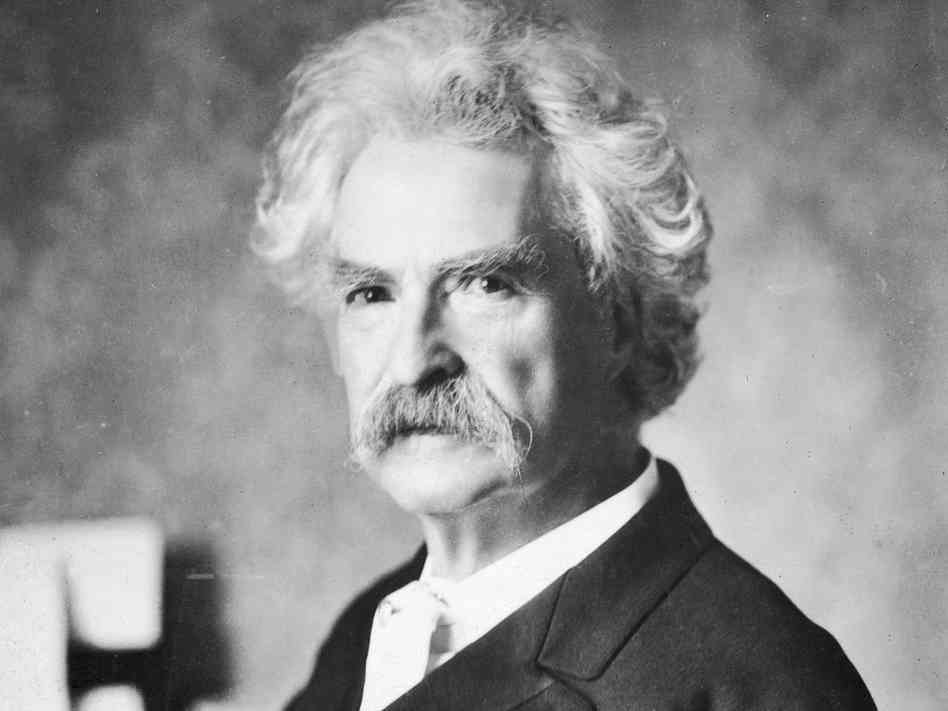
It is difficult to look at the sky and not feel that the power of Heaven is real. As I approach the halfway point of my sixty-eighth year, and the darkness of the future draws ever nearer, I am forced to think about what I really believe. Being smarter than the average bear has its drawbacks. I understand why most of the writers I most admire were atheists, and all of the philosophers I have read and found agreement with are decidedly atheist. Science, rationality, and reason all suggest that there is nothing beyond the physical realm. Should that matter? Faith, according to Mark Twain, is fervently believing in your heart what your mind tells you ain’t so. In fact, Hebrews 11:1 says, “Faith is the assured expectation of things hoped for, the evident demonstration of realities though not beheld.” Even the Bible is saying you have to believe it even though you shouldn’t believe it.
So, will I go to Heaven when I die? For me, the question is meaningless. I look up at the miracle of a blue sky on a partly cloudy day and see the life-giving sun. I am alive… here and now… and nothing else is really relevant. I am a part of the great, vast universe of reality. My existence is real and cannot be unmade… even by God, if He were inclined to do such a thing. I am a small, insignificant part of reality, and I can be gone in the next instant like a puff of smoke in the wind. But I am here and I am alive and I took the Paffooney picture that I used to illustrate this post. And I face whatever comes with a smile on my face. I am alive… and life is good.
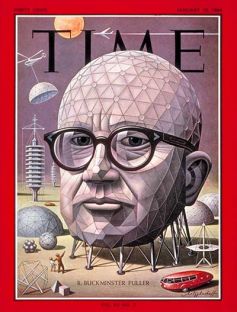
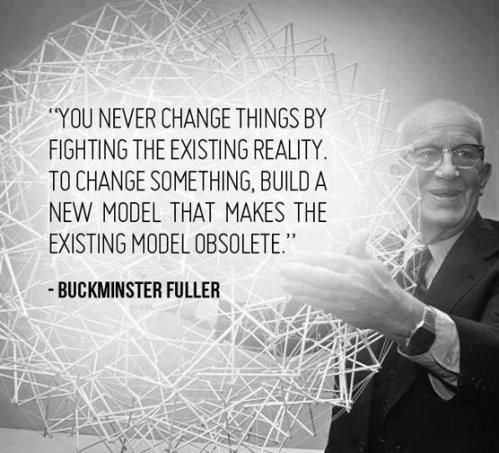
Buckminster Fuller is an intellectual hero of mine. As he said in the video, if you bothered to watch it, “I was told I had to get a job and make money, but would you rather be making money, or making sense?” Bucky was always a little bit to the left of center, and basically in the farthest corner of the outfield. That’s why we depend so much on him in times like these when the ball is being hit to the warning track. (I know the world doesn’t really work on baseball metaphors any more, but my life has always been about metaphors from 1964 with the St. Louis Cardinals playing and beating the New York Yankees. Mantle was on their side, but Maris was playing for us.) You have to live in the world that fits into your own mental map of reality. And if you’ve been whacked on the side of the head one too many times… it changes the way you think. You begin to think differently.
If you don’t know who Bucky is, as you probably don’t because he revolutionized the world in the 60’s and died in the 1980’s, Richard Buckminster “Bucky” Fuller was an American architect, systems theorist, author, designer, and inventor. He is credited with the invention of the Geodesic Dome. But he was so much more than that. He wanted to build things that made better sense, in a practical sort of way, than the way we actually do them. He built geodesic homes because he felt a home should maximize space and use of materials and minimize costs and amounts of materials as well as environmental impacts. He is the one who popularized the notion of “Spaceship Earth”. He wrote and published more than thirty books, and gave us a variety of truly wise insights. He promoted the concept of synergy. He said, “Don’t fight forces, use them.” He also pointed out, “Ninety per cent of who you are is invisible and untouchable.” He was a man full of quotes useful for internet memes.
So, lets consider an example from the mixed up mind of Mickey;
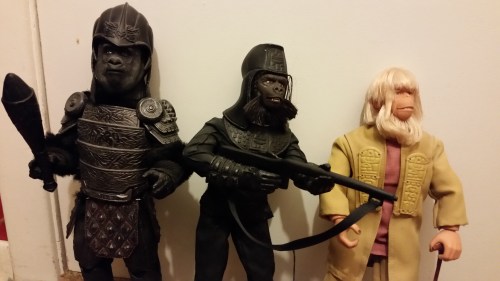
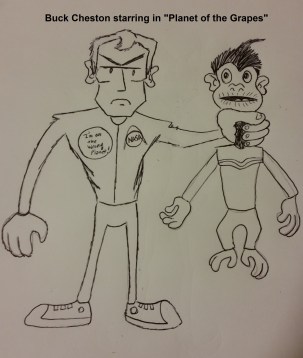
Here are three dolls from the Planet of the Apes part of my doll collection. (Two different movies are represented here, the 1968 original, and the Tim Burton 2001 remake.)
The world we now live in is increasingly like the movie, The Planet of the Apes. In that film the world the astronauts set down upon is ruled by talking apes. The human beings in that film are relegated to the fields and forests where they are no more than speechless animals. Much like the Republican Party and the wealthy ruling elite of this day and age, the apes control everything and, led by Dr. Zaius (seen on the far right) reject science and evidence as a way to explain things. They rely on the rules set down by the Lawgiver in much the same way that modern day Republicans swear by the U.S. Constitution to determine the truth of all things.
Here we see the apes capturing and enslaving Marky Mark… er… Mark Wahlberg rather than Chuck Heston from the original movie.
In the original set of movies, Charleton Heston, playing the astronaut Taylor, discovers that through hatred and warring, the human beings of Earth have bombed themselves back into the stone age and enabled the evolved apes to take over. How does Mr. Heston deal with that problem? He discovers an old doomsday device and blows up the world. Chuck Heston has always approved Second Amendment solutions to modern problems, so it is no wonder that he lays waste to everything, the good and the bad. I think we can see that old orangutan-man, Donald Trump doing exactly the same things now as he runs for President, or Great Ape, or whatever…
In both the previous series, and the current remake, salvation from the rule of the monkey people comes in the form of a leader among the apes. Caesar, whether he be played by Roddy MacDowell or by Andy Serkis, is able to solve the problems of apes and men by reaching out to those of the other species, assigning them value, and ultimately doing what helps everyone to survive and live together. Diversity is power and provides a workable solution through cooperation. The forces of hatred and fear are the things that must be overcome and threaten the existence of everyone. Donald Trump needs to learn from the lesson of The Planet of the Apes, and be less like General Ursus. We need Bernie Sanders to embrace the role of Caesar and show us how we can get along with our Muslim brothers… after all, they are more like us than the apes are, and Caesar builds bridges between apes and men.
So, there you have it, my attempt to build a new model based on an old movie… or on the remake… whichever you prefer. And if that doesn’t work, well, there’s always…
So, what if it is true that the future begins with the story-teller? Smart phones are obviously descendants of the communicators and tricorders and computers that Gene Roddenberry introduced to us in the original Star Trek series. George Orwell gave us timely predictions and warnings of the rise of fascism and authoritarianism in his novel, 1984.
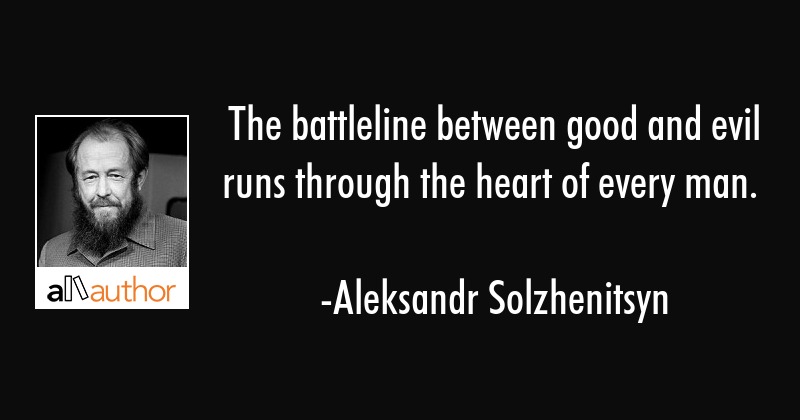
If we truly wish to be a force for good, we have to take the evil bull by the horns and turn its momentum away from the future we seek to protect. Like Solzhenitsyn we may be gored in that bull-fight and end up spending time in the gulag. But those of us who choose to be writers, especially story-tellers, must take on that responsibility. What if ours is the story that changes the mind of a nation, like when the Adventures of Huckleberry Finn took on slavery and the unjust treatment of others who think that, because they are white, or have money, or are somehow smarter than everyone else, they have the right to abuse, take advantage, or even kill other people? What if ours is the story that turns the rich into selfish engines of greed as Atlas Shrugged obviously did?
It is a tremendous responsibility. It is a power we must not wield unwisely, even if our talent level is only that of the disastrously lazy Sorcerer’s Apprentice.
What sort of a story-teller will I be?
What sort will you be?
Where will I lead my readers (If indeed there ever are any)?
And where will you lead yours?
If any questions are important now during these days of self-reflection, isolation, and Coronavirus, it will surely be these. So, tell me what you think.
Yes, this is an old post from 2017 that is ironically about going back and rereading old posts. Sorry about that. But it made me laugh when I reread it.
I often go back and re-read old posts, particularly when I discover that someone else has read them. It is amazing to me how differently I perceive things from when I actually wrote the post. As you write, squeezing huge, boulder-sized portions of hot, magma-like burning ideas and passions out through writing orifices not nearly big enough to accommodate, you usually hate what you wrote and are still writhing in pain from the creation of it as you try to edit it, trim it and brush its unruly hair. (How’s that for a mixed metaphor to make you cringe?) But given time and distance, you can really appreciate what you wrote more than ever before. Things that you thought were the stupidest idea a man ever put in words suddenly have the power to make you laugh, or make you cry. You are able to feel the things the writing was intended to make you feel. You begin to think things like, “Maybe you are not the worst writer that ever lived, and maybe that’s not why nobody ever reads your books.” But then, of course, your sister reads the post and tells you that you write like a really old, really crabby, really ancient old man. And you use the word “really” too much too. I know I deserve that, Sis. Especially the “really” part.
This is the thing about happiness; It is elusive and rare as a real-life blue bird. But capturing it for a moment is not impossible. And as long as you don’t try to salt its tail and keep it prisoner, you can encourage it to sing for you. (Much better metaphor this time, don’t you think?)
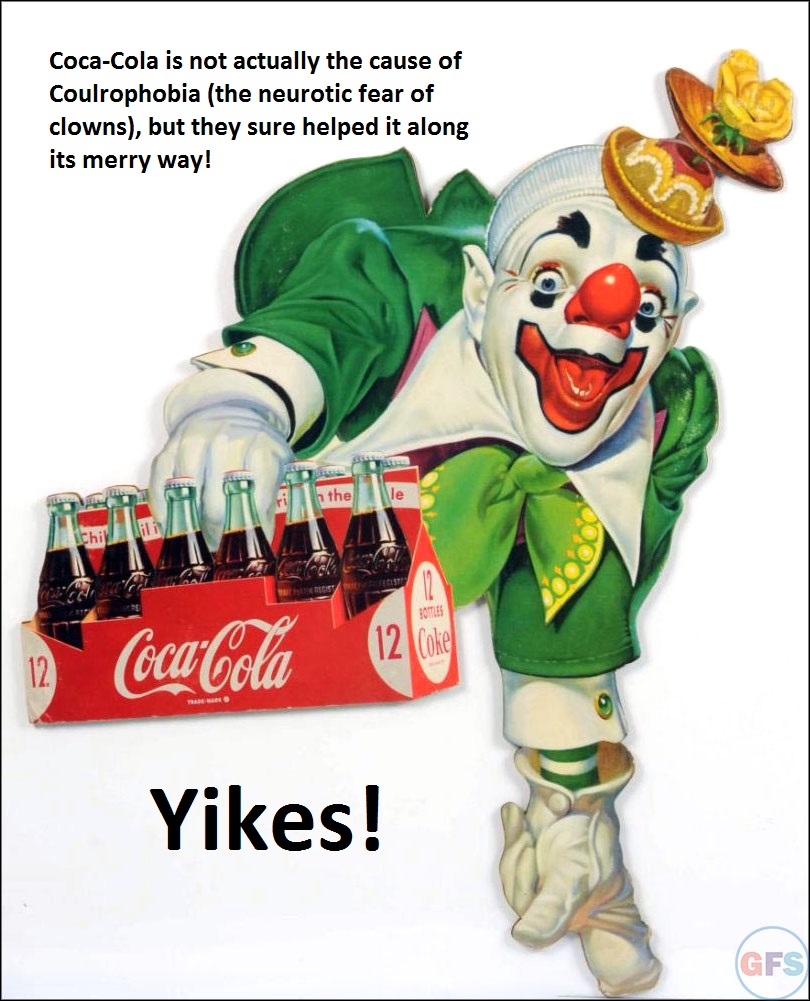
When I am accused of being gloomy, old, and boring, I can happily admit it and make it into something funny. I am something of a conspiracy nut, but not so serious that I believe all my own assertions. For those people who took offense at this conspiracy theory of mine; Coca-Cola Mind Control, I would like to point out that “Hey, I was joking. I actually like clowns.” Even though there is a serious side to everything and there can’t be laughter without some tears, I am basically happy with the way things are.
I started listening to “Live Happy Radio” on Sunday mornings on KLUV in Dallas. They point out on their program of endlessly droning happy-talk that happiness is something that you can work at. Like humor writing in blogs, it takes practice and practice and time. They even asked me to share the word about their happy magazine and products, so I am doing exactly that right here. Sometimes you simply have to put your cynicism in a jar on the shelf next to the lock box where you keep depression and self-loathing. So you can find their Live-Happy folderol right here.
So I am bird-watching again with an eye out for the bluebird. You know the one. It is out there somewhere. And I need to hear that song one more time.
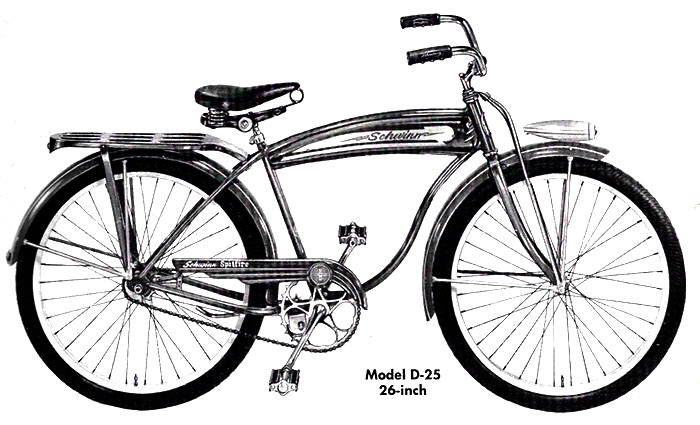
A 1951 Schwinn Spitfire like mine in 1963 when the world was golden.
My bicycle was red. It was red and looked just like the ones that Captain Kangaroo had in his commercials that we watched on a black-and-white TV every day before we walked or rode our bicycle to school, across town a whole long seven blocks away. After school I could ride it out a whole mile and a half to Jack’s farm with Bobby and Richard and Mark the preacher’s kid to go skinny dipping in the cold creek in Jack’s South pasture. Jack was younger than any of us except Bobby. And it was a golden age.
Spiderman comic books and Avengers comic books cost twelve cents to own, but they were forbidden. And as much as we sneaked them and passed them around until they fell apart, usually in Bobby’s hands, we never knew that Dr. Wertham had gone to Congress to make our parents believe that comic books would make us gay and violent. He was a psychiatrist who wrote a book, so even if you didn’t believe him, you had to worry about such things.
I believed in Santa Claus until 1967. And after I found out, I only despaired a tiny little bit, because I began to understand you have to grow up. And adults can lie to you, even if they don’t do it to be mean. And the world is a hard place. And the golden age ended in November of 1963 when JFK was assassinated.
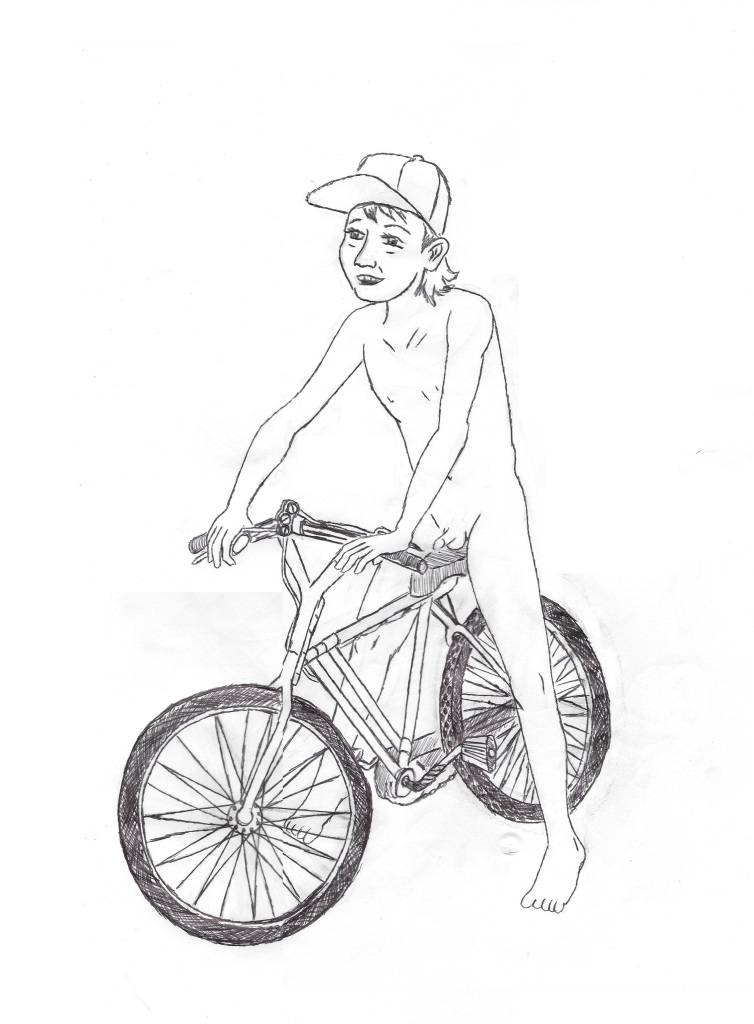
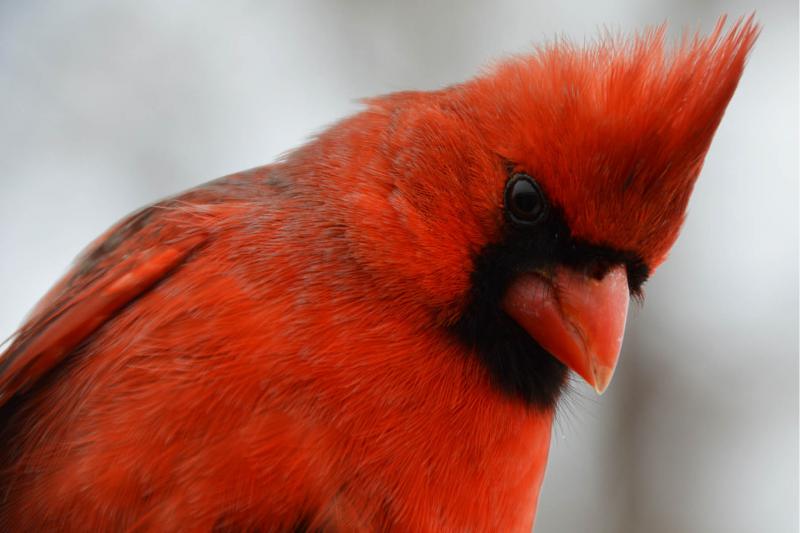
In June of 1968 I rode my bicycle out to the Bingham Park woods, Once there, I took off all my clothes and put them in the bicycle basket, and then I rode up and down the walking paths through the trees with nothing between me and God but my skin. I had a serious think about how life should be. All the while I was terrified that someone might see me. I was naked and vulnerable. A mere two years before that I had been sexually assaulted and was terrified of older boys, especially when I was naked and vulnerable. But I was a fan of the St. Louis Cardinals and Bob Gibson. They were repeated World Series winners. And they beat the Yankees in the series in 1964. And more important than that, cardinals were the little red songbirds who never flew away when the winter came. You don’t give up in the face of hardship. You face the trouble. No matter how deep the snow may pile up.
And in 1969, the first man to walk on the moon showed that a Star Trek world was in reach of mankind. Star Trek was on every afternoon after school. I watched a lot of those episodes at Verner’s house on his family’s black-and-white TV. The Klingons were always bested or beaten because the crew of the Enterprise outsmarted them. You can solve the problems of the universe with science. I know this because of all the times Mr. Spock proved it to me not just by telling me so, but by showing me how you do it. And what you can achieve is greatly enhanced if you work together like Spock and Kirk and Bones… and sometimes Scotty always did.
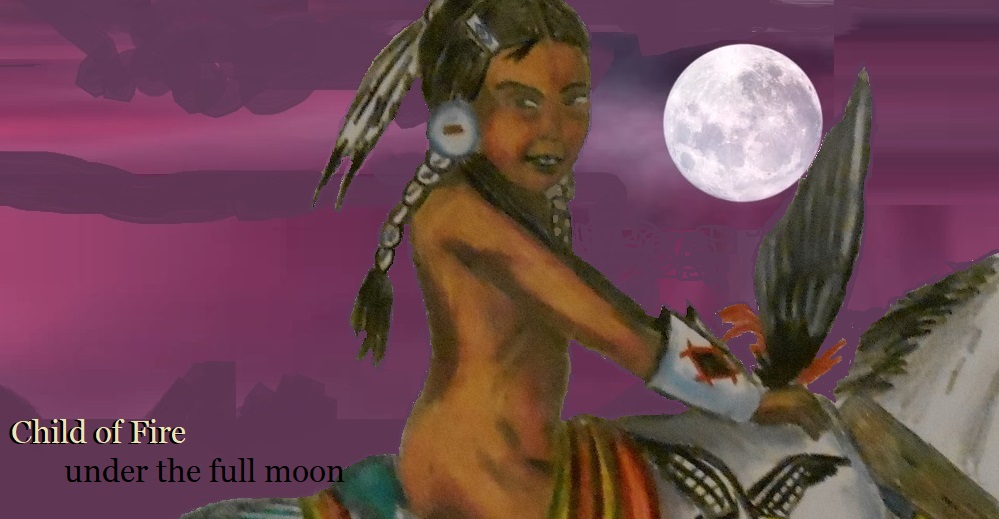
So, what is the way it should be? What did Mickey decide while naked in the forest like a Dakota Sioux shaman on a spirit-quest?
JFK’s 104th birthday was on May 29th. Dr. Wertham has been dead for 40 years. Bob Gibson was 85 when he passed away in October of last year. Captain Kirk turned 90 in March of this year.
The Golden age is long gone. There is no single set of rules that can clearly establish how it should be now. But I like those ideas of how it should be that I established for myself while naked on a Schwinn Spitfire in a forest long ago.
Being a writer is a life of music that happens only in your head. You hear voices constantly. They pulse rhythmically with insights and ideas that have to be written down and remembered. Otherwise the music turns clashing-cymbals dark and depressing. Monday I wrote a deeply personal thank you to the Methodist minister who saved my life when I was a boy. I posted a YouTube music video by the acapella group Pentatonix with that essay in a vain attempt to give you an idea of the music in my head when I composed that very difficult piece to give myself a measure of peace.
I realize that I am not writing poetry here. Poetry can so easily slip into melody and music because of rhythm and meter and rhyme. And yet, words to me are always about singing, about performing, about doing tricks with metaphor and meaning, rhythm, convoluted sentence structure, and other sneaky things that snake-oil salesman do to get you to think what you are hearing is precisely what you needed to hear. The Sonata of Silence… did you notice the alliteration of the silvery letter “S” in that title? The beat of the syllables? Da-daah-da a da-da? The way a mere suggestion of music can bring symphonic sounds to your ear of imagination as you read? The way a simple metaphor, writing is music, can be wrapped into an essay like a single refrain in a symphonic piece?
A sonata is a musical exercise in three or four movements that is basically instrumental in nature. You may have noticed that the movements are loosely defined here by the accompanying pictures, of which there are three. And it is silent only in the way that the instruments I am using themselves make no noise in the physical world. The only sounds as I type these words are the hum of an old air conditioner and the whirr of my electric fan. Yet my mind is filled with crescendos of violins and cellos, bold brass, and soft woodwinds. The voice saying these words aloud only in my head is me. Not the me you hear when I talk or the me I can hear on recordings of my own voice, but rather the me that I always hear from the inside. And the voice is not so much “saying” as “singing”.
Writing makes music. The writer can hear it. The reader can too. And whether I croon it to make you cry, or trill it to make you laugh, I am playing the instrument. And so, the final notes of the sonata are these. Be happy. Be well. And listen for the music.
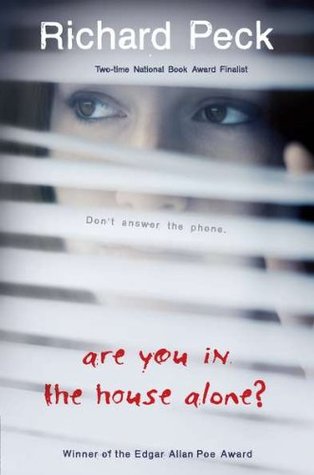
Yes, I read this book. Yes, it scared the poop out of me. Yes, it made me cry. This is a uniquely horrific horror story that is so realistic that you know that it has actually happened in real life somewhere, sometime. Only the names of the characters would be different.
I have a deep abiding respect for Richard Peck as a writer. He earned that with his books A Year Down Yonder and A Long Way from Chicago. Those books made me laugh so hard it blew chocolate milk out of my nose. And, yes, I was drinking chocolate milk at the time. They are so realistic because the people in those stories are real people. I know those people personally. Of course, they have different names in real life.
But Are You In the House Alone? is a very different book from those other two masterpieces. It tears your heart out and eats your liver because it is a first person narrative in the voice of a high school girl being stalked by a sexual predator. Everything that happens to Gail in the high school, at home, and at the house where she babysits is hyper-real with horror movie levels of attention to detail. I don’t wish to be a spoiler for this well-written book, but the narrator does not die in the book and it definitely does not have a happy ending. For anyone who has the amount of empathy I do, and in many ways becomes the narrator-character by reading, reading a book like this can physically hurt. A teacher like me has lived through horrible things like this happening to students before, it even happened to me as a boy, and it adds the slings and arrows of those things being re-lived as you read.
This is not the only book that has ever done this sort of damage to my heart strings. I remember the pain from the conclusion of Dickens’ The Old Curiosity Shop. You root for Little Nell and boo Daniel Quilp. But the bad guy wins. No happy ending can linger in the harp-strings of your memory-feeling song as long as a tragic outcome does. I was there with Scout in that ridiculous costume in the dark when Bob Ewell was attacking her brother Jem in Harper Lee’s To Kill a Mockingbird. That story was filled with wise and laughable things, but the stark horror of that climactic moment nearly wiped all the good feelings away, if not for the heroics of ghostly Boo Radley whose timely intervention brings it all back before the novel ends. It horrifies me to admit it, but I was there, too, in the moment when the boys all turn on Simon on the beach with their sharpened sticks in William Golding’s Lord of the Flies. They mistook him for the monster. I still haven’t fully recovered from that reading trauma.
The thing about books that hurt to read which makes it essential that I never try to avoid them, is that they can add more depth and resonance to your soul than any light and fluffy piece ever could. Life is much more like Lord of the Flies than it is Chitty Chitty Bang Bang. I am sadder but wiser for having read Are You In the House Alone? I am recommending it to other readers like me who don’t so much live to read as they read in order to live. Not because it is easy and good to read, but because it is hard and essential to read. It will hurt you. But it will leave you like it leaves its narrator, damaged, but both alive and purely resolved to carry on.
I just finished reading David Mitchell’s The Bone Clocks, his novel from 2014. Just, WOW! I guess this post is technically a book review… but not really. I have to talk about so much more than just the book.
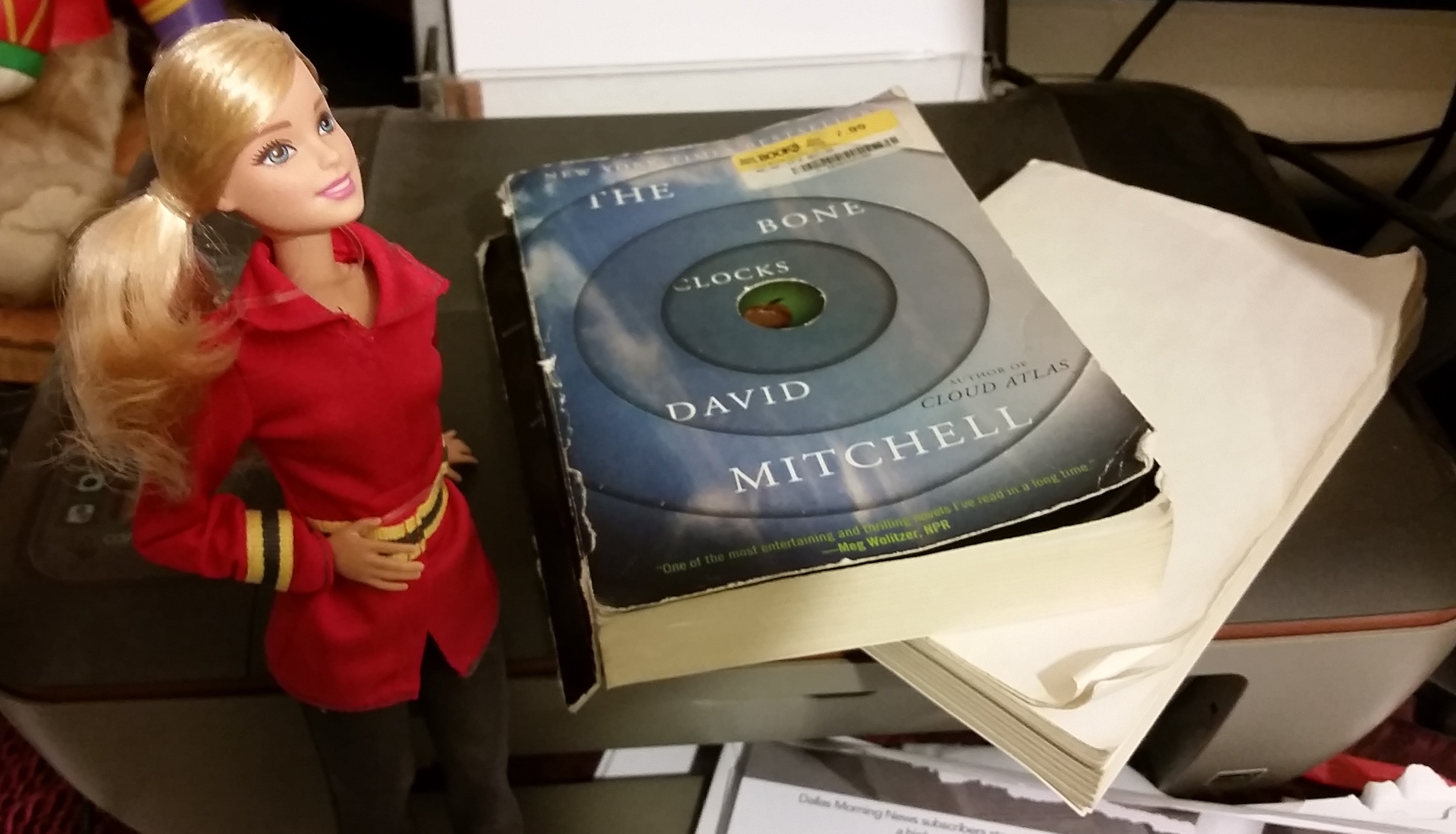
You can see in my initial illustration that I read this book to pieces. Literally. (And I was an English Major in college, so I LITERALLY know what literally means!)
Look at this face. Can you stop looking at the beautiful eyes? I can’t.
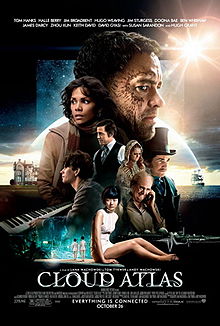
I discovered Mitchell as a writer when I happened onto the book and movie pair of Cloud Atlas. It enthralled me. I read the book, a complex fantasy about time and connections, about as deeply and intricately as any book that I have ever read. I fell in love. It was a love as deep and wide as my love of Dickens or my love of Twain… even my love of Terry Pratchett.
It is like the picture on the left. I can’t stop looking into it and seeing more and more. It is plotted and put together like a finely crafted jeweled timepiece.
And this new book is almost exactly like that. It is a first- person narrative in six parts with five different narrators. Holly Sykes, the central character, is the narrator of the first and last parts, in the past in the 1980’s, and in the future in 2043. The titular metaphor of the bone clocks is about the human body and how it measures time from youth to old age. And it is pictured as a clock ticking in practically all it’s forms, from a child who is snuffed out at eight years of age to horologists who have lived for a thousand years by being reincarnated with past lives intact.
Fantasy and photographic realism intertwine and filigree this book like a vast kaleidoscope of many colors, peoples, societies, and places. At one point David Mitchell even inserts himself into the narrative cleverly as the narrator of part four, Crispin Hershey, the popular English novelist struggling to stay on top of the literary world. He even indulges every writer’s fantasy and murders himself in the course of the story.
David Mitchell is the reason I have to read voraciously and write endlessly. His works seem to contain an entire universe of ideas and portraits and events and predictions and wisdoms. And he clearly shows me that his universe is not the only one that needs to be written before the world ends. Books are life, and life is in books. And when the world as we know it is indeed gone, then they will be the most important thing we ever did. Even if no one is left to read them.
And so, I read this book until it fell into pieces, its spine broken and its back cover lost. To be fair, I bought it at a used book store, and the paperback copy was obviously read by previous owners cover to cover. The pages were already dog eared with some pages having their corners turned down to show where someone left off and picked up reading before me. But that, too, is significant. I am not the only one who devoured this book and its life-sustaining stories. Know that, if you do decide to read and love this book, you are definitely not the only one. I’d lend you my copy. But… well, it’s already in pieces.
I first heard this song as a freshman in college.It struck me that it was hauntingly beautiful… but maybe I wasn’t entirely sure what it meant.
The song is about losing body parts and being okay with that.
That can actually be kinda creepy, right?
It is probably a song about gradually dying.
But that’s not really what it’s about.
I am there now. Peeling, cracking, drying out… my life has reached the downhill run toward the finish line. But I am not worried and not afraid. Life is so much more than hands and eyes and legs and feet. I can lose those things and have no regrets. I am so much more than merely the sum of those physical things.
My spirit soars. And my life is bound up in words and meanings that are now written down, and are at least as imperishable as paper. And may, in fact, be written on a few human hearts here and there.





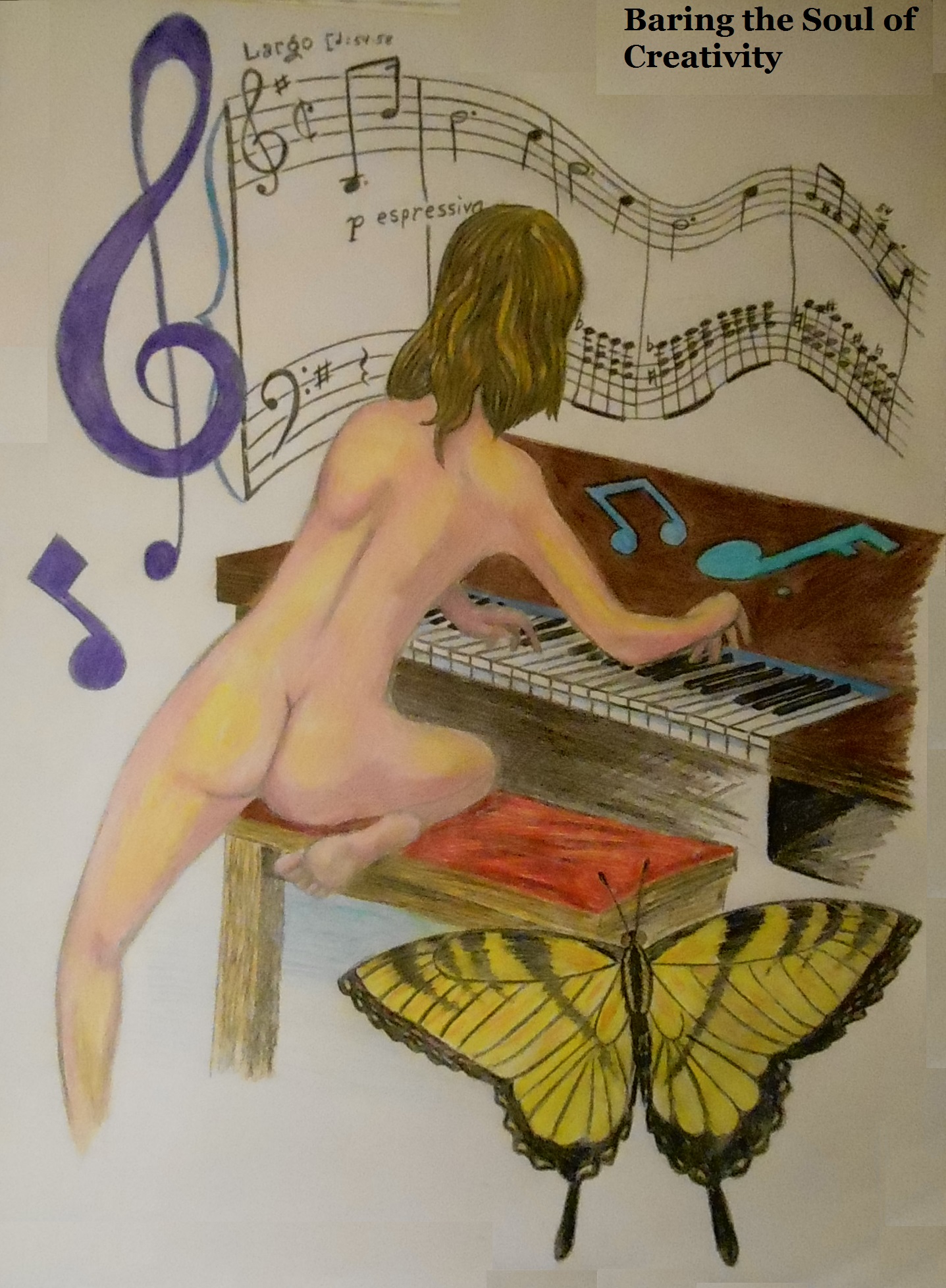
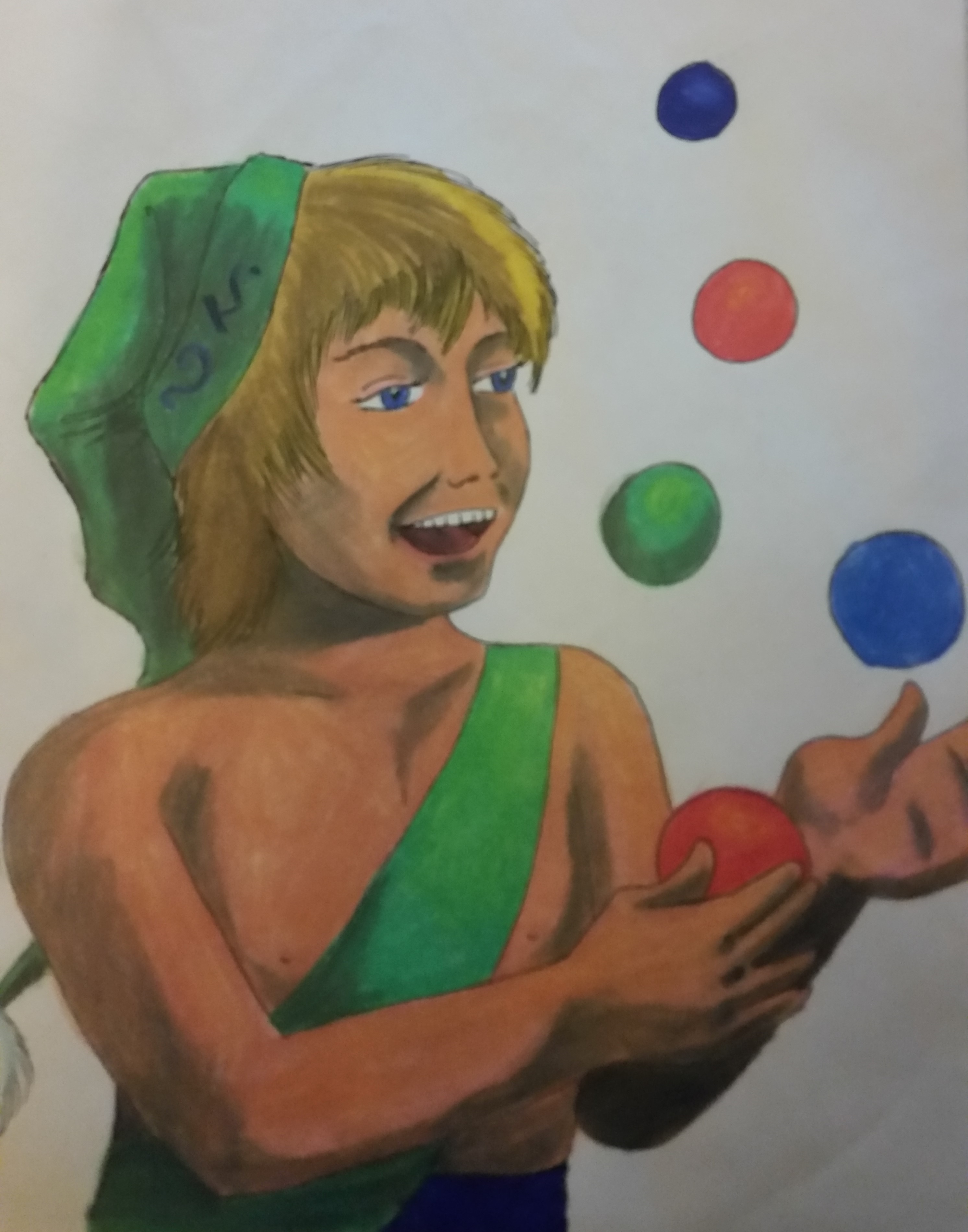
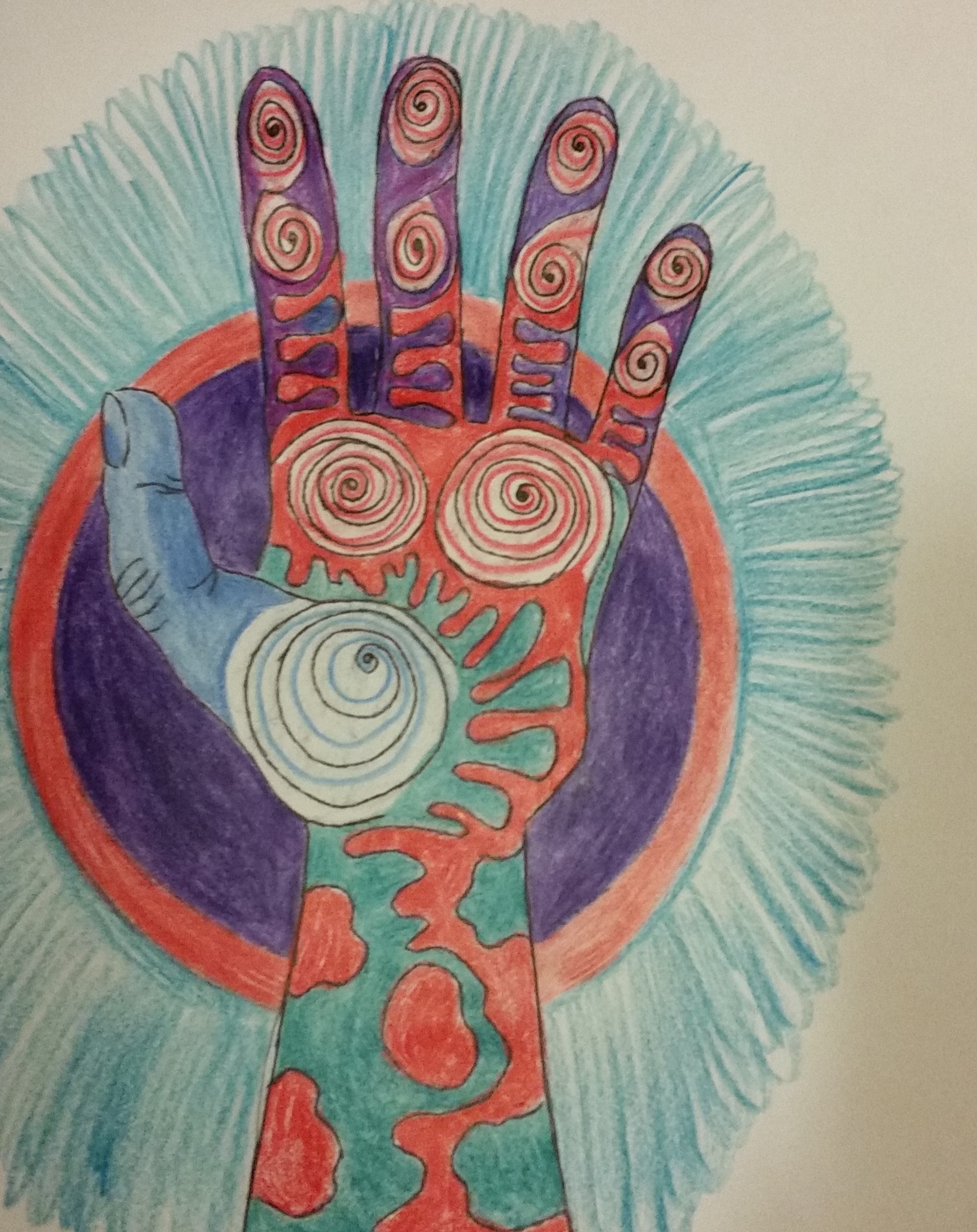



 It struck me that it was hauntingly beautiful… but maybe I wasn’t entirely sure what it meant.
 Catch a Falling Star
Milt Caniff
My 1967 Captain Action Steve Canyon action figure.
I have always been a deeply devoted fan of the Sunday funnies. And one of the reasons I read the comics religiously was the work of Milt Caniff. His comic strips, Terry and the Pirates, Male Call, and Steve Canyon set a standard for the age of action comics and adventure strips.
I read his comics in the 1960’s and 1970’s and always it was Steve Canyon. But this, of course, was not his first strip. I would discover in my college years the wonders of Terry and the Pirates. When Caniff started the strip before World War II, he set it in China, but actually knew nothing about China. So he did research. He learned about people who became oriental hereditary pirate families and organizations. He learned to draw authentic Chinese settings. His comedy relief characters, Connie and the Big Stoop, were rather racist parodies of Chinamen and were among the reasons that the original strip had to mature into his later work in Steve Canyon. But perhaps the most enduring character from the strip was the mysterious pirate leader known as the Dragon Lady.
Steve Canyon is a fascinating study in the comic arts. When he left the Terry and the Pirates strip in 1946, it went on without him. It was owned by the Chicago Tribune-New York Daily News distribution syndicate, not Caniff himself. Steve Canyon would change that. He created it and owned it himself, making Caniff one of only two or three comics artists who actually owned their own creations. Canyon started out as a civilian pilot, but enlisted in the Air Force for the Korean War and would remain in the Air Force for the remainder of the strip. Some of the characters in the strip were based on real people. His long-time friend Charlie Russhon, a former photographer and Lieutenant in the Air Force who went on to be a technical adviser for James Bond films was the model for the character Charlie Vanilla, the man with the ice cream cone. Madame Lynx was based on the femme fatale spy character played by Illona Massey in the 1949 Marx Brothers’ movie Love Happy. Caniff designed Pipper the Piper after John Kennedy and Miss Mizzou after Marilyn Monroe.
I am not the only cartoonist who was taken with the work of Milt Caniff. The effects of his ground-breaking work can be seen to influence the works of comic artists like Jack Kirby, Bob Kane, John Romita Sr., and Doug Wildey. If you are anything like the comic book nut I am, than you are impressed by that list, even more so if I listed everyone he influenced. Milt Caniff was a cartoonists’ cartoonist. He was one of the founders of the National Cartoonists’ Society and served two terms as its president in 1948 and 1949. He is also a member of the Will Eisner Comic Book Hall of Fame.
Leave a comment
Filed under action figures, comic strips, commentary, inspiration
Tagged as art, books, comic art, comic strips, comics, Milt Caniff, movies, Steve Canyon, Terry and the Pirates