


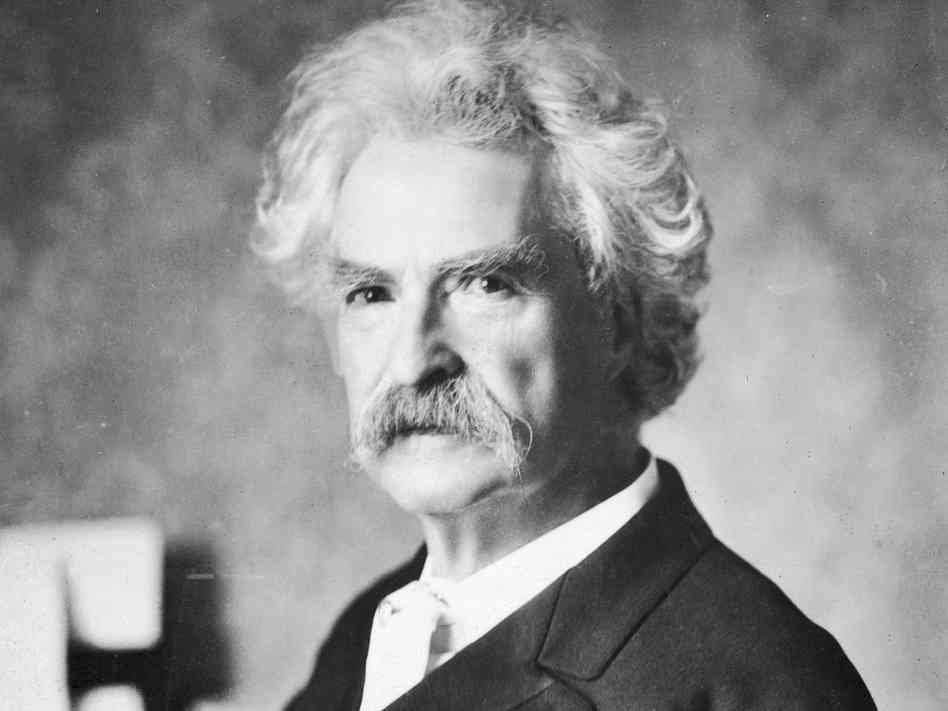
I used to be a classroom storyteller. As an English teacher for middle school kids, I often would give brief biographical insights into famous people we were talking about at the time. I told them about Crazy Horse of the Sioux tribe, Roger Bacon the alchemist and inventor of chemistry as a science, Mark Twain in Gold Rush California, and many other people I have found fascinating through my life as a reader and writer of English.
One bright boy in my gifted class remarked, “Mr. B, you always tell us these stories about people who did something amazing, and then you end it with they eventually died a horrible death.”
Yep. That’s about right. In its simplest form life consists of, “You are born, stuff happens, and then you die.” And it does often seem to me that true genius and great heroism are punished terribly in the end. Achilles destroys Hector, but his heel is his undoing. Socrates taught Plato, and was forced to drink poison for being too good at teaching. Custer was a vain imbecile and got what he deserved at the Battle of the Little Bighorn, but Crazy Horse, who made it happen, was pursued for the rest of his short life for it until he was finally captured and murdered. Roger Bacon contributed immensely to science by experimenting with chemicals, but because he blew up his lab too often, and because one of his students blew himself up in a duel with another student, he ended his days in prison for practicing sorcery.


But if you have listened to any of the music I have added to this post, the music of Pyotr Ilyich Tchaikovsky, then you recognized it, unless you have lived your whole life under a rock in Nomusikvetchistan. And why is that? Because even though it is all classical music written in the 1800’s, it’s basic genius and appeal is immortal. It will outlive all of us. Some of it, having been placed on a record on the Voyager space craft may get played and appreciated a million years from now in the vicinity of Betelgeuse. It will still be a work of pure genius.
And, of course, the horrible life and terrible death thing is a part of it too. Tchaikovsky’s work took an incredibly difficult path to success. He was criticized by Russians for being too Western and not Russian enough. He was criticized in the West for being too exotic and basically “too Russian”. He railed against critics and suffered horribly at their hands. Then, too, his private life was far less private than it had any right to be. He was a bachelor most of his life, except for a two year marriage of pure misery that ended in divorce. And everybody, with the possibility of Pyotr himself, knew it was because he was a homosexual. He probably did have that orientation, but in a time and a career where it was deemed an illegal abomination. So whether he ever practiced the lifestyle at great risk to himself, or he repressed it his entire life, we will never know for sure.
But the music is immortal. And by being immortal, the music makes Tchaikovsky immortal too. Despite the fact that he died tragically at the age of 53, possibly by suicide.
So, this is the great lesson of Tchaikovsky. The higher you fly, the farther you fall, and you will fall… guaranteed, but that will never make the actual flight not worth taking. Some things in life are more important than life itself. As I near the end myself, I cling to that truth daily.








Milt Caniff
My 1967 Captain Action Steve Canyon action figure.
I have always been a deeply devoted fan of the Sunday funnies. And one of the reasons I read the comics religiously was the work of Milt Caniff. His comic strips, Terry and the Pirates, Male Call, and Steve Canyon set a standard for the age of action comics and adventure strips.
I read his comics in the 1960’s and 1970’s and always it was Steve Canyon. But this, of course, was not his first strip. I would discover in my college years the wonders of Terry and the Pirates. When Caniff started the strip before World War II, he set it in China, but actually knew nothing about China. So he did research. He learned about people who became oriental hereditary pirate families and organizations. He learned to draw authentic Chinese settings. His comedy relief characters, Connie and the Big Stoop, were rather racist parodies of Chinamen and were among the reasons that the original strip had to mature into his later work in Steve Canyon. But perhaps the most enduring character from the strip was the mysterious pirate leader known as the Dragon Lady.
Steve Canyon is a fascinating study in the comic arts. When he left the Terry and the Pirates strip in 1946, it went on without him. It was owned by the Chicago Tribune-New York Daily News distribution syndicate, not Caniff himself. Steve Canyon would change that. He created it and owned it himself, making Caniff one of only two or three comics artists who actually owned their own creations. Canyon started out as a civilian pilot, but enlisted in the Air Force for the Korean War and would remain in the Air Force for the remainder of the strip. Some of the characters in the strip were based on real people. His long-time friend Charlie Russhon, a former photographer and Lieutenant in the Air Force who went on to be a technical adviser for James Bond films was the model for the character Charlie Vanilla, the man with the ice cream cone. Madame Lynx was based on the femme fatale spy character played by Illona Massey in the 1949 Marx Brothers’ movie Love Happy. Caniff designed Pipper the Piper after John Kennedy and Miss Mizzou after Marilyn Monroe.
I am not the only cartoonist who was taken with the work of Milt Caniff. The effects of his ground-breaking work can be seen to influence the works of comic artists like Jack Kirby, Bob Kane, John Romita Sr., and Doug Wildey. If you are anything like the comic book nut I am, than you are impressed by that list, even more so if I listed everyone he influenced. Milt Caniff was a cartoonists’ cartoonist. He was one of the founders of the National Cartoonists’ Society and served two terms as its president in 1948 and 1949. He is also a member of the Will Eisner Comic Book Hall of Fame.
Leave a comment
Filed under action figures, comic strips, commentary, inspiration
Tagged as art, books, comic art, comic books, comic strips, comics, Milt Caniff, movies, Steve Canyon, Terry and the Pirates, writing