Category Archives: heroes

Demons and Devils

20160530_144236

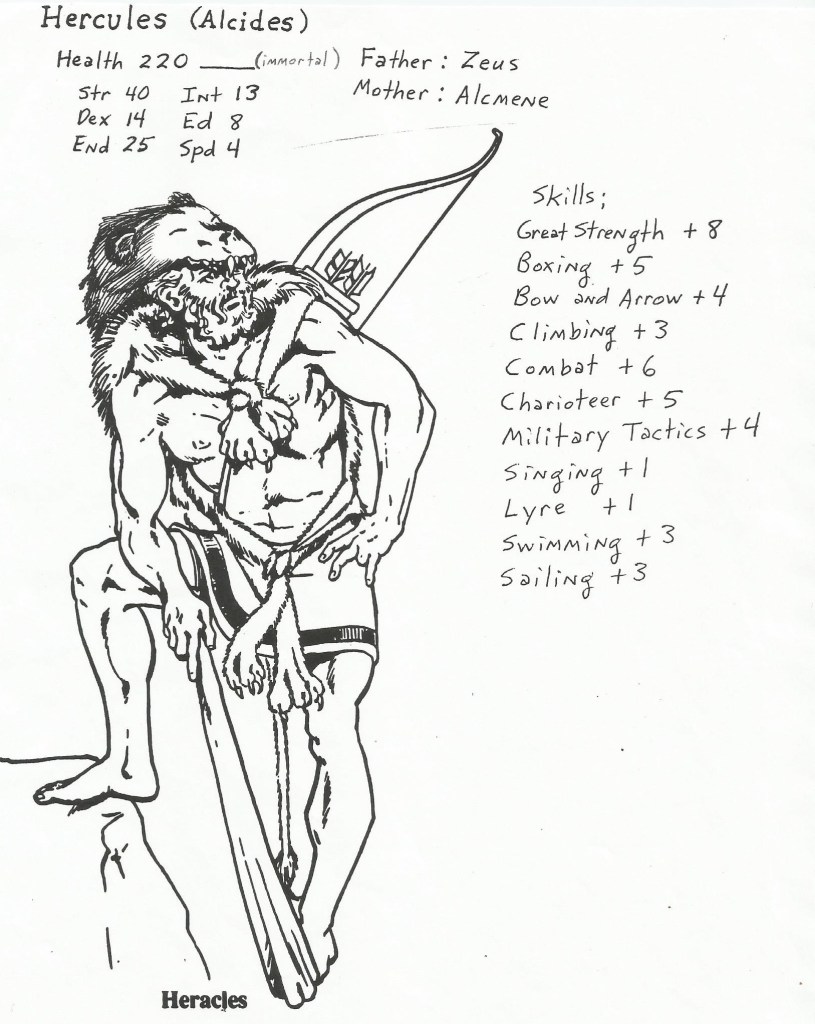
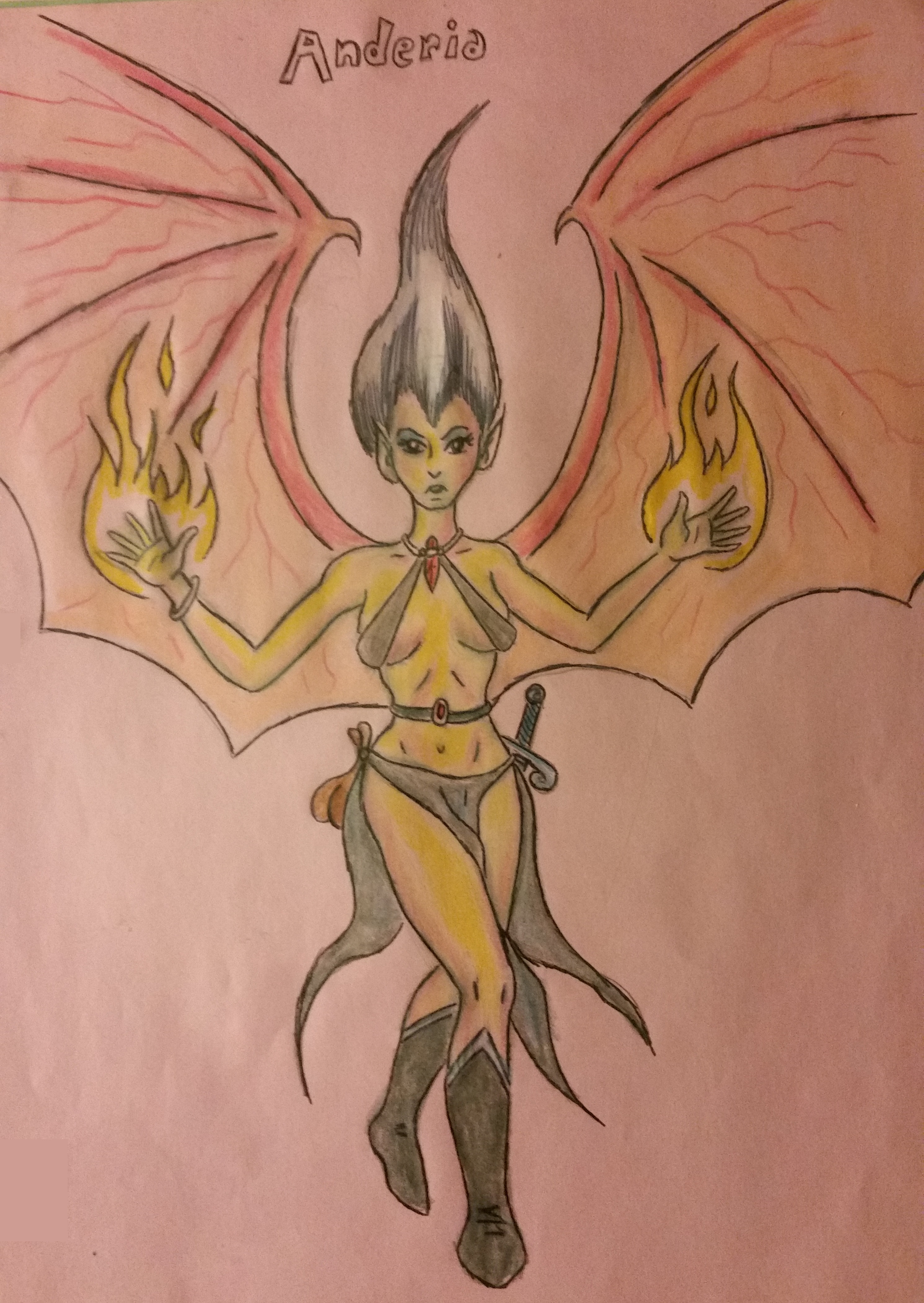
Playing Dungeons and Dragons in Texas during the ’80’s and ’90’s was basically a subversive act.  The reason?  Fundamentalist Christians actively stepped in and persecuted you for it.  It was their sincere belief that a thing that had demons, devils, and dragons in it had to be from Satan.  Satan, they reasoned, used a game like that to poison the imaginations of innocent children and turn them to the Dark Side of the Force.  Or, rather, the Devil’s side of religion.  They were terrified of subtle corruption of the mind, believing that certain patterns of words and ideas could turn goodness into evil.  In other words, their religion advocated living in a bubble of non-association with certain words and ideas in order to superstitiously inoculate themselves against badness.  They were, of course, not entirely wrong.

20160530_144251

Kids playing the game will often develop the desire to play the Dark Side, to be an evil character, to commit evil acts and murder without the hindrance of conscience.  That is the reason I wouldn’t let my own kids even consider playing Grand Theft Auto or similar murder, rape, and pillage sort of video games.   It is, in fact, possible to desensitize yourself to violence and immoral behavior, and I have serious philosophical doubts whenever anyone tries to tell me that that can be a good thing.  My Dungeons and Dragons games always contained a rarely spoken understanding that if you chose to play an evil character you were going to lose everything, because any adventure is solved and overcome by combating evil and siding with the forces of goodness.  Paladins with their magical swords of ultimate sugary goodness are always stronger than evil wizards with their wimpy bat familiars and potions in the end.

20160530_144246

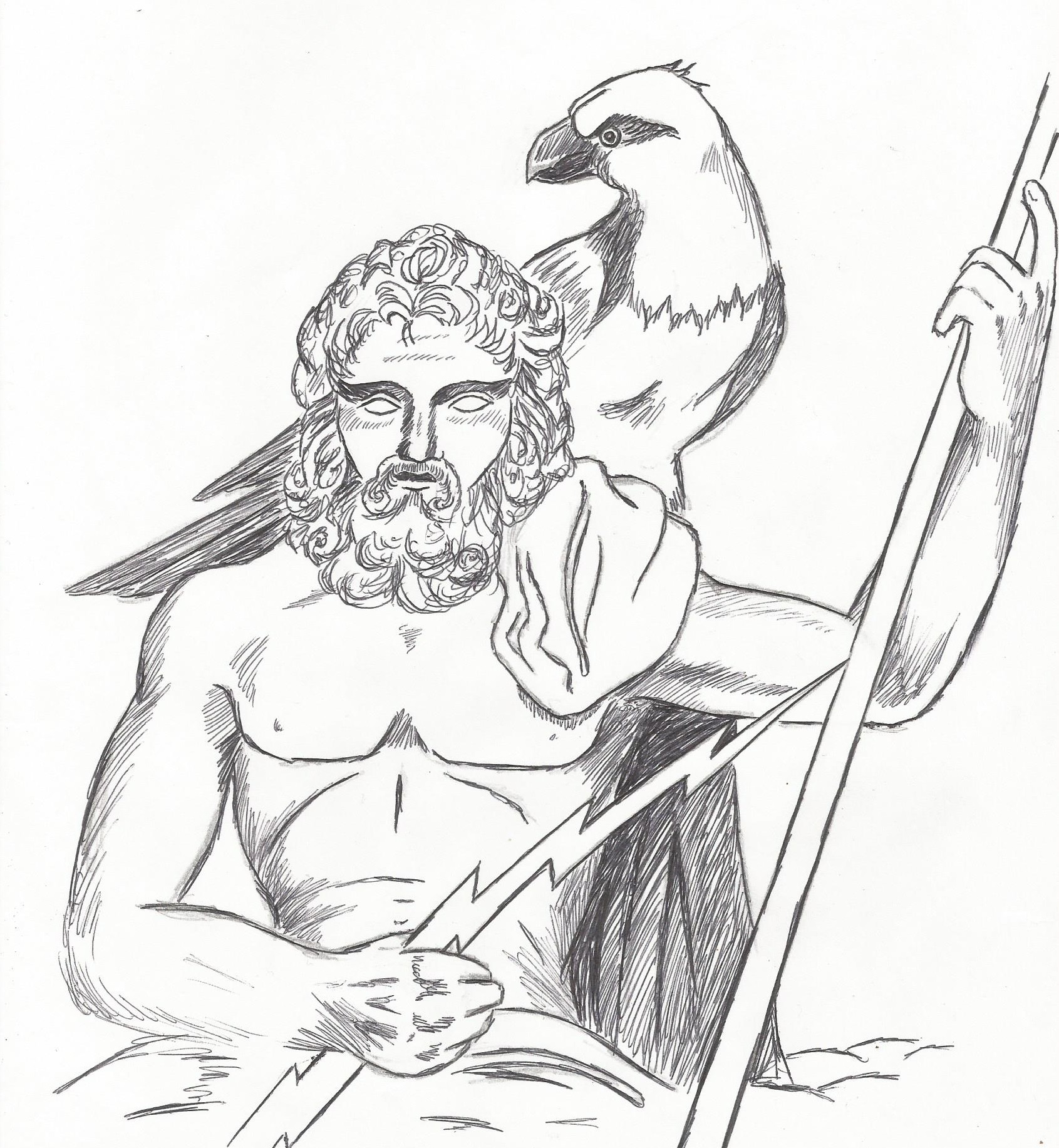
But leaving out demons and devils was never truly an option. If you never face decisions between good and evil during playtime, what hope do you have of avoiding a life-altering mistake later in life when faced with evil for real.  If you are going to make an evil choice, say for instance, committing an act of murder, isn’t it better to learn the consequences of such an act when the murder was killing an imaginary rival wizard for a magic staff you coveted than if you committed that murder in a fit of passion in real life?  The fact that the rival wizard’s spirit takes up residence in the staff and finds a way to punish you every time you use it for the remainder of your adventuring life in the game may teach you something you can use when faced with the opportunity to steal for profit and get away with it to make a better decision about what to do.

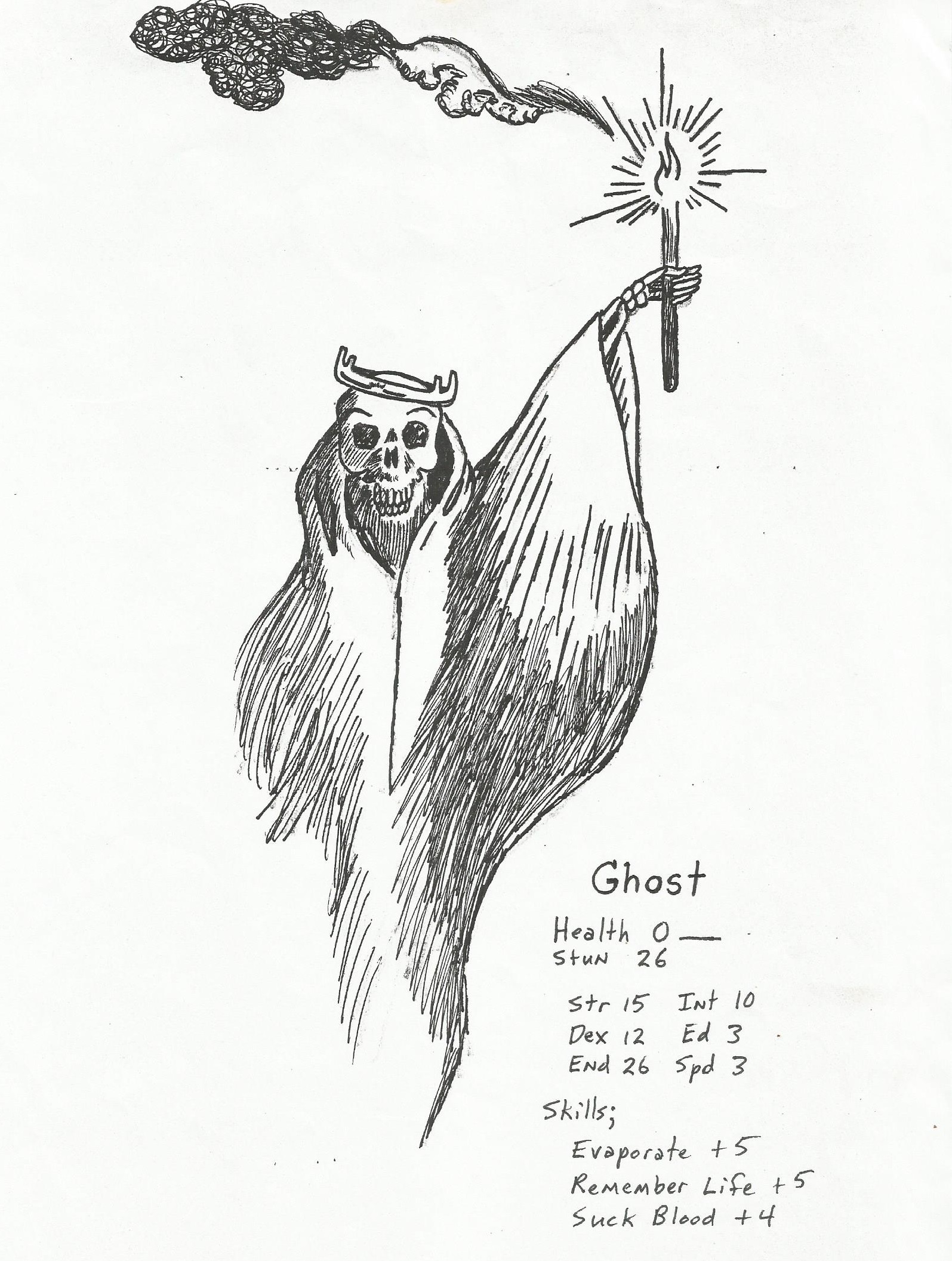
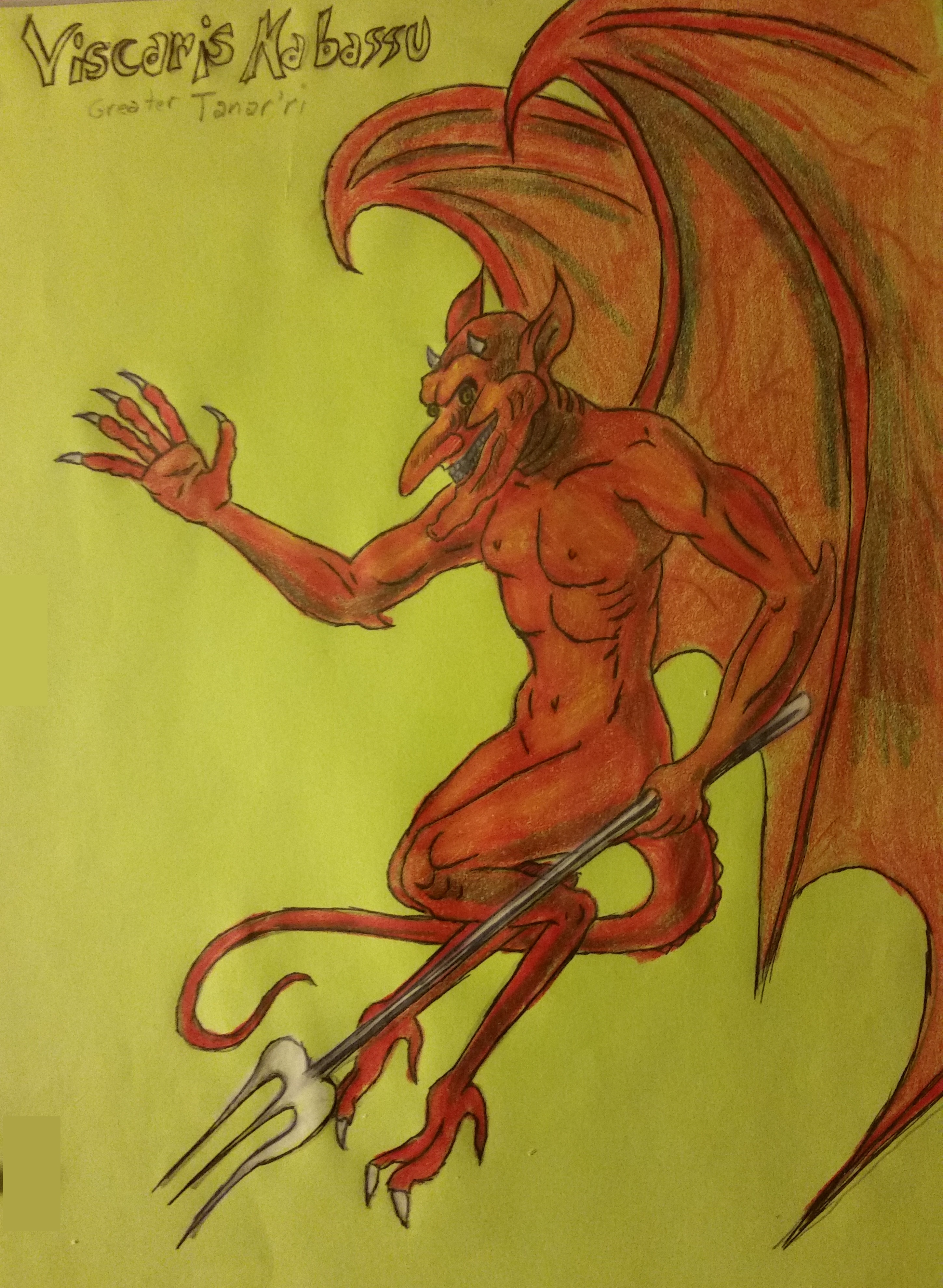
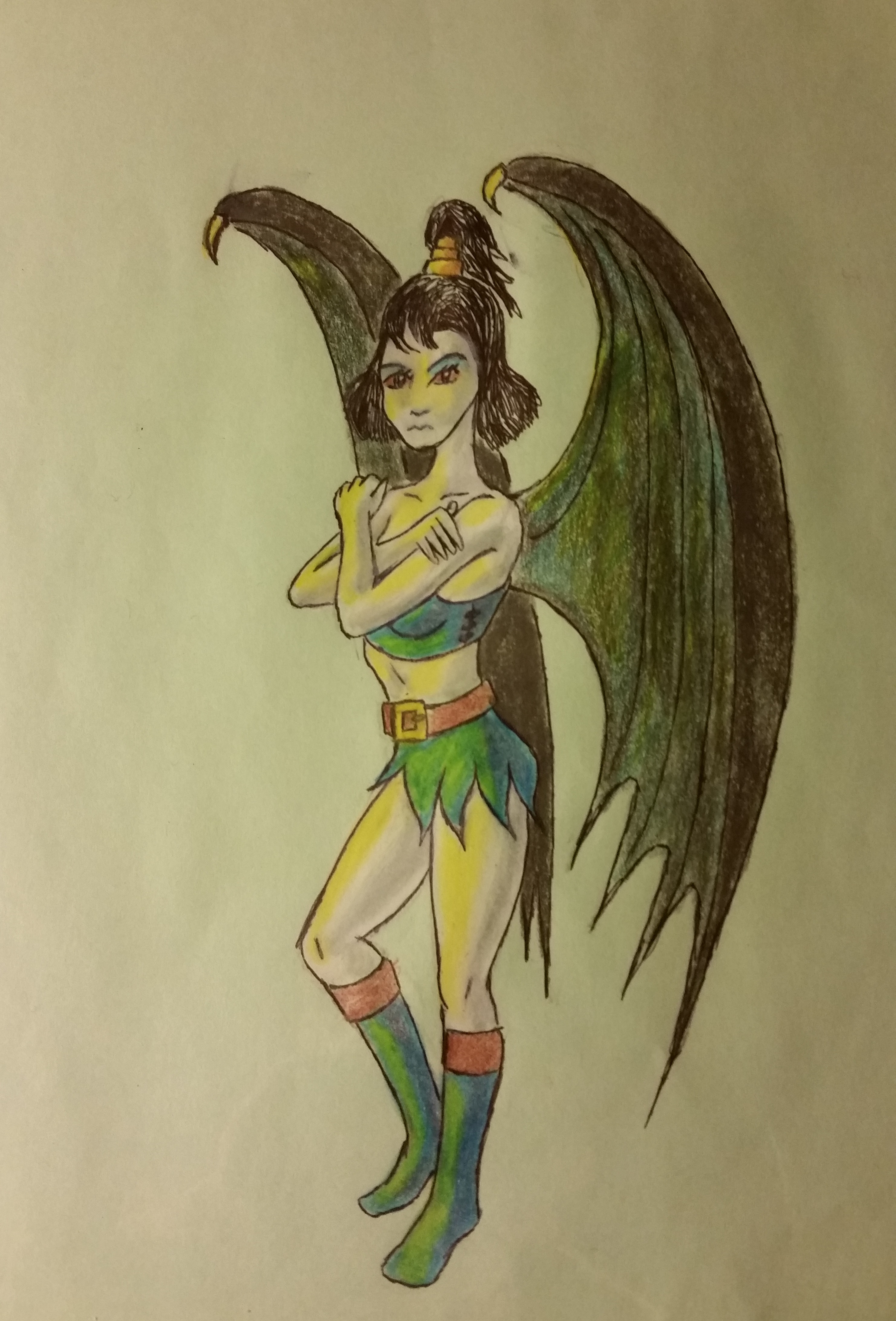
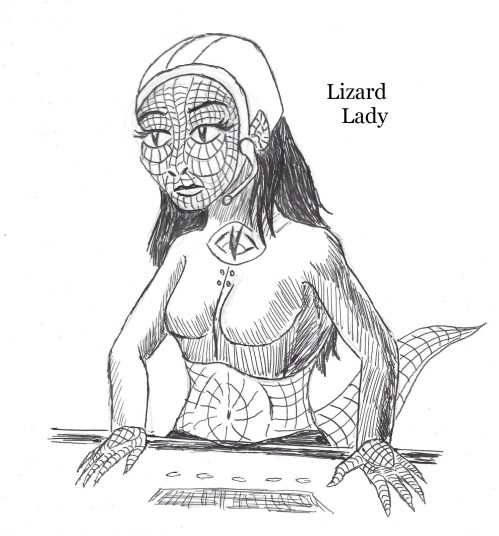
In the Tomb of Death adventure that the three demons illustrated in this post came from, the only solution was to find the weakness in the demon team.  Estellia had been ill treated by the other two and deeply resented it.  She resented it enough to tell the adventurers’ thief about the brass demon bottle that could be used to magically imprison the demons and then force them to do the bottle owner’s bidding.  Viscarus had been using it to control the other two, so only his soul truly needed to be captured.  The demon-hearts of the other two were already inside.  That story taught several lessons.  Manipulative evil can bite you in the neck even if you are the one wielding it.  (If only Trump and his cronies had learned that about their own brass demon bottle.)

C360_2017-09-30-11-16-48-614

Evil people don’t see themselves as evil.  Often they only see themselves as victims.  And it is true in real life that there is goodness in even the most heartlessly evil people.  You can find it, appeal to it, and possibly even reach the goodness in their hearts necessary to change them for the better.

I truly believe that those kids who over the years played my story-telling games were better, stronger, and more inherently good because they played my games and learned my lessons.  I believe it is true even though there may have occasionally been demons and devils in the stories.  And if I believe it strongly enough, it must be true.  Isn’t that how faith is supposed to work?

Leave a comment

Filed under Dungeons and Dragons, heroes, humor, Paffooney, strange and wonderful ideas about life, villains

Reading Twain for a Lifetime

mark-twain

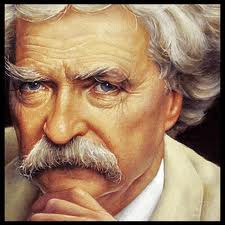
I wish to leave no doubt unturned like a stone that might have treasure hidden under it.  I love the works of Samuel L. Clemens, better known as Mark Twain.

I have read and studied his writing for a lifetime, starting with The Adventures of Tom Sawyer which I read for myself in the seventh grade, after seeing the musical movie Tom Sawyer starring Johnny Whittaker as Tom.  I caught a severe passion, more serious than a head-cold, for the wit and wisdom with which Twain crafted a story.  It took me a while to acquire and read more… but I most definitely did.  I took an American Literature course in college that featured Twain, and I read and analyzed The Adventures of Huckleberry Finn.  I also bought a copy of Pudd’nhead Wilson which I would later devour in the same thoroughly literate and pretentious manner as I had Huck Finn.  Copies of A Connecticut Yankee in King Arthur’s Court and The Mysterious Stranger were purchased at the same time, though I didn’t read them cover to cover until later during my years as a middle school English teacher.  I should point out, however, that I read and re-read both of those, Connecticut Yankee winning out by being read three times.  As a teacher, I taught Tom Sawyer as an in-class novel assignment in the time when other teachers thought I was more-or-less crazy for trying to teach a 100-year-old book to mostly Hispanic non-readers.  While the lunatic-inspired experiment was not a total success, it was not a total failure either.  Some kids actually liked having me read parts of it aloud to them, and some borrowed copies of the book to reread it for themselves after we finished as a class.

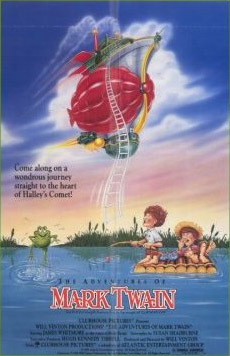
marktwaindvd2006During my middle-school teaching years I also bought and read copies of The Prince and the Pauper, Roughing It, and Life on the Mississippi.  I would later use a selection from Roughing It as part of a thematic unit on Mark Twain where I used Will Vinton’s glorious claymation movie, The Adventures of Mark Twain as a way to painlessly introduce my kids to the notion that Mark Twain was funny and complex and wise.
I have also read and used some of Twain’s most famous short fictions.  “The Celebrated Jumping Frog of Calaveras County” and “The Man Who Corrupted Hadleyburg” are both masterpieces of Twain’s keen insight into the human psyche and the goofy and comic corruptions he finds there.

And now, retired old me has most recently read Tom Sawyer Abroad.  And, though it is not one of his finest works, I still love it and am enthralled.  I reviewed it and shared it with you a few days ago.  But I will never be through with Mark Twain.  Not only is there more of him to read, but he has truly been a lifelong friend.


Not Mark Twain, but still purty good…

Leave a comment

Filed under book reports, book review, goofy thoughts, happiness, heroes, old books, sharing, strange and wonderful ideas about life

The World is a B-Movie

Yes, I am saying the world I live in is a low-budget commercial movie made without literary or artistic pretensions. You know, the kind where movie makers learn their craft, taking big risks with smaller consequences, and making the world of their picture reflect their heart rather than the producer’s lust for money.

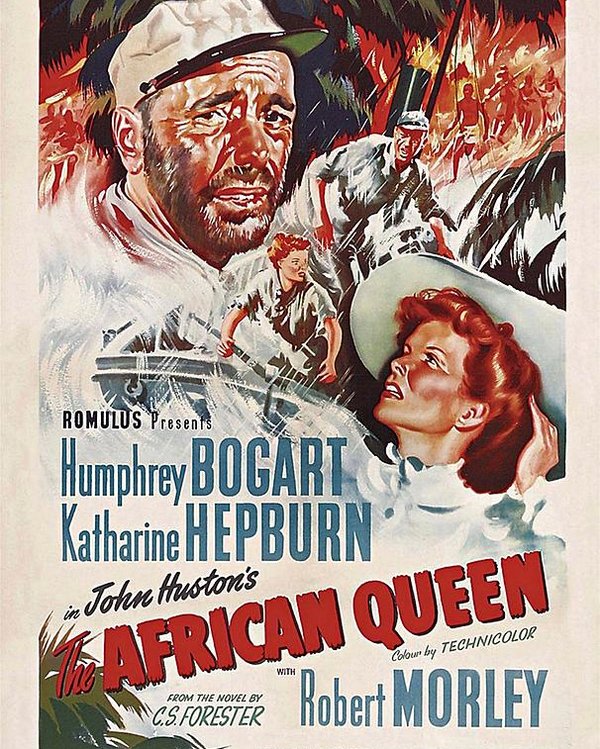
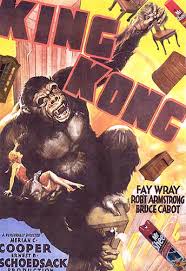
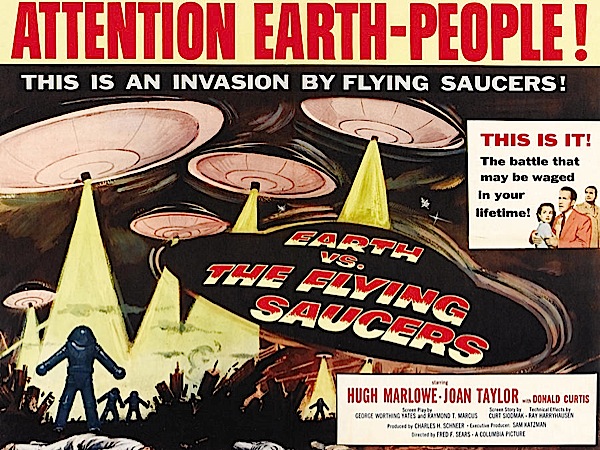
Mostly what I am talking about are the movies I remember from late-night Saturday TV in black and white (regardless of whether or not the movie was made in Technicolor) and the less-risky as well as more-likely-good Saturday matinees on Channel 3. Movies made in the 1950s, 1960s, and early 1970s. They were perfect, of course, for the forbidden Midnight Movie on the show called Gravesend Manor. I had to sneak downstairs to watch it on Saturday nights with the volume turned way down low. (Not that Mom and Dad didn’t know. Well, maybe they didn’t know how many of those I watched completely naked… maybe.)

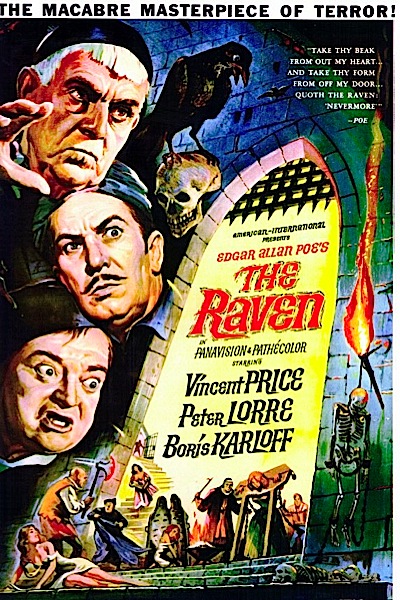
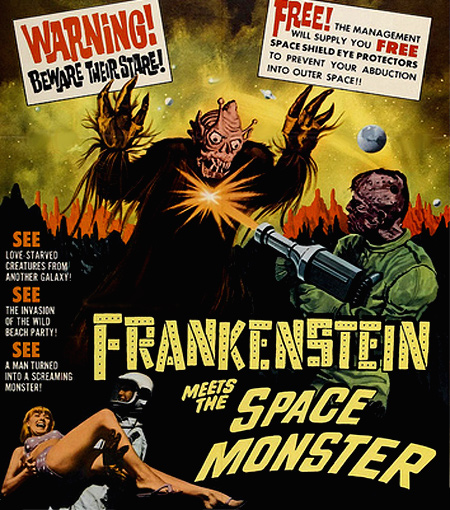
I watched this one when I was twelve, late night on an October Saturday. I had a bed-sheet with me to pull over my head at the scariest parts. Frankenstein was a crashed astronaut brought back to life by the magic of space radiation. He was uglier than sin, but still the hero of the movie, saving the Earth from invading guys in gorilla suits and scary masks (none of which looked like the movie poster.)

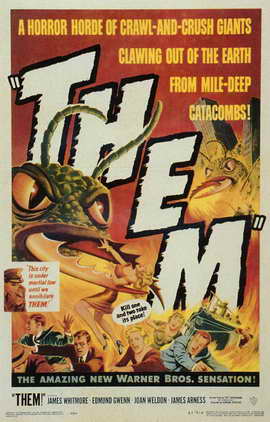
This one, starring James Whitmore, a really good B-Movie actor, was about giant ants coming up from the sewers and the underground to eat the city.

I would end up watching it again twenty years later when I was wearing clothes and not alone in the dark house lit only by a black-and-white TV screen.

I realized on the second viewing that it was actually a pretty good movie in spite of cheesy special effects. And I realized too that I had learned from James Whitmore’s hero character that, in times of crisis, you have to run towards the trouble rather than away from it, a thing that I used several times in my teaching career with fights and tornadoes and even rattlesnakes visiting the school campus looking to eat a seventh-grader or something (though it was a bad idea for the snake even if it had been successful.)

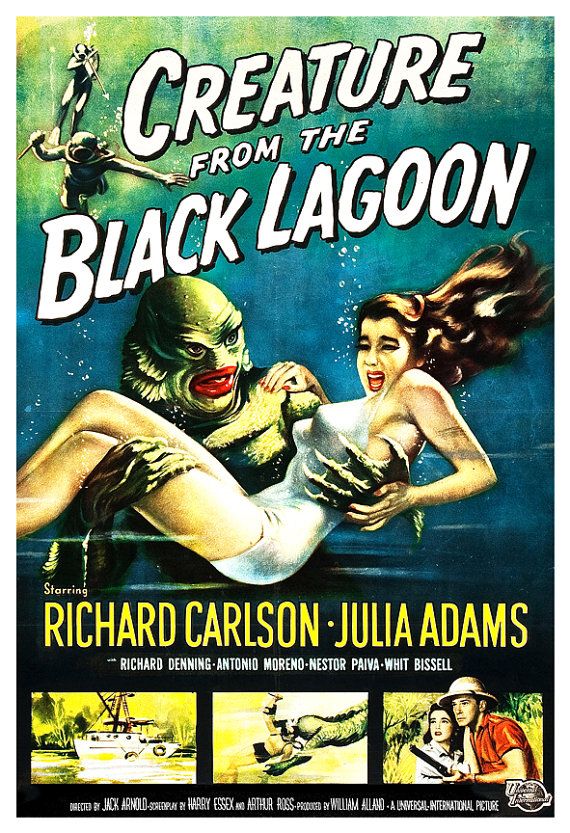
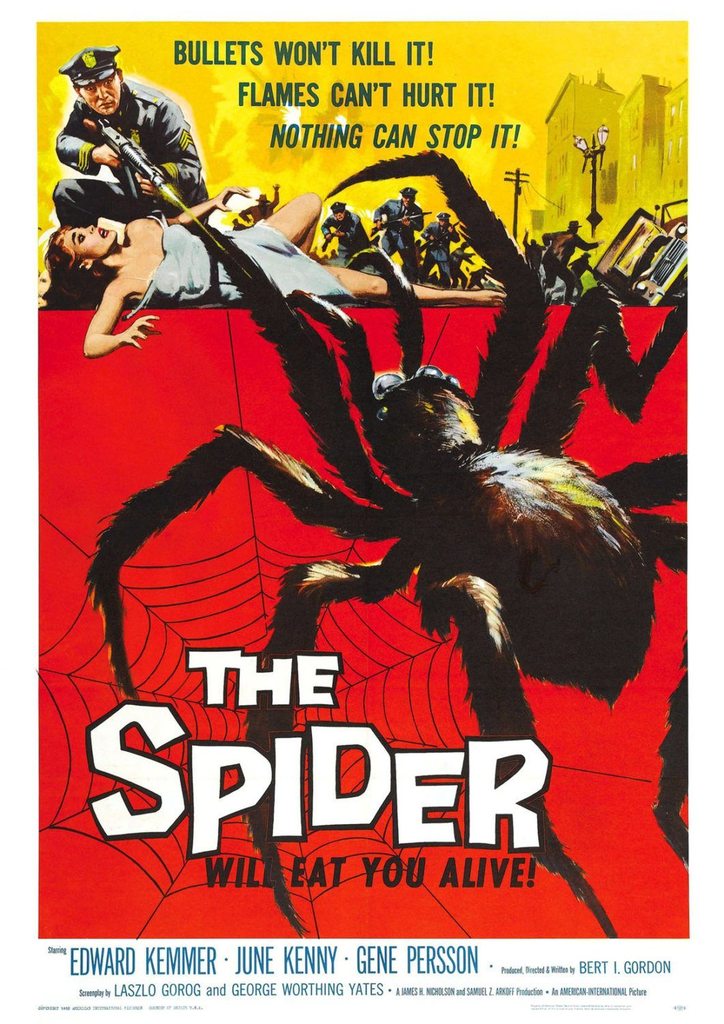
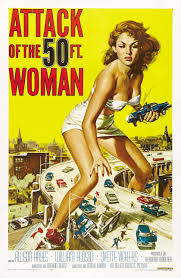
This one, of course, taught me that monsters liked to carry off pretty girls in bikinis. And not just on the poster, either. But it was the hero that got the girl, not the monster. This movie taught me that it sucks to be the monster. Though it also taught me that it was a good movie to take your pajamas off for and watch naked when you are thirteen.

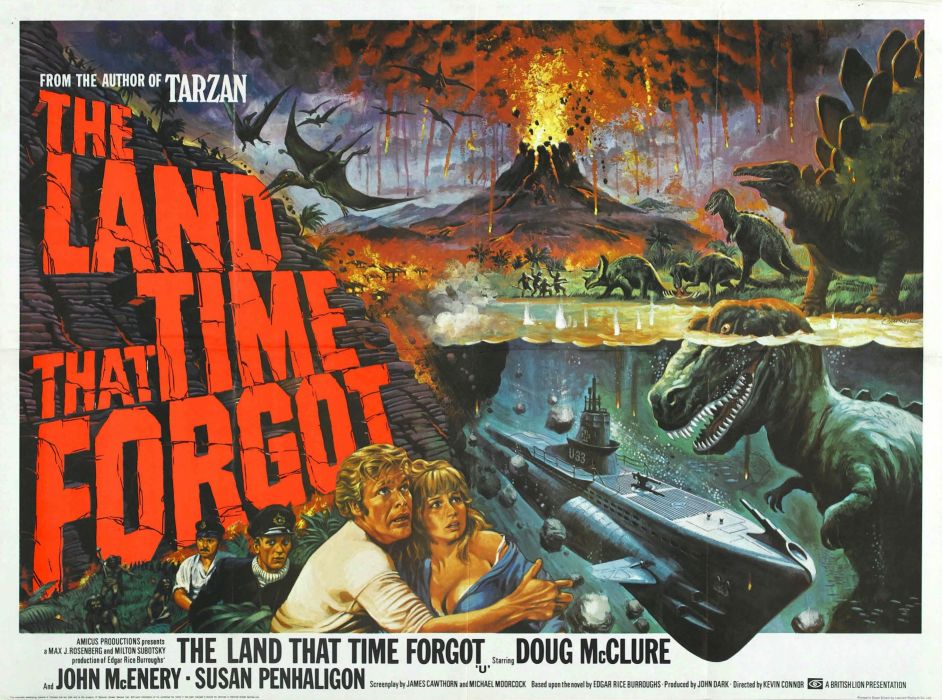
But not all B-movies had to be watched late night on Saturdays. This movie was one of the first ones that I got to go to the movie theater to see by myself. (My sisters and little brother were still too young and got nightmares too easily to see such a movie.) It came out when I was in my teens and Mom and Dad began thinking of me as an adult once… or even possibly twice in a month.

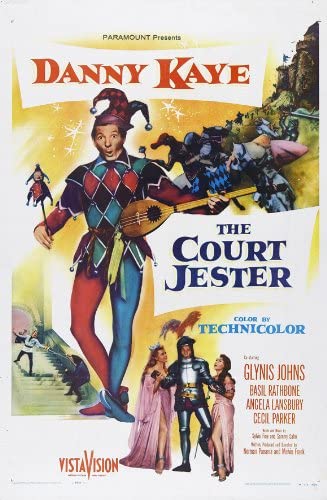
And not all B-movies were monster movies, gangster movies, and westerns. Some, like a lot of Danny Kaye’s movies, were movies my Dad and my grandparents were more than happy to watch with me. I saw this one in both black-and-white and color. And I learned from this that it was okay to take advantage of happy accidents, like a case of mistaken identity, and using your wits, your creative singing ability, and your inexplicable good luck to win the day for everybody but the bad guys armed only with your good sense of humor.

And some of the best movies I have ever seen, judging by what I learned about movies as literature from Professor Loring Silet in his Modern Film Class at Iowa State University, are by their nature B-movies.

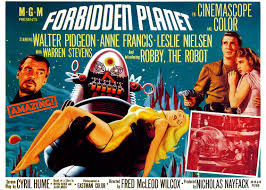
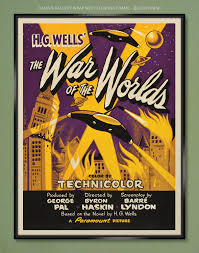
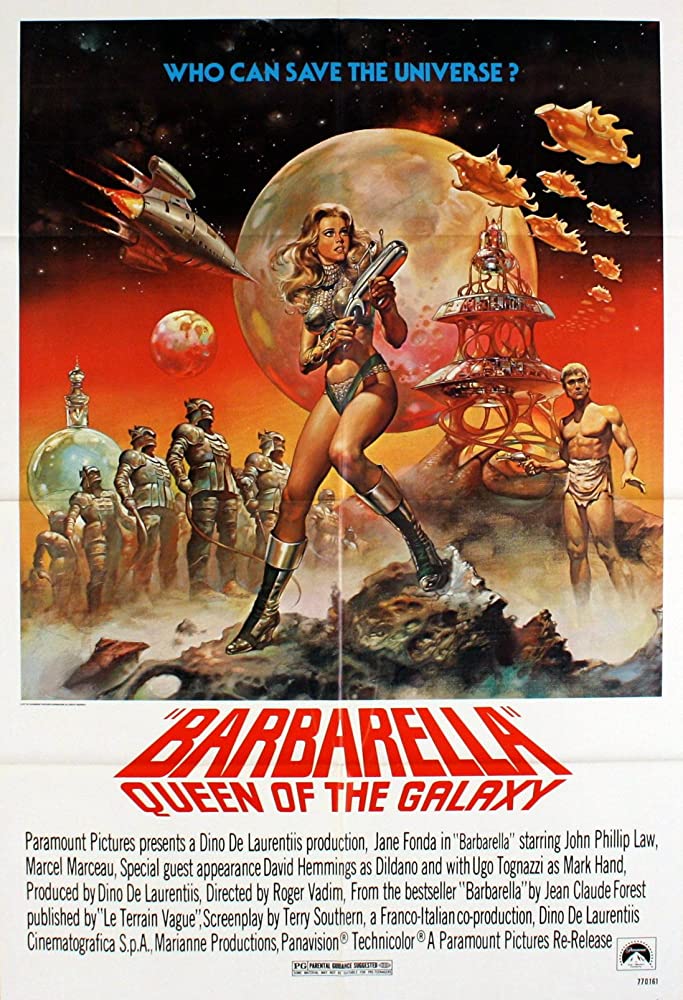
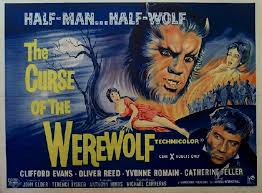
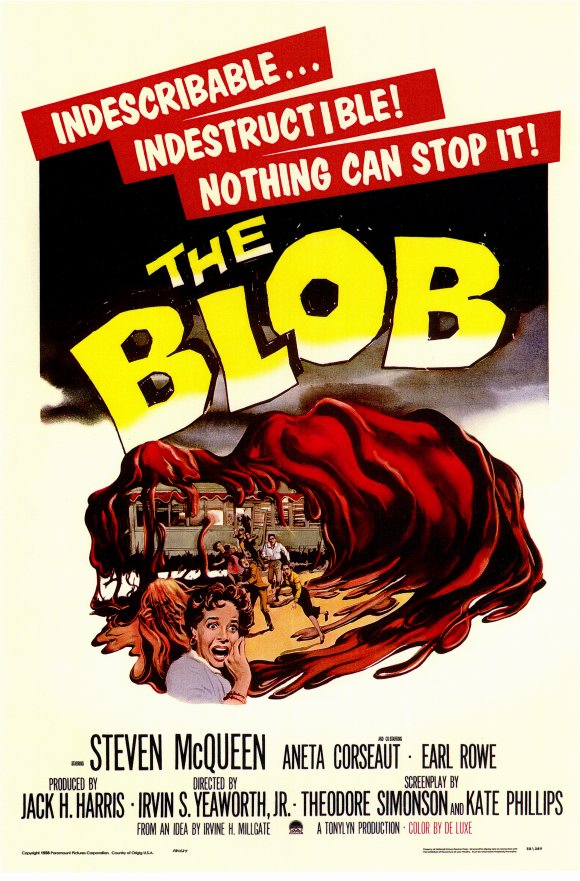
I am using movie posters in this blog post only from movies I have personally seen. (And I admit that not all of them are strictly “good” movies according to Professor Silet, but I like them all.)

Feel free to tell me in the comments if you have seen any of these movies yourself. I am open to all opinions, comments, and confessions.

This one is based on Shakespeare’s The Tempest.
I saw this one in college. You had to be 18 at the time to even buy a ticket.
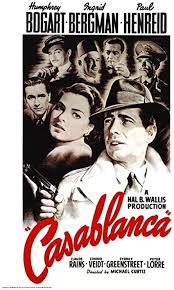
I actually think that this is one of the best movies ever made. It will always make my own personal top-ten list.

I live in a B-movie world. The production values around me are not the top-dollar ones. But the stories are entertaining. The real-life heroes still run towards the problem. And it still sucks to be the monster. But it has always been worth the price of the ticket. And during my time on Earth here, even in 2020, I plan on staying till the end of the picture. I go nowhere until I see the Best Boy’s name in the end credits. And maybe not even then.

Leave a comment

Filed under art criticism, heroes, humor, monsters, movie review, strange and wonderful ideas about life, TV as literature, TV review

Tarzan and the Timeless Valley of Nostalgia

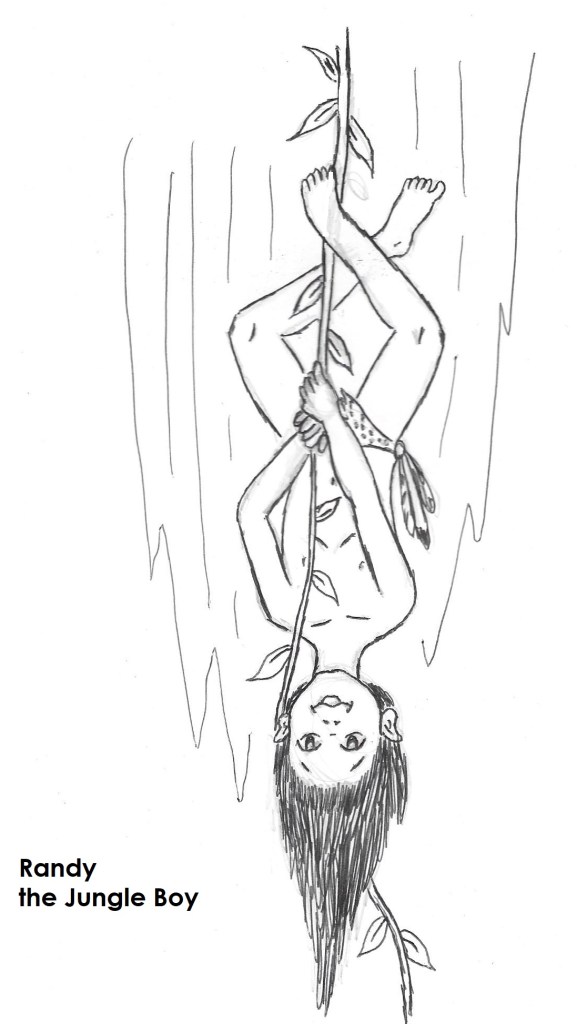
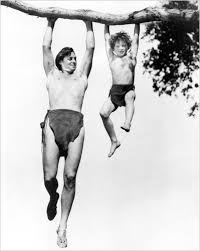
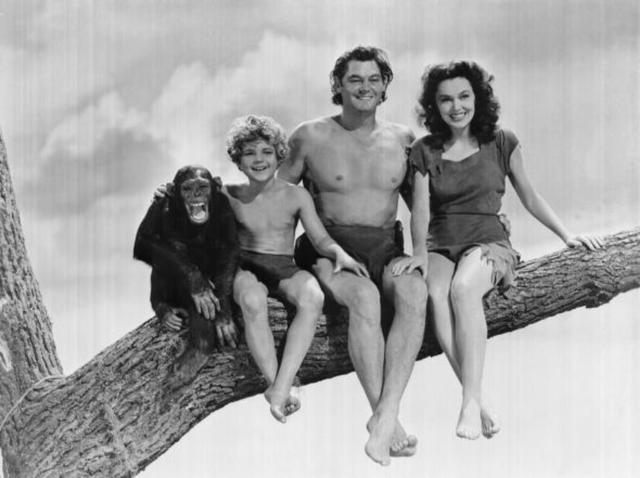
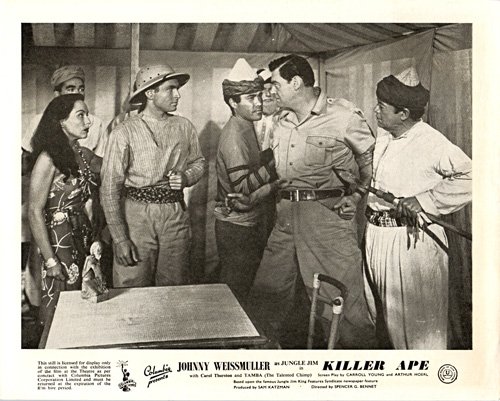
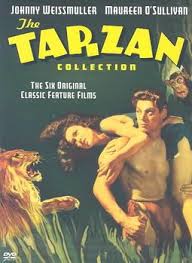
There was a time when Tarzan was one of the ruling heroes of my boyhood fantasies of power and self-fulfillment. And, while Tarzan was a cartoon show on Saturday morning, comics by Burne Hogarth, movies in the theater in color with Mike Henry, or a weekly series on TV with Ron Ely, he was always Johnny Weissmuller to me. Weissmuller who played both Tarzan and Jungle Jim in the Saturday afternoon black-and-white movies.

I have to admit, I didn’t identify with the character of Tarzan as much as I thought of myself like the character “Boy”, played by Johnny Sheffield in movies like “Tarzan Finds a Son”. It was a significant part of my boyhood to imagine myself being like Boy, free from practically all restraints, able to gad about the dangerous jungle nearly naked with monkey pals and no fear. If I got into trouble by believing my skills were greater than they really were, I would save myself with ingenuity, and, barring that, Tarzan would rescue me. And, believe it or not, sometimes there were fixes that Tarzan got into that he needed me and Cheetah to be creative and get him out of. I knew in my heart that one day real life would be like that, especially once I grew into Tarzan and stopped being just Boy. That idea was in my head so loudly that several times I went to Bingham Park Woods, stripped down, and played Boy in the Jungle.

As in the previous essay about Heroes of Yesteryear, I learned important things from Johnny Weissmuller on Saturday TV. He taught me that all you really needed, even in the darkest jungles of Africa, was confidence and courage. You could stand up to any deadly danger without the protection of any armor, practically naked, in fact, if only you had that heroic goodness of heart. The little boy I was then still believes that whole-heartedly even in the aging body of an old man.

So, Tarzan continues to live in my memory, a part of me, an essential part of my education. He is me and I am he. But only in my mind. Me in a loincloth, swinging on a vine now… and probably going splat like an overripe melon on the jungle floor… well, that is too ridiculous to even imagine being real anymore. Yet he lives on in me. And he battles the metaphorical leopard-people of modern life through me. Unarmored. Confident. And unafraid.

Leave a comment

Filed under autobiography, comic book heroes, foolishness, heroes, humor, movie review, old books, review of television, strange and wonderful ideas about life, TV as literature

Aeroquest Art So Far

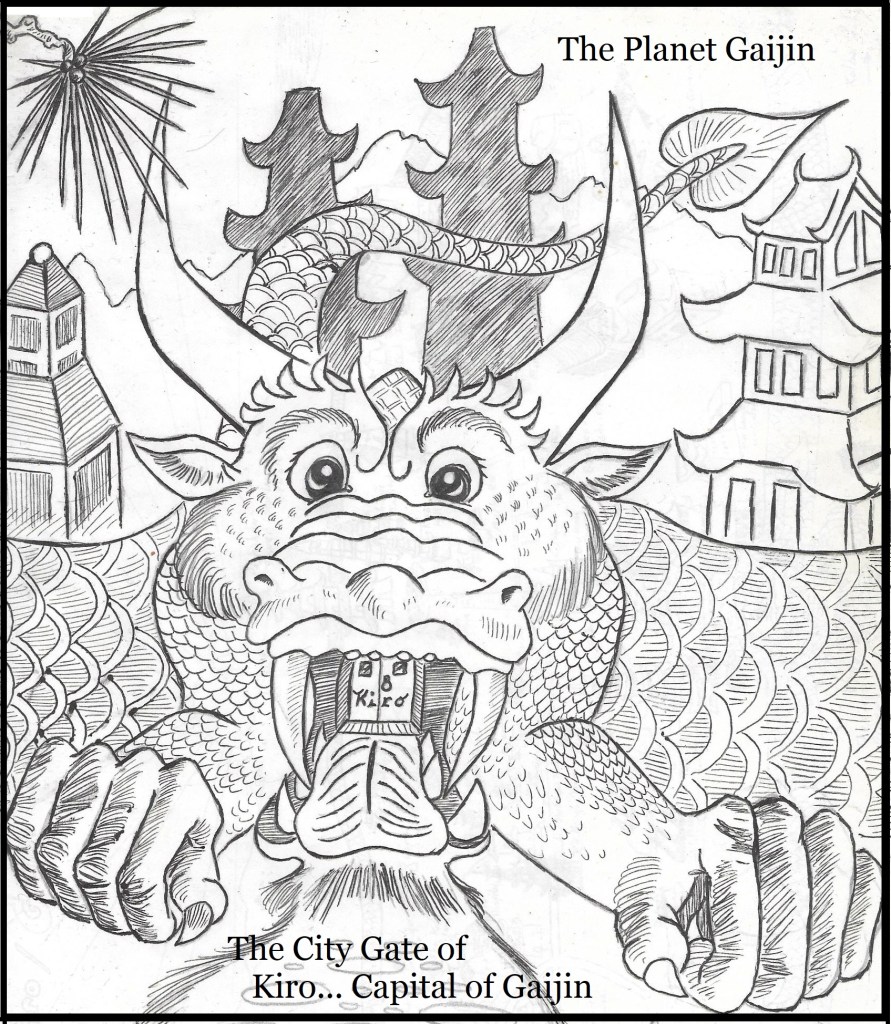
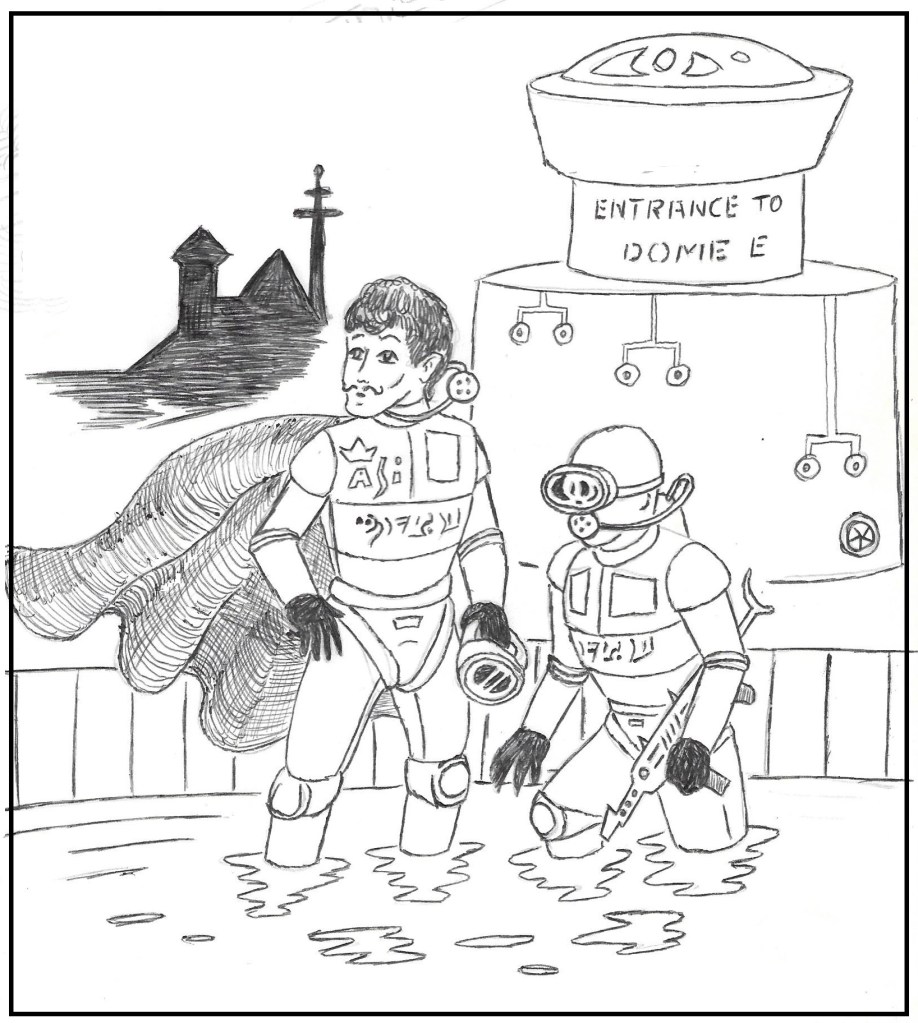
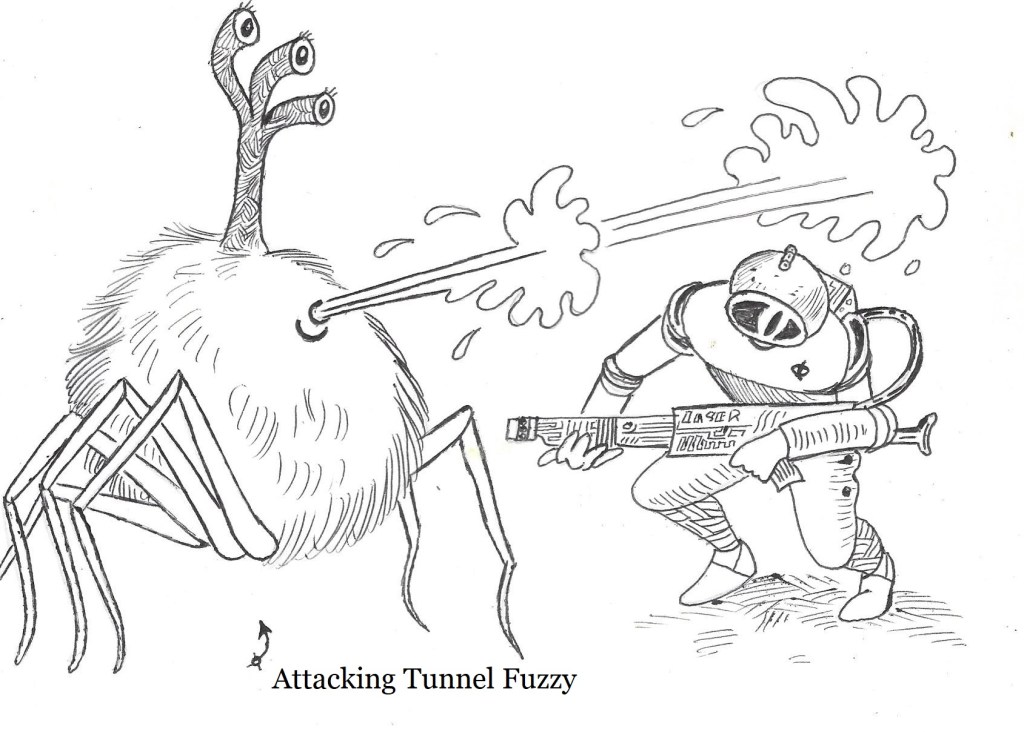
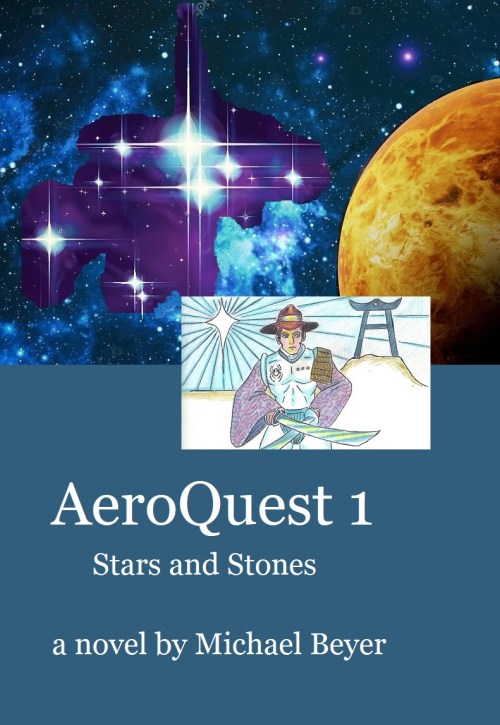
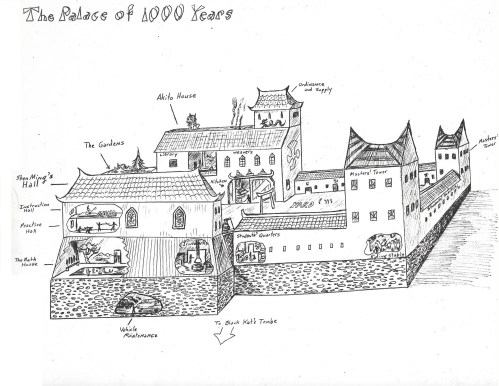
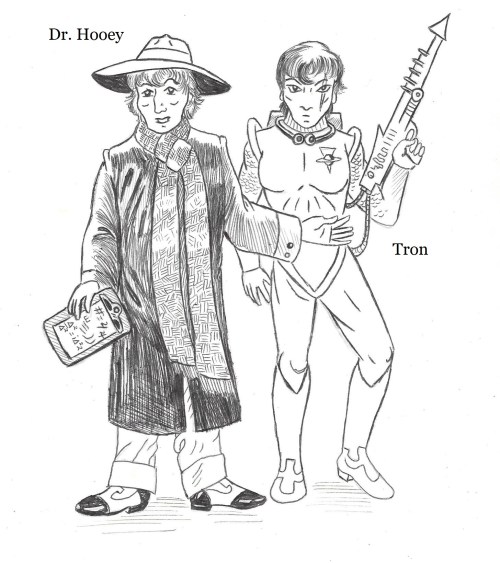
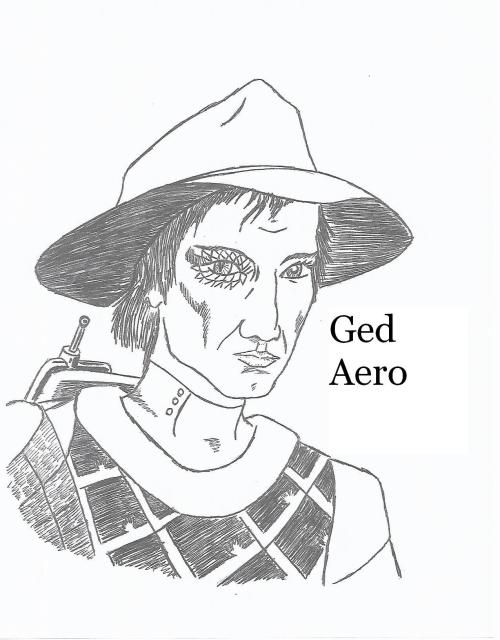
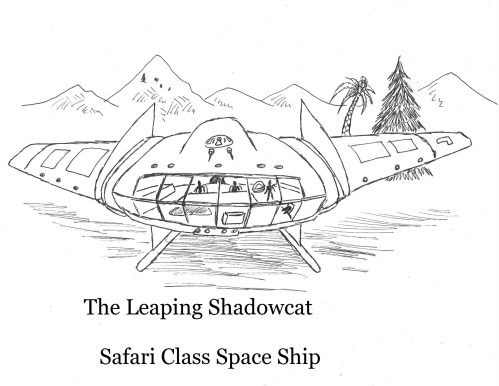
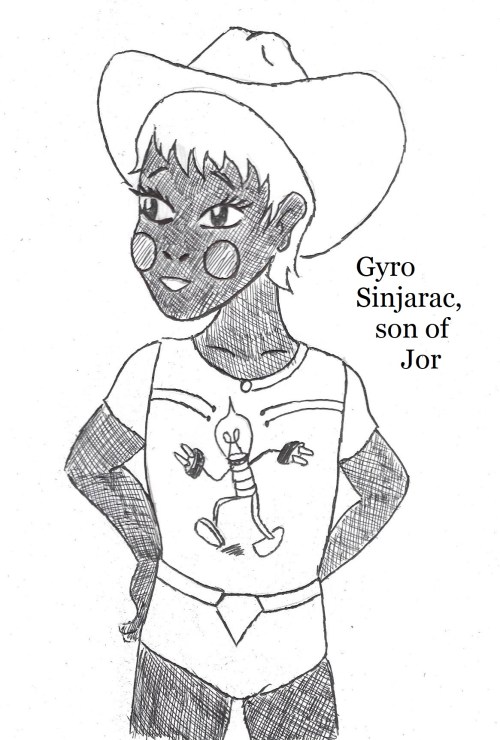
These are the pieces of art and illustrations that are going into the re-writing project of my novel Aeroquest.

I decided to totally rework the novel and illustrate it more fully because it was always supposed to be a science-fiction satire and parody that was more cartoonish than literary.

It is a story about a teacher conquering a space empire. It arose from a science-fiction role-playing game that filled my days in the 1980’s and early 90’s.

It parodies Star Wars, Star Trek, Flash Gordon, Buck Rodgers, Dune, and much more besides. And it includes many of my own wacky inventions about what the future might hold in store.

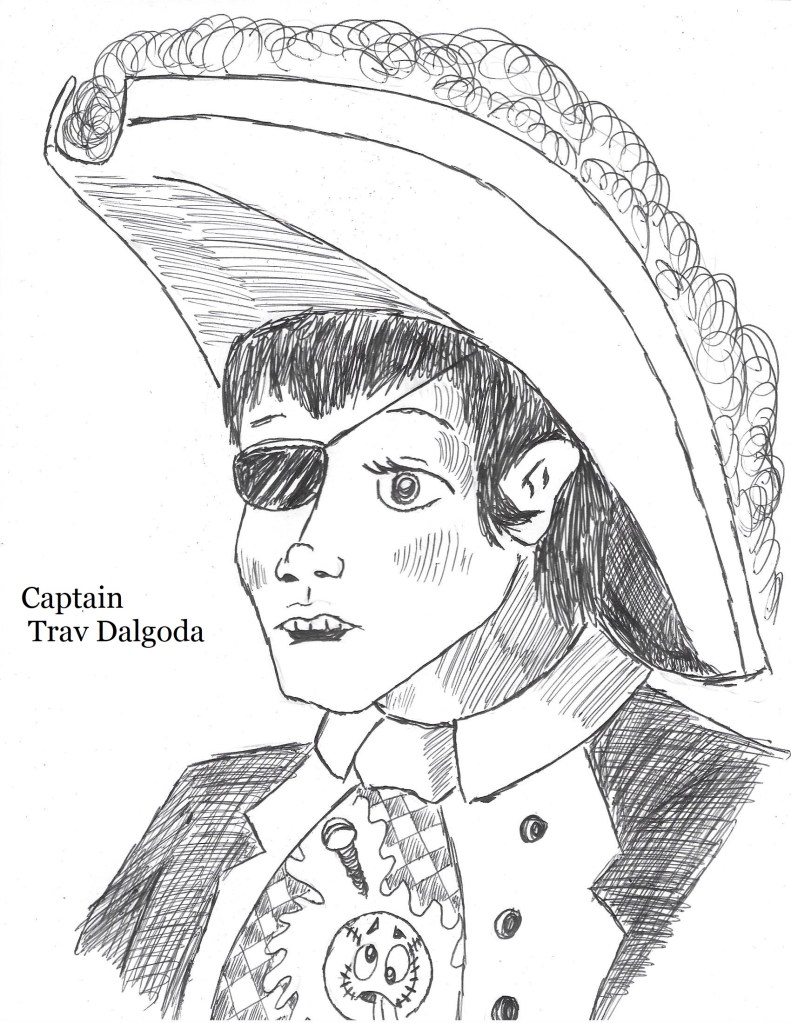
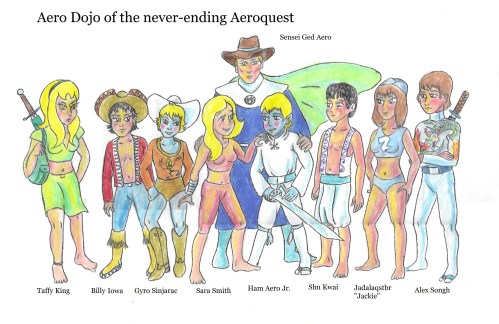
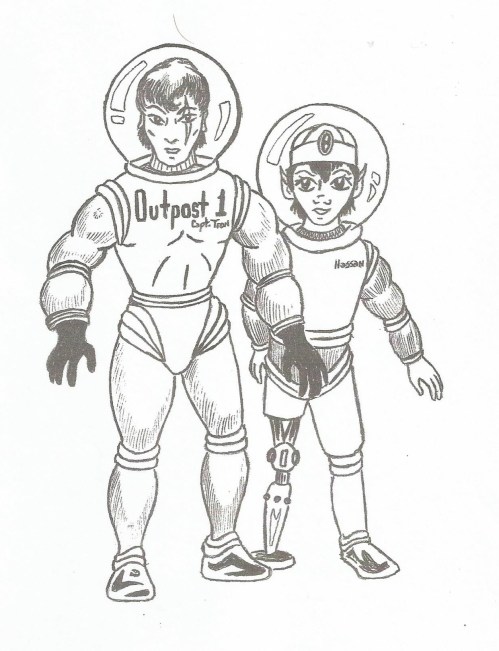
Here is the original teacher in space and some of his first class of students.

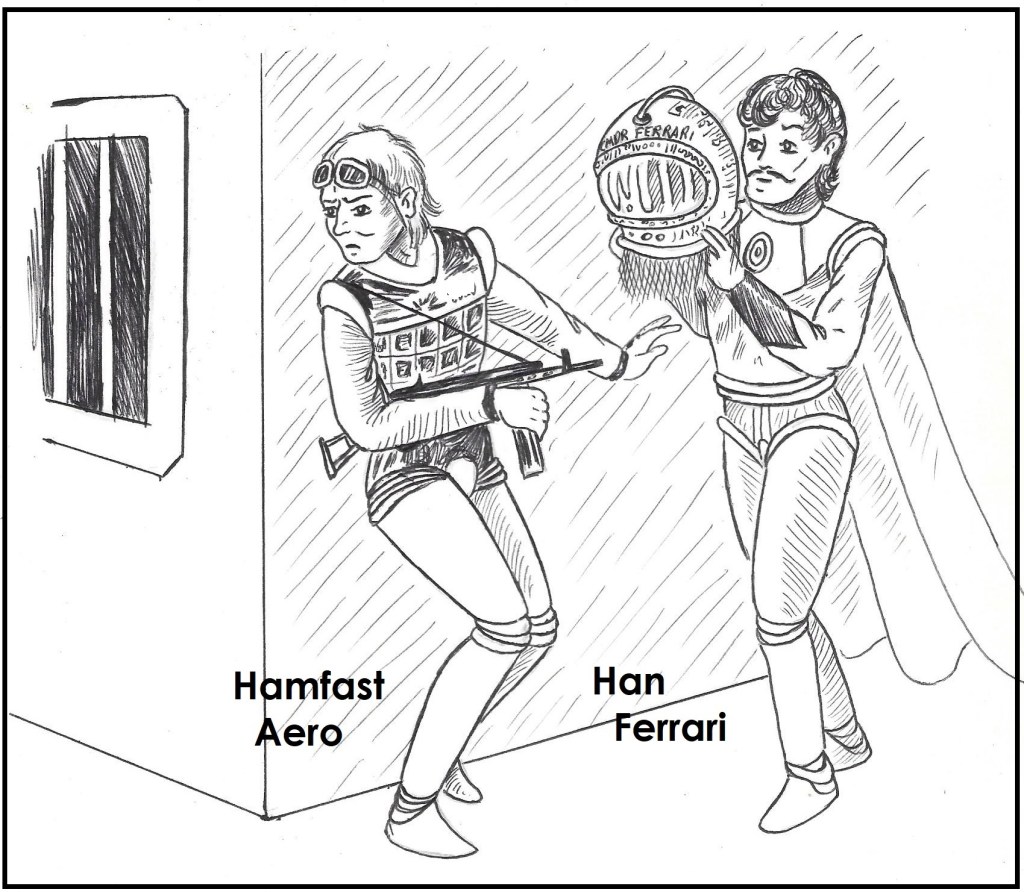
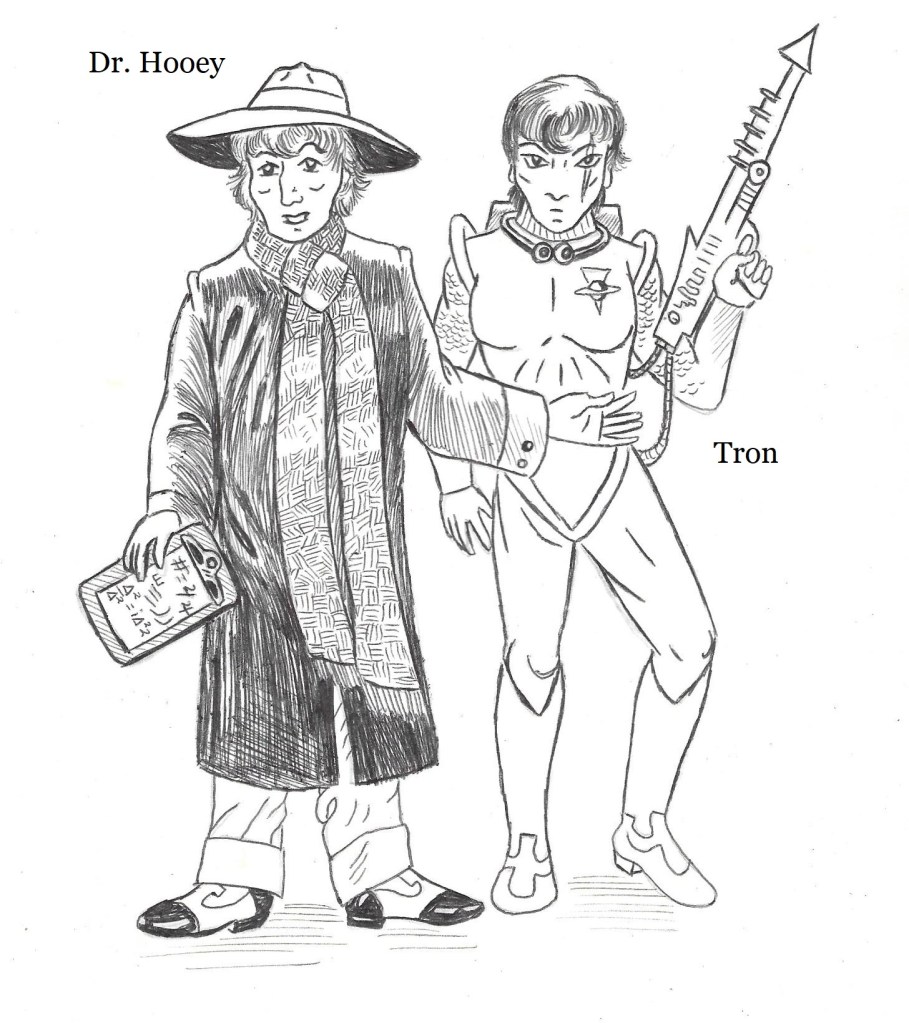
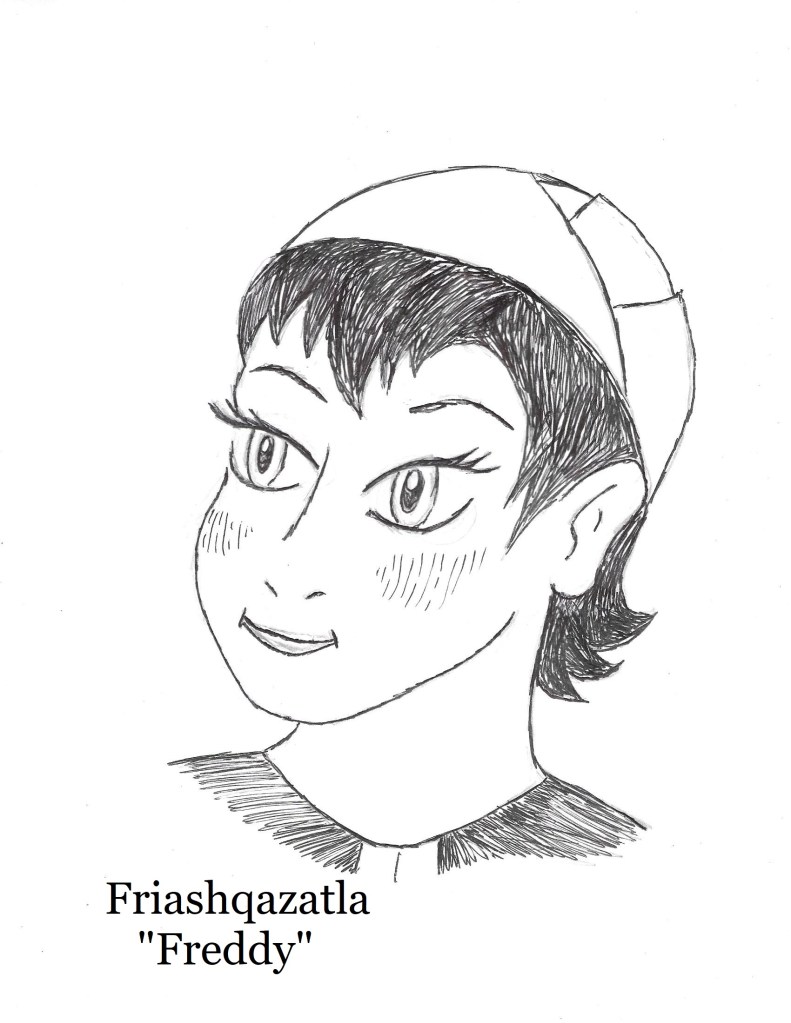
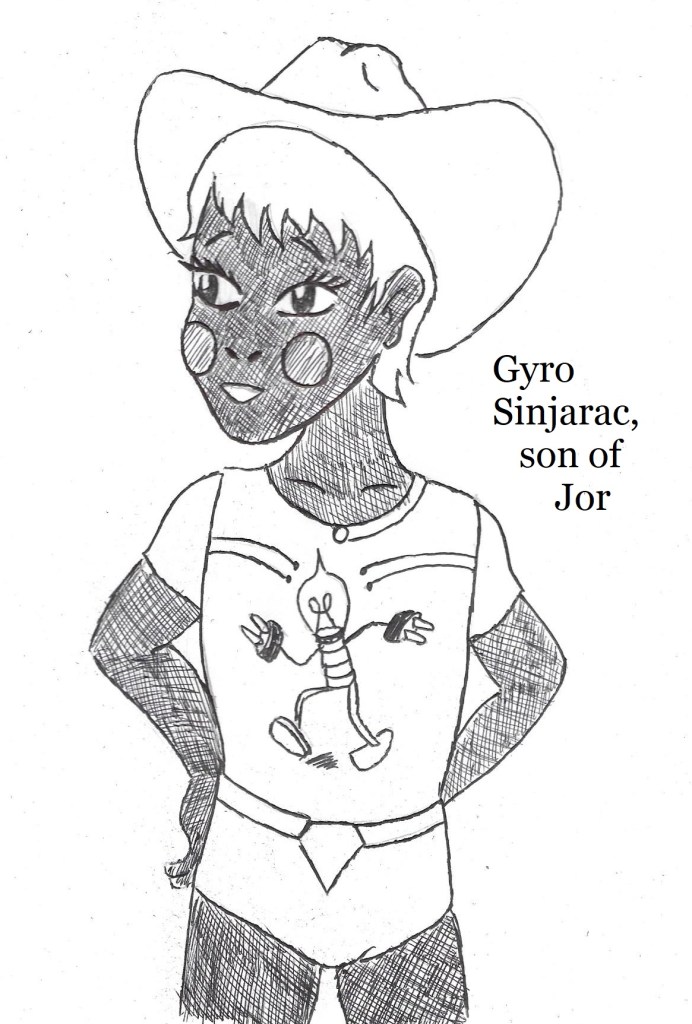
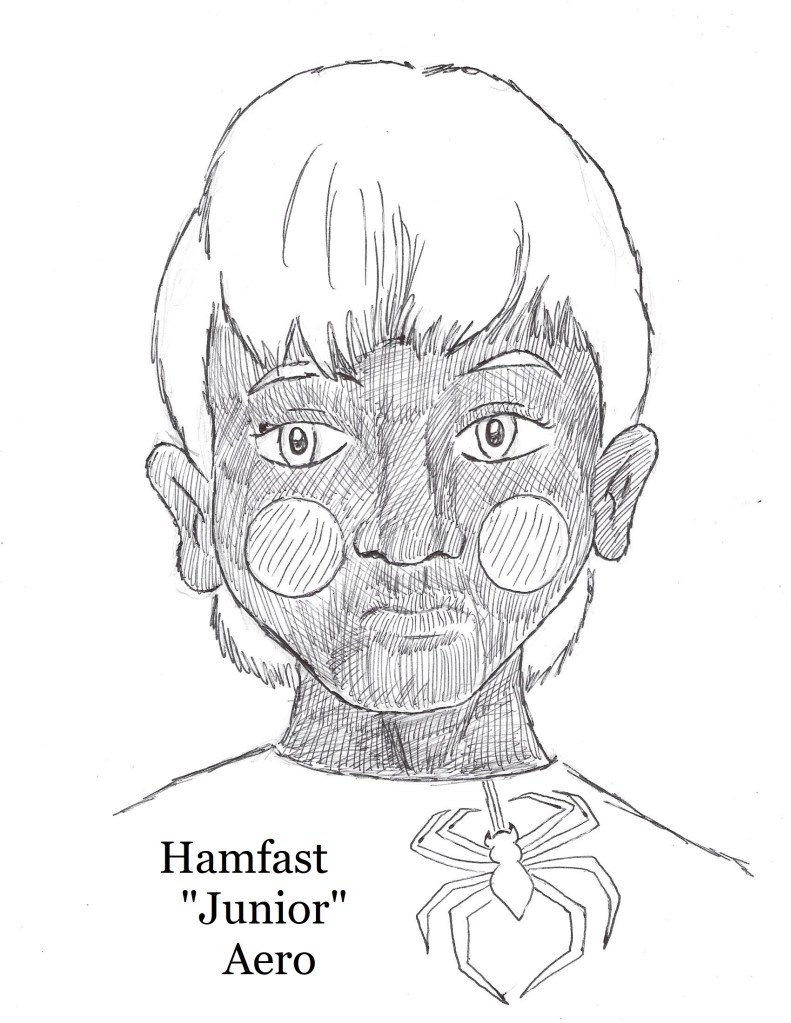
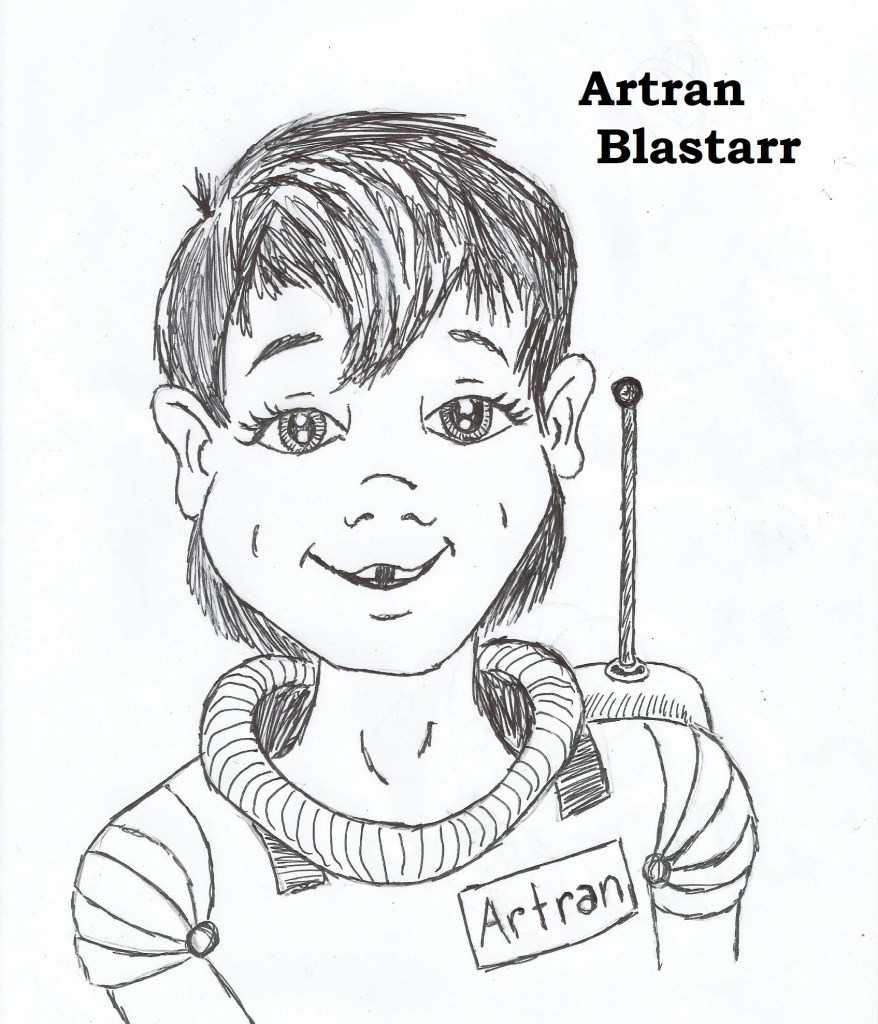
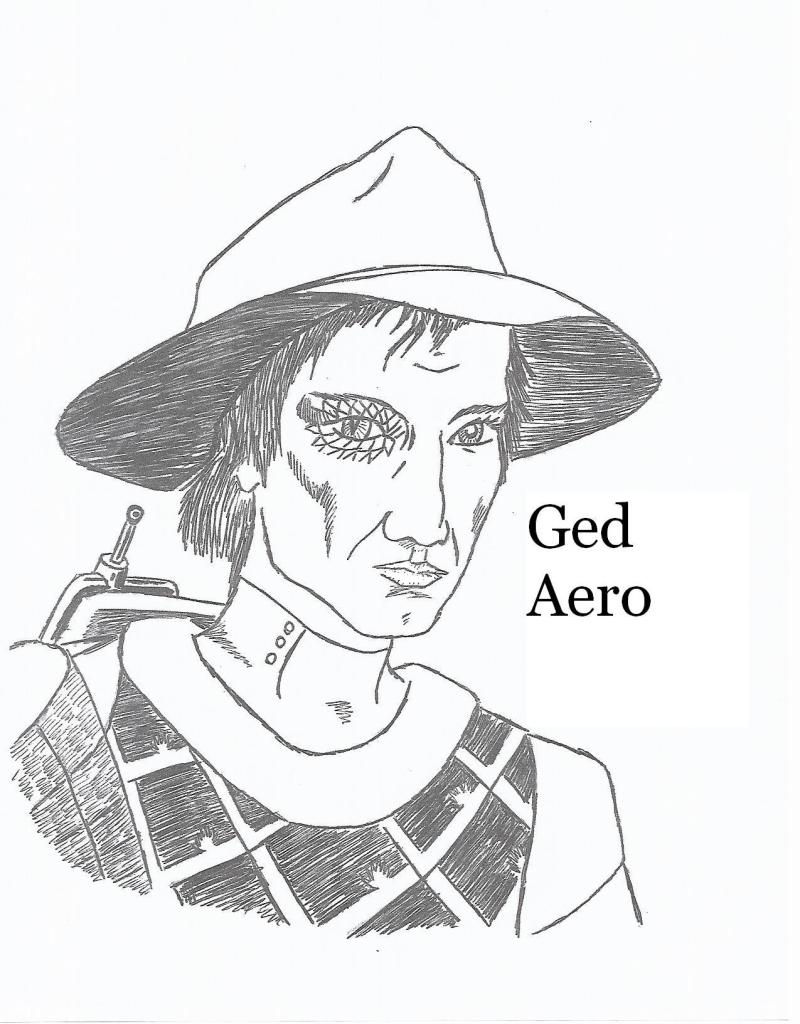
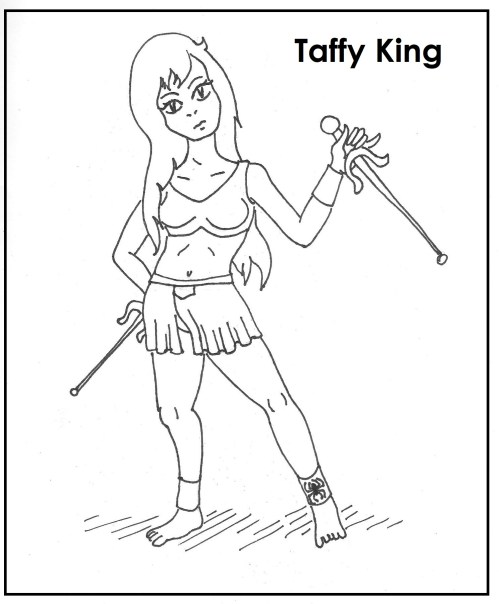
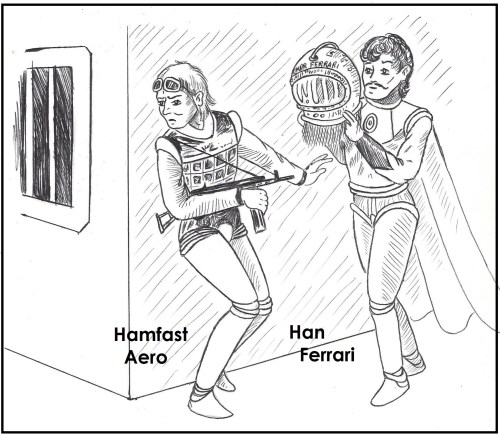
Many of the main characters are based on the actual role-playing characters made up by the boys and young men who played the game with me. Many had to be re-named, however, because, like Tron Blastarr above, they often had movie-character names.

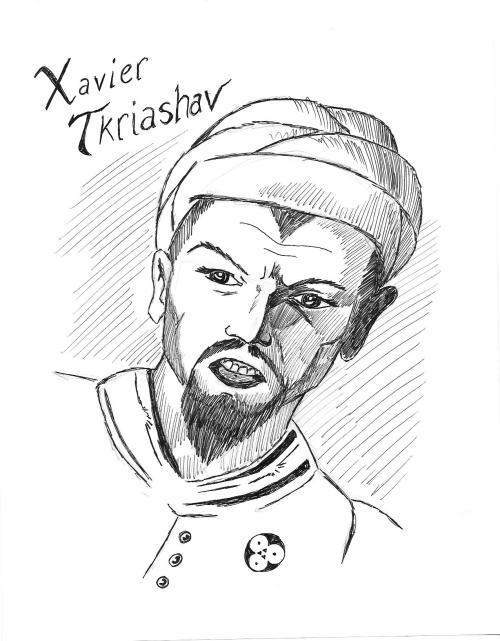
This important character was a parody of Professor X of the X-men, from the comic books and well before the movies.

It was a simple matter to give him psionic powers and transfer him into outer space. Oh, and get him out of the wheel chair too.

The character’s creator was the son of the local high school science teacher.

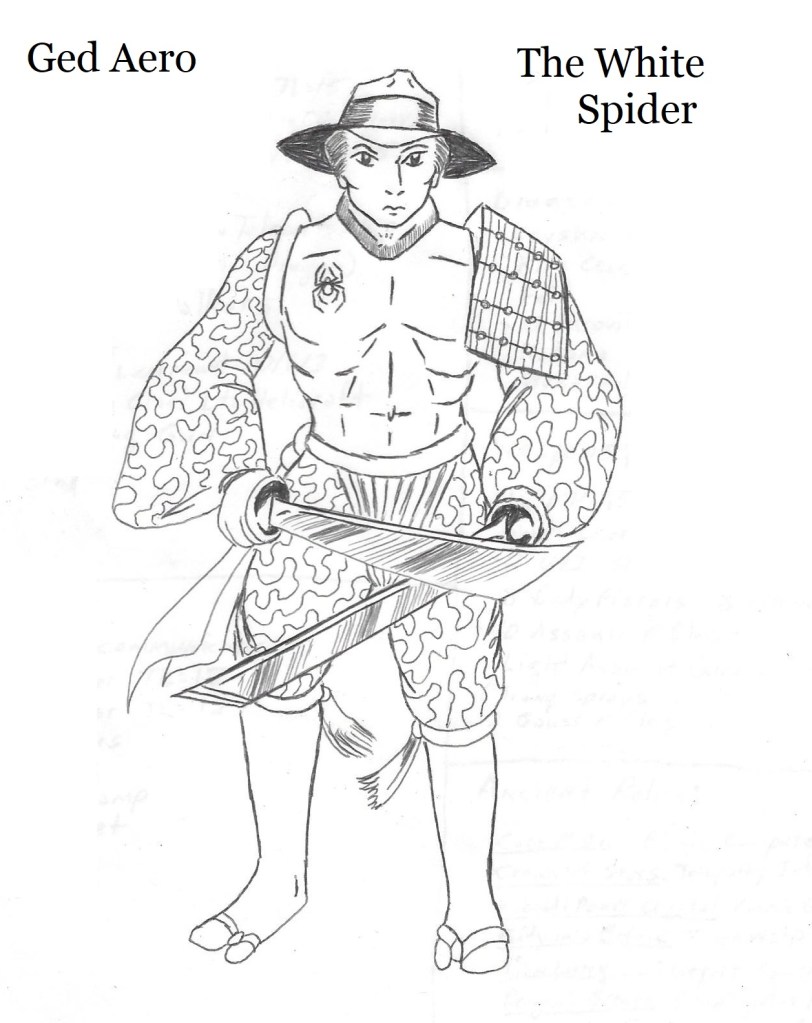
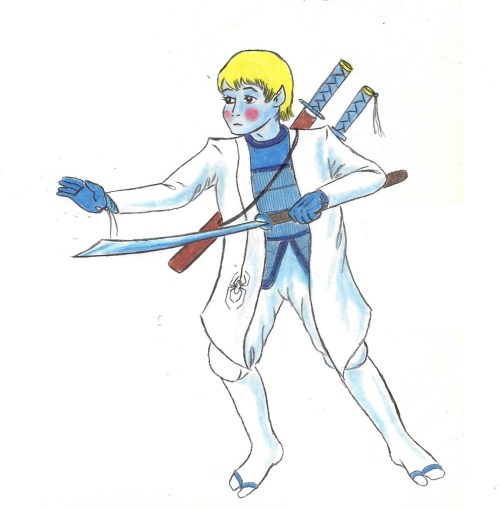
Ninja powers were a thing with teenage boys in the 80’s.

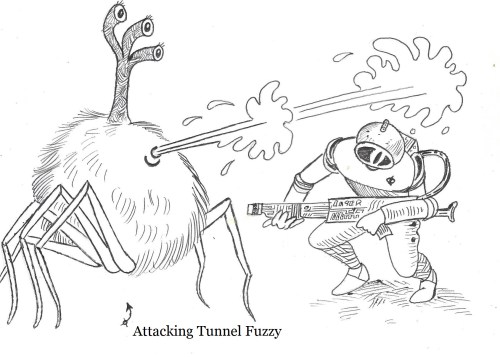
Combat is an important part of the role-playing game.

We became well-versed on weapons and tactics… and how to manipulate the rolls of the dice… by cheating if necessary.

How else do heroes overcome impossible odds?

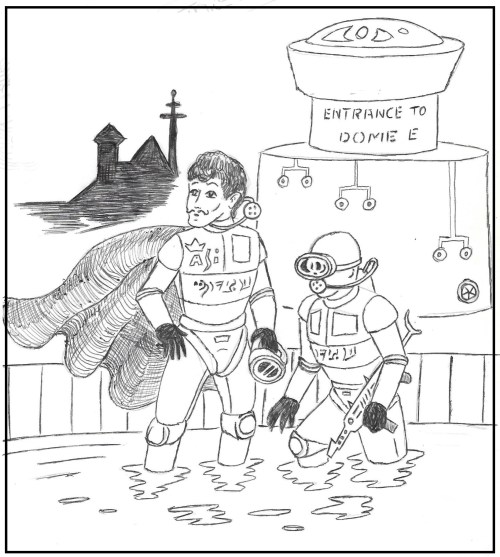
Two more player characters that play a critical role in the novels.

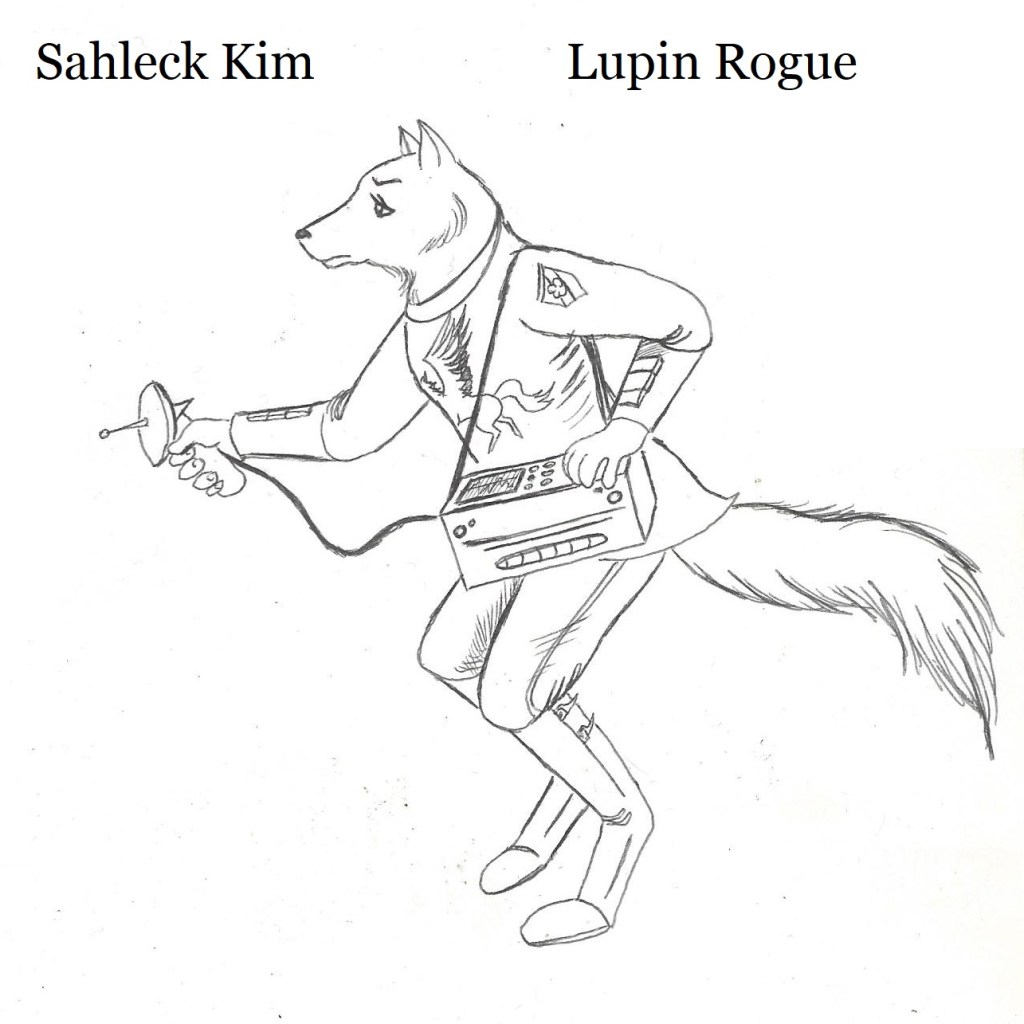
Again with the parody characters that came from player-character ideas stolen from TV and the movies.

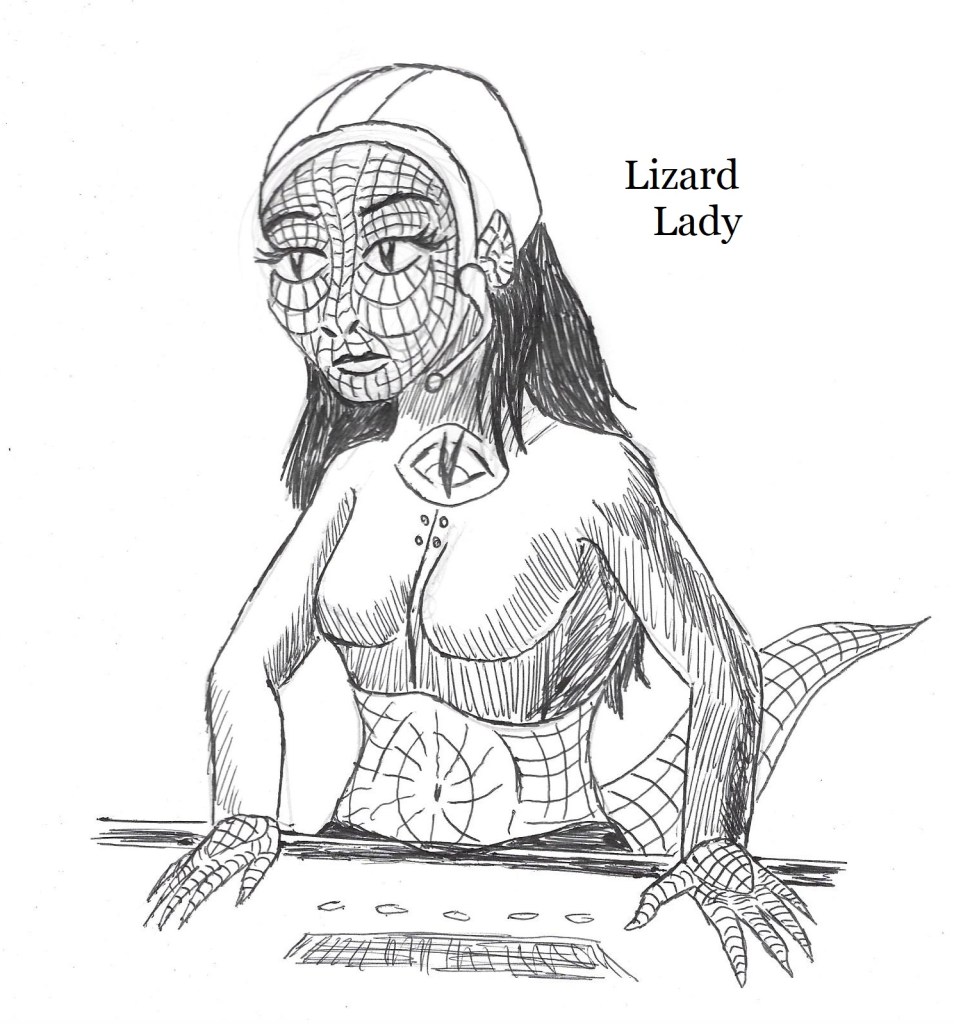
Aliens are necessary to this kind of story.

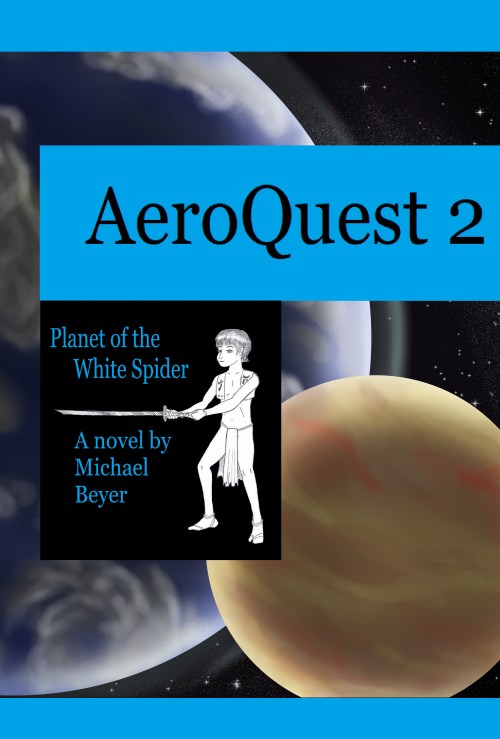
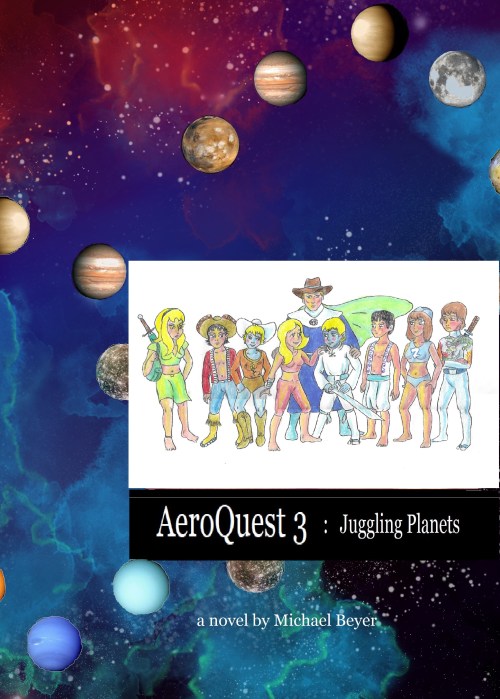
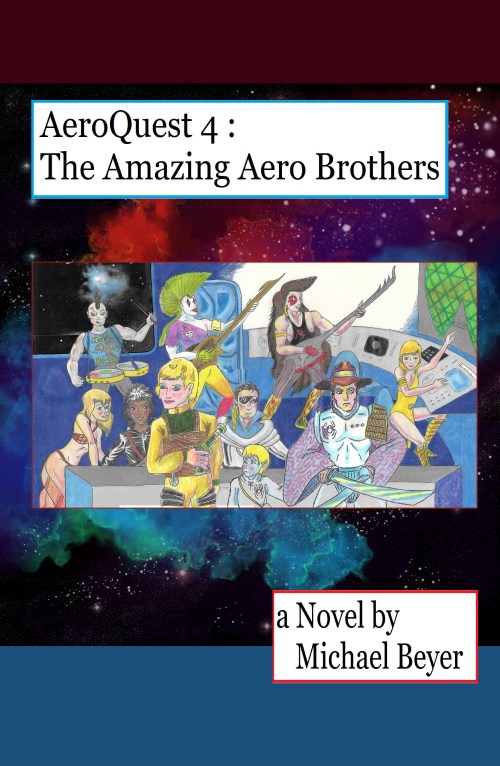
I am near to completing this third novel in the series.

The Nebulon aliens, though very human-like, are blue of skin. That is not easy to depict in a black-and-white drawing.

The initial idea for the fourth novel’s cover.

Leave a comment

Filed under aliens, artwork, heroes, humor, illustrations, imagination, novel, novel plans, Paffooney

P.T. Barnum

8127_5791

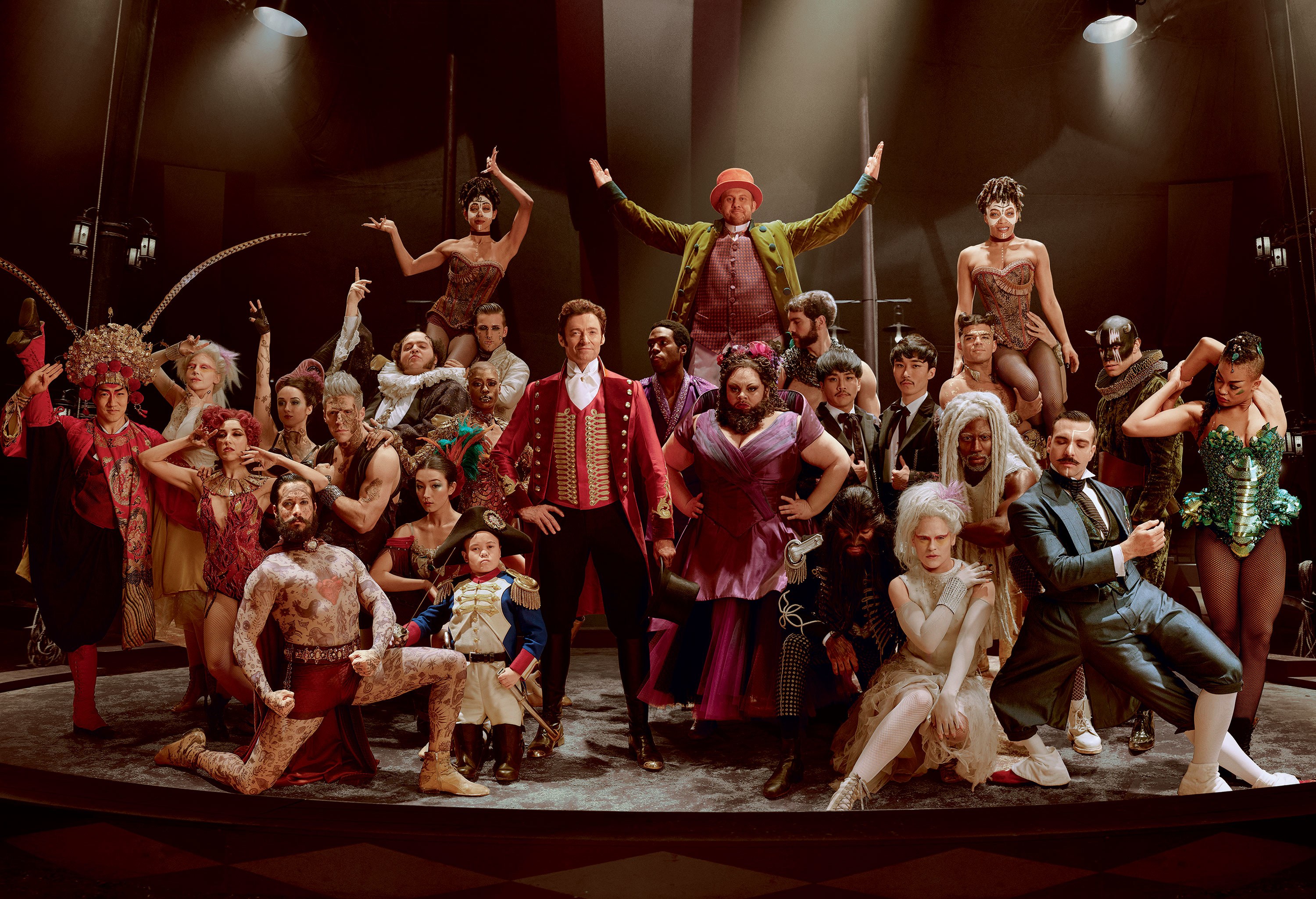
Last night my wife and my daughter the Princess went with me to the movie musical The Greatest Showman at the dollar movie.  I was enchanted.  My wife laughed at me for how much the movie made me cry.  But it was a very touching and timely movie for me because it was about pursuing dreams in spite of economic hardships.  The award-winning songs promote with energy and stunning beauty the notion that you should follow your passion no matter the risk, and that choosing to do so will produce rewards as long as family and love are with you and along for the ride.

The-Greatest-Showman-cast-real-life-people-921995

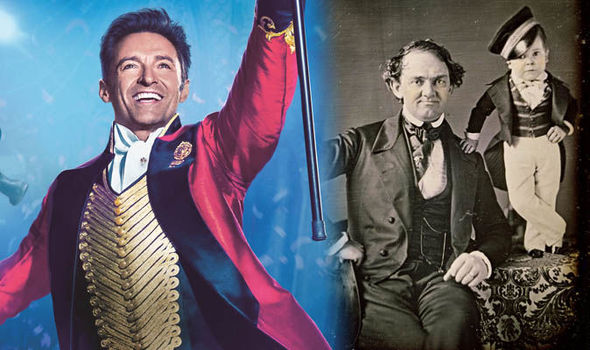
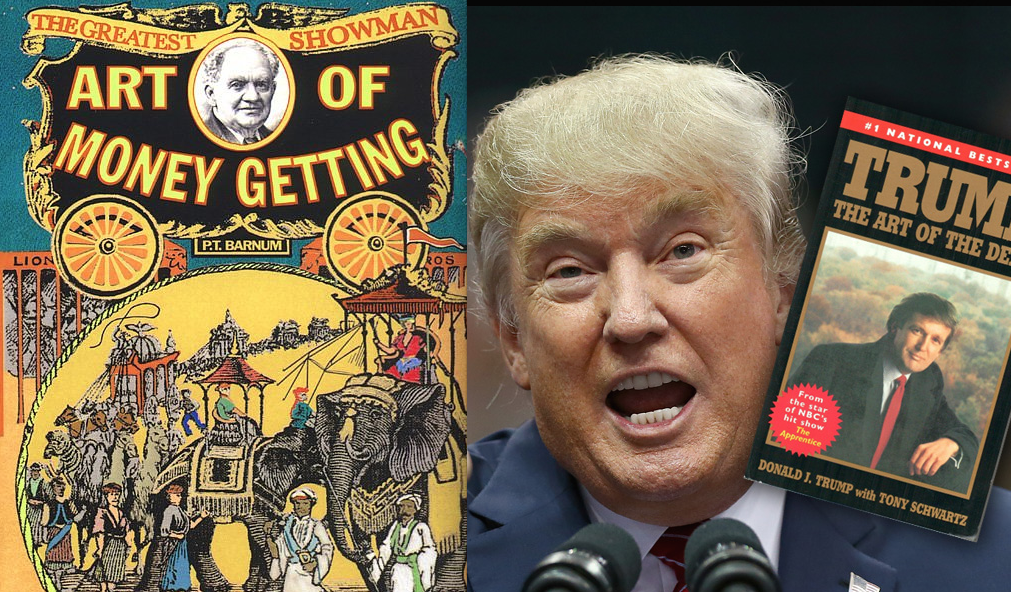
Of course, one has to remember that the whole story is based on the life and work of Phineas Taylor Barnum, a man who is a lot more like Donald Trump than he is Hugh Jackman.  I really doubt he could sing and dance the way the movie portrays him.  And words like “humbug”, “fraud”, and “exploiter” apply to him in a very real way.

Screen Shot 2016-01-10 at 3.36.12 PM

Barnum was actually one of those wheeler dealers who wants to control the story.  He actively found ways to alter the public narrative about himself and used criticism to help promote his money-making shows.  The idea of bad publicity being just as good if not better than good publicity actually makes its presence felt in at least one scene in the movie.  There is ample evidence that more than a little of Barnum’s efforts were aimed at making himself a star.

And although the movie sentimentalizes his exploitation of freaks and special individuals, giving him credit for giving them self esteem and a means to make a good living, that was really only the fictional Barnum created by Barnum’s own media efforts.

The truth of the matter, though far more fascinating than the movie version of Barnum, does not make for a good musical libretto.  In the movie the theme of special people outcast from the society because of their uniqueness coming together to support each other in a circus is strongly woven into both the story and the music.  The song “This is Me” performed by Keala Settle playing the part of bearded lady Lettie Lutz is a powerful anthem for everyone who feels smaller than they really are because of prejudice, bullying, racism, sexism, or any of the other forms of moronic stupidity that humans are so often guilty of.  I have to admit, the song made me cry even as it filled me with joy.  The musical score of this movie is one that I intend to listen to again and again and again.  It makes the circus seem like an answer to life’s problems.  It is the same feeling that I got the first time, and every time, I ever saw the circus with all its clowns and jugglers, acrobats and lion tamers, bare-back riders and elephants.  And I knew it was all illusion.  All humbug.  But it was pure joy worth the price of the ticket never-the-less.

01-the-greatest-showman-hugh-jackman-vogue-september-issue-2017

The movie was only rated 56% fresh on Rotten Tomatoes.  But I rarely pay attention to things like that.  This musical goes into the category with The Sound of Music, The Music Man, Oklahoma!, and Mary Poppins of musicals I can’t live without.  Never mind the greedy little man that it is based on.  This movie is about big dreams and even bigger achievements.  And it is well worth the price.

Leave a comment

Filed under art criticism, Celebration, heroes, movie review, strange and wonderful ideas about life

AeroQuest Illustrations in Pen & Ink

I have been drawing these mock-Star-Wars science-fiction-heroes for thirty years. Some of these are that old. Some of them are new this year. All of them illustrate the adventures that started as a science-fiction-role-playing game and became the series of novels called AeroQuest.

,,,,,,,,,,,,,,,,,……………………………………………………………………….

Leave a comment

Filed under aliens, heroes, illustrations, novel, satire, science fiction

Setting the Scene

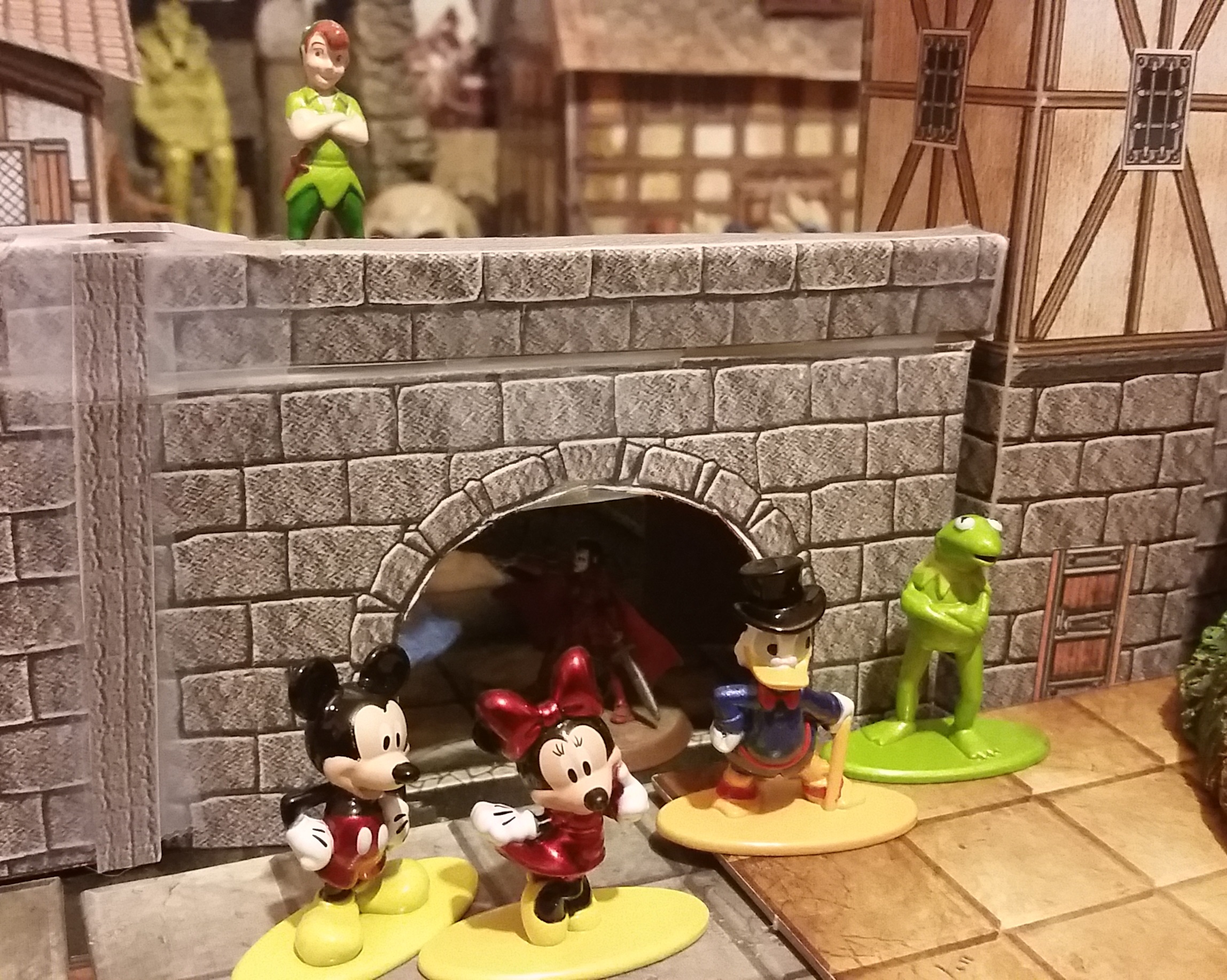
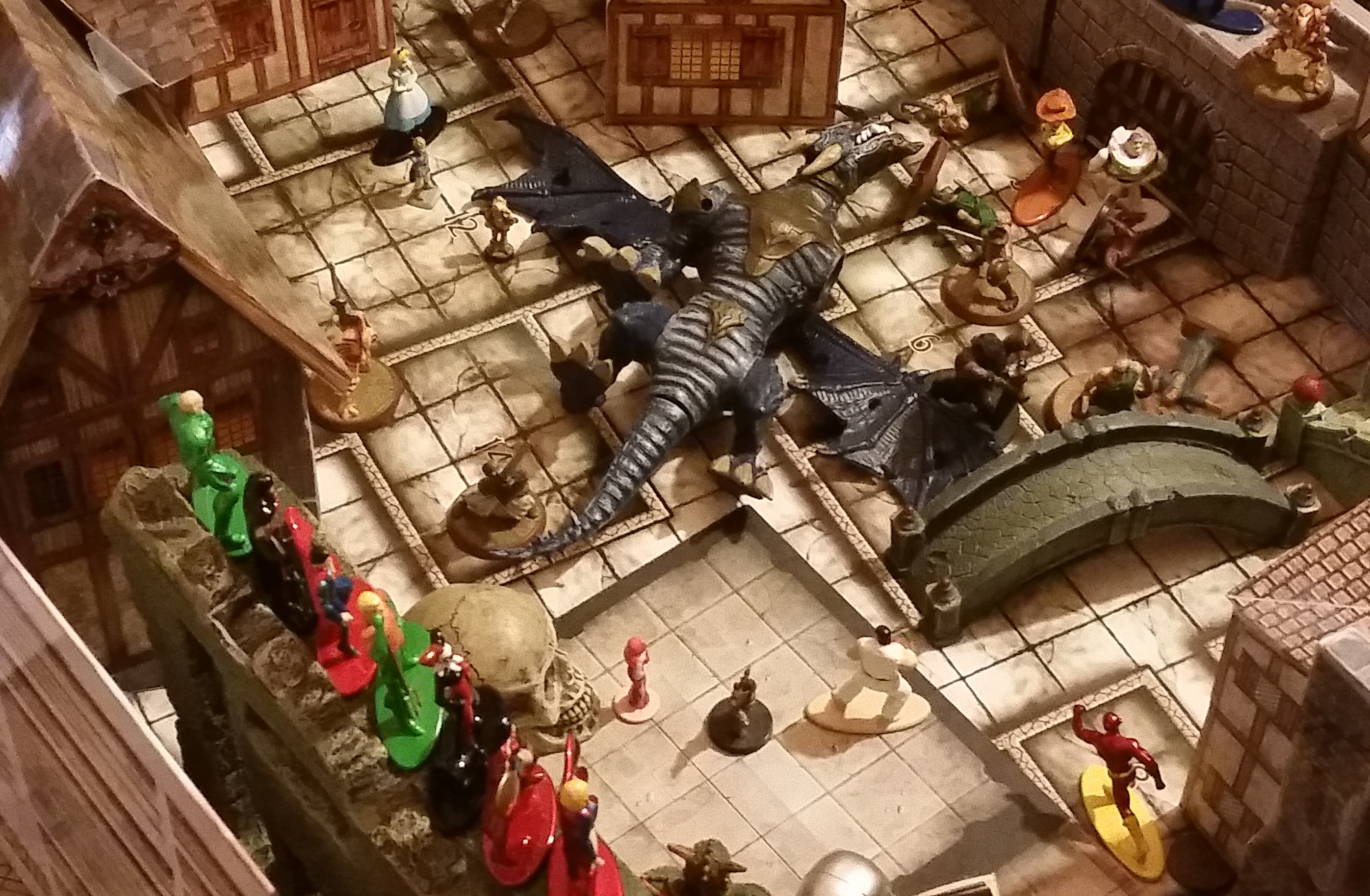
As a rabid Dungeons and Dragons player, I have labored for years to build up my collection of miniature figures.  Now, like the action figures and the dolls, the collection is growing so fast it may eat the house.  So, in order to play with them and get some use out of them, I built a cardboard castle, complete with grid for playing D & D.  It is a scene that can be used to play the game, but it is also a place to display my collection.
20180203_095440

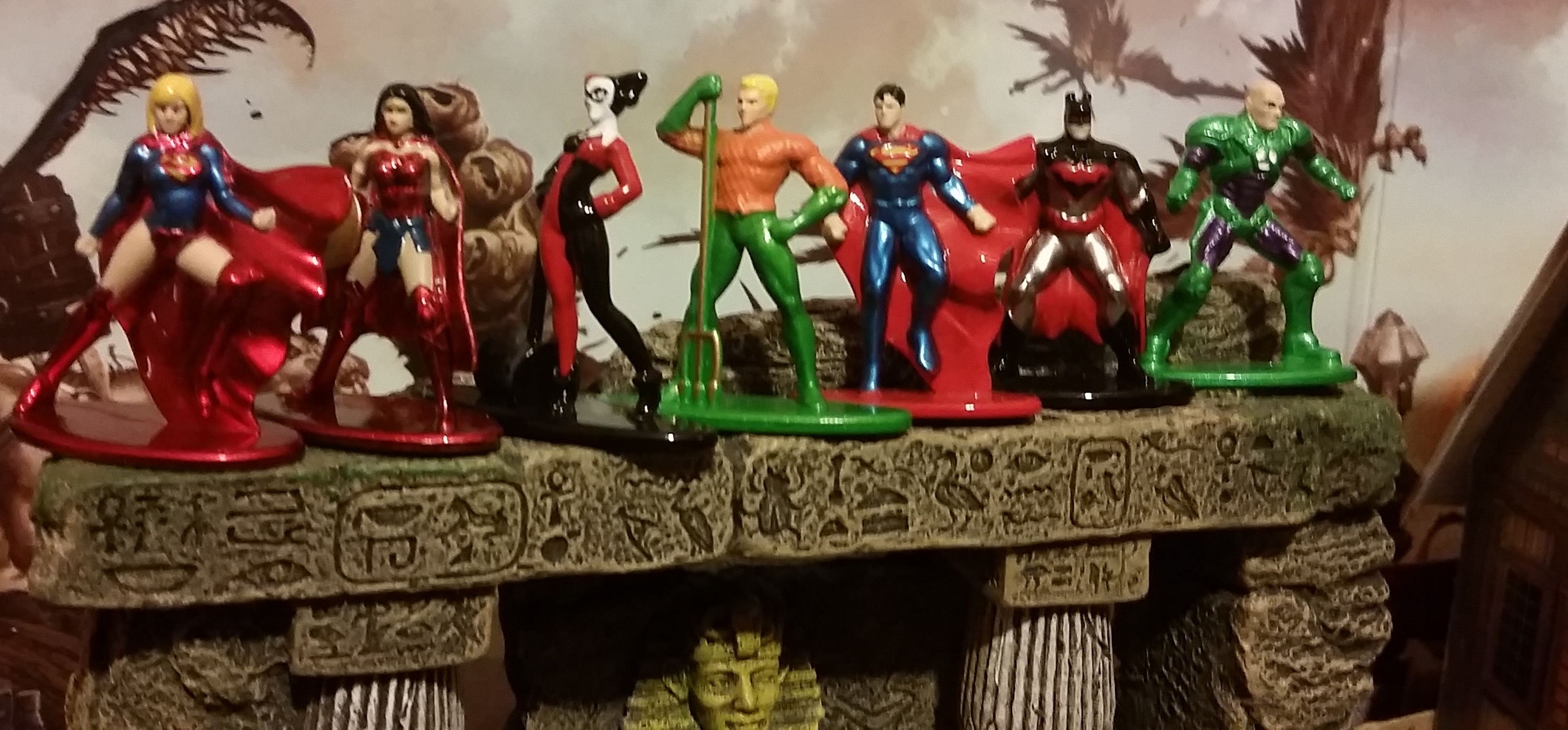
Toy companies have recently started putting out collectible miniatures in an almost D & D scale.  They only cost about a dollar apiece.  That makes them cheaper than candy bars.  And I am diabetic, so I can’t buy candy bars.
20180203_095515

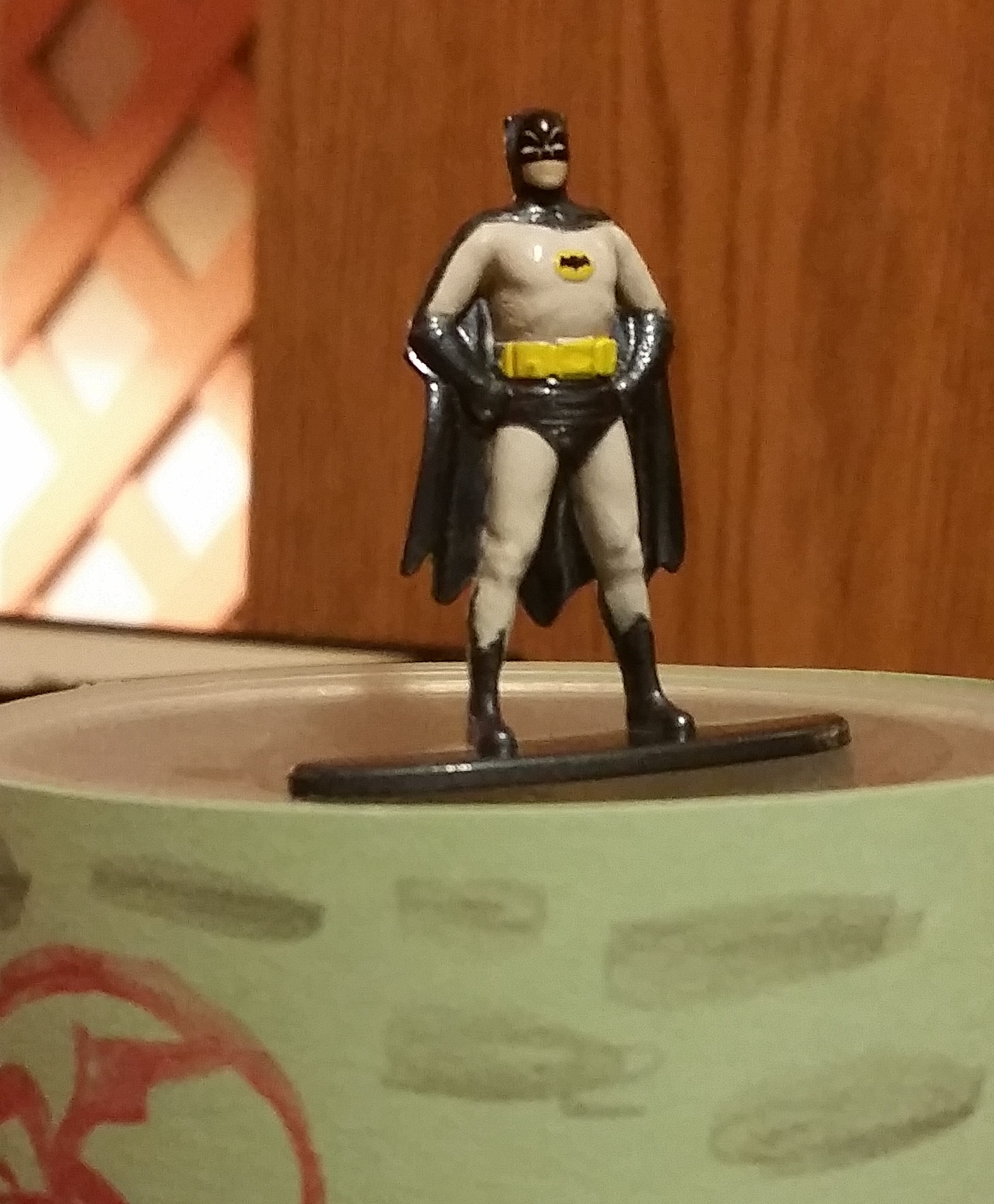
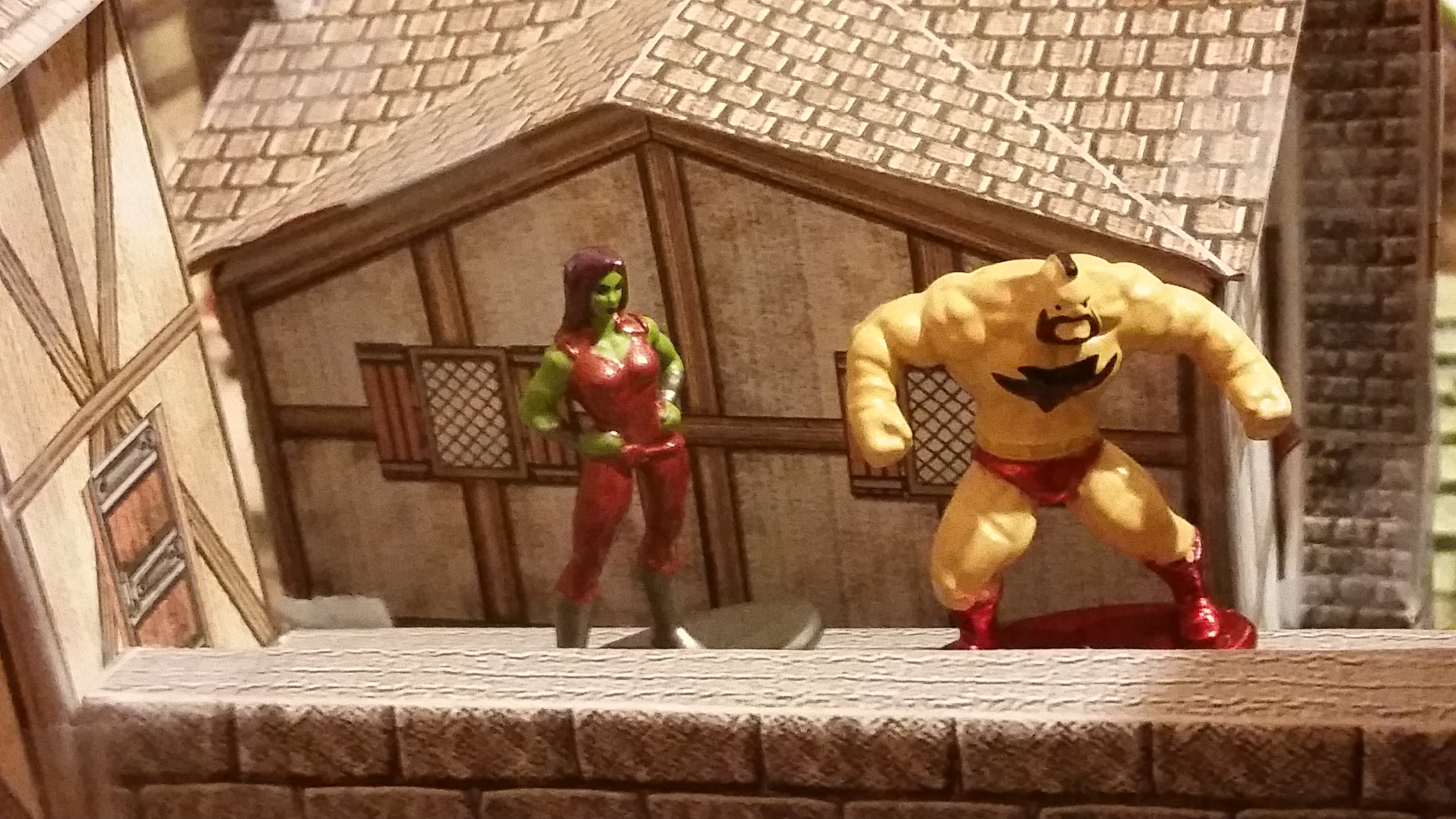
I like to position them in my D & D background and take pictures of them, even though DC Superheroes are not D & D figures.  I can work them into the story of the next RPG sessions.  Batman is a paladin.  Aquaman is a sea-based druid.  Wonder Woman is an Amazon.

20180203_095544

Adam West Batman is really, really cool.  Wham!  Pow!  Sock!

20180203_095831

Killing a dragon is a big event in a D & D campaign.  And I can do that now with miniatures.

20180203_095704

20180203_095918

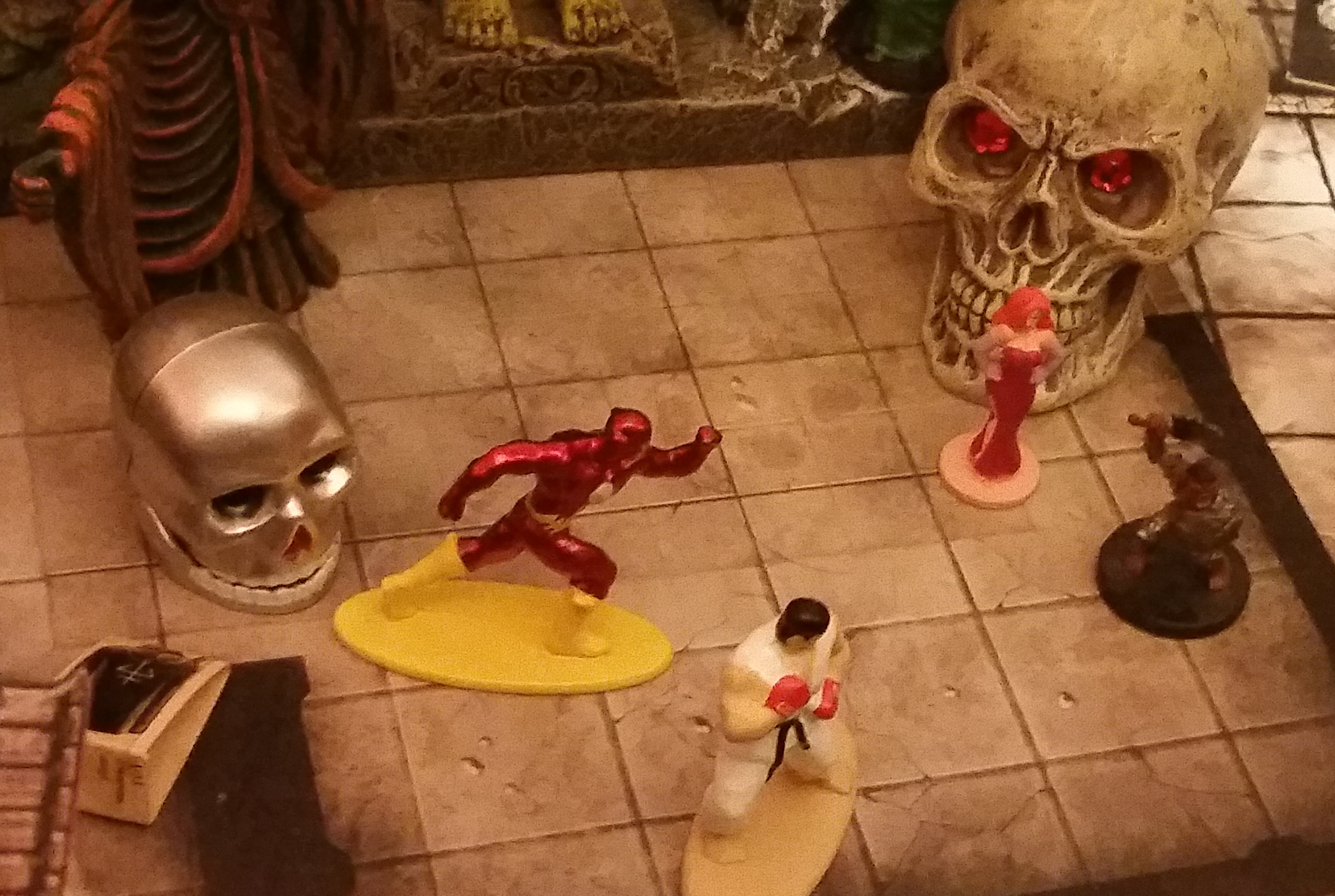
The Flash can rescue Jessica Rabbit from a mad goblin in the Skull Plaza.

So, I reached a point in setting the scene for the game that it has become almost cinematic.  And I like taking pictures of it as I continue to play with all  of it.  Forgive me.  I will forever be twelve years old in my head.


Leave a comment

Filed under Dungeons and Dragons, heroes, illustrations, making cardboard castles, photo paffoonies

Tarzan and the Timeless Valley of Nostalgia

There was a time when Tarzan was one of the ruling heroes of my boyhood fantasies of power and self-fulfillment. And, while Tarzan was a cartoon show on Saturday morning, comics by Burne Hogarth, movies in the theater in color with Mike Henry, or a weekly series on TV with Ron Ely, he was always Johnny Weissmuller to me. Weissmuller who played both Tarzan and Jungle Jim in the Saturday afternoon black-and-white movies.

I have to admit, I didn’t identify with the character of Tarzan as much as I thought of myself like the character “Boy”, played by Johnny Sheffield in movies like “Tarzan Finds a Son”. It was a significant part of my boyhood to imagine myself being like Boy, free from practically all restraints, able to gad about the dangerous jungle nearly naked with monkey pals and no fear. If I got into trouble by believing my skills were greater than they really were, I would save myself with ingenuity, and, barring that, Tarzan would rescue me. And, believe it or not, sometimes there were fixes that Tarzan got into that he needed me and Cheetah to be creative and get him out of. I knew in my heart that one day real life would be like that, especially once I grew into Tarzan and stopped being just Boy. That idea was in my head so loudly that several times I went to Bingham Park Woods, stripped down, and played Boy in the Jungle.

As in the previous essay about Heroes of Yesteryear, I learned important things from Johnny Weissmuller on Saturday TV. He taught me that all you really needed, even in the darkest jungles of Africa, was confidence and courage. You could stand up to any deadly danger without the protection of any armor, practically naked, in fact, if only you had that heroic goodness of heart. The little boy I was then still believes that whole-heartedly even in the aging body of an old man.

So, Tarzan continues to live in my memory, a part of me, an essential part of my education. He is me and I am he. But only in my mind. Me in a loincloth, swinging on a vine now… and probably going splat like an overripe melon on the jungle floor… well, that is too ridiculous to even imagine being real anymore. Yet he lives on in me. And he battles the metaphorical leopard-people of modern life through me. Unarmored. Confident. And unafraid.

Leave a comment

Filed under autobiography, comic book heroes, foolishness, heroes, humor, movie review, old books, review of television, strange and wonderful ideas about life, TV as literature

Making Characters for Traveller

Traveller_front_11

When I started playing the role-playing game Traveller with a group of middle school students, one of the first challenges to overcome was the creation of original characters and interesting new stories.  You can only play for so long with characters named Solo, Skywalker, and Vader.  Then, you must get creative.

What I am going to show you today are a passel of characters so creative, lame, and craptastic, that you will probably forever after have pity on those poor kids who chose to play the game with me.

x5

Harry Scipio Strontium 90 was a space detective.  He and his assistant, the dwarf Quark, were necessary to the game because player characters had a tendency to kill people, aliens, and destroy planets, routinely misusing the biggest and baddest weapons in the equipment handbook.  He relentlessly pursued player characters and villains across space and time.

x512345

The Geomancer was a deep space explorer who mysteriously never took off his space suit.  He bailed characters out of trouble when they invariably got marooned on airless asteroids, lost in dead space with no fuel for the starship, or imprisoned by cannibal plant people on an unexplored world.  In the end, it turned out that his mysterious space suit was actually empty, containing only gas and radiation, and possibly an alien spirit-entity.

x5010234567890jpg

Mantis was actually a player character.    The son of the high school science teacher was one of my most dedicated game players.  He decided that he had to have an evil player character.  He said to me, “Mr. B, we will make him secretly evil so that he does things that take the party into danger and betray them without their knowing.  It will be fun as they try to figure out how to save themselves.”  Now, Mantis was an alien super-scientist who had a very big head and small body, so he removed his own head and connected it to a large robotic body.  He stood imposingly taller than all the other characters at eight and a half feet tall.  His evil plots were initially rather lame and easily defeated.  It didn’t take the players long to figure out that he was working against them, and he spent a considerable amount of time as a detached living head on the starship’s auxiliary control panel.  He went through various penances and punishments, ultimately avoiding being flushed into space through the space toilet.

x501234567890jpg

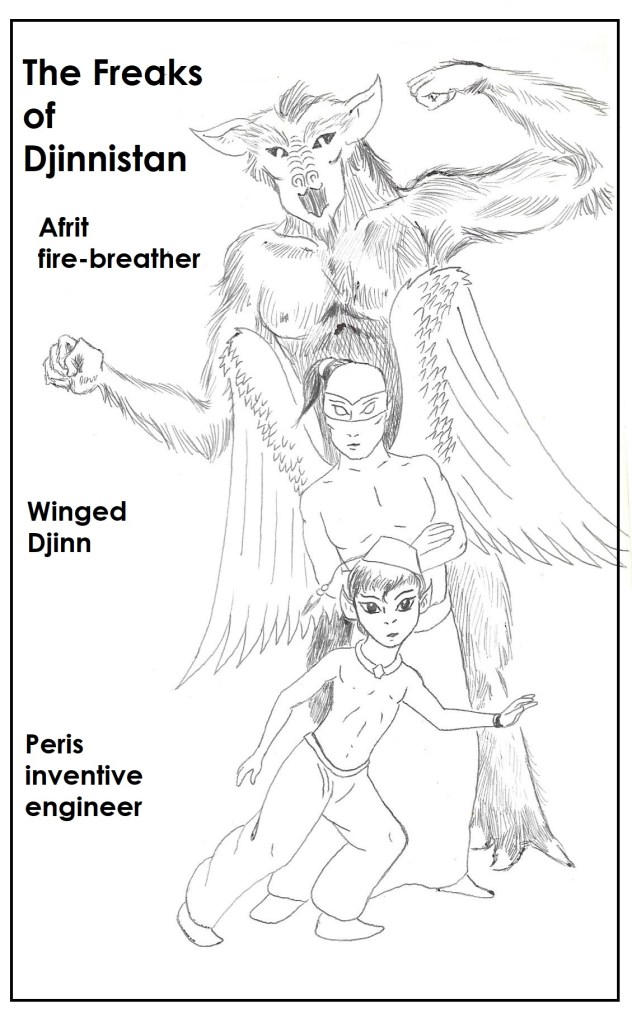
Susano initially started out as Mantis’ evil experiment.  He was an enhanced clone with super powers and wings.  He was super charming and likeable, but supposed to further Mantis’ evil agenda.  They began to plot the take-over of entire planets like Djinnistan and Vilis.  But the longer the game went on, the more he became a son to Mantis, and the more he influenced his scientist father to use his abilities for good.  They would eventually help a band of rogues create a New Star League out of the ashes of the Third Imperium.  Teacher’s kids are often the biggest pains in a classroom, but that tends to be because they know all the teacher tricks already and are invariably more creative than the average classroom clown.  The last I heard from Mantis’ creator, he was an electrical engineer in Austin, Texas, and probably busy secretly planning to take over the world.  Though hopefully he didn’t remove his own head as a first step.

That is only a small sampling of the characters we created for Traveller, but at more than 500 words already, I need to be saving the rest for another day.


Leave a comment

Filed under characters, Dungeons and Dragons, heroes, Paffooney, science fiction, villains