
It is a difficult thing to be an atheist who believes in God. Sometimes it takes an oxymoron to find the Truth. And you often have to go heavily on the “moron” portion of the word.
The thing I find most distressing about faith is the fact that those who have it are absolutely convinced that if you don’t agree with them and whatever book of fairy tales they believe in and interpret for you, then you are not a True Believer and you do not have real Faith.

I remember being told by a Mormon girl in one of my classes that I was her all-time favorite teacher, but she was deeply distressed that, because of my religion (I professed to be a Jehovah’s Witness at the time) I was doomed to burn in Hell forever.
Hey, I was raised in Iowa. I have experienced minus 100 degree Fahrenheit windchill. I am among those who think a nice warm afterlife wouldn’t necessarily be a bad thing.
But I am no longer actually a Jehovah’s Witness. So I guess that helps with the whole Hell-burning thing. The Witnesses are a religion that claims to understand the Bible is full of metaphorical truth, and yet insist that it is literally true. They don’t believe in Hell, which, honestly, is not actually mentioned or explained in the Bible as we have it now. But they do believe your prospects for eternal life on a paradise Earth are totally contingent on knocking on doors and telling other people that they must believe what you believe or experience eternal destruction. I have stopped being an active Witness and knocking on doors because I got old and sick, and all the caring brothers and sisters in the congregation stopped coming around to visit because number one son joined the Marines, and the military is somehow evil hoodoo that cancels out any good you have done in the past. Being a Jehovah’s Witness was really hard work with all the meetings (5 per week), Bible reading (I have read the entire Bible two and a half times), door-knocking, and praying, and you apparently can lose it all for saying, thinking, or doing one wrong thing.

According to the Baptist preachers, Jehovah’s Witness elders, religious zealots, and other opinionated religious people I have known and dealt with in my life, if I do not believe what they believe and agree with them in every detail, then I do not know God and am therefore an atheist. So, okay, I guess I am. If I have to be an atheist to believe whole-heartedly that everyone is entitled to sincerely believe whatever the hell they want to believe, then I’ll wear that label.
On a personal note, my favorite verse of the Bible has always been 1 John 4:8, “He that does not love has not come to know God, because God is love.” That is why I claim to be an atheist who believes in God. I know love. I love all men, women, children, animals, sunrises, artwork, paintings of angels by Bouguereau… everything that is. And I even love you if you exercise your freedom to tell me, “Your ideas are totally wrong, and you are going to burn in Hell, Mickey, you bad guy, you!” Mark Twain always said, “I would choose Heaven for climate, but I would prefer Hell for company.” I am not going to worry about it. I will be in good company. Some things are just bigger than me. And trying to control things like that is nonsense. Sorta like this post.



















 Catch a Falling Star
Cranky Old Coots Complain and Don’t Care
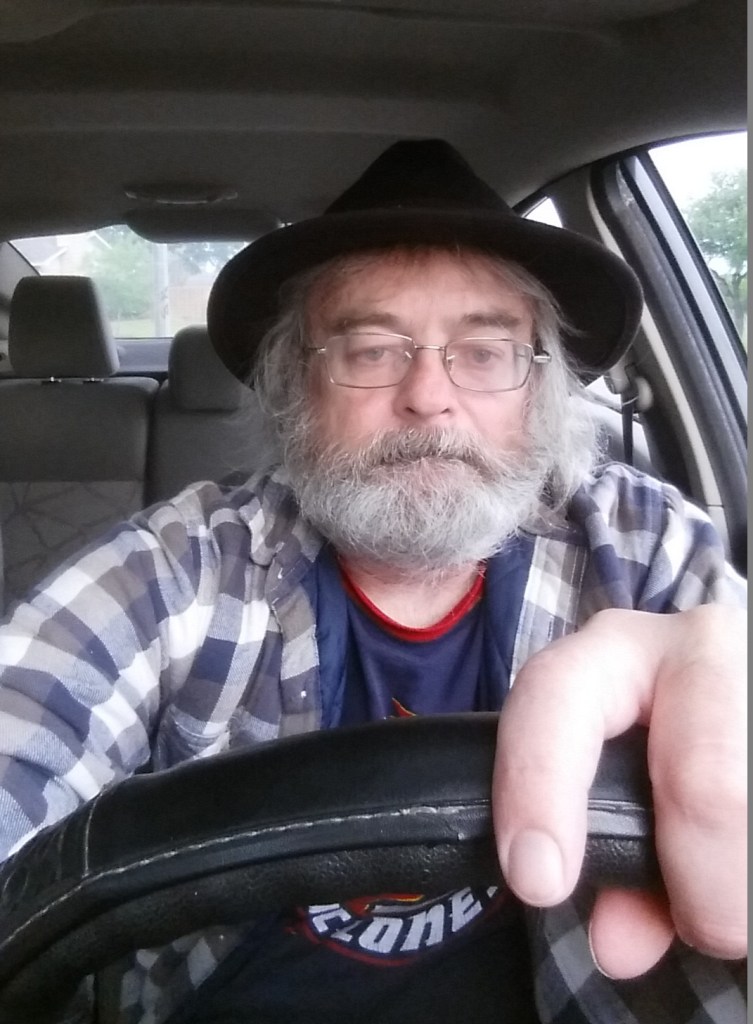
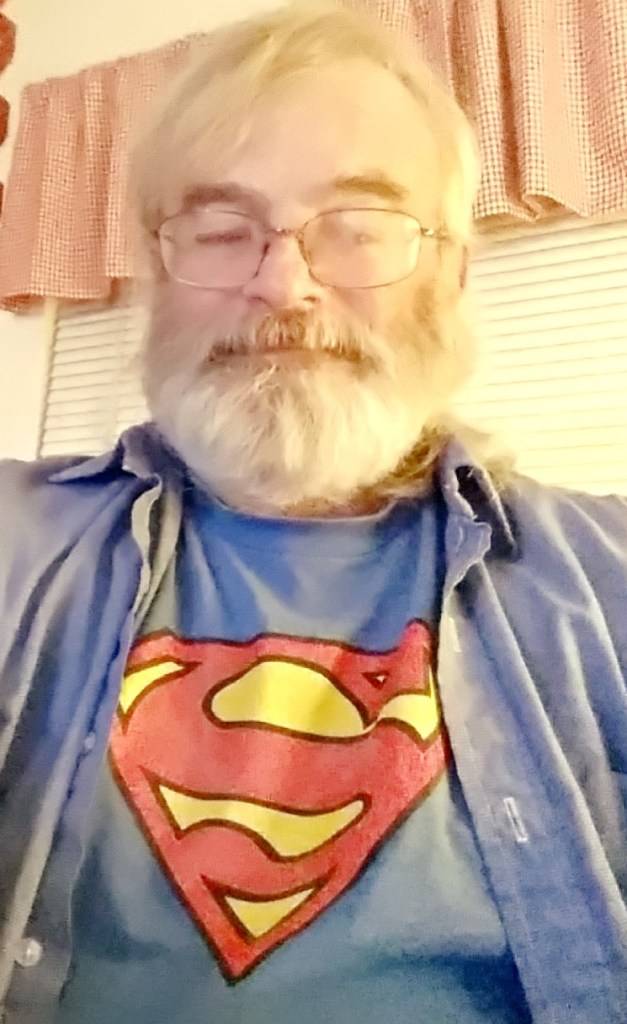
Yes, I am a coot. I became a coot in 2014 when I retired. I have the hair in the ears to prove it. I sometimes forget to wear pants. The dog is learning to hide from me on days when my arthritis makes me cranky.
So I am a practicer of the ancient art of being a cranky old coot. I have opinions. I share them with others foolishly. And I am summarily told to, “Shut up, you danged old coot!” And, of course, I don’t shut up because that would be a violation of number five in the by-laws of cootism. Obnoxiousness is our only reason for still being alive.
Lately, my group of coots on Facebook (who call themselves a “pack” like wolves, but, in truth, a group of coots is called an “idiocy”) are talking about politics… very loudly salted with firmly held opinions, beliefs, and bad words in several languages. I mean, it’s texting each other on memes we disagree about, but we do it LOUDLY, like that, in all caps. We also do it in such an infuriating manner because, if no one ever bothers to tell us to “Shut the hell up!” we will begin to suspect we have actually died and gone to purgatory where we are still being obnoxious, but nobody knows we are doing it. That is rubbing coot fur in the wrong direction.
The radical right (otherwise known as coot paradise) have been cooting up a storm about school shootings and gun control of late. They have more or less turned their ire on me because, knowing I was a school teacher, they have seized on the Coot in Chief’s notion of arming teachers to protect schools. Obviously, a majority of old coots agree that requiring a few “volunteer” teachers to conceal carry and learn how to handle a school shooter crisis situation with a gun instead of the way teachers are actually trained and practiced on handling such a situation, is the only economical way to defend schools from crazed lunatics with assault weapons. Of course, it is definitely more economical than hiring full-time police officers to handle security because “volunteer” teachers does not mean that they are necessarily willing to do it, but rather that they are doing it without pay. And of course, they shout at me things like, “Why don’t you just admit that you are too scared and unpatriotic to carry a gun as a teacher, and cowardly allow some female teacher with a big pistol to step in and do the job for you?” That is a very coot thing to say, and is hard to adequately counter, because if you try to argue using logic other than coot-logic, like the notion that since a majority of teachers in this country are female, you are asking women who are fierce enough to do the job (and I have known more than a few who would take it on no matter how hopeless their prospects) to take a handgun that the principal bought at Walmart with money from the Coke machine in the hall and face down a suicidal maniac with an assault rifle, you will not even be heard over the cacophony of coot braying and chest-thumping, let alone be understood.
And, for some reason, coots love Trump. Maybe because they feel he is truly one of them. He is older than dirt. He has an epically bad comb-over to hide his bald spot. He says bad words very loudly in front of women, children, and everybody. He says, “Believe me,” especially when telling lies. And he’s not afraid to fart in public and blame it on the dog. I admit to insulting Trump in front of them only because I like to see coot faces fold up in extra wrinkles, and coot heads turn various shades of angry red and apoplectic purple.
So, yes. I am a coot. Not proud to be one… that I can remember, but a coot nonetheless.
Leave a comment
Filed under angry rant, commentary, feeling sorry for myself, foolishness, goofy thoughts, grumpiness, gun control, humor, Liberal ideas, oldies, Paffooney, teaching
Tagged as coots, gun control and coots, obnoxious coots, old coots