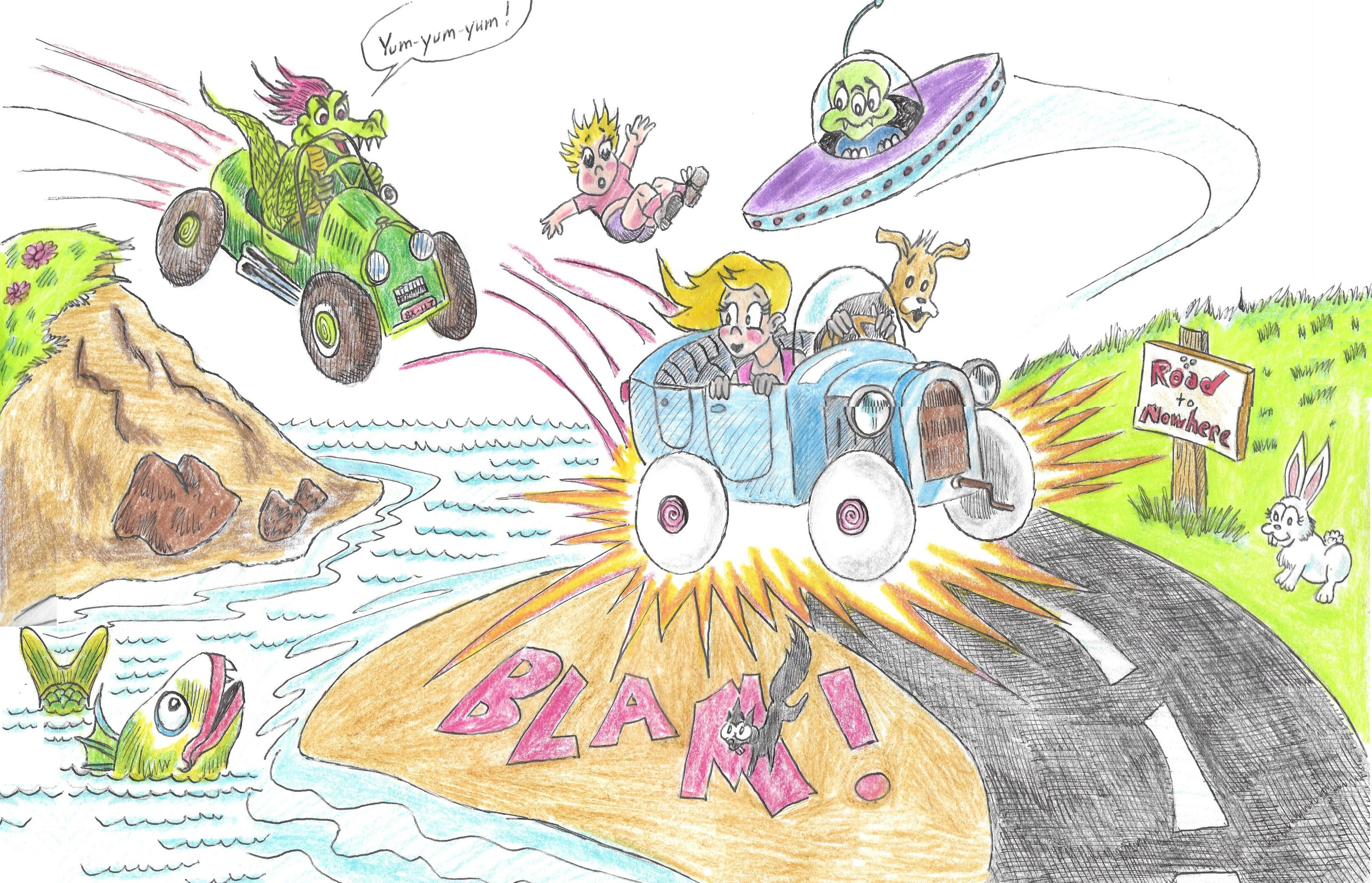
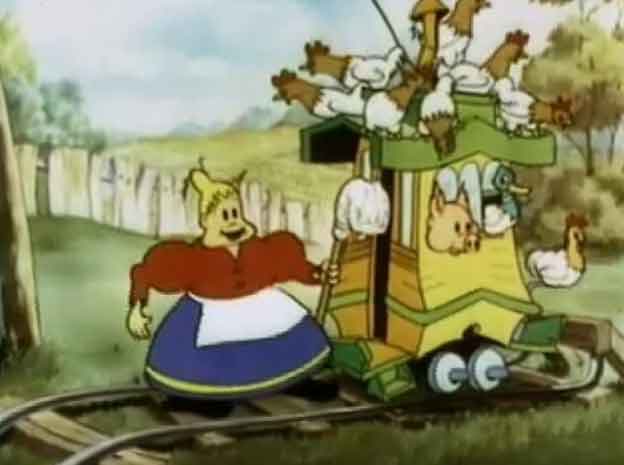
Yes, this cartoon illustration shows how we drive in Texas. Of course, it all moves much faster than this in real life. I hope to get on the road tomorrow and make my way back to Iowa for the rest of my life. Outrunning road-raging alligators on the interstate is heck.
(This old post from 2016 comes from a time when I owned a laptop with keys that would stick in place, especially with the zoom keys and delete key. It took me months to learn how to correct the problem.)
My computer is wearing out. It blew up the WordPress posting sight on my screen to where the letters in the title are once again an inch tall. The chances that it will suddenly wipe out everything I have typed and save a blank post over the whole thing almost instantly is making me tired. To combat the problem, I must constantly keep a backup copy on Microsoft Word, which may also grow or shrink for no apparent reason. It gets frustrating, and I am old, ill, and quite tired. But I am also only a month away from two entire years of posting every single day, a feat I am not ready to fail at this close to the end. So let me show something from my cartoon collections stolen from the internet at large.
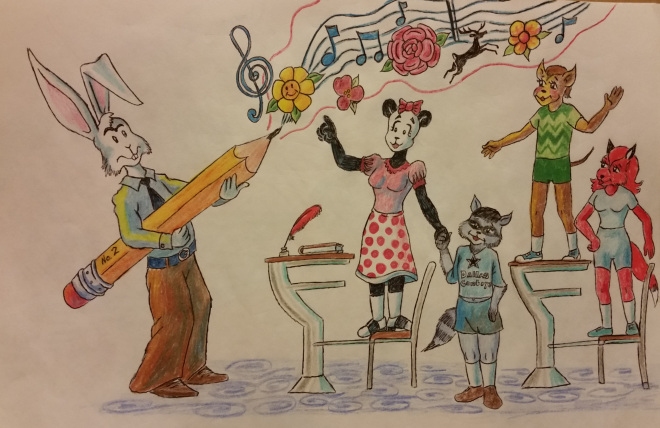
From the Lola Bunny file;
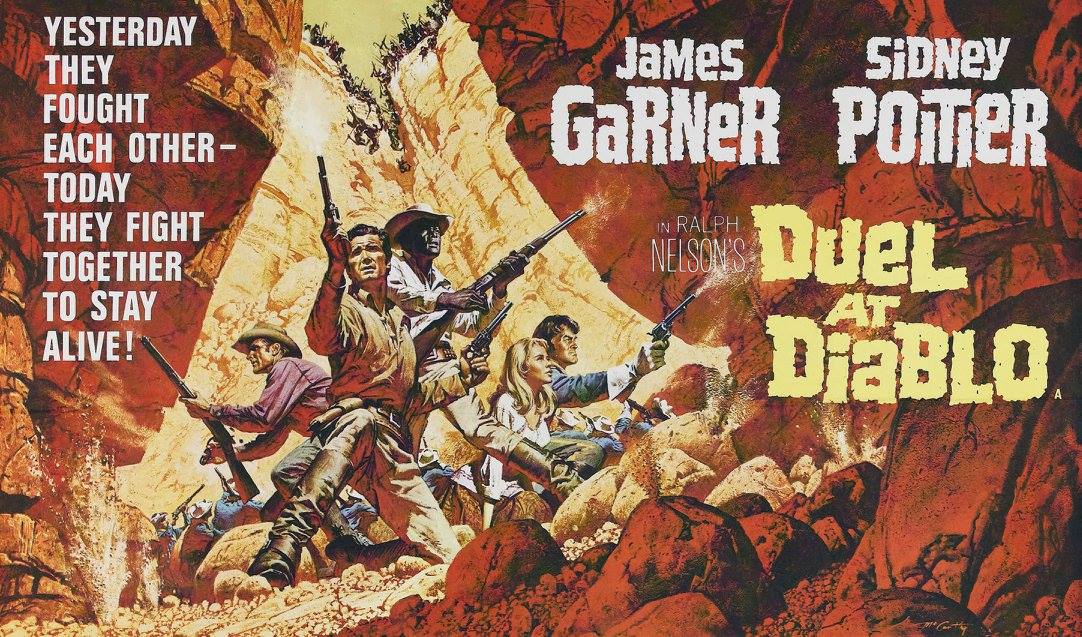
From Movie Art;
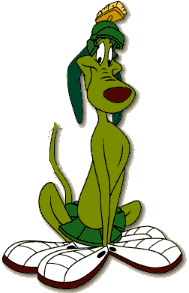
From Hanna-Barbera Toons;
And these are all things I could’ve written a 500-word post about with unique and possibly yawn-inducing Mickian insights, but today I would rather not. Today I take the “picture is worth a thousand words” thing and give you 17,000 thousand words worth of not having to listen to me.
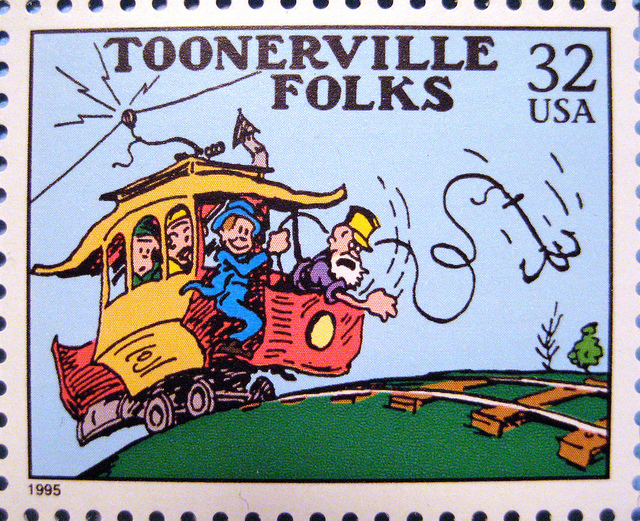
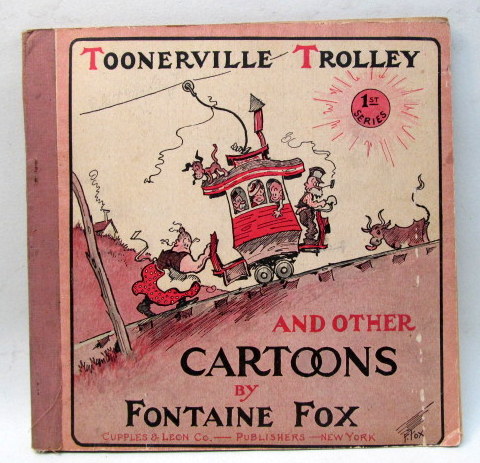
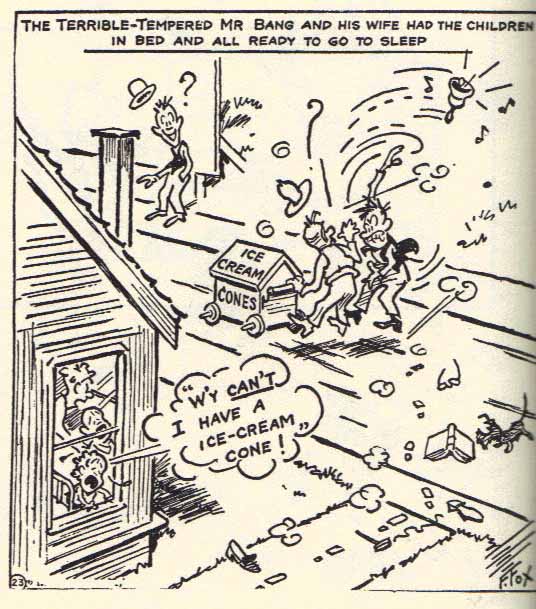
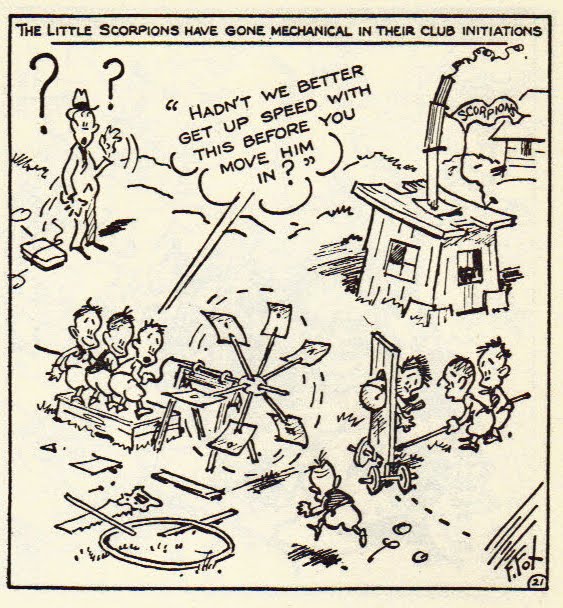
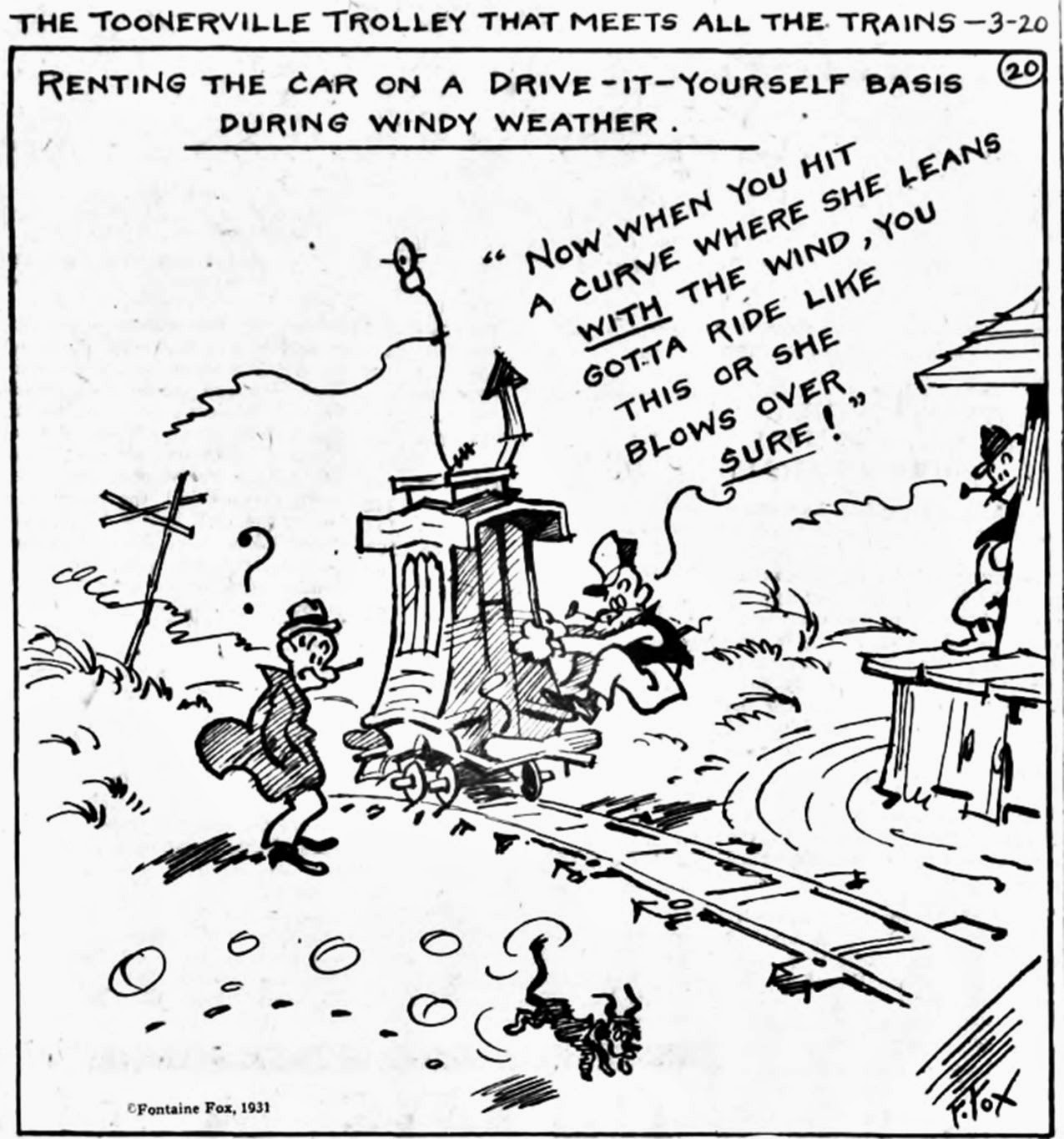
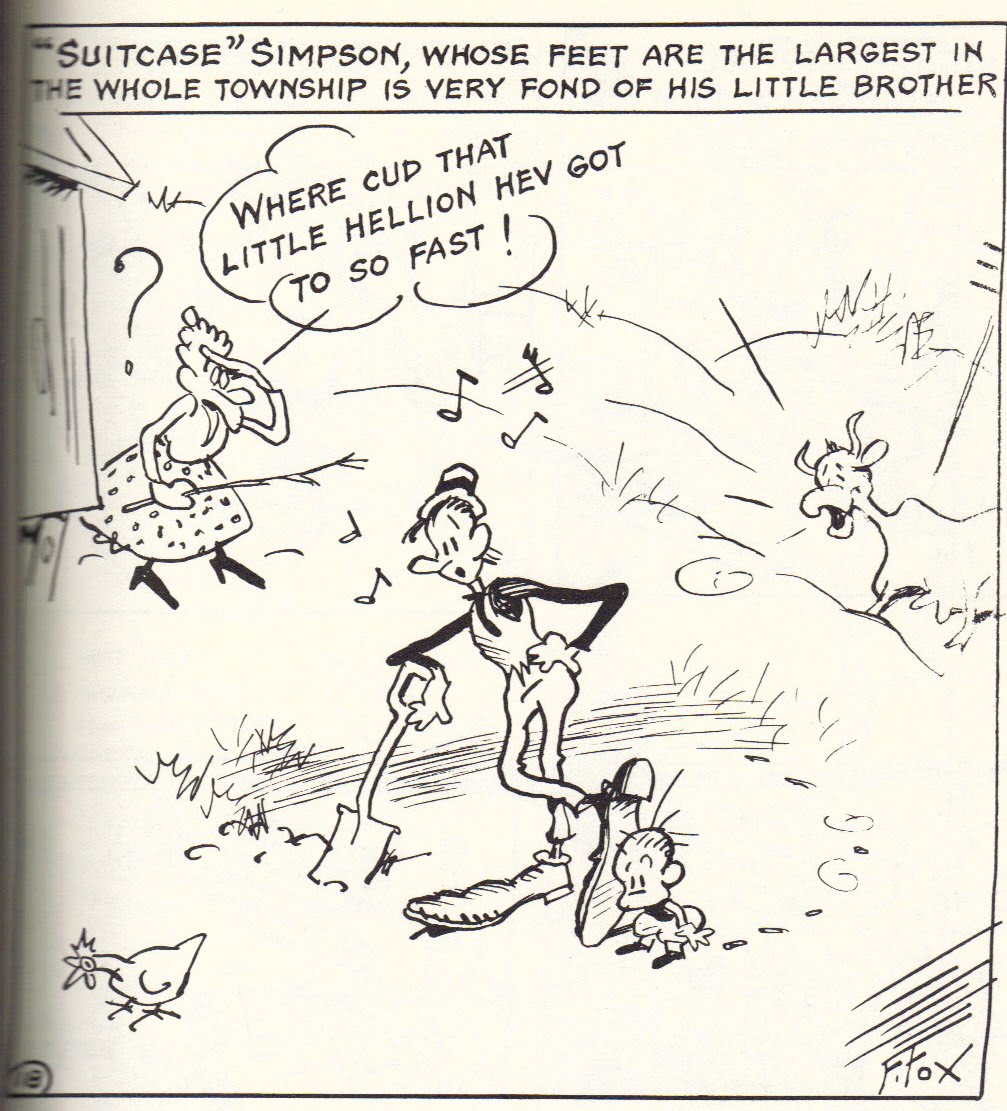
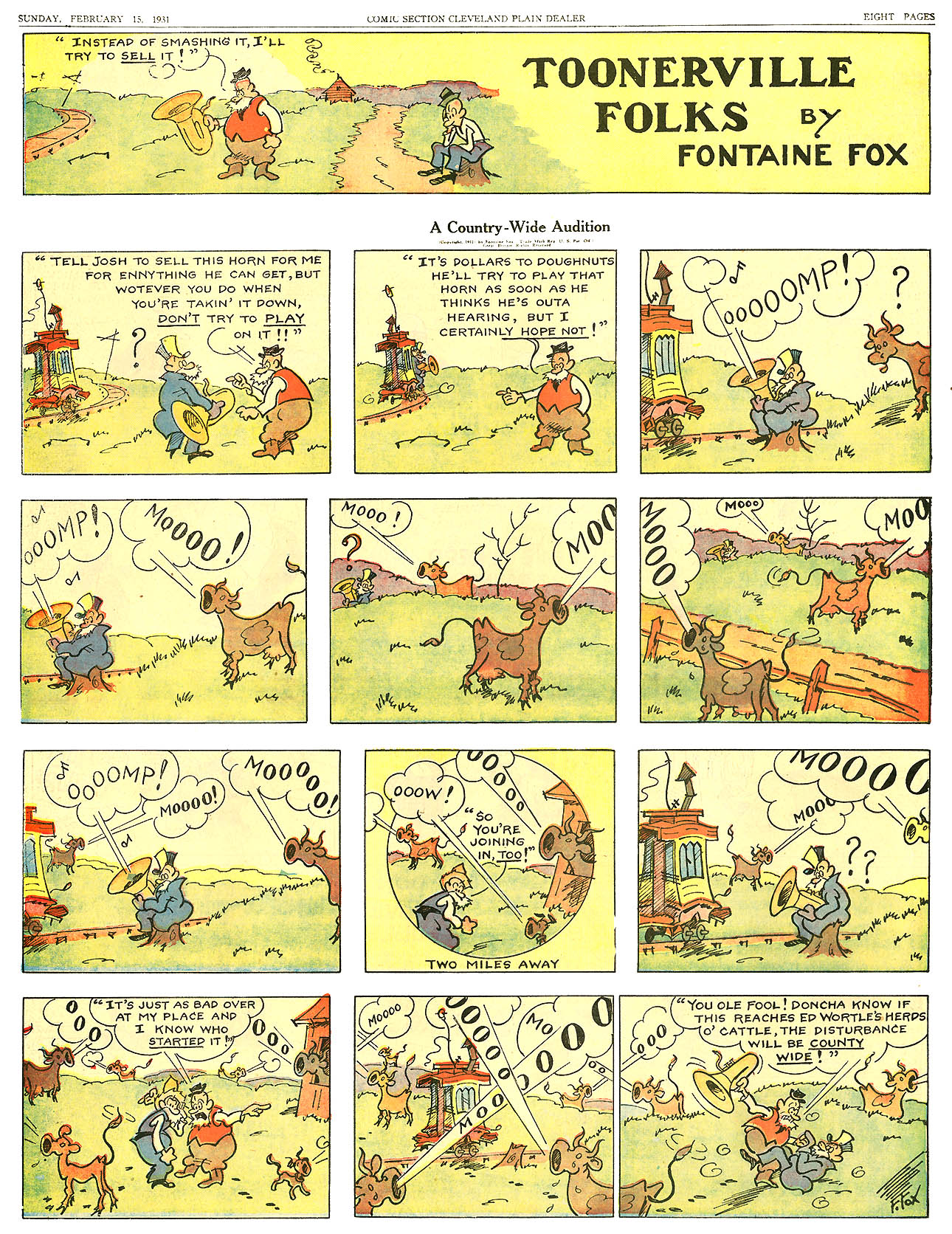
There is a place so like the place where my heart and mind were born that I feel as if I have always lived there. That place is a cartoon panel that ran in newspapers throughout the country from 1913 to 1955 (a year before I was born in Mason City, Iowa). It was called Toonerville Folks and was centered around the famous Toonerville Trolley.
Fontaine Fox was born near Louisville Kentucky in 1884. Louisville, of course is one of the two cities that claims to be the inspiration for Toonerville. Apparently the old Brook Street Line Trolley in Louisville was always run-down, operating on balls of twine and bailing wire for repair parts. The people of Pelham, New York, however, point to a trolley ride Fox took in 1909 on Pelham’s rickety little trolley car with a highly enterprising and gossip-dealing old reprobate for a conductor. No matter which it was, Fox’s cartoon mastery took over and created Toonerville, where you find the famous trolley that “meets all trains”.
I didn’t learn of the comic strip’s existence until I was in college, but once I found it (yes, I am the type of idiot who researches old comics in university libraries), I couldn’t get enough of it. Characters like the Conductor, the Powerful (physically) Katrinka, and the terrible-tempered Mr. Bang can charm the neck hair off of any Midwestern farm-town boy who is too stupid to regret being born in the boring old rural Midwest.
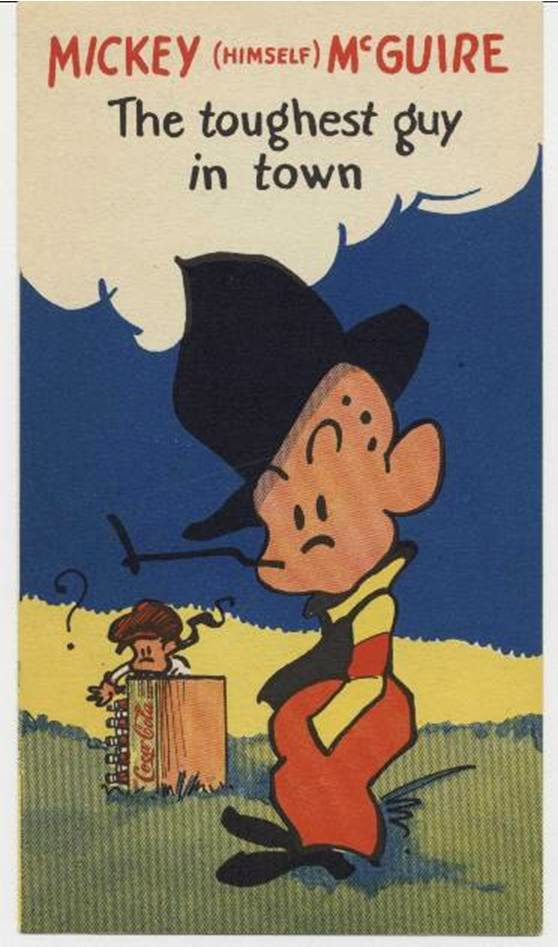
I fancied myself to be just like the infamous Mickey (himself) McGuire. After all, we have the same first name… and I always lick any bully or boob who wants to put up a fight (at least in my daydreams).
So, this is my tribute to the cartoonist who probably did more to warp my personality and make me funny (well, at least easy to laugh at! ) than any other influence. All of the cartoons in this post can be credited to Fontaine Fox. And all the people in them can be blamed on Toonerville, the town I used to live in, though I never really knew it until far too late.
Cartoon villains take note; Super-Mickey’s secret identity is Filbert Hazelnut. I make that revelation without worry. After all, Mickey is not really me. So, if the Messmaster, Badnose the Clown, or Daniel Quilp are going to try to apply the Mickian version of Kryptonite, not laughing at the jokes, in order to slay Super-Mickey, Filbert is immune to that. I am too for that matter. If you are a school teacher who uses humor in the classroom, you soon learn that only the smartest kids actually understand the jokes, and half of them are just too cool to laugh when the teacher wants them to. (Although they will tell you years later that they still use concrete details in their writing because you said that if you routinely whack the reader in the head with verifiable concrete examples, they will be totally stunned enough to believe you know what you are writing about. That was, you must understand, a concrete detail I just whacked you with to help you remember what it is, not to make you laugh… even though it was a joke… but you are permitted to laugh if you want to.)
The basic point of this essay is Mickey is not really me. I never went by that name as a kid.
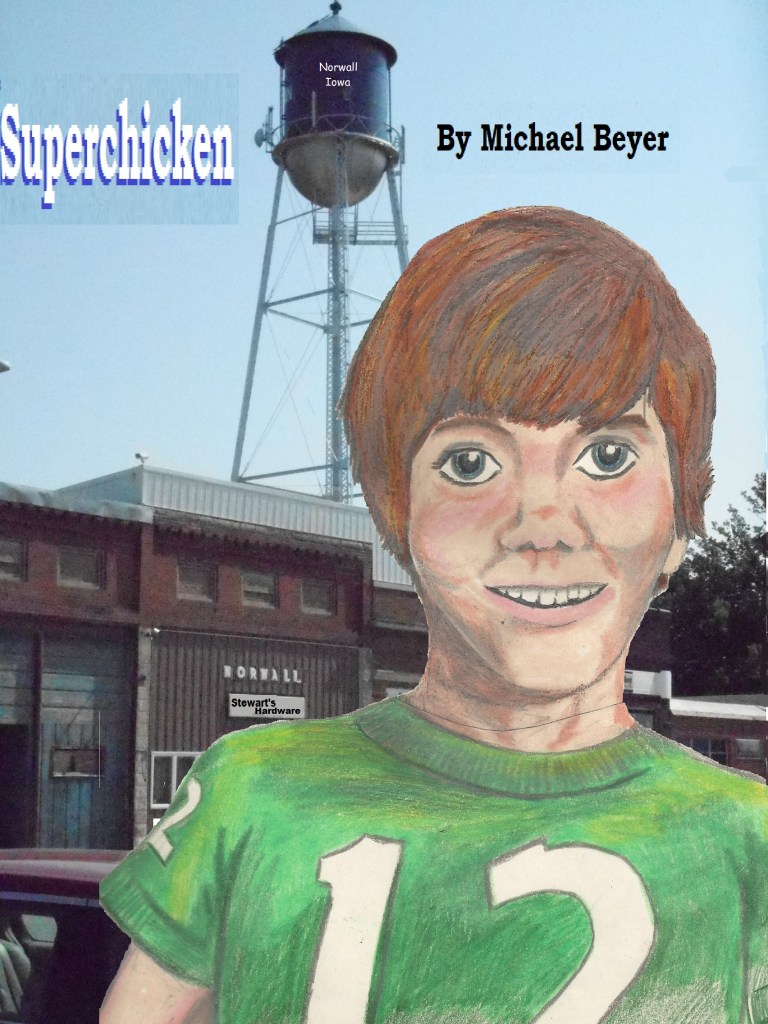
I was always called Michael, sometimes Mike (though they were usually talking about the Other Mike when anybody said Mike in school back then… circa 1963 to 1969). In high school I was given the nickname Superchicken after the Saturday Morning cartoon on the George of the Jungle Show. In college I was given the rhyming nickname Spike by my college freshman roommate because he ludicrously thought I was the opposite of a Spike, like calling a huge football player Tiny Tim, or a midget Big Bad John.
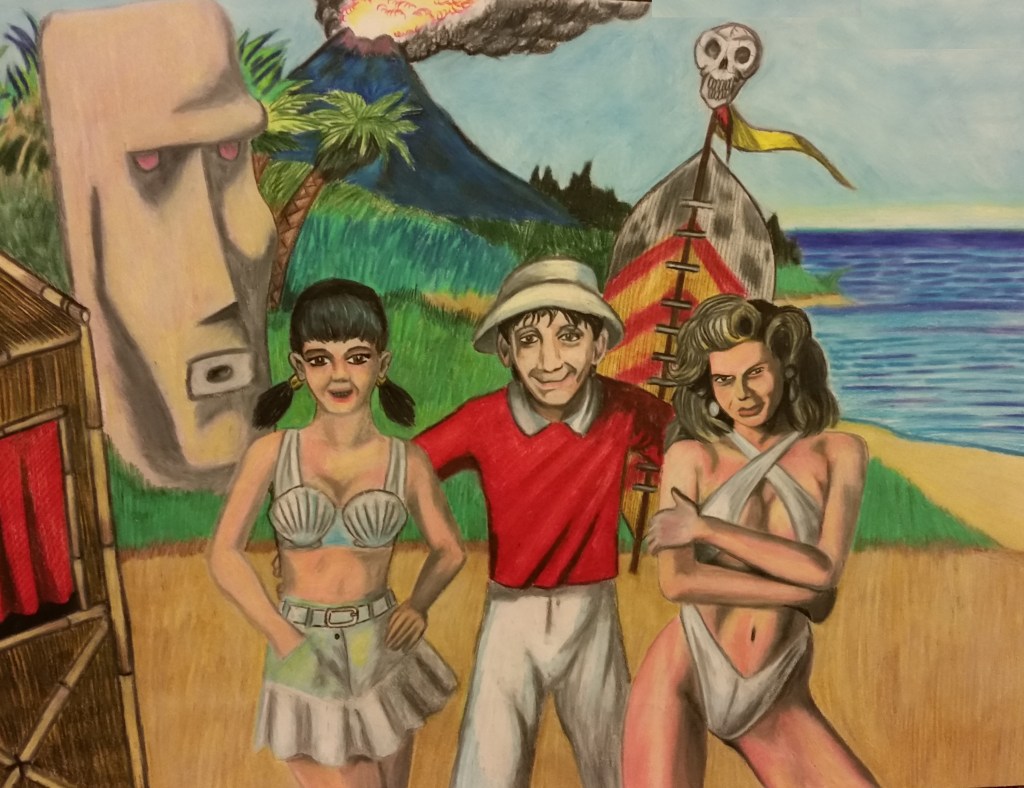
When I started teaching school, they called me Gilligan because I was thin and they wanted to pretend I was a hopeless stumbling fool (Which I was at times my first two years, just as all beginner teachers are.) My classroom became known as Gilligan’s Island on the day in third period when I made the comment, “Gilligan is lucky enough to be the only really eligible bachelor on the same island with Ginger the movie star and cute little Mary Ann. I would find out later that same day that three eighth grade girls in that very class had huge crushes on me and were fighting over which one was Mary Ann and which one was Ginger and, unsurprisingly, which one was the other girl.
And, of course, Rudolfo Hernandez tried to get everybody to call me Batman because I bought a used Ford Torino with fins on the back. But to promote the nickname, Rudy came to class wearing a Halloween Batman mask and afterwords had to learn to live with being called Battyman himself. (I wish i could take credit for calling him that first, but I am sure I did not. I distinctly remember it coming from a girl in his class that made fun of him for every stupid thing he did because she apparently adored him. I just reinforced it about a thousand times.)
Mickey is a name that I have only ever been called by me myself. It was a name I signed some of my cartoons with (using The Little Fool, Le Petit Fou, Leah Cim Reyeb, and Dr. Seebreez on the rest.) It also became the name I use to refer to myself on this blog when I talk about myself in the third person like a crazy person.
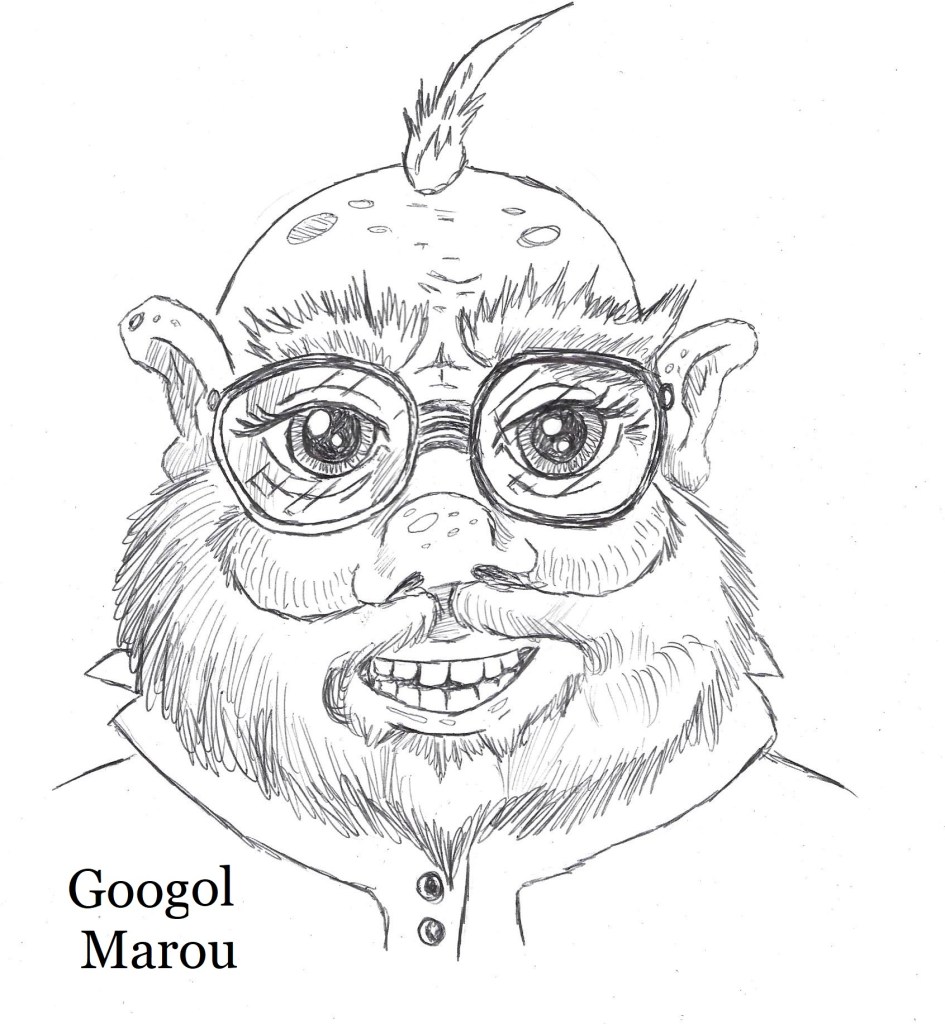
I have given myself other pseudo-pen-names in my writing. Googol Marou, as the only first-person narrator of the AeroQuest series, speaks with my voice as the primary storyteller in the tale. In Norwall, the fictionalized version of Rowan, Iowa in most of my other books, Branch McMillan, the writer-character, is actually me. (Like Charles Dickens switched his initials to write the semi-autobiographical David Copperfield, I created that one by switching the M and the B.
Of course, the many me-characters in my fiction books are also basically me. Superchicken is me. Milt Morgan is a combination of me and the Other Mike. Brent Clarke is the football-player me combined with two other football teammates. Certain parts of Todd Niland’s story are really about things that happened to me, and things I was afraid of at his age.
In some ways Tim Kellogg and Dorin Dobbs are me too, though both of those characters are actually based on my eldest son. It is possible, I suppose, that you could consider my actual son to be a me-character too, as people do live on through their own children.
But, while Mickey might be me more than I care to admit, Super-Mickey’s secret identity is definitely Filbert Hazelnut.
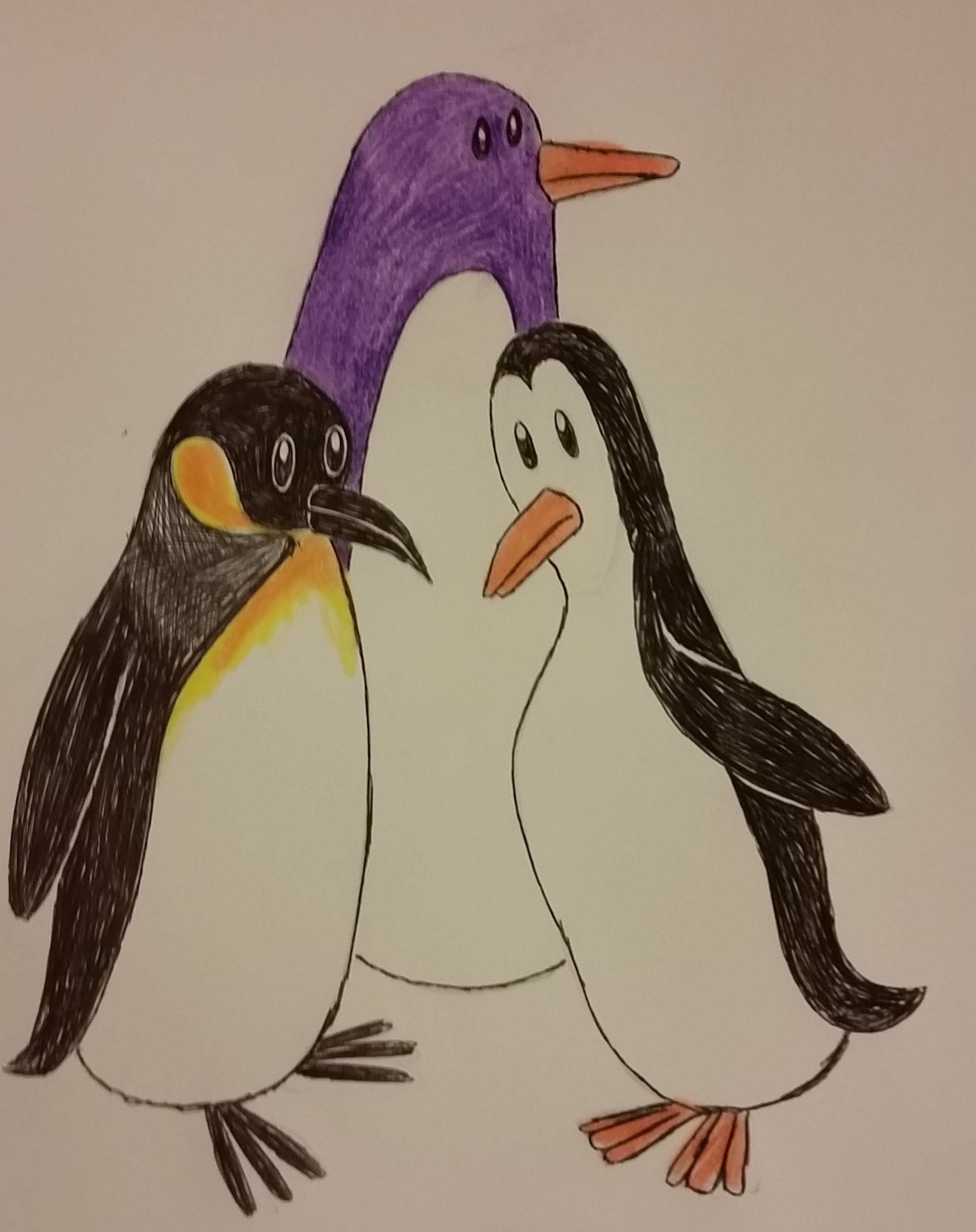
You know how creepy penguins in cartoons can be, right? The Penguins of Madagascar are like a Mission-Impossible Team gone horribly wrong and transformed into penguins. The penguin in Wallace and Gromit’s The Wrong Trousers disguised himself as a chicken to perform acts of pure evil. Cartoonists all know that penguins are inherently creepy and evil.
I recently learned a hard lesson about penguins. You know the joke, “What’s black and white and red all over? A penguin with a sunburn.” I told that joke one too many times. Who knew the Dallas metroplex had so many loose penguins lurking around? They are literally everywhere. One of them overheard me. And apparently they have vowed a sacred penguin vow that no penguin joke goes unpunished.
As I walked the dog this morning, I spotted creepy penguin eyes, about three pairs, looking at me from behind the bank of the creek bed in the park. When I went to retrieve the empty recycle bins from the driveway, there they were again, looking at me over the top of the neighbor’s privacy fence.
“Penguins see the world in black and white,” said one of the Penguins.
“Except for purple ones,” added the purple one.
“Penguins can talk?” I tried unsuccessfully to ask.
“Penguins only talk in proverbs,” said one of the penguins.
“But the purple one gives the counterpoint,” said the purple one.
“The wisdom of penguins is always cold and harsh,” said one of the penguins.
“Except on days like this when it’s hot,” said the purple one.
“You should always listen to penguins,” said one of the penguins.
“Of course, people will think you are crazy if you do,” said the purple one.
“People who talk to penguins are headed for a nervous breakdown,” said one of the penguins.
“Unless you are a cartoonist. Then it is probably normal behavior,” said the purple one.
“Is this all real?” I tried unsuccessfully to ask.
“Everyone knows that penguins are real,” said one of the penguins.
“But there are no purple penguins in nature,” said the purple one.
So, I sat down to write this post about penguins and their proverbs with a very disturbing thought in my little cartoonist’s head… Why am I really writing about penguins today? I really have nothing profound to say about penguin proverbs. Especially profound penguin proverbs with a counterpoint by a purple penguin. Maybe it is all merely a load of goofy silliness and a waste of my time.
“Writing about penguins is never a waste of time,” said one of the penguins.
“And if you believe that, I have some choice real estate in the Okefenokee Swamp I need to talk to you about,” added the purple one.
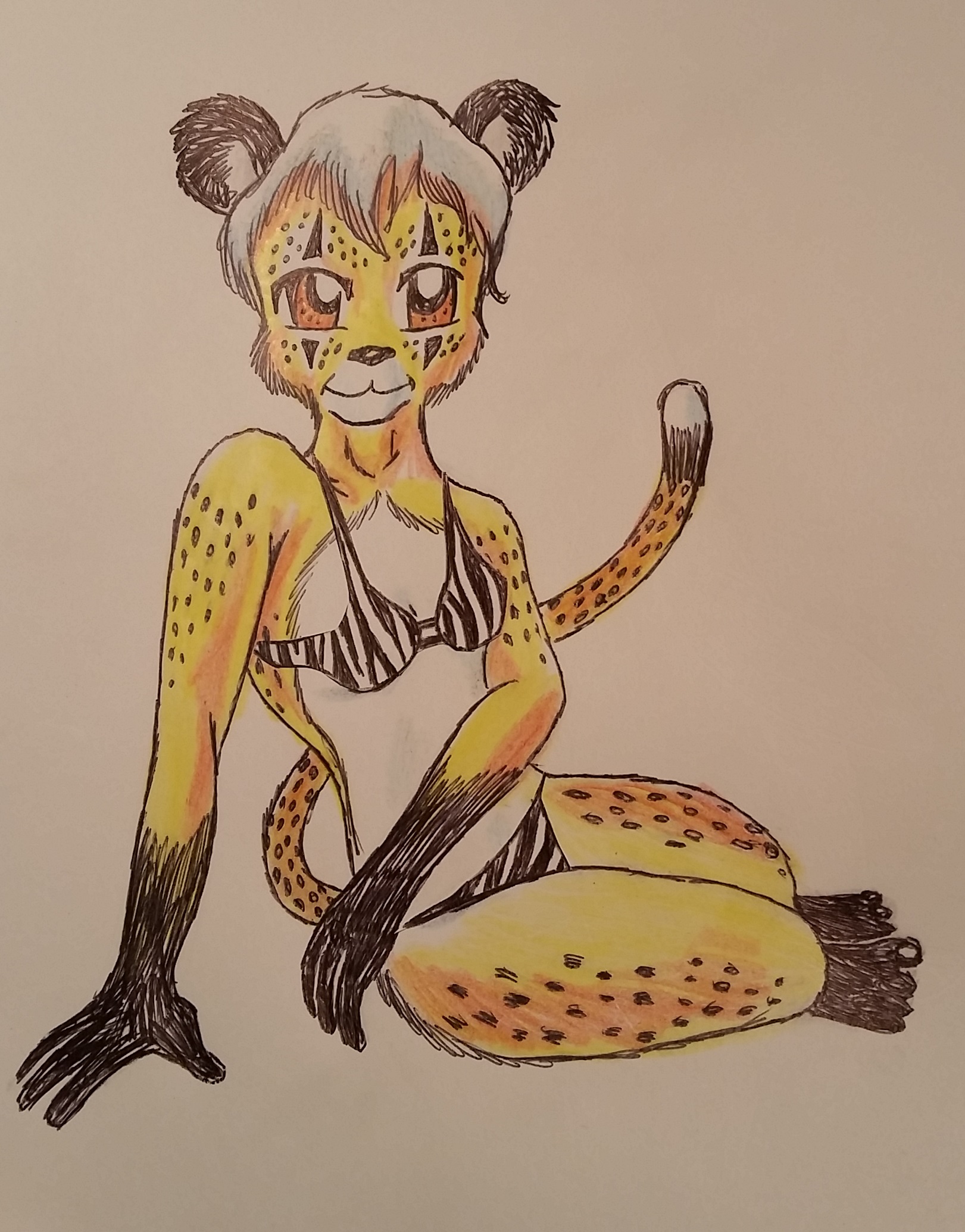
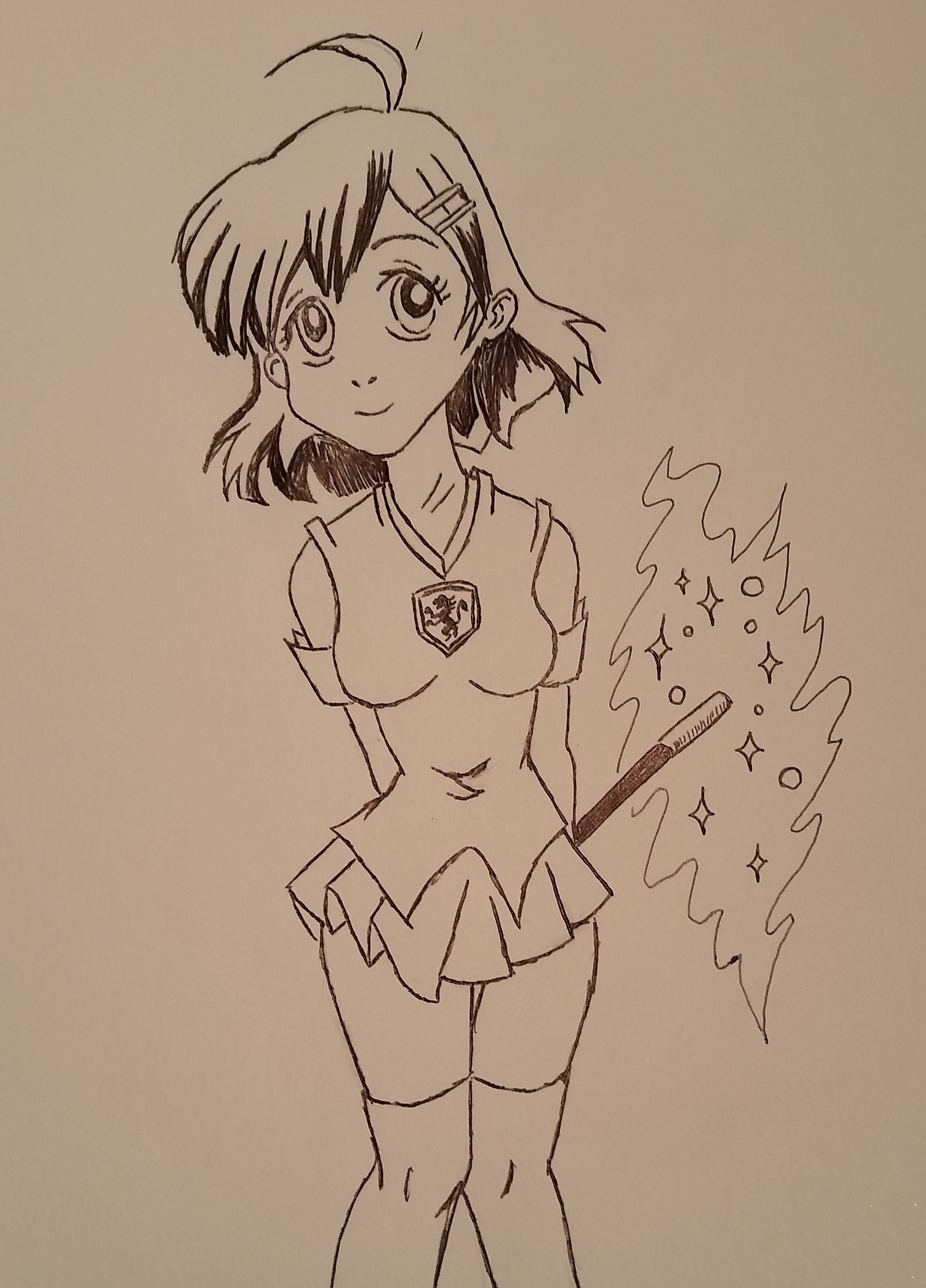
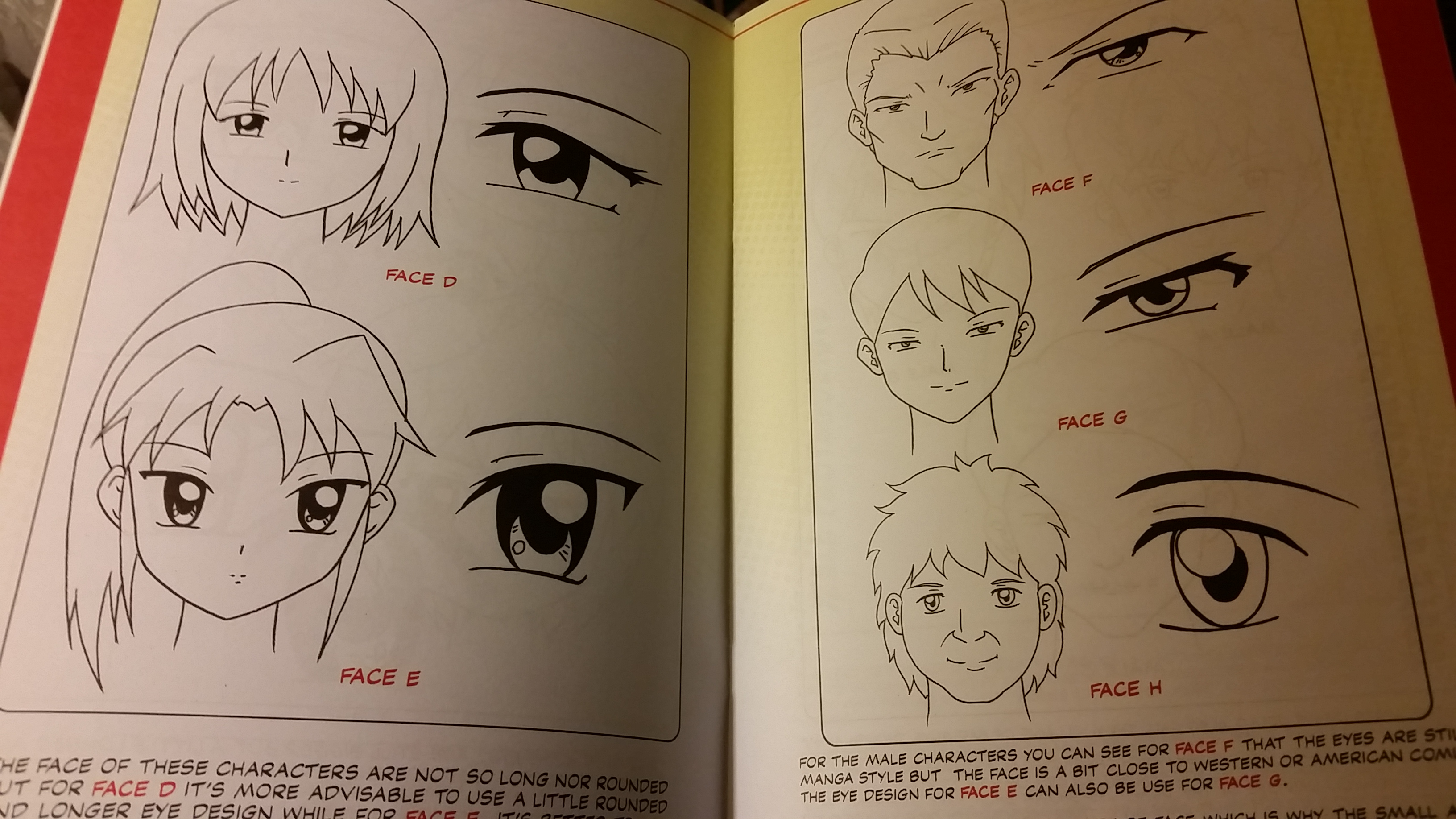
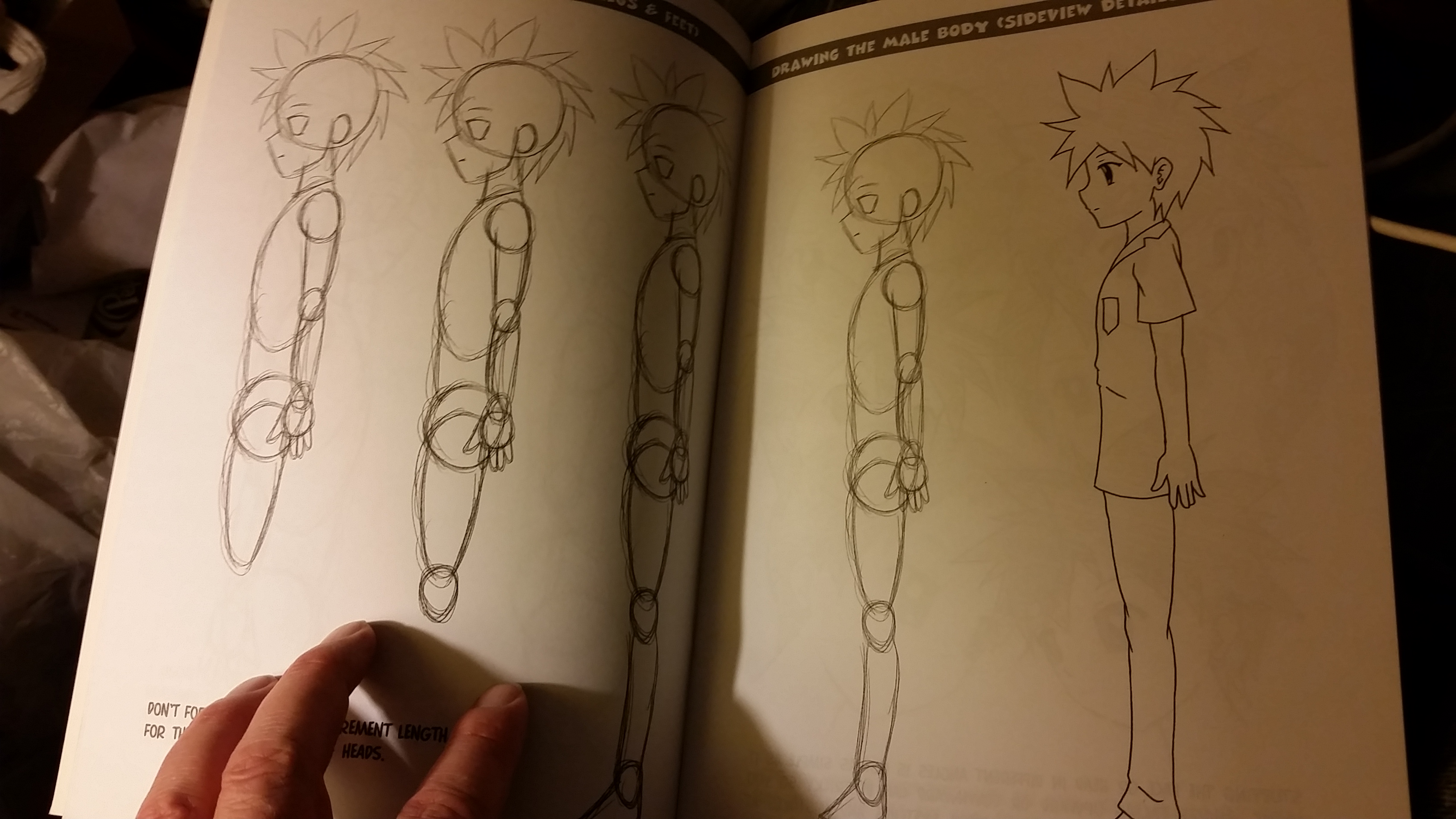
My wife brought treasure back from the Philippines for my kids and me. She spent over a thousand Filipino pesos at a book store over there and apparently bought out the store’s entire supply of “How-to-Draw-Manga/Anime” (though the amount she spent is not so impressive when you realize the exchange rate for a Filipino peso is .025 of an American dollar). Anyway, I happen to love the Japanese anime-style cartoons. I have since I was a kid in the 60’s watching Astroboy in black and white on the old Motorola TV set. So, just as you would expect, I had to go on a drawing binge, copying ideas from the books, but putting my own spin on them.
It is not the first time I have gone on anime-drawing binges. Let me provide some proof of that from past posts;
This is an art exercise, making a drawing imitating the manga style of Rumiko Takahashi, the greatest female comics artist of all time.
This is a second shameless plagiarism and imitation of Rumiko Takahashi by Mickey the Manga Wannabee.
So, there’s my original content for today. Seven days after the 4th of July, I am celebrating one of the ways that Japan conquered the United States after World War II. Yes, manga-style cartoons have far more kids carefully copying a cartoon style with big, cute eyes than probably ever tried to draw like Walt Kelly or Al Capp.
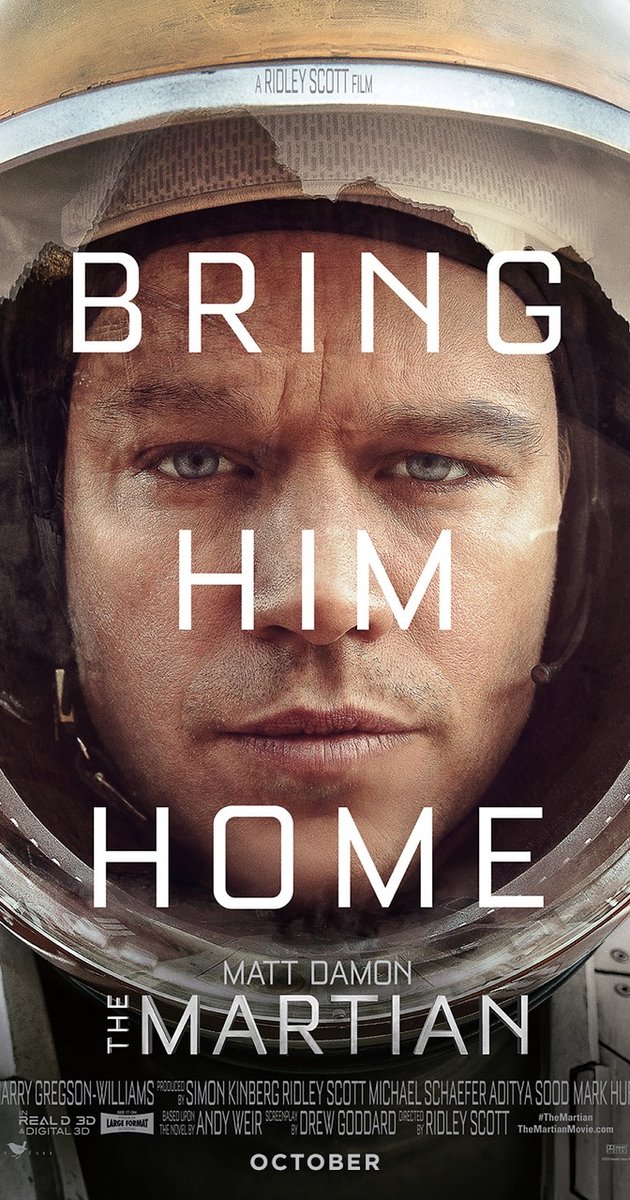
As Catch a Falling Star was a science-fictiony sort of comedy, one of the questions that I have pursued in internet research is the one I have presented here in the title of this picture-and-Paffooney-filled post. Seriously, the image search of Google’s answer to that question is enough to make you snort milk through the old nostrils as you sort through them while stupidly drinking a glass of milk. The milky nose-snorts are the reason I have not sited picture sources on this post. Cleaning the computer screen took too long. I have merely randomly snatched and pirated pictures. The only picture of a Martian presented here created by me are these two;
I admit to being surprised by my actual research into the whole question of whether or not we have ever been visited by intelligent life from the stars beyond the sky. While I have not found proof that aliens exist, I have discovered there is actual proof that the government, and NASA in particular, have covered something up. And it goes beyond Area 51 defense research. But now that I have got the attention of the NSA and the Men in Black, this post is only filled with a collage of the unreal, made-up, and mostly silly.
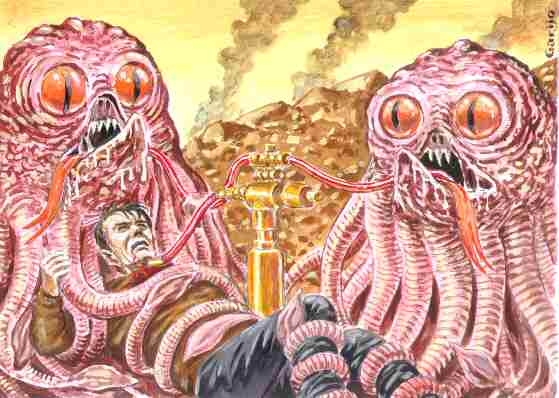
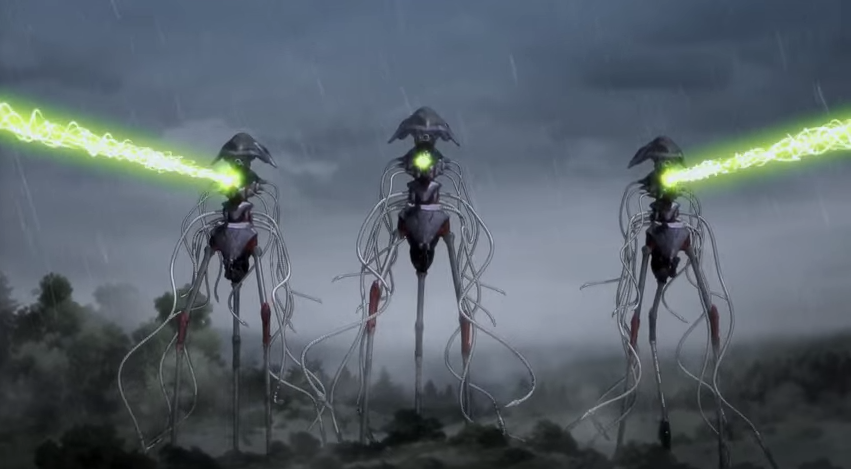
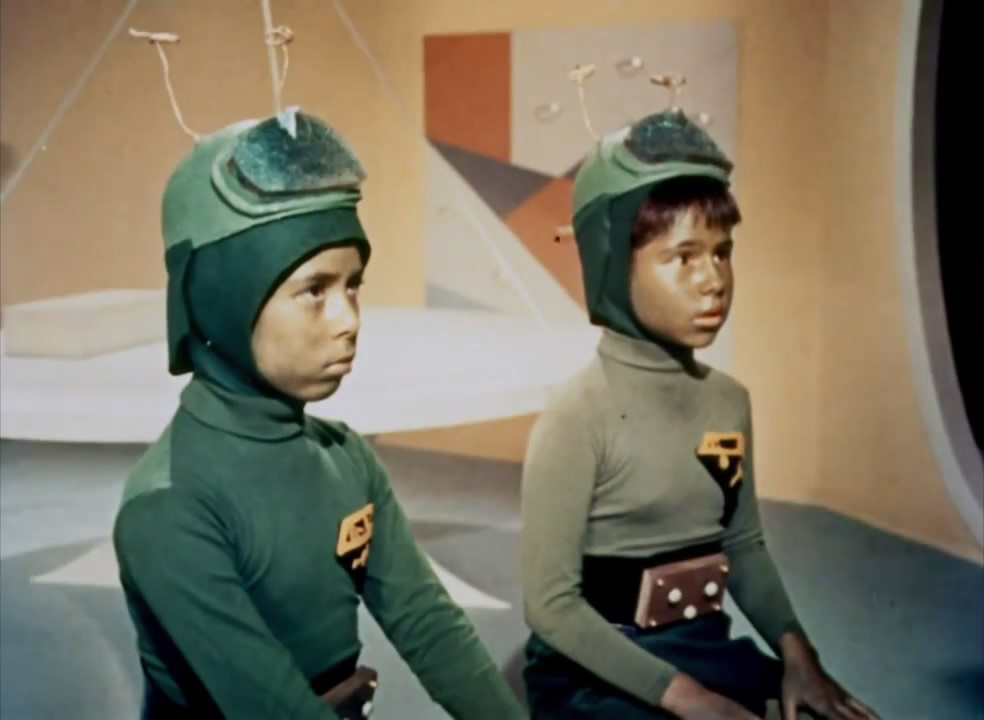
Malevolent Martians;
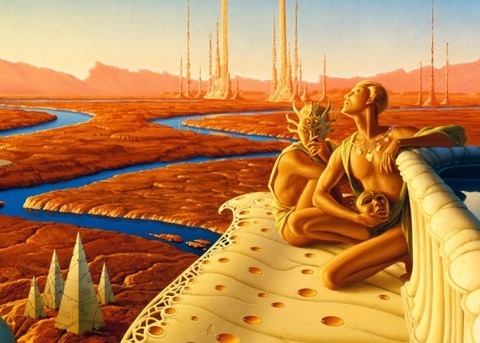
Martians Who Make the Mistake of Liking Us;
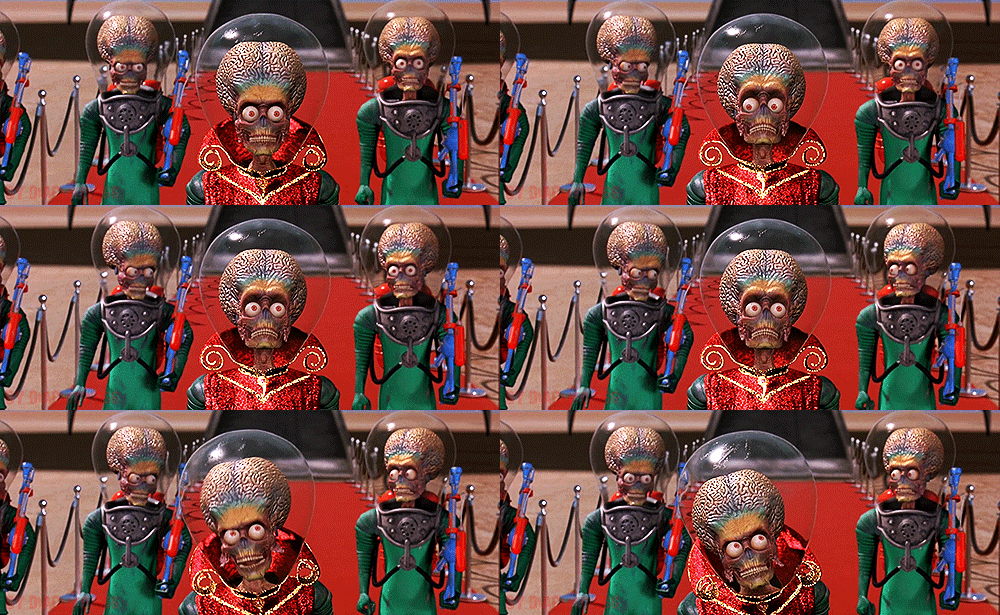
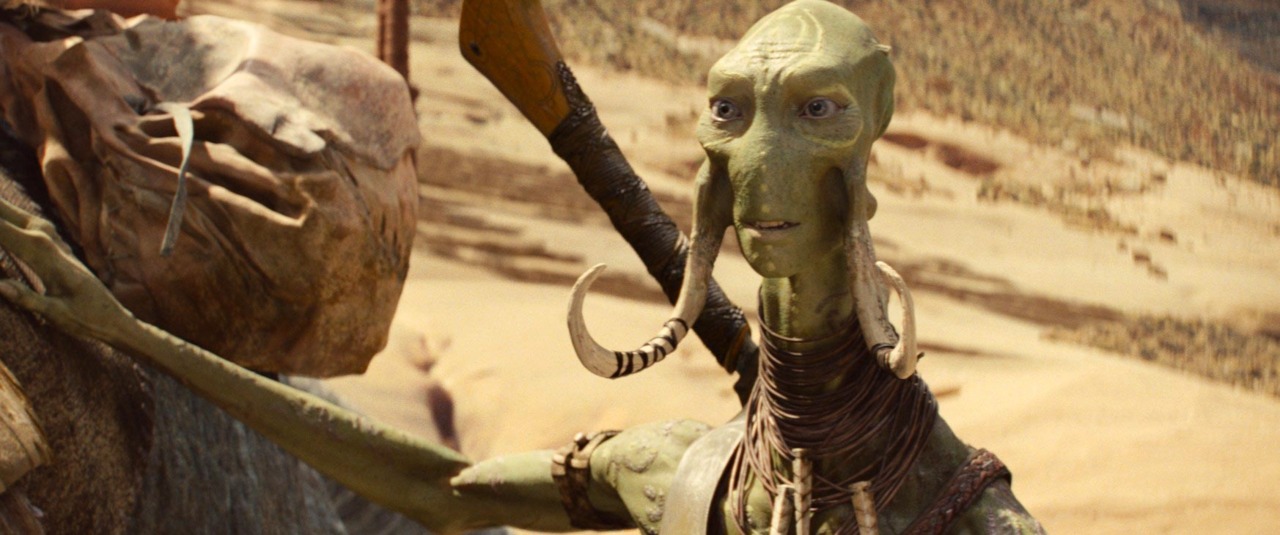
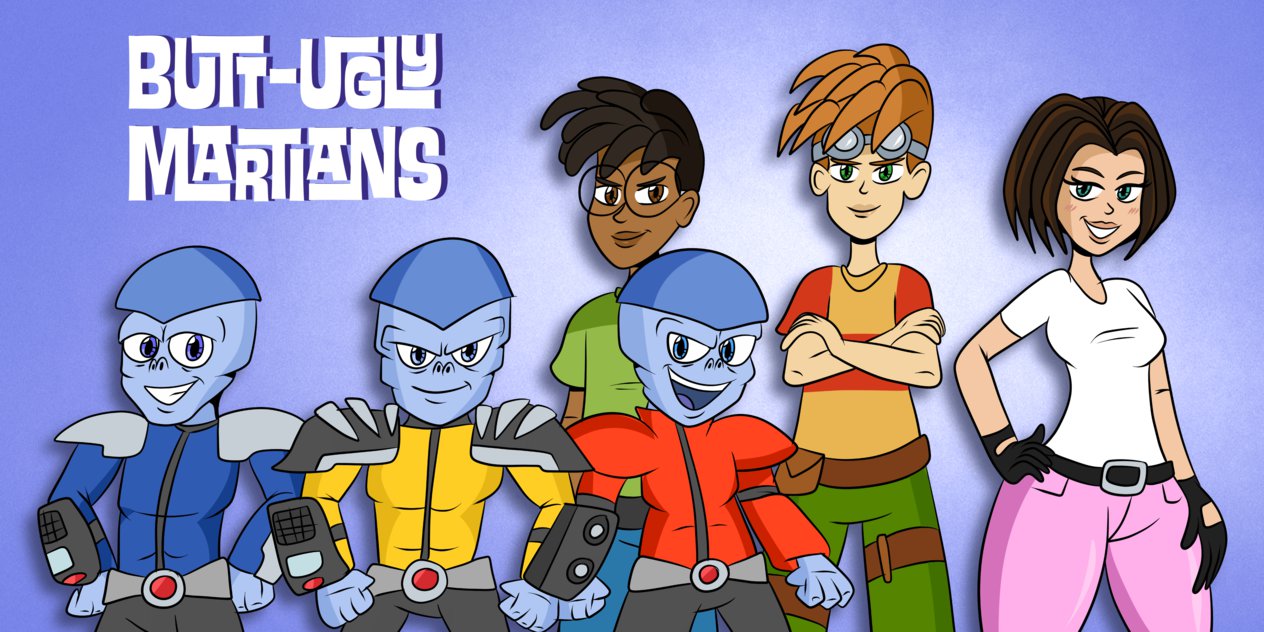
Inexplicably Goofy Martians;
Cartoon alien rendered on white background. 3D model licensed from DAZ3D.
So, I am probably the last stupid goomer who should be writing this post. But I do have a lot to say on the subject that will more than fill a 500-word essay.
At my age and level of poor health, I think about ghosts a lot because I may soon be one. In fact, my 2014 novel, Snow Babies has ghosts in it. And some of the characters in it freeze to death and become snow ghosts. But it doesn’t work like that in real-world science. My ghosts are all basically metaphorical and really are more about people and people’s perception of life, love, and each other.
Ghosts really only live in the mind. They are merely memories, un-expectedly recalled people, pains, and moments of pandemonium.
I have recently been watching the new Netflix series The Haunting of Hill House. It creeps me out because it latches on to the idea that ghosts haunt us through the revisitation in our minds of old trauma, old mistakes, old regrets… We are never truly safe from ghosts, no matter how far under the covers we go in our beds, deep in the dark and haunted night. Ghosts are always right there with us because they only live inside us.
I am haunted by ghosts of my own. Besides the ghost dog that mysteriously wanders about our house at night and is seen only out of the corners of our eyes, there is the ghost of the sexual assault I endured at the age of ten by a fifteen-year-old neighbor. That ghost haunts me still, though my attacker has died. I still can’t name him. Not because I fear he can rise up out of the grave to hurt me again, but because of what revealing what he did, and how it would injure his innocent family members who are still alive and still known to my family, will cause more hurt than healing. That is a ghost who will never go away. And he infects my fiction to the point that he is the secret villain of the novel I am now working on. In fact, the next four novels in a row are influenced by him.
But my ghost stories are not horror stories.
I write humorous stories that use ghosts as metaphors, to represent ideas, not to scare the reader. In a true horror story, there has to be that lurking feeling of foreboding, that sense that, no matter what you do, or what the main character you identify with does, things probably won’t turn out all right. Stephen King is a master of that. H.P. Lovecraft is even better.
But as for me, I firmly believe in the power of laughter, and that love can settle all old ghosts back in their graves. I have forgiven the man who sexually tortured me and nearly destroyed me as a child. And I have vowed never to reveal his name to protect those he loved as well as those I love. If he hurt anyone else, they have remained silent for a lifetime too. And I have never been afraid of the ghost dog in our house. He has made me jump in the night more than once, but I don’t fear him. If he were real, he would be the ghost of a beloved pet and a former protector of the house. And besides, he is probably all in my stupid old head thanks to nearly blind eyes when I do not have my glasses on.
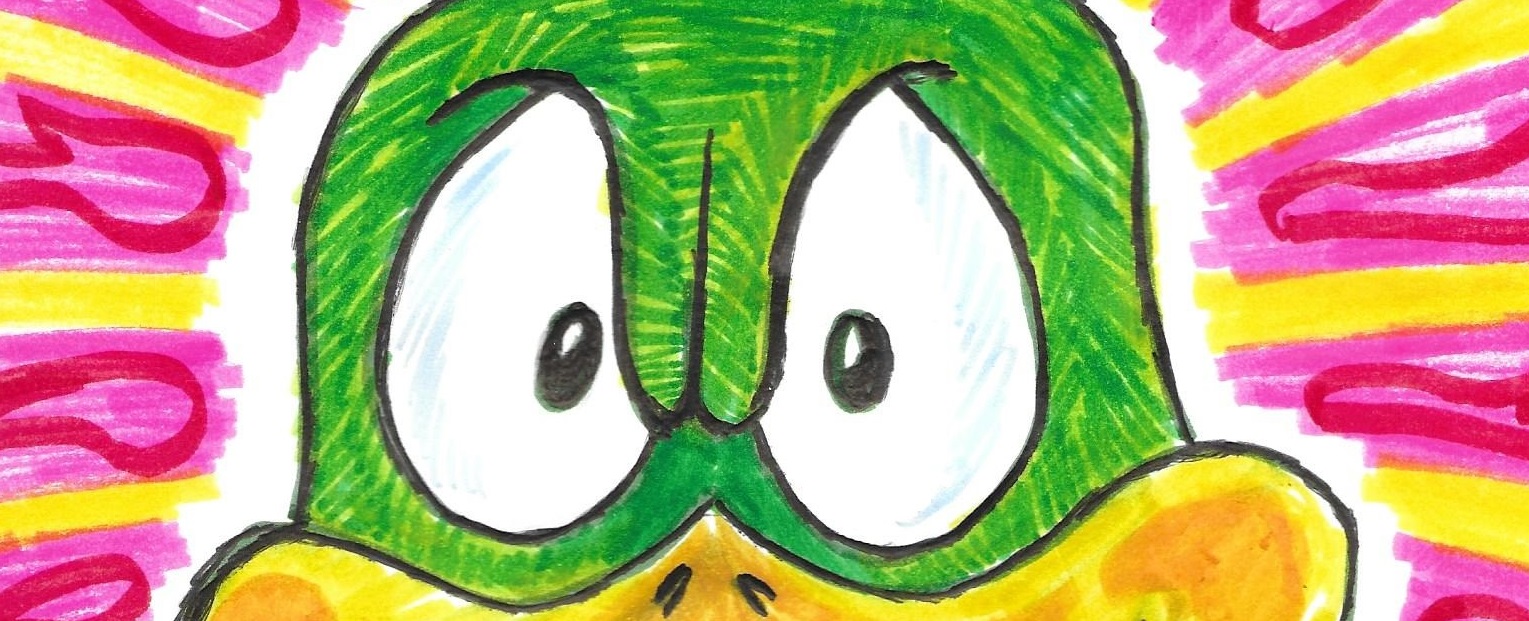
Yes, the universe was not formed in a big bang. It hatched from an egg. And God is the Ultimate Mallard.
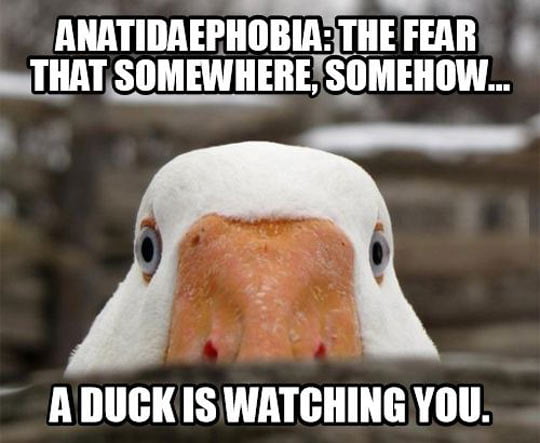
Anatidaephobia (pronounced anna-tidy-phobia) is a pervasive and irrational fear that you are being watched by a duck. A person with this rare phobia fears that somehow, somewhere a duck is watching their every move.
This phobia about being watched by a duck may seem like a strange basis for forming a new religion. But I may have had an epiphany as a child when a goose at Deer Farm Zoo stuck his neck, head, and beak of retribution out through a hole in his chicken-wire cage and nearly nipped me in my five-year-old neck. That epiphany led to recurring nightmares about being chased by a duck with large white teeth that looked like he had bad human dentures in his bill.
This I tended to interpret as a sign that I was facing a big decision about what I would attempt to do with my young life, and would do it wrong.
Ducks in the farmyard, you see, are temperamental, often impulsive, and randomly violent. They will punish you for sins you did not know you were committing.
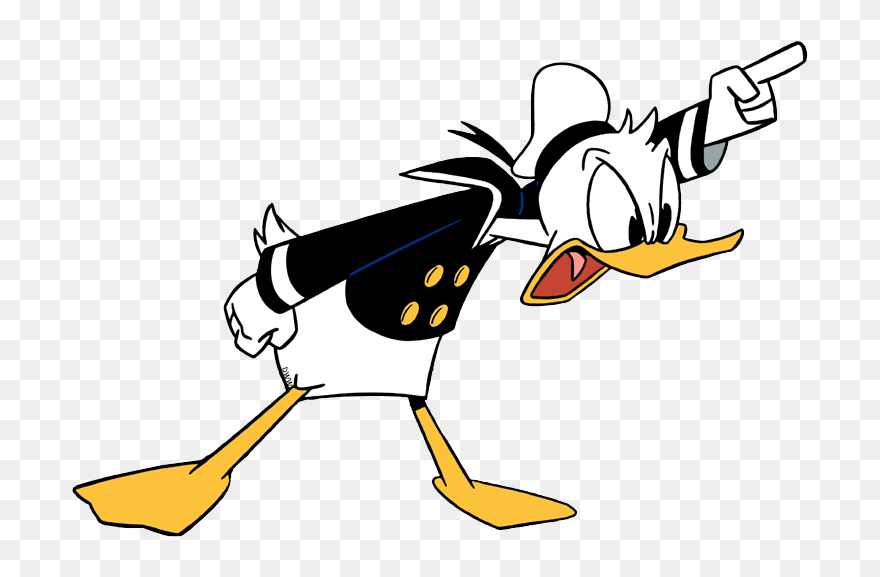
So, in this Quackatoon faith in judgmental ducks who are constantly watching our every move, thought, and deed, we should be taking Saint Donald Duck as our role-model and guide. When we see sin and wrongness in the world we are watching, we must dissolve in incoherent rage. Point your finger. Shout things that no one understands. Get the world’s attention. Confuse them completely. And get them to wonder what they did to make you so rage-filled and dangerously aggravated.
Then, hopefully, they will realize their sin and immediately mend their ways. Or at least, rearrange their feathers.
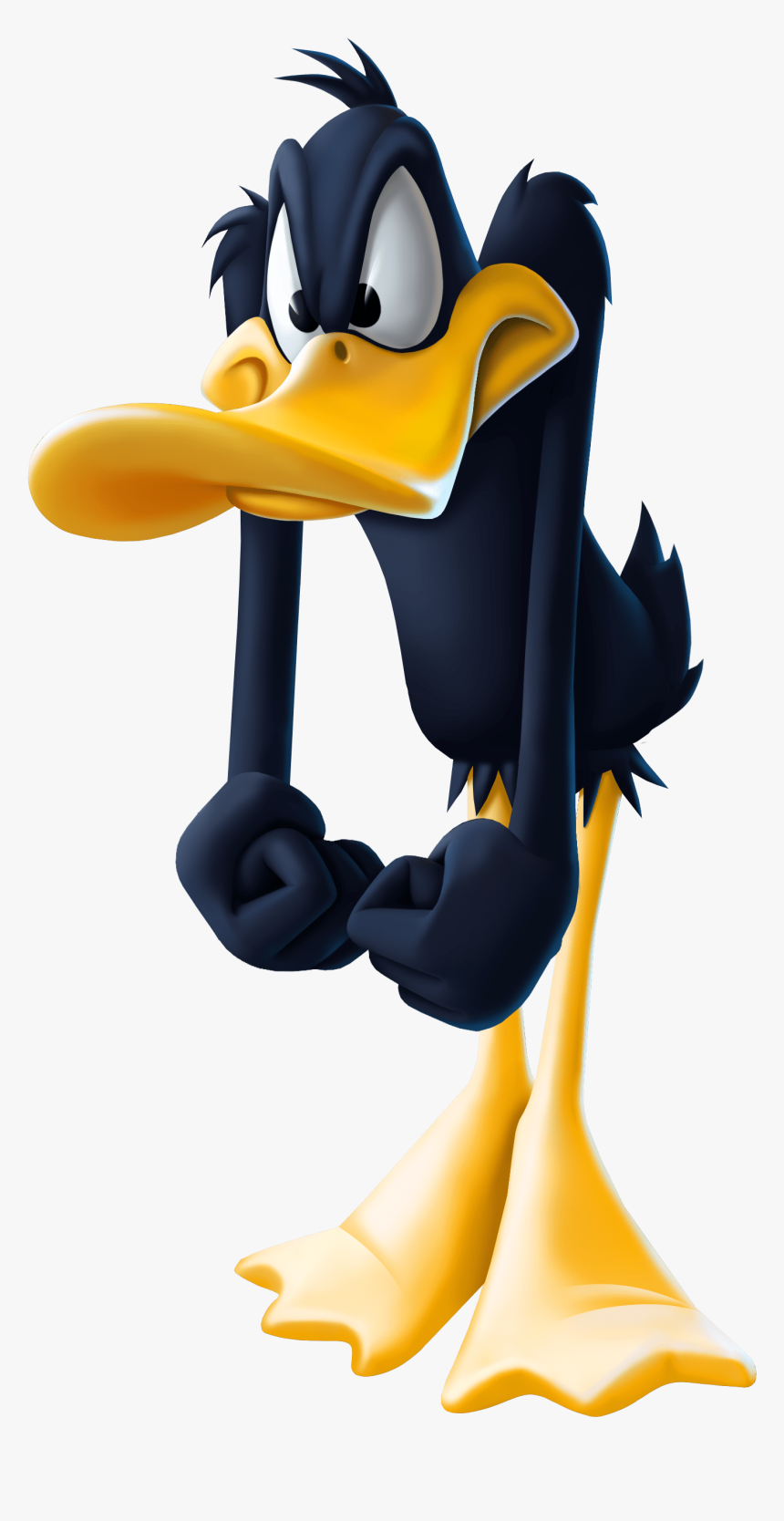
Or we can rely on the incompetent vengeful wrath of Saint Daffy Duck to see the unrighteousness in the rabbits of the world around us, posting Rabbit Season signs everywhere, and getting his duckbill blown off via the shotgun of a nearby Elmer who has been tricked into thinking ducks are rabbits.
Well, that might not be the most efficient prosecution of God’s will on Earth. But at least it will leave us laughing. And who can sin who is laughing that hard?
At this point in trying to establish this new religion, I should probably be talking about financial matters. Where you can send donations to the Church of Perpetual Quackers? Will there be t-shirts with religious slogans like, “You’re Driving Me Quackers!?” Do we still bring deviled eggs to church socials?
But I can’t talk about that right now… a duck is probably watching.
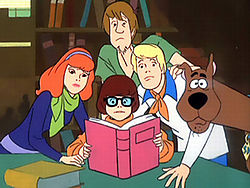
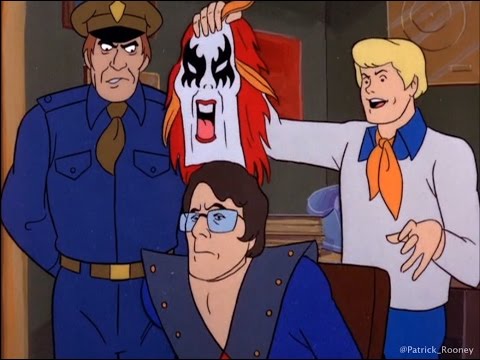
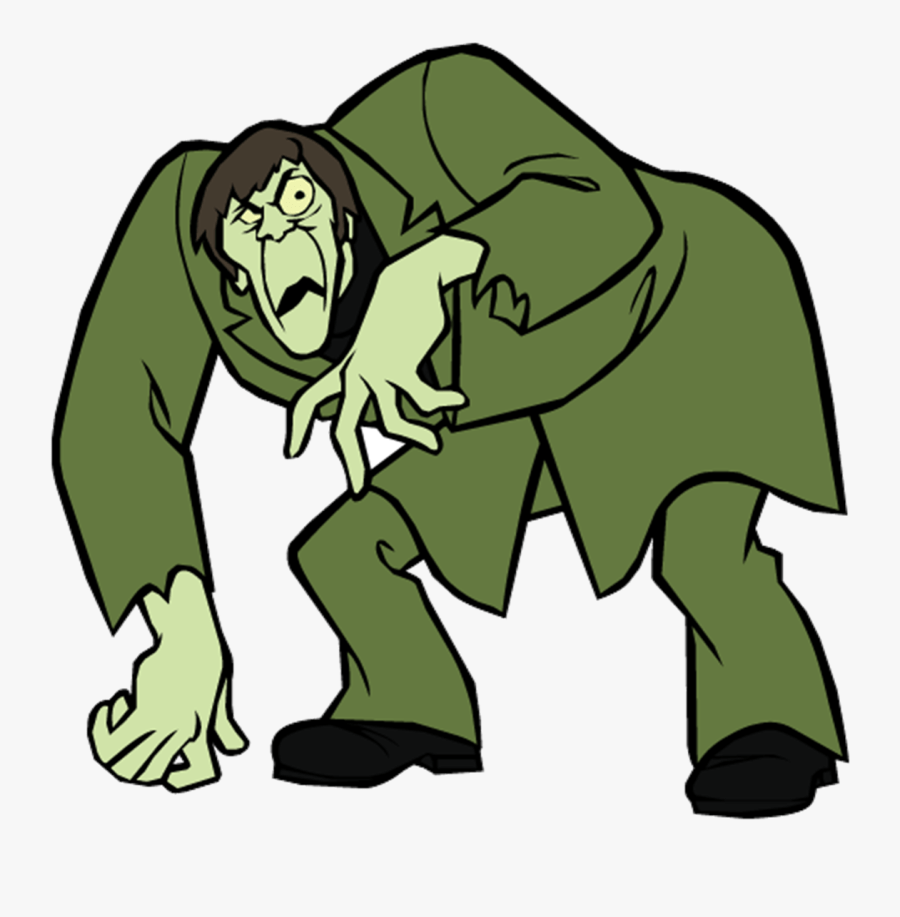
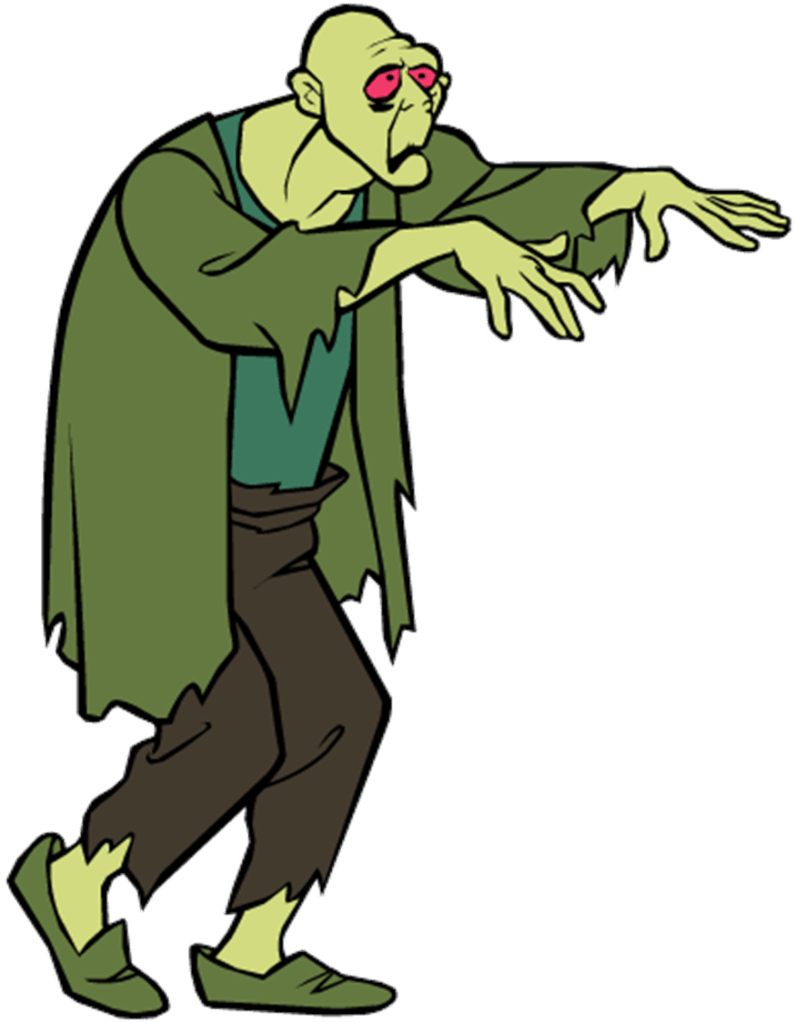
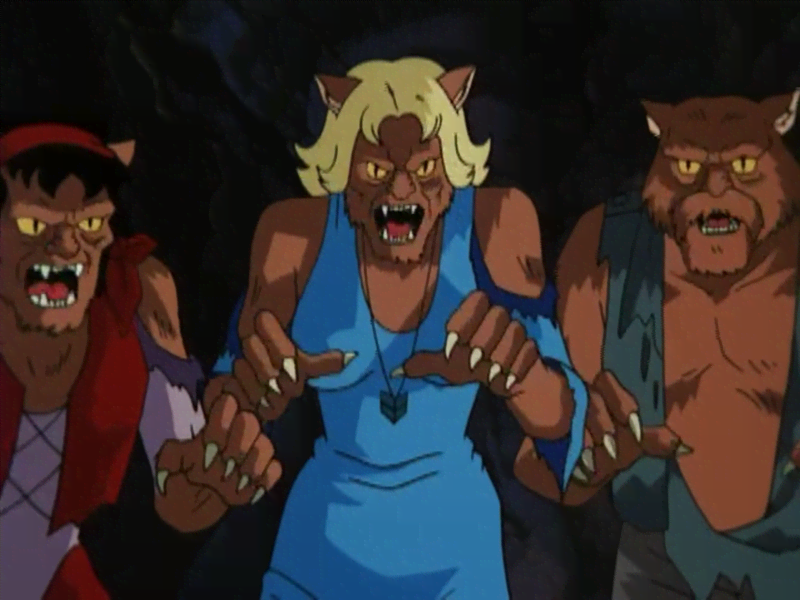
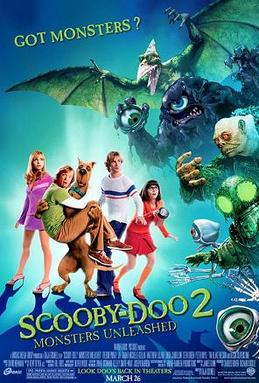
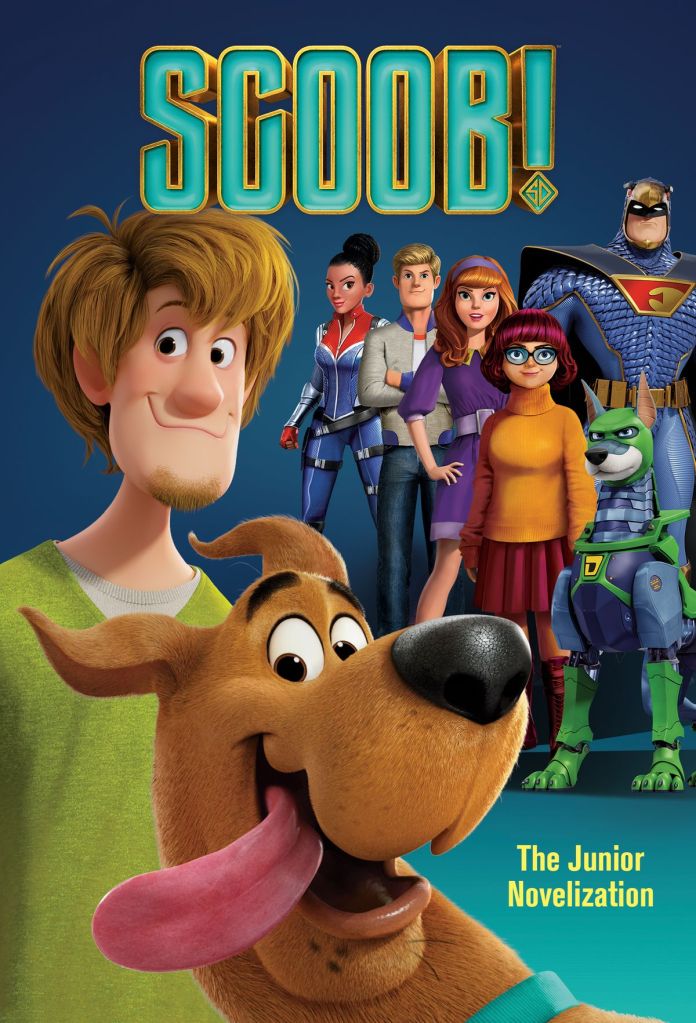
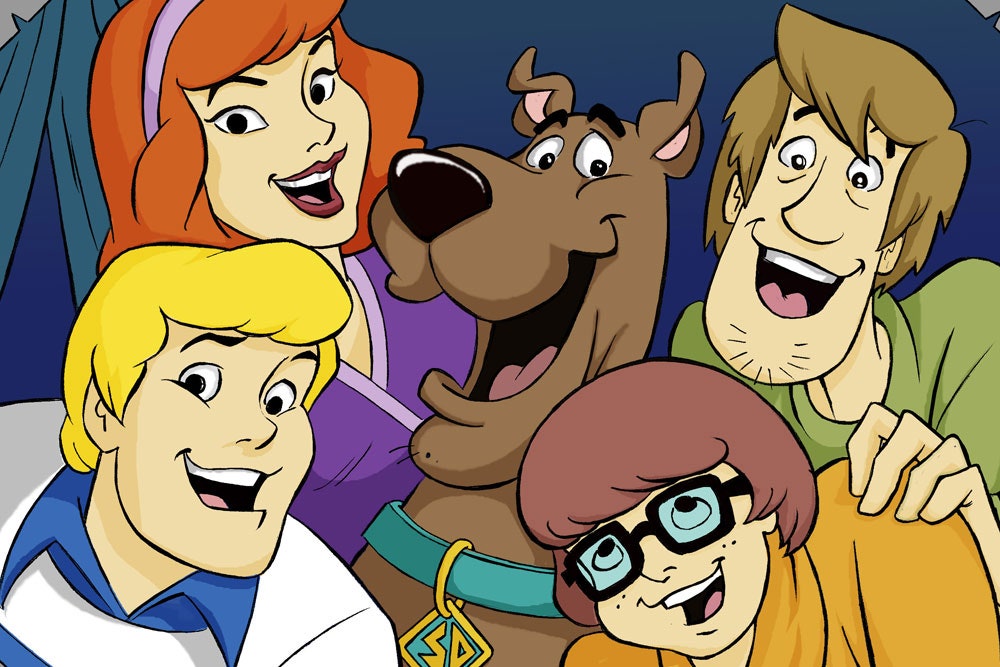
I remember when Scooby Doo, Where Are You? premiered on Saturday Morning Cartoons in 1969. I was thirteen and in the 7th grade. I had been six during the Cuban Missile Crisis of 1962, seven when Kennedy was assassinated in 1963, ten when I was sexually assaulted in 1966, and still twelve when Neil Armstrong walked on the Moon in the Summer of 1969. I was obsessed with monsters, horror comics, 20,000 Leagues Under the Sea, and the Pirates threatening Jim Hawkins in Treasure Island. I knew what fear was. And I was mad to find ways to combat the monsters I feared.
Don’t get me wrong. I was under no illusions that Fred, Daphne, Velma, Norville “Shaggy” Rogers and Scooby Doo were the answer to all my fears as viable heroes and heroines. They were goofballs, all of them, based on the characters I vaguely remembered from The Many Loves of Dobie Gillis. I was aware that Shaggy was just Maynard Krebs in cartoon form (the hippie character portrayed by Gilligan’s Island actor Bob Denver.)
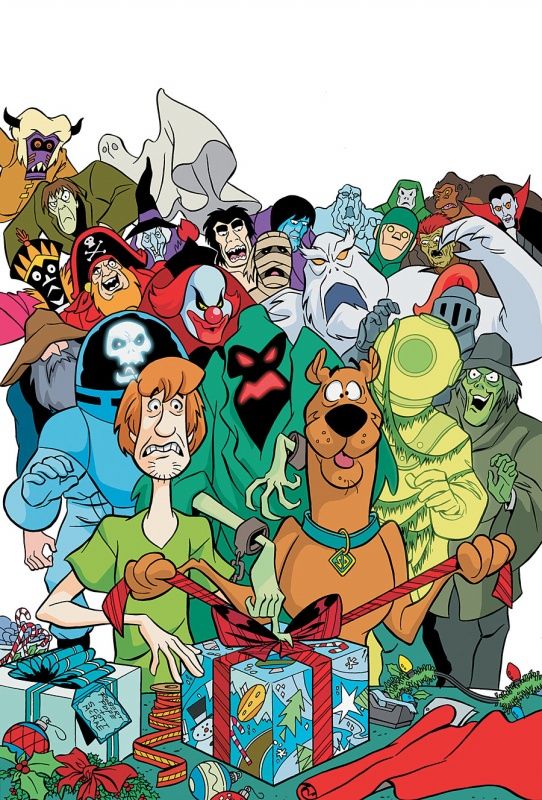
One of the critical things about the show for me was the fact that there was a rational explanation for the monsters. They were men in masks, special effects and projector tricks, or remote-controlled mechanical things.
And the way you overcame them and saved the day was by having Shaggy and Scooby act as bait, cause the traps to get sprung at the wrong time, and then fall on the villains, trapping them under the butt of the talking dog.
Villains and horror could be overcome by laughing at them. They were more likely to be clowns than carnivores. And even if they were carnivores, the teeth were not real.
There was a universal truth in that. Danger and horror and fear were easier to handle when you could laugh in spite of those things.
And to top it all off, those meddling kids and their stupid talking dog were with me my whole life. Those cartoons got remade and spun off so many times that my kids learned to love them as much as I did. And those four meddling kids and that talking dog are still making new stories even now.
















 Catch a Falling Star
Ghostly Reflections
So, I am probably the last stupid goomer who should be writing this post. But I do have a lot to say on the subject that will more than fill a 500-word essay.
At my age and level of poor health, I think about ghosts a lot because I may soon be one. In fact, my 2014 novel, Snow Babies has ghosts in it. And some of the characters in it freeze to death and become snow ghosts. But it doesn’t work like that in real-world science. My ghosts are all basically metaphorical and really are more about people and people’s perception of life, love, and each other.
Ghosts really only live in the mind. They are merely memories, un-expectedly recalled people, pains, and moments of pandemonium.
I have recently been watching the new Netflix series The Haunting of Hill House. It creeps me out because it latches on to the idea that ghosts haunt us through the revisitation in our minds of old trauma, old mistakes, old regrets… We are never truly safe from ghosts, no matter how far under the covers we go in our beds, deep in the dark and haunted night. Ghosts are always right there with us because they only live inside us.
I am haunted by ghosts of my own. Besides the ghost dog that mysteriously wanders about our house at night and is seen only out of the corners of our eyes, there is the ghost of the sexual assault I endured at the age of ten by a fifteen-year-old neighbor. That ghost haunts me still, though my attacker has died. I still can’t name him. Not because I fear he can rise up out of the grave to hurt me again, but because of what revealing what he did, and how it would injure his innocent family members who are still alive and still known to my family, will cause more hurt than healing. That is a ghost who will never go away. And he infects my fiction to the point that he is the secret villain of the novel I am now working on. In fact, the next four novels in a row are influenced by him.
But my ghost stories are not horror stories.
I write humorous stories that use ghosts as metaphors, to represent ideas, not to scare the reader. In a true horror story, there has to be that lurking feeling of foreboding, that sense that, no matter what you do, or what the main character you identify with does, things probably won’t turn out all right. Stephen King is a master of that. H.P. Lovecraft is even better.
But as for me, I firmly believe in the power of laughter, and that love can settle all old ghosts back in their graves. I have forgiven the man who sexually tortured me and nearly destroyed me as a child. And I have vowed never to reveal his name to protect those he loved as well as those I love. If he hurt anyone else, they have remained silent for a lifetime too. And I have never been afraid of the ghost dog in our house. He has made me jump in the night more than once, but I don’t fear him. If he were real, he would be the ghost of a beloved pet and a former protector of the house. And besides, he is probably all in my stupid old head thanks to nearly blind eyes when I do not have my glasses on.
I don’t believe in ghosts.
Leave a comment
Filed under cartoons, commentary, ghost stories, goofy thoughts, humor, Paffooney, strange and wonderful ideas about life
Tagged as books, ghosts, haunted, horror, paranormal