
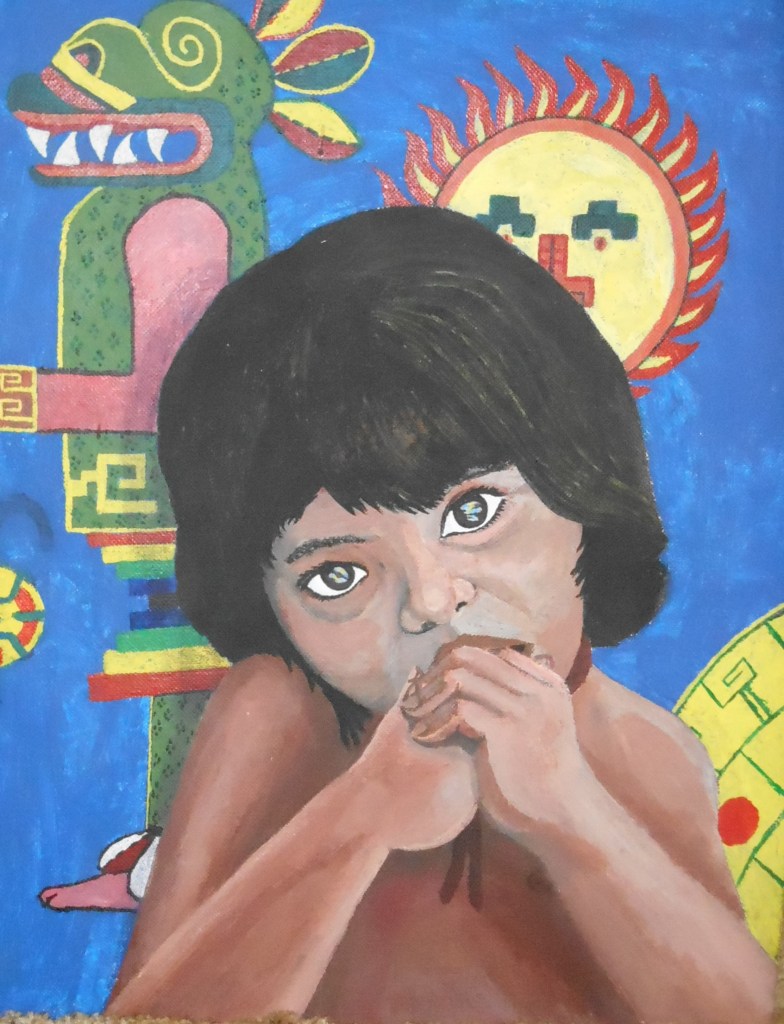
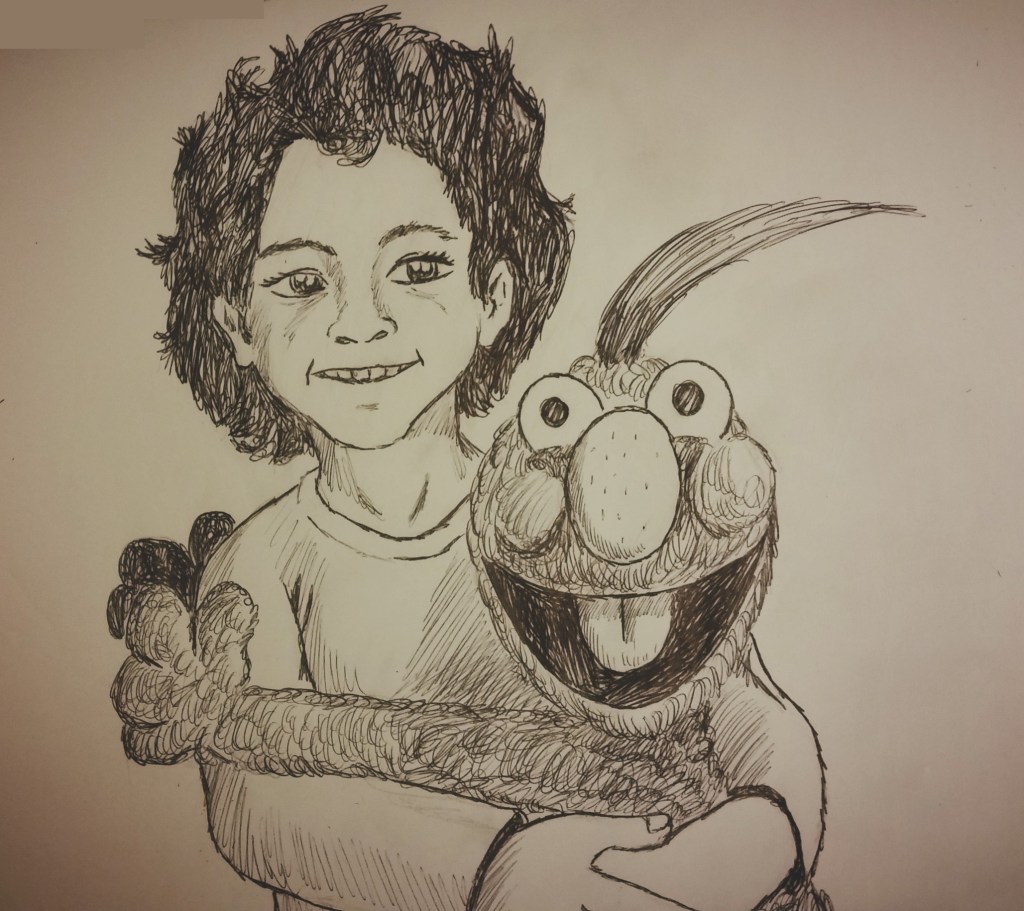
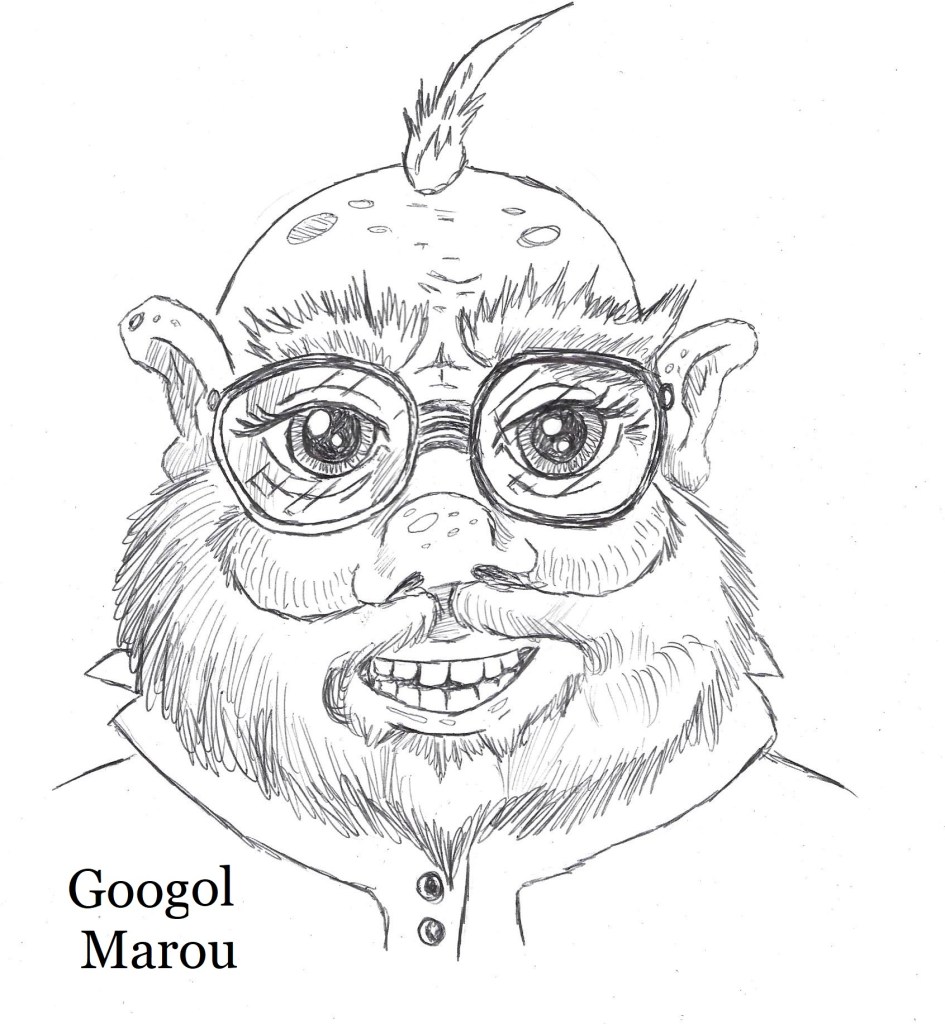
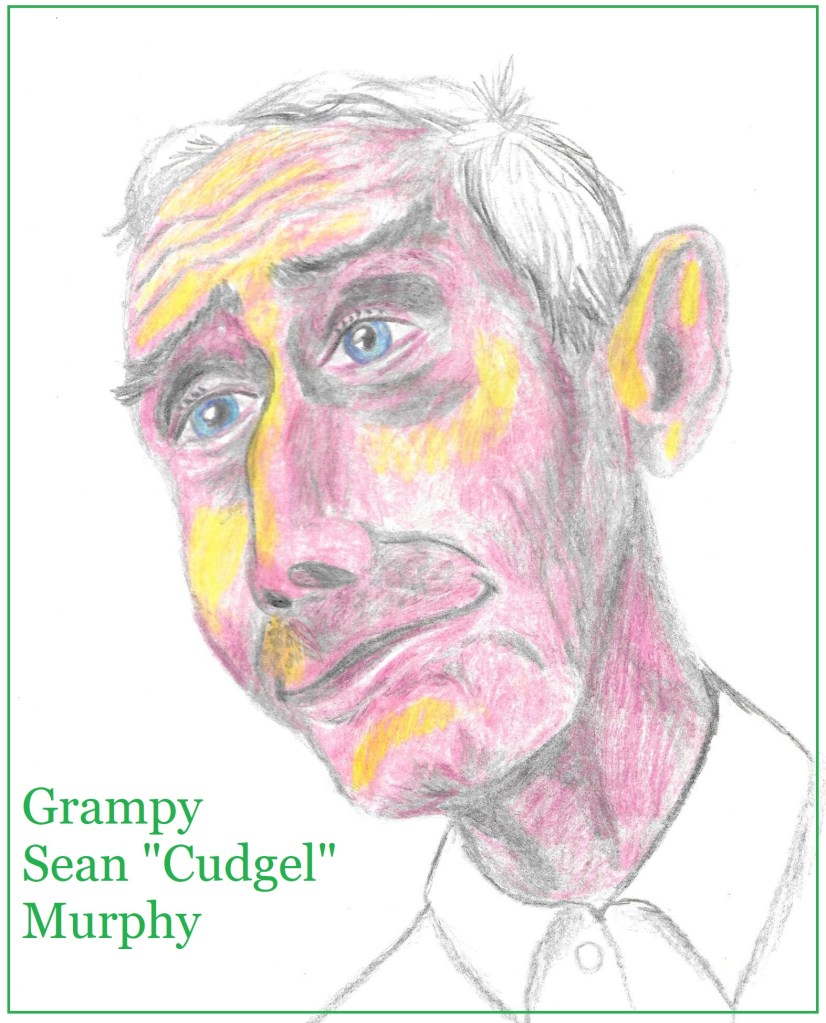
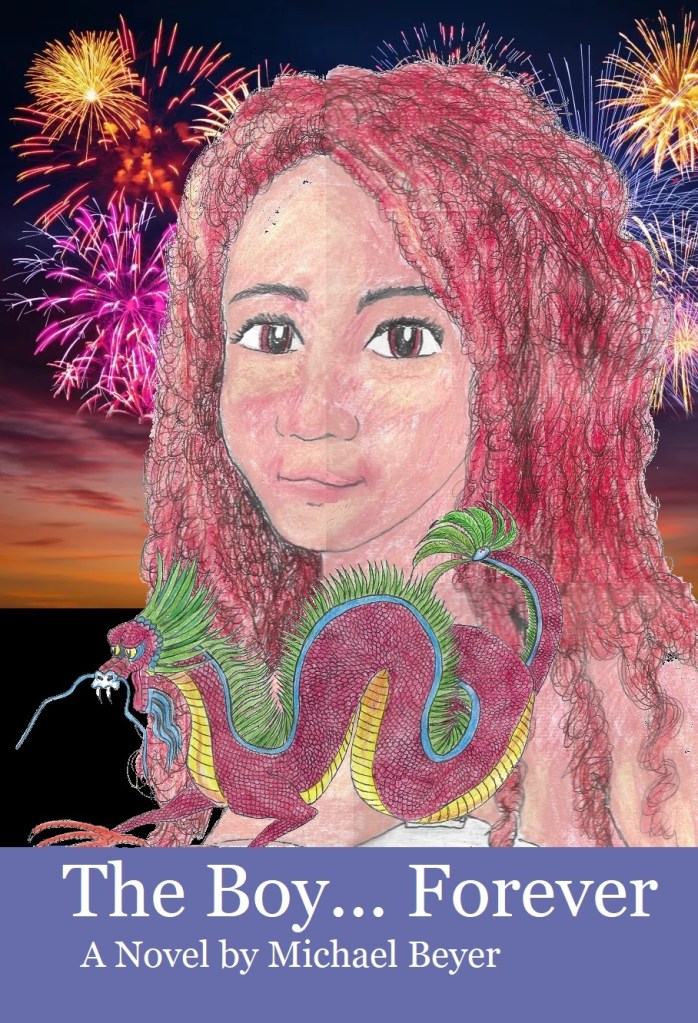
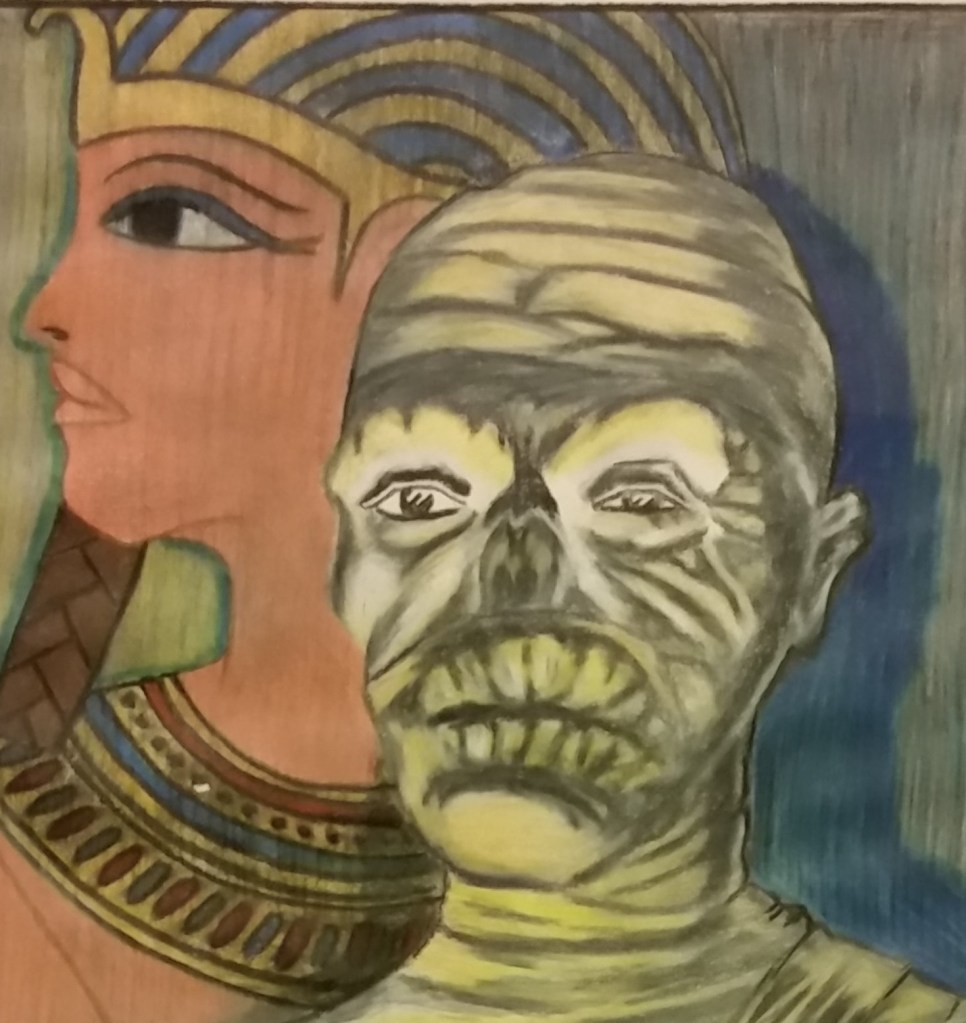
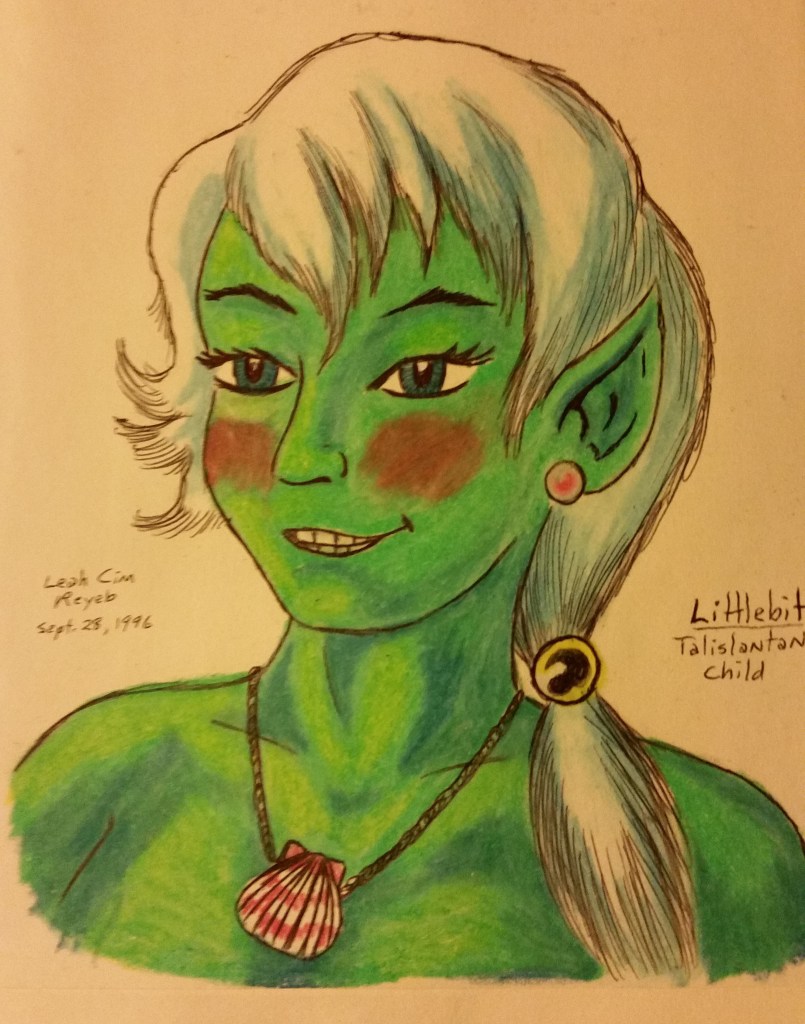
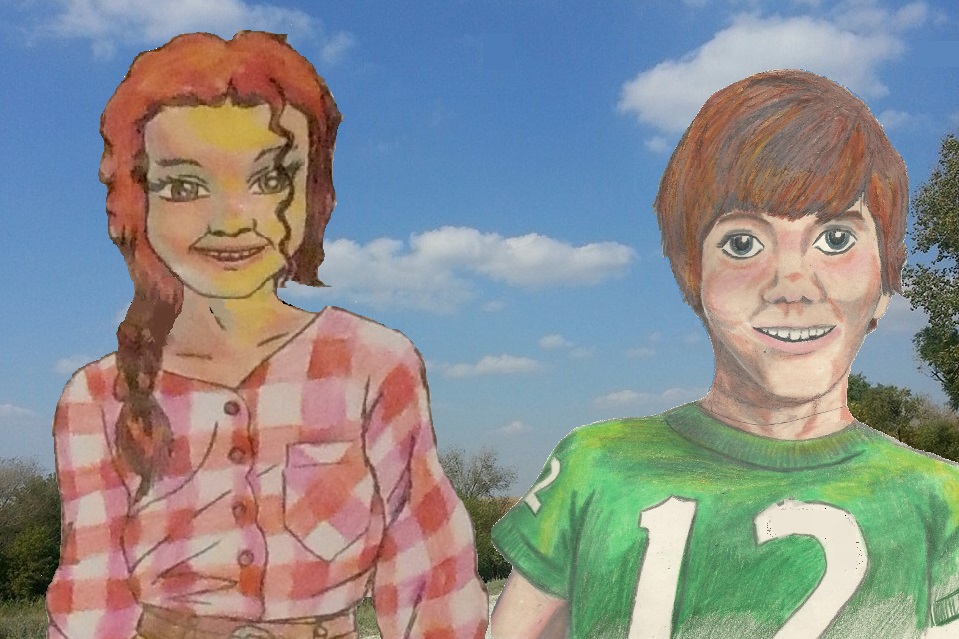
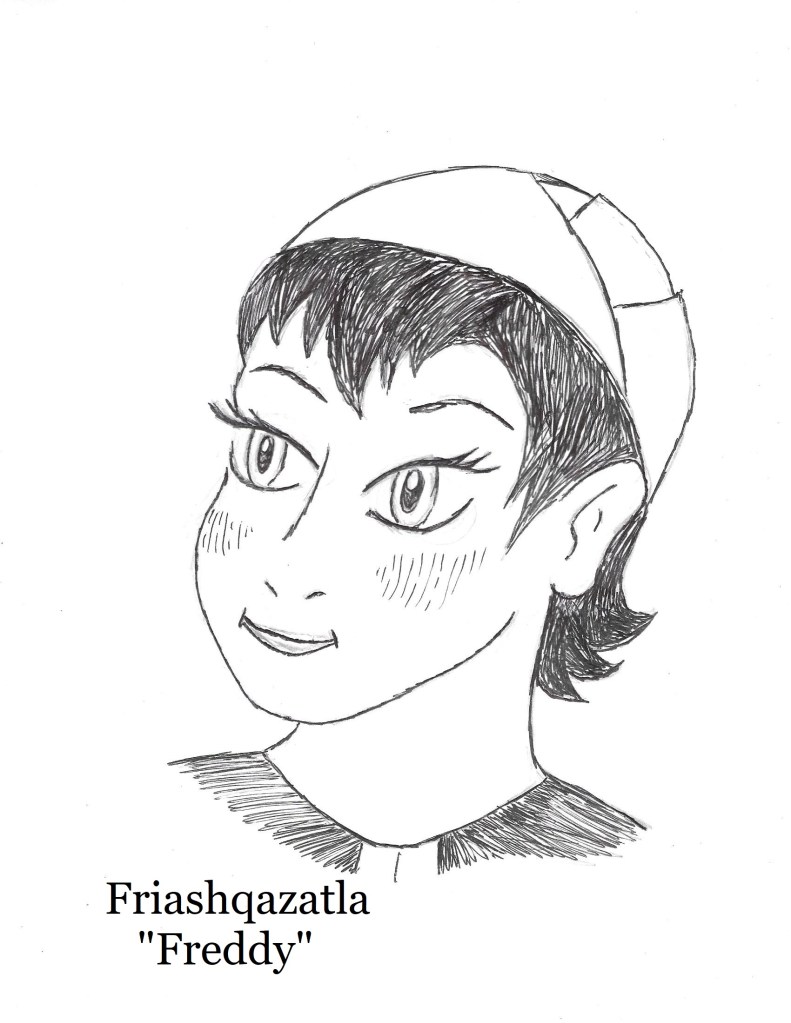
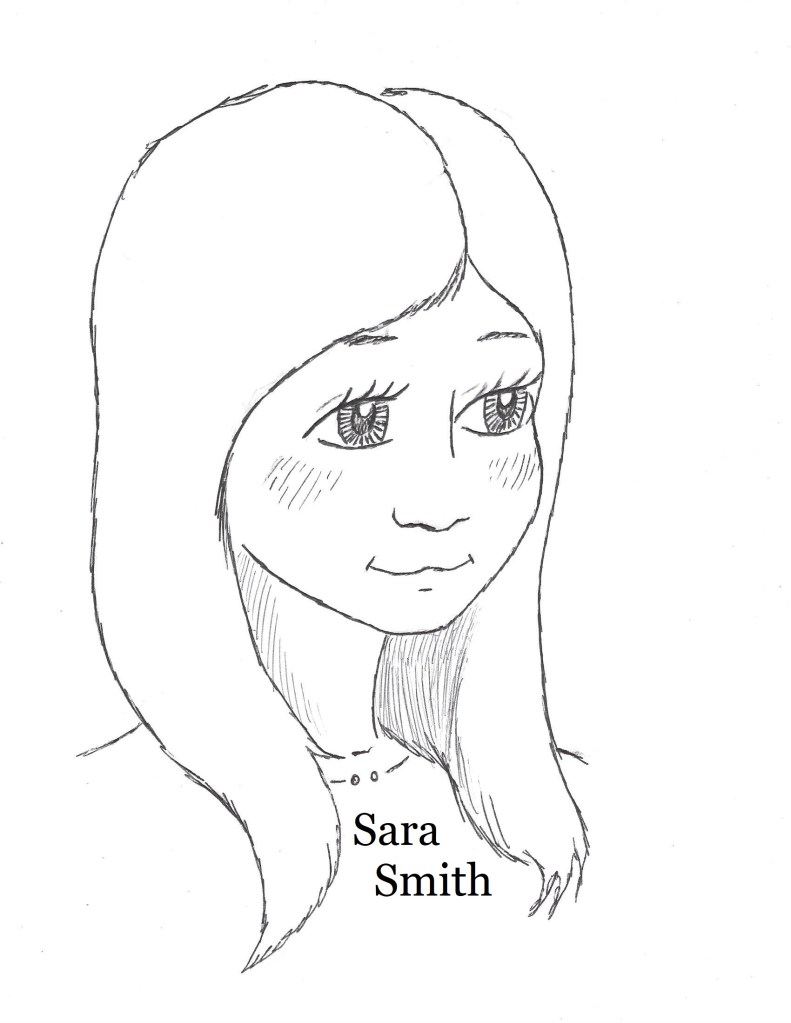
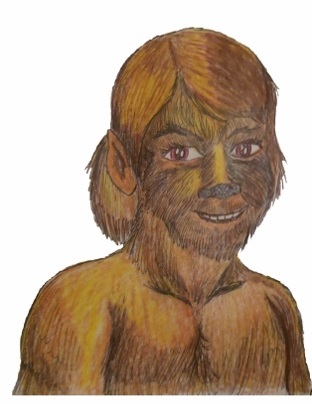
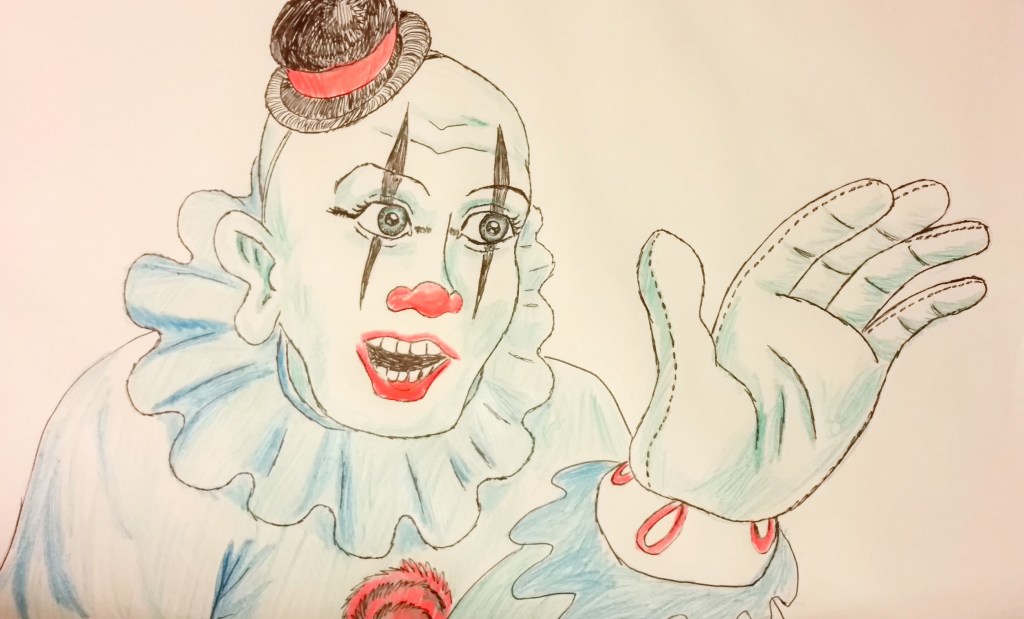
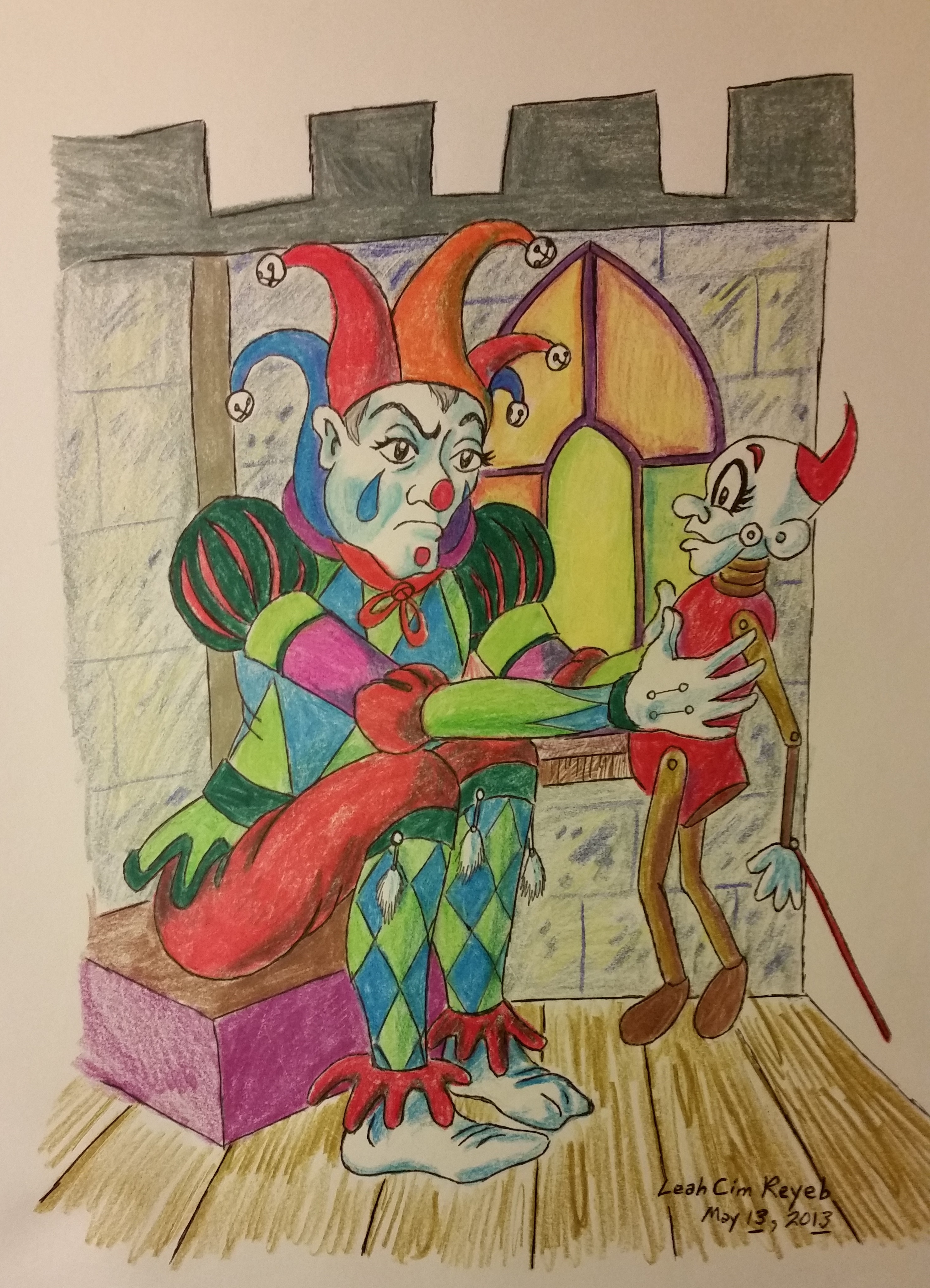
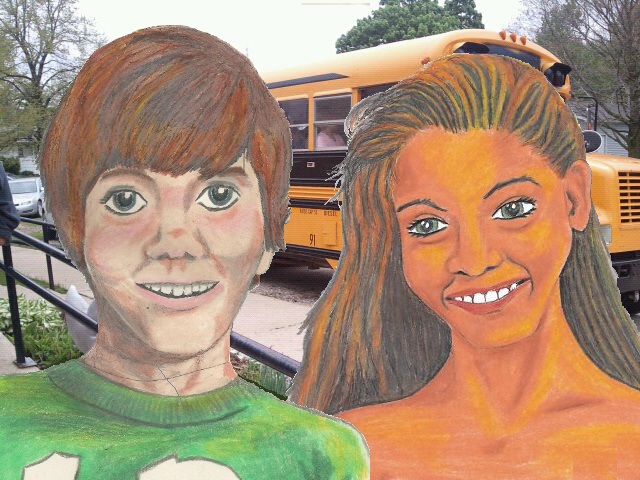
The word for it is Paffooney. I know that is not a real word. It is a Mickian word. Kinda like the word “Mickian”. It is entirely made up gibberish, made up by Mickey, and used to mean an artwork made by the hand of Mickey. So I can’t really explain it. I have to show you what it basically is.
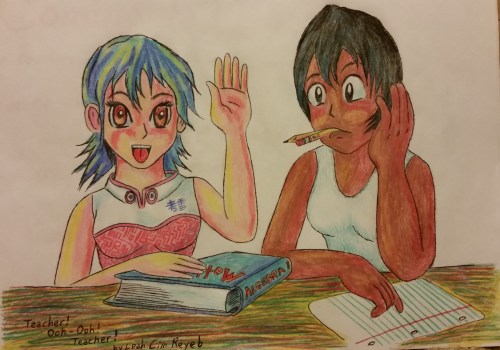
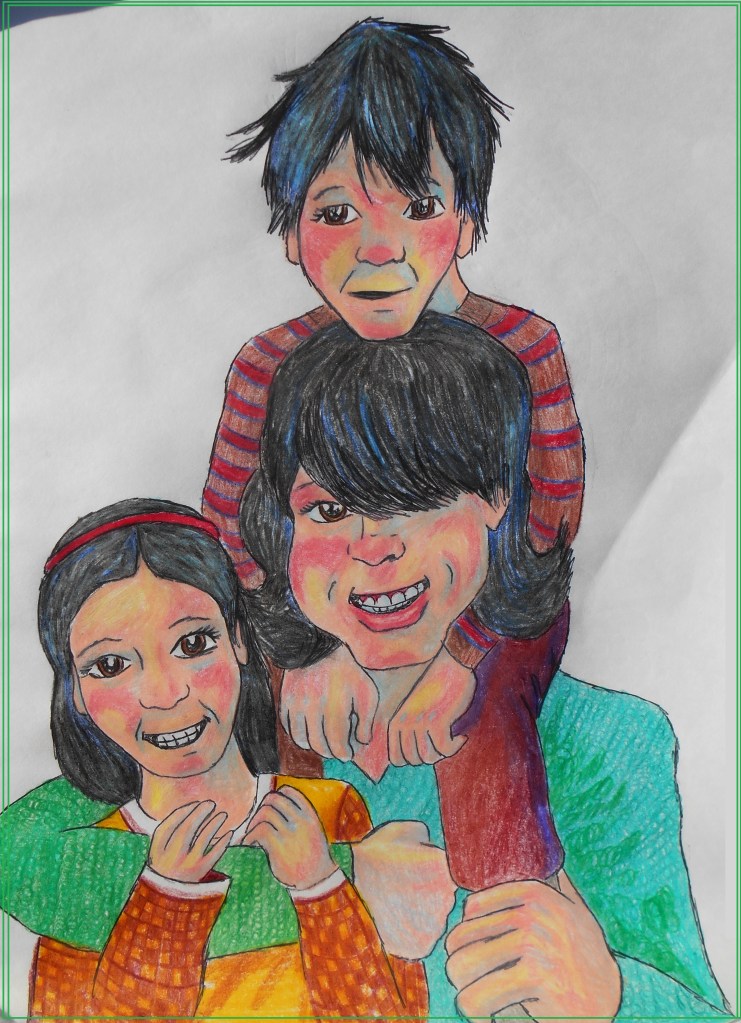
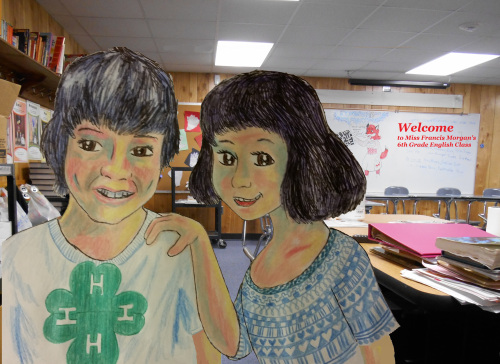
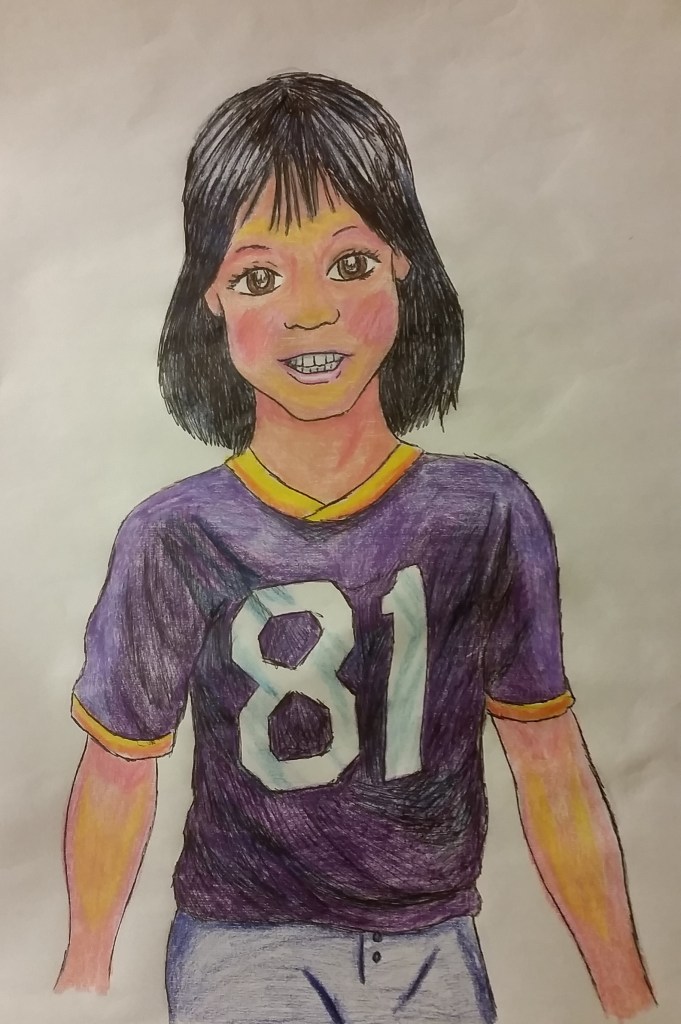
This is a Paffooney. It is inspired by the incredibly unbelievable time in Mickey’s life when they let Mickey be a teacher in Texas. It has no other relationship to reality. Chinese girls in Texas generally do not have manga eyes and blue hair, and while Hispanic girls have been known to eat pencils, they never bring their own notebook paper to class. They always borrow. So there is the basic formula. Colored-pencil nonsense drawn by Mickey and attached somehow to a story.

This Paffooney has a self-explanatory story embedded in it. It is obvious this is the story of an average family car trip in Texas. Notice how they demonstrate the Texas State highway motto of, “Drive friendly”.

And this Paffooney is a Mickian recurring nightmare about a duck with teeth. Silly Mickey, ducks don’t have teeth in real life!

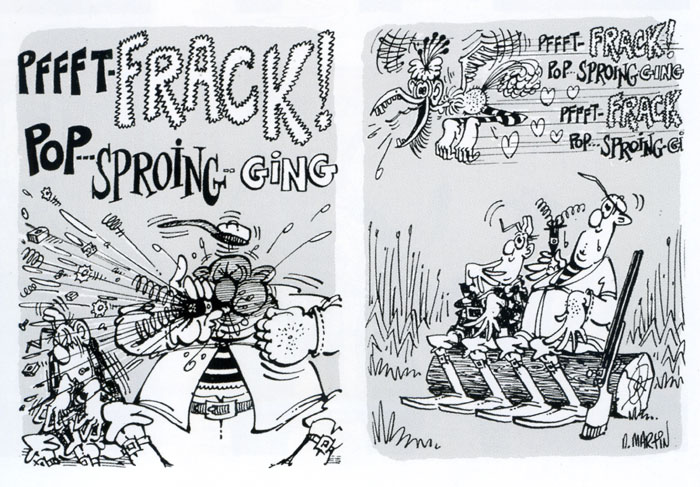
And moose bowling is a Paffooney that needs no explanation… or does it? Well, never mind. I have forgotten what it is for anyway.
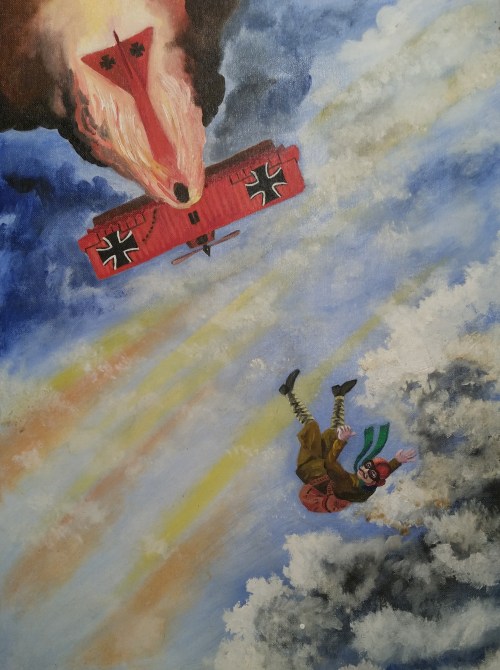
And this oil-painting Paffooney speaks volumes about a philosophy of life. See the pilot giving the viewer a thumbs up? And that isn’t a parachute on his back. They didn’t have parachutes in World War I. It is a message pouch with German war plans in it. I even painted it with a bratwurst sandwich inside for the pilot’s lunch. Don’t I do great detail work? But he will have to eat it quickly before he reaches the ground.

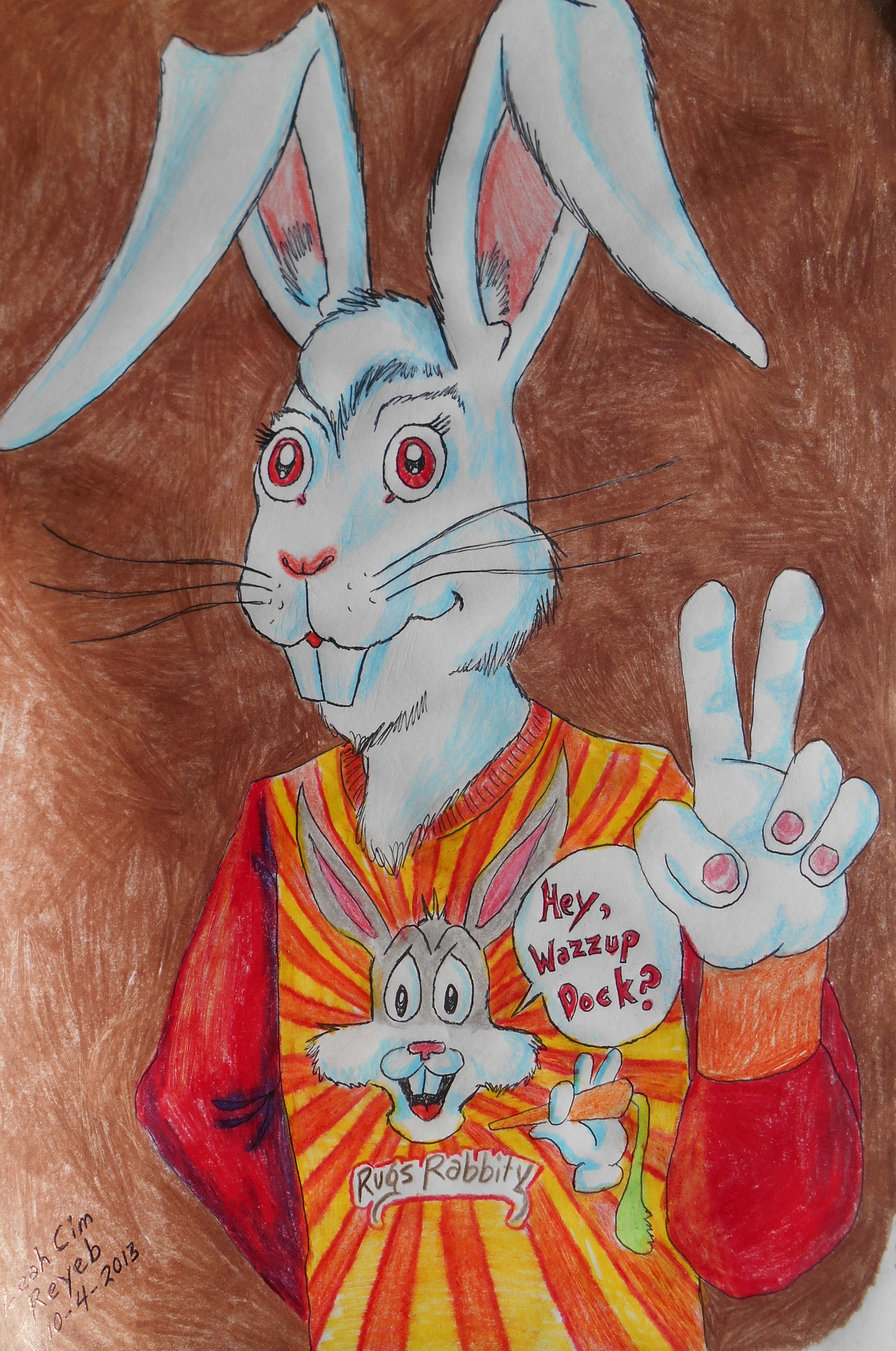
And this is me teaching an ESL class. When you teach English to non-English speakers in Texas, you get to hold the big pencil. And it helps to be a big white rabbit.

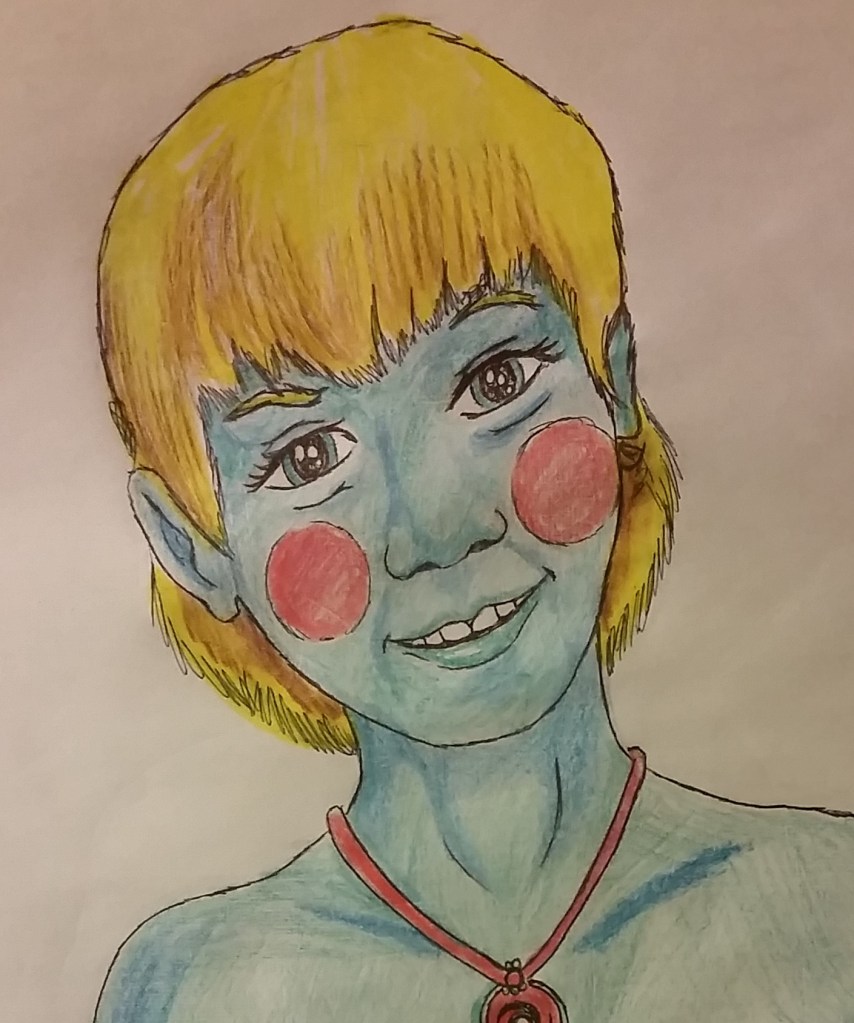
And this is a science fiction Paffooney, although the science is questionable. Don’t doubt that the flower-people of the planet Cornucopia are real, though. And Mai Ling, the psionic space ninja really can elongate her arm to get maximum thrust into her left-handed karate chops.
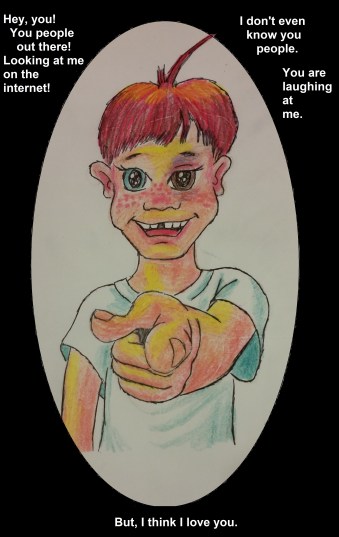
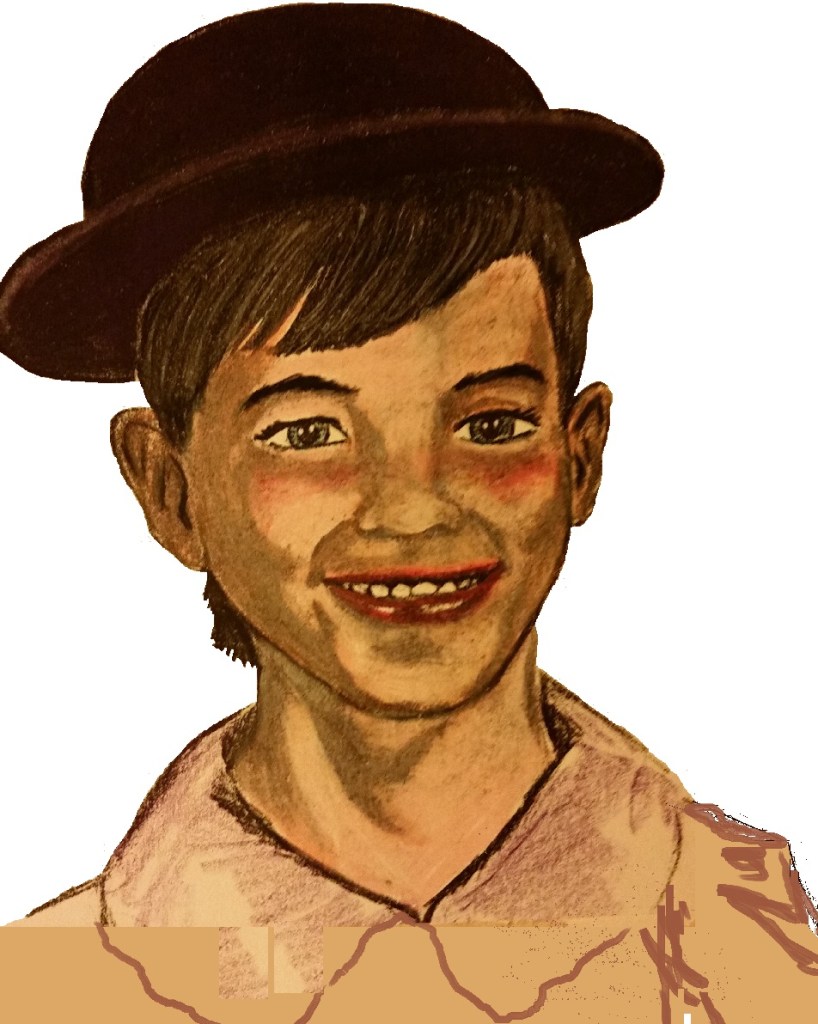
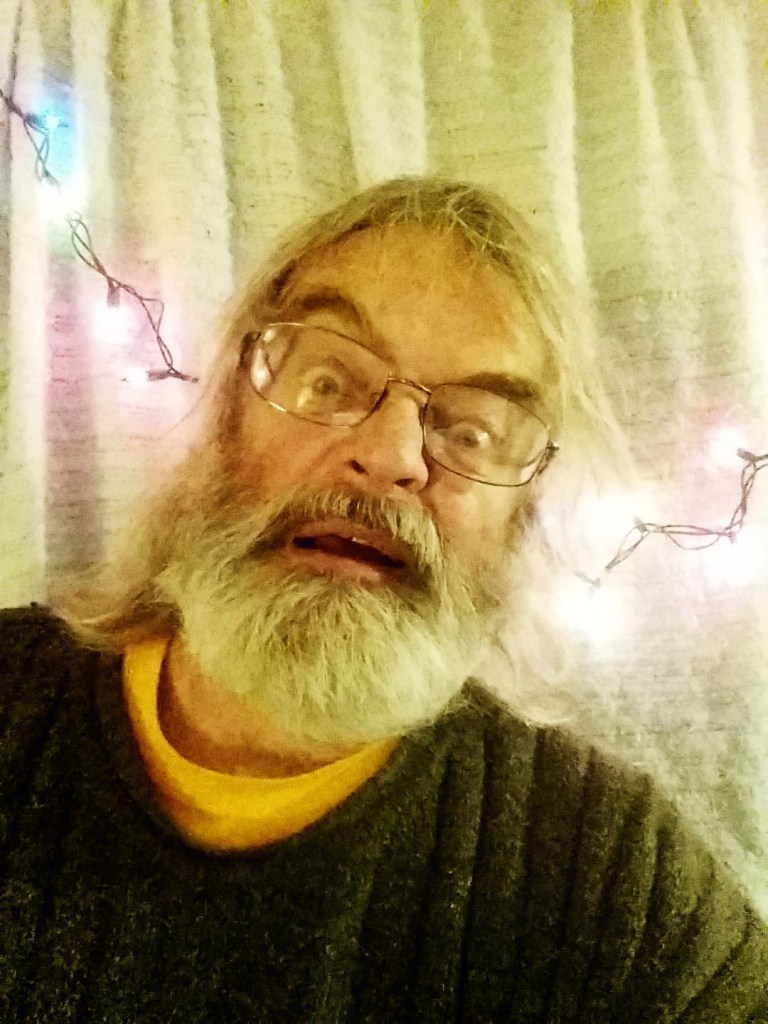
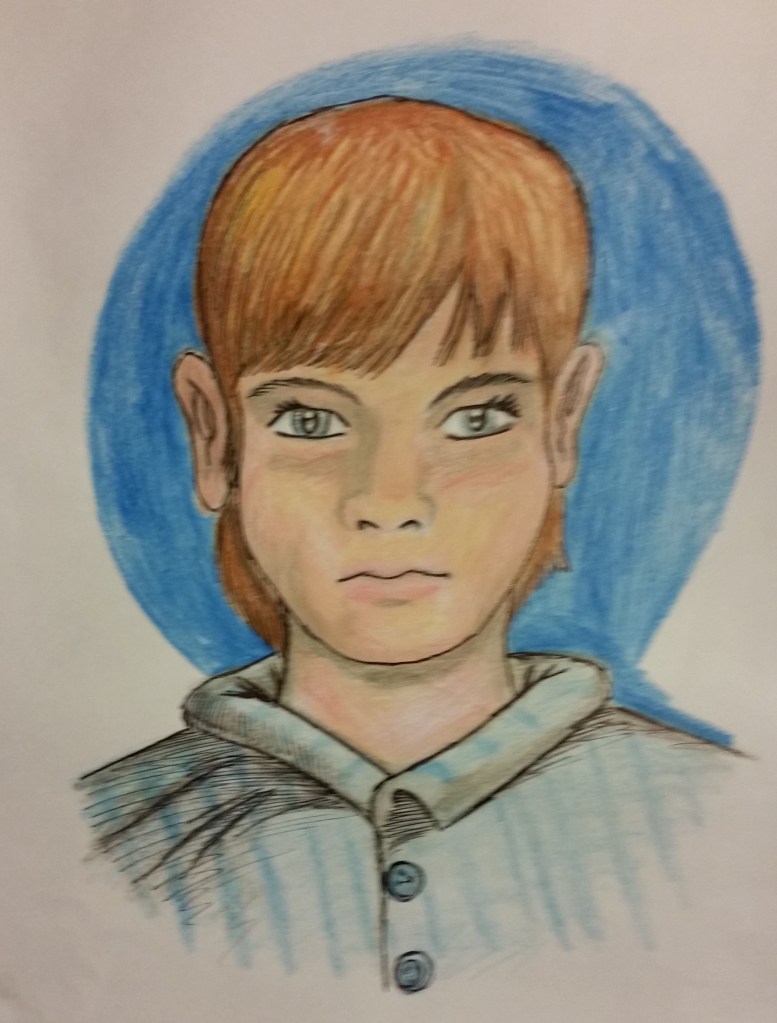
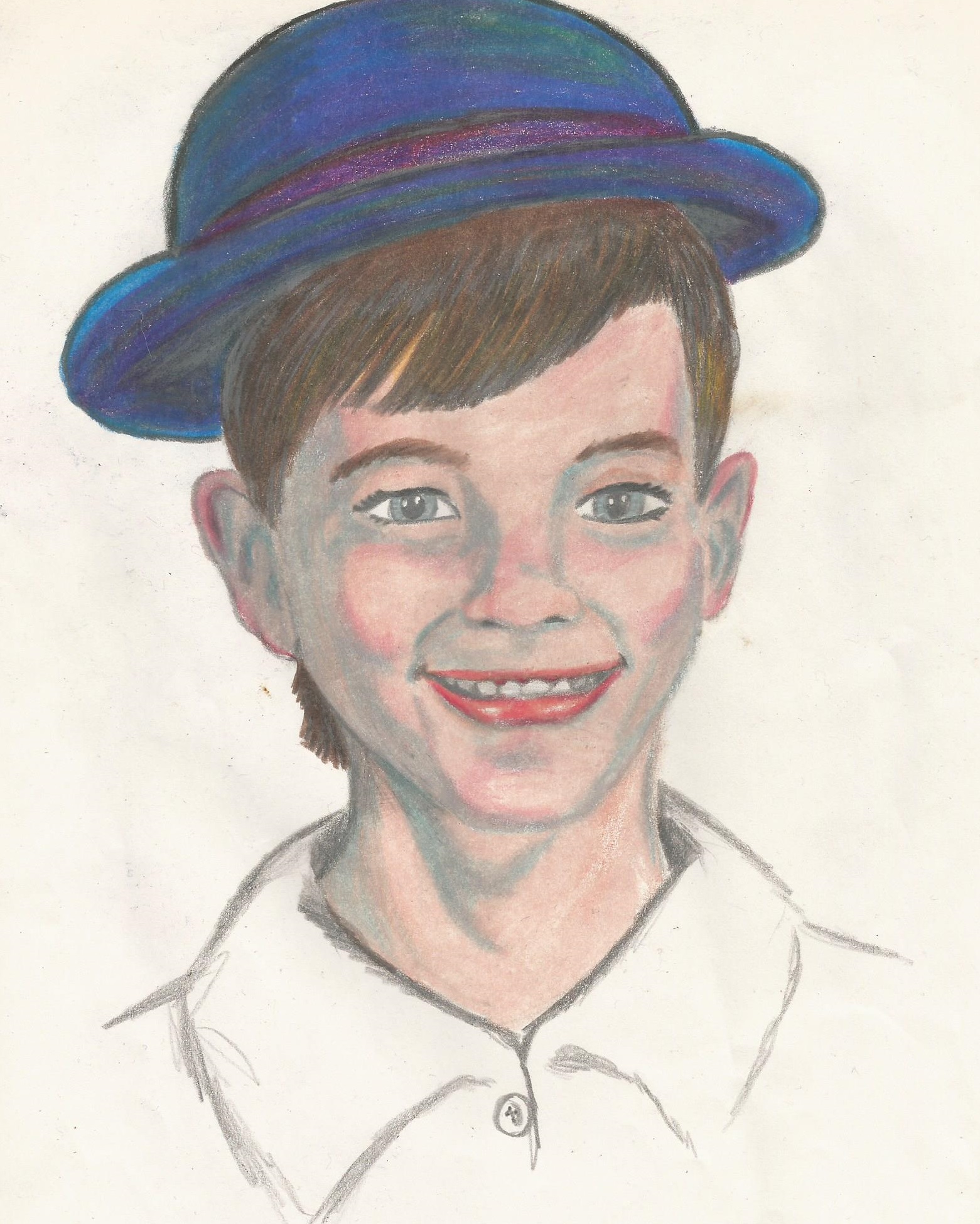
And we end for today with the Paffooney of a stupid boy. He’s not really me. Not really. And I don’t even know who gave him the black eye. So it can’t be me. So maybe he is not so stupid. You can’t say that about somebody you don’t know and is not even you.
So, now do you know what a Paffooney is? No? Me neither. But if you Google images with the words “Beyer Paffooney” you can see a lot more of them. Nobody else uses that word but little ol’ me.











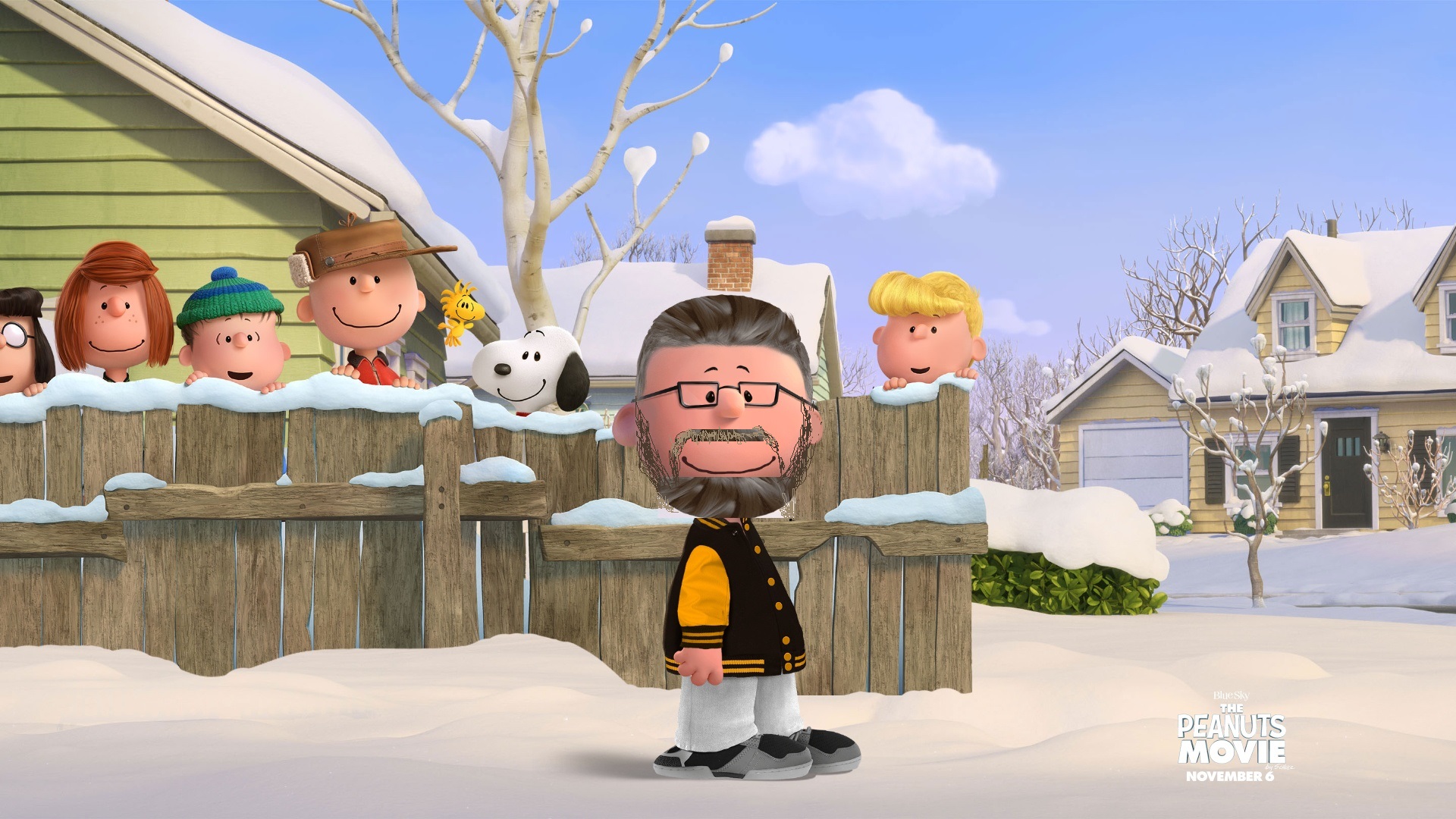

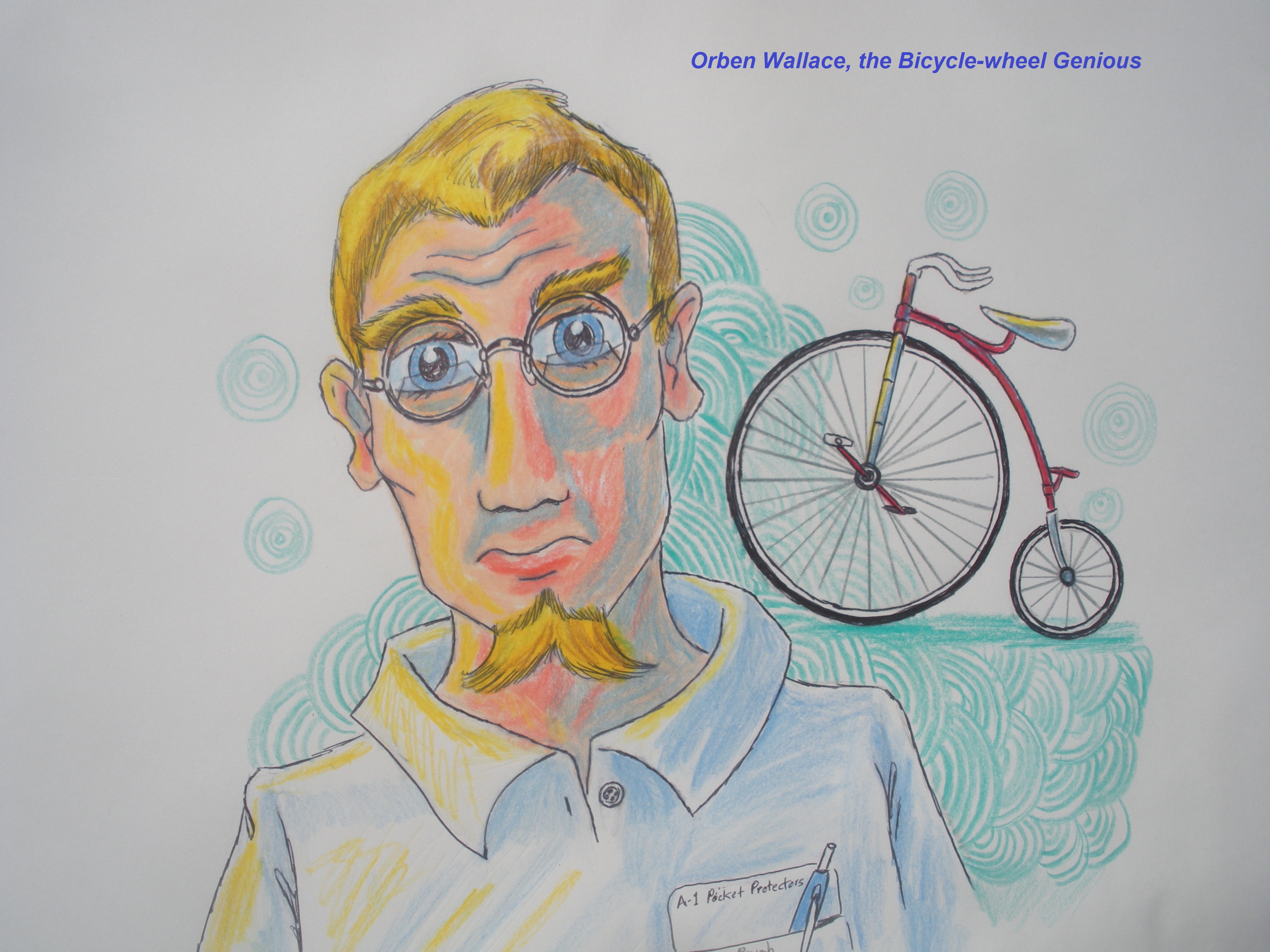






 Catch a Falling Star
Eine Kleine Nachtmusik
It is, of course, one of the most powerful, masterful, and best-known pieces of music ever written.
Mozart completed the “little serenade” in Vienna in 1787, but it wasn’t published until 1827, long after Mozart’s untimely death.
The Serenade is incorrectly translated into English as “A Little Night Music”. But this is and always has been the way I prefer to think of it. A creation of Mozart written shortly before he hopped aboard the ferryman’s boat and rode off into the eternal night. It is the artifact that proves the art of the master who even has the word “art” as a part of his name. A little music to play on after the master is gone to prove his universal connection to the great silent symphony that is everything in the universe singing silently together.
It is basically what I myself am laboring now to do. I have been dancing along the edge of the abyss of poverty, suffering, and death since I left my teaching job in 2014. I will soon be taking my own trip into night aboard the ferryman’s dreaded boat. And I feel the need to put my own art out there in novel and cartoon form before that happens.
I am not saying that I am a master on the level of a Mozart. My name is not Mickart. But I do have a “key’ in the name Mickey. And it will hopefully unlock something worthwhile for my family and all those I loved and leave behind me. And hopefully, it will provide a little night music to help soothe the next in line behind me at the ferryman’s dock.
Leave a comment
Filed under artwork, cartoons, classical music, commentary, feeling sorry for myself, Hidden Kingdom, magic, metaphor, music, Paffooney
Tagged as amadeus, classical music, Eine Kleine Nachtmusik, Mozart, music, wolfgang-amadeus-mozart