

I just finished reading David Mitchell’s The Bone Clocks, his novel from 2014. Just, WOW! I guess this post is technically a book review… but not really. I have to talk about so much more than just the book.
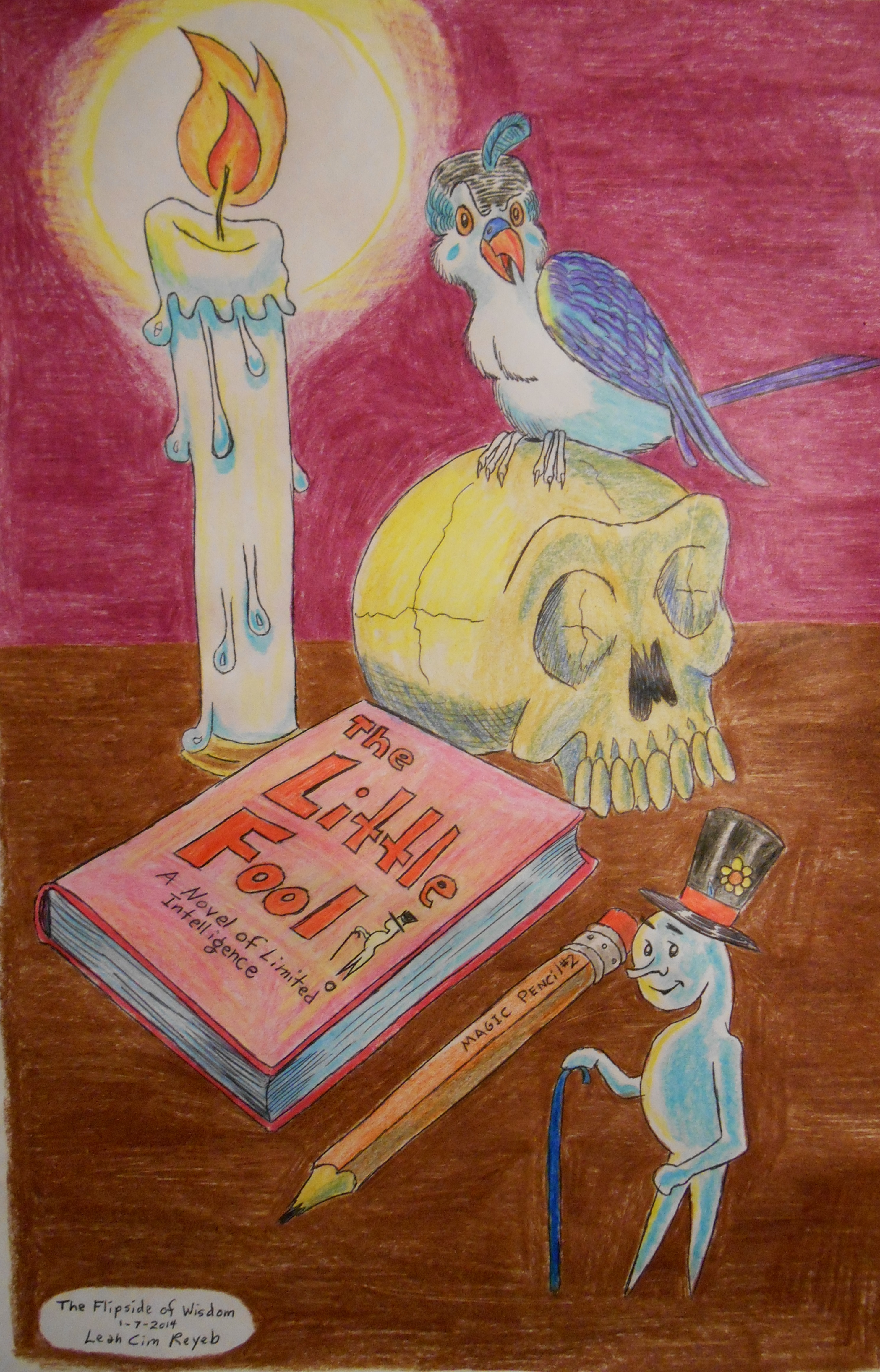
You can see in my initial illustration that I read this book to pieces. Literally. (And I was an English Major in college, so I LITERALLY know what literally means!)

Look at this face. Can you stop looking at the beautiful eyes? I can’t.
I discovered Mitchell as a writer when I happened onto the book and movie pair of Cloud Atlas. It enthralled me. I read the book, a complex fantasy about time and connections, about as deeply and intricately as any book that I have ever read. I fell in love. It was a love as deep and wide as my love of Dickens or my love of Twain… even my love of Terry Pratchett.
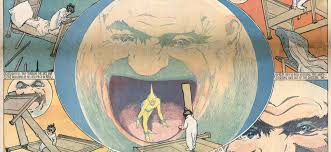
It is like the picture on the left. I can’t stop looking into it and seeing more and more. It is plotted and put together like a finely crafted jeweled timepiece.

And this new book is almost exactly like that. It is a first- person narrative in six parts with five different narrators. Holly Sykes, the central character, is the narrator of the first and last parts, in the past in the 1980’s, and in the future in 2043. The titular metaphor of the bone clocks is about the human body and how it measures time from youth to old age. And it is pictured as a clock ticking in practically all it’s forms, from a child who is snuffed out at eight years of age to horologists who have lived for a thousand years by being reincarnated with past lives intact.
Fantasy and photographic realism intertwine and filigree this book like a vast kaleidoscope of many colors, peoples, societies, and places. At one point David Mitchell even inserts himself into the narrative cleverly as the narrator of part four, Crispin Hershey, the popular English novelist struggling to stay on top of the literary world. He even indulges every writer’s fantasy and murders himself in the course of the story.
David Mitchell is the reason I have to read voraciously and write endlessly. His works seem to contain an entire universe of ideas and portraits and events and predictions and wisdoms. And he clearly shows me that his universe is not the only one that needs to be written before the world ends. Books are life, and life is in books. And when the world as we know it is indeed gone, then they will be the most important thing we ever did. Even if no one is left to read them.
And so, I read this book until it fell into pieces, its spine broken and its back cover lost. To be fair, I bought it at a used book store, and the paperback copy was obviously read by previous owners cover to cover. The pages were already dog eared with some pages having their corners turned down to show where someone left off and picked up reading before me. But that, too, is significant. I am not the only one who devoured this book and its life-sustaining stories. Know that, if you do decide to read and love this book, you are definitely not the only one. I’d lend you my copy. But… well, it’s already in pieces.
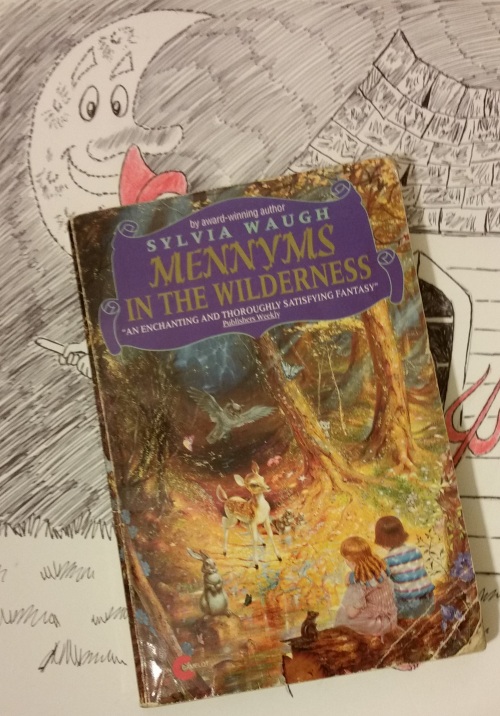

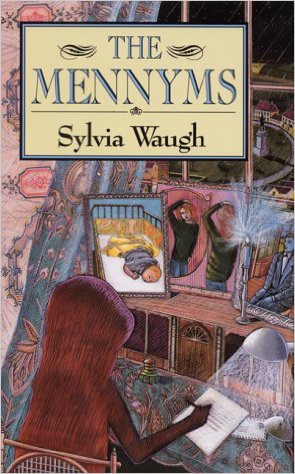


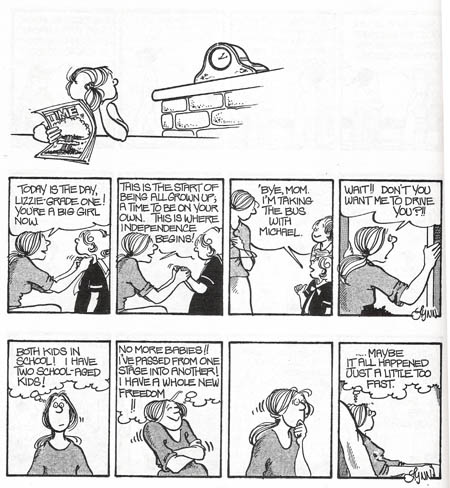 Lynn Johnston’s For Better or Worse is also an old friend. I used to read it in the newspaper practically every day. I watched those kids grow up and have adventures almost as if they were members of my own family. So the mashed potatoes part of the meal is easy to digest too.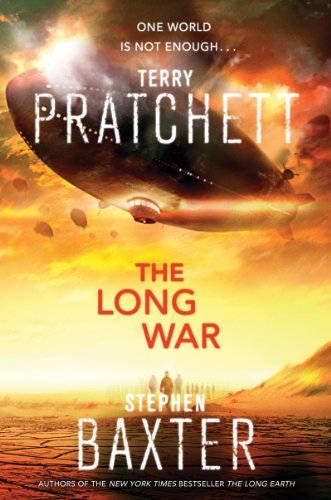



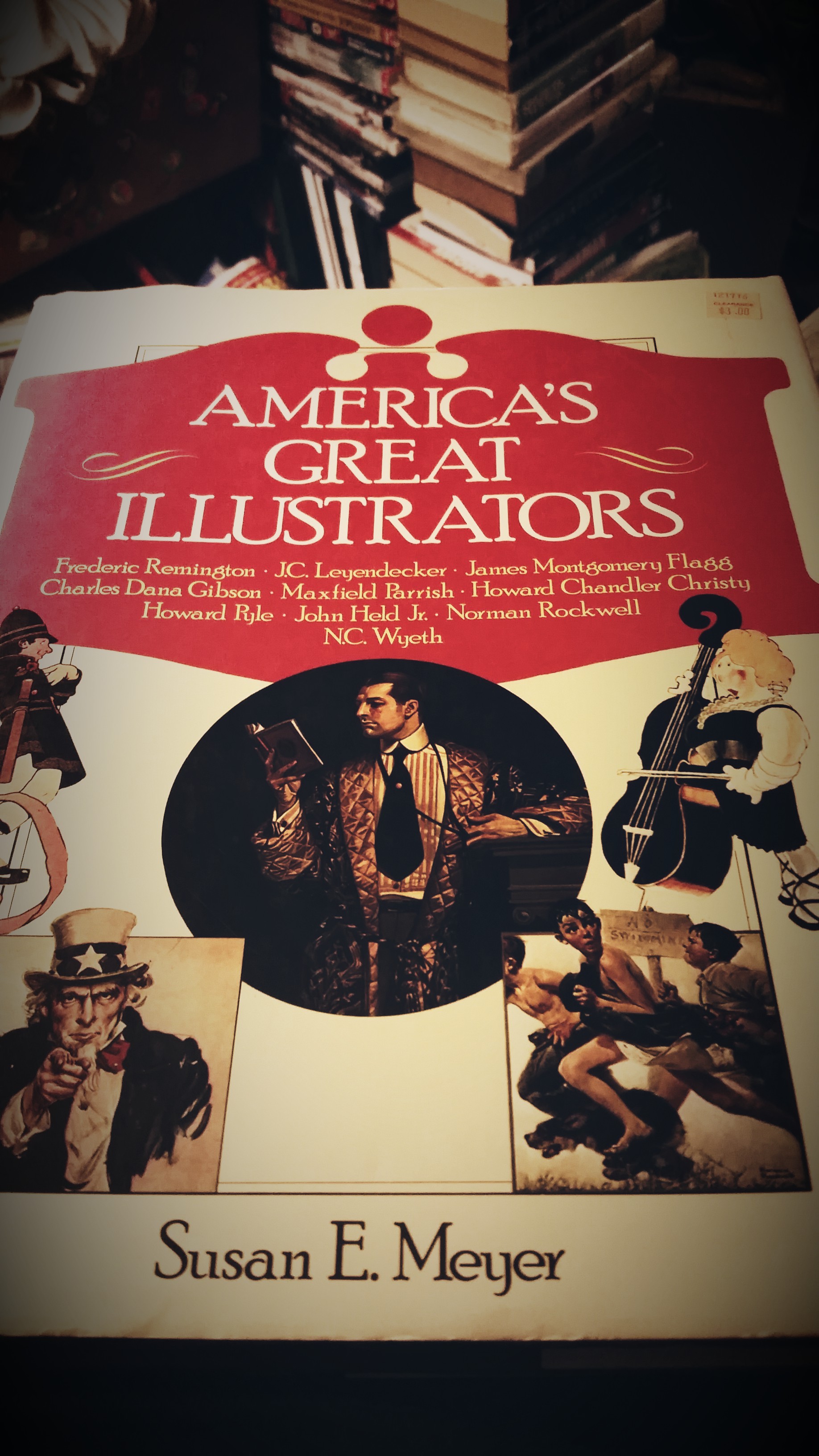
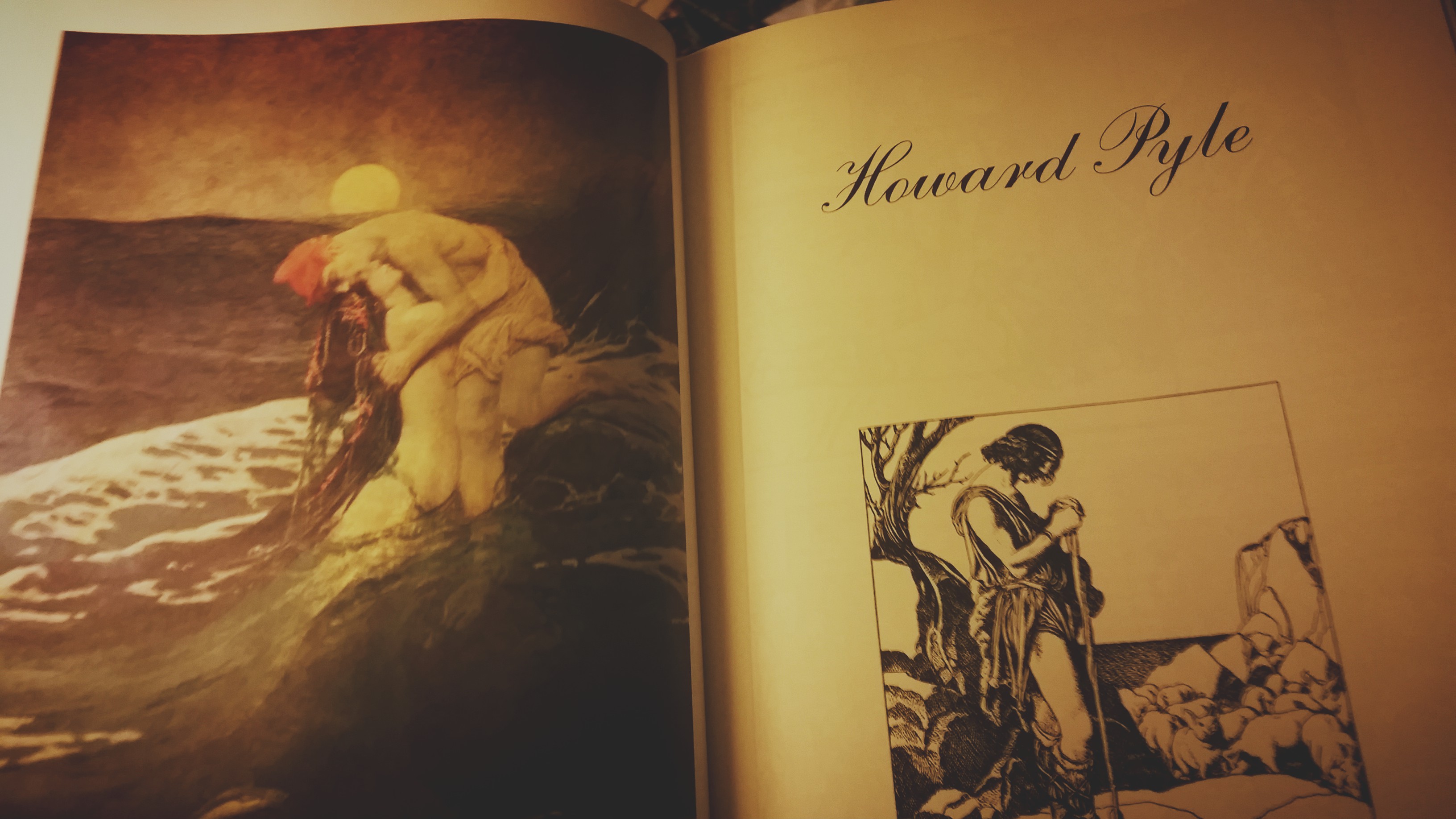
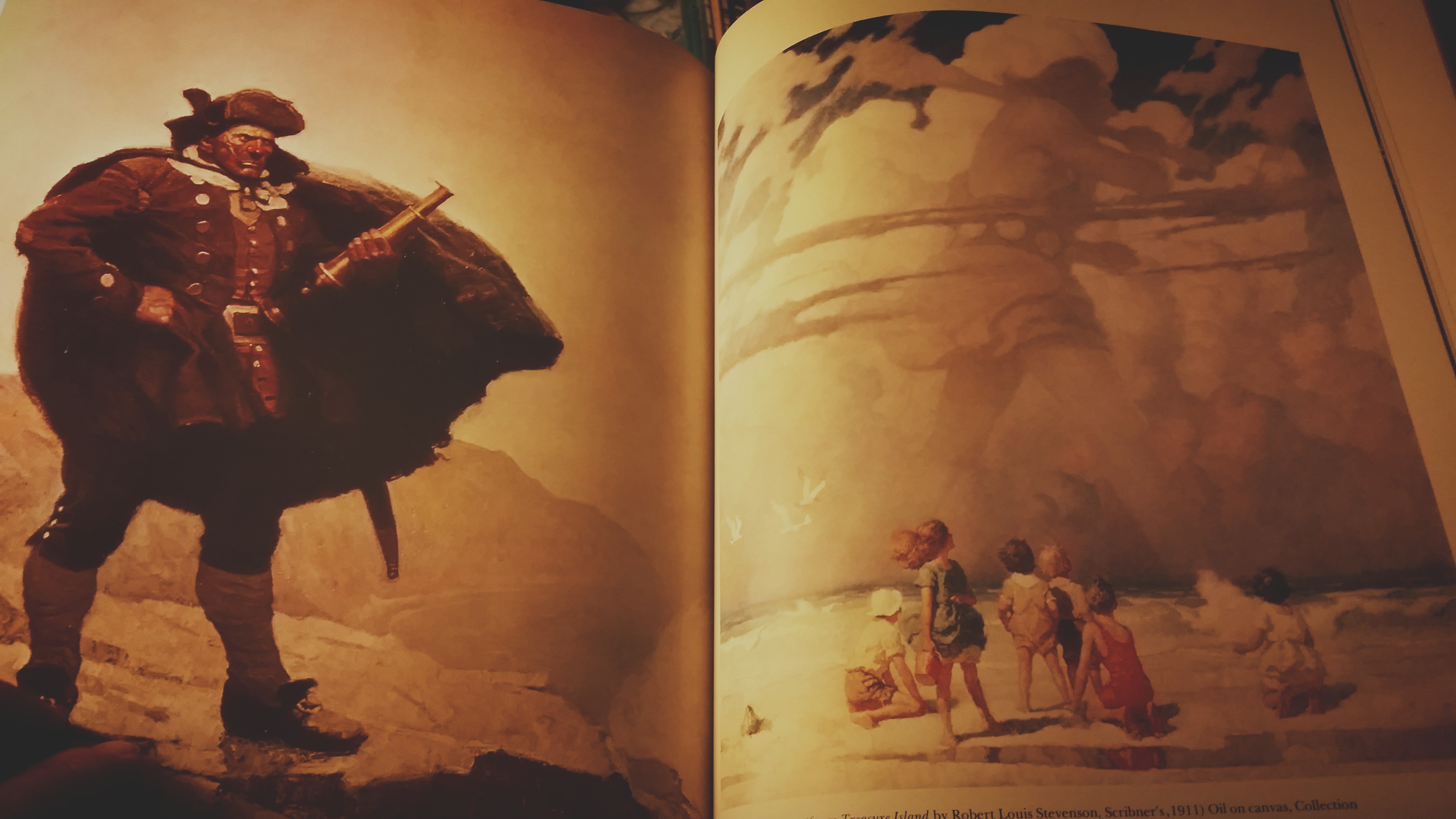
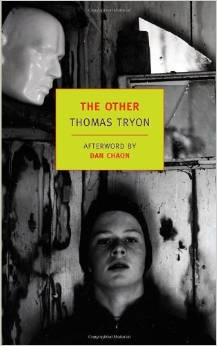
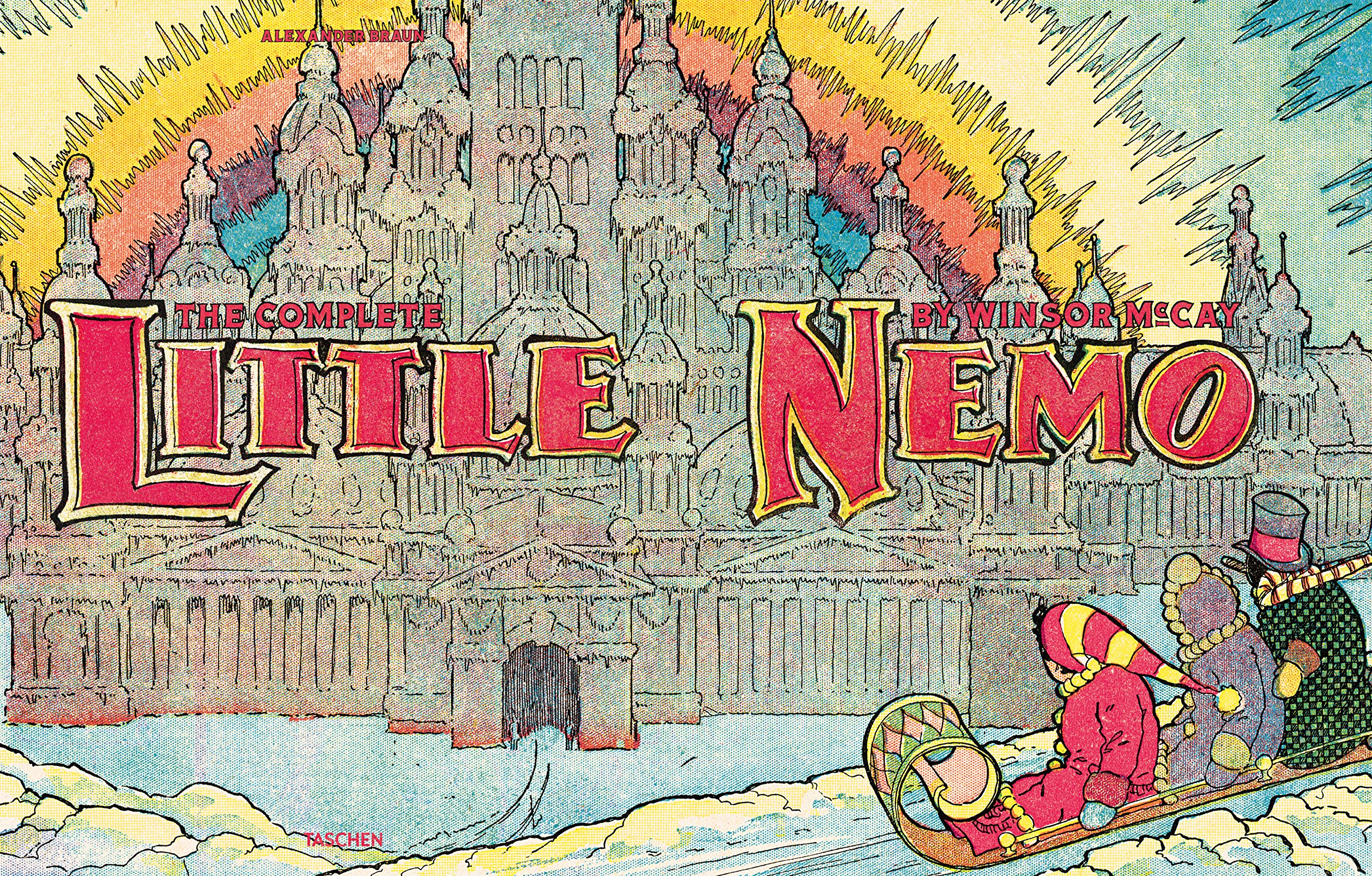
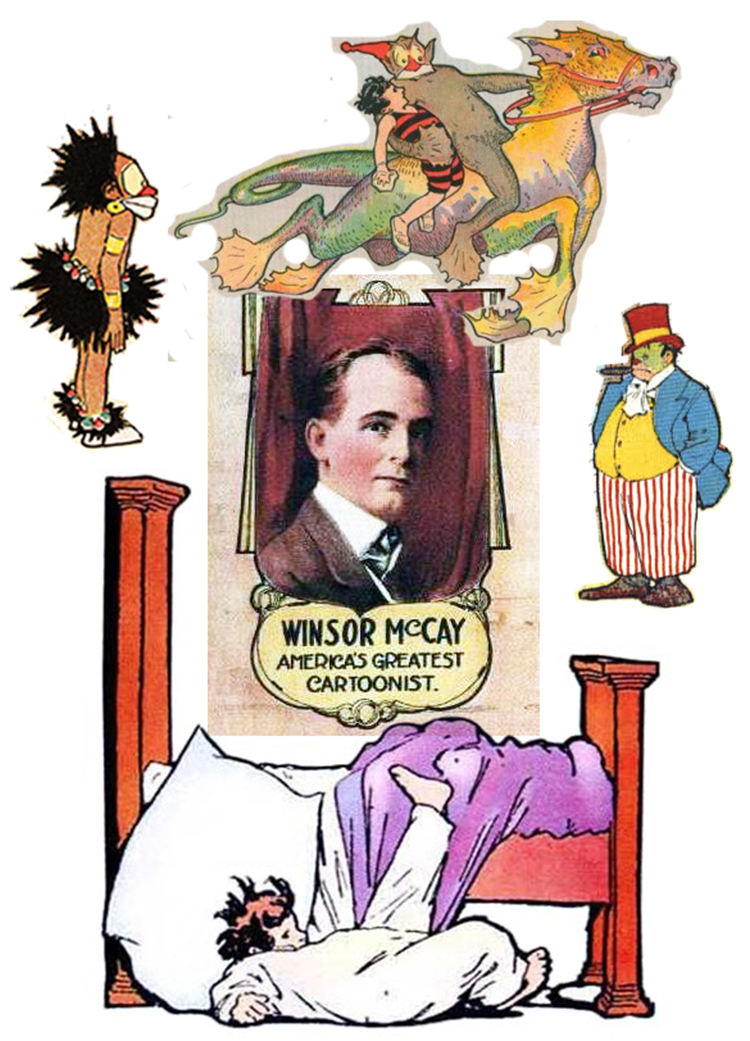

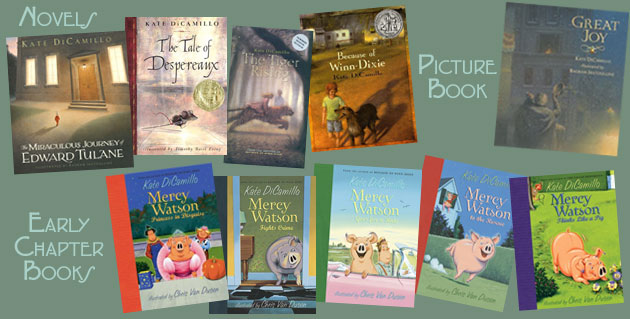


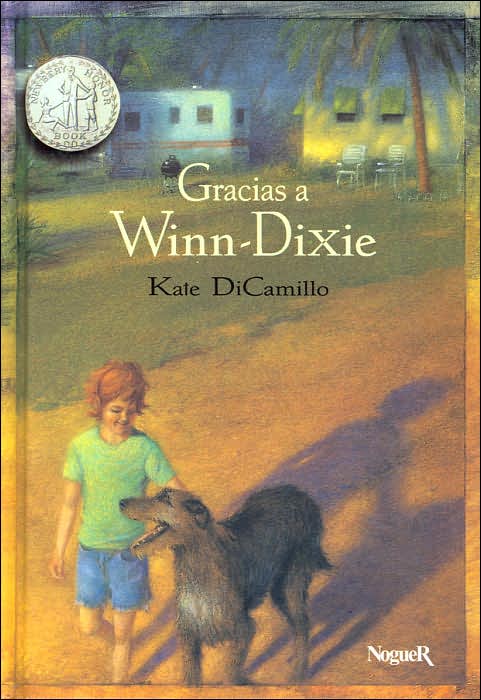
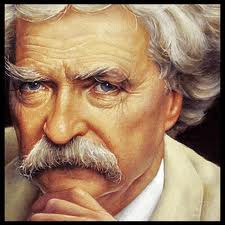
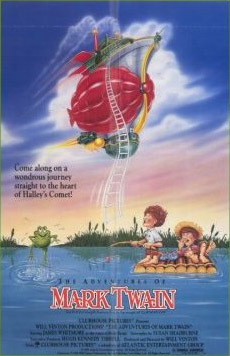 During my middle-school teaching years I also bought and read copies of The Prince and the Pauper, Roughing It, and Life on the Mississippi. I would later use a selection from Roughing It as part of a thematic unit on Mark Twain where I used Will Vinton’s glorious clay-mation movie, The Adventures of Mark Twain as a way to painlessly introduce my kids to the notion that Mark Twain was funny and complex and wise.
 Catch a Falling Star
The Alchemist by Paulo Coelho
Some books come along telling a story that has to be taken seriously in ways that don’t make sense in any normal way. The Alchemist is one of those books.
What is an alchemist, after all?
An alchemist uses the medieval forms of the art of chemistry to transmute things, one thing becoming another thing.
Coelho in this book is himself an alchemist of ideas. He uses this book to transmute one idea into another until he digs deep enough into the pile of ideas to finally transmute words into wisdom.
There is a great deal of wisdom in this book, and I can actually share some of it here without spoiling the story.
Here are a few gemstones of wisdom from the Alchemist’s treasure chest;
“It’s the possibility of having a dream come true that makes life interesting…” (p.13)
“It’s the simple things in life that are the most extraordinary; only wise men are able to understand them.” (p.17)
“All things are one. And, when you want something, all the universe conspires in helping you to achieve it.” (p.24)
“And when he had gone only a short distance, he realized that, while they were erecting the stall, one of them had spoken Arabic and the other Spanish. And they had understood each other perfectly well. There must be a language that doesn’t depend on words, the boy thought.” (p.45)
All of these quotes from the book, as you can see, come from the first third of the book. There are many more treasures to be found in this book. I should not share them with you here. Just as the main character of the story learns, you have to do the work for yourself. But this book is not only an enjoyable read, but a map for how you can execute your own journey towards your “Personal Legend”. In fact, you may find that the book tells you not only how to go about making a dream come true, but, if you are already on that journey successfully, it tells you what things you are already doing right.
Leave a comment
Filed under book reports, book review, commentary, good books, magic, strange and wonderful ideas about life, wisdom, wizards
Tagged as book review, books, fantasy, fiction, magical books, mystical books, reading, the Alchemist by Paulo Coelho