
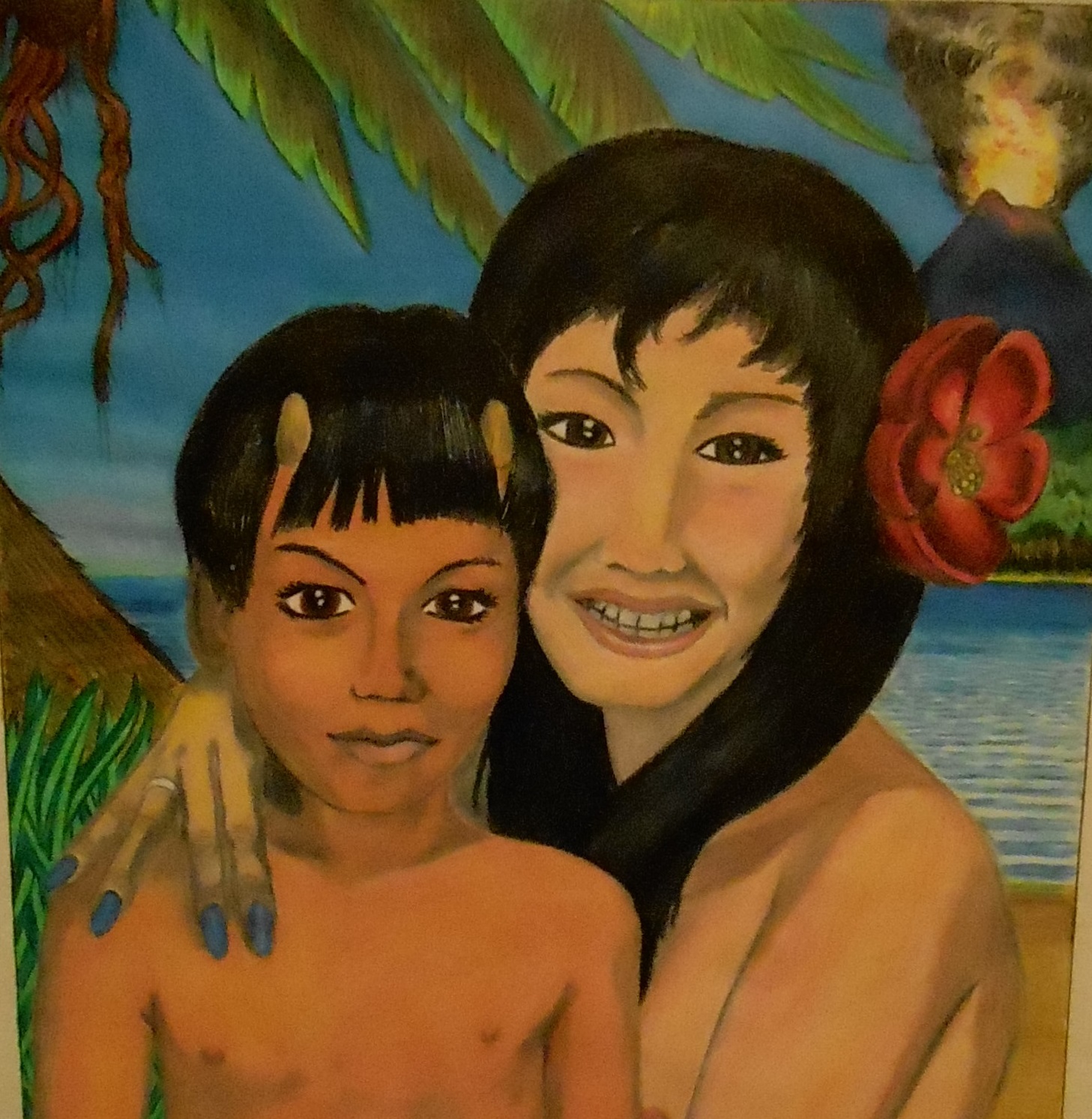
Who am I?
Why do I do the things that I do?
No man is an island. John Donne the English poet stated that. And Ernest Hemingway quoted it… and wove it into his stories as a major theme… and proceeded to try to disprove it. We need other people. I married an island girl from the island of Luzon in the Philippines. She may have actually needed me too, though she will never admit it.
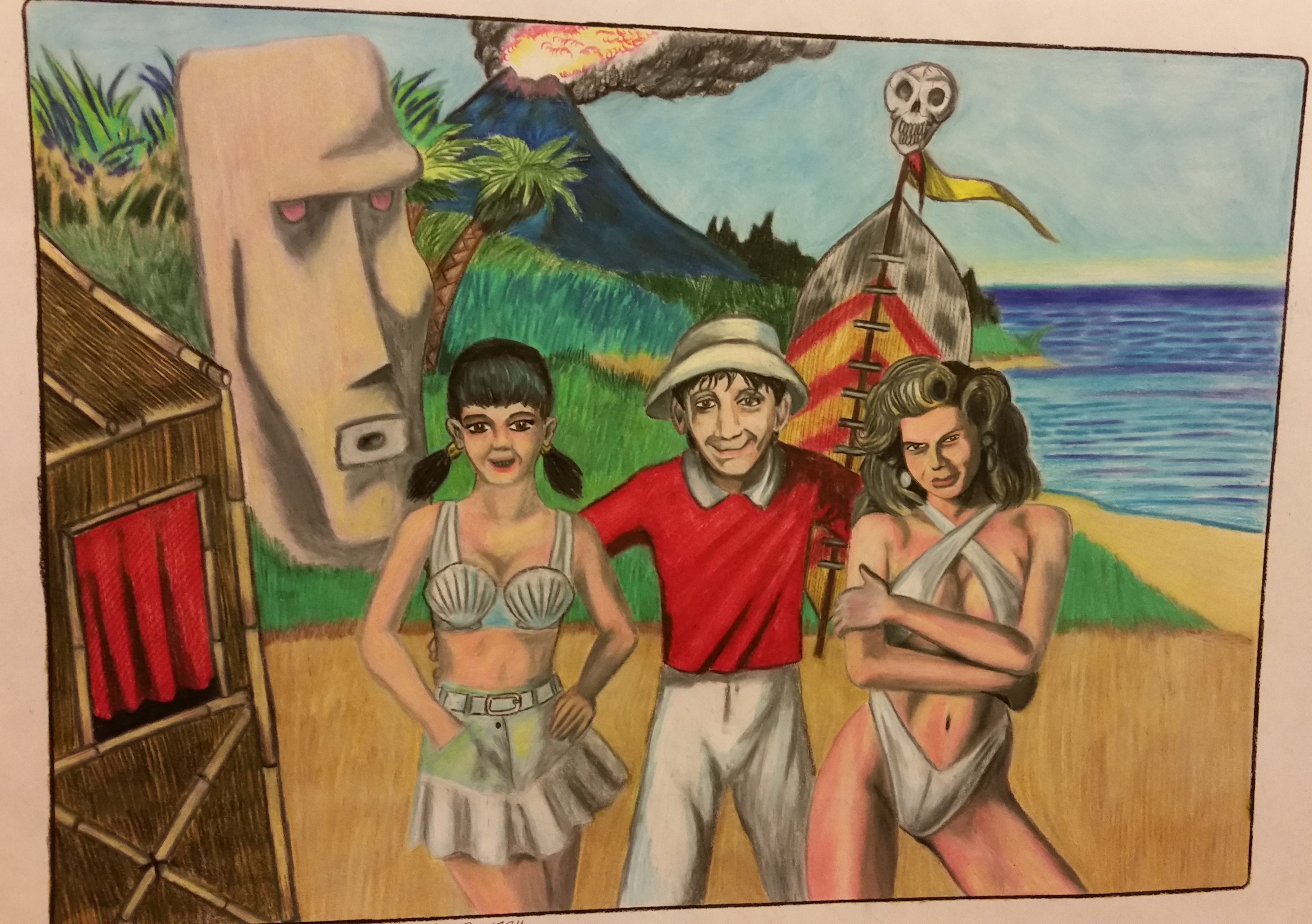
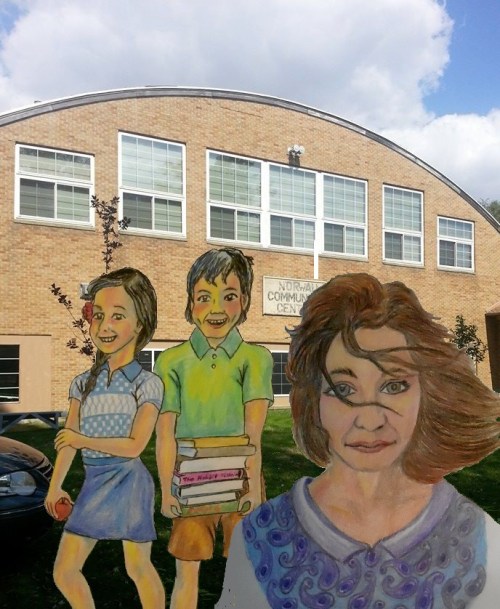
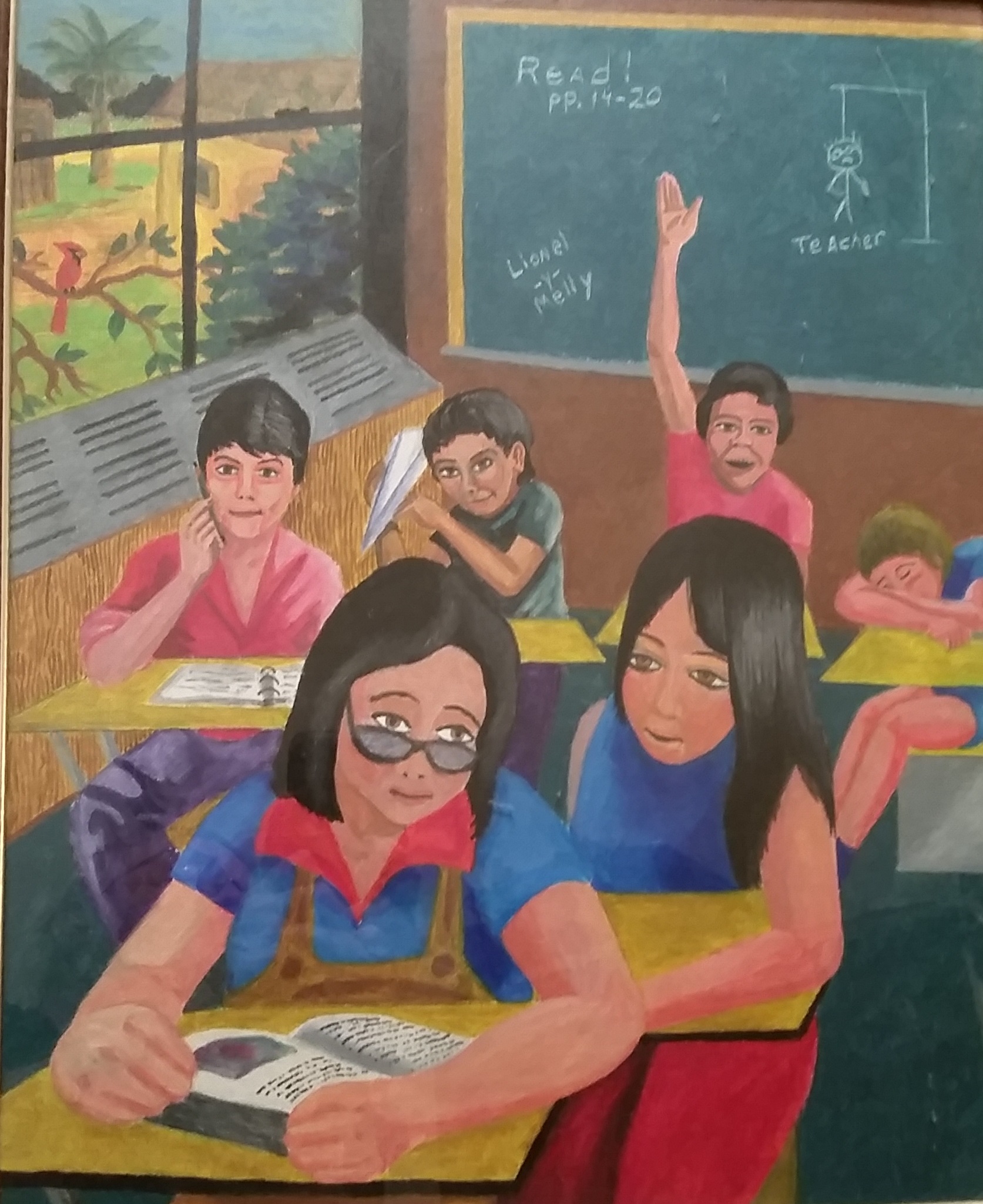
When I was a young junior high school teacher in the early eighties, they called me Mr. Gilligan. My classroom was known as Gilligan’s Island. This came about because a goofball student in the very first class on the very first day said, “You look like Gilligan’s Island!” By which he meant I reminded him of Bob Denver, the actor that played Gilligan. But as he said it, he was actually accusing me of being an island. And no man is an island. Thank you, Fabian, you were sorta dumb, but I loved you for it.
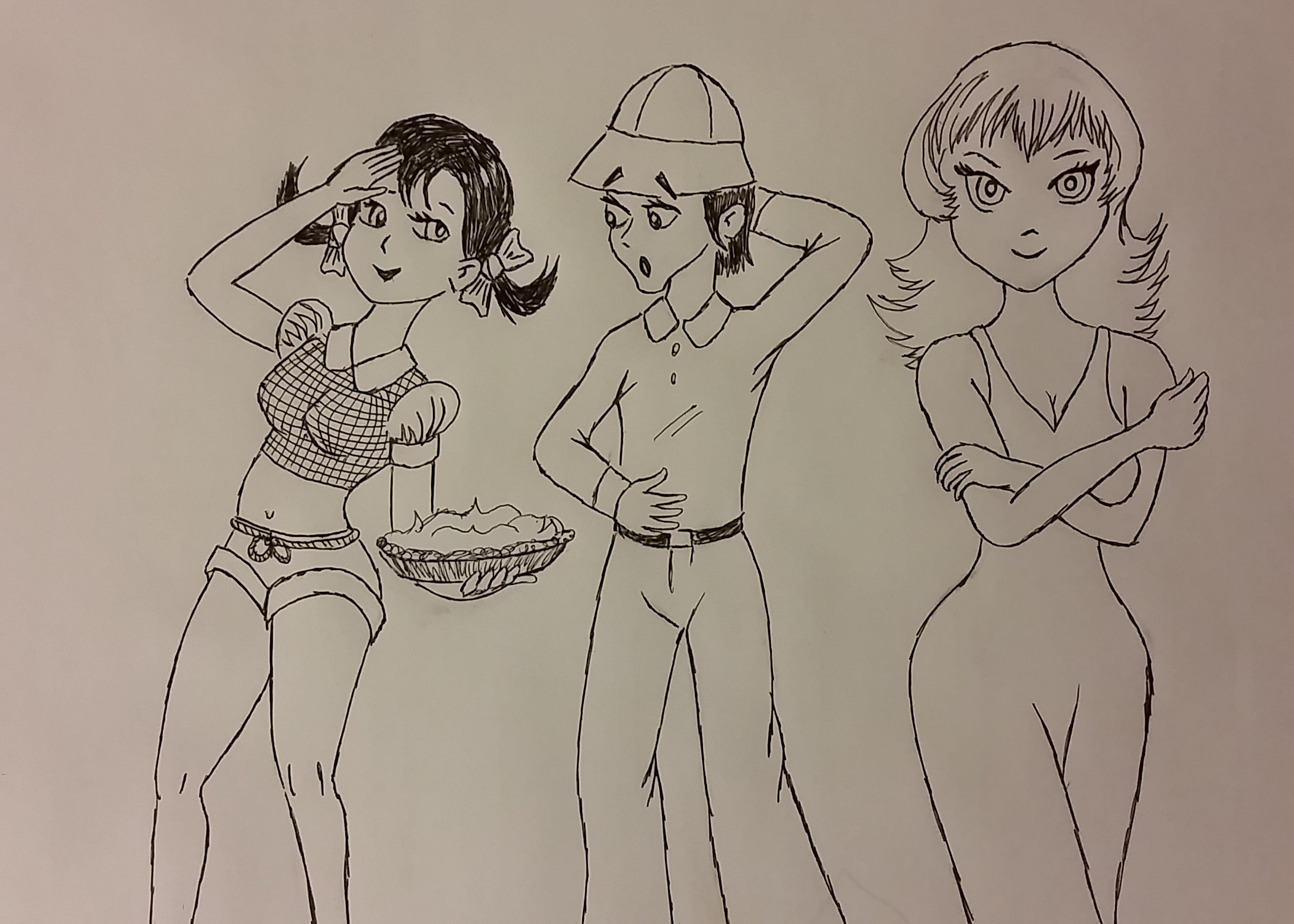
You see, being Gilligan on Gilligan’s Island was not a bad thing to be. It was who I was as a teacher. Nerdy, awkward, telling stories about when I was young, and my doofy friends like Skinny Mulligan. Being a teacher gave me an identity. And Gilligan was stranded on the Island with two beautiful single women, Mary Ann and Ginger. Not a bad thing to be. And I loved teaching and telling stories to kids who would later be the doofy students in new stories.
But we go through life searching for who we are and why we are here. Now that I am retired, and no longer a teacher… who am I now? We never really find the answer. Answers change over time. And so do I.






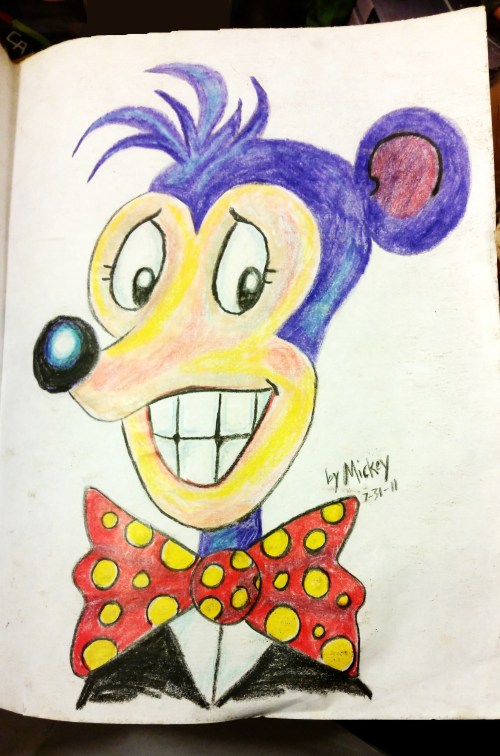

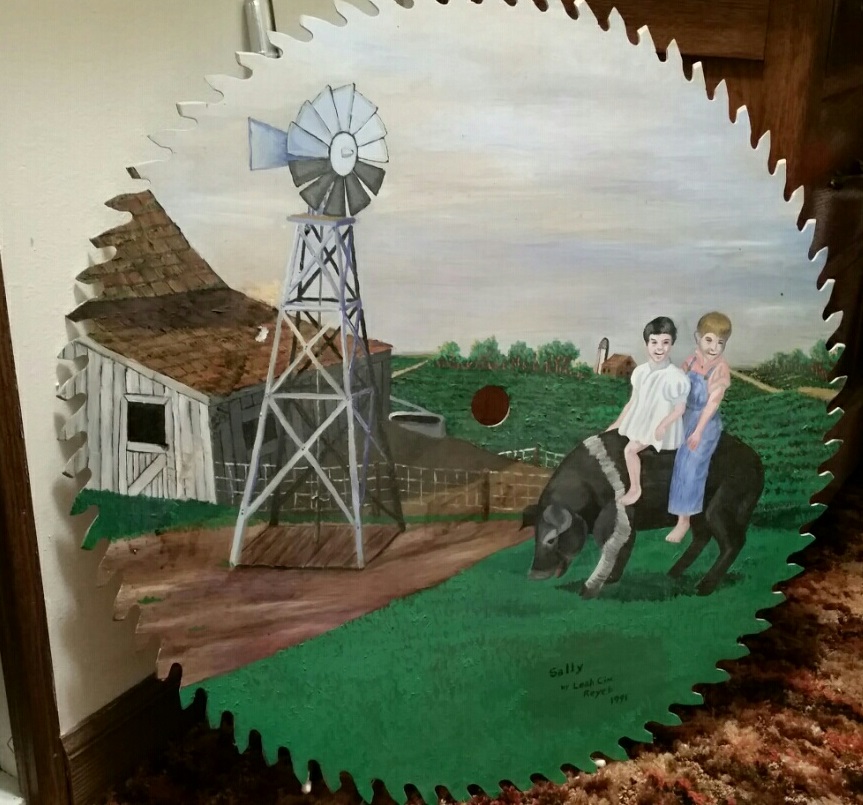


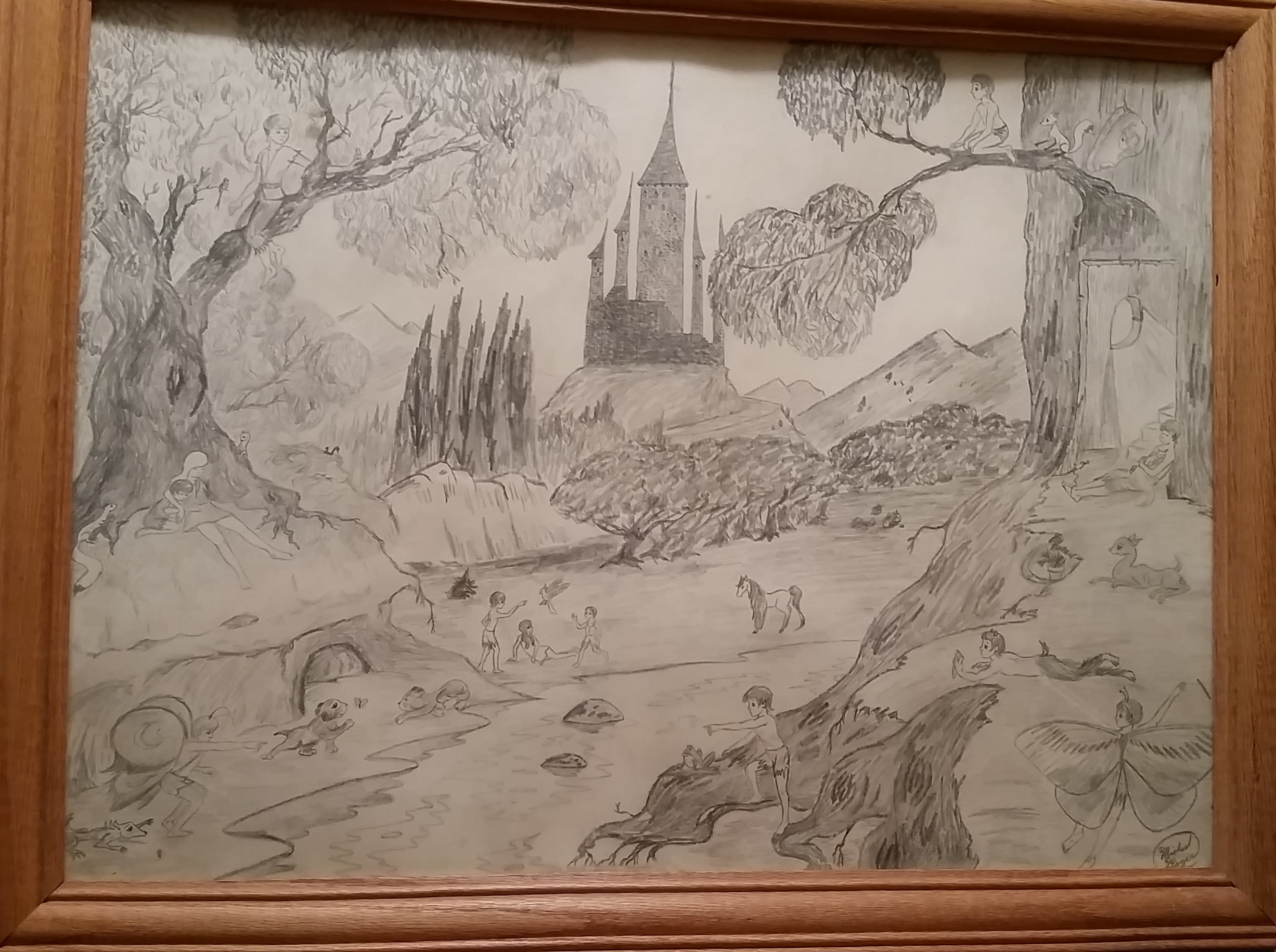
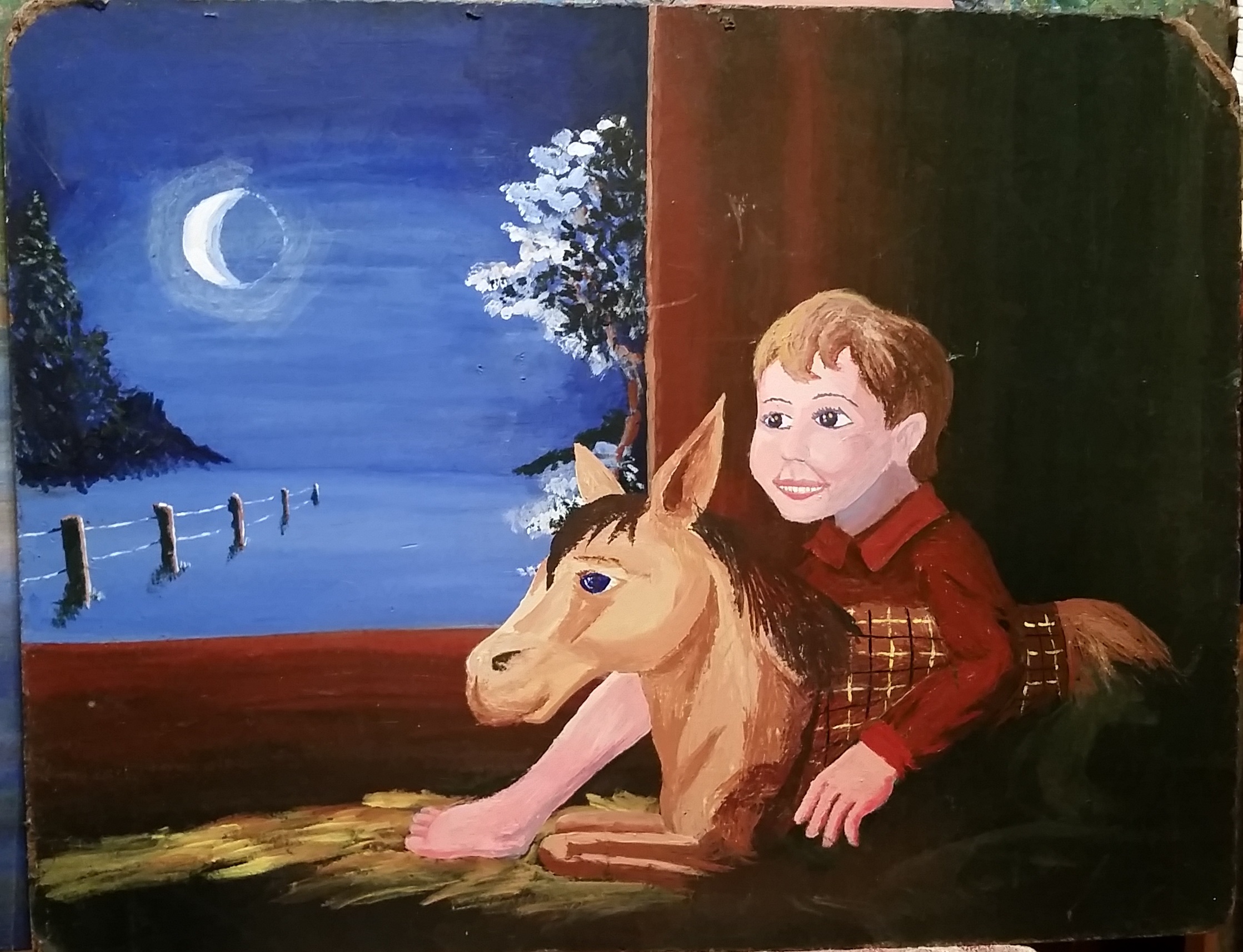




Re-bubbling the Old Enthusiasm
It is getting harder and harder to climb the new day’s hill to get to the summit where I can reasonably get a good look at the road ahead. At almost-64, I can see the road ahead is far shorter and much darker than the highway stretching out behind me. It is not so much a matter of how much time I have spent on the road as it is a matter of the wear and tear the mileage has caused.
This weekend I had another depressing free-book promotion where, in five days, I only moved five books, one purchase, and four free books. I have made $0.45 as an author for the month of June.
I was recently given another bit of good advice from a successful author. He said that I shouldn’t be in such a rush to publish. He suggested taking more time with my writing. Hold on to it longer. Polish it and love it more. And now that I have reached sixteen books published on my author’s page, I have basically beaten the grim reaper in the question of whether or not he was ever going to silence me and my author’s voice. I can afford to live with the next one longer.
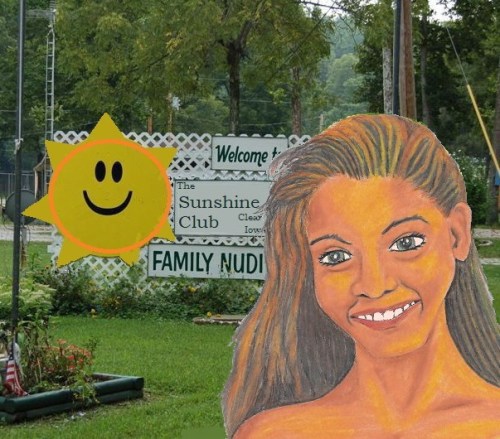
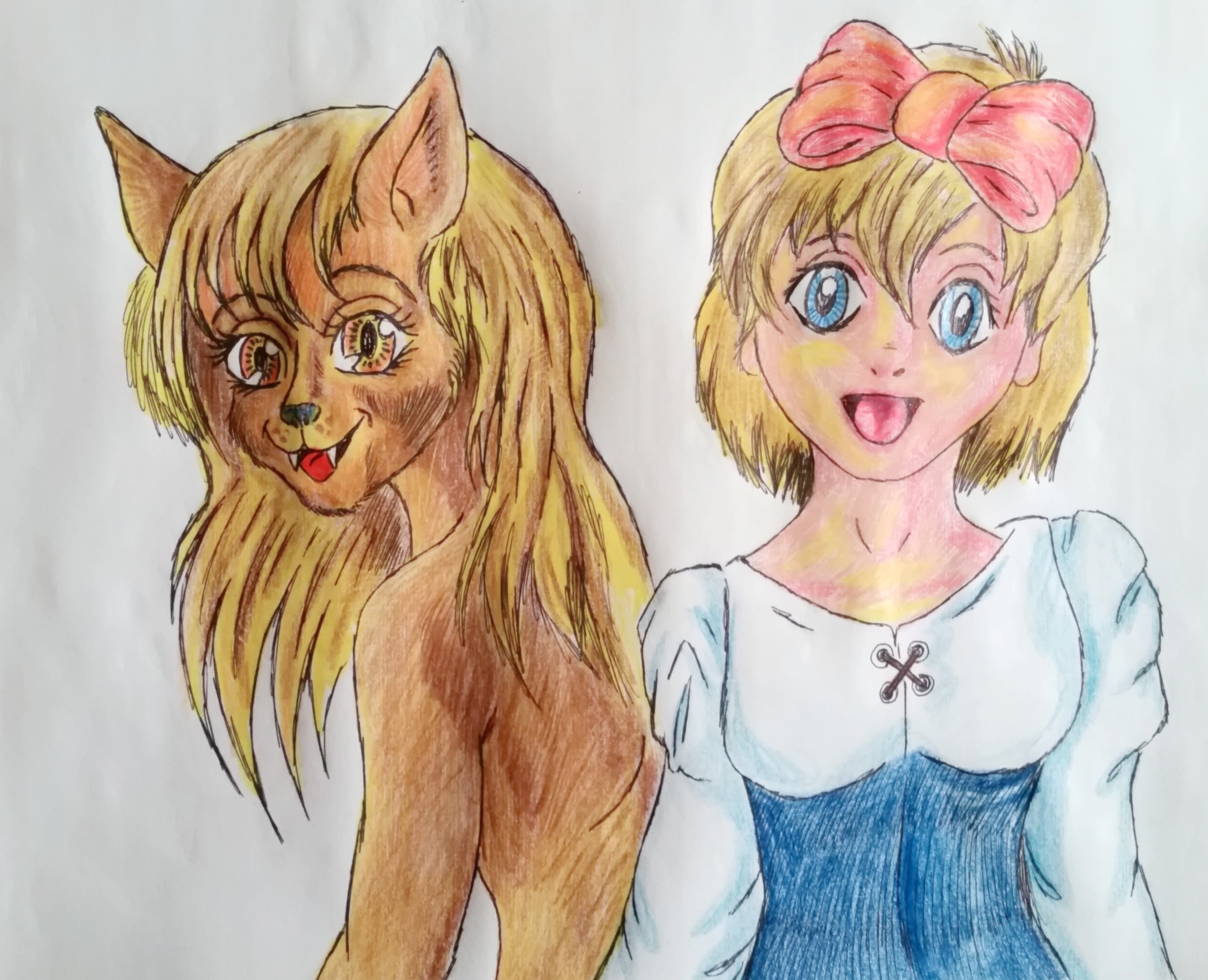
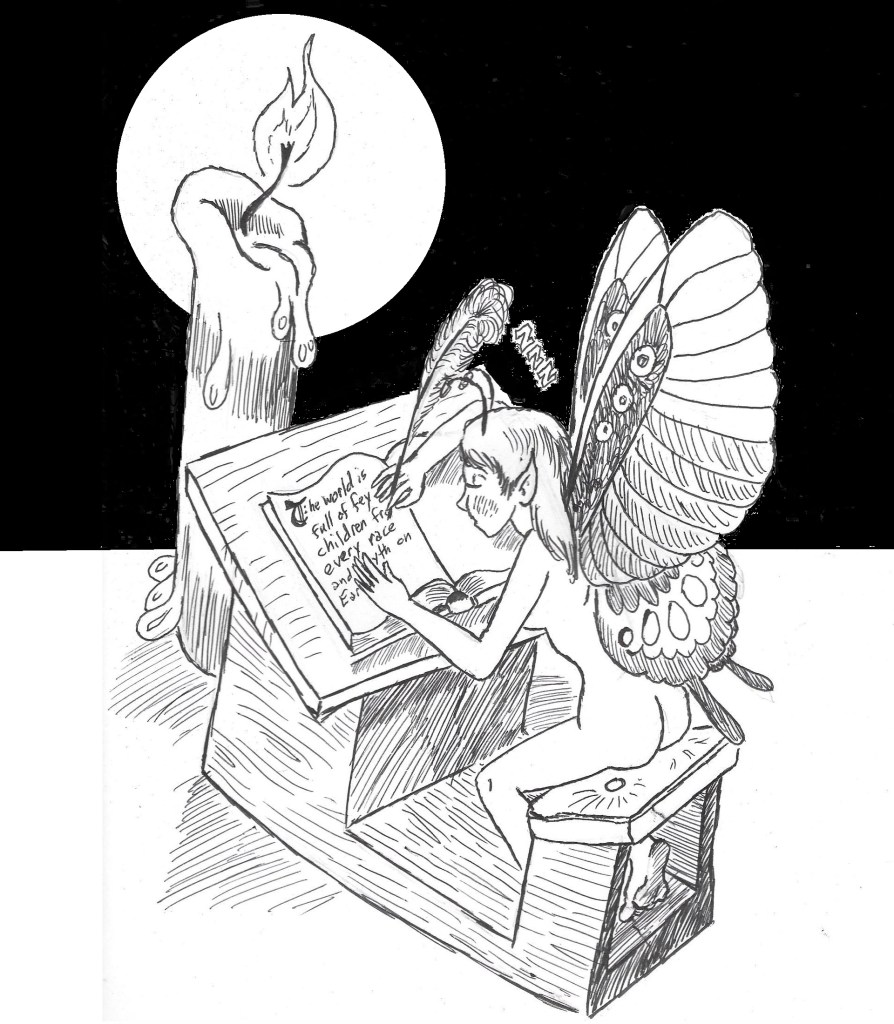
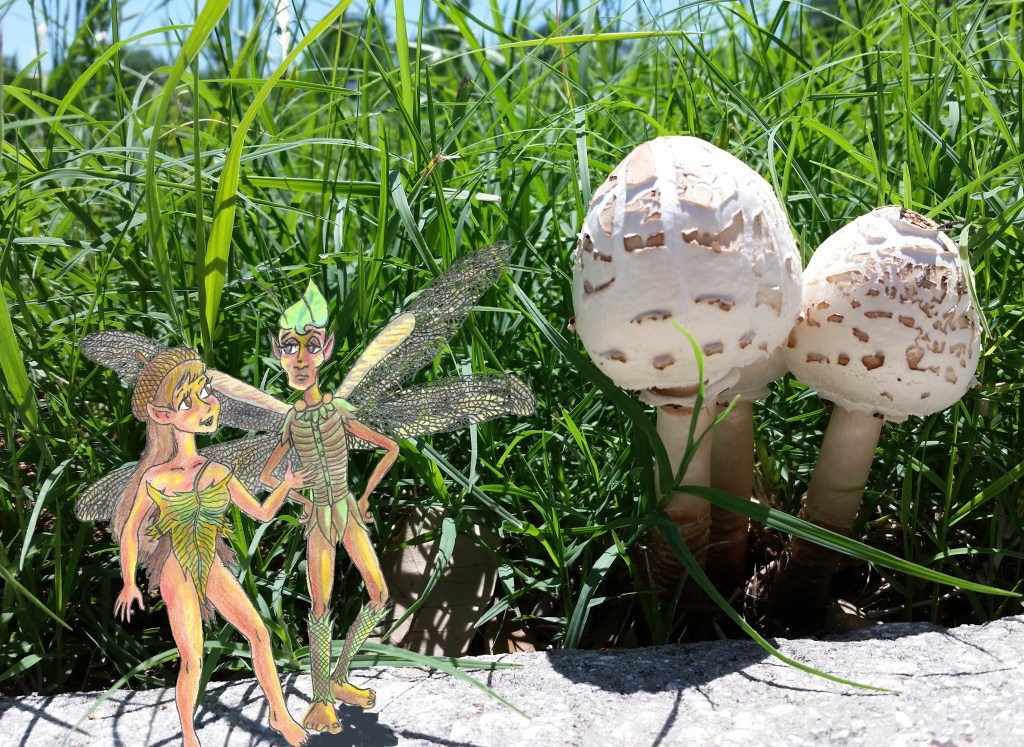
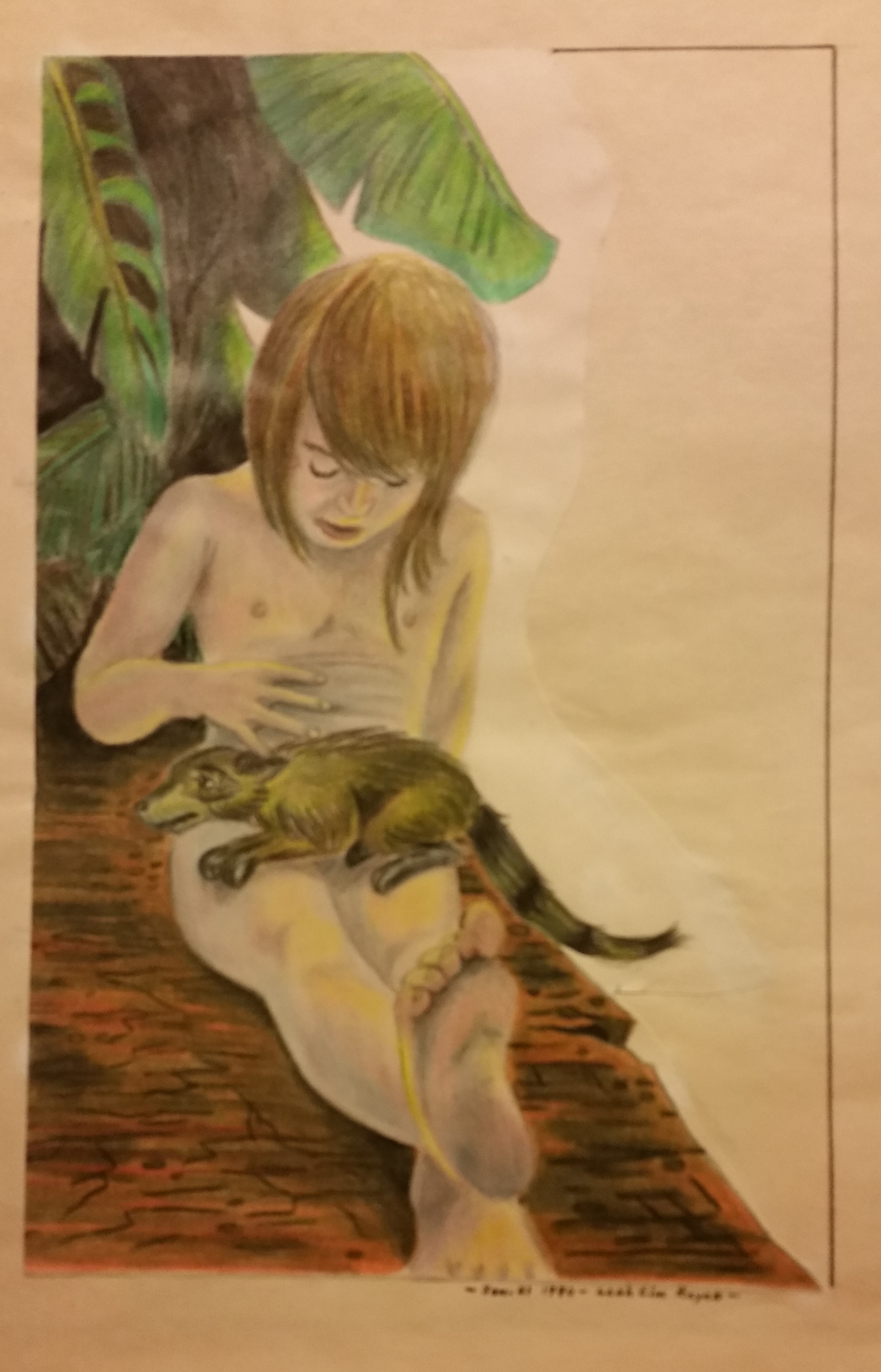
But the last one, A Field Guide to Fauns, practically wrote itself. It went fast from inspiration to publication simply because the writer in me was on fire and full of love and life and laughter that had to boil over into hot print exactly as quickly as it did. The additional writing time afforded me by the pandemic and quarantine didn’t hurt either. Once in print, my nudist friends loved it.
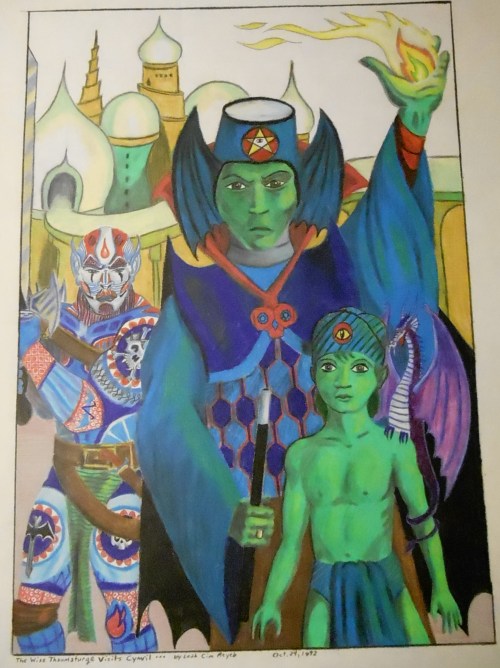
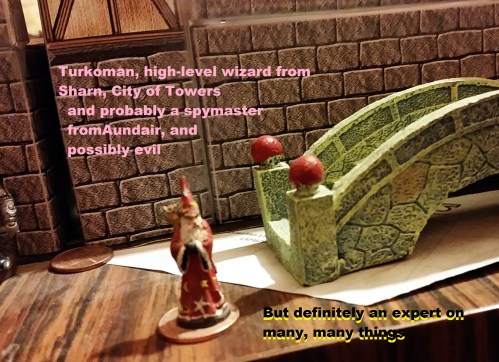
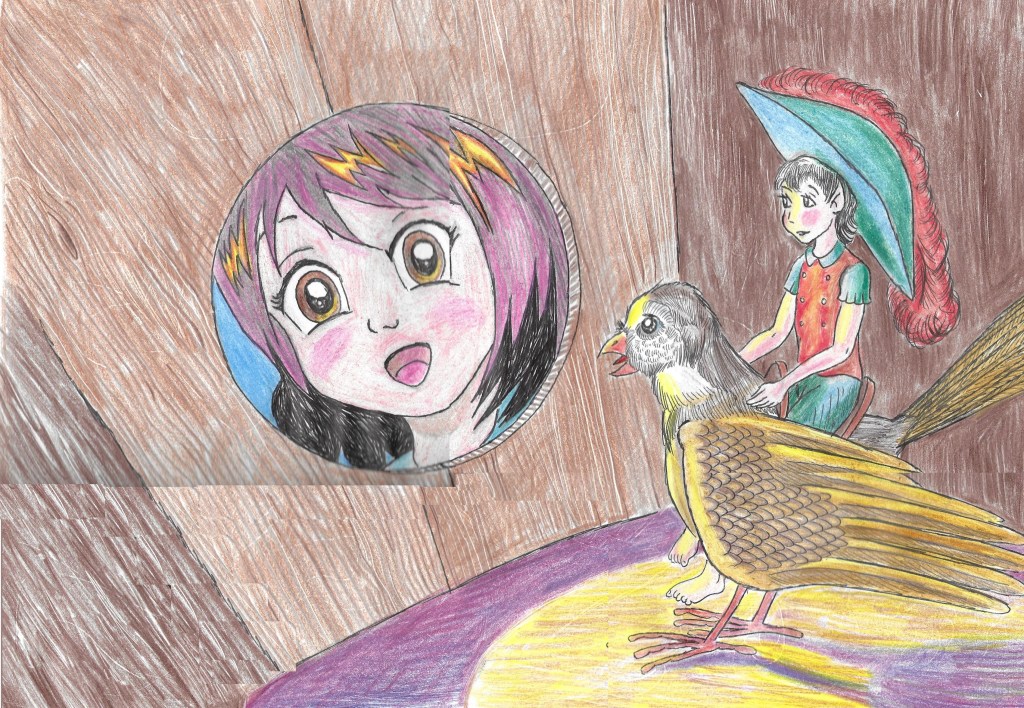
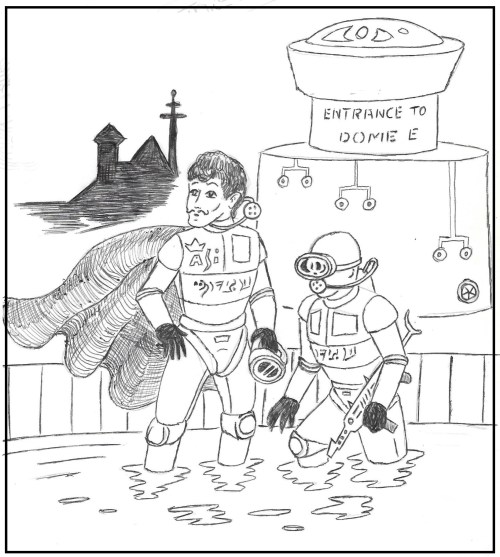
This next one has the potential to boil and brew and pop out of me in the same accelerated way as that last one did. Of course, it has been percolating inside my brain basically since the Summer of 1974. So, this is no rushed job. The Wizard in his Keep is a story of a man who tries to take the children of the sister of his childhood best friend to a place of safety when their parents are killed in a car wreck. But the only safe place he has to offer is in the world of his imagination. A world he has bizarrely made real. And that best friend comes searching for the children. And so does a predator who seeks to do them all grievous harm.
In many ways, it is a story already written.
So, I am rekindling the flame that keeps the story-pot boiling. And more of it is already cooking. And I am recovering from the cool winds of disappointment, as well as the dark storm clouds of the nearing future.
This is now actually a two-year-old post. Both of the books mentioned here are published and available from Amazon. As far as holding on to the books longer, there is no problem with that on Amazon. Editing, improving, and re-publishing a book is actually easier than publishing it the first time. Nothing about this old post has been made untrue by the passage of time. I am still probably the best author of books like these whose published books almost never get read.
Leave a comment
Filed under artwork, autobiography, battling depression, commentary, humor, novel, novel plans, Paffooney
Tagged as author, book review, books, fiction, writing