
It has been more than a semester now that I have not been a teacher. I am missing it mightily. I even miss the yelling and screaming, the name-calling and the crazy-eyed threats against life and limb. And that’s just me. I miss what the kids always did too. This was driven home to me as I tried to move my middle child from one school to another. We were hoping to get a bit of a break on his placement. He is a gifted child with a penchant for bizarre and long-lasting obsessions. He has a talent for building huge, monumental structures in Minecraft. He is very computer-nerd and history-wonk. (Yes, I know those are not pure predicate adjectives, but I am a retired English teacher and just don’t care any more.) I was hoping they could overlook his burnout/blowout eighth-grade brain meltdown from the previous year and give him the chance to be a ninth grader for at least half a year. No. Arbitrary rules must be obeyed. (That isn’t even how she said it. More like, arbitrary rules MUST be obeyed). That meant of course that he has to continue to repeat the mindless indoctrination of year number 9, (eight numbered grades plus K), (And Pre-K, come to think of it.) Make that year number 10. No high school yet, though he is more than mature enough, intelligent enough, motivated enough, and sweet-natured enough. We are not loving and forgiving people. We are strict and by-the-book people! Forgive me, Lord. I am writing my own book. (In more ways than one.)
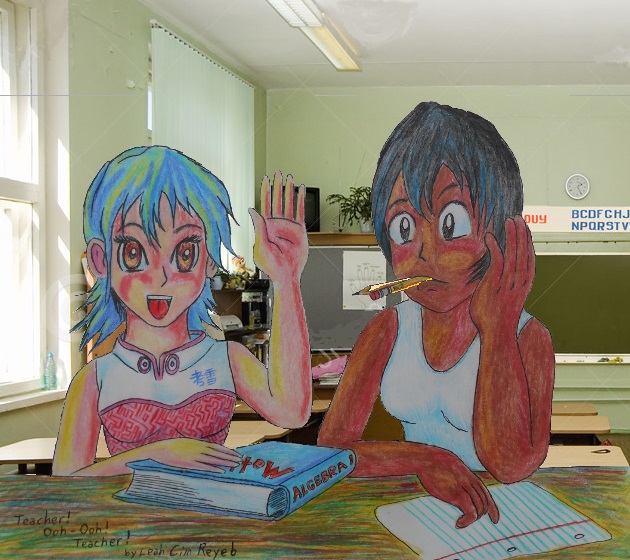
This is what we are doing wrong in Education;
1. We are putting people in boxes. (Little people. Kids mostly. We are calling those boxes things like ADHD, Special Education, trouble-maker, learning disabled, emotionally disturbed, disobedient, truant, and “in need of alternative education”… here meaning kid-prison.)
2. We are sealing those boxes with heavy-duty red tape. (Read special or remedial classes as waste-baskets for keeping the rabble and the riff-raff out of the good teachers’ hair.)
3. We are routinely handing those boxes to the box-bangers and package manglers. (The semi-incompetent teachers who have discipline problems because in teacher college nobody tells you what to do with the kid who sits in the corner and sings to himself instead of paying attention, or the girl who gets out of her seat every time the teacher turns his back to go flitting around the room like a bumble bee going flower to flower (except that it is a more hormonal attraction and goes boy to boy); or the competent teacher like me who incurs the principal’s disfavor for having classes that always make noise and are given such classes in boxes as a punishment because that kind of principal is too limited in intelligence to understand that those kinds of boxes are not really a punishment if you merely take a moment to examine the treasures they contain.)
4. We keep the boxes air-tight so that no oxygen or light gets in. (To suffocate learners under piles of worksheets and endless drill and practice is murder. We are killing the precious learners with boring stuff and teaching them to be zombies who all act alike and hate learning because their brains are rotted masses of goo.)
This is what we must do instead;
1. Open the boxes up again and thoroughly mix the contents. (The rich suburban parents will resent the heck out of having their precious honors student sitting in class next to the poor black kid from the projects, but studies show that both kinds of learners do better when they are mixed together.)
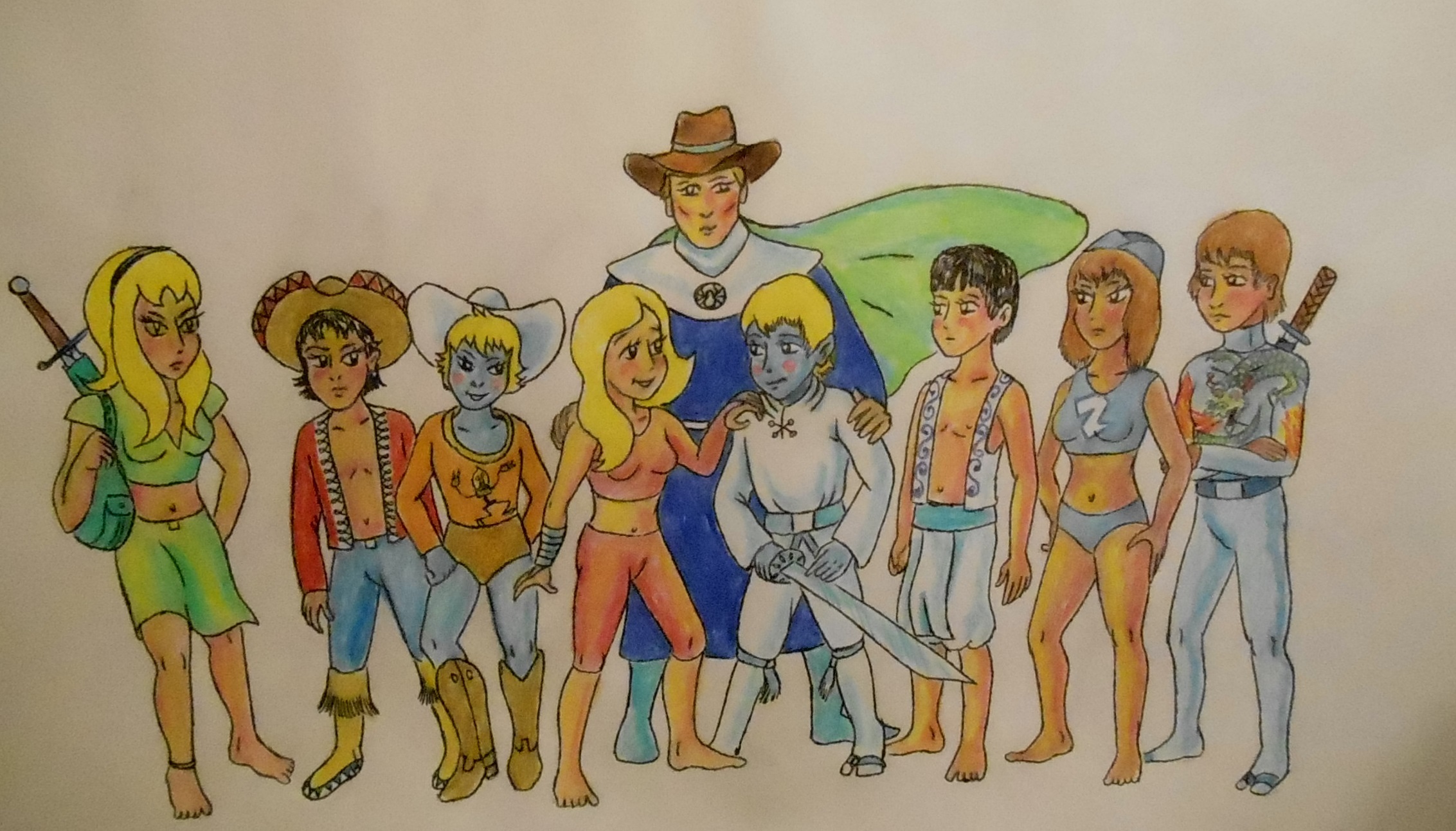
2. Notice, we don’t need two any more, because learners are already distributed to different and diverse boxes based on what they individually need and want to learn about and have talent for. Groups should be more like the Shakespeare-loving group or the talkative-socializing group or the Tinker-toy builders group or the vampire-literature-writing group and less like groups of kids all the same color or all the same culture or all the same age.
3. All the teachers need to be trained to handle all the possible… no, make that probable problems that may come up in the classroom. Every classroom needs a proven veteran teacher and an enthusiastic young apprentice teacher. Neither one should have to face the evil hordes alone. And most important of all, any teacher who doesn’t love working with kids (and doesn’t love the kids in a way that will not lead to a prison term) needs be utilized in some way other than as a classroom teacher.
4. Every classroom is a laboratory and every teacher is a creative and daring mad-scientist-type intent on trying new things and only re-doing things that really work well. Forget this nonsense about standard curriculum goals and common core curriculum. Those are only buzz words for suffocating learners and being too lazy to think on your feet in the middle of the every-day classroom battle in the on-going War on Ignorance.
Now you see… I have all the answers and I know everything. The only mystery is… why don’t more people listen to me?


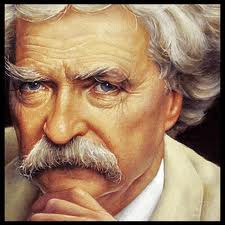
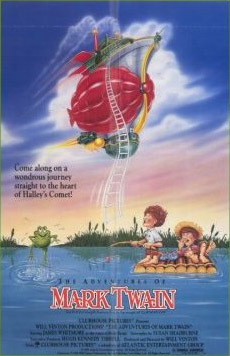 During my middle-school teaching years I also bought and read copies of The Prince and the Pauper, Roughing It, and Life on the Mississippi. I would later use a selection from Roughing It as part of a thematic unit on Mark Twain where I used Will Vinton’s glorious clay-mation movie, The Adventures of Mark Twain as a way to painlessly introduce my kids to the notion that Mark Twain was funny and complex and wise.

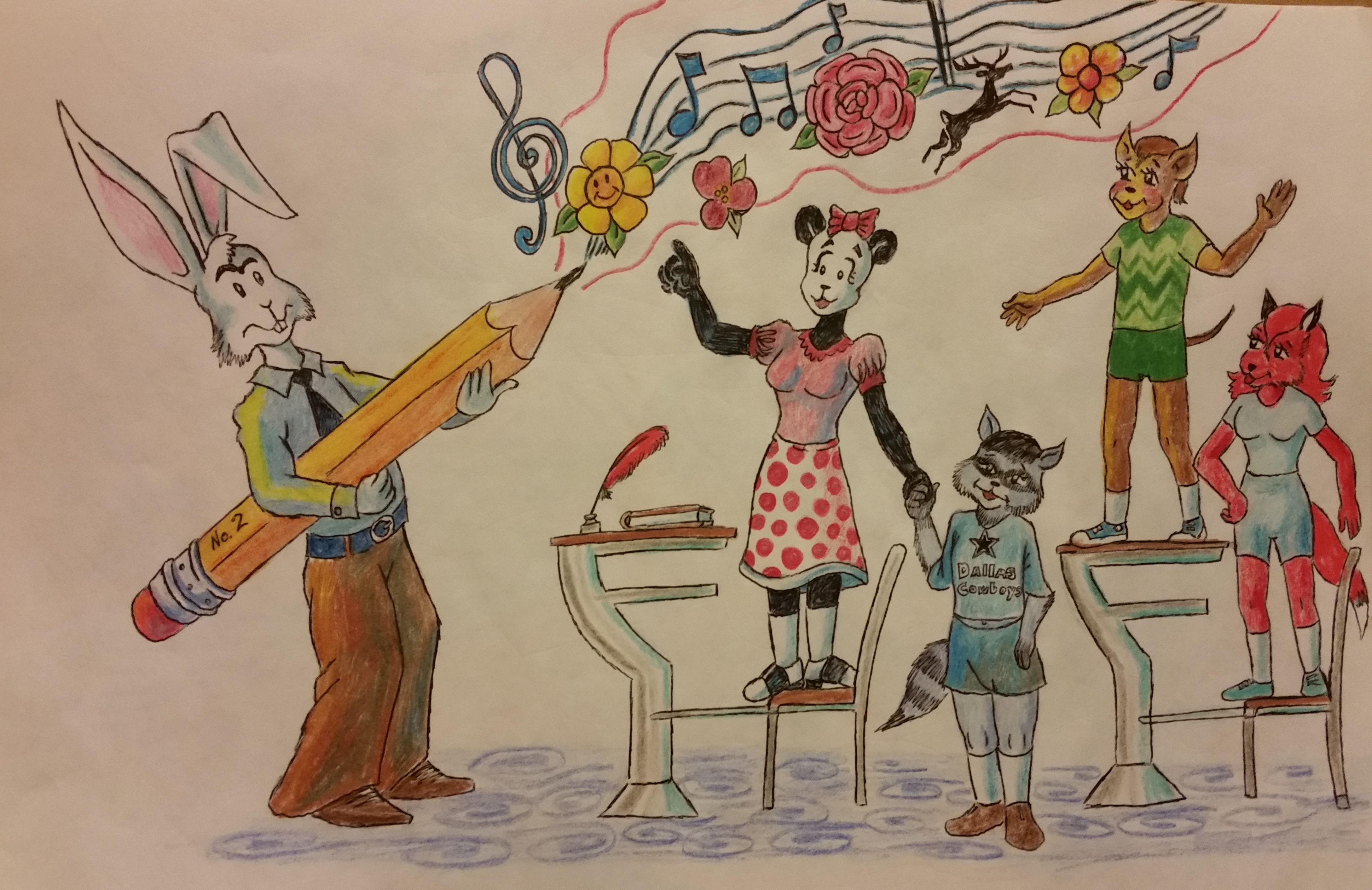
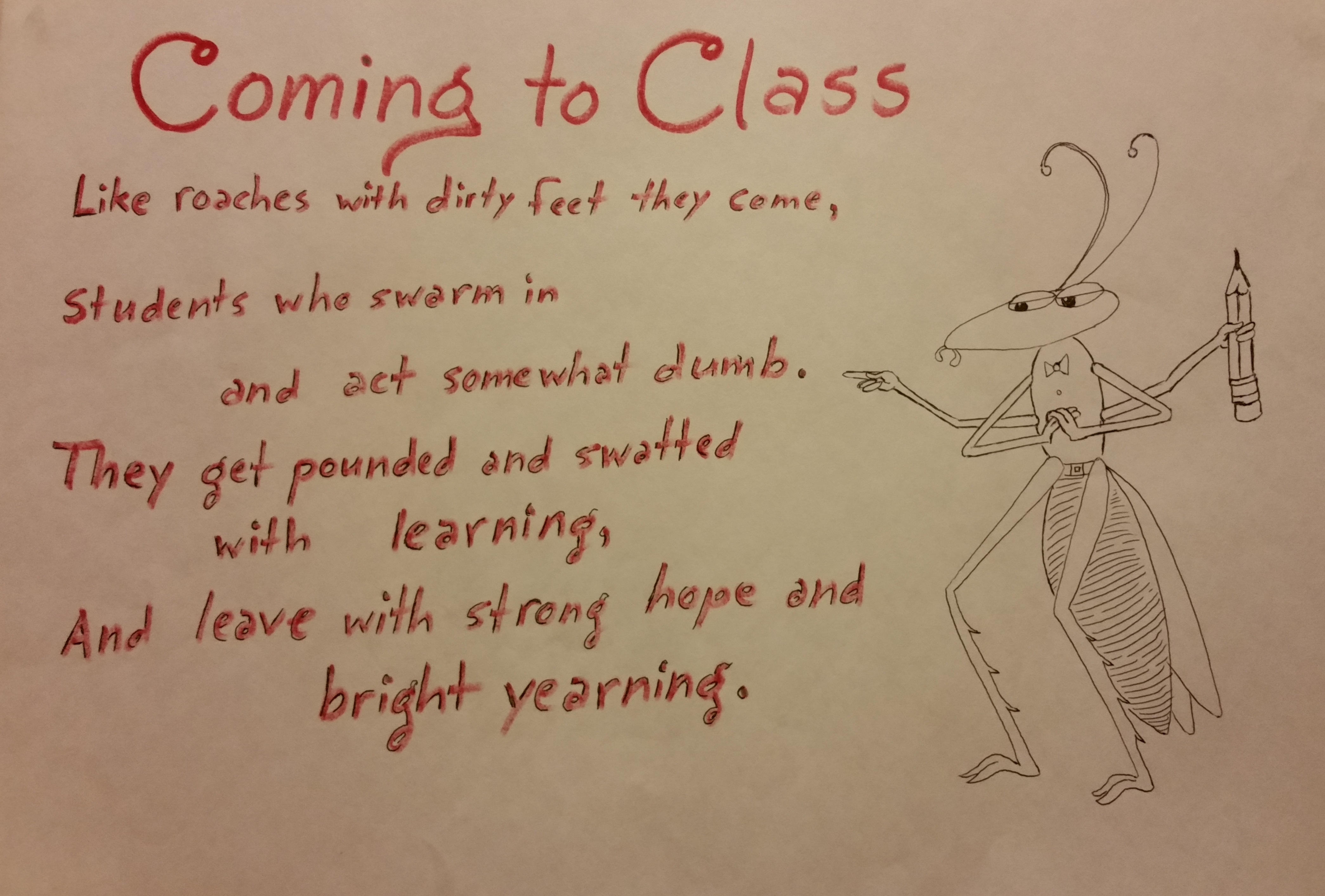
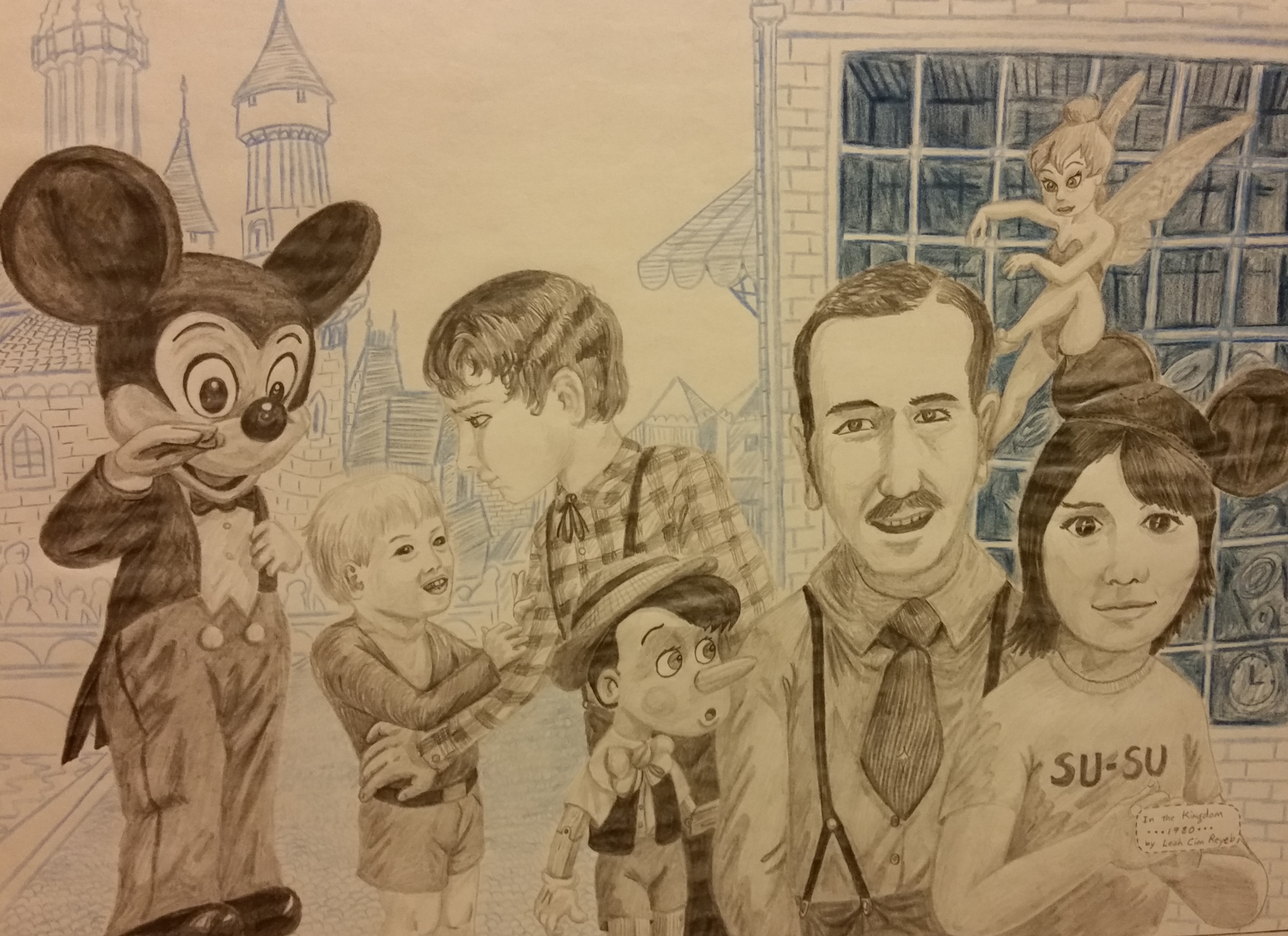


A Mr. Holland Moment
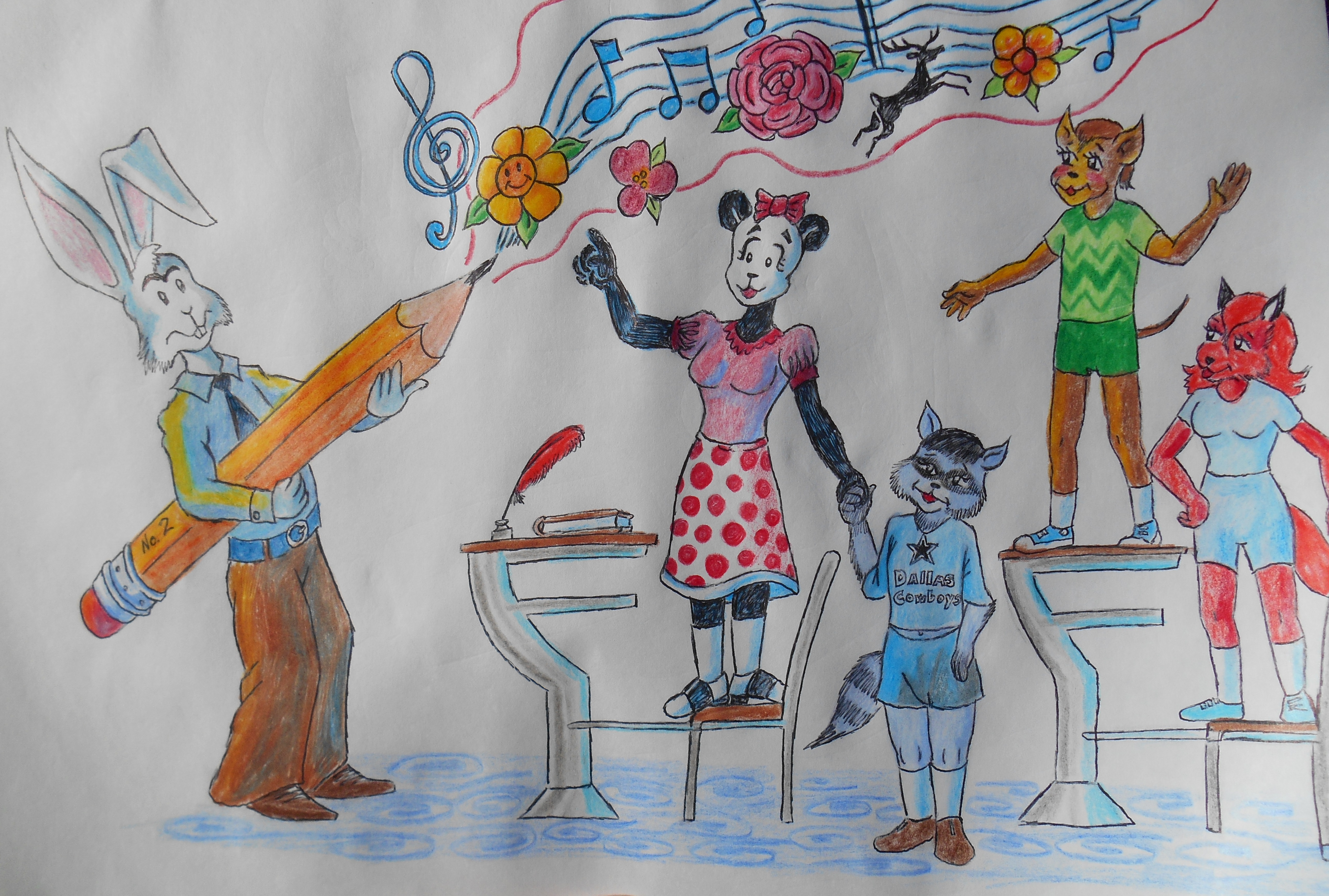
Life is making music. We hum, we sing to ourselves, movie music plays in our head as the soundtrack to our daily life. At least, it does if we stop for a moment and dare to listen. We make music in many different ways. Some play guitar. Some are piano players. And some of us are only player pianos. Some of us make music by writing a themed paragraph like this one. Others make an engine sing in the automotive shop. Still others plant gardens and make flowers or tomatoes grow. I chose teaching kids to read and write. The music still swells in my ears four years after retiring.
The 1995 movie, Mr. Holland’s Opus, is about a musician who thinks he is going to write a magnificent classical orchestra opus while teaching music at a public high school to bring in money and allow him time to compose and be with his young wife as they start a new family.
But teaching is not, of course, what he thought it was. He has to learn the hard way that it is not an easy thing to open up the closed little clam shells that are the minds of students and put music in. You have to learn who they are as people first. You have to learn to care about what goes on in their lives, and how the world around them makes them feel… and react to what you have to teach. Mr. Holland has to learn to pull them into music appreciation using rock and roll and music they like to listen to, teaching them to understand the sparkles and beats and elements that make it up and can be found in all music throughout their lives. They can even begin to find those things in classical music, and appreciate why it has taken hold of our attention for centuries.
And teaching is not easy. You have to make sacrifices. Big dreams, such as a magnum opus called “An American Symphony”, have to be put on the shelf until later. You have children, and you find that parenting isn’t easy either. Mr. Holland’s son is deaf and can never actually hear the music that his father writes from the center of his soul. And the issue of the importance of what you have to teach becomes something you have to fight for. Budget cuts and lack of funding cripples teachers in every field, especially if you teach the arts. Principals don’t often appreciate the value of the life lessons you have to give. Being in high school band doesn’t get you a high paying job later.
But in the end, at the climax of the movie, the students all come back to honor Mr. Holland. They provide a public performance of his magnum opus, his life’s work. And the movie ends with a feeling that it was all worth it, because what he built was eternal, and will be there long after the last note of his music is completely forgotten. It is in the lives and loves and memories of his students, and they will pass it on.
But this post isn’t a movie review. This post is about my movie, my music. I was a teacher in the same way Mr. Holland was. I learned the same lessons about being a teacher as he did. I had the same struggles to learn to reach kids. And my Mr. Holland moment wasn’t anywhere near as big and as loud as Mr. Holland’s. His was performed on a stage in front of the whole school and alumni. His won Richard Dreyfus an Academy Award for Best Actor. But his was only fictional.
Mine was real. It happened in a portable building on the Naaman Forest High School campus. The students and the teacher in the classroom next door threw a surprise party for me. They made a lot of food to share, almost all of which I couldn’t eat because of diabetes. And they told me how much they would miss me, and that they would never forget me. And I had promised myself I would never cry about having to retire. But I broke my promise. In fact, I am crying now ten years later. But they are not tears of sadness. My masterwork has now reached its last, bitter-sweet notes. The crescendos have all faded. But the music of our lives will still keep playing. And not even death can silence it completely.
1 Comment
Filed under artwork, autobiography, commentary, happiness, insight, kids, movie review, teaching
Tagged as education, music, music-education, teachers, teaching