


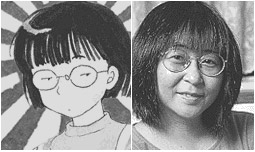
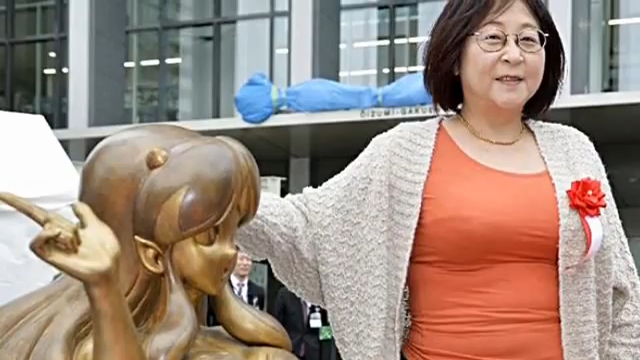
Yesterday I used a Paffooney I had stolen to illustrate my gymnasium adventures, and in the caption I gave credit to the wonderful comic artist I shamelessly copied it from. The second imitation Takahashi that I did yesterday is now displayed next to it above. I am now compelled to explain about my goofy, sideways obsession with Anime and Manga, the cartoons from Japan. I love the art style. I have since I fell in love with Astroboy Anime as a child in Iowa. Rumiko Takahashi is almost exactly one year younger than me. As a cartoonist she is light years more successful than me. She has been crafting pen and ink masterpieces of goofy story-telling longer than I have been a teacher.
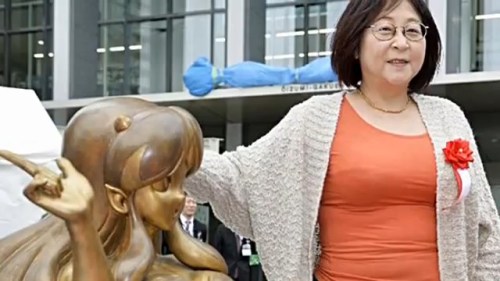
Her artwork is a primary reason I have been so overly-enamored of the Japanese Manga-cartoon style. I love the big eyes, the child-like features of even adult characters, the weird poses and still-weirder comic art conventions of this culture from practically a different planet. She has created comic series that are immensely popular in Japan, and have even put down sturdy roots in this country, especially with young adults since the 80’s. She is the world’s number one best-selling female comics artist.


Just as we Westerners have to accept numerous ridiculous things to appreciate the stories told in American comics (for instance, brawny heroes running around in tights with their underwear on the outside of their pants, nearly naked ladies with super powers diving into battle next to men encased in armored suits, and talking animals), the Manga-minded must also practice a bizarre form of the willing suspension of disbelief. In Ranma 1/2, the main character is a boy marshal artist who turns into a girl when splashed with cold water. Much of the romantic comedy of that work revolves around boys and old men finding themselves in the bath house next to naked young girls. For some reason that sort of naked surprise causes the boys to spout fountain-like nosebleeds. In Inu-Yasha the whole thing is about fighting demons with swords. Inu-Yasha himself is part demon. Apparently part-demon is a good thing to be. Japanese villains are spectacularly susceptible to fits of crying rage and tantrums. And everybody looks more like American white people than orientals. Oh, and there are talking animals.
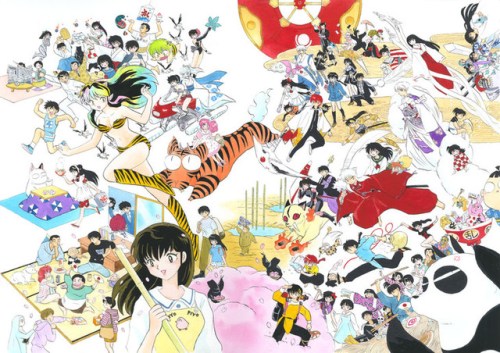
Rumiko is a master of pen and ink. Here is a sample of of her black and white work.


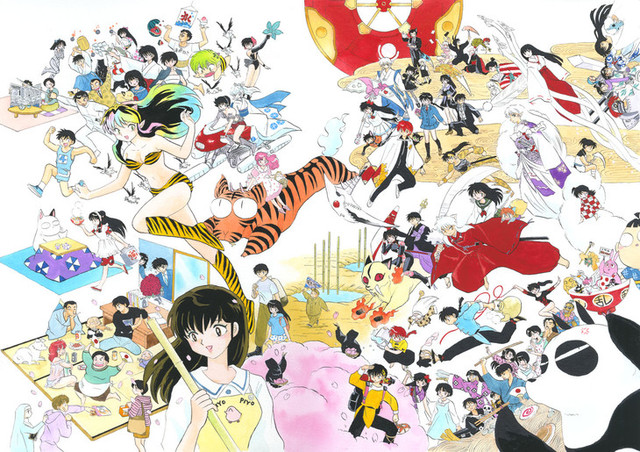
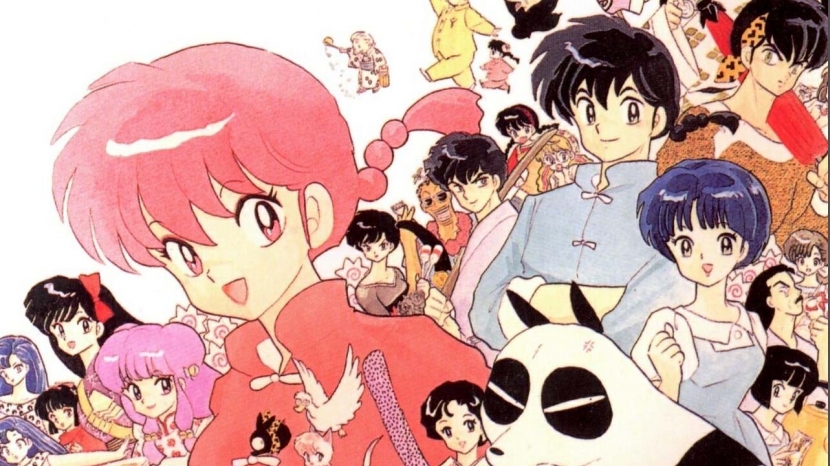
And she does color well too.
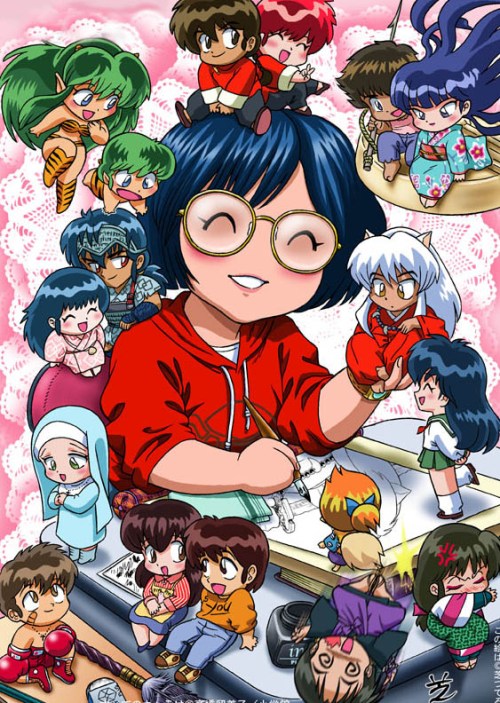
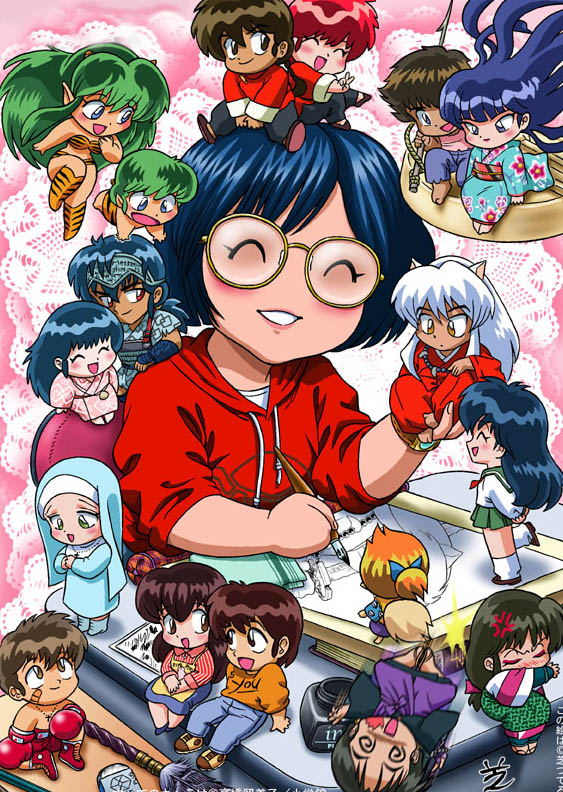
The little people are a special style of Manga character called a Chibi, and all regular Manga characters can turn into one at any moment.
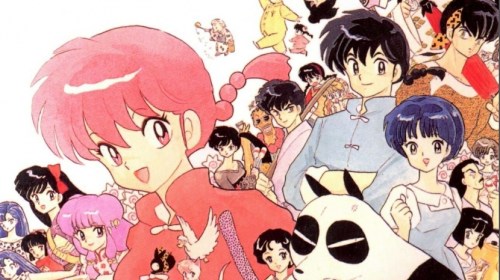
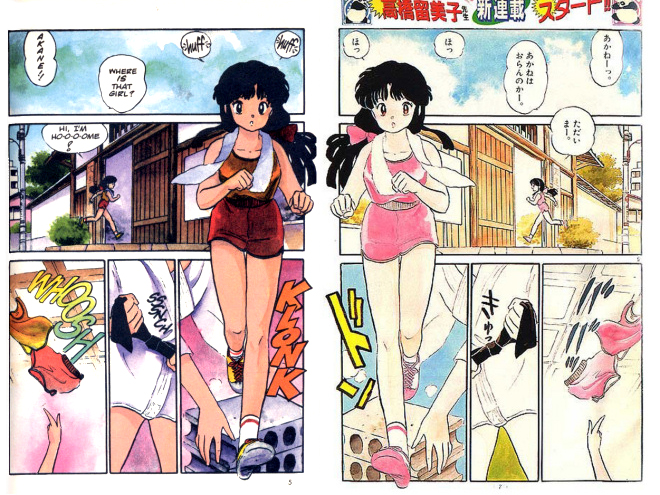
And, of course, to read actual Manga you have to master reading backwards. Americans read left to right. The Japanese read right to left. You have to open a Japanese book in a manner that seems both backwards and upside down.
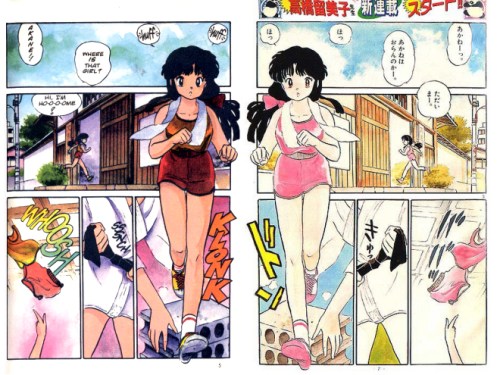
This illustration shows how American publishers flip Japanese comics to make them more accessible to American audiences.
So now, by uncovering the fact that I am addicted to and seriously affected by Japanese cartoons, you have one more bit of evidence to present to a jury in case you decide Mickey needs to be locked up and medicated for a while. Japanese comics are a world of great beauty, but also a world unto themselves. It is an acquired taste that has to be considered carefully. And of all the many marvelous Manga makers, Rumiko Takahashi is the one I love the best.





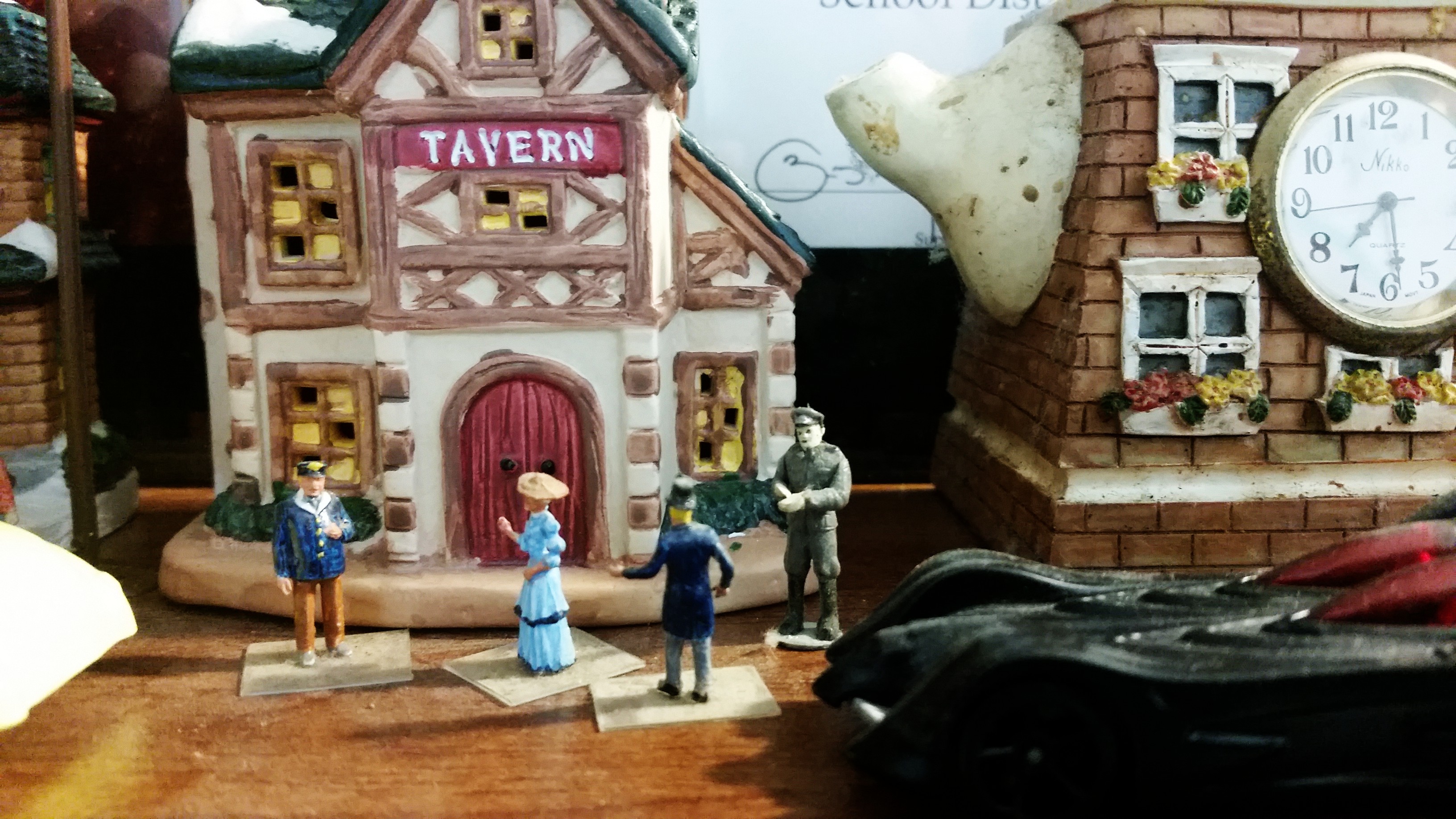
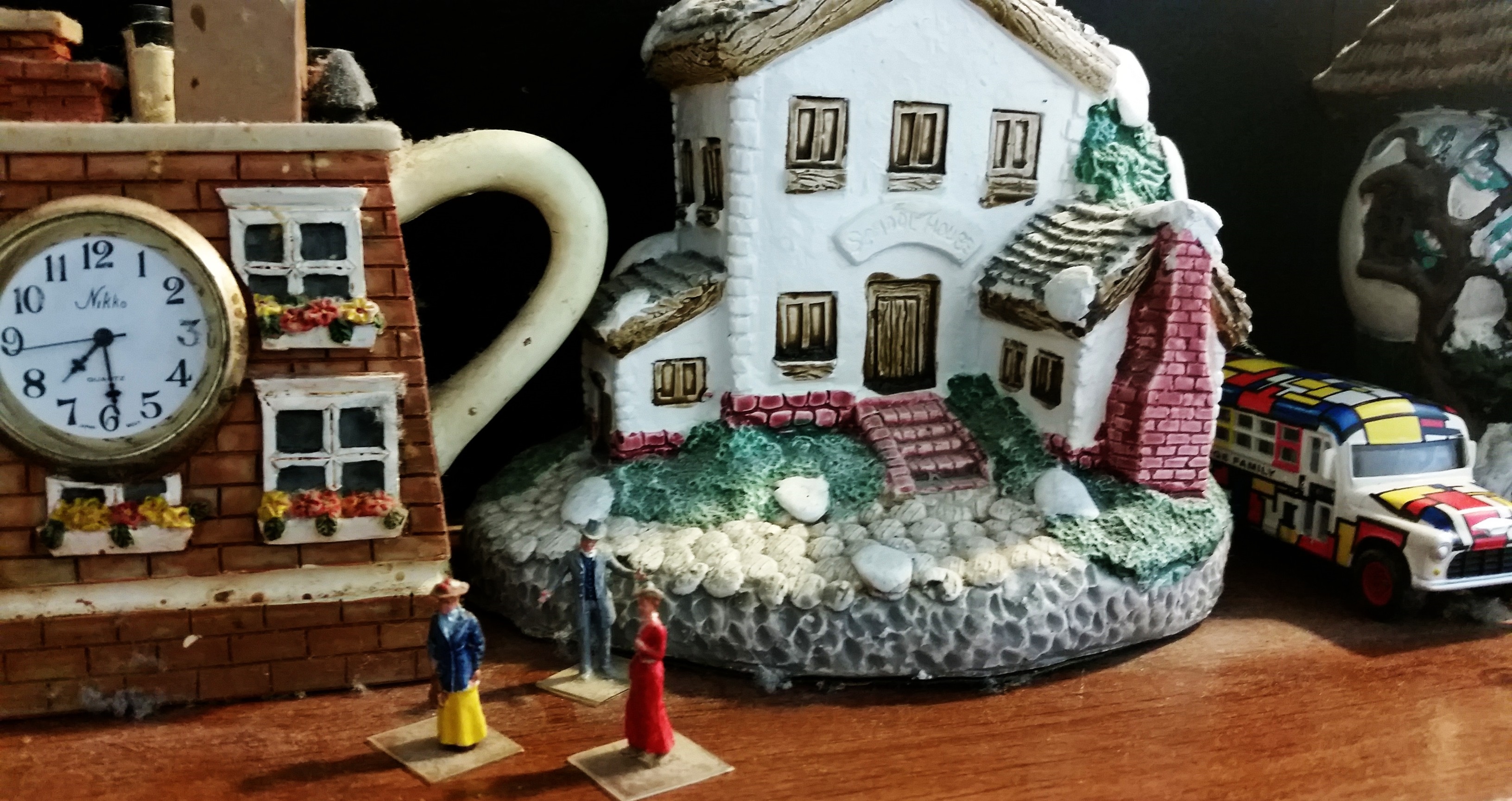
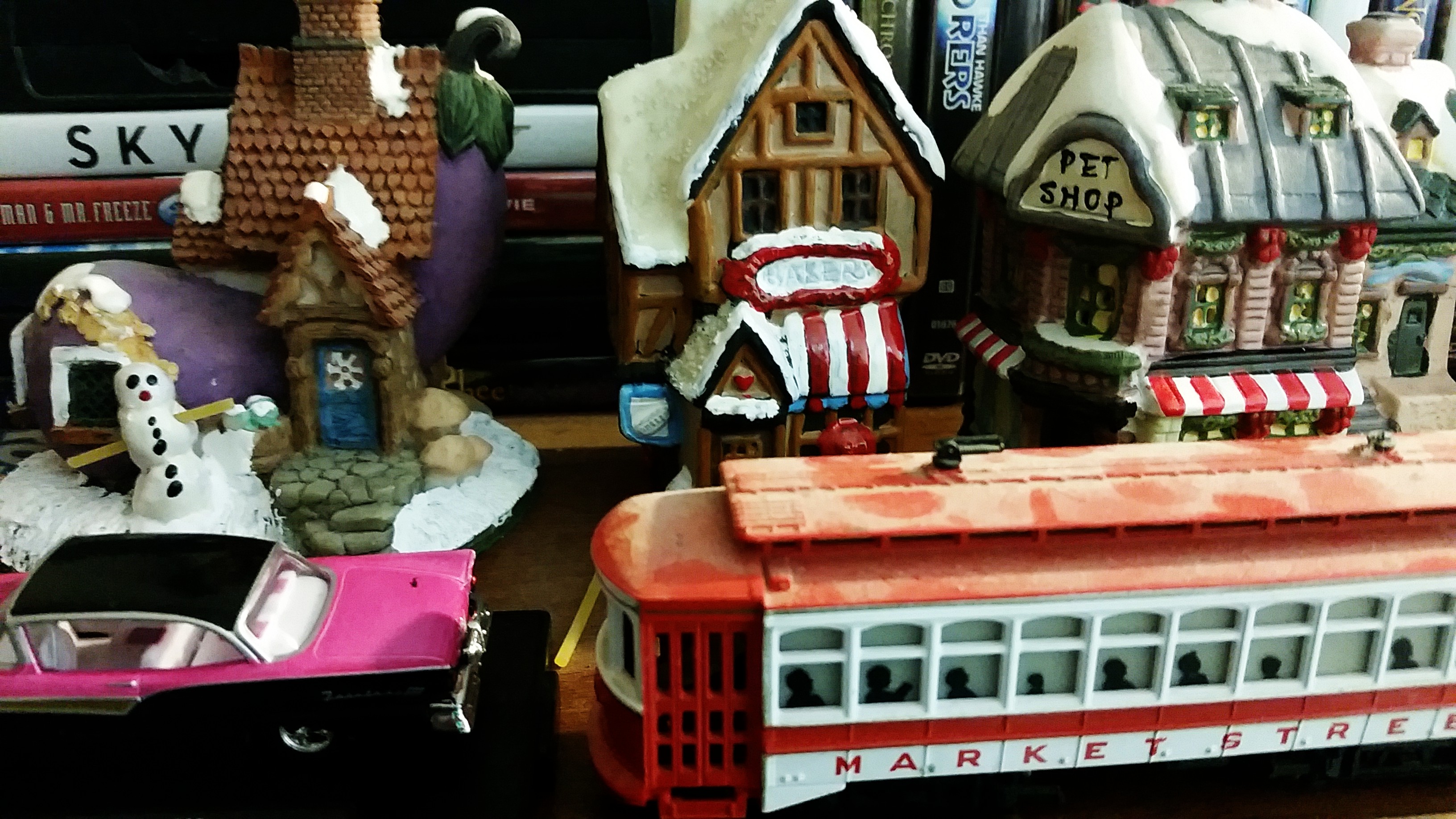
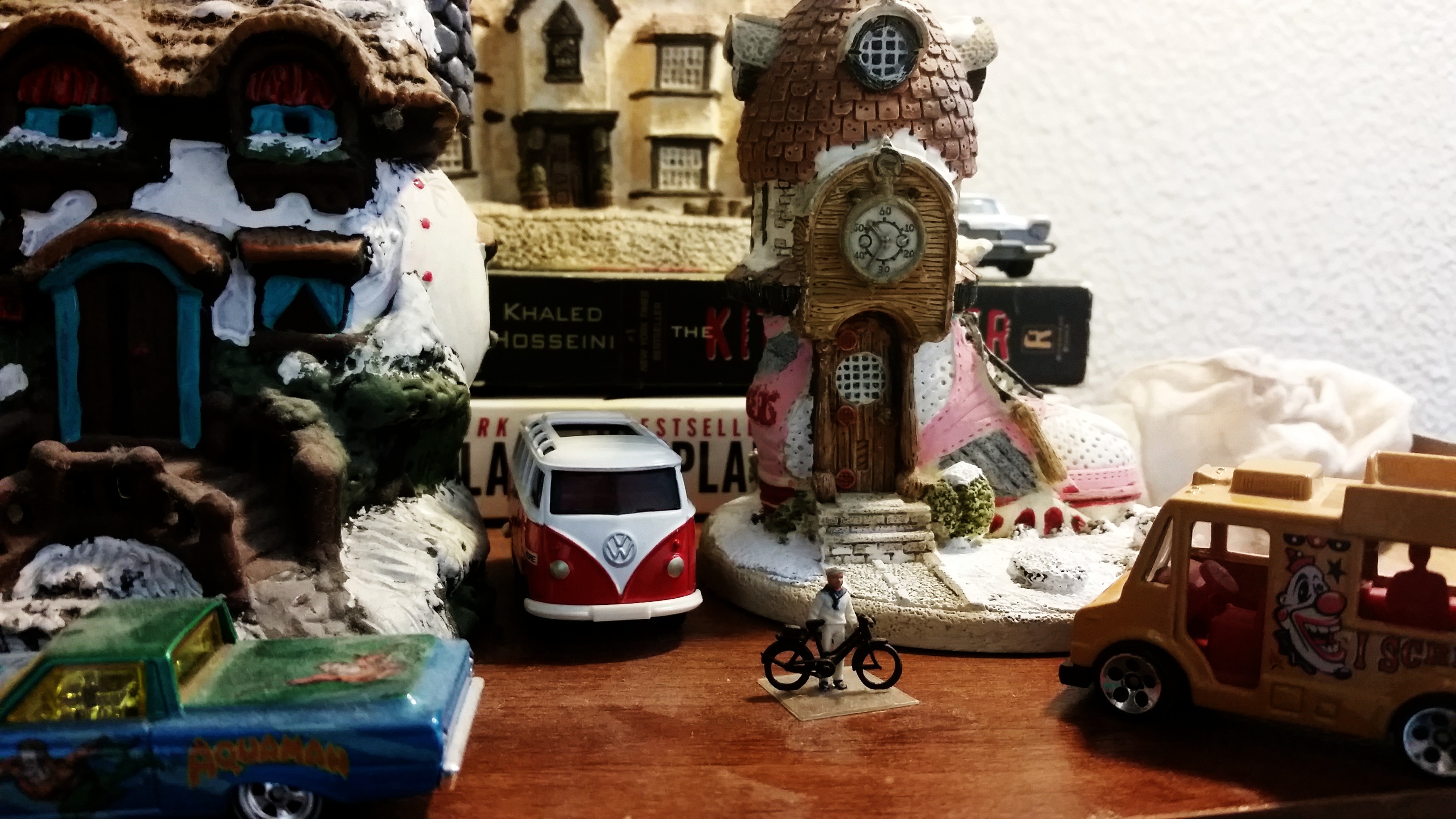
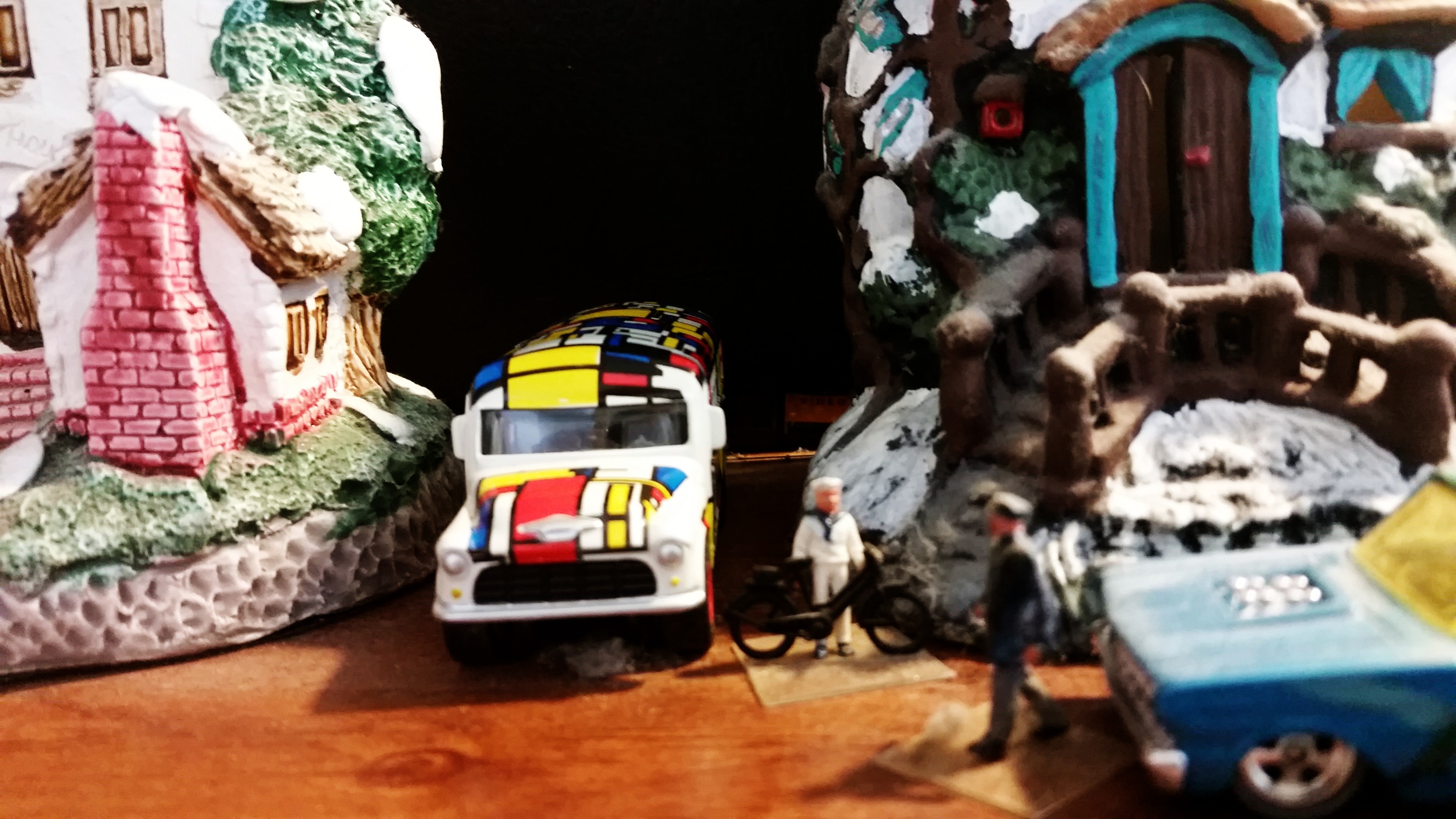 Here’s a view of the front of that same TV bus as it sits between Miss Wortle’s place and Eggbert Egghead’s Egg House. Dabney Egghead is the boy in the sailor suit showing off his brand new velocipede.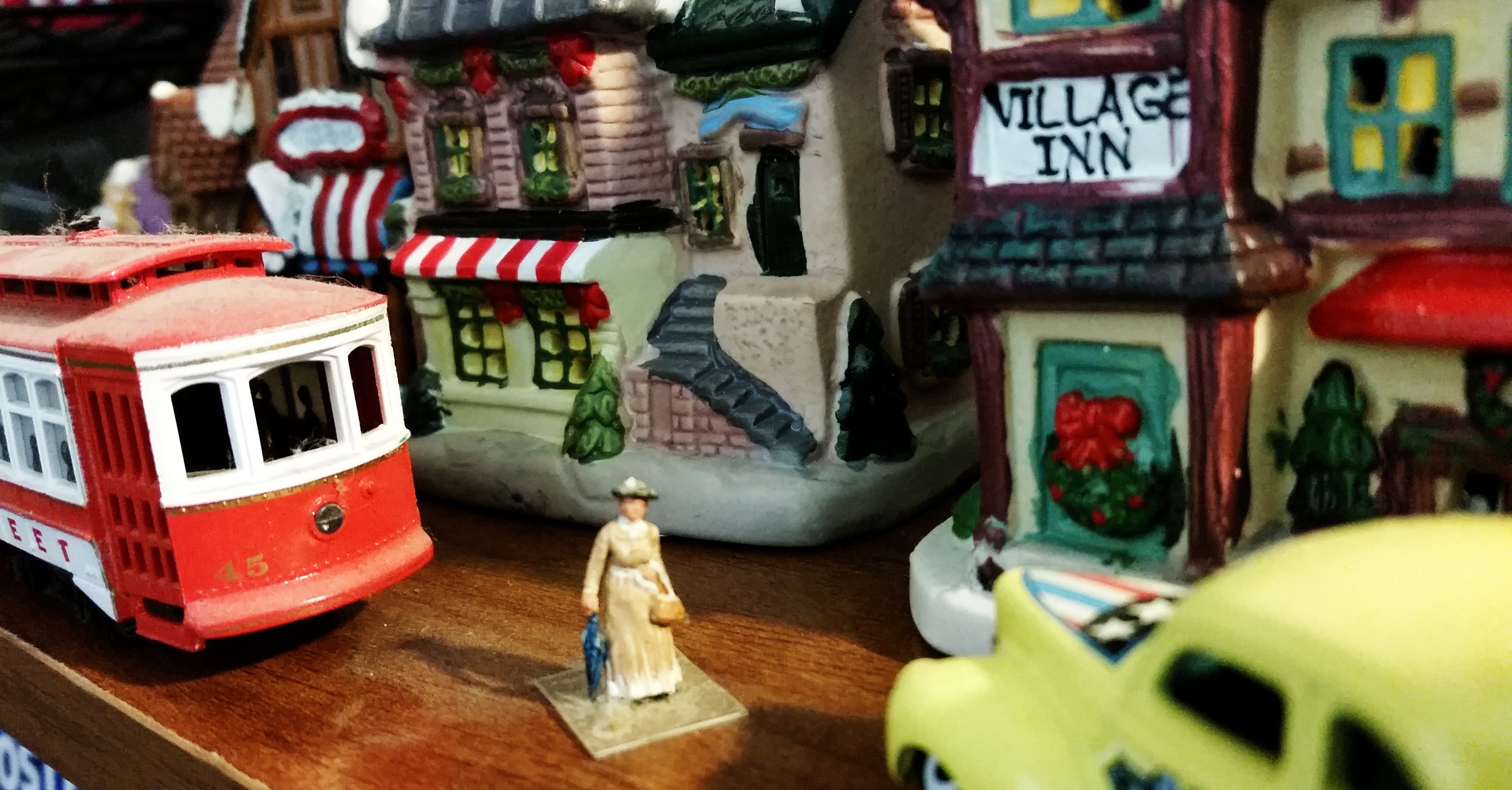





 Catch a Falling Star
Why We Doo
I remember when Scooby Doo, Where Are You? premiered on Saturday Morning Cartoons in 1969. I was thirteen and in the 7th grade. I had been six during the Cuban Missile Crisis of 1962, seven when Kennedy was assassinated in 1963, ten when I was sexually assaulted in 1966, and still twelve when Neil Armstrong walked on the Moon in the Summer of 1969. I was obsessed with monsters, horror comics, 20,000 Leagues Under the Sea, and the Pirates threatening Jim Hawkins in Treasure Island. I knew what fear was. And I was mad to find ways to combat the monsters I feared.
Don’t get me wrong. I was under no illusions that Fred, Daphne, Velma, Norville “Shaggy” Rogers and Scooby Doo were the answer to all my fears as viable heroes and heroines. They were goofballs, all of them, based on the characters I vaguely remembered from The Many Loves of Dobie Gillis. I was aware that Shaggy was just Maynard Krebs in cartoon form (the hippie character portrayed by Gilligan’s Island actor Bob Denver.)
One of the critical things about the show for me was the fact that there was a rational explanation for the monsters. They were men in masks, special effects and projector tricks, or remote-controlled mechanical things.
And the way you overcame them and saved the day was by having Shaggy and Scooby act as bait, cause the traps to get sprung at the wrong time, and then fall on the villains, trapping them under the butt of the talking dog.
Villains and horror could be overcome by laughing at them. They were more likely to be clowns than carnivores. And even if they were carnivores, the teeth were not real.
There was a universal truth in that. Danger and horror and fear were easier to handle when you could laugh in spite of those things.
And to top it all off, those meddling kids and their stupid talking dog were with me my whole life. Those cartoons got remade and spun off so many times that my kids learned to love them as much as I did. And those four meddling kids and that talking dog are still making new stories even now.
And that is why we do the Doo!
Leave a comment
Filed under autobiography, cartoon review, cartoons, commentary, humor, monsters, Uncategorized
Tagged as hanna-barbera, horror, Netflix, review, Scooby Doo