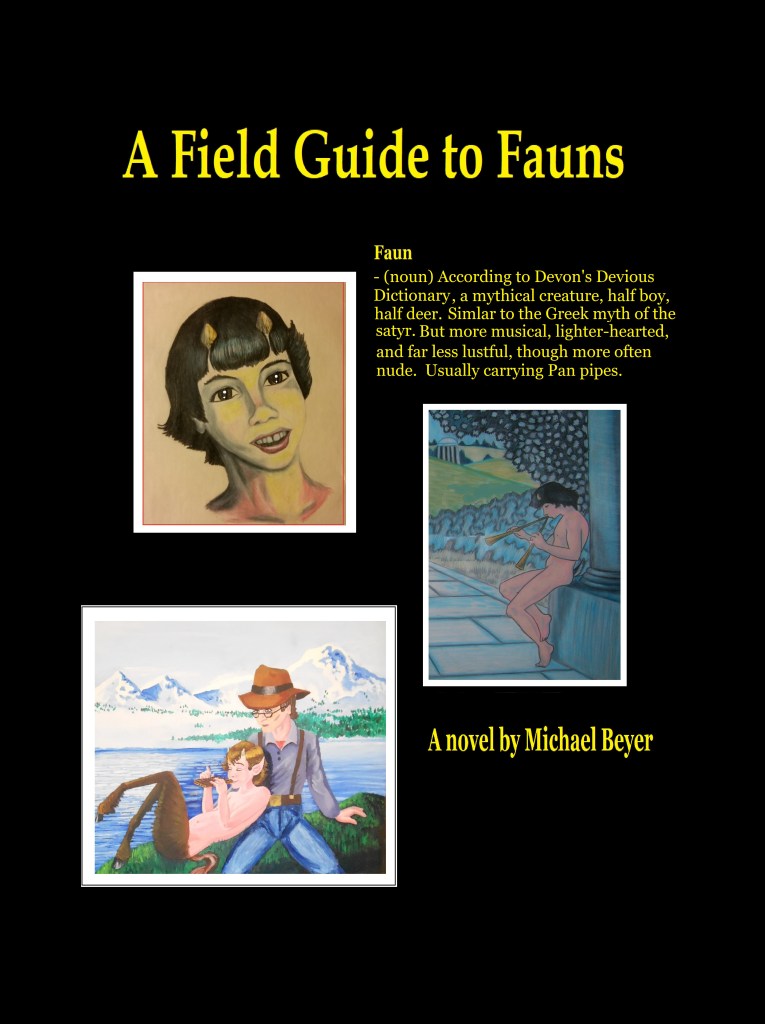

Tag Archives: books

Impending Darkness

I recently learned from the eye doctor that I may be at the doorstep of glaucoma, a disease that darkened my grandmother Beyer’s vision and connection to the light.

I am doing some serious editing now on my completed manuscript, Sing Sad Songs. There is serious foreshadowing going on in this novel. I think I mentioned once or twice before that I only rarely write a comic young adult novel without having some important character dying at the end. Death and dying and going blind are all on my mind.

News on the global warming front is increasingly bleak. Temperatures are rising faster than predicted. The date cited for the end of life on Earth is now 2030 (possibly within the scope of my lifetime if I get luckier than I have been on past health issues). The outlook is bleak and getting bleaker. Soon there has to be an absolutely miraculous technological or cultural revolution to help the optimists prove themselves right, a thing that they are totally not good at.

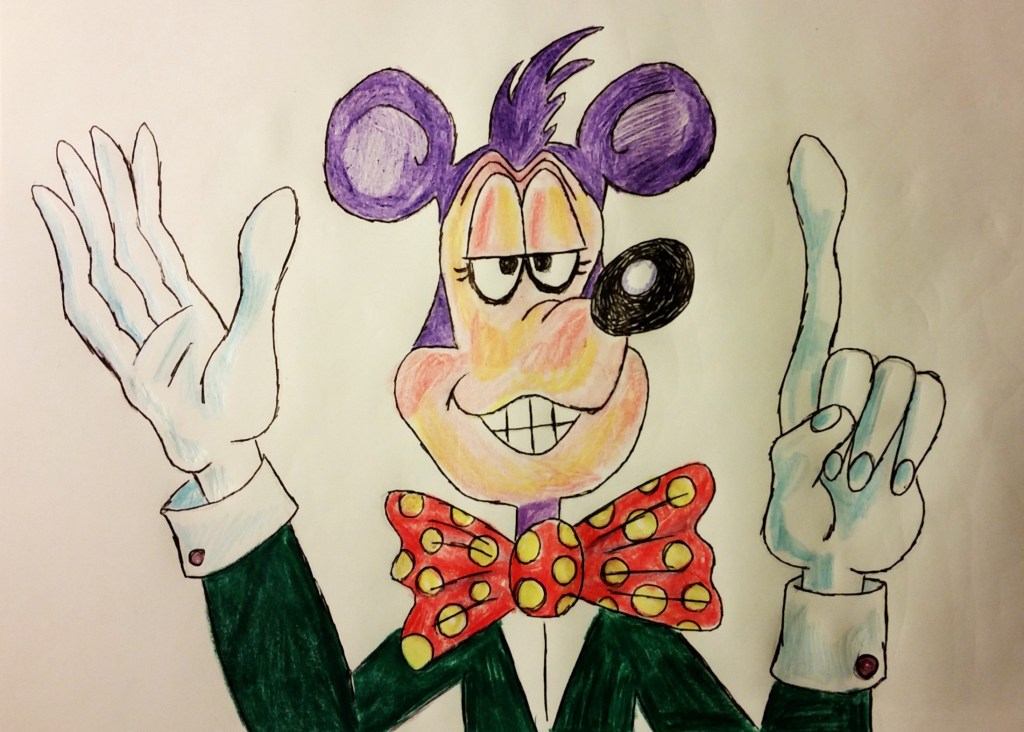
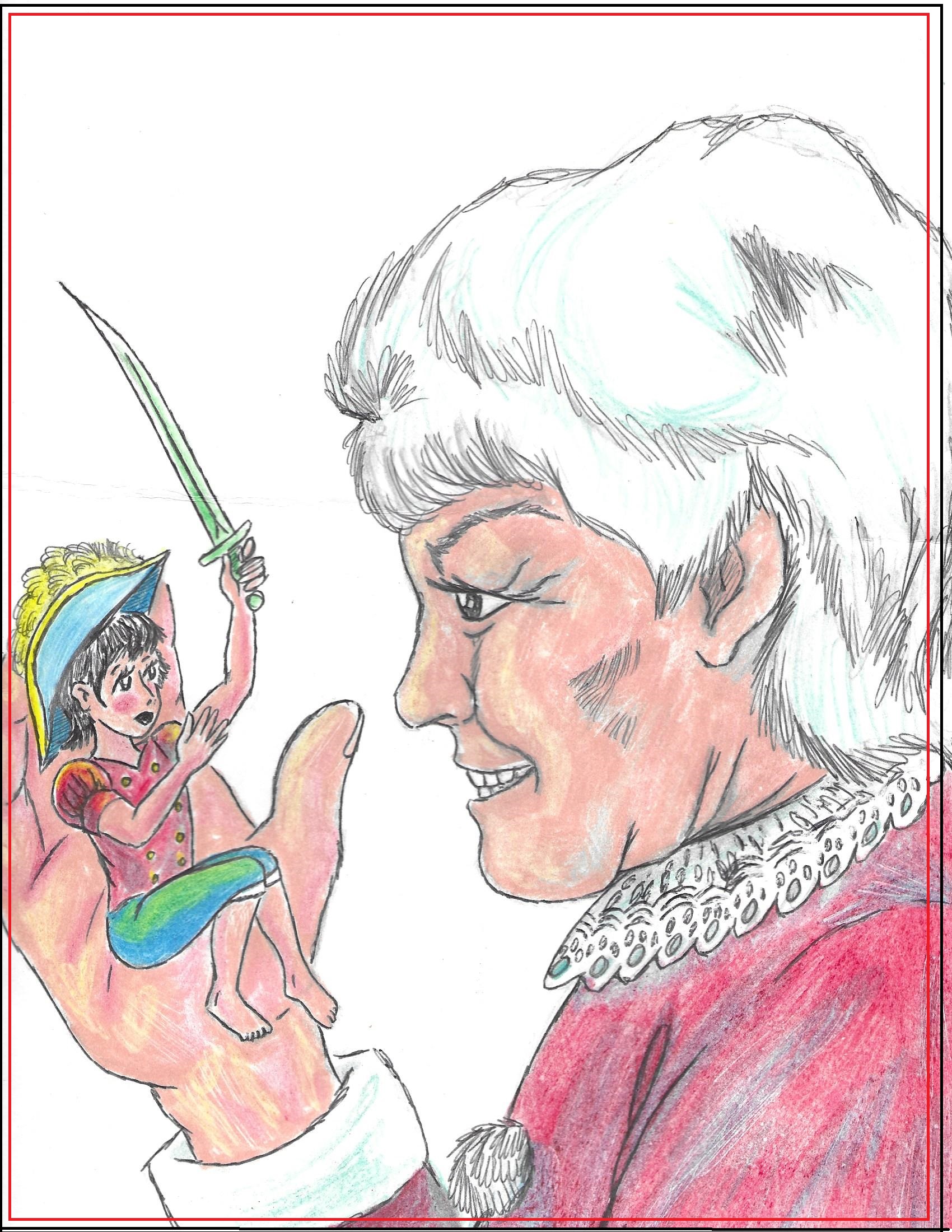
I wish I had a Steven Miller cartoon to place here, but he is much scarier and more evil than Stone, so maybe it is for the best that I only have the Stone head cartoon. It’s funnier than Racist Dracula.

The government seems increasingly incapable of helping with anything, even though some of us are paying increasingly large tax bills thanks to insane tariff programs, a form of sales tax, which, of course, we can’t afford. (I do realize some of you who are not on a fixed income actually got a small benefit from Republican tax cuts. Did that solve your financial problems?) It increasingly looks like the corrupt clown show currently in charge is blowing themselves up. We stand to get a whole new government soon that is marginally better at best. So, we are, as a society, marching forward into the darkness with neo-fascist, goose-stepping zeal.

I am not saying that I have no hope. My grandmother got help and never went completely blind. There are breakthroughs happening all the time in science and sociology. But the darkness in my personal future is growing ever closer. And I have less and less control over its advance.

Leave a comment

Filed under angry rant, autobiography, battling depression, feeling sorry for myself, humor, Paffooney

Reading Bag of Bones

This is not a book review. I did finish reading this book in a 3-hour-end-of-the-book reading orgy, spending an hour last night, and two more early in the morning before the rest of my family was awake.

This is certainly not a book review. But I did read a Stephen King book, 1998’s Bag of Bones, which I picked up from the dollar sale shelves at Half Price Books. And I did love the story.

………………………………………………………………………This is not a book review. Instead, I want to talk about what a novelist can learn and reflect on by meta-cogitating over what this book reveals about King’s work habits and style and author’s voice.

Mike Noonan, the protagonist, is a novelist who writes books that routinely land in the numbers 10 through 15 slots in the New York Times Bestseller List. Obviously, this first-person narrative is coming directly out of King’s own writing experience. But, remember, this is not a book review. I am discussing what I have learned about how King puts a story together. 

King sets a back-story for this novel that digs deep into the geographica and historica of the city in Maine where the story is set. The literal bag of bones revealed in the book’s climax is almost a hundred years old. And he takes a compellingly realistic tour back in time to the turn of the Twentieth Century more than once to reveal who the undead characters are and why they do what they do. One thing that makes a writer, a novelist, truly solid is his ability to set the scene, to grow the story out of the background in the most organic and realistic way possible. But this is not a book review. I am saying that King always does this with his books. And if you wish to write at that level, you must do that too. I know I am sincerely trying.

At the end of the story, he clearly tells the reader that he learned from Thomas Hardy that “the most brilliantly drawn character in a novel is but a bag of bones”. So, he is definitely aware that a character is a construct that has to be crafted from raw materials. It takes a master craftsman to build one with the right words to make it live and breathe on the page. He does it masterfully in this book with several characters. The protagonist, the beautiful young love interest, the love interest’s charming three-year-old daughter who is nearly slain in a horrific manner at the end of the book… The living villain is a well-crafted bag of bones, as is the ghost, the actual bag of bones in the story. But this is not a book review. Most of his books, at least the ones I have read, have the same sort of masterful characters.

There is so much more to be learned about novel writing from this book. He literally shows you how ideas are captured, how they are developed into stories, how you overcome “writer’s block”, and Noonan’s book he is writing within this book is even used as an example of how to poetically advance the plot. But this is not a book review. You should read this book. It is a very good and scary piece of work. But you should read it because it shows us how to write and do it like a master.

Leave a comment

Filed under horror writing, insight, inspiration, NOVEL WRITING, writing teacher

Oxfordian Rationalizations

Yes, I am, perhaps, a bit of a fool for believing Edward de Vere, the 17th Earl of Oxford, is the writer behind the works of William Shakespeare.  How do you prove something is true when it is so obvious that someone worked really hard to keep it a secret for all this time?  Is it a betrayal of the man to go against his apparent wishes and try to out him for his incredible secret?  It is hard for me to judge.  After all, I know I am a fool.

But even if he is not Shakespeare, and just sits at the apex of a mountain of coincidences, I am fascinated by the historical character of Edward de Vere.

the_keep_at_castle_hedingham_-_geograph-org-uk_-_30510
The keep at Hedingham Castle, the de Vere family seat in Essex (photo by David Phillips)

He was born the only son of John de Vere, the 16th Earl of Oxford, and heir to the second oldest title among English nobility.  His father stood by Elizabeth when she was under house arrest under the reign of Bloody Mary, and went with her as a court favorite to the throne of England when she survived the ordeal.  So naturally Edward was a favorite of Elizabeth’s since childhood.  Later stories would suggest he became the Queen’s secret lover, but the rumors of the Virgin Queen’s harlotry were most likely the invention of Philip of Spain and other nobility in Catholic Europe who plotted endlessly against her because she chose to adopt her father’s protestant Anglican religion instead of returning England to Catholicism like her half-sister Mary before her.  Elizabeth’s personal integrity may not have been perfect. Still, the love she bore for young Edward was probably not the improper kind that the movie Anonymous, directed by Roland Emmerich, suggested.

But even though de Vere was born lucky, I would not say he was particularly lucky in life.  He was only twelve when his father (though having completed his will) died.  The result being that he was made ward to Queen Elizabeth herself.  She was not exactly the foster-mother type, however.  She sent the boy to be raised in the home of her Secretary of State and chief adviser, William Cecil (later made Lord Baron Burghley).  Meanwhile, Elizabeth took possession of some of his estates in payment for the wardship and bestowed them on Robert Dudley (her childhood friend and probable one true love, though he was married to someone else).  Young Edward was a difficult student.  His tutor, the famous scholar Laurence Nowell, resigned in frustration, probably because the boy was too bright and far-reaching for the antiquarian scholar to deal with, possibly himself being a bit dumber than advertised.   Edward quickly developed a reputation for love poetry at Elizabeth’s royal court.  He was a gifted, though somewhat conflicted, prodigy.

cecilwilliam1bburghley04
William Cecil, 1st Baron Burghley

And here is what I find most fascinating about his life story.  As you reread it, keeping the works of Shakespeare in mind, you begin to see Shakespeare’s source material coming to life.  Edward would end up marrying Cecil’s young daughter Anne, so that Lord Burghley was not only a man who raised him, but also his father-in-law.  But marrying off your offspring to nobility was an accepted manner of social climbing, and Cecil wasn’t entirely sure he couldn’t do better for his daughter.  And the meddlesome, lecturing, and self-righteous nature of the man comes out in Shakespearean characters like Polonius in Hamlet who spies upon the suicidal prince because he fears the effect Hamlet’s love for his daughter Ophelia might have on her reputation, causing him to spout all manner of cliches and stuffy, self-important advice.

cecil
Robert Cecil, Lord Salisbury

Cecil’s son Robert, the hunchbacked boy who grows up to take over his father’s office as adviser to both Elizabeth and James I, is a crafty statesman and plotter who is the undoing of the Earl of Essex in a real-life plot against the throne of Elizabeth.  It is hard not to read about his real-life exploits without seeing the connections to Iago in Othello and the conniving hunchback Richard III.

So, once again I have overshot my target length in this essay because I get so wound up in the details of my discoveries.  There are numerous things written and published about the connections between de Vere and the Bard himself.  I have only begun to scratch the surface in this telling of it.  But I am just a fool with a humor blog.  If it interests you at all, I encourage you to go to as many of the available sources as you can possibly Google.  I haven’t yet finished doing that myself.  And I do hope I haven’t told anything here that makes Shakespeare turn over in his grave (if, indeed, a grave could ever really hold him.)

Leave a comment

Filed under artists I admire, conspiracy theory, foolishness, humor, strange and wonderful ideas about life, William Shakespeare

Rereading Me

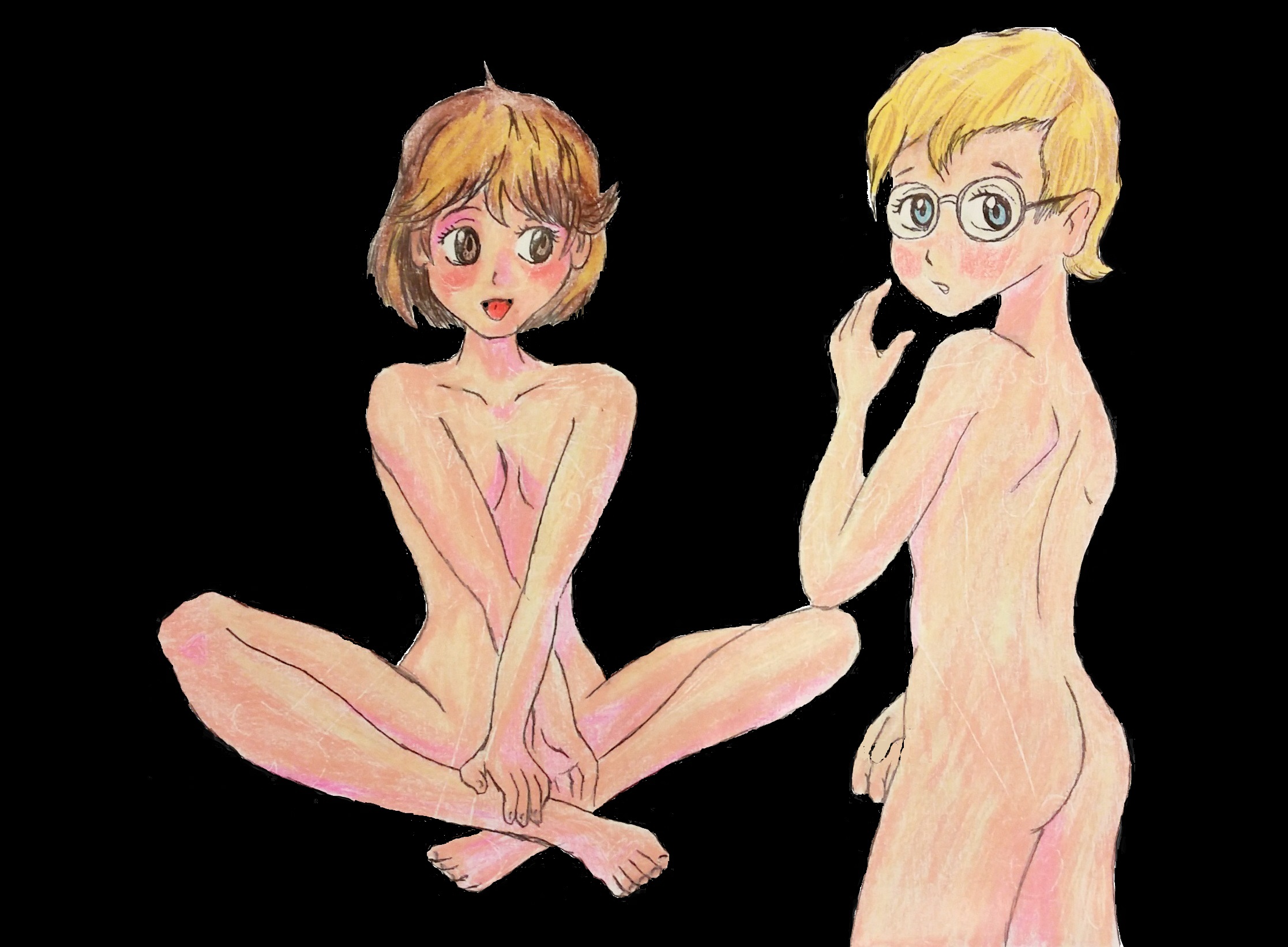
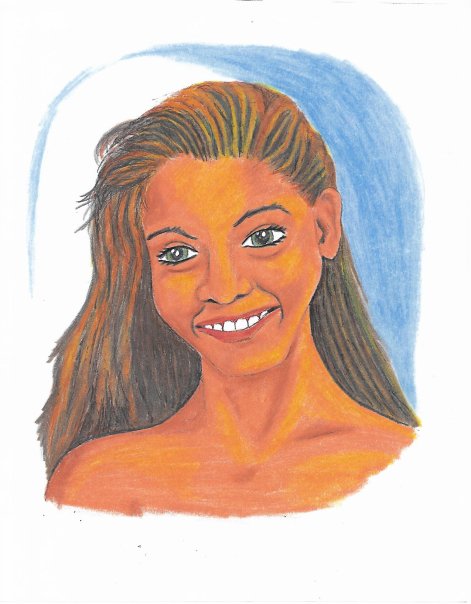
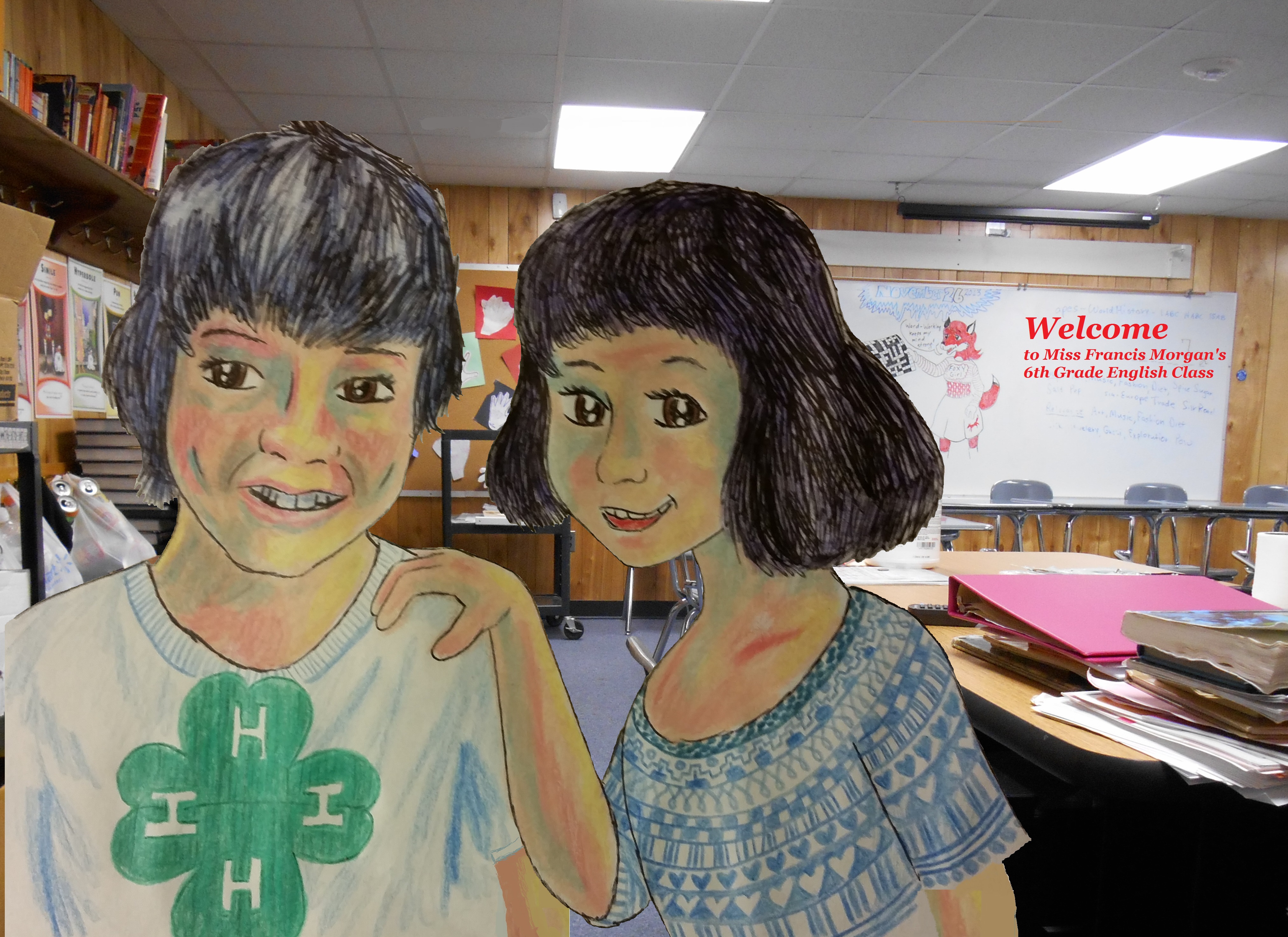
If the two girls up above are Sherry and Shelly Cobble, the twins from several of my novels, they are wearing too many clothes. These two fictional characters are true nudists and go naked whenever possible. (The twins they are based on in real life were probably lying to me about going to nude beaches to embarrass their English teacher (me).)

I have often thought that the reason my novels are so rarely read by anyone (except nudists, of course) is that I use ridiculous situations and purple paisley prose to tell improbable stories. It is entirely possible that I am a lousy writer.

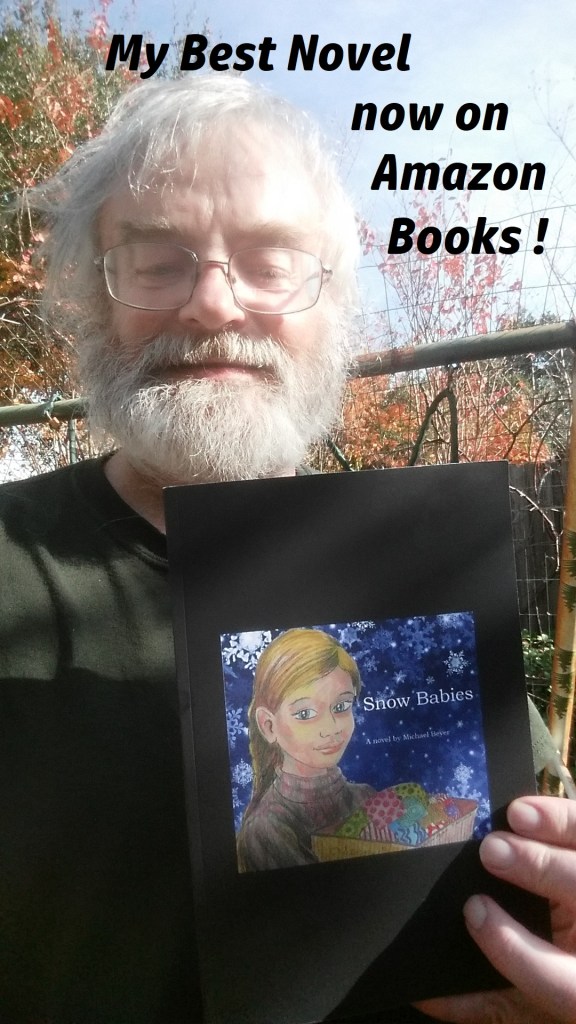
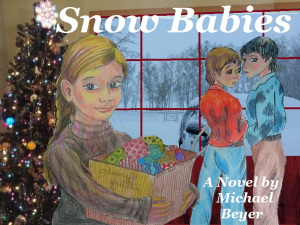
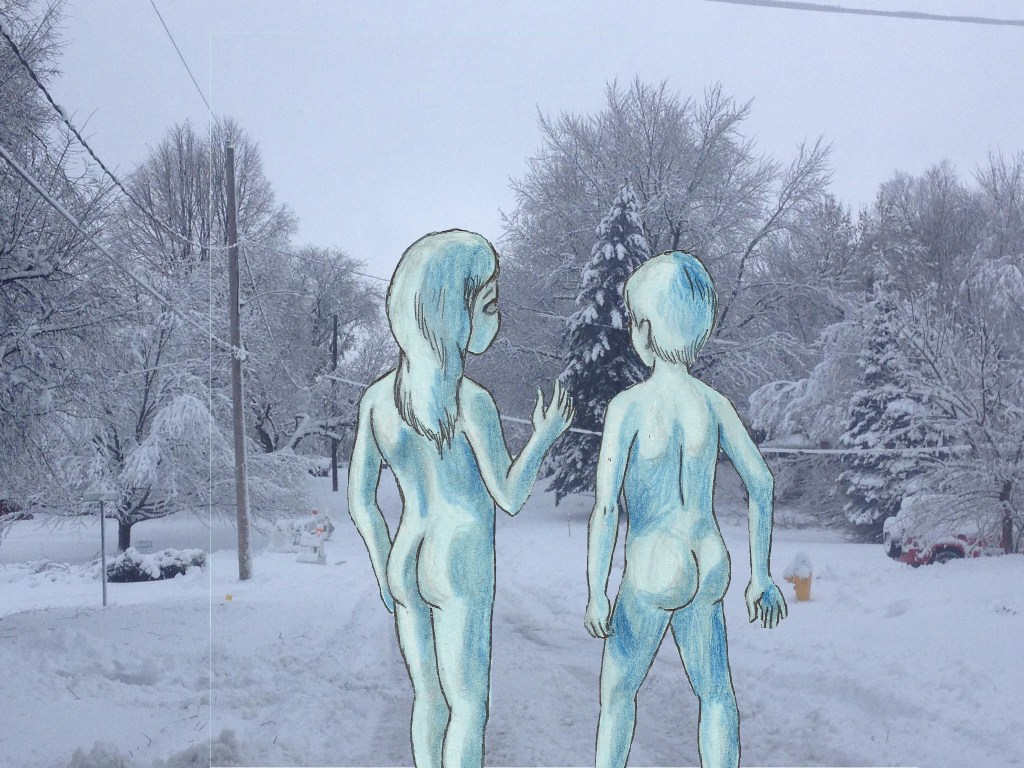
So, I spent the recent holidays rereading what I believe is my best book, Snow Babies. It is a comedy about a small town coming together to survive a severe blizzard. In other words, it is a humorous story about bus passengers, runaway orphans, and farm town citizens being harassed by snow ghosts and some of them freezing to death. It has many intense moments. There are witches, a mysterious stranger, a group of kids in a liars’ club, a couple of orphans with severe medical problems, and a clown or two to become vivid characters that someone somewhere will identify with. (After all, most of them are based on real people I was related to or met sometime in my nonfictional past life.) There are hauntings and magic and near-death experiences. And rereading it gave me chills down my spine as well as moments of loud laughter and a few spots where I shed a few tears. Maybe it isn’t so terrible. I found it fascinating in spite of having read it ten times or more, on top of writing it and editing it.

I am now rereading this book, The Bicycle-Wheel Genius. It is a story about friendship, losing friends, and renewing friendships. It is also about family, losing family, finding a new family, and learning to properly love the family you are stuck with. Besides having some serious themes, it is also a rollicking adventure about time-travelling, fighting a dogfight in World War I biplanes, killer alien robots, man-eating chinchillas, and rabbits who become human. And a girl with special problems to overcome gets to turn a boy into a girl for a while with an alien ray gun to exact the perfect revenge. You know, all very sensible, realistic stuff. And it makes me laugh in some parts, and cry in some parts, and even feel the tension in parts where good characters face terrible consequences. I am finding again that I enjoy my own writing when I go back to things I have already written and published.

Maybe I am not a bad writer. There is a good chance you will like them too if you try them.

.

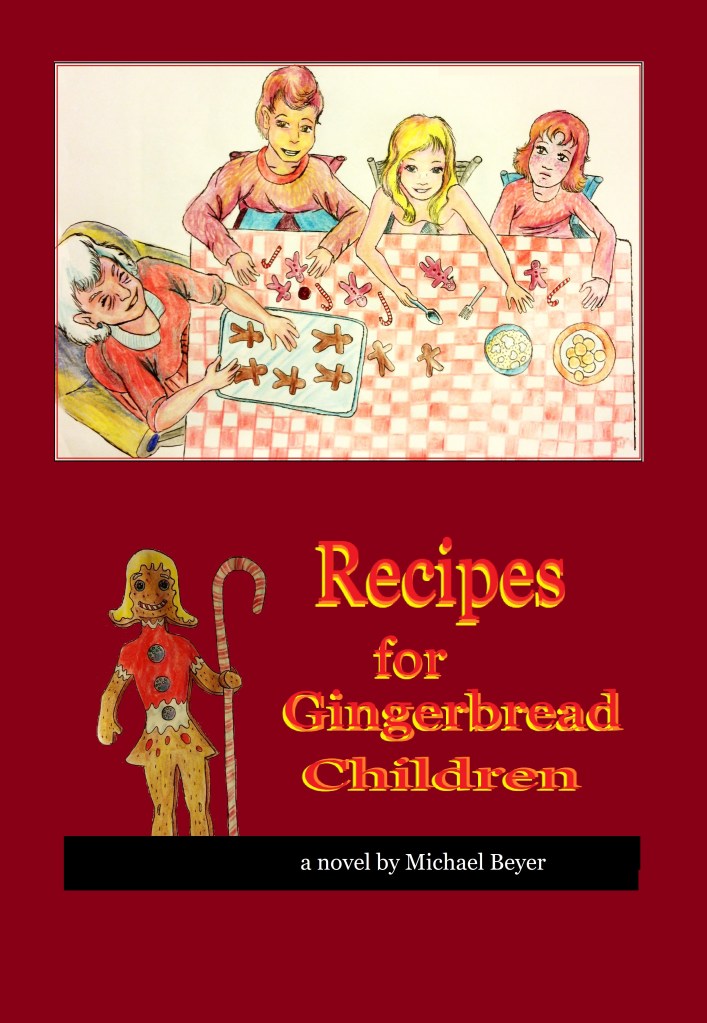
This is the book to read to find out about the Cobble Sisters. Recipes for Gingerbread Children. It is the one I plan to reread next.

Leave a comment

Filed under Uncategorized

Where Do Ideas Come From?

When you make the mistake of admitting to others that you are a writer, they immediately assume you know things that are kept secret from “normal” people. For instance, they will simply assume that you can tell them where you get your ideas for writing. Well, I am fairly sure that I got the idea for this post from watching a YouTube video in which the Master, Neil Gaiman, says that every author has a joke answer for that one with enough sarcastic wit in it to punish the asker with public humiliation.

I asked the dog if she knew any jokes like that which I could use to prepare for someone asking me that question in public. She said, “You could tell them that your family dog tells you what to write every day.”

“No,” I said, “people would never believe it.”

“Well, it is supposed to be a joke. But you are right. No one would ever think you were actually smart enough to write down what a dog tells you.”

“Yes, it’s a good thing for me that you know how to speak in English. I could never translate and transcribe Barkinese.”

So, I began thinking of where some of my best ideas came from.

Dreams

Some of my stories come directly from dreams that I had. The nightmare about being chased down a street in Rowan at midnight by a large black dog with red eyes was an actual dream I had in the 1970s. So was the nightmare of the werewolf climbing out of the TV during a late-night viewing of Lon Chaney in The Wolfman.

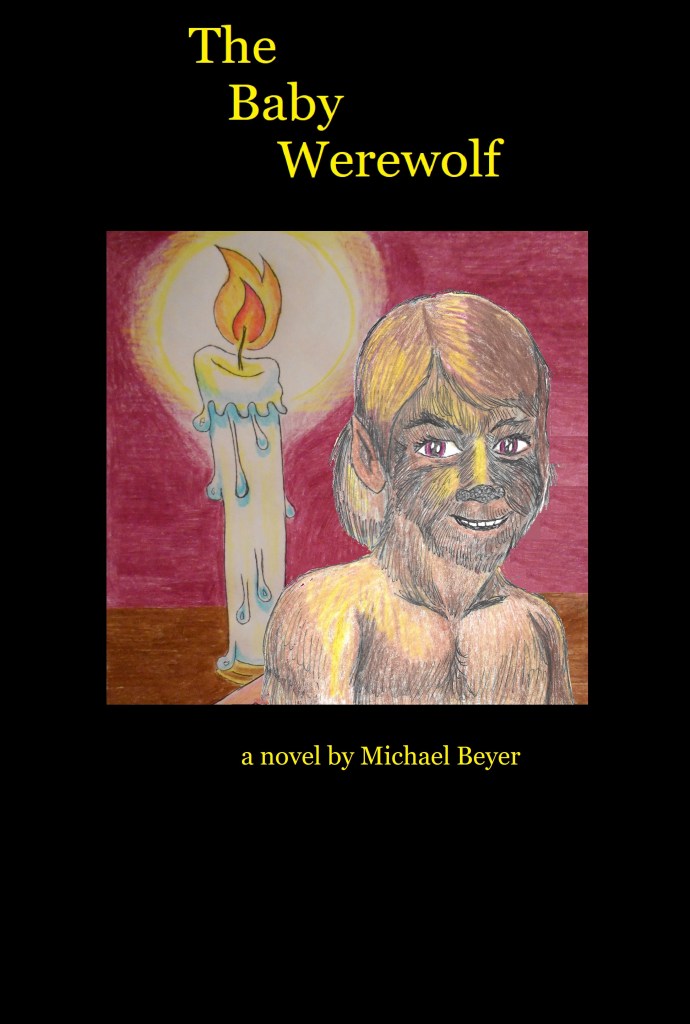
Those two dreams together were the start of the story that became my recently published novel, The Baby Werewolf. Both dreams visit the protagonist in the story I wrote almost as if they were his dreams and not actually mine.

Events

Snow Babies, the best novel I have ever written, was based on two different blizzards I experienced, first as a child in the 1960’s, and then again as a high school kid in the 1970s. Each blizzard involved being snowed in for a week at someone else’s house. As a child, I was stuck at Grandpa’s farm place until the snow plows could finally do their work and open the gravel roads. As a teen, I was stuck in Great Grandma’s retirement apartment near the high school in Belmond.

That novel also is based on the next source of ideas;

Characters

I can’t think of any story I have written that isn’t based on real people I have known in one way or another. Valerie in the novel above is based on three different girls I have known or taught. One of those three is my own daughter. The four orphans on the bus in that story are all boys from my junior high classes in the 1980s.

Lucky Catbird Sandman, the hobo who wears the quilted coat of many colors, is based on the poet Walt Whitman, whom I knew well in a past life, and my own shiftless, storyteller self. Some characters are just so key to a story idea that they themselves are the reason for a book to exist.

In conclusion, the dog doesn’t really know what she’s talking about. None of these things are really where I get my ideas. But I am out of time. I will have to write about the bottle imp another day. No, really. A magical imp trapped in a bottle. You can make one of those give you ideas for novels with only a slight risk to your life and soul.

Leave a comment

Filed under Uncategorized

Writing a Horror Story

Candle-lit nightmares become stories and keep me awake late at night.

I am now closing in on the publication of The Baby Werewolf, a novel whose story began with a nightmare in 1978.  It was a dream I had about being a monster.  I woke up in a cold sweat and realized, to my complete horror, that I had been repressing the memory of being sexually assaulted for twelve years, the thing that almost brought me to suicide in 1973 and that I couldn’t put into words when I talked to counselors and ministers and friends who tried to keep me alive without even knowing that that was what the dark black words were about.

I don’t normally write horror stories.  Yes, it is true, a character of some sort dies at the end of practically every novel I have ever written, but those are comedies.  I am sort of the anti-Shakespeare in that sense.  The Bard wrote comedies that ended with weddings and tragedies that end in death.  So, since my comedies all seem to end in death, I guess if I ever write a tragedy, it will have to end with a wedding.

Torrie Brownfield

But writing this horror story is no joke for me, though I admit to using humor in it liberally.  It is a necessary act of confession and redemption for me to put all those dark and terrible feelings into words.

The main theme of the story is coming to grips with feeling like you are a monster when it is actually someone else’s fault that you feel that way.  Torrie, the main character, is not the real werewolf of the story.  He is merely a boy with hypertrichosis, the werewolf-hair disorder.  He has been made to feel like a monster because of the psychological and physical abuse heaped upon him by the real werewolf of the story, an unhappy child pornographer and abuser who is enabled by other adults who should know better and who should not be so easily fooled.  The basis of the tale is the suffering I myself experienced as a child victim.

It is not easy to write a story like this, draining pain from scars on my own soul to paint a portrait of something that still terrifies me to this day, even though I am more than sixty years old and my abuser is now dead.  But as I continue to reread and edit this book, I can’t help but feel like it has been worth the pain and the striving.  No one else in the entire world may ever want to read this book, but I am proud of it.  It allowed me to put a silver bullet in the heart of a werewolf who has been chasing me for fifty-two years.  And that’s how the monster movie in my head is supposed to end, with the monster dead, even though I know the possibility of more monsters in the darkness still exists.

Leave a comment

Filed under autobiography, horror writing, humor, NOVEL WRITING, Paffooney

The Art of Being Mickey

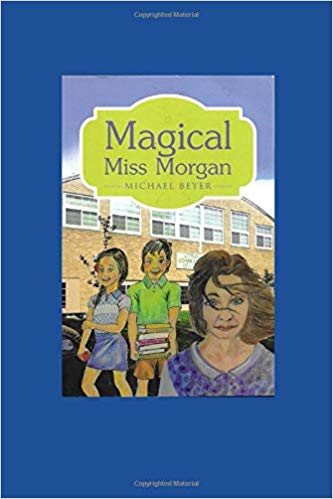
I have published my eighth novel in the last six years. (This is, of course, a re-post of an old essay.) Sure, it is through mostly self-publishing of novels that no one but me has ever read. Catch a Falling Star and Snow Babies both had a professional editor, one who had worked for Harcourt and one who worked for PDMI. Magical Miss Morgan has had a proofreader who made numerous stupid mistake errors that I had to change back to the original meticulously by hand. But all three of those novels won an award or were finalists in a young adult novel contest. I do have reason to believe I am a competent writer and better even than some who have achieved commercial success.

But what is the real reason that I am so intent on producing the maximum amount of creative work possible in this decade? Well, to be coldly objective, I am a diabetic who cannot currently afford insulin. I have been betrayed by the for-profit healthcare system that treats me as a source of unending profit. I am like a laying hen in the chicken house, giving my eggs of effort away to a farmer who means to eat my very children if time and circumstance allows. I am the victim of six incurable diseases and conditions that I got most likely as a result of exposure to toxic farm chemicals in the early 70’s. I am also a cancer survivor from a malignant melanoma in 1983, and for three years now I have not been able to get the preventative cancer tests I am supposed to be receiving every year for the rest of my life. My prostate could very well be cancerous as I write this. If that is so, it will kill me unawares, because I don’t even want to know about having a disease I can’t possibly afford to fight all over again.’

So, the basic reason I am going through the most productive and creative period of my entire life is because I have a great rage to create before I die and I could be dying as soon as tonight. All of the countless stories in my head clamoring to be written down before it is too late cry out to me desperately for my immediate attention.

I will, then, continue to write stories and draw cartoons and other Paffoonies for as long as I am still able, and possibly even afterward. I have, after all, threatened repeatedly to become a ghostwriter after I die. And, yes, I understand when you scream at my essay that that is not what a ghostwriter is. But if a woman can channel the ghost of Franz Schubert and finish his unfinished symphony…(https://en.wikipedia.org/wiki/Rosemary_Brown_(spiritualist))

—then I should also be able to tell my stories from beyond the grave. I have been percolating them in my head and writing and drawing them in whole or in part since 1974. I have too much time and too many daydreams wrapped up in them to let it all just evaporate into the ether. In summation, I am claiming stupidly that my novels, crack-brained and wacky as they are, are somehow destined to exist, either because of me or in spite of me. So just be happy that I write what I write, for there is an art to being Mickey, and I am the one artist and writer who is the best Mickey possible if truly there ever was a real Mickey.

Leave a comment

Filed under battling depression, commentary, goofy thoughts, humor, novel writing, Paffooney

The Interstellar Bad Poetry Challenge

c360_2016-12-18-09-40-07-285

The Ixcanixian Cultural Ambassador from the Squeelix Sector of the Planet Ixcanix sent me an e-mail about his planet’s newest idea for a cultural exchange.  He calls it the “Ixcanixian Spleegle Gorn Vorpaloop” which translates to the “Ixcanixian Interstellar Bad Poetry Challenge”.  At least, it does if I am conjugating the verb “Vorpaloop” correctly.  It is difficult because you have to drop the silent “y” before adding the “aloop” without causing it to explode.  I know it is probably a very bad idea to present it here on this planet, but he talked me into it by promising to promote my novel Catch a Falling Star on his homeworld and at least two other planets in the Bugeye Federation.

Here are the rules for the alien poetry contest;

  1. Entries can only come from planets in the Orion Spur of the Sagittarius  Spiral Arm of the Milky Way Galaxy.  (So, for you non-astronomers out there, we on Earth do qualify.)
  2. All poets must be less intelligent than the Mud-Eaters of Paralaxos IV as they will be employed as judges of what poetry is truly bad.  (Again, Earth qualifies as we have recently re-elected Trump and also allow Nigel Farage of Great Britain to continue to exist.)
  3. Entries must not be so long that the total weight of letters exceed critical mass and form black holes in the intergalactic servers when uploaded.
  4. Vogons need not apply.  Their poetry is so bad that they would automatically win, causing the death of trillions of bad poetry readers in the galaxy.
  5. Entries must not cause thermonuclear reactions with cesium.
  6. Please refrain from confusing good poetry with bad poetry.  The Vornloos of Talos XII are looking for poetry they can weaponize, and no one wants a poetry contest winner to suddenly create World Peace on Talos XII.  That would be bad for the galaxy as a whole in ways that are very difficult to explain.

A sample of interstellar bad poetry is included here to inspire the kind of poetry we seek.

Ratzen Bargle’s Bisketoon  (a love poem by Touperary Kloob, Poet Laureate of Antares VI)

Ratzen Bargle was a Doofus,

From the planet Rufus-Ploofiss,

And he had a lovely bride,

With a head not tall, but twice as wide.

She had three eyes, and two were green.

She had the loveliest fleen you’ve ever seen.

And as they sat ‘neath a wayward moon,

He kissed his lovely bisketoon.

Immediately before naught was said,

She bit off his tiny three-eyed head.

And then she ate him bones and all

With sauce that really becomes the fall.

And so it is on Rufus-Ploofiss,

That  males all die with one last roof-kiss.

Because they sit under wayward moons

With their lovely, hungry bisketoons.
Should you have the unfortunate urge to participate in this senseless and probably suicidal poetry contest, you are welcome to offer four-line poems in the comment section, or email longer poems to Mickey at mbeyer51@gmail.com.  I will attempt to transmit the worst offers to the Ixcanixians as soon as I get my interstellar flooglebeeder transmitting again.  I will also post winners in a future alien poetry blog.

I have been warned that prizes range from instant execution by the Lizard Lords of Galtorr Prime to a beat up copy of Mickey’s 2012 novel Catch a Falling Star.  So, good luck with the bad poetry.

I must confess, I did not submit any of my terrible poetry as I don’t want any of the prizes.

Leave a comment

Filed under aliens, goofiness, humor, Paffooney, pen and ink, poem, poetry, satire, science fiction

A $3.00 Treasure Trove

C360_2016-12-21-17-27-40-934.jpg

If you cruise the bargain sections in an old used book store like Half-Price Books, eventually you are going to find something priceless.  This book I am showing you is that very thing for me.

It was copyrighted in 1978.  The inscription inside the front cover says this was a Father’s Day gift on June 19th, 1988.  Someone named Gary gifted it to someone named Claude in Burleson, Texas.  It was probably a cherished book until someone passed away and the book changed hands in an estate sale.

c360_2016-12-21-17-26-52-638

Howard Pyle

The book chronicles the height of the publishing era when being able to print books and reproduce artworks began entertaining the masses.  Always before painters and great artists worked for a patron for the purpose of decorating their home in a way that displayed their great wealth.  But from the 1880’s to the rise of cinema, magazines and books kept the masses entertained, helped more people to become literate than ever before, and created the stories that made our shared culture and life experiences grow stronger and ever more inventive.  The book focuses on the best of the best among a new breed of artist… the illustrators.

These are the ones the book details;

Howard Pyle, N.C. Wyeth, Frederick Remington, Maxfield Parrish, J.C. Leyendecker, Norman Rockwell, Charles Dana Gibson, Howard Chandler Christy, James Montgomery Flagg, and John Held Jr.

c360_2016-12-21-17-26-08-244

N.C. Wyeth

Wyeth was most famous as a book illustrator for Treasure Island, Kidnapped, other books by Robert Louis Stevenson, Mark Twain,  and a famous volume of tales about Robin Hood.

c360_2016-12-21-17-25-30-575

Frederick Remington

Remington is a name you probably know as a maker of Western art.  He was a famous painter of cowboys and Indians and the American frontier.

c360_2016-12-21-17-25-11-104

Maxfield Parrish

Maxfield Parrish is my all-time favorite painter.  His work is something I gushed about in previous posts because I own other books about his fanciful works painted in Maxfield Parrish blue.

c360_2016-12-21-17-24-36-579

Also Maxfield Parrish


c360_2016-12-21-17-24-09-869

J.C. Leyendecker

You will probably recognize Leyendecker’s work in magazine and advertising illustration as the standard of the Roaring 20’s.  His paintings set a style that swept American culture for more than a decade, and still affects how we dress to this very day.


c360_2016-12-21-17-23-44-163

More Leyendecker


c360_2016-12-21-17-23-26-011

Even more from Leyendecker


c360_2016-12-21-17-22-58-983

Norman Rockwell

Norman Rockwell and his work for The Saturday Evening Post is still familiar to practically everyone who reads and looks at the illustrations.  As you can see he was a master of folksy realism and could do a portrait better than practically anyone.


c360_2016-12-21-17-22-02-082

Also Rockwell

I have also written about Norman Rockwell before too.  I have half a dozen books that include his works.  My wife is from the Philippines and she knew about him before I ever said a word to her about him.

c360_2016-12-21-17-21-38-237

Charles Dana Gibson

As you can plainly see, Gibson was a master of pen and ink.  His work for Collier’s and other magazines thrills in simple black and white.  More cartoonists than just little ol’ me obsess about how he did what he did.

c360_2016-12-21-17-21-14-634

Also Gibson


c360_2016-12-21-17-20-49-992

James Montgomery Flagg… with a name like that, who else could it be?


c360_2016-12-21-17-20-06-847

John Held Jr.

The work of Held is stylistically different than all the rest in easily noticeable ways.  He’s the guy that made all the big-headed Pinocchio-looking people in the 1920’s.  You may have seen his work before, though you probably never knew his name.

This bit of someone else’s treasure hoard will now become a part of my own dragon’s treasure, staying by my bedside for quite a while, while I continue to suck the marrow from each of its bones.  I love this book.  It is mine, and you can’t have it… unless you find your own copy in a used bookstore somewhere.

Leave a comment

Filed under art criticism, art my Grandpa loved, book reports, book review, humor, illustrations, imagination, oil painting, old art, old books, pen and ink, Uncategorized

Islands of Identity

Island Girl2z

Who am I?

Why do I do the things that I do?

No man is an island.  John Donne the English poet stated that.  And Ernest Hemingway quoted it… and wove it into his stories as a major theme… and proceeded to try to disprove it.  We need other people.  I married an island girl from the island of Luzon in the Philippines.  She may have actually needed me too, though she will never admit it.

Gilligans Island

When I was a young junior high school teacher in the early eighties, they called me Mr. Gilligan.  My classroom was known as Gilligan’s Island.  This came about because a goofball student in the very first class on the very first day said, “You look like Gilligan’s Island!”  By which he meant I reminded him of Bob Denver, the actor that played Gilligan.  But as he said it, he was actually accusing me of being an island.  And no man is an island.  Thank you, Fabian, you were sorta dumb, but I loved you for it.

20160730_061115

You see, being Gilligan on Gilligan’s Island was not a bad thing to be.  It was who I was as a teacher.  Nerdy, awkward, telling stories about when I was young, and my doofy friends like Skinny Mulligan.  Being a teacher gave me an identity.  And Gilligan was stranded on the Island with two beautiful single women, Mary Ann and Ginger.  Not a bad thing to be.  And I loved teaching and telling stories to kids who would later be the doofy students in new stories.

But we go through life searching for who we are and why we are here.  Now that I am retired, and no longer a teacher… who am I now?  We never really find the answer.  Answers change over time.  And so do I.

Leave a comment

Filed under artwork, being alone, feeling sorry for myself, finding love, humor, insight, Paffooney, strange and wonderful ideas about life