
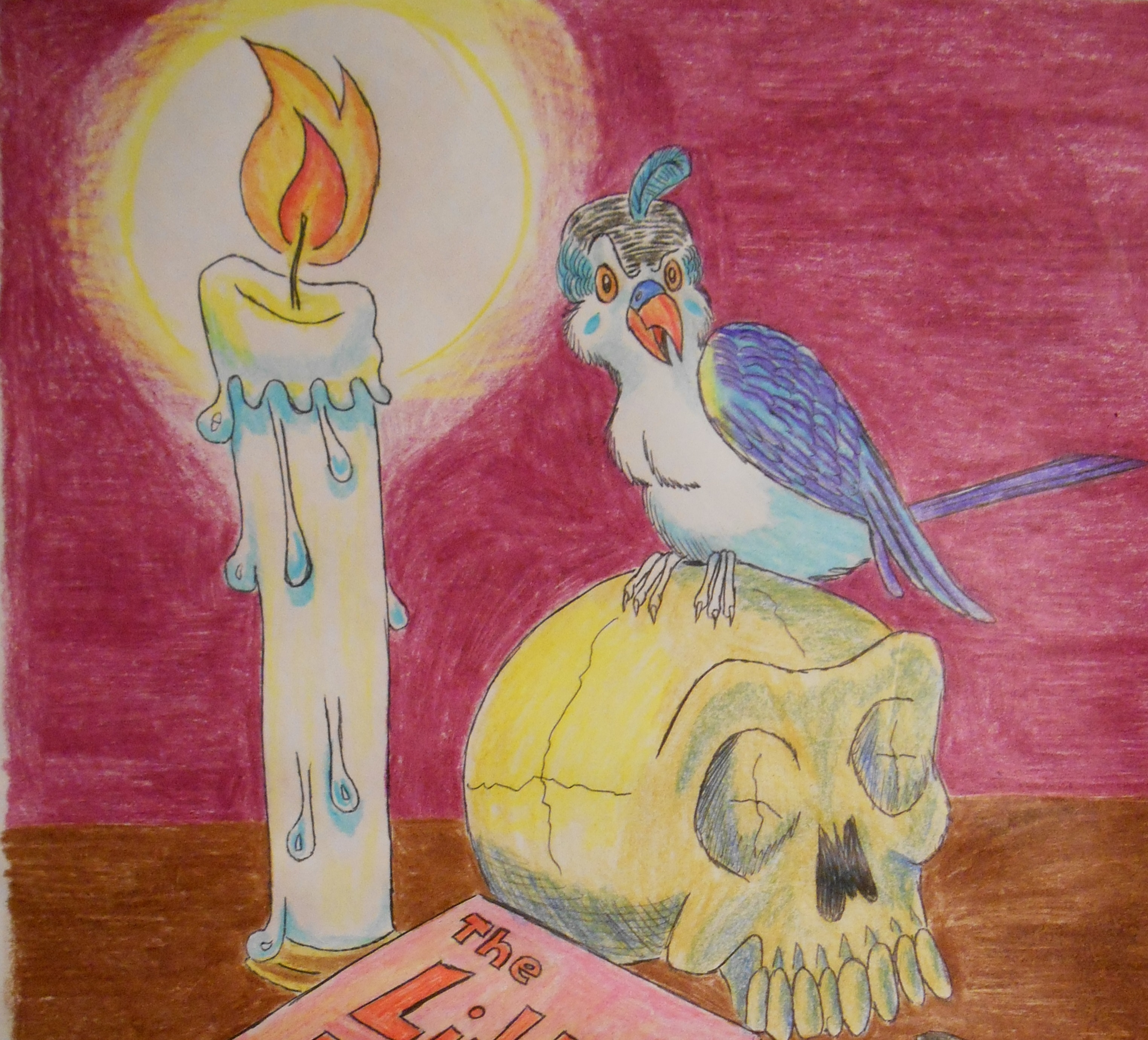
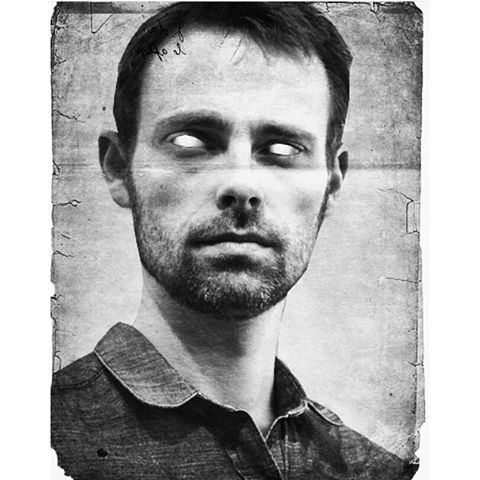
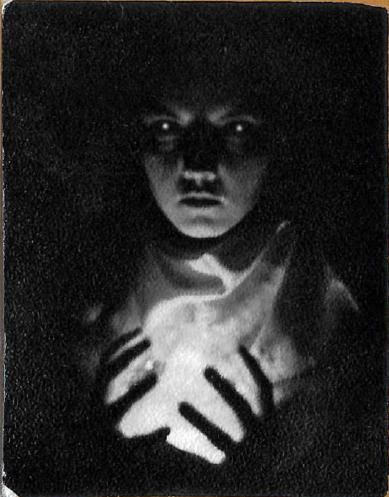
I am now closing in on the publication of The Baby Werewolf, a novel whose story began with a nightmare in 1978. It was a dream I had about being a monster. I woke up in a cold sweat and realized, to my complete horror, that I had been repressing the memory of being sexually assaulted for twelve years, the thing that almost brought me to suicide in 1973 and that I couldn’t put into words when I talked to counselors and ministers and friends who tried to keep me alive without even knowing that that was what the dark black words were about.
I don’t normally write horror stories. Yes, it is true, a character of some sort dies at the end of practically every novel I have ever written, but those are comedies. I am sort of the anti-Shakespeare in that sense. The Bard wrote comedies that ended with weddings and tragedies that end in death. So, since my comedies all seem to end in death, I guess if I ever write a tragedy, it will have to end with a wedding.
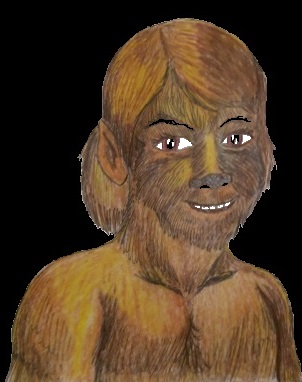
But writing this horror story is no joke for me, though I admit to using humor in it liberally. It is a necessary act of confession and redemption for me to put all those dark and terrible feelings into words.
The main theme of the story is coming to grips with feeling like you are a monster when it is actually someone else’s fault that you feel that way. Torrie, the main character, is not the real werewolf of the story. He is merely a boy with hypertrichosis, the werewolf-hair disorder. He has been made to feel like a monster because of the psychological and physical abuse heaped upon him by the real werewolf of the story, an unhappy child pornographer and abuser who is enabled by other adults who should know better and who should not be so easily fooled. The basis of the tale is the suffering I myself experienced as a child victim.
It is not easy to write a story like this, draining pain from scars on my own soul to paint a portrait of something that still terrifies me to this day, even though I am more than sixty years old and my abuser is now dead. But as I continue to reread and edit this book, I can’t help but feel like it has been worth the pain and the striving. No one else in the entire world may ever want to read this book, but I am proud of it. It allowed me to put a silver bullet in the heart of a werewolf who has been chasing me for fifty-two years. And that’s how the monster movie in my head is supposed to end, with the monster dead, even though I know the possibility of more monsters in the darkness still exists.
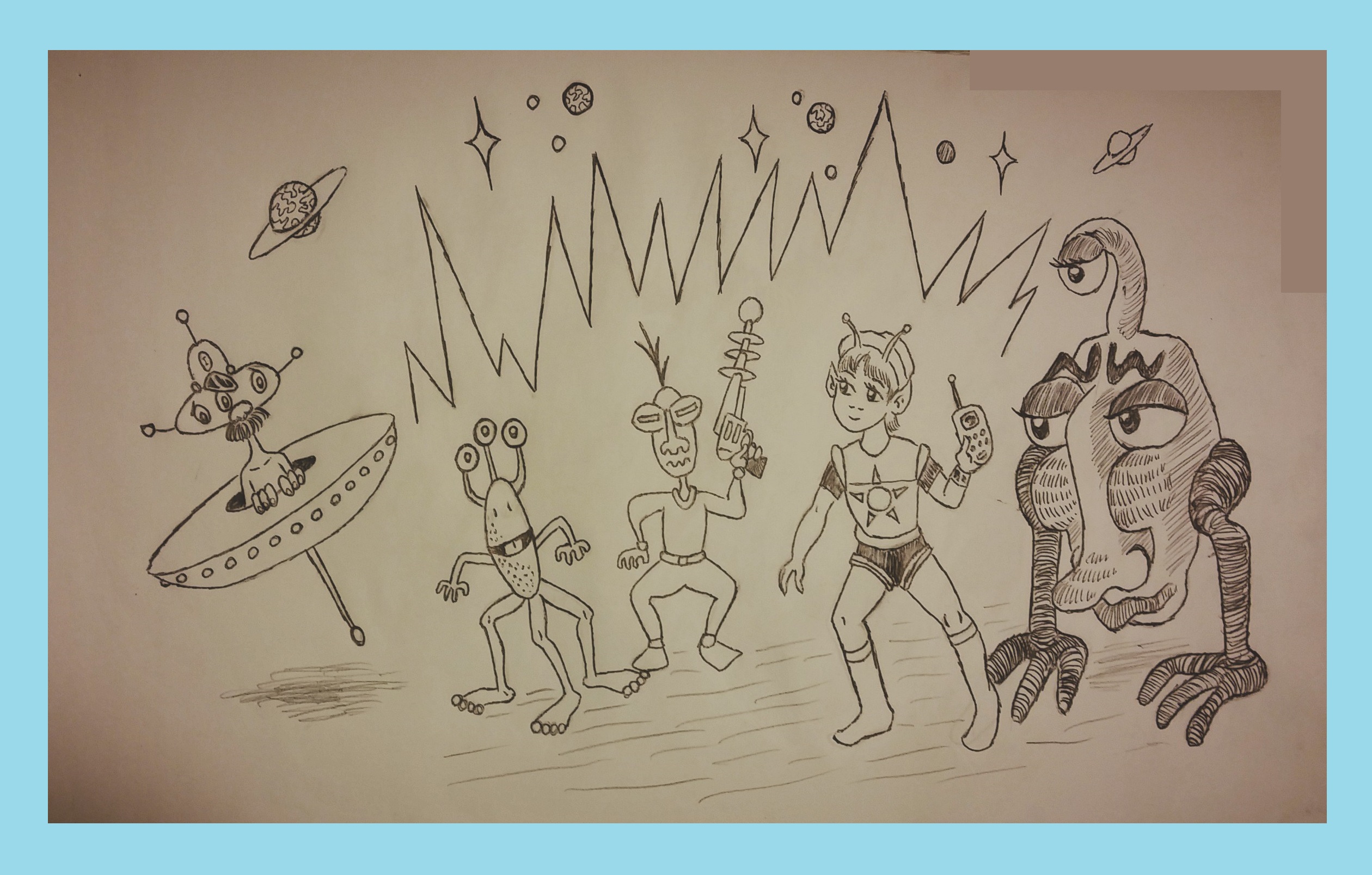
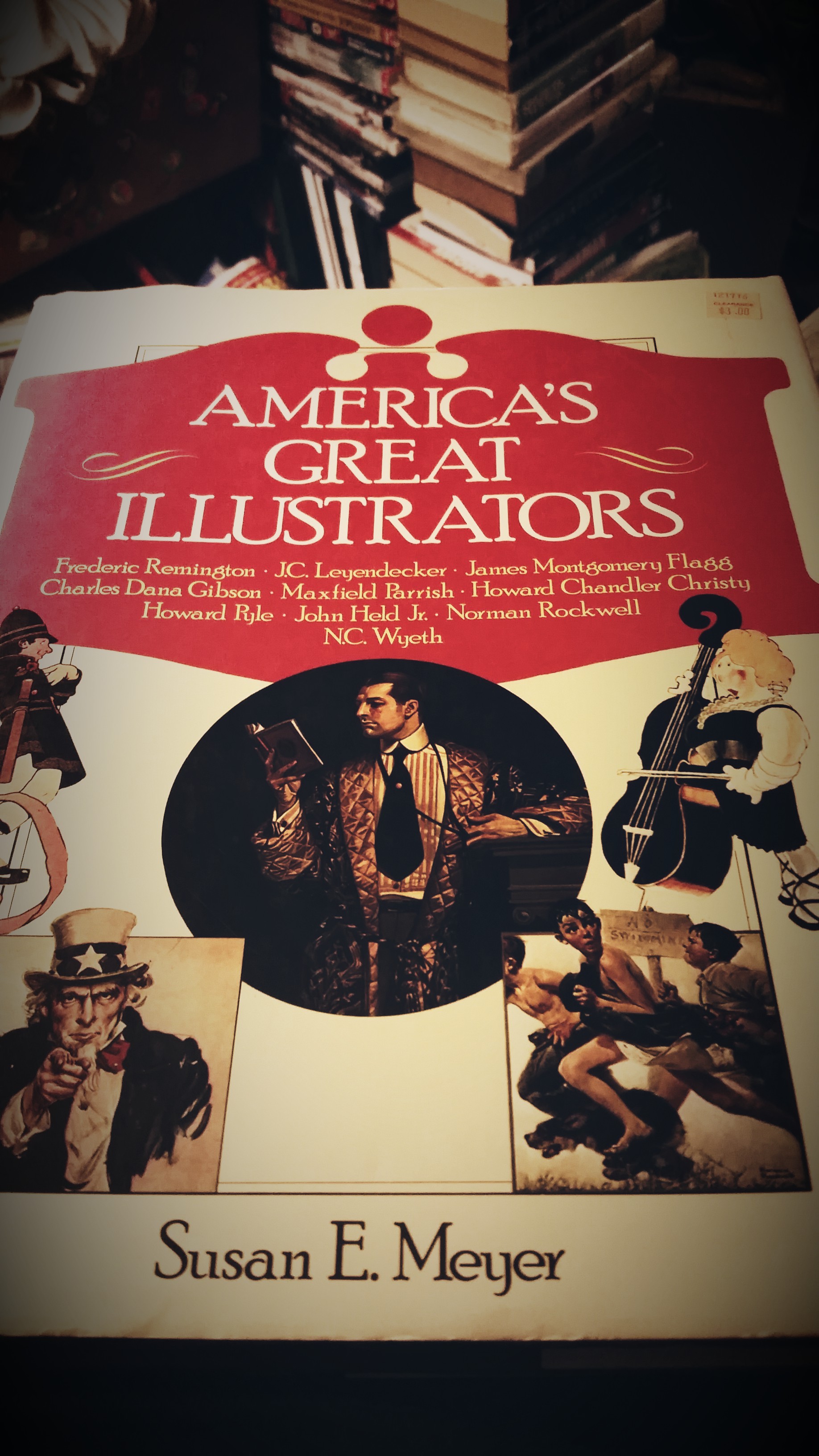
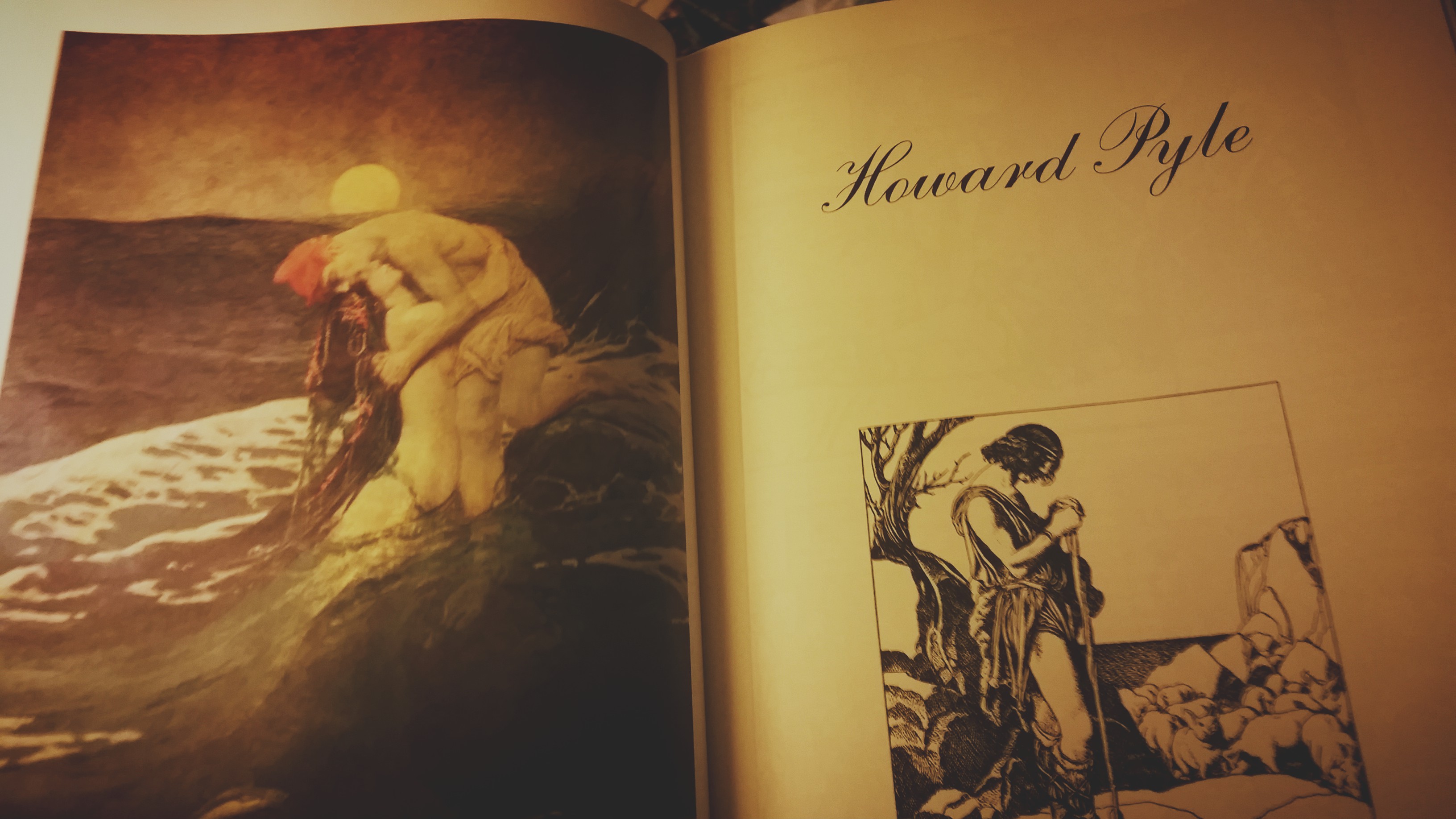
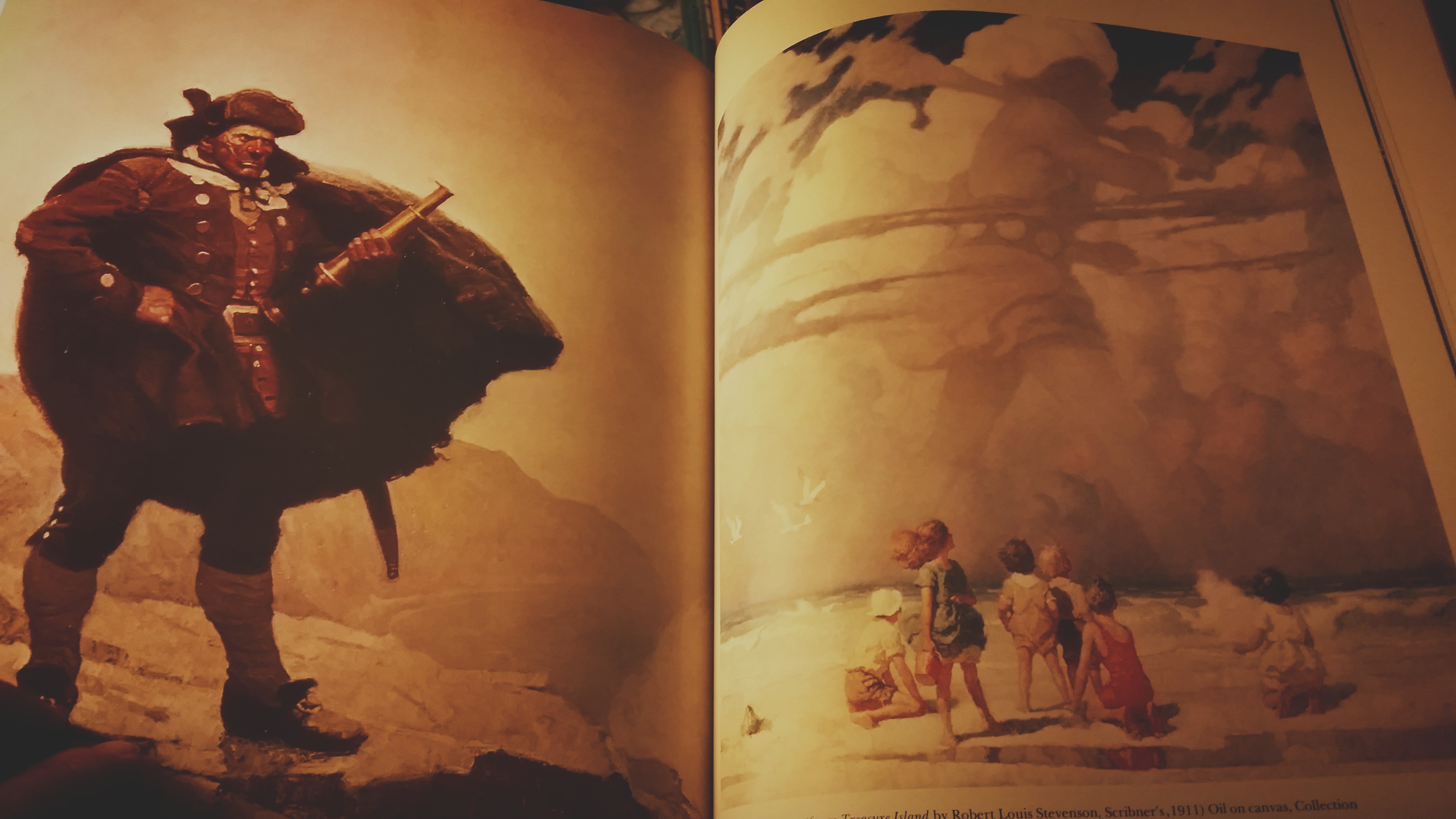
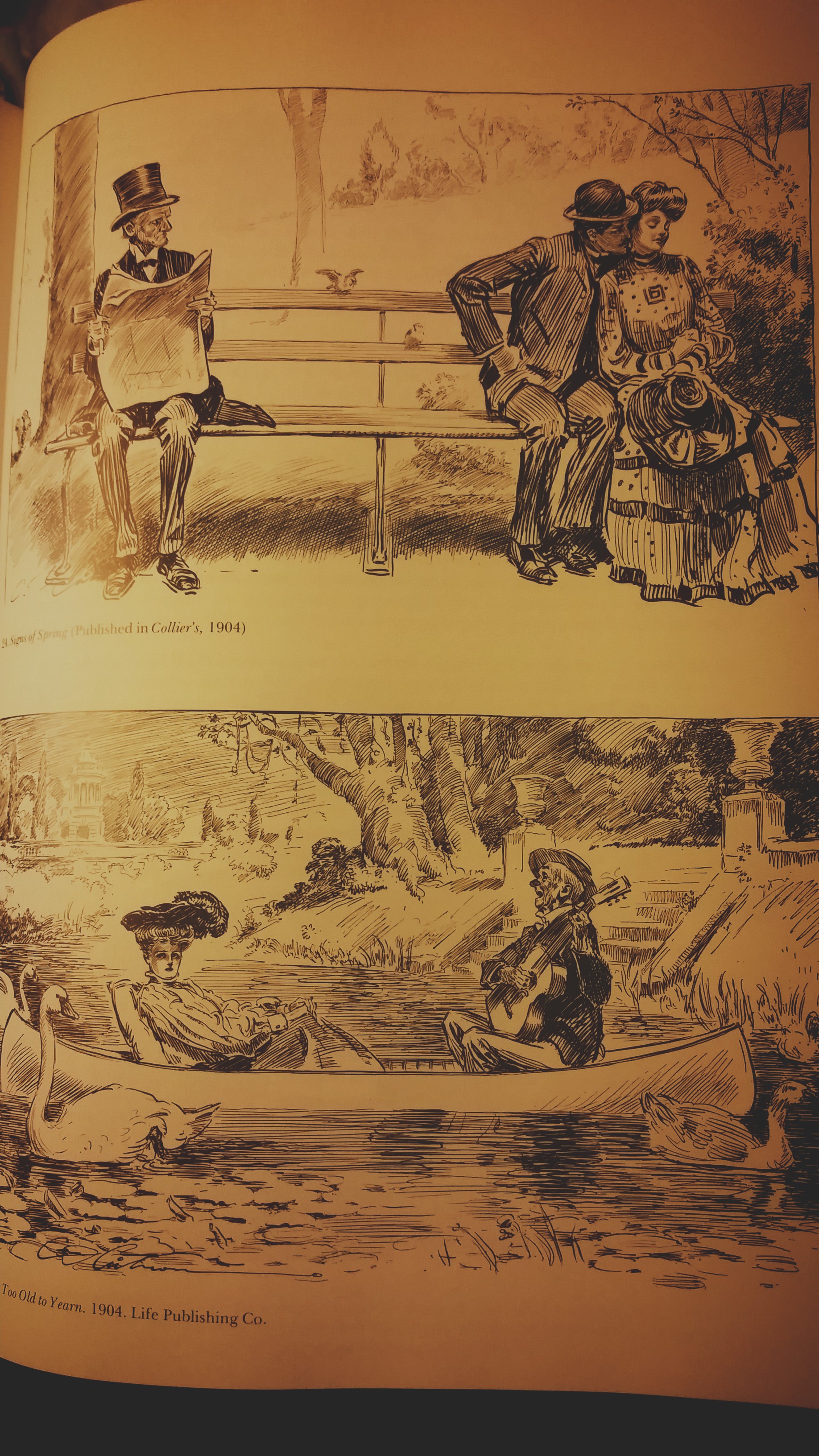
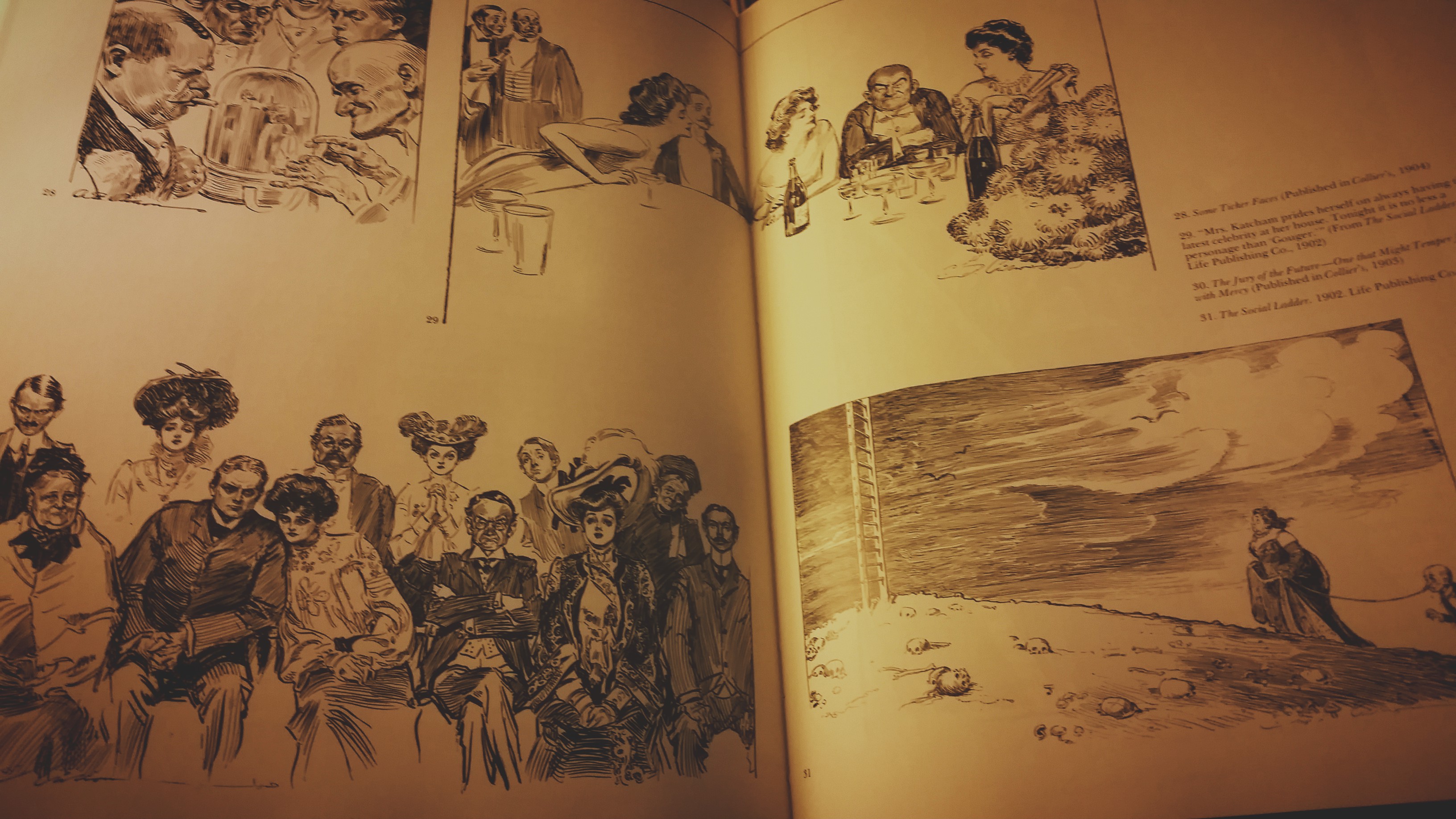
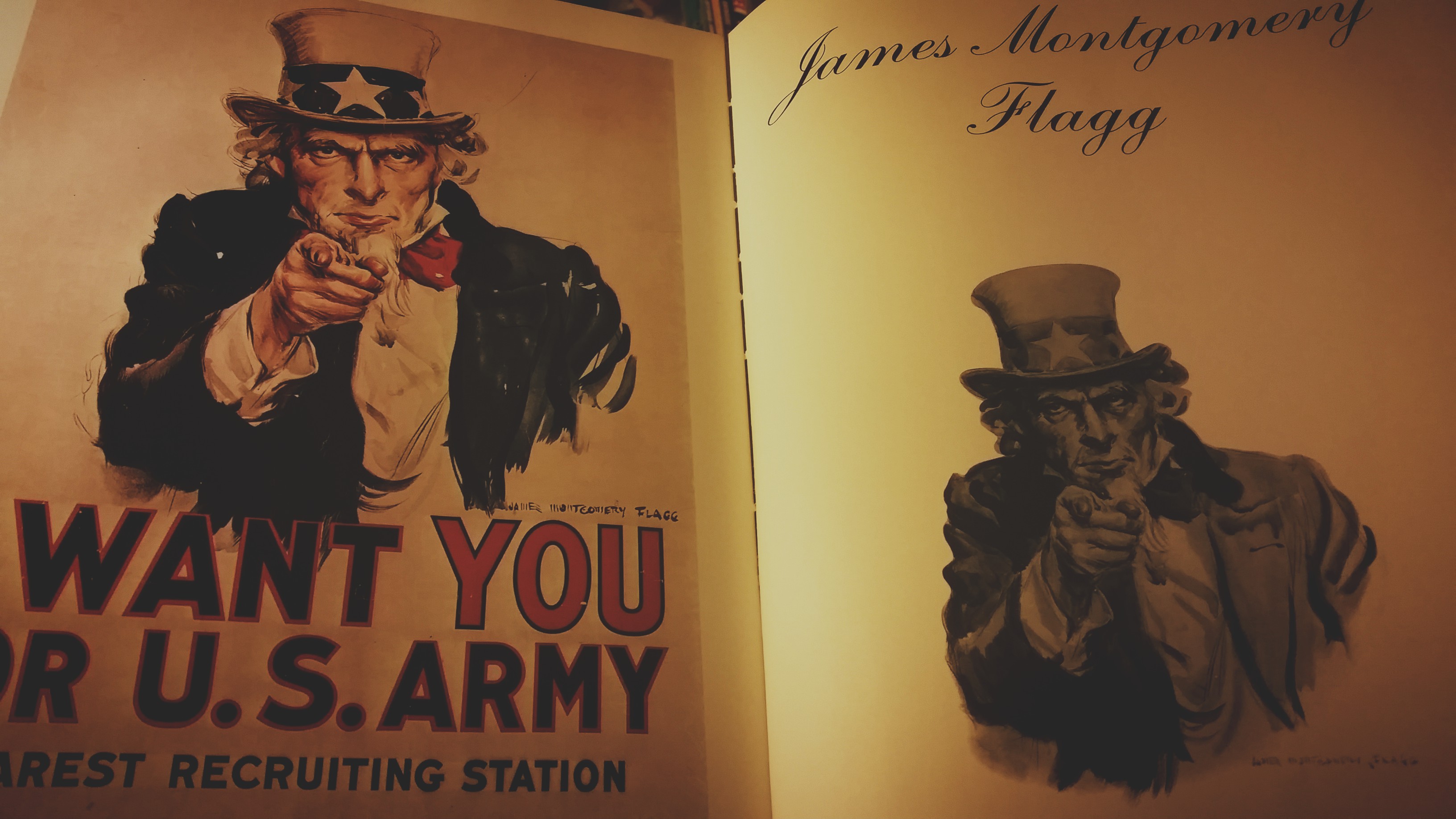
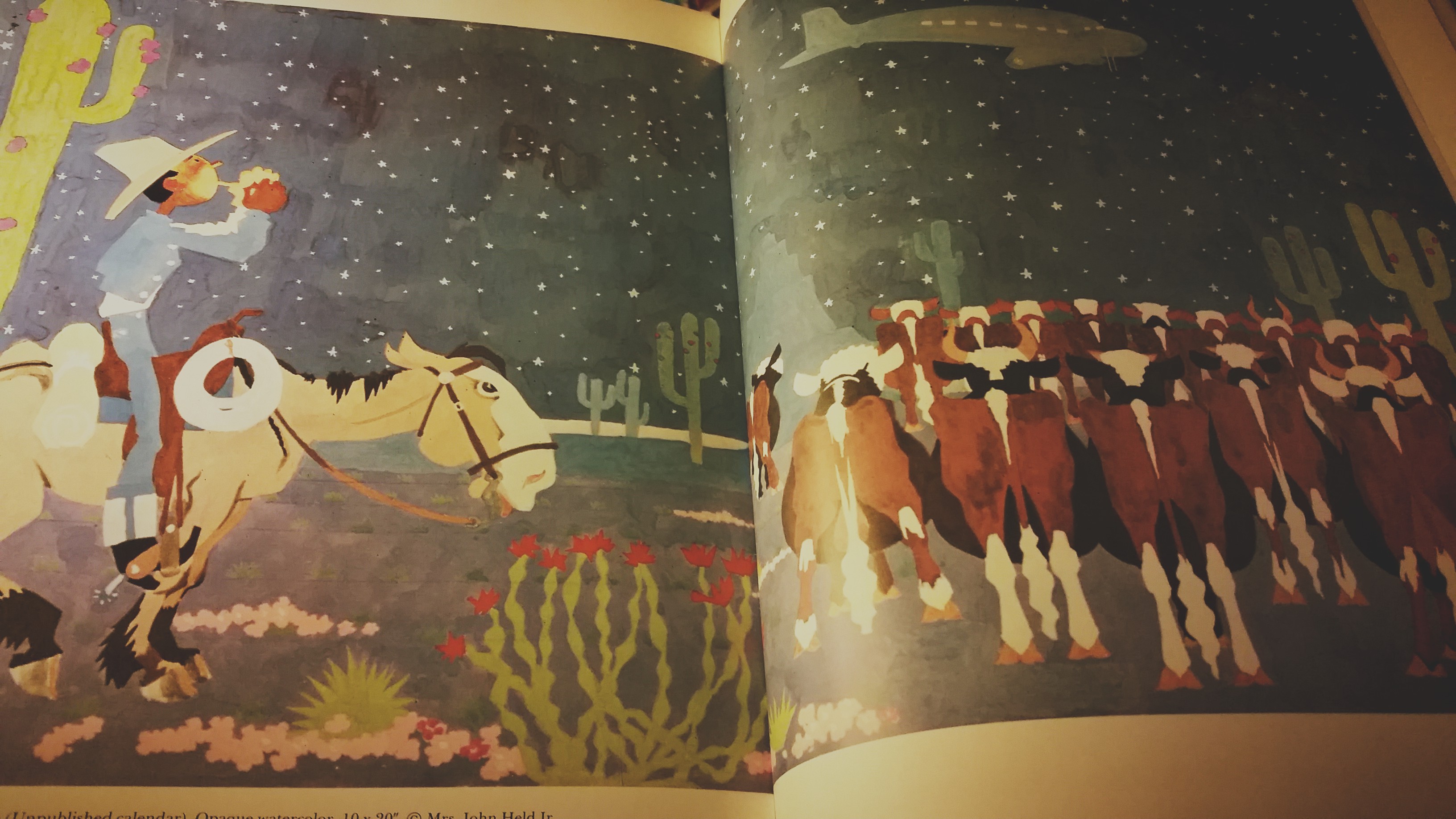
 Catch a Falling Star
I Hope You Dance…
When you walk to the front of the classroom and take up the big pencil in front of a group of young teens and twelve-year-olds, there is a strong pressure to learn how to sing and dance. That, of course, is a metaphor. I was always too arthritic and clunky in my movements to literally dance. But I looked out over a sea of bored and malevolence-filled eyes, slack and sometimes drooling mouths attached to hormone-fueled and creatively evil minds. And I was being paid to put ideas in their heads. Specifically boring and difficult ideas that none of them really wanted in their own personal heads. So I felt the need to learn to dance, to teach in ways that were engaging like good dance tunes, and entertaining in ways that made them want to take action, to metaphorically get up and dance along with me.
I wanted them to enjoy learning the way I did.
But the music of the teacher is not always compatible with the dance style of the individual learner. The secret behind that is, there is absolutely no way to prompt them to dance along with you until you learn about the music already playing in their stupid little heads. (And you can’t, of course ever use the word “stupid” out loud, no matter how funny or true the word is,) You have to get to know a kid before you can teach them anything.
The discordant melodies and bizarre tunes you encounter when you talk to them is like dancing in a minefield blindfolded. Some don’t have enough to eat at home and have to survive off of the nutrition-less food they get in the school cafeteria’s free-and-reduced lunch program. Some of them have never heard a single positive thing from the adults at home, enduring only endless criticism, insults, and sometimes fists. Some of them fall in love you. Some due to hormones. Some due to the fact that you treat them like a real human being. Some because they just stupidly assume that everyone dances to the same tunes they hear in their own personal head.
Some of them automatically hate you because they know that if you hear their own secret music in their own self-loathing heads, you will never accept it. They hate you because you are a teacher and teachers always hate them. Some of them, deep down, are as loathsome as they think they are.
But, if you find the right music, you can get any of them, even all of them, to dance. It might be hard to find. It might be a nearly impossible task to learn to play that music once you find it. But it can be done.
And if you get them to dance to your music, to dance along with you, I can’t think of anything more rewarding, anything more life-fulfilling. Have you ever tried it for yourself? If you are not a teacher, how about with your own children or the children related to you? Everybody should learn to dance this dance I am talking about in metaphors. At least once in your life. It is addictive. You will want to dance more. So the next time the music starts and you get the chance… I hope you’ll dance!
Leave a comment
Filed under commentary, education, kids, metaphor, Paffooney, teaching
Tagged as art, being a teacher, dance, empathy, featured, features, music, News, recession, science, tea-party, theatre, writing