Category Archives: writing

My Bookish Journey (Part V)

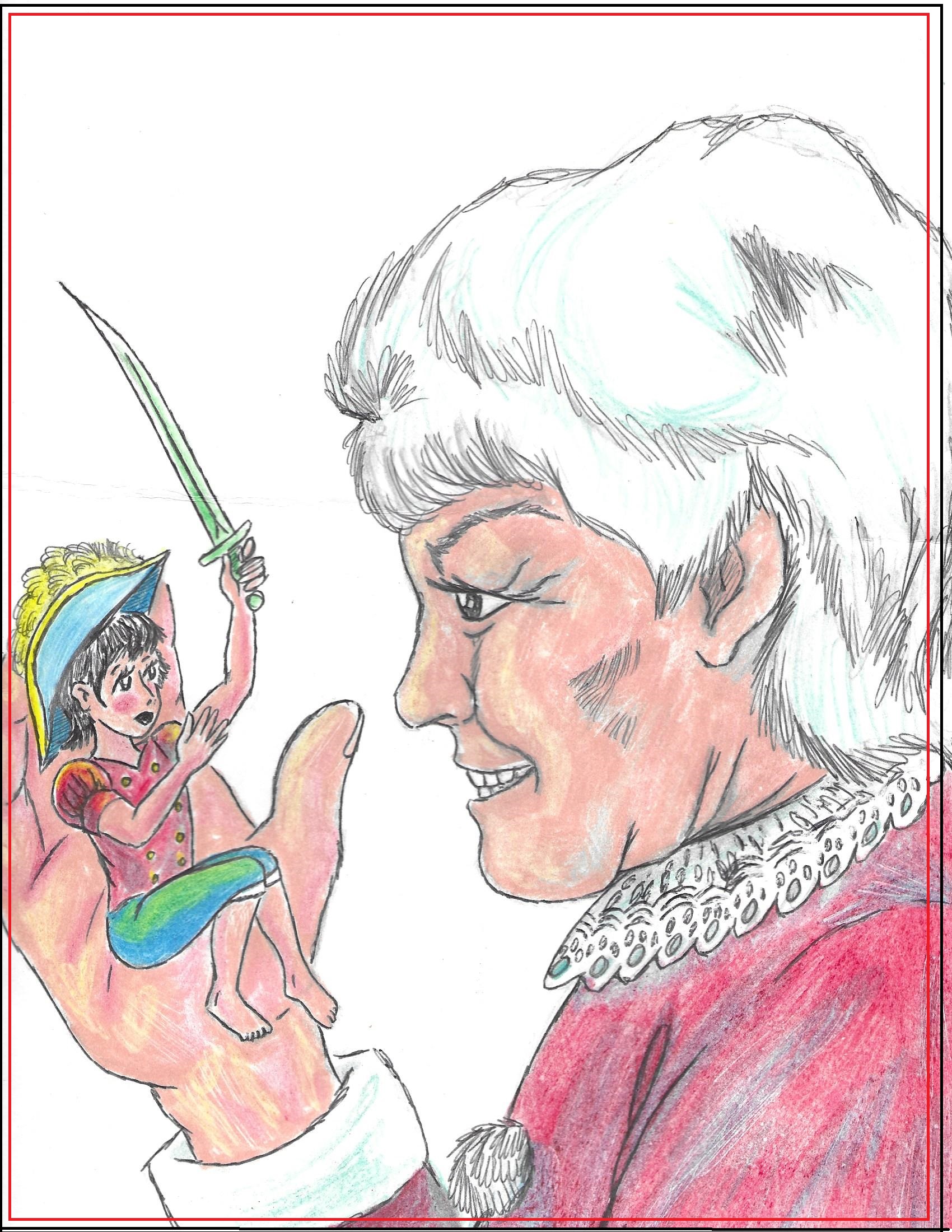
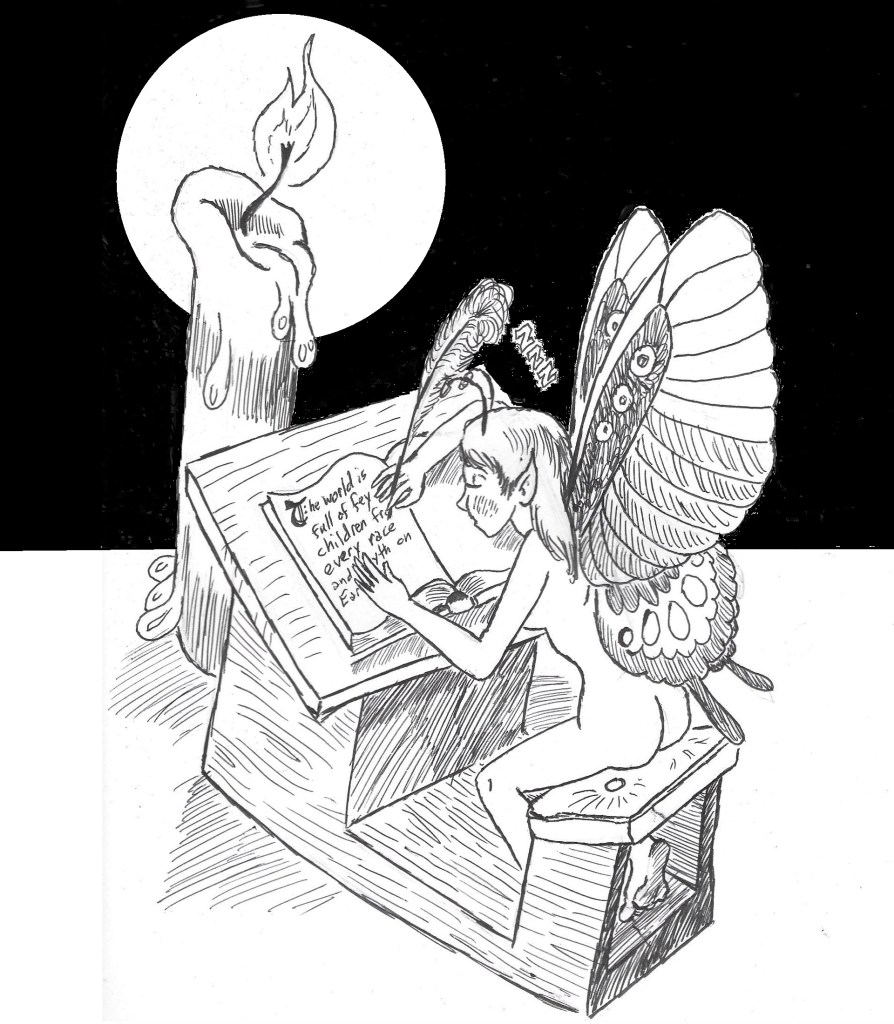
Creating myself as an author meant making some conscious choices at the beginning. I made some very clear ones. First of all, I intended to write as much about my real life as I possibly could. Accepting, of course, the fact that my real life was infested with imaginary people and events. There was the faun that slept in my bed with me every night in the form of a large, black pillow my sister made for me as a 4-H project. There were the three-inch-tall fairies that had a complete underground empire that surfaced at the roots of the old willow tree by the Rowan school building and community center. There was the gryphon that circled the skies looking constantly to swoop down and eat me at any opportunity. So, it wasn’t as much about realism as it was surrealism. It was necessary to protect my traumatized psyche from the damage I sustained as a ten-year-old.

Of course, I had literary heroes and inspirations to go by. I read some key books as a college student that deeply influenced how I wanted to write.

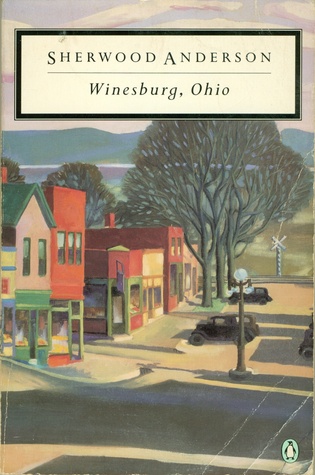
Winesburg, Ohio is the first major influence that affected the stories I began writing in my college years. Sherwood Anderson was writing about his own hometown in this short-story cycle, basing Winesburg on his home town of Clyde, Ohio in the very early 1900s.

Arguably he wrote stories about real people from his renamed home town. Thus, I renamed Rowan, my home town, Norwall, mixing up the letters from Rowan and adding two letter “L’s.” His stories were all themed about the loneliness and longings of a small Midwestern town. I would make mine about breaking out of the cages loneliness builds with the people who surround you.

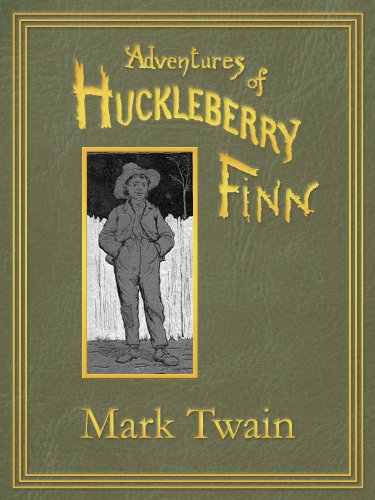
I also determined that like Mark Twain, I would give my characters a sense of realism by basing them on real people from Rowan, Belmond (where I went to high school), and Cotulla, Texas (where I would teach for 23 years.) And I would change some basically minor physical details to hide their true identities behind names I found in the Ames, Iowa phone book from 1978. But I always tried to give them their authentic voices, though that often meant translating Texican and Hispanish into Iowegian.

And like Twain vowed to write stories only about the 19th Century, I decided to only set my stories in the last half of the 20th Century.

Of course, imagination is not easily limited, so I had to also accept that some of my stories of the science-fiction persuasion would be set in the 56th Century in the Orion Spur of the Sagittarius Spiral Arm of the Milky Way Galaxy.

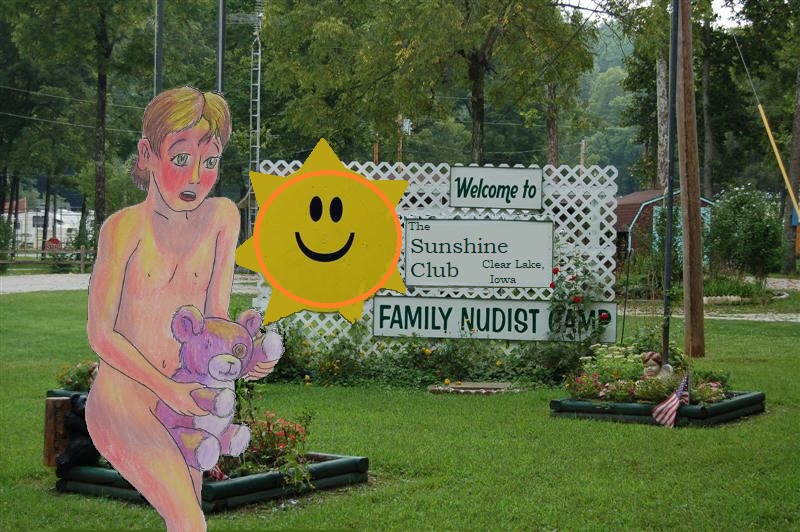
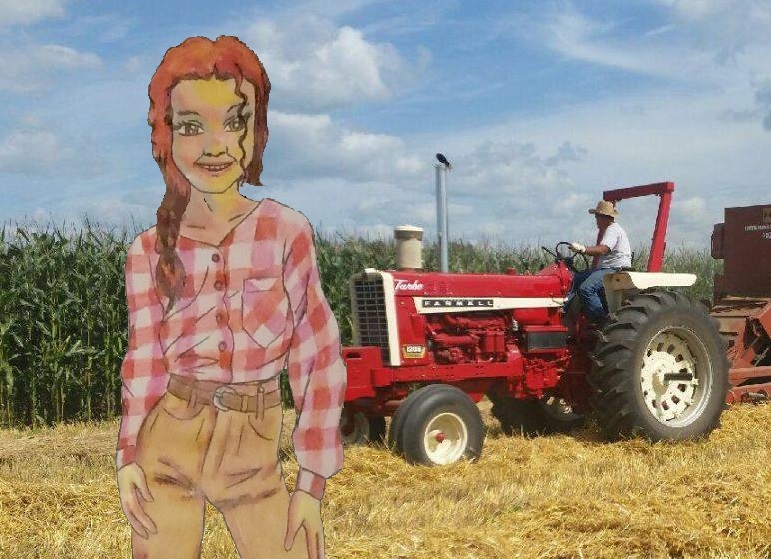
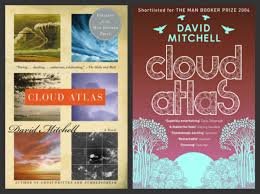
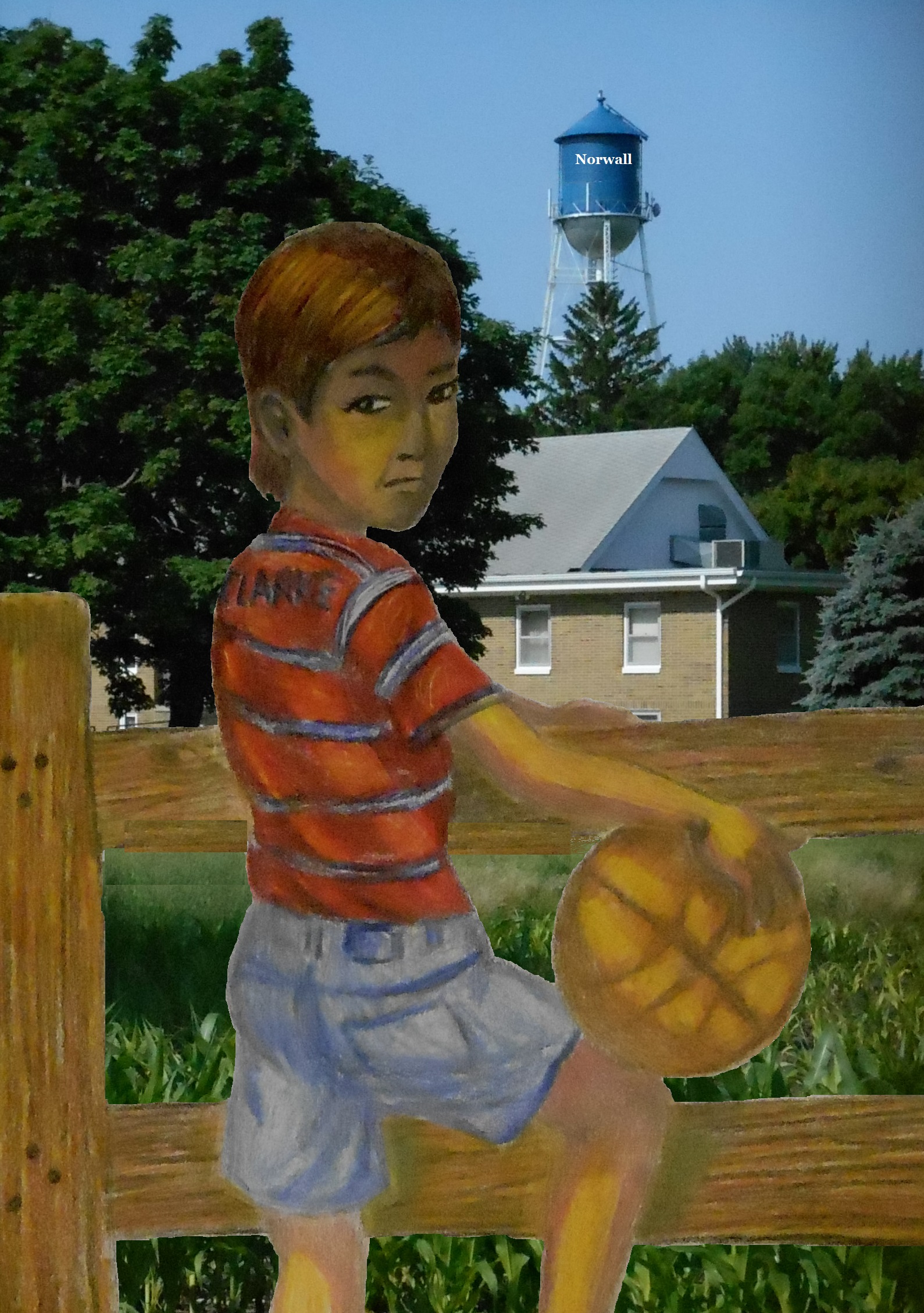
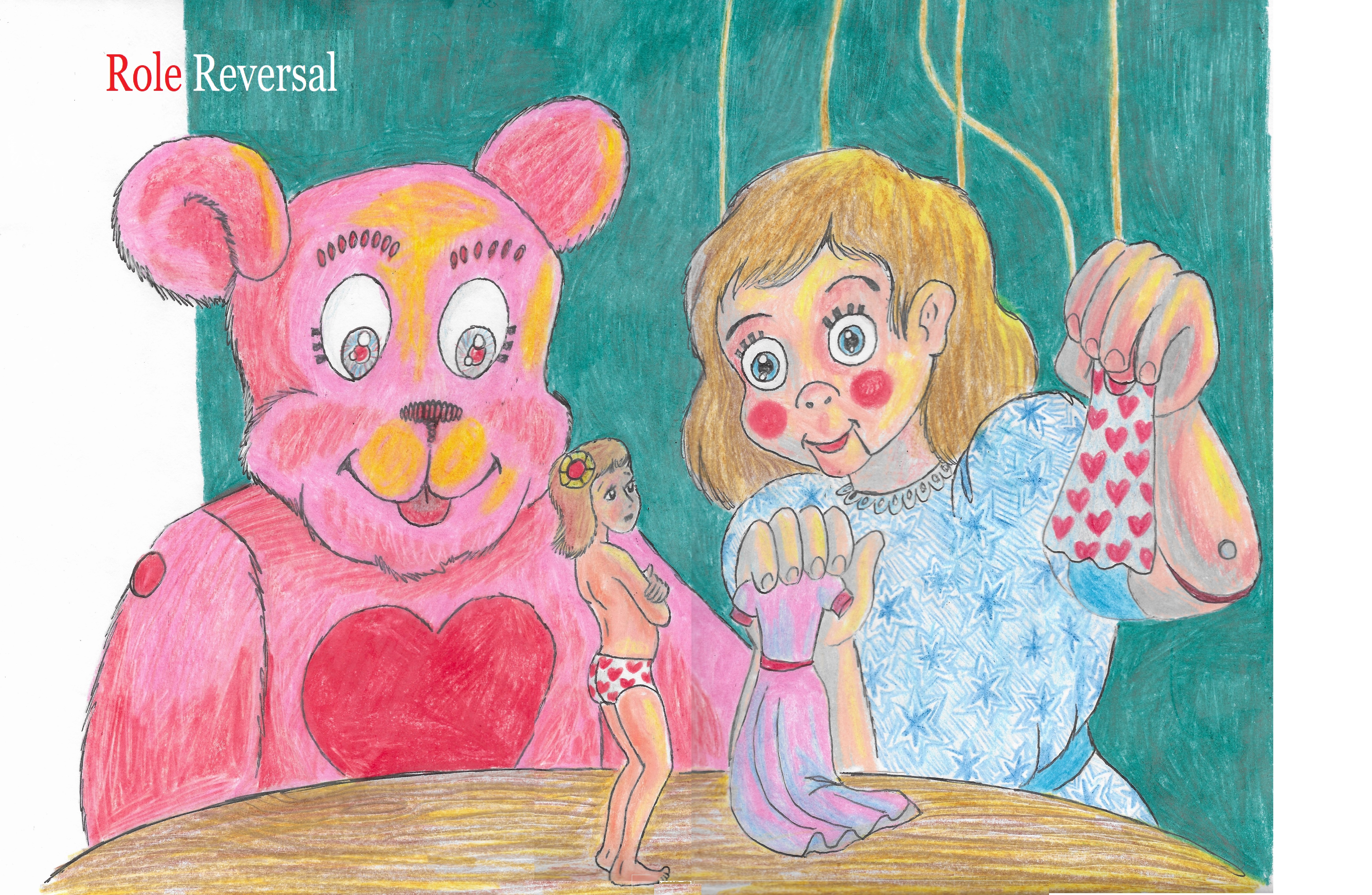
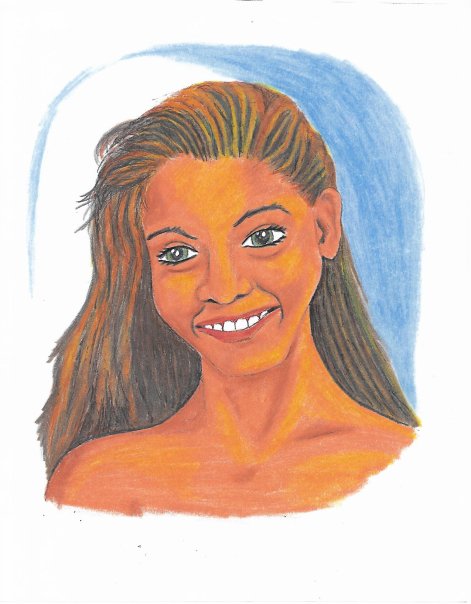
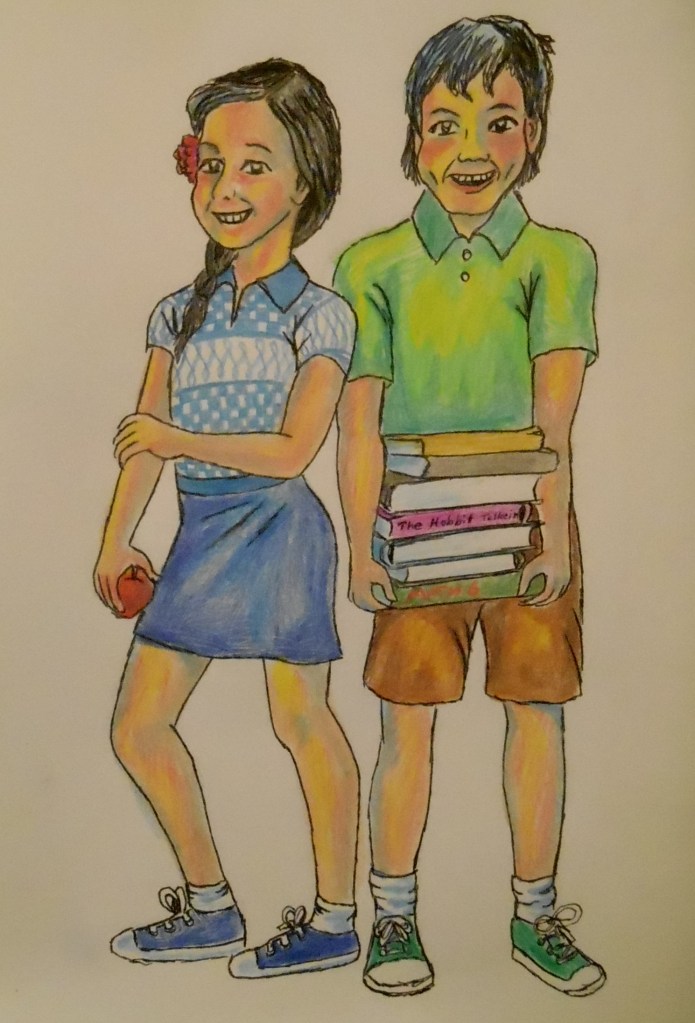
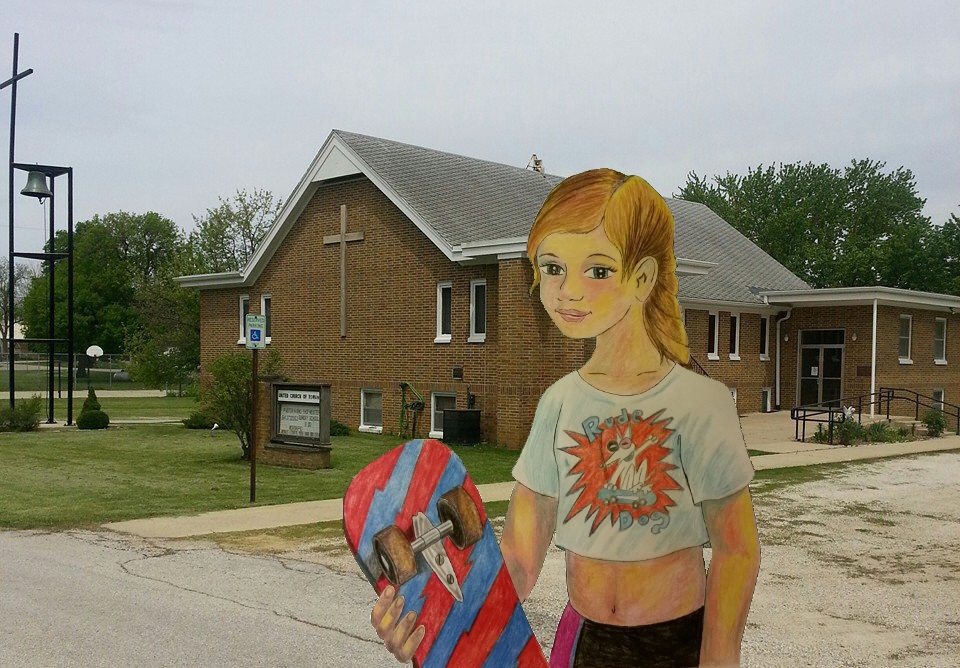
And even before I discovered the genius of David Mitchell through his spectacular novel, Cloud Atlas, I had begun to explore how stories could be expanded and connected and revisited through shared characters, shared histories, and shared places, all of which develop, grow, or deteriorate over time. All things are connected, after all. Anita Jones from that first picture, and Brent Clarke in the last picture were both in the first novel, Superchicken, set in 1974, and Anita appears as an adult in Sing Sad Songs set in 1985, while Brent appears in the last novel in my timeline, The Wizard in his Keep, set in 1999.

Leave a comment

Filed under humor, novel writing, Paffooney, publishing, strange and wonderful ideas about life, surrealism, writing

My Bookish Journey (Part IV)

Once I settled into a publishing plan where I was basically in control of the whole process, the center of my world became the execution of my overall plan to commit acts of actual literature. I had to decide what I wanted to write and the reasons why I was going to write it.

Surrealist Reasons for the Season.

I began the most serious part of my journey into authorship once I was fully retired from my last teaching job. And the darkest part of that truth is that if I weren’t ill enough to be forced to leave teaching, I would still be doing that. It is what God made me for, if there is a God. But since I am stuck in this retirement reality, I really have to use fiction for what fiction-writing is for.

And let me assure you, I know what writing fiction needs to mean for me. I need to rewrite the story of my life in the surreal reality of perceived truth. And what does that mean in simple words? I have to lie a lot. Because fiction is lying in order to reveal the truth.

Two of the most important books I wrote tell the same story for the same purpose.

The Two Stories are really One Story.

I had a childhood full of monsters. And who I became in adult life was not done in spite of what those monsters did to me, but because of it. I was sexually assaulted as a ten-year-old. What he did to me was not pleasurable in any way. He tortured me because causing pain turned him on. I was severely traumatized by the experience. So much so that I experienced PTSD-induced amnesia for a while. These two books are about my fear of monsters and evil, and the deeply embedded fear that when directly faced with evil, I would not know what it really was.

Things in the two novels are not exactly what they seem.

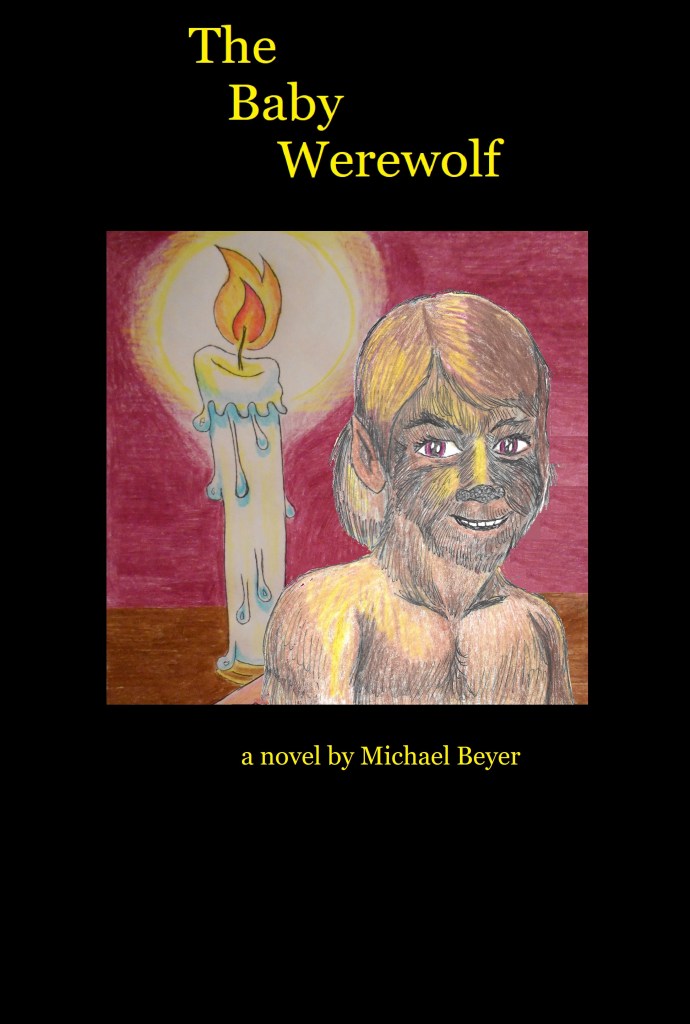
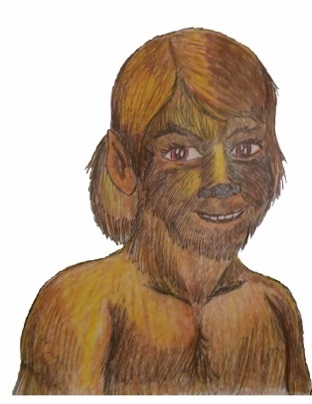
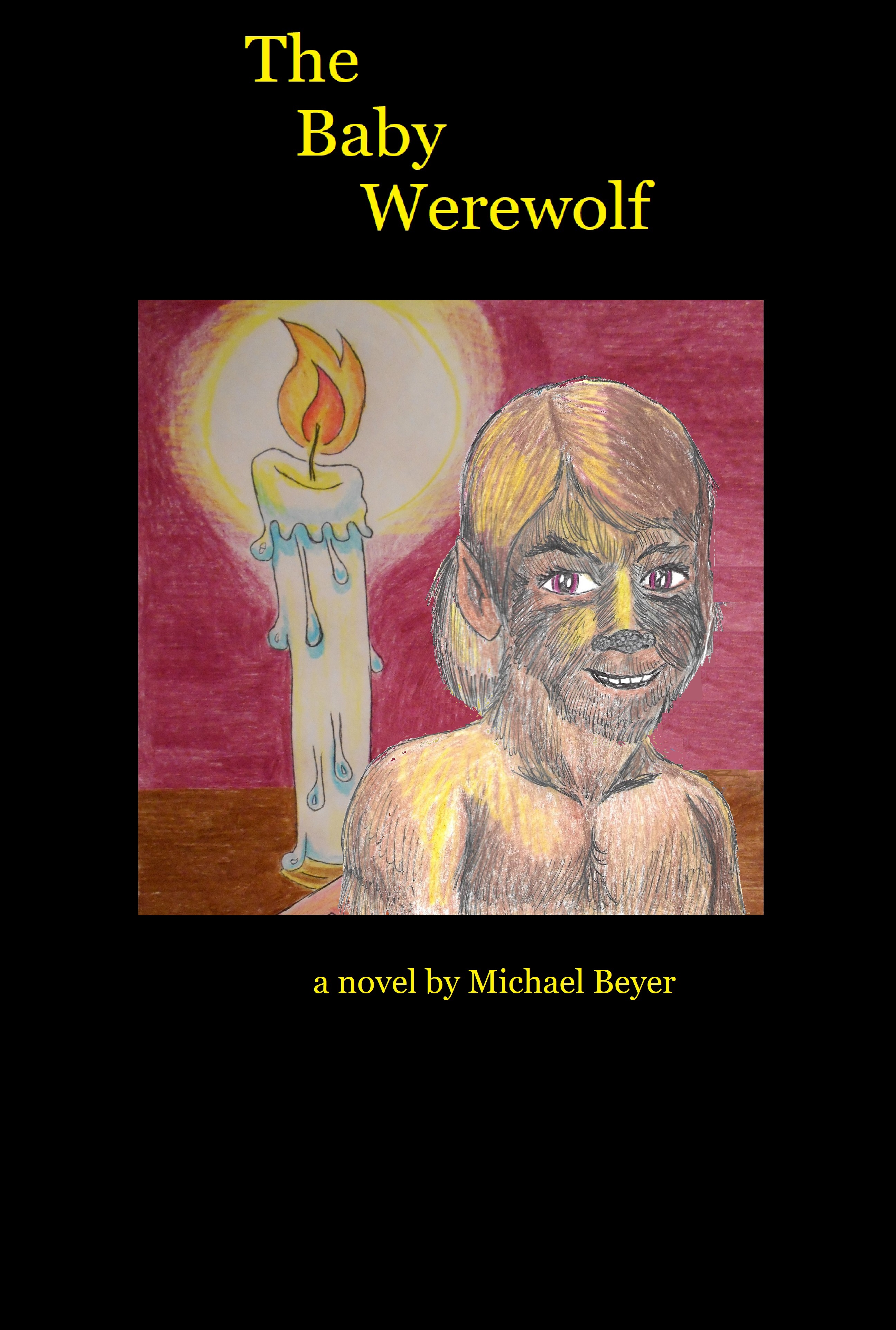
Torrie Brownfield, the Baby Werewolf, is not a monster. He is a boy who suffers from a genetic hair disorder called hypertrichosis, the same disorder that caused the star of Barnum’s freak show, Jojo the dog-faced boy, to have excessive hair growth.

He looks like a monster, but he is really the sweetest, most innocent character in the story.

..

..

..

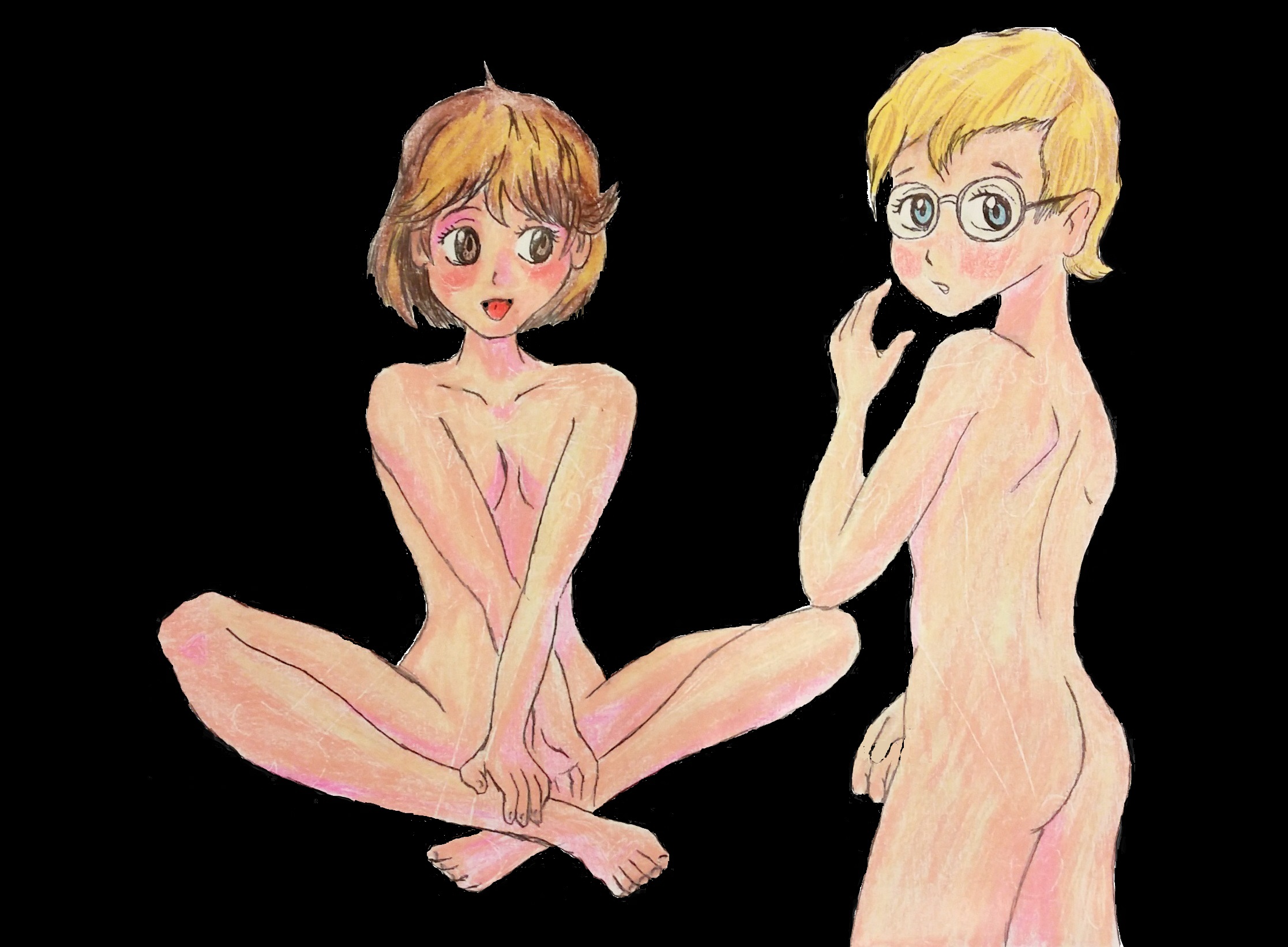
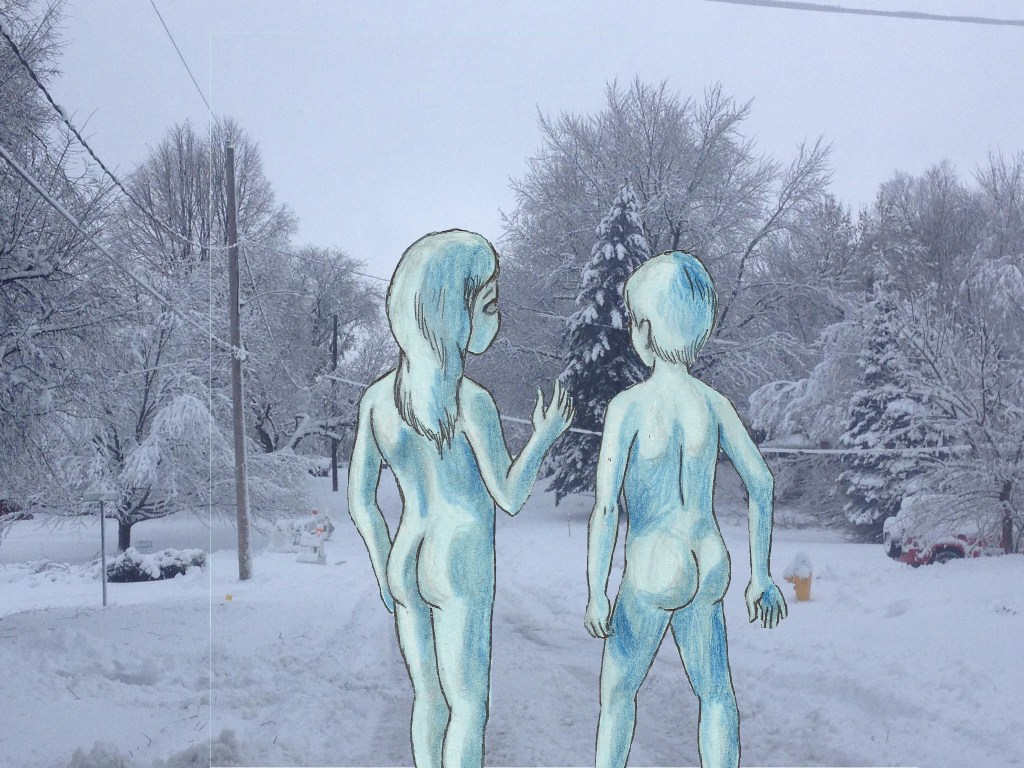
The Cobble Sisters, both Sherry and Shelly, are nudists. That is a detail that was both kinda true about the real twin girls that inspired the characters, and true enough about these characters in the story to make fans of my fiction from real nudists I befriended on Twitter.

Nudism, however, symbolizes innocence and truthfulness. Sherry labors in both books to get the other members of the Pirates’ Liars’ Club to accept nudism and try it for themselves. Sherry tells them repeatedly that nudists are more honest than other people because they don’t hide anything about themselves.

The ultimate villain of both novels is, ironically, one who hides everything and manipulates from the shadows.

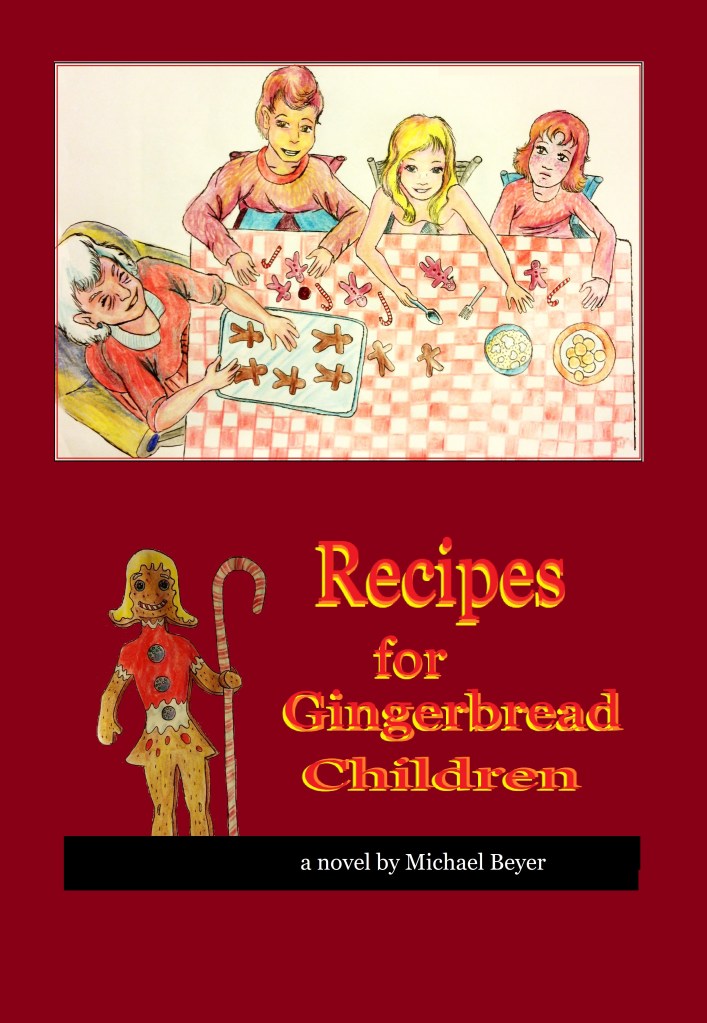
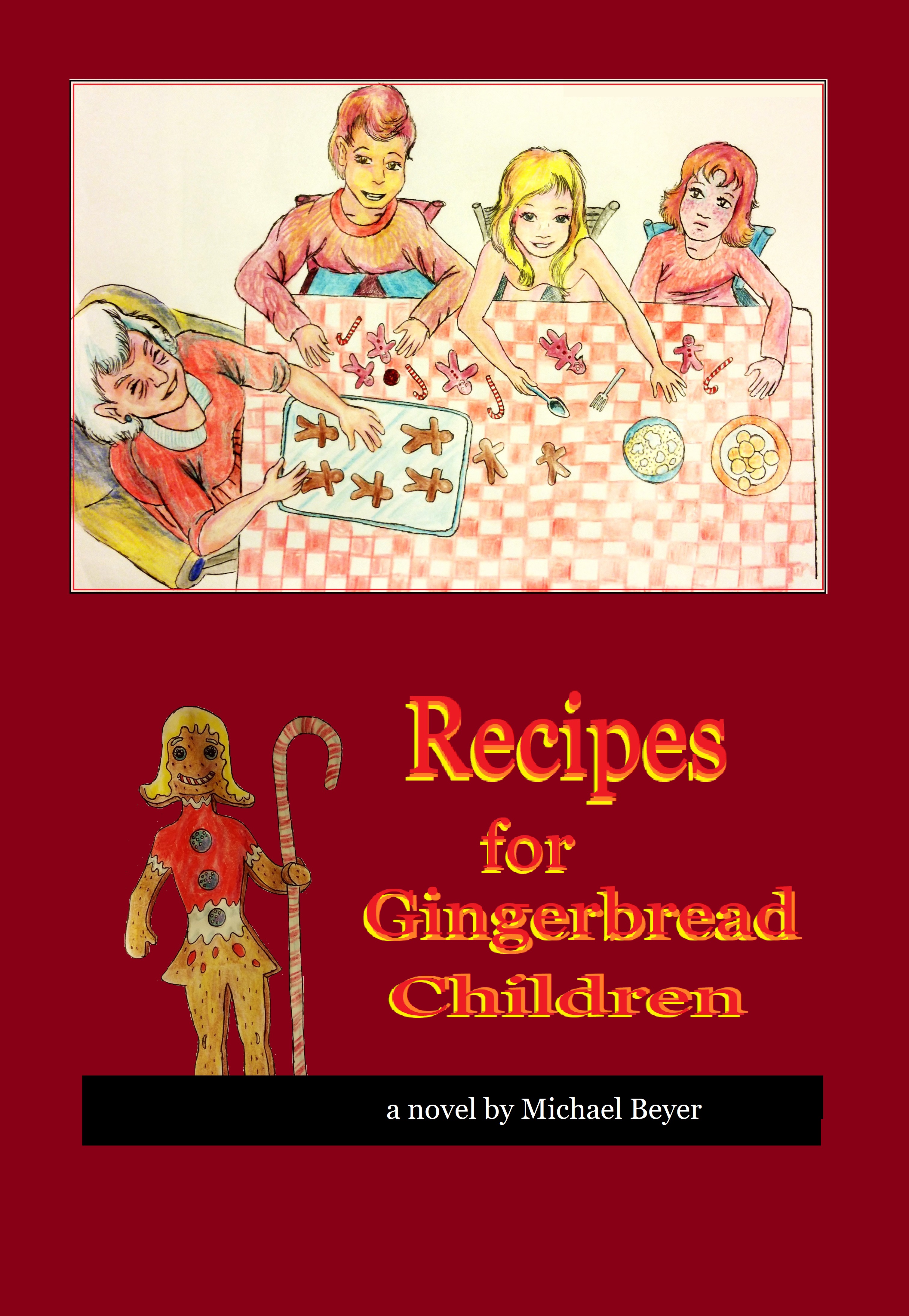
Grandma Gretel is the main character of Recipes for Gingerbread Children. She is a storyteller who has to come to terms with her own monsters from the past. She is a survivor of the Holocaust during WWII. She lost her entire family to the monsters of the Third Reich.

Ironically, she is the one who, through stories and her own keen perceptions, reveals the ultimate villain and his evil. She also, through stories, is coming to terms with her own trauma and loss.

So, what I am saying about my bookish journey at this point is that I have to write the novels I am writing because they allow me to rewrite the world I live in and the facts of my past life in it. I am rewriting myself. I am becoming the me I need to be by writing.

Of course, I am not yet done talking about my bookish journey. Keep an eye out for Part V.

Leave a comment

Filed under book review, humor, novel writing, Paffooney, writing

My Bookish Journey (Part II)

It is possible, I suppose, that after my unlooked-for hiatus from teaching, and the subsequent employment as an ESL teacher for the Garland, Texas School District in 2007. I might never have tried picking up the magic pencil again.

I loved teaching. And I was seriously considering doing it until the day I dropped dead.

But, God, of course, usually has other ideas for everybody. My last three years as a Texas public school teacher were my hardest health-wise. I had the H1N1 flu twice in one year. Both strains, one time each. I spent a week in the hospital with pneumonia. I reached a point where I was sick more days every semester than I had sick days to cover. My paychecks began to shrink. And it got harder to make it through the day standing in front of classrooms holding the big pencil of lesson delivery.

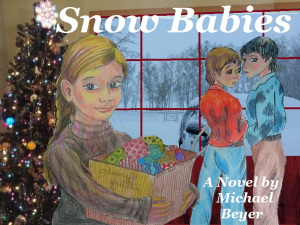
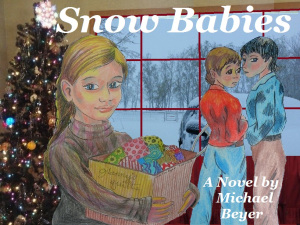
As I contemplated the inevitable dropping into deadness that happens even to English teachers, I began to realize that I couldn’t just let my stories disappear when I did. I needed to actually get serious about publishing them. I wrote another. I took an old manuscript called Nobody’s Babies and rewrote it as Snow Babies. I submitted it in manuscript form to a writing contest. I entered it into Chanticleer Book Reviews’ YA novel-writing contest called the Dante Rossetti Awards. https://www.chantireviews.com/contests/ I made it through to the final round of judging, one of twelve books. I didn’t win, and I couldn’t legally put on the eventual cover of the book that it was a finalist, but it was. So, it was time to find a new publisher. Preferably one that didn’t require my indentured servitude to Mastercard and Discover for the rest of my life.

I found a publisher that loved my book. PDMI Publishing was a business operated as an Indie publisher by a poet and his wife and supported by all the writers and editors and artists whose work he put into print. They were expanding when I signed a contract with them. I was given a brand new book editor who joined them shortly after I did. Jessie Cornwell was her name.

My book was humming along towards publication for two years. Then, rather suddenly, the business collapsed and they released me from my contract. Being the next book in line to be published, I believe it was my incredible luck as an author trying to get published and actually make money from writing that killed the publisher. I didn’t get the final draft of my novel back, so, now I give credit as Editor to Jessie, but the only changes she made to it are the ones I remembered and agreed with.

I would make one more stab at working with an actual publisher for the next book I wanted to publish, Magical Miss Morgan. But that debacle is the subject of Part Three.

But I would go on to self-publish Snow Babies on Amazon, and, to date, it is the book I consider to be the best thing I have ever written.

Leave a comment

Filed under novel writing, Paffooney, publishing, writing

My Bookish Journey

My journey as a writer actually began in grade school. I was writing Star Trek-like comics from the time I was in the fourth and fifth grade, ten and eleven years old. I called my comics Zebra Fleet, about the last fleet in the Star League on the distant, far reaches of the Milky Way Galaxy.

I started writing book-length stories in college, at Iowa State University. They weren’t all science fiction. They began to be more and more about the time and place where I grew up, Rowan, Iowa in the 1960s and 1970s They involved the people I knew there and then. My family, my friends, the people of Rowan, and random Iowegians. I based important characters on people I actually knew, mostly those I knew quite well. But I changed and swapped character details to hide their identities a little bit, and I gave them names that were mixed and matched and borrowed from the 1977 Ames, Iowa phone book. Dettbarn, Efram, Sumpter, Bircher, Clarke, MacMillan, White, and Murphy all came from there. Niland came from a famous alumni of the University of Iowa who played for the Dallas Cowboys.

In order to have food to eat and money to spend as an adult, I had to take my BA in English and add to it an MA in Education to get a job as a teacher. I took my closet full of nascent novels and moved to Texas where my dad’s job took my parents before I graduated college. There I added hundreds of characters who were perfect for Young Adult novels as I got to know real kids and learned about their real lives. I changed their names, details, and often cultures as I added them to my stories.

Other than a couple of shots in the dark as submissions of cartoons and manuscripts to publishers, I mostly kept my stories in the closet and focused more on teaching (which, to be fair, is also a form of story-telling.) I put my handful of rejection letters in the closet too.

But then, I got laid off for two years due to health and a wicked witch as a principal, and I spent my non-job-hunting time writing a novel about my science-fiction role-playing games with former students. It was called AeroQuest.

I managed to find a publisher for that book. But it was a bogus sort of experience. They paid me an advance of one dollar. Then they had me sign a seven-year contract in 2007. No editor or proofreader even worked for them. I basically had to edit and format the book myself. All they did is intentionally flub-up some titles and sections of text in the printed form. This was part of the master plan to get me to pay for an extensive fix to the mistakes they made. The only marketing they did was to send a notice for my over-priced paperback to the list of friends and relatives that they required me to make for them. Publish America is no longer in business. They were closed down by a class-action lawsuit from the authors they had tricked into paying them thousands of dollars for totally defective publishing services. Since I didn’t pay them any scam pennies, I didn’t get any of the money from the lawsuit. I only got my publishing rights back.

So, I went back to whole-heartedly teaching. Then, in 2012 I completed another manuscript that I thought was the best work that I had ever done. I submitted it to I-Universe publishers. They read it and loved it. As it turned out, they were in the process of being acquired by Penguin Books. They were the closest thing to a mainstream publisher that would entertain submissions by new and unproven authors like me.

They, of course, were offering a publishing package that included working with real editors and marketing personnel. But I had to go a bit into debt to swing the price. So, I was still paying someone to publish my book correctly. But, as a step in my author’s journey, it was invaluable. I got to work closely with an experienced editor who had previously worked for both MacMillan and Harcourt, two mainstream traditional publishers.

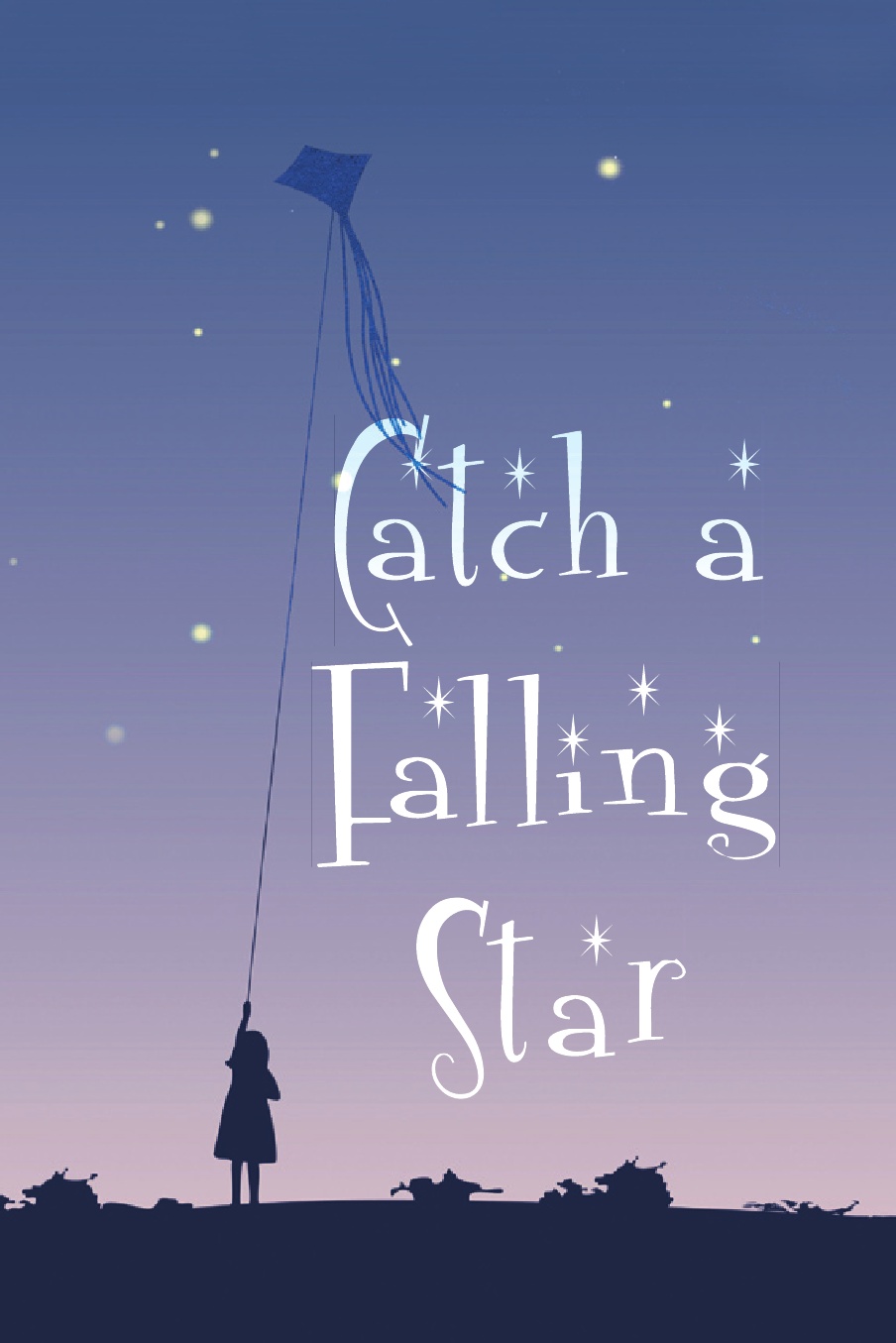
My book was given the stock cover you see here despite the cover requests I made and got approved. My original ask was apparently too expensive to print. There is no girl flying a kite in the story at all, let alone at night. It is a story about incompetent aliens trying to invade a small town in Iowa. I had requested a flying saucer with a kite flying behind it.

That first real publisher, though, made me into a real writer. The I-Universe marketeers got me listed as a winner of the Editor’s Choice Award. And they put that award and the Rising Star award on every paperback copy they printed. Everyone who read the book seemed to really like it. They set me up with this blog, space on their website for my book and bio, and they put me in touch with Barnes and Noble to talk about “meet the author” sessions to promote getting the book on their shelves. But a trip to the hospital with pneumonia and the end of the room on my Discover Card caused me to bring an end to my marketing campaign. I ended up with two five-star reviews and sixteen dollars-worth of royalties.

At this point in the story, temporarily stalled, I must start touting the part two of my essay for today. I should warn you, I have a lot more negative things to say about publishing next time.

Leave a comment

Filed under autobiography, commentary, novel writing, Paffooney, publishing, writing

Word Magic

From the time I could first remember, I was always surrounded by stories. I had significantly gifted story-tellers in my life. My Grandpa Aldrich (Mom’s Dad) could spin a yarn about Dolly O’Rourke and her husband, Shorty the Dwarf, that would leave everybody in stitches. (Metaphorical, not Literal)

And my Grandma Beyer (Dad’s Mom) taught me about family history. She told me the story of how my great-uncle, her brother, died in a Navy training accident during World War II. He was in a gun turret aboard a destroyer when something went wrong, killing three in the explosion.

Words have power. They can connect you to people who died before you were ever born. They have the power to make you laugh or make you cry.

Are you reading my words now? After you have read them, they will be “read.” Take away the “a” and they will change color. They will be “red.” Did you see that trick coming? Especially since I telegraphed it with the colored picture that, if you are a normal reader, you read the “red” right before I connected it to “reading.”

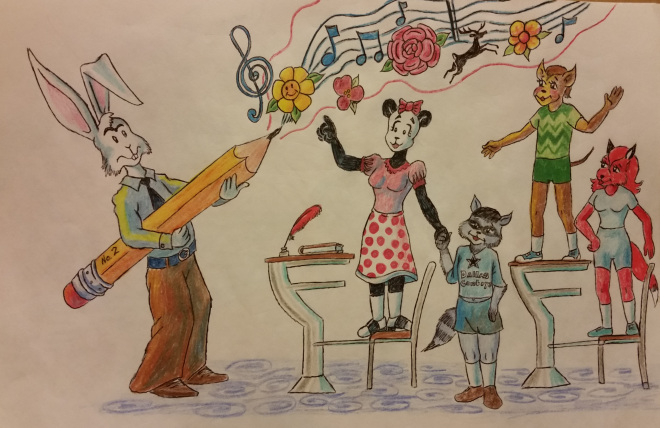
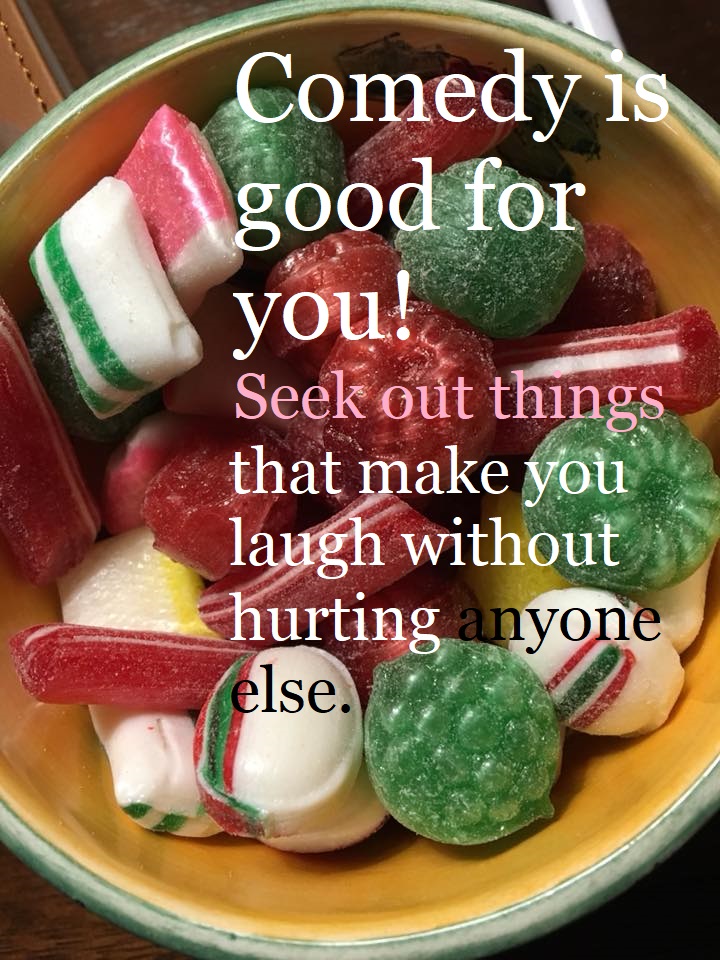
Comedy, the writing of things that can be (can bee, can dee, candee, candy) funny, is a magical sort of word wrangling that is neither fattening nor a threat to diabetes if you consume it. How many word tricks are in the previous sentence? I count 8. But that wholly depends on which “previous sentence” I meant. I didn’t say, “the sentence previous to this one.” There were thirteen sentences previous to that one (including the one in the picture) and “previous” simply means “coming before.” Of course, if it doesn’t simply mean that, remember, lying is also a word trick.

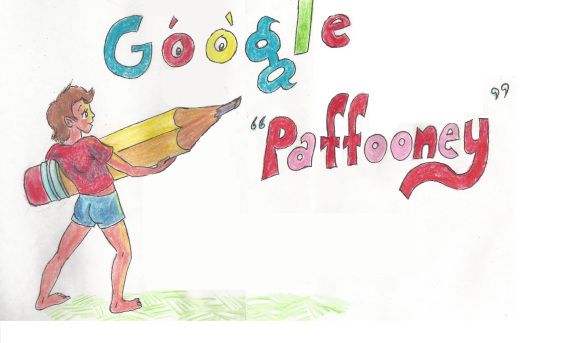
Here’s a magic word I created myself. It was a made-up word. But do a Google picture search on that word and see if you can avoid artwork by Mickey. And you should always pay attention to the small print.

So, now you see how it is. Words have magic. Real magic. If you know how to use them. And it is not always a matter of morphological prestidigitation like this post is full of. It can be the ordinary magic of a good sentence or a well-crafted paragraph. But it is a wizardry because it takes practice, and reading, and more practice, and arcane theories spoken in the back of old bookshops, and more practice. But anyone can do it. At least… anyone literate. Because the magic doesn’t exist without a reader. So, thank you for being gullible enough for me to enchant you today.

Leave a comment

Filed under humor, Paffooney, strange and wonderful ideas about life, wizards, word games, wordplay, writing, writing humor, writing teacher

Here is My Heart

Yesterday I posted another maudlin doomsday post. I probably gave you the opinion that all I do with my time is mope around and think about death. And maybe write a little creepy black Gothic poetry. But that’s not me. I am a lover of the humor in stories by Mark Twain, Charles Dickens, and Kurt Vonnegut. I am a former teacher that managed to teach the entire zoological range of possible middle school and high school students in Texas and did it without being convinced to hate them rather than love them. Yes, my heart is full of mirth and love and memories of weird kids and troubled kids and kids that could melt the meanest of hearts.

My passion is writing fictional stories about the kids I have taught, including my own three, and setting it in a fictionalized version of my little town, the place in Iowa where I grew up. And I put them in plots of impossible fantasy and science fiction in a way that can only be explained as surrealism.

Nobody reads my books. So far, at any rate.

But that isn’t the important thing. The important thing is that, despite my illness and deteriorating quality of life, my books now actually exist. I put off being a full-time writer for 33 years as I finished my teaching career. A writer has to have something to write about. So, teaching came first.

Writing novels was always the ultimate goal, however. I am a story-teller. The story itself is in the very center of my heart.

Leave a comment

Filed under autobiography, cartoony Paffooney, humor, Iowa, kids, NOVEL WRITING, Paffooney, surrealism, teaching, telling lies, writing

How To Write A Mickian Essay

mickeynose

I know the last thing you would ever consider doing is to take up writing essays like these.  What kind of a moronic bingo-boingo clown wants to take everything he or she knows, put it in a high-speed blender and turn it all into idea milkshakes?

But I was a writing teacher for many years.  And now, being retired and having no students to yell at when my blood pressure gets high, the urge to teach it again is overwhelming.

So, here goes…

c360_2017-01-02-10-17-06-058

Once you have picked the silly, pointless, or semi-obnoxious idea you want to shape the essay around, you have to write a lead.  A lead is the attention-grabbing device or booby-trap for readers that will draw them into your essay.  In a Mickian essay, whose purpose is to entertain, or possibly bore you in a mildly amusing manner, or cause you enough brain damage to make you want to send me money (this last possibility never seems to work, but I thought I’d throw it in there just in case), the lead is usually a  “surpriser”, something so amazingly dumb or off-the-wall crazy that you just have to read, at least a little bit, to find out if this writer is really that insane or what.  The rest of the intro paragraph that is not part of the lead may be used to draw things together to suggest the essay is not simply a chaotic mass of silly words in random order.  It can point the reader down the jungle path that he or she can take to come out of the other end of the essay alive.

Once started on this insane quest to build an essay that will strangle the senses and mix up the mind of the reader, you have to carry out the plan in three or four body paragraphs.  This is where you have to use those bricks of brainiac bull-puckie that you have saved up to be the concrete details in the framework of the main rooms of the little idea-house you are constructing.  If you were to number or label these main rooms, this one you are reading now would, for example, be Room #2, or B, or “the second body paragraph”.  And as you read this paragraph, you should be thinking in the voice of your favorite English teacher of all time.  The three main rooms in this example idea house are beginning, middle, and end.  You could also call them introduction, body, and conclusion.  These are the rooms of your idea house that the reader will live in during his or her brief stay (assuming they don’t run out of the house screaming after seeing the clutter in the entryway).

Teacher

The last thing you have to do is the concluding paragraph.  (Of course, you have to realize that we are not actually there yet in this essay.  This is Room C in the smelly chickenhouse of this essay, the third body paragraph.)  The escape hatch on the essay that may potentially explode into fireworks of thoughts, daydreams, or plans for something better to do with your life than a read an essay written by an insane former middle school English teacher at any moment, is a necessary part of the whole process.  This is where you have to remind them of what the essay is basically about, and leave them with the thought that you want to haunt them in their nightmares later.  The last thing that you say in the essay is the thing they are the most likely to remember.  So you need to save the best for last.

So, here, finally, is the exit door to this masterfully mixed-up Mickian Essay.  It is a simple, and straightforward structure.  The introduction containing the lead is followed by three or four body paragraphs that develop the idea and end in a conclusion that summarizes or simply restates the overall main idea.  And now you know why all of my former students either know how to construct an essay, or have several years left in therapy sessions with a psychiatrist.

Leave a comment

Filed under commentary, education, humor, Paffooney, teaching, writing, writing teacher

Blogging Advice

The only advice I am actually qualified to give here is… don’t take any blogging advice from me as worth more than diddly-squoot.

Life is like moose bowling because… In order to knock down all the pins, you have to learn how to throw a moose.

That being said, my blog views are going up amazingly this year.  I am followed by readers all over the world, and some of them actually read my blog regularly, rather than just looking at the pictures and occasionally hitting the like button.

I have not yet, however, learned to throw the moose.  I started this blog in order to promote my published writing.  I now have twenty-five published books available on Amazon.  I made $45.00 in royalties during 2025 so far.  So, as a marketing ploy, it has been a relative failure.

But as a tool in my writing life, here are some things I definitely count as benefits;

Writing a blog post every day makes the ideas flow more easily and does away with any threat of writer’s block.  I have also developed a backlog of good posts that I can repost to new viewers and readers.

Writing every day is practice and it makes me a better writer.

I have learned how to engage with an actual audience.

I am able to try out various writing ideas without worrying about success or failure.

So, all of these things add value and keep me at this blogging thing, which didn’t exist in my early life when I was planning to become a writer as I left teaching.

If you are tempted to make the huge mistake of following my advice and emulating me, I would warn you, I do not make a living as a writer, and I never will.  I am a writer in the same way I am a diabetic.  I can’t help it.  I wouldn’t change it even if it were possible.  I have a body of work that I intend to continue to build up until I am no more.  The creation of it is a necessity of my existence.  And I certainly don’t regret a single syllable, though what happens to it when I am gone is not important to me in any way that matters.  I hope my children will keep it as a legacy, but I only do it because it shapes the story of my life.

And so, I continue to throw meese (or mooses… or moosi… or whatever the hell the funniest plural of “moose” is) and continue not knocking down any pins.

Leave a comment

Filed under blog posting, humor, Paffooney, Uncategorized, writing, writing teacher

Writing Every Day

c360_2016-11-20-09-17-22-486

These are volumes 3 & 4 of my daily journal that I have kept since the 1980s.

Writing every single day is something I have been doing since 1975, my senior year in high school.  It is why I claim to be a writer, even though I have never made enough money at it to even begin to think of myself as a professional writer.  I kept a journal/diary/series of notebooks that I filled with junk I wrote and doodles in the margins up until the mid-90s when I began to put all my noodling into computer files instead of notebooks.  I have millions of words piled in piles of notebooks and filling my hard drive to the point of “insufficient memory” errors on my laptop.  I am now 69 years old and have been writing every day for 51  years.

c360_2016-11-20-09-19-02-147

There are days in the past where I only wrote a word, or a sentence or two.  But there were a lot of words besides the words in my journal.  I started my first novel in college.  I completed it the summer before my first teaching job in 1981.  I put it the closet, never to be thought of again, except when I needed a good cringe and cry at how terrible a writer I once was.  I have been starting, stopping, percolating, piecing together, and eventually completing novel projects ever since… each one goofier and more wit-wacky than the last.  So I have a closet full of those too.

c360_2016-11-20-09-31-40-461

It would be wrong of me to suggest that my journals are only for words.  As a cartoon-boy-wannabee I doodle everywhere in margins and corners and parts of pages.  Sometimes the doodle is an afterthought.  Sometimes it precedes the paragraph.  Sometimes it is directly connected to the words and their meaning.

Sometimes the work of art is the main thing itself.

c360_2016-11-20-09-30-45-596

But always, the habit of writing down words and ideas every single day takes precedence over every other part of my day.  That’s the main reason I am stupid enough to think of myself as a writer even though I don’t make a living by writing.

c360_2016-11-20-09-31-59-738

But I did put my words into my profession too.  As a teacher of writing, I wrote with and to my students.  I did that for 31 years as a classroom teacher, and two years as a substitute.  I required them each to keep a daily journal (though they only got graded for the ones they wrote in class, and then only for reaching the amount of words assigned).  We shared the writing aloud in class, making only positive comments.  I wrote every assignment I gave them, including the journal entries.  They got to see and hear what I could write, and it often inspired them or gave them a structure to hang their own ideas upon.  And often they liked what I wrote and were surprised by it almost as much as I liked and was surprised by theirs.   Being a writer was never a total waste of time and effort.

So am I telling you that if you want to be writer you have to write every day too?  If I have to tell you that… you have totally missed the point.

Leave a comment

Filed under autobiography, blog posting, humor, insight, strange and wonderful ideas about life, teaching, writing, writing teacher

A Character Reference

Humble Admission

Millis

Millis

He was once an ordinary pet rabbit, transformed through an accident involving a time-traveler’s alien-created mechanical carrot.

He is a character in;

The Bicycle-Wheel Genius

Featured Image -- 31828

       Mike Murphy and Blueberry Bates (his girlfriend)  (She forced me to write that last thing, Mike.)

Mike is a member of the Murphy clan who resides in Murphy Mansion with many other Murphys.  Blueberry is the girl who chased him until she caught him and turned him into her boyfriend.

Seen in the novels;

The Bicycle Wheel Genius

Magical Miss Morgan

Catch a Falling Star  (only Mike is in that one)  (He forced me to write that, Blue)

The Necromancer’s Apprentice  (Mainly Blueberry in this one.  Mike is only comic relief.)Val in the Yard

Valerie Clarke

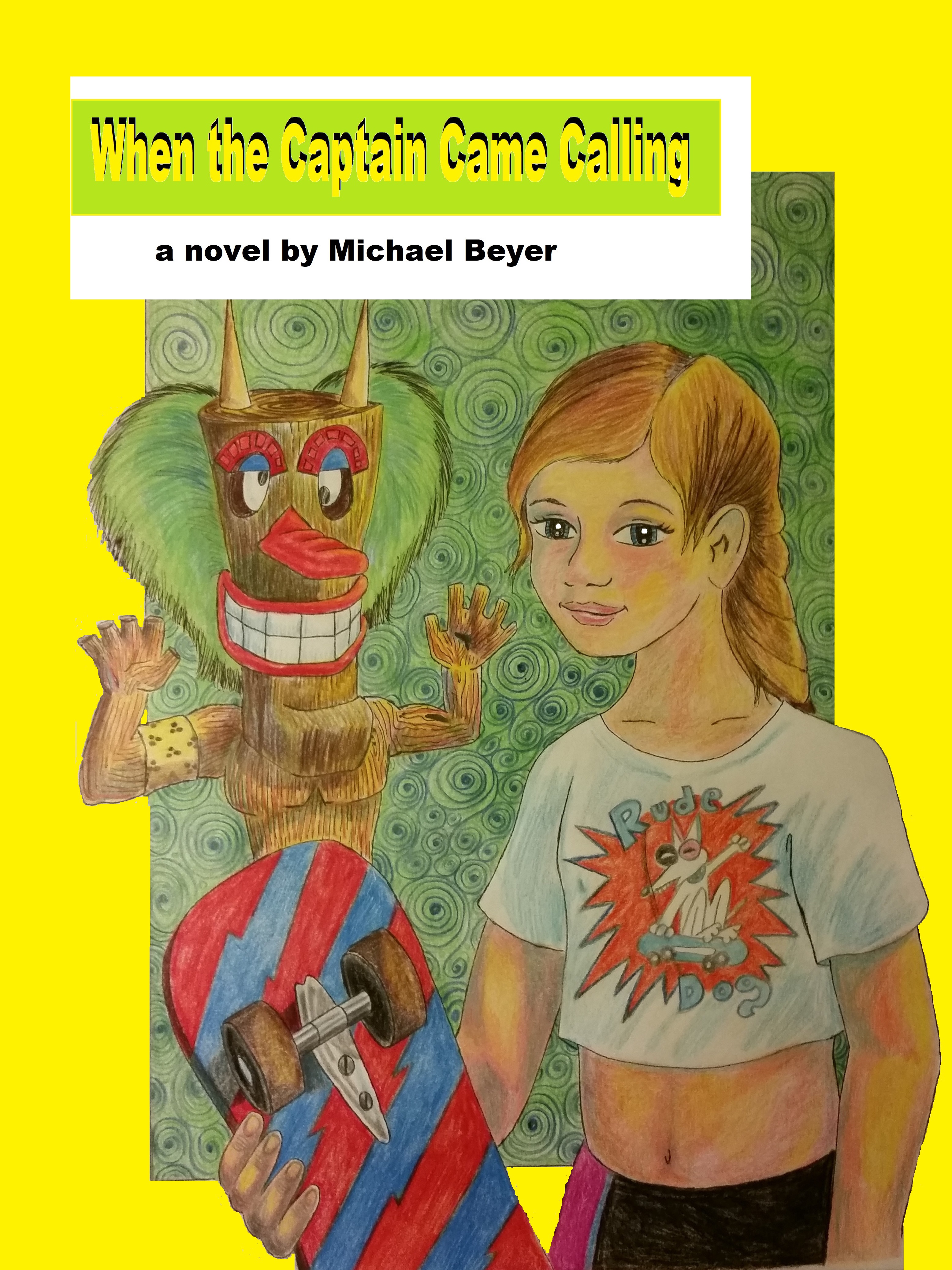
Valerie is a young Iowan farmgirl who lost her father far too soon.  She loves skateboards, 80’s music, and boys, especially boys who can sing.

She is a main character in;

Snow Babies

Sing Sad Songs

She is also an important character in;

The Bicycle-Wheel Genius

16750_102844486407850_100000468961606_71386_6774729_n

Sherry Cobble

Sherry and her twin sister, Shelly, look almost exactly alike.  They are, with both of their parents, practicing nudists.  They love being nude at home on the farm, at the Sunshine Club in Clear Lake, and at school when they can get away with it (which is mostly a matter of girls’ locker rooms.)

Sherry and her twin are  important characters in;

     Superchicken

     Recipes for Gingerbread Children

     The Baby Werewolf

The Boy… Forever

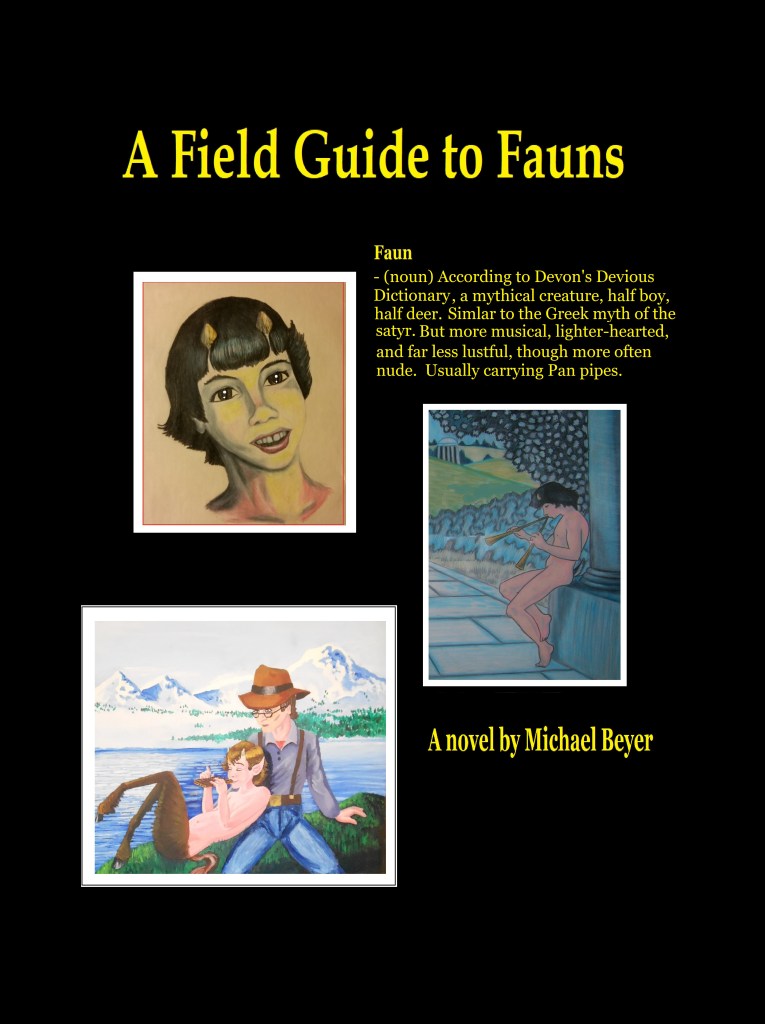
A Field Guide for Fauns

HD-Blue-Sky-Orben-1024x648

     Orben Wallace, bicycle engineer

Orben came to Norwall after a tragic fire in his home and laboratory killed his family.  He switched from physics to bicycle engineering and opened a new lab where it is rumored that he also created sentient robots, time travel machines, supercomputers, and had relationships with aliens and time travelers.  Of course the only physical proof of anything are the bicycles he made.

He is a main character in; The Bicycle-Wheel Genius

He is also an important character in; Catch a Falling Star

C360ggg7

Anneliese Stein

Anneliese is a gingerbread cookie brought back to life through the magical baking skills of her human mother, Grandma Gretel Stein.  She was also a human girl in the 1930s and early 1940s who also had, unfortunately, a Jewish father.  Okay, I know… I will explain better later.

She is an important character in;

Recipes for Gingerbread Children

The Necromancer’s Apprentice

This will have to be finished another day.  I have too many more characters to show you, and my Internet is giving out.

Leave a comment

Filed under characters, writing, writing humor