
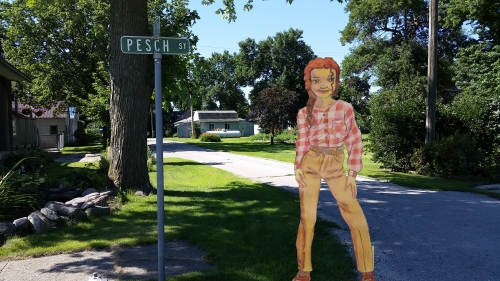
I grew up in a small rural town in North Central Iowa. It was a place that was, according to census, home to 275 people. That apparently counted the squirrels. (And I should say, the squirrels were definitely squirrelly. They not only ate nuts, they became a nut.) It was a good place to grow up in the 60’s and 70’s. But in many ways, it was a boring place.
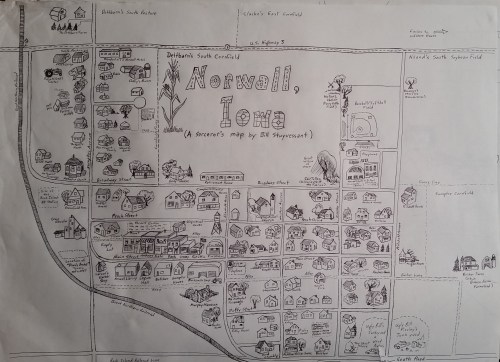
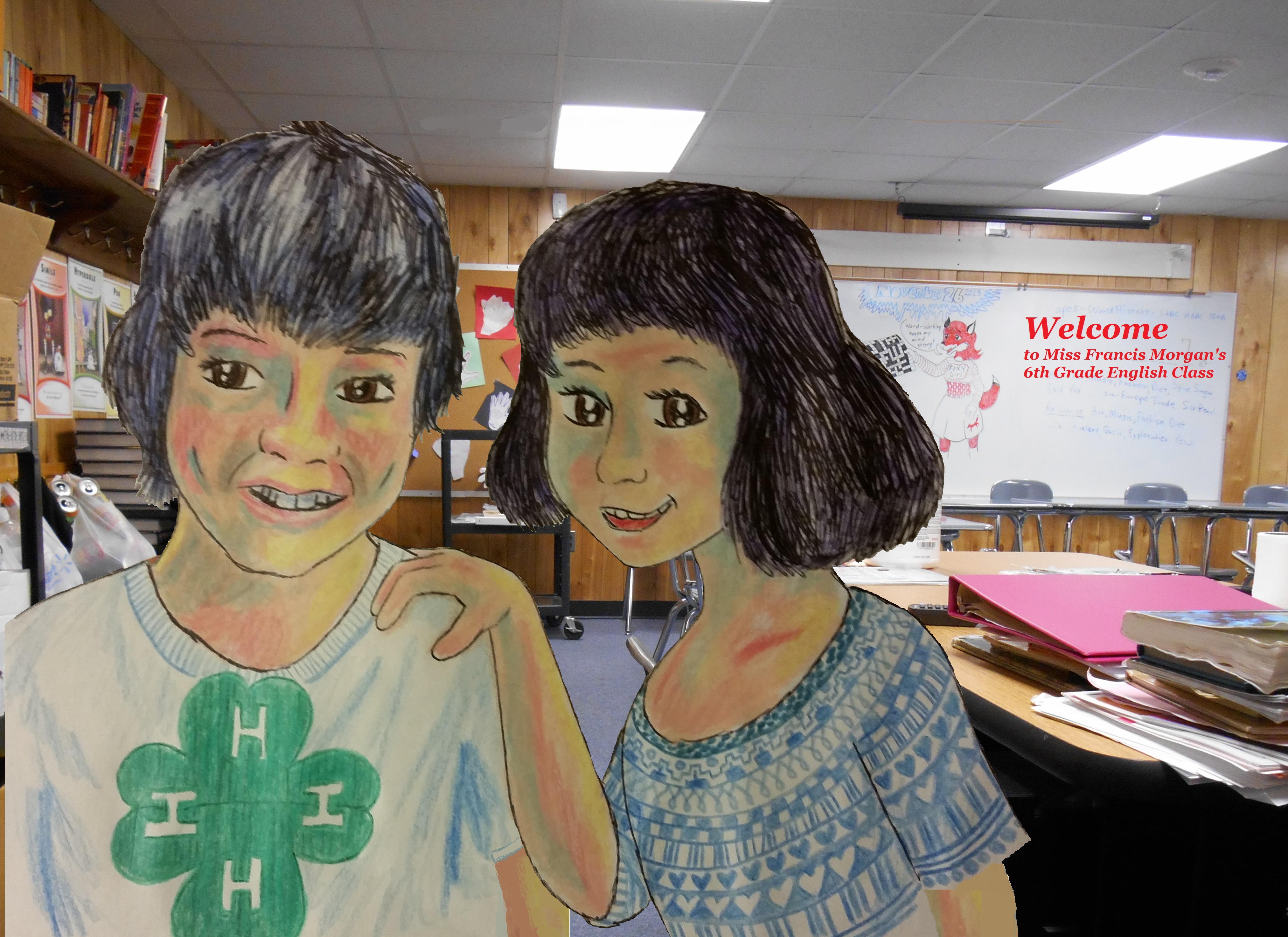
Yes, there were beautiful farmer’s daughters to lust after and pine for and be humiliated by. There was a gentle, supportive country culture where Roy Rogers was a hero and some of the best music came on Saturdays on Hee Haw where there was a lot of pickin’ and grinnin’ going on. There were high school football games on Friday nights, good movies at the movie theaters in Belmond and Clarion, and occasional hay rides for the 4-H Club and various school-related events like Homecoming.

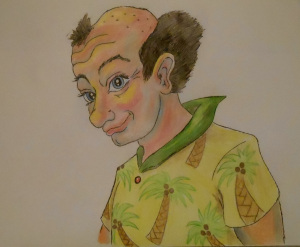
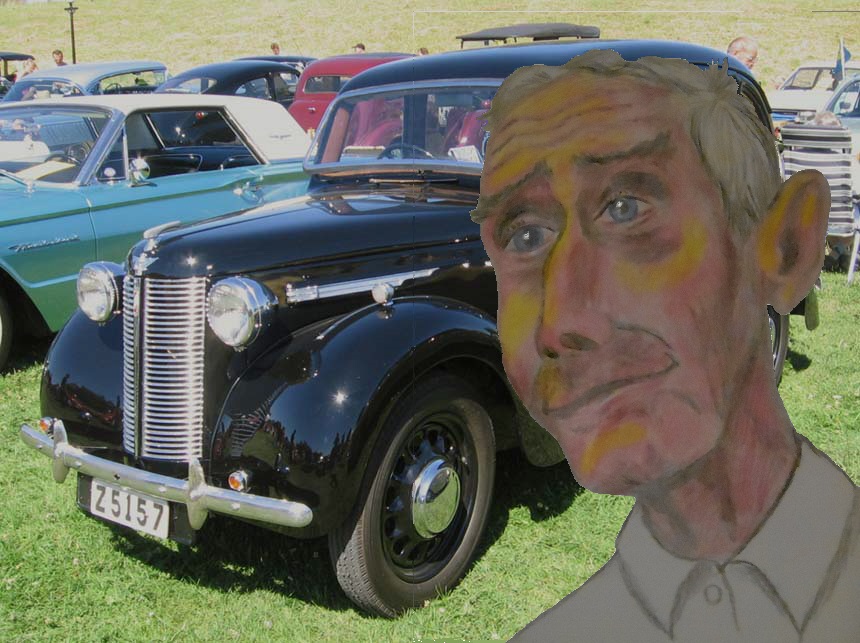
I lived in a world where I was related to half the people in the county, and I knew at least half of the other half. People told stories about other people, some of them incredibly mean-spirited, some of them mildly mean, and some of them, though not many, that were actually good and actually true. I learned about telling good stories from my Grandpa Aldrich who could tell a fascinating tale of Dolly who owned the part of town called locally “Dollyville” and included the run-down vacant structure the kids all called the Ghost House. He also told about Dolly’s husband, Shorty the dwarf, who was such a mean drunk and went on epic temper tirades that often ended only when Dolly hospitalized him with a box on the ear. (Rumor had it that there were bricks in the box.)
And I realized that through story-telling, the world became whatever you said that it was. I could change the parts of life I didn’t love so much by lying… er, rather, by telling a good story about them. And if people heard and liked the stories enough, they began to believe and see life more the way I saw it myself. A good story could alter reality and make life better. I used this power constantly as a child.


There were invisible aliens invading Iowa constantly when I was a boy. Dragons lived in the woods at Bingham Park, and there were tiny little fairy people everywhere, in the back yard under the bushes, in the attic of the house, and building cities in the branches of neglected willow trees.
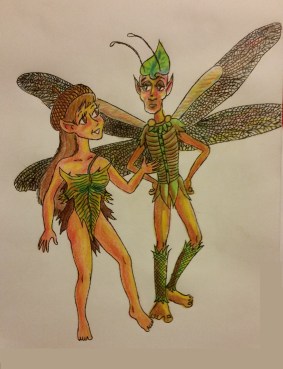
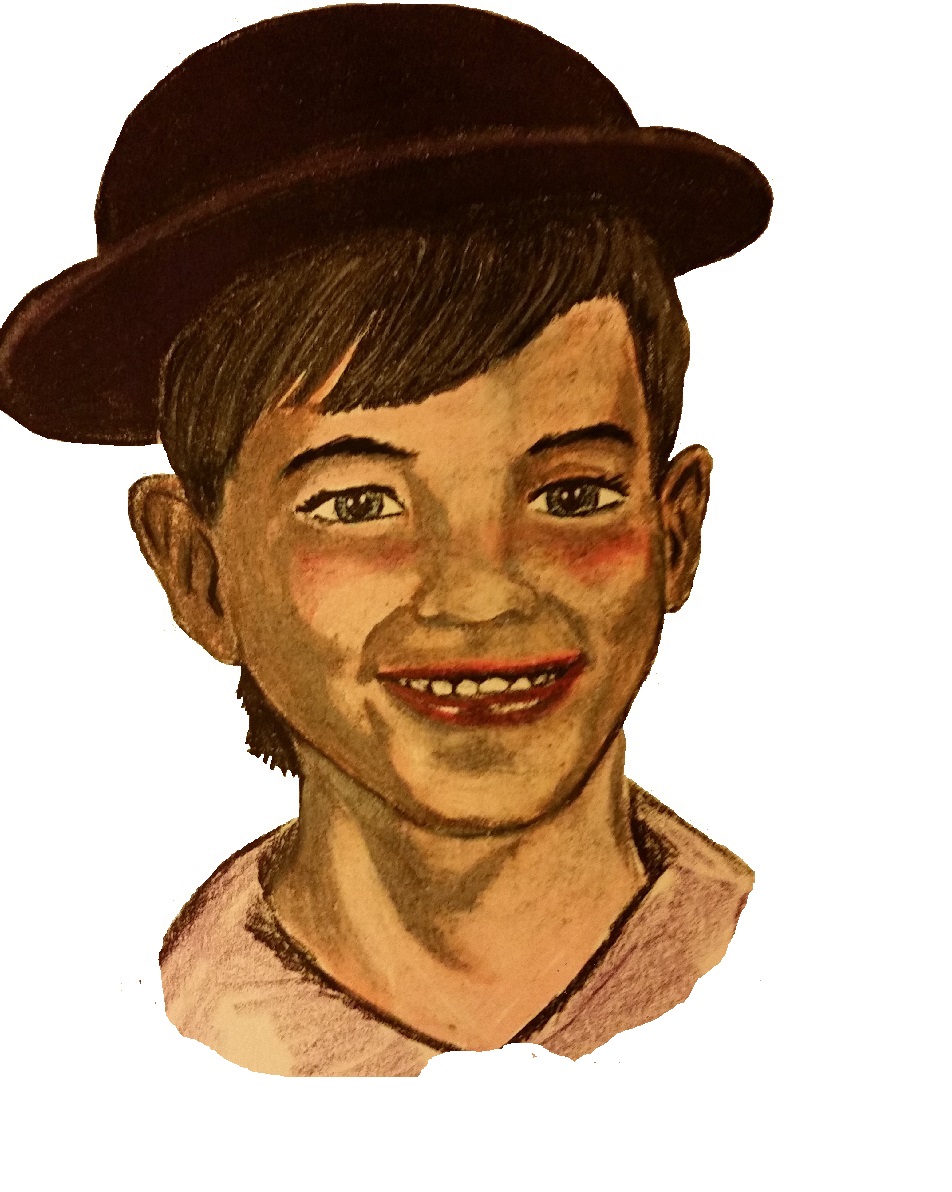
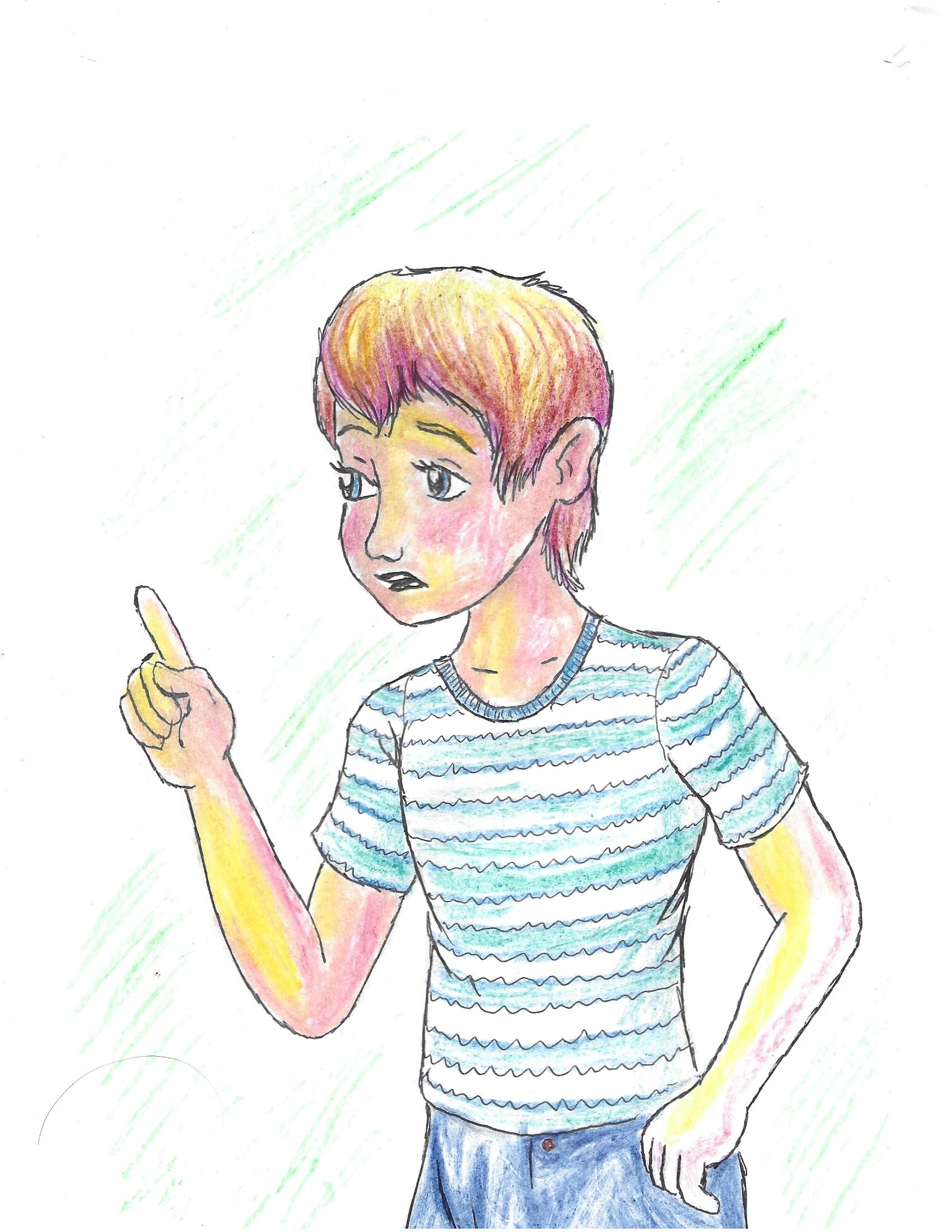
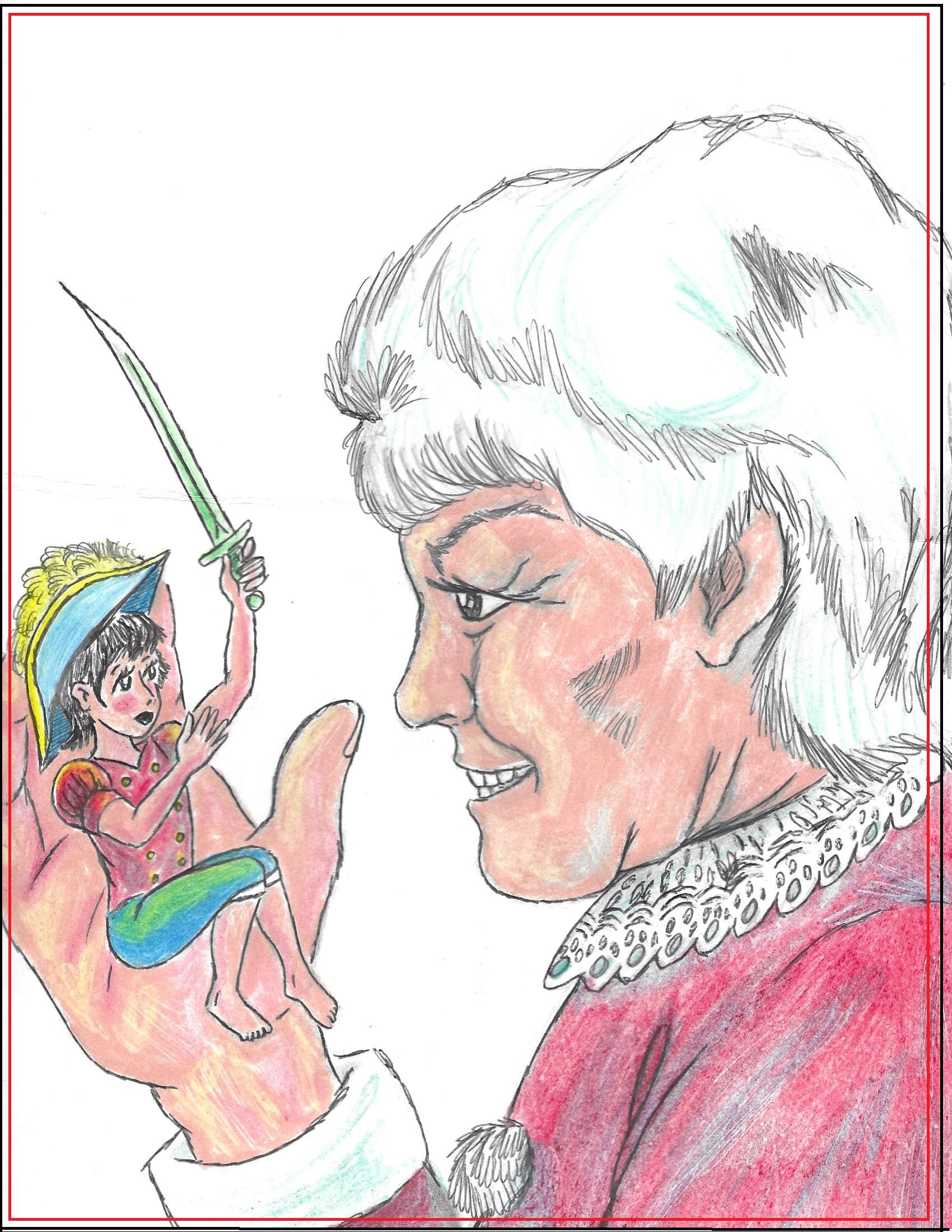
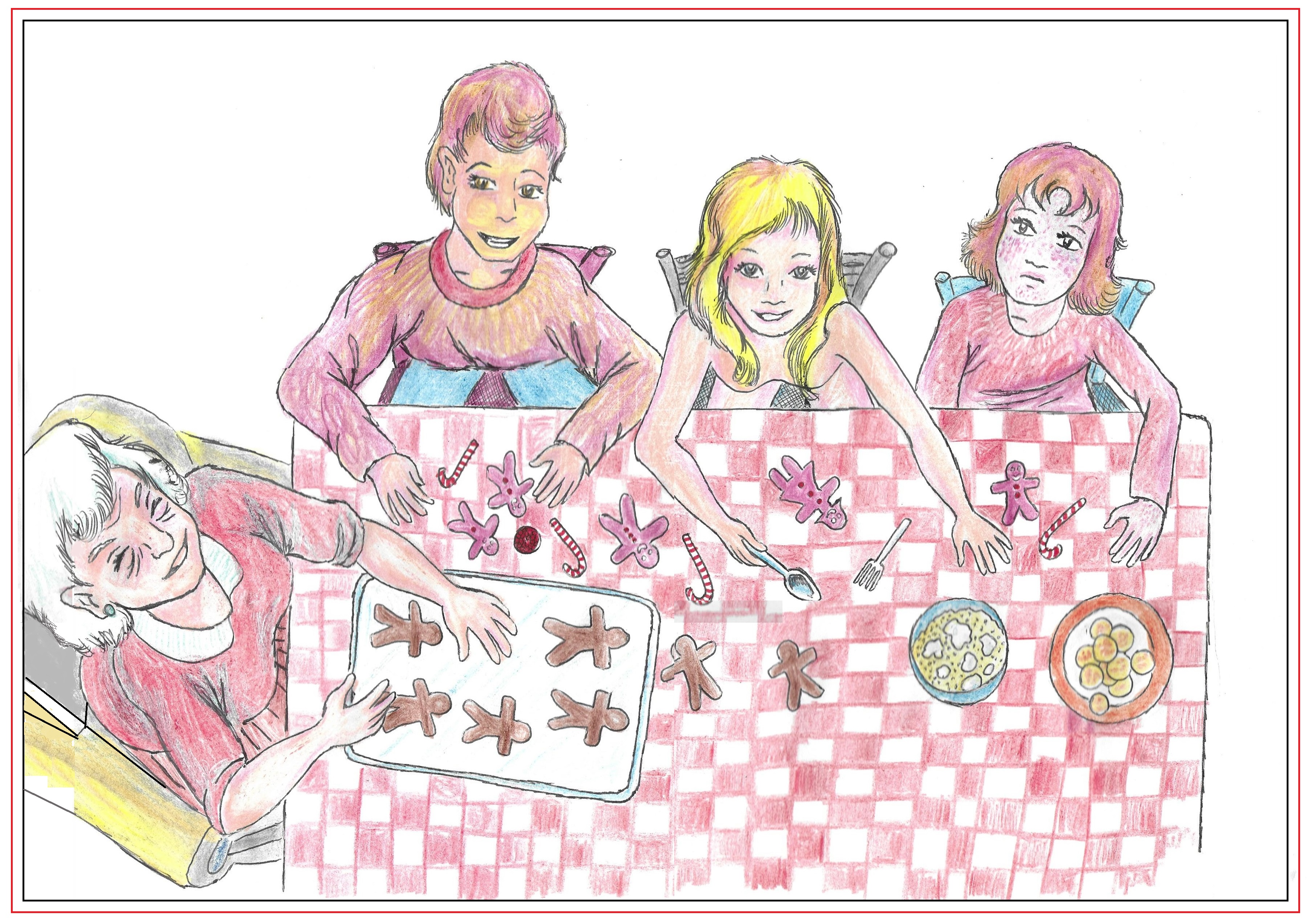
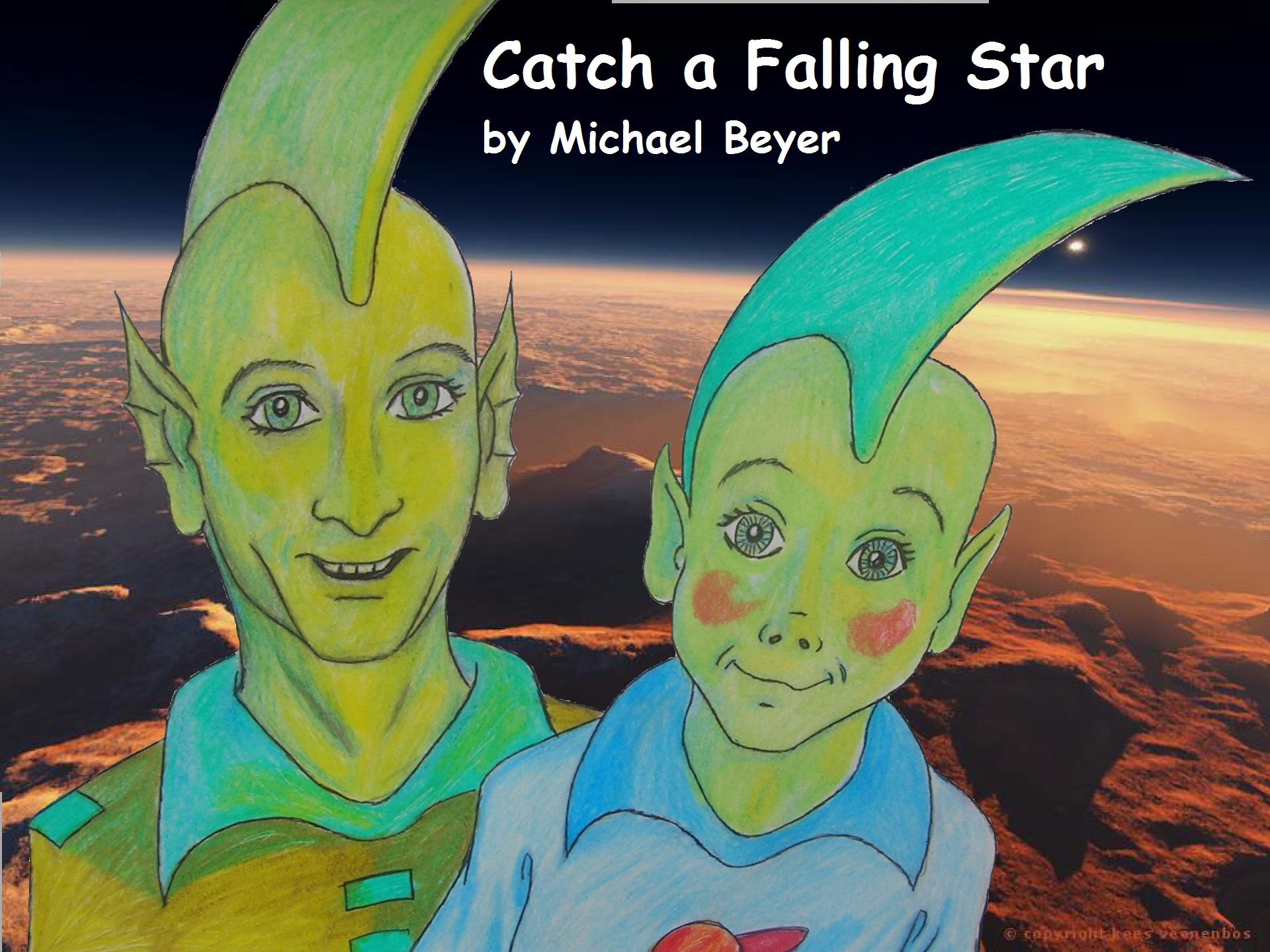
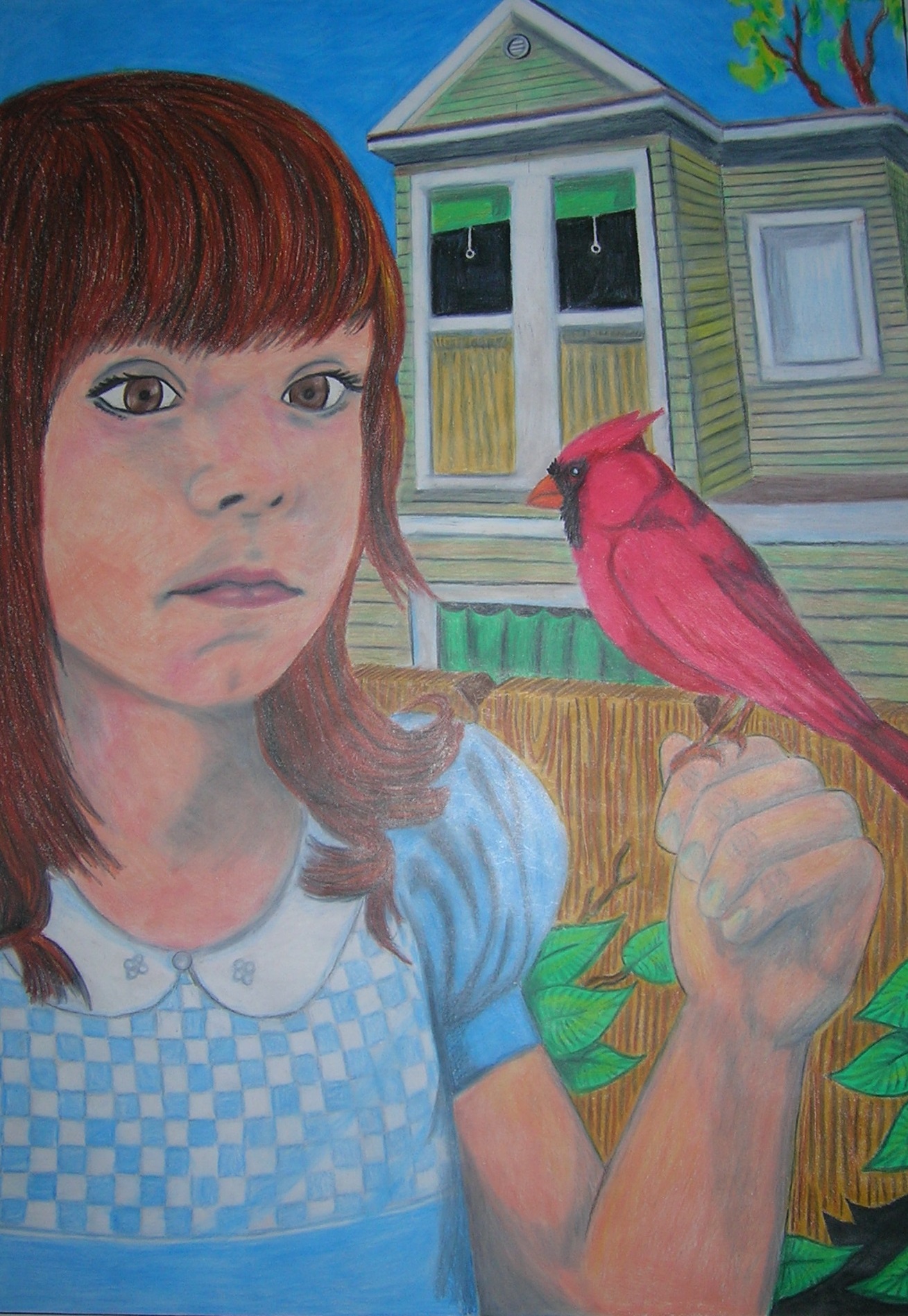
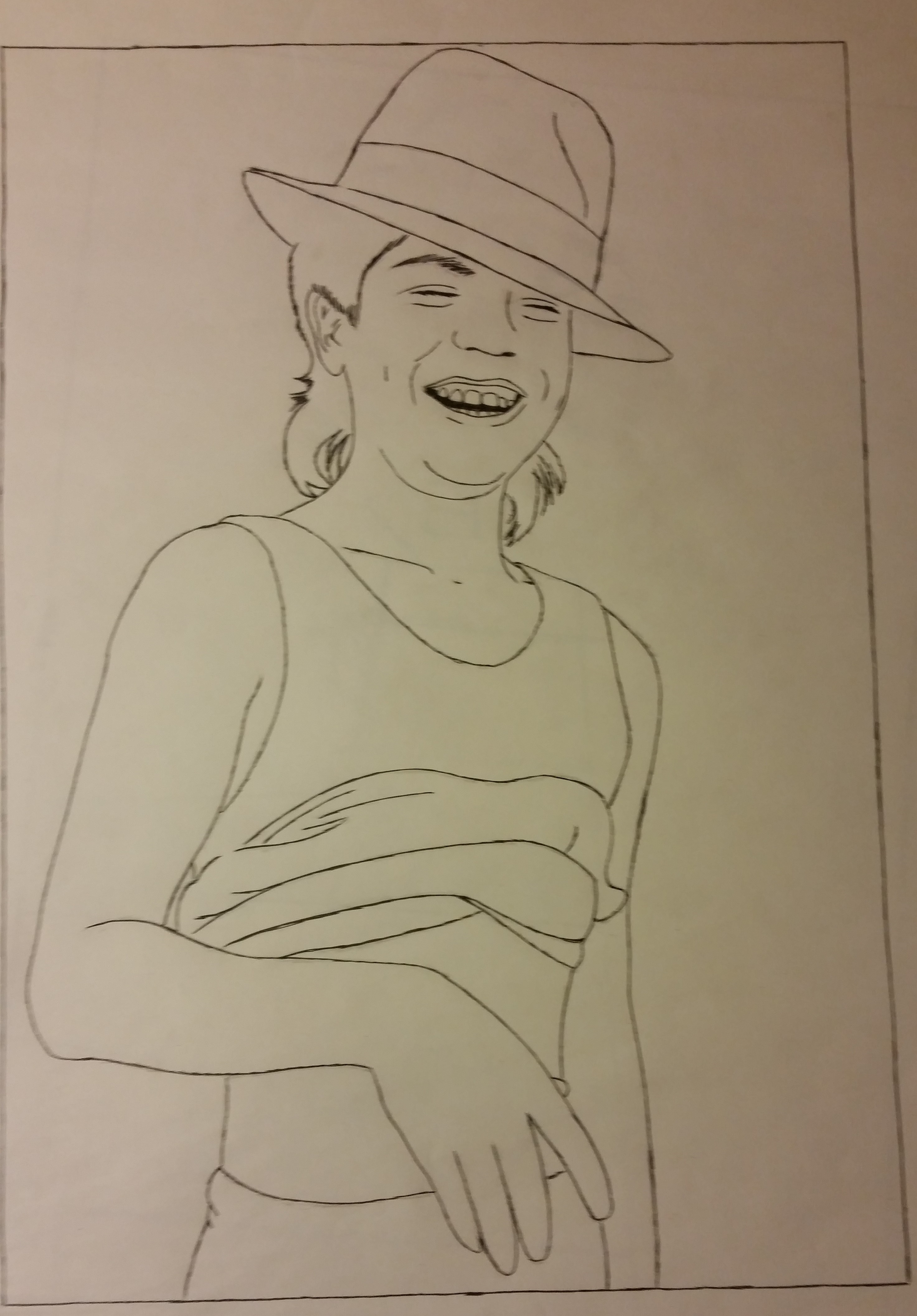
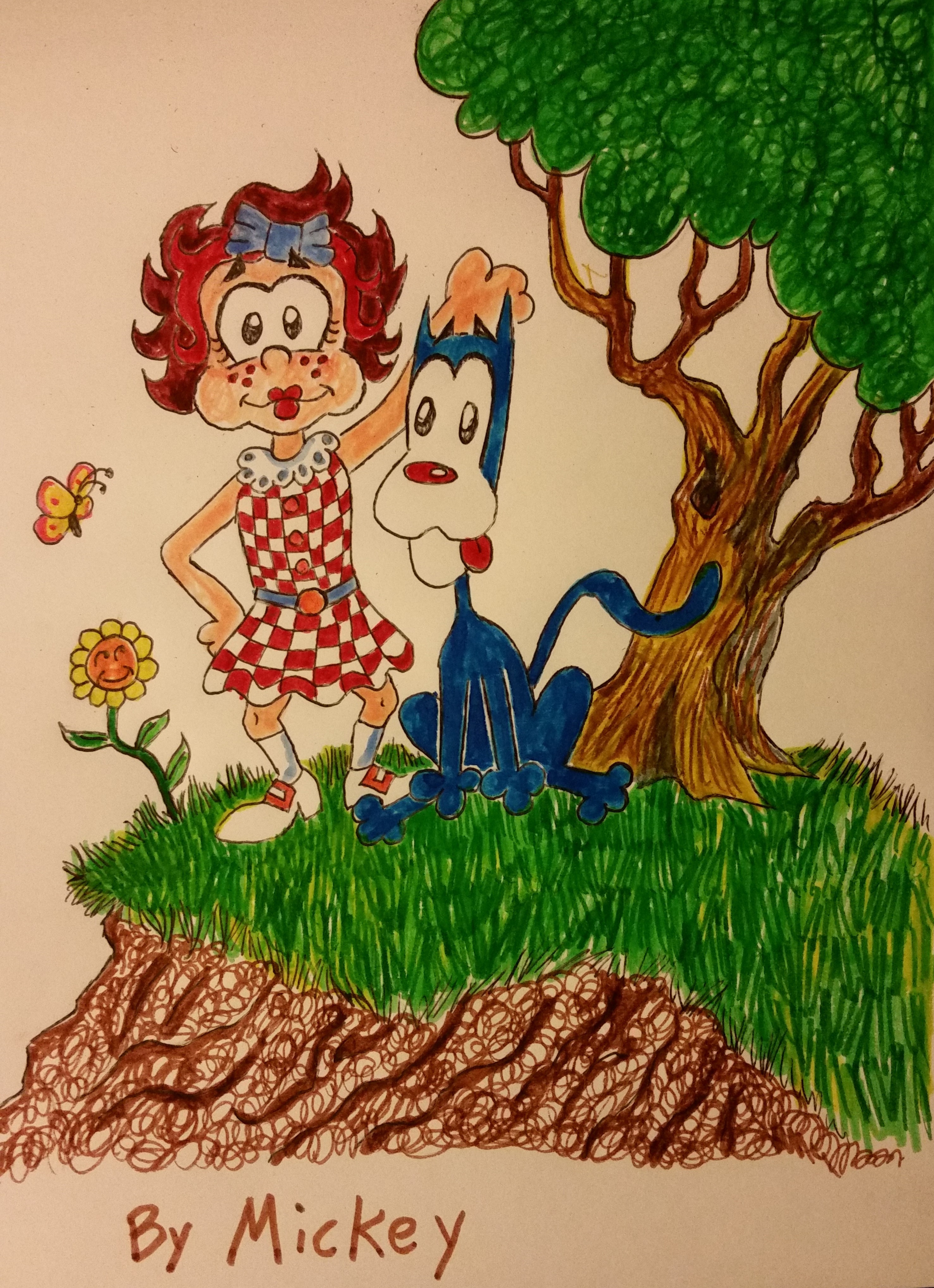
I reached out to the world around me as an artist, a cartoonist, and a story-teller and plucked details and colors and wild imaginings like apples to bake the apple pie that would much later in my life feed the novels and colored-pencil pictures that would make up my inner life. The novels I have written and the drawings I have made have all come from being a small town boy who dreamed big and lived more in stories than in the humdrum everyday world.








Finding My Voice
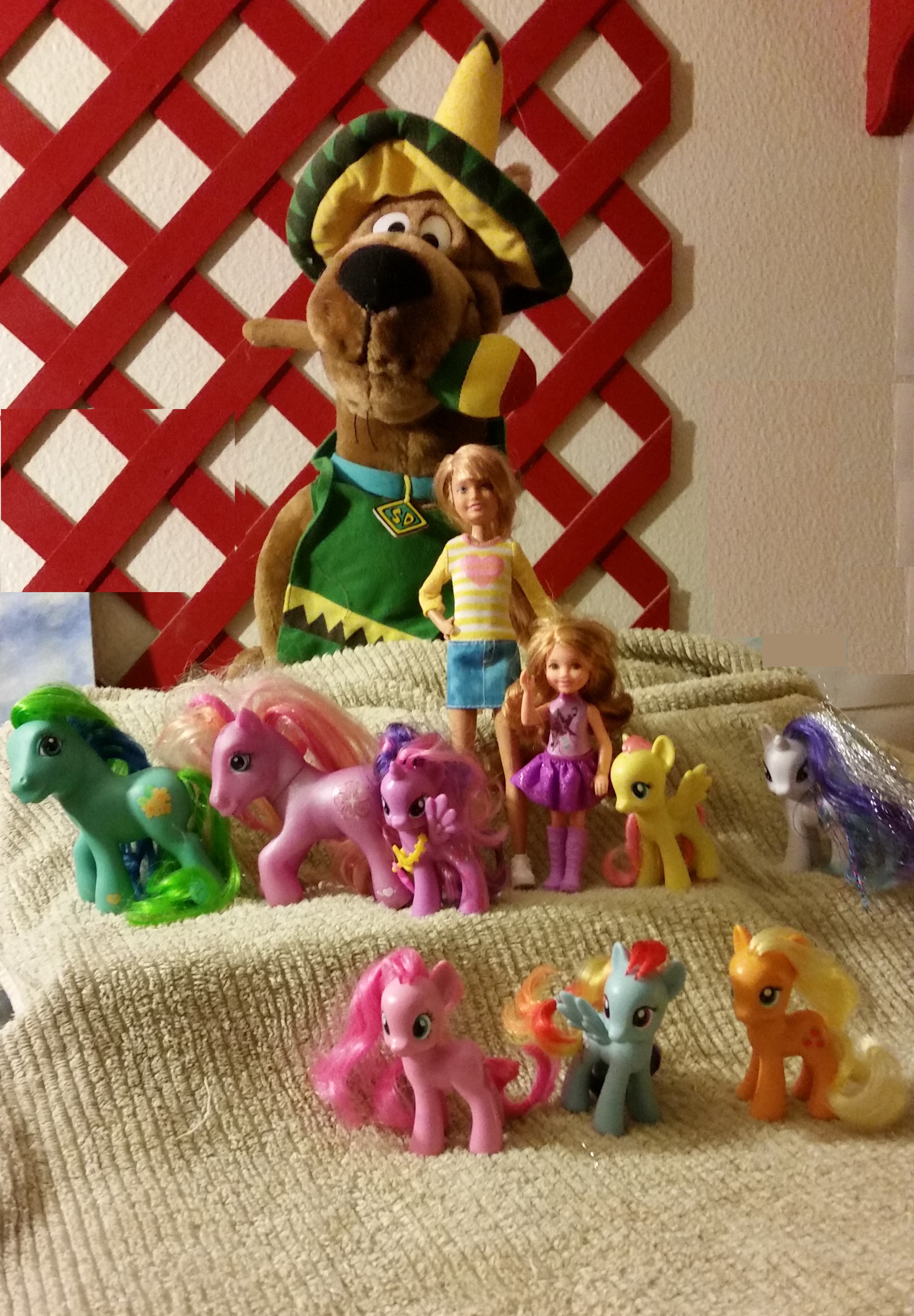
As Big MacIntosh welcomes more little ponies into my insanely large doll collection, I have been reading my published novel Snow Babies. The novel is written in third person viewpoint with a single focus character for each scene. But because the story is about a whole community surviving a blizzard with multiple story lines criss-crossing and converging only to diverge and dance away from each other again, the focus character varies from scene to scene.
Big MacIntosh finds himself to be the leader of a new group of My Little Ponies.
In Canto Two, Valerie Clarke, the central main character of the story, is the focus character. Any and all thoughts suggested by the narrative occur only in Valerie’s pretty little head. Canto Three is focused through the mind of Trailways bus driver Ed Grosland. Canto Four focuses on Sheriff’s Deputy Cliff Baily. And so, on it goes through a multitude of different heads, some heroic, some wise, some idiotic, and some mildly insane. Because it is a comedy about orphans freezing to death, some of the focus characters are even thinking at the reader through frozen brains.
The ponies decide to visit Minnie Mouse’s recycled Barbie Dreamhouse where Olaf the Snowman is the acting butler.
That kind of fractured character focus threatens to turn me schizophrenic. I enjoy thinking like varied characters and changing it up, but the more I write, the more the characters become like me, and the more I become them. How exactly do you manage a humorous narrative voice when you are constantly becoming someone else and morphing the way you talk to fit different people? Especially when some of your characters are stupid people with limited vocabularies and limited understanding?
The ponies are invited to live upstairs with the evil rabbit, Pokemon, and Minions.
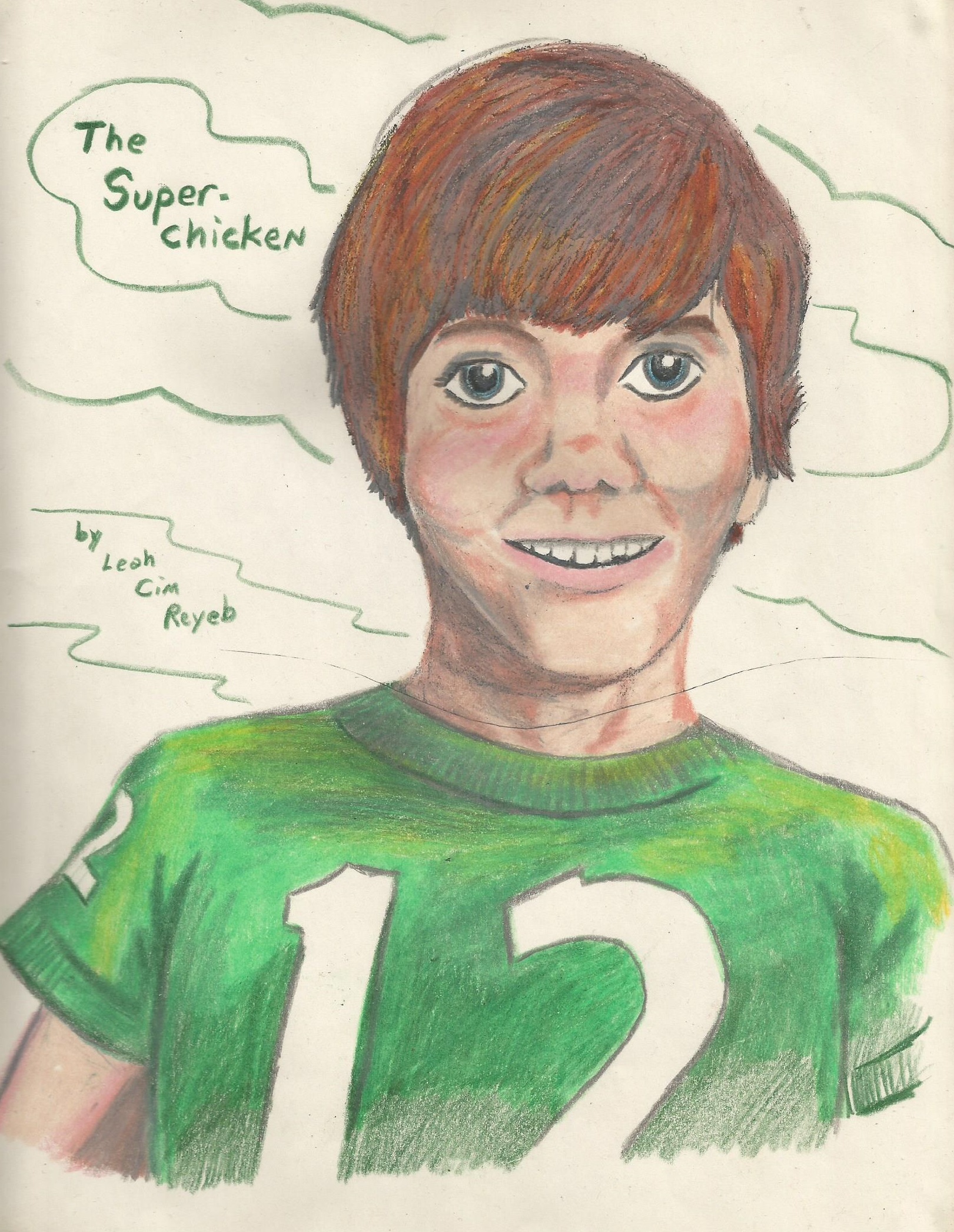
I did an entire novel, Superchicken, in third person viewpoint with one focus character, Edward-Andrew Campbell, the Superchicken himself. That is considerably less schizophrenic than the other book. But it is still telling a story in my voice with my penchant for big words, metaphors, and exaggerations.
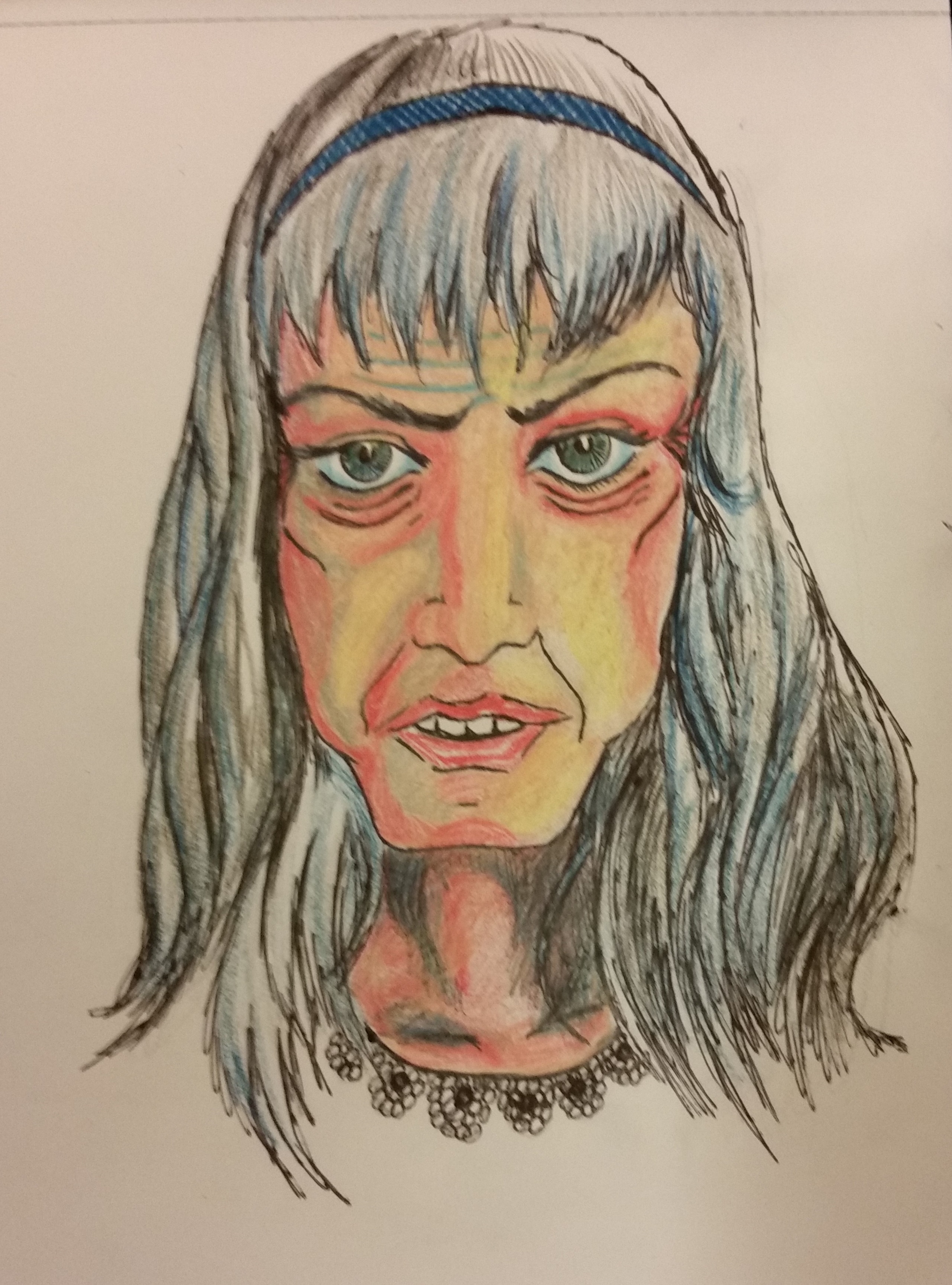
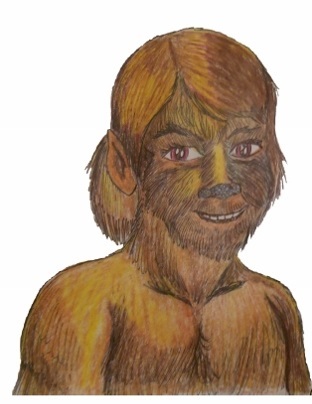
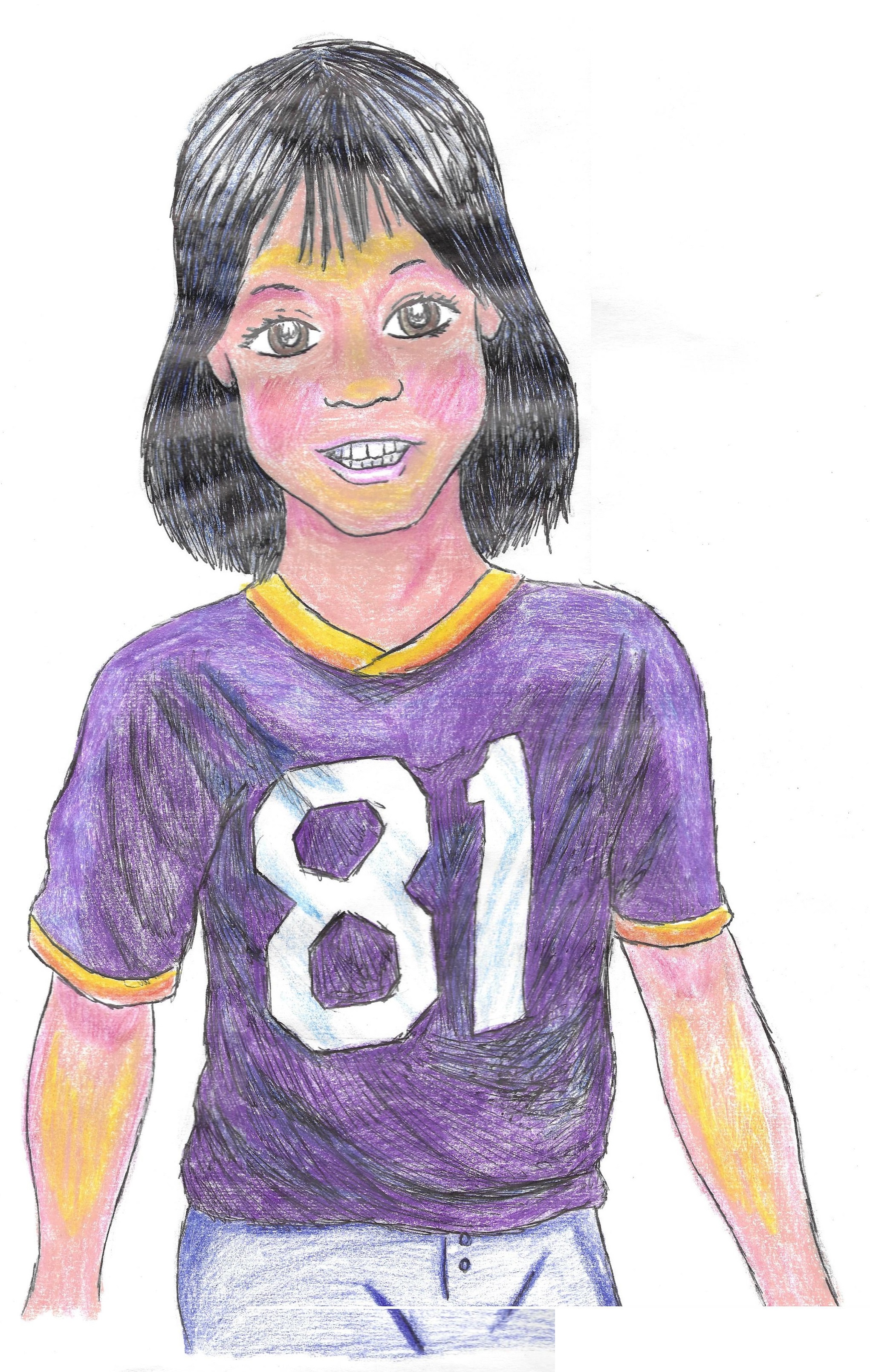
The novel I am working on in rough draft manuscript form right now, The Baby Werewolf, is done entirely in first person point of view. That is even more of an exercise of losing yourself inside the head of a character who is not you. One of the first person narrators is a girl, and one is a werewolf. So, I have really had to stretch my writing ability to make myself into someone else multiple times.
I assure you, I am working hard to find a proper voice with which to share my personal wit and wisdom with the world. But if the men in white coats come to lock me away in a loony bin somewhere, it won’t be because I am playing a lot with My Little Ponies.
Leave a comment
Filed under commentary, goofiness, humor, insight, NOVEL WRITING, photo paffoonies, self portrait, strange and wonderful ideas about life, writing, writing humor
Tagged as art, books, My Little Pony, News, Snow Babies, technology