I first heard this song as a freshman in college.It struck me that it was hauntingly beautiful… but maybe I wasn’t entirely sure what it meant.
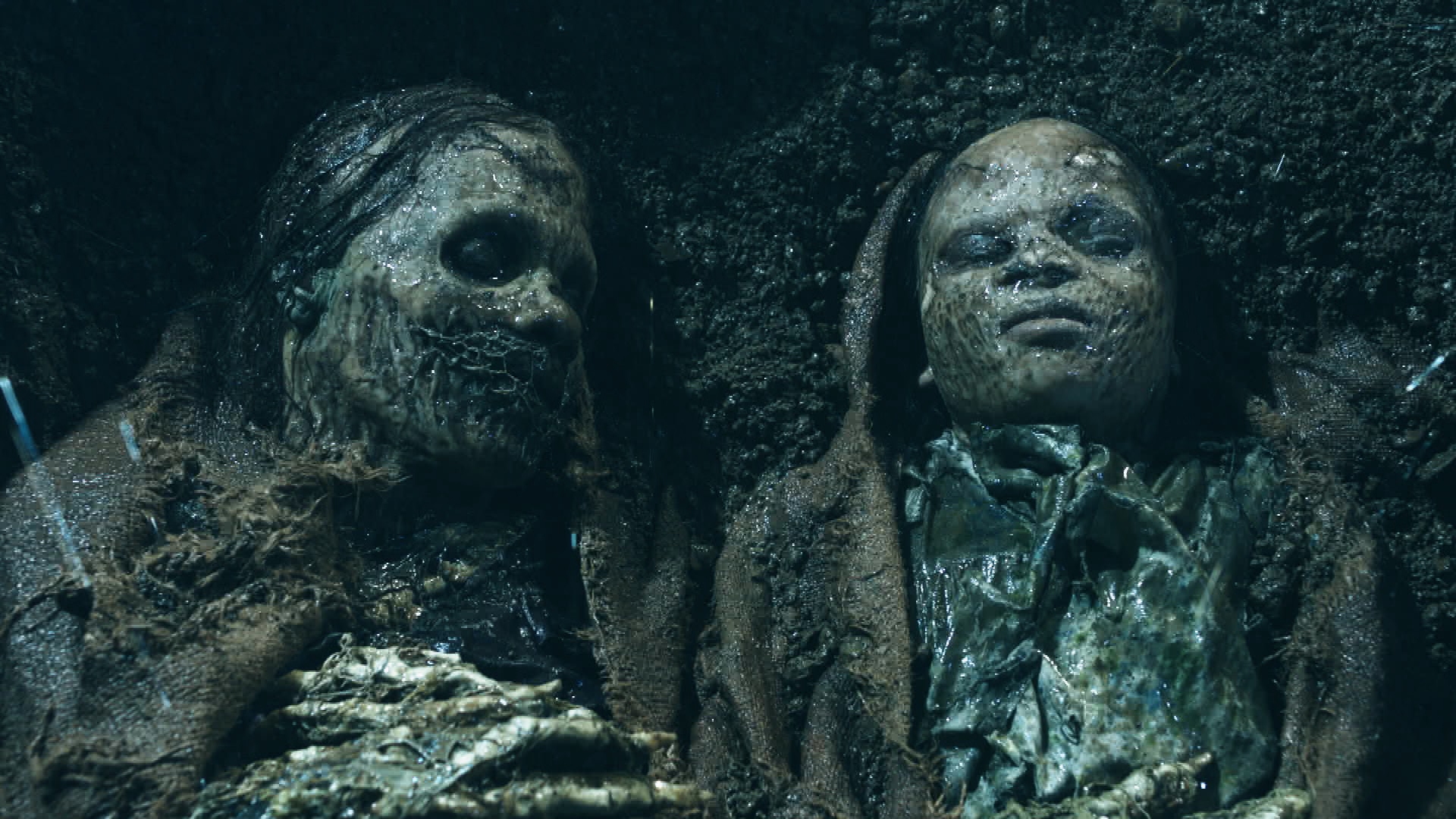
The song is about losing body parts and being okay with that.
That can actually be kinda creepy, right?
It is probably a song about gradually dying.
But that’s not really what it’s about.
I am there now. Peeling, cracking, drying out… my life has reached the downhill run toward the finish line. But I am not worried and not afraid. Life is so much more than hands and eyes and legs and feet. I can lose those things and have no regrets. I am so much more than merely the sum of those physical things.
My spirit soars. And my life is bound up in words and meanings that are now written down, and are at least as imperishable as paper. And may, in fact, be written on a few human hearts here and there.
There are many ways to fly. Airplanes, bird wings, hot air balloons, bubble-gum-blowing goldfish… well, maybe I am really talking about flying by imagination. The more my six incurable diseases and old age limit my movement, my ability to get out of bed and do things, the more I rely on reading, writing, and the movie in my head to go places I want to be.
Sometimes the wings I use to fly come from other writers. I get the flight feathers I need not only from books, but also from YouTube videos, movies, and television shows.
This magic carpet ride in video form is by the thoughtful creative thinker Will Schoder. In it he carefully explains how Mister Rogers used the persuasion techniques of Logos, Ethos, and Pathos to talk to elephants and convinced a congressman intent on cutting the budget to actually give Public Television more money for educational programming. This is a video full of warmth and grace and lovingly crafted magic flight feathers that anybody can use to soar across new skies and blue skies and higher skies than before. I hope you will watch it more than once like I did, to see how beautifully the central explanation spreads its wings and gives us ideas that can keep us aloft in the realm of ideas.
It is important to stay in the air of fresh ideas and new thinking. The magic carpet ride that takes you there is the product of vivid imagination, cogent thinking, and the accurate connection of idea to better idea. So instead of falling from the sunlit sky into the darkness that so easily consumes us on the ground, keep imagining, keep dreaming, and keep flying. You won’t regret having learned to fly.
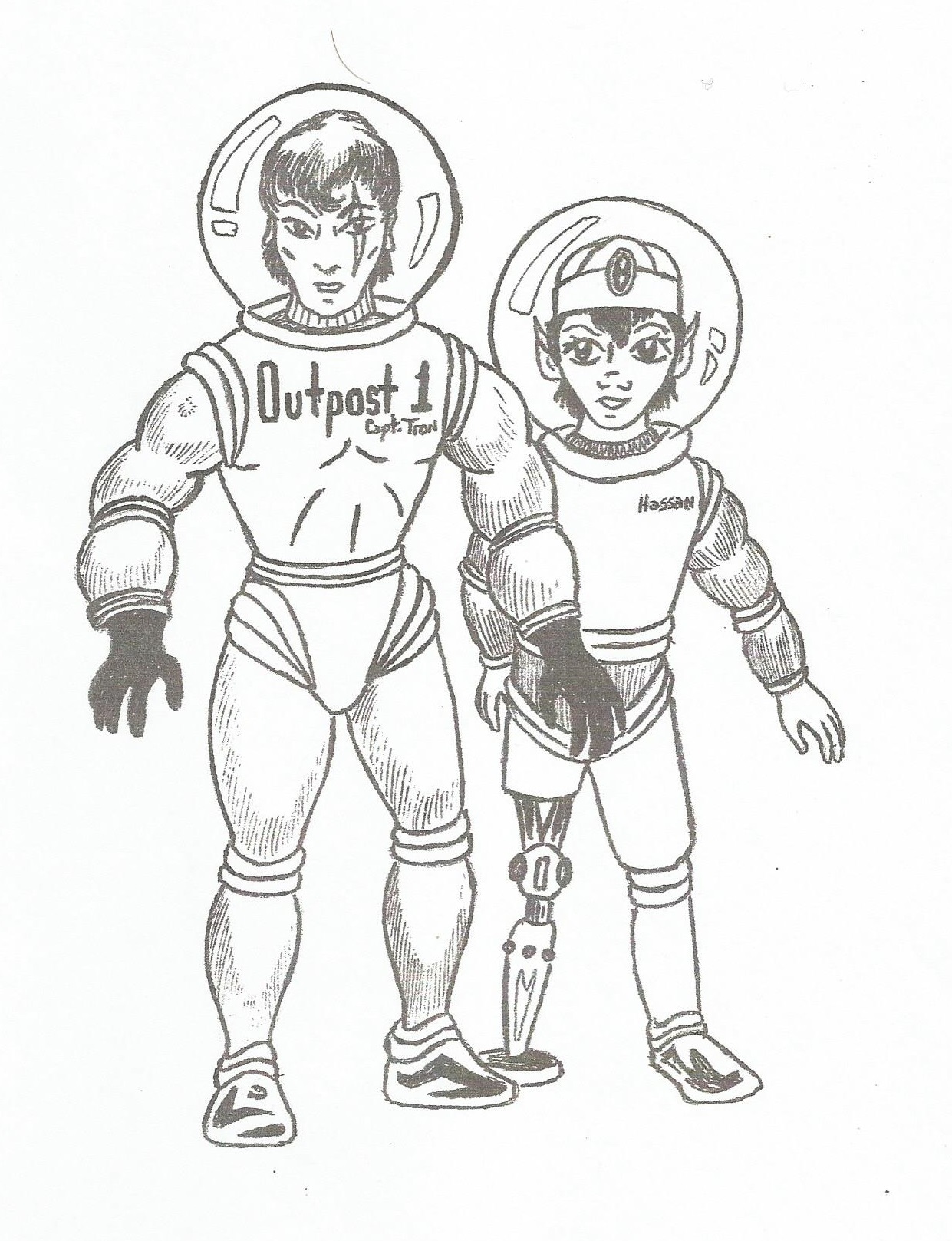
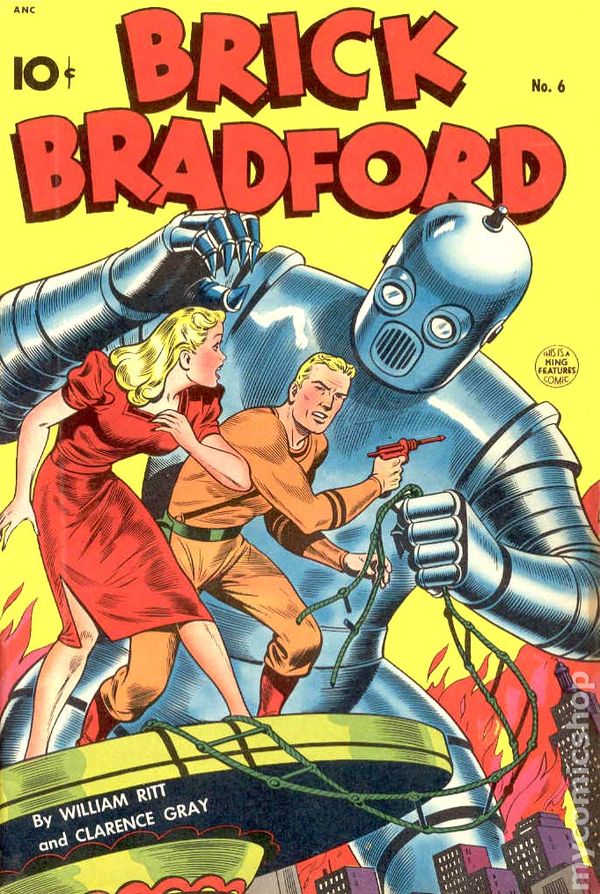
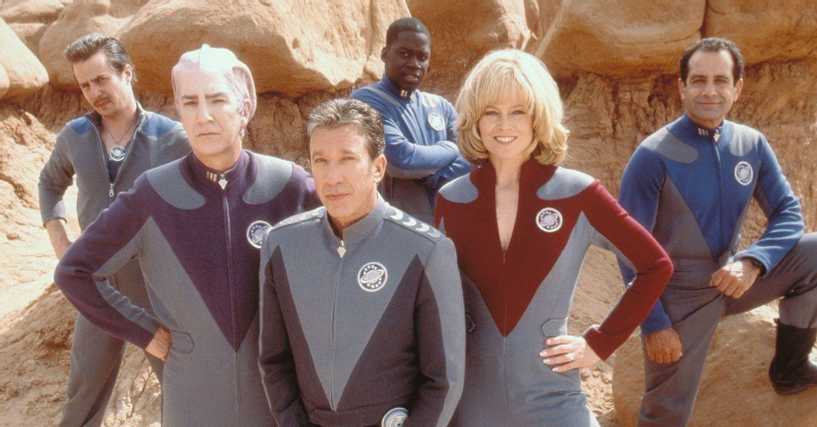
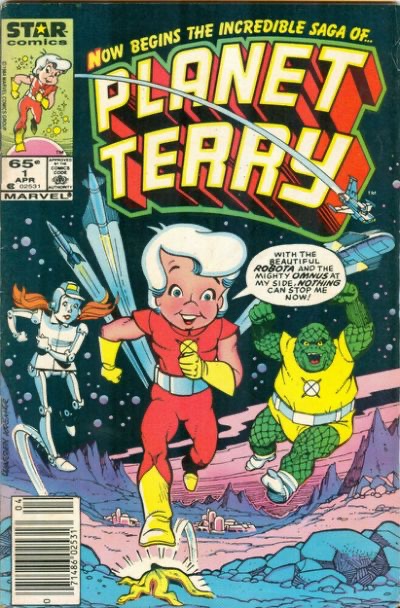
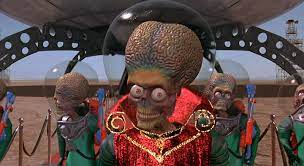
I have always cherished science fiction. Not just Jules Verne, Isaac Asimov, and Arthur C. Clarke. Not just Star Trek and Star Wars. But all of it. Buck Rodgers, Flash Gordon, Brick Bradford, Galaxy Quest, Mars Attacks, and E.T.
Space is important to me. I feel like all of mankind will be a failure as a species if they don’t start moving out amongst the stars.
It’s not just that I am ensorcelled by the magical adventures that space-travel stories mixed with a romantic view of facing existential danger with a smile and a ray-gun can provide.
I watched with wide 12-year-old eyes when Neil Armstrong stepped onto the surface of the moon for the very first time.
That was all the way back in 1969!
I am disappointed that my George-Jetson expectations of life in 2023 have not even remotely been met.
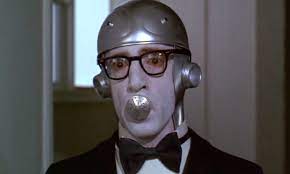
Sure, computers are great. But where are the flying cars? The fishbowl helmets for walking on the Moon? Personal jetpacks to get to school and back?
It isn’t the dreamers, it’s the doers that have let me down.
And I know we could well run the risk of meeting something out there that might want to eat us.
But are we truly alive anymore if we are afraid to risk death in the face of Space Exploration and Discovery? We are not immortal. We need to achieve things that outlast us to justify our existence.
So, come on, people! Let’s make the world over again and start building cities on Mars.
Let’s start building what we have dreamt of rather than hiding from what we fear!
I read a lot of other people’s blogs for a lot of reasons. As an old writing teacher and retired Grammar Nazi, I love to see where writers are on the talent spectrum. I have read everything from the philosophy of Camus and Kant to the beginning writing of ESL kids who are illiterate in two languages. I view it like a vast flower garden of varied posies where even the weeds can be considered beautiful. And like rare species of flower, I notice that many of the best blossoms out there in the blogosphere are consistent with their coloring and patterns. In other words, they have a theme.
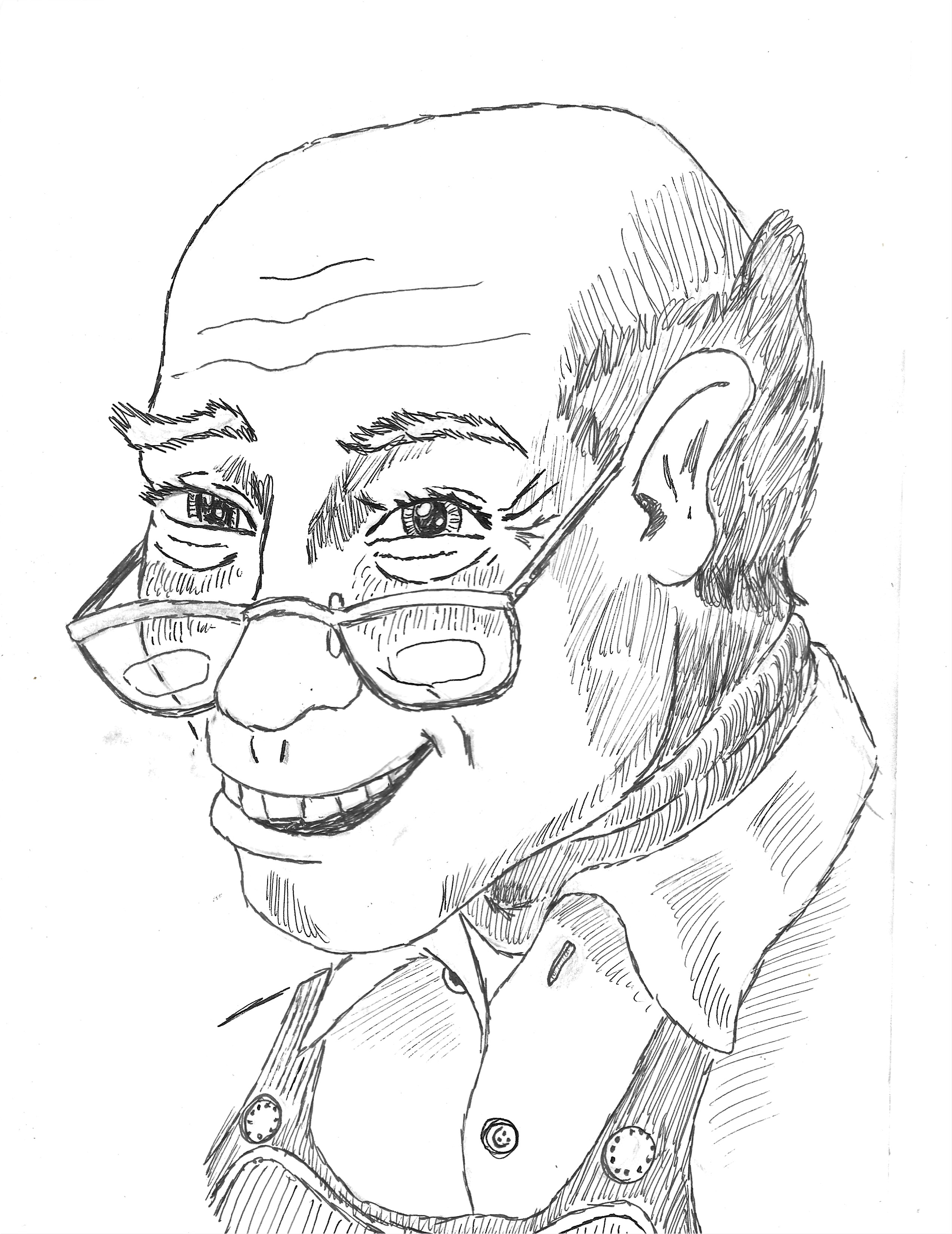
So, do I have an over-all theme for my blog? It isn’t purely poetical like some of the poetry blogs I like to read. I really only write comically bad poetry. It has photos in it, but it isn’t anything like some of the photography blogs I follow. They actually know how to photograph stuff and make it look perfect and pretty. It is not strictly an art blog. I do a lot of drawing and cartooning and inflict it upon you in this blog. But I am not a professional artist and can’t hold a candle to some of the painters and artists I follow and sometimes even post about. I enjoy calling Trump President Pumpkinhead, but I can’t say that my blog is a political humor blog, or that I am even passable as a humorous political commentator.
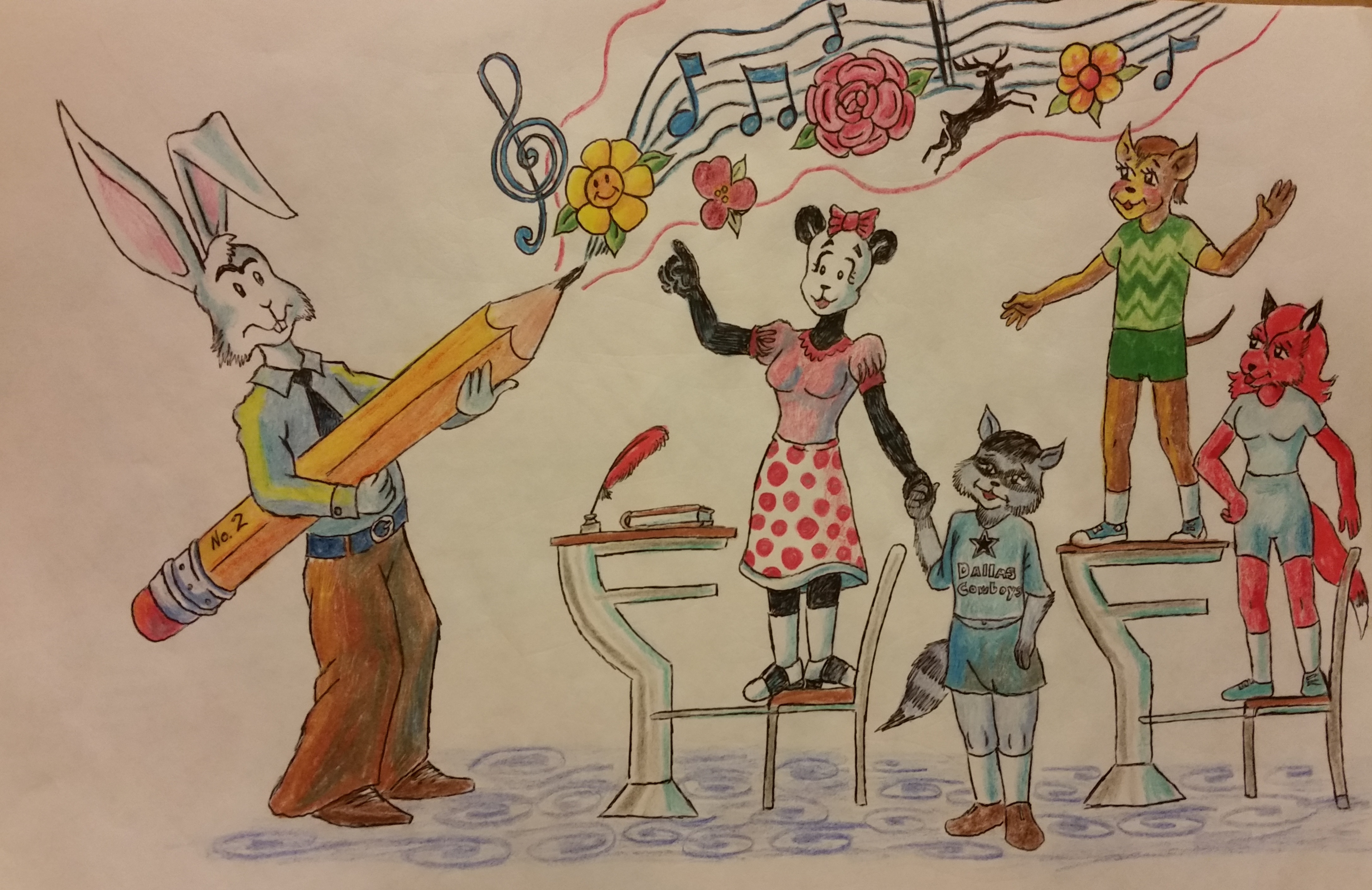
One thing that I can definitely say is that I was once a teacher. I was one of those organizers and explainers who stand in front of diverse groups of kids five days a week for six shows a day and try to make them understand a little something. Something wise. Something wonderful. Something new. Look at the video above if you haven’t already watched it. Not only does it give you a sense of the power of holding the big pencil, it teaches you something you probably didn’t realize before with so much more than mere words.
But can I say this is an education blog? No. It is far too silly and pointless to be that. If you want a real education blog, you have to look for someone like Diane Ravitch’s blog. Education is a more serious and sober topic than Mickey.
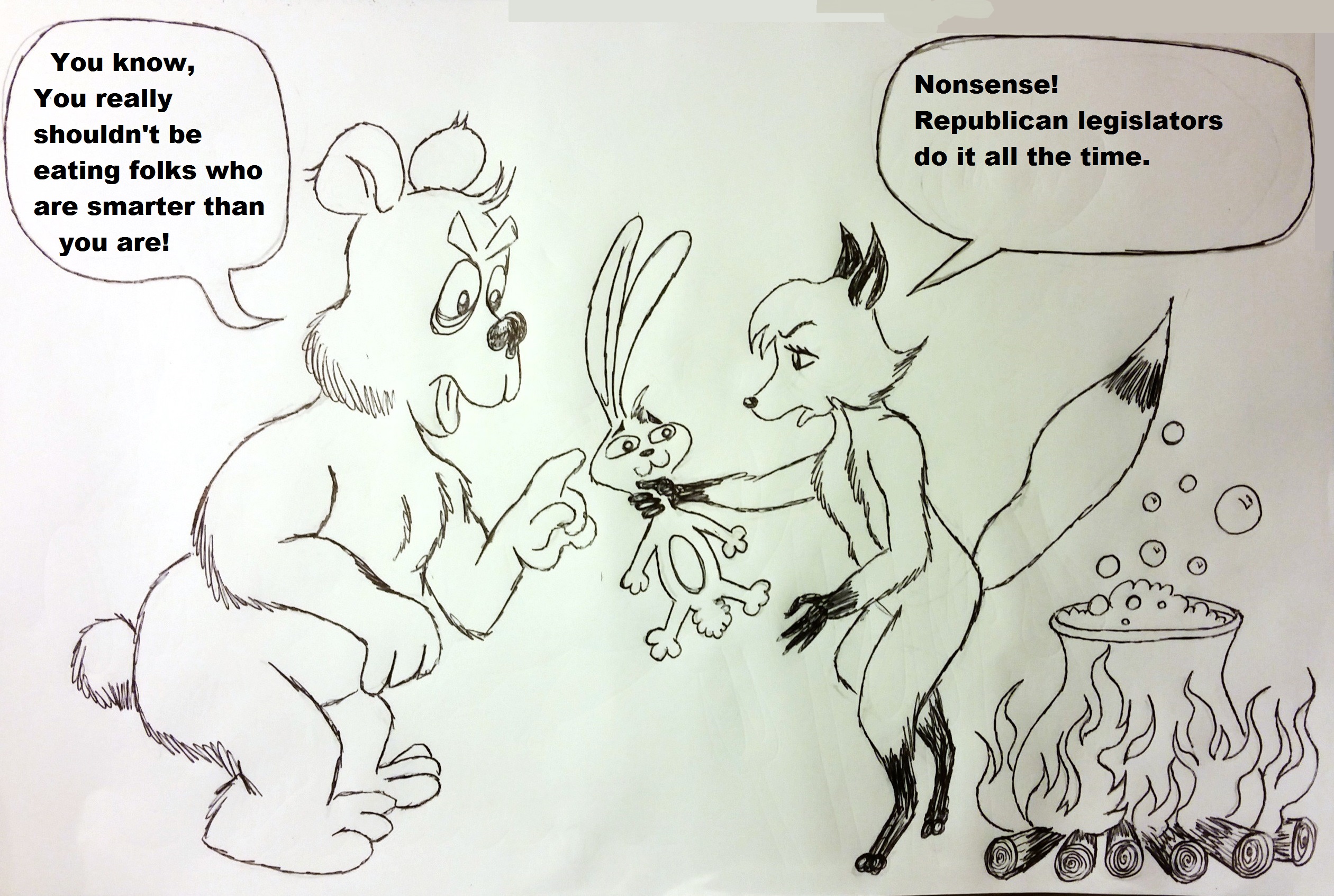
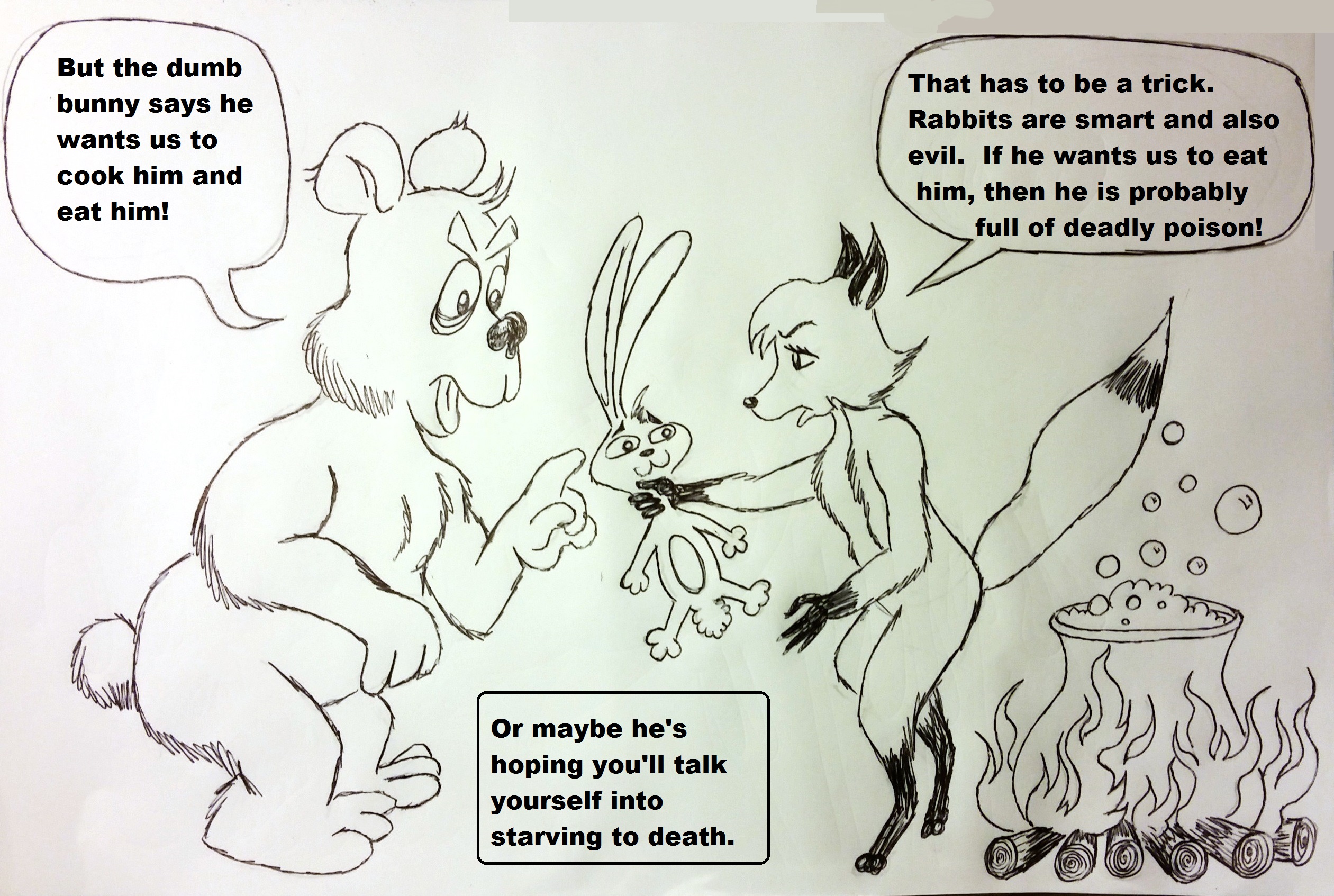
By the way, were you worried about the poor bunny in that first cartoon getting eaten by the fox and the bear? Well, maybe this point from that conversation can put your mind at ease.
Mickey is tricky and gets good mileage out of his cartoons.
You may have gotten the idea that I like Bobby McFerrin by this point in my post. It is true. Pure genius and raw creative talent fascinate me. Is that the end point of my journey to an answer about what the heck this blog is about? Perhaps. As good an answer as any. But I think the question is still open for debate. It is the journey from thought through many thoughts to theme that make it all fun. And I don’t anticipate that journey actually ending anytime soon.
I have always contended that I don’t have writer’s block. But some days, especially if I am not feeling well, I have writer’s lethargy. I can be slow to come up with the next thing. Writing can become bogged down and I am easily distracted or lose focus and have to return to what I was trying to do previously.
There is evidence that I have often had that kind of problem frequently on this blog. One thing I do to overcome writer’s lethargy is suddenly start thinking about how you can overcome writer’s block. What are the strategies that help me overcome it?
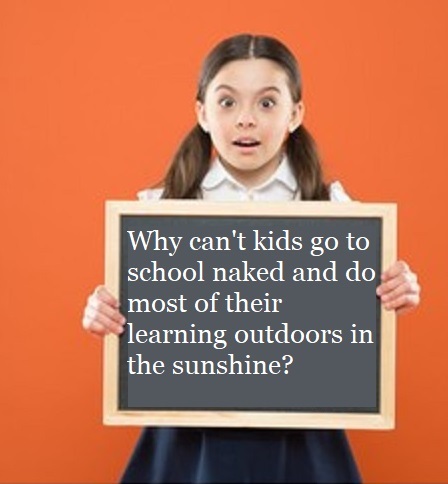
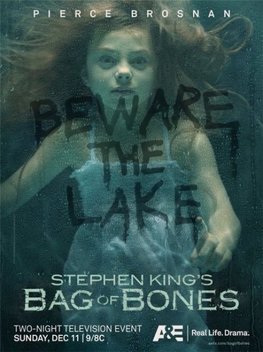
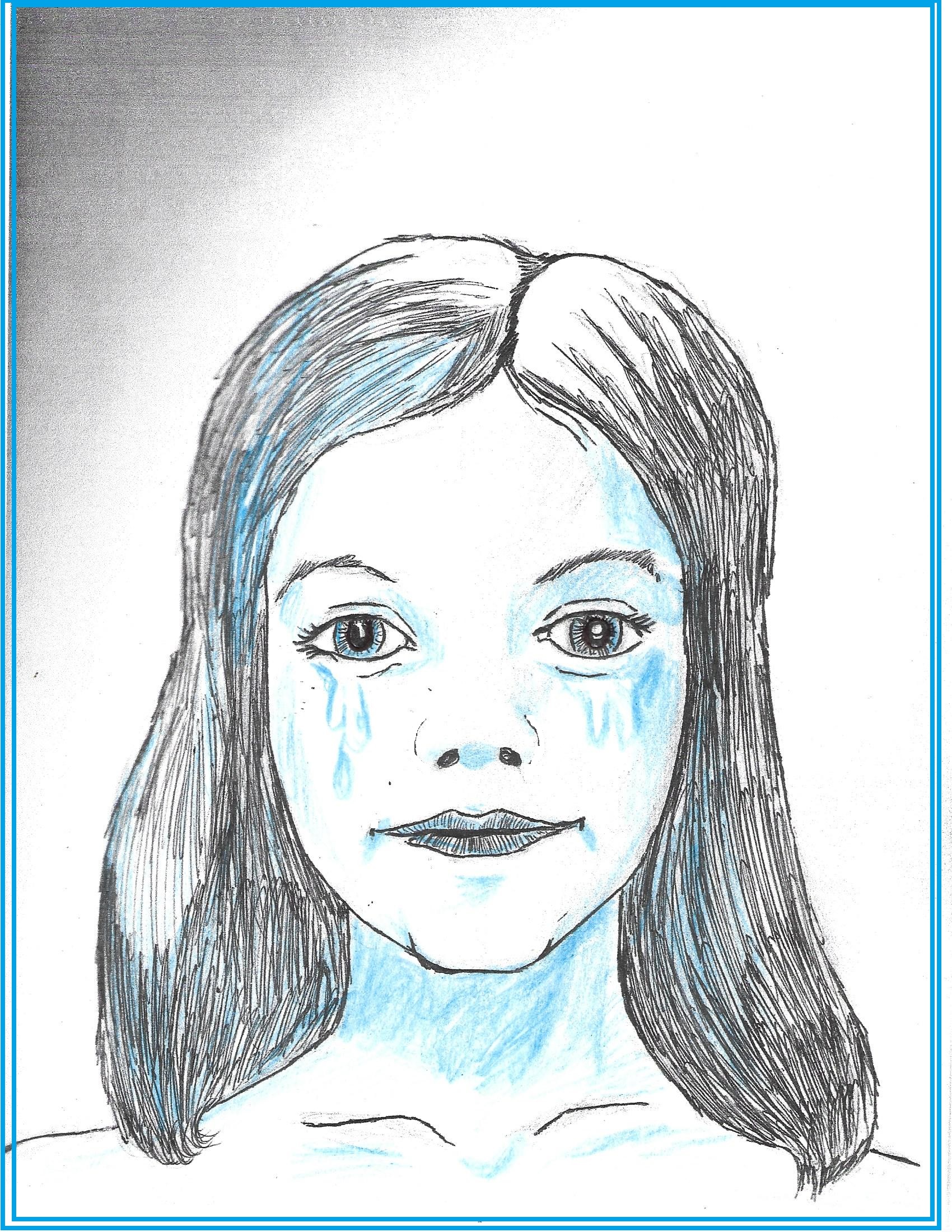
I often resort to “kickstart statements.” These are surprising or deep-left-field items that give the old brain a shot of adrenaline. The picture of the girl with the message blackboard is that kind of kickstarter. I never could have used that thing in any kind of social-media post when I was still employed as a teacher. It has the potential to generate parent complaints and administrative thoughts about evaluations and contract cancellations. But there really are kids who have thoughts like that in your classroom, and I know because not only was I a kid like that myself, I used it as an optional journal topic for writing practice, and, boy! do they ever catch fire when they can write about something like that and they know only the teacher is ever going to read it. It is the way I learned how many of my students had ever been to a nude beach in Corpus Christi or Lake Travis (Hippy Hollow.)
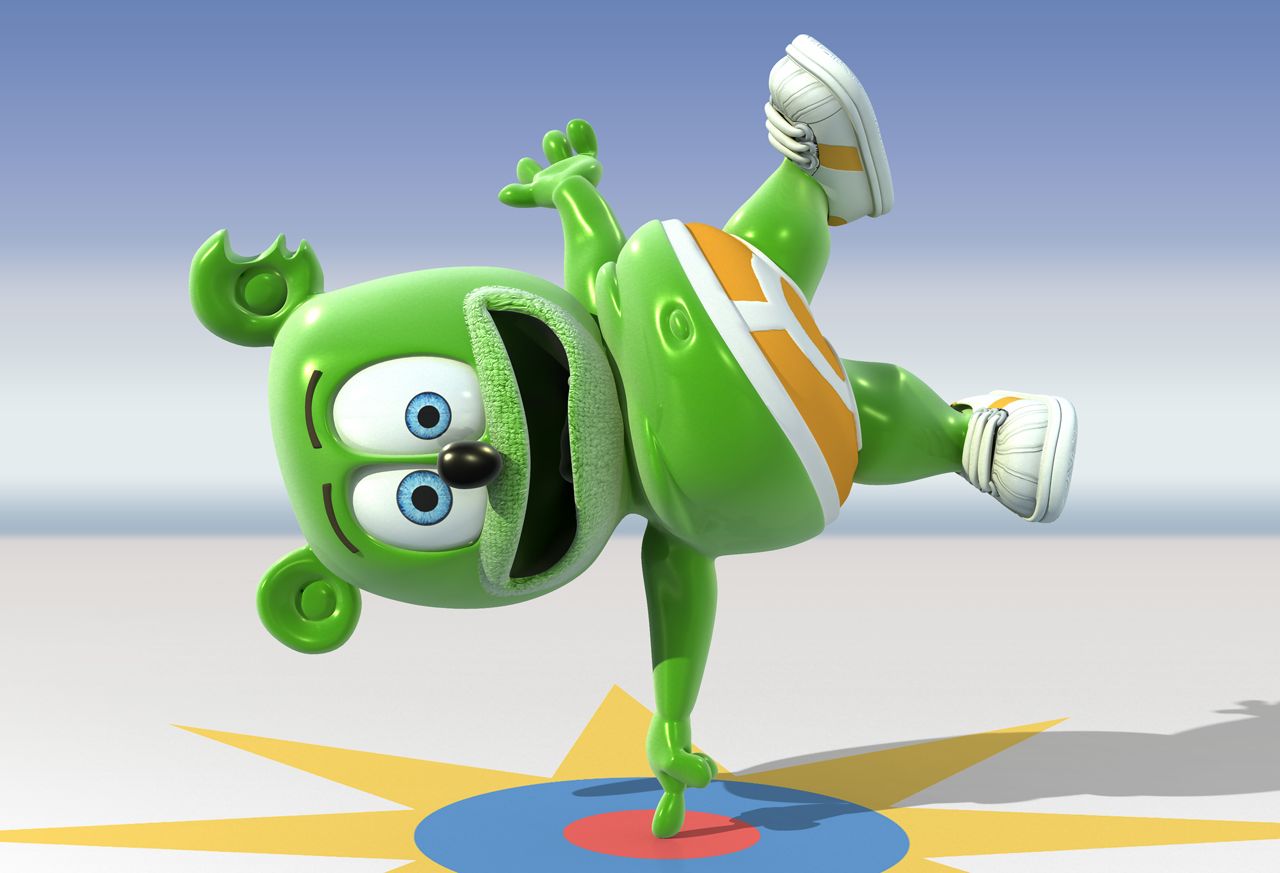
I can also look around the room, or scroll through my media library on WordPress and find an image or an item that generates ideas, responses, and even stories. I scrolled through to find this image of the Gummi Bear, who was a brief internet sensation on YouTube a few years ago coming from German CGI cartoons that illustrated earworm music with dancing green gummy bears. There’s a lot a goofy writer like me can run away with inspired by a nonsense thing like that.
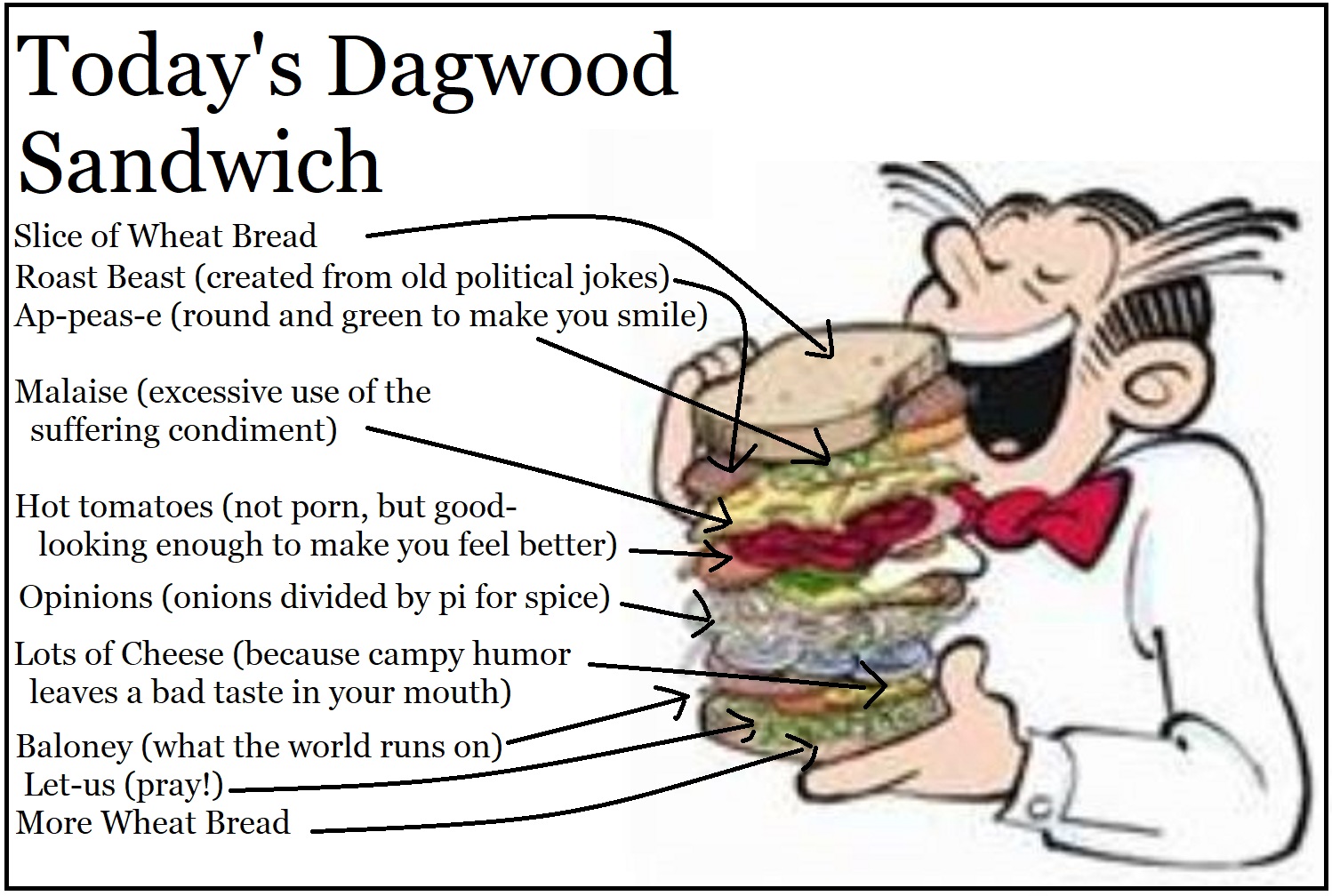
It is also possible to generate new ideas by deconstructing a metaphor in as humorous and convoluted a way as possible. This word-food thing is the result of writer’s lethargy of a while back.
Of course, there is always the ranting factor. This, I think, is a go-to method used by stand-up comedians. They will pick something that is deeply bugging them, like the rats that inhabit my attic and walls during a winter that hasn’t yet completely gone. And they start listing all the ways they can make funny stories about the time the rat appeared on the bathroom floor tiles while my daughter was on the toilet, or the time the dog killed a rat that was in the trap already, but not dead enough not to bite back with the dog’s nose conveniently within the reach of rat teeth. And then they can rant onward about how disgusting rats are. And how can anyone look at a rat face and think they are cute? You look at that evil, beady-eyed face and you don’t think Mickey Mouse, you think plague, disease, the Black Death, and how much the Bank of America lawyer who sued you looks just like that.
So, you can see that generating ideas is easy. And you can write something interesting even on days when you can’t think of anything … quickly. When you have, not writer’s block, but writer’s lethargy.
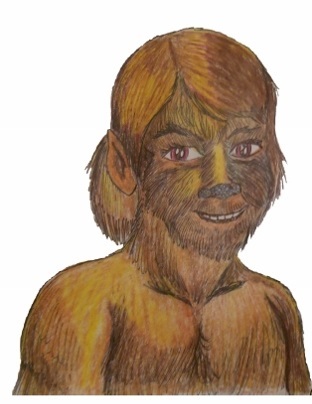
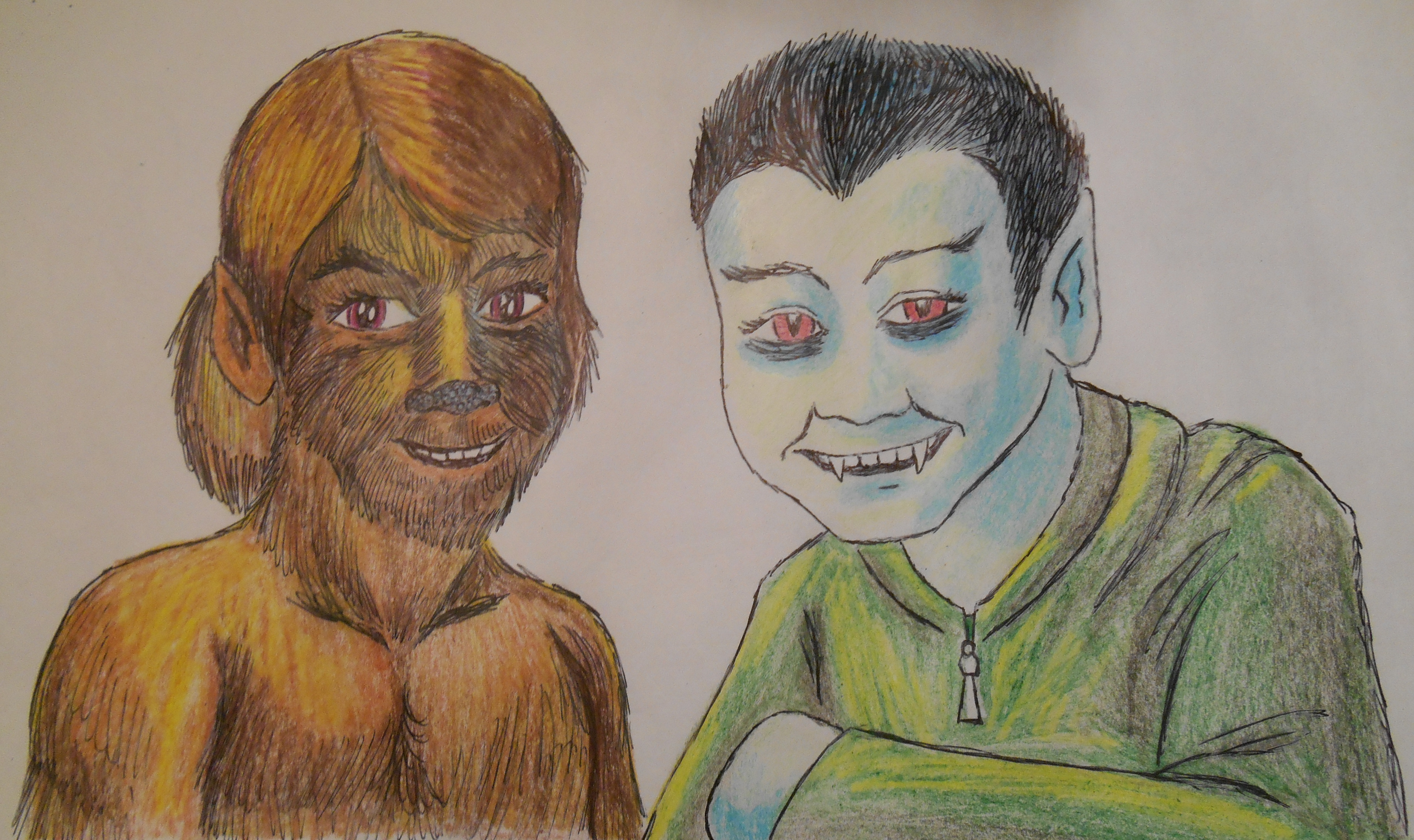
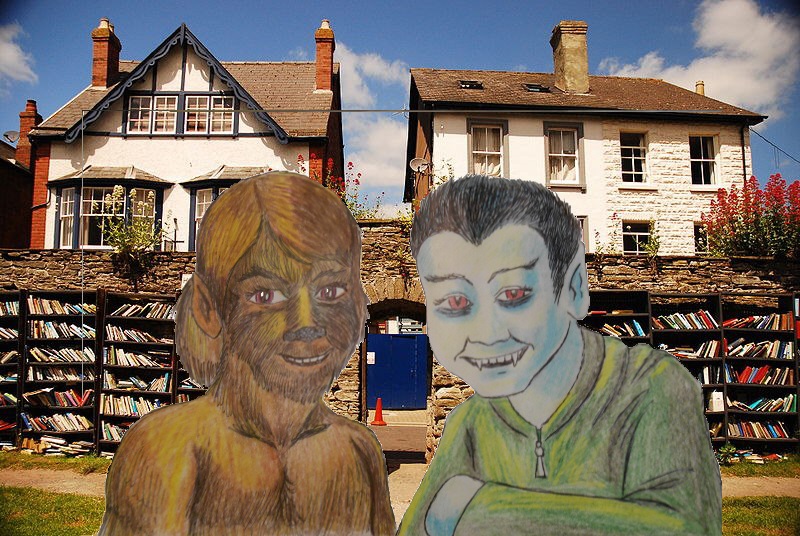
I have been working on my novel The Baby Werewolf, and I am now in the final phase, working on the climax and crisis point. And I surprised myself. The killer monologues to the main characters who have now become his intended next victims. I have played this out over and over in the twenty-two years I have been writing this book. Last night, for the first time ever, the hero character laughs in this scene instead of the cringing fear that had always been there before.
How is such a thing possible? What changed? I have been writing and rewriting this story since 1996. But it goes much deeper and darker than that. This story went on my have-to-write list in 1966 when an older, stronger boy who lived near my home trapped me in a place out-of-sight of others and stripped me, gaining some horrible kind of pleasure by inflicting pain on my private parts. Recovery from that has taken half a century. The recovery itself probably explains why I struggled so long to pull this story together in a finished form.
There are things about my writing life that are undeniable. First of all, I have to write. There is really no other choice for me. My mind will never know rest or peace without being able to spin out the paragraphs and essays and stories that make it possible to know those things. Nothing is real if I can’t write it out. Secondly, I am a humorist. If I can never be funny at all, can never write a joke, then I will descend into madness. My sense of humor not only shields me and serves as my suit of armor, it heals me when I suffer psychic wounds. This book is a horror story, but like many of the best horror stories, it relies on humor to drive every scene and knit the plot together. And it was a breakthrough for me to have the hero character laugh instead of cringe in the critical scene. It allows me to live again. And love again. And the real monster that caused this book to be, is now forgiven. The world continues to turn. The picture is now complete. And soon, the novel will be too.
This is not a book review. I did finish reading this book in a 3-hour-end-of-the-book reading orgy, spending an hour last night, and two more early in the morning before the rest of my family was awake.
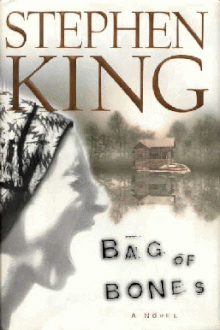
This is certainly not a book review. But I did read a Stephen King book, 1998’s Bag of Bones, which I picked up from the dollar sale shelves at Half Price Books. And I did love the story.
………………………………………………………………………This is not a book review. Instead, I want to talk about what a novelist can learn and reflect on by meta-cogitating over what this book reveals about King’s work habits and style and author’s voice.
Mike Noonan, the protagonist, is a novelist who writes books that routinely land in the numbers 10 through 15 slots in the New York Times Bestseller List. Obviously, this first-person narrative is coming directly out of King’s own writing experience. But, remember, this is not a book review. I am discussing what I have learned about how King puts a story together.
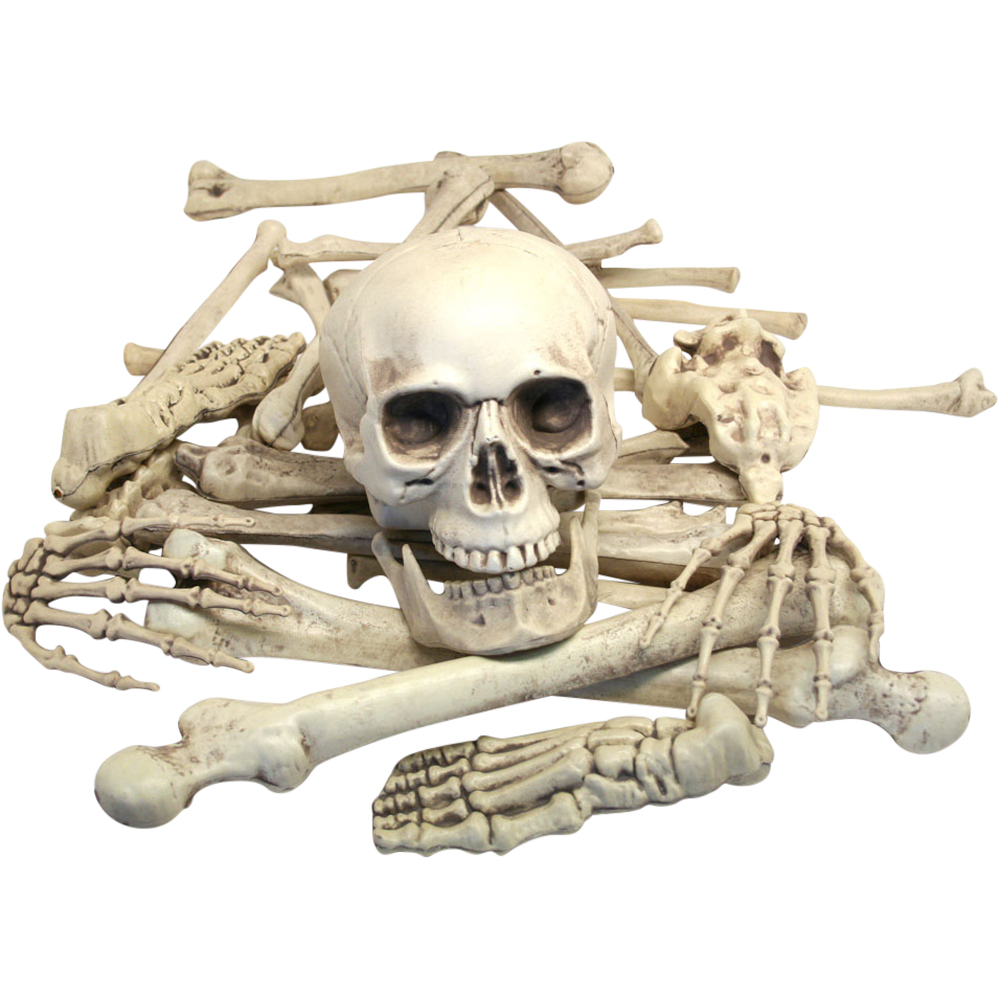
King sets a back-story for this novel that digs deep into the geographica and historica of the city in Maine where the story is set. The literal bag of bones revealed in the book’s climax is almost a hundred years old. And he takes a compellingly realistic tour back in time to the turn of the Twentieth Century more than once to reveal who the undead characters are and why they do what they do. One thing that makes a writer, a novelist, truly solid is his ability to set the scene, to grow the story out of the background in the most organic and realistic way possible. But this is not a book review. I am saying that King always does this with his books. And if you wish to write at that level, you must do that too. I know I am sincerely trying.
At the end of the story, he clearly tells the reader that he learned from Thomas Hardy that “the most brilliantly drawn character in a novel is but a bag of bones”. So, he is definitely aware that a character is a construct that has to be crafted from raw materials. It takes a master craftsman to build one with the right words to make it live and breathe on the page. He does it masterfully in this book with several characters. The protagonist, the beautiful young love interest, the love interest’s charming three-year-old daughter who is nearly slain in a horrific manner at the end of the book… The living villain is a well-crafted bag of bones, as is the ghost, the actual bag of bones in the story. But this is not a book review. Most of his books, at least the ones I have read, have the same sort of masterful characters.
There is so much more to be learned about novel writing from this book. He literally shows you how ideas are captured, how they are developed into stories, how you overcome “writer’s block”, and Noonan’s book he is writing within this book is even used as an example of how to poetically advance the plot. But this is not a book review. You should read this book. It is a very good and scary piece of work. But you should read it because it shows us how to write and do it like a master.
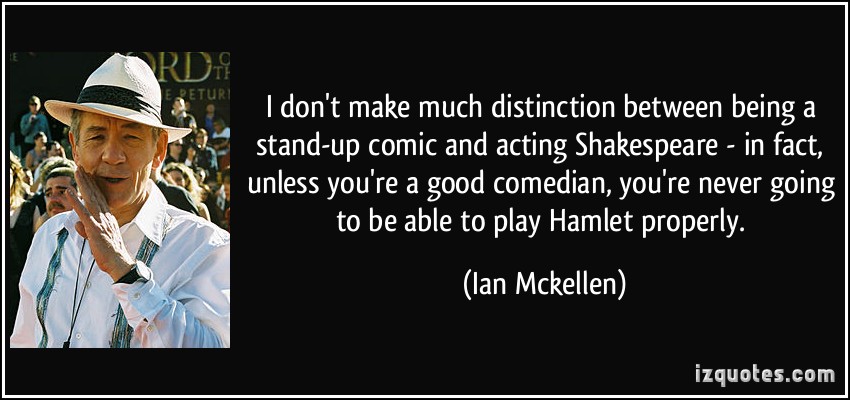
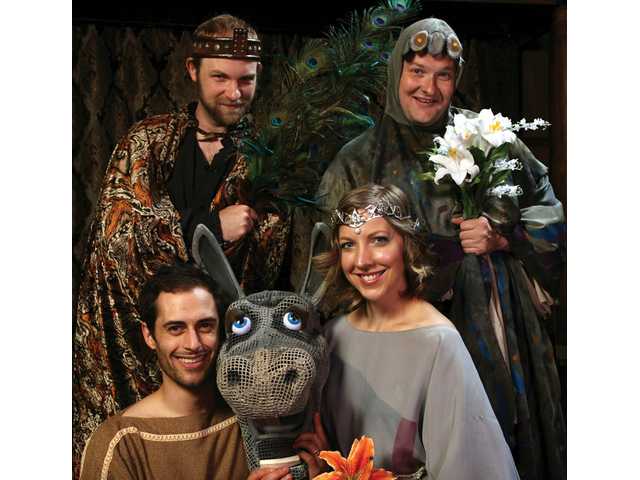
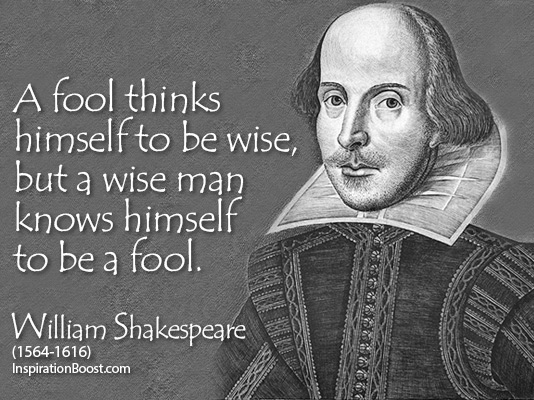
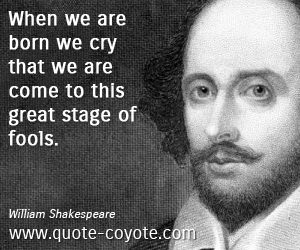
The fact that Shakespeare was a master of the art of creating and mocking fools does not really help decide the question of who Shakespeare really was. A stage actor who owned a theater in Elizabethan times and apparently focused on being the bit player, the butler, the second man on the castle wall in the great plays, would certainly know enough of flim-flam, being a con man, or artfully throwing turds at kings and queens in ways that get rewarded rather than beheaded. But a nobleman who has unpopular and unwelcome-but-probably-wise insights into the back-stabbing-goings-on of the royal court of England would equally be capable of putting the most memorable of critiques of humanity into the mouth of the fool or the clown in the great stage-play of life. Even the most depressing and violent of Shakespearean tragedies is enhanced and made pointed by the presence of the fool and the comic relief. In some ways, everything that Shakespeare wrote was a comedy.
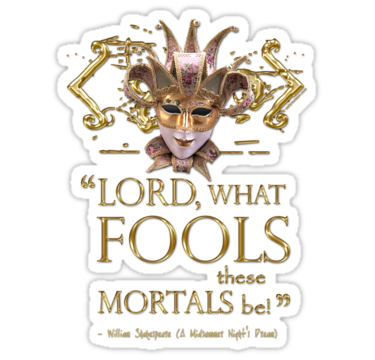
Whoever Shakespeare was, he shared Mark Twain’s overall assessment of “That damned human race” and often declared all men fools in the eyes of the playwright. Puck’s observation on humanity is delivered about not only Bottom and the other poor players who carry on their vain attempts at performing Pyramus and Thisbe while Bottom magically wears the head of an ass, but also the easily fooled lovers who mistake their true loves for one another, and even the clueless mortal King Theseus of Athens.
In the play within a play, Nick Bottom wants to be not only his own role, Pyramus the romantic lead, but argues that he should be Thisbe, the lion, and Pyramus all at once, making a satire of human nature and its overreaching ways that we could only pray Donald Trump will one day watch and magically understand. In fact, Shakespeare’s entire body of work is an extended investigation of foolishness versus wisdom, and with Shakespeare, the verdict always goes to the fool.
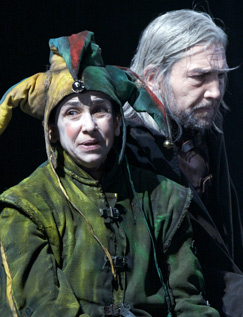
The plays of William Shakespeare are filled with fools doing foolish things… and fools being accidentally wise. (Think Jacques in As You Like It giving his famous “All the world’s a stage” soliloquy in which he elucidates the seven ages of man.) There are fools too who prove to be wise. (Think of the ironic advice given by the jester Touchstone in As You Like It, or the pithy commentary of King Lear’s fool). The fools in Shakespeare’s work are not merely the comedy relief, but the main point that Shakespeare makes about humanity.
Whoever the man was who wrote the plays of Shakespeare, he was someone who had a deep understanding of the basic irony underlying all of human life. And someone with that vital sense of the bittersweet, a philosophy of life that encompasses the highest heights and lowest depths that a soul can reach, is someone who has suffered as well as known great joy, someone who has experienced loss as often as profit, and has known real love as well as real hatred. It is the fool that Shakespeare shakes us by the neck with to make us recognize the fool in all of us which makes the plays resonate so deeply within us. It is watching the path of the fool unfolding that makes us shake our head and say to ourselves, “Yes, that is what life is really like.”
I know that I am probably the last person you would think of to ask for advice on how to be happy. I am a crotchety old coot, a former middle-school English teacher, a grumpy old-enough-to-be-a-grandpa non-grandpa, an atheist, a nudist, and a conspiracy theorist. You would expect someone like me to be out in his yard in his underwear yelling at pigeons for pooping on his car more than they do his wife’s car. Be that as it may, I am also basically happy.
You know what happy looks like, surely. After Christmas day is over you see two kinds of kids. One kind is miserable and grumbling in his or her room about their Christmas gift that they didn’t get, in spite of the five expensive toys they did get. Yeah, that one’s never going to be happy. Then there’s the other kind, the one happily breaking or playing with the few cheap toys their parents could afford, using more of their own imagination than the imagination the toy companies pay someone to put into their TV or YouTube toy commercials. That one is going to be somebody you can rely on for years to come. That’s the kind of kid I like to think I was. Of course, I’m probably wrong about that too. Being a middle-school teacher gives you plenty of opportunity to learn the lesson that you are actually wrong about everything in life, and like Socrates, you know absolutely nothing for sure about anything.
Years upon years of being a public school teacher, the butt of comedians’ best school-memory jokes, the target of Republican spending cuts for saving enough money to give massive tax cuts to billionaires, and having to be every kind of professional for every kind of kid, no matter how ugly and unlovable they are, teaches you where true happiness comes from.
A. You have to learn to love the job you are trying to do. And…
B. You need to do the job you love with every resource you can squeeze out of your poor, battery-powered soul.
I did that. I did the job all the way from deluded and idealistic days of youth to cynical and caustic old age hanging onto your job by the fingernails until you have to choose between dying in front of the whole classroom of horrified kiddos you have learned to love, or going kicking and screaming into retirement to maybe live a bit longer than you would have if you had stayed at your work station in the idiot-to-income-earner factory for young minds.
Being satisfied with the career you chose and the success or failure you made of it is not the only factor in being happy. Teachers don’t earn much compared to corporate informational presenters who do the same job for a lot more money in front of a lot less hostile audiences far fewer times a day. So, it helps if you can manage to need less stuff in life. After all, stuff costs lots of money. Especially stuff you don’t really need.
That is why being a nudist and not having to worry about how much you spend on clothes helps a lot with your basic level of happiness and peace of mind. Also, lots of vitamin D soaked up through your nude all-togetherness produces happy-hormones in the brain.
Being an avowed pessimist is good for being happier in life as well. After all, the pessimist is always prepared for the worst to happen. And since the worst rarely is what actually happens, the pessimist is never shocked and dismayed and is frequently pleasantly surprised.
And so, here is Mr. Happy’s secret to a long and happy life;
Tell yourself that the job you have to do is the job you love to do often enough that you actually begin to believe it.
Do that job you love as hard and as well as it is possible for you to do.
Love the people you work for and the people you work with, even if you have to pretend really hard until it becomes real to you too.
Be satisfied with the stuff you need, and try to need as little as possible. The man whose paycheck is bigger than his bills is happier than the man whose paycheck only pays for a portion of the interest on his wife’s credit cards.
Wear fewer clothes. You don’t need them in a quickly warming world. And you should love the skin you’re in.
Expect the worst possible outcome from everything in life, and then there is nowhere to go but upwards.
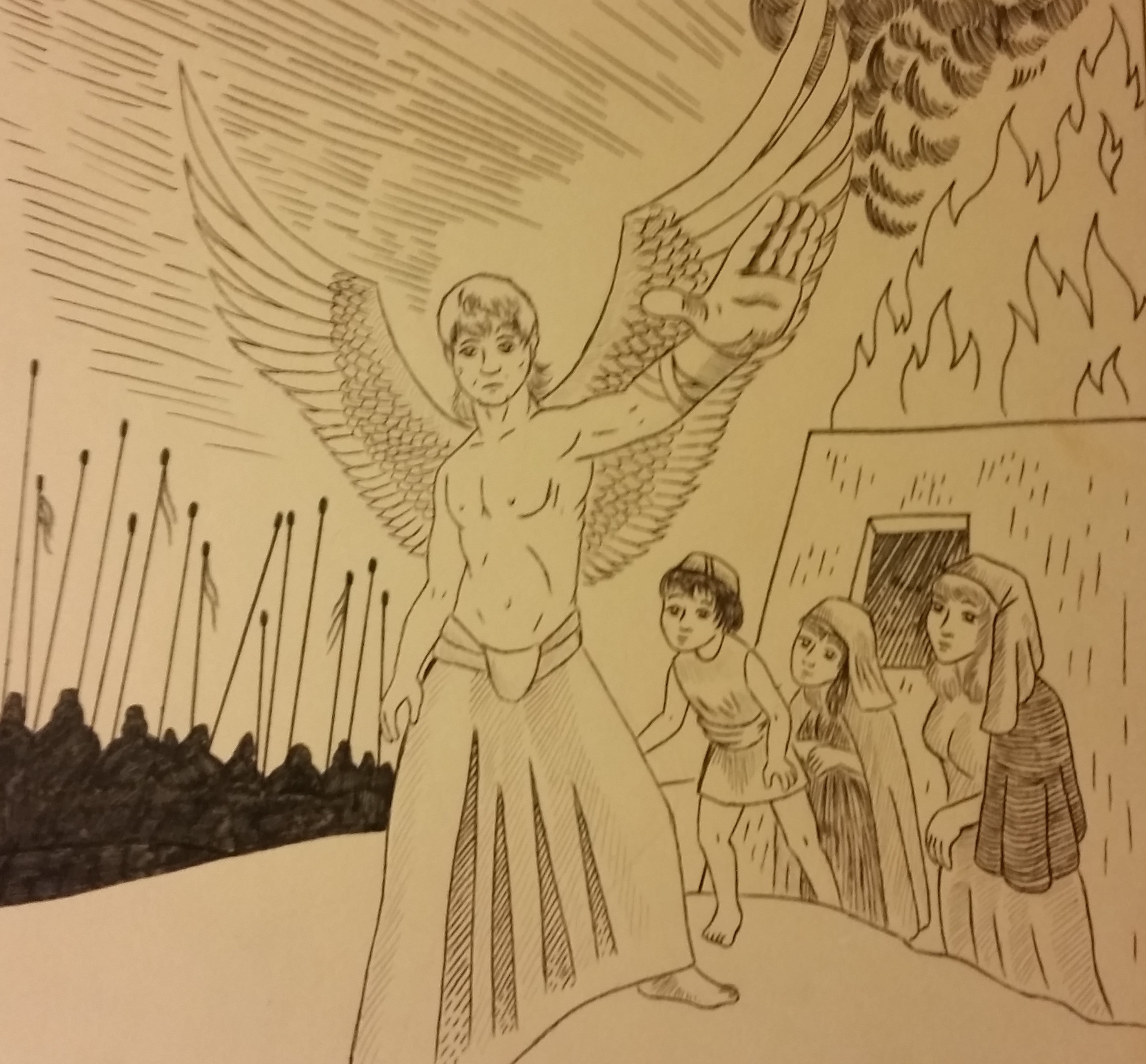
I have friends and relatives that believe in angels. Religious people who believe in the power of prayer and the love of God. And I cannot say that I do not also believe. But I also happen to believe that angels live among us.
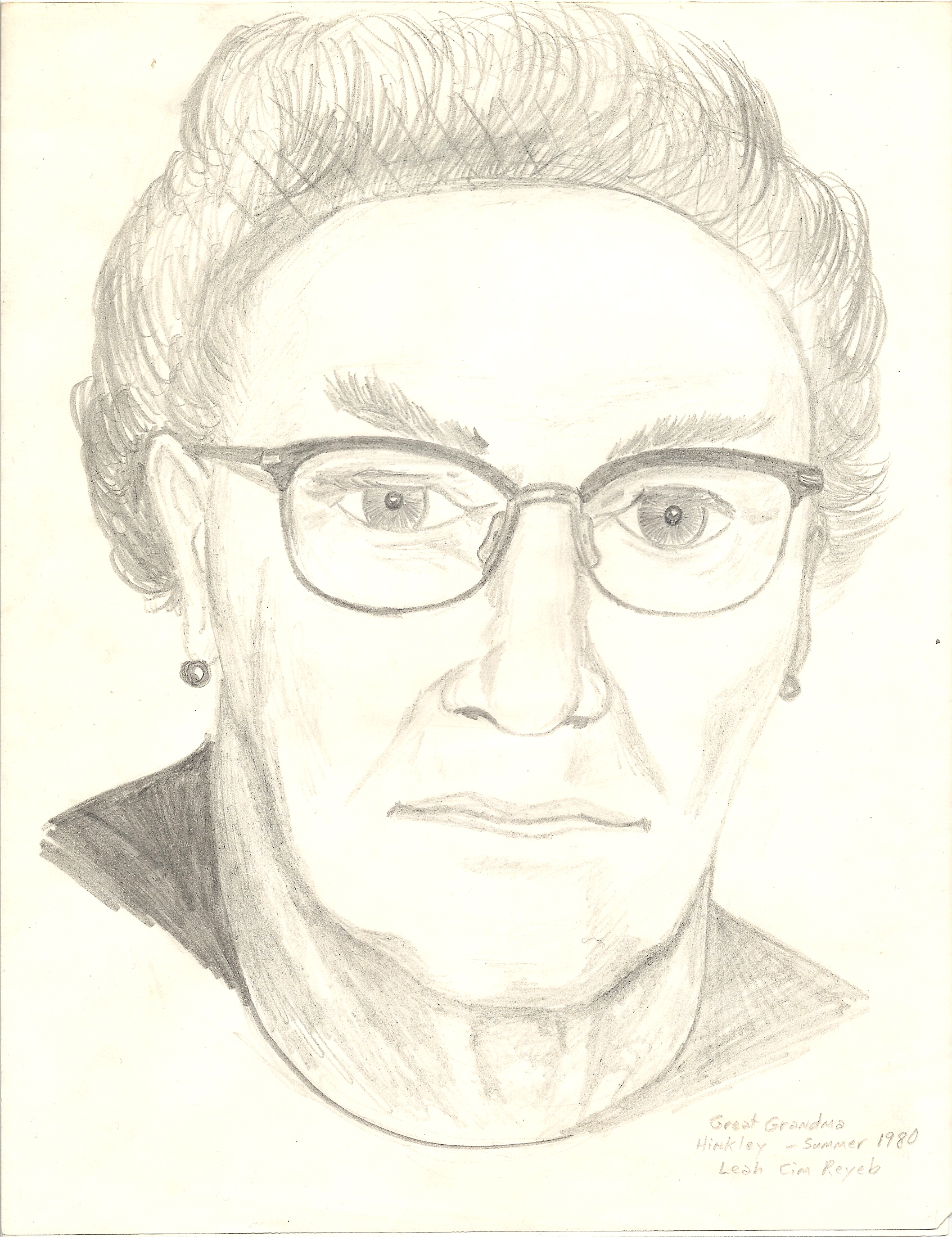
My Great Grandma Nellie Hinckley was, as far as I am concerned, an angel. Born in the late 1800’s, she was a practical prairie farmer’s wife. She knew how to make butter in a churn. She knew how to treat bee stings and spider bites. She knew how to cook good, wholesome food that stuck to your ribs and kept you going until the next meal rolled around. She knew how to cook on a wood-burning stove, and knew why you needed to keep corn cobs in a pile by the outhouse door. Or, in the case of rich folks, why you needed to read the Sears catalog in the little room behind the cut-out crescent moon.
She also knew how to head a family. She had seven kids and raised six of them up to adulthood. She sent a son off to World War II. She had nine grandchildren and more great grandchildren, of which I was one of the not-so-great ones, than I can even count on two hands and two feet, the toes of which I can’t always see. Great great grandchildren were even greater. Tell me you can’t believe she was a messenger from God, always knowing God’s will, and making the future happen with a steady hand, and eyes that brooked no nonsense from lie-telling boys.
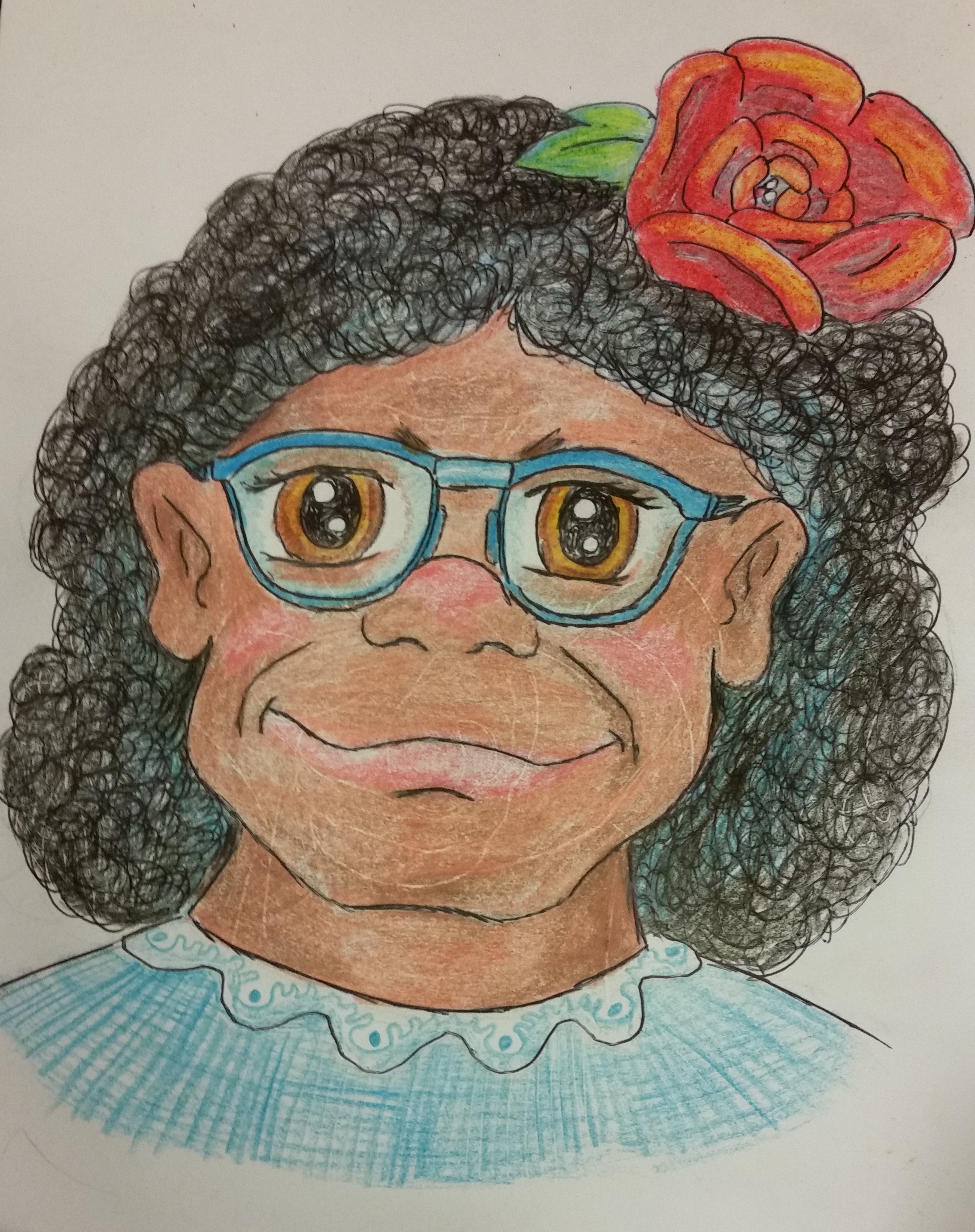
Mother Mendiola was an angel too. I met her at my first school, Frank Newman Junior High in Cotulla, Texas. She was the seventh grade Life Science teacher. She had been a nun before becoming a teacher, and she was a single lady her whole life. But she was a natural mother figure to the children in her classes. She’s the one who taught me how to talk to fatherless boys, engage them in learning about things that excited them, and become a lifelong mentor to them, willing to help them with life’s problems even long after they had graduated from both junior high and high school. She was not only a mother to students, but she nurtured other teachers as well. She showed Alice and I how to talk to Hispanic kids even though we were both so white we almost glowed in the dark. She went to bat for kids who got in trouble with the principal, and even those who sometimes got into trouble with the law. She had a way of holding her hand out to kids and encouraging them to place their troubles in it. She even helped pregnant young girls with wise counsel and a loving, accepting heart, even when they were seriously in the wrong. When they talk about being an “advocate for kids” in educational conferences, they always make me picture her and her methods. I can still see her in my mind’s eye with clenched fists on her hips and saying, “I am tired of it, and it will get better NOW!” And it always got better. Because she was an angel. She had the power of the love of God behind her every action and motivation. It still makes me weep to remember she is gone now. She got her wings and flew on to other things a long time ago now.
Some people may call it a blasphemy for me to say that these people, no matter how good and critically important they were, could really be angels. But I have to say it. I have to believe it. I know this because I saw them do these things, with my own two eyes, and how could they not be messengers from God? It convinces me that I need to work at becoming an angel too.

 It struck me that it was hauntingly beautiful… but maybe I wasn’t entirely sure what it meant.




Flying the Magic Flying Carpet
There are many ways to fly. Airplanes, bird wings, hot air balloons, bubble-gum-blowing goldfish… well, maybe I am really talking about flying by imagination. The more my six incurable diseases and old age limit my movement, my ability to get out of bed and do things, the more I rely on reading, writing, and the movie in my head to go places I want to be.
Sometimes the wings I use to fly come from other writers. I get the flight feathers I need not only from books, but also from YouTube videos, movies, and television shows.
This magic carpet ride in video form is by the thoughtful creative thinker Will Schoder. In it he carefully explains how Mister Rogers used the persuasion techniques of Logos, Ethos, and Pathos to talk to elephants and convinced a congressman intent on cutting the budget to actually give Public Television more money for educational programming. This is a video full of warmth and grace and lovingly crafted magic flight feathers that anybody can use to soar across new skies and blue skies and higher skies than before. I hope you will watch it more than once like I did, to see how beautifully the central explanation spreads its wings and gives us ideas that can keep us aloft in the realm of ideas.
It is important to stay in the air of fresh ideas and new thinking. The magic carpet ride that takes you there is the product of vivid imagination, cogent thinking, and the accurate connection of idea to better idea. So instead of falling from the sunlit sky into the darkness that so easily consumes us on the ground, keep imagining, keep dreaming, and keep flying. You won’t regret having learned to fly.
2 Comments
Filed under battling depression, commentary, dreaming, humor, imagination, insight, inspiration, metaphor, Paffooney, philosophy, strange and wonderful ideas about life
Tagged as flying, imagination, love, nature, poetry