
“Kaw-Liga”
KAW-LIGA, was a wooden Indian standing by the door
He fell in love with an Indian maid over in the antique store
KAW-LIGA – A, just stood there and never let it show
So she could never answer “YES” or “NO”.
He always wore his Sunday feathers and held a tomahawk
The maiden wore her beads and braids and hoped someday he’d talk
KAW-LIGA – A, too stubborn to ever show a sign
Because his heart was made of knotty pine.
[Chorus:]
Poor ol’ KAW-LIGA, he never got a kiss
Poor ol’ KAW-LIGA, he don’t know what he missed
Is it any wonder that his face is red
KAW-LIGA, that poor ol’ wooden head.
KAW-LIGA, was a lonely Indian never went nowhere
His heart was set on the Indian maiden with the coal black hair
KAW-LIGA – A, just stood there and never let it show
So she could never answer “YES” or “NO”.
Then one day a wealthy customer bought the Indian maid
And took her, oh, so far away, but ol’ KAW-LIGA stayed
KAW-LIGA – A, just stands there as lonely as can be
And wishes he was still an old pine tree.
“The Complete Hank Williams” (1998)
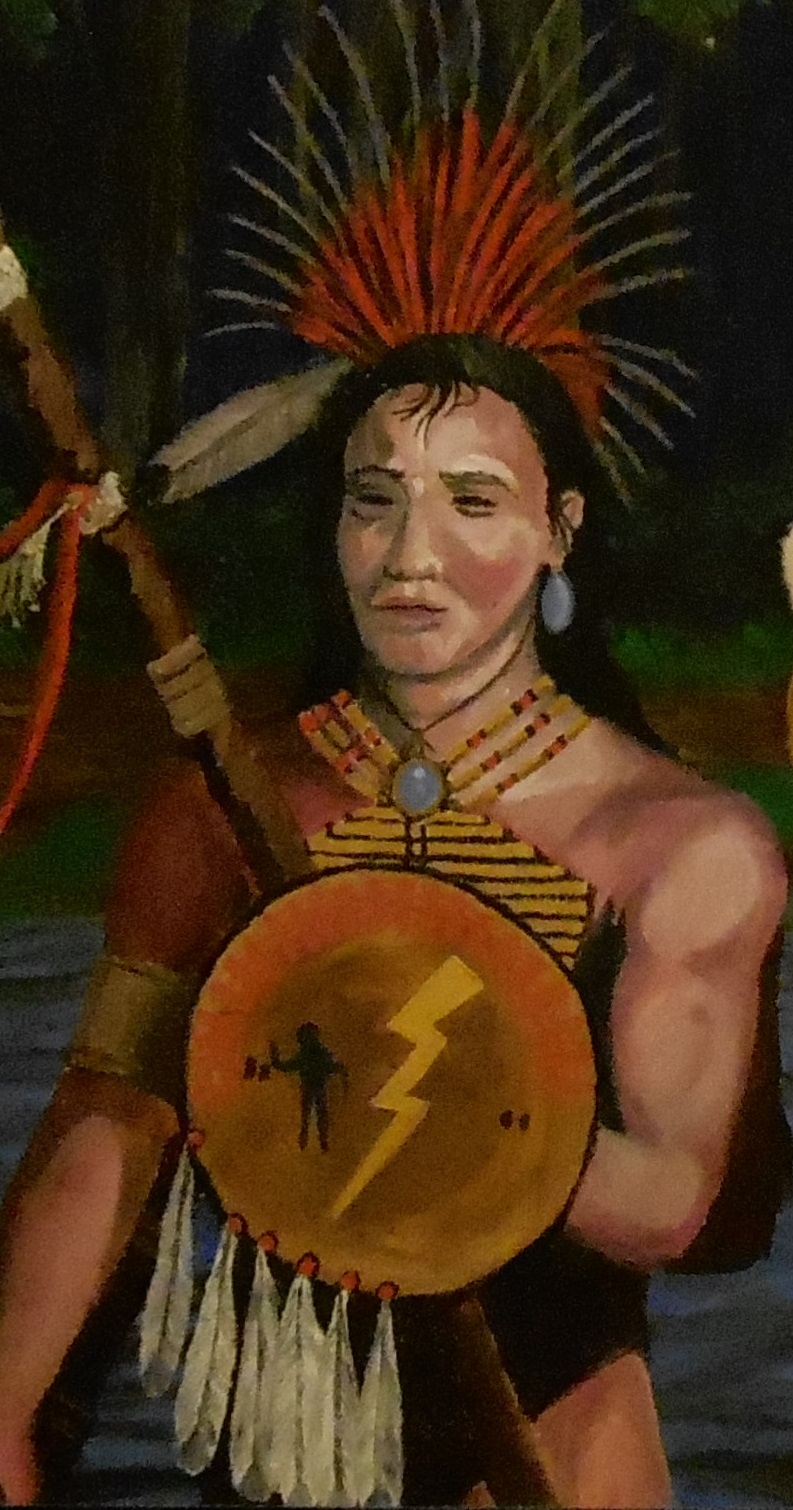
The quirky movie I reviewed, Moonrise Kingdom, reconnected me with a song I loved as a child. It was on an old 45 record that belonged to my mother’s best friend from high school. When the Retleffs sold their farm and tore down their house and barn, they had a huge estate sale. My mother bought the old record player and all the collected records that Aunt Jenny still had. They were the same ones my mother and her friend Edna had listened to over and over. There were two records of singles about Indian love. Running Bear was about an Indian boy who fell in love with little White Dove. They lived on opposite sides of a river. Overcome with love, they both jump into the river, swim to the middle, lock lips, and both drown. Together forever. That song, it turns out, was written by the Big Bopper, and given to Johnny Preston to sing, and released the year after the Big Bopper died in a plane crash along with Buddy Holly and Richie Valens.
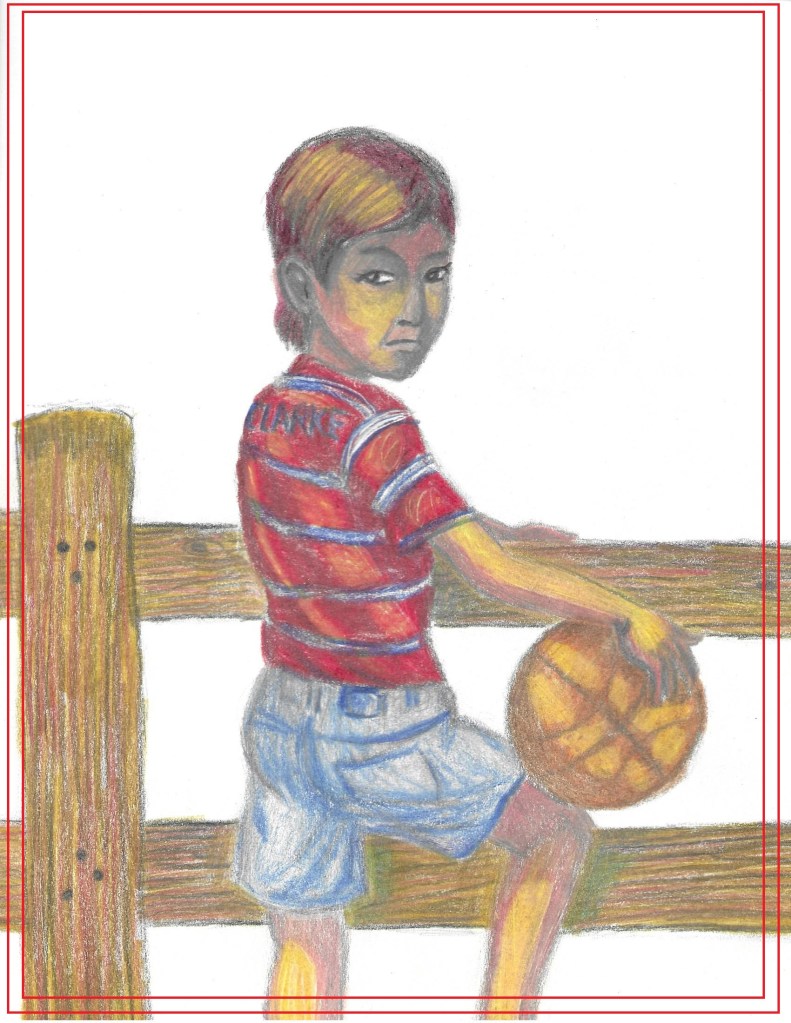
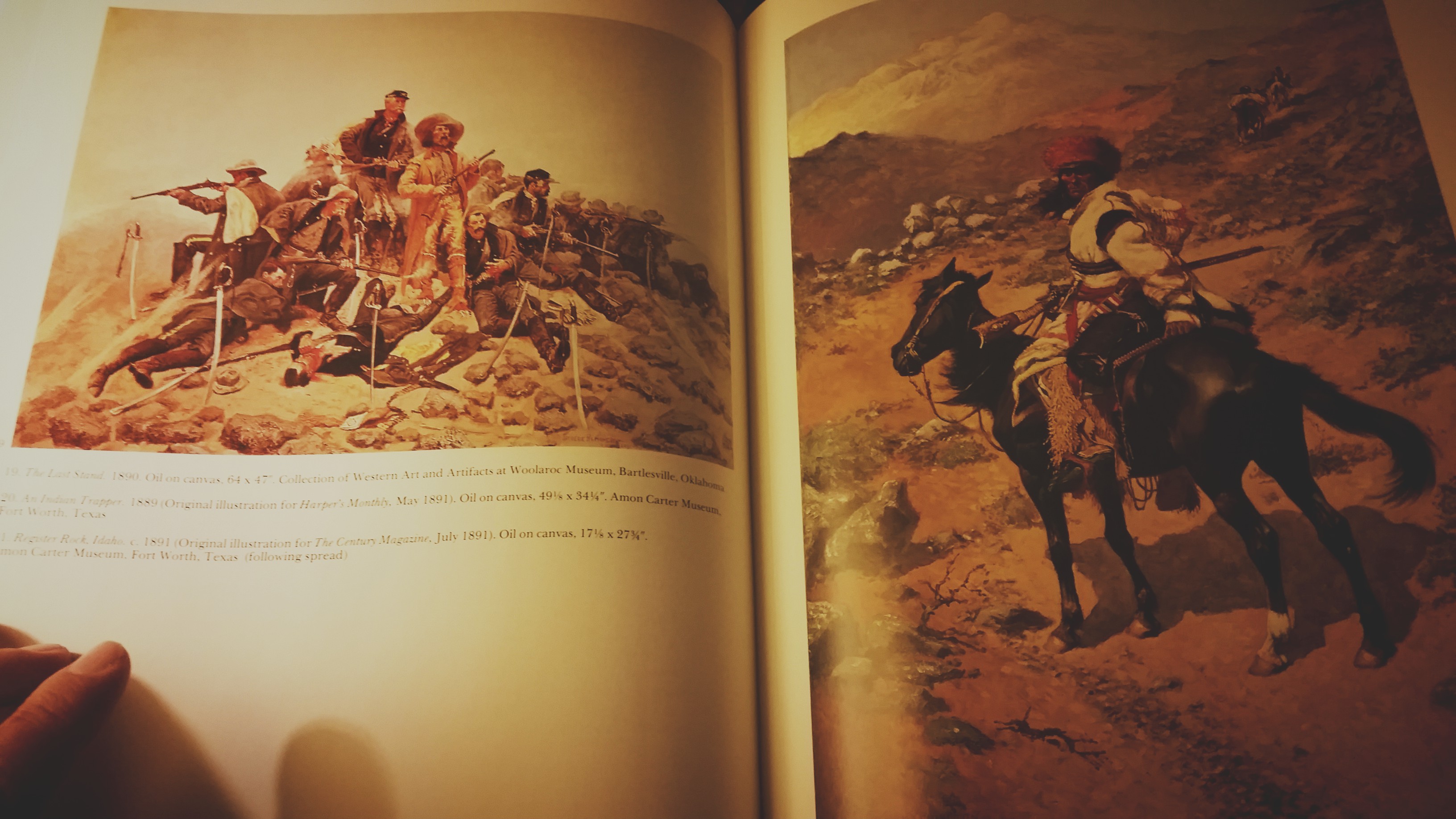
Kaw-liga, by Hank Williams, was a wooden Indian sitting in front of a cigar store. His love story is even worse. As you can see from the lyrics above, he never even gets the girl. Dang, Indian love must be heck!
But I have come to realize that these aren’t merely racist songs from a bygone era. They hold within them a plea for something essential. They are a reminder that we need love to be alive.
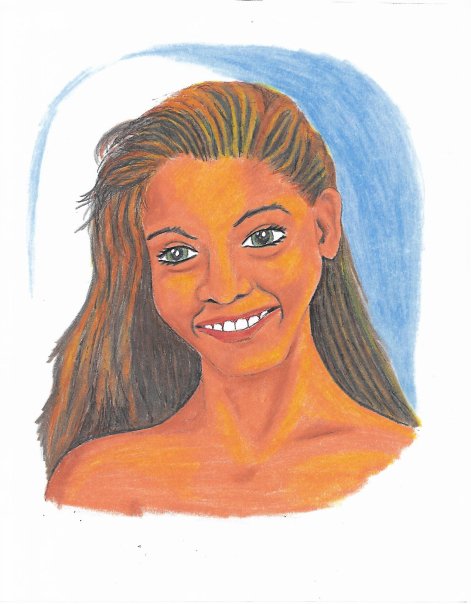
When I was young and deeply depressed… though also insufferably creative and unable to control the powers of my danged big brain, I knew that I wanted love. There was one girl who went to school with me, lovely Alicia Stewart (I am not brave enough to use her real name), that filled my dreams. We were classmates, and alphabetical seating charts routinely put us near each other. She had a hypnotic sparkle in her eyes whenever she laughed at my jokes. She was so sweet to me… sweet to everyone… that she probably caused my diabetes. I longed to carry her books or hold her hand. I cherished every time she spoke to me, and collected the memories like stamps in a stamp album. But like the stupid cigar store Indian, I never spoke up for myself. I never told her how I felt. I was endlessly like Charlie Brown with the Little Red-Haired Girl. Sometimes you have to screw up your courage and leap into the river, even if it means your undoing. Because love is worth it. Love is necessary. And it comes to everybody in one way or another over time. I look at pictures of her grandchildren posted on Facebook now, and wonder what might have been, if only… if only I had jumped in that stupid river. I did find love. And I probably would’ve drowned had I done it back then. Life has a way of working things out eventually. But there has to be some reason that in the 50’s, when I was born, they just kept singing about Indian love.
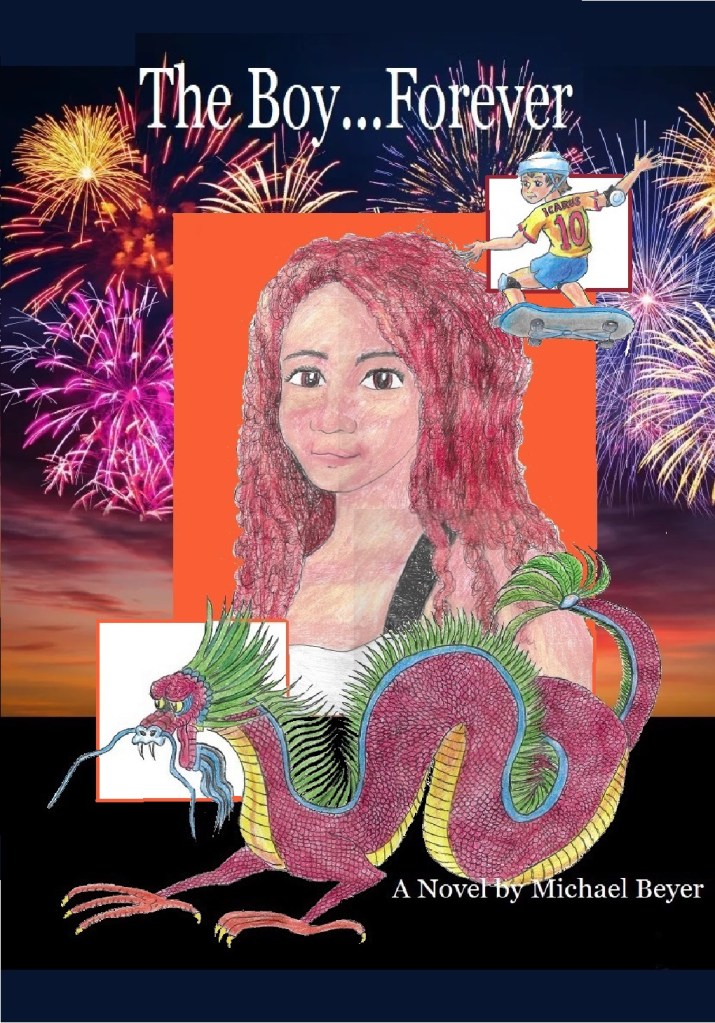
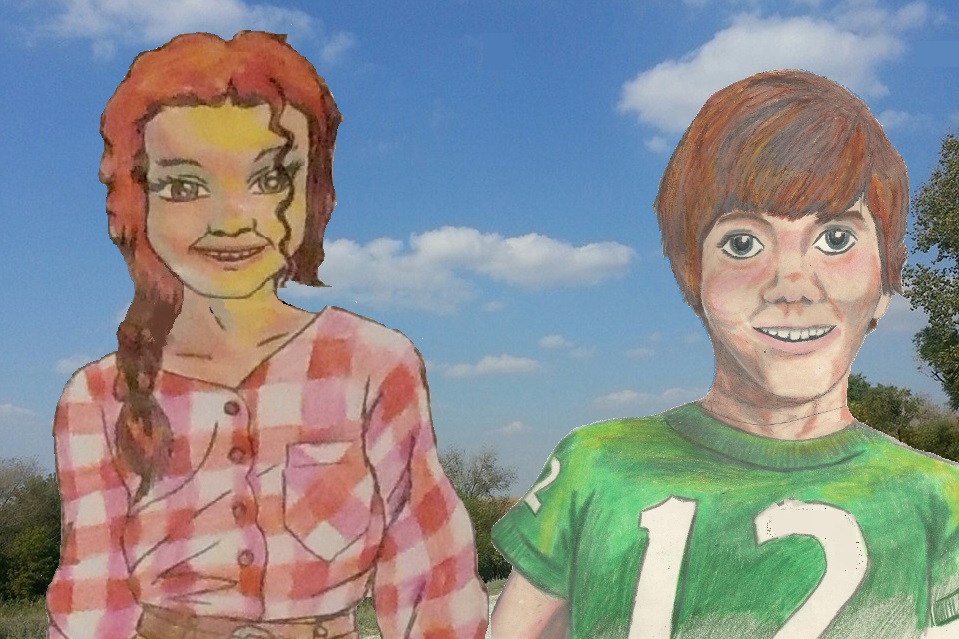

 Catch a Falling Star
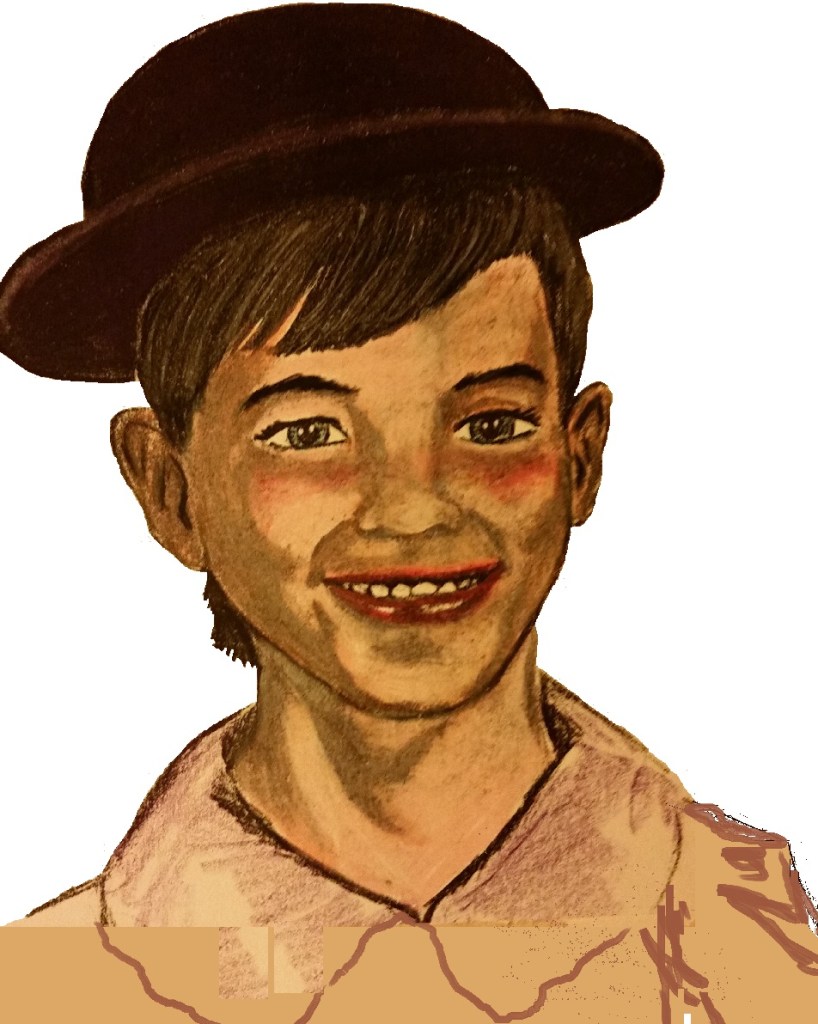
The Art of Being Mickey
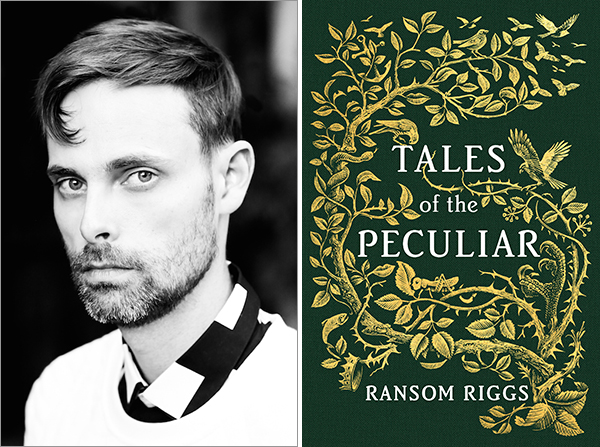
I have published my eighth novel in the last six years. (This is, of course, a re-post of an old essay.) Sure, it is through mostly self-publishing of novels that no one but me has ever read. Catch a Falling Star and Snow Babies both had a professional editor, one who had worked for Harcourt and one who worked for PDMI. Magical Miss Morgan has had a proofreader who made numerous stupid mistake errors that I had to change back to the original meticulously by hand. But all three of those novels won an award or were finalists in a young adult novel contest. I do have reason to believe I am a competent writer and better even than some who have achieved commercial success.
But what is the real reason that I am so intent on producing the maximum amount of creative work possible in this decade? Well, to be coldly objective, I am a diabetic who cannot currently afford insulin. I have been betrayed by the for-profit healthcare system that treats me as a source of unending profit. I am like a laying hen in the chicken house, giving my eggs of effort away to a farmer who means to eat my very children if time and circumstance allows. I am the victim of six incurable diseases and conditions that I got most likely as a result of exposure to toxic farm chemicals in the early 70’s. I am also a cancer survivor from a malignant melanoma in 1983, and for three years now I have not been able to get the preventative cancer tests I am supposed to be receiving every year for the rest of my life. My prostate could very well be cancerous as I write this. If that is so, it will kill me unawares, because I don’t even want to know about having a disease I can’t possibly afford to fight all over again.’
So, the basic reason I am going through the most productive and creative period of my entire life is because I have a great rage to create before I die and I could be dying as soon as tonight. All of the countless stories in my head clamoring to be written down before it is too late cry out to me desperately for my immediate attention.
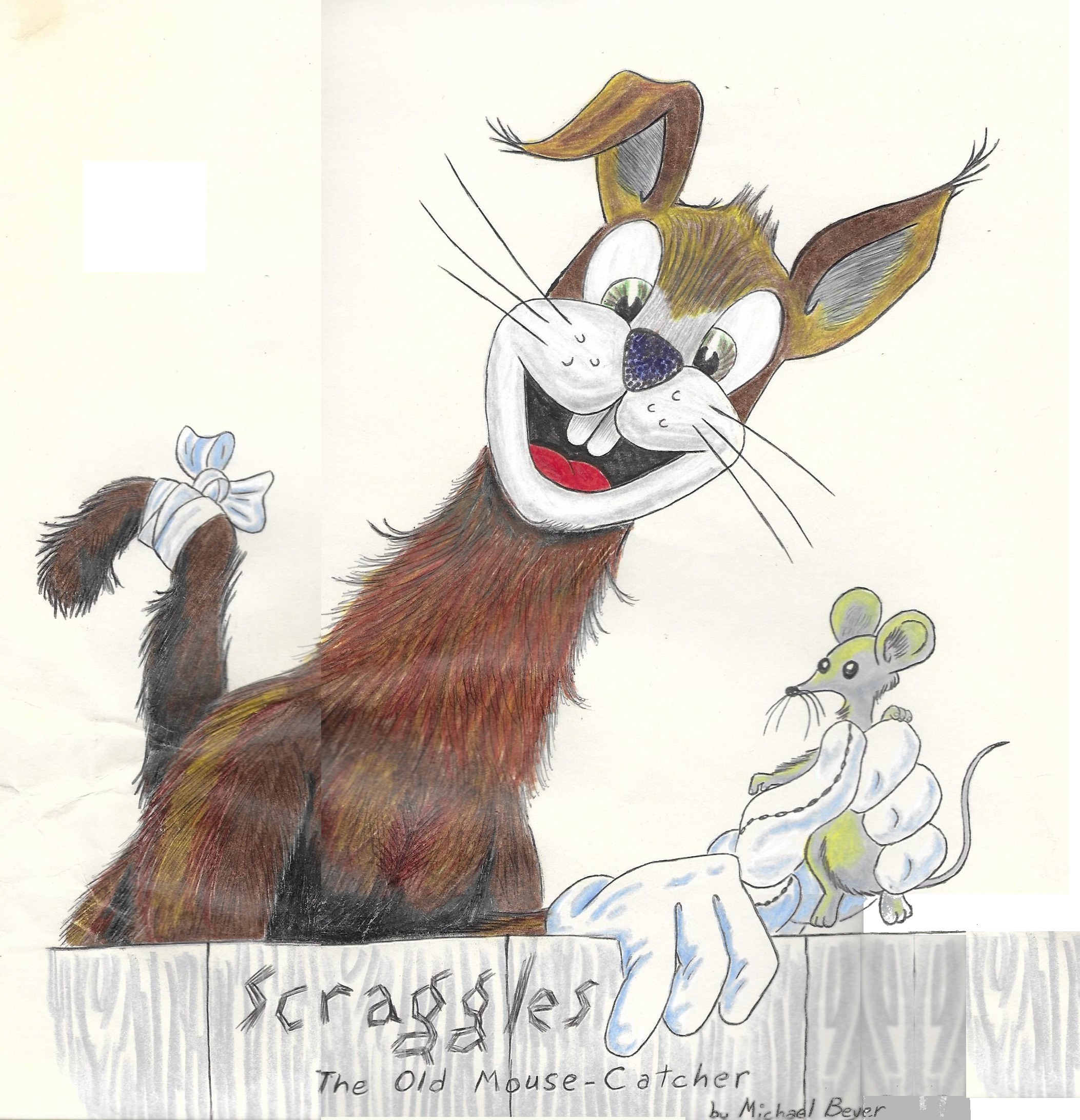
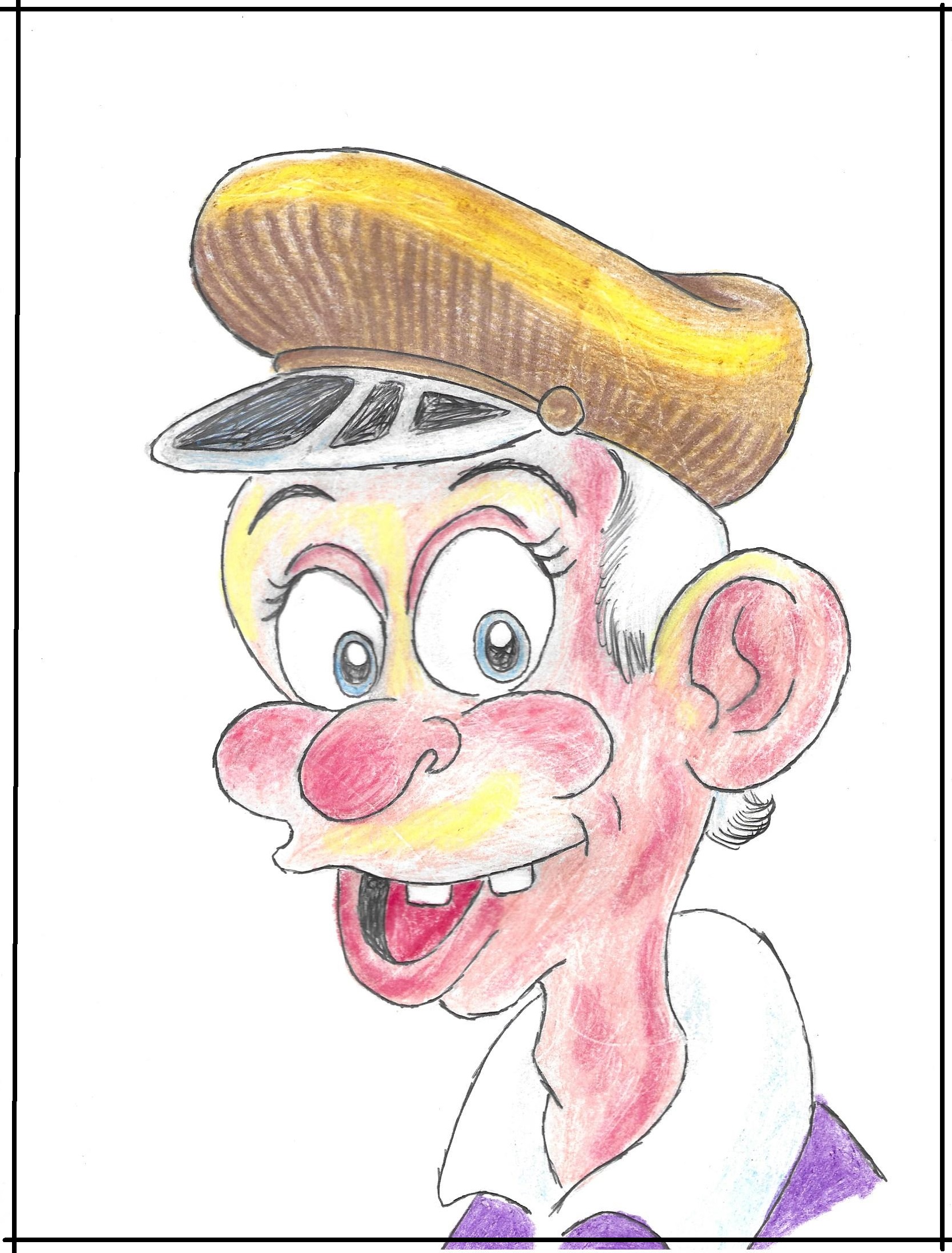
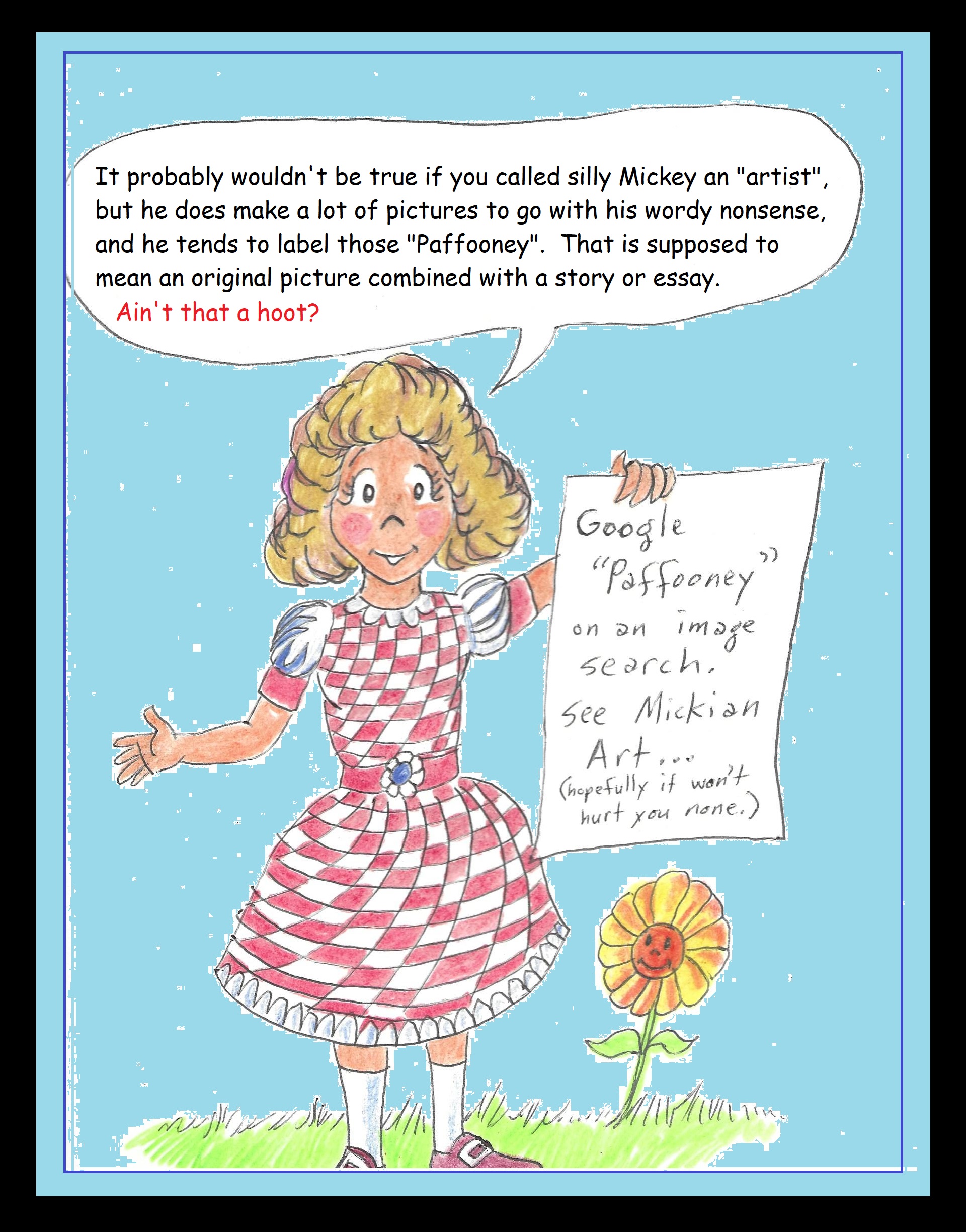
I will, then, continue to write stories and draw cartoons and other Paffoonies for as long as I am still able, and possibly even afterward. I have, after all, threatened repeatedly to become a ghostwriter after I die. And, yes, I understand when you scream at my essay that that is not what a ghostwriter is. But if a woman can channel the ghost of Franz Schubert and finish his unfinished symphony…(https://en.wikipedia.org/wiki/Rosemary_Brown_(spiritualist))
—then I should also be able to tell my stories from beyond the grave. I have been percolating them in my head and writing and drawing them in whole or in part since 1974. I have too much time and too many daydreams wrapped up in them to let it all just evaporate into the ether. In summation, I am claiming stupidly that my novels, crack-brained and wacky as they are, are somehow destined to exist, either because of me or in spite of me. So just be happy that I write what I write, for there is an art to being Mickey, and I am the one artist and writer who is the best Mickey possible if truly there ever was a real Mickey.
Leave a comment
Filed under battling depression, commentary, goofy thoughts, humor, novel writing, Paffooney
Tagged as book review, books, creative-writing, fiction, reading, thriller, writing