Category Archives: education

School’s Out…

20160602_080054

“School’s out for summer
School’s out forever
School’s been blown to pieces

No more pencils
No more books
No more teacher’s dirty looks

Well we got no class
And we got no principles
And we got no innocence
We can’t even think of a word that rhymes”

-Alice Cooper

Once again it is that day that every kid prays for… The last day of school.

My daughter doesn’t really get it, though.  She doesn’t really understand the sentiment of the poor misguided school girl named Alice Cooper.  Kids are supposed to hate school.  Their teachers are supposed to be witches and warlocks who live for creating misery in the lives of their students.  My daughter should know that already, since her mother and I are both teachers.  (I am retired now, actually… and I do miss making kids’ lives total misery.)  She is actually going to miss her middle school and all her middle school teachers.

20160602_073946

She was up late last night using air-dried clay to make dragon sculptures to give to each of her teachers.  Her art teacher was recently telling me about how wonderful she is at art and how wonderful she is as a student during a recent scholastic awards dinner.  In fact, most of her teachers only have good things to say about her work in middle school.  And teachers are supposed to hate kids and hate teaching, right?  They are supposed to only be in teaching for the paycheck, marking time until they retire, living lives full of bitterness and revengeful interactions with children.

O, I am guessing that I am actually the problem here.   I never felt the way teachers are supposed to feel about kids.  In fact, I… like kids.  Oh, no!  The secret is out.  I miss being a teacher.  I miss the kind of devotion you get from the kind of students who stay up late making clay dragons for you as a goodbye gift.

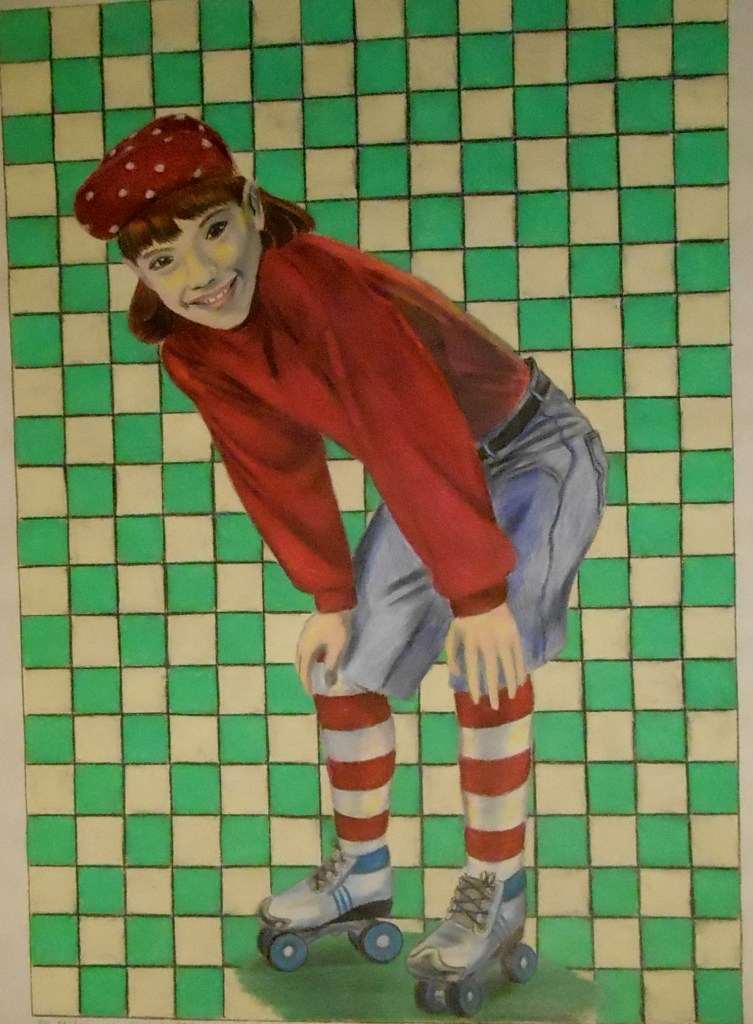
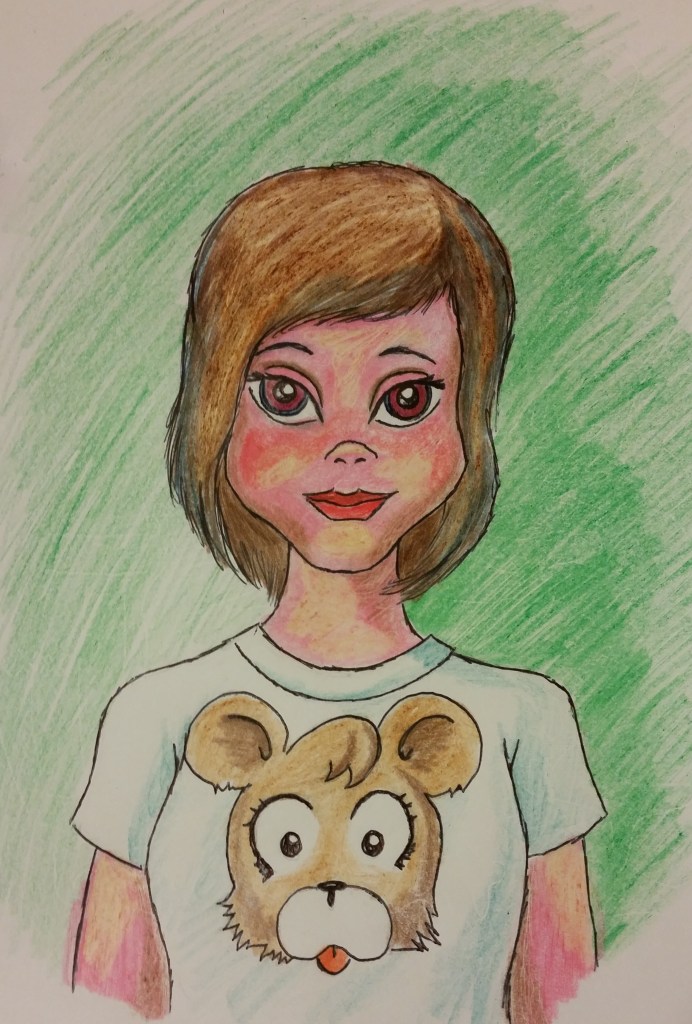
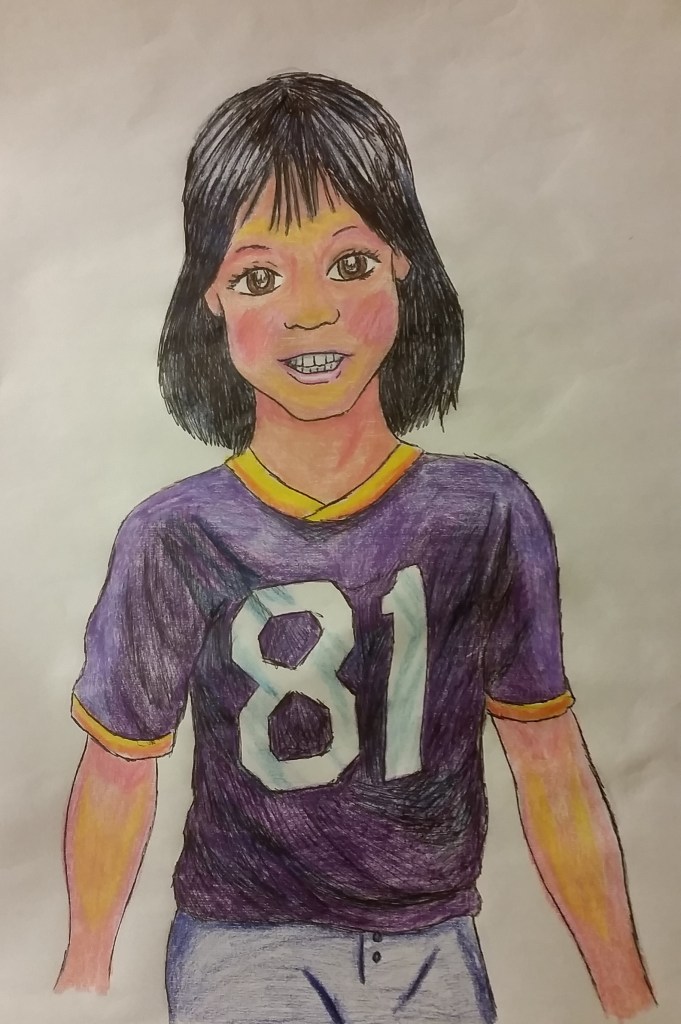
While I was a teacher, we were not allowed to be Facebook friends with students.  Society frowns on teachers getting too close to students.  But now that I will never teach again, or be in the same room with any of them again, I have been saying yes to students’ friend requests.  So, I am now going to share with you pictures of former students that they have shared with me.  Of course, I won’t tell you their names.  I don’t want to embarrass them by revealing that they don’t hate all of their teachers the way they should.

So, there’s photographic proof that once I actually was a teacher.  And I know that it probably also proves I didn’t do a very good job of making their lives miserable and making them hate me the way I should have done.  But I miss it terribly.  And I would work harder at being bitter and crabby if only I could go back and do it some more.

Leave a comment

Filed under autobiography, education, high school, humor, kids, teaching

Tiger Traps of Humor, Part 2

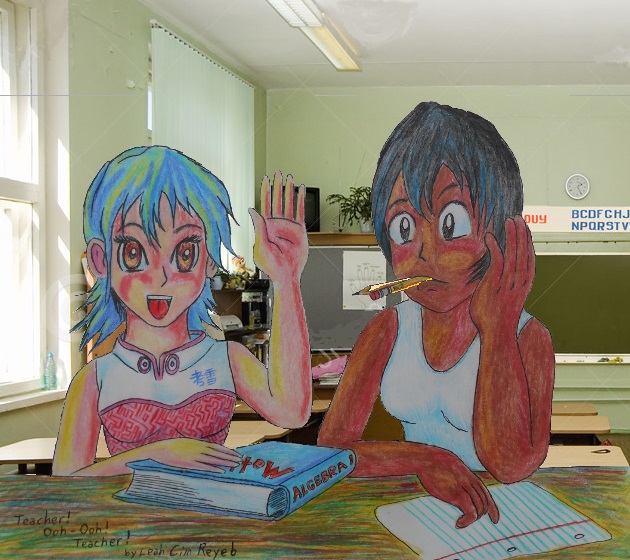
Skoolgurlz

Magic Words That Can Make You Disappear

Yesterday I managed to make a ridiculous post about the dangers of using humor in the classroom.  I managed to leave out one of the dangers that daily annoys every teacher of middle schoolers who has ever been even remotely dedicated to the notion that you must at least try to follow the school rules if you wish to remain employed and outside of the prison system.    That tiger trap is the important societal rule against certain magic words.  You know the ones.  Those words that, if you dare to say them out loud in the classroom as a student, make you instantly disappear… and learn hard words like the word “consequences”, and “eternal detention”, and “Would you like fries with that?”  And if you are a teacher, those words lead to other hard words like “special school board meeting” and “disciplinary action”, and though they take longer to work their magic, eventually also “Would you like fries with that?”

Cool School Blue

These magic words are a serious danger and roadblock to teaching young minds because they so easily begin flowing out of young mouths.  When you become a teacher infamous for using humor in the classroom, those young minds who don’t really have the big word of “inhibitions” wired into their circuitry yet will think license to laugh in the classroom is the same as license for dropping the magic F-word, or the magic S-word, or the combo-magic M-F-word.  And those words invariably make somebody disappear completely… sometimes even permanently.

Being a Texas teacher, I have experience with the ridiculously harsh notion of Zero Tolerance Policies.  Yes, in Texas we give the death penalty for swearing at the teacher.  Well, maybe only a trip to court in front of an unfriendly judge who will levy a fifty dollar fine for the sin and then forbid the parents to pay it, making the child choose between paying it himself or spending a night in jail.  So it is definitely in the students’ best interests if the teacher navigates around magic words in the laughing classroom environment.

You do this primarily through modeling.  I never use even remotely offensive words in conversations with students.  I sometimes even correct myself out loud for using interjections when I am mad like “Oofahdoo!” or “Fabulous French Frick-a-see-see!” because, as I point out to them, we all know what magic words they are filling in for.  Context can often say for us the word we are not supposed to say.   I have also been known to fake getting mad at them for saying “Criminnittly!” or “Hang-dang it!” in imitation of me because the teacher getting mad over the use of certain words is an absolute guarantee that the word will come out of the student the next time he or she needs to express inappropriate sentiment in the classroom.  A teacher’s job, then, becomes the putting of lipstick on the pig.  Because we are burdened with rules that absolutely prevent the use of George Carlin words in the classroom, and when the powers that be see the lipstick on the pig, they will think “Marilyn Monroe”, and their absolutes will be satisfied.  Of course, I am begging you… please don’t tell them that it is really still a pig.

Leave a comment

Filed under education, humor, Paffooney, teaching

Avoiding the Tiger Traps of a Humorous Life

16750_102844483074517_100000468961606_71385_5453927_n

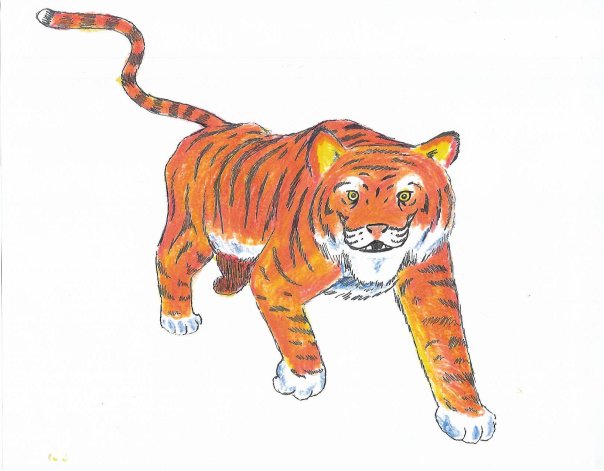
In point of fact, using humor in the classroom is one of the easiest ways I know to become a beloved and effective teacher.  But it requires skill.  It is like dancing barefoot in a mine field that is littered with pit traps for trapping tigers.  See how I linked the title to my opening paragraph there?  Kids in the classroom don’t… unless you make it funny.  Sometimes they want you to fall in the tiger trap on purpose even though there are punji sticks at the bottom.  They want to see what the consequences of the mistake really are so they are not surprised when they immediately make that same mistake.

So, let me tell you about a few of those tiger traps and how to navigate through them.

Poo-Poo Jokes

Yes, one of the unfortunate truths about humor in the classroom is that nothing is funnier to middle school and high school kids than references to sticky brown stuff.  (If that last statement made you snicker, then you know that it even goes beyond school.)   And it can be a devastating thing on fragile, fledgling egos in a school environment where boys will invariably stick a half-eaten chocolate bar in a back pocket on a hot day even though they are wearing khaki-colored jeans.  Over-reacting to a sudden fragrance from one of a number of volatile digestive systems packed into the same small classroom can completely empty the room and imperil the teacher’s job.  (Principals don’t appreciate unauthorized leaving of the classroom… so teachers need to quickly learn how to calm-and-continue in an unusually gassy environment.)  Of course, the girl leading the lemming rush out of the classroom under gas attack is usually the one who dealt it.  But you can’t point that out without crushing some young flower’s petals of self-image.  It is necessary to lay down fences of regulation at the beginning of the school year to regulate exactly how brown and sticky a bathroom joke can actually be before it traps you in eternal detention.

Hurt-y Humor

There is the kind of humor that numerous comedians use as their fall-back style, that Don Rickles-esque “Your mama’s so fat that satellites can see her from space”sort of humor.  It is also a highly tiger-trappy sort of humor to use in the classroom.  Students don’t perform well after being the butt of slappy-face-style put-downs.  You don’t want to remind the kid in the back row of how he mixed up the words “pied” and “peed” in last week’s read-aloud right before taking the State science test that will determine his educational future and your next evaluation.  So how do you resist the urge to tell the snooty little cheerleader that just told you her mom is going to get you fired that she’s got a tail of toilet paper hanging down from the back of her skirt… when she actually does… and the football player she most idolizes is watching every move she makes with that big, tart and trippy tongue of hers?  You take pity on them, and remember that if you break them down into tears in front of their peers you are doing the same thing to them that Bully Bob Beegshout did to you back in high school.  Self-deprecating humor is far more effective at defusing a confrontation.  You get them to laugh at themselves by making them see themselves in the story you just told on yourself.  You can often make them laugh themselves right out of the bad behavior that way.  (Oh, and I didn’t point out the toilet paper, but you can wait until someone else inevitably does and karma can balance the universe in that way.)

So, now that I have rolled well past the 500-word goal and still haven’t used up the whole list of tiger traps, I suppose it is time to reveal there will be a follow-up to this post.

Leave a comment

Filed under education, empathy, humor, Paffooney, teaching

Wisdom From a Writer’s Life

Don’t get too excited.  I searched every box, trunk, bag of tricks, safe, closet, and jelly bean jar that I have in my rusty old memory.  I didn’t find much.  In fact, the old saying is rather applicable, “The beginning of wisdom is recognizing just how much of a fool you really are.”  The little pile of bottle caps and marshmallows that represent the sum total of my wisdom is infinitely tiny compared to the vast universe of things I will never know and never understand.  I am a fool.  I probably have no more wisdom than you do.  But I have a different point of view.  It comes from years worth of turning my ideas inside out, of wearing my mental underwear on the outside of my mental pants just to get a laugh, of stringing images and stupid-headed notions together in long pointless strings like this one.

20160725_152657

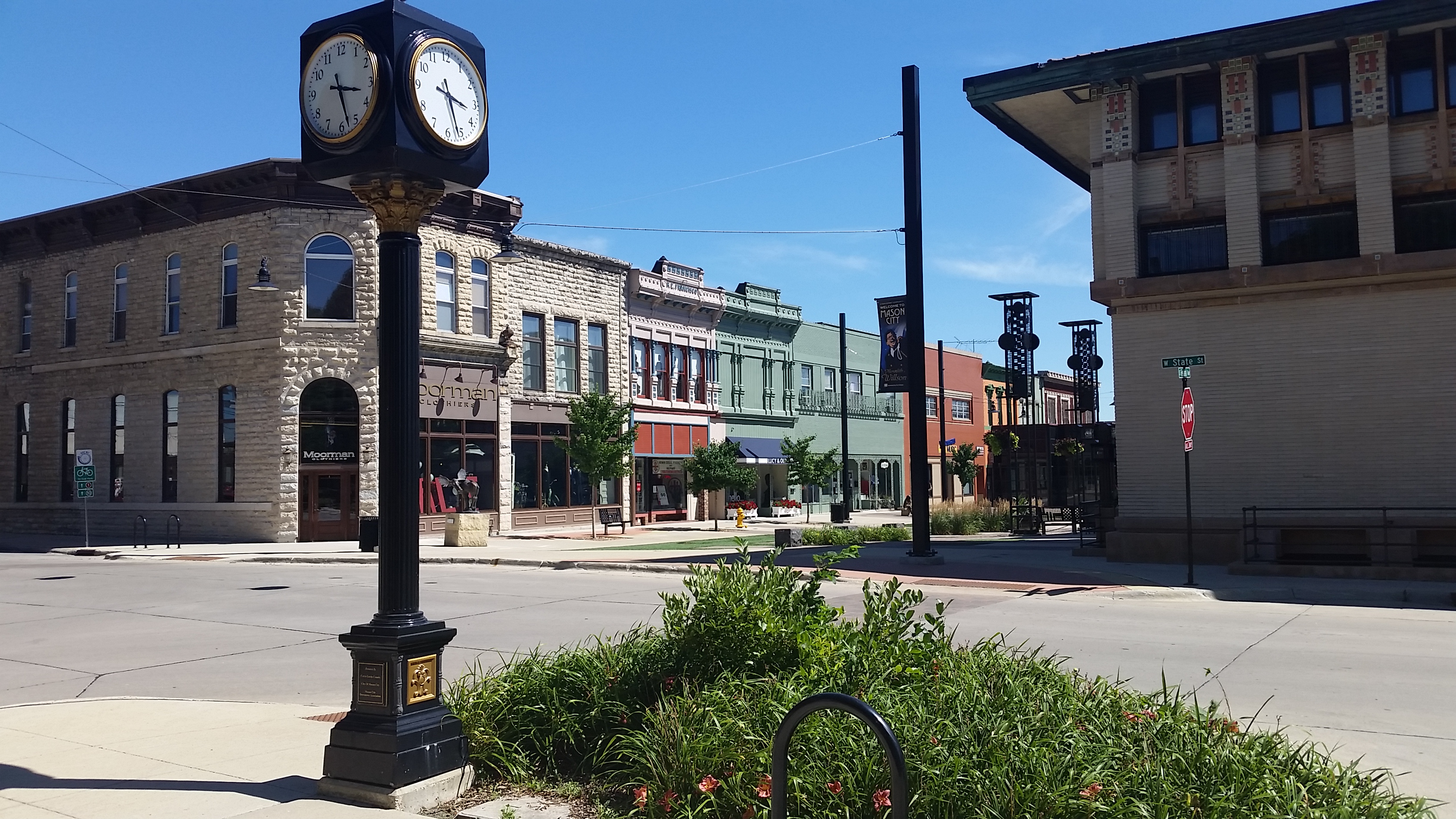
Mason City, Iowa… where I was born.  River City in the musical “The Music Man“.

One thing I can say with certainty, nothing makes you understand “home”, the place you grew up in and think of as where you come from, better than leaving it and going somewhere else.  Federal Avenue in Mason City looks nothing now like it did when I was a boy in the 1960’s going shopping downtown and spending hours in department stores waiting for the ten minutes at the end in the toy section you were promised for being good.  You have to look at the places and people of your youth through the lenses of history and distance and context and knowing now what you didn’t know then.

20160720_063221

Grandpa Aldrich’s farm in Iowa is now Mom and Dad’s house.  It has been in the family for over 100 years, a Century Farm.

The only thing that stays the same is that everything changes.  If I look back at the arc of my life, growing up in Iowa with crazy story-telling skills inherited from Grandpa Aldrich, to going to Iowa State “Cow College” and studying English, to going to University of Iowa for a remedial teaching degree because English majors can’t get jobs reading books, to teaching in distant South Texas more than a thousand miles away, to learning all the classroom cuss words in Spanish the hard way, by being called that, to moving to Dallas/Fort Worth to get fired from one teaching job and taking another that involved teaching English to non-English speakers, to retiring and spending time writing foolish reflections like this one because I am old and mostly home-bound with ill health.  I have come a long way from childhood to second childhood.

C360_2017-04-25-09-04-57-680b

                                                                                      If “what doesn’t kill you makes you stronger” is really true, I should be Superman now.  I look like I’ve seen a lot of Kryptonite, don’t I?

Six incurable diseases and being a cancer survivor since 1983 have left their marks upon me.  Literally.  Little pink bleedy spots all over me are the mark of psoriasis.  The fuzzy-bad photo of me spares you some of the gory details.  The point is, I guess, that life is both fleeting and fragile.  If you never stop and think about what it all means then you are a fool.  If you don’t try to understand it in terms of sentences and paragraphs with main ideas, you are an even bigger fool.  You must write down the fruit of your examinations and ruminations.  But if you reach a point that you are actually satisfied that you know what it all means, that makes you the biggest fool of all.

If I have any wisdom at all to share in this post about wisdom, it can be summed up like this;

  • Writing helps you with knowing, and knowing leads to wisdom.  So take some time to write about what you know.
  • Writing every day makes you more coherent and easier to understand.  Stringing pearls of wisdom into a necklace comes with practice.
  • Writing is worth doing.  Everyone should do it.  Even if you don’t think you can do it well.
  • You should read and understand other people’s wisdom too, as often as possible.  You are not the only person in the world who knows stuff.  And some of their stuff is better than your stuff.
  • The stuff you write can outlive you.  So make the ghost of you that you leave behind as pretty as you can.  Someone may love you for it.  And you can never be sure who that someone will be.

So by now you are probably wondering, where is all that wisdom he promised us in the title?  Look around carefully in this essay.  If you don’t see it there, then you are probably right in thinking, just as I warned you about at the outset, “Gosh darn that Mickey!  He is a really big fool.”

Leave a comment

Filed under autobiography, education, empathy, goofy thoughts, humor, nostalgia, photo paffoonies, psoriasis, self portrait, strange and wonderful ideas about life, wisdom, writing, writing teacher

Three Books at Once

No, this isn’t some kind of multiple-book book review.  This is an ungodly silly claim that I can actually read three books at once.  Silly, but true.

Now I don’t claim to be a three-armed mutant with six eyes or anything.  And I am relatively sure I only have one brain.  But, remember, I was a school teacher who could successfully maintain a lesson thread through discussions that were supposed to be about a story by Mark Twain, but ventured off to the left into whether or not donuts were really invented by a guy who piloted a ship and stuck his pastries on the handles of the ships’ wheel, thus making the first donut holes, and then got briefly lost in the woods of a discussion about whether or not there were pirates on the Mississippi River, and who Jean Lafitte really was, and why he was not the barefoot pirate who stole Cap’n Crunch’s cereal, but finally got to the point of what the story was really trying to say.  (How’s that for mastery of the compound sentence?)  (Oh, so you could better?  Really?  You were in my class once, weren’t you.)  I am quite capable of tracking more than one plot at the same time.  And I am not slavishly devoted to finishing one book before I pick up the next.

I like reading things the way I eat a Sunday dinner… a little meatloaf is followed by a fork-full of mashed potatoes, then back to meat, and some green peas after that…  until the whole plate is clean.

Treasure Island by Robert Louis Stevenson is the meatloaf.  I have read it before, just as I have probably had more meatloaf in my Iowegian/Texican  lifetime than any other meat dish.  It’s pretty much a middle-America thing.  And Treasure Island is the second book I ever read.  So you can understand how easy a re-read would be.  I am reading it mostly while I am sitting in the high school parking lot waiting to pick up the Princess after school is out.

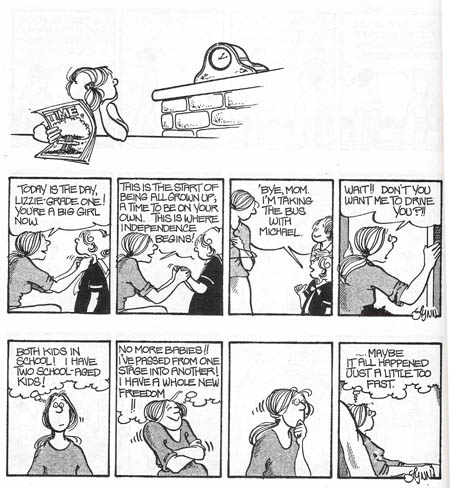
fbofw1Lynn Johnston’s For Better or Worse is also an old friend.  I used to read it in the newspaper practically every day.  I watched those kids grow up and have adventures almost as if they were members of my own family.  So the mashed potatoes part of the meal is easy to digest too.
51+ETSVSDJL

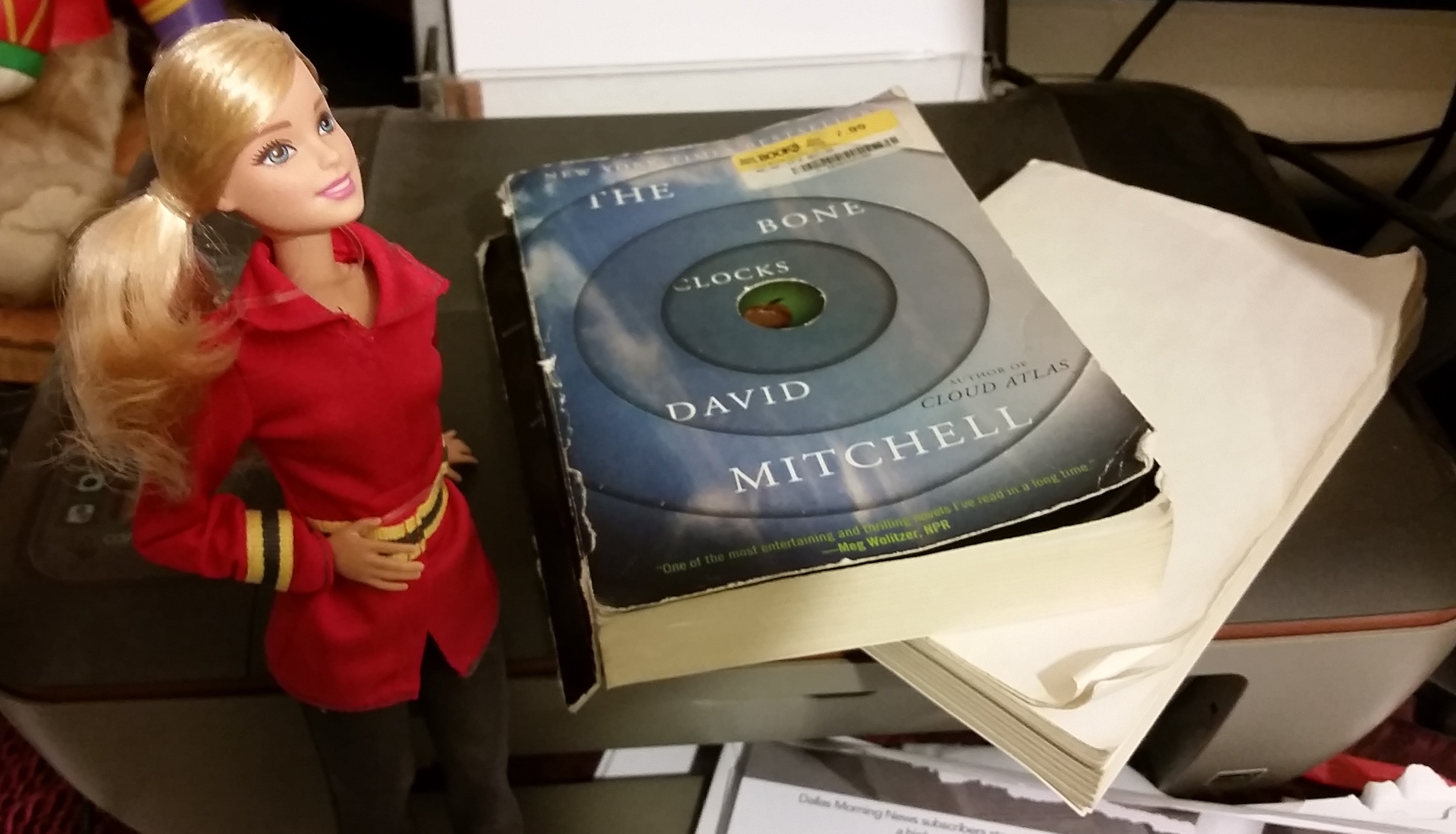
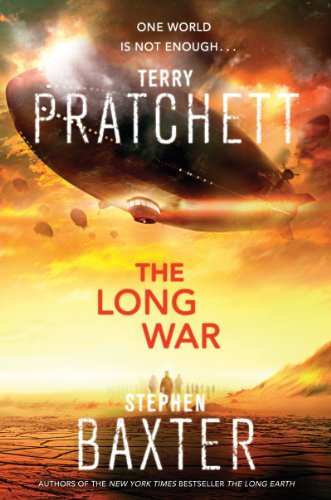
So that brings me to the green peas.  Green peas are good for you.  They are filled with niacin and folic acid and other green stuff that makes you healthier, even though when the green peas get mashed a bit and mix together with the potatoes, they look like boogers, and when you are a kid, you really can’t be sure.  Terry Pratchett and Stephen Baxter wrote this book The Long War together.  And while I love everything Terry Pratchett does, including the book he wrote with Neil Gaiman, I am having a hard time getting into this one.  Parts of it seem disjointed and hard to follow, at least at the beginning.  It takes work to choke down some of it.  Peas and potatoes and boogers, you know.

But this isn’t the first time I have ever read multiple books at the same time.  In fact, I don’t remember the last time I finished a book and the next one wasn’t at least halfway finished too.  So it can be done.  Even by sane people.

Leave a comment

Filed under book review, comic strips, education, goofy thoughts, humor, old books, philosophy, reading

Reading Other Writers

20180103_073738

Nobody who wants to be a writer gets by with just writing and never reading anything by anybody else.  It is too easy to devolve into some kind of human mushroom that way, thinking only thoughts a mushroom could think, all fungus-like and having no chlorophyll of their own.  You never learn to decode other people and other people’s thinking if you don’t read other people’s thoughts crystallized in writing.

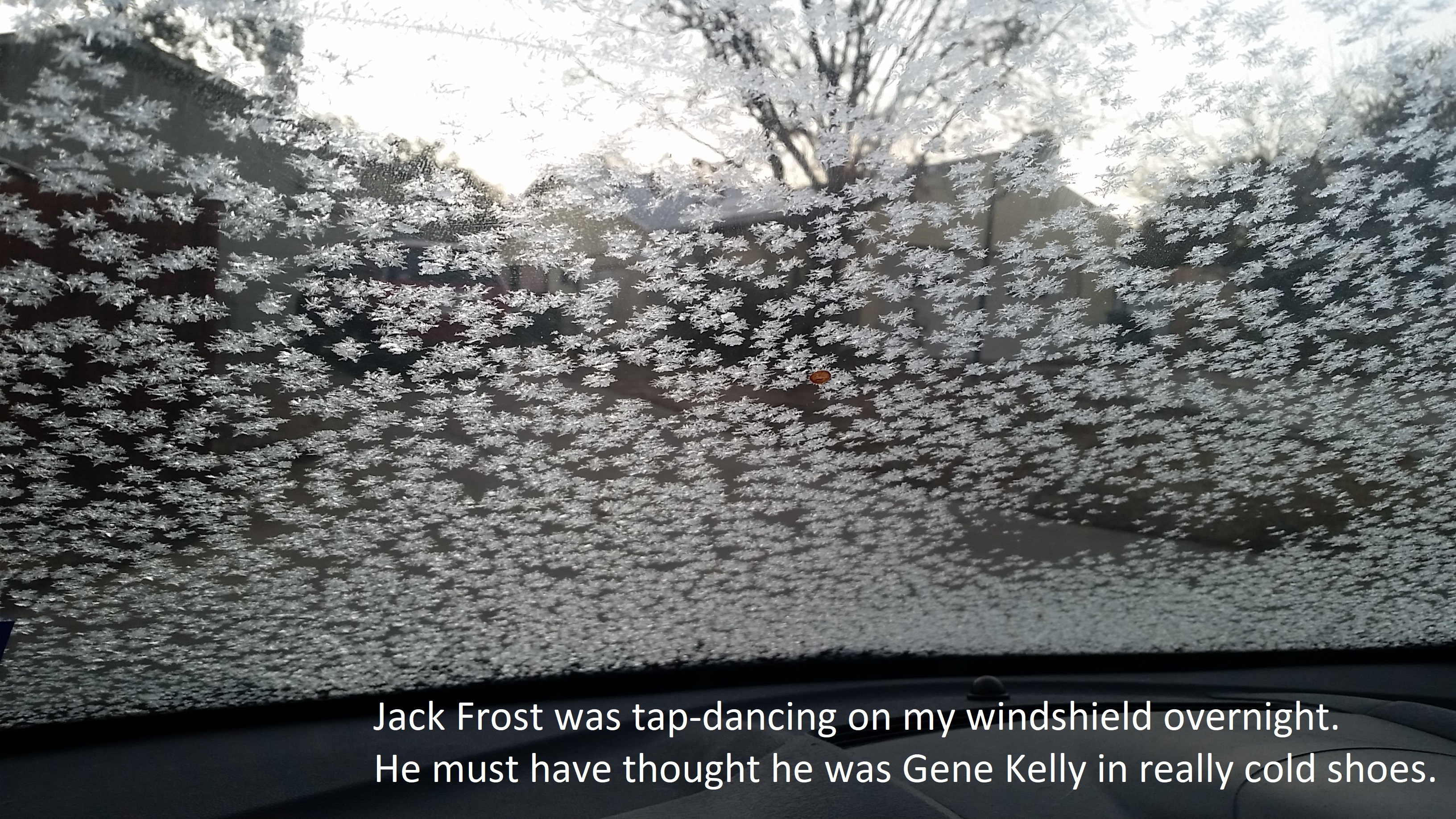
And not every other writer is Robert Frost.  Or even Jack Frost who thinks he’s  Gene Kelly.  There has to be some interpretation, some digging for understanding.  What did that writer mean when she said political correctness was like a tongue disease?  And what does it mean when a commenting troll calls me a nekkid poofter?  Is that how he spells “exceptional genius”?  I think it is.  Trolls are not smart.

20180103_082315

I know people have to make an effort to understand me.  When I write, I am writing under the delusion that I can produce literary quality off the top of my head.  In fact, I can barely produce hair off the top of my head, and it is gray when I do it.   See what I did there?  It is the kind of joke a surrealist makes, pretending the idiomatic expression you use is to be taken literally when it doesn’t literally make sense.  That kind of nonsense is what my readers have to put up with, and probably also the reason why most of them just look at the pictures.  If you have to think too hard when you read, your brain could over-heat and your hair could catch fire.  I like that kind of purple paisley prose that folds back in on itself and makes you think in curlicues.  But most people don’t.  Most people don’t have fire-proof hair like I do.

20180103_082404 Of course, there is the opposite problem too.  Some writers are not hard to understand at all.  They only use simple sentences.  They only use ideas that lots of other people have used before.  You don’t have to think about what they write.  You only need to react.  They are the reasons that words like “trite”, “hackneyed”, “boring”, and “cliche” exist in English.  But simple, boring writing isn’t written by stupid people.  Hemingway is like that.  Pared down to the basics.  No frills.  Yet able to yield complex thoughts, insights, and relationships.
20180103_082341

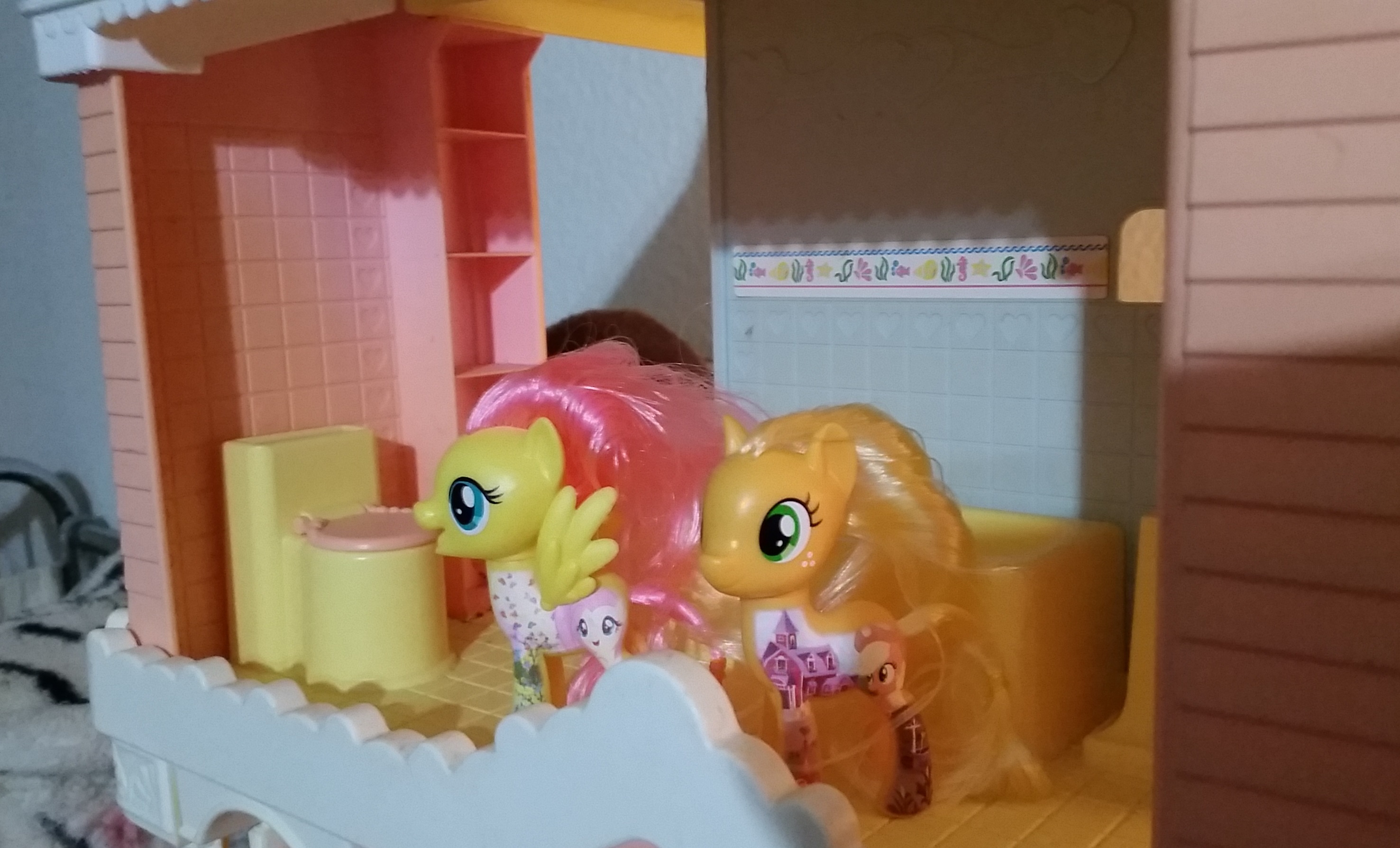
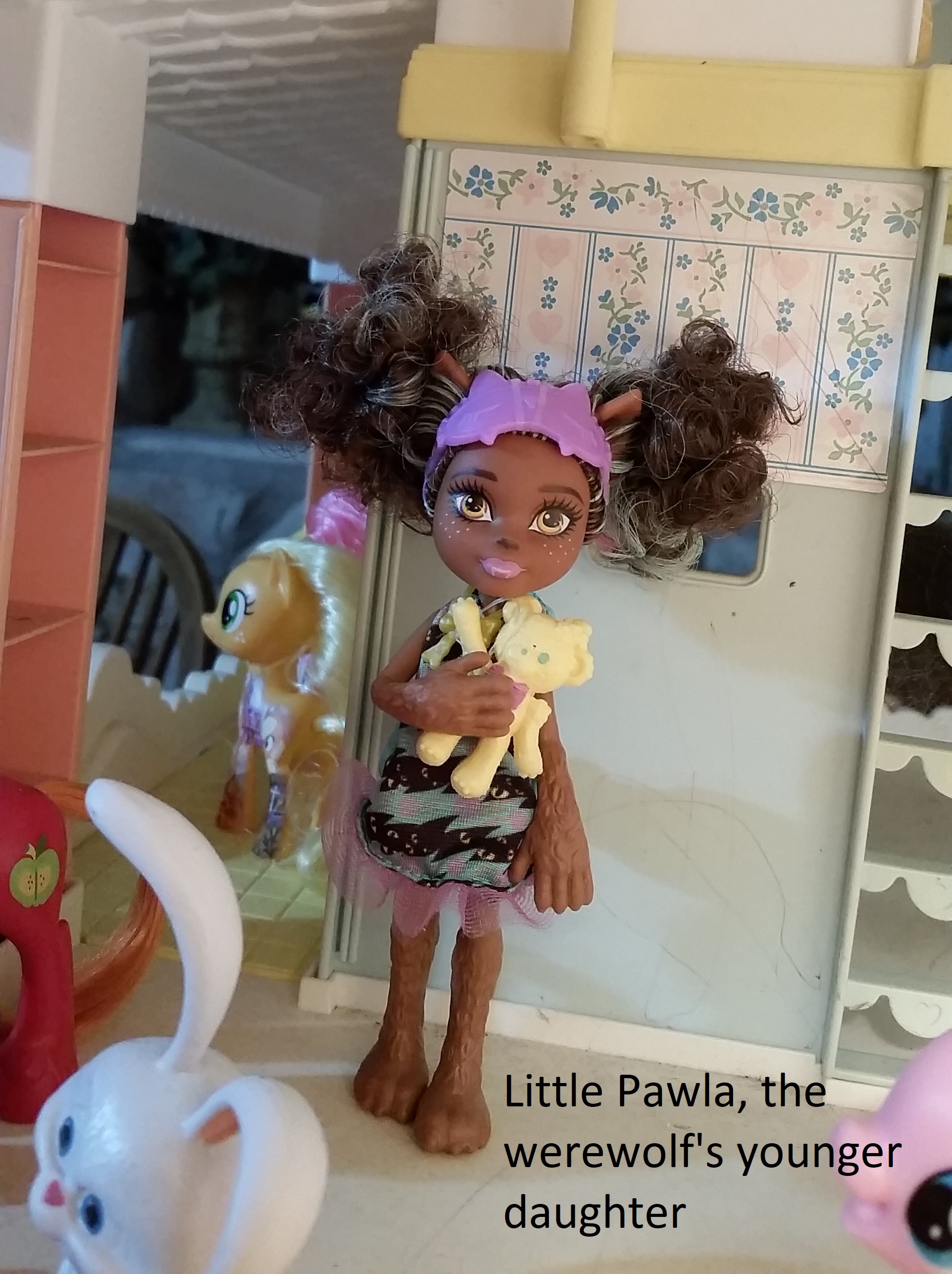
Sometimes, it doesn’t even take a word to make the point.  For instance, why, in the picture, is Fluttershy trying to drink out of the toilet in the dollhouse bathroom?  For that matter, why does a doll house even need a bathroom?  Applejack doesn’t even fit in that yellow bathtub.  I know.  I tried to stuff her in there for this picture.  And, as you read this, doesn’t this paragraph tell you a lot about me that you probably didn’t even want to know?

20180103_082248

When I am reading the writing of others, I am looking for a cornucopia of things.  I want to not only understand their ideas, I want to detect the limping footprints across the murder scene of their paragraphs and come to know the deeper things about them as well.  I spent years decoding and trying to understand the writing of preliterate kids in my middle school English classes in order to be able to teach them to write better.   And I learned that no writer is a bad writer as long as they are using readable words.  I also learned that very few writers are James Joyce or Marcel Proust.  Thank God for that!  And given enough time I can read anything by anybody and learn something from it. I read a lot.  And it may not always make me a better writer to read it, but it always has value.  It is always worth doing.


1 Comment

Filed under commentary, education, goofy thoughts, humor, irony, photo paffoonies, photos, reading, strange and wonderful ideas about life, surrealism, teaching, wordplay, writing, writing teacher

Shakespeare is NOT Bacon

3475b987-6c5d-4699-ba5d-e6008559028f

(The graphic above should say “Empiricism,” not “Empirism.”  Ir is a typo.

Yes, Sir Francis Bacon is at least as interesting and obscure as William Shakespeare.  But let me assure you, I can confidently state, “Shakespeare is NOT Bacon!”  He is not eggs either… or any other breakfast food.  Sir Francis Bacon was the breakfast, the first meal in the great Elizabethan banquet of literature, poetry, and culture.  And William Shakespeare is a more important main course, the royal dinner, as it were.  But it has to be acknowledged that Bacon was essential to the very existence of William Shakespeare.  Breakfast always comes before dinner.

t2ec16dhjgoffvtvhuebslhohksvg-60_35

In 1845 a female author by the name of Delia Bacon (nothing suspicious about that coincidence, by the way) put forward an idea that William Shakespeare’s plays were actually written by a group of men under the leadership of Sir Francis Bacon.  She thought the group intended to inculcate into English culture an advanced system of politics and philosophy which they themselves could not take credit for publicly.  She would later write a book in 1857 called The Philosophy of the Plays of Shakspere Unfolded which advanced the notion that the plays were written for Baconian purposes beyond mere theatrical entertainment.  Numerous people, including the American poet Ralph Waldo Emerson supported her in her quest to find proof, sending her to England to research the crazy conspiracy theories she founded by noting ciphers in the plays, and in the essays of Bacon, that led her to believe all she had to do was dig up the gravestone of Shaksper in the chapel at Stratford to find written proof in Bacon’s own hand that he was, in fact, the author or primary motivator of the plays of William Shakespeare.  She spent one cold and creepy night in the chapel, just her and her spade and her crow bar, along with the bones of the Stratford guy, trying to work up the courage to do a bit of grave-robbing… and failing.    It is a good story, but very poor archaeology.  She was denounced by the literary historians and establishment figures who supported the Stratford guy.  They said her scholarship was sloppy, her cipher analysis goofy and unfounded, and her conclusions more questionable than a pig in theatrical make-up.  (My words, not theirs.  English critic George Henry Townsend was entirely too stuffy and boring to simply be quoted here.)

francis-bacon-quotes-francis-bacon-quotes

Now, I, of course, strongly disagree with the Bacon lady.  As I said in the very title, “Shakespeare is NOT Bacon.”  But I do think there was merit in sniffing out old Frankie’s scent and fingerprints on the whole Shakespeare/Shaksper thing.  The Stratford guy was not Shakespeare either.  When he died in 1616 there was no public outcry at the loss of England’s most popular poet and playwright.  Even King James who was Shakespeare’s number one fan and constant audience member, didn’t mourn the passing of the actor/theater-owner/businessman from Stratford.

Francis Bacon, on the other hand, was a powerful intellect, educated in the ways of science, the law, and government in the Elizabethan age.  Bacon gathered other men of powerful intellect and accomplishment at Gray’s Inn to hold debates about things philosophical and things scientifical.  It is not unreasonable to imagine that the man who really wrote the plays attributed to Shakespeare sat at that table and participated in those debates.  And Sir Frankie had good reason to keep lots of this business a secret.  There exists evidence that though he was apparently happily married to a fourteen-year-old girl, he did a little bit of swaying toward the other gender too, a thing not too popular with the average Anglican Englishman.  He also dabbled a bit in the occult (think witches in Macbeth sort of thing).   And his essays indicate a strong correlation to the philosophies and ideals of the German Rosicrucian Movement.  In 1593 during a Roman Catholic plot against Queen Elizabeth, Frankie managed to take a position on the investigation that totally offended the old virgin queen.  He was on the outs with Liz for the rest of her difficult and anger-management-challenged life.  He did rise to prominence under her successor, James I, but never-the-less managed to die amidst total ruin and scandal.  There is a lot in Frankie’s life to indicate that he had a direct influence on the content of Shakespeare’s plays.  Some of the characters in the plays may actually be, at least in part, based on Frankie himself.  But  this guy never hung out with the Stratford guy that anyone knows of.

So, if Shakespeare is NOT Bacon, or eggs either… and the Stratford guy isn’t Shakespeare, then who is?  Come on!  You knew I had a lot more to say about this crazy conspiracy thing, right?

67489

Leave a comment

Filed under conspiracy theory, education, foolishness, goofy thoughts, humor, philosophy, strange and wonderful ideas about life, William Shakespeare

How To Write A Mickian Essay

mickeynose

I know the last thing you would ever consider doing is to take up writing essays like these.  What kind of a moronic bingo-boingo clown wants to take everything he or she knows, put it in a high-speed blender and turn it all into idea milkshakes?

But I was a writing teacher for many years.  And now, being retired and having no students to yell at when my blood pressure gets high, the urge to teach it again is overwhelming.

So, here goes…

c360_2017-01-02-10-17-06-058

Once you have picked the silly, pointless, or semi-obnoxious idea you want to shape the essay around, you have to write a lead.  A lead is the attention-grabbing device or booby-trap for readers that will draw them into your essay.  In a Mickian essay, whose purpose is to entertain, or possibly bore you in a mildly amusing manner, or cause you enough brain damage to make you want to send me money (this last possibility never seems to work, but I thought I’d throw it in there just in case), the lead is usually a  “surpriser”, something so amazingly dumb or off-the-wall crazy that you just have to read, at least a little bit, to find out if this writer is really that insane or what.  The rest of the intro paragraph that is not part of the lead may be used to draw things together to suggest the essay is not simply a chaotic mass of silly words in random order.  It can point the reader down the jungle path that he or she can take to come out of the other end of the essay alive.

Once started on this insane quest to build an essay that will strangle the senses and mix up the mind of the reader, you have to carry out the plan in three or four body paragraphs.  This is where you have to use those bricks of brainiac bull-puckie that you have saved up to be the concrete details in the framework of the main rooms of the little idea-house you are constructing.  If you were to number or label these main rooms, this one you are reading now would, for example, be Room #2, or B, or “the second body paragraph”.  And as you read this paragraph, you should be thinking in the voice of your favorite English teacher of all time.  The three main rooms in this example idea house are beginning, middle, and end.  You could also call them introduction, body, and conclusion.  These are the rooms of your idea house that the reader will live in during his or her brief stay (assuming they don’t run out of the house screaming after seeing the clutter in the entryway).

Teacher

The last thing you have to do is the concluding paragraph.  (Of course, you have to realize that we are not actually there yet in this essay.  This is Room C in the smelly chickenhouse of this essay, the third body paragraph.)  The escape hatch on the essay that may potentially explode into fireworks of thoughts, daydreams, or plans for something better to do with your life than a read an essay written by an insane former middle school English teacher at any moment, is a necessary part of the whole process.  This is where you have to remind them of what the essay is basically about, and leave them with the thought that you want to haunt them in their nightmares later.  The last thing that you say in the essay is the thing they are the most likely to remember.  So you need to save the best for last.

So, here, finally, is the exit door to this masterfully mixed-up Mickian Essay.  It is a simple, and straightforward structure.  The introduction containing the lead is followed by three or four body paragraphs that develop the idea and end in a conclusion that summarizes or simply restates the overall main idea.  And now you know why all of my former students either know how to construct an essay, or have several years left in therapy sessions with a psychiatrist.

Leave a comment

Filed under commentary, education, humor, Paffooney, teaching, writing, writing teacher

I Hope You Dance…

When you walk to the front of the classroom and take up the big pencil in front of a group of young teens and twelve-year-olds, there is a strong pressure to learn how to sing and dance. That, of course, is a metaphor. I was always too arthritic and clunky in my movements to literally dance. But I looked out over a sea of bored and malevolence-filled eyes, slack and sometimes drooling mouths attached to hormone-fueled and creatively evil minds. And I was being paid to put ideas in their heads. Specifically boring and difficult ideas that none of them really wanted in their own personal heads. So I felt the need to learn to dance, to teach in ways that were engaging like good dance tunes, and entertaining in ways that made them want to take action, to metaphorically get up and dance along with me.

I wanted them to enjoy learning the way I did.

But the music of the teacher is not always compatible with the dance style of the individual learner. The secret behind that is, there is absolutely no way to prompt them to dance along with you until you learn about the music already playing in their stupid little heads. (And you can’t, of course ever use the word “stupid” out loud, no matter how funny or true the word is,) You have to get to know a kid before you can teach them anything.

The discordant melodies and bizarre tunes you encounter when you talk to them is like dancing in a minefield blindfolded. Some don’t have enough to eat at home and have to survive off of the nutrition-less food they get in the school cafeteria’s free-and-reduced lunch program. Some of them have never heard a single positive thing from the adults at home, enduring only endless criticism, insults, and sometimes fists. Some of them fall in love you. Some due to hormones. Some due to the fact that you treat them like a real human being. Some because they just stupidly assume that everyone dances to the same tunes they hear in their own personal head.

Some of them automatically hate you because they know that if you hear their own secret music in their own self-loathing heads, you will never accept it. They hate you because you are a teacher and teachers always hate them. Some of them, deep down, are as loathsome as they think they are.

But, if you find the right music, you can get any of them, even all of them, to dance. It might be hard to find. It might be a nearly impossible task to learn to play that music once you find it. But it can be done.

And if you get them to dance to your music, to dance along with you, I can’t think of anything more rewarding, anything more life-fulfilling. Have you ever tried it for yourself? If you are not a teacher, how about with your own children or the children related to you? Everybody should learn to dance this dance I am talking about in metaphors. At least once in your life. It is addictive. You will want to dance more. So the next time the music starts and you get the chance… I hope you’ll dance!

2 Comments

Filed under commentary, education, kids, metaphor, Paffooney, teaching

Shakespeare is NOT Bacon

3475b987-6c5d-4699-ba5d-e6008559028f

(The graphic above should say “Empiricism,” not “Empirism.”  Ir is a typo.

Yes, Sir Francis Bacon is at least as interesting and obscure as William Shakespeare.  But let me assure you, I can confidently state, “Shakespeare is NOT Bacon!”  He is not eggs either… or any other breakfast food.  Sir Francis Bacon was the breakfast, the first meal in the great Elizabethan banquet of literature, poetry, and culture.  And William Shakespeare is a more important main course, the royal dinner, as it were.  But it has to be acknowledged that Bacon was essential to the very existence of William Shakespeare.  Breakfast always comes before dinner.

t2ec16dhjgoffvtvhuebslhohksvg-60_35

In 1845 a female author by the name of Delia Bacon (nothing suspicious about that coincidence, by the way) put forward an idea that William Shakespeare’s plays were actually written by a group of men under the leadership of Sir Francis Bacon.  She thought the group intended to inculcate into English culture an advanced system of politics and philosophy which they themselves could not take credit for publicly.  She would later write a book in 1857 called The Philosophy of the Plays of Shakspere Unfolded which advanced the notion that the plays were written for Baconian purposes beyond mere theatrical entertainment.  Numerous people, including the American poet Ralph Waldo Emerson supported her in her quest to find proof, sending her to England to research the crazy conspiracy theories she founded by noting ciphers in the plays, and in the essays of Bacon, that led her to believe all she had to do was dig up the gravestone of Shaksper in the chapel at Stratford to find written proof in Bacon’s own hand that he was, in fact, the author or primary motivator of the plays of William Shakespeare.  She spent one cold and creepy night in the chapel, just her and her spade and her crow bar, along with the bones of the Stratford guy, trying to work up the courage to do a bit of grave-robbing… and failing.    It is a good story, but very poor archaeology.  She was denounced by the literary historians and establishment figures who supported the Stratford guy.  They said her scholarship was sloppy, her cipher analysis goofy and unfounded, and her conclusions more questionable than a pig in theatrical make-up.  (My words, not theirs.  English critic George Henry Townsend was entirely too stuffy and boring to simply be quoted here.)

francis-bacon-quotes-francis-bacon-quotes

Now, I, of course, strongly disagree with the Bacon lady.  As I said in the very title, “Shakespeare is NOT Bacon.”  But I do think there was merit in sniffing out old Frankie’s scent and fingerprints on the whole Shakespeare/Shaksper thing.  The Stratford guy was not Shakespeare either.  When he died in 1616 there was no public outcry at the loss of England’s most popular poet and playwright.  Even King James who was Shakespeare’s number one fan and constant audience member, didn’t mourn the passing of the actor/theater-owner/businessman from Stratford.

Francis Bacon, on the other hand, was a powerful intellect, educated in the ways of science, the law, and government in the Elizabethan age.  Bacon gathered other men of powerful intellect and accomplishment at Gray’s Inn to hold debates about things philosophical and things scientifical.  It is not unreasonable to imagine that the man who really wrote the plays attributed to Shakespeare sat at that table and participated in those debates.  And Sir Frankie had good reason to keep lots of this business a secret.  There exists evidence that though he was apparently happily married to a fourteen-year-old girl, he did a little bit of swaying toward the other gender too, a thing not too popular with the average Anglican Englishman.  He also dabbled a bit in the occult (think witches in Macbeth sort of thing).   And his essays indicate a strong correlation to the philosophies and ideals of the German Rosicrucian Movement.  In 1593 during a Roman Catholic plot against Queen Elizabeth, Frankie managed to take a position on the investigation that totally offended the old virgin queen.  He was on the outs with Liz for the rest of her difficult and anger-management-challenged life.  He did rise to prominence under her successor, James I, but never-the-less managed to die amidst total ruin and scandal.  There is a lot in Frankie’s life to indicate that he had a direct influence on the content of Shakespeare’s plays.  Some of the characters in the plays may actually be, at least in part, based on Frankie himself.  But  this guy never hung out with the Stratford guy that anyone knows of.

So, if Shakespeare is NOT Bacon, or eggs either… and the Stratford guy isn’t Shakespeare, then who is?  Come on!  You knew I had a lot more to say about this crazy conspiracy thing, right?

67489

Leave a comment

Filed under conspiracy theory, education, foolishness, goofy thoughts, humor, philosophy, strange and wonderful ideas about life, William Shakespeare