
Filed under comic strips, fairies, Hidden Kingdom, humor, Paffooney
No, this isn’t some kind of multiple-book book review. This is an ungodly silly claim that I can actually read three books at once. Silly, but true.


Now, I don’t claim to be a three-armed mutant with six eyes or anything. And I am relatively sure I only have one brain. But, remember, I was a school teacher who could successfully maintain a lesson thread through discussions that were supposed to be about a story by Mark Twain, but ventured off to the left into whether or not donuts were really invented by a guy who piloted a ship and stuck his pastries on the handles of the ships’ wheel, thus making the first donut holes, and then got briefly lost in the woods of a discussion about whether or not there were pirates on the Mississippi River, and who Jean Lafitte really was, and why he was not the barefoot pirate who stole Cap’n Crunch’s cereal, but finally got to the point of what the story was really trying to say. (How’s that for mastery of the compound sentence?) (Oh, so you could do better? Really? You were in my class once, weren’t you.) I am quite capable of tracking more than one plot at the same time. And I am not slavishly devoted to finishing one book before I pick up the next.
I like reading things the way I eat a Sunday dinner… a little meatloaf is followed by a forkful of mashed potatoes, then back to meat, and some green peas after that… until the whole plate is clean.


Treasure Island by Robert Louis Stevenson is the meatloaf. I have read it before, just as I have probably had more meatloaf in my Iowegian/Texican lifetime than any other meat dish. It’s pretty much a middle-America thing. And Treasure Island is the second book I ever read. So you can understand how easy a re-read would be. I am reading it mostly while I am sitting in the high school parking lot waiting to pick up the Princess after school is out.
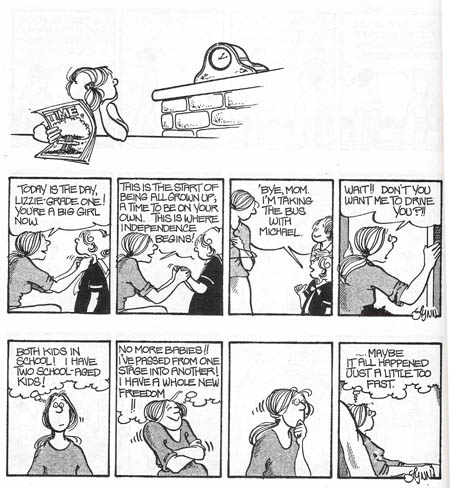 Lynn Johnston’s For Better or Worse is also an old friend. I used to read it in the newspaper practically every day. I watched those kids grow up and have adventures almost as if they were members of my own family. So the mashed potatoes part of the meal is easy to digest too.
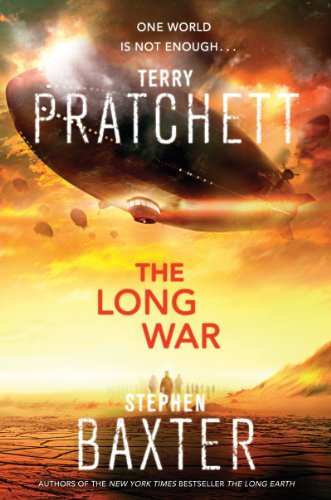
So that brings me to the green peas. Green peas are good for you. They are filled with niacin and folic acid and other green stuff that makes you healthier, even though when the green peas get mashed a bit and mix together with the potatoes, they look like boogers, and when you are a kid, you really can’t be sure. Terry Pratchett and Stephen Baxter wrote this book The Long War together. And while I love everything Terry Pratchett does, including the book he wrote with Neil Gaiman, I am having a hard time getting into this one. Parts of it seem disjointed and hard to follow, at least at the beginning. It takes work to choke down some of it. Peas and potatoes and boogers, you know.
But this isn’t the first time I have ever read multiple books at the same time. In fact, I don’t remember the last time I finished a book and the next one wasn’t at least halfway finished too. So it can be done. Even by sane people.
Filed under book review, comic strips, education, goofy thoughts, humor, old books, philosophy, reading
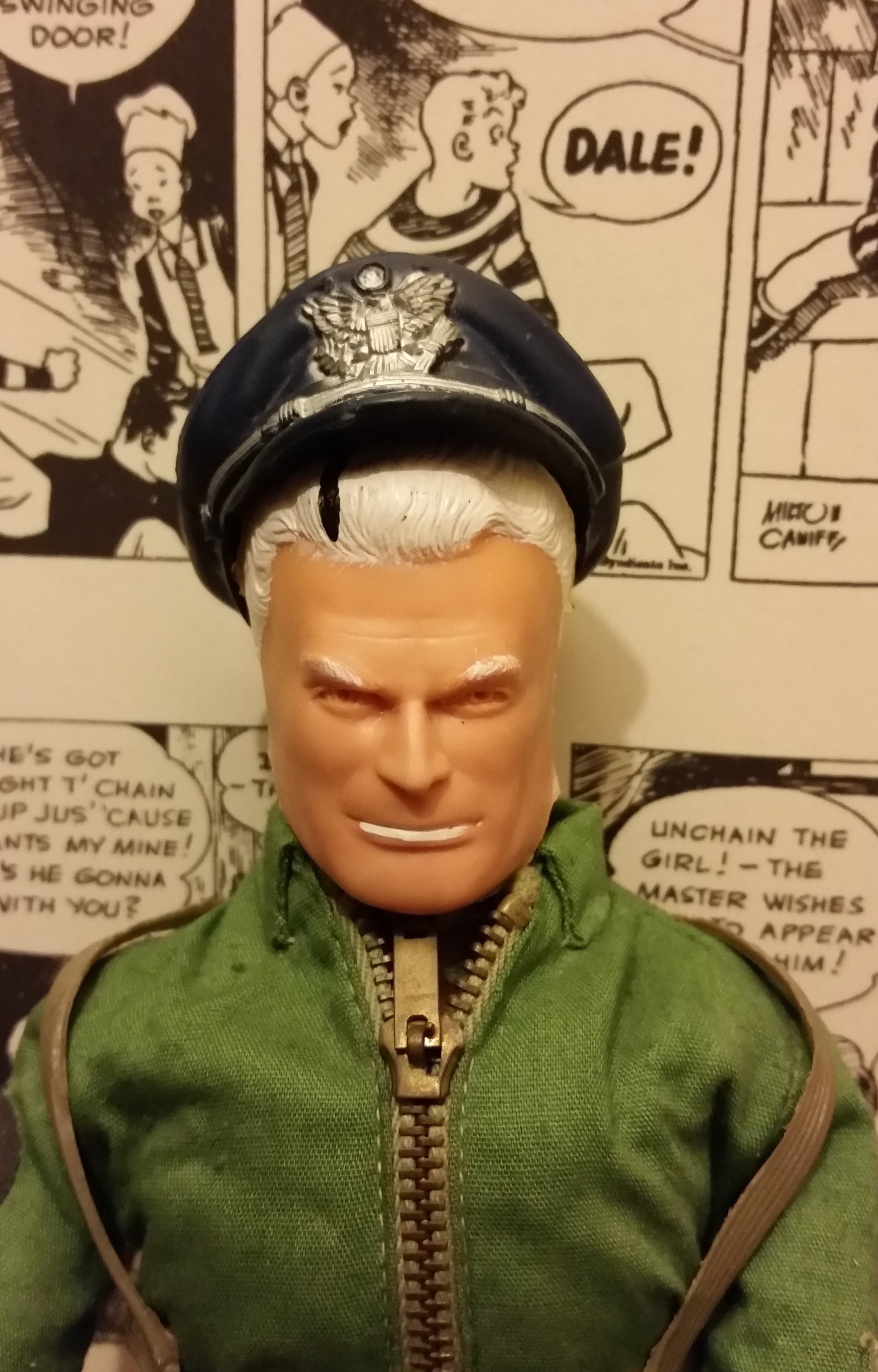
My 1967 Captain Action Steve Canyon action figure.
I have always been a deeply devoted fan of the Sunday funnies. And one of the reasons I read the comics religiously was the work of Milt Caniff. His comic strips, Terry and the Pirates, Male Call, and Steve Canyon set a standard for the age of action comics and adventure strips.
I read his comics in the 1960’s and 1970’s and always it was Steve Canyon. But this, of course, was not his first strip. I would discover in my college years the wonders of Terry and the Pirates. When Caniff started the strip before World War II, he set it in China, but actually knew nothing about China. So he did research. He learned about people who became oriental hereditary pirate families and organizations. He learned to draw authentic Chinese settings. His comedy relief characters, Connie and the Big Stoop, were rather racist parodies of Chinamen and were among the reasons that the original strip had to mature into his later work in Steve Canyon. But perhaps the most enduring character from the strip was the mysterious pirate leader known as the Dragon Lady.


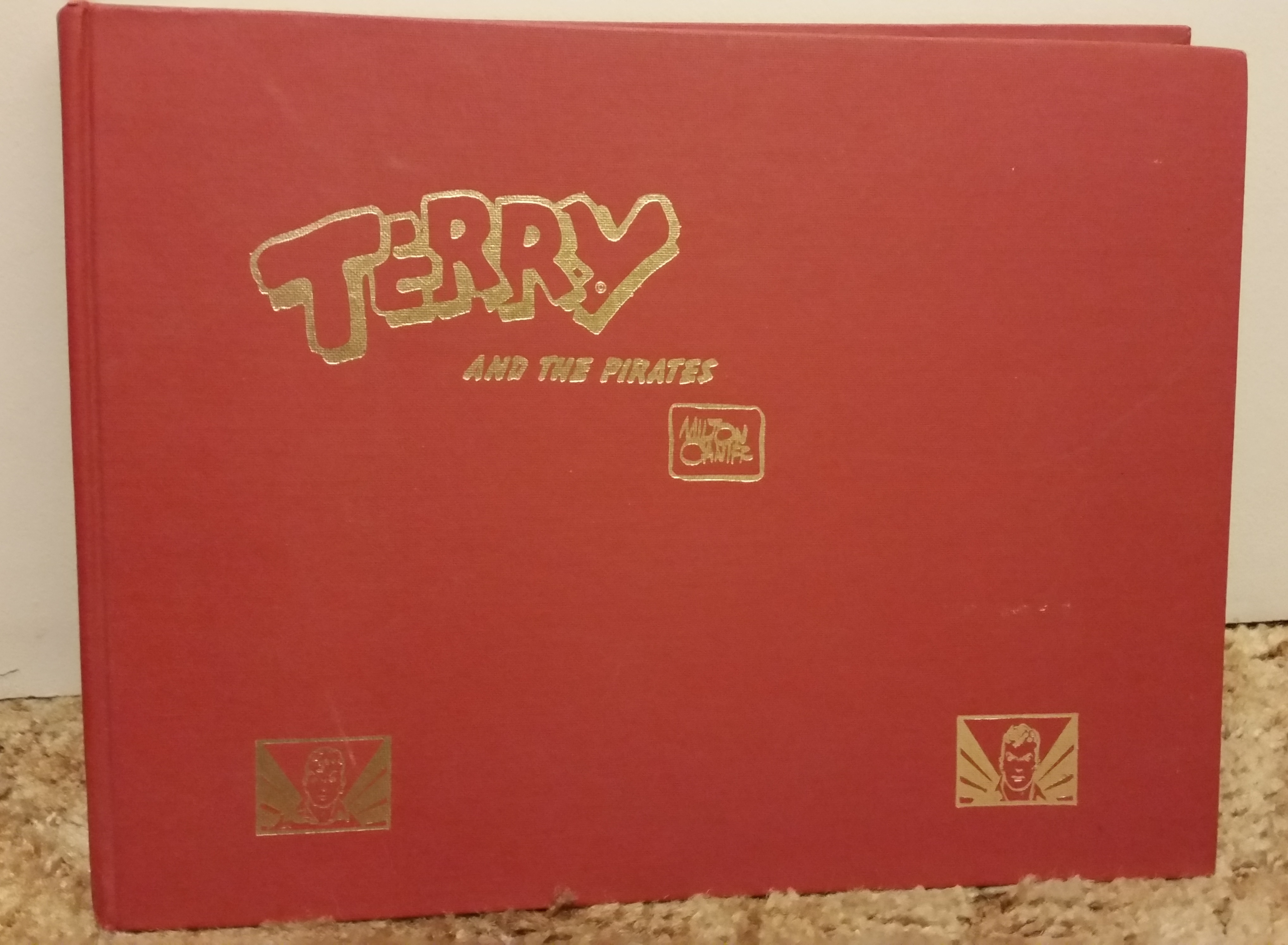
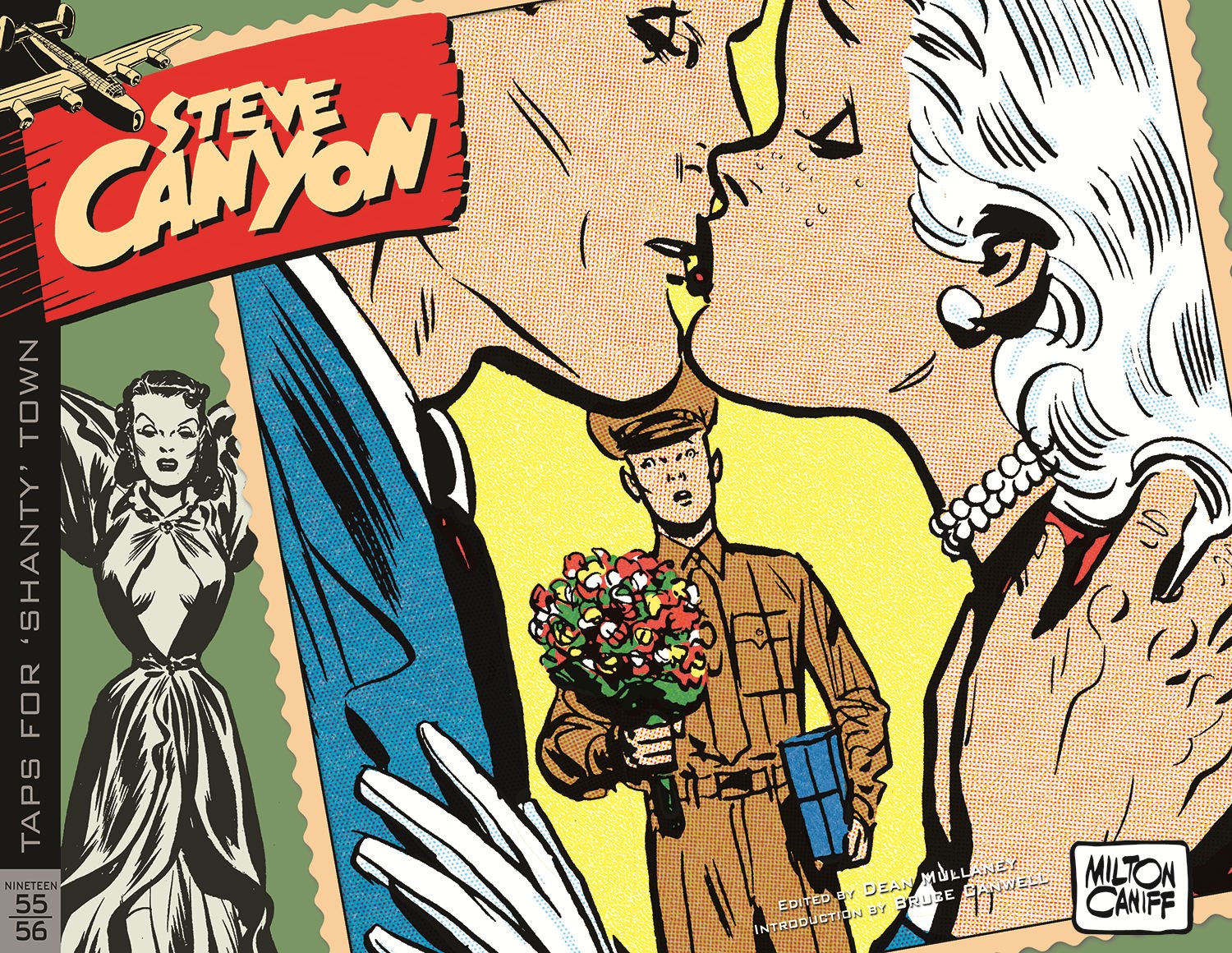
Steve Canyon is a fascinating study in the comic arts. When he left the Terry and the Pirates strip in 1946, it went on without him. It was owned by the Chicago Tribune-New York Daily News distribution syndicate, not Caniff himself. Steve Canyon would change that. He created it and owned it himself, making Caniff one of only two or three comics artists who actually owned their own creations. Canyon started out as a civilian pilot, but enlisted in the Air Force for the Korean War and would remain in the Air Force for the remainder of the strip. Some of the characters in the strip were based on real people. His long-time friend Charlie Russhon, a former photographer and Lieutenant in the Air Force who went on to be a technical adviser for James Bond films was the model for the character Charlie Vanilla, the man with the ice cream cone. Madame Lynx was based on the femme fatale spy character played by Illona Massey in the 1949 Marx Brothers’ movie Love Happy. Caniff designed Pipper the Piper after John Kennedy and Miss Mizzou after Marilyn Monroe.


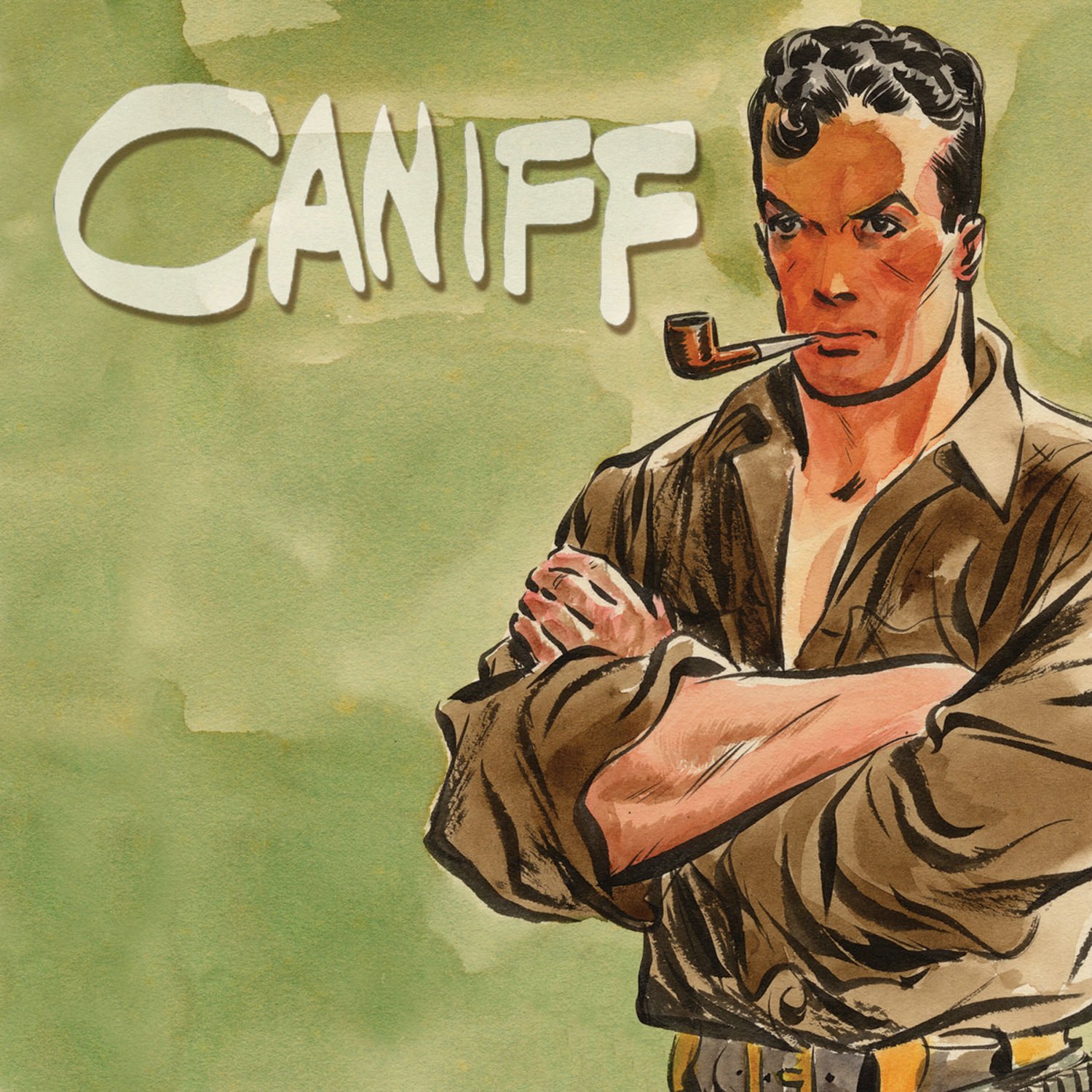
I am not the only cartoonist who was taken with the work of Milt Caniff. The effects of his ground-breaking work can be seen to influence the works of comic artists like Jack Kirby, Bob Kane, John Romita Sr., and Doug Wildey. If you are anything like the comic book nut I am, than you are impressed by that list, even more so if I listed everyone he influenced. Milt Caniff was a cartoonists’ cartoonist. He was one of the founders of the National Cartoonists’ Society and served two terms as its president in 1948 and 1949. He is also a member of the Will Eisner Comic Book Hall of Fame.
Filed under action figures, comic strips, commentary, inspiration


Comic book artwork grabs me constantly and makes me wonder about the lives behind the pen and ink. Artists basically draw themselves. Whether you are drawing Tarzan, Buck Rogers, or Flash Gordon… when you draw them, you are drawing yourself. My first encounter with Gray Morrow was when he drew Orion in Heavy Metal Magazine (the English version of the French Metal Hurlant).
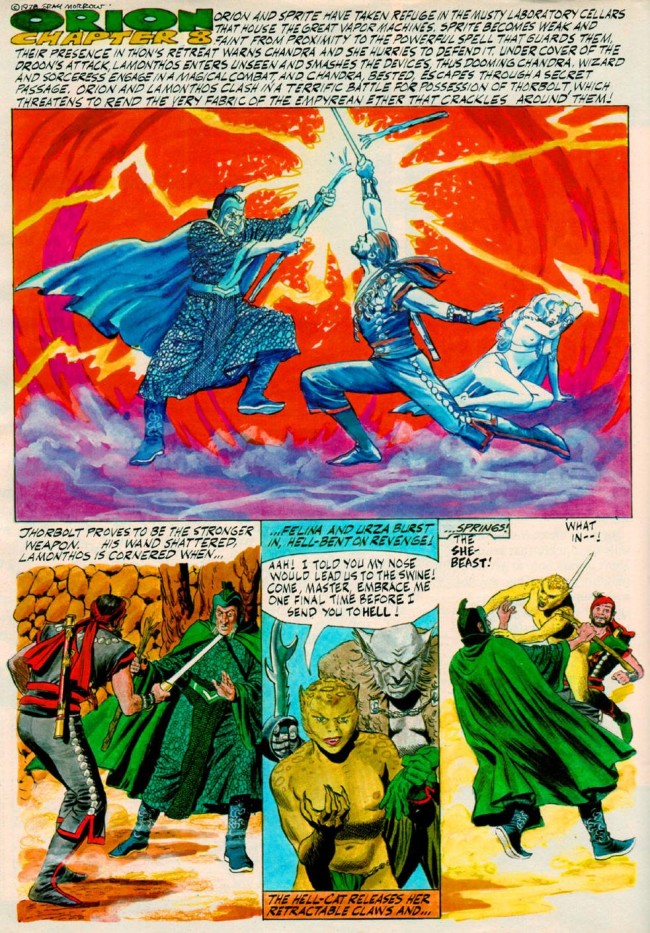
He was capable of drawing both the grotesque and the beautiful. Violent action juxtaposed with soft and romantic moments filled with subtle colors and complex emotion. I began thinking that Gray Morrow must be a complex and interesting human being. I was soon to discover his other selves. He was the artist behind the Buck Rogers strip starting in 1979. He and Marvel writer Roy Thomas co-created the muck monster Man-Thing.


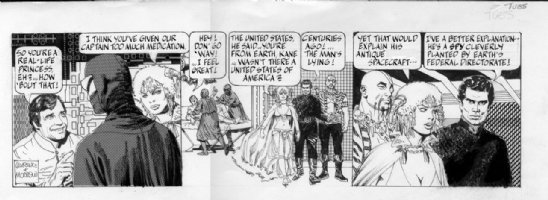
He also worked on Tarzan, Flash Gordon, and The Illustrated Roger Zelazny. Unfortunately he died in 2001 at age 67. Luckily an artist puts himself into his work, and for that reason we still have Gray Morrow with us. It is a kind of immortality.
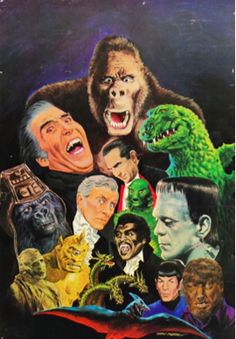
This cover from Monsters Unleashed gives you an idea of how well Gray Morrow could draw.
Filed under artwork, comic strips, commentary
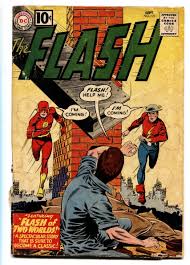
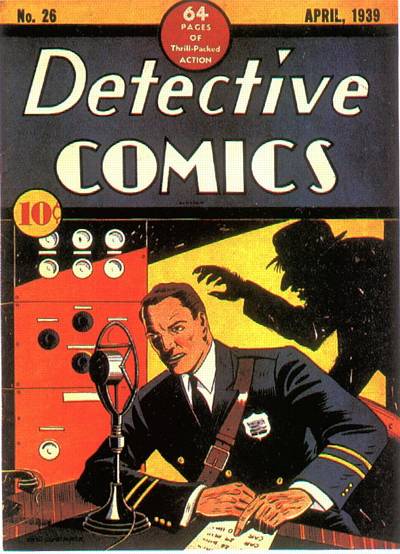
I am certainly no expert on the Golden Age of Comics. I was, in fact, born the year that the Golden Age ended. I am a child of the Silver Age (1956 to the early 1970s) and those were the comics I grew up with. But I admit to a fascination with the initial creation of the characters I love, including Batman, Superman, the Flash, Captain America, the Phantom, Steve Canyon, Wonder Woman and numerous others who were first put on the comic book pages in the Golden Age. And being subject to comic book prices that zoomed upward from a dollar an issue, I was bedazzled by the ten cent price on old comics.
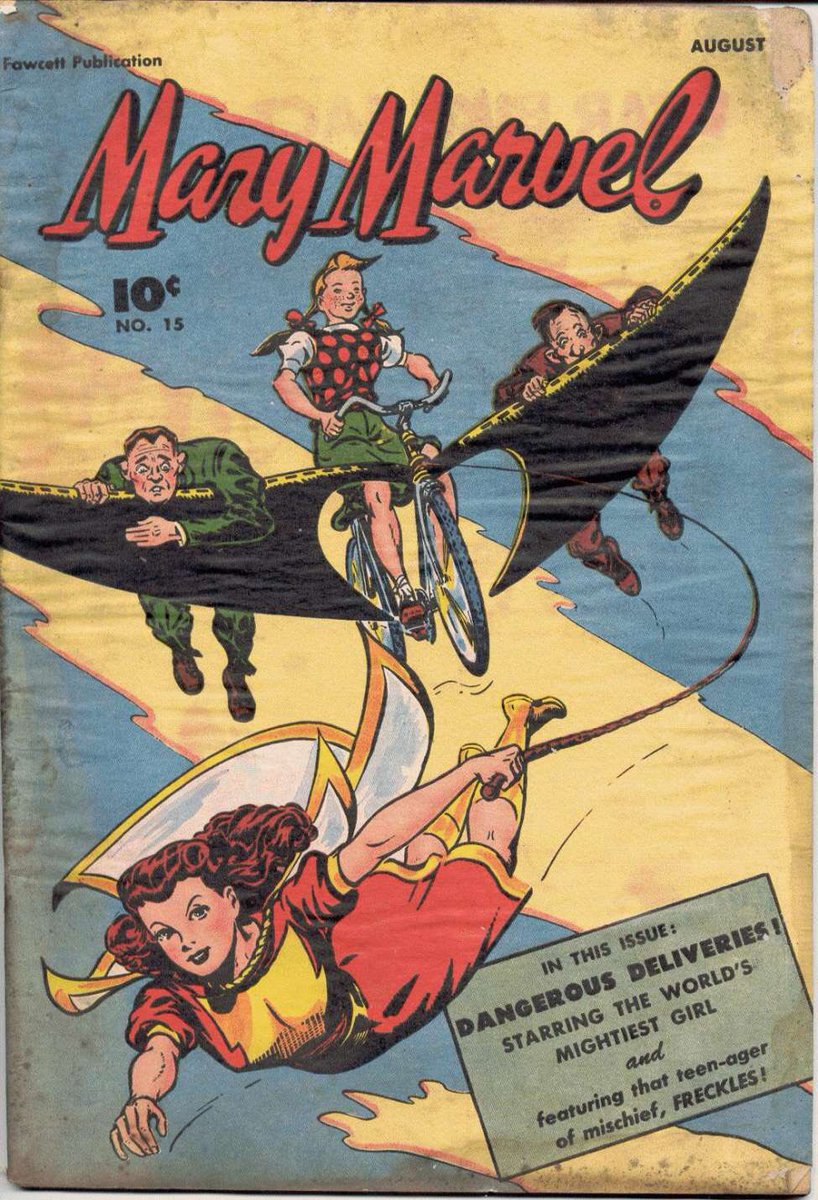
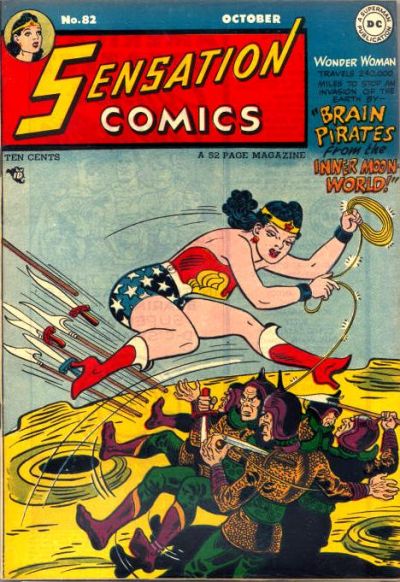
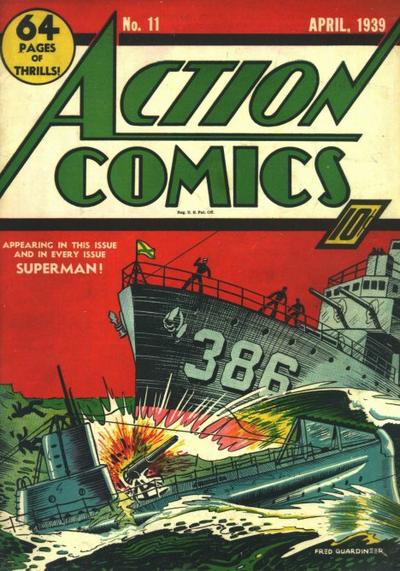
Comic books owe their creation to the popular newspaper comic strips from the Depression era and WWII wartime. Originally, comic strips were gathered and printed on cheap paper. Dick Tracy, Prince Valiant, Terry and the Pirates, Flash Gordon, and other adventure strips would lead to the war comics and hero-centered comics that would morph into superhero comics.
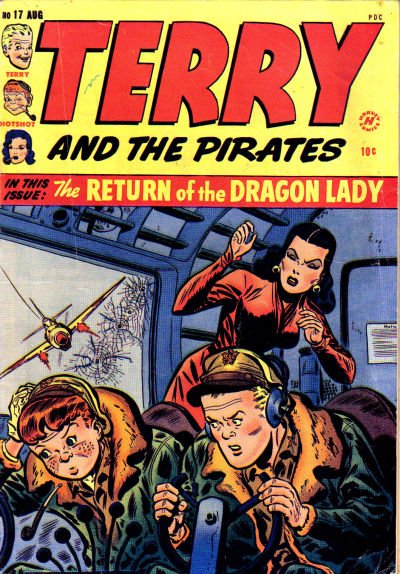
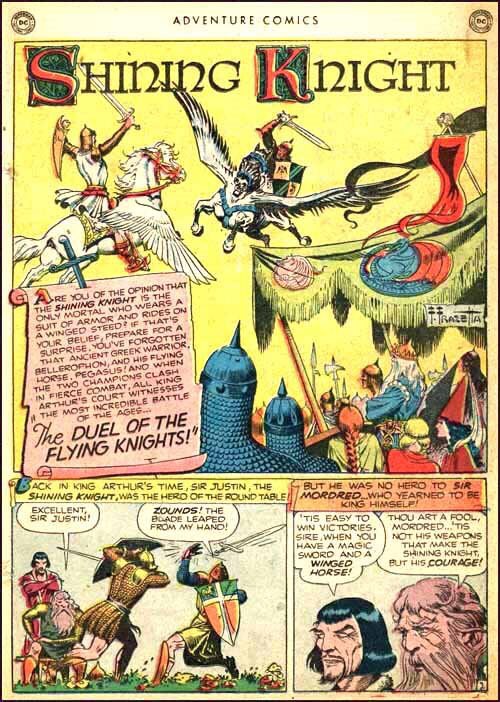
Some of the artwork in Golden Age comics leaves a lot to be desired. Especially original, straight to comic book publications that were produced fast and furiously by publishers who would open one week, produce three issues. and go out of business three weeks later. But in the mad scramble, some truly great artists formed the start of their illustrious careers, Will Eisner, Hal Foster, Milt Caniff, and Bill Elder learned to master their craft in the newspaper strips, and all later created comic books and graphic novels. True geniuses like Jack “King” Kirby and Bob Kane and Jack Davis grew directly from comic book studio madhouses into comic-book-artist immortality.
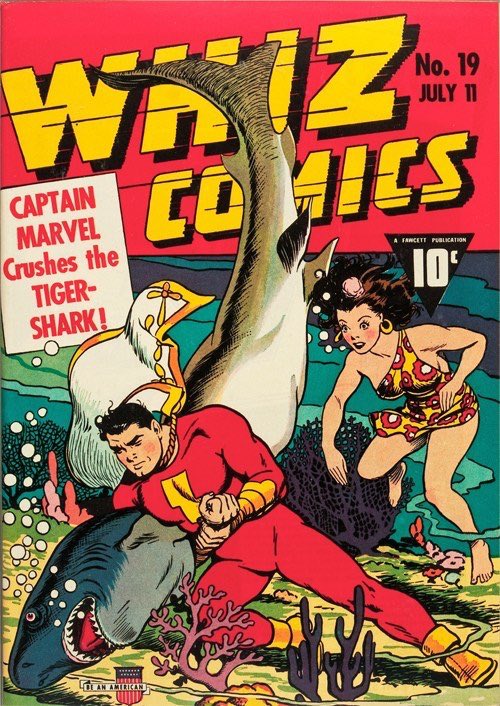
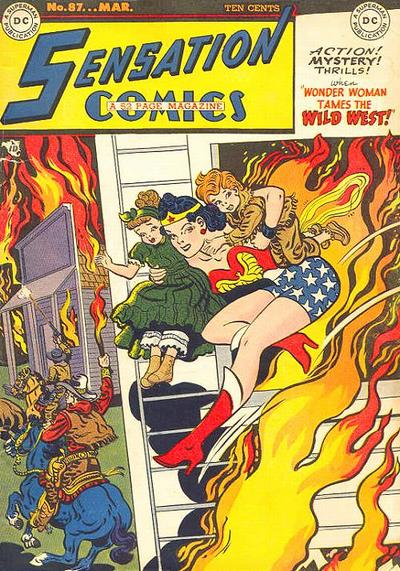
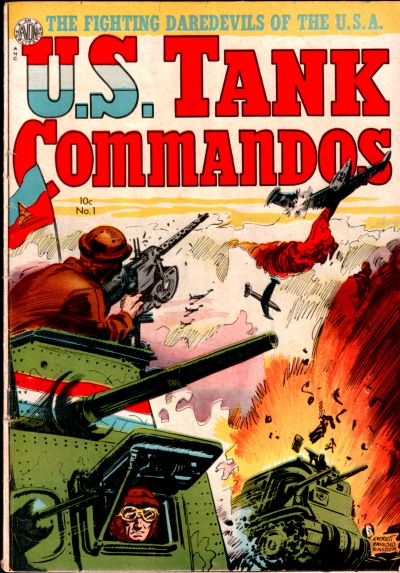
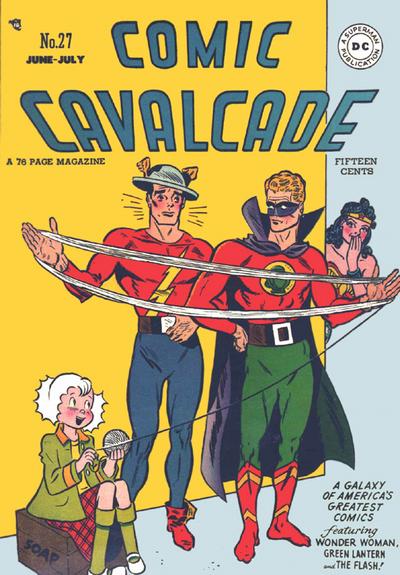
As with most things that have a Golden Age, the truth was that later comic book eras were superior in most ways. But this Golden Age was the foundational age for an American art-form that I truly love. So, flaws and warts are overlooked. And some of these old ten cent books on super-cheap paper are worth huge amounts of money if you still have a rare one in mint condition. Ah, there’s the rub for a manic old collector guy like me.
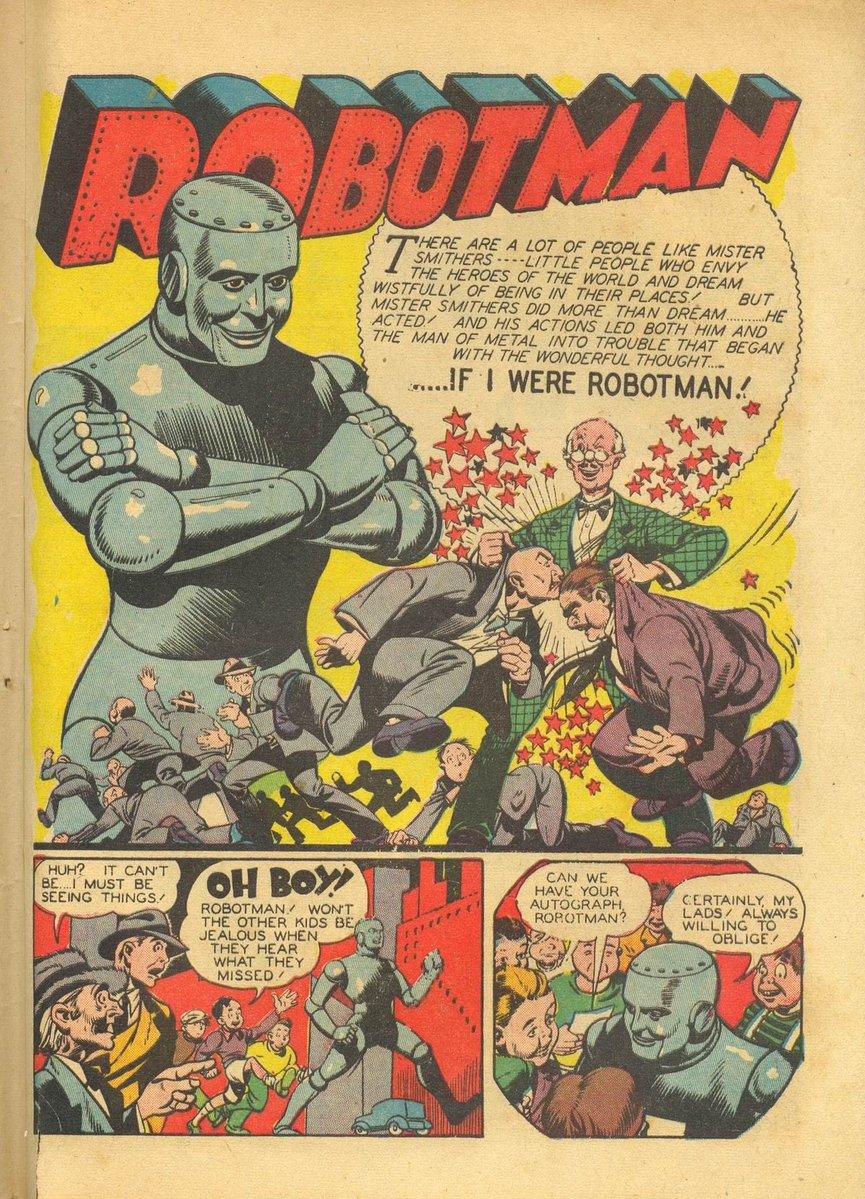
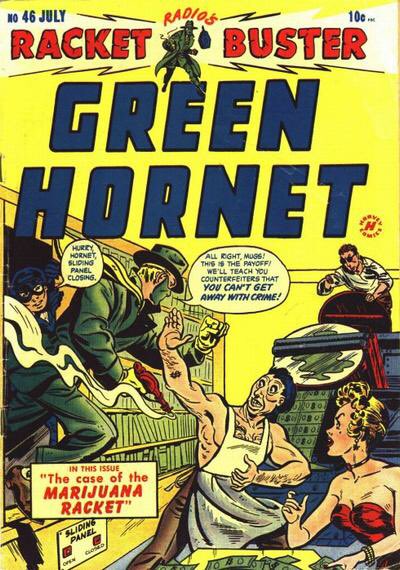
Most of the Golden Age comic book images used for this post were borrowed from the ComicsintheGoldenAge Twitter page @ComicsintheGA. If you love old comics like I do, you should definitely check it out.
Filed under artists I admire, artwork, comic book heroes, comic strips
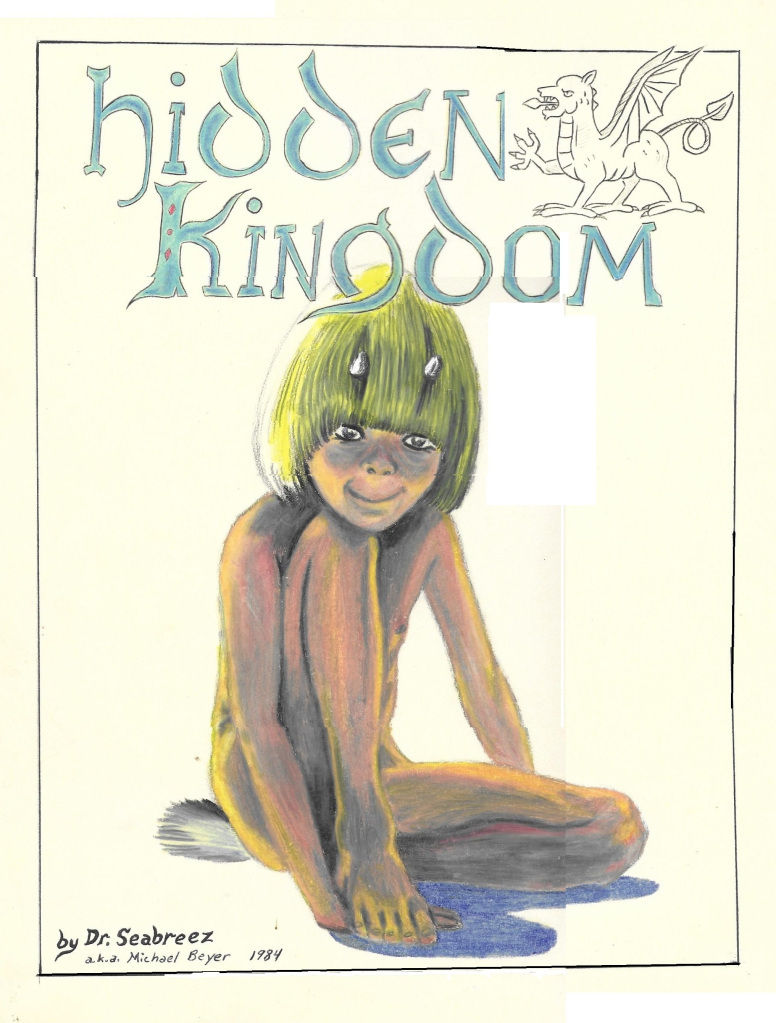
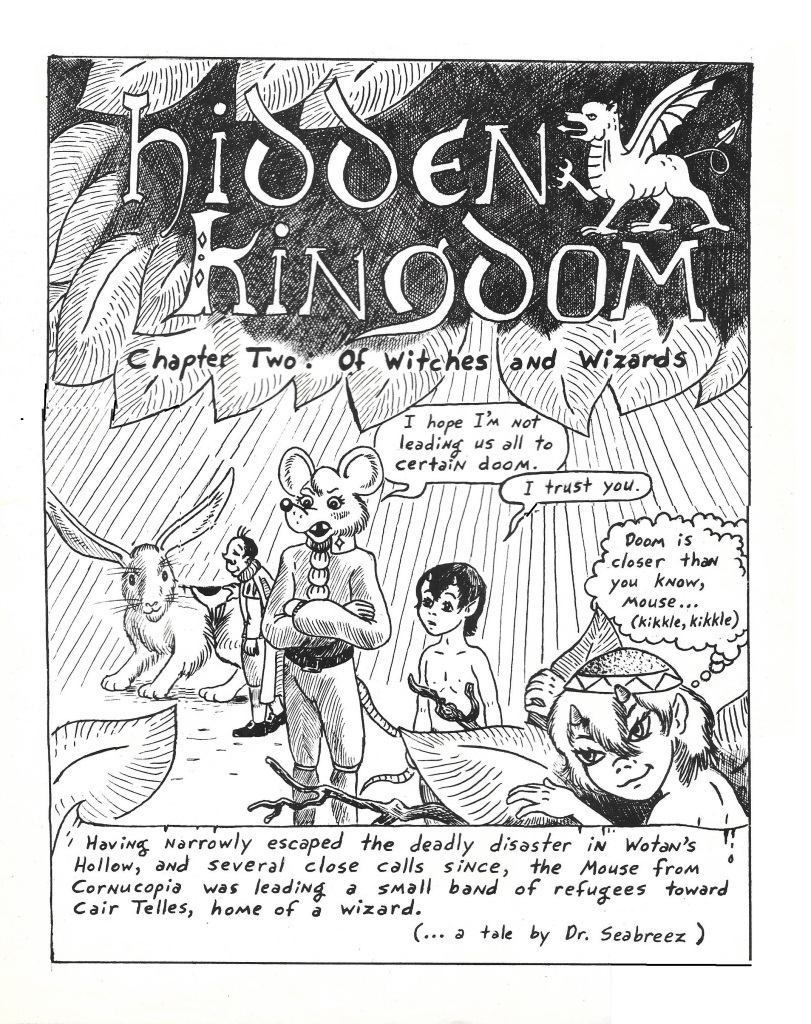
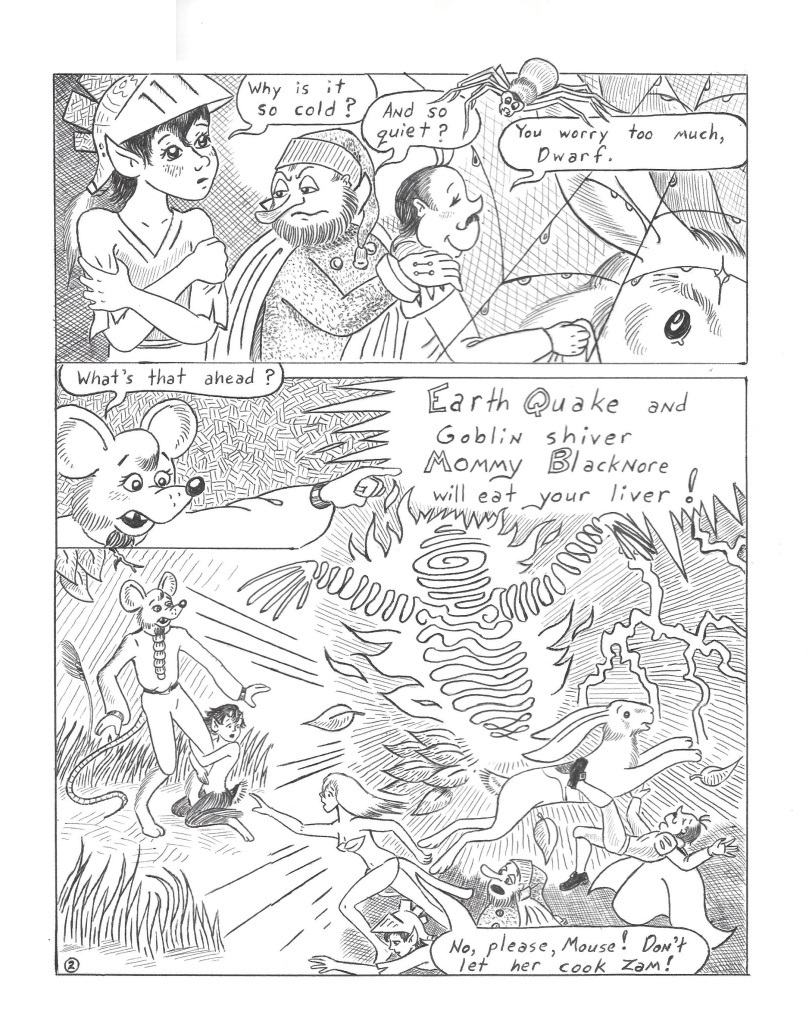
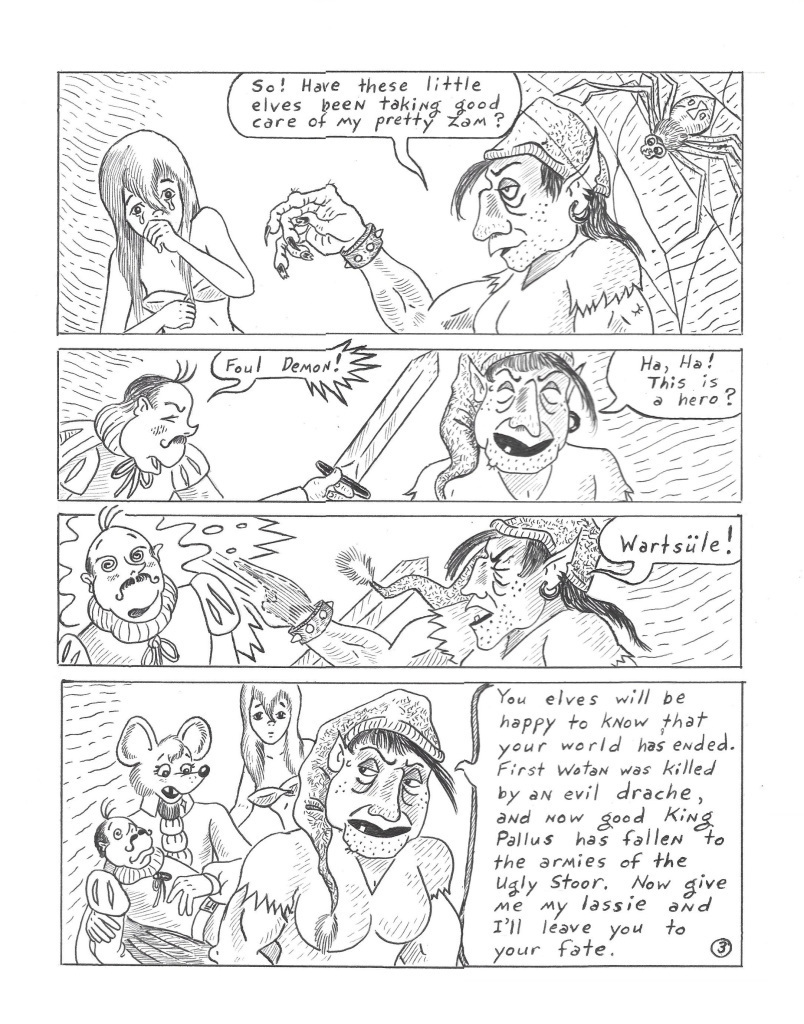
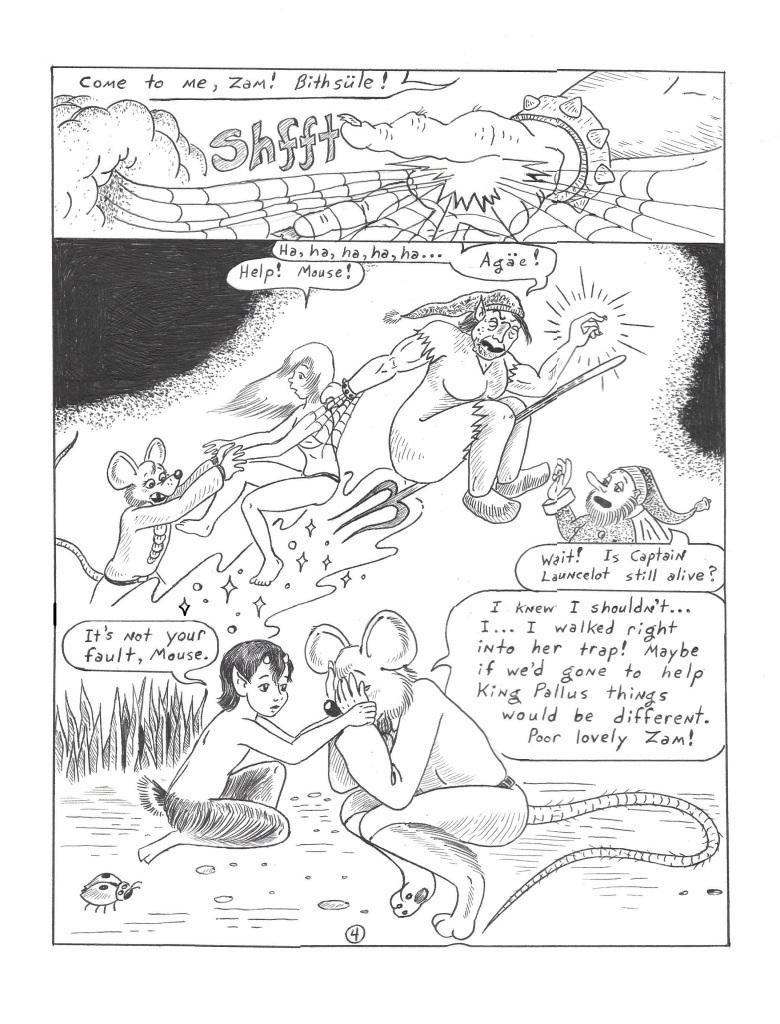
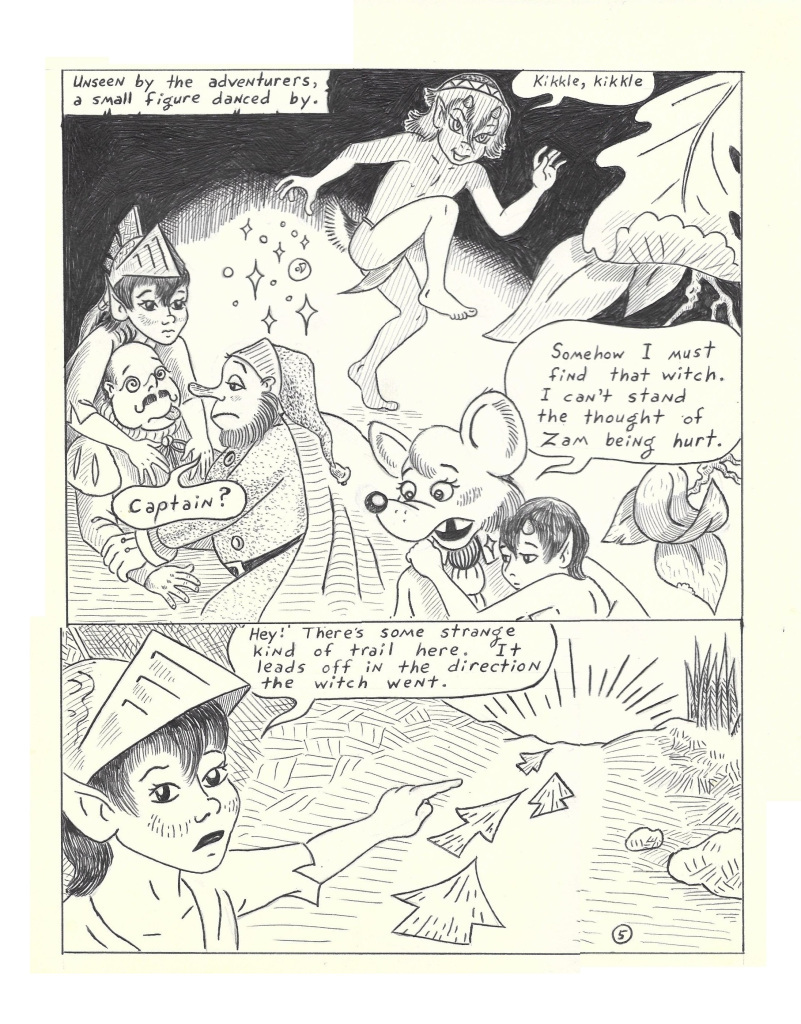
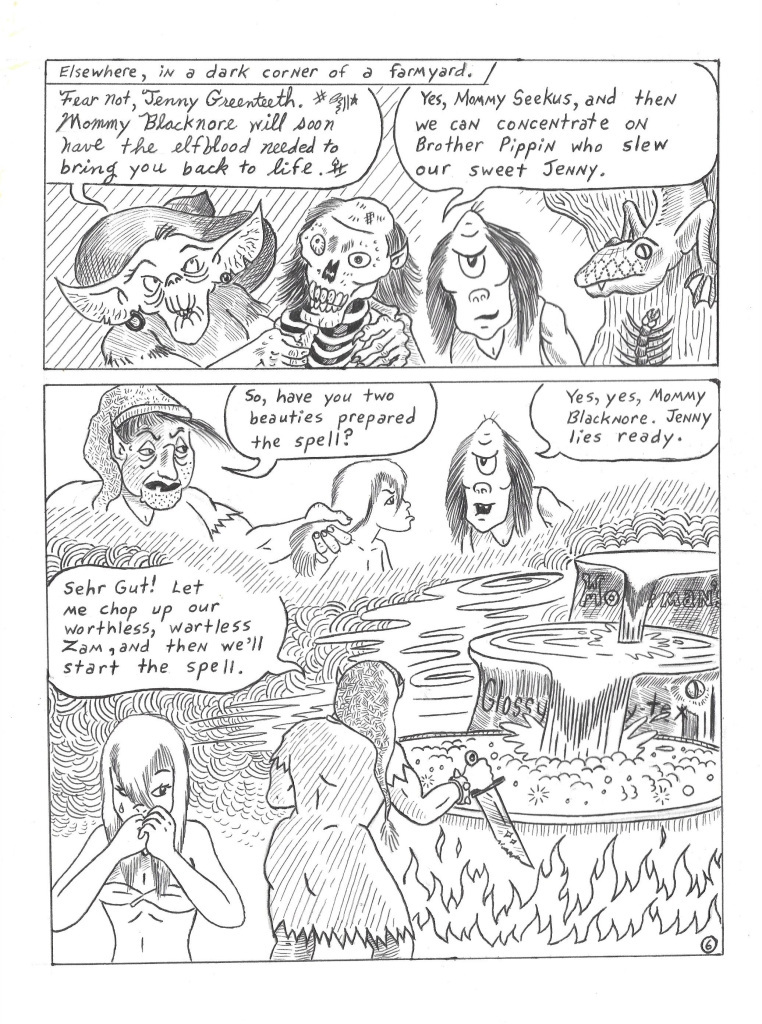
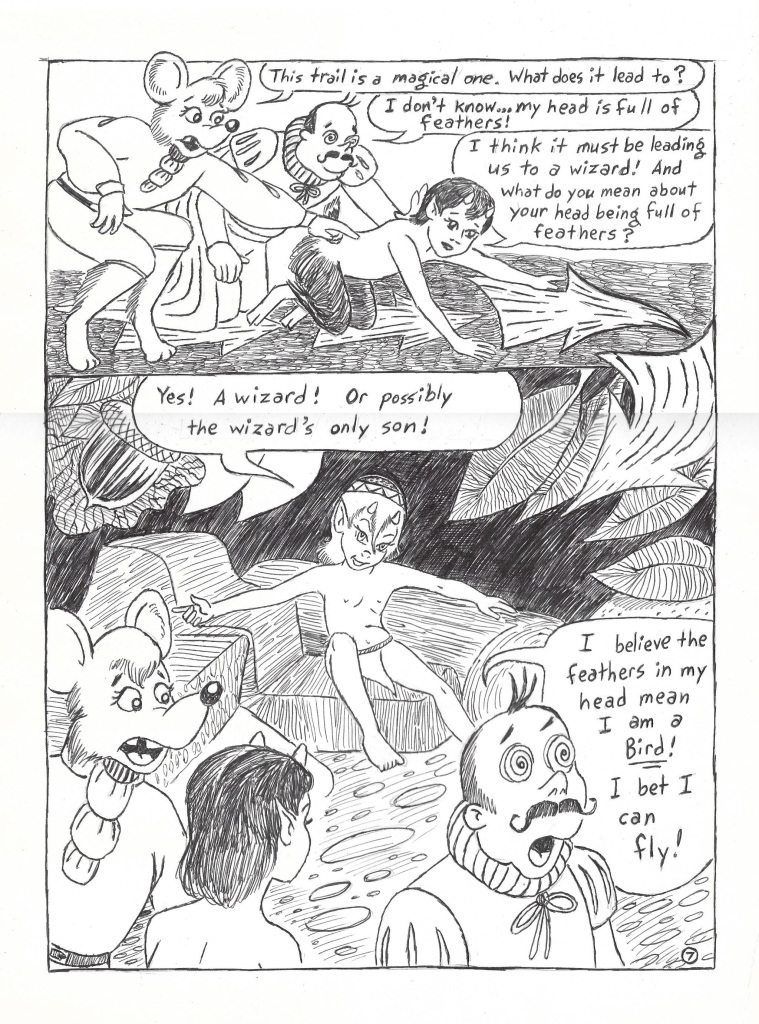
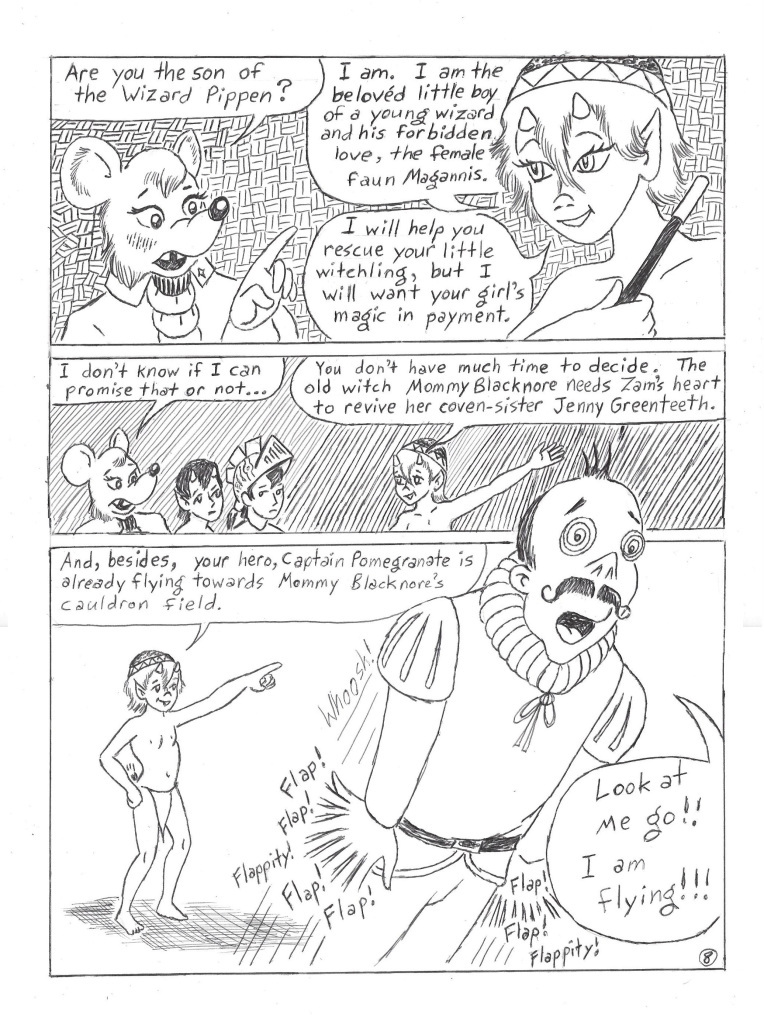
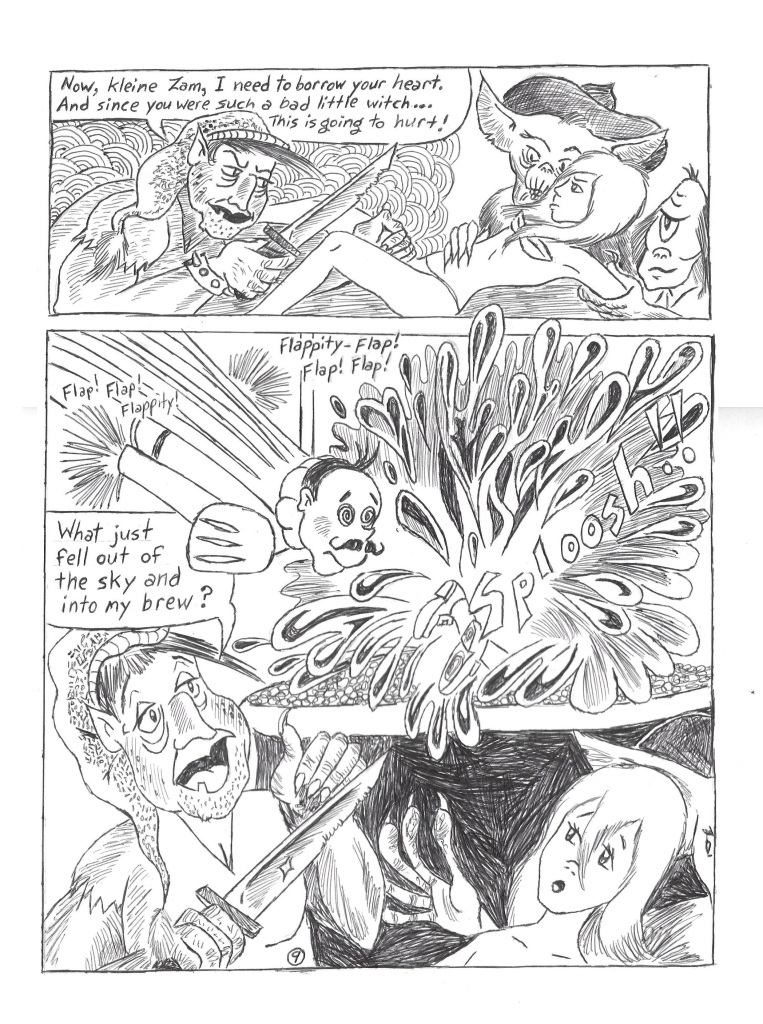
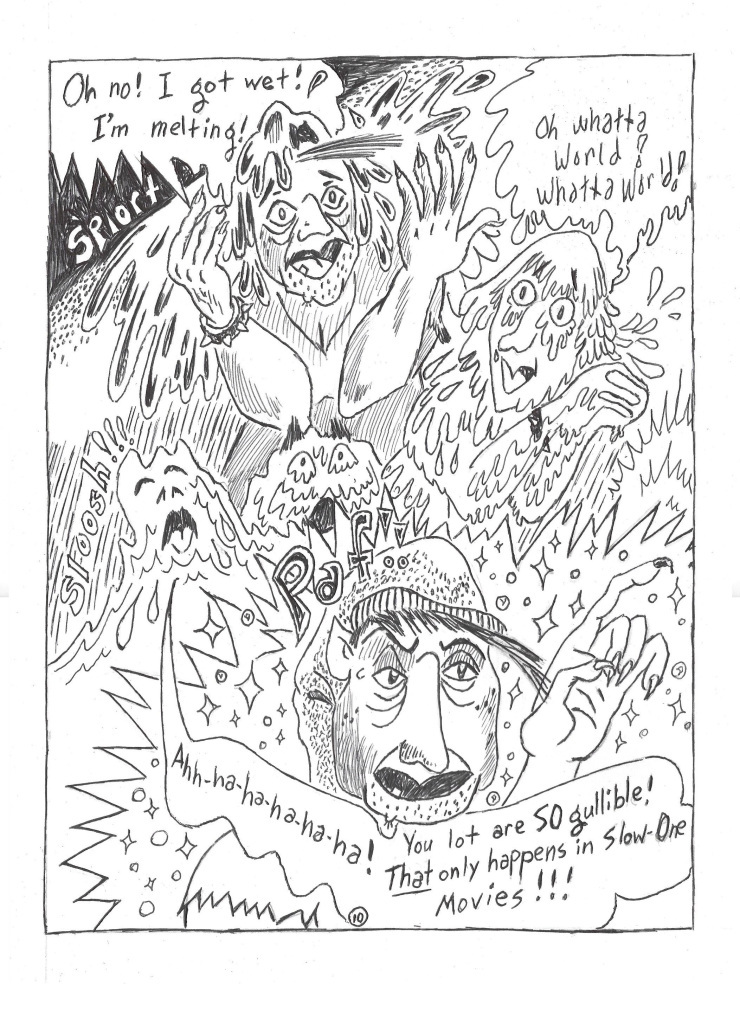
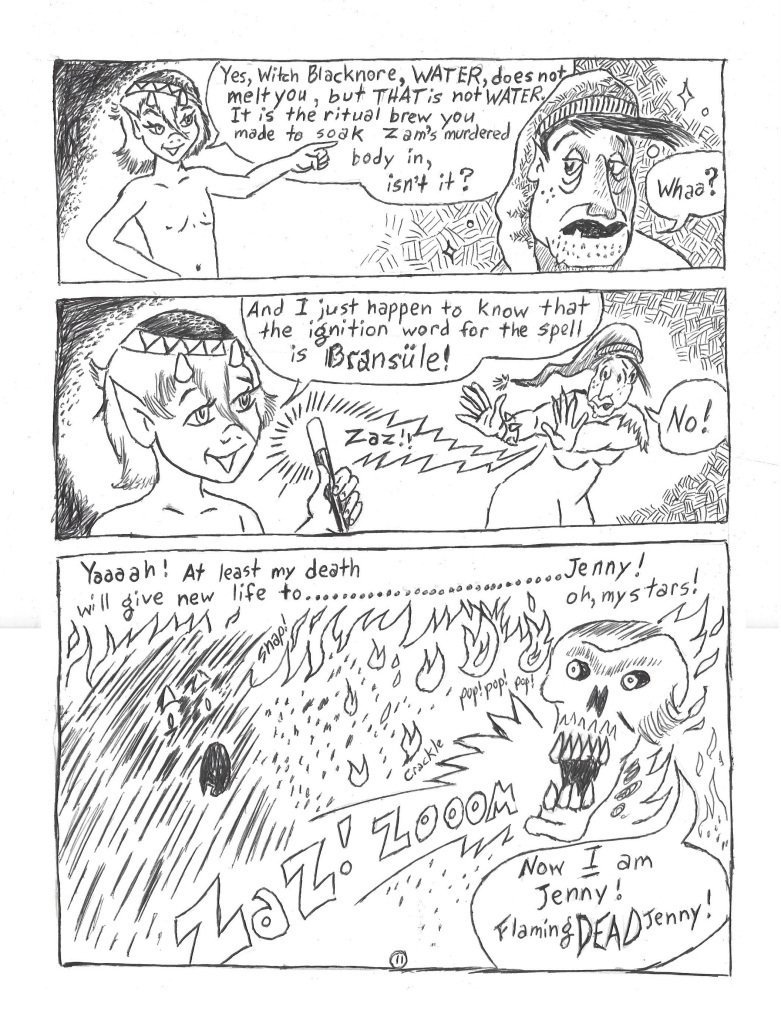
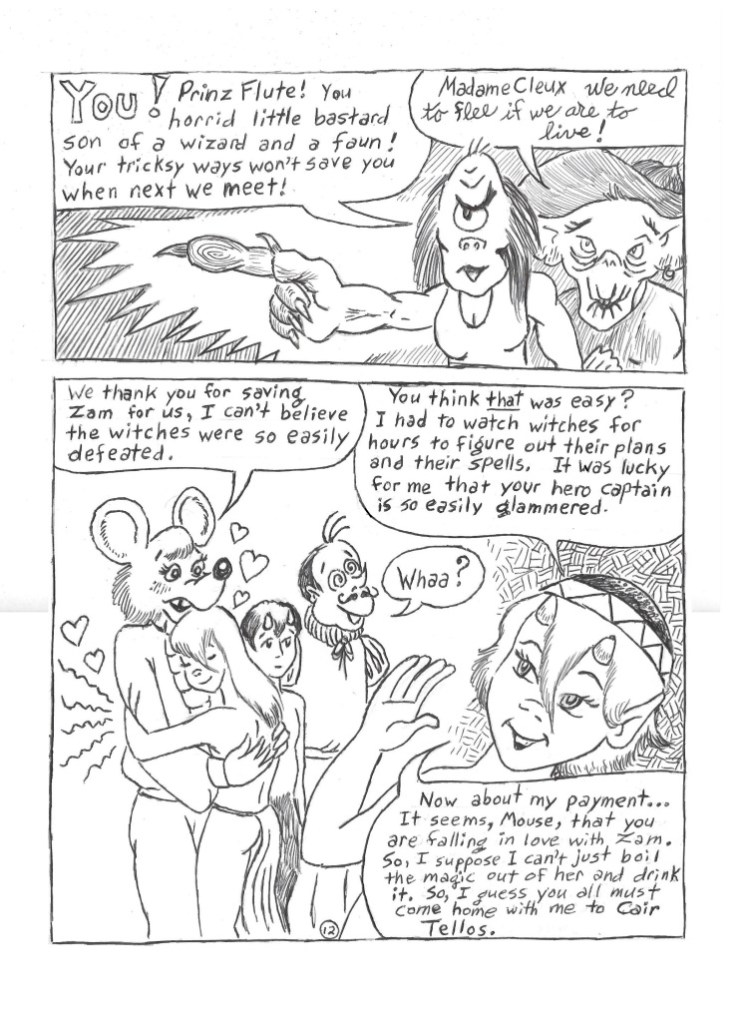
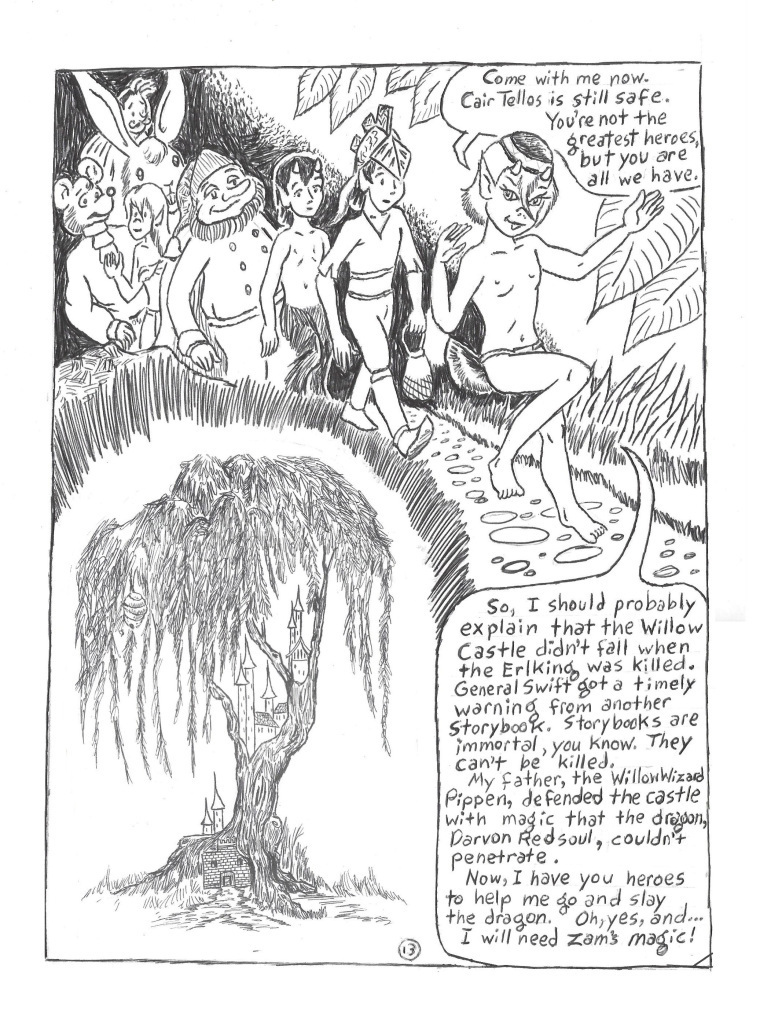
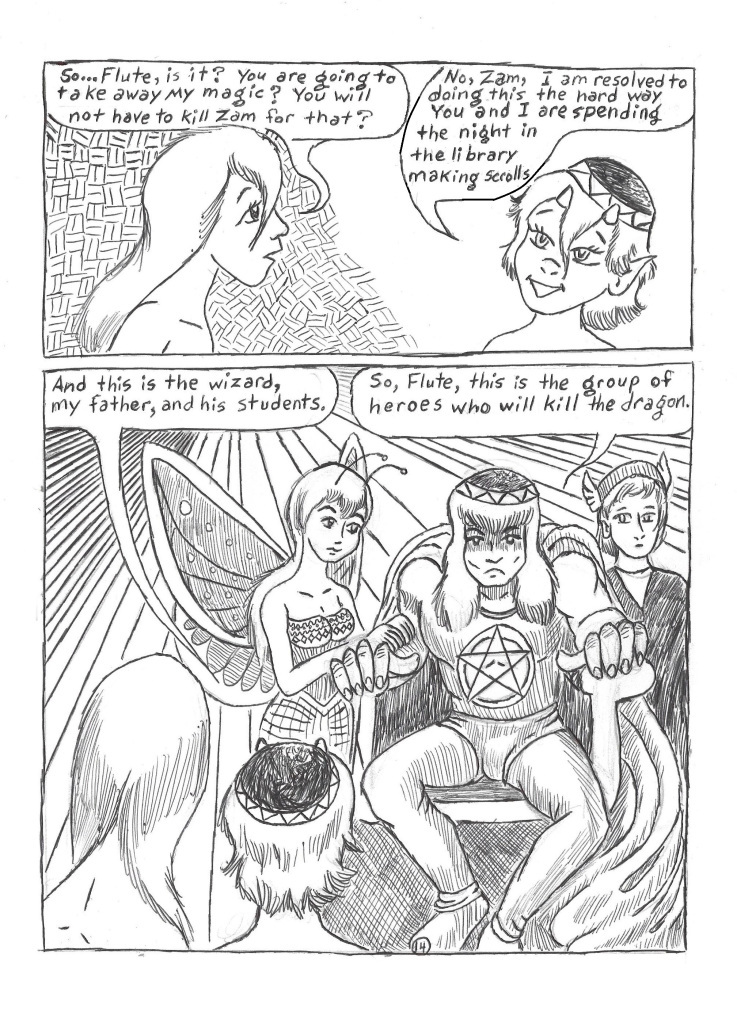
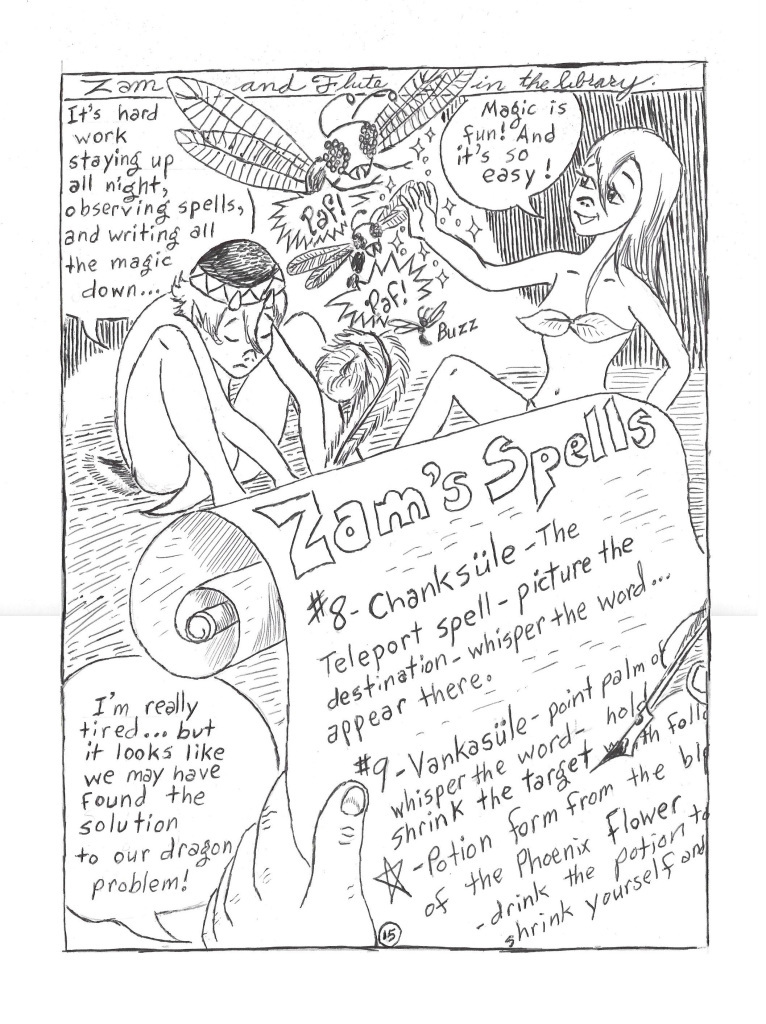
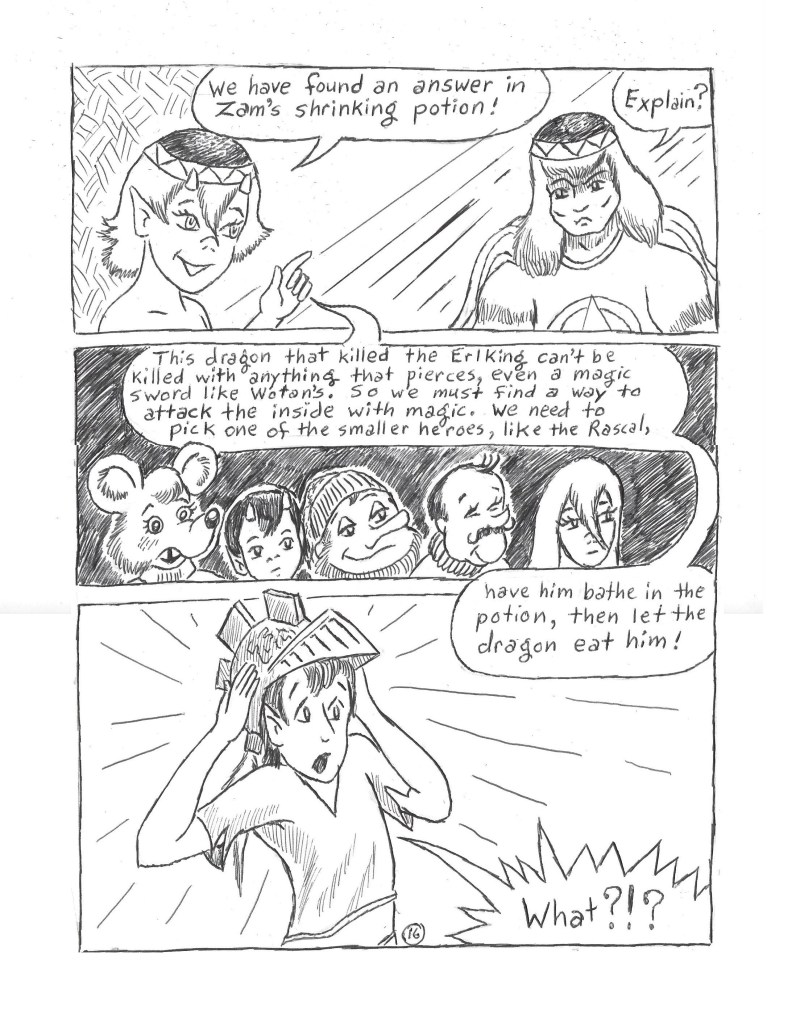
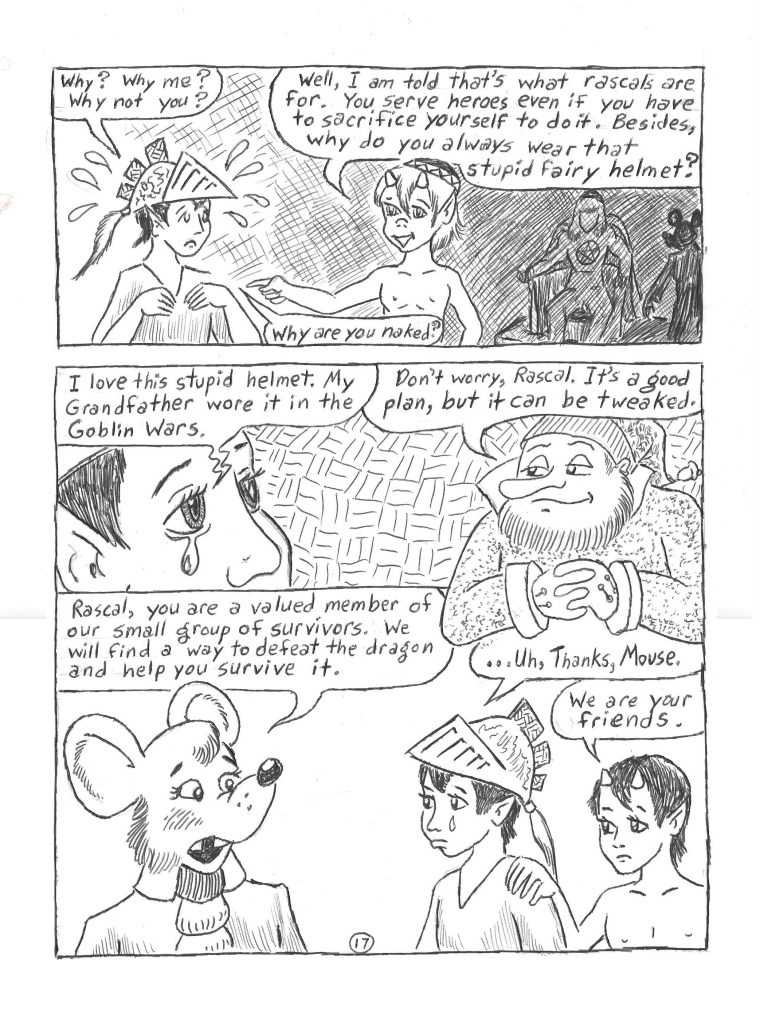
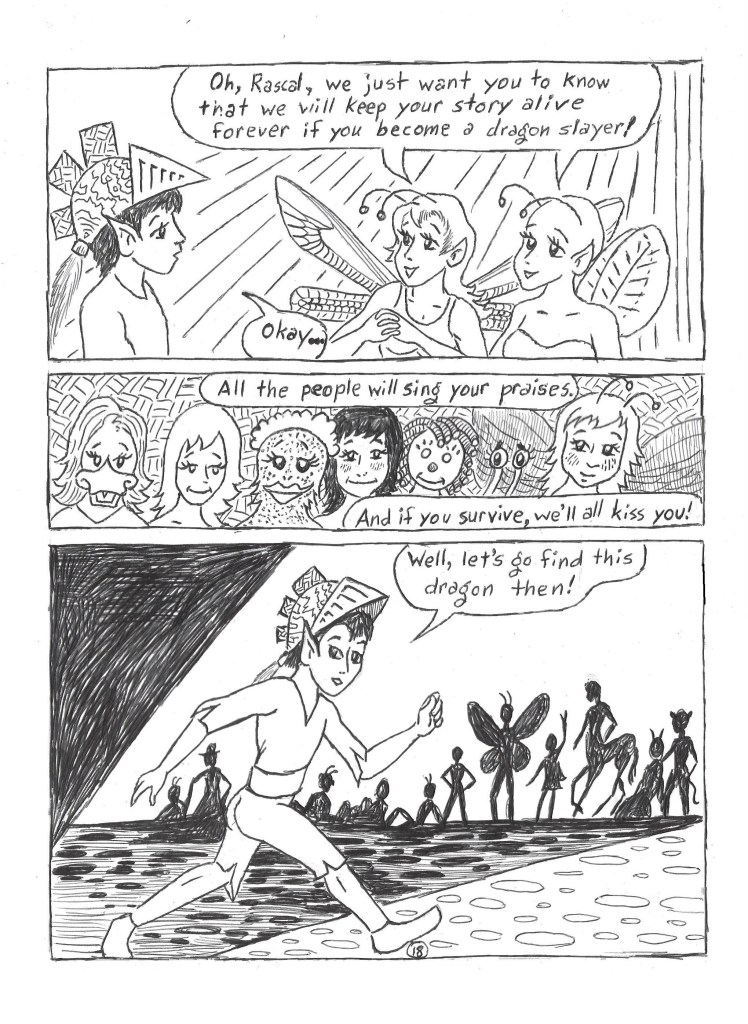
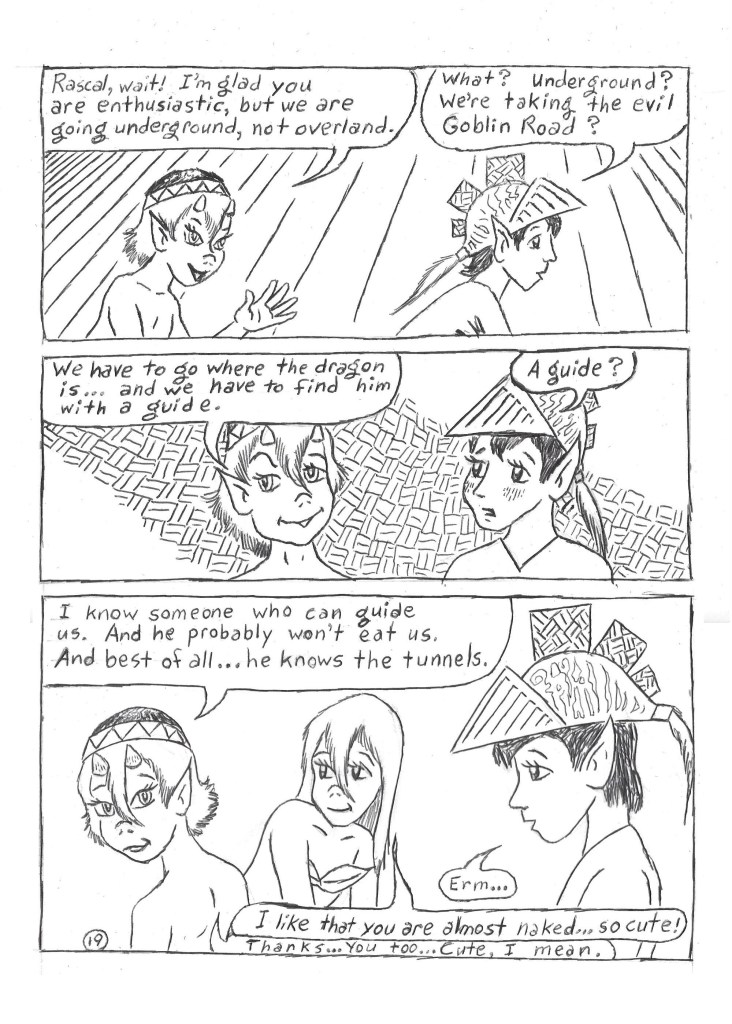
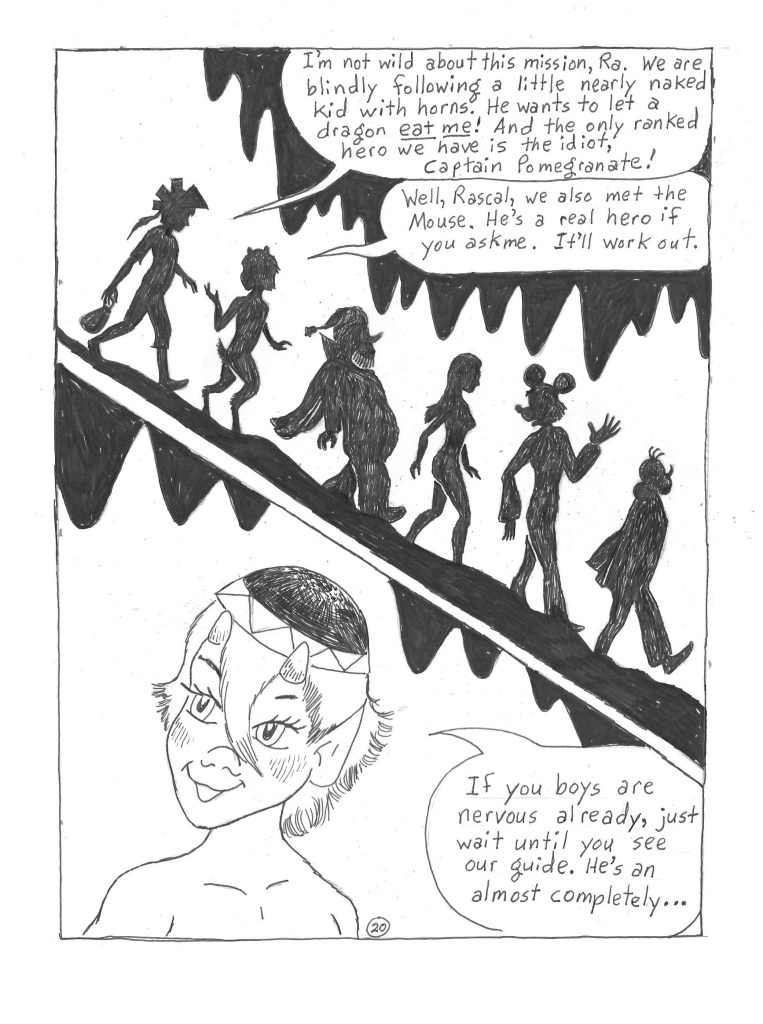
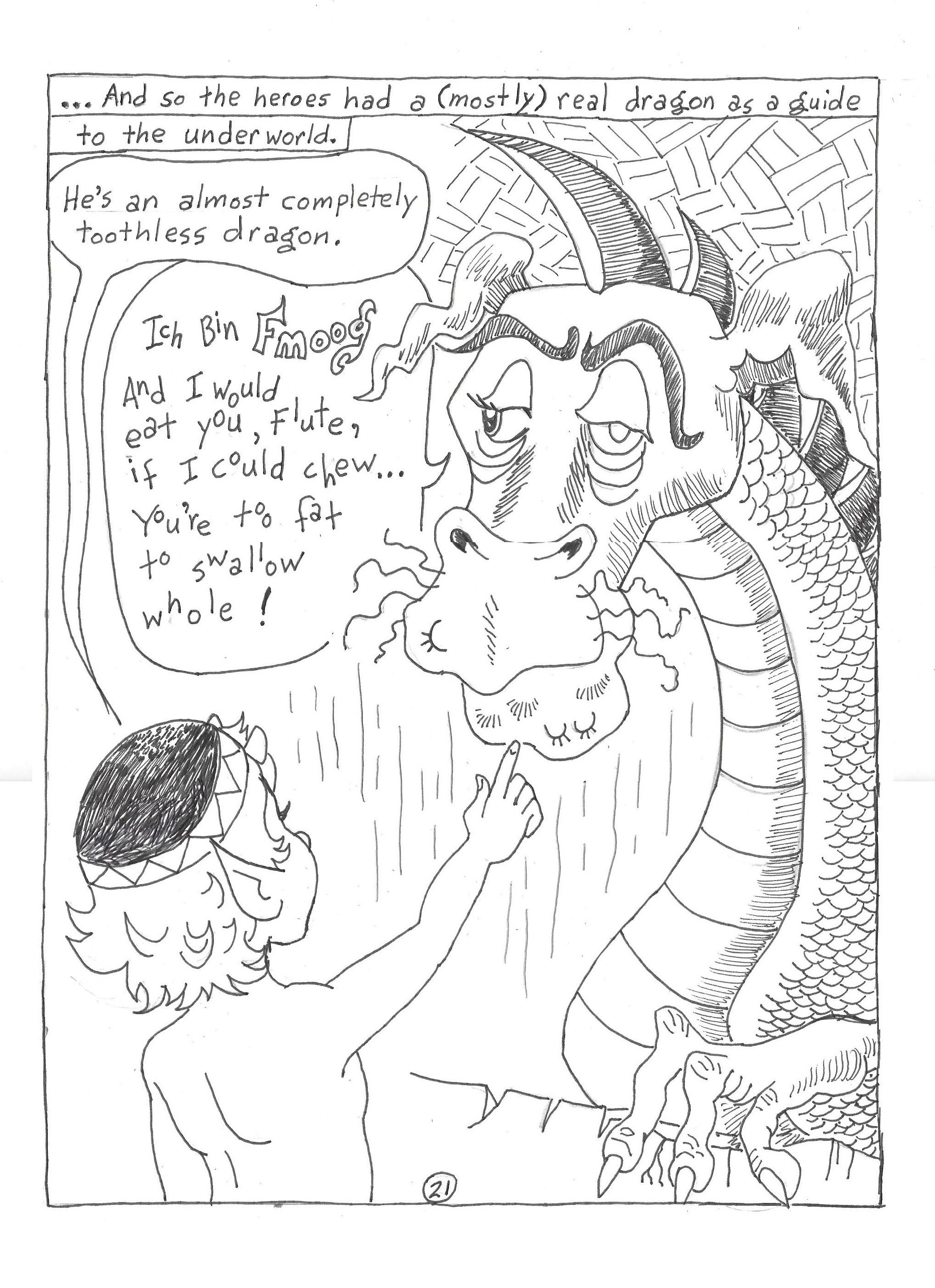
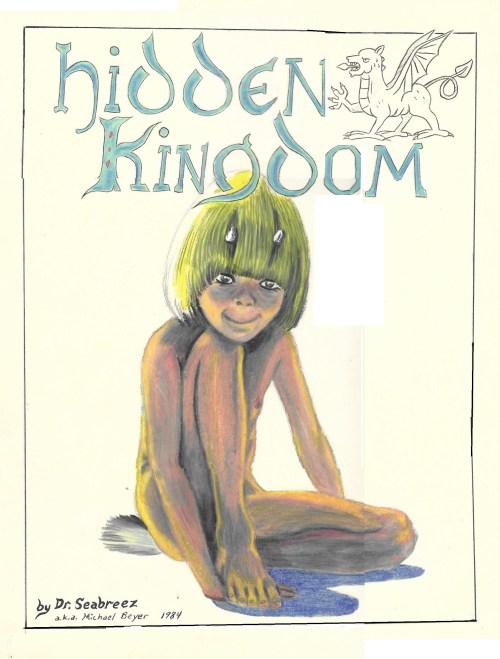
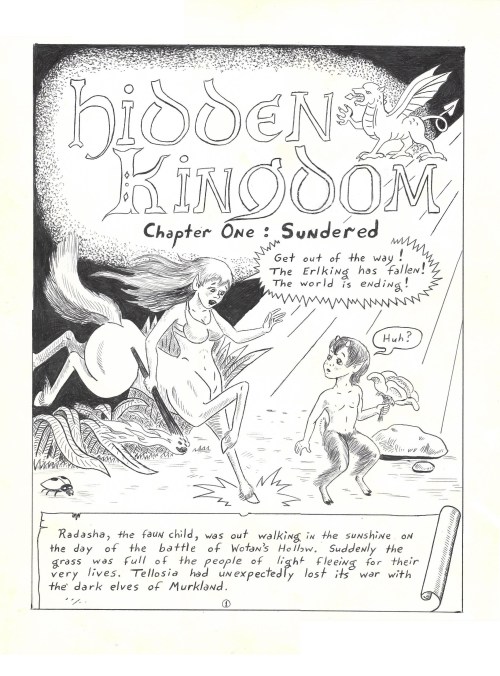
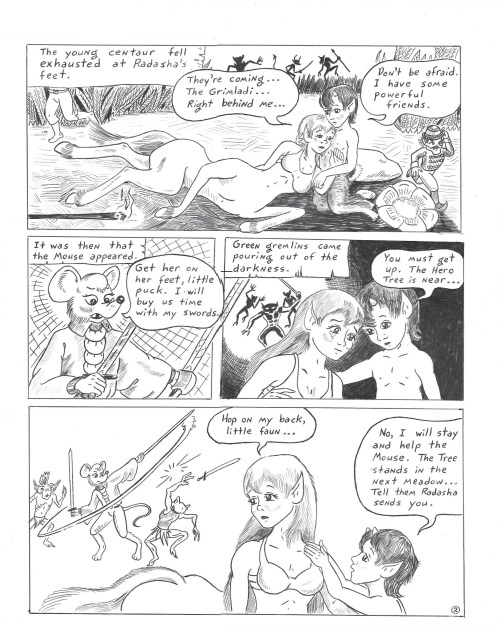
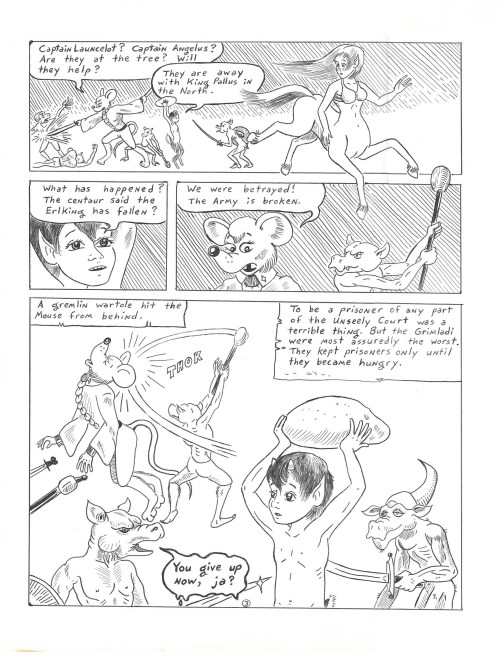
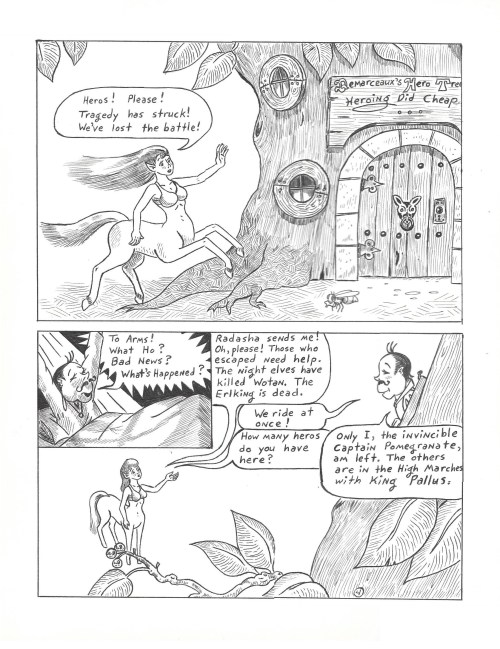
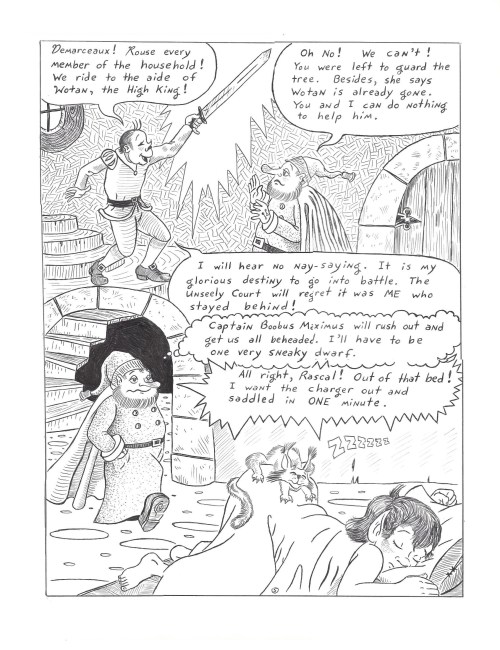
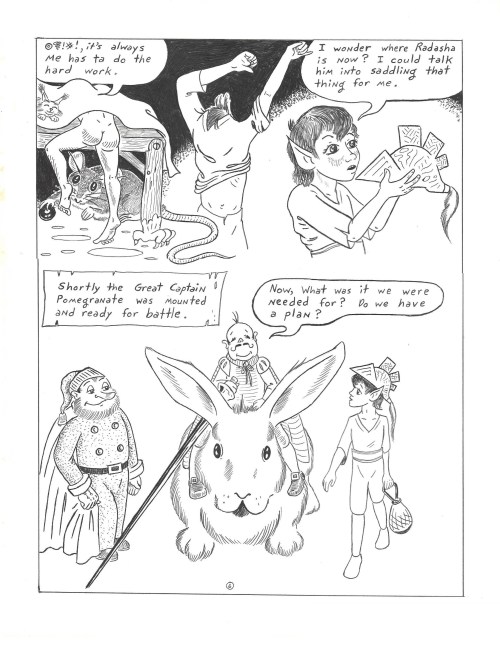
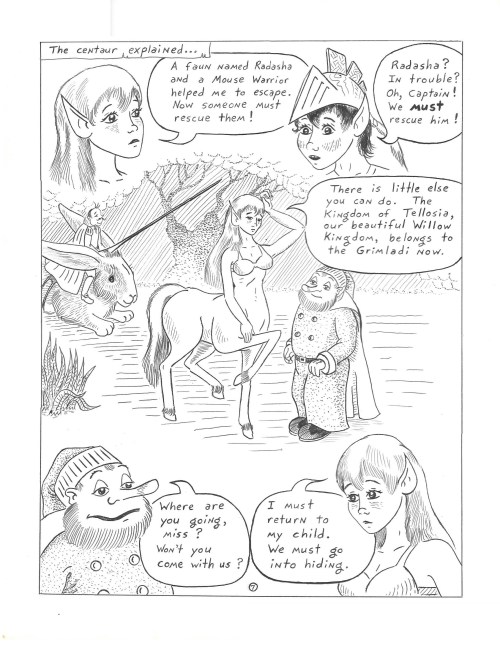
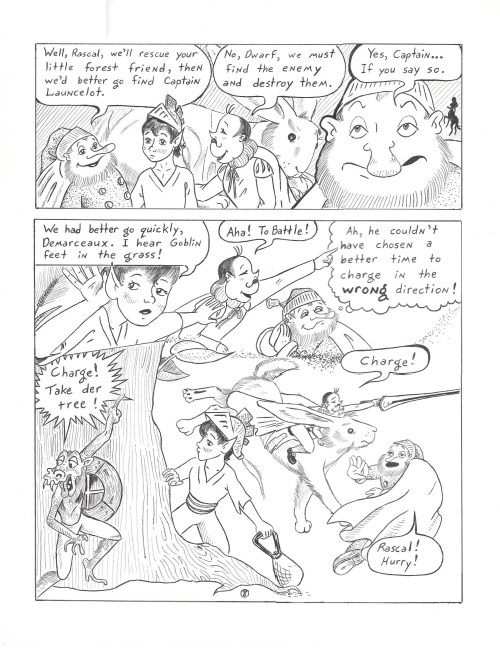
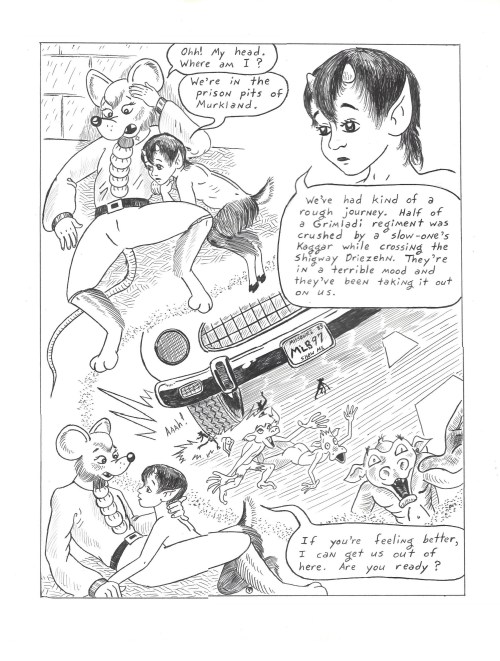
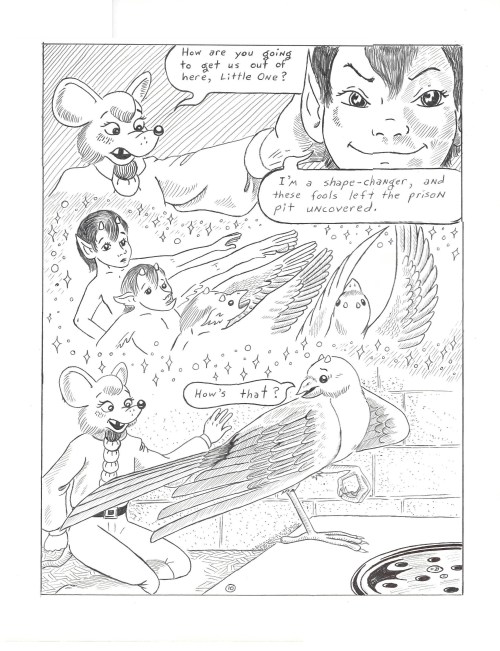
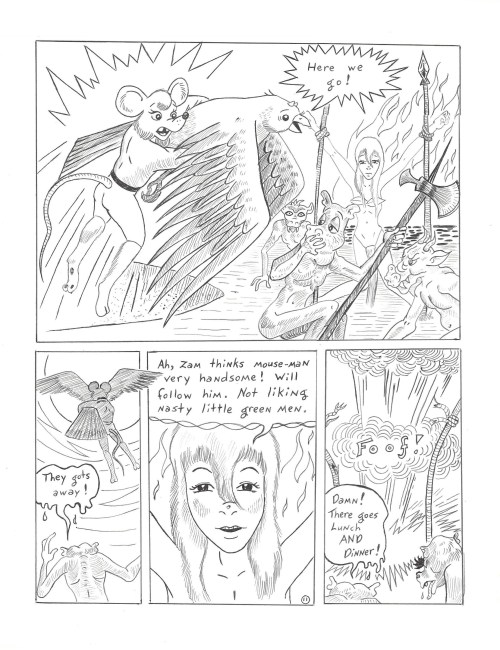
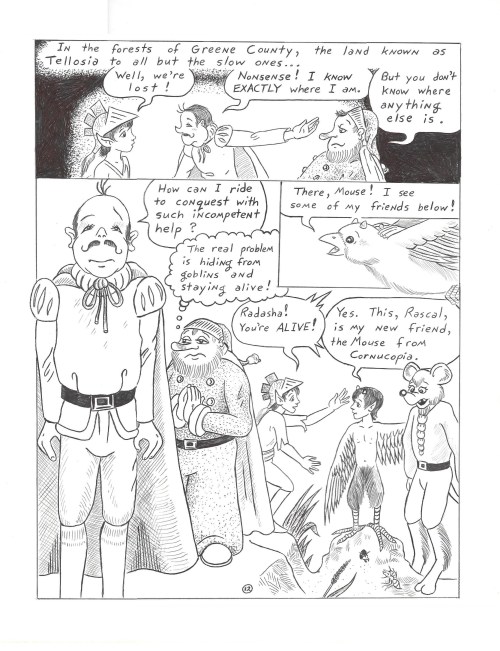
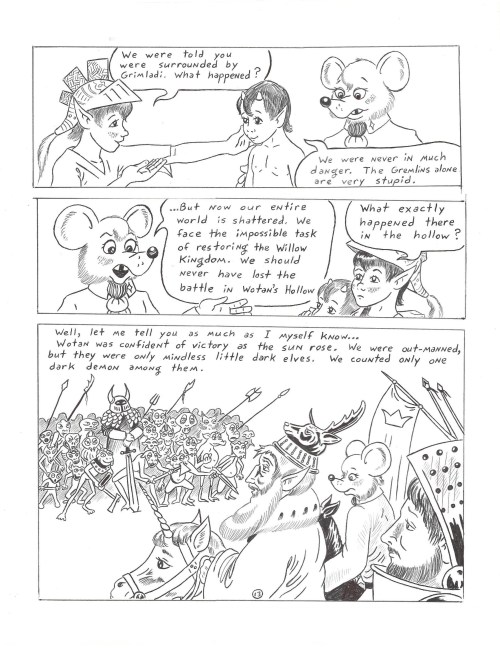
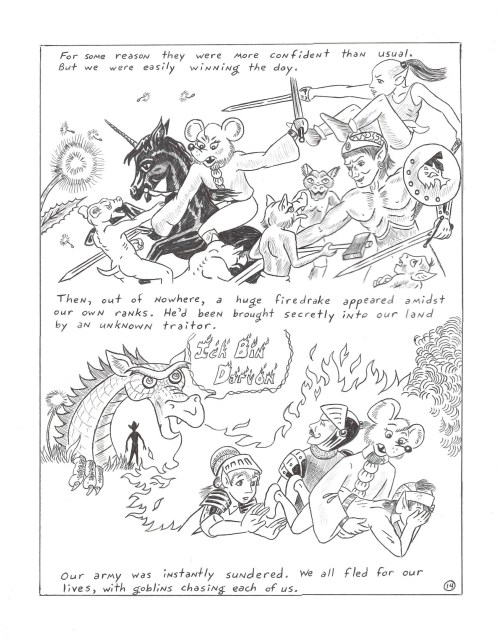
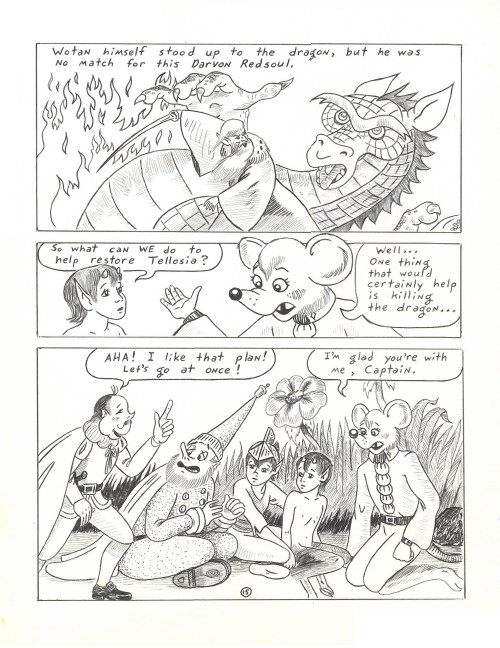
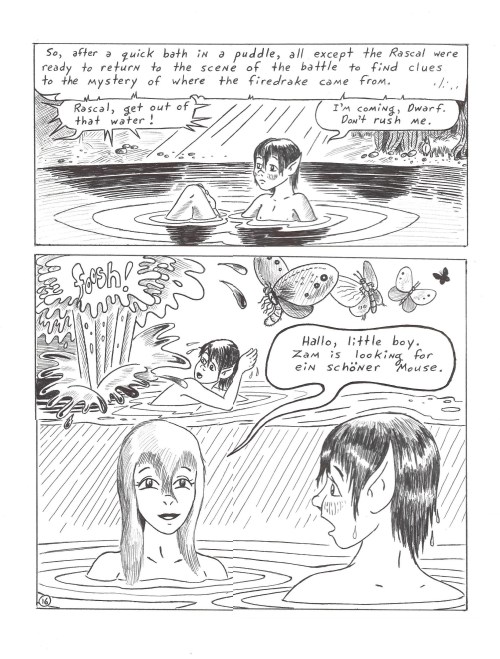
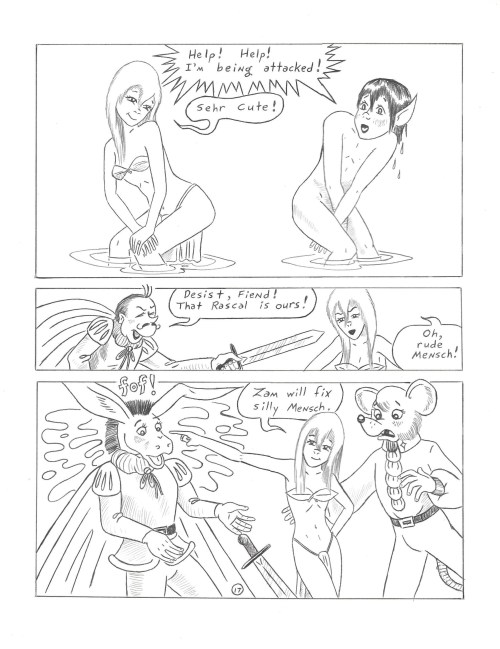
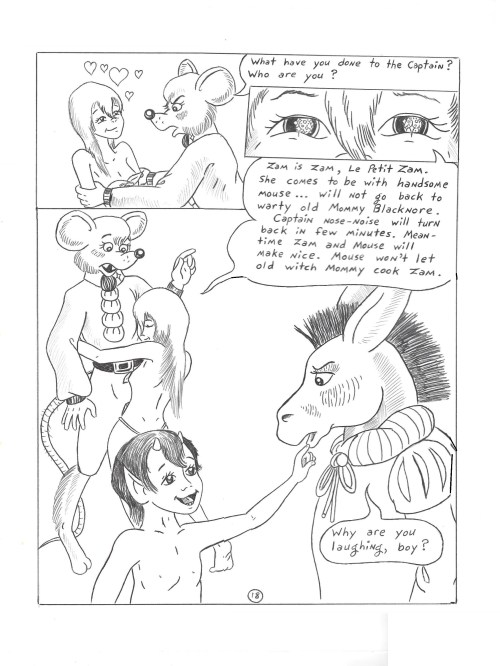
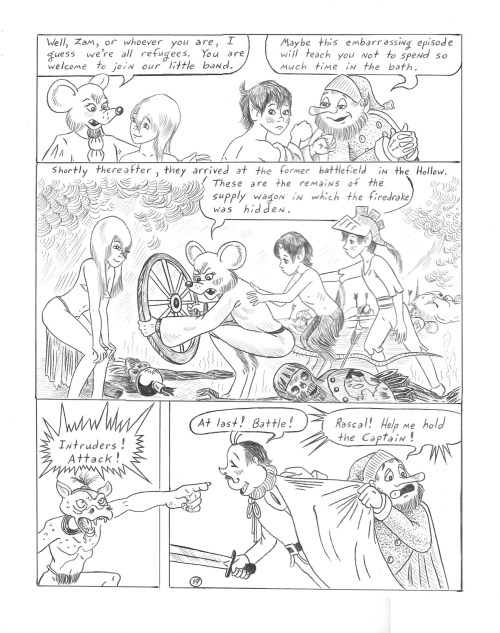
Here is the link to the complete Chapter 1https://catchafallingstarbook.net/2018/11/24/hidden-kingdom-chapter-1-complete/
Filed under comic strips, fairies, Hidden Kingdom, humor, Paffooney
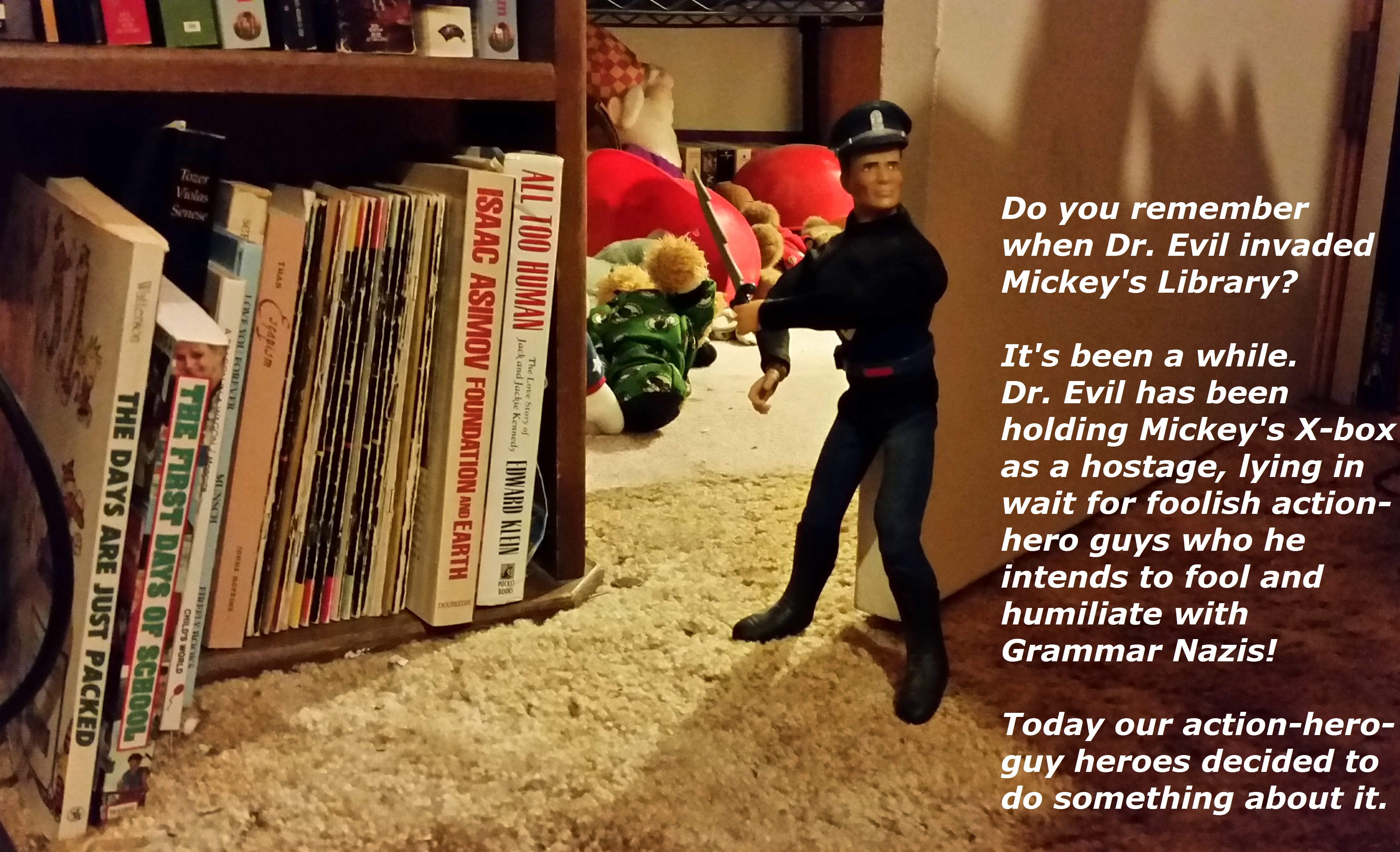
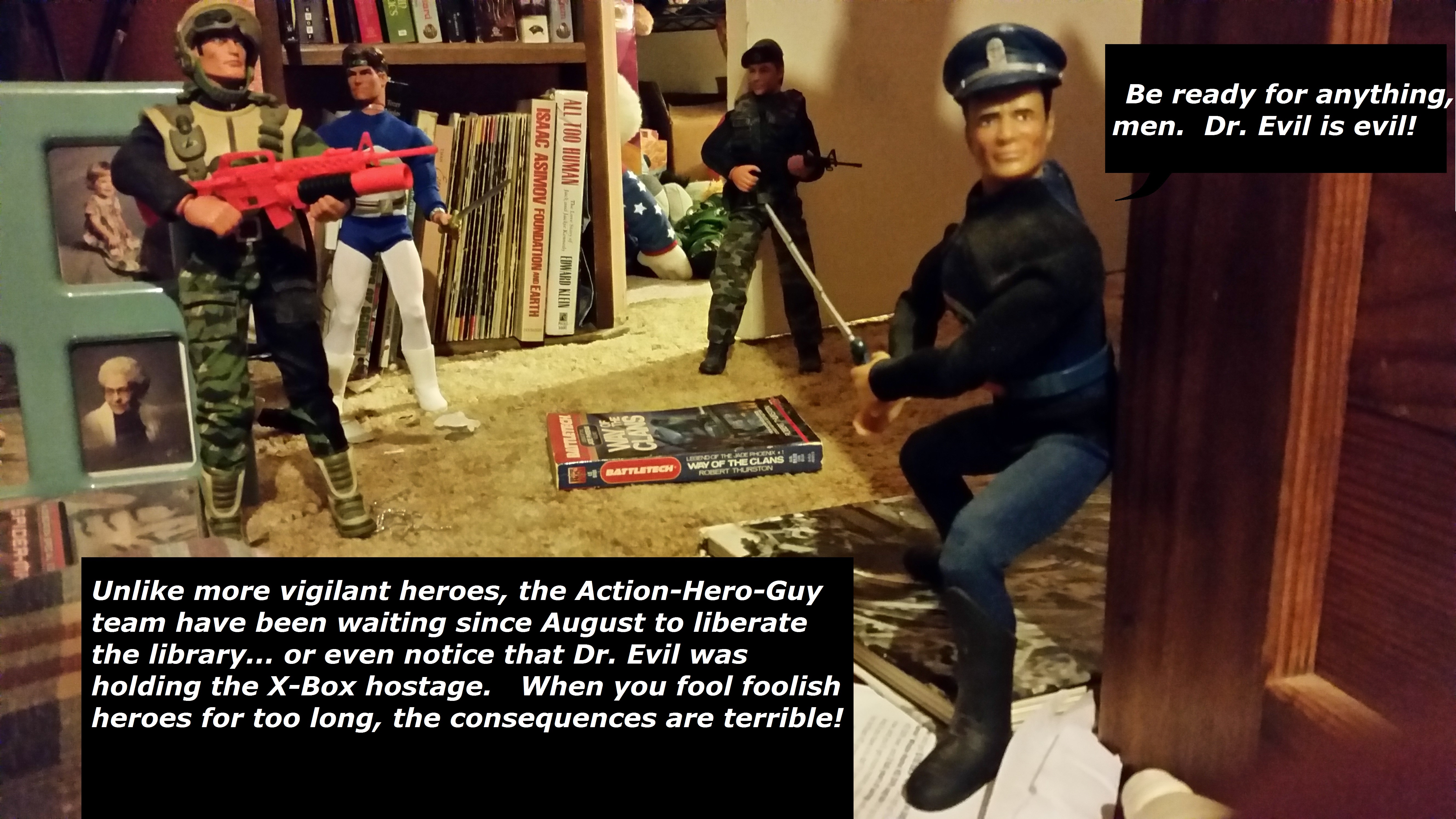
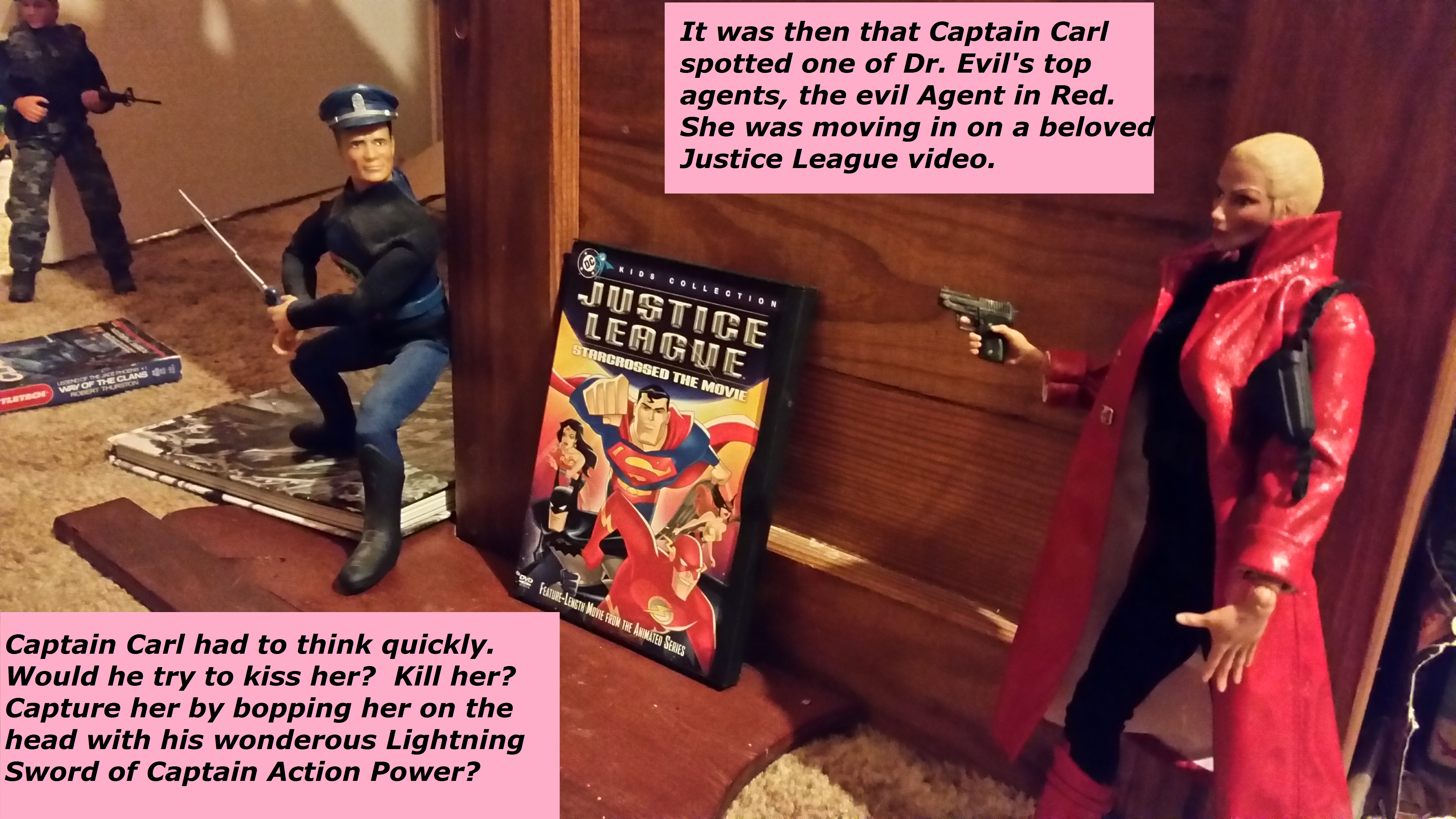
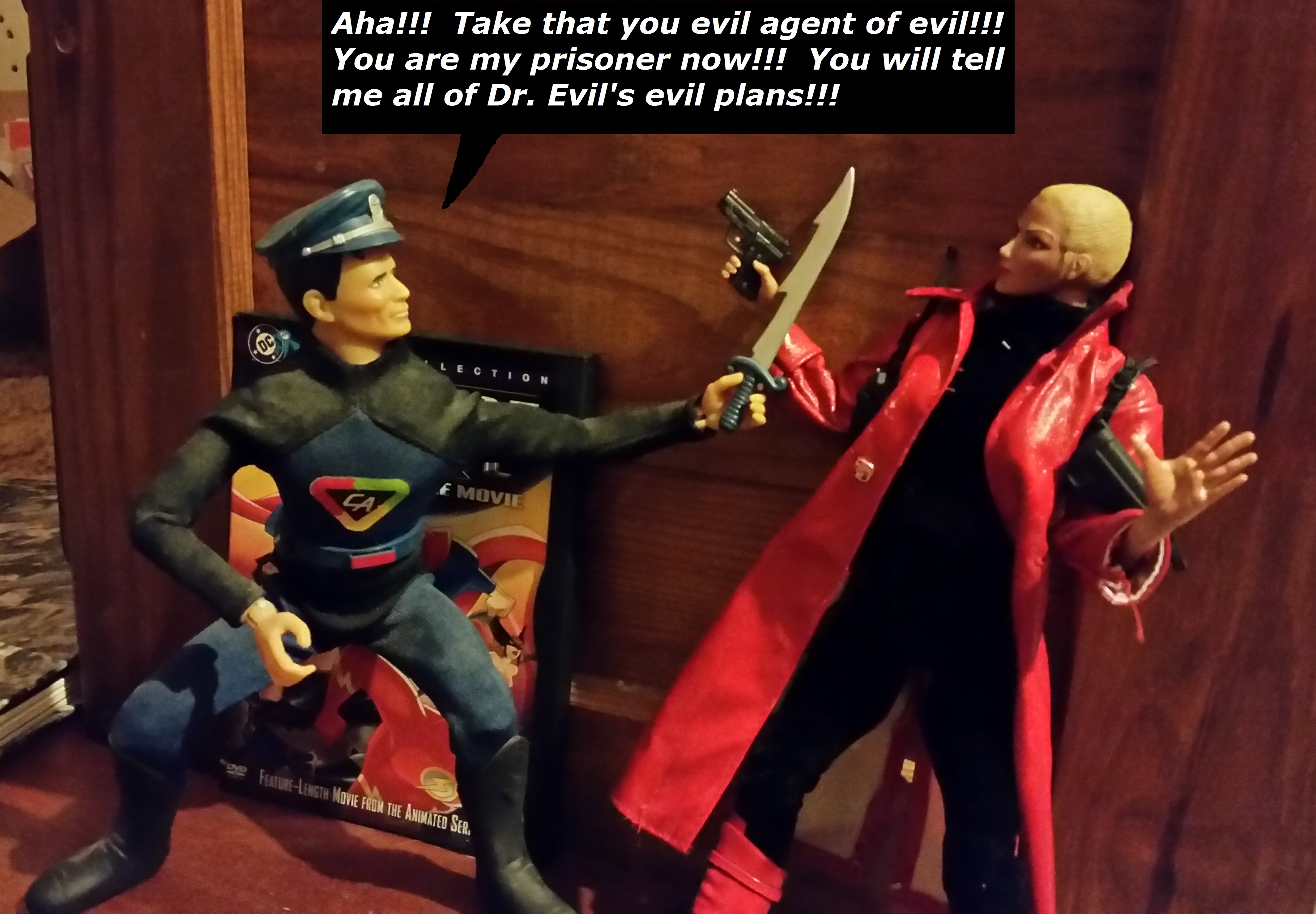
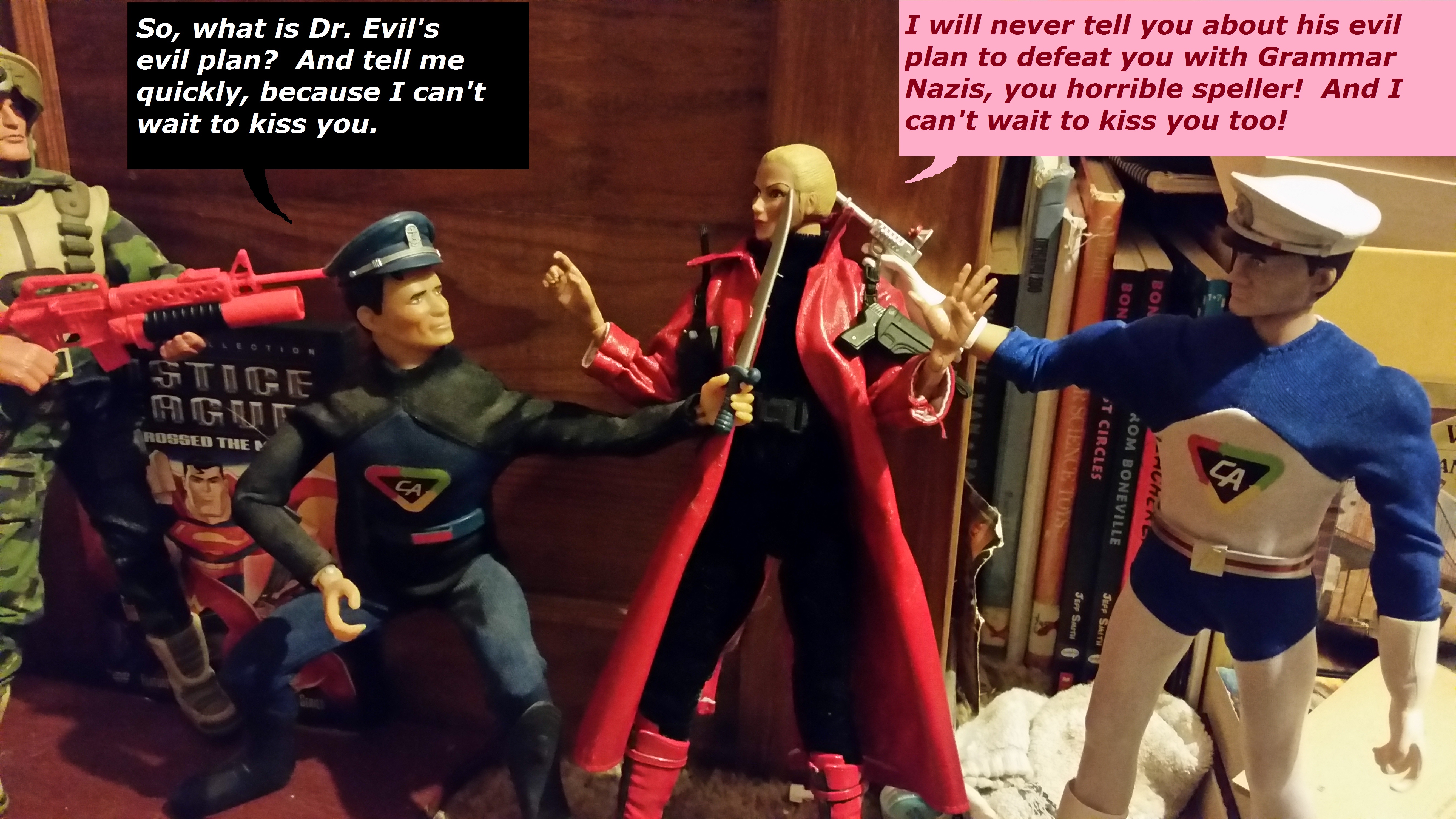
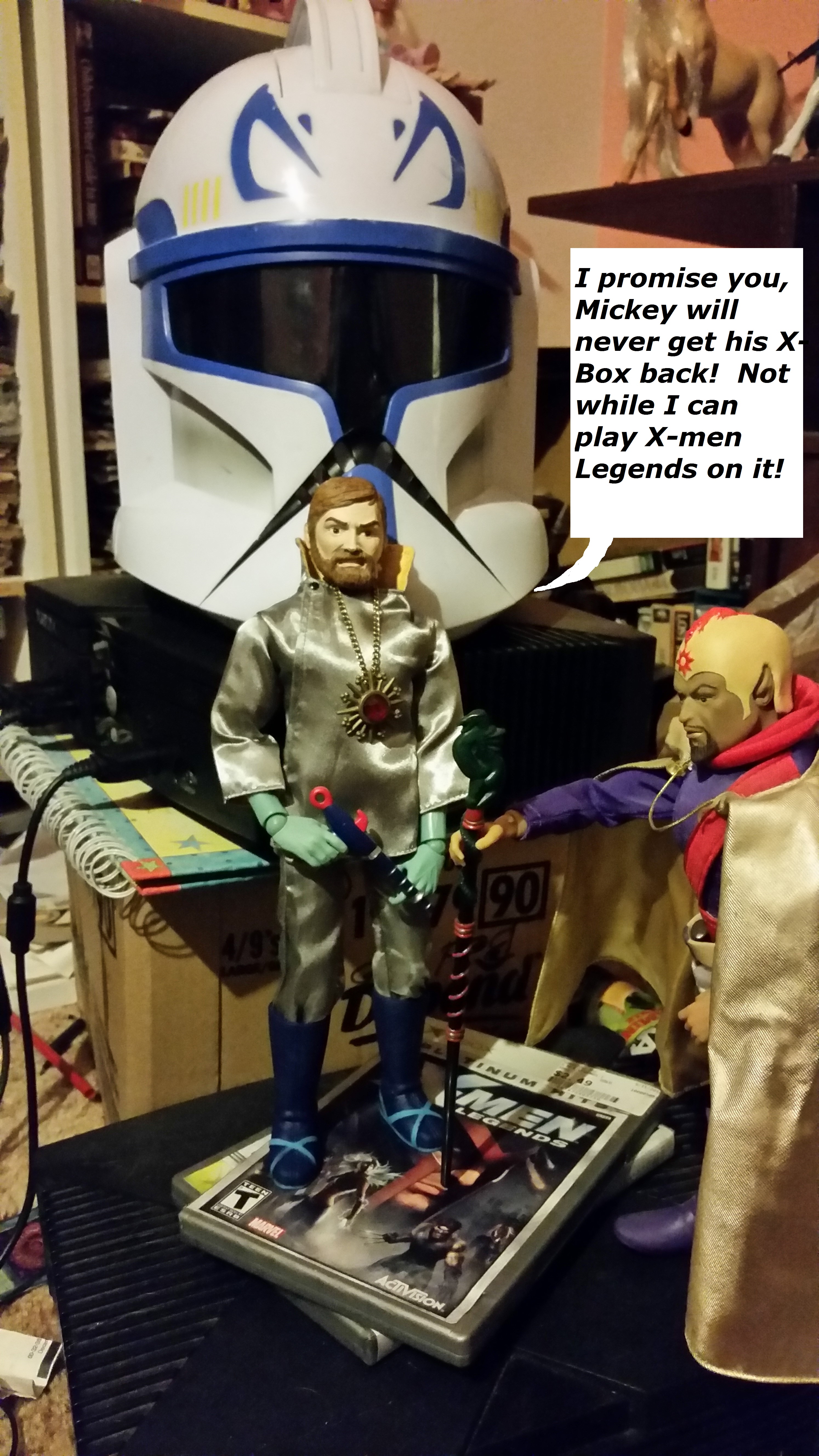
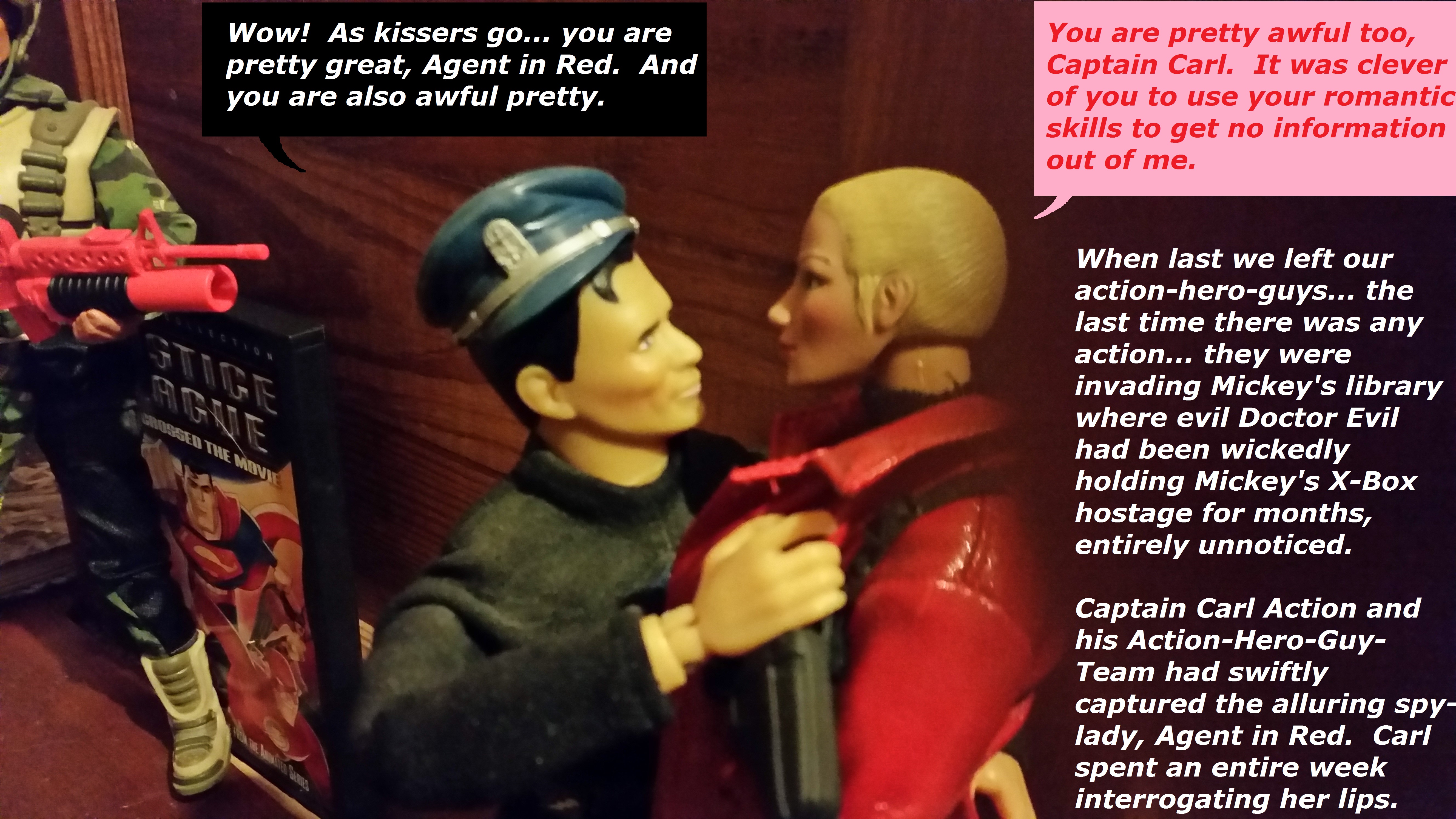
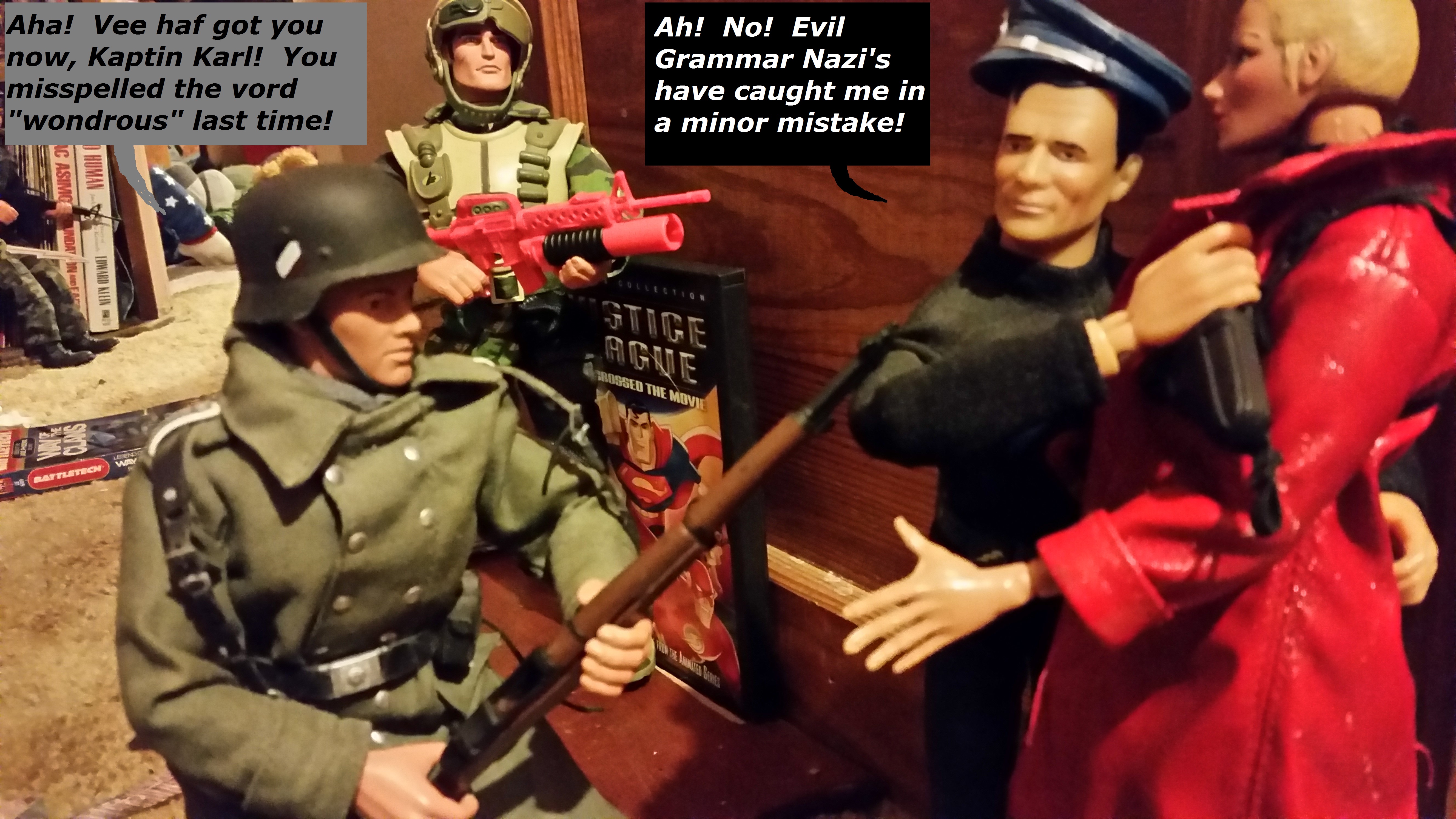
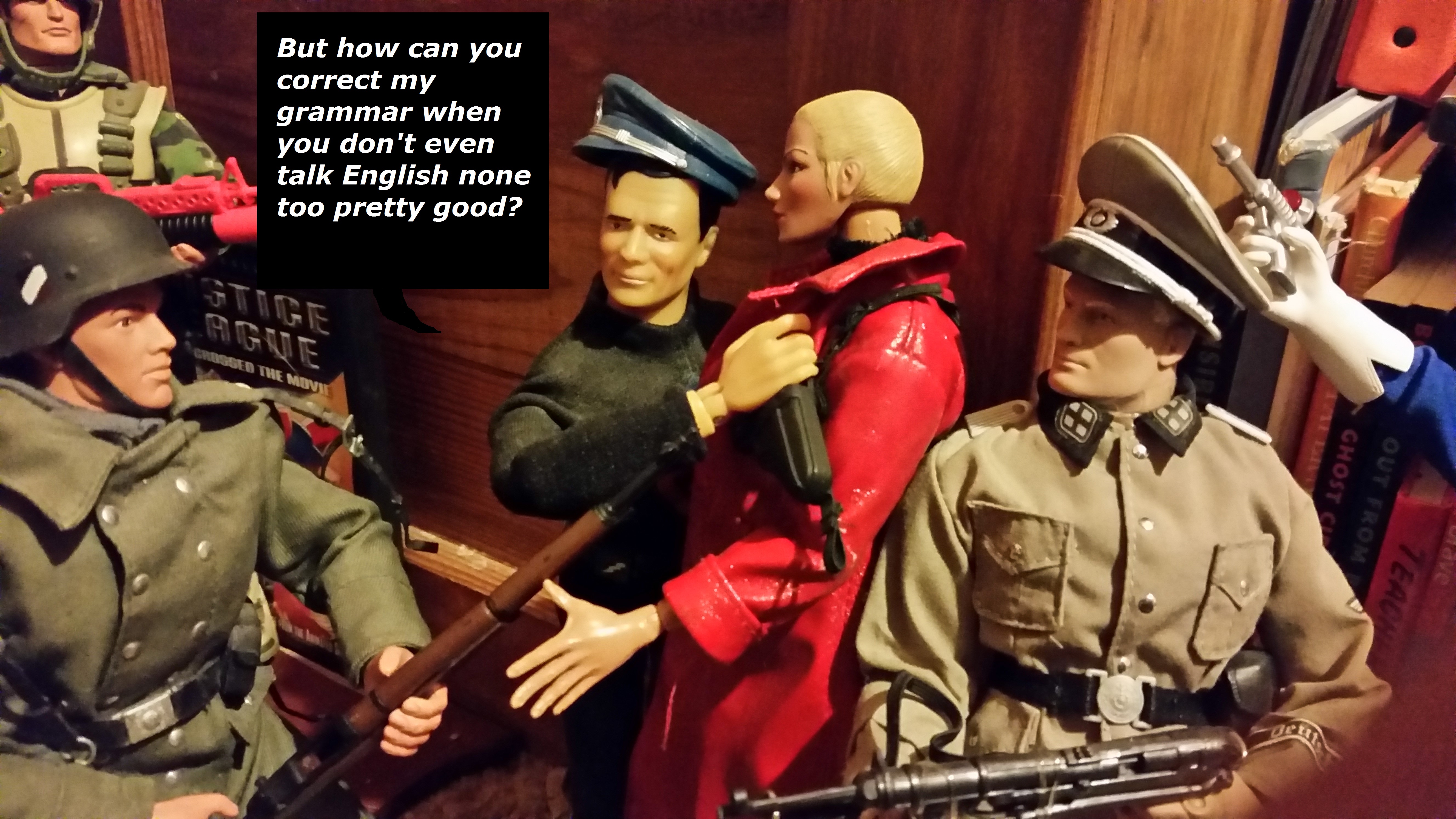
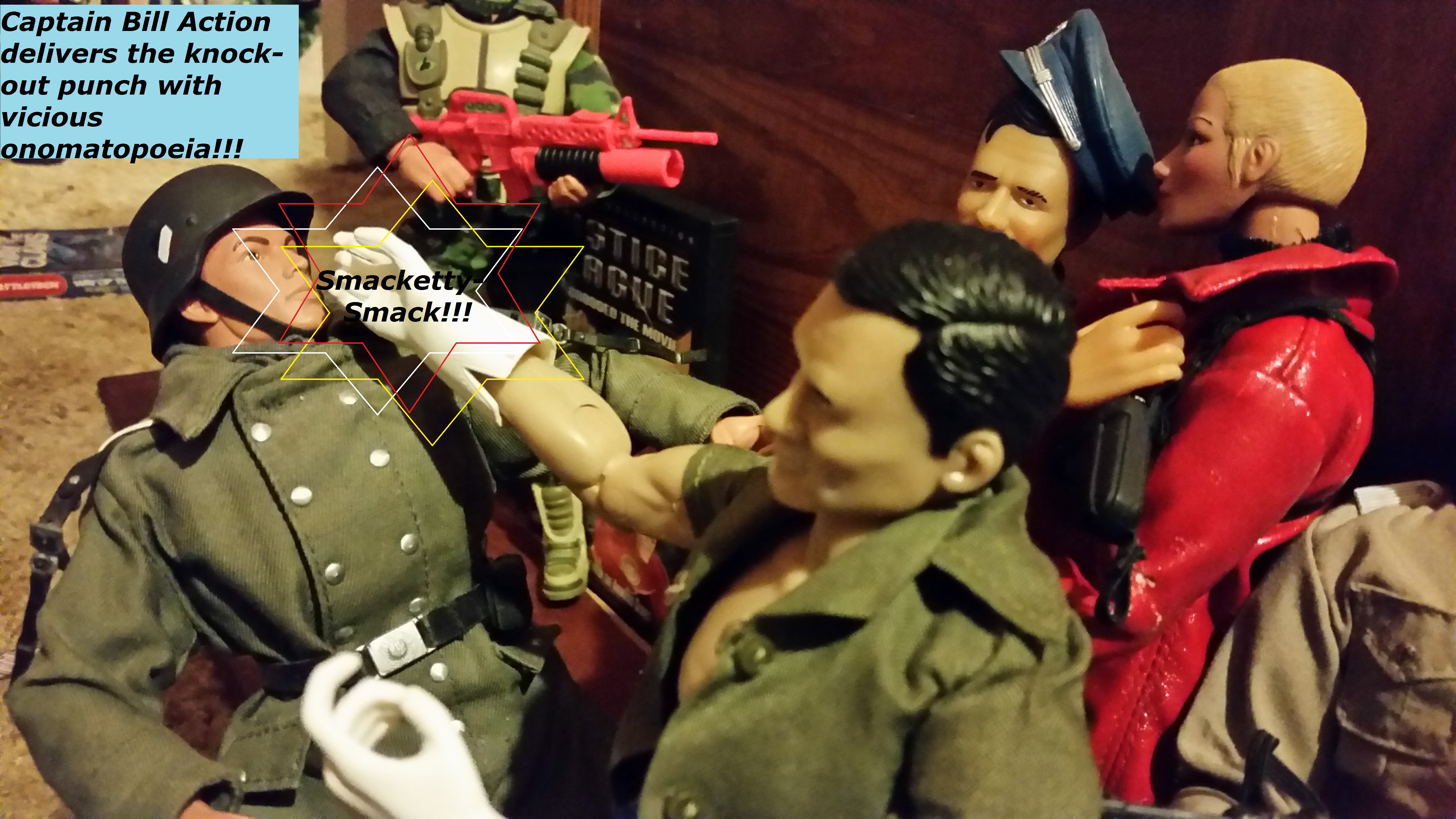
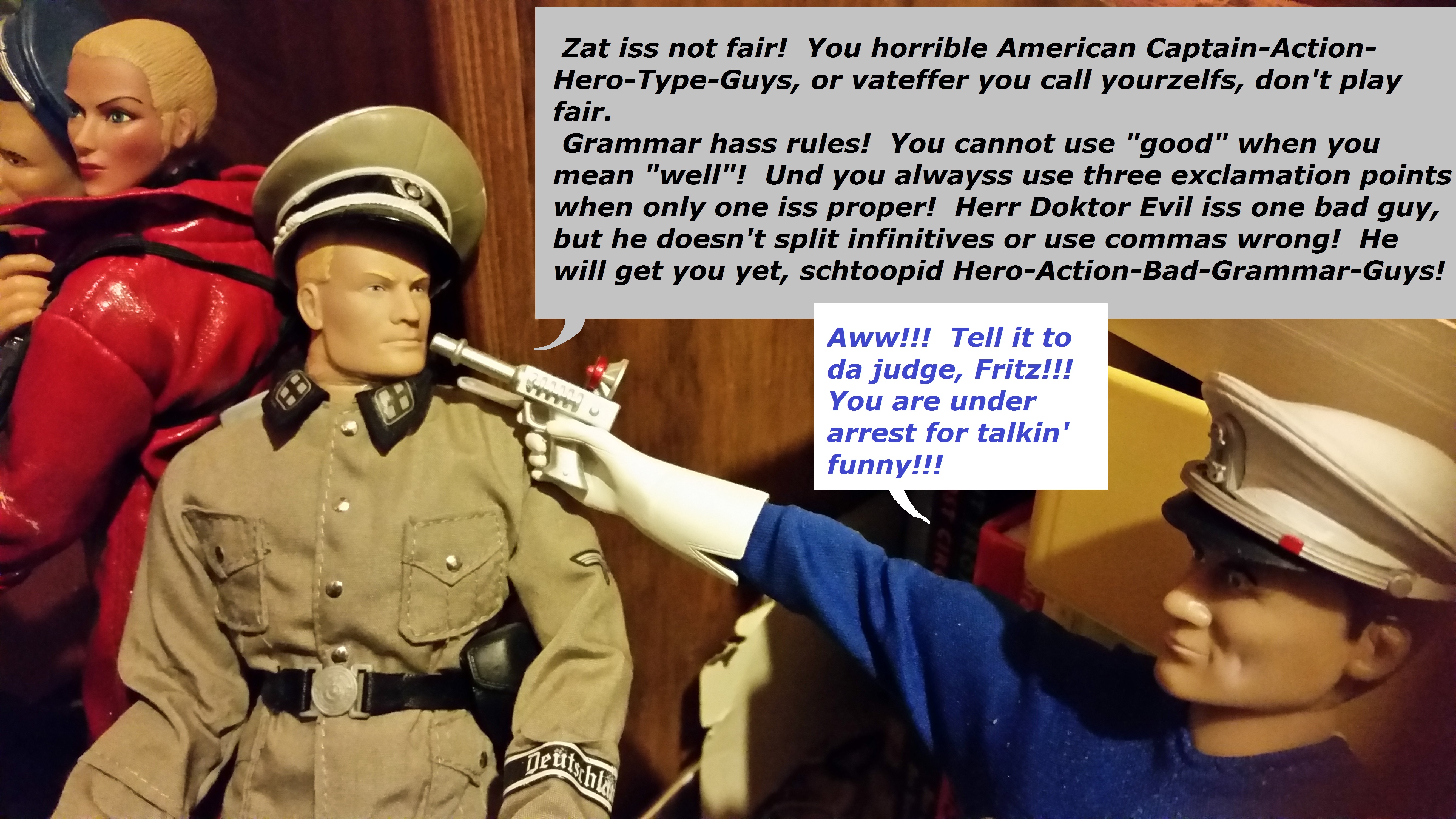
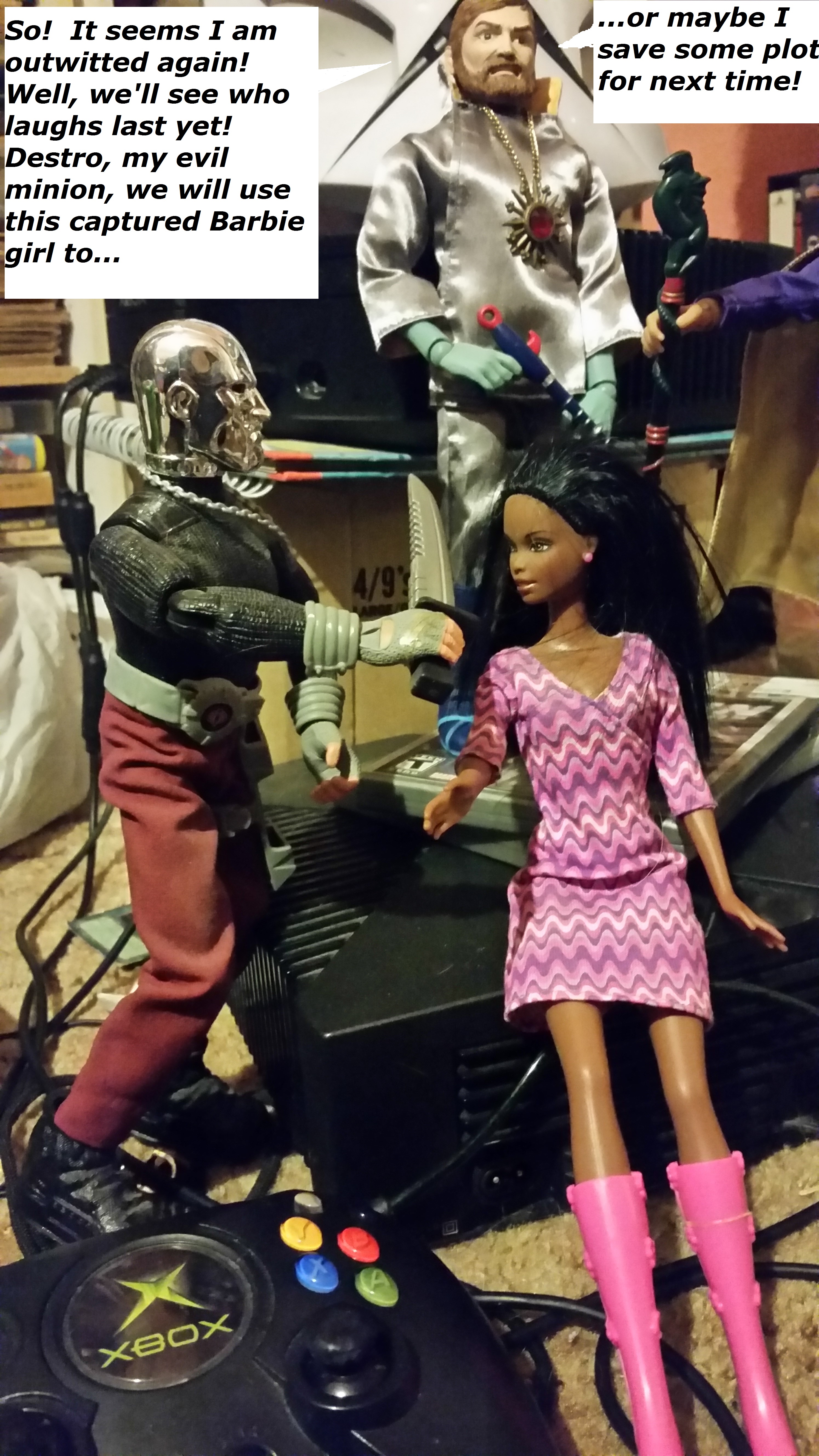
Yes, I know this is supposed to be a Saturday Art Day Post, but you can make art in many different ways. That can include pictures made with a camera while I play with dolls… er… action figures and try horrifically to be funny. There is an art to that, right? Maybe?
This is a place I explore in cartoons and daydreams. It is a little town known as Animal Town for fairly obvious reasons. It is populated by silly anthropomorphic animals who wear clothes and keep naked people as pets.
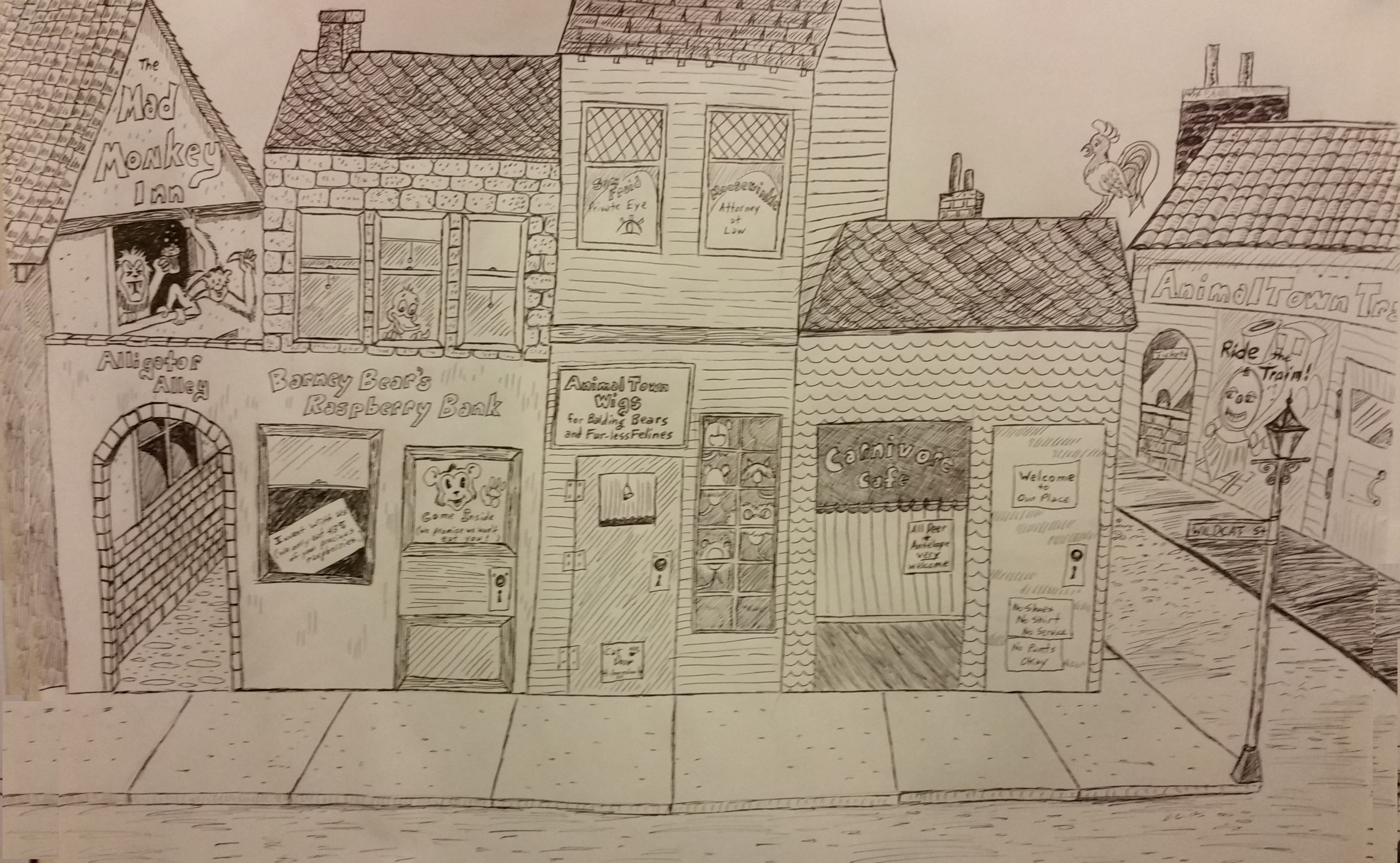
Animal Town is one of the all-time silliest places to visit in the cartoon dreamland of Fantastica.
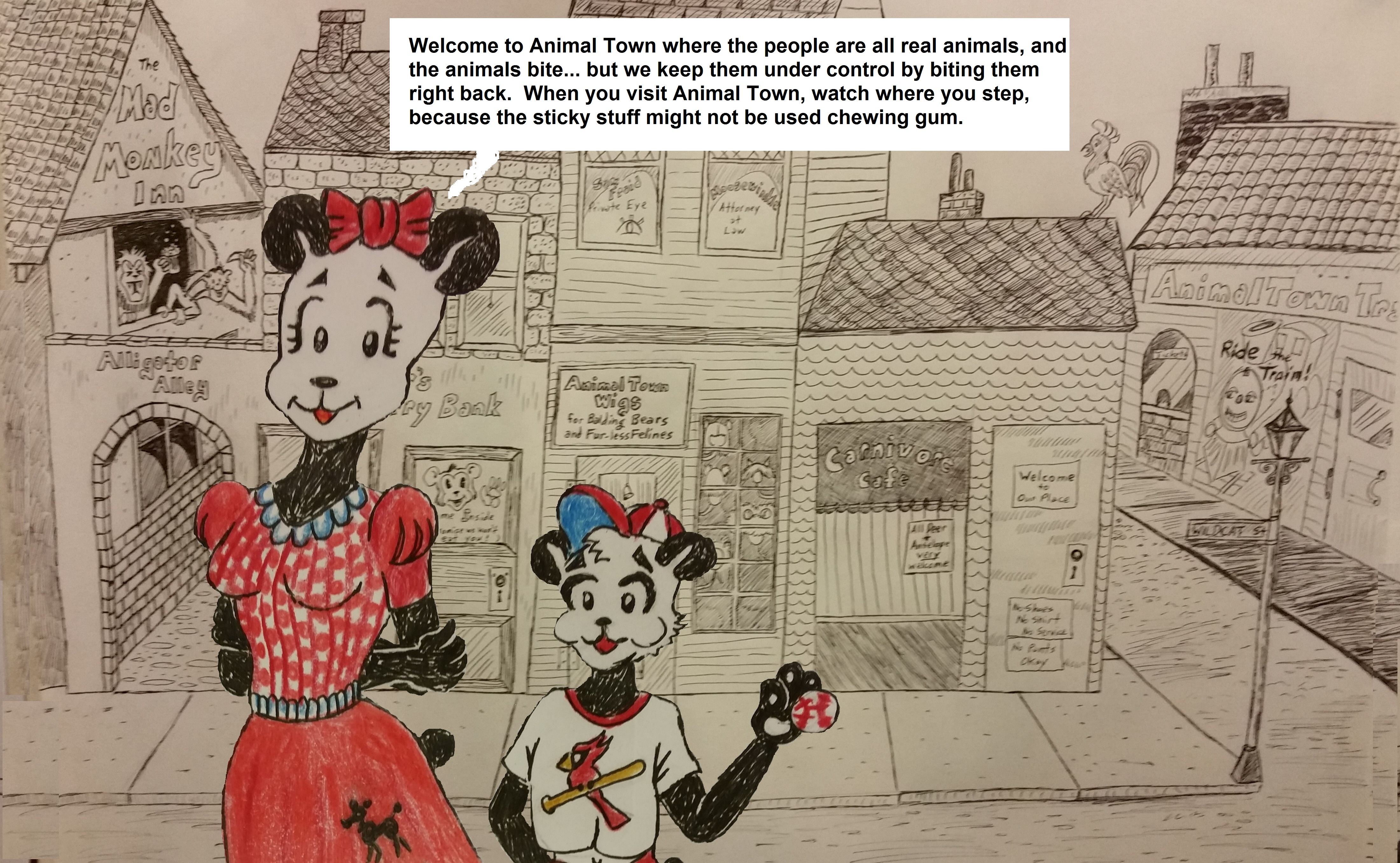
Mandy Panda and little brother Dandy are my constant companions and guides when I tour the dangerous streets of wild Animal Town. In my cartoons, Mandy is an immigrant from the Pandalore Islands. She is also the cartoon version of my wife.
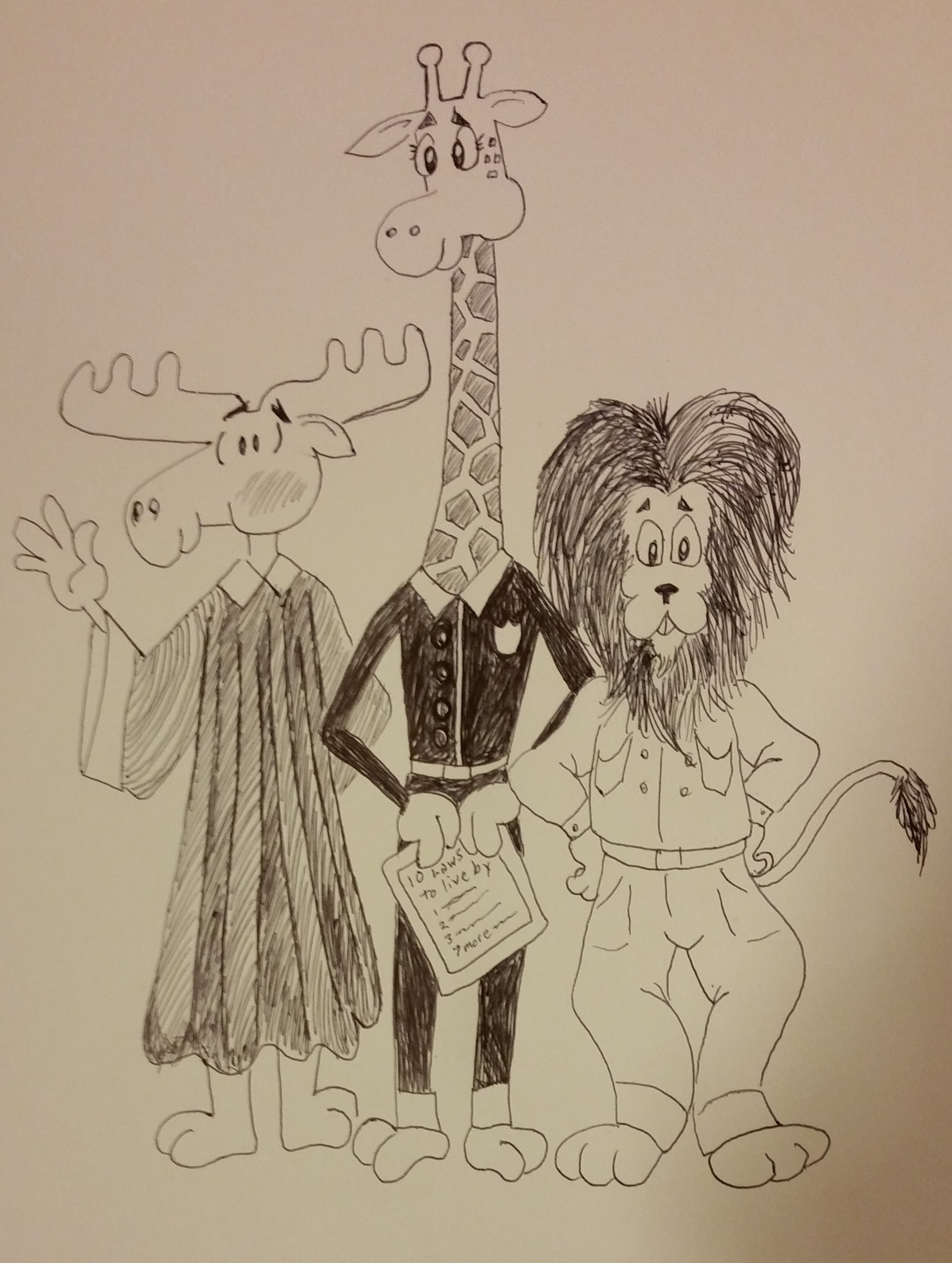
Three of the Town’s most important head monkeys.
It was Mandy who introduced me to the government officials who run Animal Town. Judge Moosewinkle is the head of the Animal Town court system. He is a hanging judge, so I am very careful about littering and loitering when I am in town.
Constable Geoffrey Giraffe does all the arresting and police work. He used to work in a toy store, but quit his job there when he couldn’t get them to stop writing the R backwards on all their signs. Grammar infractions annoy him more than any other crime.
Linus the Kitten-Hearted is the mayor of Animal Town. They wanted to crown him as king, but he always says that’s only for when he’s in the jungle. In town he prefers to be a democratically elected leader. Of course, if you refuse to vote for him, he might eat you.
Most of my dreams in Animal Town are about the school there.
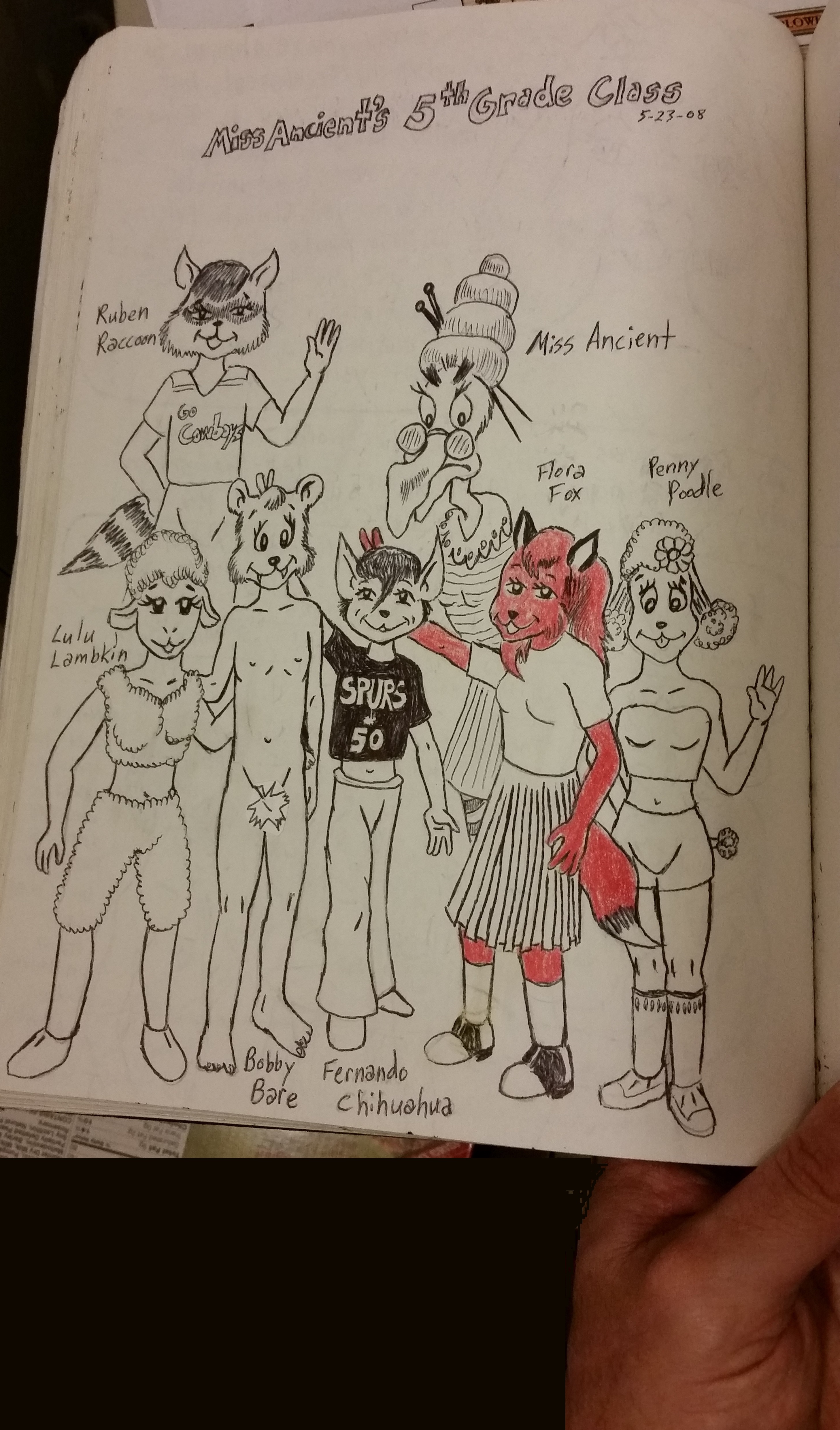
Yes, this is a yearbook picture from Animal Town Elementary School.
Miss Ancient’s Class of 5th graders is usually rather rowdy and difficult. You may have noticed there is a bare bear in the old buzzard’s class. The fact is, the bears in Animal Town are all naturists and refuse to wear clothes. This disturbs poor Miss
Ancient greatly, and it is therefore a real godsend that a fig leaf just happened to be drifting down through the air at the time this picture was made. Bobby Bare is not shy, but some things are better not put into a cartoon.
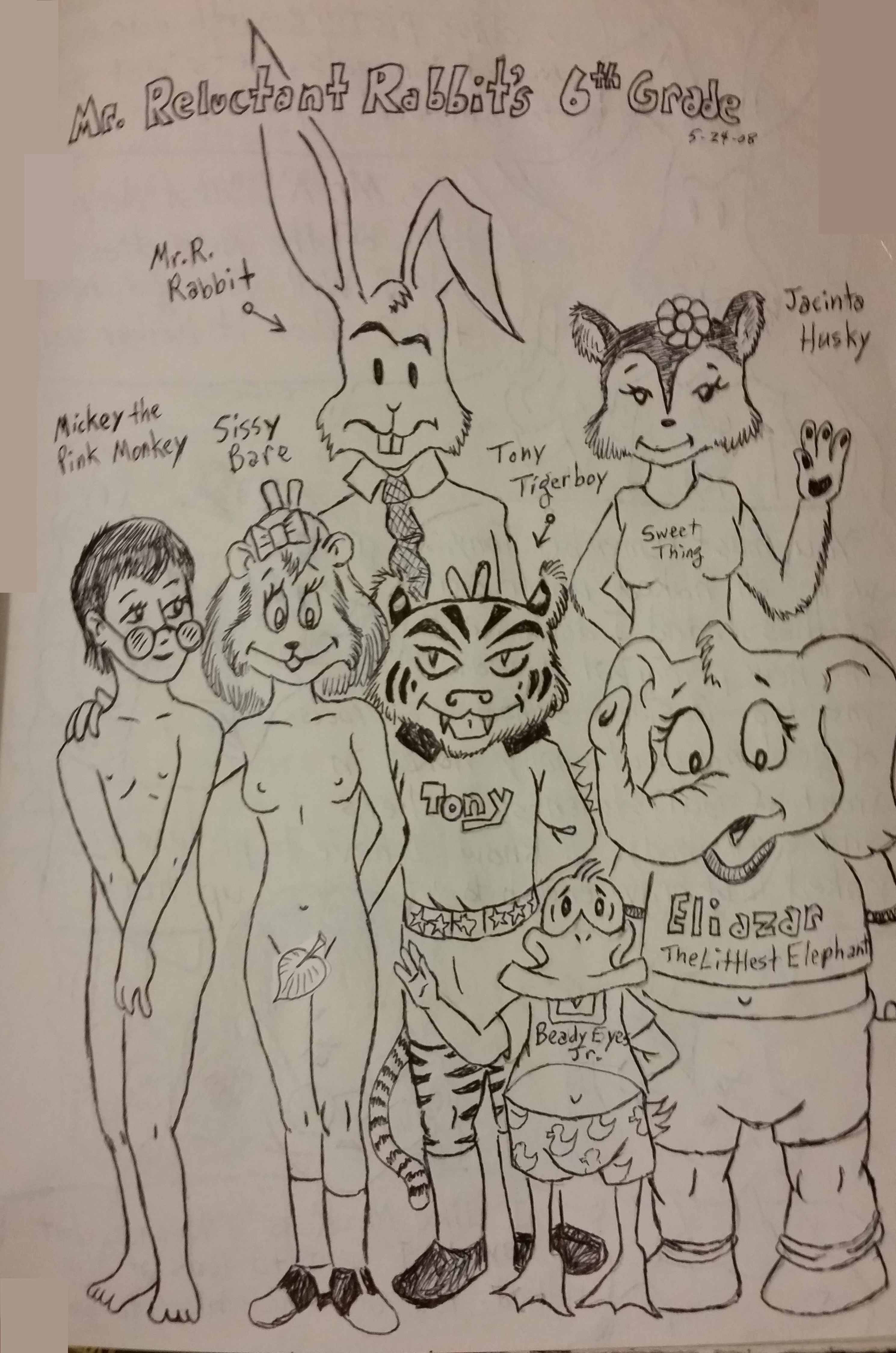
Yes, this is another yearbook picture. And I am in it twice, since Mr. Reluctant Rabbit is also me.
As a visitor to Animal Town, Cissy Bare took me to Mr. Rabbit’s class as her pet for show and tell. She is also a bare bear, and she also benefited from a passing leaf at picture time. You may notice students putting rabbit ears behind each other’s heads in pictures… something that human children do too in real life. But when I study this picture, I can’t help but think that maybe Mr. Rabbit started it. Now, Animal Town is located in Fantastica, a part of the Dreamlands. So that sort of explains how I ended up in school naked. My dreams are like that. You are in school in the middle of lessons before you realize that haven’t got a single stitch of clothing on.
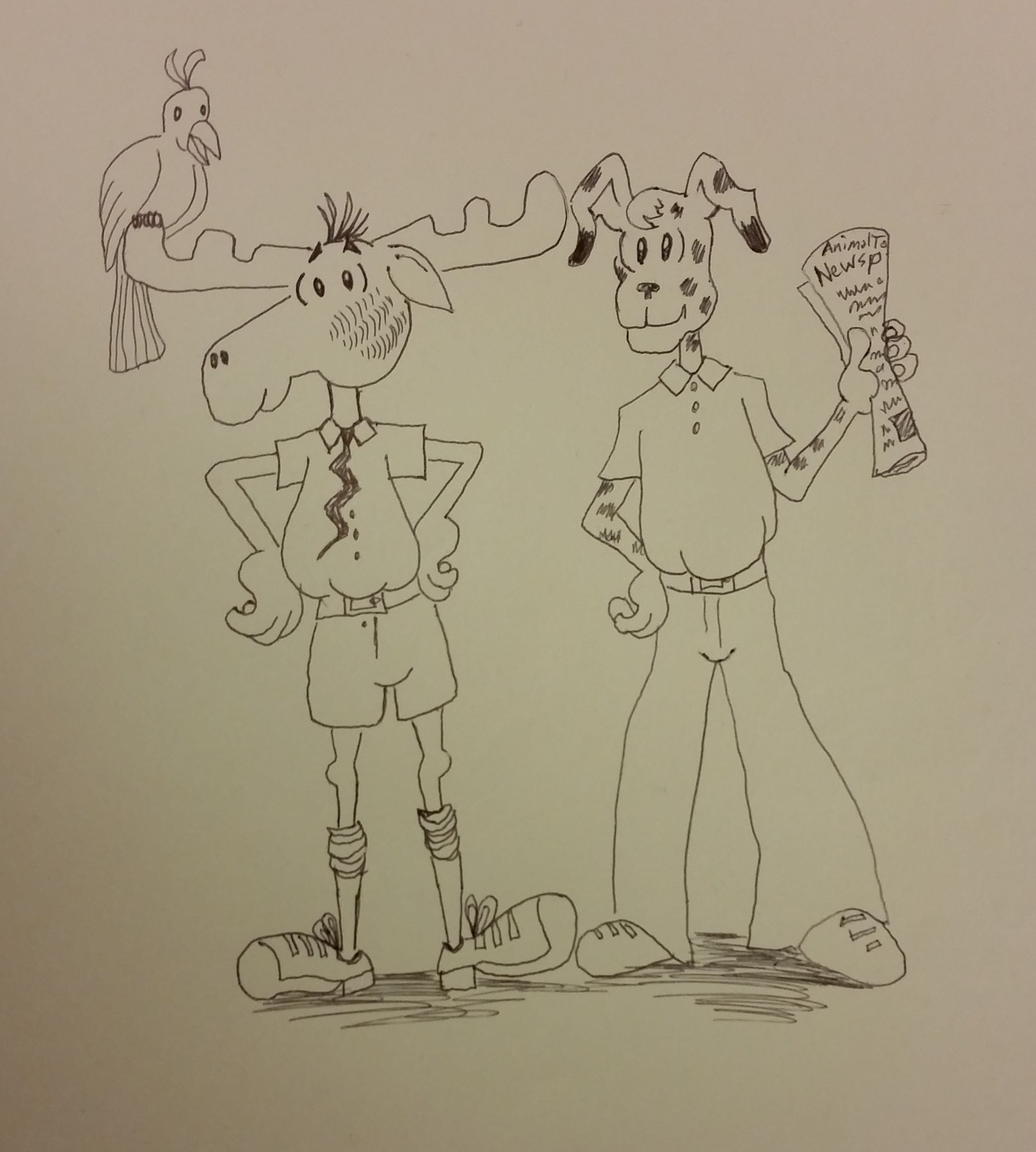
When I am inevitably charged with public indecency for being in school naked, I can turn to Animal Town lawyer Woolbinkle Moosewinkle. He is totally incompetent and not very bright, but unlike most of the animals, he is friendly and on my side. Spot Firedog is a Dalmatian who knows how to use a newspaper. He is a reporter, publisher, and all-around good dog. He wrote an expose on me being naked in the Animal Town Elementary school.
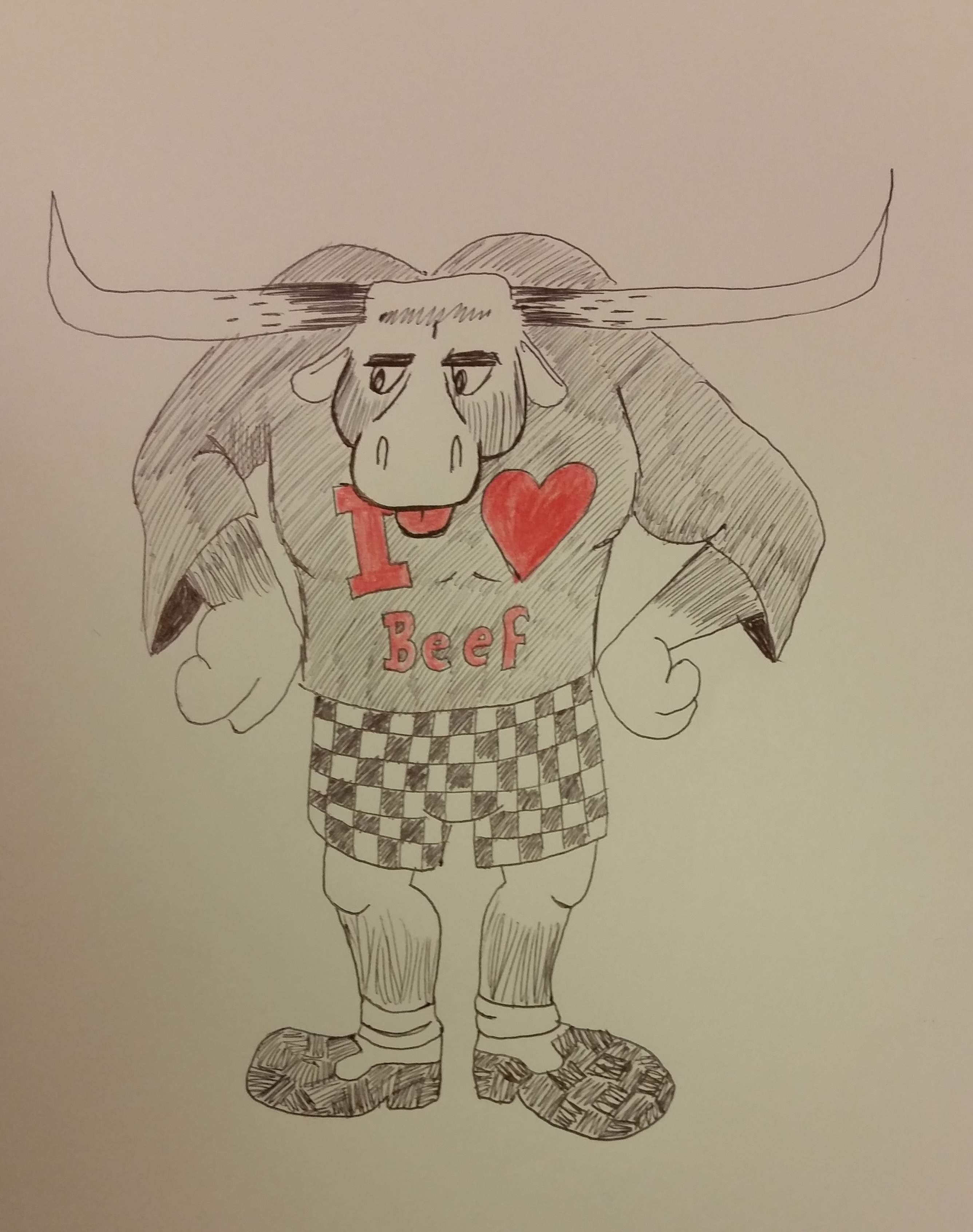
Big Bull Beefalo runs the local hamburger emporium, which might seem like collusion to cannabalism, but Bull is a very gentle and very large soul. He is himself a vegetarian, but he is a gifted fry cook and chef. I can go to his restaurant when I get out of jail, though hopefully not as food.
So, Animal Town is a very different kind of place. It is the result of dreams and goofiness and uncontrolled spurts of cartoonist creativity. It is a cartoon sort of place where spontaneous and random humor happens.
Filed under cartoons, cartoony Paffooney, characters, comic strips, humor, Paffooney, pen and ink, Uncategorized
Here is the link to the complete Chapter 1https://catchafallingstarbook.net/2018/11/24/hidden-kingdom-chapter-1-complete/
Filed under comic strips, fairies, Hidden Kingdom, humor, Paffooney


Winsor McCay
One work of comic strip art stands alone as having earned the artist, Winsor McCay, a full-fledged exhibition at the Metropolitan Museum of Art in New York City. Little Nemo in Slumberland is a one-of-a-kind achievement in fantasy art.
Winsor McCay lived from his birth in Michigan in 1869 to his finale in Brooklyn in 1934. In that time he created volumes full of his fine-art pages of full-page color newspaper cartoons, most in the four-color process.
As a boy, he pursued art from very early on, before he was twenty creating paintings turned into advertising and circus posters. He spent his early manhood doing amazingly detailed half-page political cartoons built around the editorials of Arthur Brisbane, He then became a staff artist for the Cincinnati Times Star Newspaper, illustrating fires, accidents, meetings, and notable events. He worked in the newspaper business with American artists like Winslow Homer and Frederick Remington who also developed their art skills through newspaper illustration. He moved into newspaper comics with numerous series strips that included Dreams of the Rarebit Fiend and Little Nemo in Slumberland. And he followed that massive amount of work up by becoming the “Father of the Animated Cartoon” with Gertie the Dinosaur, with whom he toured the US giving public performances as illustrated in the silent film below;
The truly amazing thing about his great volume of work was the intricate detail of every single panel and page. It represents a fantastic amount of work hours poured into the creation of art with an intense love of drawing. You can see in the many pages of Little Nemo how great he was as a draftsman, doing architectural renderings that rivaled any gifted architect. His fantasy artwork rendered the totally unbelievable and the creatively absurd in ways that made them completely believable.
I bought my copy of Nostalgia Press’s Little Nemo collection in the middle 70’s and have studied it more than the Bible in the intervening years. Winsor McCay taught me many art tricks and design flourishes that I still copy and steal to this very day.
No amount of negative criticism could ever change my faith in the talents of McCay. But since I have never seen a harsh word written against him, I have to think that problem will never come up.
My only regret is that the wonders of Winsor McCay, being over a hundred years old, will not be appreciated by a more modern generation to whom these glorious cartoon artworks are not generally available.
Leave a comment
Filed under art my Grandpa loved, artists I admire, artwork, book review, cartoon review, cartoons, comic strips, commentary
Tagged as Little Nemo in Slumberland, Winsor McCay