
The title is taken directly from the poet Dylan Thomas. He was thinking about the death of his father. But, even though my father cannot last much longer either, it is my own mortality that has been weighing heavily on my mind.
I have been thinking a lot about death of late. I am now three years farther along in my retirement than I believed I would be when I retired in 2014. I honestly believed I would not live beyond 2017 with my six incurable diseases. Especially when Banco Americo sued me over medical bills and won, forcing me into bankruptcy, and leaving me unable to pay for insulin for my diabetes or mental health services for family members who needed them as a matter of life or death.
So, I suppose I can be forgiven for reading a lot of life-or-death stories lately, especially the kind that don’t have a happy ending.
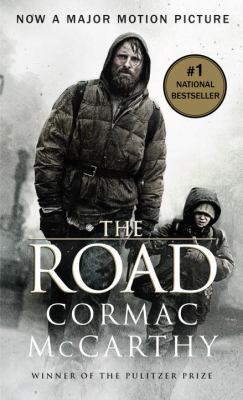
The Road, Cormac McCarthy’s 2006 post-apocalyptic novel, ripped a good half to three-quarters of my soul out. It is about two characters making their way along a road after some unnamed disaster has blasted away most of life on Earth, and that which is left is dying. There is no miracle nor any life-saving solution at the end of the novel. The only grace the reader is allowed is that the character who dies at the end lived as long as possible, motivated only by love, and, by dying, allowed the beloved other character to live beyond him. It is a hard, terrible story to read. But it achieves its goal. It touches your hopeless heart in ways only an award-winning novel can.
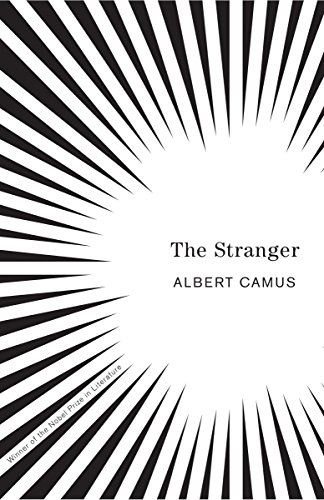
The book I just finished reading was a story I originally had to read for an Iowa State University class on Existentialism in Literature. The Nobel Prize-winning author, Albert Camus’s book, The Stranger, is no easier to read than The Road. In fact, it may be even more depressing and dark than the first novel I mentioned. The main character lives as a stranger in a meaningless world and is sentenced to death by a jury because he didn’t cry at his mother’s funeral. The story devastates your compassionate heart and shakes your belief in a benevolent God. And I read it the first time long before I was an atheist who believes in a different form of god. The story is itself cruel. But in the long view, it grants you a certain melancholy sort of peace that can only be had by coming to terms with your place in all of existence.
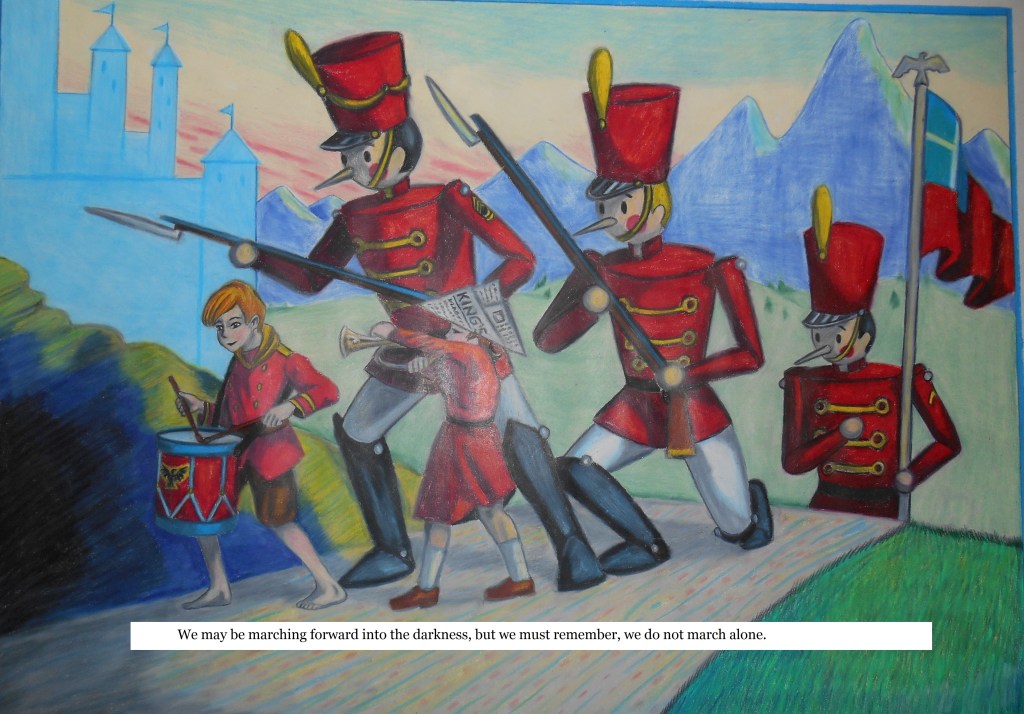
So, I admit it. I have been obsessing about the end of life far too much. The current pandemic that has us all on the ropes in the boxing match of life has brought me to grips with the fact that, even though the end of life is far closer to now than its beginning, living life is what still matters. I have been spending my shut-in days writing novels about life, and love, and laughter. I have also been talking to relatives by phone and connecting with people through social media, all of which can be done without risk of viral infection. Well… maybe a computer virus.
But I am alive now. And I am living in every manner I can still manage. For now. Because I can. And because it is the right thing to do.


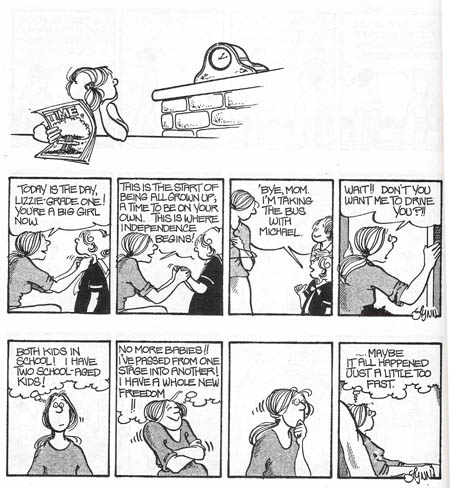 Lynn Johnston’s For Better or Worse is also an old friend. I used to read it in the newspaper practically every day. I watched those kids grow up and have adventures almost as if they were members of my own family. So the mashed potatoes part of the meal is easy to digest too.
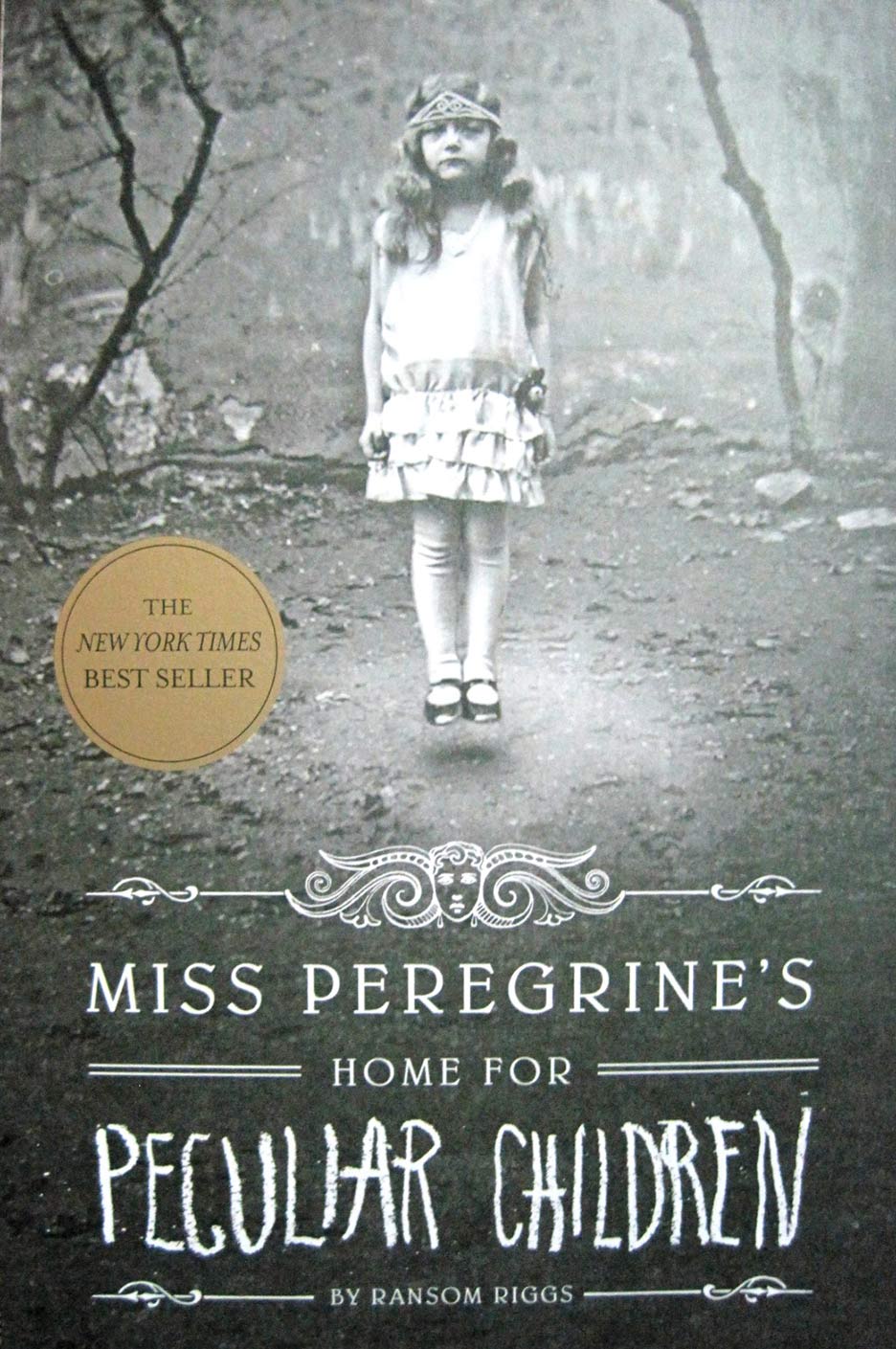
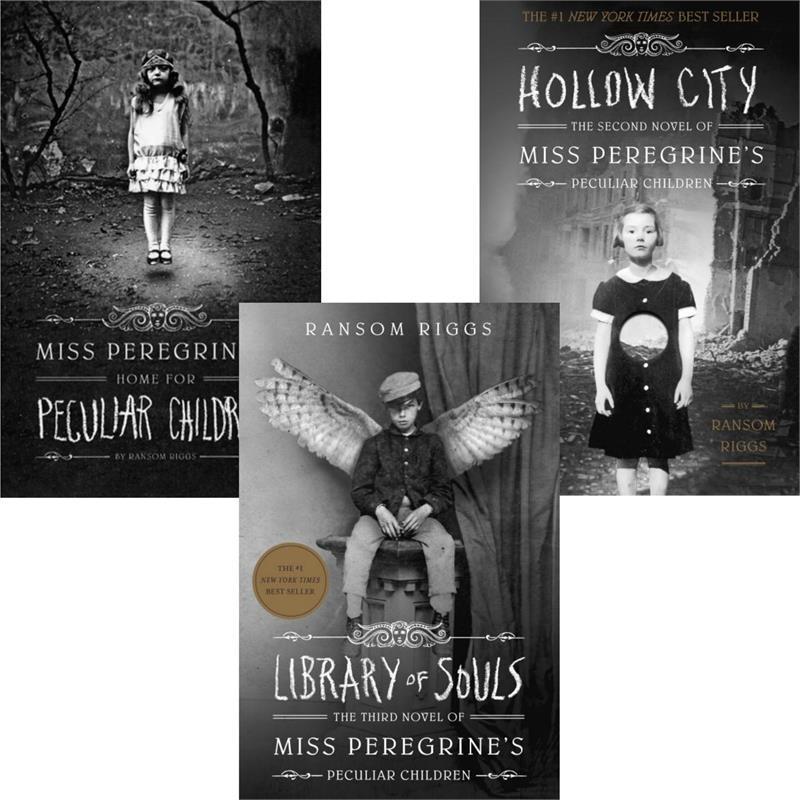
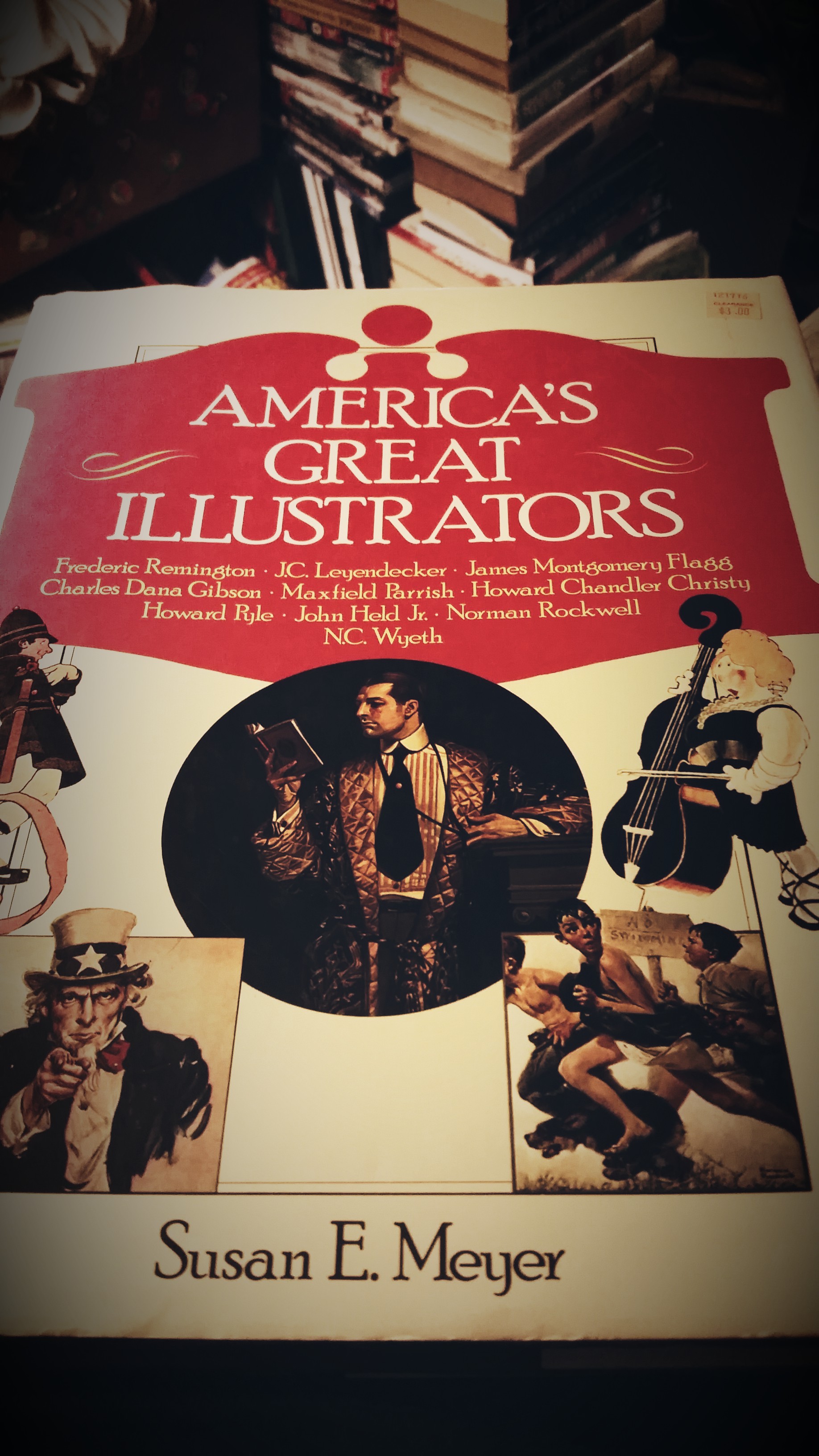
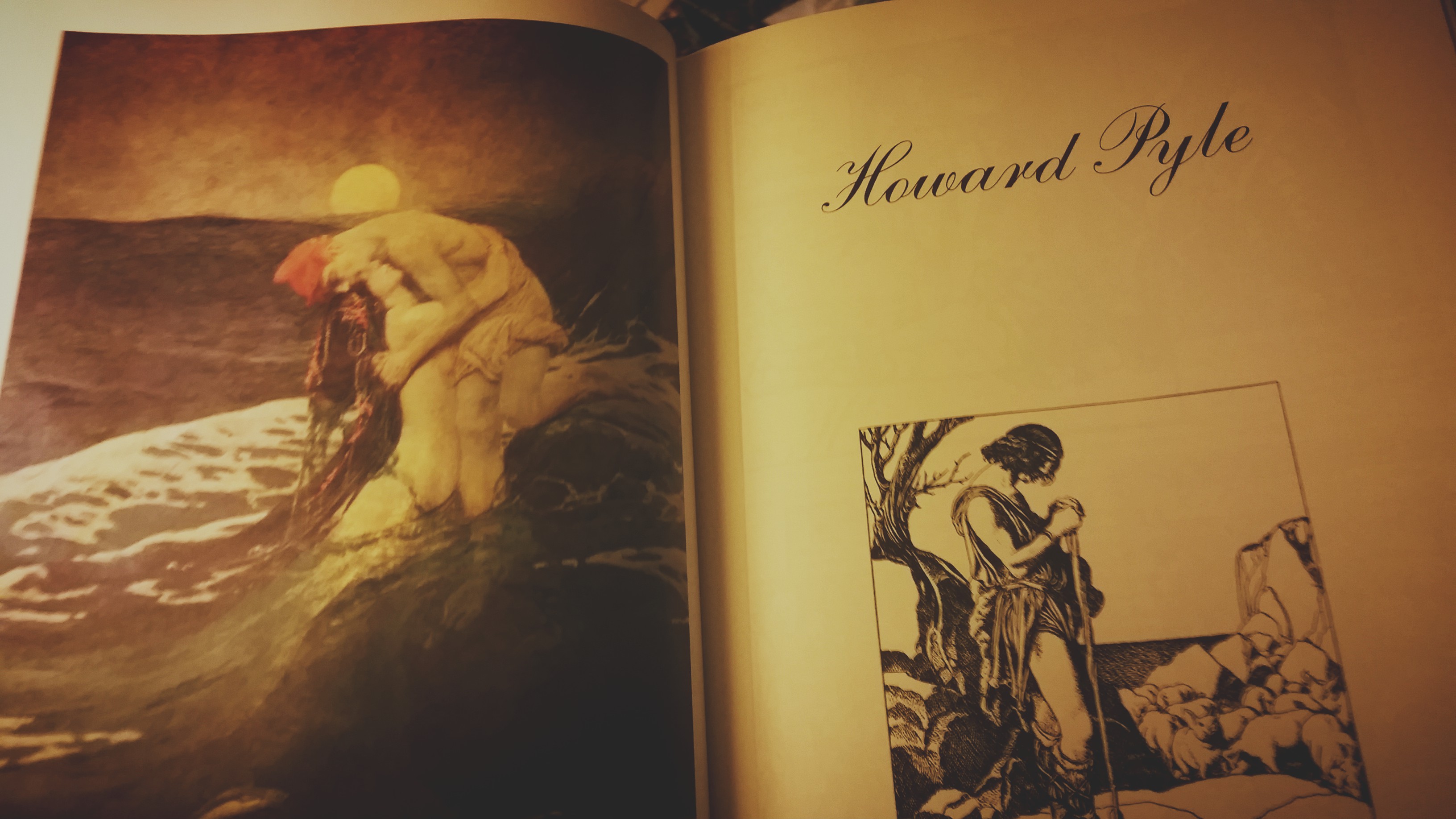
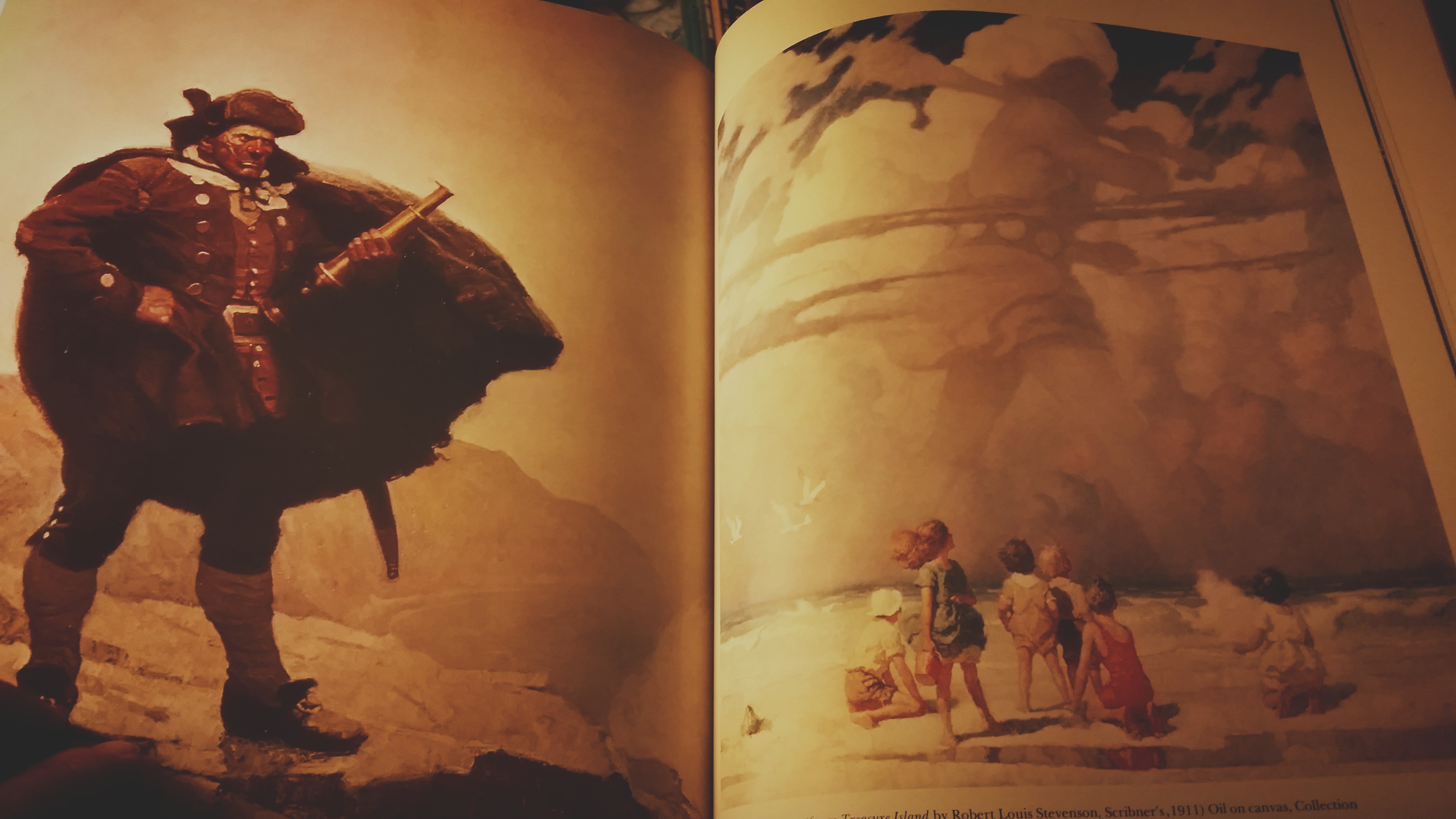
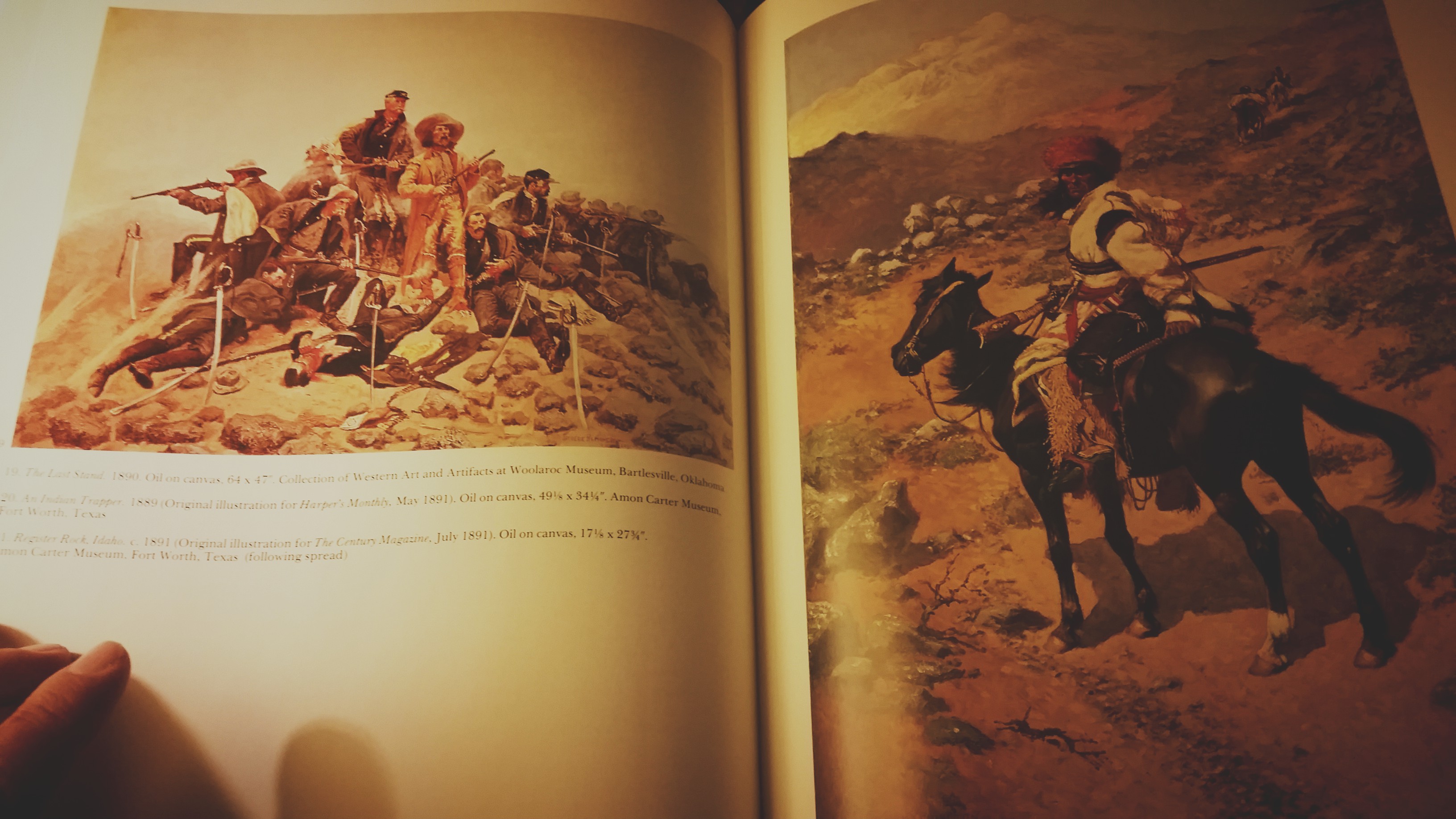
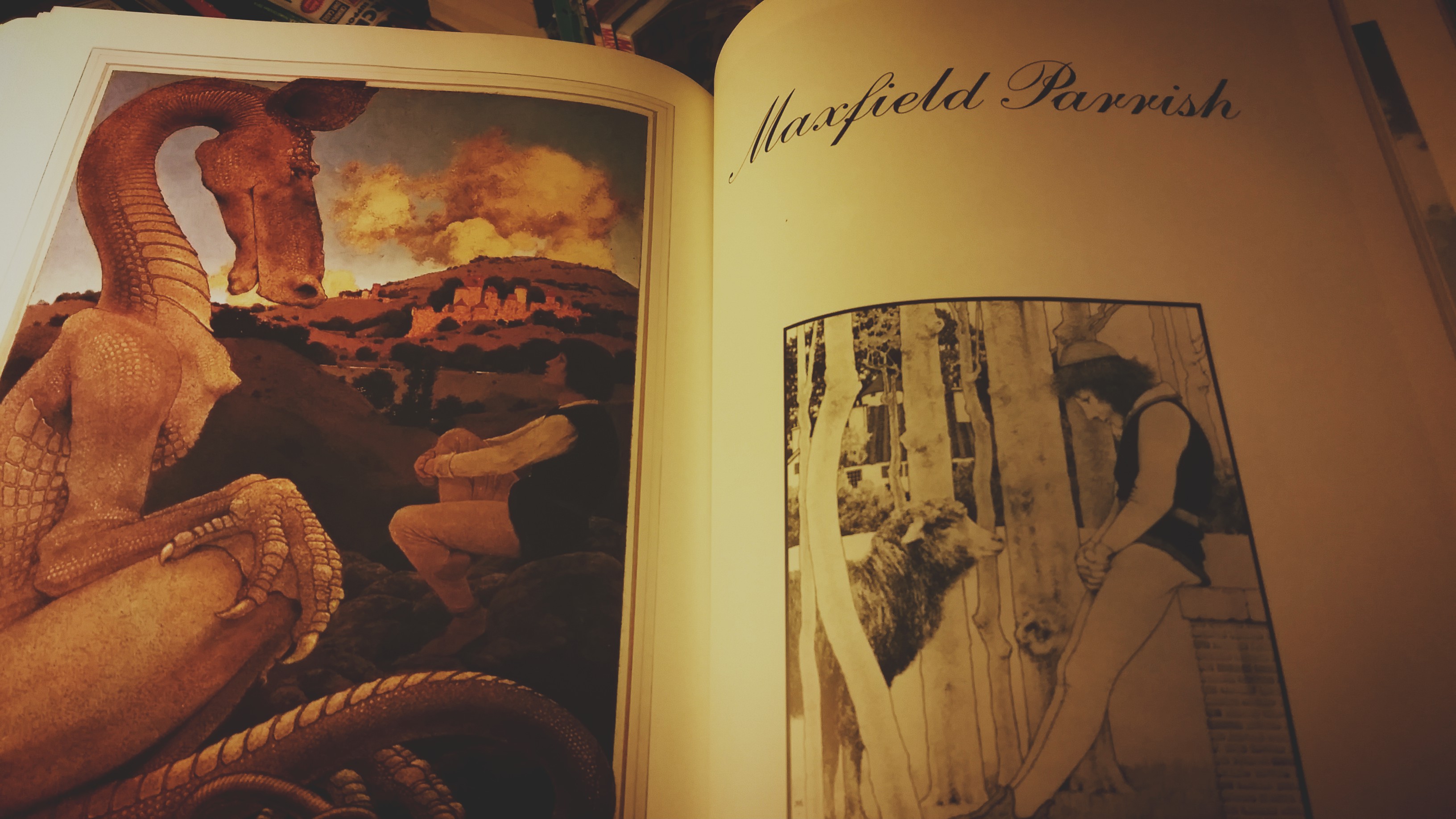
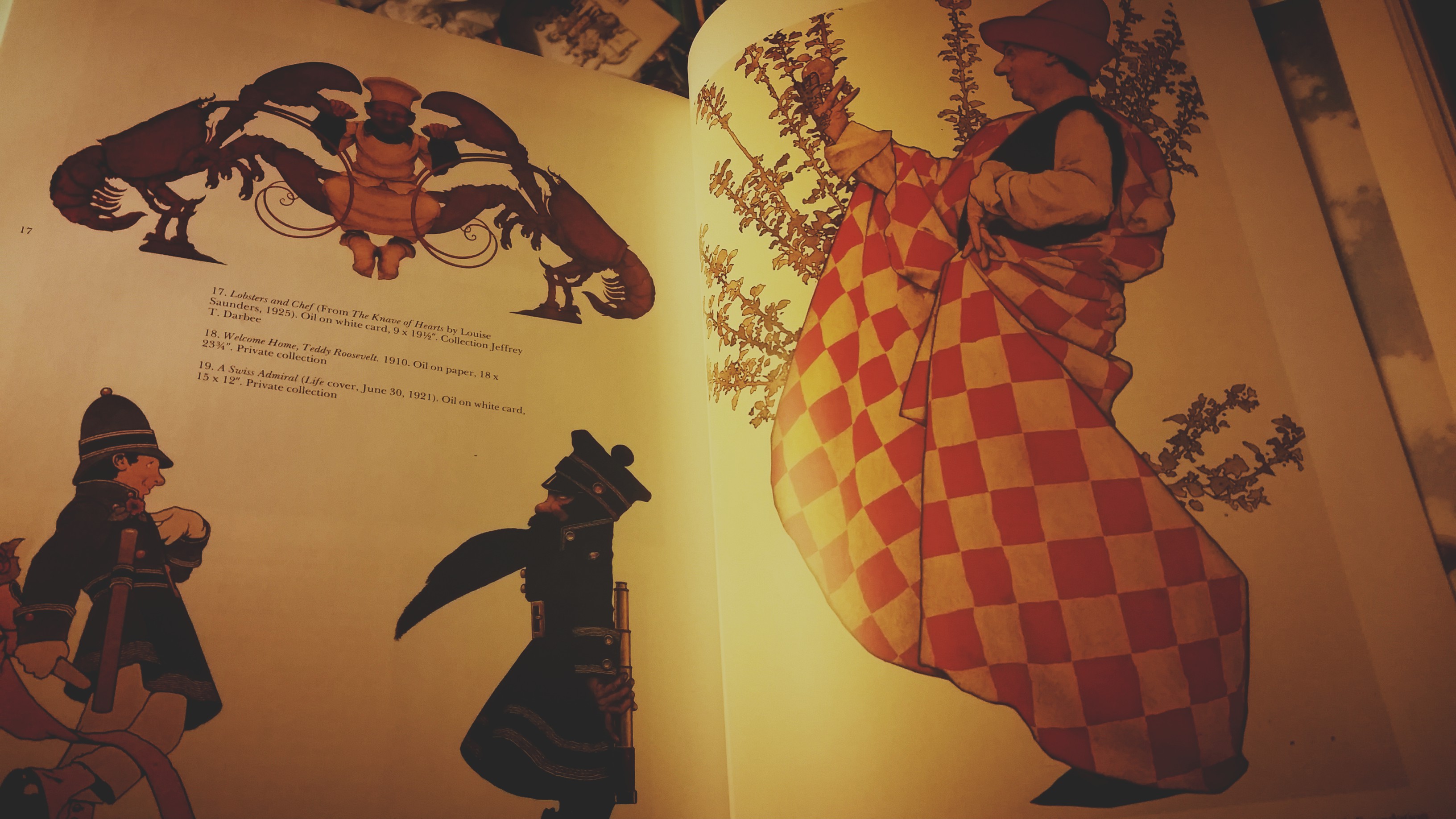
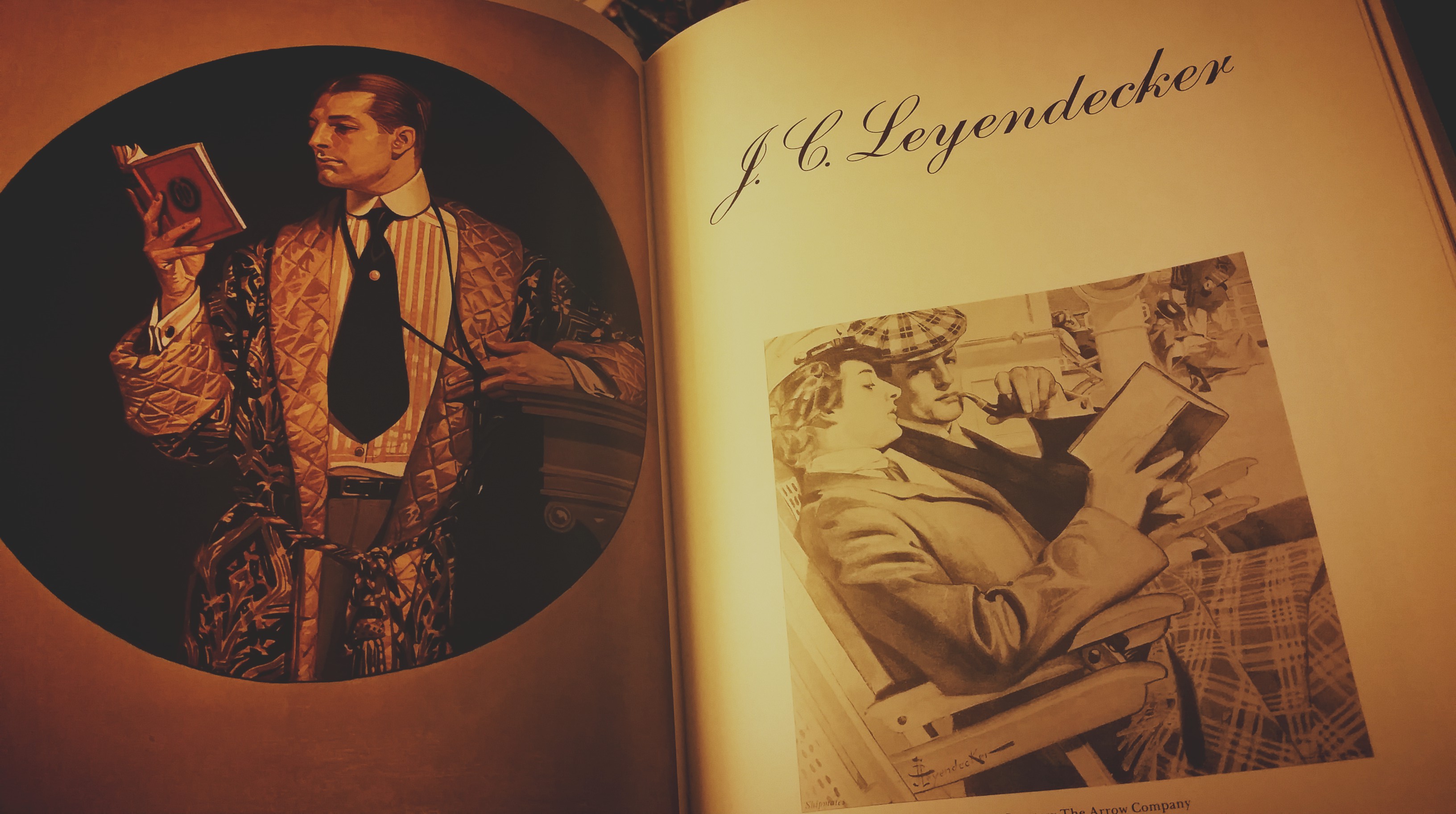
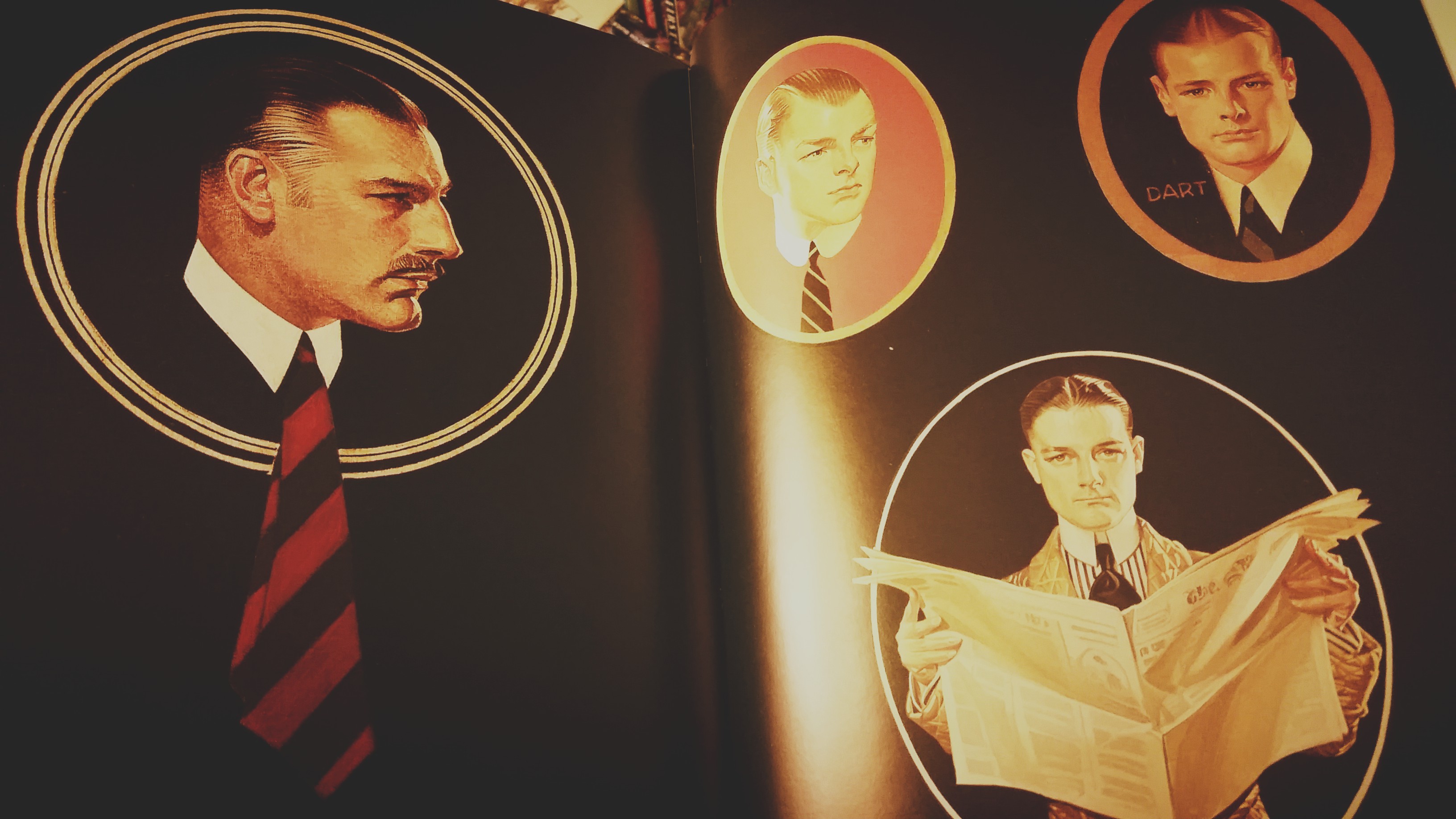
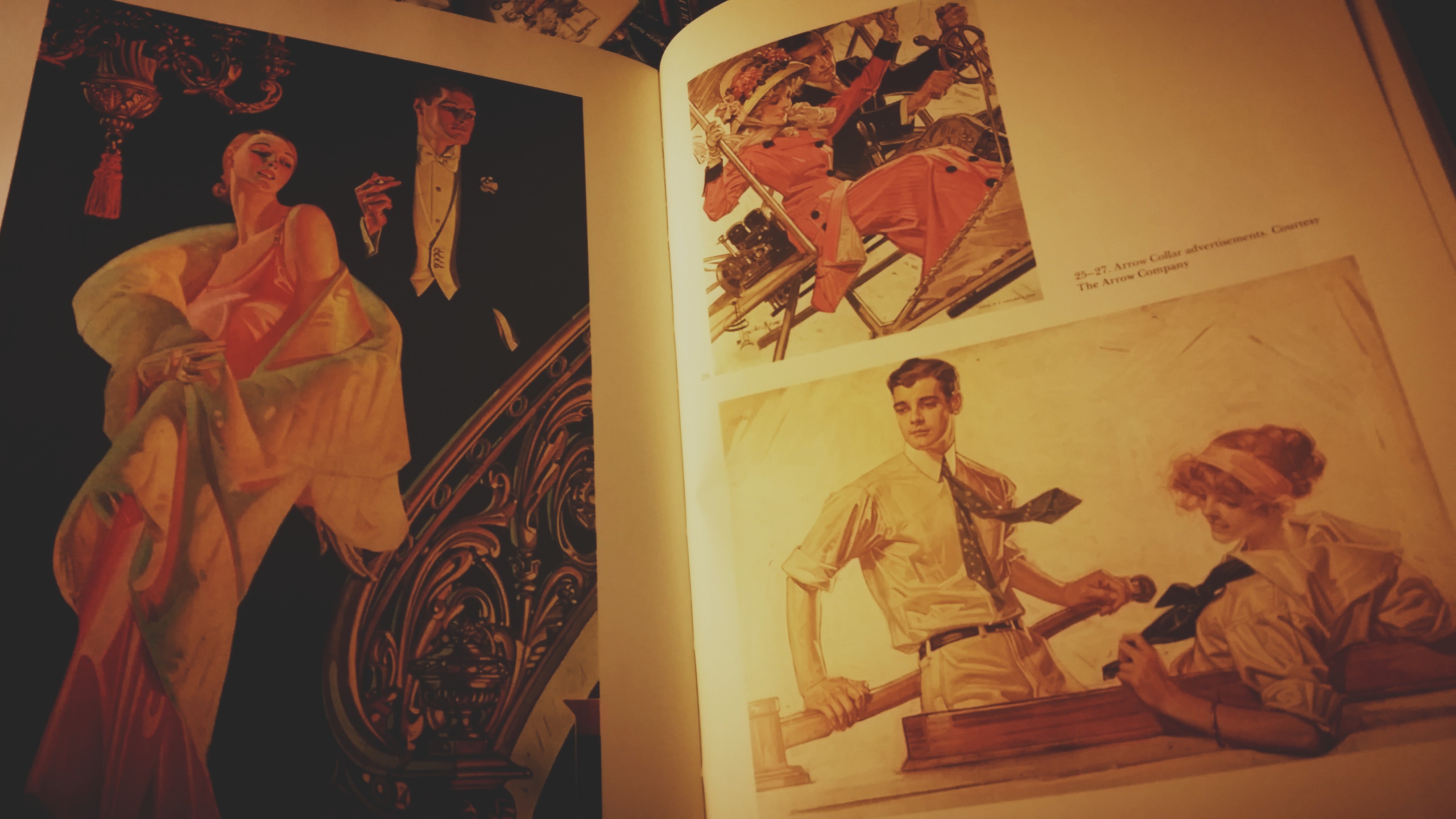
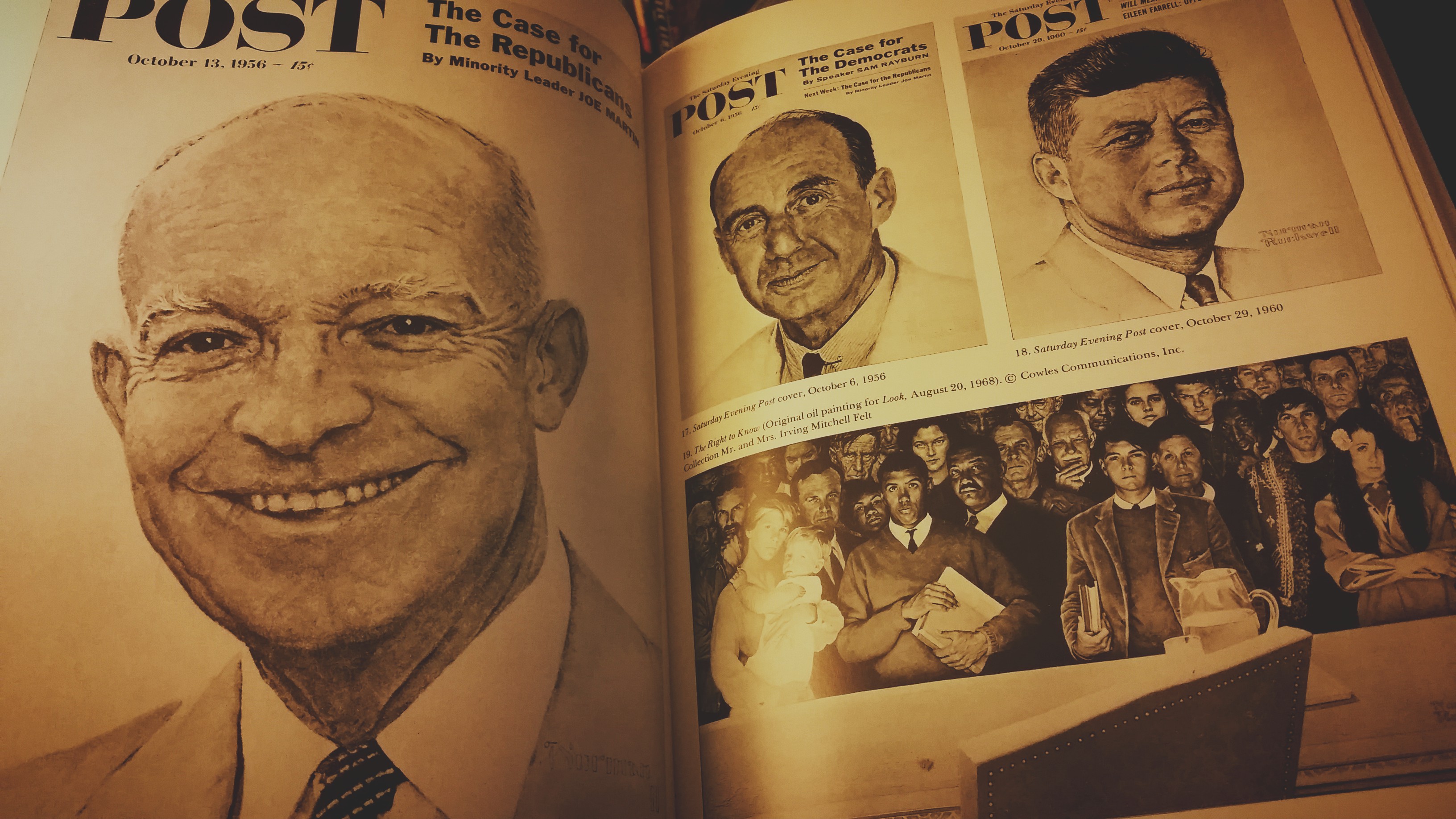
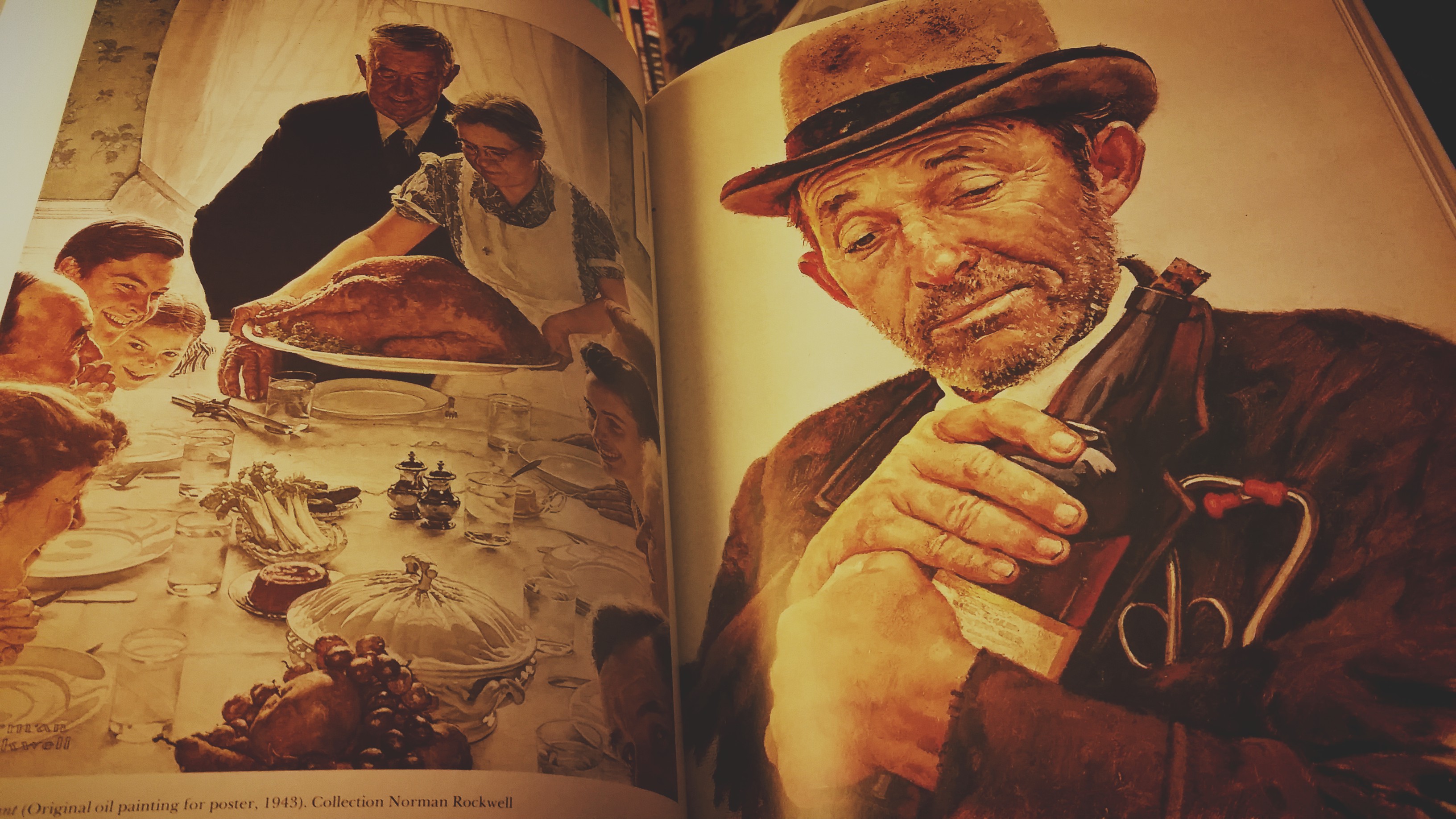
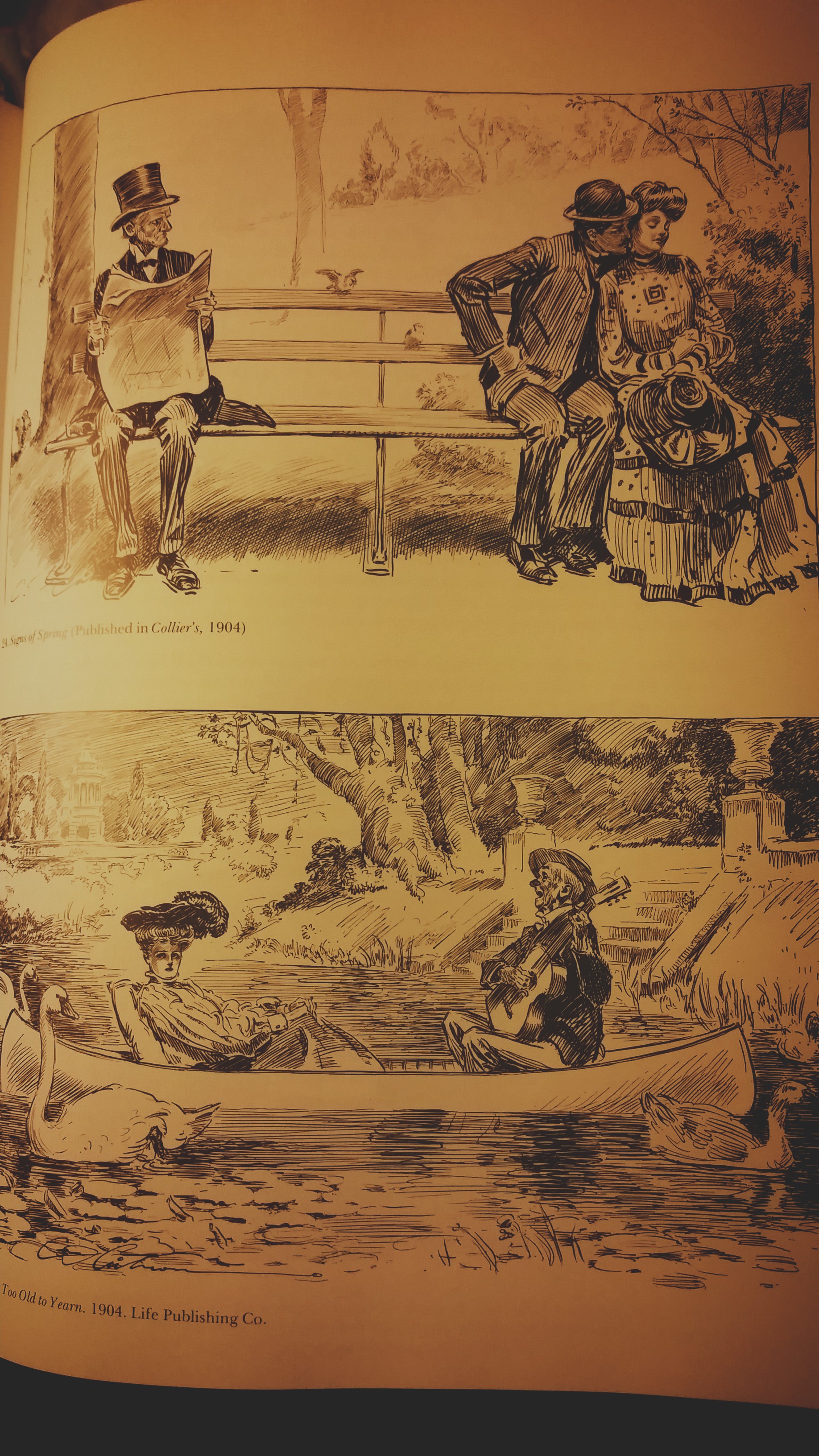
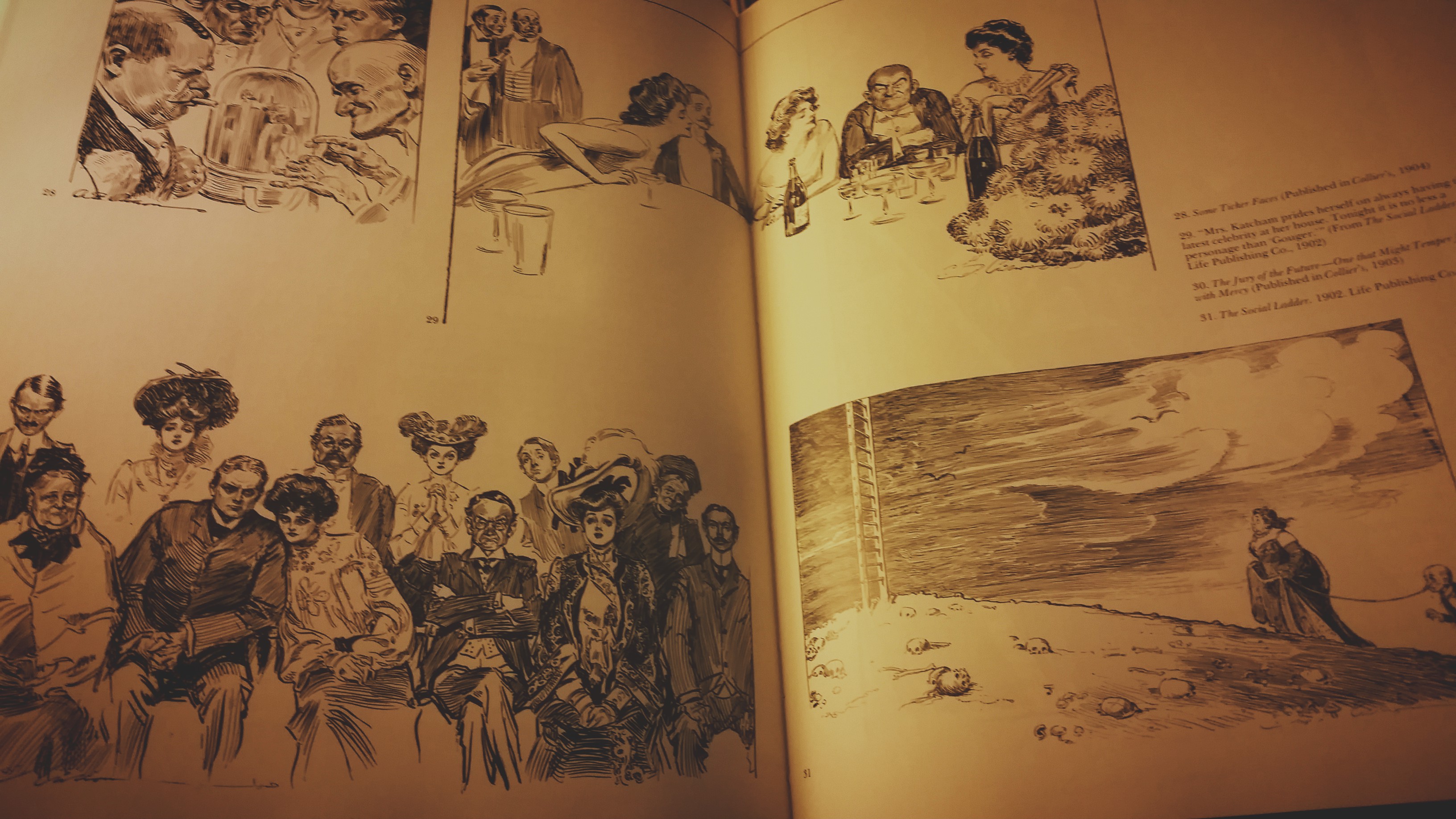
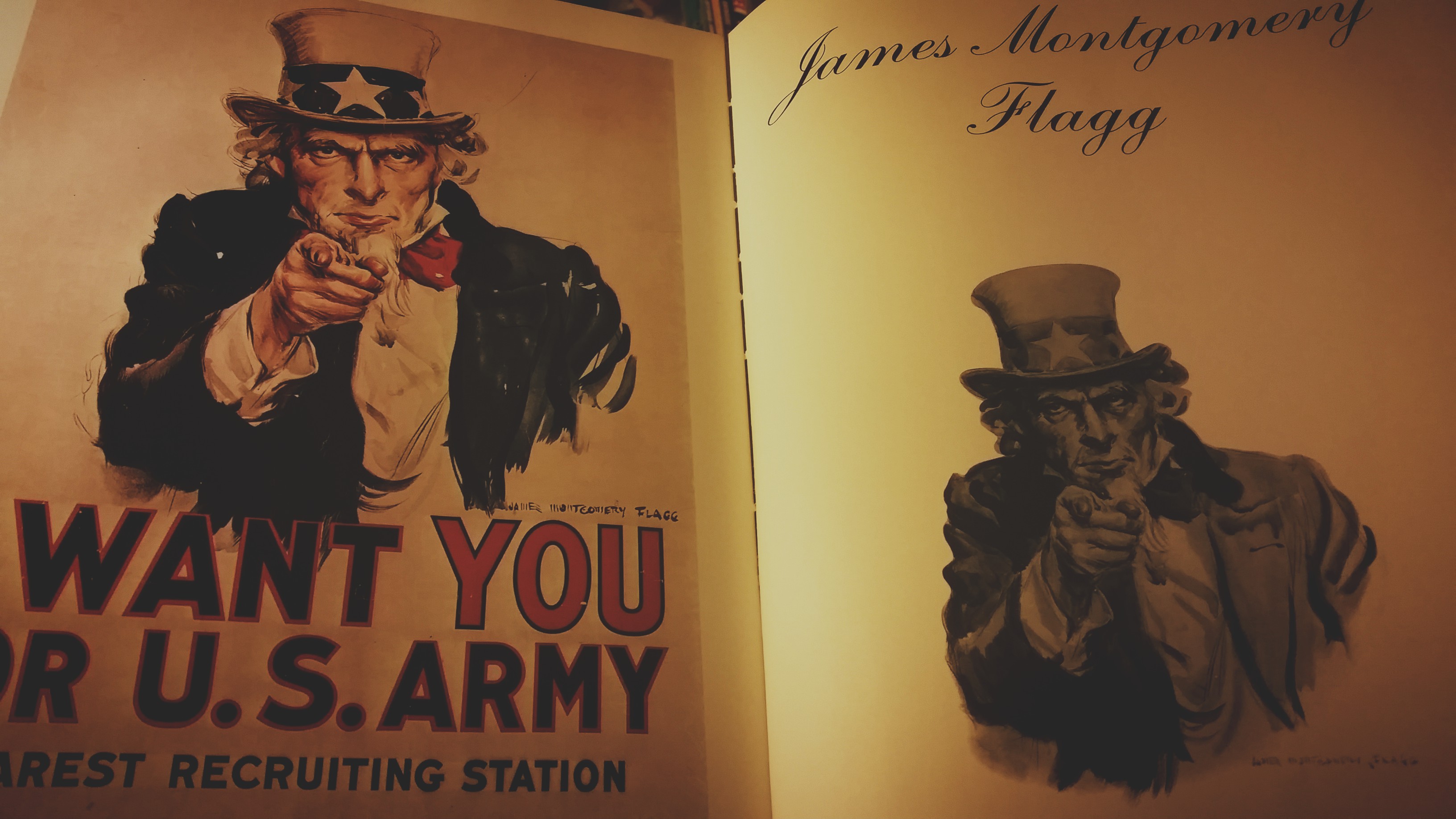
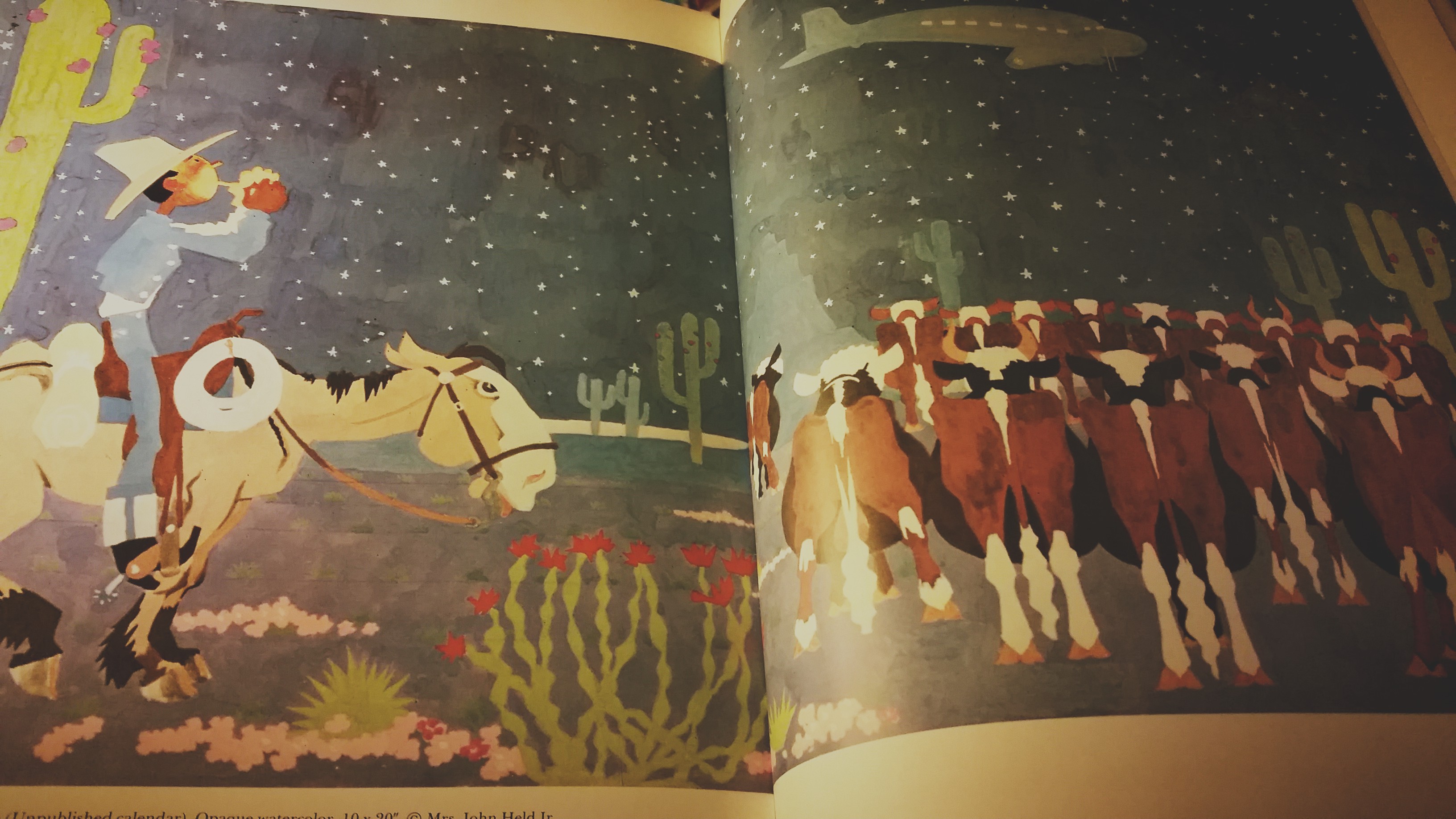
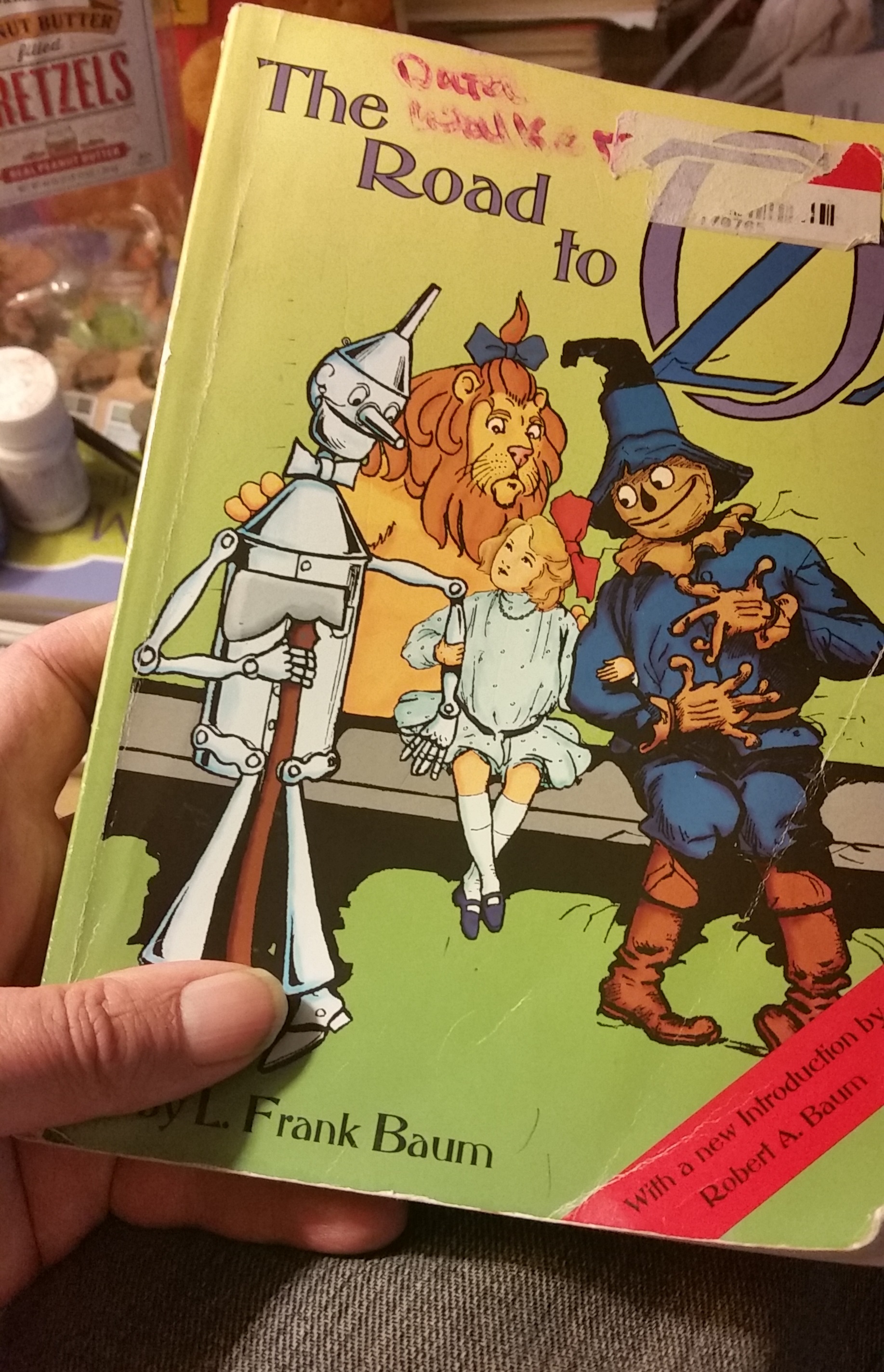
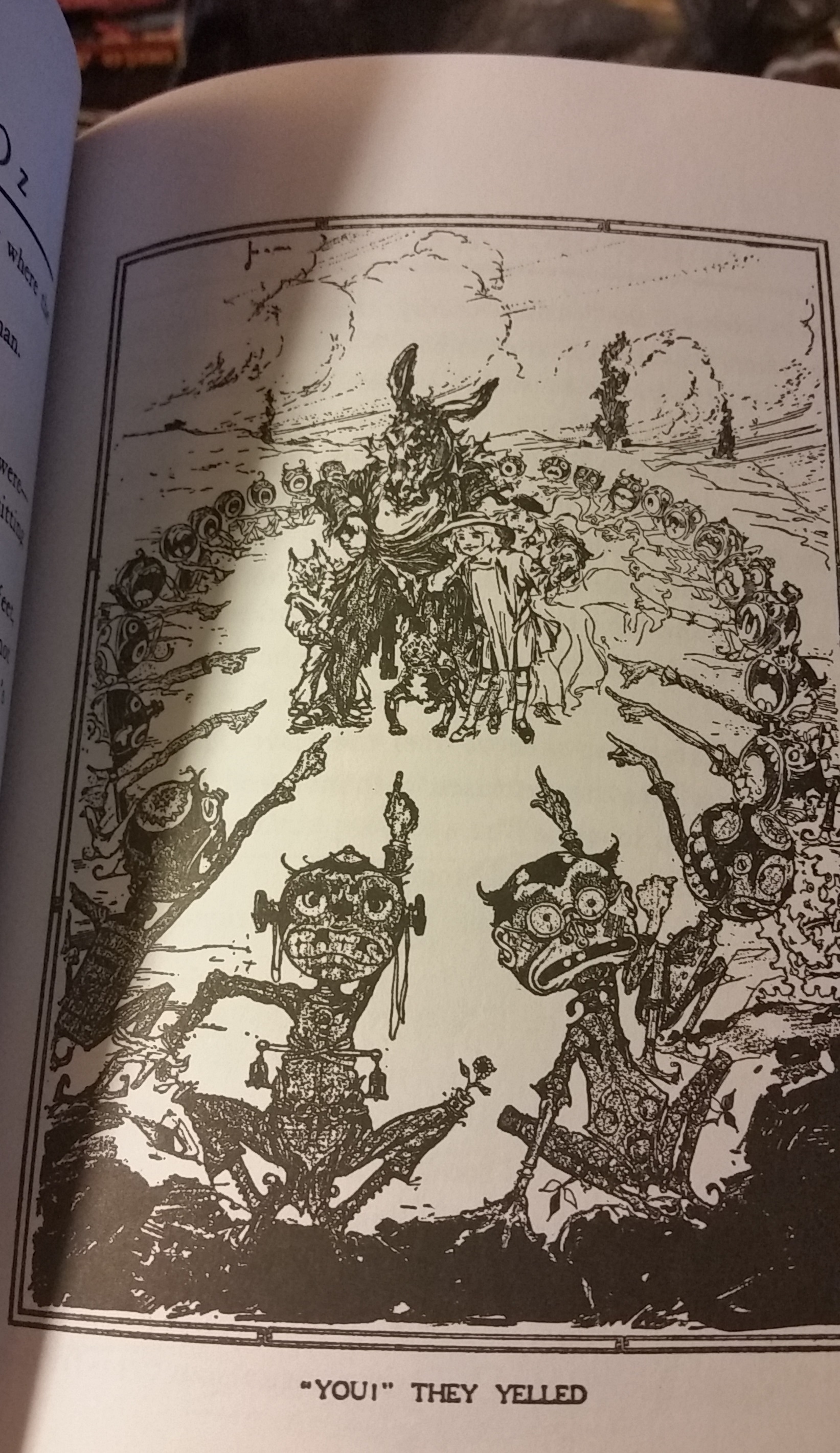
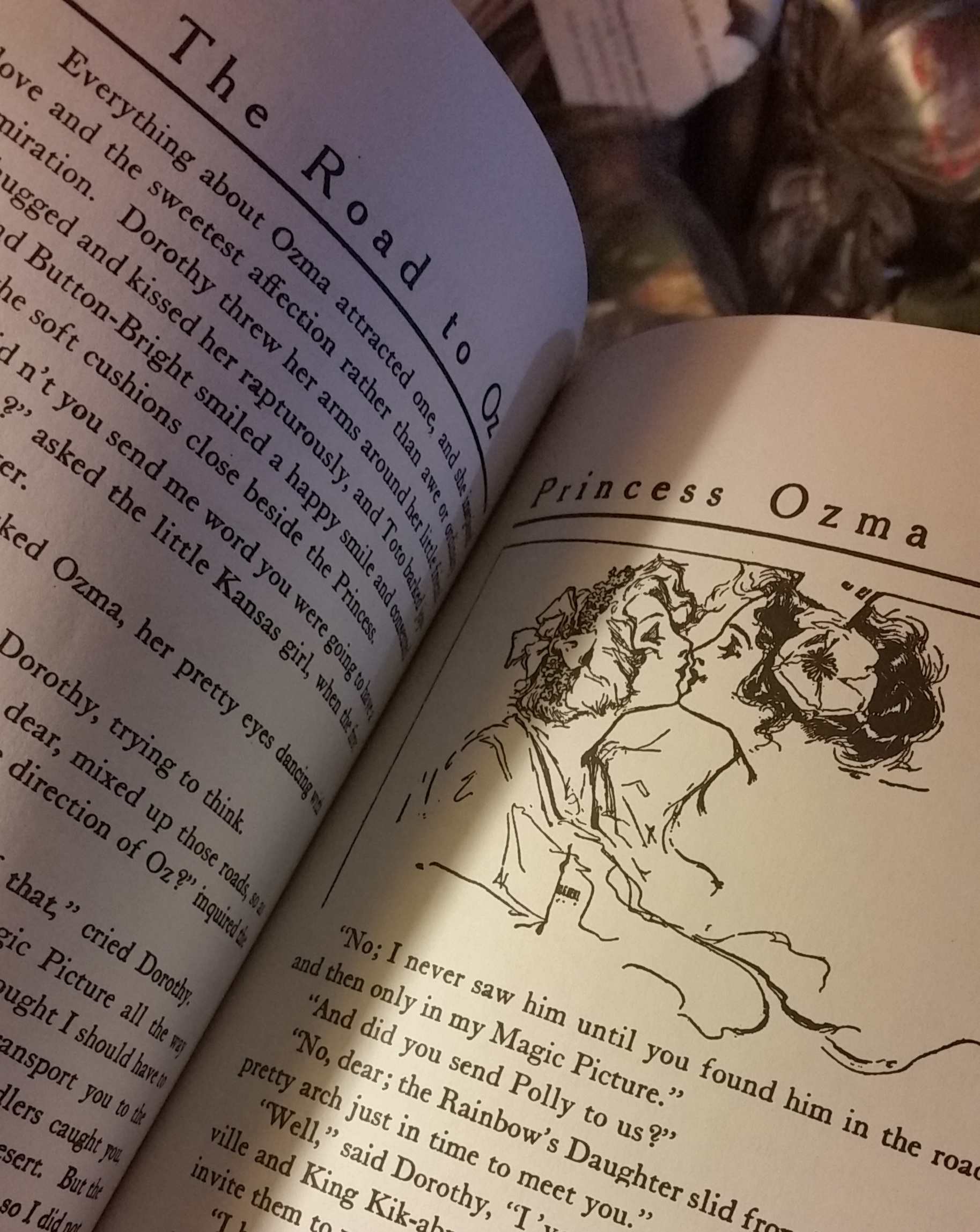
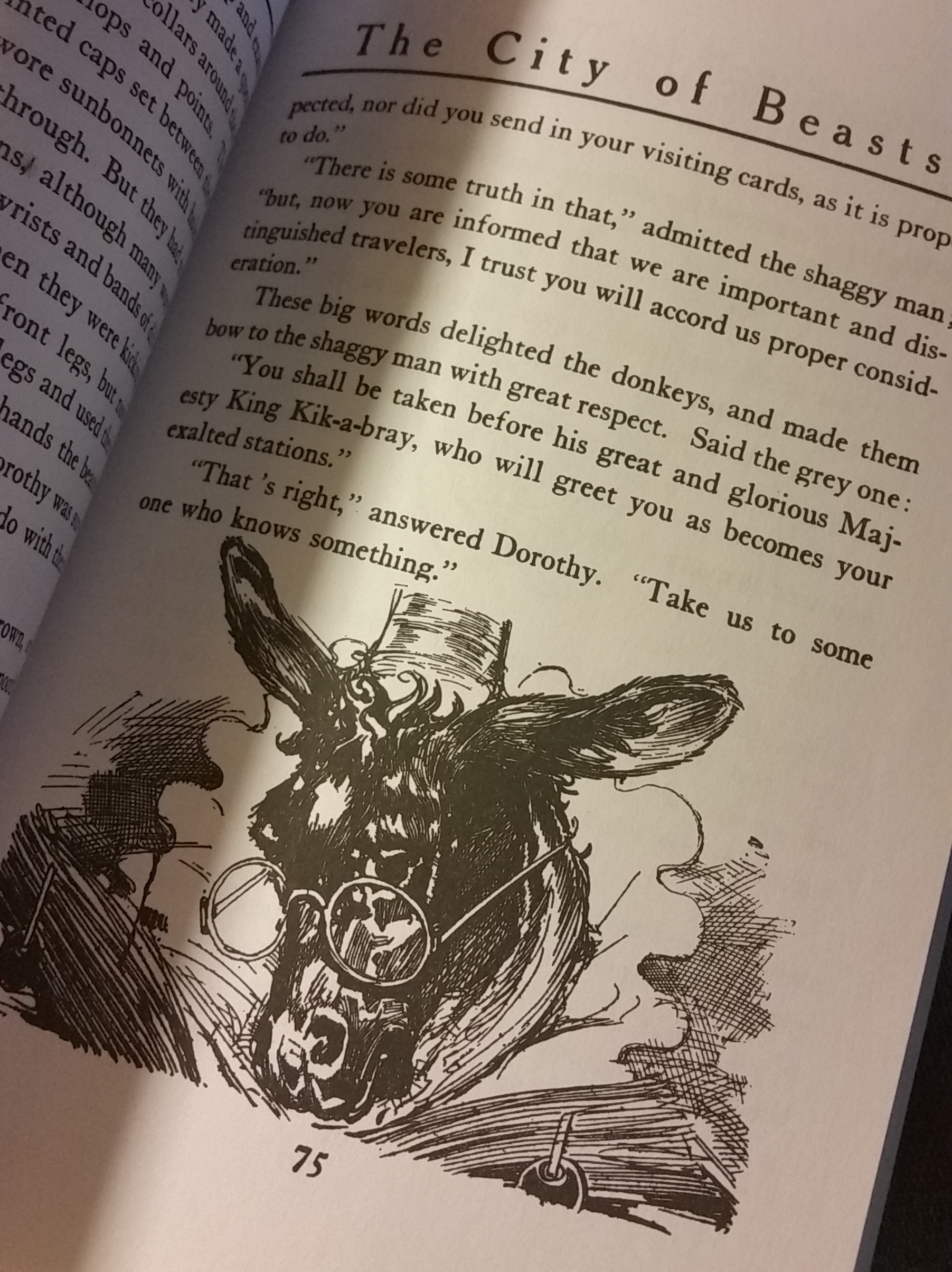
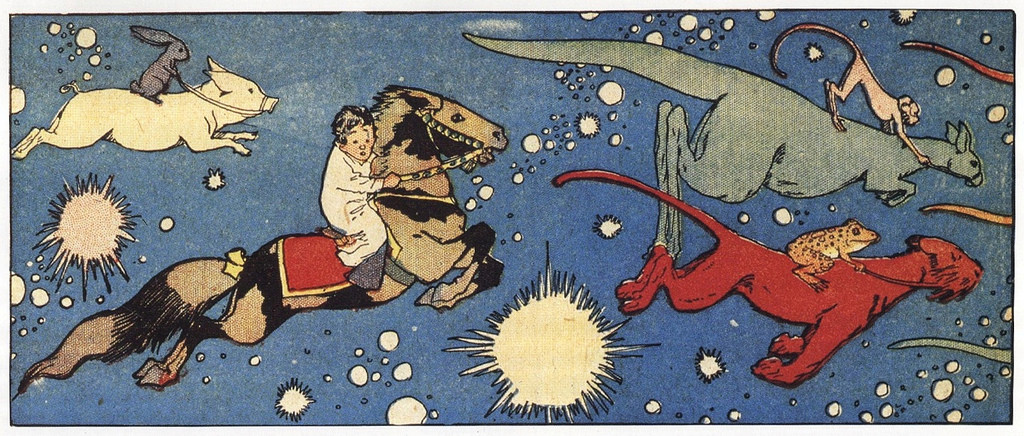
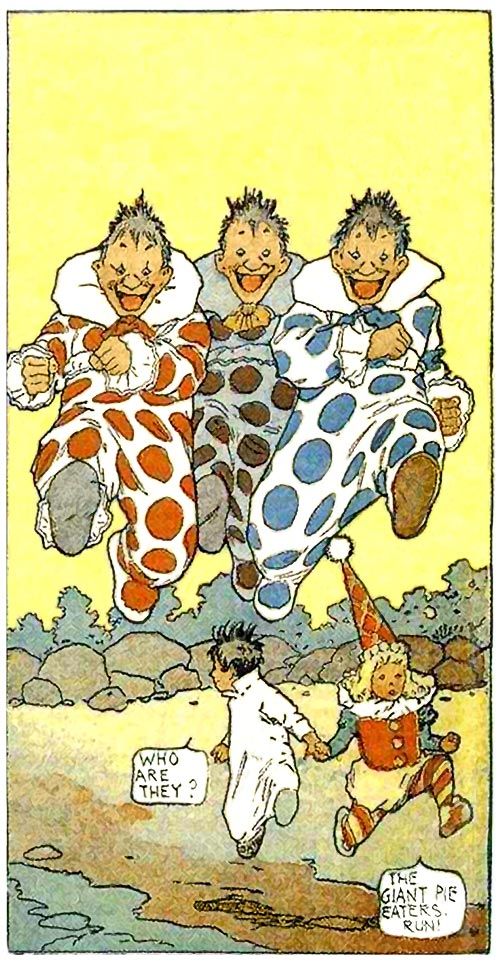
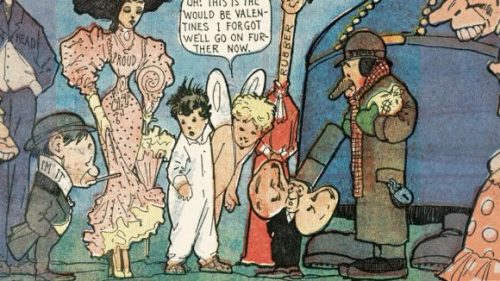
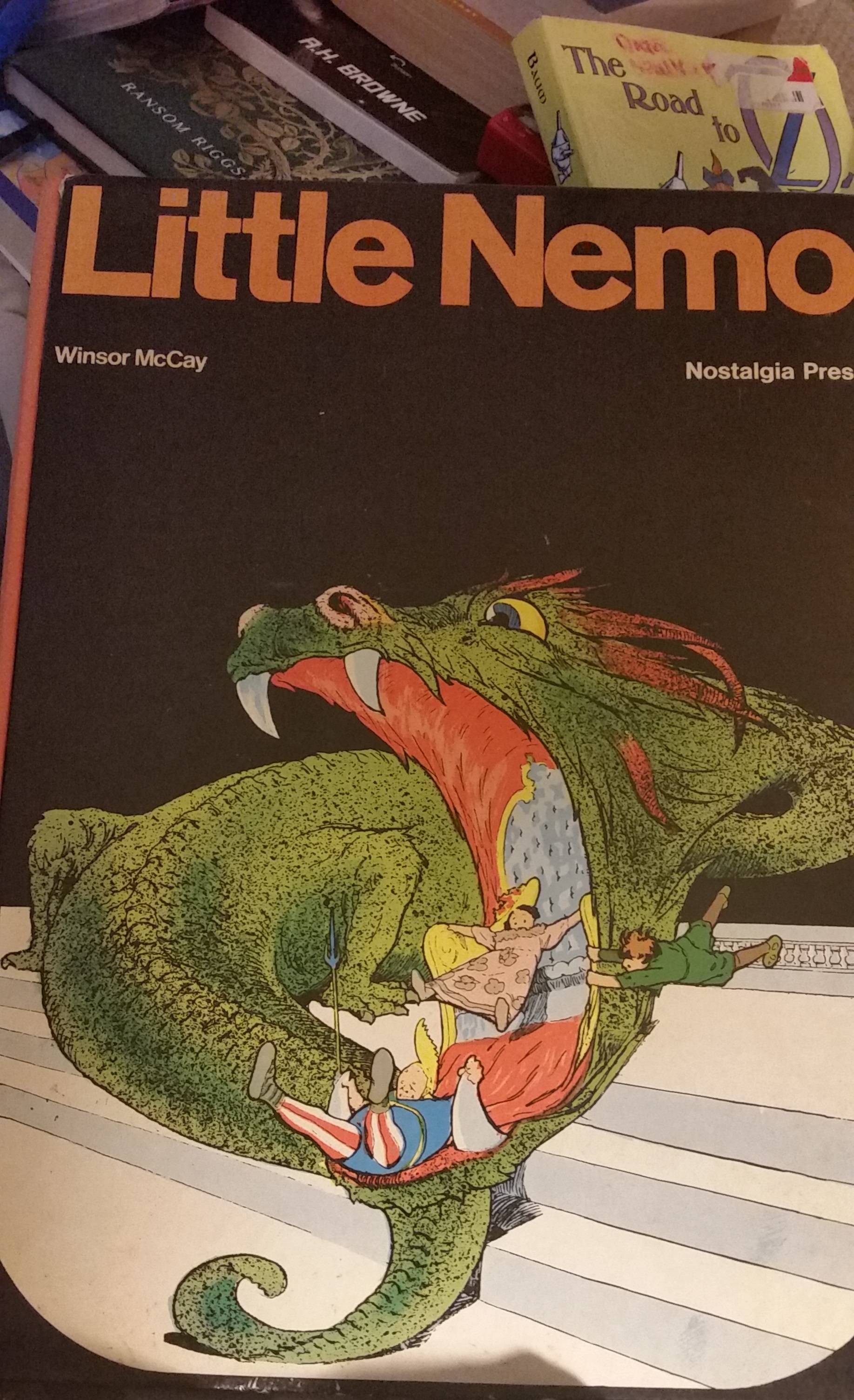
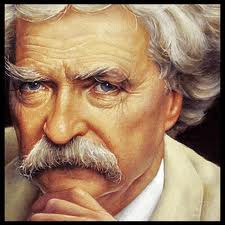
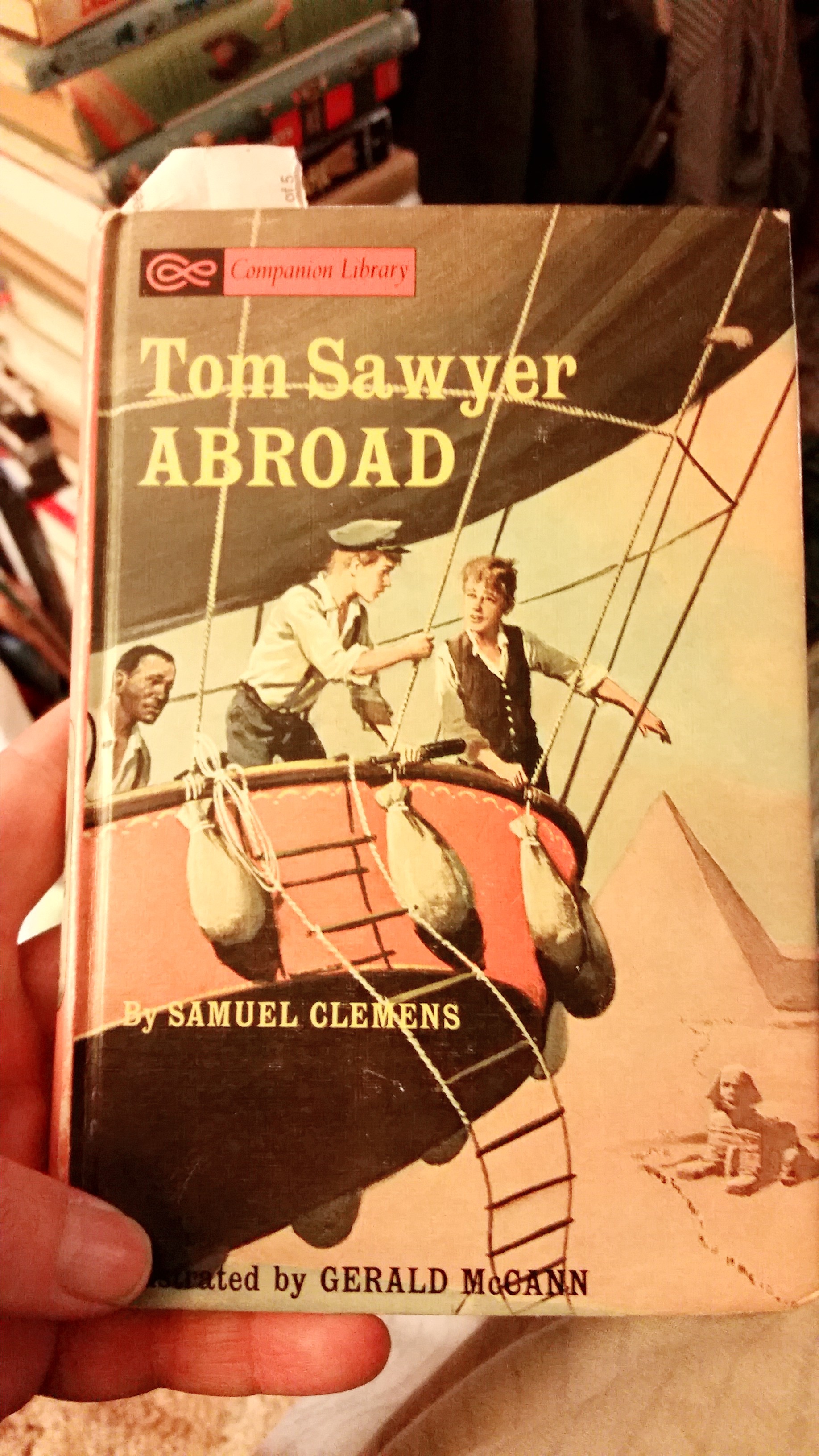
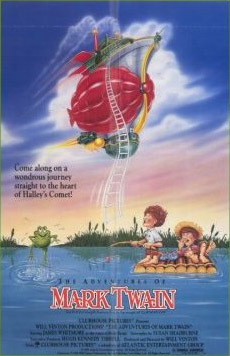 During my middle-school teaching years I also bought and read copies of The Prince and the Pauper, Roughing It, and Life on the Mississippi. I would later use a selection from Roughing It as part of a thematic unit on Mark Twain where I used Will Vinton’s glorious claymation movie, The Adventures of Mark Twain as a way to painlessly introduce my kids to the notion that Mark Twain was funny and complex and wise.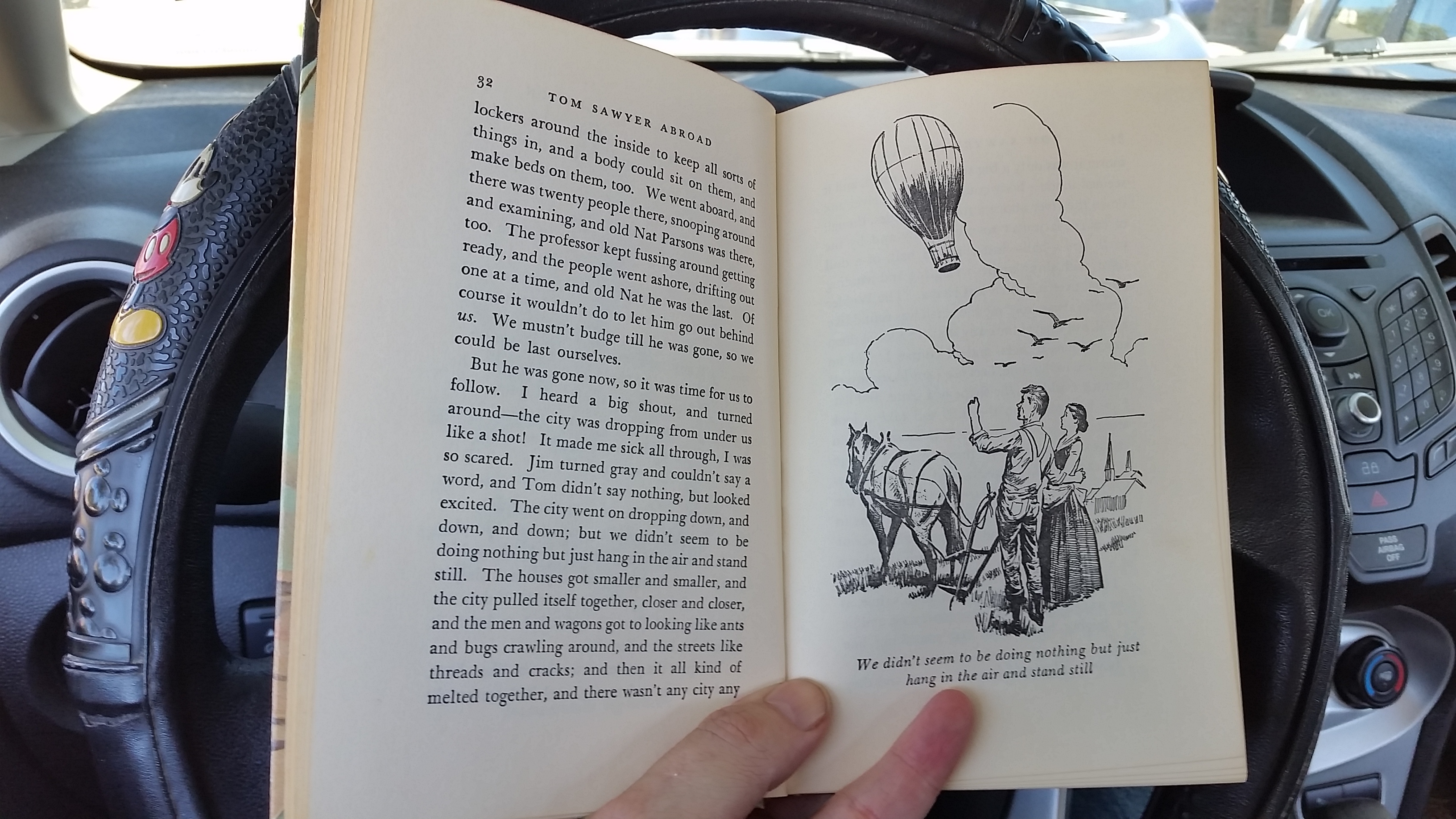
 Catch a Falling Star
My Bookish Journey (Finale)
Like every real, honest-to-God writer, I am on a journey. Like all the good ones and the great ones, I am compelled to find it…
“What is it?” you ask.
“I don’t know,” I answer. “But I’ll know it when I see it.”
“The answer?” you ask. “The secret to everything? Life, the universe, and everything? The equation that unifies all the theories that physicists instinctively know are all one thing? The treasure that pays for everything?”
Yes. That. The subject of the next book. The next idea. Life after death. The most important answer.
And I honestly believe that once found, then you die. Life is over. You have your meaning and purpose. You are fulfilled. Basically, I am writing and thinking and philosophizing to find the justification I need to accept the end of everything.
And you know what? The scariest thing about this post is that I never intended to write these particular words when I started typing. I was going to complain about the book-review process. It makes me think that, perhaps, I will type one more sentence and then drop dead. But maybe not. I don’t think I’ve found it yet.
The thing I am looking for, however, is not an evil thing. It is merely the end of the story. The need no longer to tell another tale.
When a book closes, it doesn’t cease to exist. My life is like that. It will end. Heck, the entire universe may come to an end, though not in our time. And it will still exist beyond that time. The story will just be over. And other stories that were being told will continue. And new ones by new authors will begin. That is how infinity happens.
I think, though, that the ultimate end of the Bookish Journey lies with the one that receives the tale, the listener, the reader, or the mind that is also pursuing the goal and thinks that what I have to say about it might prove useful to his or her own quest.
I was going to complain about the book reviewer I hired for Catch a Falling Star who wrote a book review for a book by that name that was written by a lady author who was not even remotely me. And I didn’t get my money back on that one. Instead I got a hastily re-done review composed from details on the book jacket so the reviewer didn’t have to actually read my book to make up for his mistake. I was also going to complain about Pubby who only give reviewers four days to read a book, no matter how long or short it is, and how some reviewers don’t actually read the book. They only look at the other reviews on Amazon and compose something from there. Or the review I just got today, where the reviewer didn’t bother to read or buy the book as he was contracted to do, and then gave me a tepid review on a book with no other reviews to go by, and the Amazon sales report proves no one bought a book. So, it is definitely a middling review on a book that the reviewer didn’t read. Those are things I had intended to talk about today.
But, in the course of this essay, I have discovered that I don’t need to talk about those tedious and unimportant things. What matters really depends on what you, Dear Reader, got from this post. The ultimate McGuffin is in your hands. Be careful what you do with it. I believe neither of us is really ready to drop dead.
Leave a comment
Filed under book review, commentary, humor, illustrations, novel writing, Paffooney, publishing, reading, strange and wonderful ideas about life, writing
Tagged as book review, book reviews, book-blog, books, reading, writing