Category Archives: autobiography

Writing a Horror Story

Candle-lit nightmares become stories and keep me awake late at night.

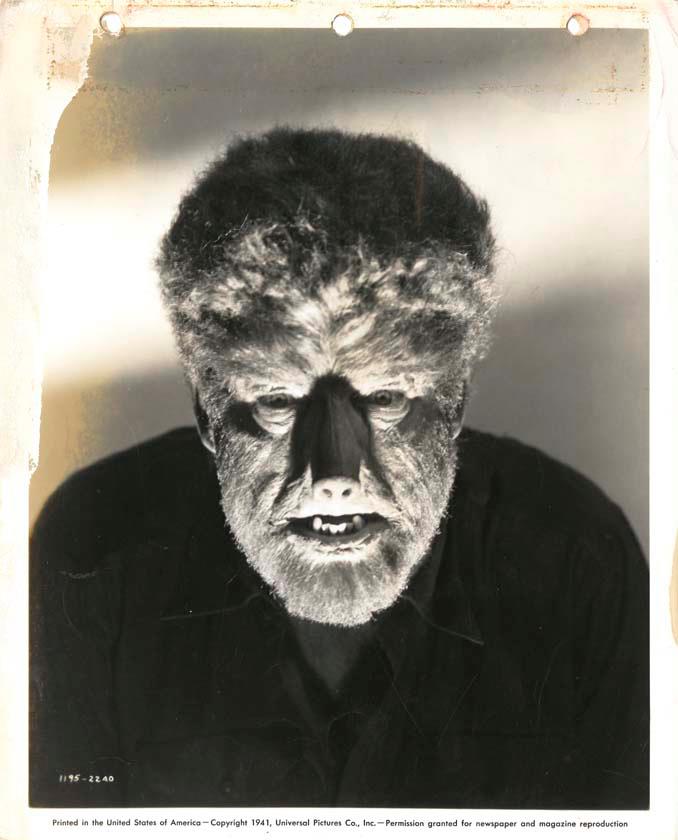
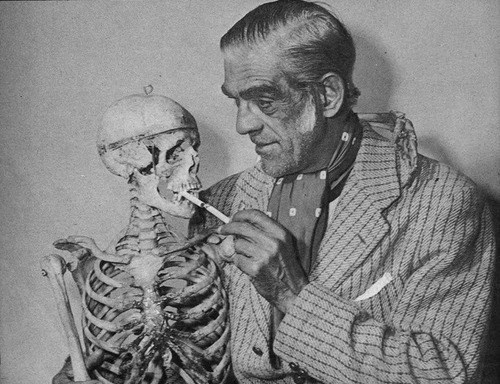
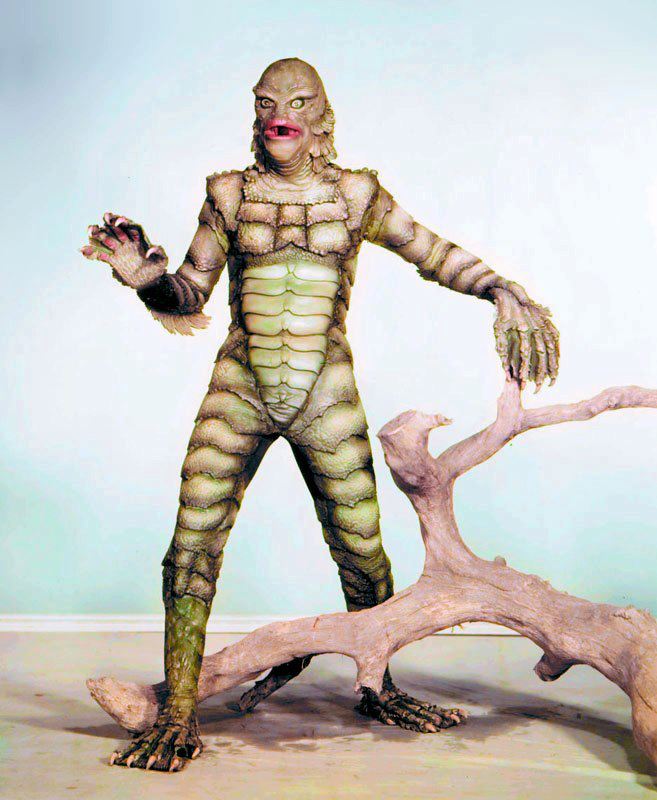
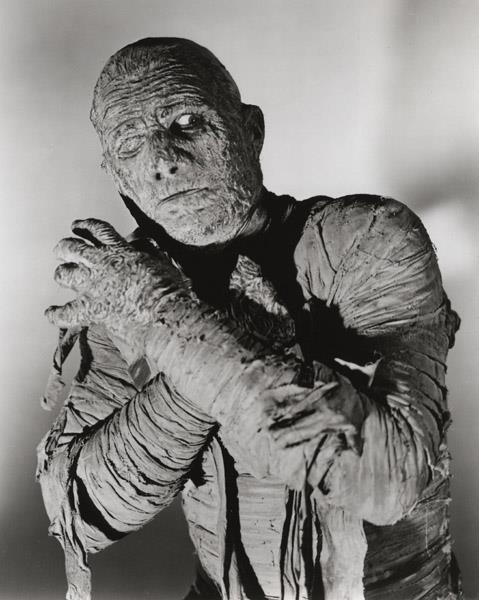
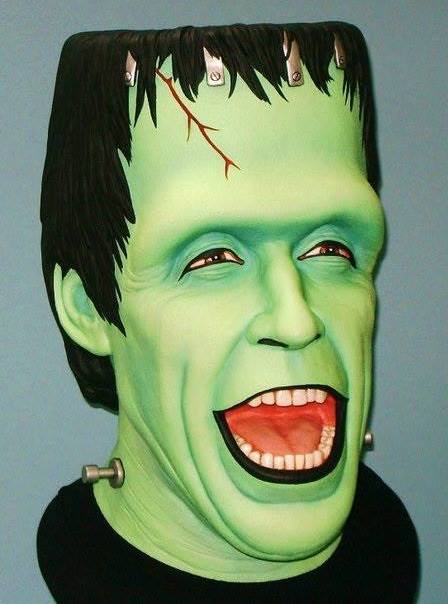
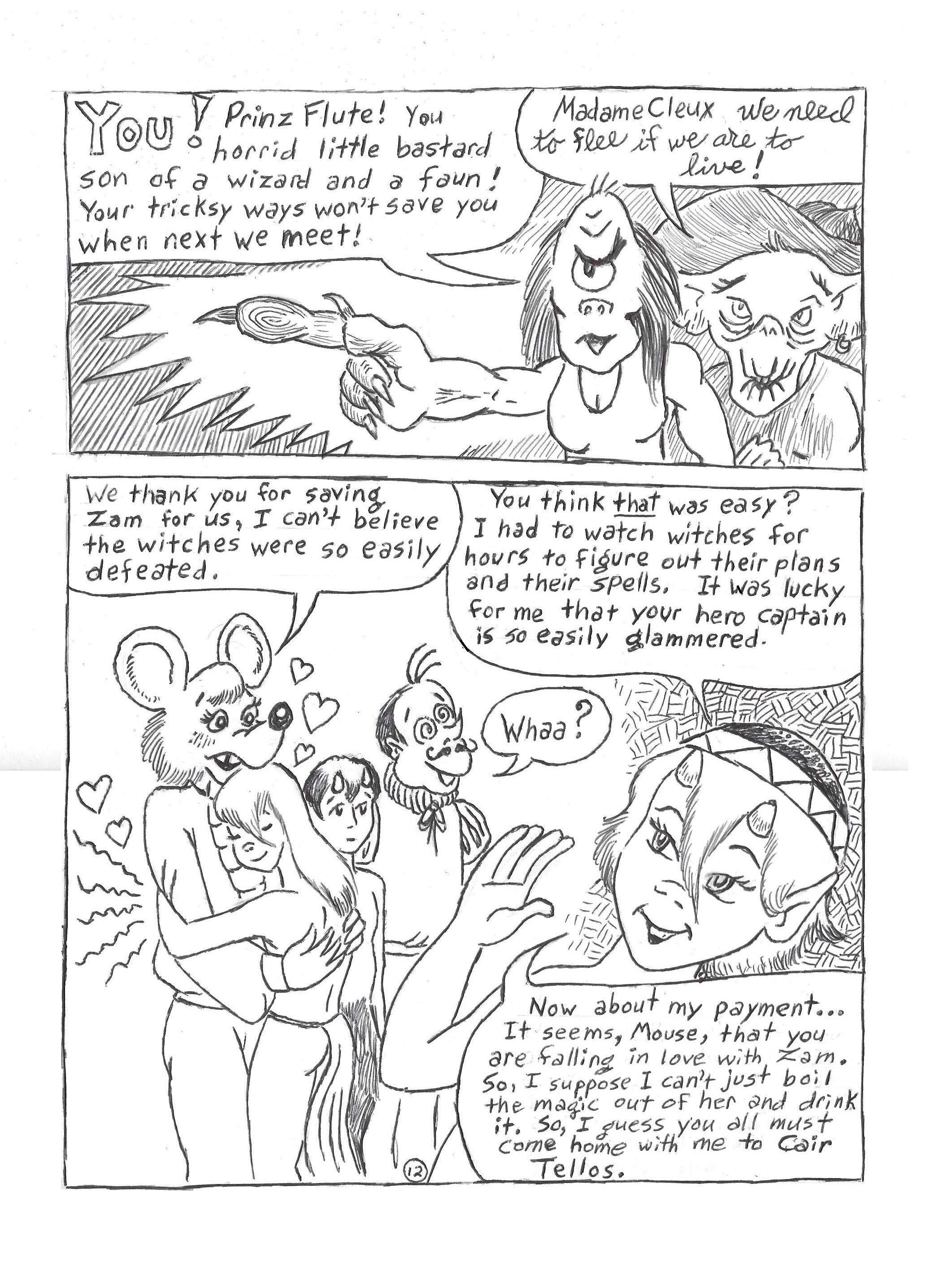
I am now closing in on the publication of The Baby Werewolf, a novel whose story began with a nightmare in 1978.  It was a dream I had about being a monster.  I woke up in a cold sweat and realized, to my complete horror, that I had been repressing the memory of being sexually assaulted for twelve years, the thing that almost brought me to suicide in 1973 and that I couldn’t put into words when I talked to counselors and ministers and friends who tried to keep me alive without even knowing that that was what the dark black words were about.

I don’t normally write horror stories.  Yes, it is true, a character of some sort dies at the end of practically every novel I have ever written, but those are comedies.  I am sort of the anti-Shakespeare in that sense.  The Bard wrote comedies that ended with weddings and tragedies that end in death.  So, since my comedies all seem to end in death, I guess if I ever write a tragedy, it will have to end with a wedding.
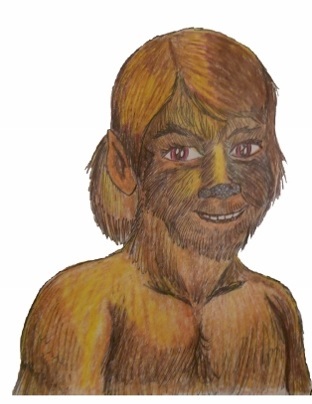
Torrie Brownfield

But writing this horror story is no joke for me, though I admit to using humor in it liberally.  It is a necessary act of confession and redemption for me to put all those dark and terrible feelings into words.

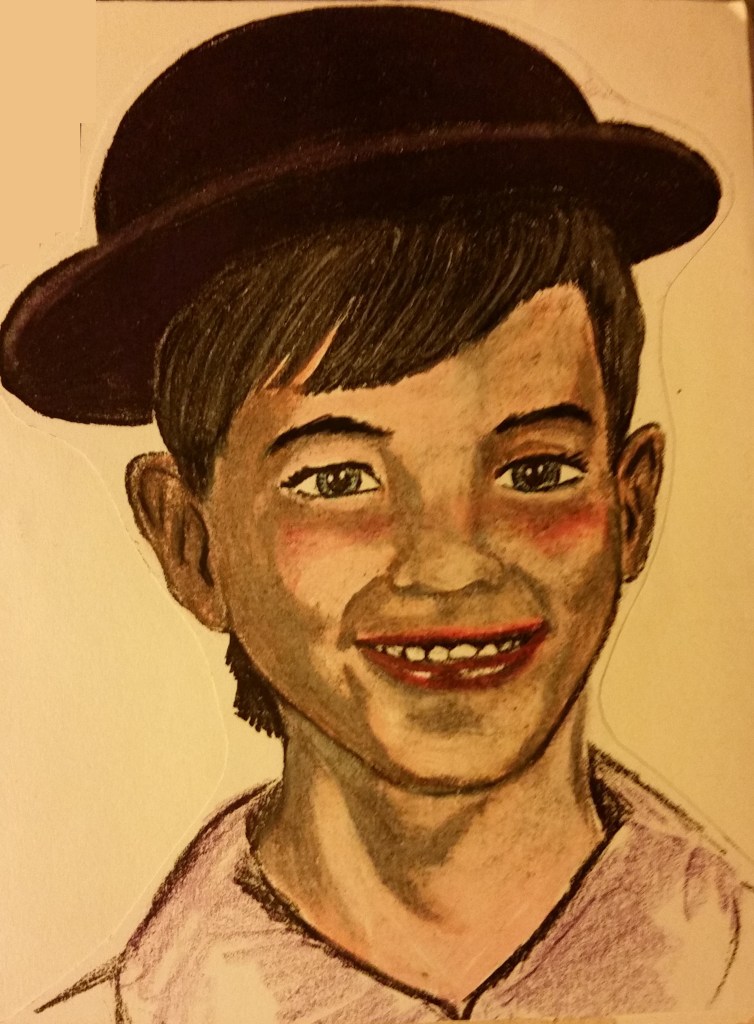
The main theme of the story is coming to grips with feeling like you are a monster when it is actually someone else’s fault that you feel that way.  Torrie, the main character, is not the real werewolf of the story.  He is merely a boy with hypertrichosis, the werewolf-hair disorder.  He has been made to feel like a monster because of the psychological and physical abuse heaped upon him by the real werewolf of the story, an unhappy child pornographer and abuser who is enabled by other adults who should know better and who should not be so easily fooled.  The basis of the tale is the suffering I myself experienced as a child victim.

It is not easy to write a story like this, draining pain from scars on my own soul to paint a portrait of something that still terrifies me to this day, even though I am more than sixty years old and my abuser is now dead.  But as I continue to reread and edit this book, I can’t help but feel like it has been worth the pain and the striving.  No one else in the entire world may ever want to read this book, but I am proud of it.  It allowed me to put a silver bullet in the heart of a werewolf who has been chasing me for fifty-two years.  And that’s how the monster movie in my head is supposed to end, with the monster dead, even though I know the possibility of more monsters in the darkness still exists.

Leave a comment

Filed under autobiography, horror writing, humor, NOVEL WRITING, Paffooney

Sugar-Free Johnny

He was one of my all-time favorite students. I know I say that about an awful lot of kids. I can’t help it. Once you get to know them well enough to teach them anything, you tend to be hooked for life. They are your kid. You are their teacher. And that means almost as much as if they were born to you.

I first got to know Johnny on one frightful morning in September of 1984. He was a tiny, frail little seventh-grade boy sitting in the second seat of the second row. And as I was trying to get them to read a short story in the literature book, he kept nodding off, falling asleep. Sleeping is not an effective reading strategy. Three times I tried to wake him up and get him on task. He could have told me then, but he was painfully shy, and the only word I had heard from him was, “Here,” spoken during roll call. So, the fourth time I took him outside the classroom door to ask him what was wrong. He was deathly pale.

“What’s wrong? What do we need to do to make it better?”

He looked towards the boys’ restroom. “I gotta go…”

I told him to go, then followed him down to the restroom because I knew it was something serious. Serious enough to leave my class unattended. But they were deathly quiet, because unlike me, they knew what was wrong. I found him throwing up in the trash can. He told me he was sick in a barely audible voice.

Immediately I went to the office and told the secretary that he was ill.

“They have juice for him in the refrigerator in the ESL room,” Ms. Lawler said. “I’m sorry we haven’t gotten the nurse’s list out to teachers yet. He’s got juvenile diabetes.”

Whoa! I didn’t know much about diabetes then, but I did know it was too deadly of a thing to allow myself not to know everything I needed to know. At the time the school nurse had to take care of all four campuses in the school district, and she was only at the Junior High on Thursdays.

Thankfully, over time, not only did I learn more about handling that disease, but medical science did too. When I would later develop adult-onset diabetes in 2000, treatment for diabetics would become much more effective, rendering the disease far less destructive.

As for Johnny himself, he became a part of the small group of housing-project kids who would come to my apartment on Saturdays, and sometimes after school to hang out, use my computer, and play table-top role-playing games. I made a special effort to engage Johnny in conversations about a little of everything. He was a very bright boy when he felt well. I got to know his seriously diabetic mother too. And his older sister would later become a nurse at the local doctor’s office, so I got to know her as well. Johnny didn’t have a father at the time, which also applied to each of the other boys from the project, except for the Camacho brothers whose father was a seriously depressed Vietnam veteran. I suppose that’s why Johnny became like a son to me, one of five boys who at the time treated me like a second father. I taught him. I entertained him. And occasionally I cooked for him.

One of my two girlfriends at the time that I was mentoring Johnny liked to give him sugar-free candy. She got so accustomed to always having some available at her place that she actually got hooked on it herself.

In school Johnny opened up the way a cactus flower blooms when it gets a little rain. He began to talk to other kids a lot. He made himself into a group leader, and he even went out for high school football. Truthfully, I was amazed by him on the football field. He played defensive back. And he played like a star. I watched him intercept the ball about three times and run it back the other way. The coaches soon felt about him the same way I did. He was part of their family too.

And it turns out that being physically fit practically cures juvenile diabetes.

He got stronger and healthier with each season. He gave me the football portrait not because I had anything to do with his success, but because he loved me. I have hugged that boy three times in my lifetime, and each time is a cherished memory that I hope to carry with me to Xibalba, the Mayan Land of the Dead.

When I developed diabetes myself, Johnny’s older sister kept track of my wellness charts herself. Johnny’s family was experienced with handling diabetes, and they looked after me like a member of their family.

The last time I saw Johnny it was in the hallway at school. It was only a year before I left Cotulla for good. He had come especially to see me. I didn’t even recognize him at first because I hadn’t seen him for a decade. I wanted to talk to him and catch up. But I had to pick up my eldest son that day from second grade as he had been ill. I was not feeling well myself. So, I asked for a rain check. He still had that beautiful smile. And he didn’t tell me that that was the only chance he had to see me before leaving town again. It broke my heart when they told me that later.

But I see him again now as I tell you the story of Sugar-Free Johnny. He was probably the sweetest kid I ever taught. He will always be a part of my story. And apparently I am part of his story too.

Leave a comment

Filed under autobiography, education, humor, kids, Paffooney, strange and wonderful ideas about life

Why I Must Be a Spiritual Nudist

This is actually a repost of an older essay since I am ill again and fighting to think in between coughing fits. Where this says I have only been naked once at the nudist park, that is no longer true as I have revisited the same park with my AANR membership.

I do now admit to being a nudist… or naturist if you prefer. To me that means, if given a choice, I would prefer to be naked all the time. Especially in a natural setting outdoors. I have probably spent more time in the company of naked people than you have, even though I was never myself nude in a social setting until my one and only visit to the Bluebonnet Naturist Park in Alvord, Texas. I was a visitor at the clothing-optional apartment complex at Manor Road in Austin a number of times in the 1980s when my girlfriend’s sister was a resident there. They asked me to disrobe a couple of times, but, as a visitor, I exercised my option. And I corresponded with Floridian nudists by letter, email, and subscriptions to nudist publications through the 1990s.

“Nature Walk”

But it is very nearly an ironic notion that I am literally a nudist. My wife is opposed to nakedness for religious reasons. Although members of my family were fine with skinny-dipping in our pool until it developed fatal foundation cracks, we no longer tolerate nudity at home, except in the shower and the bedroom behind closed doors. And being naked outdoors, though it always used to be good for my health, now is a problem with my increased susceptibility to the return of skin cancer, and the fact that my psoriasis sores, in addition to being ghastly to look at, get dry, cracked, and bloody with a chance of infection far easier than they ever used to. And I have more of them.

If I am being honest, I am not really a literal nudist anymore. I don’t get naked much at all anymore. I do correspond via Twitter with other nudists, especially other nudist authors and cartoonists. But that has its down sides too. Twitter followers who are evangelical Christians un-follow me instantly when they actually see a nudist-friendly post or comment from me. Nudists are apparently among the vast multitudes of sinners destined for Hell. And being part of the Twitter-nudist community also seems to attract unwanted attention from those who love pornography, as well as those who wish to exploit the “prurient interests” of others (which, in my humble experience, is not the interests of real nudists.)

So…

I have always found it challenging to be an actual nudist. I do the best I can, but, as I have repeatedly written in other posts about the subject, I was sexually assaulted by an older boy when I was ten. I spent years overcoming an aversion to ever being seen naked by others.

That aversion prevented me from embracing a positive body image of myself for the rest of my childhood and well into my young adulthood. I was deprived of the joys of skinny-dipping in the Iowa River and being comfortable in my own skin. That was a definite drawback when it came to showers in school after P.E. Class, or showers after football, basketball, or track practice. I was robbed of my sense of naked childhood innocence. I felt like I had a terrible secret to keep, and I was secretly a monster for having naked feelings.

So, in order to be more like a valid, real person, Mickey, as a nudist, has committed himself to being a Spiritual Nudist. A Spiritual Nudist doesn’t hide anything by wearing clothing. A Spiritual Nudist is honest, and tells the naked truth. And a Spiritual Nudist doesn’t have to be actually naked to be Spiritually nude.

I may not now fit the definition of an actual, literal nudist anymore. But I can think like a nudist, tell nudist stories, and draw naked people (in a non-pornographic way). And like a real nudist, I no longer worry about what other people think. The naked truth is still the truth. And maybe even more-so than when people wear their clothes as if it were a disguise.

Leave a comment

Filed under autobiography, humor, irony, nudes, Paffooney

Giving and Taking Stupid Advice

Let’s begin with some stupid advice. I don’t have time to write a lot today because the Princess is ill and must go see the doctor in Plano.  So the advice is; Set aside time for writing and always allow plenty of time for it.  You will probably notice already that I am giving you advice that I am not taking myself this morning.  So don’t follow that advice.  It is stupid advice.  I have given it to creative writing classes for years and thought I meant it.  But looking back on real life, I realize, it has never been true for me.  My best ideas, my best writing, always seem to come in the middle of the pressure-cooker of daily struggle and strife.  I have battled serious illness for most of my adult life.  I have the luck of a man who tried to avoid letting a black cat cross his path by crashing his bicycle at the top of a hill covered in clover with only three leaves each and then rolling down the hill, under a ladder, and crashing into a doorpost which knocks the horseshoe off the top.  The horseshoe lands on my stupid head with the “U” facing downward so the luck all drains out.  Bad things happen to me all the time.  But it makes for good writing.  Tell me you didn’t at least smile at the picture I just painted in your mind.  You might’ve even been unable to suppress a chuckle.  I am under time pressure and misfortune pressure and the need to rearrange my entire daily schedule.  So it is the perfect time to write.

Val in the Yard

This essay, however, is about bad advice.  And I am a perfect person to rely on as a resource for bad advice.  I am full of it.  Of course, I mean I am full of bad advice, not that other thing we think of when someone tells me I am “Full of it!”  So here’s another bit of writing advice that is probably completely wrong and a bad idea to take without a grain of salt, or at least a doctor’s prescription.   You should stop bird-walking in your essay and get to the damn point!

 I know a lot about the subject of depression.  When I was a teenager, I came very close to suicide.  I experienced tidal waves of self-loathing and black-enveloping blankets of depression for reasons that I didn’t understand until I realized later in life that it all came from being a child-victim of sexual assault.  Somehow I muddled through and managed to self-medicate with journal writing and fantasy-fixations, thus avoiding a potentially serious alcohol or drug problem.  This is connected to my main idea, despite the fact that I am obviously not following the no bird-walking advice.  You see, with depression, Bad advice can kill you.  Seriously, people want to tell you to just, “Get over it!  Stop moping about and get on with life.  It isn’t real.  You are just being lazy.”

I have been on the inside of depression and I know for a fact that not taking it seriously can be deadly.  In fact, I have faced suicidal depression not only in myself, but in several former students and even my own children.  I have spent time in emergency rooms, mental hospitals, and therapists offices when I wasn’t myself the depression sufferer.  One of my high school classmates and one of my former students lost their battles and now are no longer among the living.  (Sorry, have to take a moment for tears again.)  But I learned how to help a depression sufferer.  You have to talk to them and make them listen at least to the part where you say, “I have been through this myself.  Don’t give in to it.  You can survive if you fight back.  And whatever you have to do, I will be right here for you.  You can talk to me about anything.  I will listen.  And I won’t try to give you any advice.”  Of course, after you say that to them, you do not leave them alone.  You stay by them and protect them from themselves, or make sure somebody that will do the same for them stays with them.  So far, that last bit of advice has worked for me.  But the fight can be life-long.  And it is a critical battle.

So taking advice from others is always an adventure.  Red pill?  Green pill?  Poison pill?  Which will you take?  I can’t decide for you.  Any advice I give you would probably just be stupid advice.  You have to weigh the evidence and decide for yourself.  What does this stupid essay even mean?  Isn’t it just a pile of stupid advice?  A concluding paragraph should tell you the answer if it can.  But, I fear, there is no answer this time.

Leave a comment

Filed under artwork, autobiography, battling depression, commentary, compassion, Depression, empathy, healing, insight, Paffooney, sharing from YouTube, strange and wonderful ideas about life

Why Mickey Writes

Fools

If you are wondering, “How in the Heck can Mickey write nonsense like that essay he wrote yesterday?”, then please be aware that Mickey is pondering that same question.

Seriously, why would a writer publish personal thoughts and allude to personal tragedies?  Especially when they are about things that once upon a time nearly killed him?  (Please note that when Mickey starts a sentence with “Seriously” it is probably about to lead to a joke, the same way as when Trump says, “Believe me” we should  assume he is telling a lie and knows it.)

The answer is simply, writers write stuff.  They have to.  If they didn’t, they wouldn’t be writers.

It is really not something to do to earn fame and fortune.  Fame and fortune happen to rare individuals like J. K. Rowling and Steven King… and even Stephanie Meyer, to prove that it is totally random and not based on actual writing talent… except for sometimes.

David C2

You write to get your head right about bad things that happen in life.  You find that factor in Mark Twain whose infant son died, as well as most of the rest of his family, before him, forcing him to face survivor’s guilt and the notion that life is random and death does not come for you based on any kind of merit system.  Charles Dickens wrote about the foibles of his father, on whom he based the David Copperfield character Wilkins Micawber, a man who was overly optimistic and constantly landing in debtor’s prison because of it.  He also wrote in his stories about the women he truly loved (who were not, it seems, his wife) one of whom died in his arms while yet a teenager.  Dickens’ amused take on the innate foolishness of mankind gave him a chance to powerfully depict great tragedies both large (as in a Tale of Two Cities) and small (as in Oliver Twist).  I wrote yesterday’s post based on the connection between the nudity I write about in novels and my own traumatic assault when I was only ten.

You write because you have wisdom, an inner personal truth, that you are convinced needs to be crystallized in words and written down on paper.  It isn’t necessarily real truth.  Lots of idiots write things and post them in newspapers, blogs, and even books.  And it is often true that their inner personal truth is complete hogwash.  (But, hey, at least the hogs are cleaner that way.)  Still, your wisdom is your own, and it is true for you even if some idiot like Mickey reads it and thinks it is only fit for cleaning hogs.

Creativity

And you truly do have to write.  If I did not write my stupid, worthless novels, all the hundreds of characters in my head would get mad and start kicking the pillars that hold up the structures in my head.  I do have structures in my head.  My mind is organized in boxes that contain specifically sorted ideas and stories and notions.  It is not a festering stew pot where everything is mixed together and either bubbling or boiling with hot places or coagulating in the cold corners.  (That is how I picture Donald Trump’s mind.  It is certainly not an empty desert like many people think, because deserts don’t explode all over Twitter early in the morning like the stew pot metaphor obviously would.)

And so, I have done it again.  I have set down my 500+ words for today and made a complete fool of myself.  And why do I do it?  Because Mickey is a writer, and so, Mickey writes stuff.

Leave a comment

Filed under artwork, autobiography, commentary, humor, insight, irony, Mark Twain, Mickey, Paffooney, strange and wonderful ideas about life, wisdom, writing humor

I Love to Laugh

“Mickey, why can’t you be more serious, the way smart people are?”

“Well, now, my dear, I think I take humor very seriously.”

“How can you say that?  You never seem to be serious for more than a few seconds in a row.”

“I can say it in a high, squeaky, falsetto voice so I sound like Mickey Mouse.”

“You know that’s not what I mean.”

“I can also burp it… Well, maybe not so much since I was in junior high.”

THREE STOOGES, THE

“I distinctly remember getting in trouble in Mrs. Mennenga’s third grade class in school for pantomiming pulling my beating heart out of my chest and accidentally dropping it on the floor.  She lectured me about being more studious.  But I made Alicia sitting in the row beside me laugh.  It was all worth it.  And the teacher was right.  I don’t remember anything from the lesson on adding fractions we were supposed to be doing.  But I remember that laugh.  It is one precious piece of the golden treasure I put in the treasure chest of memories I keep stored in my heart.”

Groucho

“I always listened to the words Groucho Marx was saying, even though he said them awfully fast and sneaky-like.  I listened to the words.  Other characters didn’t seem to listen to him.  He didn’t seem to listen to them.  Yet, how could he respond like he did if he really wasn’t listening?  In his answers were always golden bits of wisdom.  Other people laughed at his jokes when the laugh track told them to.  I laughed when I understood the wisdom.”

727-1

“Laughing is a way of showing understanding.  Laughing is a way of making yourself feel good.  Laughing is good for your brain and your heart and your soul.  So, I want to laugh more.  I need to laugh more.  I love to laugh.”

Leave a comment

Filed under autobiography, comedians, commentary, goofiness, goofy thoughts, humor, irony, Paffooney, strange and wonderful ideas about life, wisdom

Writing Every Day

c360_2016-11-20-09-17-22-486

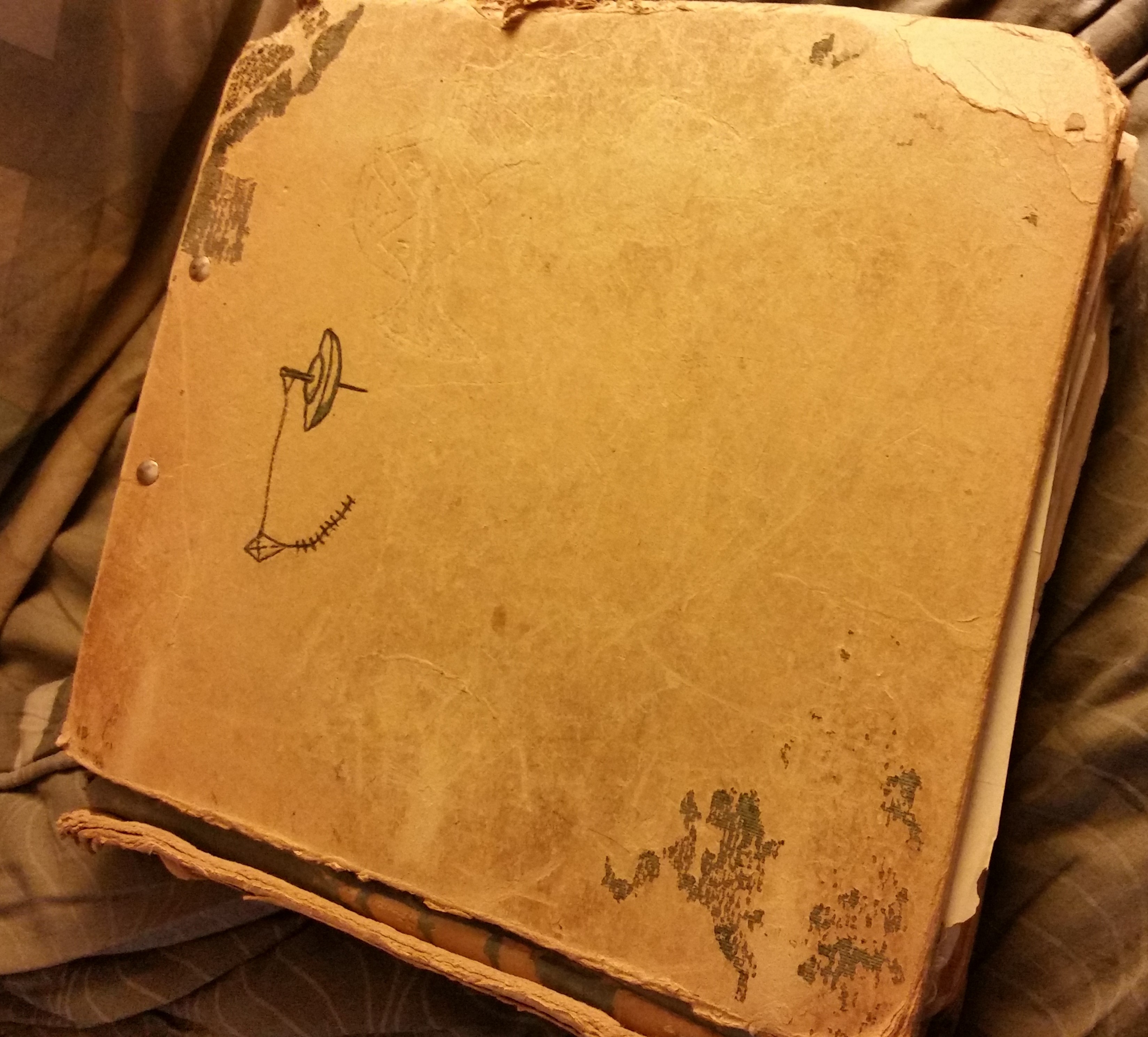
These are volumes 3 & 4 of my daily journal that I have kept since the 1980s.

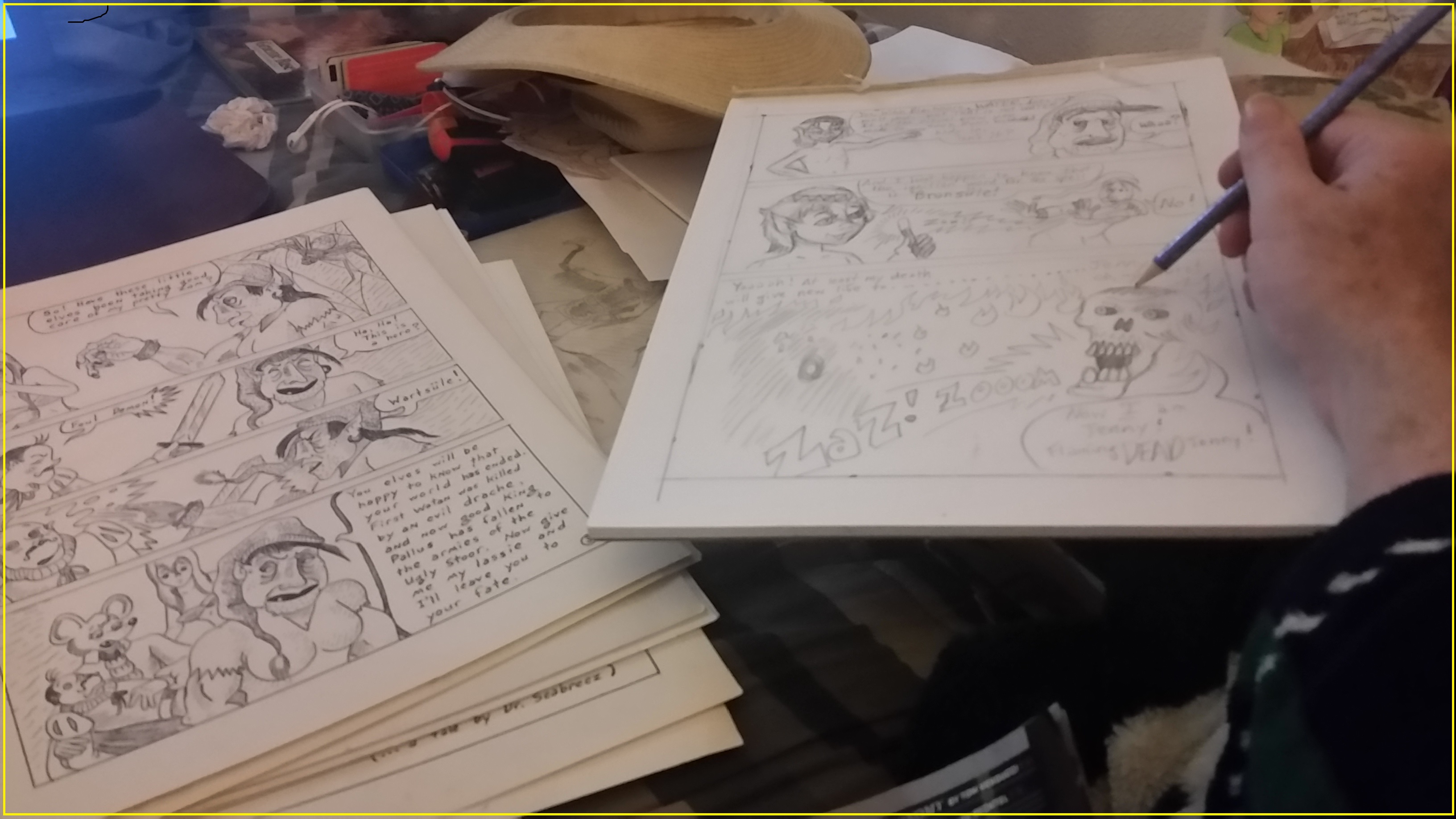
Writing every single day is something I have been doing since 1975, my senior year in high school.  It is why I claim to be a writer, even though I have never made enough money at it to even begin to think of myself as a professional writer.  I kept a journal/diary/series of notebooks that I filled with junk I wrote and doodles in the margins up until the mid-90s when I began to put all my noodling into computer files instead of notebooks.  I have millions of words piled in piles of notebooks and filling my hard drive to the point of “insufficient memory” errors on my laptop.  I am now 69 years old and have been writing every day for 51  years.

c360_2016-11-20-09-19-02-147

There are days in the past where I only wrote a word, or a sentence or two.  But there were a lot of words besides the words in my journal.  I started my first novel in college.  I completed it the summer before my first teaching job in 1981.  I put it the closet, never to be thought of again, except when I needed a good cringe and cry at how terrible a writer I once was.  I have been starting, stopping, percolating, piecing together, and eventually completing novel projects ever since… each one goofier and more wit-wacky than the last.  So I have a closet full of those too.

c360_2016-11-20-09-31-40-461

It would be wrong of me to suggest that my journals are only for words.  As a cartoon-boy-wannabee I doodle everywhere in margins and corners and parts of pages.  Sometimes the doodle is an afterthought.  Sometimes it precedes the paragraph.  Sometimes it is directly connected to the words and their meaning.

Sometimes the work of art is the main thing itself.

c360_2016-11-20-09-30-45-596

But always, the habit of writing down words and ideas every single day takes precedence over every other part of my day.  That’s the main reason I am stupid enough to think of myself as a writer even though I don’t make a living by writing.

c360_2016-11-20-09-31-59-738

But I did put my words into my profession too.  As a teacher of writing, I wrote with and to my students.  I did that for 31 years as a classroom teacher, and two years as a substitute.  I required them each to keep a daily journal (though they only got graded for the ones they wrote in class, and then only for reaching the amount of words assigned).  We shared the writing aloud in class, making only positive comments.  I wrote every assignment I gave them, including the journal entries.  They got to see and hear what I could write, and it often inspired them or gave them a structure to hang their own ideas upon.  And often they liked what I wrote and were surprised by it almost as much as I liked and was surprised by theirs.   Being a writer was never a total waste of time and effort.

So am I telling you that if you want to be writer you have to write every day too?  If I have to tell you that… you have totally missed the point.

Leave a comment

Filed under autobiography, blog posting, humor, insight, strange and wonderful ideas about life, teaching, writing, writing teacher

The Beyer Brand

c360_2016-11-22-18-51-03-815

This is a logo-doodle…wouldn’t that make an excellent name for an alien science fiction character?   Logodoodle, Prince of the Black Hole Kingdom.

I have been so obsessed with all the terrible details of the new orange monkey that has taken over our government that I completely forgot about an idea I had for a logo using my family name.  That is, until I began doodling while binging on Penny Dreadful on Netflix.  (Gawd, I have to talk about that show in a post too… horribly wonderful stuff!)  Yes the name-plate art you see above, not inspired by Trump’s gold letter fetish, no, not at all, is merely a doodle.  No rulers were used.  I eyeballed everything and let it flow.  I do admit to going over the pencil drawing in ink and editing at that point.

My family name, you see, is a very old and common German name.  Beyer means “a man from Bavaria” or auf Deutsch, “ein Mann aus Bayern”.  We were originally peasant farmers, but achieved nobility and a coat of arms in the middle ages.  I know this because in 1990 I was invited the to world-wide Beyer family reunion in Munich due to the genealogical research Uncle Skip did into the family name.  They sent me a book and I paid for the book, but did not attend.  (On a teacher’s salary?  Are you kidding me?)

But I was thinking about my brand.  It does have a meaning, and it does stand for something.  I underlined the illuminated letters of the name with a broken sword.  My ancestors were once warlike.  My great uncle died in the US Navy during World War II.   My dad was in the Navy during the Korean Conflict.  But having been a school teacher for so many years, I am dedicated to the belief that conflict is best resolved through wit and negotiation.  I would sooner be killed than have to shoot at another human being.  Of course, that part of the Beyer brand only applies to me.  Both my son the Marine, and my brother the retired Texas prison guard, are gun nuts.  And they are both very good shots.  I don’t recommend getting into serious arguments with them.

My family name also stands for farming and farmer’s values.  We were once stewards of the land.  Both my mother and my father grew up on farms.  I was raised in a small farm town less than five miles from the Aldrich family farms of my grandparents and uncles.  I have worked on farms.  I have shoveled cow poop… a unique thing to look upon as a badge of honor.  My octogenarian parents are living now in my grandparents’ farm house on land that has been in my family for more than 100 years.

My family name also stands for service.  I am not the only teacher in the clan.  My mother and two of my cousins are long-time registered nurses and all have seen the craziness of the ER.  (And I don’t mean by watching the television show with Clooney in it.)  I have a brother who was a prison guard and a sister who is a county health inspector.  We put the welfare of others before our own.  Our success in life has been measured by the success of the communities we serve.

While it is true that I could never make money off the Beyer brand the way gold-letter-using Mr. Trump has, I think it is safe to say, “My brand is priceless.”

Leave a comment

Filed under autobiography, doodle, family, humor, Paffooney

How It Should Be… According to Mickey

A 1951 Schwinn Spitfire like mine in 1963 when the world was golden.

My bicycle was red. It was red and looked just like the ones that Captain Kangaroo had in his commercials that we watched on a black-and-white TV every day before we walked or rode our bicycle to school, across town a whole long seven blocks away. After school I could ride it out a whole mile and a half to Jack’s farm with Bobby and Richard and Mark the preacher’s kid to go skinny dipping in the cold creek in Jack’s South pasture. Jack was younger than any of us except Bobby. And it was a golden age.

Spiderman comic books and Avengers comic books cost twelve cents to own, but they were forbidden. And as much as we sneaked them and passed them around until they fell apart, usually in Bobby’s hands, we never knew that Dr. Wertham had gone to Congress to make our parents believe that comic books would make us gay and violent. He was a psychiatrist who wrote a book, so even if you didn’t believe him, you had to worry about such things.

I believed in Santa Claus until 1967. And after I found out, I only despaired a tiny little bit, because I began to understand you have to grow up. And adults can lie to you, even if they don’t do it to be mean. And the world is a hard place. And the golden age ended in November of 1963 when JFK was assassinated.

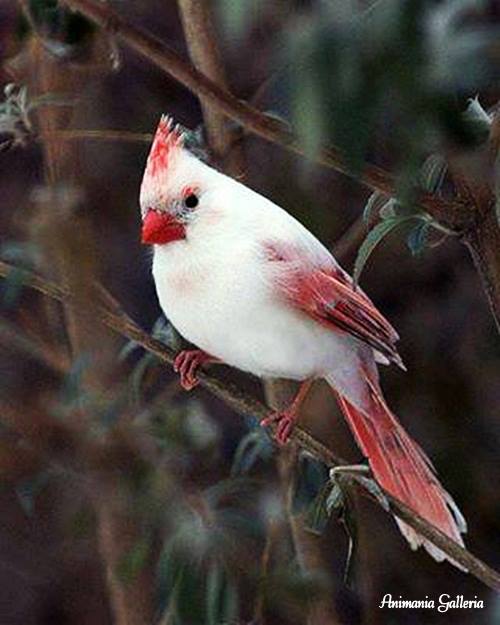
In June of 1968 I rode my bicycle out to the Bingham Park woods, Once there, I took off all my clothes and put them in the bicycle basket, and then I rode up and down the walking paths through the trees with nothing between me and God but my skin. I had a serious think about how life should be. All the while I was terrified that someone might see me. I was naked and vulnerable. A mere two years before that I had been sexually assaulted and was terrified of older boys, especially when I was naked and vulnerable. But I was a fan of the St. Louis Cardinals and Bob Gibson. They were repeated World Series winners. And they beat the Yankees in the series in 1964. And more important than that, cardinals were the little red songbirds who never flew away when the winter came. You don’t give up in the face of hardship. You face the trouble. No matter how deep the snow may pile up.

And in 1969, the first man to walk on the moon showed that a Star Trek world was in reach of mankind. Star Trek was on every afternoon after school. I watched a lot of those episodes at Verner’s house on his family’s black-and-white TV. The Klingons were always bested or beaten because the crew of the Enterprise outsmarted them. You can solve the problems of the universe with science. I know this because of all the times Mr. Spock proved it to me not just by telling me so, but by showing me how you do it. And what you can achieve is greatly enhanced if you work together like Spock and Kirk and Bones… and sometimes Scotty always did.

So, what is the way it should be? What did Mickey decide while naked in the forest like a Dakota Sioux shaman on a spirit-quest?

JFK’s 108th birthday was on May 29th. Dr. Wertham has been dead for 44 years. Bob Gibson was 85 when he passed away in October of 2020. Captain Kirk turned 94 in March of this year.

The Golden age is long gone. There is no single set of rules that can clearly establish how it should be now. But I like those ideas of how it should be that I established for myself while naked on a Schwinn Spitfire in a forest long ago.

2 Comments

Filed under autobiography, cardinals, comic book heroes, commentary, humor, inspiration, oldies, Paffooney, philosophy

Small Town Inspirations

Pesch Street

I grew up in a small rural town in North Central Iowa.  It was a place that was, according to census, home to 275 people.  That apparently counted the squirrels.  (And I should say, the squirrels were definitely squirrelly.  They not only ate nuts, they became a nut.)  It was a good place to grow up in the 60’s and 70’s.  But in many ways, it was a boring place.

20171023_085521

Yes, there were beautiful farmer’s daughters to lust after and pine for and be humiliated by.  There was a gentle, supportive country culture where Roy Rogers was a hero and some of the best music came on Saturdays on Hee Haw where there was a lot of pickin’ and grinnin’ going on.  There were high school football games on Friday nights, good movies at the movie theaters in Belmond and Clarion, and occasional hay rides for the 4-H Club and various school-related events like Homecoming.

20160726_100749

I lived in a world where I was related to half the people in the county, and I knew at least half of the other half.  People told stories about other people, some of them incredibly mean-spirited, some of them mildly mean, and some of them, though not many, that were actually good and actually true.  I learned about telling good stories from my Grandpa Aldrich who could tell a fascinating tale of Dolly who owned the part of town called locally “Dollyville” and included the run-down vacant structure the kids all called the Ghost House.   He also told about Dolly’s husband, Shorty the dwarf, who was such a mean drunk and went on epic temper tirades that often ended only when Dolly hospitalized him with a box on the ear.  (Rumor had it that there were bricks in the box.)

And I realized that through story-telling, the world became whatever you said that it was.   I could change the parts of life I didn’t love so much by lying… er, rather, by telling a good story about them.  And if people heard and liked the stories enough, they began to believe and see life more the way I saw it myself.  A good story could alter reality and make life better.  I used this power constantly as a child.

There were invisible aliens invading Iowa constantly when I was a boy.  Dragons lived in the woods at Bingham Park, and there were tiny little fairy people everywhere, in the back yard under the bushes, in the attic of the house, and building cities in the branches of neglected willow trees.

Donner n Silkie

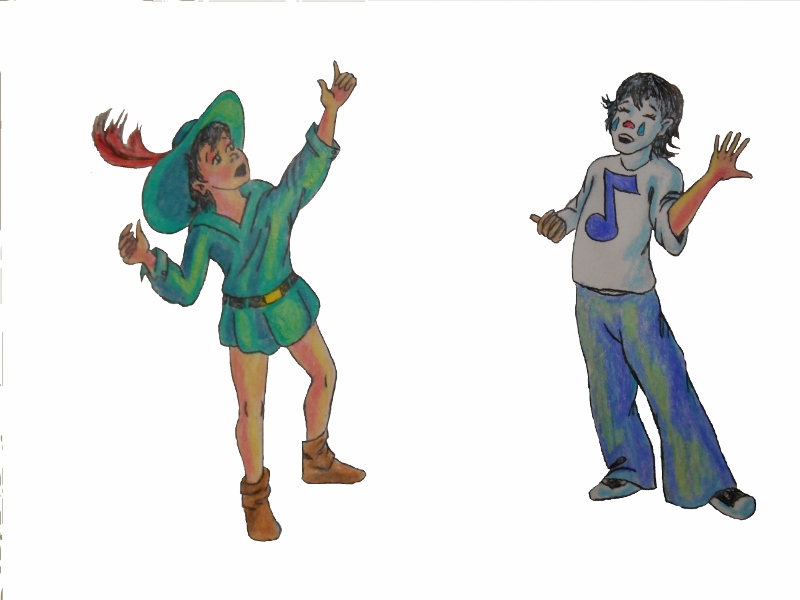
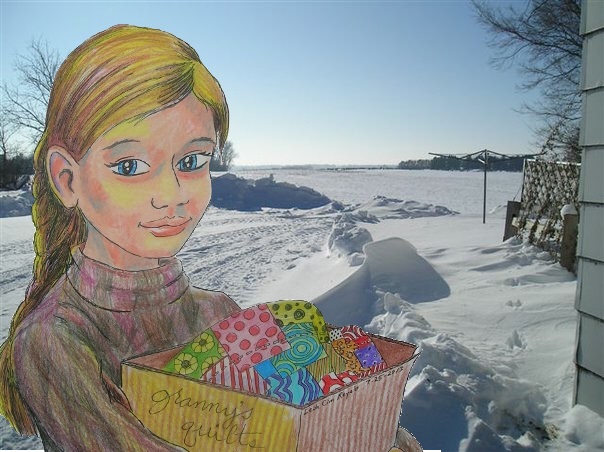
I reached out to the world around me as an artist, a cartoonist, and a story-teller and plucked details and colors and wild imaginings like apples to bake the apple pie that would much later in my life feed the novels and colored-pencil pictures that would make up my inner life.  The novels I have written and the drawings I have made have all come from being a small town boy who dreamed big and lived more in stories than in the humdrum everyday world.

Leave a comment

Filed under artwork, autobiography, colored pencil, dreaming, fairies, farm boy, goofy thoughts, humor, NOVEL WRITING, Paffooney, strange and wonderful ideas about life