


Yesterday I used a Paffooney I had stolen to illustrate my gymnasium adventures, and in the caption I gave credit to the wonderful comic artist I shamelessly copied it from. The second imitation Takahashi that I did yesterday is now displayed next to it above. I am now compelled to explain about my goofy, sideways obsession with Anime and Manga, the cartoons from Japan. I love the art style. I have since I fell in love with Astroboy Anime as a child in Iowa. Rumiko Takahashi is almost exactly one year younger than me. As a cartoonist she is light years more successful than me. She has been crafting pen and ink masterpieces of goofy story-telling longer than I have been a teacher.
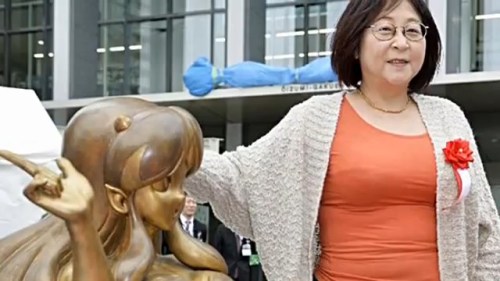
Her artwork is a primary reason I have been so overly-enamored of the Japanese Manga-cartoon style. I love the big eyes, the child-like features of even adult characters, the weird poses and still-weirder comic art conventions of this culture from practically a different planet. She has created comic series that are immensely popular in Japan, and have even put down sturdy roots in this country, especially with young adults since the 80’s. She is the world’s number one best-selling female comics artist.


Just as we Westerners have to accept numerous ridiculous things to appreciate the stories told in American comics (for instance, brawny heroes running around in tights with their underwear on the outside of their pants, nearly naked ladies with super powers diving into battle next to men encased in armored suits, and talking animals), the Manga-minded must also practice a bizarre form of the willing suspension of disbelief. In Ranma 1/2, the main character is a boy marshal artist who turns into a girl when splashed with cold water. Much of the romantic comedy of that work revolves around boys and old men finding themselves in the bath house next to naked young girls. For some reason that sort of naked surprise causes the boys to spout fountain-like nosebleeds. In Inu-Yasha the whole thing is about fighting demons with swords. Inu-Yasha himself is part demon. Apparently part-demon is a good thing to be. Japanese villains are spectacularly susceptible to fits of crying rage and tantrums. And everybody looks more like American white people than orientals. Oh, and there are talking animals.
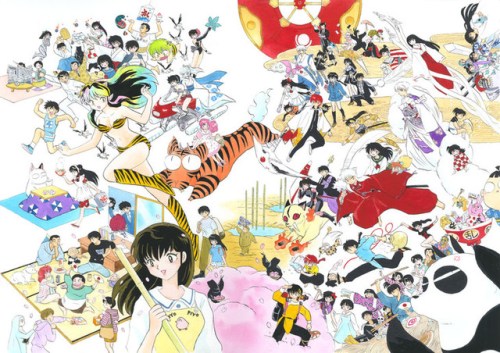
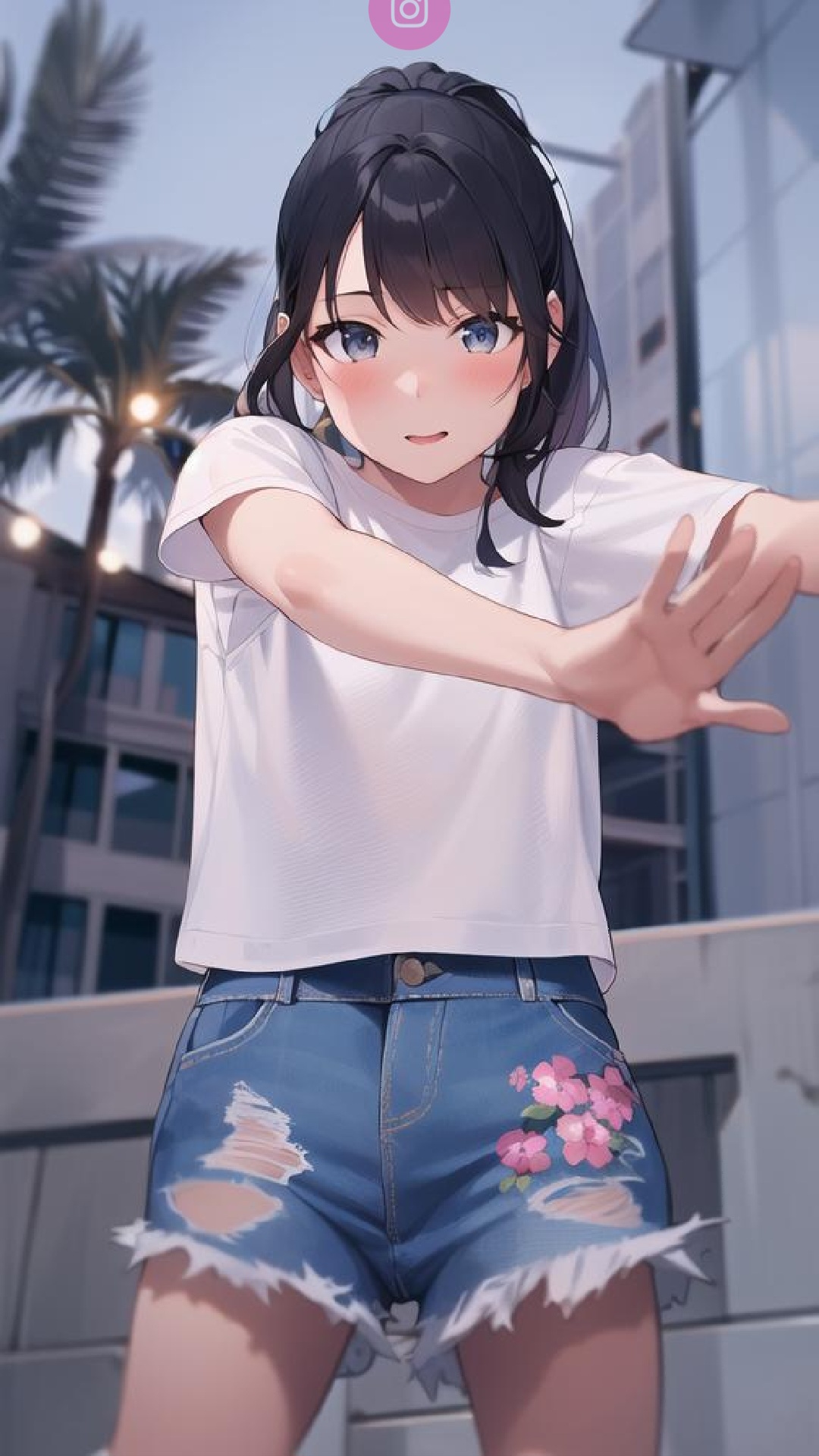
Rumiko is a master of pen and ink. Here is a sample of of her black and white work.


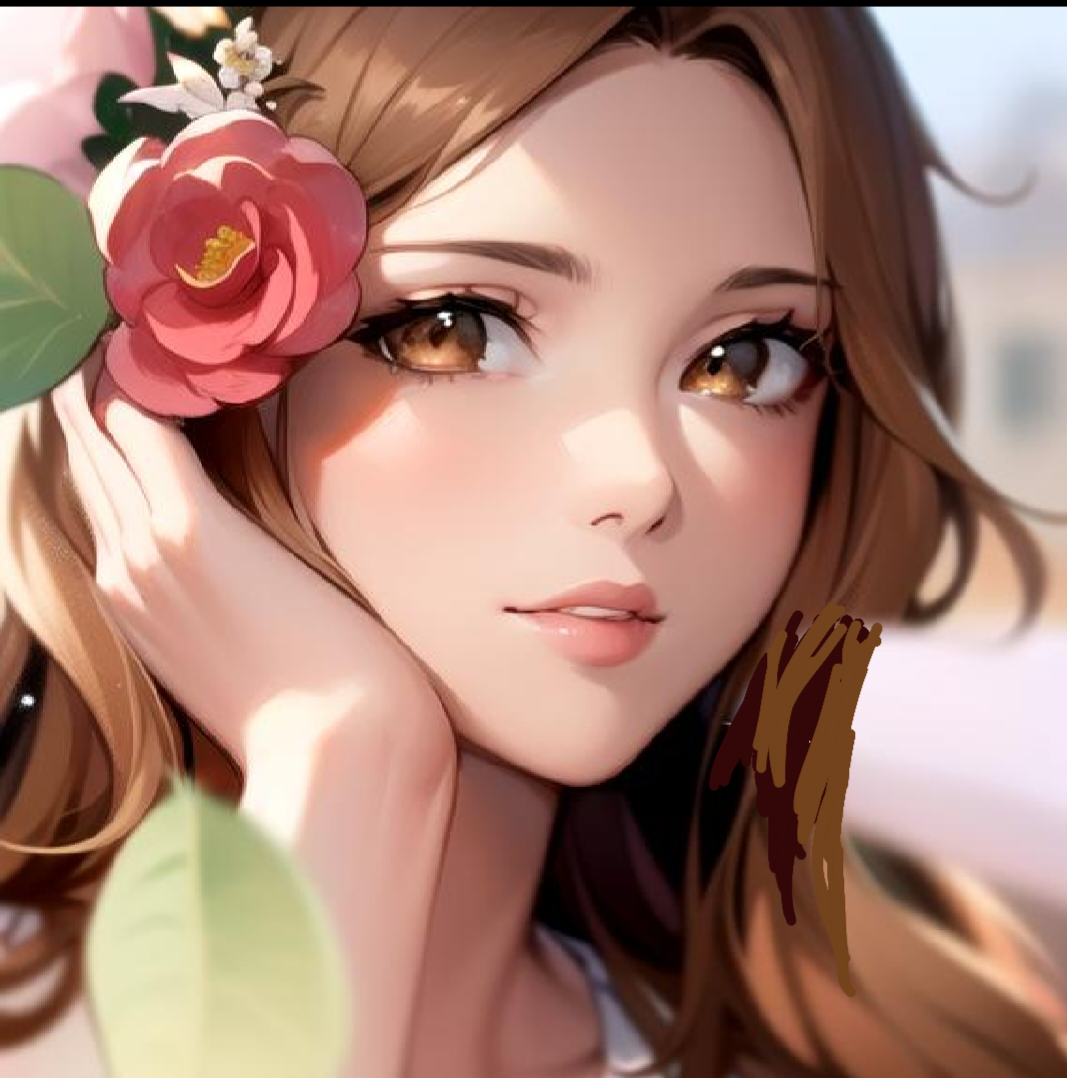
And she does color well too.
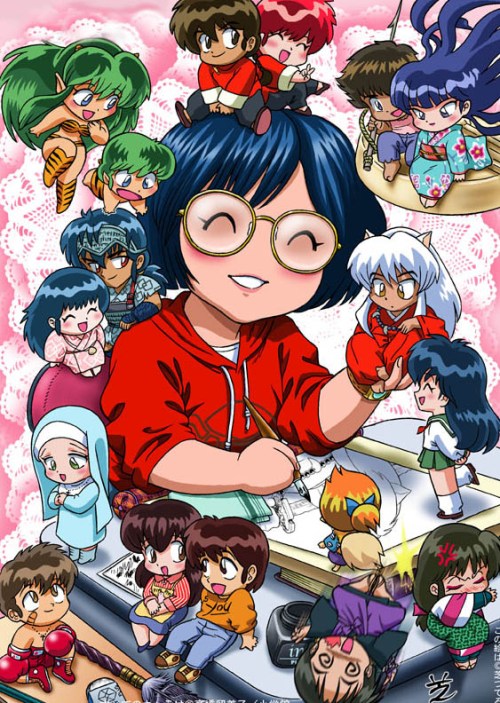
The little people are a special style of Manga character called a Chibi, and all regular Manga characters can turn into one at any moment.
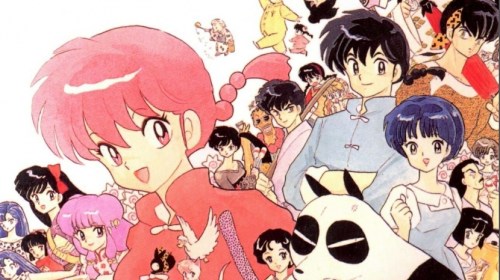
And, of course, to read actual Manga you have to master reading backwards. Americans read left to right. The Japanese read right to left. You have to open a Japanese book in a manner that seems both backwards and upside down.
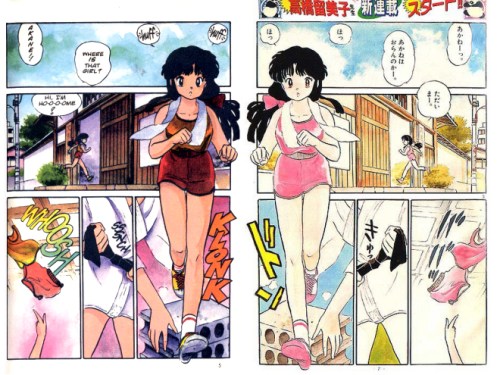
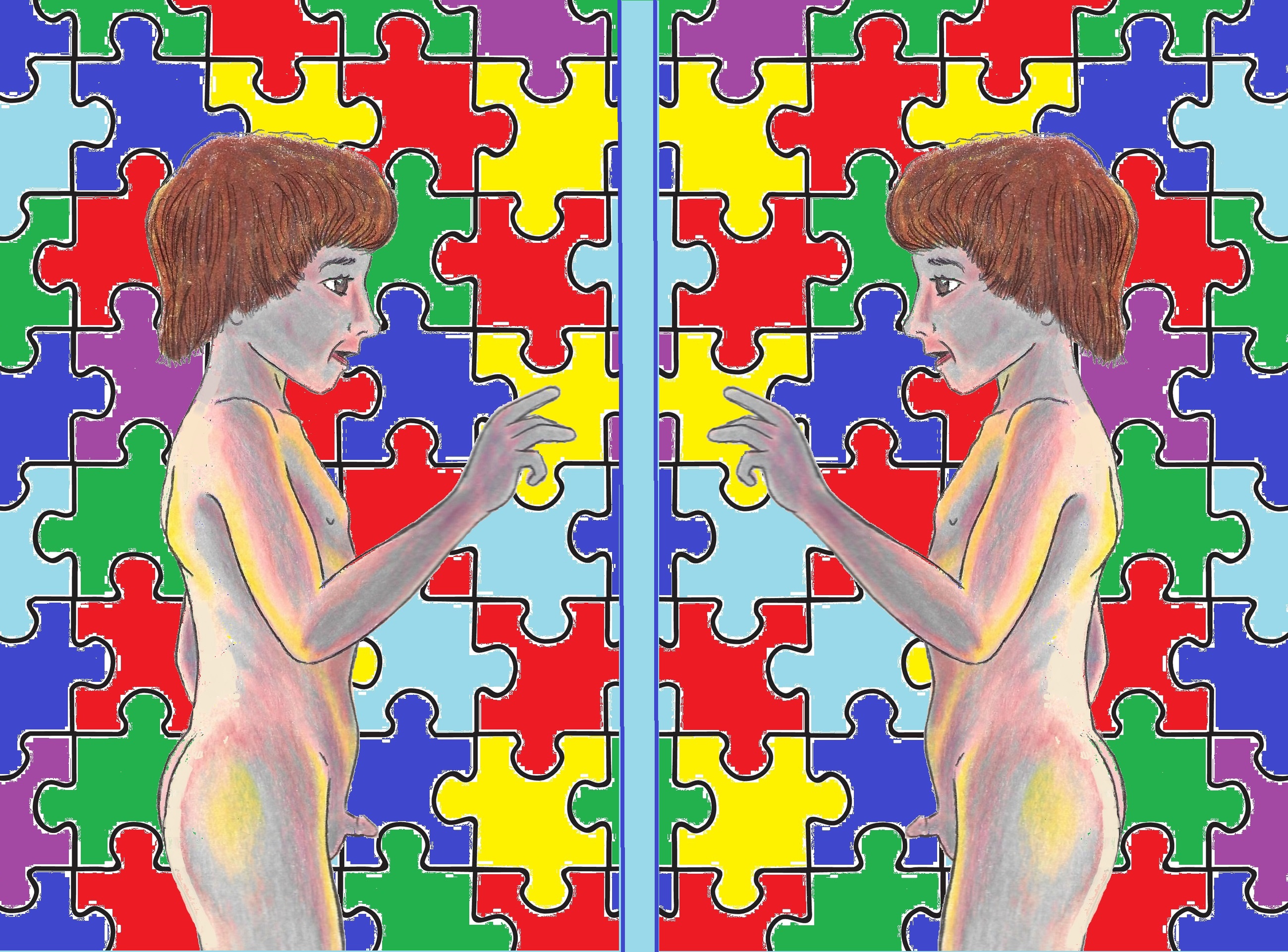
This illustration shows how American publishers flip Japanese comics to make them more accessible to American audiences.
So now, by uncovering the fact that I am addicted to and seriously affected by Japanese cartoons, you have one more bit of evidence to present to a jury in case you decide Mickey needs to be locked up and medicated for a while. Japanese comics are a world of great beauty, but also a world unto themselves. It is an acquired taste that has to be considered carefully. And of all the many marvelous Manga makers, Rumiko Takahashi is the one I love the best.












 Catch a Falling Star
A Mr. Holland Moment
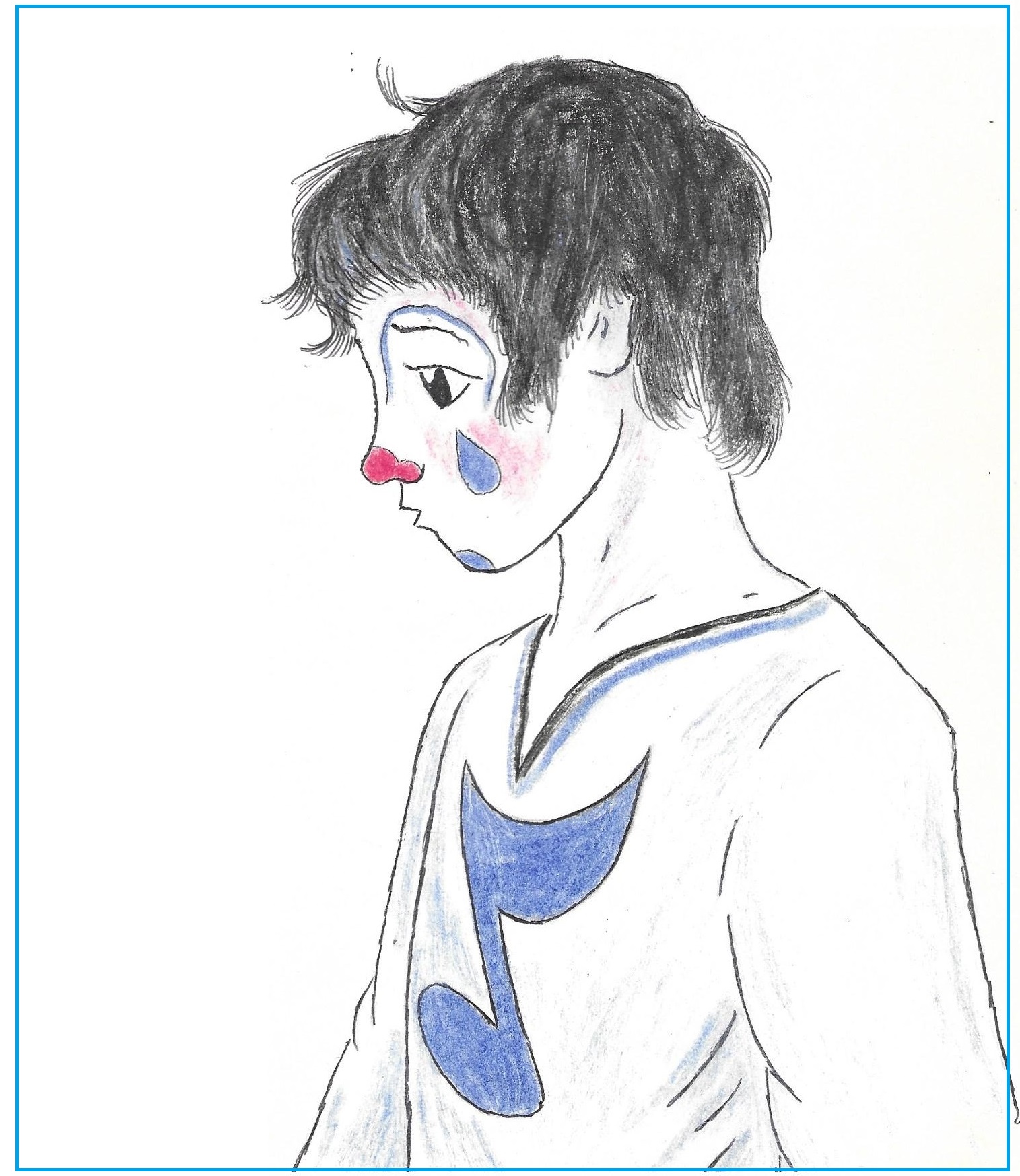
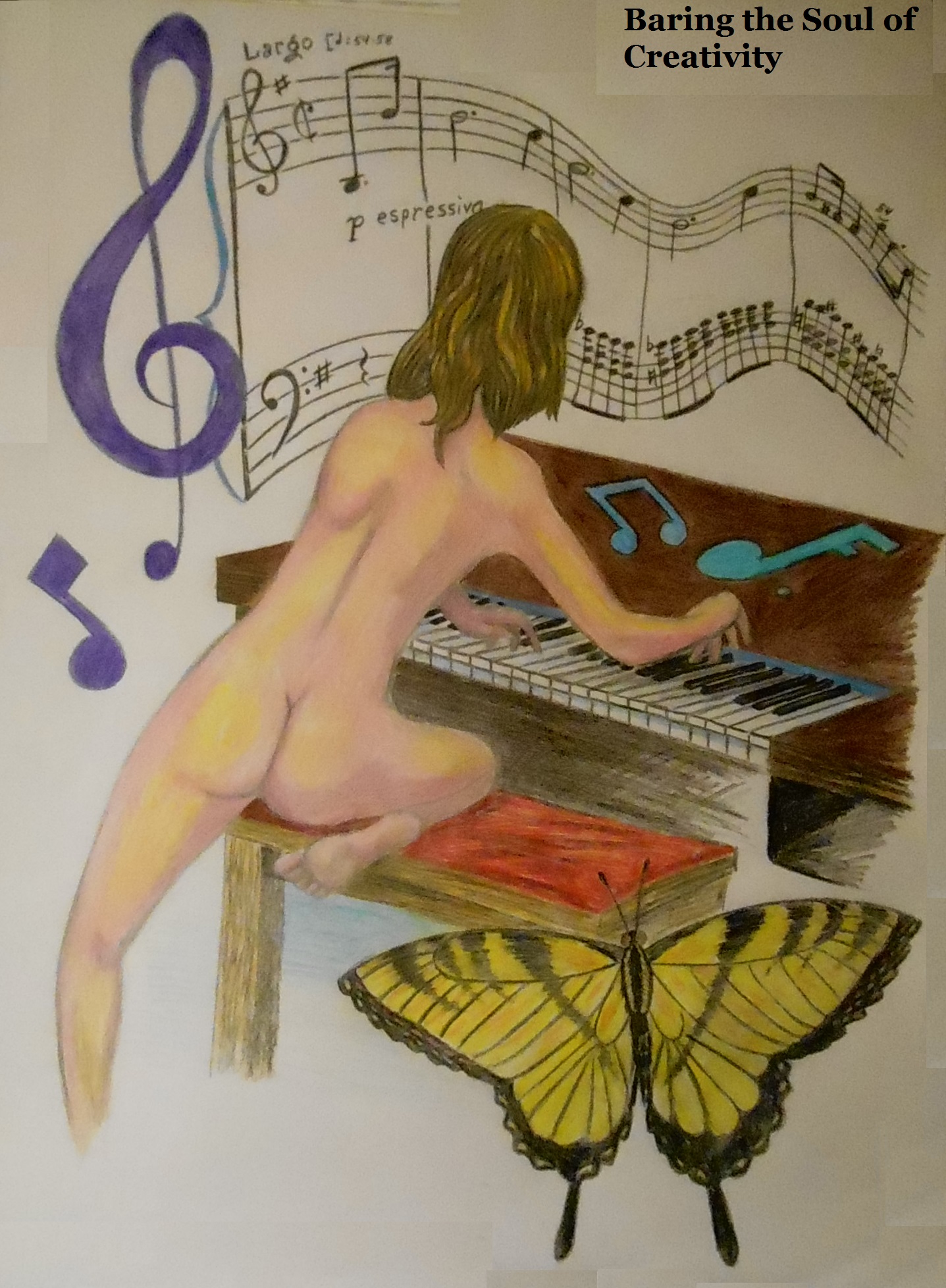
Life is making music. We hum, we sing to ourselves, movie music plays in our head as the soundtrack to our daily life. At least, it does if we stop for a moment and dare to listen. We make music in many different ways. Some play guitar. Some are piano players. And some of us are only player pianos. Some of us make music by writing a themed paragraph like this one. Others make an engine sing in the automotive shop. Still others plant gardens and make flowers or tomatoes grow. I chose teaching kids to read and write. The music still swells in my ears four years after retiring.
The 1995 movie, Mr. Holland’s Opus, is about a musician who thinks he is going to write a magnificent classical orchestra opus while teaching music at a public high school to bring in money and allow him time to compose and be with his young wife as they start a new family.
But teaching is not, of course, what he thought it was. He has to learn the hard way that it is not an easy thing to open up the closed little clam shells that are the minds of students and put music in. You have to learn who they are as people first. You have to learn to care about what goes on in their lives, and how the world around them makes them feel… and react to what you have to teach. Mr. Holland has to learn to pull them into music appreciation using rock and roll and music they like to listen to, teaching them to understand the sparkles and beats and elements that make it up and can be found in all music throughout their lives. They can even begin to find those things in classical music, and appreciate why it has taken hold of our attention for centuries.
And teaching is not easy. You have to make sacrifices. Big dreams, such as a magnum opus called “An American Symphony”, have to be put on the shelf until later. You have children, and you find that parenting isn’t easy either. Mr. Holland’s son is deaf and can never actually hear the music that his father writes from the center of his soul. And the issue of the importance of what you have to teach becomes something you have to fight for. Budget cuts and lack of funding cripples teachers in every field, especially if you teach the arts. Principals don’t often appreciate the value of the life lessons you have to give. Being in high school band doesn’t get you a high paying job later.
But in the end, at the climax of the movie, the students all come back to honor Mr. Holland. They provide a public performance of his magnum opus, his life’s work. And the movie ends with a feeling that it was all worth it, because what he built was eternal, and will be there long after the last note of his music is completely forgotten. It is in the lives and loves and memories of his students, and they will pass it on.
But this post isn’t a movie review. This post is about my movie, my music. I was a teacher in the same way Mr. Holland was. I learned the same lessons about being a teacher as he did. I had the same struggles to learn to reach kids. And my Mr. Holland moment wasn’t anywhere near as big and as loud as Mr. Holland’s. His was performed on a stage in front of the whole school and alumni. His won Richard Dreyfus an Academy Award for Best Actor. But his was only fictional.
Mine was real. It happened in a portable building on the Naaman Forest High School campus. The students and the teacher in the classroom next door threw a surprise party for me. They made a lot of food to share, almost all of which I couldn’t eat because of diabetes. And they told me how much they would miss me, and that they would never forget me. And I had promised myself I would never cry about having to retire. But I broke my promise. In fact, I am crying now ten years later. But they are not tears of sadness. My masterwork has now reached its last, bitter-sweet notes. The crescendos have all faded. But the music of our lives will still keep playing. And not even death can silence it completely.
Leave a comment
Filed under artwork, autobiography, commentary, happiness, insight, kids, movie review, teaching
Tagged as education, learning, music, music-education, teachers, teaching