

Last night my wife and my daughter the Princess went with me to the movie musical The Greatest Showman at the dollar movie. I was enchanted. My wife laughed at me for how much the movie made me cry. But it was a very touching and timely movie for me because it was about pursuing dreams in spite of economic hardships. The award-winning songs promote with energy and stunning beauty the notion that you should follow your passion no matter the risk, and that choosing to do so will produce rewards as long as family and love are with you and along for the ride.
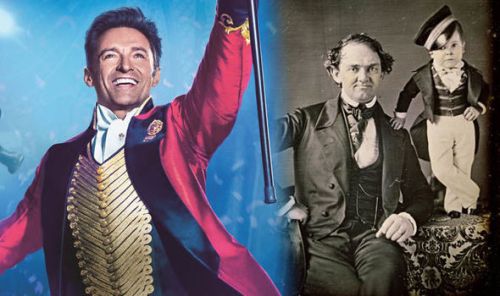
Of course, one has to remember that the whole story is based on the life and work of Phineas Taylor Barnum, a man who is a lot more like Donald Trump than he is Hugh Jackman. I really doubt he could sing and dance the way the movie portrays him. And words like “humbug”, “fraud”, and “exploiter” apply to him in a very real way.
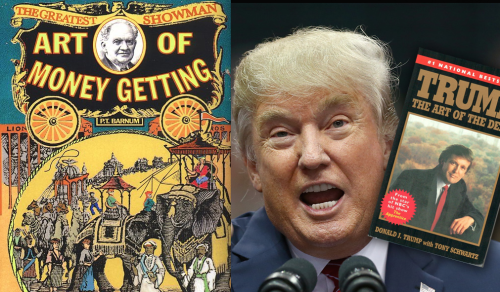
Barnum was actually one of those wheeler dealers who wants to control the story. He actively found ways to alter the public narrative about himself and used criticism to help promote his money-making shows. The idea of bad publicity being just as good if not better than good publicity actually makes its presence felt in at least one scene in the movie. There is ample evidence that more than a little of Barnum’s efforts were aimed at making himself a star.


And although the movie sentimentalizes his exploitation of freaks and special individuals, giving him credit for giving them self esteem and a means to make a good living, that was really only the fictional Barnum created by Barnum’s own media efforts.


![Clofillia, Josphine [Madame Clofullia, P.T. Barnum's "Bearded Lady of Geneva"]. Daguerreotype by Thomas M. Easterly, 1853. Photographs and Prints Collections. Missouri History Museum. Easterly 321. NS 17387. Scan © 2008, Missouri History Museum.](https://i0.wp.com/catchafallingstarbook.net/wp-content/uploads/2018/04/beardedlady.jpg?w=273&h=154&ssl=1 "beardedlady")


The truth of the matter, though far more fascinating than the movie version of Barnum, does not make for a good musical libretto. In the movie the theme of special people outcast from the society because of their uniqueness coming together to support each other in a circus is strongly woven into both the story and the music. The song “This is Me” performed by Keala Settle playing the part of bearded lady Lettie Lutz is a powerful anthem for everyone who feels smaller than they really are because of prejudice, bullying, racism, sexism, or any of the other forms of moronic stupidity that humans are so often guilty of. I have to admit, the song made me cry even as it filled me with joy. The musical score of this movie is one that I intend to listen to again and again and again. It makes the circus seem like an answer to life’s problems. It is the same feeling that I got the first time, and every time, I ever saw the circus with all its clowns and jugglers, acrobats and lion tamers, bare-back riders and elephants. And I knew it was all illusion. All humbug. But it was pure joy worth the price of the ticket never-the-less.

The movie was only rated 56% fresh on Rotten Tomatoes. But I rarely pay attention to things like that. This musical goes into the category with The Sound of Music, The Music Man, Oklahoma!, and Mary Poppins of musicals I can’t live without. Never mind the greedy little man that it is based on. This movie is about big dreams and even bigger achievements. And it is well worth the price.
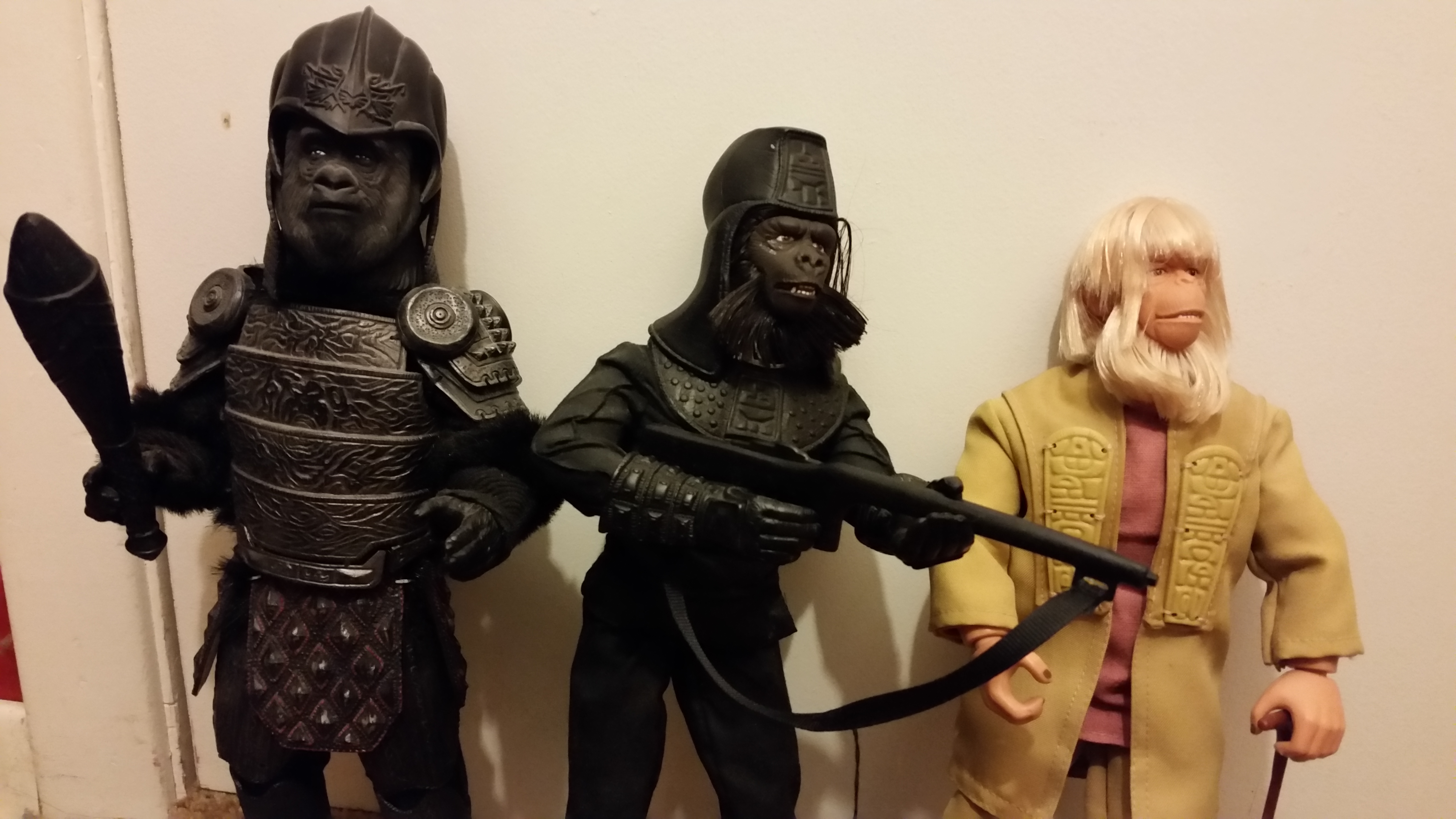
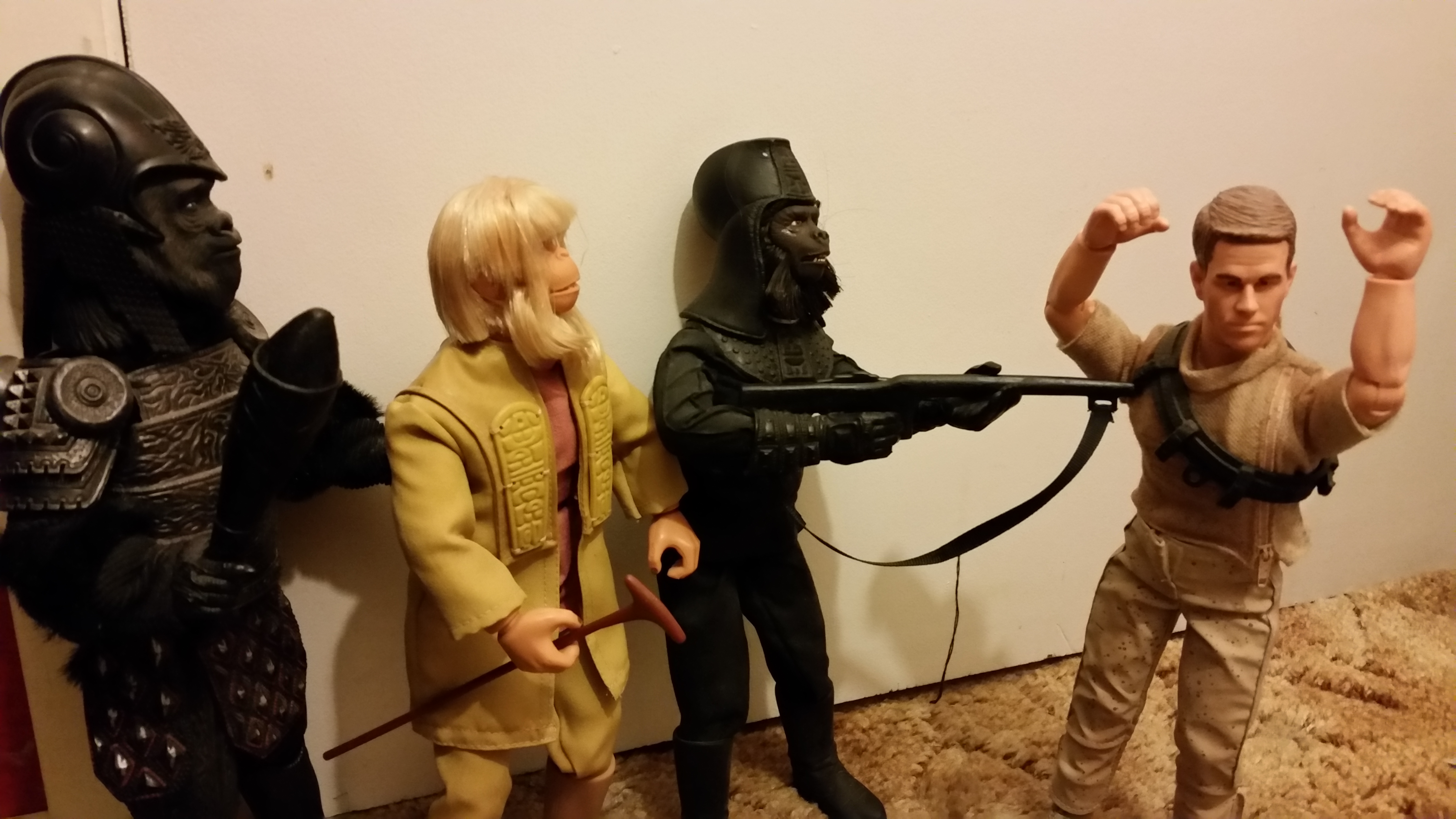
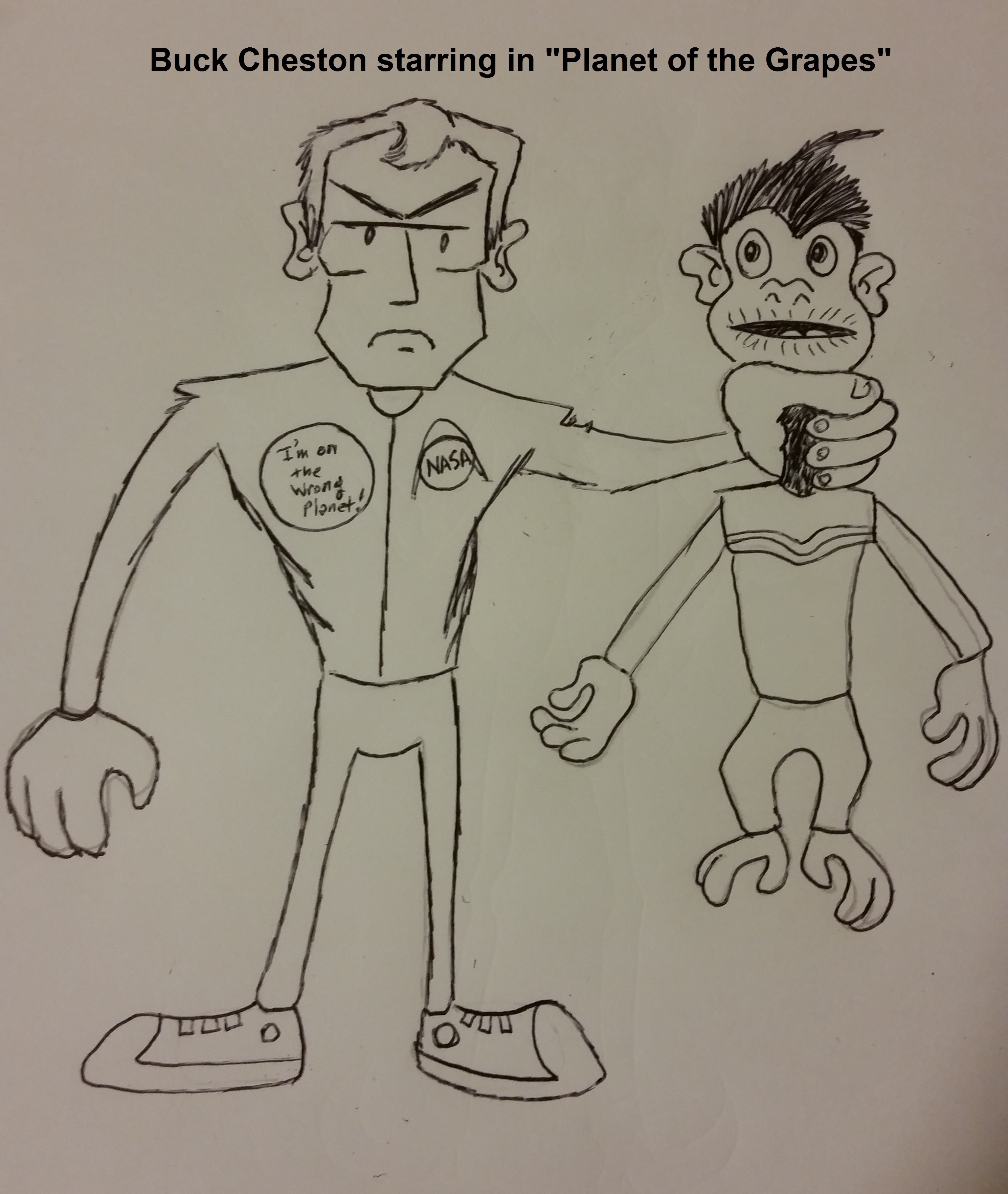
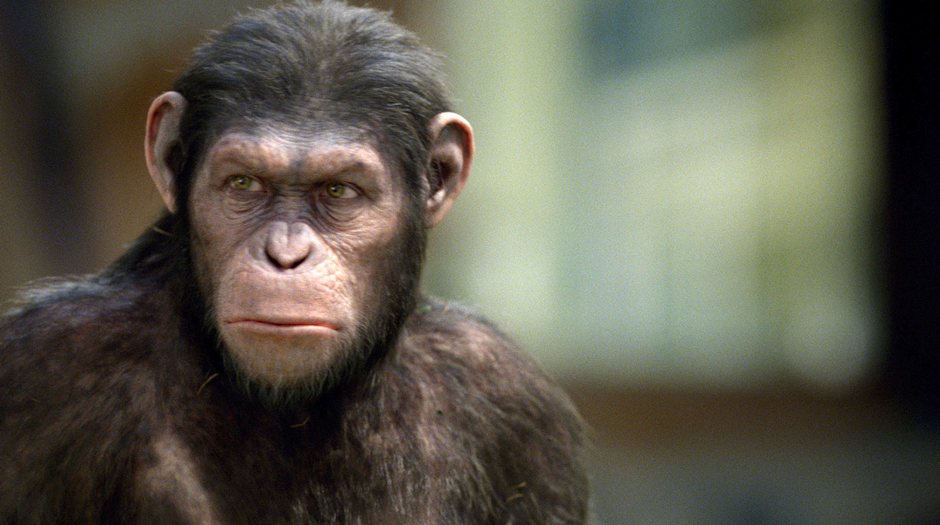
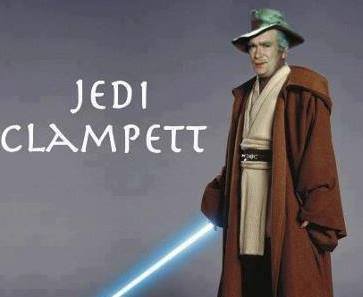
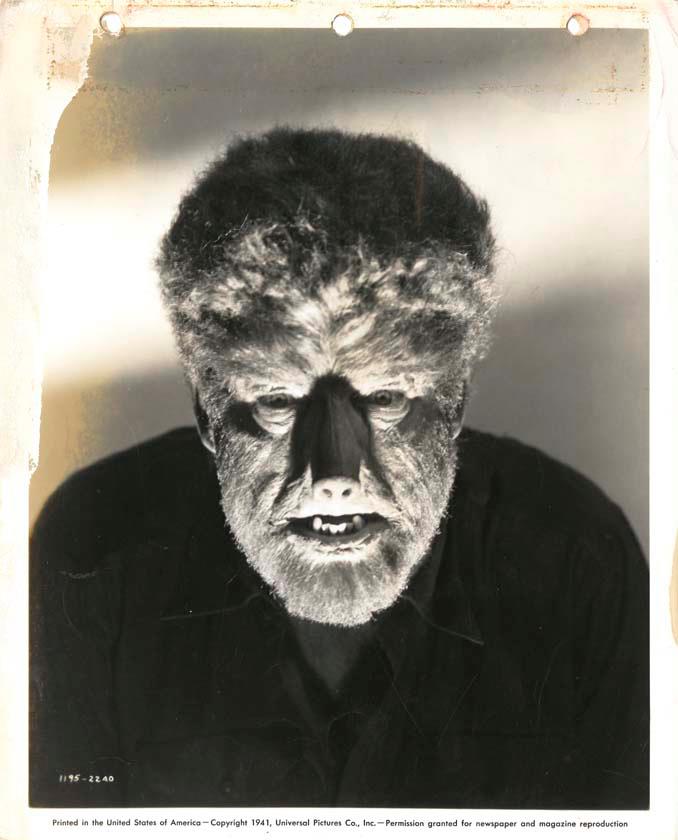
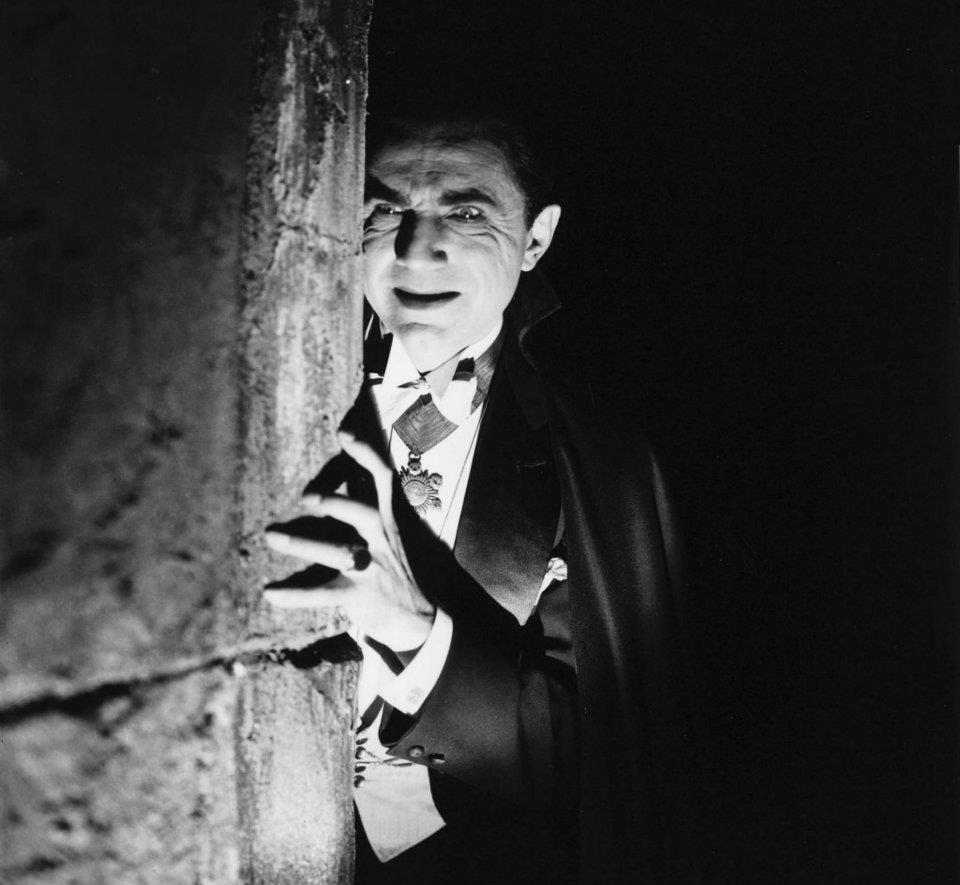
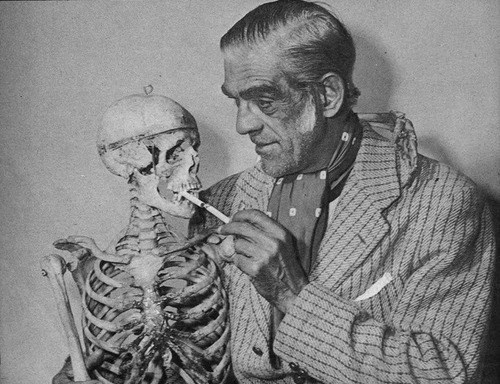
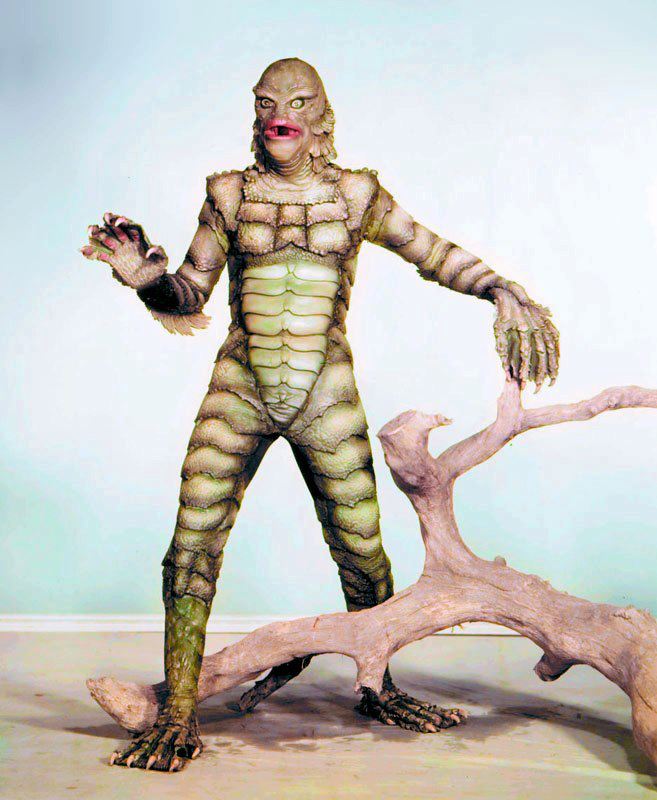
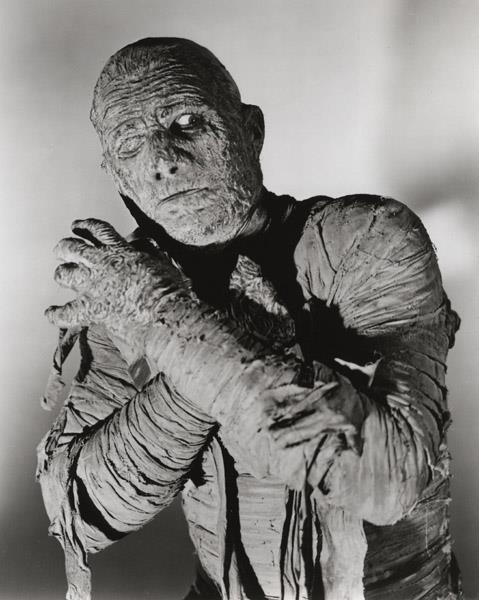
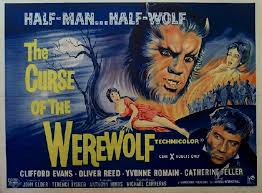
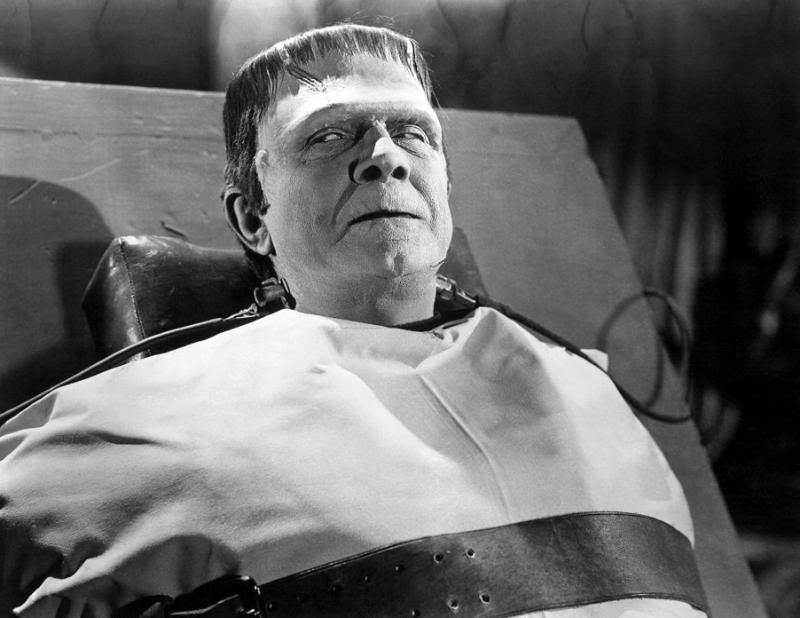 But the thing about monster movies… at least the good ones, is that you can watch it to the end and see the monster defeated. We realize in the end that the monster never really wins. He can defeat the monstrous qualities within himself and stop himself. Or the antidote to what ails him is discovered (as Luke did with Darth Vader). Or we can see him put to his justifiable end and remember that if we should see those qualities within ourselves, we should do something about it so that we do not suffer the same fate. Or, better yet, we can learn to laugh at the monstrosity that is every-day life. Humor is a panacea for most of life’s ills.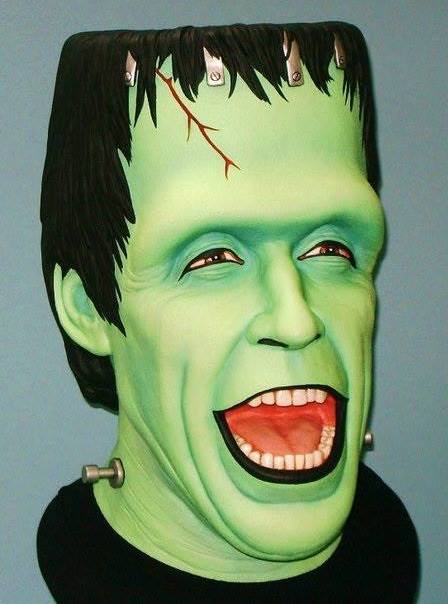









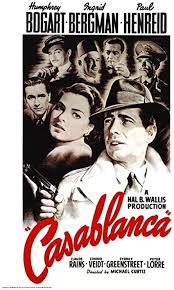
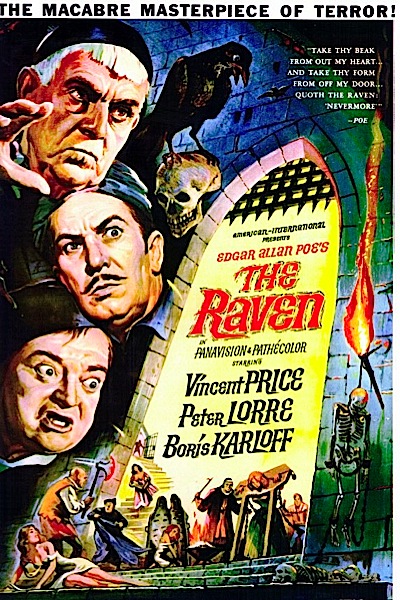
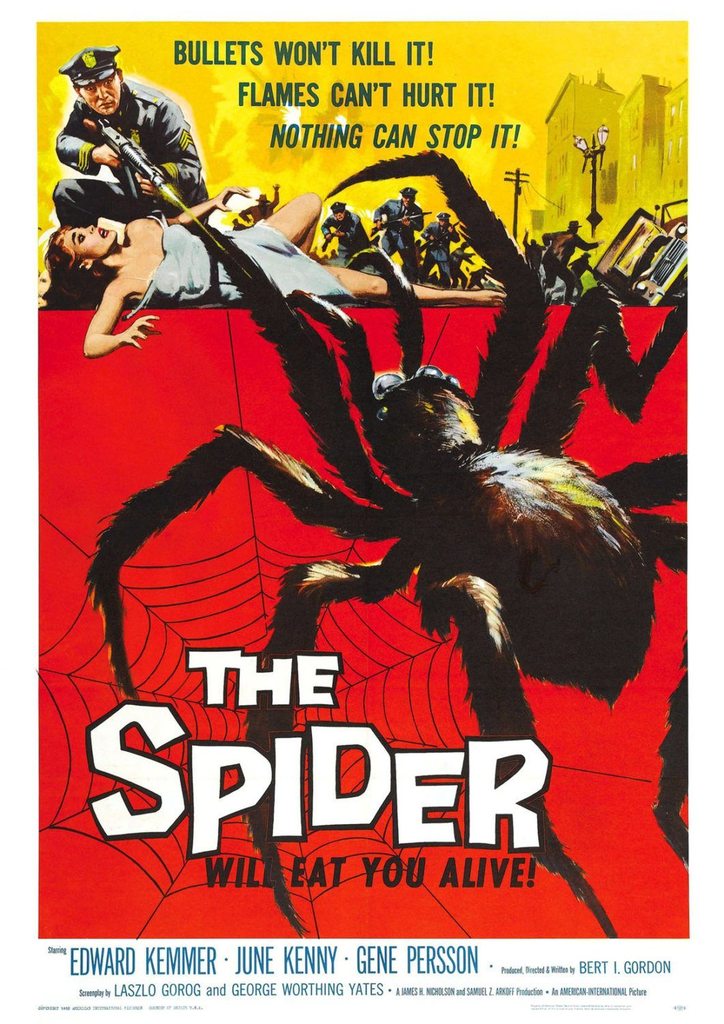
 Catch a Falling Star
Milt Caniff
My 1967 Captain Action Steve Canyon action figure.
I have always been a deeply devoted fan of the Sunday funnies. And one of the reasons I read the comics religiously was the work of Milt Caniff. His comic strips, Terry and the Pirates, Male Call, and Steve Canyon set a standard for the age of action comics and adventure strips.
I read his comics in the 1960’s and 1970’s and always it was Steve Canyon. But this, of course, was not his first strip. I would discover in my college years the wonders of Terry and the Pirates. When Caniff started the strip before World War II, he set it in China, but actually knew nothing about China. So he did research. He learned about people who became oriental hereditary pirate families and organizations. He learned to draw authentic Chinese settings. His comedy relief characters, Connie and the Big Stoop, were rather racist parodies of Chinamen and were among the reasons that the original strip had to mature into his later work in Steve Canyon. But perhaps the most enduring character from the strip was the mysterious pirate leader known as the Dragon Lady.
Steve Canyon is a fascinating study in the comic arts. When he left the Terry and the Pirates strip in 1946, it went on without him. It was owned by the Chicago Tribune-New York Daily News distribution syndicate, not Caniff himself. Steve Canyon would change that. He created it and owned it himself, making Caniff one of only two or three comics artists who actually owned their own creations. Canyon started out as a civilian pilot, but enlisted in the Air Force for the Korean War and would remain in the Air Force for the remainder of the strip. Some of the characters in the strip were based on real people. His long-time friend Charlie Russhon, a former photographer and Lieutenant in the Air Force who went on to be a technical adviser for James Bond films was the model for the character Charlie Vanilla, the man with the ice cream cone. Madame Lynx was based on the femme fatale spy character played by Illona Massey in the 1949 Marx Brothers’ movie Love Happy. Caniff designed Pipper the Piper after John Kennedy and Miss Mizzou after Marilyn Monroe.
I am not the only cartoonist who was taken with the work of Milt Caniff. The effects of his ground-breaking work can be seen to influence the works of comic artists like Jack Kirby, Bob Kane, John Romita Sr., and Doug Wildey. If you are anything like the comic book nut I am, than you are impressed by that list, even more so if I listed everyone he influenced. Milt Caniff was a cartoonists’ cartoonist. He was one of the founders of the National Cartoonists’ Society and served two terms as its president in 1948 and 1949. He is also a member of the Will Eisner Comic Book Hall of Fame.
Leave a comment
Filed under action figures, comic strips, commentary, inspiration
Tagged as art, books, comic art, comic books, comic strips, comics, Milt Caniff, movies, Steve Canyon, Terry and the Pirates, writing