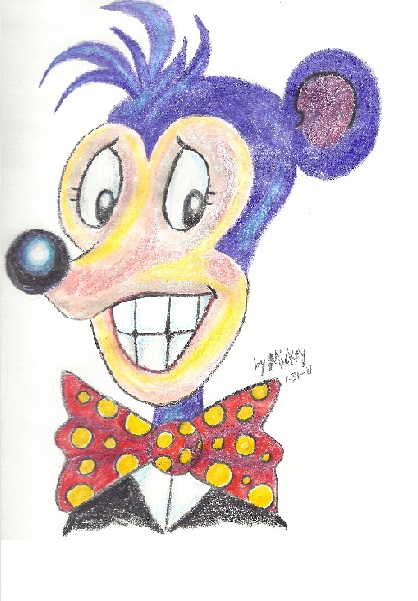
Filed under book review, humor
Yesterday, as I was reviewing a movie that is almost as old as I am (in December, 1961 I was 5), I couldn’t help but think like a teacher. If I were going to teach this movie as a piece of literature (and movies ARE literature! Don’t argue with me!!!), I would start with an anticipation guide… or I could call it a lesson focus. I would tell the students a little bit about why this movie is important to me. I would give the background information about how Walt Disney wanted to make a musical picture like The Wizard of Oz, and even bought the rights to Oz books by Frank L. Baum to make it happen. It was supposed to be a starring vehicle for his popular Mickey Mouse Club Mouseketeers, and ended up starring Annette Funicello (and I would never mention anything about my childhood desire to see Annette naked because information like that mixed with giggle-happy teens and hormones is an explosive mix and would get me fired). I would also start a discussion of heroes and villains and what sort of patterns we might anticipate as the story went down that well-traveled path of the hero (I might mention some of Joseph Campbell’s work on myths because it is almost relevant enough to fit in the lesson… and it would not get me fired). But, suddenly, I realize as the teacher-brain machinery is churning on this idea… I am no longer a teacher. I am retired. I am not even well enough to go be a substitute teacher for a day or two. And besides, Texas principals all frown on showing movies in class when you could be doing worksheets to prepare for State STAAR Tests. And Disney sues teachers for using their copyrighted materials in the classroom because, well… evil fascist corporate empire ruled by a mouse, right? So I am bummed.
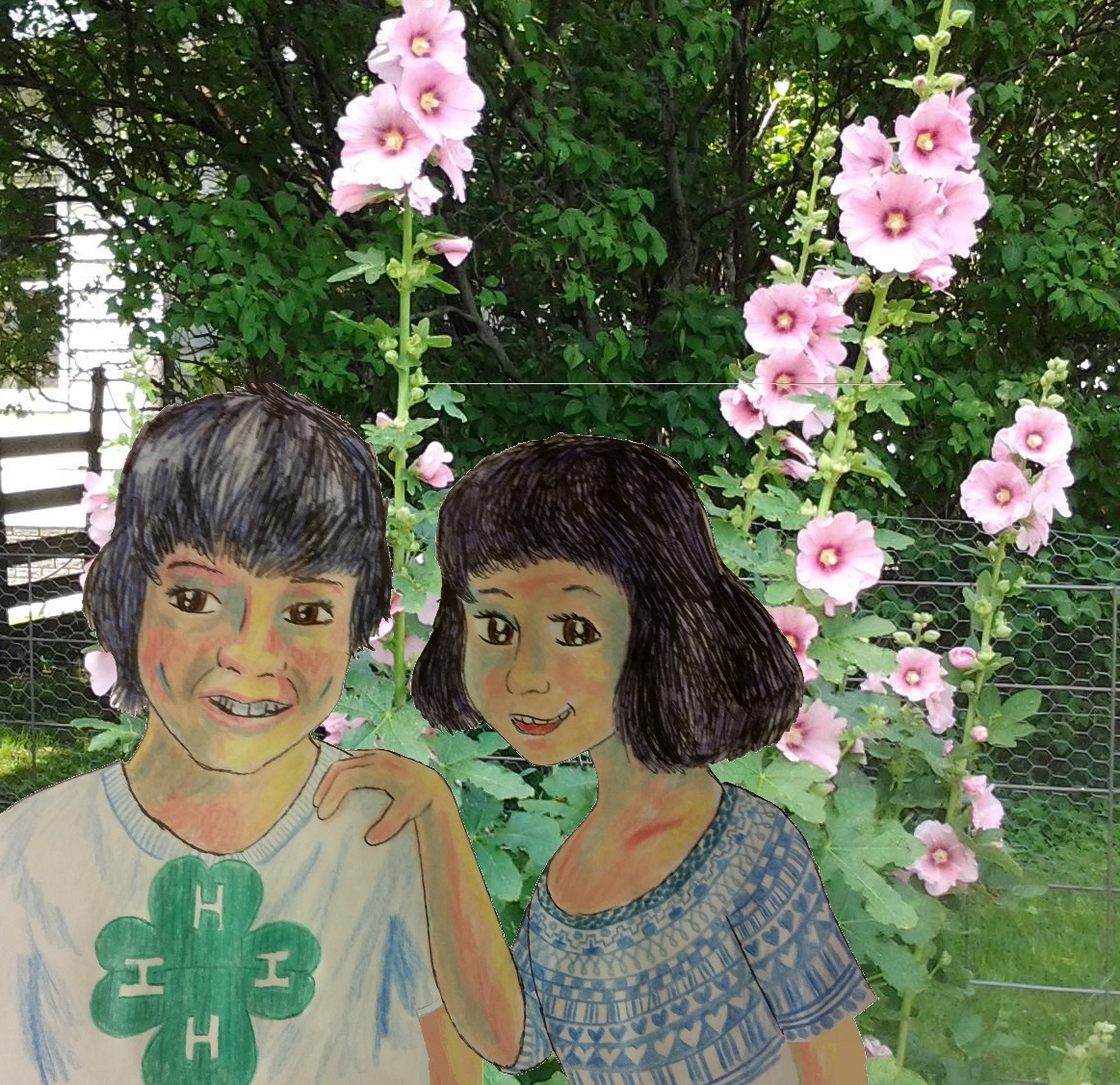
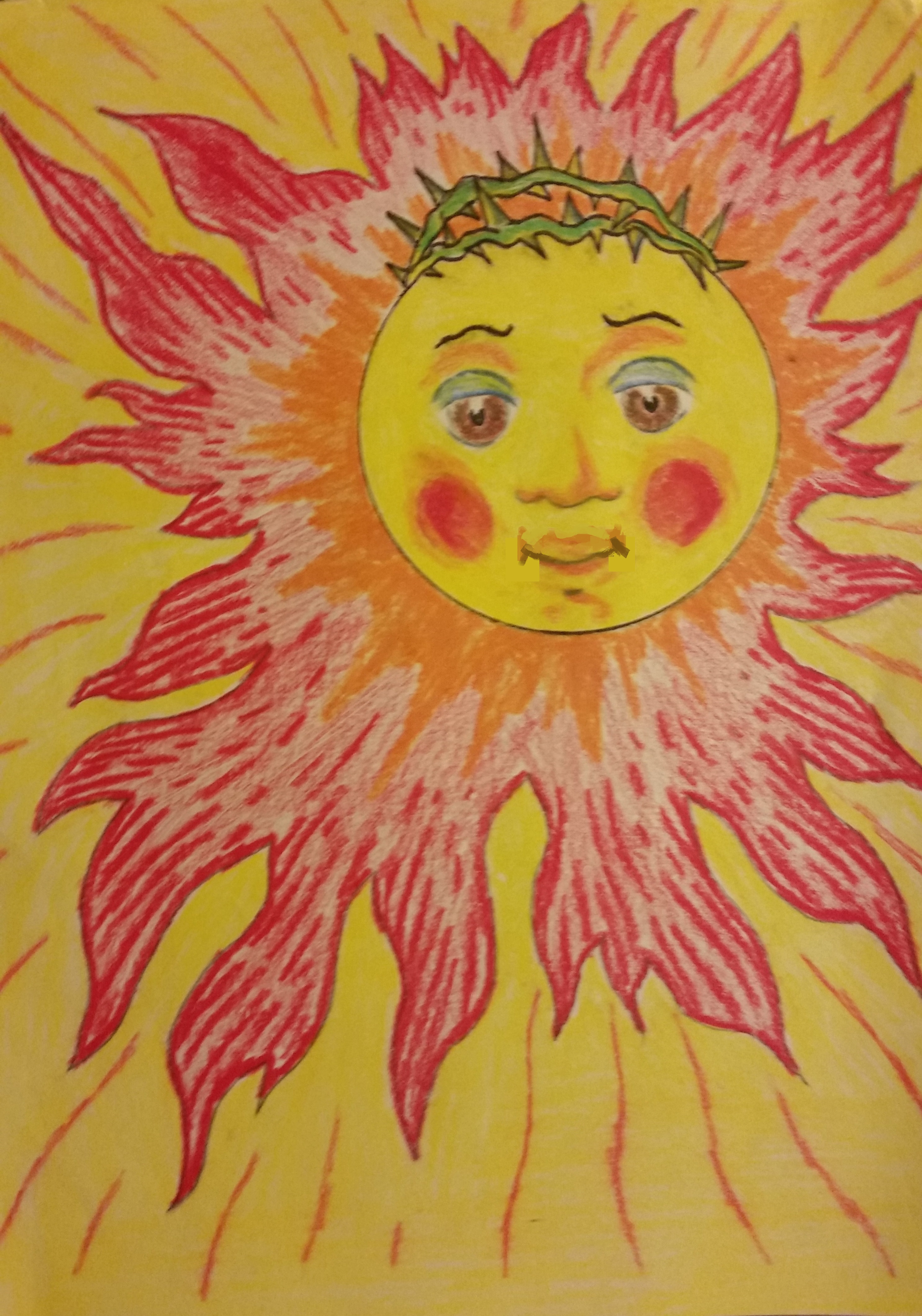
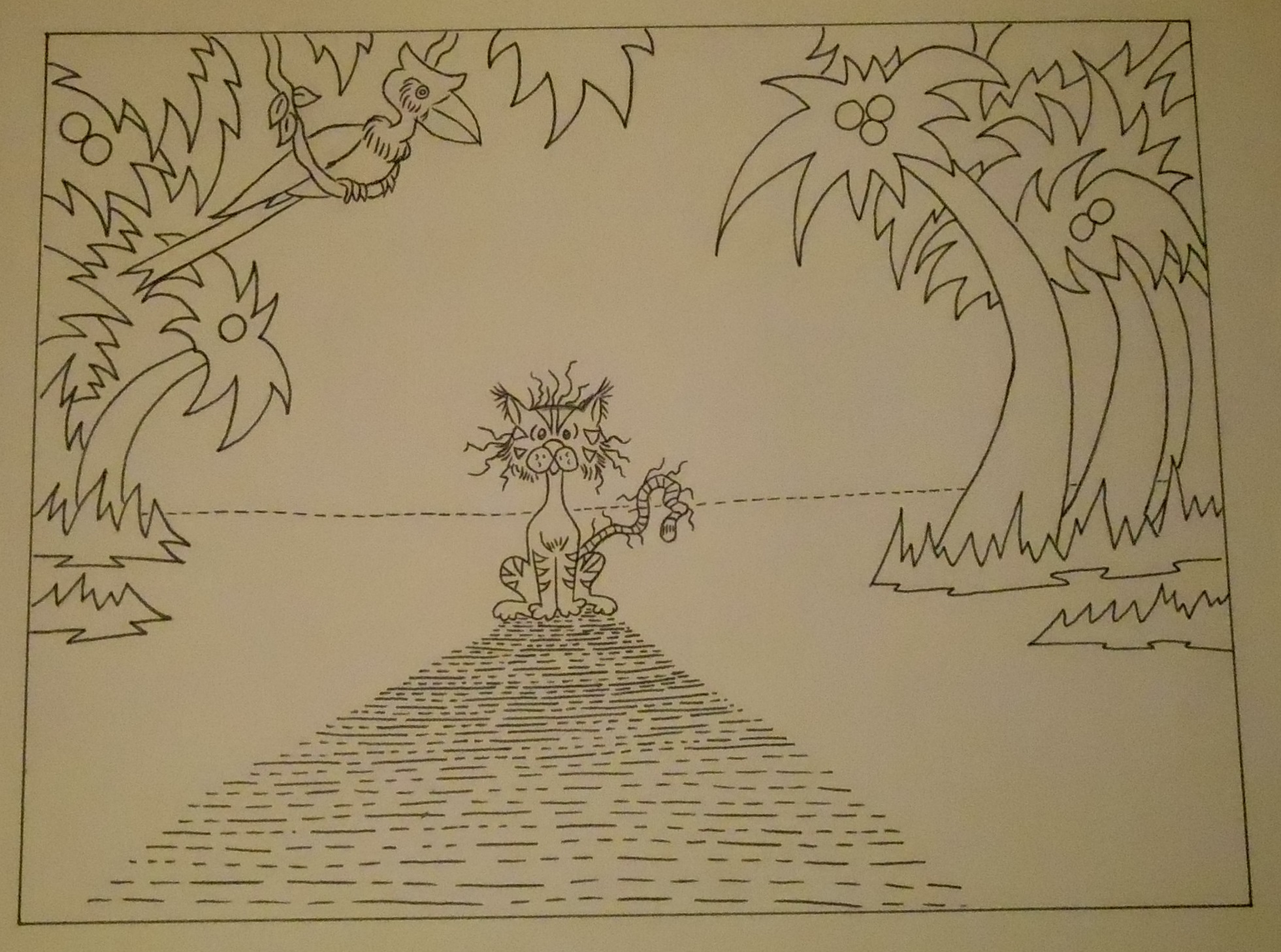
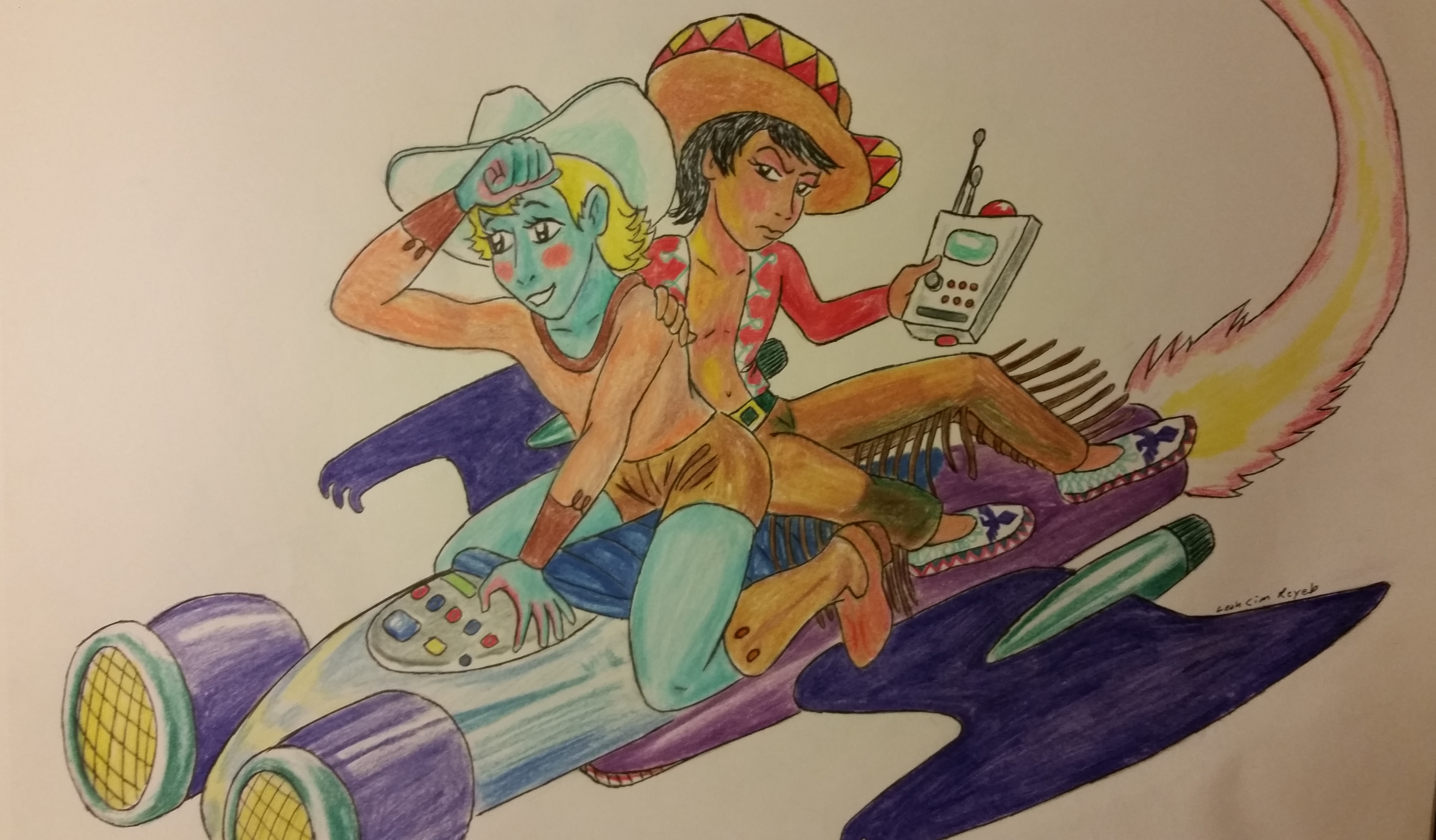
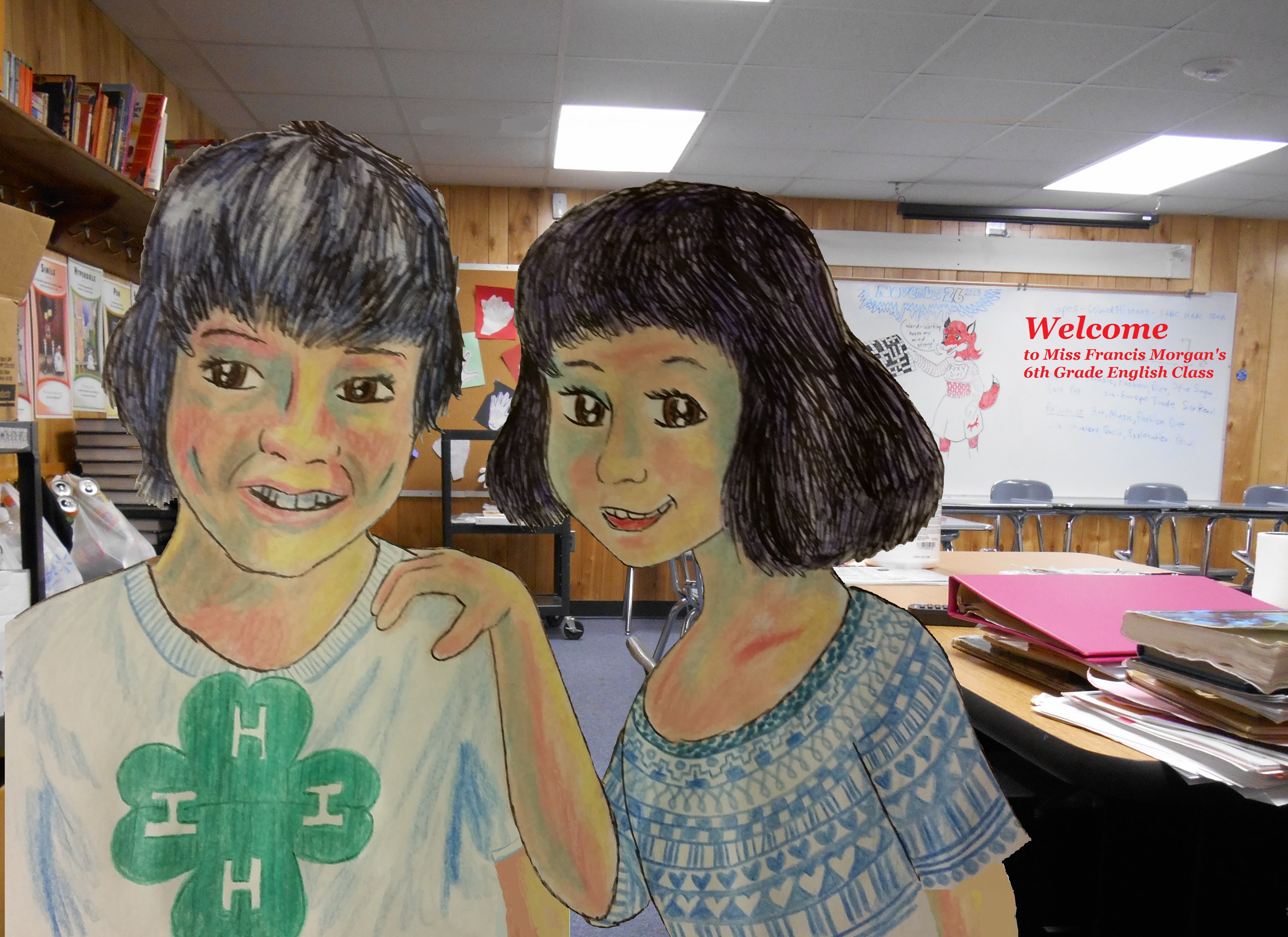
When do you stop thinking like a teacher so much that it hurts? Probably never. I got even with Fate just a little bit by writing the novel Magical Miss Morgan, in which I gave some of my old lesson plans to the fictional version of me as a teacher (the version of me that is not a cartoon rabbit as a teacher). I had Miss Morgan teach a class of sixth graders about J.R.R. Tolkien’s The Hobbit, and tried to incorporate some of my goofier teaching ideas into the story as evidence that Miss M is, in fact, a very good teacher (hard to fake if you are not a good enough teacher to at least recognize what good classroom practices look like). And I had enough fun pretending to be a female teacher with goofy imaginary students like Mike and Blueberry in the Paffooney above, enough fun to create what I think is my best work of fiction so far. I submitted it to the Chanticleer Book Reviews YA novel-writing contest. I have to wait like 30 years to find out if I failed to win anything… but that’s okay. Doing it quelled the unbridled teacher spirit in me that keeps threatening to kick down the stall gate and run away from the safety of the brain barn in the middle of a tornado… or something equally horsey but dangerous. So, I guess I am okay for the moment. But what do I do next when the teacher brain in me fires up and goes into overdrive yet again?
Ah well, I will think of something.
Filed under humor, NOVEL WRITING, Paffooney, teaching
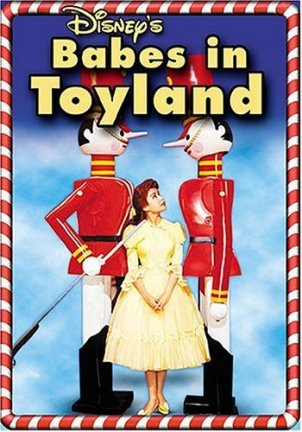
I believe I may have mentioned before what an important part of my creative life my Grandma Beyer’s old 1960’s RCA Victor color TV was because of its ability to render the weekly Disney TV show in color. One of the most significant things we were moved to drive all the way to Mason City to see on a Sunday afternoon in the 1960’s was the wonderful Annette Funicello vehicle, Babes in Toyland. It was a musical remake of the 1903 Victor Herbert Operetta starring Annette (at a time before puberty made me secretly obsessed with seeing her naked) and Tommy Sands as the main fairy tale protagonists.
Disney had originally planned in 1955 to make this as another of their animated features, but he later combined it with his desire to make a Wizard of Oz-like live-action film, a colorful sound-stage musical.
The music was Victor Herbert’s, as was the basic story, but it was all done the Disney way with rewritten lyrics and even an adapted film score.
It featured Ray Bolger (the Scarecrow from Wizard of Oz) as the villain (a first for him). He played the evil Barnaby, the Crooked Man, who wanted to keep Mary Contrary and Tom Piper (Annette and Tommy Sands) from getting married and living happily ever after.
The bumbling henchmen Gonzorgo and Roderigo are played by a comedy duo who were also featured in Disney’s Zorro TV show from the 50’s. Their slapstick antics made the film for me as a gradeschool child who deeply appreciated Three-Stooges-style comedy. I particularly liked the way they turned on the villain and helped the heroes in the end. I thought that was the way stories of good and evil always had to end… saved by the clowns.
The cute kids in the story were also a part of the magical appeal. The story, after all, is told basically for them. So this movie had a lot to do with why I felt the need to become a children’s writer and write YA fantasy novels. The music didn’t hurt the appeal either. The Toymaker, Ed Wynn, was a character that probably turned me into a rabid toy-collector and someone you really don’t want to argue with over old toys at yard sales.
But probably the most important way this particular bit of Disneyana has influenced my life came through the march of the tin soldiers and the stop-motion battle of the toys at the end of the movie. That has informed almost the whole of my art goals. It has that certain je-ne-sais-quoi of childhood imagination that I am obsessed with reproducing.
You can probably see the fixation yourself if you take a look at this last Paffooney.
Filed under humor, movie review, Paffooney
Have you ever noticed how Disney animated movies try to make you cry after you have been laughing for a while?
It is ironic, but true, that you have to use a little bit of the opposite to make something seem more like what it is. The sad moments in the Disney formula are there to make you see how light the lighter moments really are. The brightest light needs to be contrasted with the deepest shadow.
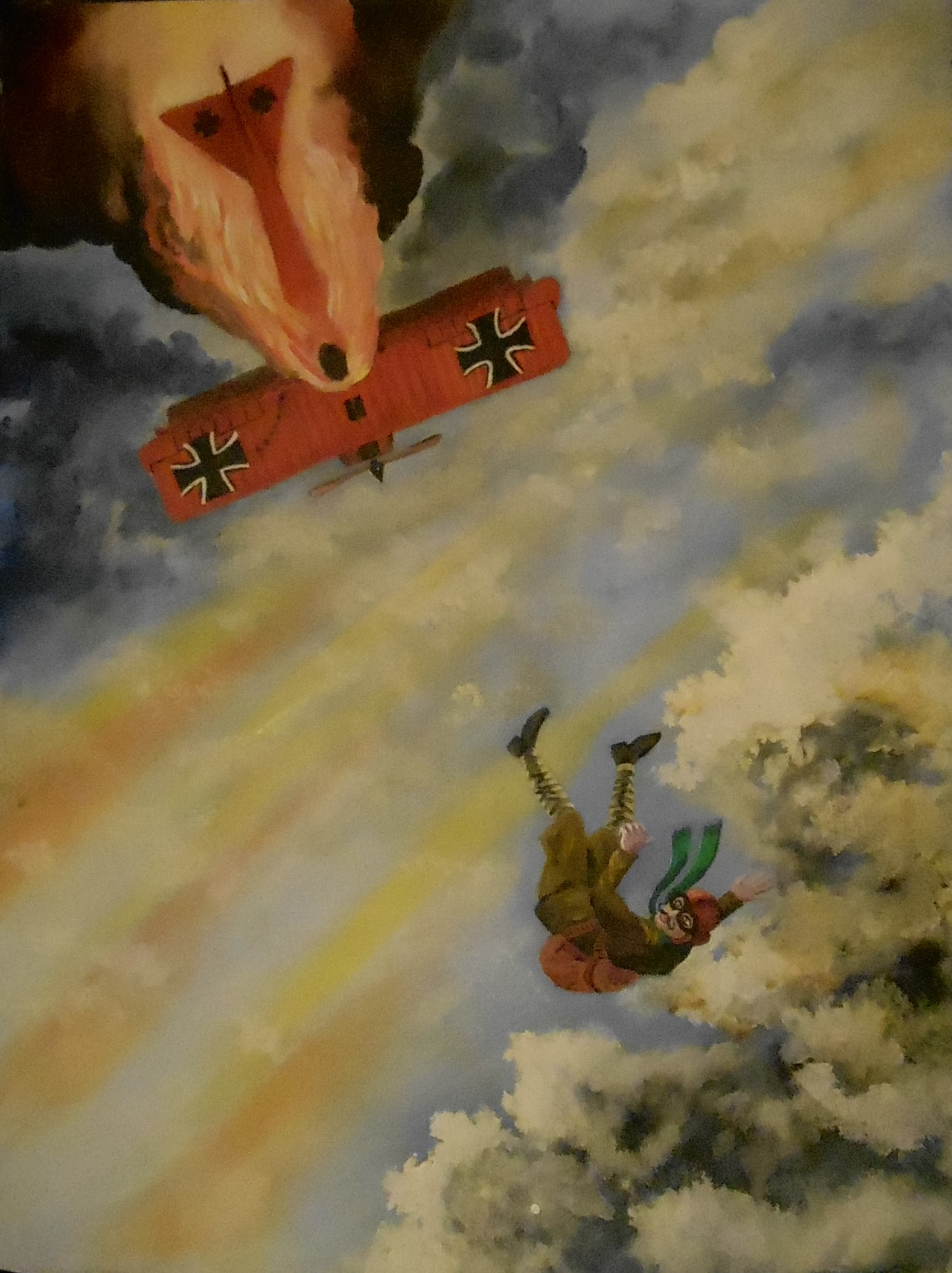
So, ironically, I find myself talking about irony as a story telling tool. You see it in today’s first Paffooney. In World War I pilots were usually dead if their plane was shot down. Parachutes were not invented until late in the war. Yet the pilot is giving the thumbs up sign as he sees you watching him fall to his death. Irony is the perceived twist on reality that overturns expectations and makes you severely think for yourself about what the meaning could be. Is the pilot happy because he is not the pilot of the pictured plane? Could he be the pilot who shot it down? Is it the Red Baron’s plane, forever robbing Snoopy of the ultimate opportunity? Is the pilot the Baron himself, happy to be done with his famously deadly career? Ironically, he is wearing a parachute in the painting, because ironically I didn’t look up the fact that the Frenchman, Jean Pierre Blanchard tested the first soft parachute in 1785, dropping a dog in a basket safely from high up in a hot air balloon until after I wrote the sentence about them not being invented in WWI. And ironically, they still were not commonly used by pilots in World War I because they were mostly flying a few hundred feet from the ground and parachutes rarely were able to save them that close to death. (Also, ironically, I seem to be using the word irony or its derivative parts of speech so much that the irony is lost by being made too obvious. Dang me!)
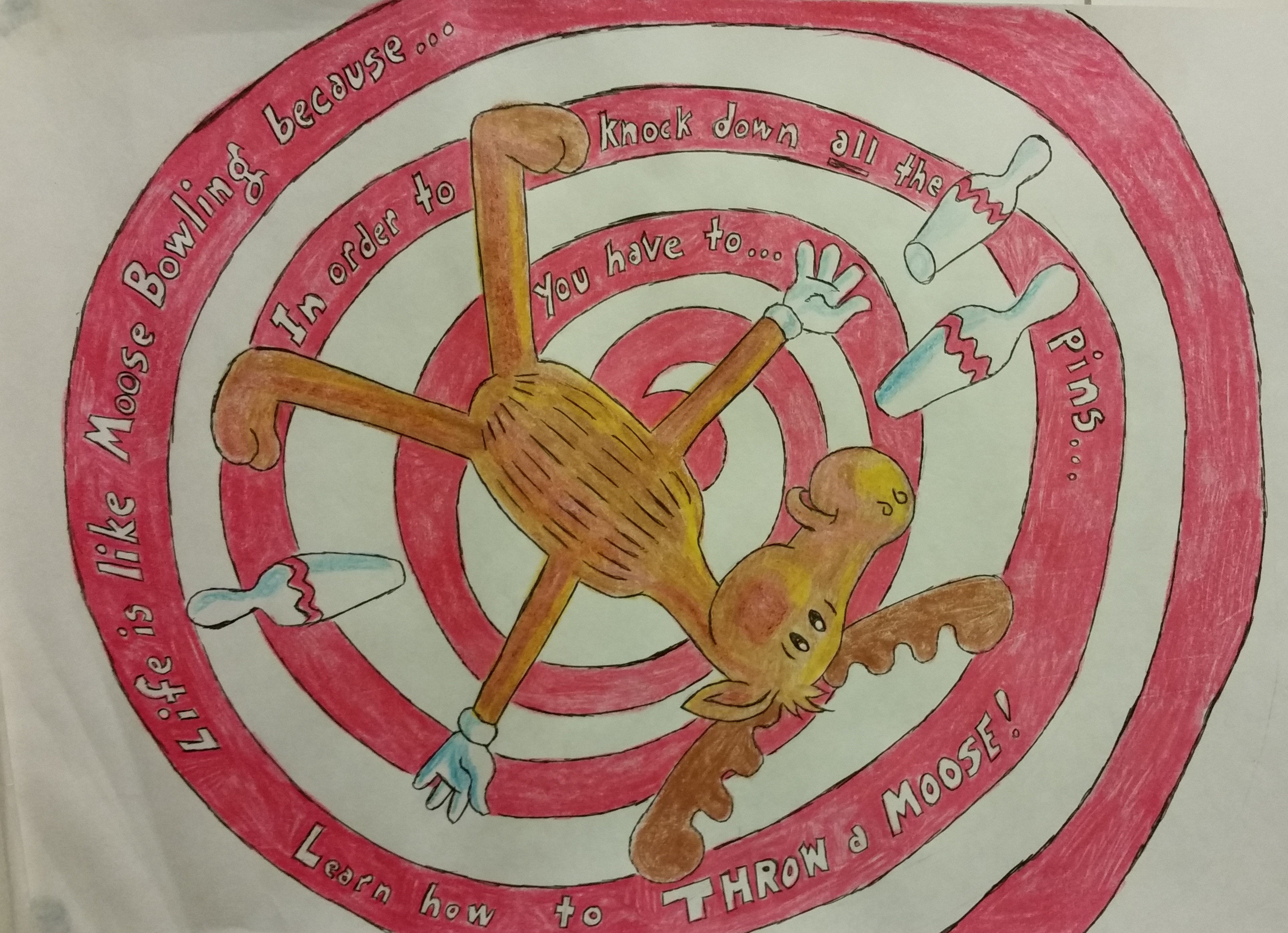
The Moose Bowling Paffooney is another example of the kind of reverse humor that I am trying to explain and confusticate today. If you can’t read the screwy legend on the swirl, it says, “Life is like Moose Bowling because… in order to knock down all the pins… and win… you have to learn how to throw a moose!” Now I know that Bullwinkle-ized moose humor is naturally funny in itself, but I believe this Paffooney uses irony to make a funny. You see, it is surprisingly the opposite of what you expect to happen when you talk about Moose Bowling (an obscure but well-loved sport in Northern Canada) and claim that you do it by throwing a moose at the pins at the business end of the bowling lane. According to http://www.cutemoose.net/moose_facts.htm, an average adult male moose weighs about a thousand pounds. He would be remarkably difficult to throw even if you could get the three finger holes successfully drilled into his antlers.
To sum up, you can plainly see that there is a real science to the use of irony in a humor blog… or maybe not… because I confess I dropped some excess irony on my left foot and nearly crushed it. I know it was irony because I saw the rust. Oh, and I forgot to add a whole nuther essay on why puns are a form of irony. Well… maybe another day.
Why I Must Write
Life is simply poetry,
And I must write it down.
Without the rhyme and beat of words,
I am a hopeless clown.
But if I can but set the theme,
And manipulate the sound,
The music of the world is mine,
And Meaning is unbound.
Here is a simple truth about why I write. I believe I have the power to define myself, a power that not even God can take away. I hope to leave words and stories and poems and drawings behind to speak to others, especially my children, after I am dead and gone. That is a writer’s immortality. And you should probably know that as a retired school teacher, I have over 2,500 children. But even if none of them ever reads a word of it, or looks at one of my Paffooney pictures, I will have made poetry enough to be me. And that is really all a writer does.
Here are a couple of poems of mine;
Broken People Parts (a goofy poem from messed-up Mike)
Sometimes people break,
And then, they fall apart,
And it takes a jigsaw master,
To Puzzle back their heart.
And if a foot falls off,
Quite busted on Monday’s hump
They may be legless, headless, limp
And lying in a lump.
But no face is ever busted
To a point of no repair,
And lips are pasted back in place
With a smile that wasn’t there.
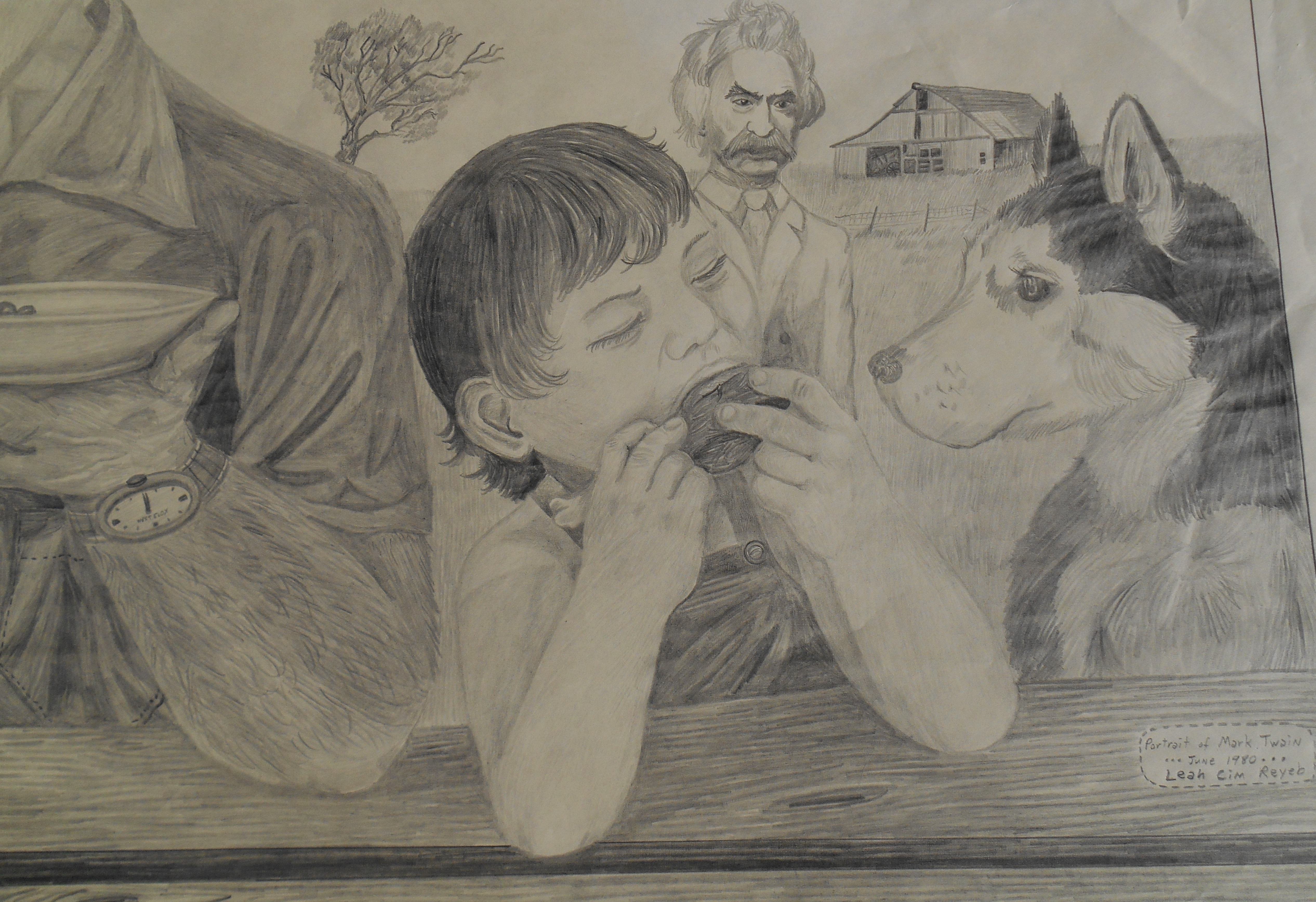
When Comes the Dawn?
We never seem to see it coming,
When the dark times are here,
Depression, black… is out of whack,
And everything looks drear…
And then a glimmer… maybe hope?
When will the sun appear?
But gray men in their dread gray suits,
Make the paperwork loom near…
And we must fill out in triplicate,
The forms you sign right here.
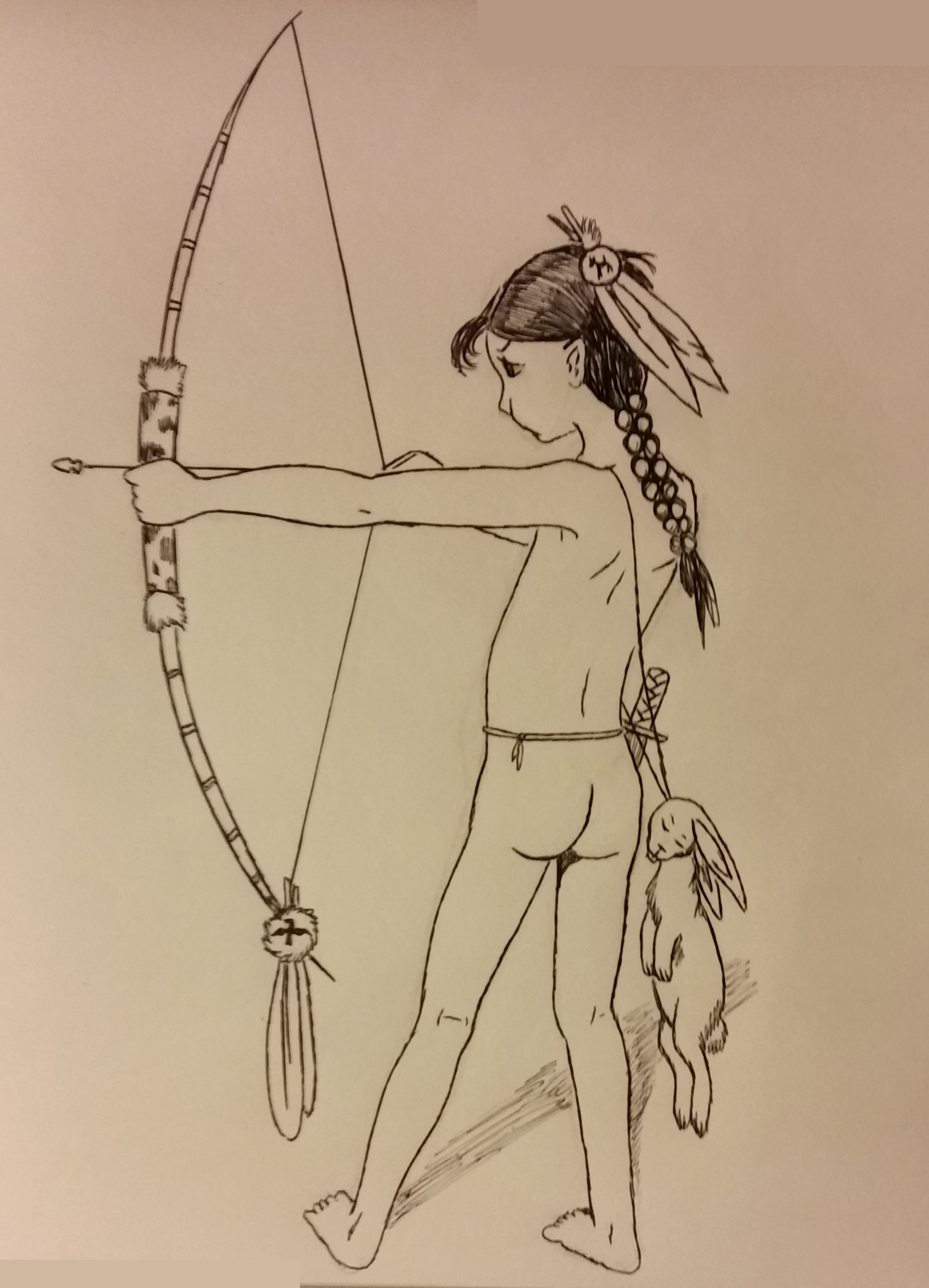
This dawn you want is pink and blue?
The proper form, my dear…
Sign it, scribe it, write in ink,
And make no mistake appear
And then you write and write and write…
To make the dawn shine clear.
Fog in the City (A Melancholy Poem)
It doesn’t come in on cat feet.
That’s probably Chicago you’re thinking of.
It comes in on the sound of screeching tires…
and ambulance sirens…
because of all the idiot drivers…
in their silver-gray WASP rockets…
that don’t know how to slow down…
or turn on their low beams…
for safety in the big, cold city of Dallas…
where the air is yellow…
except in the fog…
and rush, rush, rush…
business never waits…
for a foggy day.
Toy Tyger (a silly nod to William Blake)
Tyger! Tyger! Burning bright!
I see thee holy in the night,
This for that, and that for this,
Shoot the gun,
And never miss!
A sillier poem there will never be,
And Tyger! Tyger! this poem’s for thee.
So, ultimately, here is my full understanding of poetry; Poems are made by fools like (Joyce Kilmer), but only God (with help from Mickey) can make a ME!
Yesterday I wrote a post about religion that revealed my lack of connection to organized religion (I am still in recovery from fifteen years of trying to be a good Jehovah’s Witness) and my deep connections to God and the Universe and That Which Is Essential. I feel that it is good evidence for the theory that being too smart, too genius-level know-it-all goofy, is only a step away from sitting in the corner of the asylum with a smile and communicating constantly with Unknown Kadath in his lair in the Mountains of Madness (a literary allusion to H.P. Lovecraft’s world). And today I saw a list on Facebook pompously called “100 Books You Should Read If You’re Smart”. I disagree wholeheartedly with many of the books on that list, and I have actually read about 80 per cent of them. So it started me thinking… (never a good thing)… about what books I read that led to my current state of being happily mentally ill and beyond the reach of sanity.
To Kill a Mockingbird, by Harper Lee is the first book on my list. The Facebook list had no reasons why to argue with, so here are my reasons why. This book is written from the innocent and intelligent perspective of a little girl, Scout Finch. It stars her hero father, Atticus Finch, a small-town southern lawyer who has to defend a black man from false charges of rape of a white woman. This book makes clear what is good in people, like faith and hope and practicality… love of flowers, love of secrets, and the search for meaning in life. It reveals the secrets of a secretive person like Boo Radley. It also makes clear what is bad in people, like racism, lying, mean-spirited manipulations, lust, and vengeance. And it shows how the bad can win the day, yet still lose the war. No intelligent reader who cares about what it means to be human can go without reading this book.
Cloud Atlas, by David Mitchell is the second book on my list. This is really not one book. It is a complex puzzle-box of very different stories nested one inside the next and twisted together with common themes and intensely heroic and fallible characters. Reading this book tears at the hinges between the self and others. It reveals how our existence ripples and resonates through time and other lives. It will do serious damage to your conviction that you know what’s what and how the world works. It liberates you from the time you live in at the moment.
The Kite Runner, by Khaled Hosseini is the third book on the list. This will give you an idea of how fragile people truly are, and how devastating a single moment of selfishness can be in a life among the horrors of political change and human lust and greed. No amount of penance will ever be enough for the main character of this book to make up for what he did to his best and only friend… at least until he realizes that penance is not all there is… and that it is never too late to love.
The Book Thief, by Markus Zusak is number four. This book is about an orphan girl, the daughter of an executed communist, living in Nazi Germany in the early 1940’s. It is a tear-jerker and an extremely hard book to read without learning to love to cry out loud. Leisel Meminger is haunted by Death in the story. In fact, Death loves her enough to be the narrator of the story. It is a book about loving foster parents, finding the perfect boy, and losing him, discovering what it means to face evil and survive… until you no longer can survive… and then what you do after you don’t survive. It is about how accordion music, being Jewish, and living among monsters can lead to a triumph of the spirit.
Of course, being as blissfully crazy as I am, I have more books on this list. But being a bit lazy and already well past 500 words… I have to save the rest for another day.
Filed under book reports, book review, humor
When I was in Iowa last, and had a chance to see the younger of my two sisters, Mary Ann, she told me flat out that she really liked my most recent blog posts and that I should give up all together on my gloomy pessimistic ones. This, of course, was confusing to me because all my blog posts are relentlessly gloomy and never make anyone smile, so I did not know for certain what she was responding to.
As I have shared on more than one occasion, I suffer from six incurable diseases and am a cancer survivor. I don’t plan on living more than decade further at my most optimistic, and I told you recently that I am a confirmed pessimist. At worst, I could be dropping dead from stroke or heart attack as soon as I post this silly sour old post. I will be absolutely delighted to live long enough to finish another novel or two and maybe even see them published. I keep close track of my remaining hours because each one is rare and precious to me, even the ones that are quite painful and hard. So gloomy is as gloomy does. I am constantly celebrating that I have lived this long already. How depressing is that? … the celebrating every day thing, I mean?
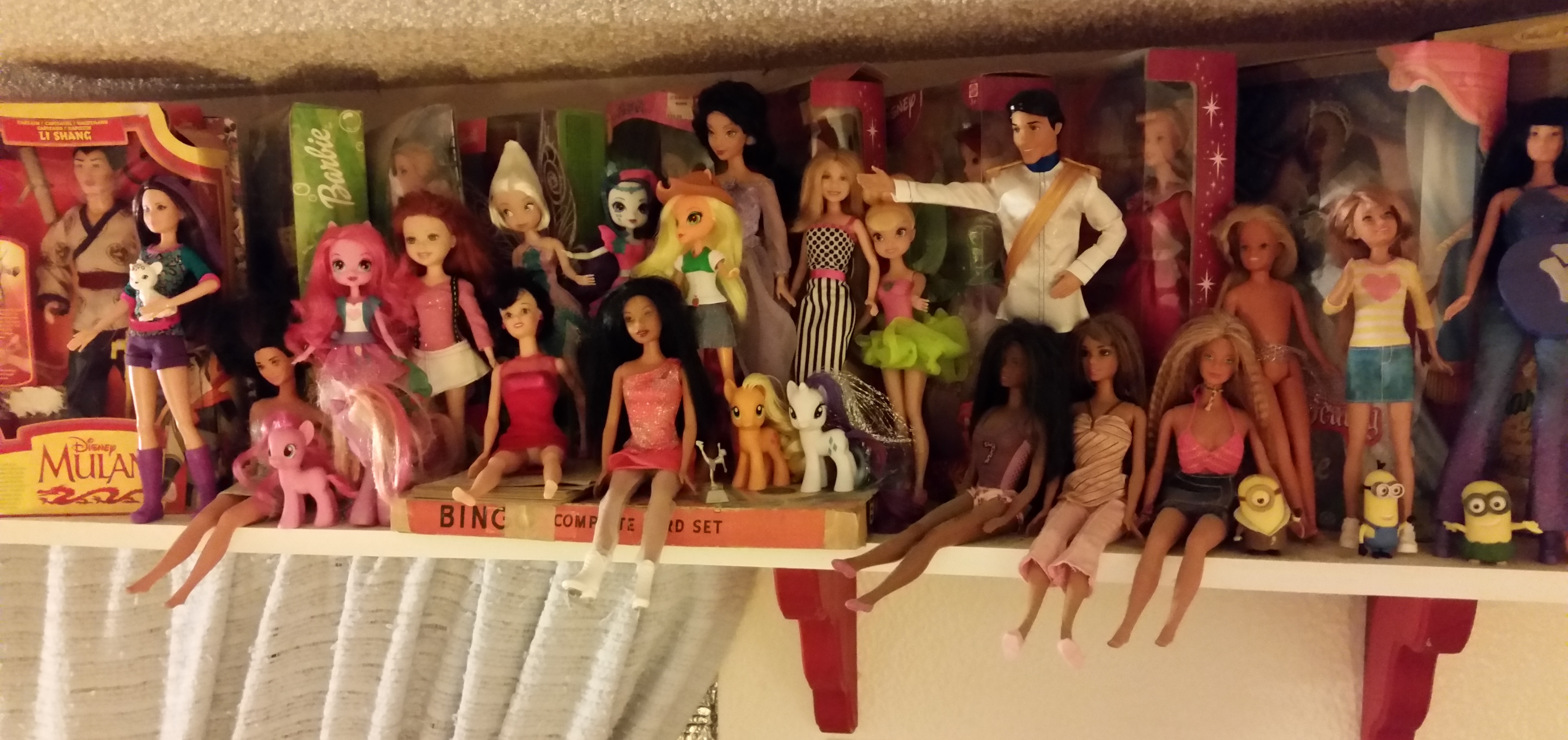
And of all the people who suspect I might be a fish sticks and custard sort of person, Mary Ann is not one of them. She watches Doctor Who and knows that that is exactly what I am. I am goofy and scatter-brained and a barely contained barrel of weird energy and misplaced enthusiasm. I do stuff like fill my bedroom Barbie shelf with bizarre and kitschy little 12-inch people.
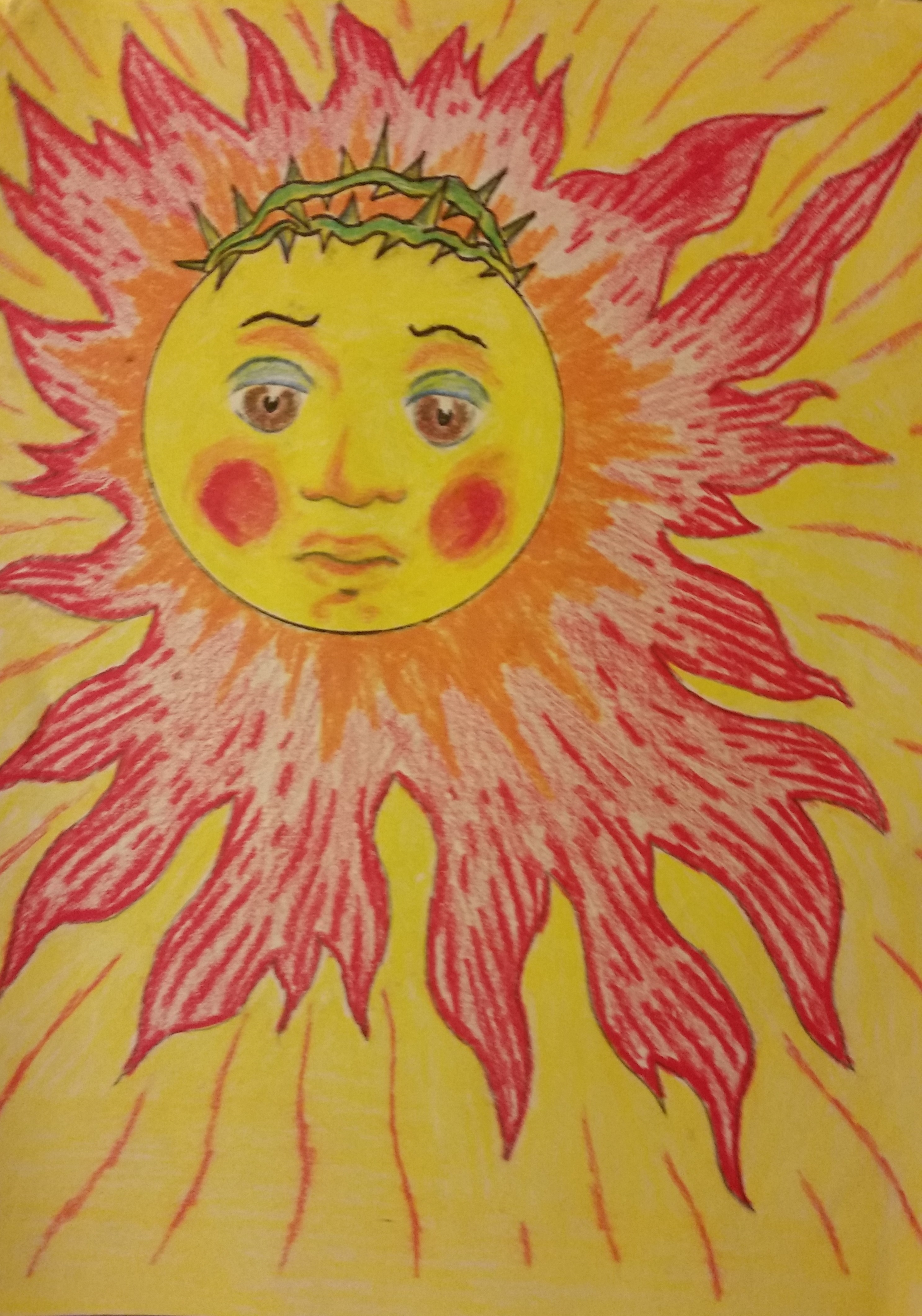
I appreciate melancholy and being blue, because the hollows of the valleys of depression make you appreciate the giddy heights so much more. And I do realize that I am stringing big words and goopy metaphors together to sound all literary and brooding… but that’s what real geniuses whom I am trying to emulate do to reach the highest heights. They run down through the valley at the fastest possible pace to build up enough speed to shoot up the side of the mountain on the other side. It is a Wiley Coyote trick for using cartoon physics in your own favor. It is the reason I am still tending the flower wagon, trying to coax zinnias into blossoming during the depressingly renewed Texas drought. It is the reason I keep adding to my collection of sunrises. The dark blue pieces of the puzzle of life provide the contrast that help you define the puzzle picture of the brightest sunshine and light.
Filed under battling depression, humor, Paffooney
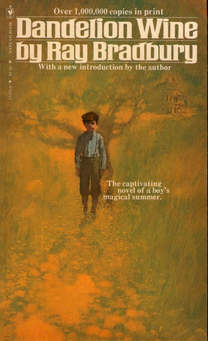
Yes, yes, I know it is supposed to be Ray Bradbury, not berry. But now that the master has gone, I don’t want to think of him as bury which is too grave a term. He was a master of metaphor and rhythm and image in writing. His work is much more berry-flavored, and if you really intensively read a novel like Dandelion Wine, you can very easily get drunk on the richly fermented contents of his beautiful writing.
Mental Pie
I’d like to offer you a piece of my mind,
Though not a lecture, rant, or complaint,
But rather a piece of mental pie.
Its taste will be very sweet, you will find,
As I’m constantly thinking in ink and paint,
That gives you wings and allows you to fly.
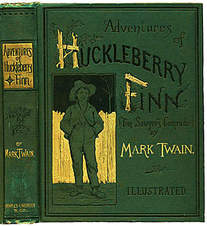
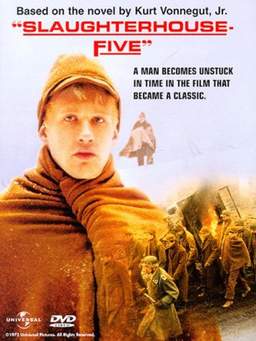
You see, I think the literary mind does not have to sink to mundane and dark and dreary thoughts and ideas to accomplish lofty goals. Often it is the special dollop of sugary metaphorical conceit that makes a Ray Bradbury or Mark Twain or Kurt Vonnegut to soar through the astral plane of ideas. I know that’s cartoony thinking, and somewhat loony besides, but I am often frustrated when it seems that the only “realism” modern readers and audiences accept is what is gritty and bloody and depressingly painful. Oh, I get it. Douglas nearly dies in the course of Dandelion Wine. Tom Sawyer and Huck Finn and Billy Pilgrim all suffer as much as we laugh in order to make their points in the novels they inhabit. But the misfortune makes the moment of taking flight that much sweeter. And it is in the language. The loving description of everyday things and everyday events that become extraordinary through extra-close examination. Sometimes silliness and humor and logical reason are not enough, and we have to speak in poetry. We put in metaphors as peaches and plums. Sensory details are raspberries and strawberries. Sing-song rhythms and elegant pacing makes the batter whole and delicious. And I know this whole post makes no earthly sense. But sometimes you write for earthly reasons… and sometimes you try to reach heaven. That is what Ray Bradberry Pie is made of.
Okay, I know… I keep promising that I will never resort to insult humor, and then I go and write mean-spirited stuff about Donald Trump and other Republicans. But I need to point out that as a middle school English teacher for 24 of my 31 teaching years, I had to talk to a lot of stupid. And I am not being mean when I say that. Unformed, immature minds are full of misinformation and wrong-way pig-headedness. Those are both synonyms of “stupid”, aren’t they? And I have the further disadvantage of being a freakishly high level of smart. I have a lot of experience dealing with stupid.
And it often begins with, “Well, I know you are very, very smart, but I have common sense!” That’s how the argument started this morning with my beloved wife. When we are wrestling with financial and health and family problems, we always start with the assumption that I am completely wrong and headed for disaster. An acceptable compromise is when the two of us talk it out for an hour, with me listening and agreeing and her laying on me a thick layer of sometimes-aromatic common-sense solutions. We reach a compromise, by which we mean I accept that she is right and I am wrong. And then we talk about the yes-buts. “Yes, but have you thought about the consequences of that expense when it comes to the APR on your credit cards?” “Yes, but if you talk to your boss that way, would she consider firing you?” “Yes, but if you give that prized possession to our son as a gift of love, will he be resentful if you take it away again as a punishment for a minor error?” Sometimes the common sense people have to be gently reminded that their simple solution might need to be looked at from the back side as well. (Don’t get me wrong. I am not calling my wife “stupid” here. She is not. And I am not looking to make a fatal mistake in my blog.)
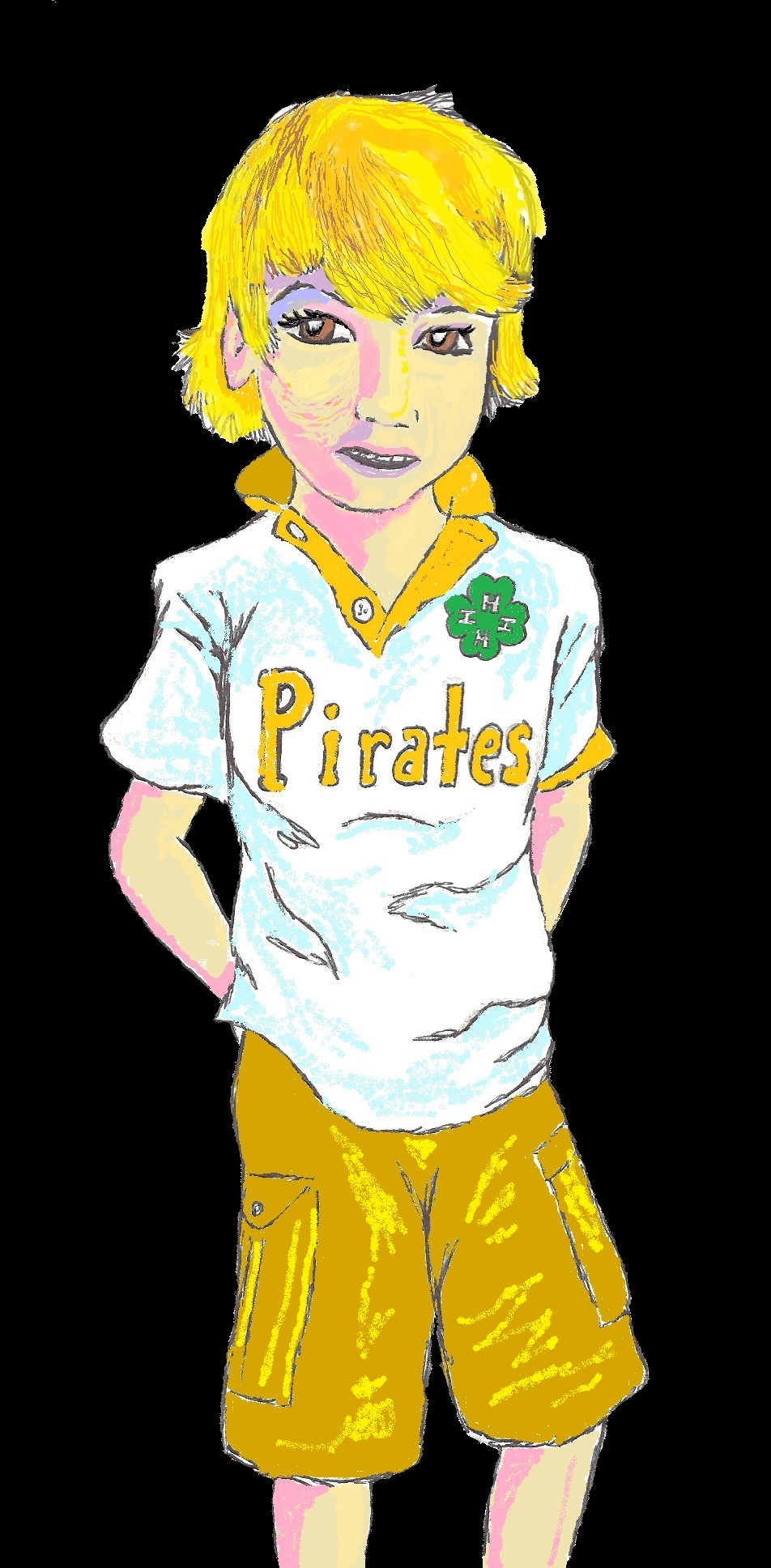
It helps when talking and reasoning with stupid people that they know you really love and respect them. When I have to talk politics with my more Republican relatives, well, I have to be very reasonable and polite. Some of them are clinging to toxic candidates that, if they elect them, are going to do the exact opposite of what is good for people in their socio-economic group. Ted Cruz and Donald Trump are intentionally playing on the fears and prejudices of people that are thinking with their “lizard brain” instead of their higher-level thinking functions. It helps them to see that you care enough to explain things like “socialism” and “labor unions” and “taxes” in simple terms that help them to grasp that there is a good side to those things as well as a bad.
A large part of the lives of stupid people is the pain and uncertainty that being a part of humanity brings to them. So many of them have no idea of the value of what they do and who they are. They are so caught up in the pain of being themselves that they never realize how much the world around them appreciates and loves them. They don’t understand that being stupid is the common condition of mankind, and just because they are not as smart as God himself, it doesn’t make them bad. Sometimes the only way to talk to stupid people is to stop thinking of them as stupid, and reassure them that you love them and you will do everything you can to help them. If you say it and mean it, they will not be stupid people any more.
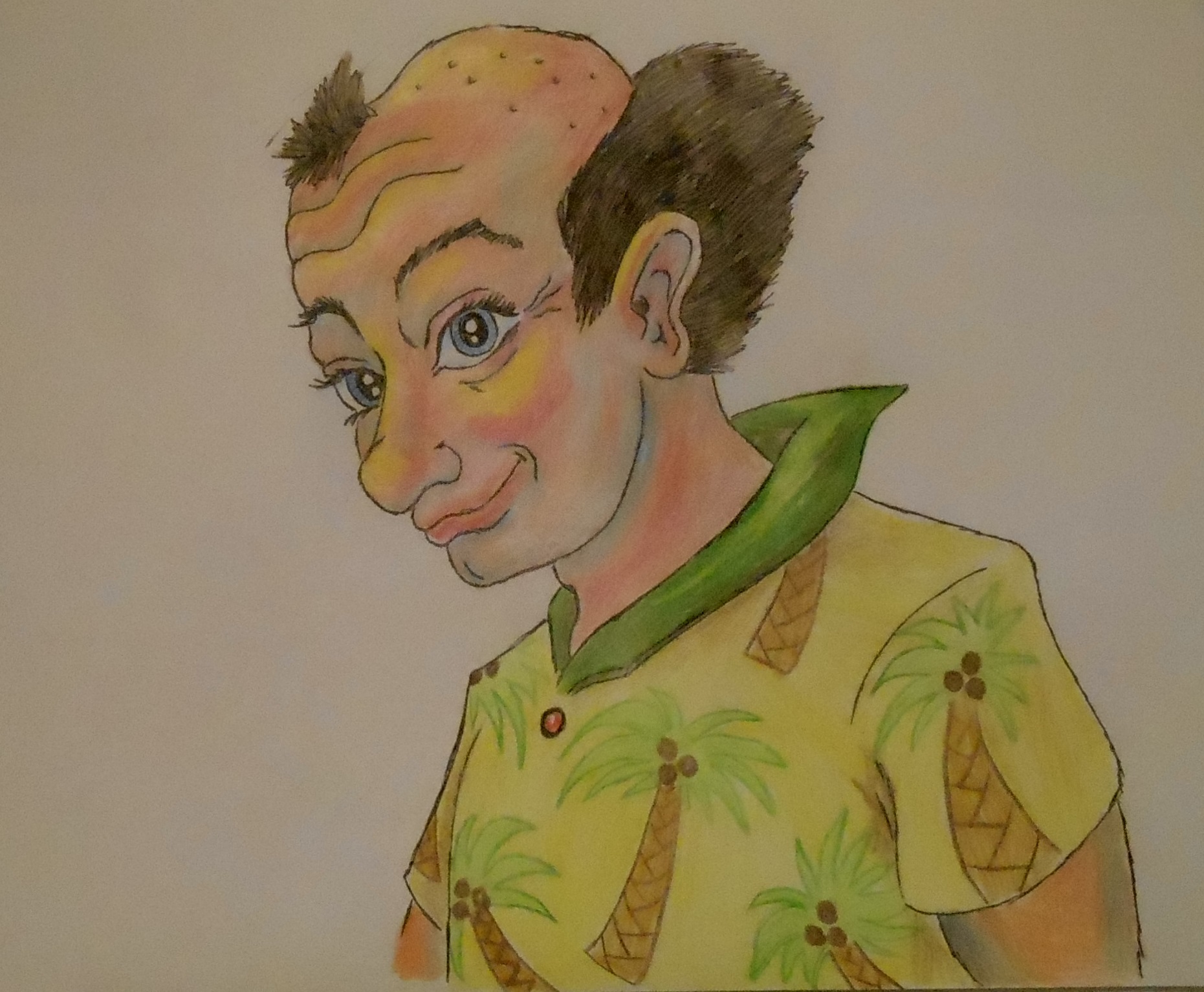
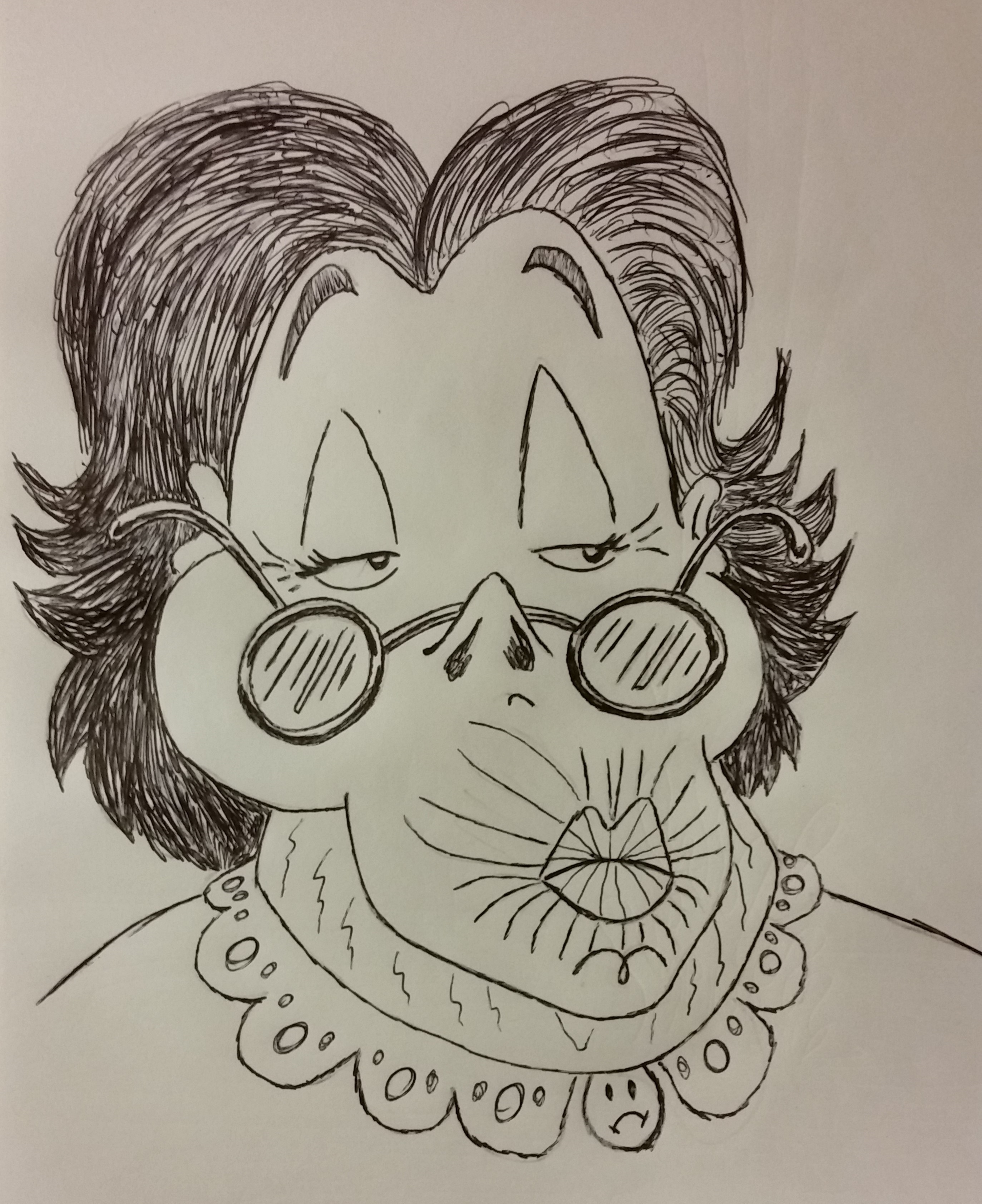
“And that is all I have to say about that…” -Forrest Gump