From the time I could first remember, I was always surrounded by stories. I had significantly gifted story-tellers in my life. My Grandpa Aldrich (Mom’s Dad) could spin a yarn about Dolly O’Rourke and her husband, Shorty the Dwarf, that would leave everybody in stitches. (Metaphorical, not Literal)
And my Grandma Beyer (Dad’s Mom) taught me about family history. She told me the story of how my great-uncle, her brother, died in a Navy training accident during World War II. He was in a gun turret aboard a destroyer when something went wrong, killing three in the explosion.
Words have power. They can connect you to people who died before you were ever born. They have the power to make you laugh or make you cry.
Are you reading my words now? After you have read them, they will be “read.” Take away the “a” and they will change color. They will be “red.” Did you see that trick coming? Especially since I telegraphed it with the colored picture that, if you are a normal reader, you read the “red” right before I connected it to “reading.”
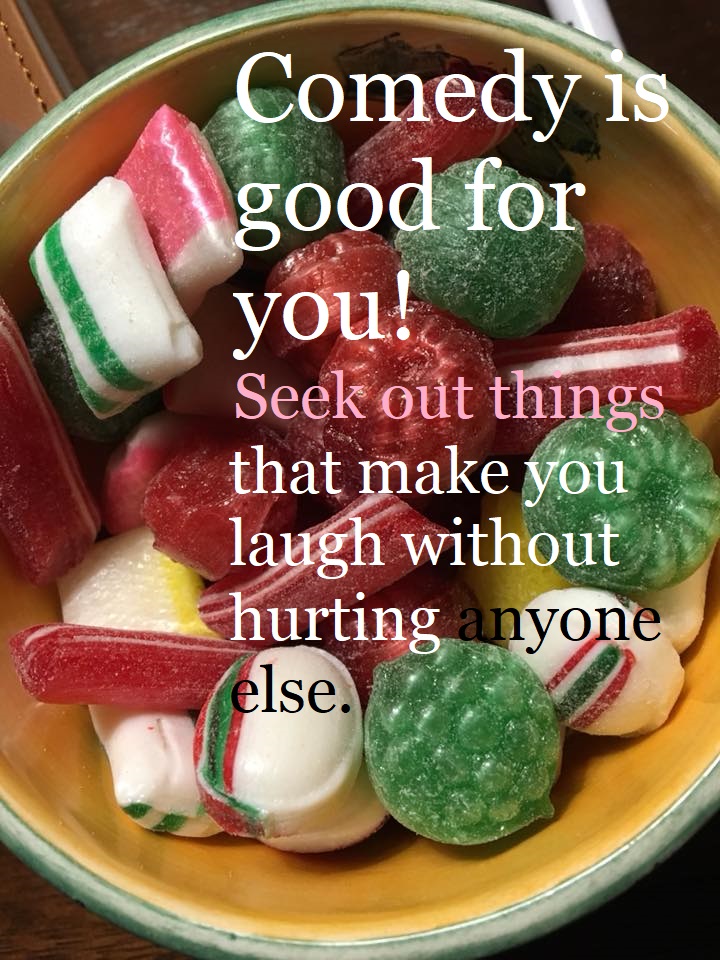
Comedy, the writing of things that can be (can bee, can dee, candee, candy) funny, is a magical sort of word wrangling that is neither fattening nor a threat to diabetes if you consume it. How many word tricks are in the previous sentence? I count 8. But that wholly depends on which “previous sentence” I meant. I didn’t say, “the sentence previous to this one.” There were thirteen sentences previous to that one (including the one in the picture) and “previous” simply means “coming before.” Of course, if it doesn’t simply mean that, remember, lying is also a word trick.
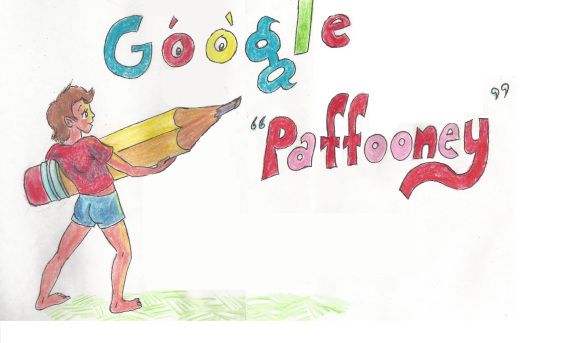
Here’s a magic word I created myself. It was a made-up word. But do a Google picture search on that word and see if you can avoid artwork by Mickey. And you should always pay attention to the small print.
So, now you see how it is. Words have magic. Real magic. If you know how to use them. And it is not always a matter of morphological prestidigitation like this post is full of. It can be the ordinary magic of a good sentence or a well-crafted paragraph. But it is a wizardry because it takes practice, and reading, and more practice, and arcane theories spoken in the back of old bookshops, and more practice. But anyone can do it. At least… anyone literate. Because the magic doesn’t exist without a reader. So, thank you for being gullible enough for me to enchant you today.
I recently learned from the eye doctor that I may be at the doorstep of glaucoma, a disease that darkened my grandmother Beyer’s vision and connection to the light.
I am doing some serious editing now on my completed manuscript, Sing Sad Songs. There is serious foreshadowing going on in this novel. I think I mentioned once or twice before that I only rarely write a comic young adult novel without having some important character dying at the end. Death and dying and going blind are all on my mind.
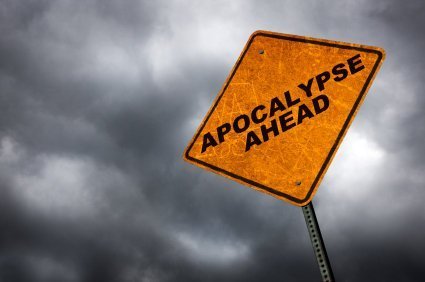
News on the global warming front is increasingly bleak. Temperatures are rising faster than predicted. The date cited for the end of life on Earth is now 2030 (possibly within the scope of my lifetime if I get luckier than I have been on past health issues). The outlook is bleak and getting bleaker. Soon there has to be an absolutely miraculous technological or cultural revolution to help the optimists prove themselves right, a thing that they are totally not good at.
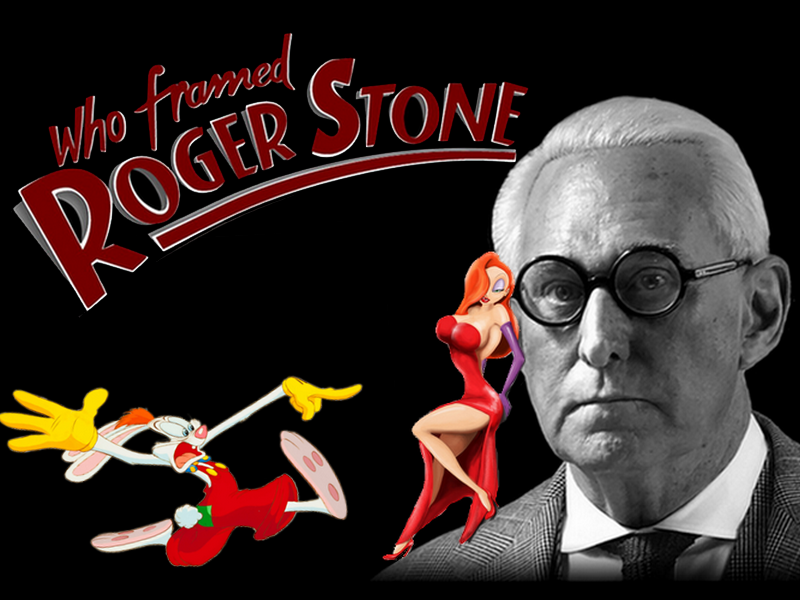
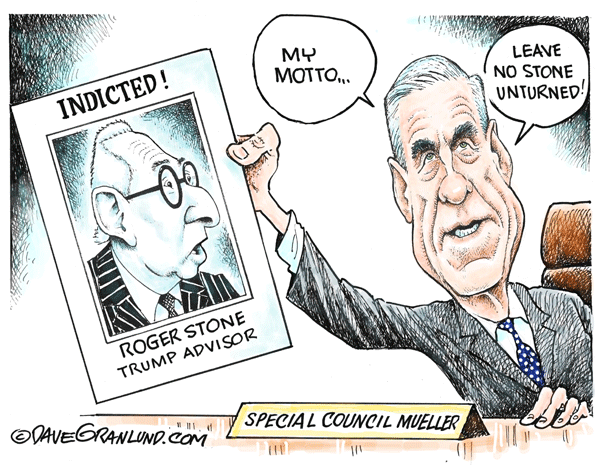
I wish I had a Steven Miller cartoon to place here, but he is much scarier and more evil than Stone, so maybe it is for the best that I only have the Stone head cartoon. It’s funnier than Racist Dracula.
The government seems increasingly incapable of helping with anything, even though some of us are paying increasingly large tax bills thanks to insane tariff programs, a form of sales tax, which, of course, we can’t afford. (I do realize some of you who are not on a fixed income actually got a small benefit from Republican tax cuts. Did that solve your financial problems?) It increasingly looks like the corrupt clown show currently in charge is blowing themselves up. We stand to get a whole new government soon that is marginally better at best. So, we are, as a society, marching forward into the darkness with neo-fascist, goose-stepping zeal.
I am not saying that I have no hope. My grandmother got help and never went completely blind. There are breakthroughs happening all the time in science and sociology. But the darkness in my personal future is growing ever closer. And I have less and less control over its advance.
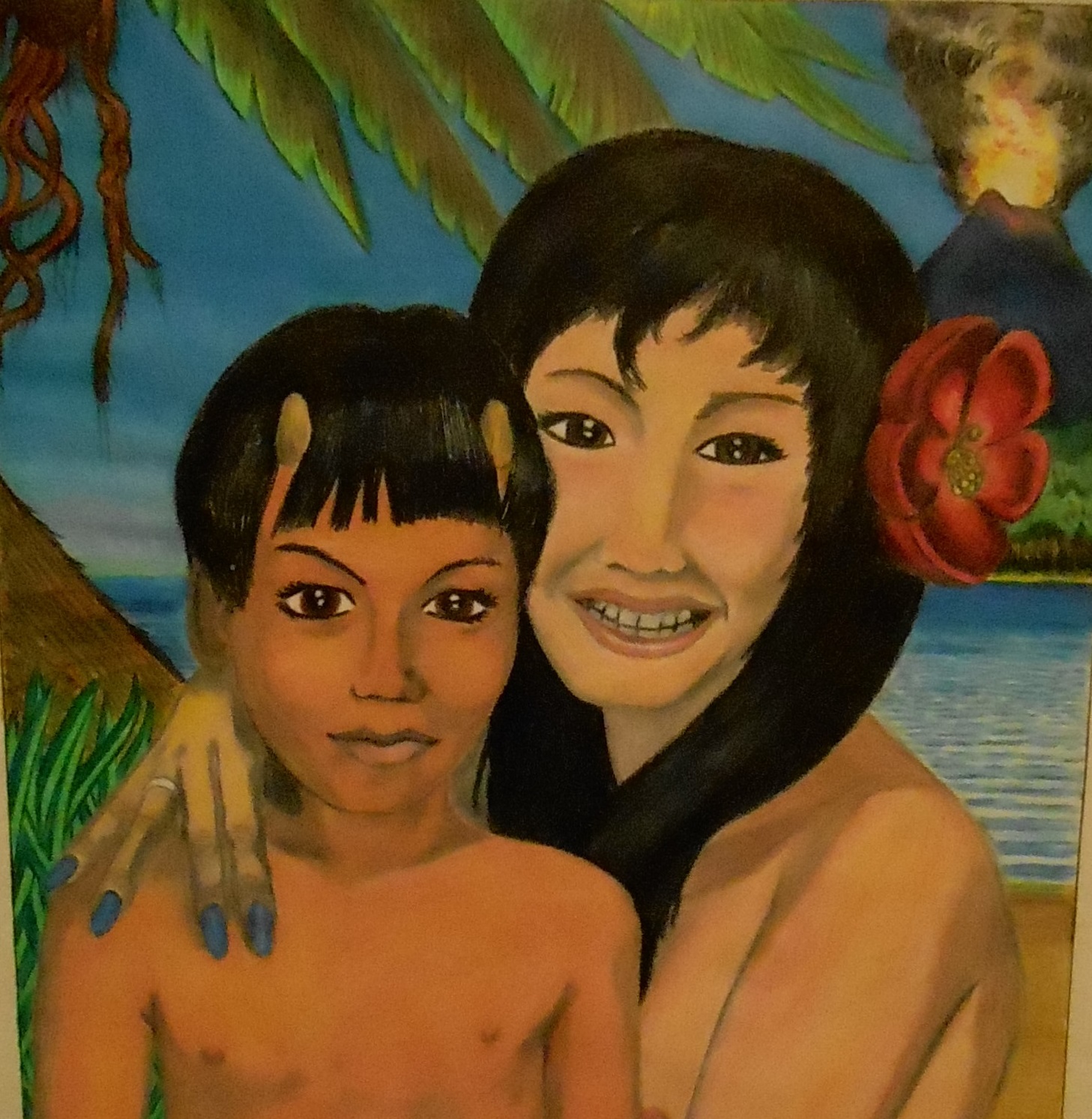
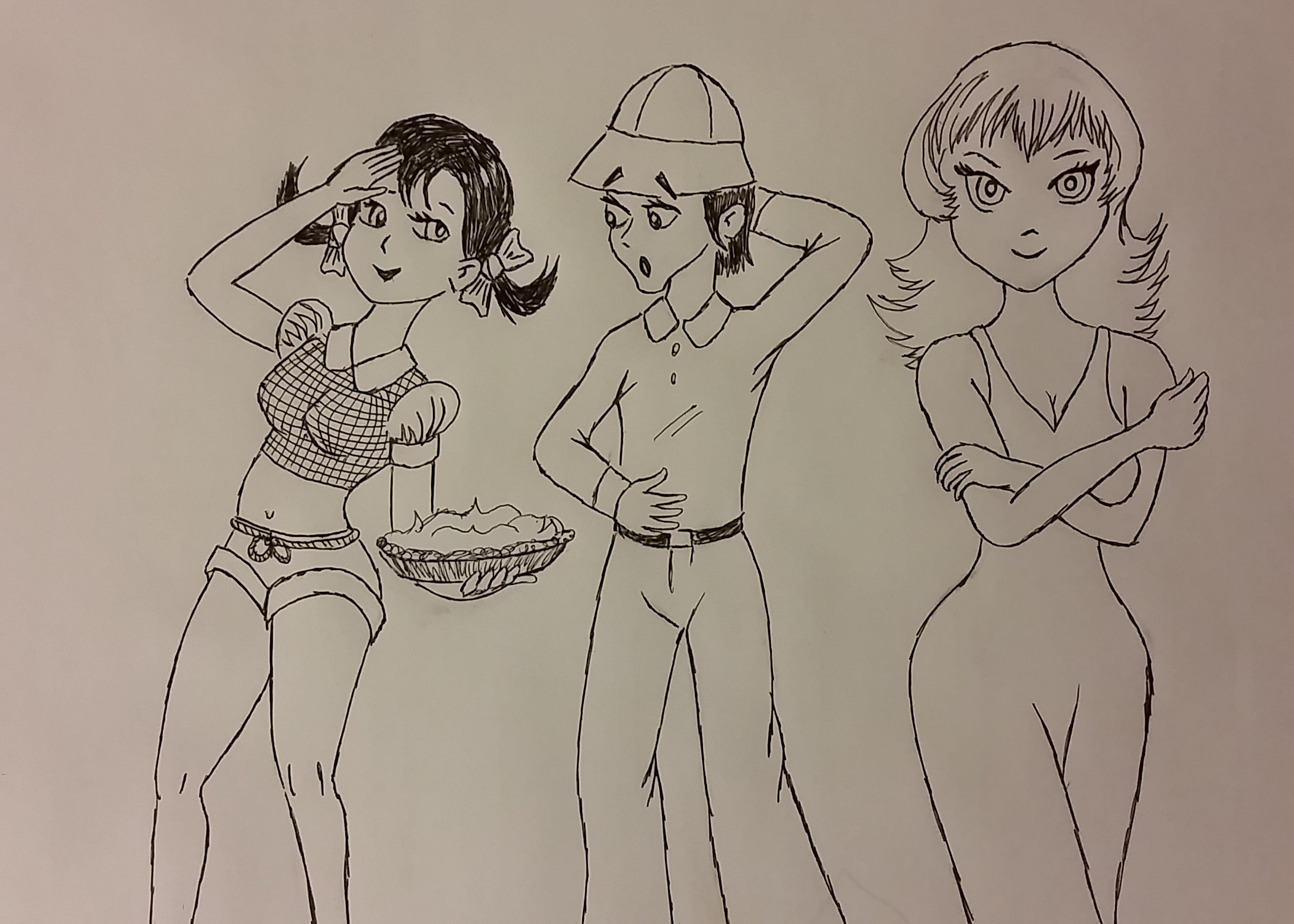
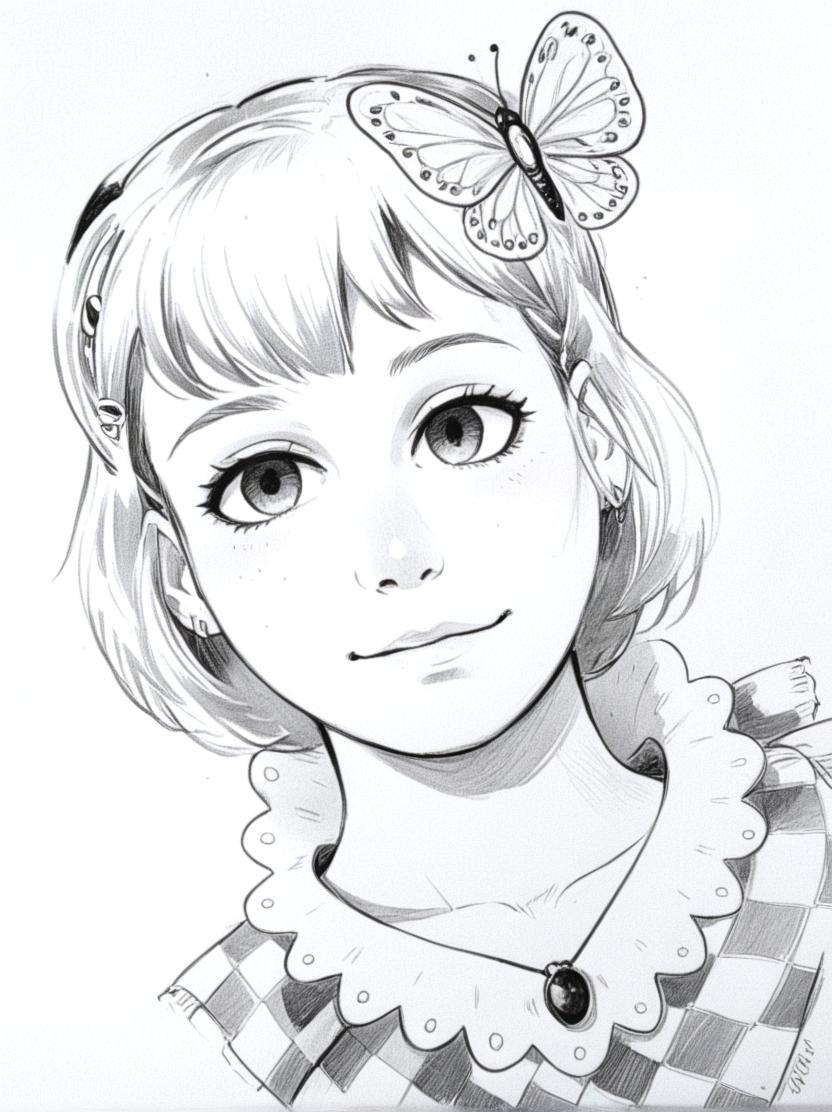
If the two girls up above are Sherry and Shelly Cobble, the twins from several of my novels, they are wearing too many clothes. These two fictional characters are true nudists and go naked whenever possible. (The twins they are based on in real life were probably lying to me about going to nude beaches to embarrass their English teacher (me).)
I have often thought that the reason my novels are so rarely read by anyone (except nudists, of course) is that I use ridiculous situations and purple paisley prose to tell improbable stories. It is entirely possible that I am a lousy writer.
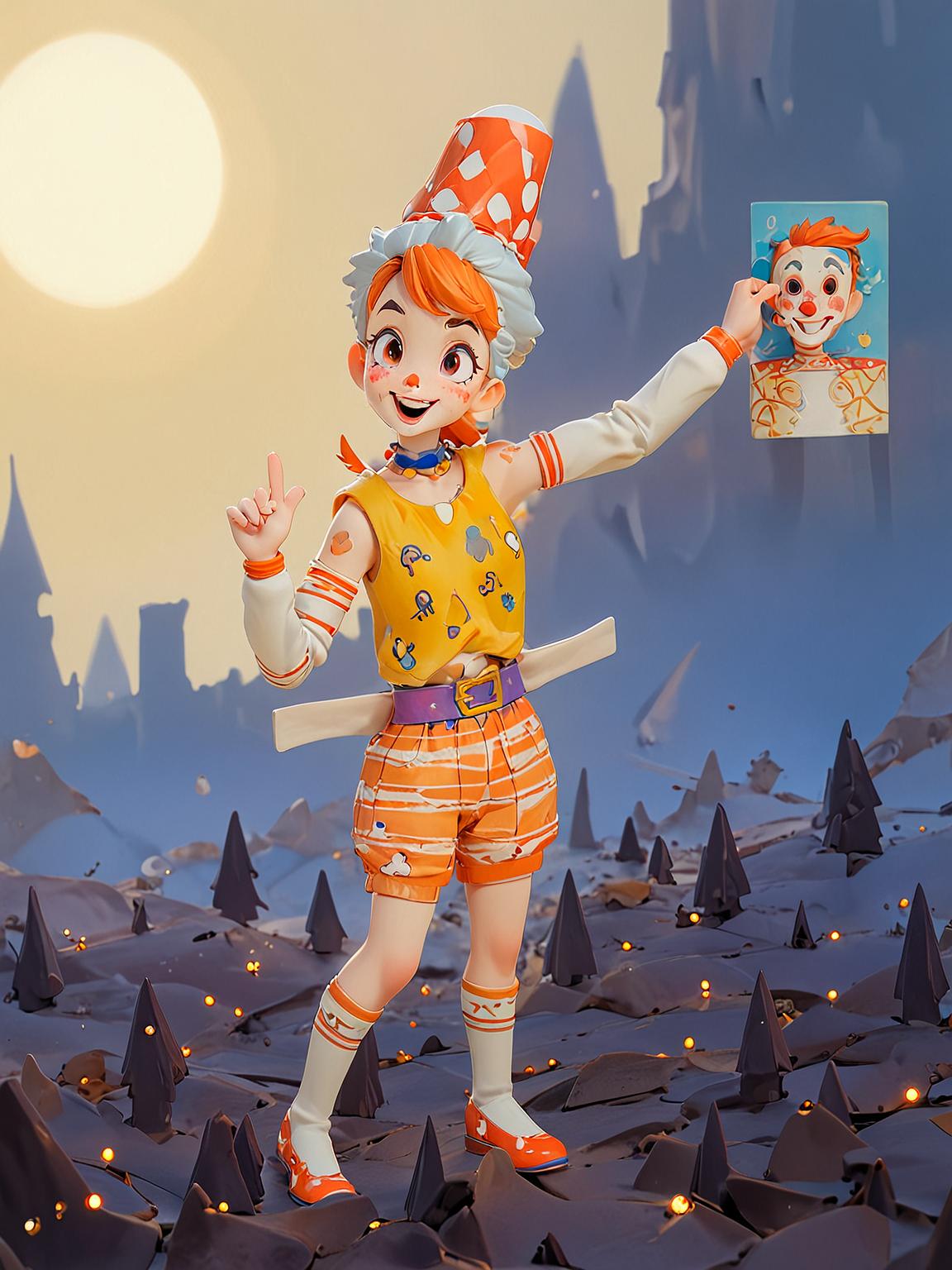
So, I spent the recent holidays rereading what I believe is my best book, Snow Babies. It is a comedy about a small town coming together to survive a severe blizzard. In other words, it is a humorous story about bus passengers, runaway orphans, and farm town citizens being harassed by snow ghosts and some of them freezing to death. It has many intense moments. There are witches, a mysterious stranger, a group of kids in a liars’ club, a couple of orphans with severe medical problems, and a clown or two to become vivid characters that someone somewhere will identify with. (After all, most of them are based on real people I was related to or met sometime in my nonfictional past life.) There are hauntings and magic and near-death experiences. And rereading it gave me chills down my spine as well as moments of loud laughter and a few spots where I shed a few tears. Maybe it isn’t so terrible. I found it fascinating in spite of having read it ten times or more, on top of writing it and editing it.
I am now rereading this book, The Bicycle-Wheel Genius. It is a story about friendship, losing friends, and renewing friendships. It is also about family, losing family, finding a new family, and learning to properly love the family you are stuck with. Besides having some serious themes, it is also a rollicking adventure about time-travelling, fighting a dogfight in World War I biplanes, killer alien robots, man-eating chinchillas, and rabbits who become human. And a girl with special problems to overcome gets to turn a boy into a girl for a while with an alien ray gun to exact the perfect revenge. You know, all very sensible, realistic stuff. And it makes me laugh in some parts, and cry in some parts, and even feel the tension in parts where good characters face terrible consequences. I am finding again that I enjoy my own writing when I go back to things I have already written and published.
Maybe I am not a bad writer. There is a good chance you will like them too if you try them.
.
This is the book to read to find out about the Cobble Sisters. Recipes for Gingerbread Children. It is the one I plan to reread next.
“Kaw-Liga” KAW-LIGA, was a wooden Indian standing by the door He fell in love with an Indian maid over in the antique store KAW-LIGA – A, just stood there and never let it show So she could never answer “YES” or “NO”.
He always wore his Sunday feathers and held a tomahawk The maiden wore her beads and braids and hoped someday he’d talk KAW-LIGA – A, too stubborn to ever show a sign Because his heart was made of knotty pine.
[Chorus:] Poor ol’ KAW-LIGA, he never got a kiss Poor ol’ KAW-LIGA, he don’t know what he missed Is it any wonder that his face is red KAW-LIGA, that poor ol’ wooden head.
KAW-LIGA, was a lonely Indian never went nowhere His heart was set on the Indian maiden with the coal black hair KAW-LIGA – A, just stood there and never let it show So she could never answer “YES” or “NO”.
Then one day a wealthy customer bought the Indian maid And took her, oh, so far away, but ol’ KAW-LIGA stayed KAW-LIGA – A, just stands there as lonely as can be And wishes he was still an old pine tree.
The quirky movie I reviewed, Moonrise Kingdom, reconnected me with a song I loved as a child. It was on an old 45 record that belonged to my mother’s best friend from high school. When the Retleffs sold their farm and tore down their house and barn, they had a huge estate sale. My mother bought the old record player and all the collected records that Aunt Jenny still had. They were the same ones my mother and her friend Edna had listened to over and over. There were two records of singles about Indian love. Running Bear was about an Indian boy who fell in love with little White Dove. They lived on opposite sides of a river. Overcome with love, they both jump into the river, swim to the middle, lock lips, and both drown. Together forever. That song, it turns out, was written by the Big Bopper, and given to Johnny Preston to sing, and released the year after the Big Bopper died in a plane crash along with Buddy Holly and Richie Valens.
Kaw-liga, by Hank Williams, was a wooden Indian sitting in front of a cigar store. His love story is even worse. As you can see from the lyrics above, he never even gets the girl. Dang, Indian love must be heck!
But I have come to realize that these aren’t merely racist songs from a bygone era. They hold within them a plea for something essential. They are a reminder that we need love to be alive.
When I was young and deeply depressed… though also insufferably creative and unable to control the powers of my danged big brain, I knew that I wanted love. There was one girl who went to school with me, lovely Alicia Stewart (I am not brave enough to use her real name), that filled my dreams. We were classmates, and alphabetical seating charts routinely put us near each other. She had a hypnotic sparkle in her eyes whenever she laughed at my jokes. She was so sweet to me… sweet to everyone… that she probably caused my diabetes. I longed to carry her books or hold her hand. I cherished every time she spoke to me, and collected the memories like stamps in a stamp album. But like the stupid cigar store Indian, I never spoke up for myself. I never told her how I felt. I was endlessly like Charlie Brown with the Little Red-Haired Girl. Sometimes you have to screw up your courage and leap into the river, even if it means your undoing. Because love is worth it. Love is necessary. And it comes to everybody in one way or another over time. I look at pictures of her grandchildren posted on Facebook now, and wonder what might have been, if only… if only I had jumped in that stupid river. I did find love. And I probably would’ve drowned had I done it back then. Life has a way of working things out eventually. But there has to be some reason that in the 50’s, when I was born, they just kept singing about Indian love.
When you make the mistake of admitting to others that you are a writer, they immediately assume you know things that are kept secret from “normal” people. For instance, they will simply assume that you can tell them where you get your ideas for writing. Well, I am fairly sure that I got the idea for this post from watching a YouTube video in which the Master, Neil Gaiman, says that every author has a joke answer for that one with enough sarcastic wit in it to punish the asker with public humiliation.
I asked the dog if she knew any jokes like that which I could use to prepare for someone asking me that question in public. She said, “You could tell them that your family dog tells you what to write every day.”
“No,” I said, “people would never believe it.”
“Well, it is supposed to be a joke. But you are right. No one would ever think you were actually smart enough to write down what a dog tells you.”
“Yes, it’s a good thing for me that you know how to speak in English. I could never translate and transcribe Barkinese.”
So, I began thinking of where some of my best ideas came from.
Dreams
Some of my stories come directly from dreams that I had. The nightmare about being chased down a street in Rowan at midnight by a large black dog with red eyes was an actual dream I had in the 1970s. So was the nightmare of the werewolf climbing out of the TV during a late-night viewing of Lon Chaney in The Wolfman.
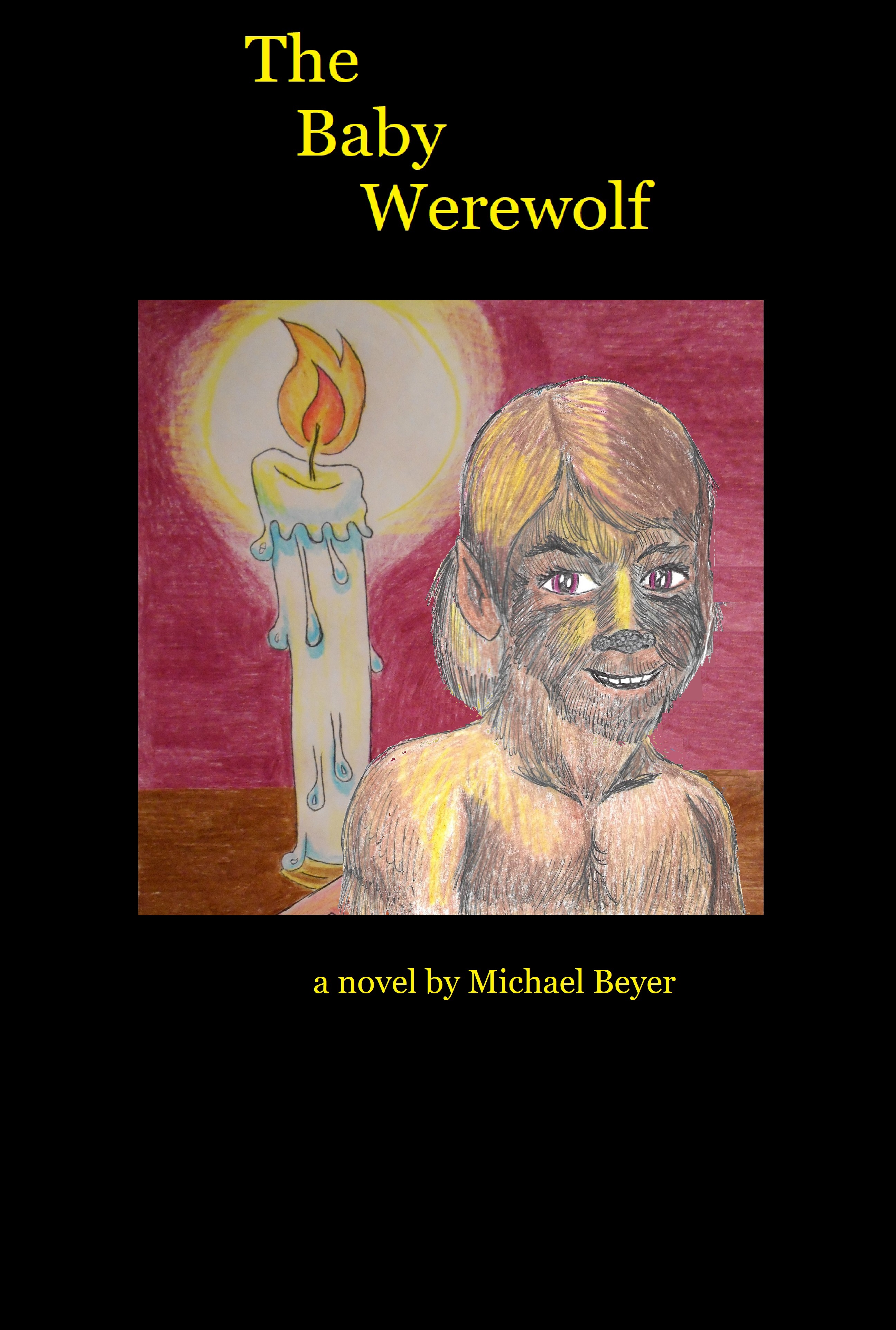
Those two dreams together were the start of the story that became my recently published novel, The Baby Werewolf. Both dreams visit the protagonist in the story I wrote almost as if they were his dreams and not actually mine.
Events
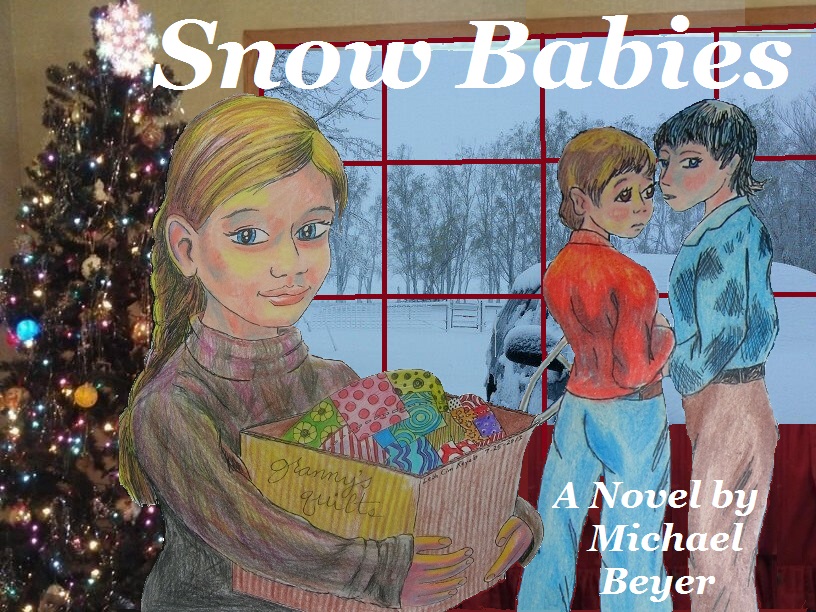
Snow Babies, the best novel I have ever written, was based on two different blizzards I experienced, first as a child in the 1960’s, and then again as a high school kid in the 1970s. Each blizzard involved being snowed in for a week at someone else’s house. As a child, I was stuck at Grandpa’s farm place until the snow plows could finally do their work and open the gravel roads. As a teen, I was stuck in Great Grandma’s retirement apartment near the high school in Belmond.
That novel also is based on the next source of ideas;
Characters
I can’t think of any story I have written that isn’t based on real people I have known in one way or another. Valerie in the novel above is based on three different girls I have known or taught. One of those three is my own daughter. The four orphans on the bus in that story are all boys from my junior high classes in the 1980s.
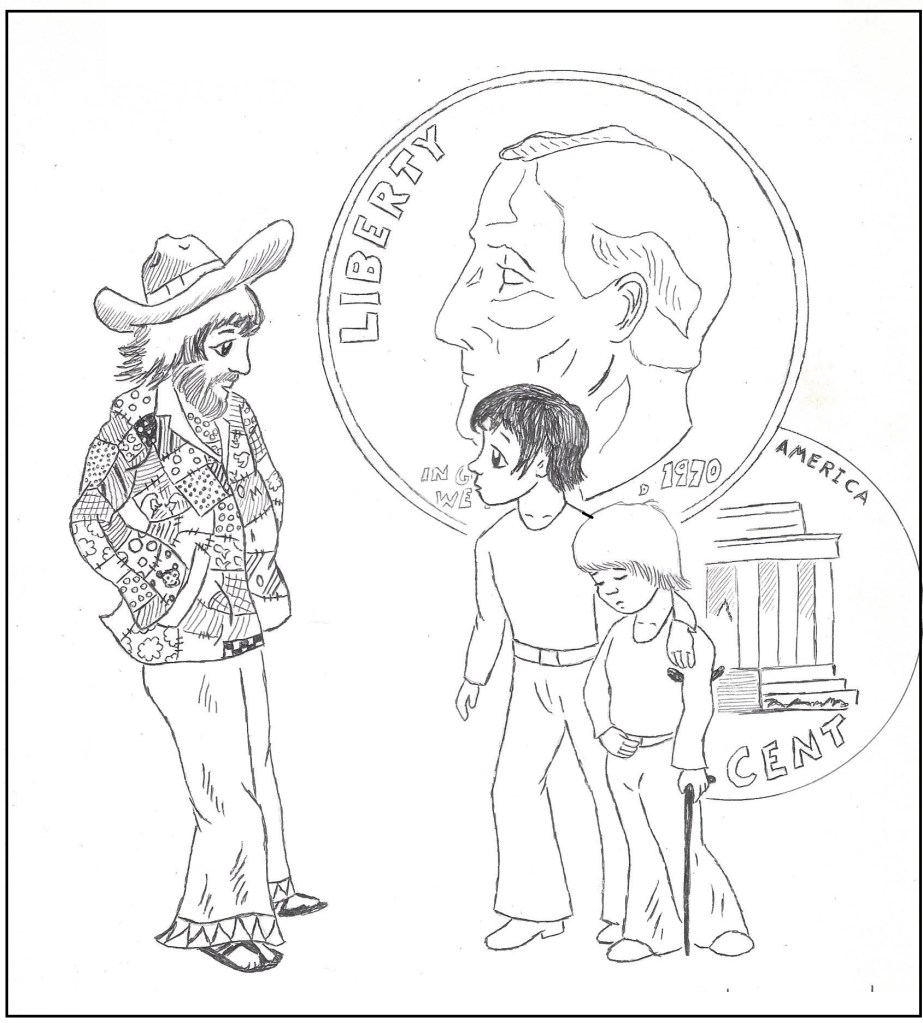
Lucky Catbird Sandman, the hobo who wears the quilted coat of many colors, is based on the poet Walt Whitman, whom I knew well in a past life, and my own shiftless, storyteller self. Some characters are just so key to a story idea that they themselves are the reason for a book to exist.
In conclusion, the dog doesn’t really know what she’s talking about. None of these things are really where I get my ideas. But I am out of time. I will have to write about the bottle imp another day. No, really. A magical imp trapped in a bottle. You can make one of those give you ideas for novels with only a slight risk to your life and soul.
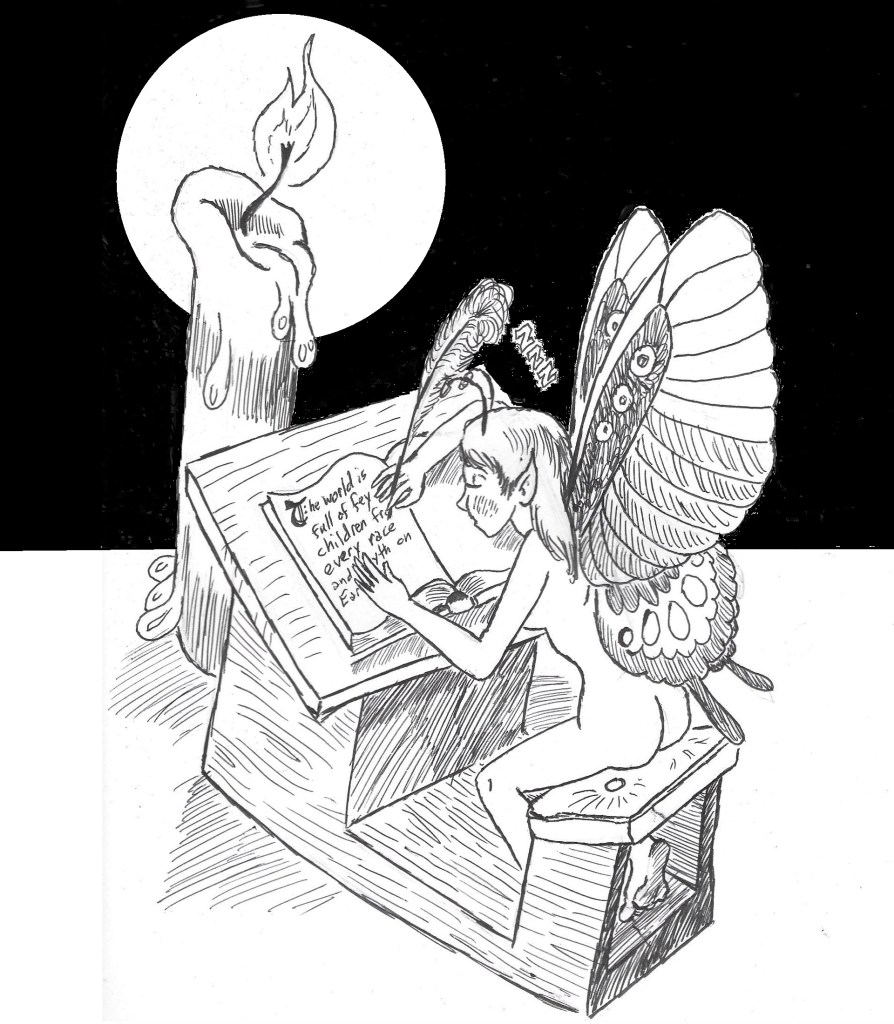
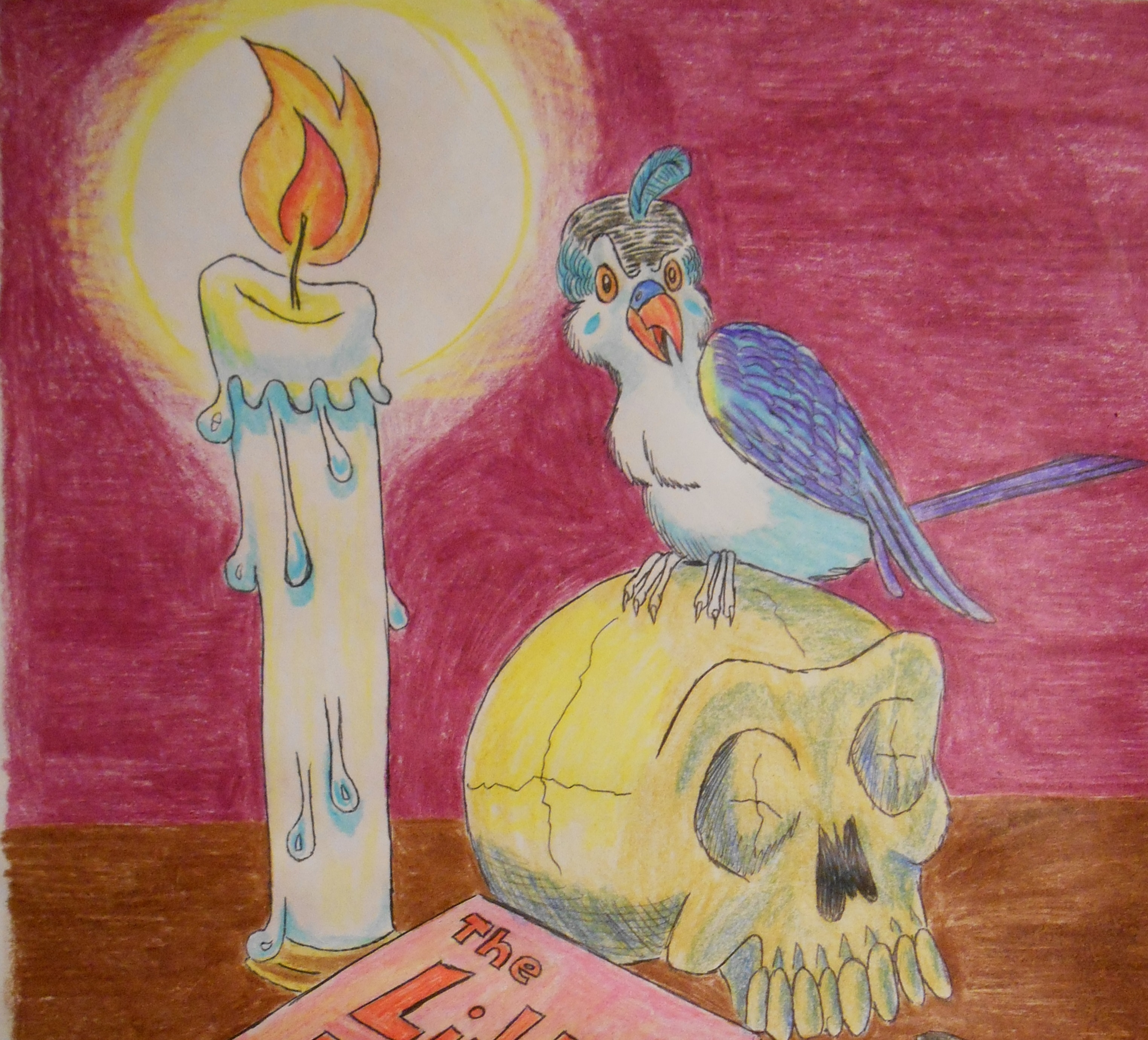
Candle-lit nightmares become stories and keep me awake late at night.
I am now closing in on the publication of The Baby Werewolf, a novel whose story began with a nightmare in 1978. It was a dream I had about being a monster. I woke up in a cold sweat and realized, to my complete horror, that I had been repressing the memory of being sexually assaulted for twelve years, the thing that almost brought me to suicide in 1973 and that I couldn’t put into words when I talked to counselors and ministers and friends who tried to keep me alive without even knowing that that was what the dark black words were about.
I don’t normally write horror stories. Yes, it is true, a character of some sort dies at the end of practically every novel I have ever written, but those are comedies. I am sort of the anti-Shakespeare in that sense. The Bard wrote comedies that ended with weddings and tragedies that end in death. So, since my comedies all seem to end in death, I guess if I ever write a tragedy, it will have to end with a wedding.
Torrie Brownfield
But writing this horror story is no joke for me, though I admit to using humor in it liberally. It is a necessary act of confession and redemption for me to put all those dark and terrible feelings into words.
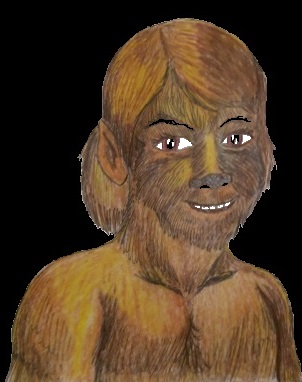
The main theme of the story is coming to grips with feeling like you are a monster when it is actually someone else’s fault that you feel that way. Torrie, the main character, is not the real werewolf of the story. He is merely a boy with hypertrichosis, the werewolf-hair disorder. He has been made to feel like a monster because of the psychological and physical abuse heaped upon him by the real werewolf of the story, an unhappy child pornographer and abuser who is enabled by other adults who should know better and who should not be so easily fooled. The basis of the tale is the suffering I myself experienced as a child victim.
It is not easy to write a story like this, draining pain from scars on my own soul to paint a portrait of something that still terrifies me to this day, even though I am more than sixty years old and my abuser is now dead. But as I continue to reread and edit this book, I can’t help but feel like it has been worth the pain and the striving. No one else in the entire world may ever want to read this book, but I am proud of it. It allowed me to put a silver bullet in the heart of a werewolf who has been chasing me for fifty-two years. And that’s how the monster movie in my head is supposed to end, with the monster dead, even though I know the possibility of more monsters in the darkness still exists.
I have published my eighth novel in the last six years. (This is, of course, a re-post of an old essay.) Sure, it is through mostly self-publishing of novels that no one but me has ever read. Catch a Falling Star and Snow Babies both had a professional editor, one who had worked for Harcourt and one who worked for PDMI. Magical Miss Morgan has had a proofreader who made numerous stupid mistake errors that I had to change back to the original meticulously by hand. But all three of those novels won an award or were finalists in a young adult novel contest. I do have reason to believe I am a competent writer and better even than some who have achieved commercial success.
But what is the real reason that I am so intent on producing the maximum amount of creative work possible in this decade? Well, to be coldly objective, I am a diabetic who cannot currently afford insulin. I have been betrayed by the for-profit healthcare system that treats me as a source of unending profit. I am like a laying hen in the chicken house, giving my eggs of effort away to a farmer who means to eat my very children if time and circumstance allows. I am the victim of six incurable diseases and conditions that I got most likely as a result of exposure to toxic farm chemicals in the early 70’s. I am also a cancer survivor from a malignant melanoma in 1983, and for three years now I have not been able to get the preventative cancer tests I am supposed to be receiving every year for the rest of my life. My prostate could very well be cancerous as I write this. If that is so, it will kill me unawares, because I don’t even want to know about having a disease I can’t possibly afford to fight all over again.’
So, the basic reason I am going through the most productive and creative period of my entire life is because I have a great rage to create before I die and I could be dying as soon as tonight. All of the countless stories in my head clamoring to be written down before it is too late cry out to me desperately for my immediate attention.
I will, then, continue to write stories and draw cartoons and other Paffoonies for as long as I am still able, and possibly even afterward. I have, after all, threatened repeatedly to become a ghostwriter after I die. And, yes, I understand when you scream at my essay that that is not what a ghostwriter is. But if a woman can channel the ghost of Franz Schubert and finish his unfinished symphony…(https://en.wikipedia.org/wiki/Rosemary_Brown_(spiritualist))
—then I should also be able to tell my stories from beyond the grave. I have been percolating them in my head and writing and drawing them in whole or in part since 1974. I have too much time and too many daydreams wrapped up in them to let it all just evaporate into the ether. In summation, I am claiming stupidly that my novels, crack-brained and wacky as they are, are somehow destined to exist, either because of me or in spite of me. So just be happy that I write what I write, for there is an art to being Mickey, and I am the one artist and writer who is the best Mickey possible if truly there ever was a real Mickey.
He was one of my all-time favorite students. I know I say that about an awful lot of kids. I can’t help it. Once you get to know them well enough to teach them anything, you tend to be hooked for life. They are your kid. You are their teacher. And that means almost as much as if they were born to you.
I first got to know Johnny on one frightful morning in September of 1984. He was a tiny, frail little seventh-grade boy sitting in the second seat of the second row. And as I was trying to get them to read a short story in the literature book, he kept nodding off, falling asleep. Sleeping is not an effective reading strategy. Three times I tried to wake him up and get him on task. He could have told me then, but he was painfully shy, and the only word I had heard from him was, “Here,” spoken during roll call. So, the fourth time I took him outside the classroom door to ask him what was wrong. He was deathly pale.
“What’s wrong? What do we need to do to make it better?”
He looked towards the boys’ restroom. “I gotta go…”
I told him to go, then followed him down to the restroom because I knew it was something serious. Serious enough to leave my class unattended. But they were deathly quiet, because unlike me, they knew what was wrong. I found him throwing up in the trash can. He told me he was sick in a barely audible voice.
Immediately I went to the office and told the secretary that he was ill.
“They have juice for him in the refrigerator in the ESL room,” Ms. Lawler said. “I’m sorry we haven’t gotten the nurse’s list out to teachers yet. He’s got juvenile diabetes.”
Whoa! I didn’t know much about diabetes then, but I did know it was too deadly of a thing to allow myself not to know everything I needed to know. At the time the school nurse had to take care of all four campuses in the school district, and she was only at the Junior High on Thursdays.
Thankfully, over time, not only did I learn more about handling that disease, but medical science did too. When I would later develop adult-onset diabetes in 2000, treatment for diabetics would become much more effective, rendering the disease far less destructive.
As for Johnny himself, he became a part of the small group of housing-project kids who would come to my apartment on Saturdays, and sometimes after school to hang out, use my computer, and play table-top role-playing games. I made a special effort to engage Johnny in conversations about a little of everything. He was a very bright boy when he felt well. I got to know his seriously diabetic mother too. And his older sister would later become a nurse at the local doctor’s office, so I got to know her as well. Johnny didn’t have a father at the time, which also applied to each of the other boys from the project, except for the Camacho brothers whose father was a seriously depressed Vietnam veteran. I suppose that’s why Johnny became like a son to me, one of five boys who at the time treated me like a second father. I taught him. I entertained him. And occasionally I cooked for him.
One of my two girlfriends at the time that I was mentoring Johnny liked to give him sugar-free candy. She got so accustomed to always having some available at her place that she actually got hooked on it herself.
In school Johnny opened up the way a cactus flower blooms when it gets a little rain. He began to talk to other kids a lot. He made himself into a group leader, and he even went out for high school football. Truthfully, I was amazed by him on the football field. He played defensive back. And he played like a star. I watched him intercept the ball about three times and run it back the other way. The coaches soon felt about him the same way I did. He was part of their family too.
And it turns out that being physically fit practically cures juvenile diabetes.
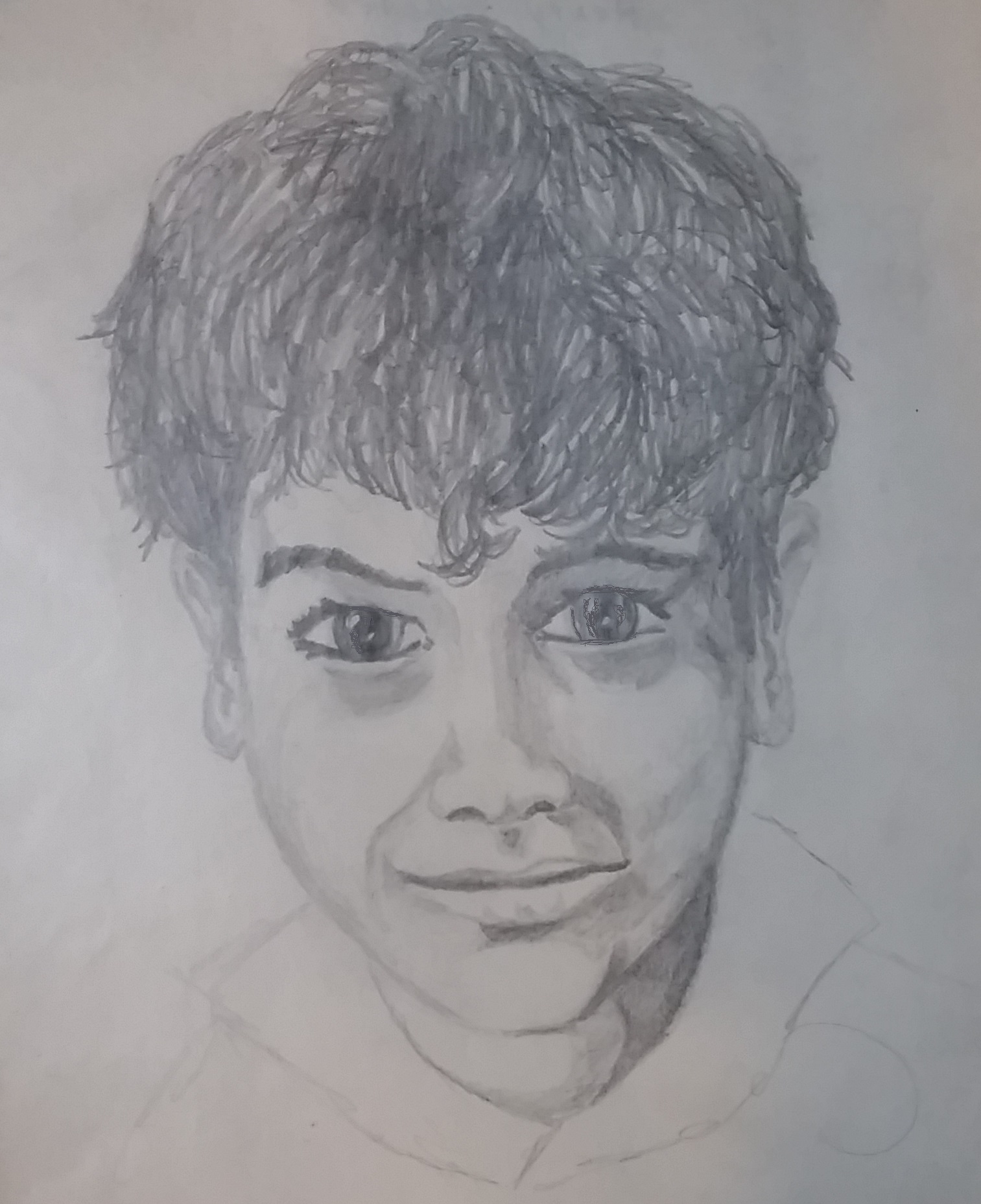
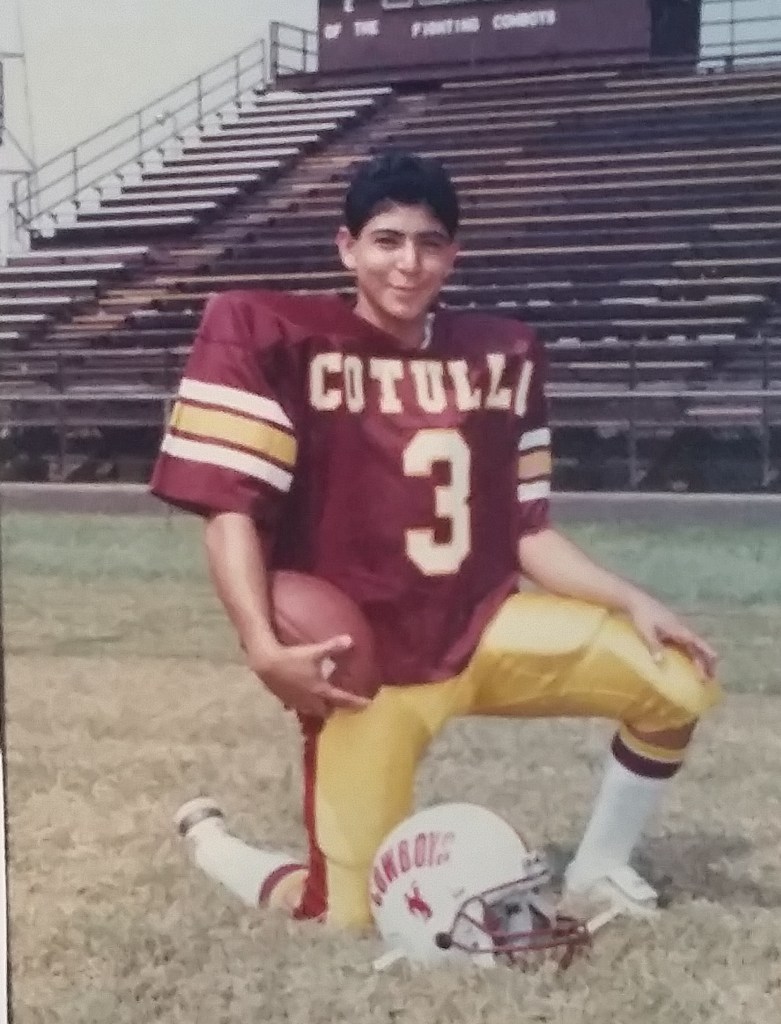
He got stronger and healthier with each season. He gave me the football portrait not because I had anything to do with his success, but because he loved me. I have hugged that boy three times in my lifetime, and each time is a cherished memory that I hope to carry with me to Xibalba, the Mayan Land of the Dead.
When I developed diabetes myself, Johnny’s older sister kept track of my wellness charts herself. Johnny’s family was experienced with handling diabetes, and they looked after me like a member of their family.
The last time I saw Johnny it was in the hallway at school. It was only a year before I left Cotulla for good. He had come especially to see me. I didn’t even recognize him at first because I hadn’t seen him for a decade. I wanted to talk to him and catch up. But I had to pick up my eldest son that day from second grade as he had been ill. I was not feeling well myself. So, I asked for a rain check. He still had that beautiful smile. And he didn’t tell me that that was the only chance he had to see me before leaving town again. It broke my heart when they told me that later.
But I see him again now as I tell you the story of Sugar-Free Johnny. He was probably the sweetest kid I ever taught. He will always be a part of my story. And apparently I am part of his story too.
No man is an island. John Donne the English poet stated that. And Ernest Hemingway quoted it… and wove it into his stories as a major theme… and proceeded to try to disprove it. We need other people. I married an island girl from the island of Luzon in the Philippines. She may have actually needed me too, though she will never admit it.
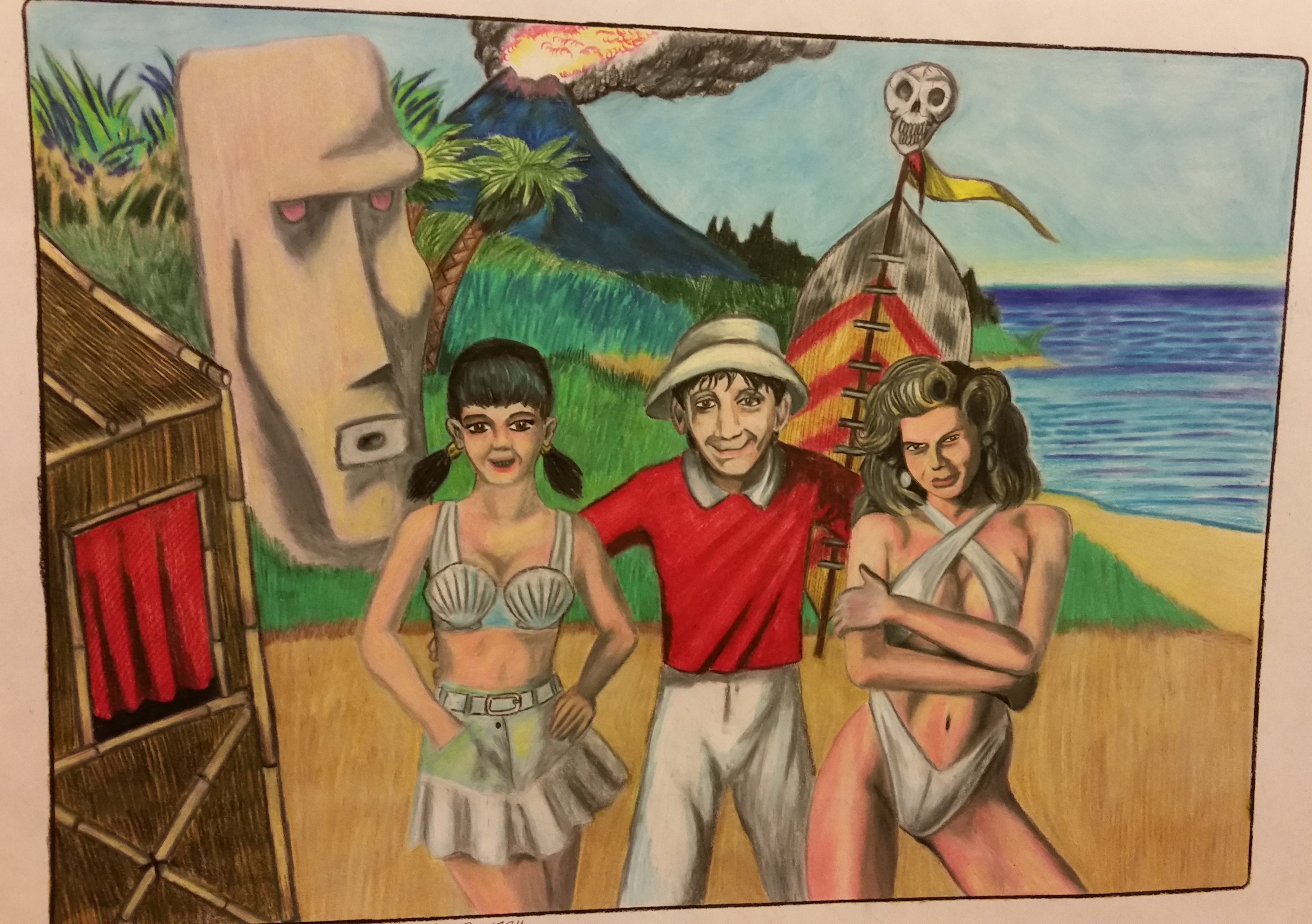
When I was a young junior high school teacher in the early eighties, they called me Mr. Gilligan. My classroom was known as Gilligan’s Island. This came about because a goofball student in the very first class on the very first day said, “You look like Gilligan’s Island!” By which he meant I reminded him of Bob Denver, the actor that played Gilligan. But as he said it, he was actually accusing me of being an island. And no man is an island. Thank you, Fabian, you were sorta dumb, but I loved you for it.
You see, being Gilligan on Gilligan’s Island was not a bad thing to be. It was who I was as a teacher. Nerdy, awkward, telling stories about when I was young, and my doofy friends like Skinny Mulligan. Being a teacher gave me an identity. And Gilligan was stranded on the Island with two beautiful single women, Mary Ann and Ginger. Not a bad thing to be. And I loved teaching and telling stories to kids who would later be the doofy students in new stories.
But we go through life searching for who we are and why we are here. Now that I am retired, and no longer a teacher… who am I now? We never really find the answer. Answers change over time. And so do I.
I have now embarked on my seventieth year of life. I have had a thirty-one-year career as a public school teacher. I have been married for thirty years. I have three grown children. I wrote and published 25 books. You would think that as my life nears completion, I would have answers to some of the big questions. I do not. I do, however, know enough to ask them.
Is mankind and his (or her) civilization going to survive?
Will AI computer programs destroy us rather than help us?
Will aliens a board 3I Atlas destroy us rather than help us?
Will the massive caldera under Yellowstone Park explode as a super volcano and wipe out life in North America?
Why are so many of the big questions about destruction and dying?
Why is the Pumpkinhead President not dead or in prison yet?
Why is art important, and why is my art a defining part of me?
What comes next if the world does end?
Why does any of this matter?
So, let me take a stab at some answers…
Probably not. Humanity’s civilizations have broken apart or been destroyed before.
AI programs are still fairly stupid, though smarter than certain American voter groups. If they kill us, it will be a side effect, not a goal.
The alien things are almost too massive to be mere hoaxes. Science fiction movies suggest it will not end well.
Skip this one for fear of not enough relevant details.
Because old people think a lot about dying. No passes possible on this one.
You’ve seen the smug smirk on his orange clown face. He’s too big of a criminal to get caught in the act.
Art comes from the soul, and it makes it possible to shape your entire life and its meanings.
A Vogon Insterstellar Bypass will be built.
It probably doesn’t matter, and my answers are all wrong anyway.




 Catch a Falling Star
The Art of Being Mickey
I have published my eighth novel in the last six years. (This is, of course, a re-post of an old essay.) Sure, it is through mostly self-publishing of novels that no one but me has ever read. Catch a Falling Star and Snow Babies both had a professional editor, one who had worked for Harcourt and one who worked for PDMI. Magical Miss Morgan has had a proofreader who made numerous stupid mistake errors that I had to change back to the original meticulously by hand. But all three of those novels won an award or were finalists in a young adult novel contest. I do have reason to believe I am a competent writer and better even than some who have achieved commercial success.
But what is the real reason that I am so intent on producing the maximum amount of creative work possible in this decade? Well, to be coldly objective, I am a diabetic who cannot currently afford insulin. I have been betrayed by the for-profit healthcare system that treats me as a source of unending profit. I am like a laying hen in the chicken house, giving my eggs of effort away to a farmer who means to eat my very children if time and circumstance allows. I am the victim of six incurable diseases and conditions that I got most likely as a result of exposure to toxic farm chemicals in the early 70’s. I am also a cancer survivor from a malignant melanoma in 1983, and for three years now I have not been able to get the preventative cancer tests I am supposed to be receiving every year for the rest of my life. My prostate could very well be cancerous as I write this. If that is so, it will kill me unawares, because I don’t even want to know about having a disease I can’t possibly afford to fight all over again.’
So, the basic reason I am going through the most productive and creative period of my entire life is because I have a great rage to create before I die and I could be dying as soon as tonight. All of the countless stories in my head clamoring to be written down before it is too late cry out to me desperately for my immediate attention.
I will, then, continue to write stories and draw cartoons and other Paffoonies for as long as I am still able, and possibly even afterward. I have, after all, threatened repeatedly to become a ghostwriter after I die. And, yes, I understand when you scream at my essay that that is not what a ghostwriter is. But if a woman can channel the ghost of Franz Schubert and finish his unfinished symphony…(https://en.wikipedia.org/wiki/Rosemary_Brown_(spiritualist))
—then I should also be able to tell my stories from beyond the grave. I have been percolating them in my head and writing and drawing them in whole or in part since 1974. I have too much time and too many daydreams wrapped up in them to let it all just evaporate into the ether. In summation, I am claiming stupidly that my novels, crack-brained and wacky as they are, are somehow destined to exist, either because of me or in spite of me. So just be happy that I write what I write, for there is an art to being Mickey, and I am the one artist and writer who is the best Mickey possible if truly there ever was a real Mickey.
Leave a comment
Filed under battling depression, commentary, goofy thoughts, humor, novel writing, Paffooney
Tagged as book review, books, creative-writing, fiction, reading, thriller, writing