
I have looked deeply and longingly at my own writing time and again trying to determine what is good and what is poorly done and what is the best that I have written. How does one examine what is good? What are the standards that you must meet?
I had a writing teacher who was teaching a class in fiction writing and said to us, “You write fiction to create that special bittersweet something, that je ne sais quoi, that you need in order to come to terms with reality. Everything necessary to say something that satisfies a nameless desire.” I wish I remembered his name so I could credit him with having said that wise thing. Or, at any rate, I wish I could remember the name of the wise guy that he was quoting.
So, basically I am trying to capture in prose something that I have no idea what it is, but both you and I will know it if we see it. Easy-peasy, right?
Good fiction that I have read and liked makes me feel something. If it is truly literary quality, like the novels of Charles Dickens, Terry Pratchett, and Mark Twain, it will make me both laugh and cry. Funny things balanced by things that hurt to know and make you weep for characters that you have come to love. If it is a downer kind of novel, as some very good bits of science fiction and horror fiction are, it will make you laugh a little, cry a little, and think a lot; think with dread, or despair, or even impossible hope. Steven King, George Orwell, H.P. Lovecraft, and Ray Bradbury are good examples of this.
I am grappling with how you do that. I am not fool enough to think I am some sort of literary great. I am a school teacher writing stories for school children, stories I wanted to hear when I was a kid. Stories of good versus evil, good people coming together in the face of chaos. Heroes, villains, and clowns being heroic, villainous, or foolish. And themes that both warm and chill your little blue heart.
. So, what can I do besides keep on writing and keep on trying and keep on begging people, fools, and children to try reading my writing because they will like it, even if it is the least best thing I have written?



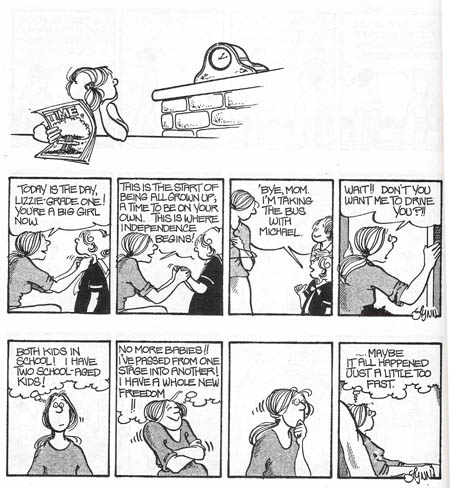 Lynn Johnston’s For Better or Worse is also an old friend. I used to read it in the newspaper practically every day. I watched those kids grow up and have adventures almost as if they were members of my own family. So the mashed potatoes part of the meal is easy to digest too.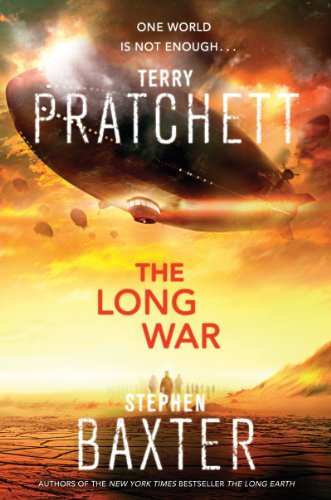

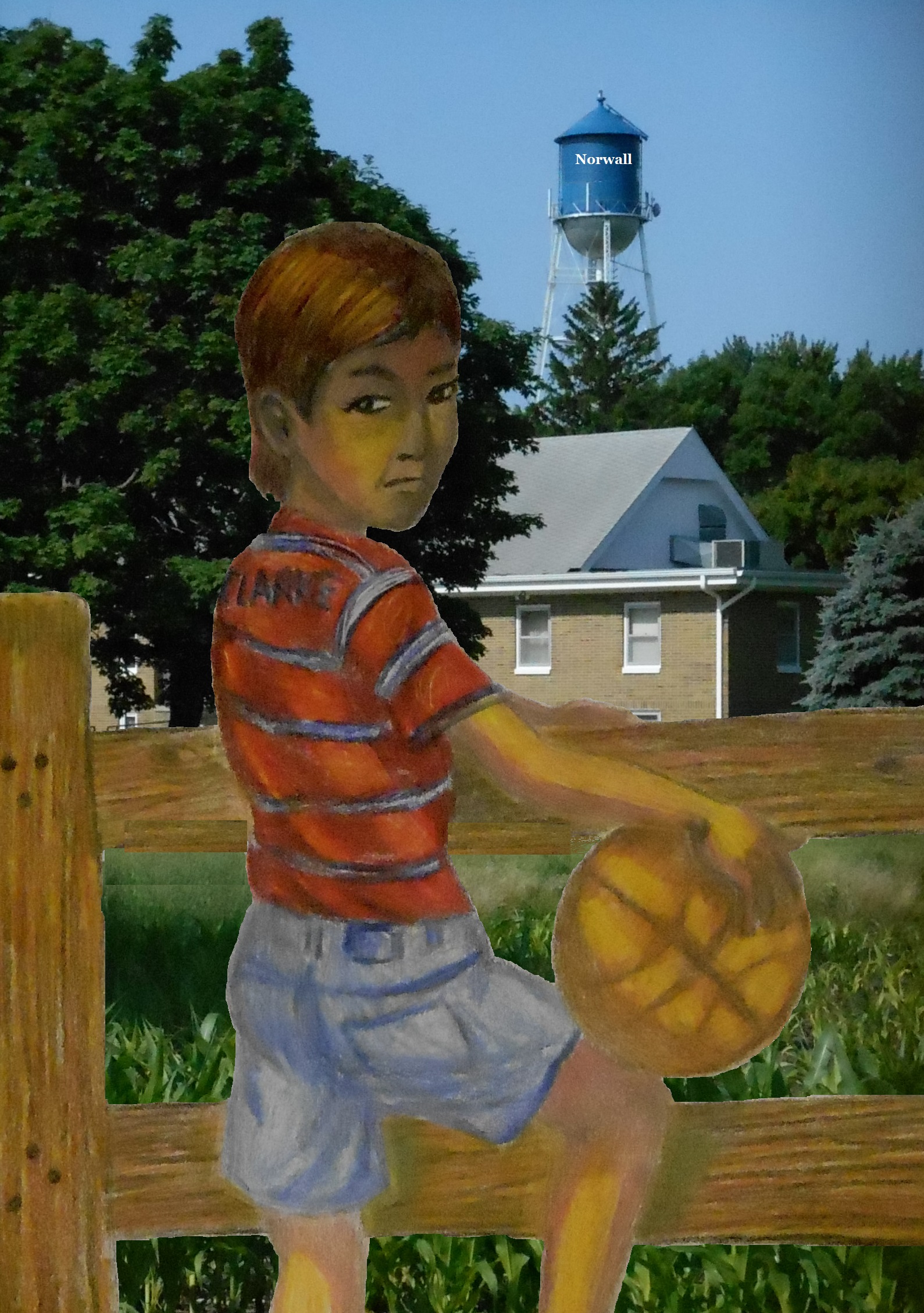


The Cowboy Code
When I was a boy playing cowboys and Indians with cap pistols and rubber tomahawks, we all knew that cowboys had a code. The guy in the white hat always shoots straight. He knows right from wrong. He only shoots the bad guy. He even shoots the gun out of the bad guy’s hand if he can. Westerns are about right and wrong, good and bad, and the unyieldingly good knights of plains.
And boys believe what they see on TV and in the movie theaters. People who make television shows never lie, do they? In fact, Wyatt Earp was based on a real guy who really lived and really shot the bad guys at the gosh-darn real OK Corral.
Daniel Boone was a real guy too. He faced the opening up of new lands full of deadly dangers. And when Fess Parker played him in 1964, wearing Davy Crockett’s coonskin hat, he walked the earth like a guardian angel, making everyone safe by the end of the episode. He even knew which Indians were good and which were bad. Mingo was always on Daniel’s side. And when they spoke to each other about the dangers they faced, it was never about killing the people they feared. It was about doing what is was right, about helping the community at Boonesboro to survive. Being encouraging… looking forward to a more settled future created by following the cowboy frontier code.
So, I am left wondering what ever happened to the cowboy code? I listen to Republican presidential candidates talking about dipping bullets in pig’s blood to kill Muslims, and building walls against Mexican immigrants, and why our right to carry assault rifles is sacred, and I wonder what happened. Didn’t they experience the same education from the television versions of the Great American Mythology? Didn’t they learn the code too?
I am old enough now to know that cap guns are not real guns and you cannot solve problems by shooting somebody. But that was never the point of the cowboy code. We need straight-shooters again in our lives, not to shoot people, but to tell the unvarnished truth. We need wise people who can tell who are the good Indians and who are the bad We need them to shoot the weapons out of the bad guys’ hands. And I know that’s asking for leaders to be larger than life and be more perfect than a man can actually be. But Daniel Boone was a real man. Myths and legends start with a fundamental truth.
Leave a comment
Filed under autobiography, commentary, cowboys, humor, insight, philosophy, politics, Uncategorized
Tagged as arizona, autobiography, childhood beliefs, cowboy code, Daniel Boone, fiction, guns, humor, politics, Red Ryder, Roy Rogers, satire, writing, Wyatt Earp