Tag Archives: classical music

The Silent Sonata

creativity

Being a writer is a life of music that happens only in your head.  You hear voices constantly.  They pulse rhythmically with insights and ideas that have to be written down and remembered.  Otherwise  the music turns clashing-cymbals dark and depressing.  Monday I wrote a deeply personal thank you to the Methodist minister who saved my life when I was a boy.  I posted a YouTube music video by the acapella group Pentatonix with that essay in a vain attempt to give you an idea of the music in my head when I composed that very difficult piece to give myself a measure of peace.

filch

I realize that I am not writing poetry here.  Poetry can so easily slip into melody and music because of rhythm and meter and rhyme.  And yet, words to me are always about singing, about performing, about doing tricks with metaphor and meaning, rhythm, convoluted sentence structure, and other sneaky things that snake-oil salesman do to get you to think what you are hearing is precisely what you needed to hear.  The Sonata of Silence…  did you notice the alliteration of the silvery letter “S” in that title?  The beat of the syllables?  Da-daah-da a da-da?  The way a mere suggestion of music can bring symphonic sounds to your ear of imagination as you read?  The way a simple metaphor, writing is music, can be wrapped into an essay like a single refrain in a symphonic piece?

psoriasis

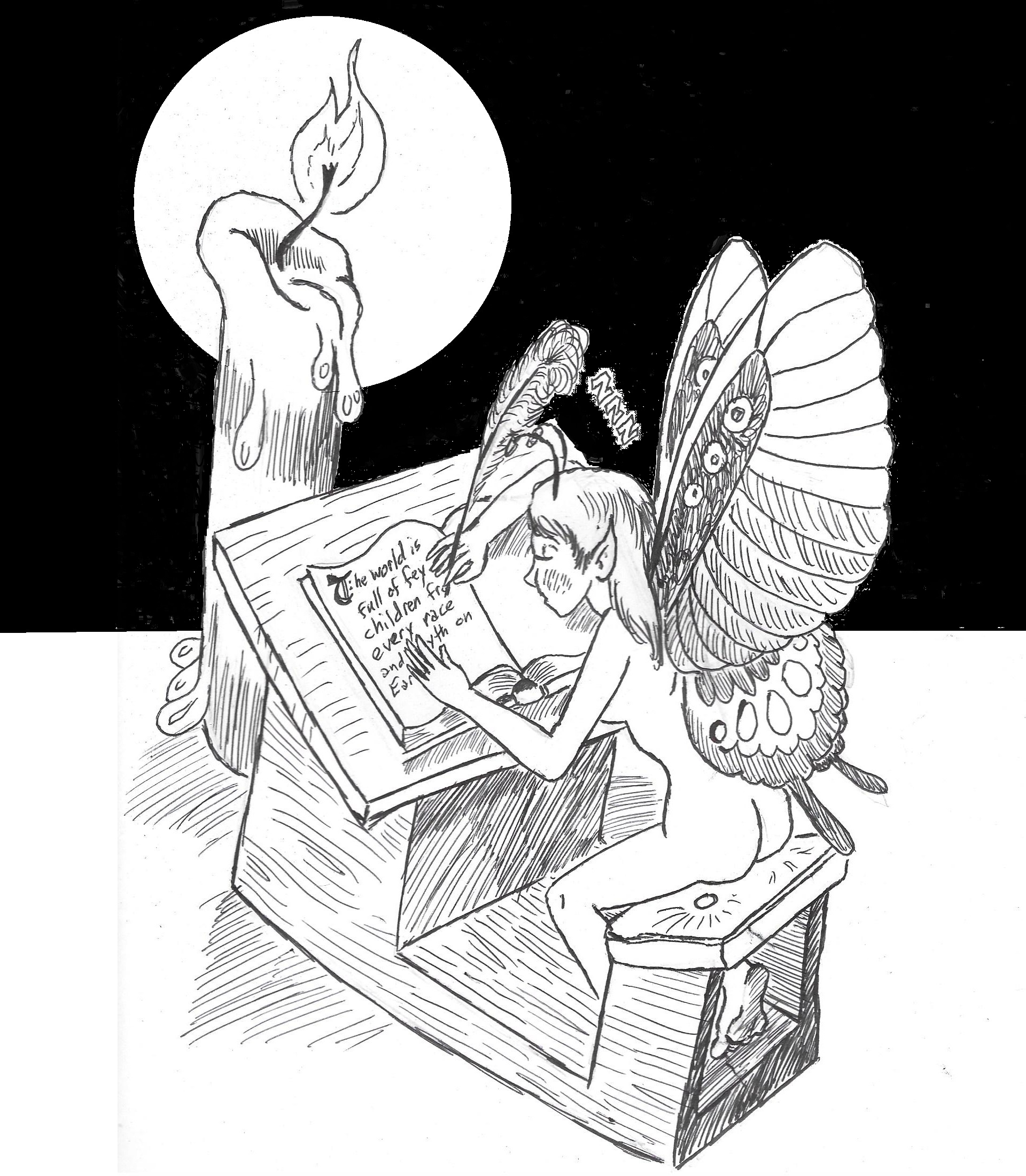
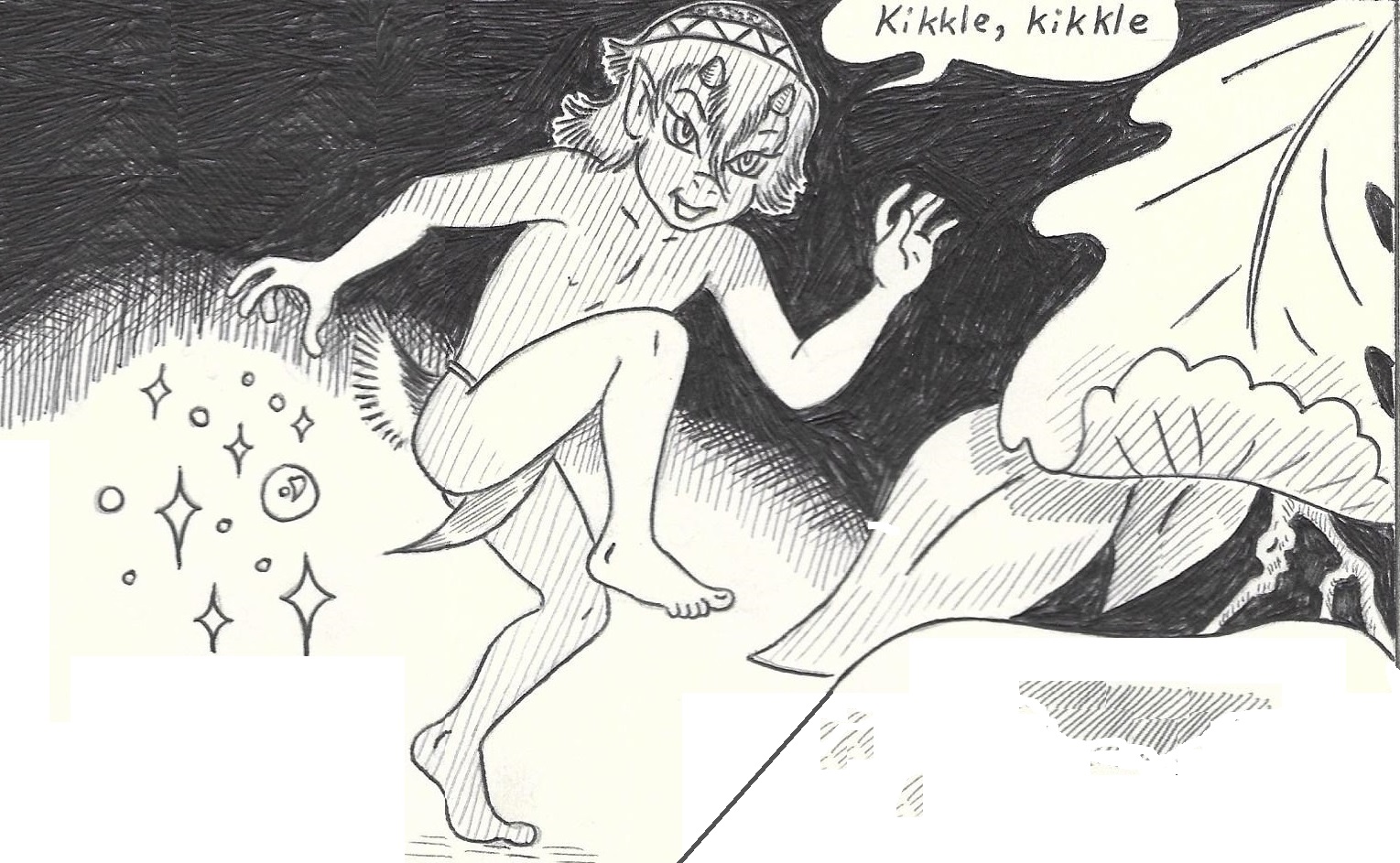
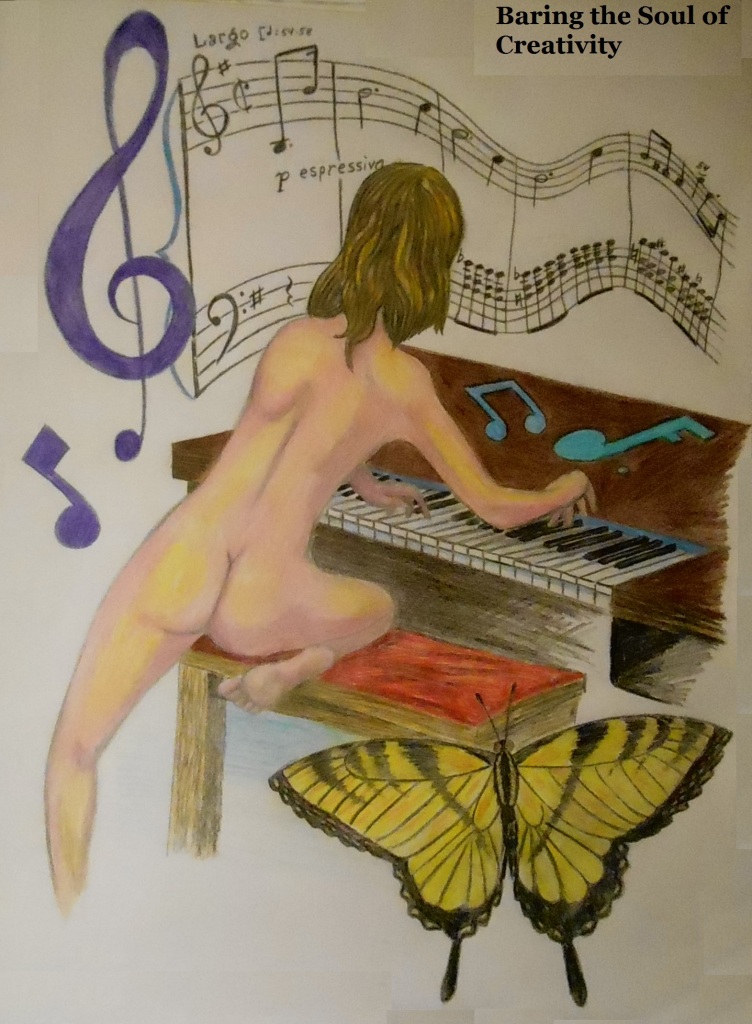
A sonata is a musical exercise in three or four movements that is basically instrumental in nature.  You may have noticed that the movements are loosely defined here by the accompanying pictures, of which there are three.  And it is silent only in the way that the instruments I am using themselves make no noise in the physical world.  The only sounds as I type these words are the hum of an old air conditioner and the whirr of my electric fan.  Yet my mind is filled with crescendos of violins and cellos, bold brass, and soft woodwinds.  The voice saying these words aloud only in my head is me.  Not the me you hear when I talk or the me I can hear on recordings of my own voice, but rather the me that I always hear from the inside.  And the voice is not so much “saying” as “singing”.

Writing makes music.  The writer can hear it.  The reader can too.  And whether I croon it to make you cry, or trill it to make you laugh, I am playing the instrument.  And so, the final notes of the sonata are these.  Be happy.  Be well.  And listen for the music.

Leave a comment

Filed under imagination, insight, inspiration, music, Paffooney, strange and wonderful ideas about life

Synesthesia (Part Two; The Color of Music)

Okay, so on the synesthesia tests I didn’t score as a synesthete on the music/color test.  But I was extremely synesthetic on the tests for color/months/days of the week.  I was a little over the mark on letter/number/colors synesthesia too, but it was more a problem with manipulating the color-selector device when I don’t have a mouse to use on my laptop.  The test for music did not test the way I see colors with music.  They wanted me to respond to what color each individual note seemed to be, and that isn’t even close to the way I experience it.  For me, the perfect description of how synesthesia works for me is Bach’s Tocata and Fugue in D minor as it is depicted in Fantasia.

I was shocked when I first saw it.  The colors are wrong for this piece, but the visual experience is almost exactly how I experience music, especially wordless instrumental music.  The only problem with this piece is that the overall color schemes are wrong.  But this comes about because every synesthete sees the colors differently.  And I have no doubt that at least one of the artists who created this had synesthesia.  If there were more reds, yellows, and magenta in the opening and more indigo contrasted with silver later, this interpretation would be perfect.

DSCN4453

Music synesthetically works in two directions for me.  The picture above, called The Wings of Imagination, makes me think of La Mer by Claude Debussy.

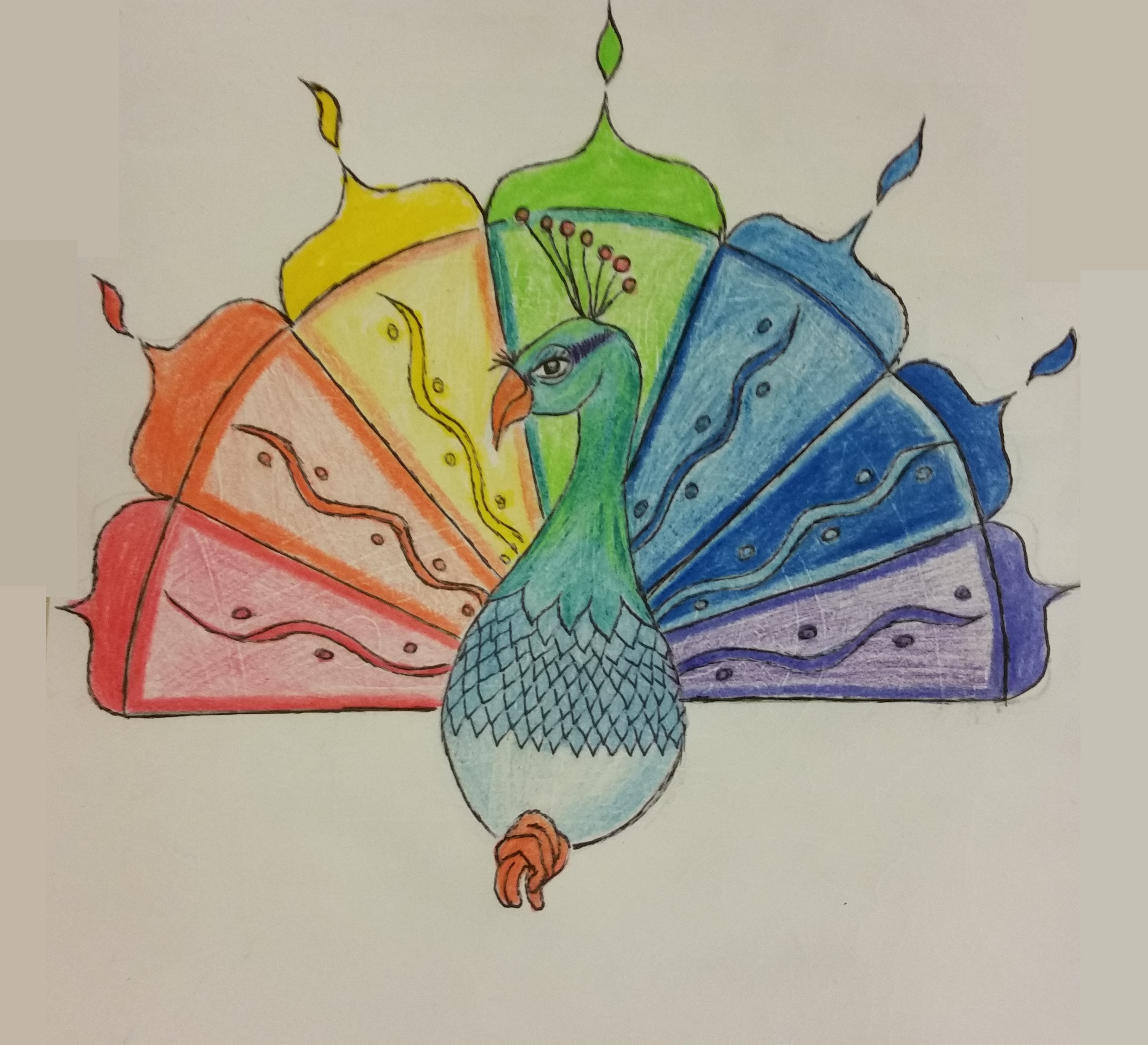
If you listen to the piece, don’t look at the YouTube illustration, look at my picture if you want to see the music the way I do.  The following song, Don’t Worry, Be Happy, is a multicolored song that I can best express with the colors in the picture I call Rainbow Peacock.

Rainbow peacock

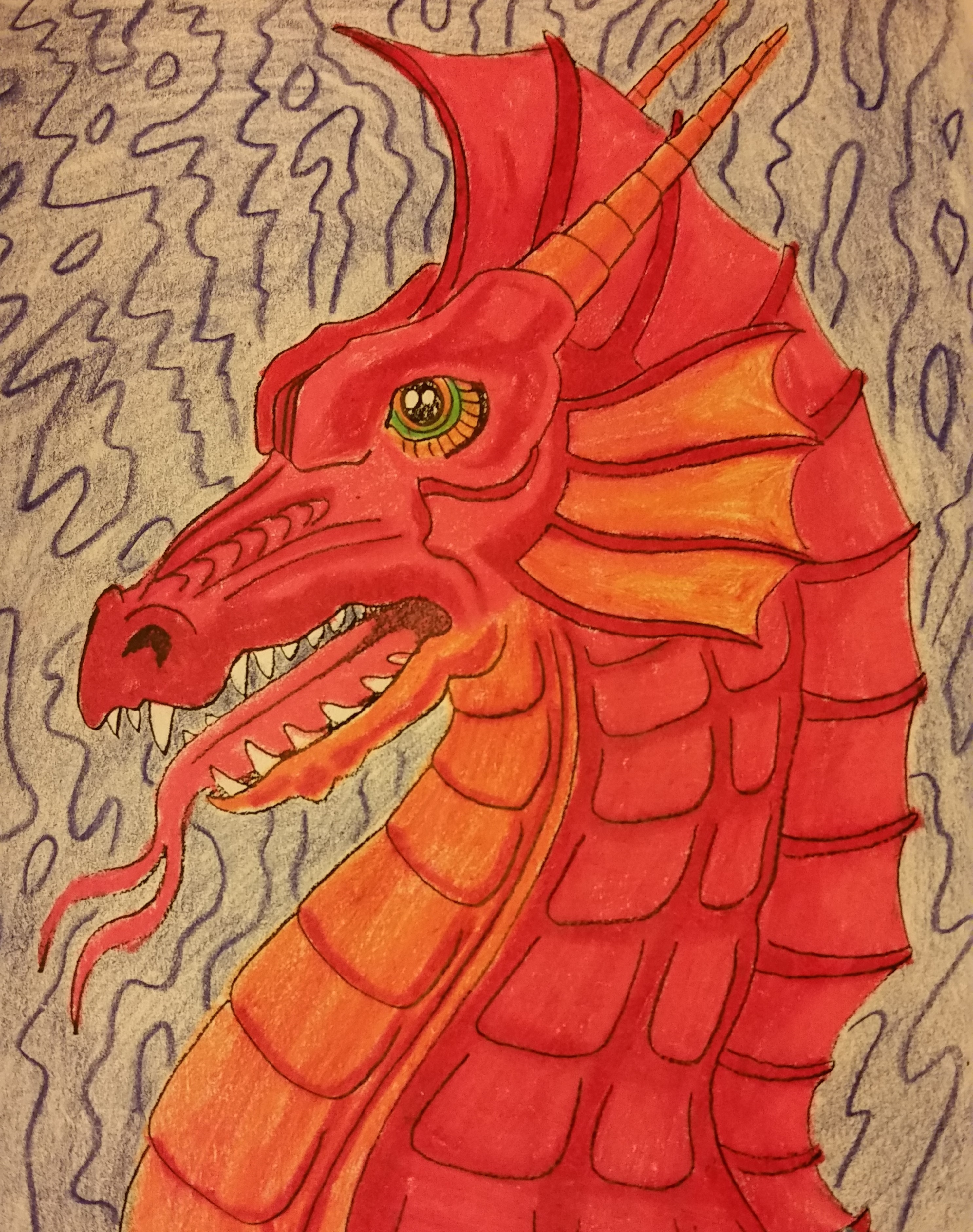
The full range of primary colors together in one picture, or one song, always means completeness, fullness, and happiness to me.  If there is absence of one or more of the basic colors from the color wheel, the mood and emotion present in the song or picture is altered to something other than happiness.  The Firebird Suite by Igor Stravinsky goes from the indigo and navy blue of fear and confusion to instances of angry red and feverish orange.  It would look something like this in the theater of my imagination;

20160424_181130

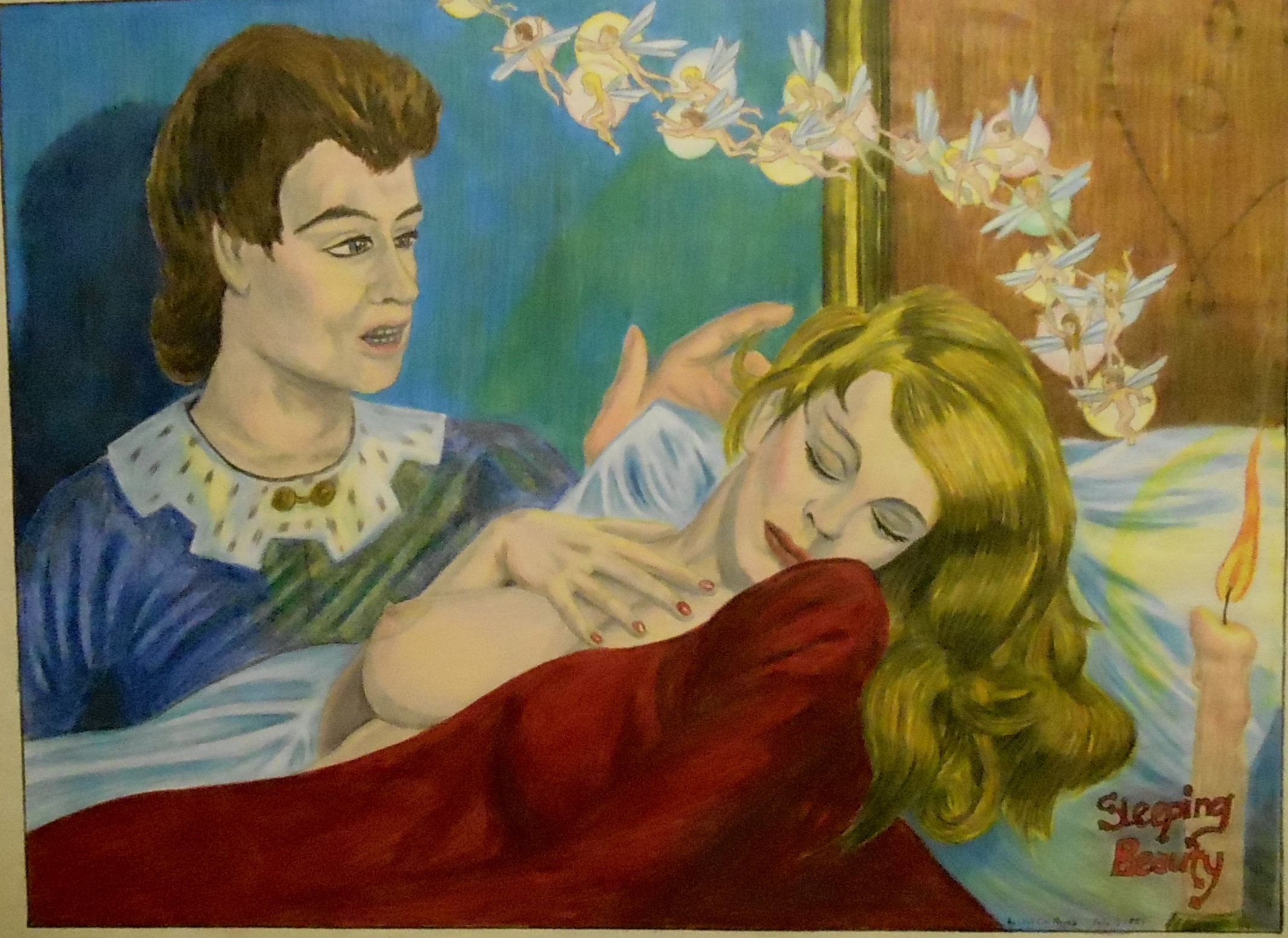
And one of my favorite instrumental pieces of all times, Prelude to the Afternoon of the Faun by Claude Debussy, is full of melancholy and sexual tension, deeply felt vibrations in the depths of my stomach, and would look like my picture Sleeping Beauty with its teal and blue melancholia juxtaposed with candle-lit yellows and wood brown mixed feelings of joy and anxiety.

Beauty

Now, if you have waded through all of this goofy color-and-music analysis from a source whose sanity is questionable at best, you probably have no earthly idea what any of it has to do with anything.  But if you have that aha!-moment and see it all clearly too, then I suspect you probably are a synesthete too.  Poor you.  It is not a treatable condition.  But it is also not a burden.  Learn to enjoy it.  It resonates in your very soul.

Leave a comment

Filed under humor, Paffooney, strange and wonderful ideas about life, Uncategorized

Toccata and Fugue in D Minor

Johann Sebastian Bach may or may not have written his organ masterpiece, Toccata and Fugue in D Minor in 1704. All we know for sure is that the combined efforts of Johannes Ringk, who saved it in manuscript form in the 1830’s, and Felix Mendelssohn who performed it and made it a hit you could dance to during the Bach Revival in 1840 made it possible to still hear its sublime music today. Okay, maybe not dance to exactly… But without the two of them, the piece might have been lost to us in obscurity.

The Toccata part is a composition that uses fast fingerings and a sprightly beat to make happy hippie type music that is really quite trippy. The Fugue part (pronounced Fyoog, not Fuggwee which I learned to my horror in grade school music class) is a part where one part of the tune echoes another part of the tune and one part becomes the other part and then reflects it all back again. I know that’s needlessly confusing, but at least I know what I mean. That is not always a given when I am writing quickly like a Toccata.

I have posted two different versions for you to listen to in this musical metaphor nonsensical posticle… err… Popsicle… err… maybe just post. One is the kinda creepy organ version like you might find in a Hammer Films monster movie in the 1970’s. The other is the light and fluffy violin version from Disney’s Fantasia. I don’t really expect you to listen to both, but listening to one or the other would at least give you a tonal hint about what the ever-loving foolishness I am writing in this post is really all about.

You see, I find sober thoughts in this 313-year-old piece of music that I apply to the arc of my life to give it meaning in musical measure.
Toccata and Fugue

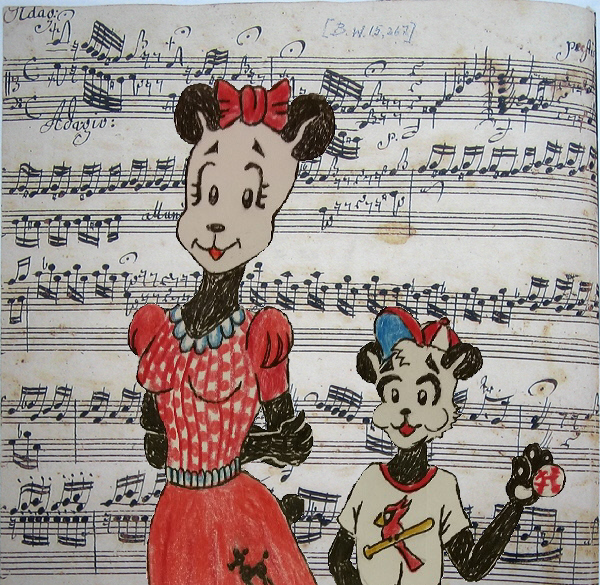
This is the Paffooney of this piece, a picture of my wife in her cartoon panda incarnation, along with the panda persona of my number two son. The background of this Paffooney is the actual Ringk manuscript that allowed Bach’s masterwork not to be lost for all time.

My life was always a musical composition, though I never really learned piano other than to pick out favorite tunes by ear. But the Bach Toccata and Fugue begins thusly;

The Toccata begins with a single-voice flourish in the upper ranges of the keyboard, doubled at the octave. It then spirals toward the bottom, where a diminished seventh chord appears (which actually implies a dominant chord with a minor 9th against a tonic pedal), built one note at a time. This resolves into a D major chord.

I interpret that in prose thusly;

Life was bright and full of promise when I was a child… men going to the moon, me learning to draw and paint, and being smarter than the average child to the point of being hated for my smart-asserry and tortured accordingly. I was sexually assaulted by an older boy and spiraled towards the bottom where I was diminished for a time and mired in a seventh chord of depression and despair. But that resolved into a D major chord when the realization dawned that I could teach and help others to learn the music of life.

And then the Fugue begins in earnest. I set the melody and led my students to repeat and reflect it back again. Over and over, rising like a storm and skipping like a happy child through the tulips that blossom as the showers pass. Winding and unwinding in equal measure, my life progressed to a creaky old age. But the notes of regret in the conclusion are few. The reflections of happinesses gained are legion. I have lived a life I do not regret. I may not have my music saved in the same way Johann Sebastian did, but I am proud of the whole of it. And whether by organ or by violin, it will translate to the next life, and will continue to repeat. What more can a doofus who thinks teaching and drawing and telling stories are a form of music ask for from life?
Leave a comment

Filed under Uncategorized

The Silent Sonata

creativity

Being a writer is a life of music that happens only in your head.  You hear voices constantly.  They pulse rhythmically with insights and ideas that have to be written down and remembered.  Otherwise  the music turns clashing-cymbals dark and depressing.  Monday I wrote a deeply personal thank you to the Methodist minister who saved my life when I was a boy.  I posted a YouTube music video by the acapella group Pentatonix with that essay in a vain attempt to give you an idea of the music in my head when I composed that very difficult piece to give myself a measure of peace.

filch

I realize that I am not writing poetry here.  Poetry can so easily slip into melody and music because of rhythm and meter and rhyme.  And yet, words to me are always about singing, about performing, about doing tricks with metaphor and meaning, rhythm, convoluted sentence structure, and other sneaky things that snake-oil salesman do to get you to think what you are hearing is precisely what you needed to hear.  The Sonata of Silence…  did you notice the alliteration of the silvery letter “S” in that title?  The beat of the syllables?  Da-daah-da a da-da?  The way a mere suggestion of music can bring symphonic sounds to your ear of imagination as you read?  The way a simple metaphor, writing is music, can be wrapped into an essay like a single refrain in a symphonic piece?

psoriasis

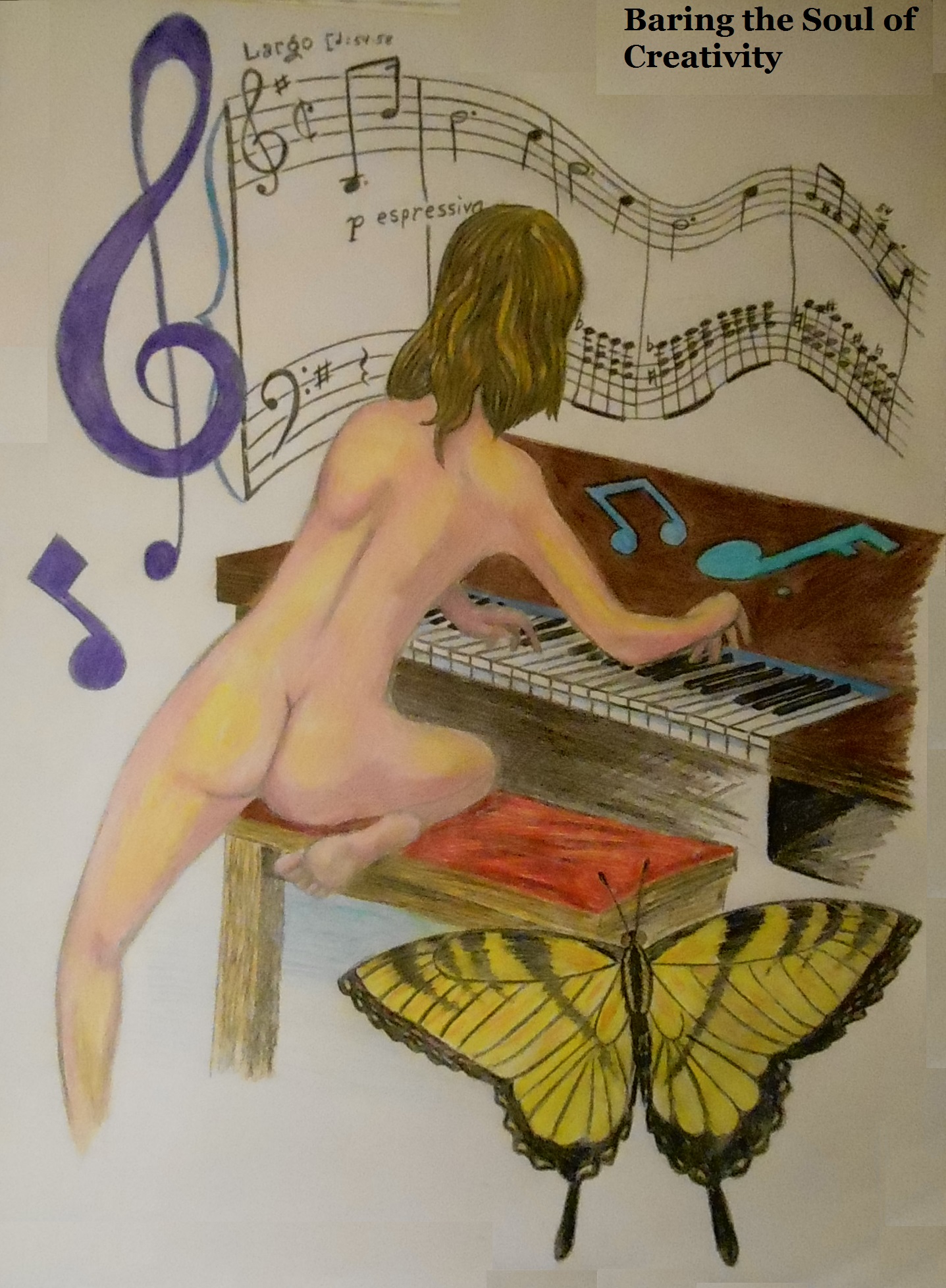
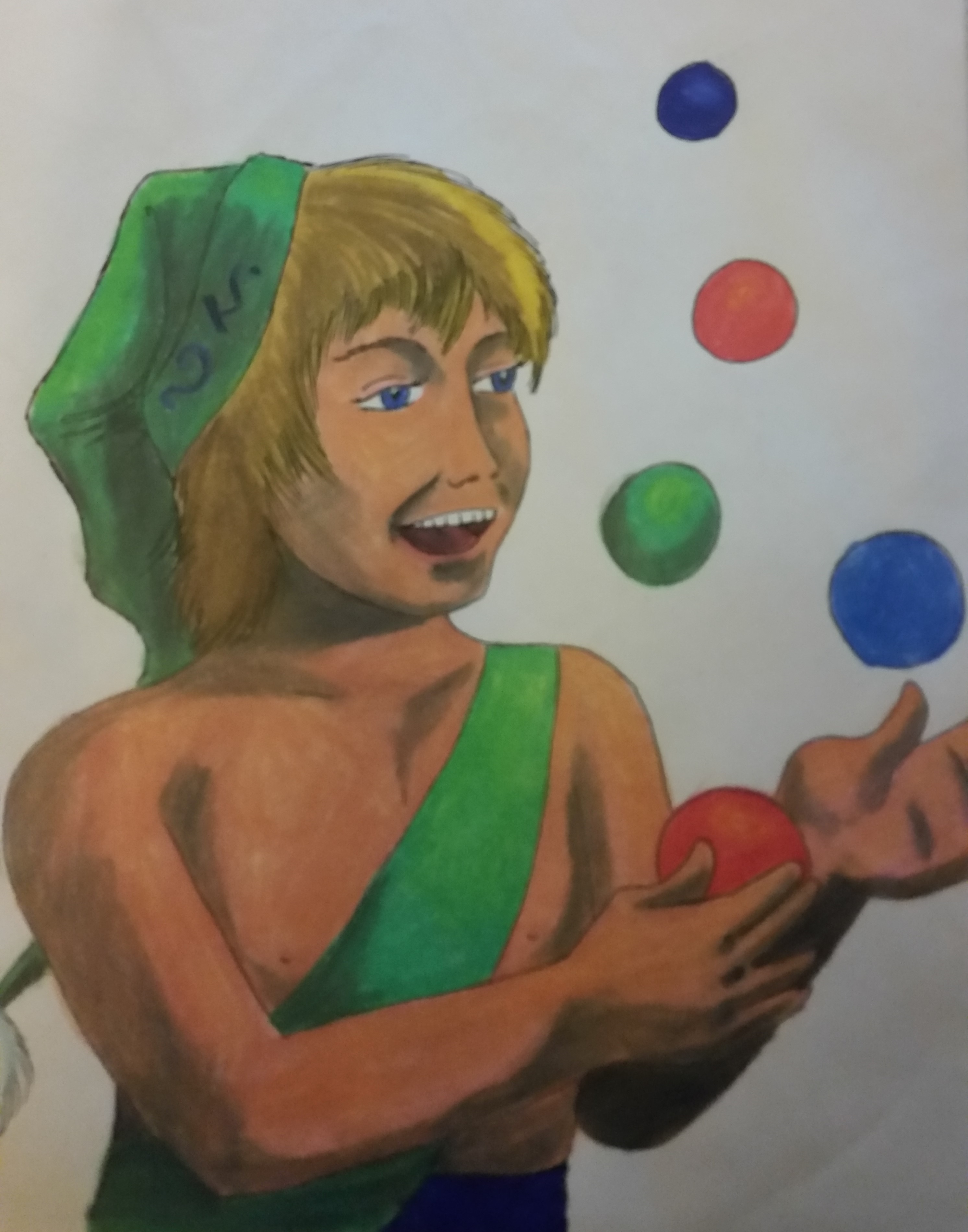
A sonata is a musical exercise in three or four movements that is basically instrumental in nature.  You may have noticed that the movements are loosely defined here by the accompanying pictures, of which there are three.  And it is silent only in the way that the instruments I am using themselves make no noise in the physical world.  The only sounds as I type these words are the hum of an old air conditioner and the whirr of my electric fan.  Yet my mind is filled with crescendos of violins and cellos, bold brass, and soft woodwinds.  The voice saying these words aloud only in my head is me.  Not the me you hear when I talk or the me I can hear on recordings of my own voice, but rather the me that I always hear from the inside.  And the voice is not so much “saying” as “singing”.

Writing makes music.  The writer can hear it.  The reader can too.  And whether I croon it to make you cry, or trill it to make you laugh, I am playing the instrument.  And so, the final notes of the sonata are these.  Be happy.  Be well.  And listen for the music.

Leave a comment

Filed under imagination, insight, inspiration, music, Paffooney, strange and wonderful ideas about life

Fantasia

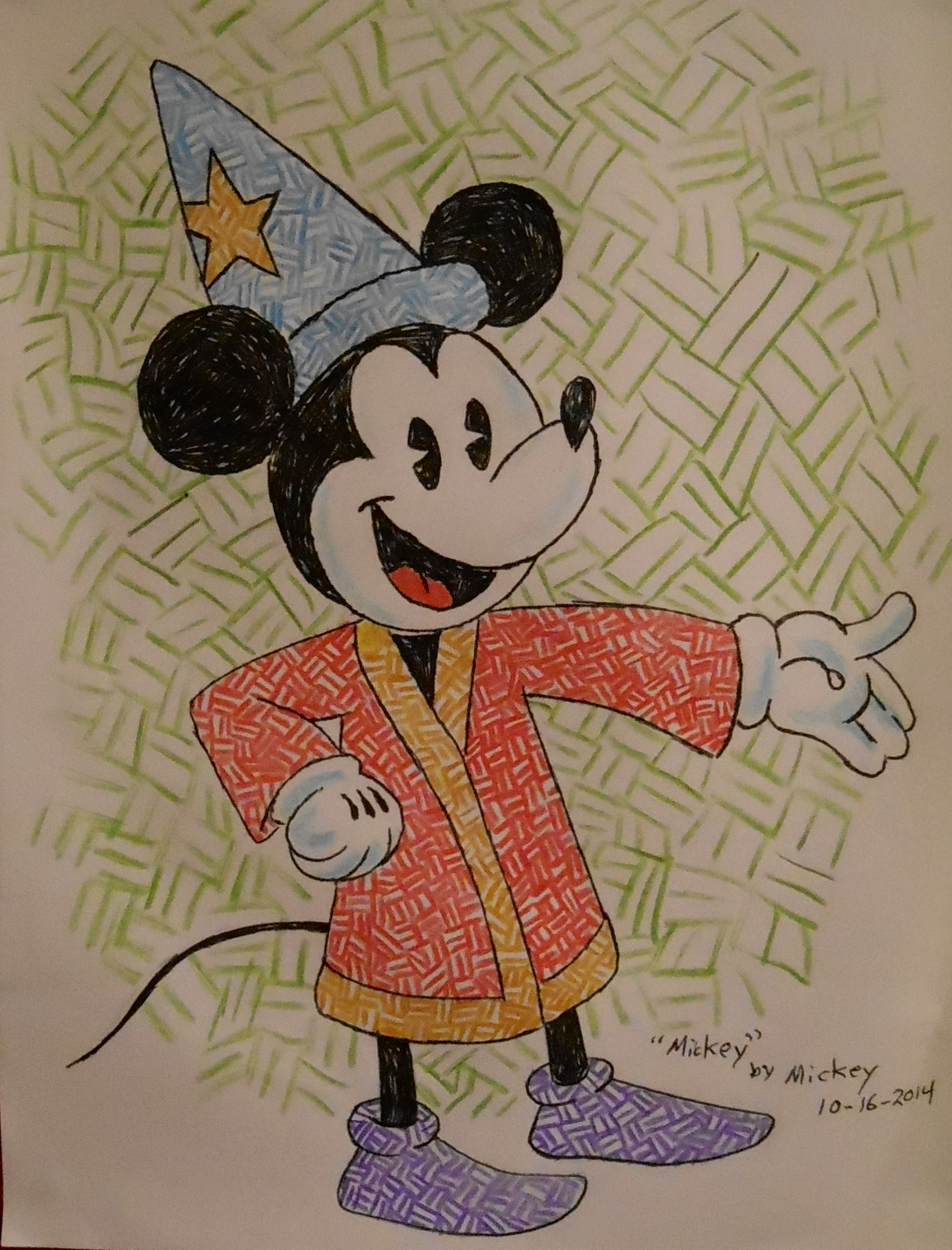
Mickey

I learned a lot of what I know about cartooning by copying Disney characters.  Now, I know that this post could potentially get me into trouble, because  I am posting on a blog I use for marketing, an imitation Disney character, a very famous and very copyrighted character.  Disney has been known to sue school districts for showing Disney movies in class without expressed written permission.  They have become cruelly litigious since transforming from Uncle Walt’s Wonderful World of Color into an evil multi-national corporate media empire whose spokesperson is a mouse.  So I beg you to pardon my transgressions due to love and debt I have to the work in the title of this piece.  Consider this fan art, like the pictures I posted of the Phantom and Captain America (who is also now owned by Disney).

Fantasia is for me the Book of Life.

The movie starts with Bach’s masterpiece, Toccata and Fugue in D Minor This amazing piece reminds me of earliest childhood memories.  It begins with sound and the instruments that make it, becoming shapes and lines and movements and, eventually cloud forms.  It is the beginning of perception, like modern art itself, the raw energy and emerging forms that I began to perceive as an infant, but could not define or distinguish clearly.

Next comes  Nutcracker Suite by Pyotr Ilyich Tchaikovsky.  This is the explorations of nature and the magic of existence as a mere child.  It uses Tchaikovsky’s sugar-plum ballet music to depict hours of play and learning and investigation and wonder.  In it I see myself as a young child, viewing all the color and beauty through wide eyes.

Then comes The Sorcerer’s Apprentice by Paul Dukas.  In this piece, the child in me, like Mickey the apprentice, for the first time bites off more than I could chew.  I overstep my protective boundaries and get myself into a serious fix that has to be undone by the parent stepping in at the end, and not only fixing it, but delivering the consequences to my ignorant behind with a broom.  Of course, we all know I will do it again.  Every child does.  But next time I will get it right.

This is followed by Rite of Spring by Igor Stravinsky.  Here the child is child no longer.  I watch the amoeba become dinosaurs to harsh and dissonant music.  I learn about the world, growing and evolving, finding out that life is full of hard lessons.  Life and Death play out there struggle, and the learning concludes when you reached the parched and hopeless climax, the realization that everything, no matter how big or powerful, ends in death and failure.  Dust returns to dust.

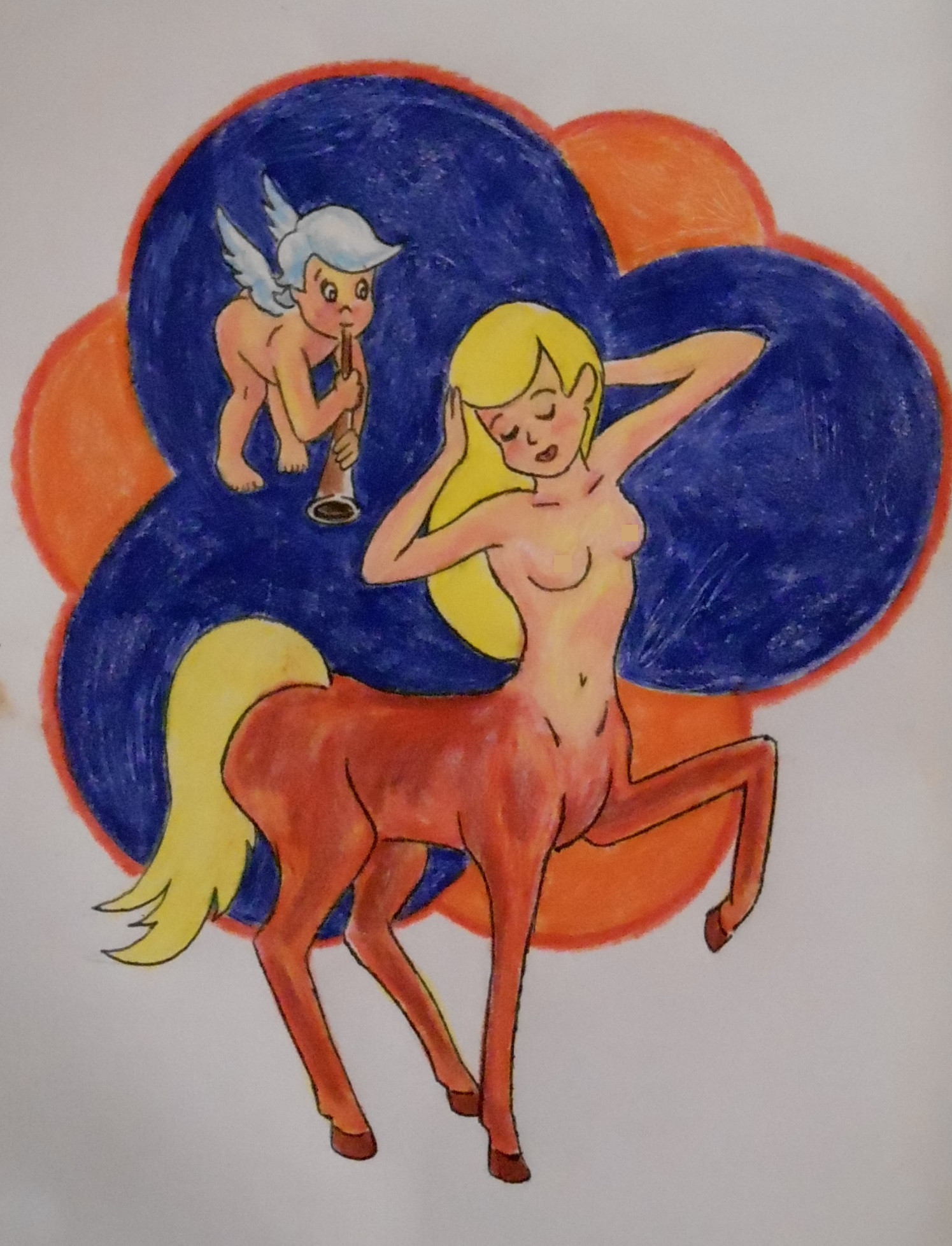
The film then blossoms into The Pastoral Symphony by Ludwig van Beethoven.  This mythical landscape of cute cherubs and satyrs, bare-breasted centaurettes, and Greek Gods rendered in pastel hues represents the blooming of romance, lust, and love.  There is celebration, complete with Dionysus and his invention, wine.  There is courtship, attraction, and bonding.  When the cherubs pull the curtain closed on the centaur couple, we also know what is happening behind the curtain even if it weren’t for the cherub whose butt becomes a red heart.  And, of course, there is a great storm that comes along, both in the pastoral music and the action of the cartoon, representing the volatility and strife that occurs when we dare to love another.  It does, however, subside for life to continue refreshed.

Disney centaur 2

The next piece is  Dance of the Hours by Amilcare Ponchielli.  This comedy of ballerina ostriches and hippos, bubble-dancing elephants, and aggressively dancing gators, is the domestic, married life.  It is a comedy of graceful awkwardness, beauty and humor rolled into the same cake and cooked with irony and wit.  And, of course, just like real life, everything is eventually carried away by the wind… until the next dance.

And finally, Night on Bald Mountain by Modest Mussorgsky and Ave Maria by Franz Schubert is the end of life.  First comes the pain and suffering of death, ruled over by Chernabog the Devil.  He commands the torture and heartless ritual that I am subject to even now, in the twilight of life.  The flesh and the bones yield to his trans-formative whims.  We must all dance to his music until the striking of dawn.  Then he is defeated and the spirit soars, free of body and definable form to the rousing strains of Ave Maria.  We journey through the cathedral forest towards the everlasting light, and the movie, like my life, will be done.  But I do not despair, because life, like the movie itself, can be endlessly replayed and is eternal.

I was not able to see this movie for the first time until college, attending a screening at Iowa State.  When it came out on VHS in the 80’s, I bought two, one to keep and store safely, unopened, and one to watch until it fell apart.  I also bought the DVD when it came out with Fantasia 2000.  I cannot count how many times I have seen this movie.  I even showed it to my classes as I was about to retire, and didn’t secure written permission.  But it was only this week, feeling ill and terribly mortal again that I realized… Fantasia tells the story of my life.

Leave a comment

Filed under Uncategorized

Eine Kleine Nachtmusik

It is, of course, one of the most powerful, masterful, and best-known pieces of music ever written.

Mozart completed the “little serenade” in Vienna in 1787, but it wasn’t published until 1827, long after Mozart’s untimely death.

The Serenade is incorrectly translated into English as “A Little Night Music”. But this is and always has been the way I prefer to think of it. A creation of Mozart written shortly before he hopped aboard the ferryman’s boat and rode off into the eternal night. It is the artifact that proves the art of the master who even has the word “art” as a part of his name. A little music to play on after the master is gone to prove his universal connection to the great silent symphony that is everything in the universe singing silently together.

It is basically what I myself am laboring now to do. I have been dancing along the edge of the abyss of poverty, suffering, and death since I left my teaching job in 2014. I will soon be taking my own trip into night aboard the ferryman’s dreaded boat. And I feel the need to put my own art out there in novel and cartoon form before that happens.

I am not saying that I am a master on the level of a Mozart. My name is not Mickart. But I do have a “key’ in the name Mickey. And it will hopefully unlock something worthwhile for my family and all those I loved and leave behind me. And hopefully, it will provide a little night music to help soothe the next in line behind me at the ferryman’s dock.

Leave a comment

Filed under artwork, cartoons, classical music, commentary, feeling sorry for myself, Hidden Kingdom, magic, metaphor, music, Paffooney

O Mio Babbino Caro

R-4036541-1353123762-4914.jpeg

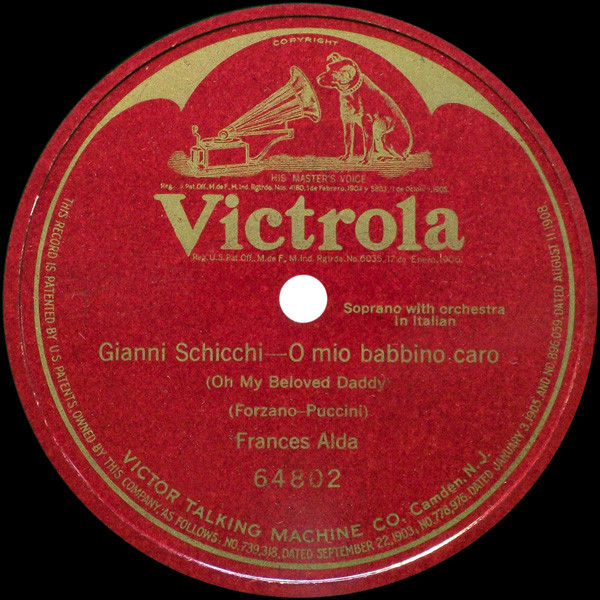
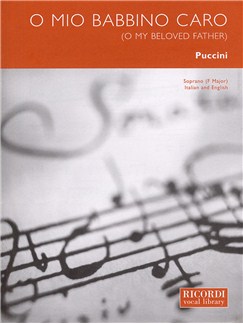
This beautiful song, an operatic aria by Puccini, is from the comic opera Gianni Schicchi.  But, more important than that is what the song actually means in context.

In the opera, Gianni Schicchi is a con man intent on swindling a family out of their inheritance and knowing all along that he will be destined to go to hell when he dies.  The family is gathered for the reading of the rich man’s will, which is, because this is a comic opera, lost for the time being.  Their main concern is for the money, which rumor has it has all been willed to the church.  But one among them is actually worthy of inheriting the money, Rinuccio the son of the rich man’s cousin.  And, as luck would have it, as it always does in comedies, Rinuccio is the one who, during the manic and desperate search for the will, actually finds it.  And assuming he comes out well in the will, he secures a promise from his mother that if he inherits money, he can marry Schicchi’s beautiful daughter Laurretta whom he truly loves.

But when he reads the will, he is devastated.  The money all goes to a monastery.  He begs Schicchi to help him convince the family that he should marry Laurretta anyway.  This Gianni Schicchi tries and finds it harder than turning water into wine.  So Schicchi is about to give up when Lauretta finally speaks up for herself through the song,

O Mio Babbino Caro (My Beloved Father)

At this point Schicchi is moved by the beautiful song and even more beautiful love his daughter has surprised him with.  He not only agrees to help, but executes a bizarre plan, hiding the rich man’s body and pretending to be him come back to life to rewrite the will.  Now the will favors Rinuccio, and over the protests of the family, he inherits the money and marries his true love, Schicchi’s daughter.  The opera ends with Schicchi singing his case to the audience, telling them in song that going to hell is worth it to aid true love.

m570024353_1

And this, then, is the truth of O Mio Babbino Caro.

Love, expressed through the surprise of hidden talent suddenly revealed, is the most persuasive argument there is.

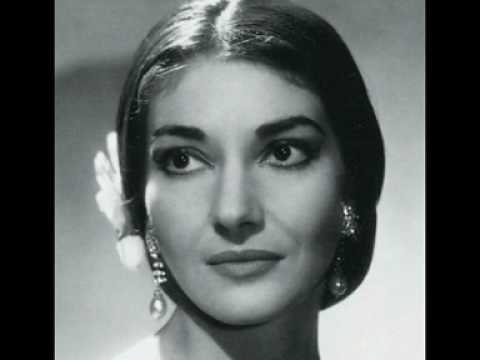
Whether it is the love in the music suddenly discovered in the overwhelming voice of a little girl like Jackie Evancho or Amira Willighagen, or the late great Maria Callas who also sang the role, or even the singer of Puccini’s greatest work who is yet to perform it and make silly old men like me weep for beauty’s sake, the song is the most persuasive argument there is in favor of true love.

hqdefault (2)

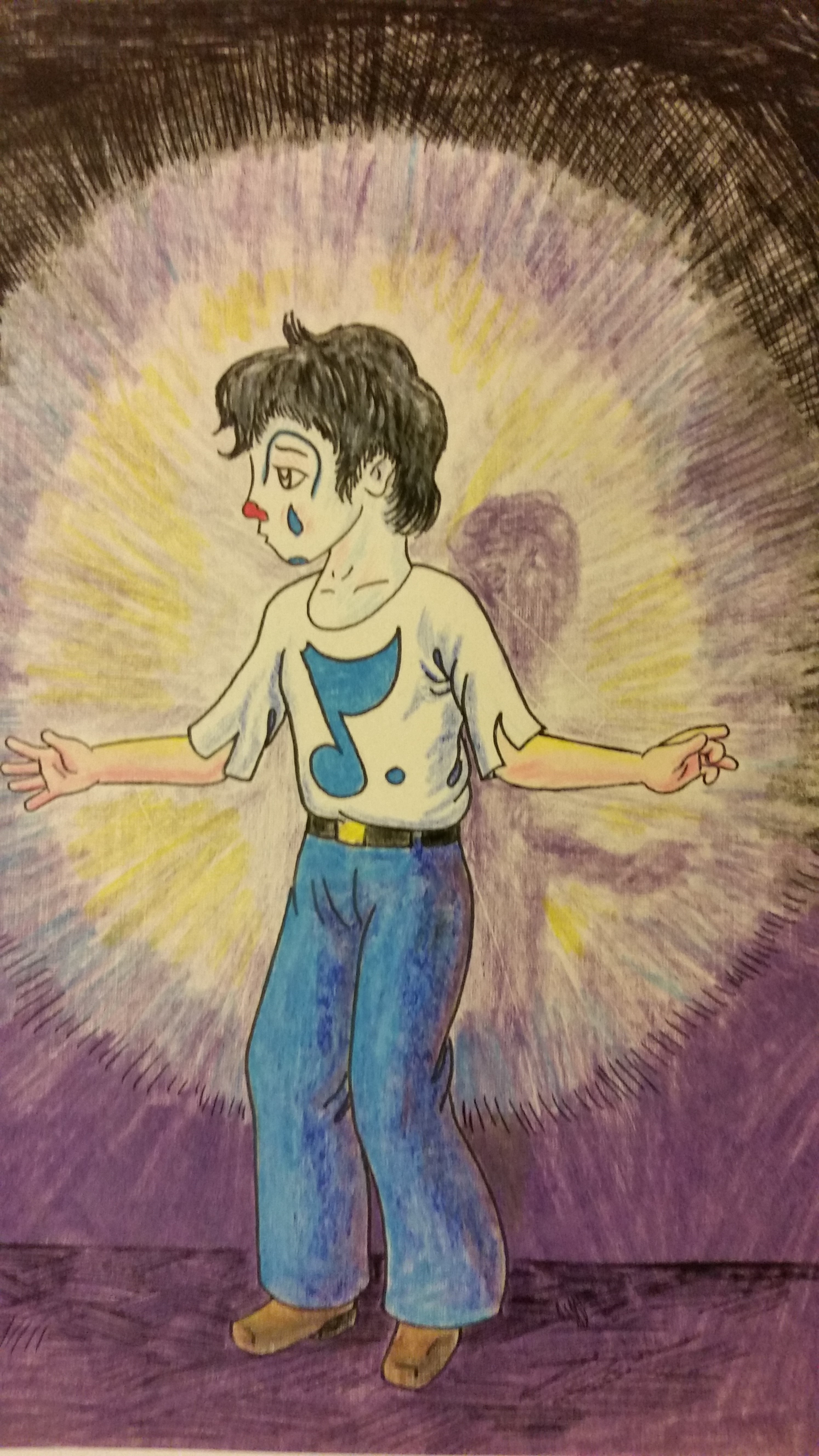
That is a thing I desperately want to capture in the novel I am writing now, Sing Sad Songs.  Love expressed in music.  Love that reverses loss.  Love that heals all things.  And Love that moves all people.  The love that is masterfully sung in O Mio Babbino Caro.

Francois spotlight

That book is now published and available on Amazon.

Leave a comment

Filed under art criticism, classical music, daughters, humor, music, Paffooney, strange and wonderful ideas about life

Toccata and Fugue in D Minor

Johann Sebastian Bach may or may not have written his organ masterpiece, Toccata and Fugue in D Minor in 1704. All we know for sure is that the combined efforts of Johannes Ringk, who saved it in manuscript form in the 1830’s, and Felix Mendelssohn who performed it and made it a hit you could dance to during the Bach Revival in 1840 made it possible to still hear its sublime music today. Okay, maybe not dance to exactly… But without the two of them, the piece might have been lost to us in obscurity.

The Toccata part is a composition that uses fast fingerings and a sprightly beat to make happy hippie type music that is really quite trippy. The Fugue part (pronounced Fyoog, not Fuggwee which I learned to my horror in grade school music class) is a part where one part of the tune echoes another part of the tune and one part becomes the other part and then reflects it all back again. I know that’s needlessly confusing, but at least I know what I mean. That is not always a given when I am writing quickly like a Toccata.

I have posted two different versions for you to listen to in this musical metaphor nonsensical posticle… err… Popsicle… err… maybe just post. One is the kinda creepy organ version like you might find in a Hammer Films monster movie in the 1970’s. The other is the light and fluffy violin version from Disney’s Fantasia. I don’t really expect you to listen to both, but listening to one or the other would at least give you a tonal hint about what the ever-loving foolishness I am writing in this post is really all about.

You see, I find sober thoughts in this 313-year-old piece of music that I apply to the arc of my life to give it meaning in musical measure.

Toccata and Fugue

This is the Paffooney of this piece, a picture of my wife in her cartoon panda incarnation, along with the panda persona of my number two son. The background of this Paffooney is the actual Ringk manuscript that allowed Bach’s masterwork not to be lost for all time.

My life was always a musical composition, though I never really learned piano other than to pick out favorite tunes by ear. But the Bach Toccata and Fugue begins thusly;

The Toccata begins with a single-voice flourish in the upper ranges of the keyboard, doubled at the octave. It then spirals toward the bottom, where a diminished seventh chord appears (which actually implies a dominant chord with a minor 9th against a tonic pedal), built one note at a time. This resolves into a D major chord.

I interpret that in prose thusly;

Life was bright and full of promise when I was a child… men going to the moon, me learning to draw and paint, and being smarter than the average child to the point of being hated for my smart-asserry and tortured accordingly. I was sexually assaulted by an older boy and spiraled towards the bottom where I was diminished for a time and mired in a seventh chord of depression and despair. But that resolved into a D major chord when the realization dawned that I could teach and help others to learn the music of life.

And then the Fugue begins in earnest. I set the melody and led my students to repeat and reflect it back again. Over and over, rising like a storm and skipping like a happy child through the tulips that blossom as the showers pass. Winding and unwinding in equal measure, my life progressed to a creaky old age. But the notes of regret in the conclusion are few. The reflections of happinesses gained are legion. I have lived a life I do not regret. I may not have my music saved in the same way Johann Sebastian did, but I am proud of the whole of it. And whether by organ or by violin, it will translate to the next life, and will continue to repeat. What more can a doofus who thinks teaching and drawing and telling stories are a form of music ask for from life?
Leave a comment

Filed under Uncategorized

Lessons From Tchaikovsky

I used to be a classroom storyteller.  As an English teacher for middle school kids, I often would give brief biographical insights into famous people we were talking about at the time.  I told them about Crazy Horse of the Sioux tribe, Roger Bacon the alchemist and inventor of chemistry as a science, Mark Twain in Gold Rush California, and many other people I have found fascinating through my life as a reader and writer of English.

One bright boy in my gifted class remarked, “Mr. B, you always tell us these stories about people who did something amazing, and then you end it with they eventually died a horrible death.”

Yep.  That’s about right.  In its simplest form life consists of, “You are born, stuff happens, and then you die.”  And it does often seem to me that true genius and great heroism are punished terribly in the end.  Achilles destroys Hector, but his heel is his undoing.  Socrates taught Plato, and was forced to drink poison for being too good at teaching.  Custer was a vain imbecile and got what he deserved at the Battle of the Little Bighorn, but Crazy Horse, who made it happen, was pursued for the rest of his short life for it until he was finally captured and murdered.  Roger Bacon contributed immensely to science by experimenting with chemicals, but because he blew up his lab too often, and because one of his students blew himself up in a duel with another student, he ended his days in prison for practicing sorcery.

But if you have listened to any of the music I have added to this post, the music of Pyotr Ilyich Tchaikovsky, then you recognized it, unless you have lived your whole life under a rock in Nomusikvetchistan.  And why is that?  Because even though it is all classical music written in the 1800’s, it’s basic genius and appeal is immortal.  It will outlive all of us.  Some of it, having been placed on a record on the Voyager space craft may get played and appreciated a million years from now in the vicinity of Betelgeuse.  It will still be a work of pure genius.

And, of course, the horrible life and terrible death thing is a part of it too.  Tchaikovsky’s work took an incredibly difficult path to success.  He was criticized by Russians for being too Western and not Russian enough.  He was criticized in the West for being too exotic and basically “too Russian”.  He railed against critics and suffered horribly at their hands.  Then, too, his private life was far less private than it had any right to be.  He was a bachelor most of his life, except for a two year marriage of pure misery that ended in divorce.  And everybody, with the possibility of Pyotr himself, knew it was because he was a homosexual.  He probably did have that orientation, but in a time and a career where it was deemed an illegal abomination.  So whether he ever practiced the lifestyle at great risk to himself, or he repressed it his entire life, we will never know for sure.

But the music is immortal.  And by being immortal, the music makes Tchaikovsky immortal too.  Despite the fact that he died tragically at the age of 53, possibly by suicide.

So, this is the great lesson of Tchaikovsky.  The higher you fly, the farther you fall, and you will fall… guaranteed, but that will never make the actual flight not worth taking.  Some things in life are more important than life itself.  As I near the end myself, I cling to that truth daily.

tumblr_myfiy3p49e1r616oeo1_500


Leave a comment

Filed under classical music, education, empathy, humor, insight, inspiration, music, strange and wonderful ideas about life

Lessons From Tchaikovsky

I used to be a classroom storyteller.  As an English teacher for middle school kids, I often would give brief biographical insights into famous people we were talking about at the time.  I told them about Crazy Horse of the Sioux tribe, Roger Bacon the alchemist and inventor of chemistry as a science, Mark Twain in Gold Rush California, and many other people I have found fascinating through my life as a reader and writer of English.

One bright boy in my gifted class remarked, “Mr. B, you always tell us these stories about people who did something amazing, and then you end it with they eventually died a horrible death.”

Yep.  That’s about right.  In its simplest form life consists of, “You are born, stuff happens, and then you die.”  And it does often seem to me that true genius and great heroism are punished terribly in the end.  Achilles destroys Hector, but his heel is his undoing.  Socrates taught Plato, and was forced to drink poison for being too good at teaching.  Custer was a vain imbecile and got what he deserved at the Battle of the Little Bighorn, but Crazy Horse, who made it happen, was pursued for the rest of his short life for it until he was finally captured and murdered.  Roger Bacon contributed immensely to science by experimenting with chemicals, but because he blew up his lab too often, and because one of his students blew himself up in a duel with another student, he ended his days in prison for practicing sorcery.

But if you have listened to any of the music I have added to this post, the music of Pyotr Ilyich Tchaikovsky, then you recognized it, unless you have lived your whole life under a rock in Nomusikvetchistan.  And why is that?  Because even though it is all classical music written in the 1800’s, it’s basic genius and appeal is immortal.  It will outlive all of us.  Some of it, having been placed on a record on the Voyager space craft may get played and appreciated a million years from now in the vicinity of Betelgeuse.  It will still be a work of pure genius.

And, of course, the horrible life and terrible death thing is a part of it too.  Tchaikovsky’s work took an incredibly difficult path to success.  He was criticized by Russians for being too Western and not Russian enough.  He was criticized in the West for being too exotic and basically “too Russian”.  He railed against critics and suffered horribly at their hands.  Then, too, his private life was far less private than it had any right to be.  He was a bachelor most of his life, except for a two year marriage of pure misery that ended in divorce.  And everybody, with the possibility of Pyotr himself, knew it was because he was a homosexual.  He probably did have that orientation, but in a time and a career where it was deemed an illegal abomination.  So whether he ever practiced the lifestyle at great risk to himself, or he repressed it his entire life, we will never know for sure.

But the music is immortal.  And by being immortal, the music makes Tchaikovsky immortal too.  Despite the fact that he died tragically at the age of 53, possibly by suicide.

So, this is the great lesson of Tchaikovsky.  The higher you fly, the farther you fall, and you will fall… guaranteed, but that will never make the actual flight not worth taking.  Some things in life are more important than life itself.  As I near the end myself, I cling to that truth daily.

tumblr_myfiy3p49e1r616oeo1_500


1 Comment

Filed under classical music, education, empathy, humor, insight, inspiration, music, strange and wonderful ideas about life