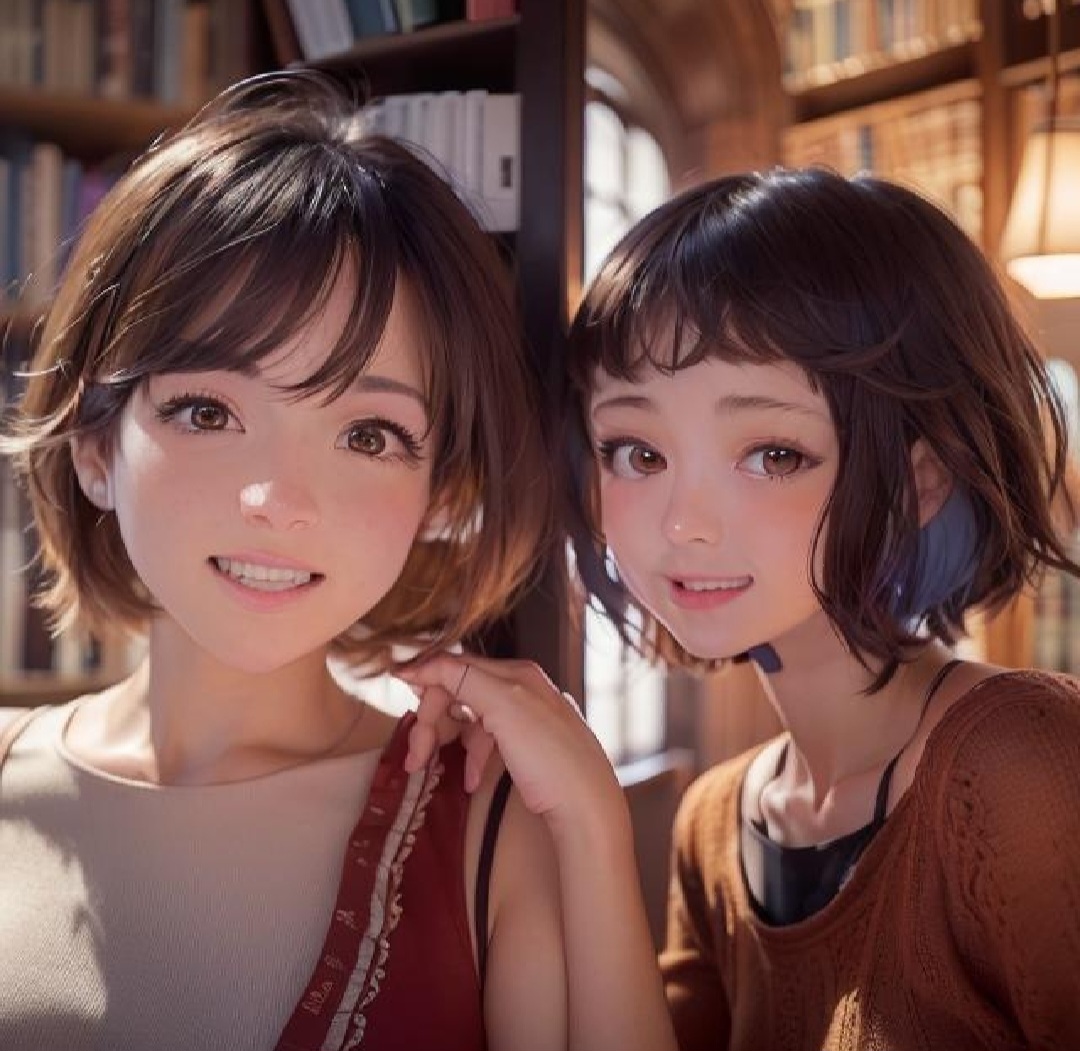
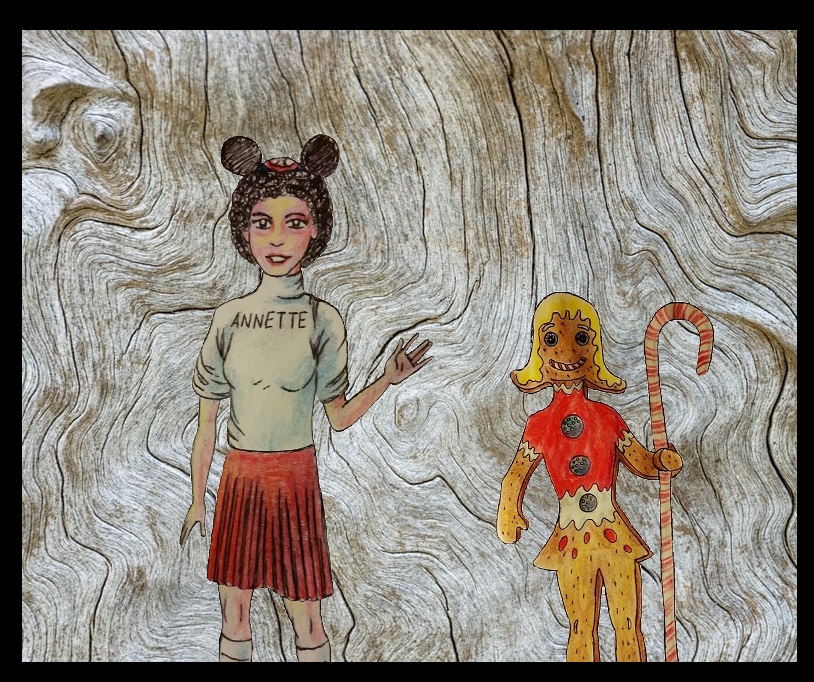
Mike Murphy and Blueberry Bates have gone back in time to a year Jesus might’ve walked the Earth. It is a digital art practice using a colored pencil drawing, several photos of things like hair and sackcloth clothing, and a background that is really a train station but fuzzed up to look like a temple. I used digital tools to put it together rather than Photoshop.
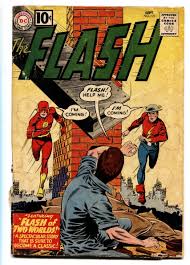
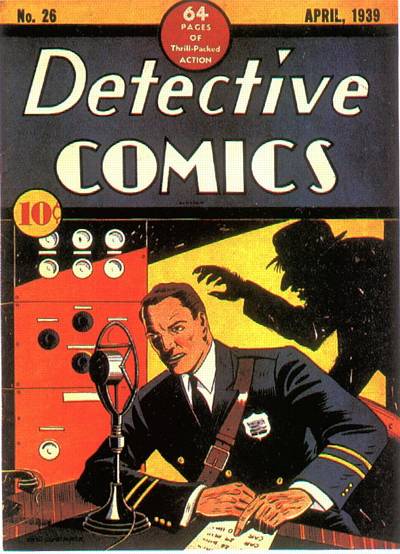
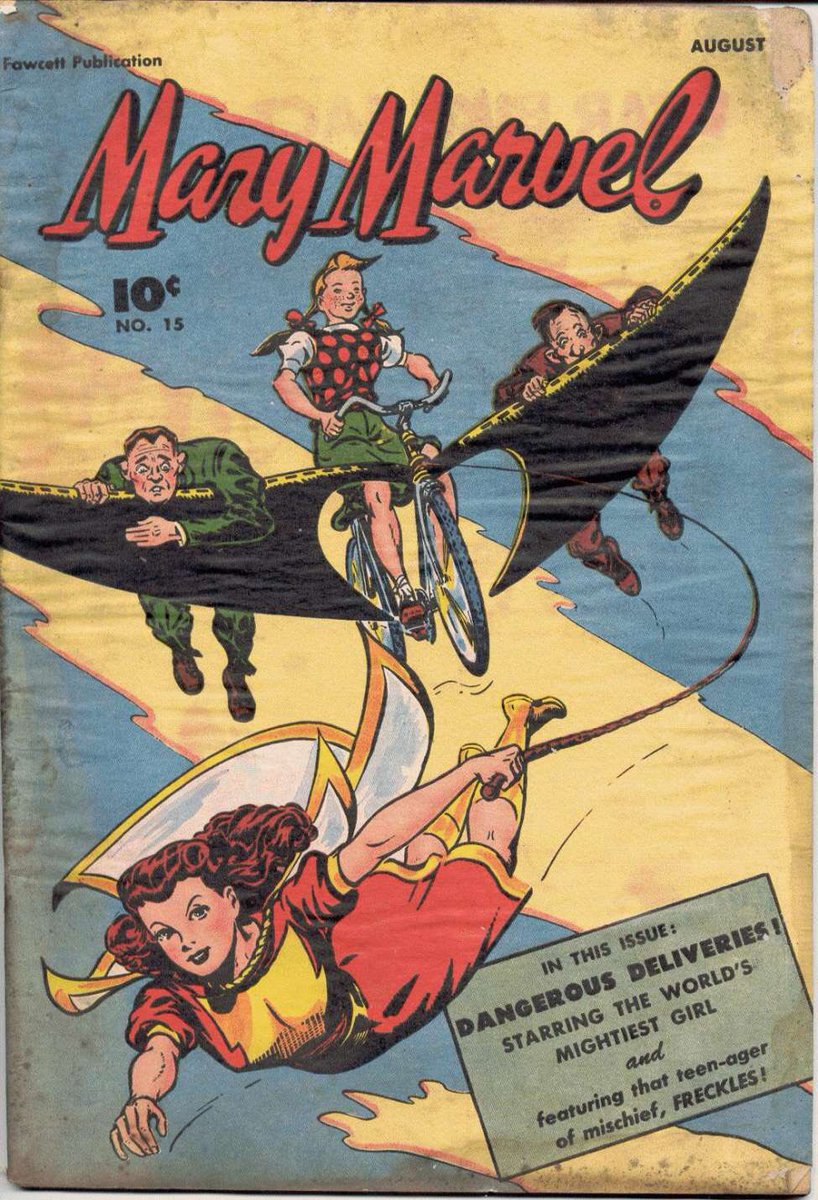
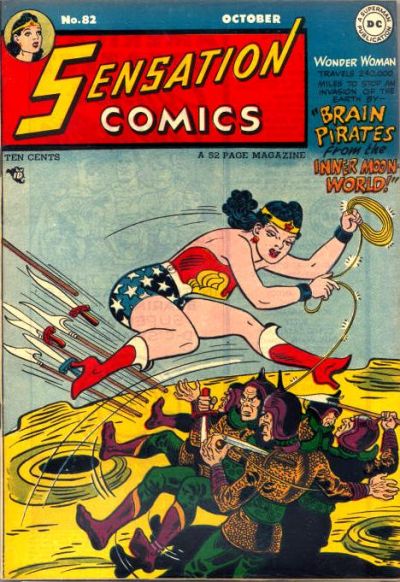
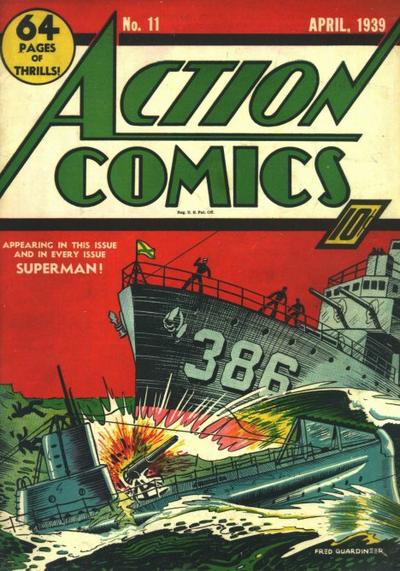
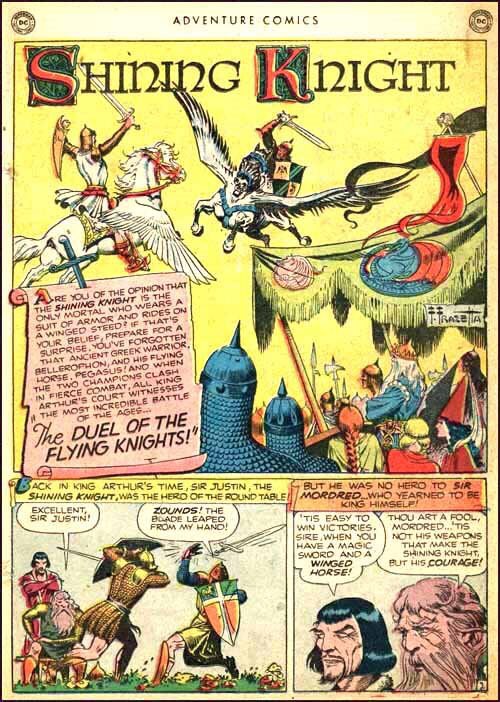
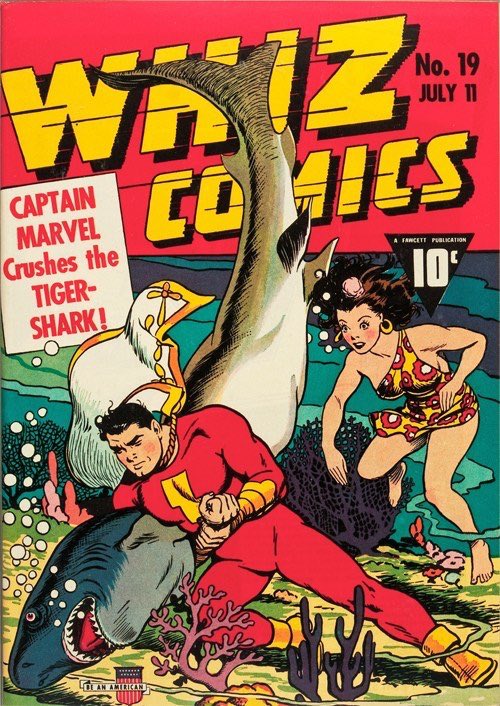
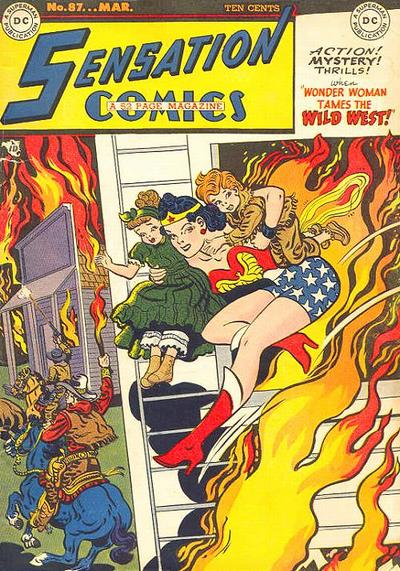
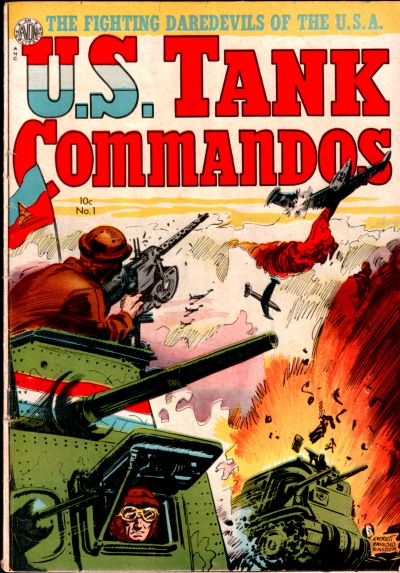
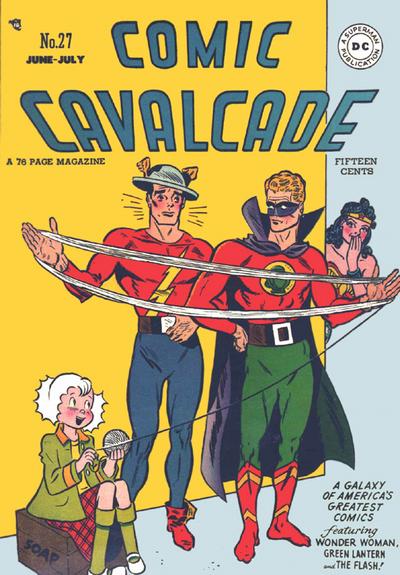
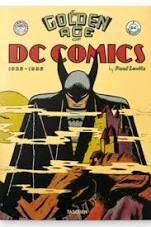
I am certainly no expert on the Golden Age of Comics. I was, in fact, born the year that the Golden Age ended. I am a child of the Silver Age (1956 to the early 1970s) and those were the comics I grew up with. But I admit to a fascination with the initial creation of the characters I love, including Batman, Superman, the Flash, Captain America, the Phantom, Steve Canyon, Wonder Woman and numerous others who were first put on the comic book pages in the Golden Age. And being subject to comic book prices that zoomed upward from a dollar an issue, I was bedazzled by the ten cent price on old comics.
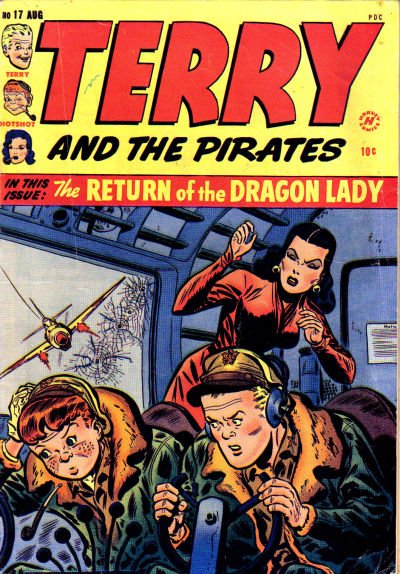
Comic books owe their creation to the popular newspaper comic strips from the Depression era and WWII wartime. Originally, comic strips were gathered and printed on cheap paper. Dick Tracy, Prince Valiant, Terry and the Pirates, Flash Gordon, and other adventure strips would lead to the war comics and hero-centered comics that would morph into superhero comics.
Some of the artwork in Golden Age comics leaves a lot to be desired. Especially original, straight to comic book publications that were produced fast and furiously by publishers who would open one week, produce three issues. and go out of business three weeks later. But in the mad scramble, some truly great artists formed the start of their illustrious careers, Will Eisner, Hal Foster, Milt Caniff, and Bill Elder learned to master their craft in the newspaper strips, and all later created comic books and graphic novels. True geniuses like Jack “King” Kirby and Bob Kane and Jack Davis grew directly from comic book studio madhouses into comic-book-artist immortality.
As with most things that have a Golden Age, the truth was that later comic book eras were superior in most ways. But this Golden Age was the foundational age for an American art-form that I truly love. So, flaws and warts are overlooked. And some of these old ten cent books on super-cheap paper are worth huge amounts of money if you still have a rare one in mint condition. Ah, there’s the rub for a manic old collector guy like me.
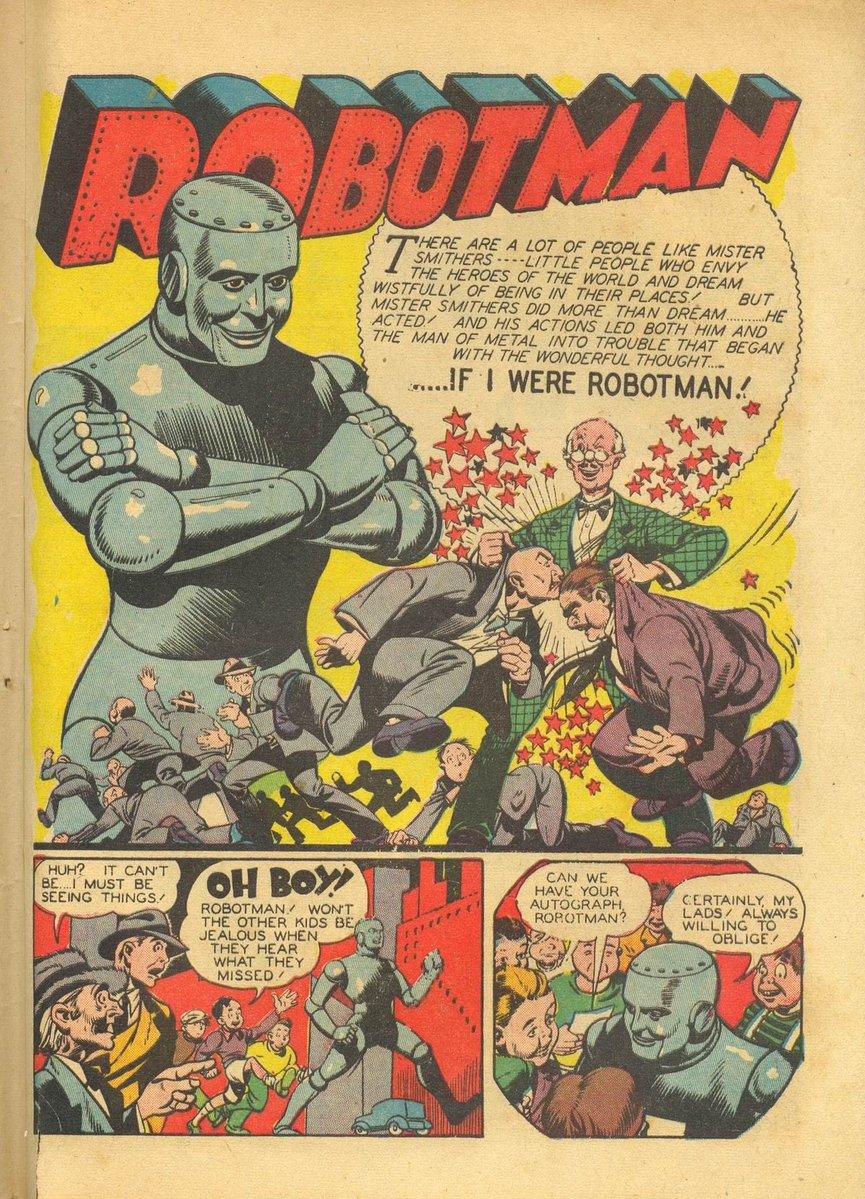
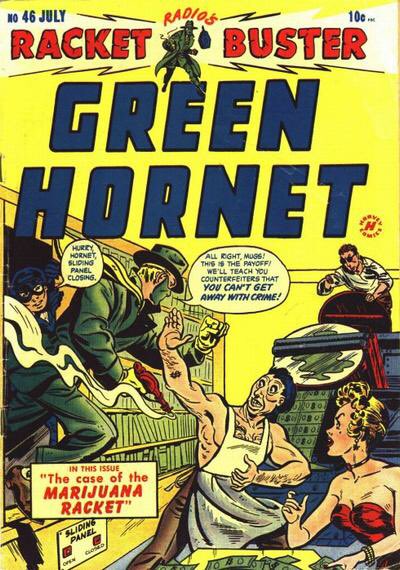
Most of the Golden Age comic book images used for this post were borrowed from the ComicsintheGoldenAge Twitter page @ComicsintheGA. If you love old comics like I do, you should definitely check it out.
The question before me now is, “What do you know, and how do you know it for certain?”
Well, I really don’t know anything. How do I know that I don’t know anything? Well, Socrates always told everyone who would listen that he didn’t know anything for certain, and he is obviously much smarter than I am. So, being super-stupid by comparison, I don’t even know as much as Socrates.
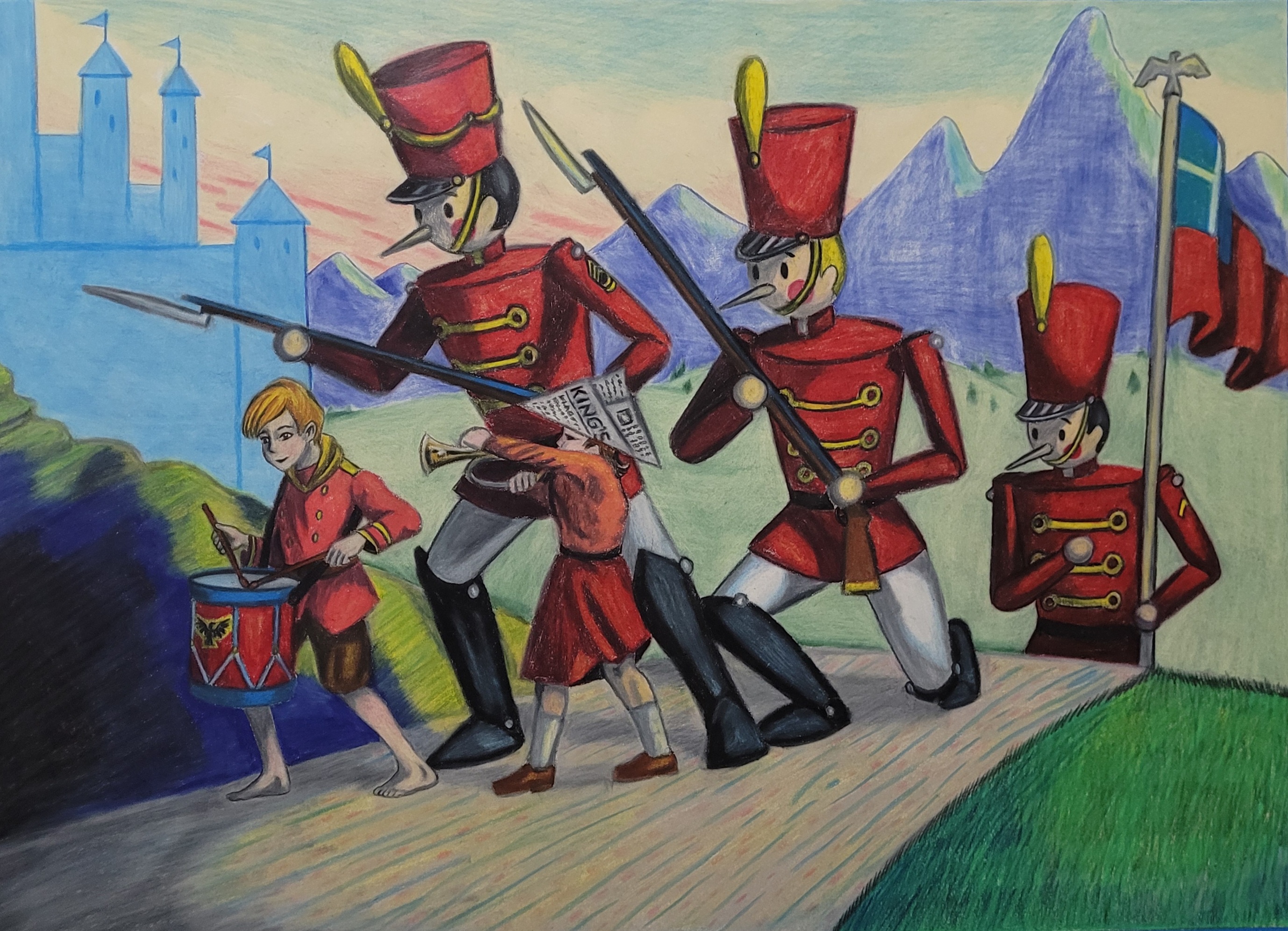
So, like Socrates, I need to ask questions. But who will I ask? I can look at the picture above for answers, and I can ask you, the reader, the questions.
The picture is one of the most favorite ones I have ever drawn. By that I mean it is one of the pictures I drew with colored pencils that I like the best. It is, therefore, basically a self portrait of things inside my silly head.
Do the soldiers look familiar to you? If they do, it is probably because, like me, you have seen the soldiers from Disney’s Babes in Toyland. Hopefully they are just generic enough that Disney wont sue me for modeling this fantasy on something I saw in their copyrighted movie. I didn’t intentionally copy anything, and I have never knowingly made a single dime off of this picture. So, they don’t need to sue me, right?
Okay, those weren’t Socratic questions. They were leading and focused questions. So, let’s start the Socratic stuff.
Do you see anything in the picture that is innocent and childlike? Could this be illustrating a childish fear of the darkness? Did you notice the darkness they are marching towards on the left of the picture? Could this also be showing a progression towards maturity? Are the children and the soldiers not approaching that darkness… whatever it might be? Are they not getting more prepared to face the darkness as they get closer to it? The weapon pointed straight at the darkness is the bugle. Does the bugle, being an instrument for announcing something in combat, not have some symbolic meaning here? Does the darkness they are approaching not represent something like death? Does the boy with the drum suggest how we might deal with the darkneness in our own too-near future?
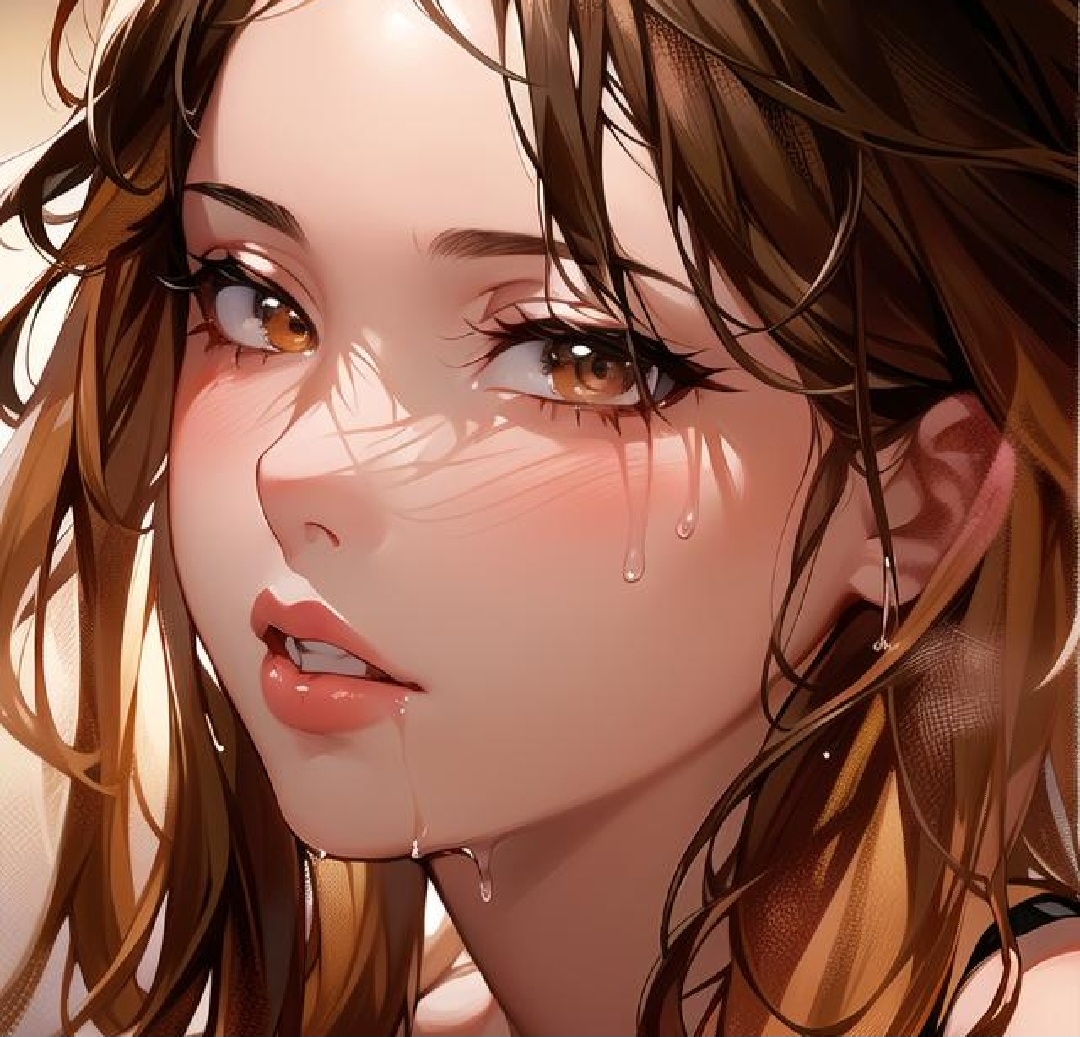
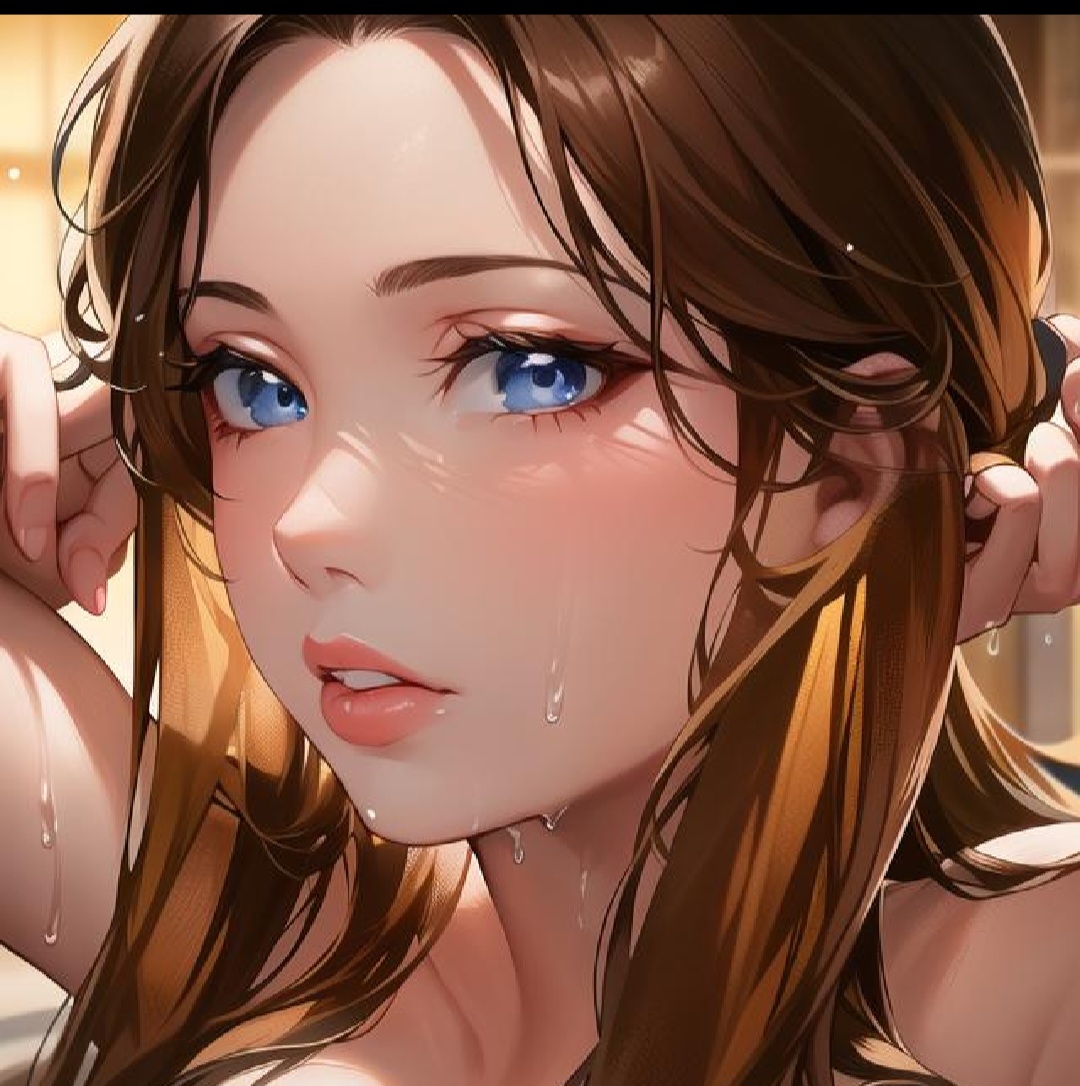
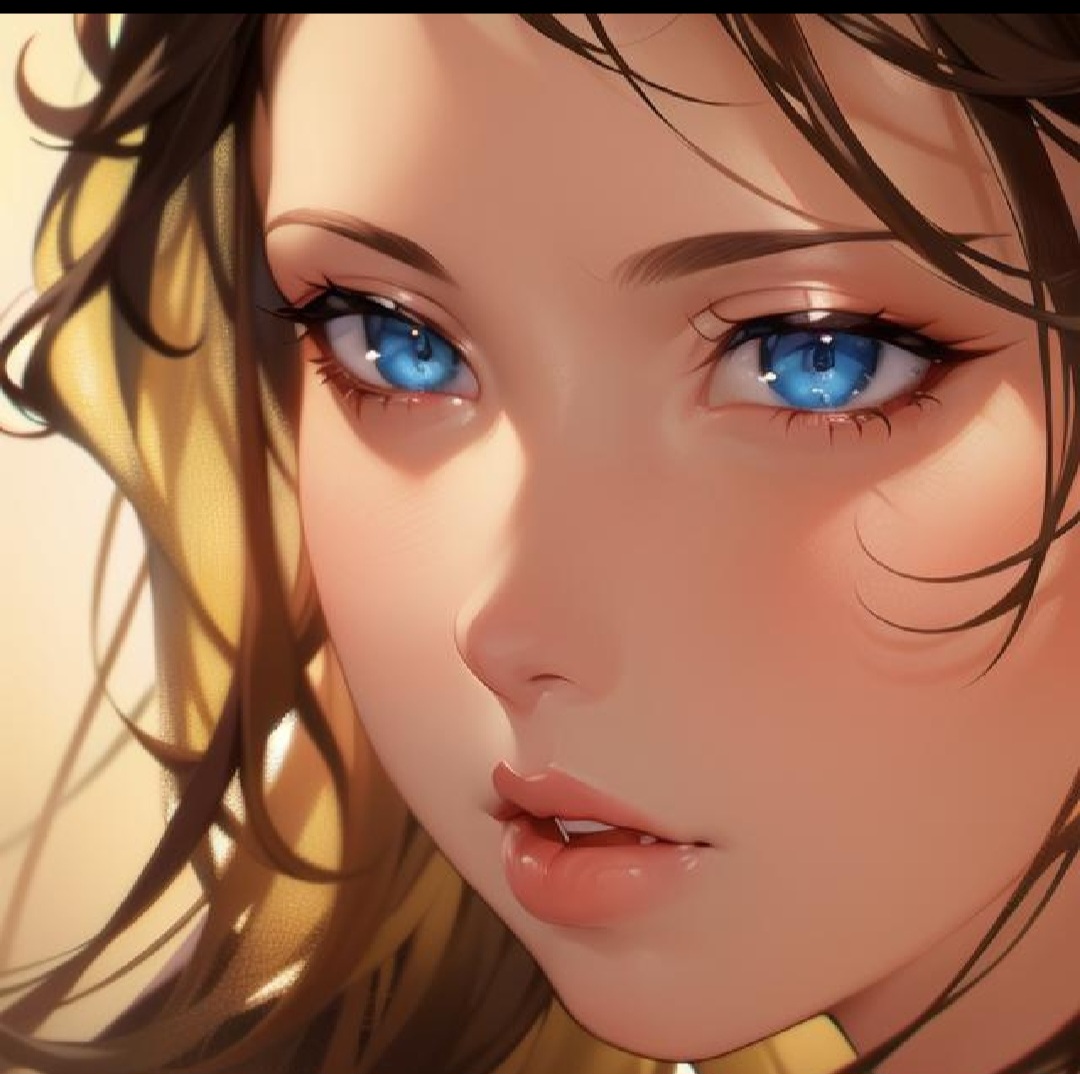
Doing digital art is fascinating. Once you draw a face and head, you totally turn it, adjust it, add new details, change eye color; in fact, you can turn it into a completely different picture with the same face… or, almost the same.
Ariel’s New Fall BlanketAriel in the RainWaking Up and Looking at MeIntensity
My family sends me a photo of their weekend in San Antonio as I am stuck at home in Dallas. Left to Right, my wife, my niece, my daughter, and my number two son.
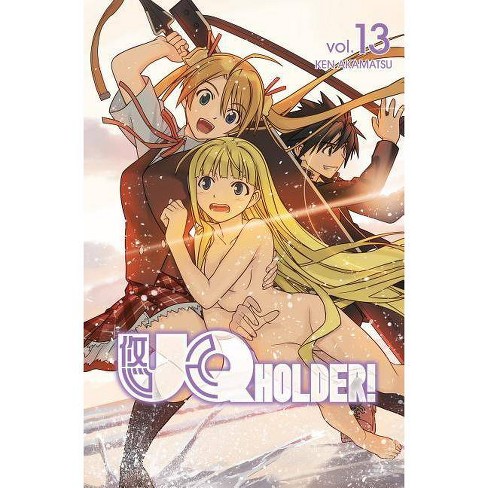
Japanese Manga is a complicated and difficult-to-understand thing. Of course, it is also a very beautiful art form when done well. There are many features of Japanese culture that play a prominent part in the comic book genre known as manga.
It is a strange fusion of the art of Meiji culture in Pre-War Japan and the Western influence of the U.S. Occupation forces after WWII. You read the comic from right to left, opposite to American comics, and the dialogue in speech balloons go from top to bottom rather than horizontally.
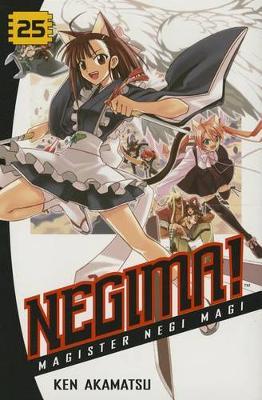
A manga by Akamatsu
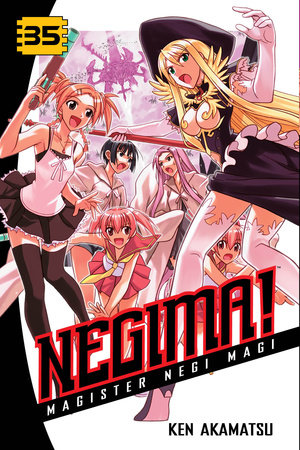
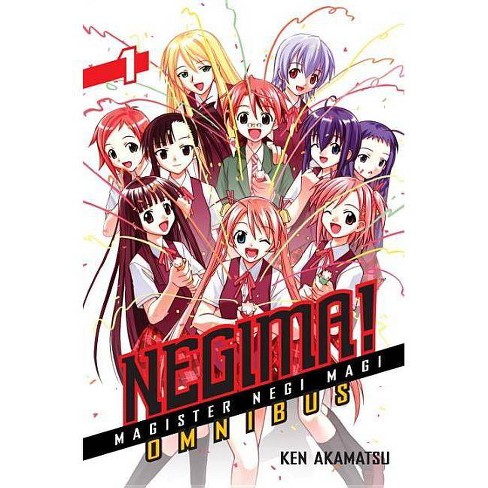
I first discovered Ken Akamatsu’s manga brilliance in 2004 through Half-Price Books copies of his manga series Negima! I was reading the last two Harry Potter novels at that time and the Harry Potter-ness of the main character, Negi Springfield is what attracted me. He is a ten-year-old boy who is secretly a wizard. He is also so accelerated in school that they make him an English teacher in a Middle School where they give him an all-girl class. Of course, Negi is definitely NOT like Harry Potter. I learned that after three books worth of Negi’s magic sneeze that blows girl’s dresses off and all the other accidentally-seeing-middle-school-girls-naked jokes. Gushering nose-bleeds and the most-important girl character, Asuna, constantly ending up standing in front of the older instructor she has a crush on stark naked soon convinced me that Japanese humor and sense of adventure are very different from their American counterparts.
Negi Springfield is the little guy in the middle… Of course he’s the teacher.
The students in this ten-year-old teacher’s class are a diverse group of girls. One is a deadly ninja. Another is a dead-shot gunslinger. A third is an expert swordswoman who fights with a katana in each hand. Several of them wield magic like their teacher.
The adventures in this multi-book story are filled to the brim with magical battles, martial arts, demon summoning, Japanese festivals, and the many ups and downs of young love.
There are lots of instances of girls losing their clothing. Some of it happens in Japanese outdoor baths and spas. Some happens by magic. And some happens completely by accident.
Though, the writer seems to focus on it an awful lot.
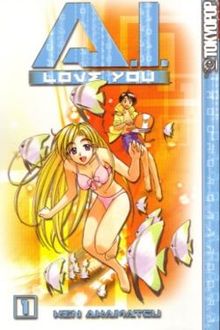
Ken Akamatsu has been at the business of creating very similar manga stories for many years. He started in 1994 with A.I. Love You.
He has written three series since.
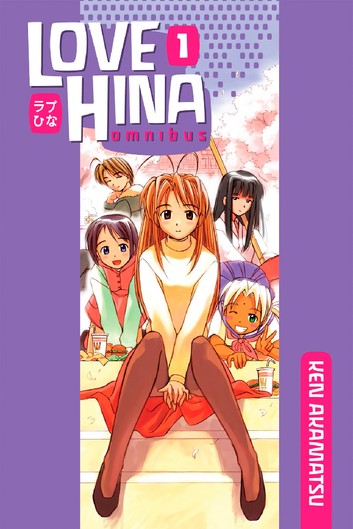
Love Hina came before Negima!
UQ Holder! is his current manga series.
So, I love the artwork of Ken Akamatsu. And it isn’t necessarily the story that makes it so good. The stories are chaotic and full of things that make very little sense to American sensibilities. And I do like artfully done naked girls. But the real attraction for me is something that I can’t quite name.
I just know it is there. Ken Akamatsu definitely has it. Whatever it is. (Maybe it IS naked girls?)
All art on this planet (with the possible exceptions of paintings by monkeys and elephants, and the songs of whales and dolphins) is about people. What is art, if it is not a reflection of who and what we are?
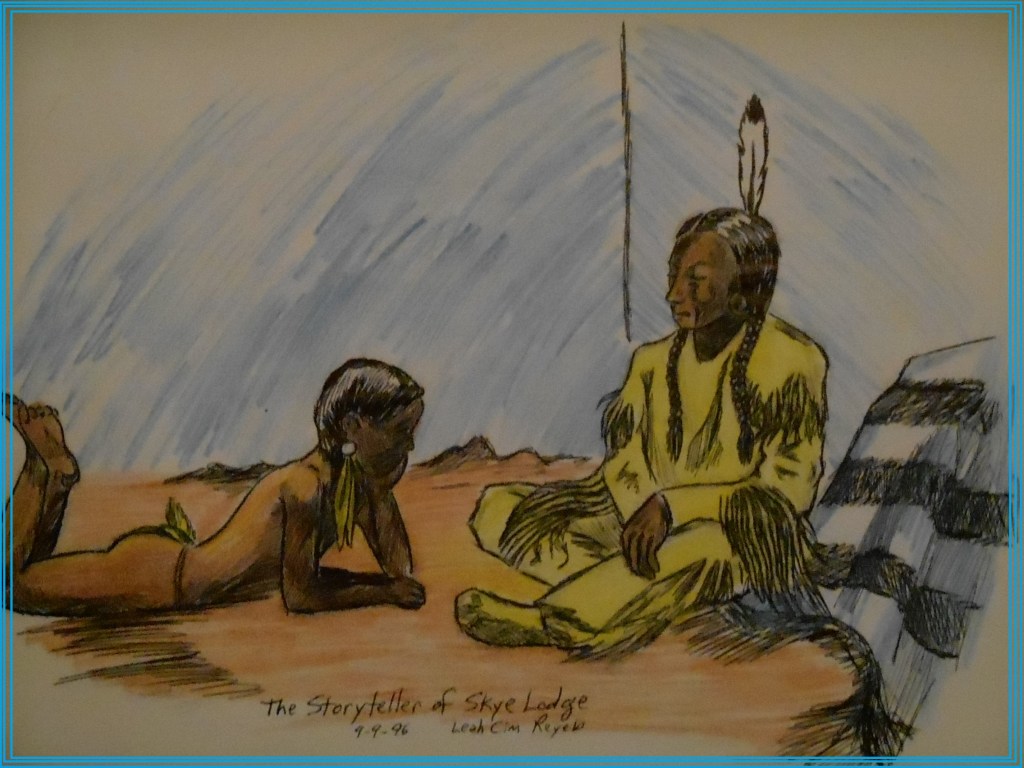
“Tell me a story with our people in it.”
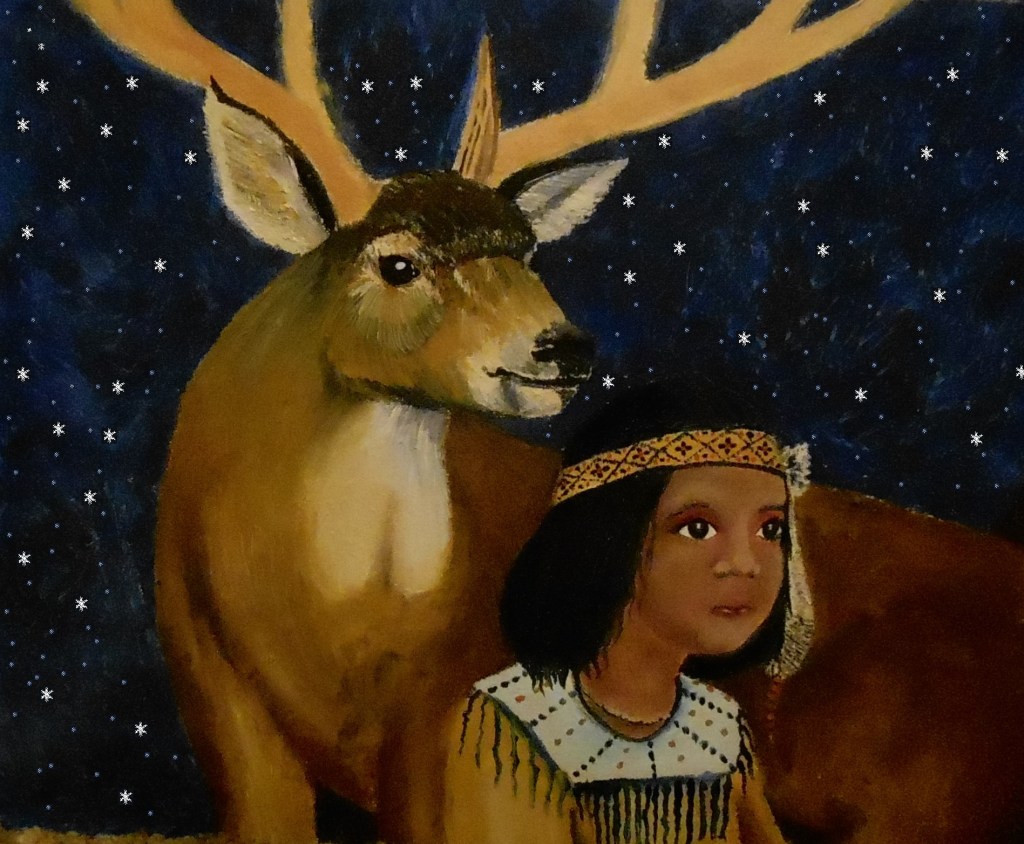
I am the man from the setting sun who comes from the past to deliver the future.
Every bit of art I do now is done as my own mortality, the end of my own story, is soon to reach the final page. I have lived six decades complete and have begun to live the seventh. I am close to the sunset. But I have wisdom to share from a lifetime of struggle, and reversals, and successes, and joy. And in a dark time when it appears the world could actually be ending, I wish to do the only thing I can to help, provide pictures and stories that might prove useful to you.
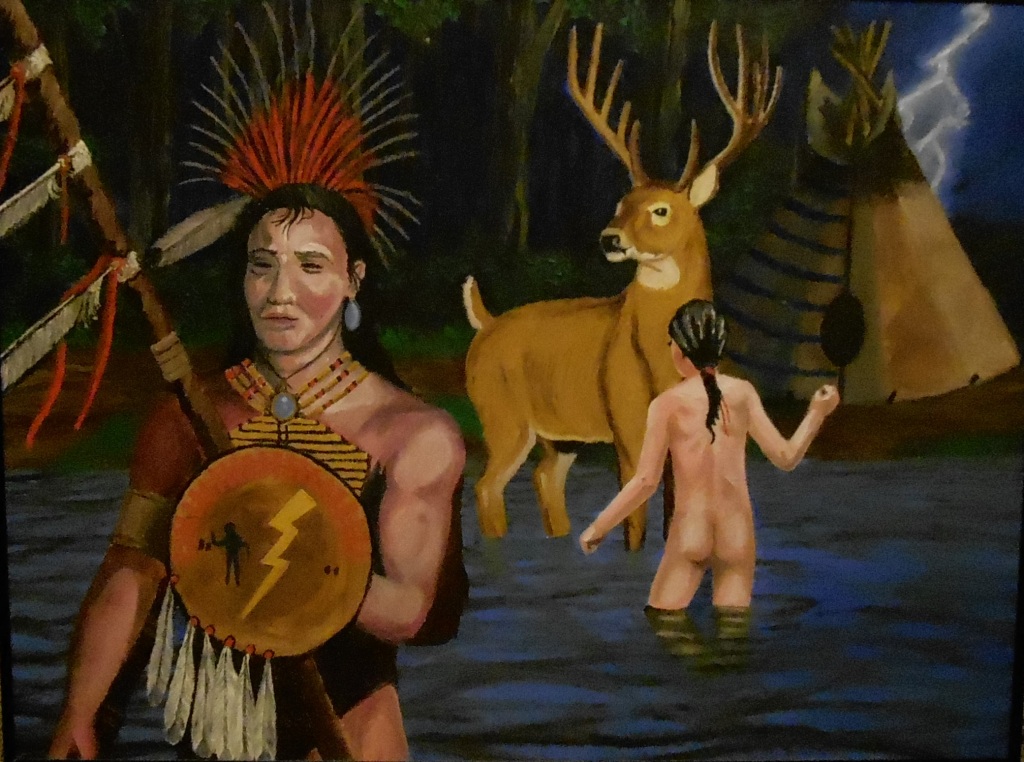
“We are beautiful as the day is ending, because the day was worth living in.” “Magic, like lightning, infuses the sky with that which makes us wonder. What is it? How do I use it?”What we are is based on what we were. Our hopes for the future have their foundation in our past. We only have to see it and identify it. Then we can build on it.Why am I obsessed with naked people? Because naked people are exactly what you see. Naked hides nothing, and honesty is like sunshine, the more we walk in it, the healthier we become.
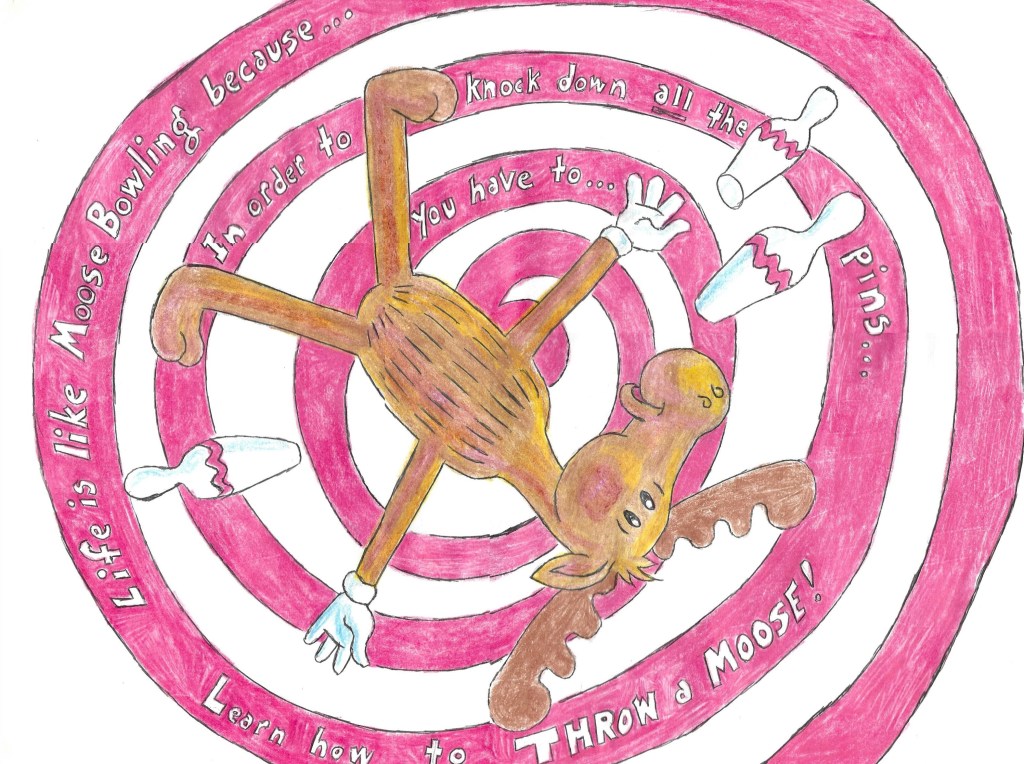
Laughter is an essential part of who we need to be and how we deal with where we need to go. Laugh at mistakes, and chuckle with satisfaction as you correct them.Life is like Moose Bowling because… in order to knock down all the pins, you have to learn how to throw a moose!Art exists because it simply has to exist. My art exists because I exist. So, my art exists because you all made the mistake of allowing me to exist.
So, all art is about people. Even the art with no people in it. That art, at least, has a creator who was most probably a people… or a monkey… or an elephant.. or a… well, you get the idea, don’t you?
Yes, there is very definitely a possibility that there is more than one me.
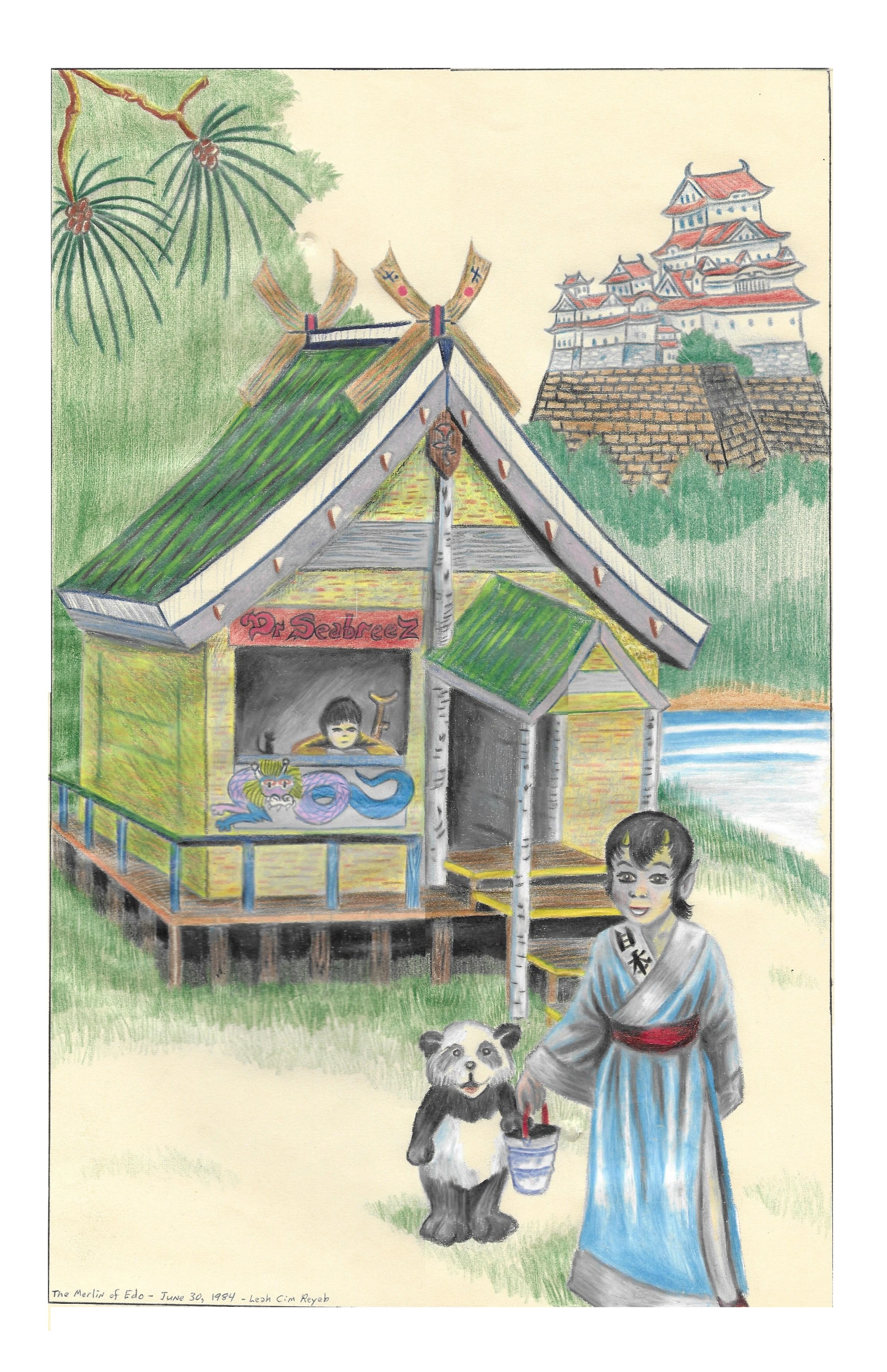
If you look carefully at the colored pencil drawing above, you will see that it is titled “The Wizard of Edo” and signed by someone called Leah Cim Reyeb. A sinister sounding Asian name, you think? I told college friends that my research uncovered the fact that he was an Etruscan artist who started his art career more than two thousand years ago in a cave in France. But, of course, if you are clever enough to read the name backward, you get, “beyeR miC haeL”. So, that stupid Etruscan cave artist is actually me.
It turns out that it is a conceit about signing my name as an artist that I stole from an old episode of The Dick Van Dyke Show and have used for well over two decades through college and my teaching career.
And of course, the cartoonist me is Mickey. Mickey also writes this blog. Mickey is the humorist identity that I use to write all my published novels and blog posts since I published the novel Catch a Falling Star.
Michael Beyer is the truest form of my secret identity. That was my teacher name. It was often simplified by students to simply “Mr. B”. I was known by that secret identity for 31 years.
Even more sinister are my various fictional identities occurring in my art and my fiction. You see one of them in this Paffooney. The name Dr. Seabreez appears in Catch a Falling Star as the Engineer who makes a steam engine train fly into space in the 1890’s with alien technology. He appears again in The Bicycle-Wheel Genius as a time-traveler.
The young writer in the novel Superchicken, Branch Macmillan, is also me. As is the English teacher Lawrance “Rance” Kellogg used in multiple novels.
So, disturbing as it may be to realize, there is more than one name and identity that signifies me. But if you are a writer of fiction, a cartoonist, an artist, or a poet, you will probably understand this idea better. And you may even have more than one you too.
The internet is a golden treasure chest with an attached bag of holding for me. In other words, a lot of the writing I do depends heavily on a resource that didn’t really exist until I was almost 40 years old. I save stuff from my eclectic surfing forays in computer files that tend to become amazingly complex garbage dumps. So today, I decided to sort one of them to go through stuff I thought might make an interesting blog post.
So, let me show you some of the treasures I have found that could become upcoming blog posts. I will go through the sorted files from July of 2018.
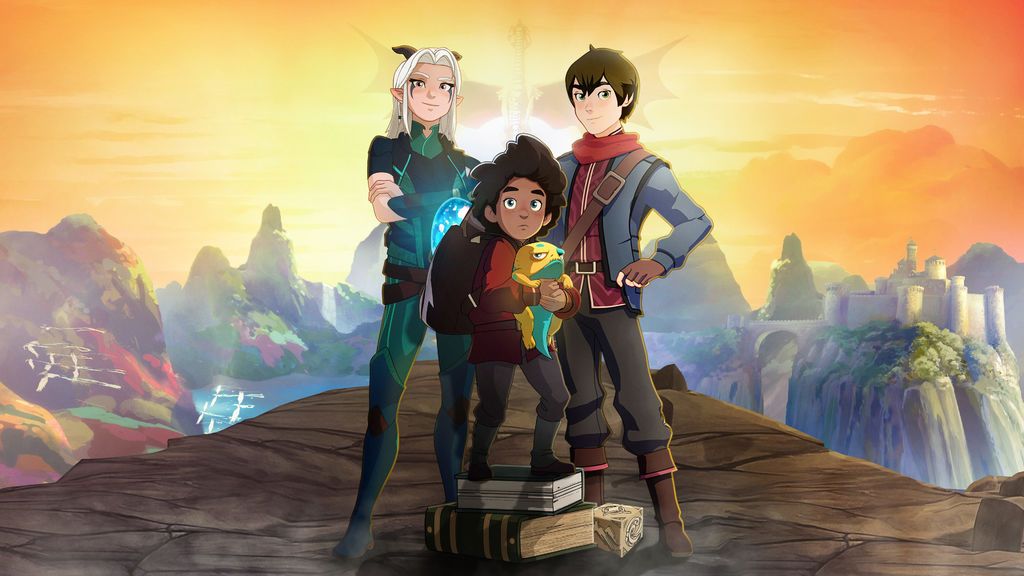
The Dragon Prince
This is a funny, fascinating, D&D-type adventure series from Netflix and the creators of Avatar, the Last Air Bender.
I have recently watched the entire first season, and love this show enough to write a gushing love-review.
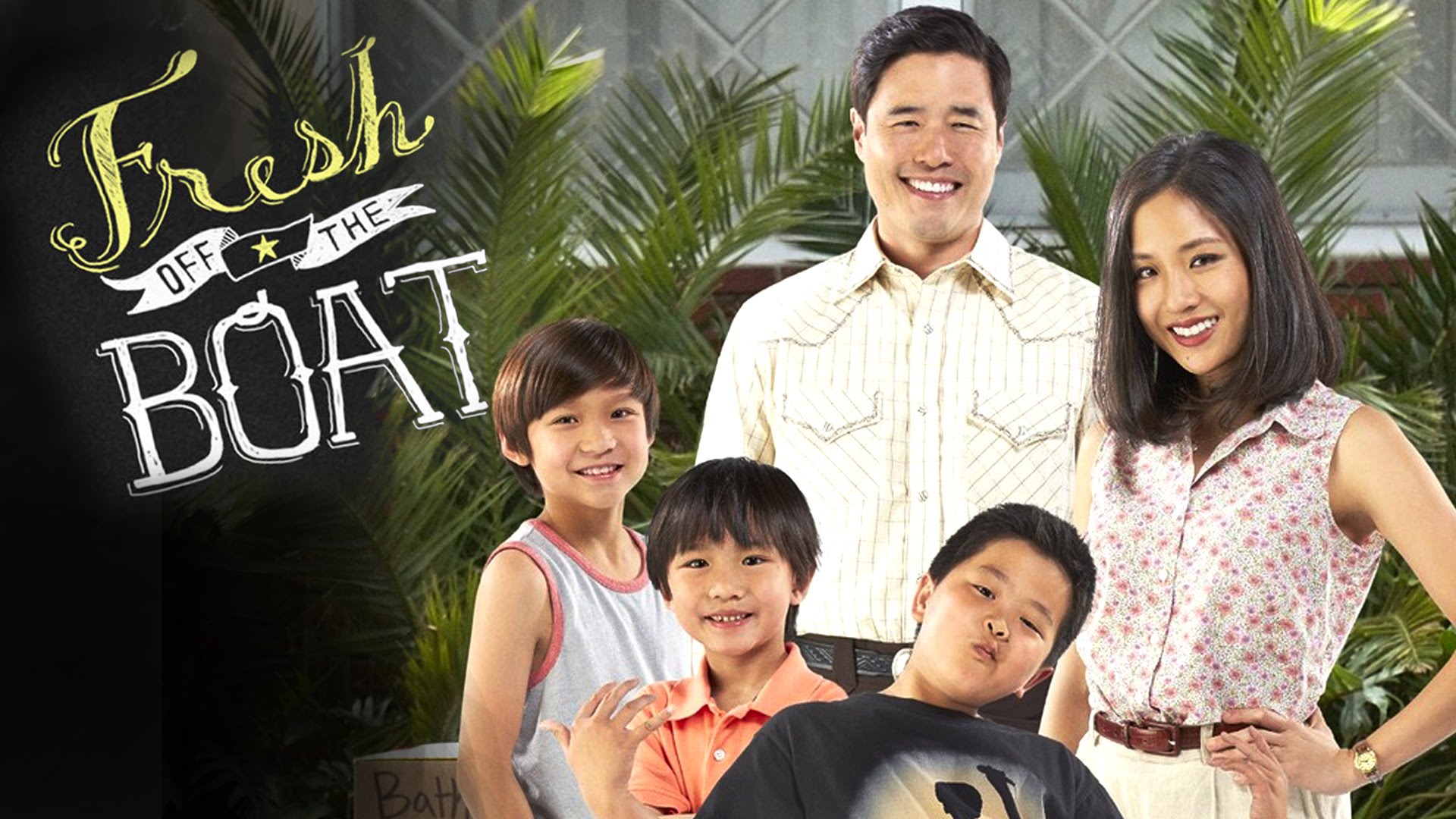
Fresh Off the Boat
This is a show on regular TV, the ABC network. It is about an immigrant family originally from China. I think I am married to the spiritual twin of the lead female character, an obsessively controlling Asian wife who has to have her fingers in every single pie in the neighborhood.
It is chocked full of little things that are both bizarre and funny about Asian cultures being assimilated in this country. And the kids are cute and extremely talented.
Gene Colan
Gene Colan was one of my favorite comic book artists in the 70’s and 80’s. I will probably do a more in-depth biography post on him in the future because he really helped me learn to draw in pen and ink. I copied his work from Daredevil, Howard the Duck, and Tomb of Dracula. But all of the work I will show you is done not by me, but by Gene.
Miscellany
This is the stuff that didn’t need its own folder.
Twitter Nudists
This is one I might not be able to use and still maintain a mild R-rating. But I am, in fact, a member of the online nudist community.
Theodore Roethke
This one was already turned into a good blog post.
Lovely bliss quotes Theodore Roethke Quotes
PhotoLiaison.com
The Wizard of Ozz
It goes without saying, nobody can have too many Wizard of Oz pictures.