From the time I could first remember, I was always surrounded by stories. I had significantly gifted story-tellers in my life. My Grandpa Aldrich (Mom’s Dad) could spin a yarn about Dolly O’Rourke and her husband, Shorty the Dwarf, that would leave everybody in stitches. (Metaphorical, not Literal)
And my Grandma Beyer (Dad’s Mom) taught me about family history. She told me the story of how my Great Uncle, her brother, died in a Navy training accident during World War II. He was in gun turret aboard a destroyer when something went wrong, killing three in the explosion.
Words have power. They can connect you to people who died before you were ever born. They have the power to make you laugh, or make you cry.
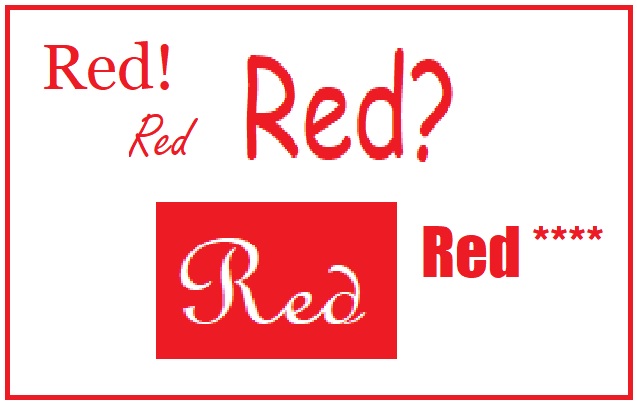
Are you reading my words now? After you have read them, they will be “read.” Take away the “a” and they will change color. They will be “red.” Did you see that trick coming? Especially since I telegraphed it with the colored picture that, if you are a normal reader, you read the “red” right before I connected it to “reading.”
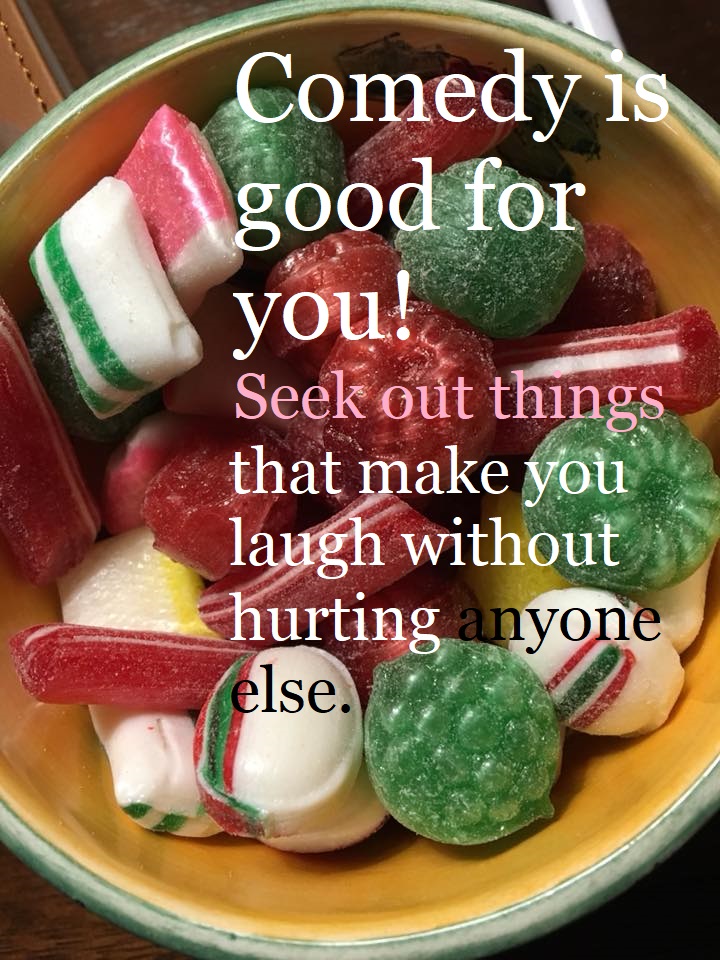
Comedy, the writing of things that can be (can bee, can dee, candee, candy) funny, is a magical sort of word wrangling that is neither fattening nor a threat to diabetes if you consume it. How many word tricks are in the previous sentence? I count 8. But that wholly depends on which “previous sentence” I meant. I didn’t say, “the sentence previous to this one.” There were thirteen sentences previous to that one (including the one in the picture) and “previous” simply means “coming before.” Of course, if it doesn’t simply mean that, remember, lying is also a word trick.
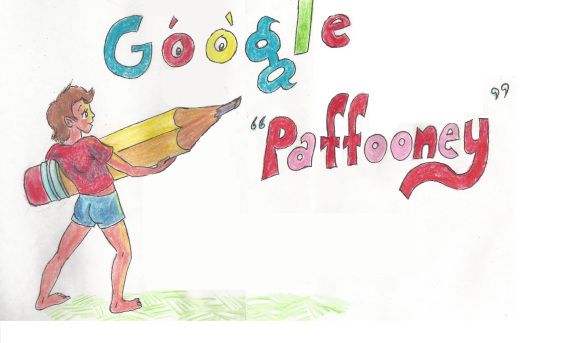
Here’s a magic word I created myself. It was a made-up word. But do a Google picture search on that word and see if you can avoid artwork by Mickey. And you should always pay attention to the small print.
So, now you see how it is. Words have magic. Real magic. If you know how to use them. And it is not always a matter of morphological prestidigitation like this post is full of. It can be the ordinary magic of a good sentence, or a well-crafted paragraph. But it is a wizardry because it takes practice, and reading, and more practice, and arcane theories spoken in the backs of old book shops, and more practice. But anyone can do it. At least… anyone literate. Because the magic doesn’t exist without a reader. So, thank you for being gullible enough for me to enchant you today.
I know the last thing you would ever consider doing is to take up writing essays like these. What kind of a moronic bingo-boingo clown wants to take everything he or she knows, put it in a high-speed blender and turn it all into idea milkshakes?
But I was a writing teacher for many years. And now, being retired and having no students to yell at when my blood pressure gets high, the urge to teach it again is overwhelming.
So, here goes…
Once you have picked the silly, pointless, or semi-obnoxious idea you want to shape the essay around, you have to write a lead. A lead is the attention-grabbing device or booby-trap for readers that will draw them into your essay. In a Mickian essay, whose purpose is to entertain, or possibly bore you in a mildly amusing manner, or cause you enough brain damage to make you want to send me money (this last possibility never seems to work, but I thought I’d throw it in there just in case), the lead is usually a “surpriser”, something so amazingly dumb or off-the-wall crazy that you just have to read, at least a little bit, to find out if this writer is really that insane or what. The rest of the intro paragraph that is not part of the lead may be used to draw things together to suggest the essay is not simply a chaotic mass of silly words in random order. It can point the reader down the jungle path that he or she can take to come out of the other end of the essay alive.
Once started on this insane quest to build an essay that will strangle the senses and mix up the mind of the reader, you have to carry out the plan in three or four body paragraphs. This is where you have to use those bricks of brainiac bull-puckie that you have saved up to be the concrete details in the framework of the main rooms of the little idea-house you are constructing. If you were to number or label these main rooms, this one you are reading now would, for example, be Room #2, or B, or “the second body paragraph”. And as you read this paragraph, you should be thinking in the voice of your favorite English teacher of all time. The three main rooms in this example idea house are beginning, middle, and end. You could also call them introduction, body, and conclusion. These are the rooms of your idea house that the reader will live in during his or her brief stay (assuming they don’t run out of the house screaming after seeing the clutter in the entryway).
The last thing you have to do is the concluding paragraph. (Of course, you have to realize that we are not actually there yet in this essay. This is Room C in the smelly chickenhouse of this essay, the third body paragraph.) The escape hatch on the essay that may potentially explode into fireworks of thoughts, daydreams, or plans for something better to do with your life than a read an essay written by an insane former middle school English teacher at any moment, is a necessary part of the whole process. This is where you have to remind them of what the essay is basically about, and leave them with the thought that you want to haunt them in their nightmares later. The last thing that you say in the essay is the thing they are the most likely to remember. So you need to save the best for last.
So, here, finally, is the exit door to this masterfully mixed-up Mickian Essay. It is a simple, and straightforward structure. The introduction containing the lead is followed by three or four body paragraphs that develop the idea and end in a conclusion that summarizes or simply restates the overall main idea. And now you know why all of my former students either know how to construct an essay, or have several years left in therapy sessions with a psychiatrist.
When learning to write, you have to learn the rules. And then you start writing, and you learn that you have to break all the rules to do it well. But what do I know? You have to be pretty desperate to get your writing advice from a Mickey. After all, it’s not like Mickey was a writing teacher for over thirty years… oh, wait a minute… yes, he was.
Okay, so I decided to write today about the K.I.S.S. rule of writing. That’s right, Keep It Simple, Stupid. Other writing teachers tell me it should be, Keep It Simple, Sweetie, because you can’t say “stupid” to a kid. Okay, that’s mostly true. But I use “stupid” when I use the rule myself. I’m talking to Mickey after all.
So, I better stop “bird-walking” in the middle of this essay, because “bird-walking”, drifting off topic for no purpose, is the opposite of keeping it simple.
I try to write posts of no more than 500 words. I write an introduction that says something stupid or inane that speaks to the theme I want to talk about. Then I pile in a few sentences that talk more about the theme and do a good job of irritating the reader to the point that they can’t wait to get to the conclusion. Finally I finish up with a really pithy and wonderful bit of wisdom to tie a knot in the bow of my essay. I save that bit for the end as a sort of revenge for all the readers who don’t read all the way to the end, even on a short post like this one. Of course, I could be wrong about how wonderful and pithy it is. What does “pithy” even mean? It can be like the soup in the bottom of the chili pot, thicker and spicier than what came before… or possibly overcooked with burned beans.
That was another bit of “bird-walking”, wasn’t it? See, you have to break the rules to make it work better.
So, in order to keep it simple, I guess I need to end here for today. Simple can be the same thing as short, but more often you are trying to achieve “simple and elegant” and pack a lot of meaning and resonance into a few lines. And I, of course, am totally incapable of doing that with my purple paisley prose. And there’s the knot in that bow.
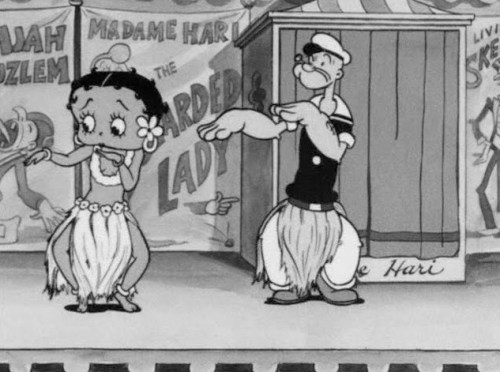
If you are as goofy and cartoon-obsessed as me, you may remember that Popeye the sailor was known for the catchphrase, “I yam what I yam”. And if you do remember that, it will not surprise you that, when told a yam is another name for sweet potato, Popeye was furious. “It cannot be!” he argued. “I would not say I sweet potato what I sweet potato! That’s ridicumess!”
Well he has a point.
But I would like to talk today about the things that I sweet potato, and why I sweet potato those things.
First of all, I yam a humorist.
I yam this thing not because I am funny. You may think I yam funny because I say really goofy things for no apparent reason, and then keep on talking long enough to convince you that I did have a point to make, but my brain leans so far to the left that I am hardly right about anything.
And I make bad puns a lot.
You see, I have to use humor constantly to deal with all the hard things in life, because being too serious in the face of the world’s basic uncaring cruelty only leads to depression and taking a beating from life. In fact, I can think of any number of situations in my past where I avoided a beating only because I made a joke that made the bully laugh.
So, being a humorist is a survival tactic. Humor keeps you alive.
You see someone like me has to face all the pain and heartache and cruelty the world has to offer by using humor. The real reason is that, when faced with a bad situation, if the humor gland can’t empty itself of all the jokes it produces, it will begin to swell. The humor gland is located either in the brain or maybe in the behind (I am not medically qualified to tell you which it really is), and it can only swell to a certain point, and then it will explode. This is very bad thing for you, if you survive it, and certainly unpleasant for anybody nearby.
But the joke, properly launched at the target, will make somebody laugh, even if it is only the humorist himself. And laughter is the best medicine. Unless it kills you. You have to be careful not to die laughing. The angels will be offended, and the demons will all laugh too.
But I yam not only a humorist. I yam also a teacher.
I began to realize that I might be a teacher when, in graduate school to get a remedial master’s degree to help with the fact that plain English majors all starve to death, I discovered I had a talent for explaining things in simple terms. And then, immediately afterwards, I discovered I had an even greater talent for being ignored while the people I was explaining to made the mistakes they wouldn’t have made if only they had listened to me, before they failed spectacularly, and then realized how the solution I had explained would’ve made them succeed instead. There is apparently no better way to learn an important lesson.
Teaching is, of course, a pretty cool job. You tend to have the summers off. And you get paid for summer because they split the amount of money you earn for the year (which considering what a babysitter makes on average per child and per hour is far too little for the hours you put in) into twelve monthly pittances.
Of course you are expected to have a university degree (although no teacher college in the world can teach you what you really need to know in order to face that many little monsters… err, darlings… every day) and preferably some grad school, and a certification to teach in your chosen subject, and an additional certification if you are going to teach more than one subject (and ESL and Speech and Journalism, all of which I was expected to teach, are separate certifications) and you have to take hours of additional training every single year, and you have to get re-certified every five years, and… Well, you have to be basically smarter and much better-educated than Bill Gates… But the school janitor will probably be making more money per month than you do.
Anyway, it’s a job you just gotta love. I yam a teacher.
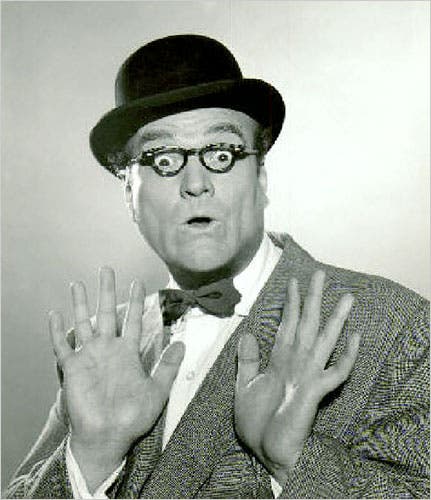
And really, there are a whole lotta yams in my basket yet that I could tell you about. I yam a Red Skelton fan. I yam sometimes a nudist (when I don’t have to put on clothes to keep myself from scratching all my psoriasis-plagued skin off). I yam also an artist (of the type known as a cartoonist). I yam pig-headed sometimes, and I yam Grumpy sometimes (so I go from being Porky to one of the Seven Dwarfs.) I yam a lotta things. And my sweet-potato basket is large.
But I can’t talk about all of my yams today. Too many yams are bad for my diabetes.
But here’s one last yam. I yam a storyteller. And I have a free Kindle e-book promotion this weekend. The book is the first in my series of AeroQuest books. It is a science fiction story with a humorous bent. And I mean, it is seriously bent in some places.
So, click on the link and get yourself a copy. It’s funny. And I will save the other sweet potatoes for another day.
Don’t get too excited. I searched every box, trunk, bag of tricks, safe, closet, and jelly bean jar that I have in my rusty old memory. I didn’t find much. In fact, the old saying is rather applicable, “The beginning of wisdom is recognizing just how much of a fool you really are.” The little pile of bottle caps and marshmallows that represent the sum total of my wisdom is infinitely tiny compared to the vast universe of things I will never know and never understand. I am a fool. I probably have no more wisdom than you do. But I have a different point of view. It comes from years worth of turning my ideas inside out, of wearing my mental underwear on the outside of my mental pants just to get a laugh, of stringing images and stupid-headed notions together in long pointless strings like this one.
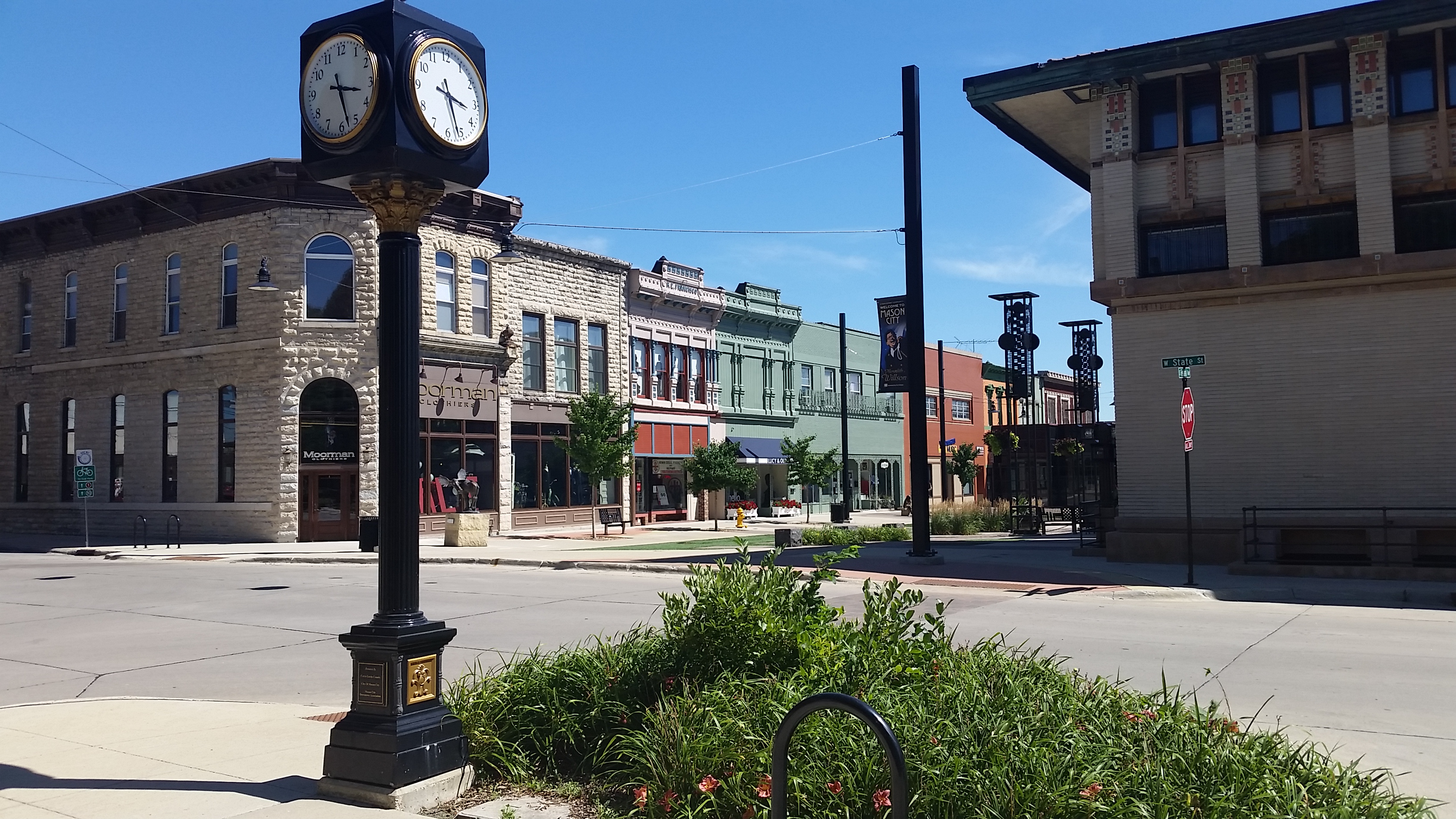
Mason City, Iowa… where I was born. River City in the musical “The Music Man“.
One thing I can say with certainty, nothing makes you understand “home”, the place you grew up in and think of as where you come from, better than leaving it and going somewhere else. Federal Avenue in Mason City looks nothing now like it did when I was a boy in the 1960’s going shopping downtown and spending hours in department stores waiting for the ten minutes at the end in the toy section you were promised for being good. You have to look at the places and people of your youth through the lenses of history and distance and context and knowing now what you didn’t know then.
Grandpa Aldrich’s farm in Iowa is now Mom and Dad’s house. It has been in the family for over 100 years, a Century Farm.
The only thing that stays the same is that everything changes. If I look back at the arc of my life, growing up in Iowa with crazy story-telling skills inherited from Grandpa Aldrich, to going to Iowa State “Cow College” and studying English, to going to University of Iowa for a remedial teaching degree because English majors can’t get jobs reading books, to teaching in distant South Texas more than a thousand miles away, to learning all the classroom cuss words in Spanish the hard way, by being called that, to moving to Dallas/Fort Worth to get fired from one teaching job and taking another that involved teaching English to non-English speakers, to retiring and spending time writing foolish reflections like this one because I am old and mostly home-bound with ill health. I have come a long way from childhood to second childhood.
If “what doesn’t kill you makes you stronger” is really true, I should be Superman now. I look like I’ve seen a lot of Kryptonite, don’t I?
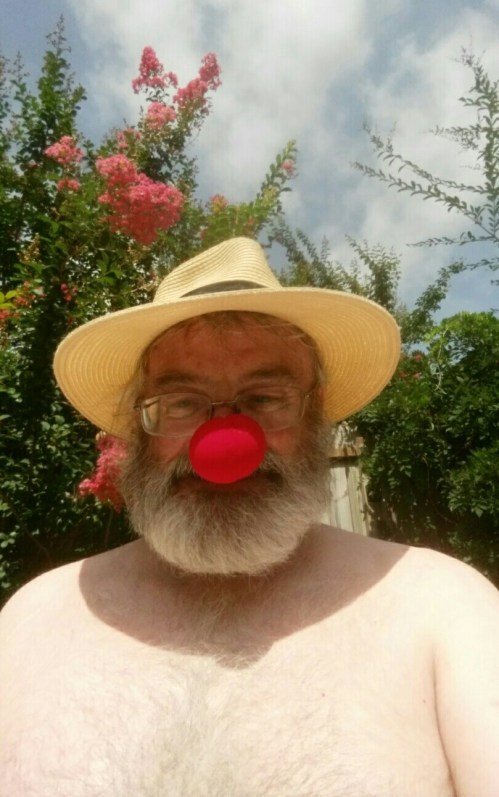
Six incurable diseases and being a cancer survivor since 1983 have left their marks upon me. Literally. Little pink bleedy spots all over me are the mark of psoriasis. The fuzzy-bad photo of me spares you some of the gory details. The point is, I guess, that life is both fleeting and fragile. If you never stop and think about what it all means then you are a fool. If you don’t try to understand it in terms of sentences and paragraphs with main ideas, you are an even bigger fool. You must write down the fruit of your examinations and ruminations. But if you reach a point that you are actually satisfied that you know what it all means, that makes you the biggest fool of all.
If I have any wisdom at all to share in this post about wisdom, it can be summed up like this;
Writing helps you with knowing, and knowing leads to wisdom. So take some time to write about what you know.
Writing every day makes you more coherent and easier to understand. Stringing pearls of wisdom into a necklace comes with practice.
Writing is worth doing. Everyone should do it. Even if you don’t think you can do it well.
You should read and understand other people’s wisdom too, as often as possible. You are not the only person in the world who knows stuff. And some of their stuff is better than your stuff.
The stuff you write can outlive you. So make the ghost of you that you leave behind as pretty as you can. Someone may love you for it. And you can never be sure who that someone will be.
So by now you are probably wondering, where is all that wisdom he promised us in the title? Look around carefully in this essay. If you don’t see it there, then you are probably right in thinking, just as I warned you about at the outset, “Gosh darn that Mickey! He is a really big fool.”
I read a lot of other people’s blogs for a lot of reasons. As an old writing teacher and retired Grammar Nazi, I love to see where writers are on the talent spectrum. I have read everything from the philosophy of Camus and Kant to the beginning writing of ESL kids who are illiterate in two languages. I view it like a vast flower garden of varied posies where even the weeds can be considered beautiful. And like rare species of flower, I notice that many of the best blossoms out there in the blogosphere are consistent with their coloring and patterns. In other words, they have a theme.
So, do I have an over-all theme for my blog? It isn’t purely poetical like some of the poetry blogs I like to read. I really only write comically bad poetry. It has photos in it, but it isn’t anything like some of the photography blogs I follow. They actually know how to photograph stuff and make it look perfect and pretty. It is not strictly an art blog. I do a lot of drawing and cartooning and inflict it upon you in this blog. But I am not a professional artist and can’t hold a candle to some of the painters and artists I follow and sometimes even post about. I enjoy calling Trump President Pumpkinhead, but I can’t say that my blog is a political humor blog, or that I am even passable as a humorous political commentator.
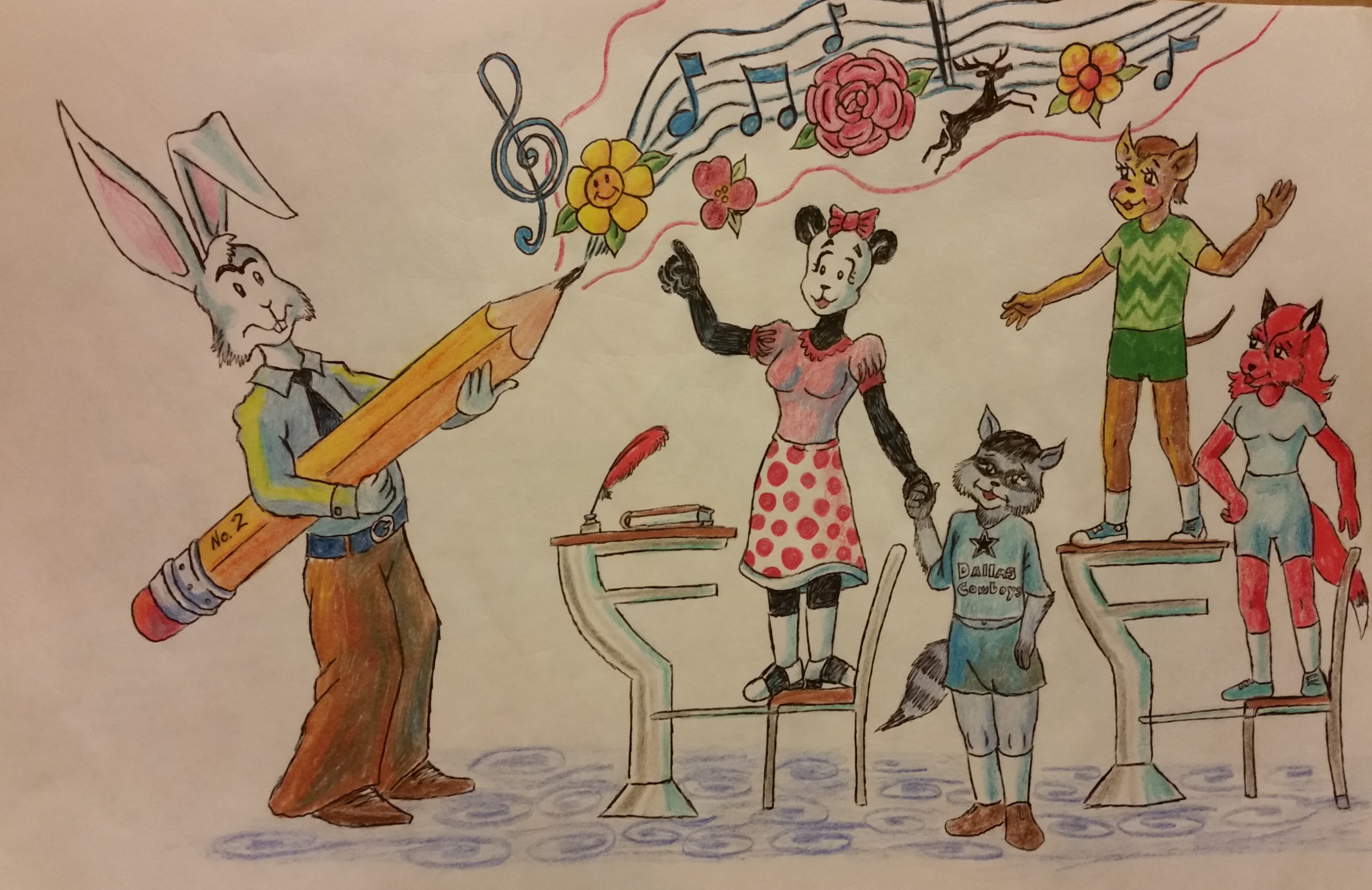
One thing that I can definitely say is that I was once a teacher. I was one of those organizers and explainers who stand in front of diverse groups of kids five days a week for six shows a day and try to make them understand a little something. Something wise. Something wonderful. Something new. Look at the video above if you haven’t already watched it. Not only does it give you a sense of the power of holding the big pencil, it teaches you something you probably didn’t realize before with so much more than mere words.
But can I say this is an education blog? No. It is far too silly and pointless to be that. If you want a real education blog, you have to look for someone like Diane Ravitch’s blog. Education is a more serious and sober topic than Mickey.
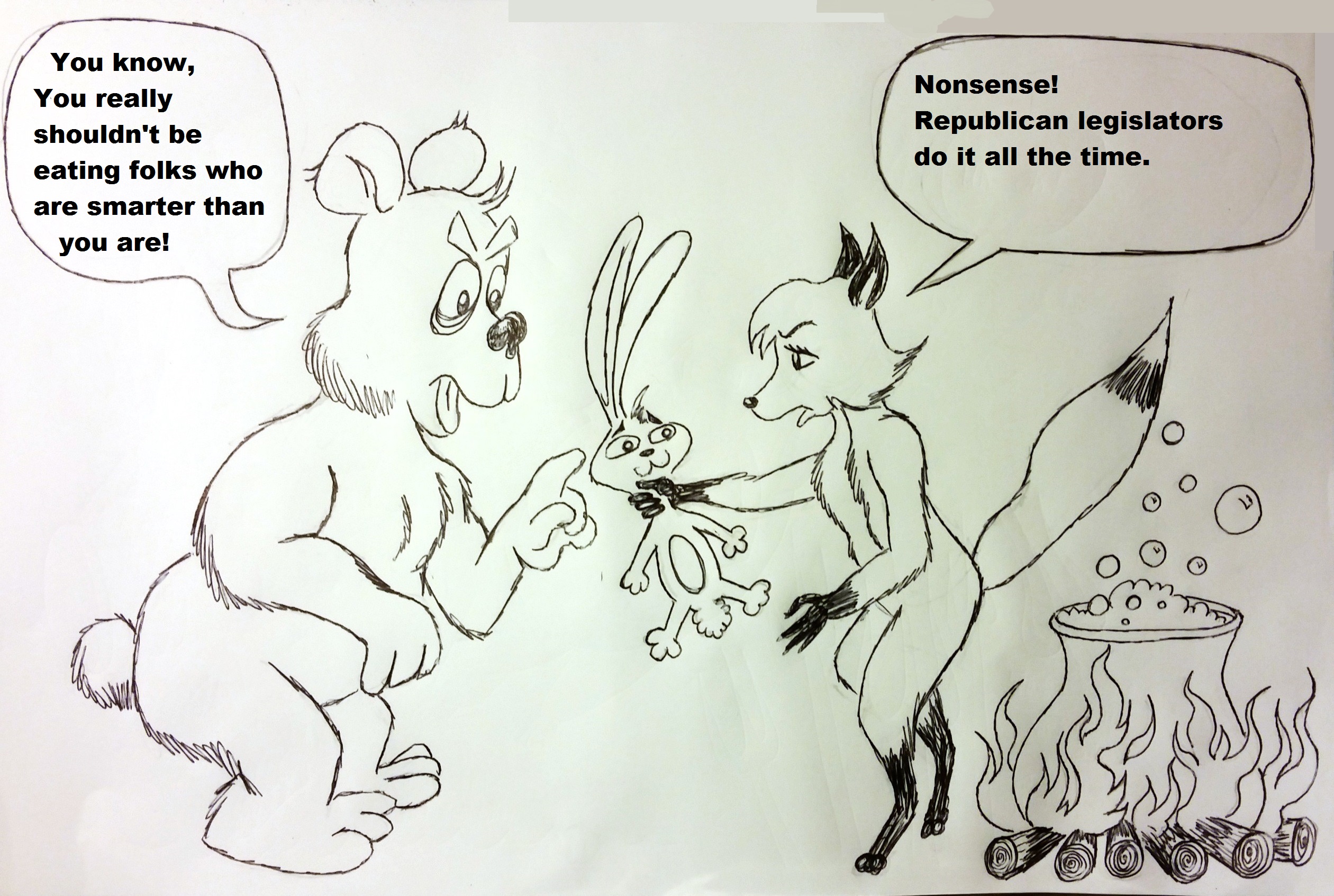
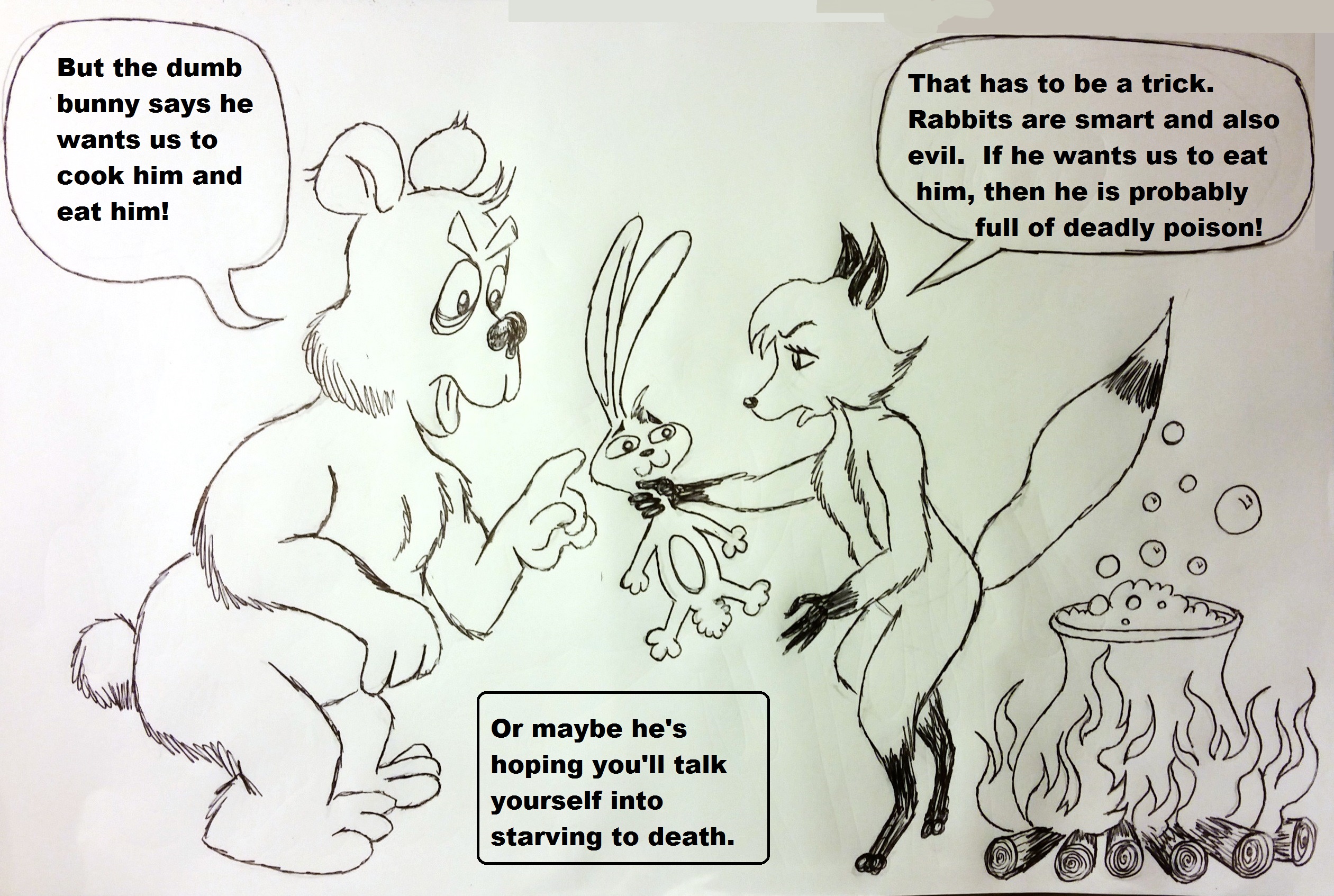
By the way, were you worried about the poor bunny in that first cartoon getting eaten by the fox and the bear? Well, maybe this point from that conversation can put your mind at ease.
Mickey is tricky and gets good mileage out of his cartoons.
You may have gotten the idea that I like Bobby McFerrin by this point in my post. It is true. Pure genius and raw creative talent fascinate me. Is that the end point of my journey to an answer about what the heck this blog is about? Perhaps. As good an answer as any. But I think the question is still open for debate. It is the journey from thought through many thoughts to theme that make it all fun. And I don’t anticipate that journey actually ending anytime soon.
I have always contended that I don’t have writer’s block. But some days, especially if I am not feeling well, I have writer’s lethargy. I can be slow to come up with the next thing. Writing can become bogged down and I am easily distracted or lose focus and have to return to what I was trying to do previously.
There is evidence that I have often had that kind of problem frequently on this blog. One thing I do to overcome writer’s lethargy is suddenly start thinking about how you can overcome writer’s block. What are the strategies that help me overcome it?
I often resort to “kickstart statements.” These are surprising or deep-left-field items that give the old brain a shot of adrenaline. The picture of the girl with the message blackboard is that kind of kickstarter. I never could have used that thing in any kind of social-media post when I was still employed as a teacher. It has the potential to generate parent complaints and administrative thoughts about evaluations and contract cancellations. But there really are kids who have thoughts like that in your classroom, and I know because not only was I a kid like that myself, I used it as an optional journal topic for writing practice, and, boy! do they ever catch fire when they can write about something like that and they know only the teacher is ever going to read it. It is the way I learned how many of my students had ever been to a nude beach in Corpus Christi or Lake Travis (Hippy Hollow.)
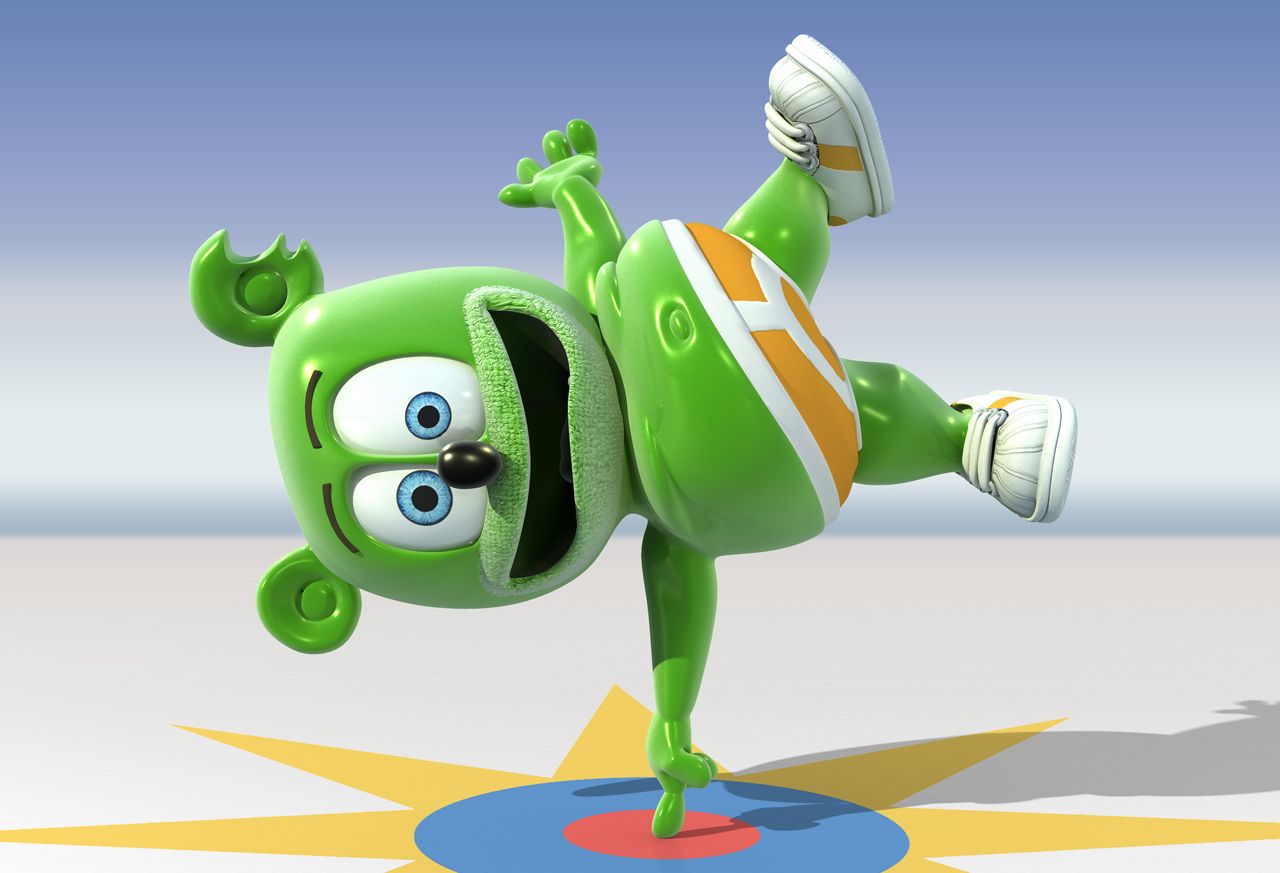
I can also look around the room, or scroll through my media library on WordPress and find an image or an item that generates ideas, responses, and even stories. I scrolled through to find this image of the Gummi Bear, who was a brief internet sensation on YouTube a few years ago coming from German CGI cartoons that illustrated earworm music with dancing green gummy bears. There’s a lot a goofy writer like me can run away with inspired by a nonsense thing like that.
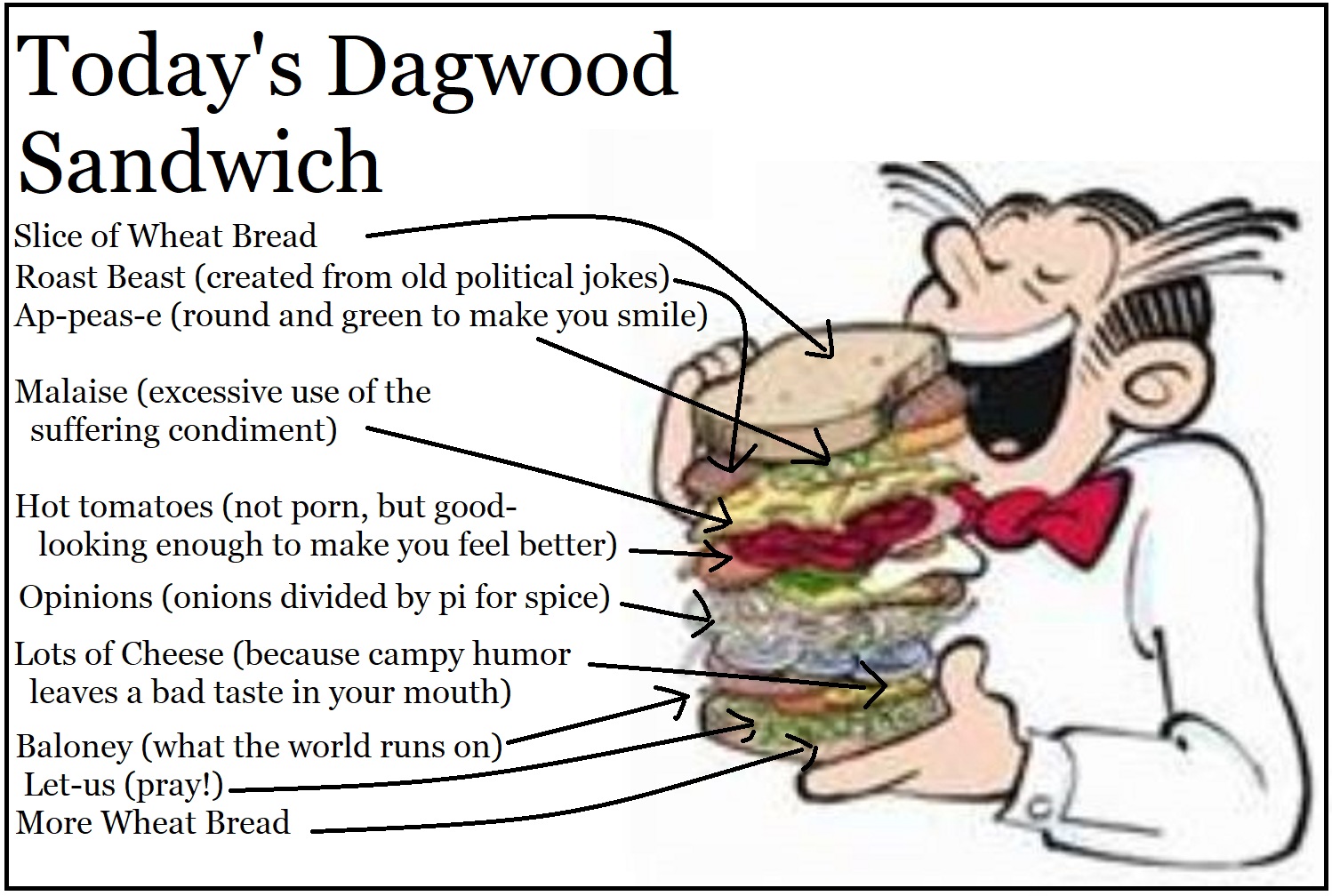
It is also possible to generate new ideas by deconstructing a metaphor in as humorous and convoluted a way as possible. This word-food thing is the result of writer’s lethargy of a while back.
Of course, there is always the ranting factor. This, I think, is a go-to method used by stand-up comedians. They will pick something that is deeply bugging them, like the rats that inhabit my attic and walls during a winter that hasn’t yet completely gone. And they start listing all the ways they can make funny stories about the time the rat appeared on the bathroom floor tiles while my daughter was on the toilet, or the time the dog killed a rat that was in the trap already, but not dead enough not to bite back with the dog’s nose conveniently within the reach of rat teeth. And then they can rant onward about how disgusting rats are. And how can anyone look at a rat face and think they are cute? You look at that evil, beady-eyed face and you don’t think Mickey Mouse, you think plague, disease, the Black Death, and how much the Bank of America lawyer who sued you looks just like that.
So, you can see that generating ideas is easy. And you can write something interesting even on days when you can’t think of anything … quickly. When you have, not writer’s block, but writer’s lethargy.
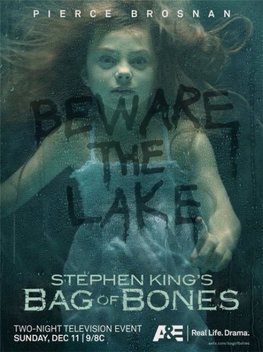
This is not a book review. I did finish reading this book in a 3-hour-end-of-the-book reading orgy, spending an hour last night, and two more early in the morning before the rest of my family was awake.
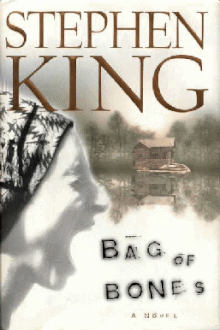
This is certainly not a book review. But I did read a Stephen King book, 1998’s Bag of Bones, which I picked up from the dollar sale shelves at Half Price Books. And I did love the story.
………………………………………………………………………This is not a book review. Instead, I want to talk about what a novelist can learn and reflect on by meta-cogitating over what this book reveals about King’s work habits and style and author’s voice.
Mike Noonan, the protagonist, is a novelist who writes books that routinely land in the numbers 10 through 15 slots in the New York Times Bestseller List. Obviously, this first-person narrative is coming directly out of King’s own writing experience. But, remember, this is not a book review. I am discussing what I have learned about how King puts a story together.
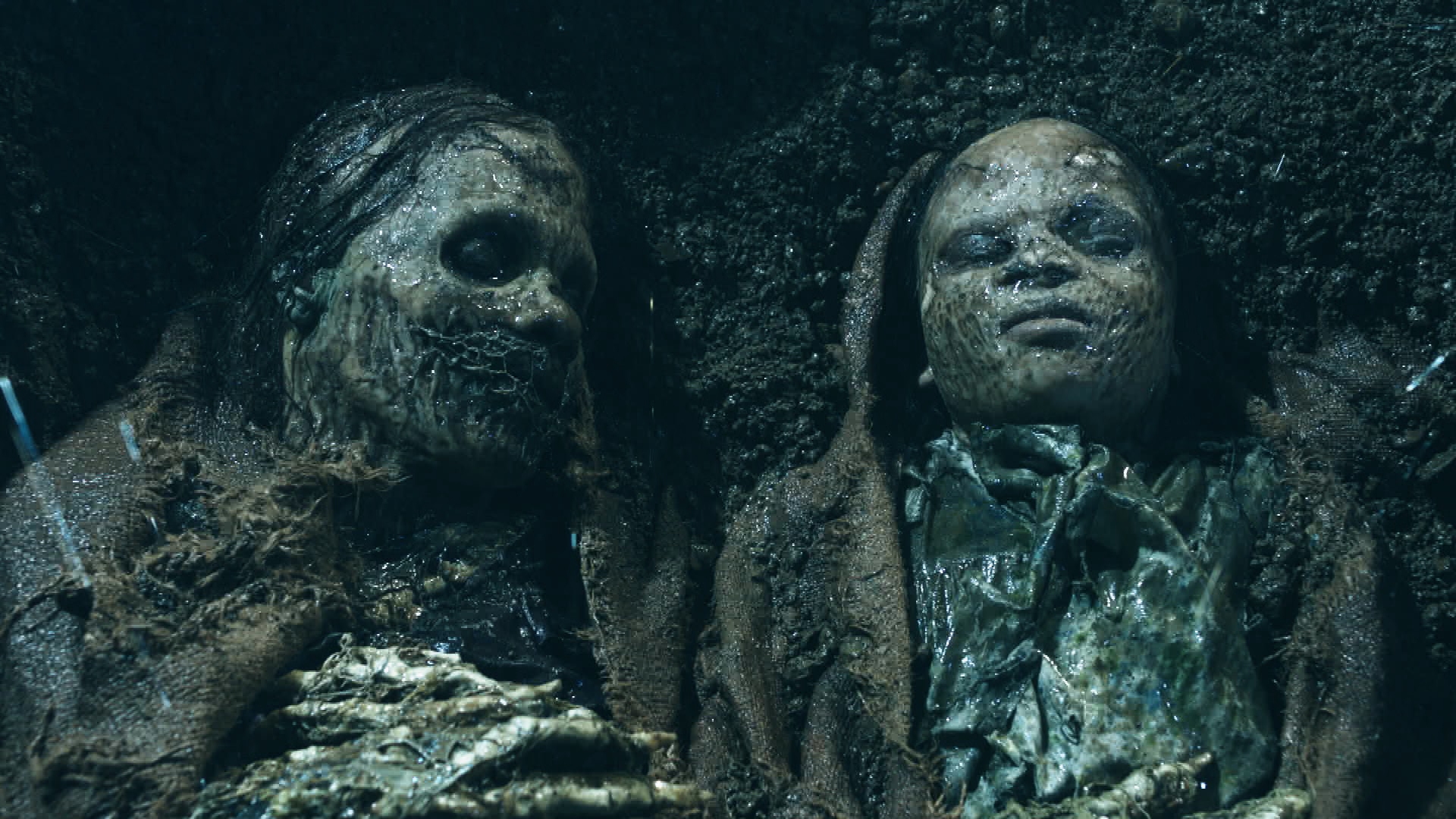
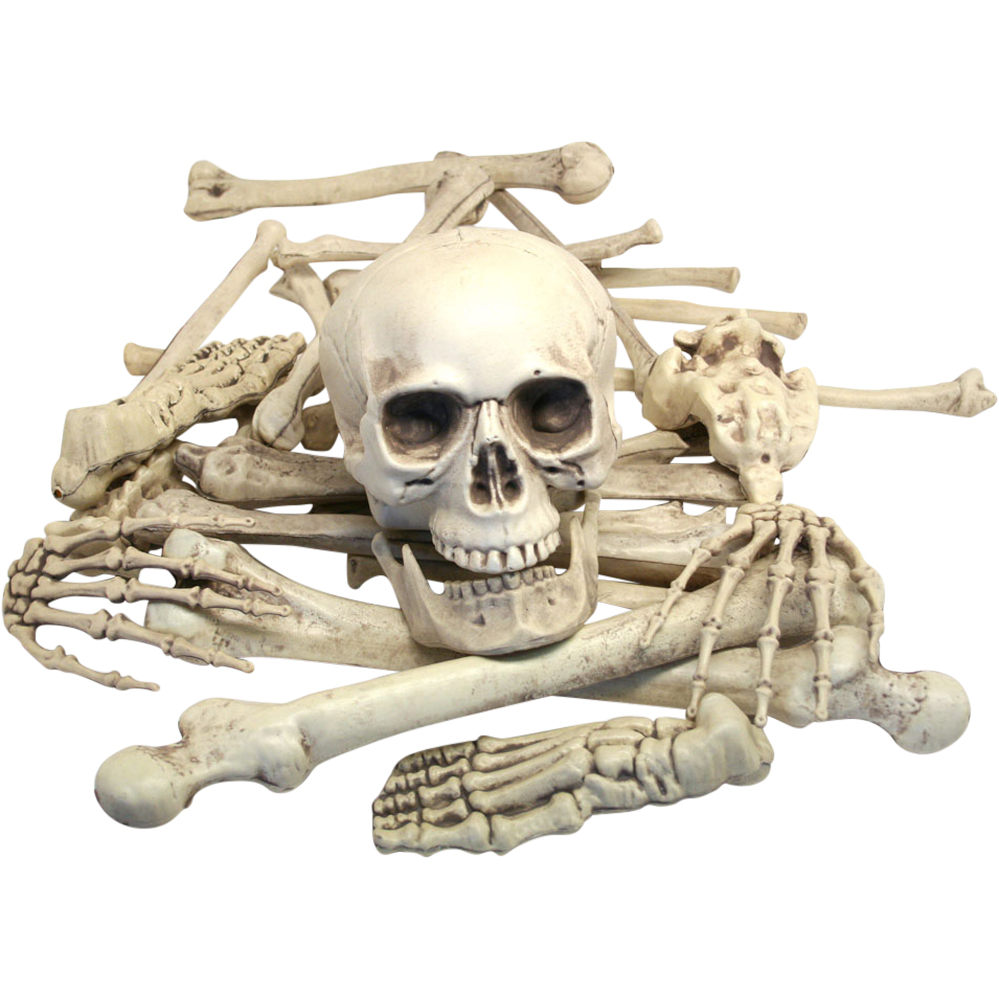
King sets a back-story for this novel that digs deep into the geographica and historica of the city in Maine where the story is set. The literal bag of bones revealed in the book’s climax is almost a hundred years old. And he takes a compellingly realistic tour back in time to the turn of the Twentieth Century more than once to reveal who the undead characters are and why they do what they do. One thing that makes a writer, a novelist, truly solid is his ability to set the scene, to grow the story out of the background in the most organic and realistic way possible. But this is not a book review. I am saying that King always does this with his books. And if you wish to write at that level, you must do that too. I know I am sincerely trying.
At the end of the story, he clearly tells the reader that he learned from Thomas Hardy that “the most brilliantly drawn character in a novel is but a bag of bones”. So, he is definitely aware that a character is a construct that has to be crafted from raw materials. It takes a master craftsman to build one with the right words to make it live and breathe on the page. He does it masterfully in this book with several characters. The protagonist, the beautiful young love interest, the love interest’s charming three-year-old daughter who is nearly slain in a horrific manner at the end of the book… The living villain is a well-crafted bag of bones, as is the ghost, the actual bag of bones in the story. But this is not a book review. Most of his books, at least the ones I have read, have the same sort of masterful characters.
There is so much more to be learned about novel writing from this book. He literally shows you how ideas are captured, how they are developed into stories, how you overcome “writer’s block”, and Noonan’s book he is writing within this book is even used as an example of how to poetically advance the plot. But this is not a book review. You should read this book. It is a very good and scary piece of work. But you should read it because it shows us how to write and do it like a master.
Nobody who wants to be a writer gets by with just writing and never reading anything by anybody else. It is too easy to devolve into some kind of human mushroom that way, thinking only thoughts a mushroom could think, all fungus-like and having no chlorophyll of their own. You never learn to decode other people and other people’s thinking if you don’t read other people’s thoughts crystallized in writing.
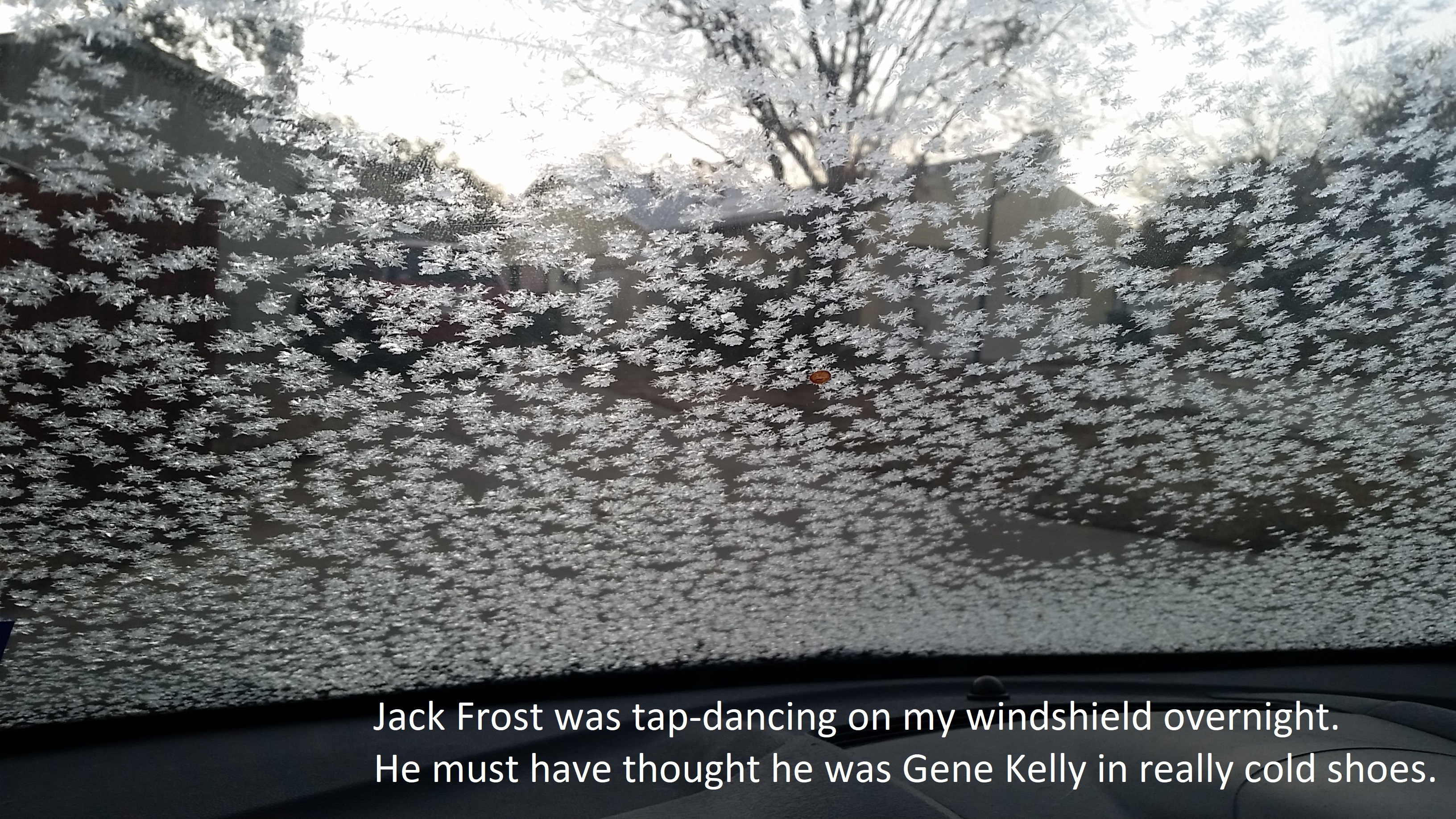
And not every other writer is Robert Frost. Or even Jack Frost who thinks he’s Gene Kelly. There has to be some interpretation, some digging for understanding. What did that writer mean when she said political correctness was like a tongue disease? And what does it mean when a commenting troll calls me a nekkid poofter? Is that how he spells “exceptional genius”? I think it is. Trolls are not smart.
I know people have to make an effort to understand me. When I write, I am writing under the delusion that I can produce literary quality off the top of my head. In fact, I can barely produce hair off the top of my head, and it is gray when I do it. See what I did there? It is the kind of joke a surrealist makes, pretending the idiomatic expression you use is to be taken literally when it doesn’t literally make sense. That kind of nonsense is what my readers have to put up with, and probably also the reason why most of them just look at the pictures. If you have to think too hard when you read, your brain could over-heat and your hair could catch fire. I like that kind of purple paisley prose that folds back in on itself and makes you think in curlicues. But most people don’t. Most people don’t have fire-proof hair like I do.
Of course, there is the opposite problem too. Some writers are not hard to understand at all. They only use simple sentences. They only use ideas that lots of other people have used before. You don’t have to think about what they write. You only need to react. They are the reasons that words like “trite”, “hackneyed”, “boring”, and “cliche” exist in English. But simple, boring writing isn’t written by stupid people. Hemingway is like that. Pared down to the basics. No frills. Yet able to yield complex thoughts, insights, and relationships.
Sometimes, it doesn’t even take a word to make the point. For instance, why, in the picture, is Fluttershy trying to drink out of the toilet in the dollhouse bathroom? For that matter, why does a doll house even need a bathroom? Applejack doesn’t even fit in that yellow bathtub. I know. I tried to stuff her in there for this picture. And, as you read this, doesn’t this paragraph tell you a lot about me that you probably didn’t even want to know?
When I am reading the writing of others, I am looking for a cornucopia of things. I want to not only understand their ideas, I want to detect the limping footprints across the murder scene of their paragraphs and come to know the deeper things about them as well. I spent years decoding and trying to understand the writing of preliterate kids in my middle school English classes in order to be able to teach them to write better. And I learned that no writer is a bad writer as long as they are using readable words. I also learned that very few writers are James Joyce or Marcel Proust. Thank God for that! And given enough time I can read anything by anybody and learn something from it. I read a lot. And it may not always make me a better writer to read it, but it always has value. It is always worth doing.








 Of course, there is the opposite problem too. Some writers are not hard to understand at all. They only use simple sentences. They only use ideas that lots of other people have used before. You don’t have to think about what they write. You only need to react. They are the reasons that words like “trite”, “hackneyed”, “boring”, and “cliche” exist in English. But simple, boring writing isn’t written by stupid people. Hemingway is like that. Pared down to the basics. No frills. Yet able to yield complex thoughts, insights, and relationships.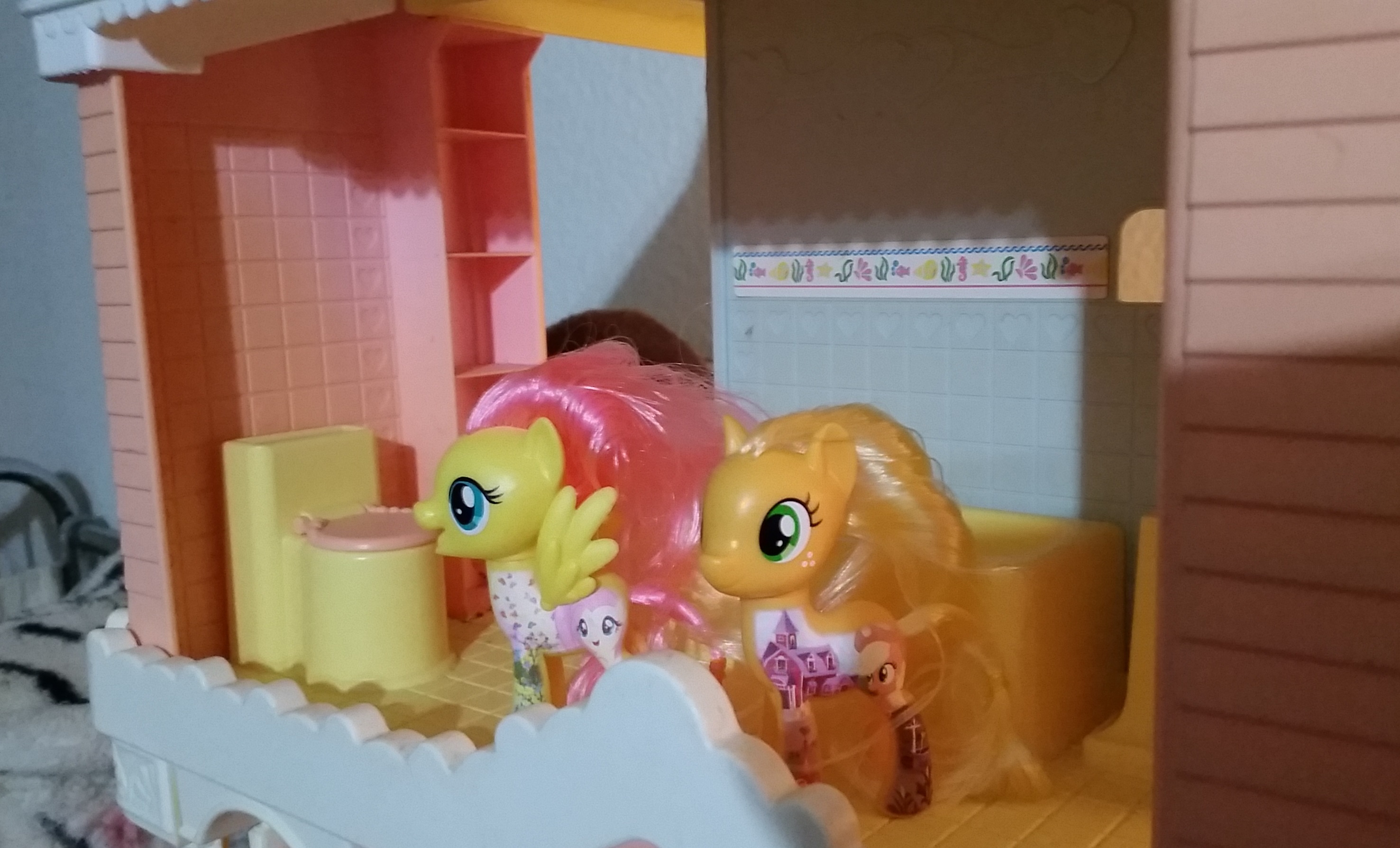
 Catch a Falling Star
How To Write A Mickian Essay
I know the last thing you would ever consider doing is to take up writing essays like these. What kind of a moronic bingo-boingo clown wants to take everything he or she knows, put it in a high-speed blender and turn it all into idea milkshakes?
But I was a writing teacher for many years. And now, being retired and having no students to yell at when my blood pressure gets high, the urge to teach it again is overwhelming.
So, here goes…
Once you have picked the silly, pointless, or semi-obnoxious idea you want to shape the essay around, you have to write a lead. A lead is the attention-grabbing device or booby-trap for readers that will draw them into your essay. In a Mickian essay, whose purpose is to entertain, or possibly bore you in a mildly amusing manner, or cause you enough brain damage to make you want to send me money (this last possibility never seems to work, but I thought I’d throw it in there just in case), the lead is usually a “surpriser”, something so amazingly dumb or off-the-wall crazy that you just have to read, at least a little bit, to find out if this writer is really that insane or what. The rest of the intro paragraph that is not part of the lead may be used to draw things together to suggest the essay is not simply a chaotic mass of silly words in random order. It can point the reader down the jungle path that he or she can take to come out of the other end of the essay alive.
Once started on this insane quest to build an essay that will strangle the senses and mix up the mind of the reader, you have to carry out the plan in three or four body paragraphs. This is where you have to use those bricks of brainiac bull-puckie that you have saved up to be the concrete details in the framework of the main rooms of the little idea-house you are constructing. If you were to number or label these main rooms, this one you are reading now would, for example, be Room #2, or B, or “the second body paragraph”. And as you read this paragraph, you should be thinking in the voice of your favorite English teacher of all time. The three main rooms in this example idea house are beginning, middle, and end. You could also call them introduction, body, and conclusion. These are the rooms of your idea house that the reader will live in during his or her brief stay (assuming they don’t run out of the house screaming after seeing the clutter in the entryway).
The last thing you have to do is the concluding paragraph. (Of course, you have to realize that we are not actually there yet in this essay. This is Room C in the smelly chickenhouse of this essay, the third body paragraph.) The escape hatch on the essay that may potentially explode into fireworks of thoughts, daydreams, or plans for something better to do with your life than a read an essay written by an insane former middle school English teacher at any moment, is a necessary part of the whole process. This is where you have to remind them of what the essay is basically about, and leave them with the thought that you want to haunt them in their nightmares later. The last thing that you say in the essay is the thing they are the most likely to remember. So you need to save the best for last.
So, here, finally, is the exit door to this masterfully mixed-up Mickian Essay. It is a simple, and straightforward structure. The introduction containing the lead is followed by three or four body paragraphs that develop the idea and end in a conclusion that summarizes or simply restates the overall main idea. And now you know why all of my former students either know how to construct an essay, or have several years left in therapy sessions with a psychiatrist.
Leave a comment
Filed under commentary, education, humor, Paffooney, teaching, writing, writing teacher
Tagged as education, essay, essay writing, essays, foolish ideas, How to write an essay, humor, memoir, Mickian essays, teaching writing, teaching writing with humor, writing