
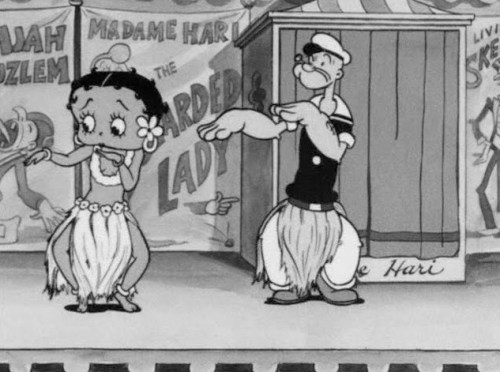
If you are as goofy and cartoon-obsessed as me, you may remember that Popeye the sailor was known for the catchphrase, “I yam what I yam”. And if you do remember that, it will not surprise you that, when told a yam is another name for sweet potato, Popeye was furious. “It cannot be!” he argued. “I would not say I sweet potato what I sweet potato! That’s ridicumess!”
Well he has a point.
But I would like to talk today about the things that I sweet potato, and why I sweet potato those things.
First of all, I yam a humorist.

I yam this thing not because I am funny. You may think I yam funny because I say really goofy things for no apparent reason, and then keep on talking long enough to convince you that I did have a point to make, but my brain leans so far to the left that I am hardly right about anything.
And I make bad puns a lot.
You see, I have to use humor constantly to deal with all the hard things in life, because being too serious in the face of the world’s basic uncaring cruelty only leads to depression and taking a beating from life. In fact, I can think of any number of situations in my past where I avoided a beating only because I made a joke that made the bully laugh.
So, being a humorist is a survival tactic. Humor keeps you alive.
You see someone like me has to face all the pain and heartache and cruelty the world has to offer by using humor. The real reason is that, when faced with a bad situation, if the humor gland can’t empty itself of all the jokes it produces, it will begin to swell. The humor gland is located either in the brain or maybe in the behind (I am not medically qualified to tell you which it really is), and it can only swell to a certain point, and then it will explode. This is very bad thing for you, if you survive it, and certainly unpleasant for anybody nearby.
But the joke, properly launched at the target, will make somebody laugh, even if it is only the humorist himself. And laughter is the best medicine. Unless it kills you. You have to be careful not to die laughing. The angels will be offended, and the demons will all laugh too.
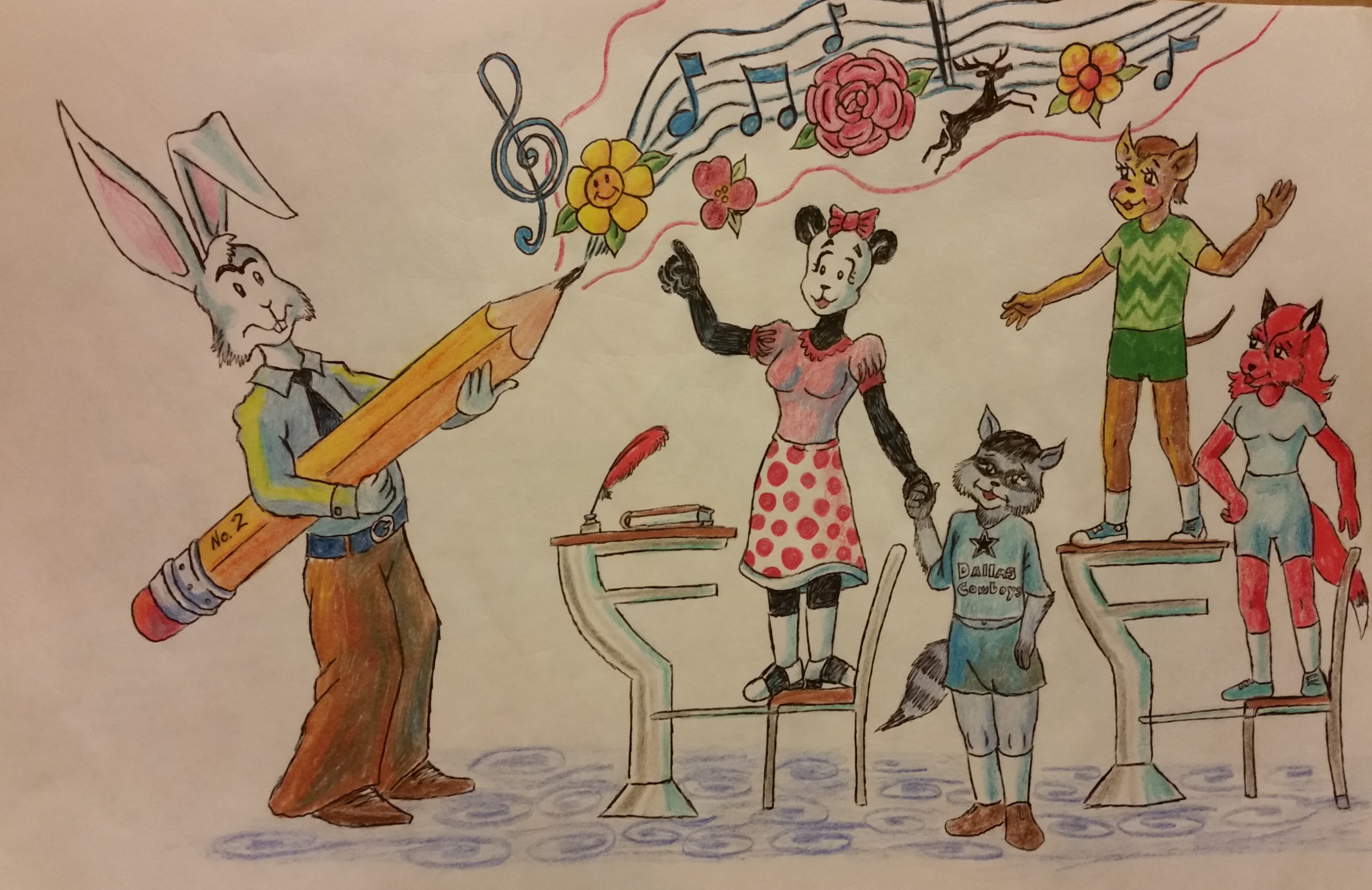
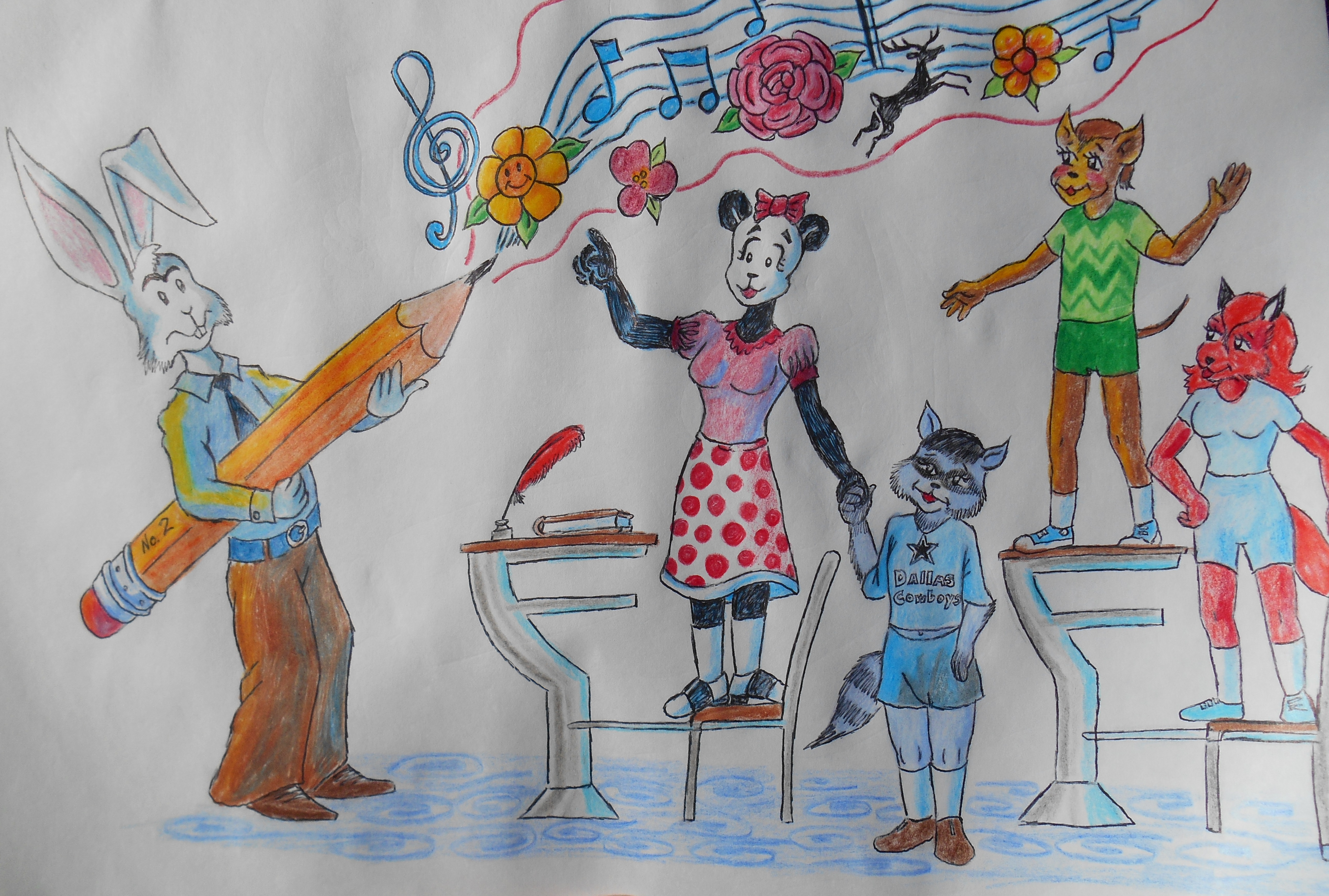
But I yam not only a humorist. I yam also a teacher.

I began to realize that I might be a teacher when, in graduate school to get a remedial master’s degree to help with the fact that plain English majors all starve to death, I discovered I had a talent for explaining things in simple terms. And then, immediately afterwards, I discovered I had an even greater talent for being ignored while the people I was explaining to made the mistakes they wouldn’t have made if only they had listened to me, before they failed spectacularly, and then realized how the solution I had explained would’ve made them succeed instead. There is apparently no better way to learn an important lesson.

Teaching is, of course, a pretty cool job. You tend to have the summers off. And you get paid for summer because they split the amount of money you earn for the year (which considering what a babysitter makes on average per child and per hour is far too little for the hours you put in) into twelve monthly pittances.
Of course you are expected to have a university degree (although no teacher college in the world can teach you what you really need to know in order to face that many little monsters… err, darlings… every day) and preferably some grad school, and a certification to teach in your chosen subject, and an additional certification if you are going to teach more than one subject (and ESL and Speech and Journalism, all of which I was expected to teach, are separate certifications) and you have to take hours of additional training every single year, and you have to get re-certified every five years, and… Well, you have to be basically smarter and much better-educated than Bill Gates… But the school janitor will probably be making more money per month than you do.
Anyway, it’s a job you just gotta love. I yam a teacher.
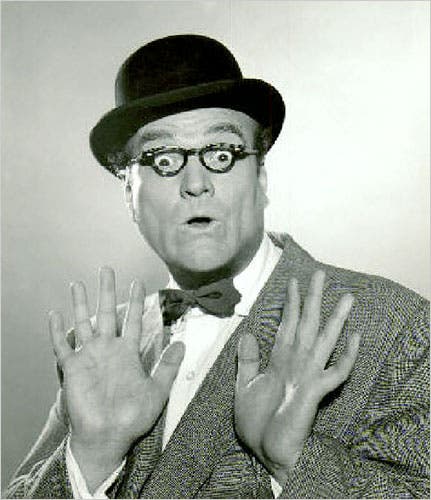
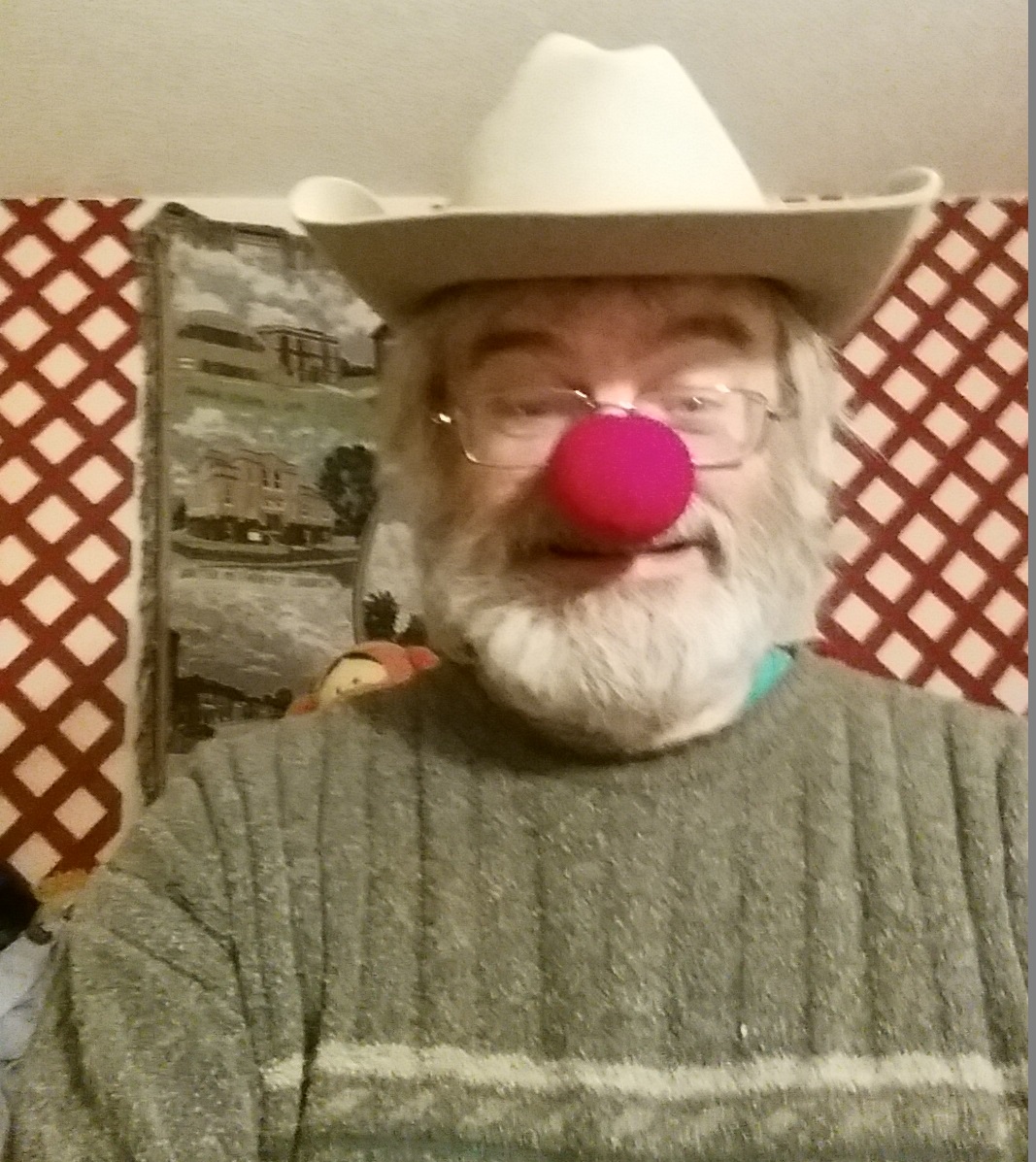
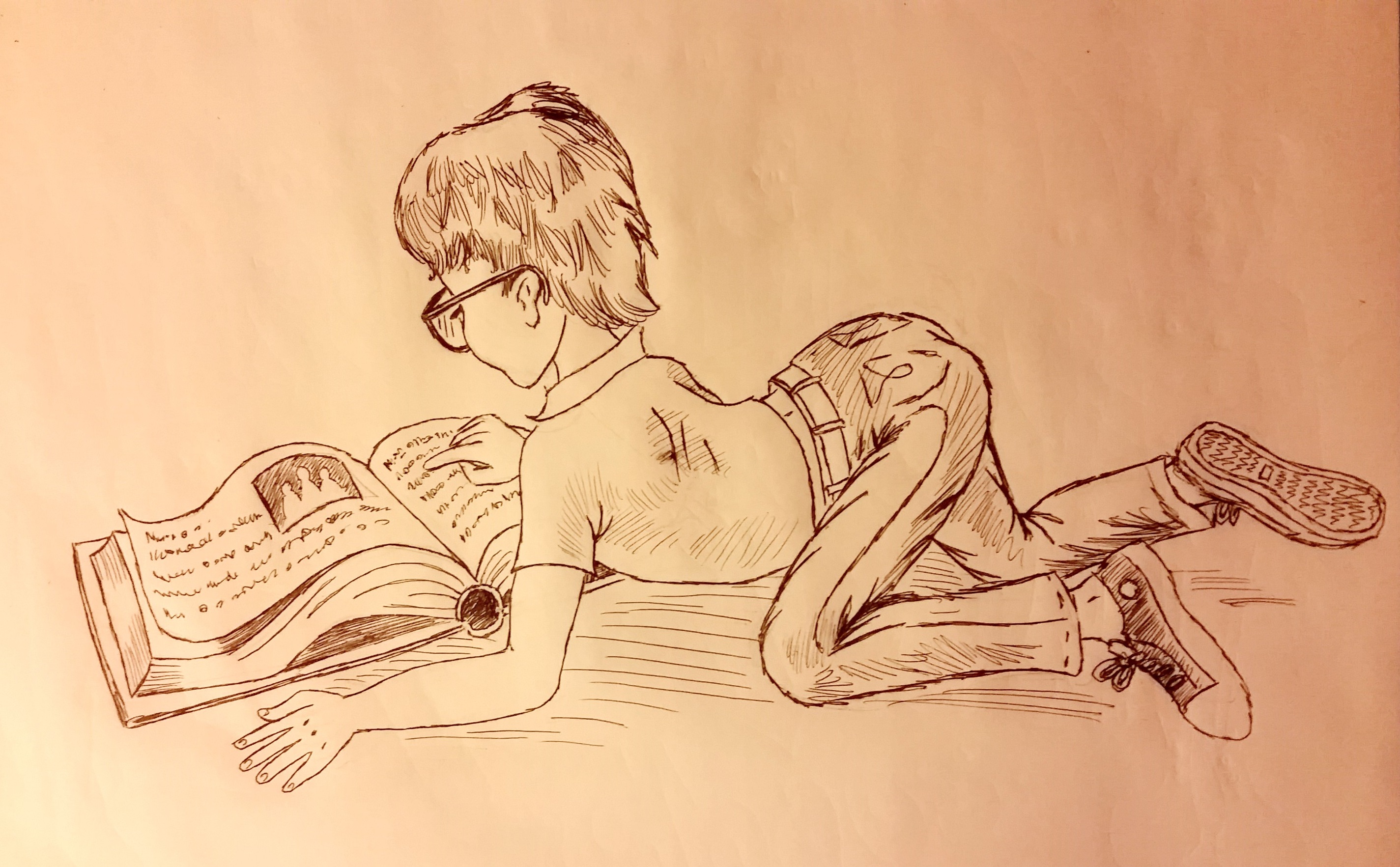
And really, there are a whole lotta yams in my basket yet that I could tell you about. I yam a Red Skelton fan. I yam sometimes a nudist (when I don’t have to put on clothes to keep myself from scratching all my psoriasis-plagued skin off). I yam also an artist (of the type known as a cartoonist). I yam pig-headed sometimes, and I yam Grumpy sometimes (so I go from being Porky to one of the Seven Dwarfs.) I yam a lotta things. And my sweet-potato basket is large.
But I can’t talk about all of my yams today. Too many yams are bad for my diabetes.
But here’s one last yam. I yam a storyteller. And I have a free Kindle e-book promotion this weekend. The book is the first in my series of AeroQuest books. It is a science fiction story with a humorous bent. And I mean, it is seriously bent in some places.
So, click on the link and get yourself a copy. It’s funny. And I will save the other sweet potatoes for another day.













Reading Other Writers
Nobody who wants to be a writer gets by with just writing and never reading anything by anybody else. It is too easy to devolve into some kind of human mushroom that way, thinking only thoughts a mushroom could think, all fungus-like and having no chlorophyll of their own. You never learn to decode other people and other people’s thinking if you don’t read other people’s thoughts crystallized in writing.
And not every other writer is Robert Frost. Or even Jack Frost who thinks he’s Gene Kelly. There has to be some interpretation, some digging for understanding. What did that writer mean when she said political correctness was like a tongue disease? And what does it mean when a commenting troll calls me a nekkid poofter? Is that how he spells “exceptional genius”? I think it is. Trolls are not smart.
I know people have to make an effort to understand me. When I write, I am writing under the delusion that I can produce literary quality off the top of my head. In fact, I can barely produce hair off the top of my head, and it is gray when I do it. See what I did there? It is the kind of joke a surrealist makes, pretending the idiomatic expression you use is to be taken literally when it doesn’t literally make sense. That kind of nonsense is what my readers have to put up with, and probably also the reason why most of them just look at the pictures. If you have to think too hard when you read, your brain could over-heat and your hair could catch fire. I like that kind of purple paisley prose that folds back in on itself and makes you think in curlicues. But most people don’t. Most people don’t have fire-proof hair like I do.
Sometimes, it doesn’t even take a word to make the point. For instance, why, in the picture, is Fluttershy trying to drink out of the toilet in the dollhouse bathroom? For that matter, why does a doll house even need a bathroom? Applejack doesn’t even fit in that yellow bathtub. I know. I tried to stuff her in there for this picture. And, as you read this, doesn’t this paragraph tell you a lot about me that you probably didn’t even want to know?
When I am reading the writing of others, I am looking for a cornucopia of things. I want to not only understand their ideas, I want to detect the limping footprints across the murder scene of their paragraphs and come to know the deeper things about them as well. I spent years decoding and trying to understand the writing of preliterate kids in my middle school English classes in order to be able to teach them to write better. And I learned that no writer is a bad writer as long as they are using readable words. I also learned that very few writers are James Joyce or Marcel Proust. Thank God for that! And given enough time I can read anything by anybody and learn something from it. I read a lot. And it may not always make me a better writer to read it, but it always has value. It is always worth doing.
1 Comment
Filed under commentary, education, goofy thoughts, humor, irony, photo paffoonies, photos, reading, strange and wonderful ideas about life, surrealism, teaching, wordplay, writing, writing teacher
Tagged as creative-writing, reading for writing, writing, writing advice, writing-community, writing-tips