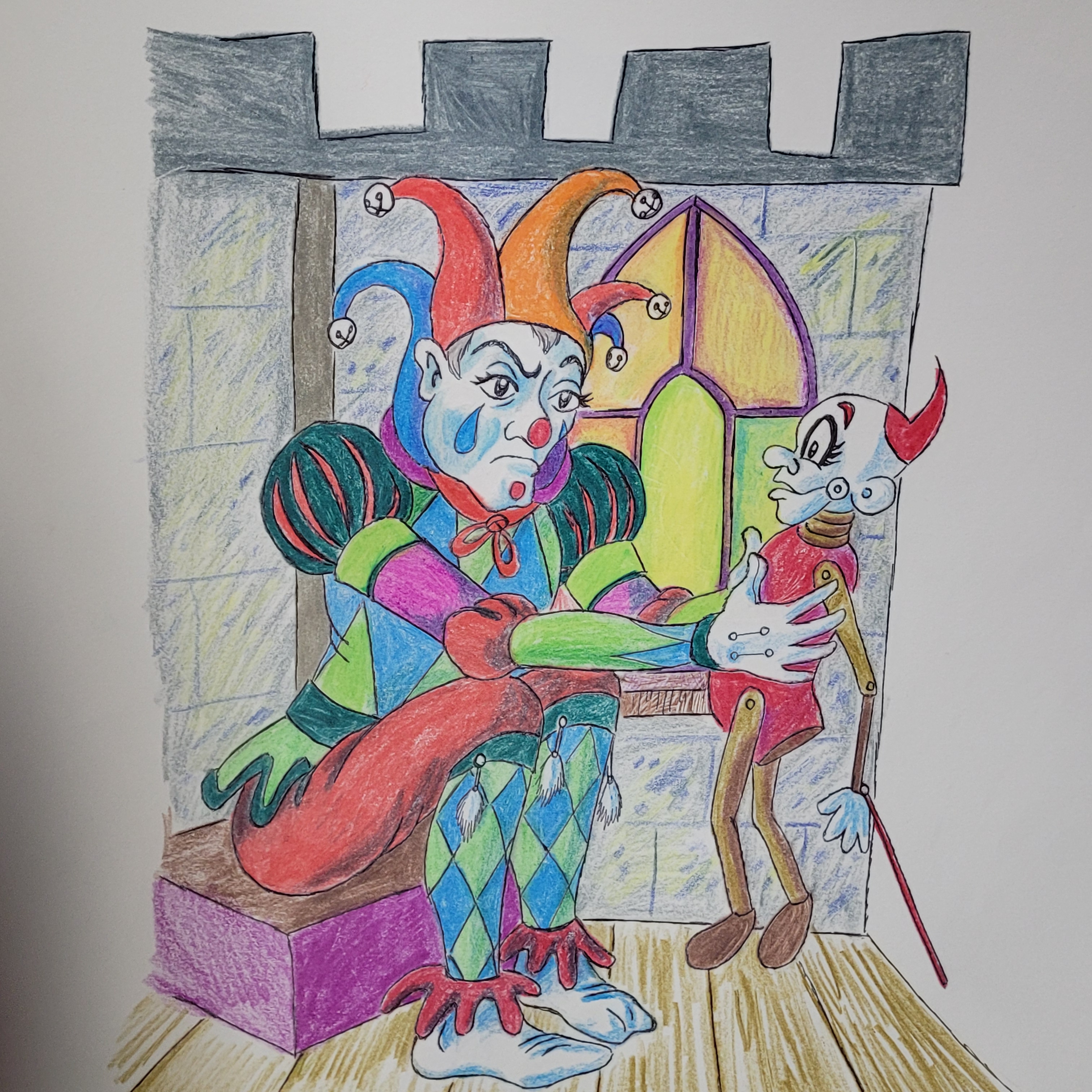
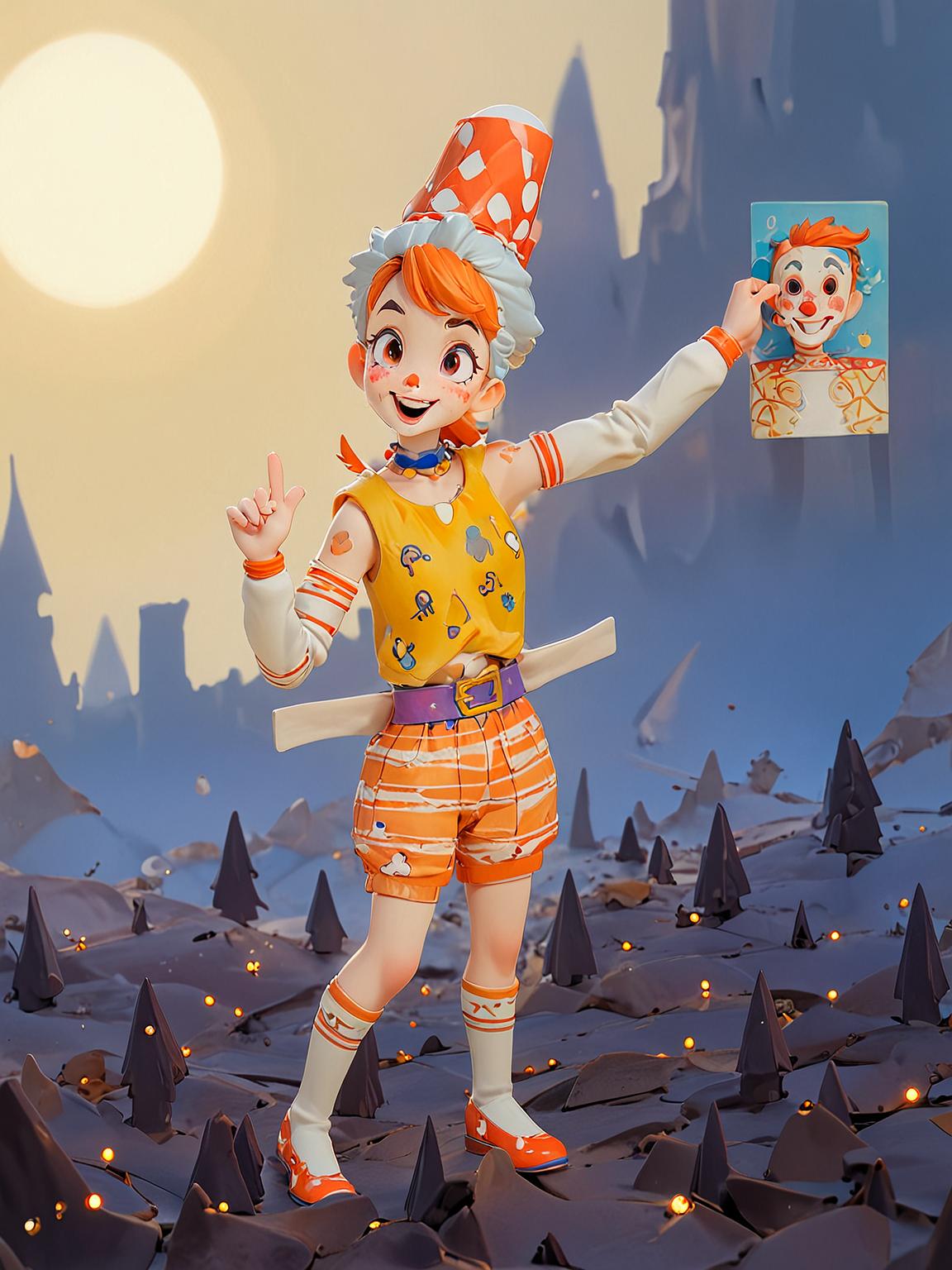
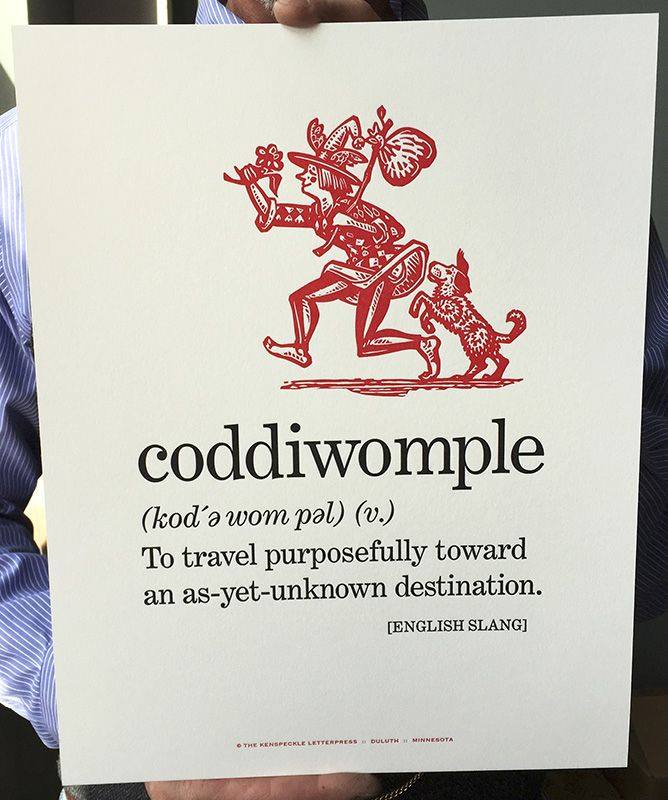
Yes I will continue to coddiwomple for a while. On my birthday in November of 2014, after retiring in May, I decided I would do a blog post every single day for at least a year. Now, eleven years and ten months later, I am still posting every single day that I possibly can. I think that I shall continue for a while because there are real benefits to doing so.
It keeps my seriously old and worn-out brain active, chugging along even though it is held together with mental duct tape.
It challenges my ability to come up with new ideas. I admit, sometimes I sit down to write a post with nothing in my head but random snippets of music and empty space. Yet, I have managed to increasingly create bizarre and exotic thought-artifacts at an increasingly volatile pace. Perhaps soon the ideas reach critical mass, and my writing goes boom like a series of fireworks.
It has increased my visibility on WordPress and the reach of my writing through social media.
It has taught me how much I hate Twitter. People tweeting in a rage at each other makes the world a birdhouse full of angry birds.
It has also taught me to edit carefully and quickly because my writing time is theoretically limited, as is my target word count.
And I have learned that some days I need to do a simple and easy post like this to give my mind-muscles a chance to rest and grow. Frequently, I get by through reposting old posts. I have a number of them that I really like.
So I will continue to post on WordPress, putting up pusillanimous Paffoonies to treat and entertain you. (Yes, I know that “pusillanimous” means timid. But the root words mean “small mind”, and my mind is nothing if not small. And I also needed a multi-syllabic p-word to make the alliteration sound funnier.)
Johann Sebastian Bach may or may not have written his organ masterpiece, Toccata and Fugue in D Minor in 1704. All we know for sure is that the combined efforts of Johannes Ringk, who saved it in manuscript form in the 1830’s, and Felix Mendelssohn who performed it and made it a hit you could dance to during the Bach Revival in 1840 made it possible to still hear its sublime music today. Okay, maybe not dance to exactly… But without the two of them, the piece might have been lost to us in obscurity.
The Toccata part is a composition that uses fast fingerings and a sprightly beat to make happy hippie type music that is really quite trippy. The Fugue part (pronounced Fyoog, not Fuggwee which I learned to my horror in grade school music class) is a part where one part of the tune echoes another part of the tune and one part becomes the other part and then reflects it all back again. I know that’s needlessly confusing, but at least I know what I mean. That is not always a given when I am writing quickly like a Toccata.
I have posted two different versions for you to listen to in this musical metaphor nonsensical posticle… err… Popsicle… err… maybe just post. One is the kinda creepy organ version like you might find in a Hammer Films monster movie in the 1970’s. The other is the light and fluffy violin version from Disney’s Fantasia. I don’t really expect you to listen to both, but listening to one or the other would at least give you a tonal hint about what the ever-loving foolishness I am writing in this post is really all about.
You see, I find sober thoughts in this 313-year-old piece of music that I apply to the arc of my life to give it meaning in musical measure.
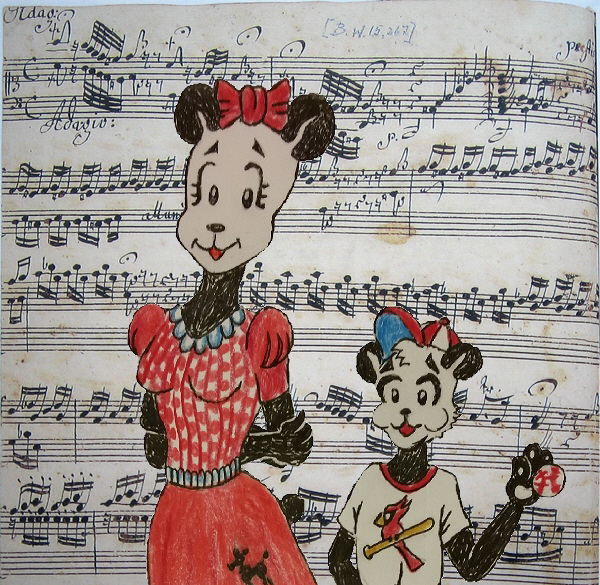
This is the Paffooney of this piece, a picture of my wife in her cartoon panda incarnation, along with the panda persona of my number two son. The background of this Paffooney is the actual Ringk manuscript that allowed Bach’s masterwork not to be lost for all time.
My life was always a musical composition, though I never really learned piano other than to pick out favorite tunes by ear. But the Bach Toccata and Fugue begins thusly;
The Toccata begins with a single-voice flourish in the upper ranges of the keyboard, doubled at the octave. It then spirals toward the bottom, where a diminished seventh chord appears (which actually implies a dominant chord with a minor 9th against a tonic pedal), built one note at a time. This resolves into a D major chord.
I interpret that in prose thusly;
Life was bright and full of promise when I was a child… men going to the moon, me learning to draw and paint, and being smarter than the average child to the point of being hated for my smart-asserry and tortured accordingly. I was sexually assaulted by an older boy and spiraled towards the bottom where I was diminished for a time and mired in a seventh chord of depression and despair. But that resolved into a D major chord when the realization dawned that I could teach and help others to learn the music of life.
And then the Fugue begins in earnest. I set the melody and led my students to repeat and reflect it back again. Over and over, rising like a storm and skipping like a happy child through the tulips that blossom as the showers pass. Winding and unwinding in equal measure, my life progressed to a creaky old age. But the notes of regret in the conclusion are few. The reflections of happinesses gained are legion. I have lived a life I do not regret. I may not have my music saved in the same way Johann Sebastian did, but I am proud of the whole of it. And whether by organ or by violin, it will translate to the next life, and will continue to repeat. What more can a doofus who thinks teaching and drawing and telling stories are a form of music ask for from life?
There comes a time when a mind turns inward and begins to learn that self is as complicated and in need of exploration as any African jungle or surface of a distant planet.
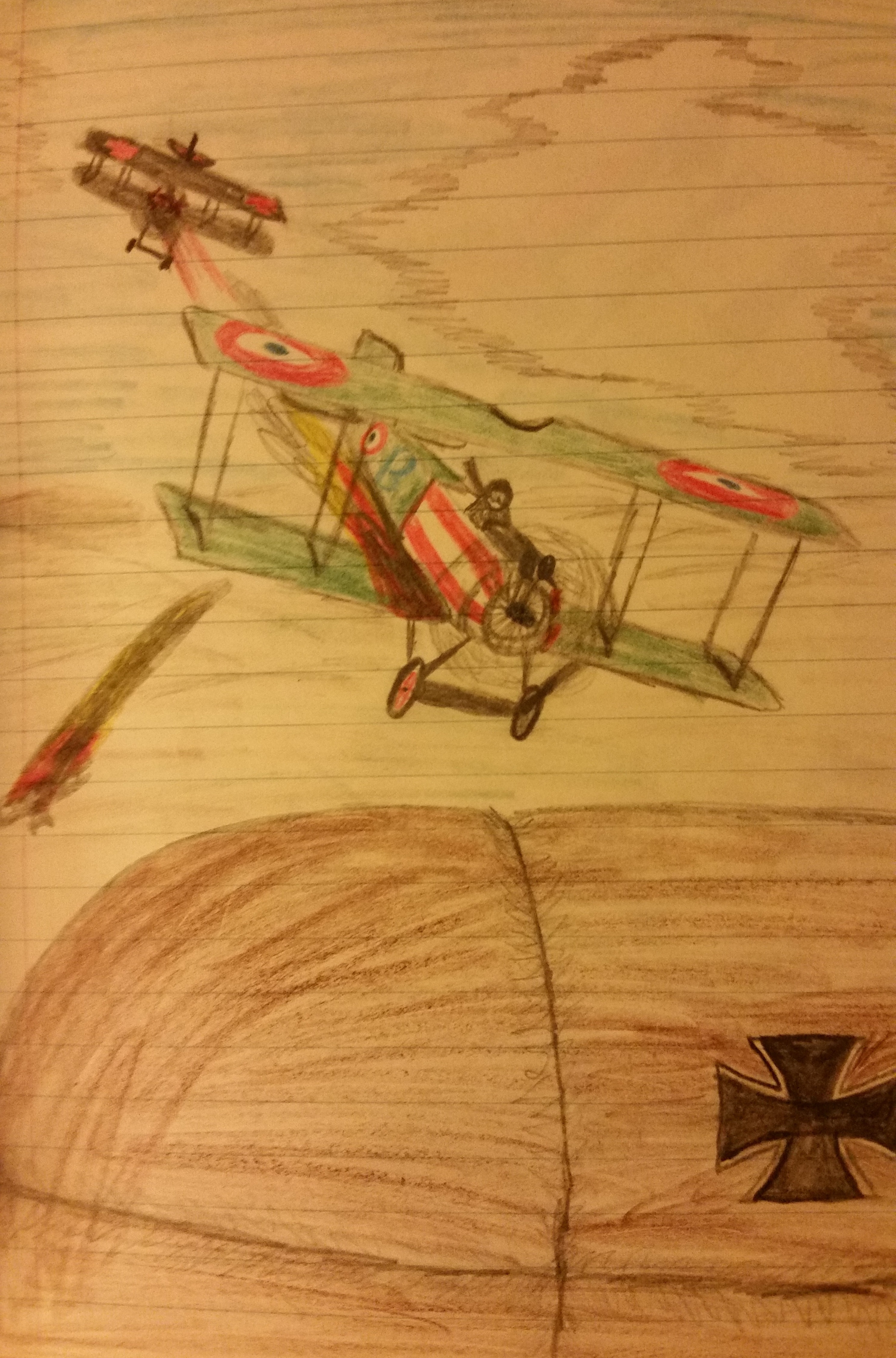
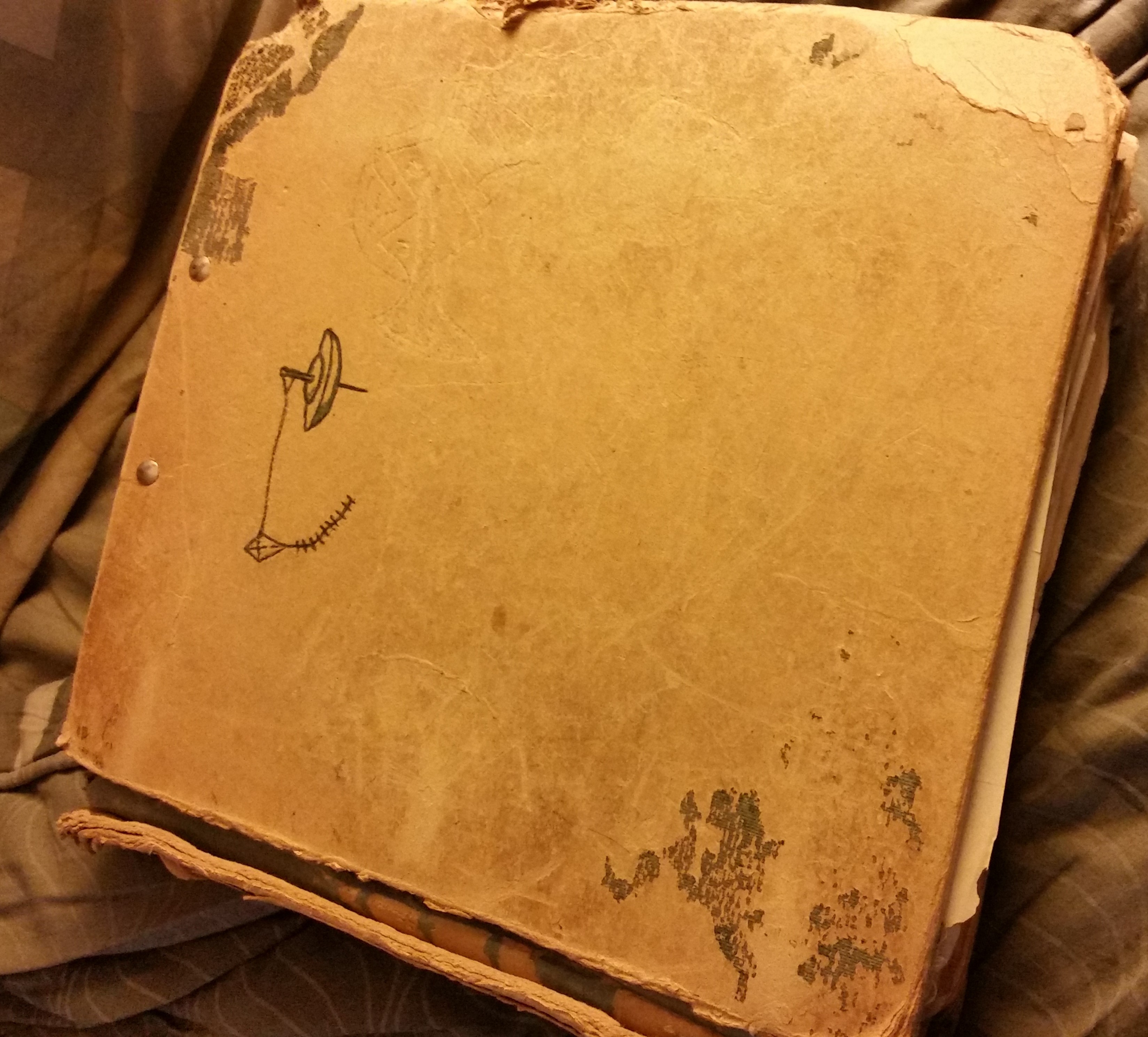
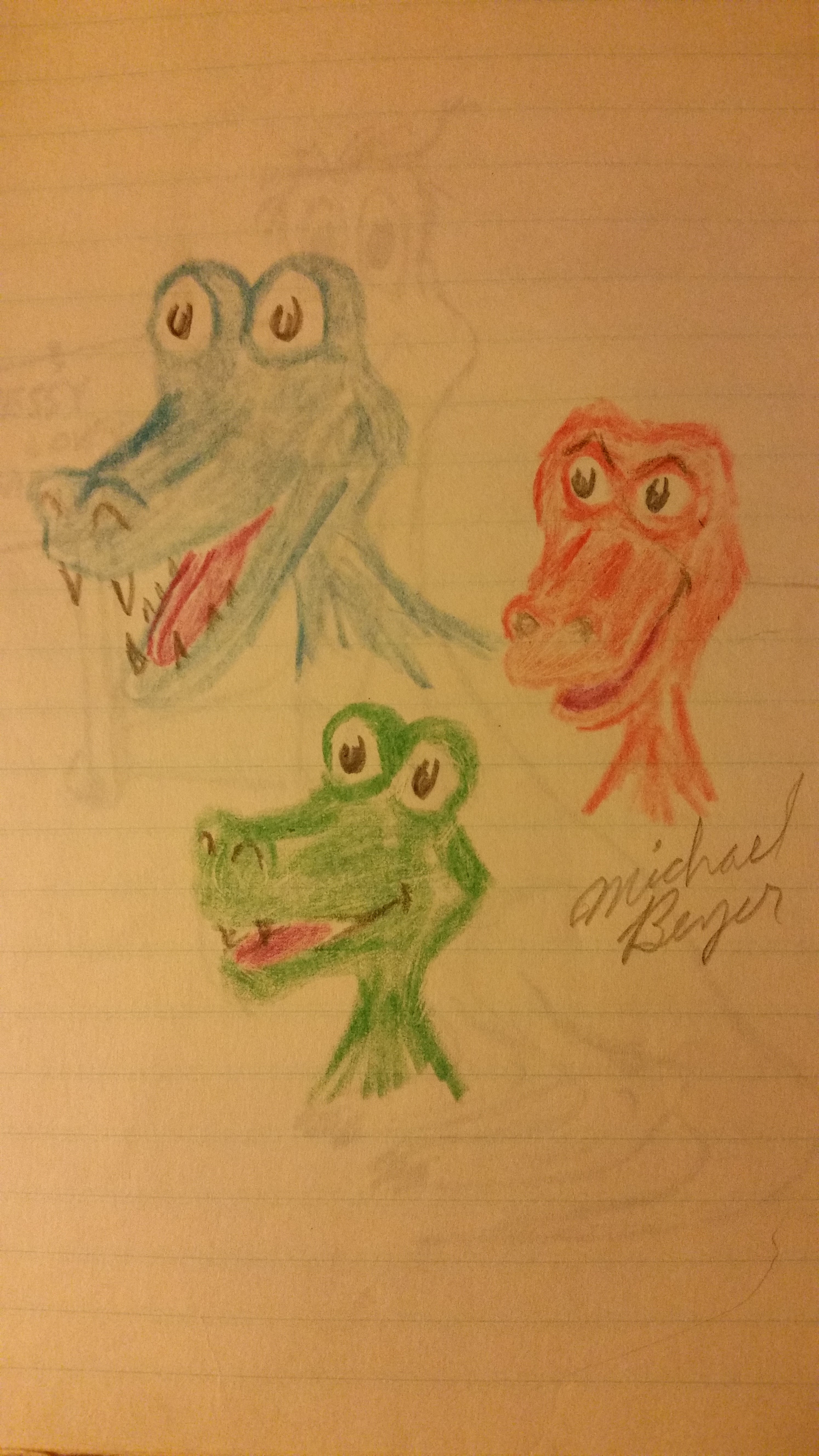
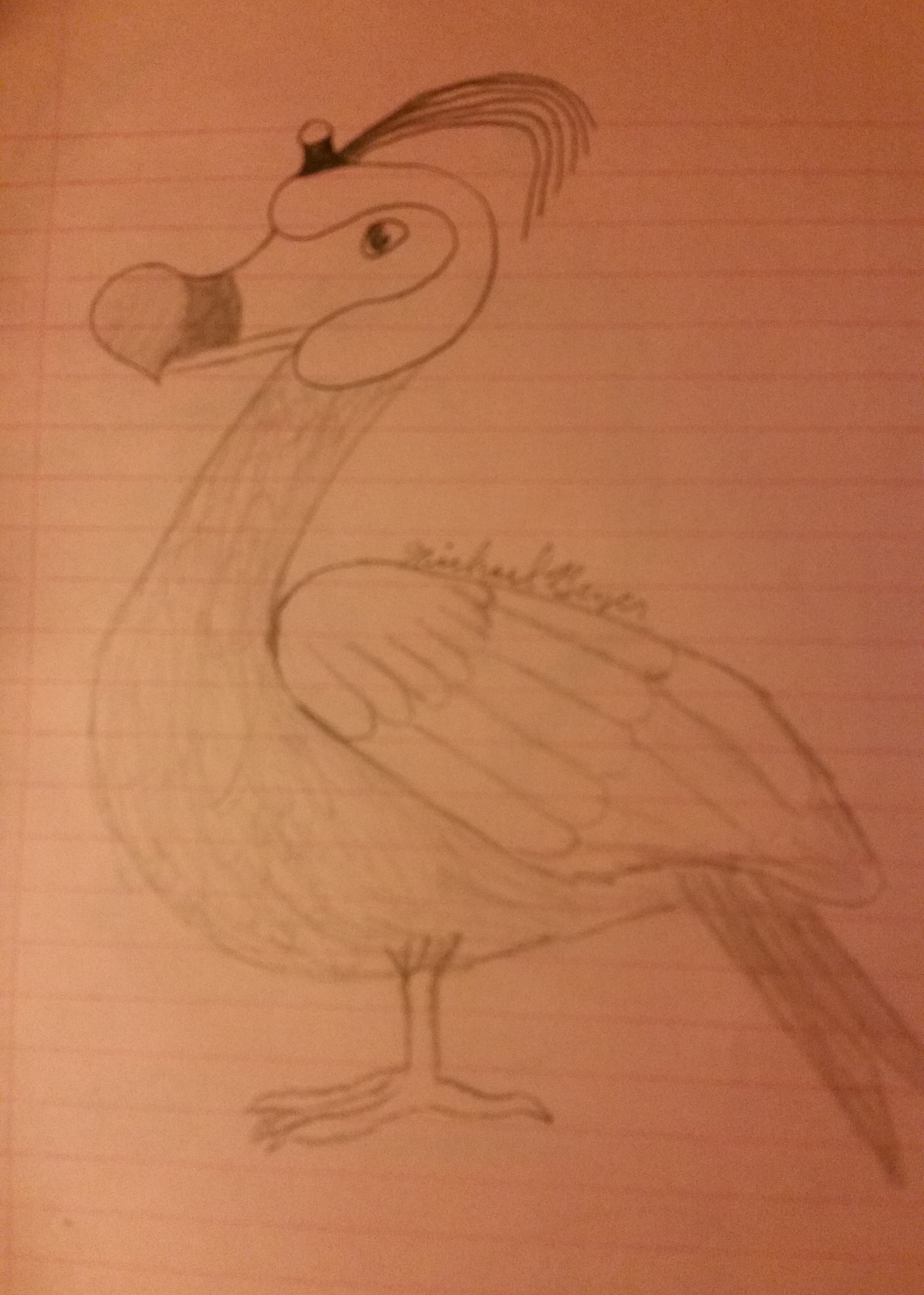
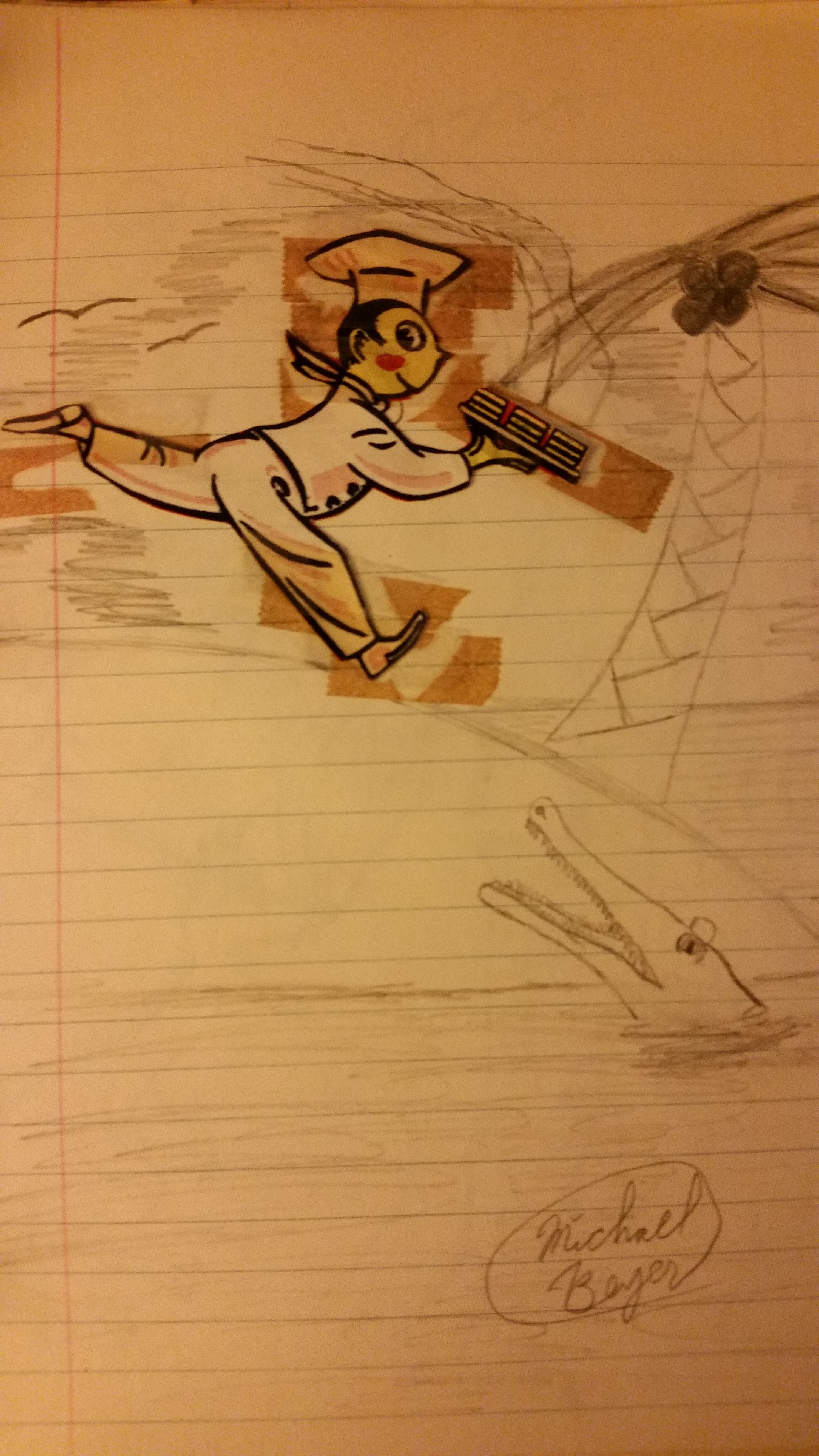
The Paffoonies today all come from my sixth grade school notebook. When that school year ended I owned one book of my own, Rudyard Kipling’s First Jungle Book, the paperback version. I kept my colored pencil drawings in my school notebook, and I kept the notebook in my bedroom to continue to fill it with drawings on notebook paper.
As you can see, the notebook is age-worn and falling apart, but I still have it. It still contains my twelve-year-old artistic visions, the beginnings of who I am as a thinking, drawing, story-telling human being.
At one point I even had a package of pink notebook paper.
So I admit it. I was a dorky, weird child. And I drew a lot of weird pictures at twelve. Now you have some of the evidence.
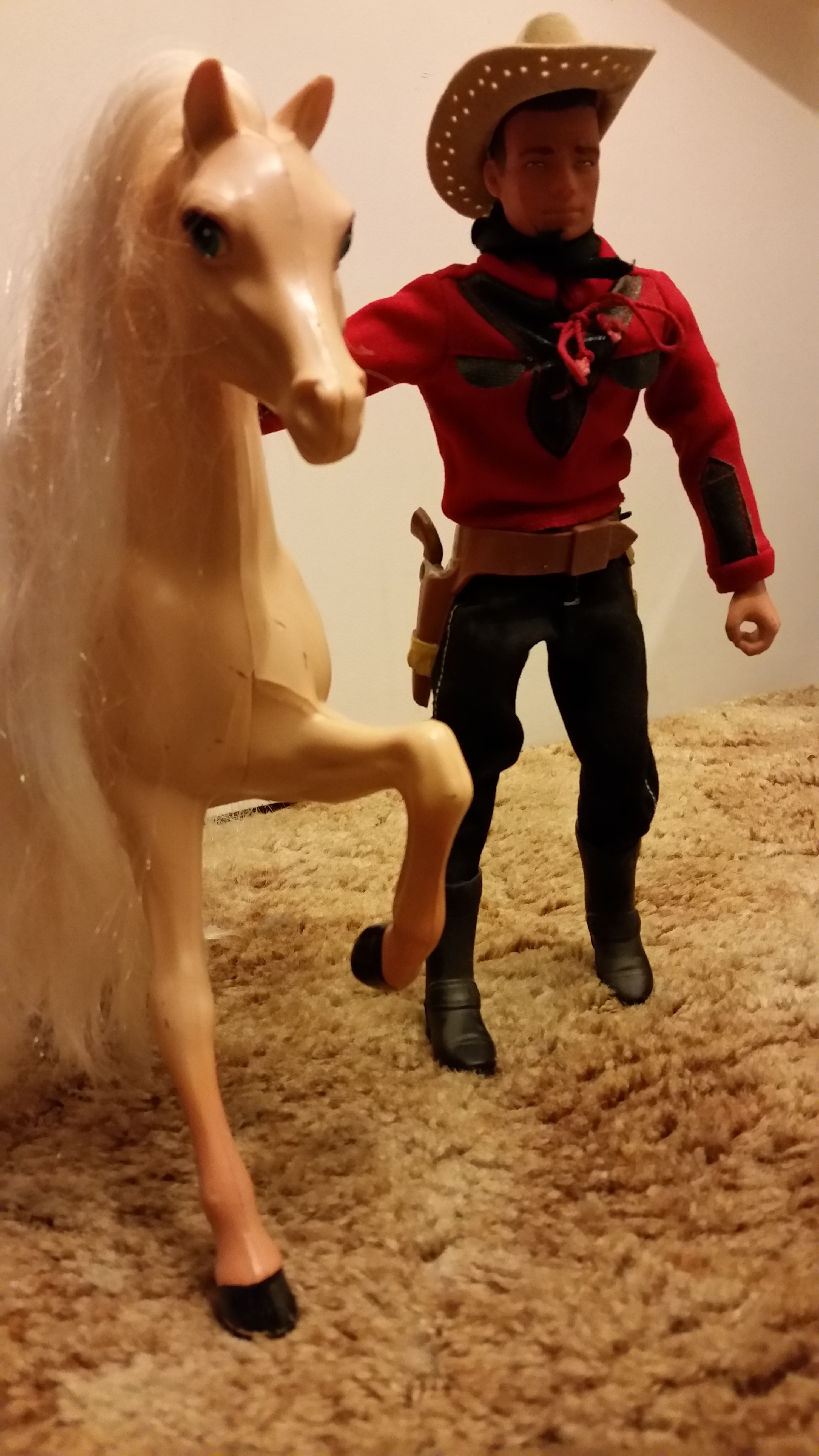
Cleaning in the library led me to rediscover an old project. Roy Rogers and Trigger had been sitting next to the TV in the library. I found them both on the floor between the TV and a book stack. Time to pick them up and put them back in shape.
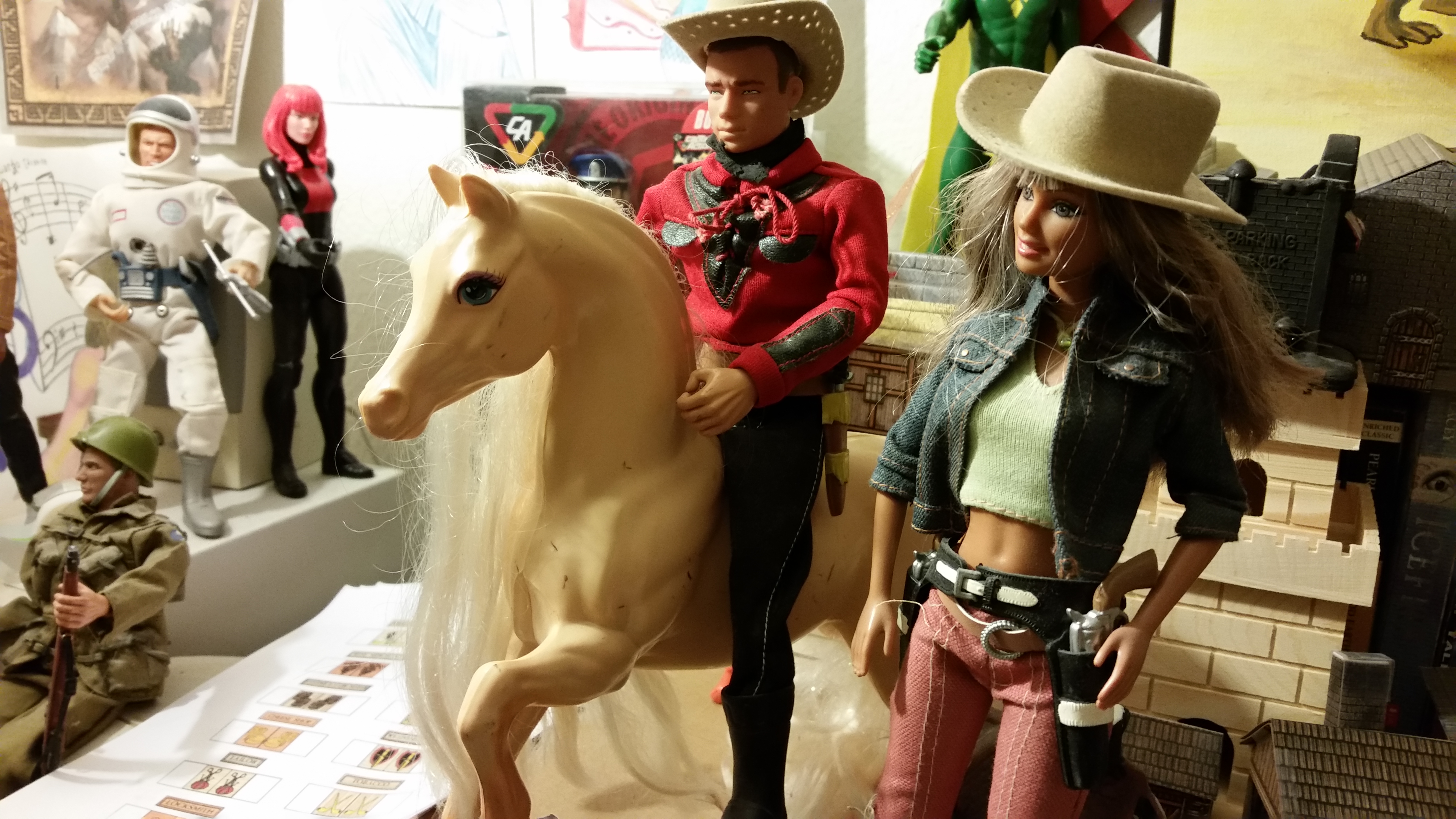
The doll is a random military action figure rescued naked from a thrift store. I thought the face looked enough like Roy Rogers to turn him into that particular hero. The horse is from Mattel and is probably part of a Barbie play-set. It was given to me by a relative. I dressed Roy in a Lone Ranger Captain Action uniform with a Tonto gun belt, both created by Playing Mantis Toy Company in the late 1990’s. The hat is actually from a Cowgirl Barbie because I wanted a Roy Rogers-style, almost-white hat. The Lone Ranger hat is too flat-brimmed to look right and way too large to fit on Roy’s smaller head. The only other cowboy hat I have for it is a Johnny West hat from Marx Toys in the 1960s, and that is dark brown.
Everything Johnny West that I still have was salvaged from the house where I grew up back in the 1980s. They belonged to my little brother, but ended up in my collection because he outgrew dolls and action figures long before I did. I wish I still had the doll himself, but I think Dabney blew him up with a firecracker when he was a teenager.
So, I have to be happy with only having Roy and Cowgirl Barbie to play with.
It is difficult to look at the sky and not feel that the power of Heaven is real. As I approach the halfway point of my sixty-ninth year, and the darkness of the future draws ever nearer, I am forced to think about what I really believe. Being smarter than the average bear has its drawbacks. I understand why most of the writers I most admire were atheists, and all of the philosophers I have read and found agreement with are decidedly atheist. Science, rationality, and reason all suggest that there is nothing beyond the physical realm. Should that matter? Faith, according to Mark Twain, is fervently believing in your heart what your mind tells you ain’t so. In fact, Hebrews 11:1 says, “Faith is the assured expectation of things hoped for, the evident demonstration of realities though not beheld.” Even the Bible is saying you have to believe it even though you shouldn’t believe it.
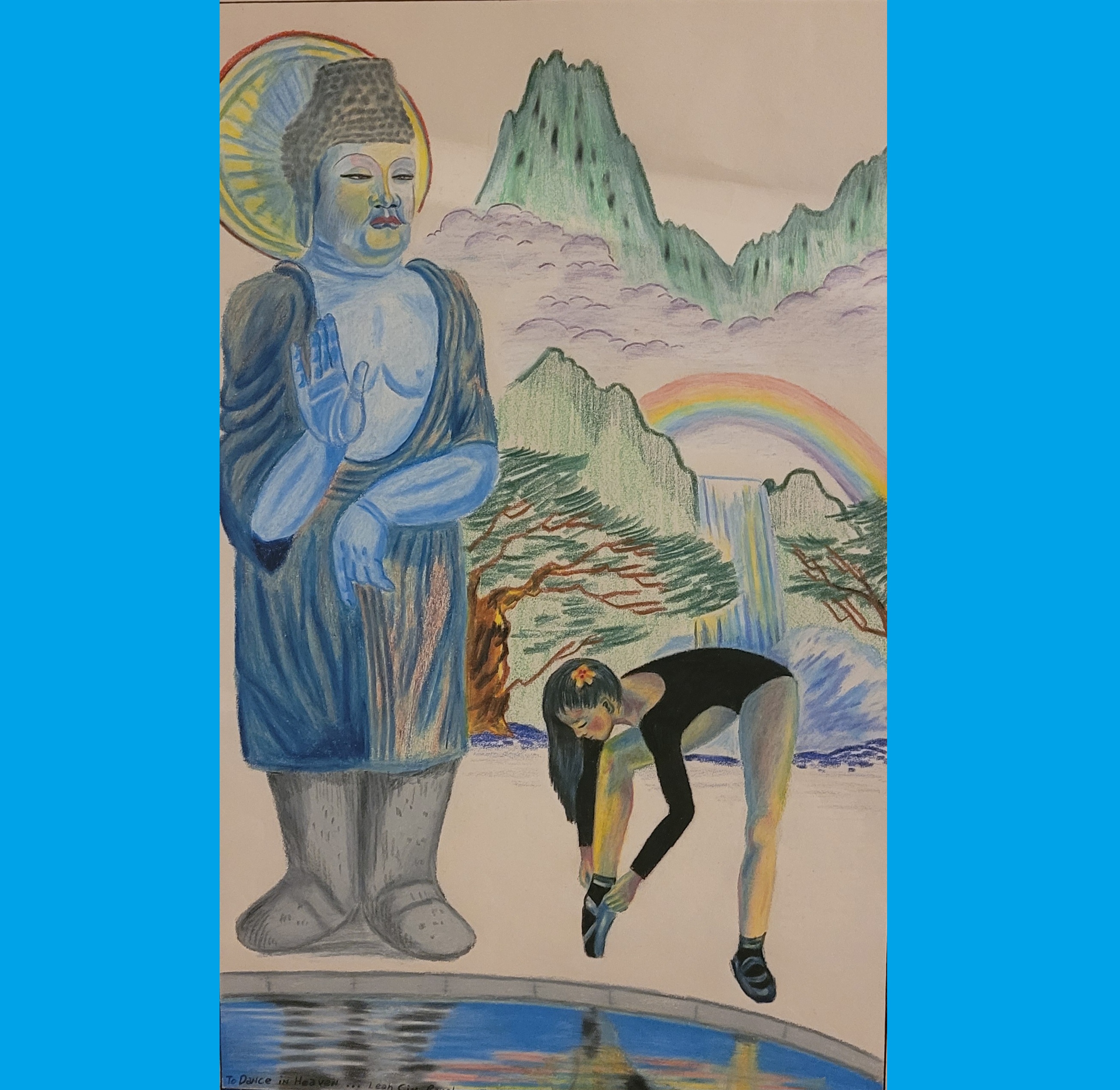
So, will I go to Heaven when I die? For me, the question is meaningless. I look up at the miracle of a blue sky on a partly cloudy day and see the life-giving sun. I am alive… here and now… and nothing else is really relevant. I am a part of the great, vast universe of reality. My existence is real and cannot be unmade… even by God, if He were inclined to do such a thing. I am a small, insignificant part of reality, and I can be gone in the next instant like a puff of smoke in the wind. But I am here and I am alive and I took the Paffooney picture that I used to illustrate this post. And I face whatever comes with a smile on my face. I am alive… and life is good.
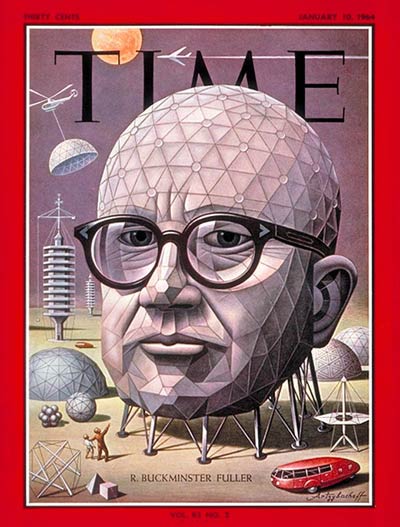
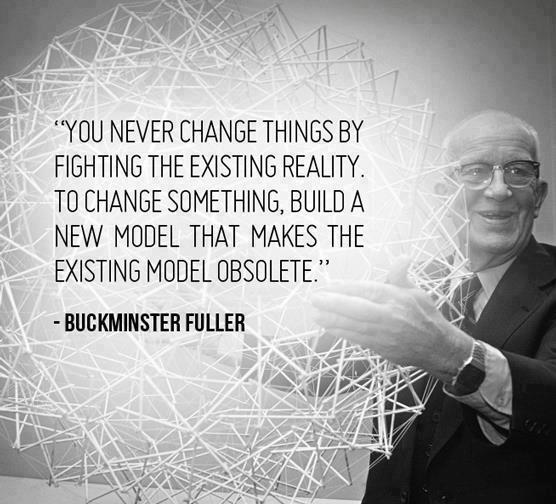
Buckminster Fuller is an intellectual hero of mine. As he said in the video, if you bothered to watch it, “I was told I had to get a job and make money, but would you rather be making money, or making sense?” Bucky was always a little bit to the left of center, and basically in the farthest corner of the outfield. That’s why we depend so much on him in times like these when the ball is being hit to the warning track. (I know the world doesn’t really work on baseball metaphors any more, but my life has always been about metaphors from 1964 with the St. Louis Cardinals playing and beating the New York Yankees. Mantle was on their side, but Maris was playing for us.) You have to live in the world that fits into your own mental map of reality. And if you’ve been whacked on the side of the head one too many times… it changes the way you think. You begin to think differently.
If you don’t know who Bucky is, as you probably don’t because he revolutionized the world in the 60’s and died in the 1980’s, Richard Buckminster “Bucky” Fuller was an American architect, systems theorist, author, designer, and inventor. He is credited with the invention of the Geodesic Dome. But he was so much more than that. He wanted to build things that made better sense, in a practical sort of way, than the way we actually do them. He built geodesic homes because he felt a home should maximize space and use of materials and minimize costs and amounts of materials as well as environmental impacts. He is the one who popularized the notion of “Spaceship Earth”. He wrote and published more than thirty books, and gave us a variety of truly wise insights. He promoted the concept of synergy. He said, “Don’t fight forces, use them.” He also pointed out, “Ninety per cent of who you are is invisible and untouchable.” He was a man full of quotes useful for internet memes.
So, lets consider an example from the mixed up mind of Mickey;
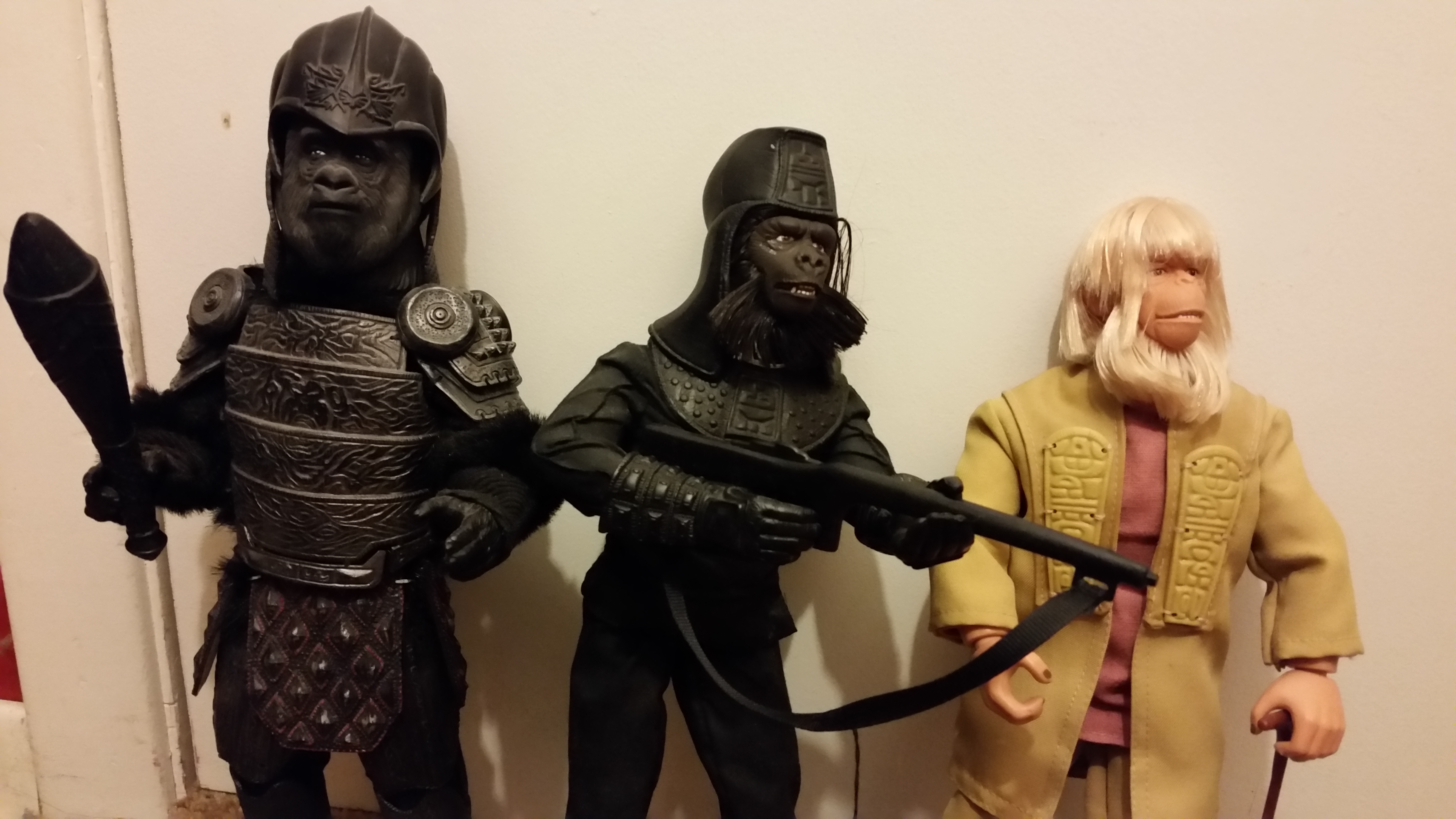
Here are three dolls from the Planet of the Apes part of my doll collection. (Two different movies are represented here, the 1968 original, and the Tim Burton 2001 remake.)
The world we now live in is increasingly like the movie, The Planet of the Apes. In that film the world the astronauts set down upon is ruled by talking apes. The human beings in that film are relegated to the fields and forests where they are no more than speechless animals. Much like the Republican Party and the wealthy ruling elite of this day and age, the apes control everything and, led by Dr. Zaius (seen on the far right) reject science and evidence as a way to explain things. They rely on the rules set down by the Lawgiver in much the same way that modern day Republicans swear by the U.S. Constitution to determine the truth of all things.
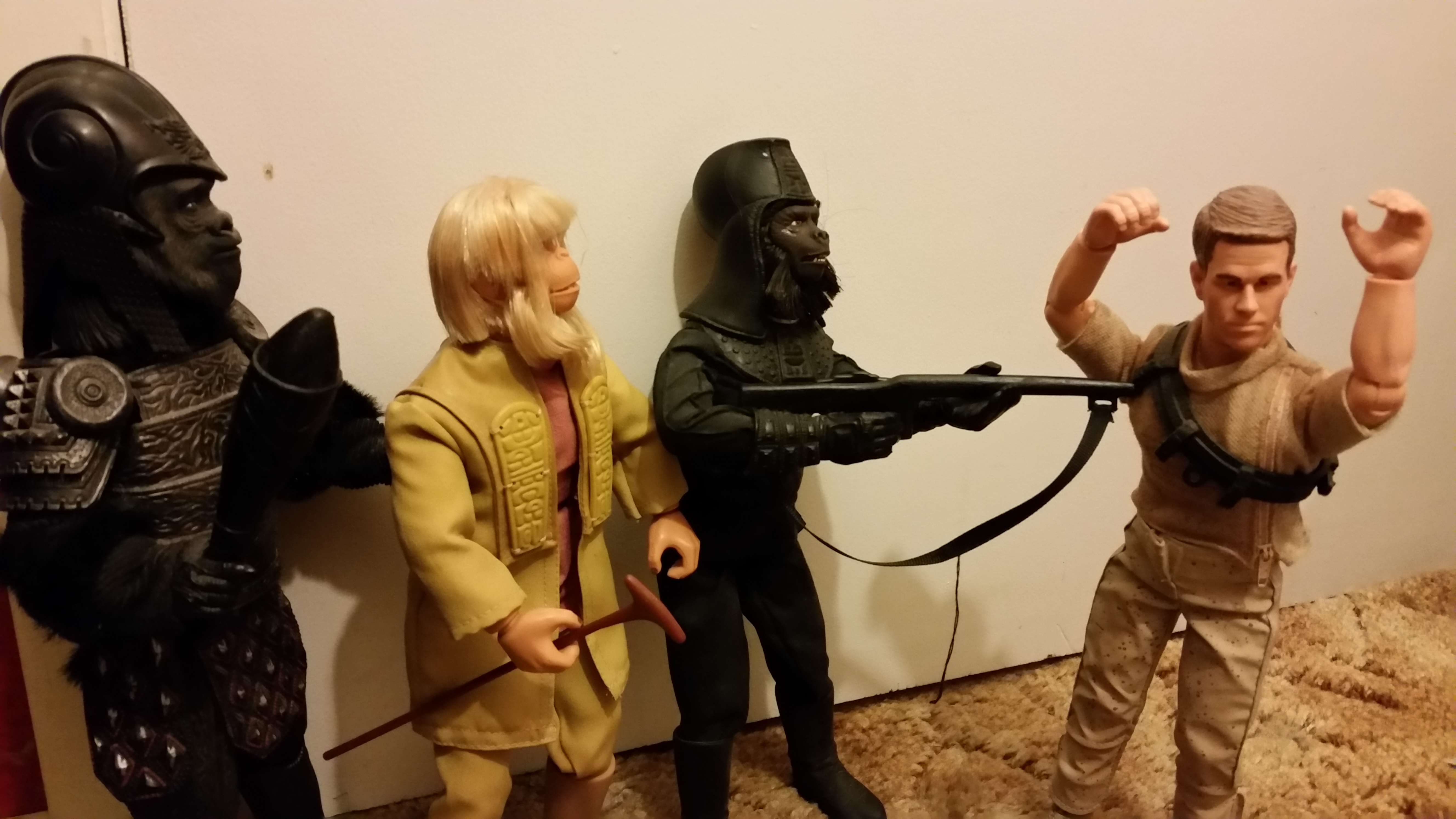
Here we see the apes capturing and enslaving Marky Mark… er… Mark Wahlberg rather than Chuck Heston from the original movie.
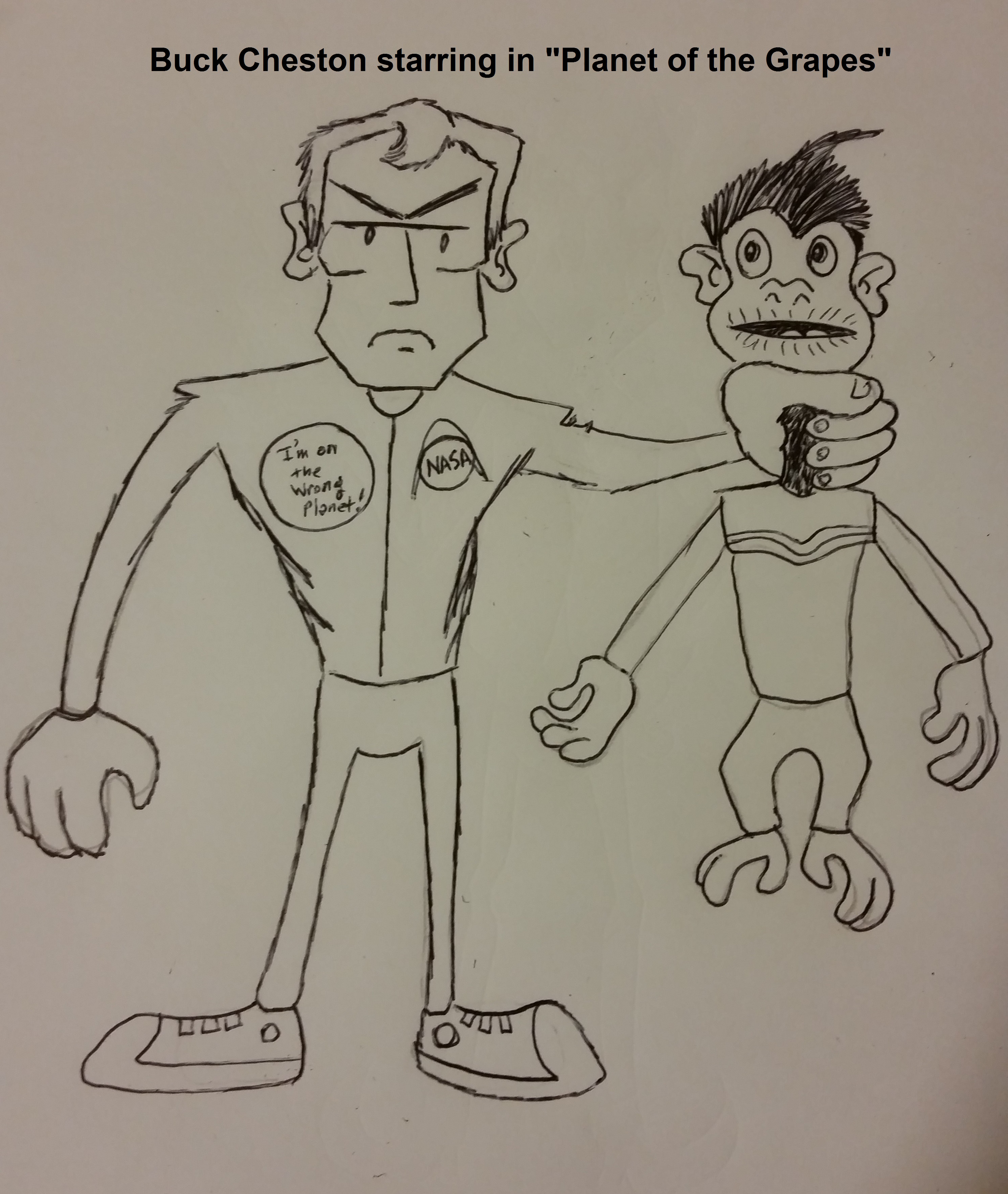
In the original set of movies, Charleton Heston, playing the astronaut Taylor, discovers that through hatred and warring, the human beings of Earth have bombed themselves back into the stone age and enabled the evolved apes to take over. How does Mr. Heston deal with that problem? He discovers an old doomsday device and blows up the world. Chuck Heston has always approved Second Amendment solutions to modern problems, so it is no wonder that he lays waste to everything, the good and the bad. I think we can see that old orangutan-man, Donald Trump doing exactly the same things now as he runs for President, or Great Ape, or whatever…
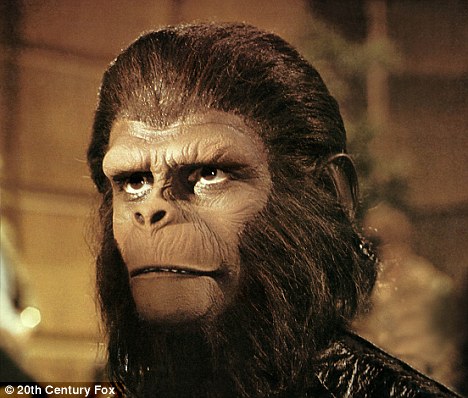
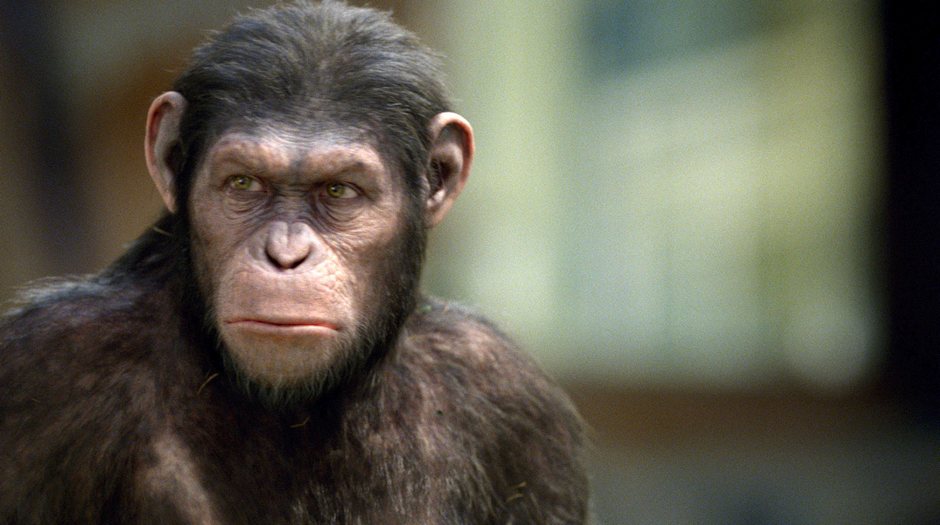
In both the previous series, and the current remake, salvation from the rule of the monkey people comes in the form of a leader among the apes. Caesar, whether he be played by Roddy MacDowell or by Andy Serkis, is able to solve the problems of apes and men by reaching out to those of the other species, assigning them value, and ultimately doing what helps everyone to survive and live together. Diversity is power and provides a workable solution through cooperation. The forces of hatred and fear are the things that must be overcome and threaten the existence of everyone. Donald Trump needs to learn from the lesson of The Planet of the Apes, and be less like General Ursus. We need Bernie Sanders to embrace the role of Caesar and show us how we can get along with our Muslim brothers… after all, they are more like us than the apes are, and Caesar builds bridges between apes and men.
So, there you have it, my attempt to build a new model based on an old movie… or on the remake… whichever you prefer. And if that doesn’t work, well, there’s always…
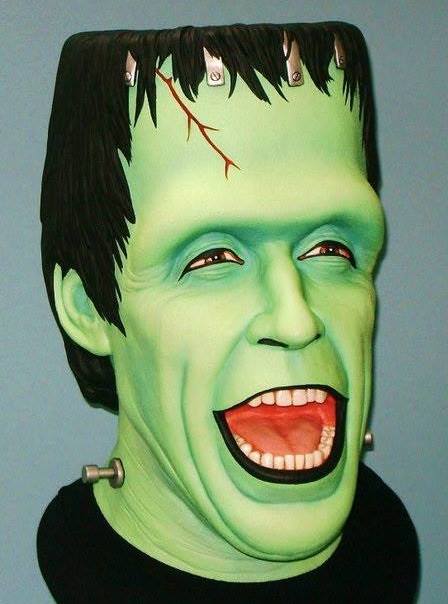
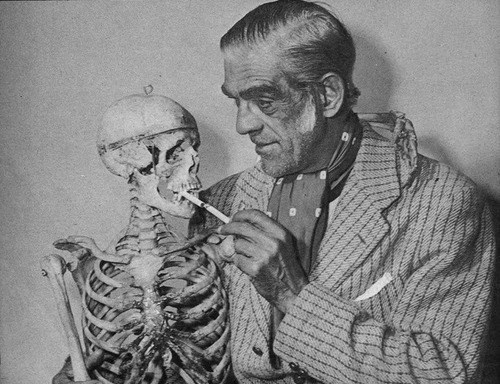
I am fascinated by the darker alleyways in the city of human thought. I love monster movies, those love-story tragedies where the monster is us with one or more of our basic flaws pumped up to the absolute maximum. We are all capable of becoming a monster. There are consequences to every hurtful thing we have ever thought or ever said to other people, especially the people we love.
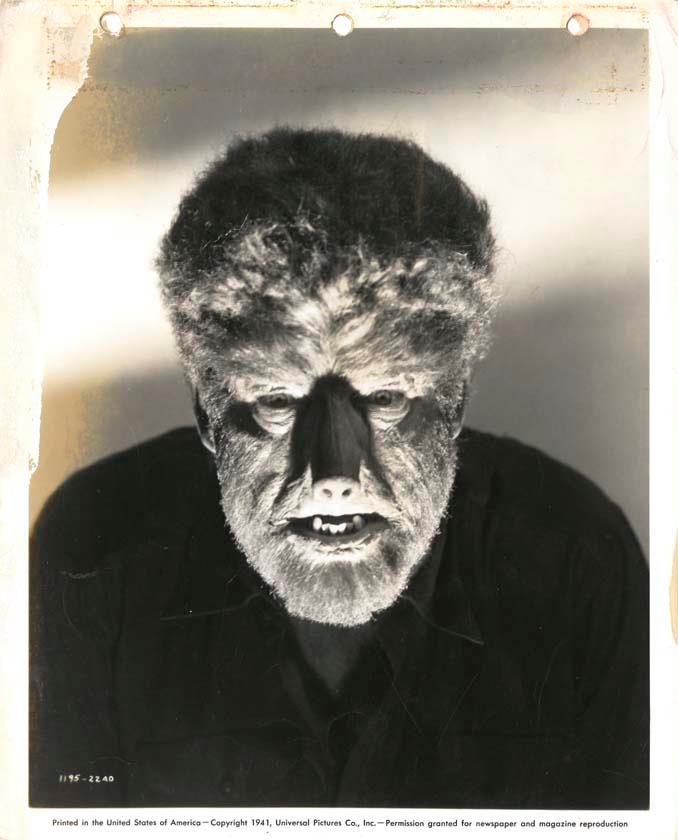
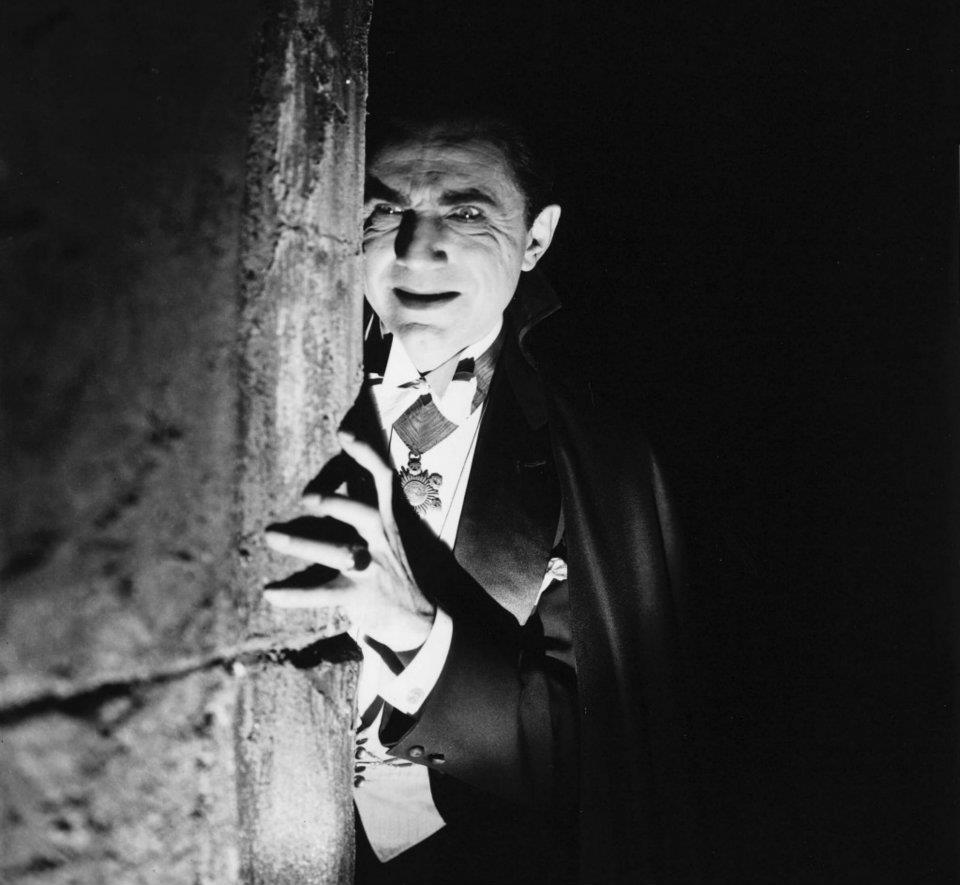
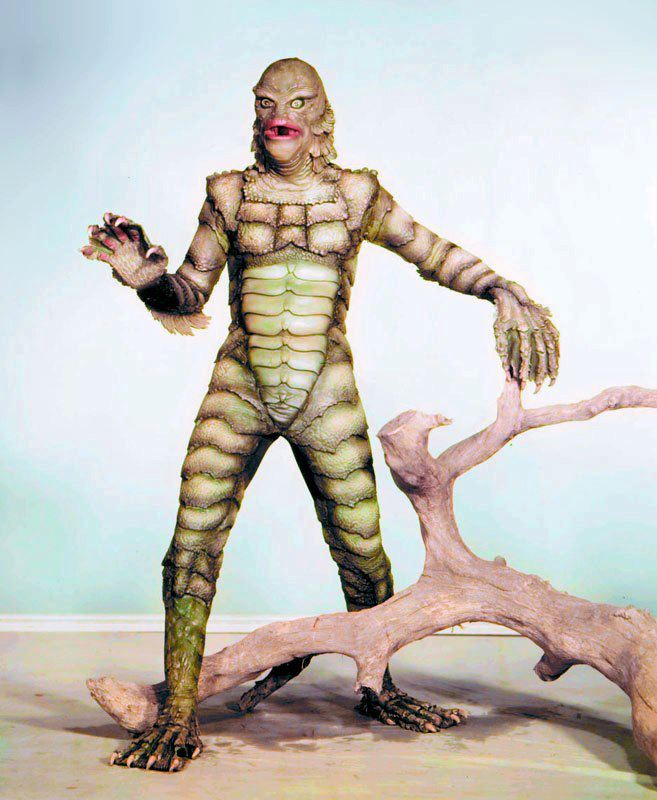
The monster movies I love most are the old black-and-whites from Universal Studios. But I can also seriously enjoy the monsters of Hammer Films, and even the more recent remakes of Frankenstein, The Mummy, and their silly sequels. I am fascinated by the Creature from the Black Lagoon because it is the story of a total outsider who is so different he can’t really communicate with the others he meets. All he can do is grab the one that attracts him and strike out at those who cause him pain. It occurs to me that I am him when having an argument with my wife. Sometimes I am too intelligent and culturally different to talk to her and be understood. She gets mad at me and lashes out at me because when I am trying to make peace she thinks I am somehow making fun of her. How do you convince someone of anything if they always think your heartfelt apology is actually sarcasm? How do you share what’s in your heart if they are always looking for double meaning in everything you say?
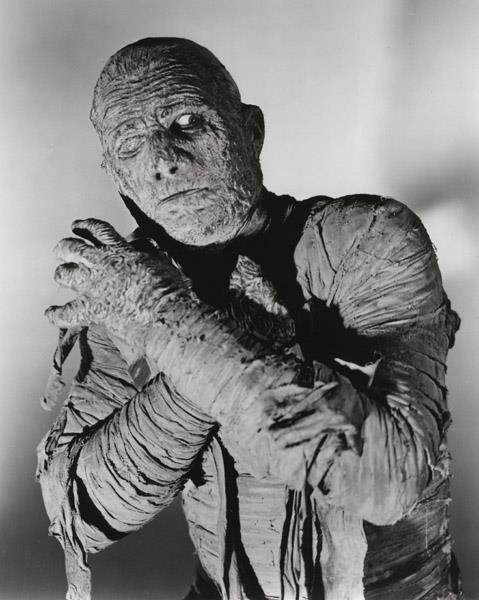
But other people can change into monsters too. I am not the only one. People who are bitter about how their life seems to have turned out can strike out at others like the Mummy. Wrapped in restrictive wrappings of what they think should have been, and denied the eternal rest of satisfaction over the way the past treated them, they attack with intent to injure, even just with hurtful words, because their past sins have animated them with a need to change the past, though the time is long past when they should’ve let their bitterness simply die away.
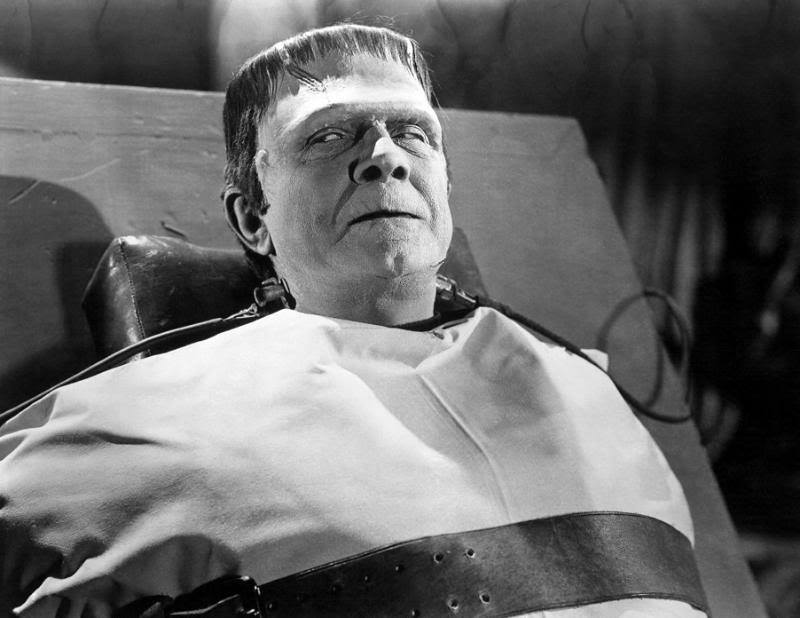
And we might all of us fall into the trap of Victor Frankenstein’s monster, who never asked to be made. He finds life to be an unmanageable nightmare with others constantly assaulting him with the pitchforks and torches of their fear and rejection.
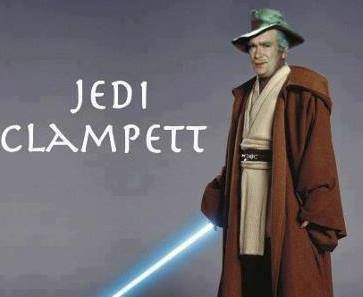
But the thing about monster movies… at least the good ones, is that you can watch it to the end and see the monster defeated. We realize in the end that the monster never really wins. He can defeat the monstrous qualities within himself and stop himself. Or the antidote to what ails him is discovered (as Luke did with Darth Vader). Or we can see him put to his justifiable end and remember that if we should see those qualities within ourselves, we should do something about it so that we do not suffer the same fate. Or, better yet, we can learn to laugh at the monstrosity that is every-day life. Humor is a panacea for most of life’s ills.


 But the thing about monster movies… at least the good ones, is that you can watch it to the end and see the monster defeated. We realize in the end that the monster never really wins. He can defeat the monstrous qualities within himself and stop himself. Or the antidote to what ails him is discovered (as Luke did with Darth Vader). Or we can see him put to his justifiable end and remember that if we should see those qualities within ourselves, we should do something about it so that we do not suffer the same fate. Or, better yet, we can learn to laugh at the monstrosity that is every-day life. Humor is a panacea for most of life’s ills.