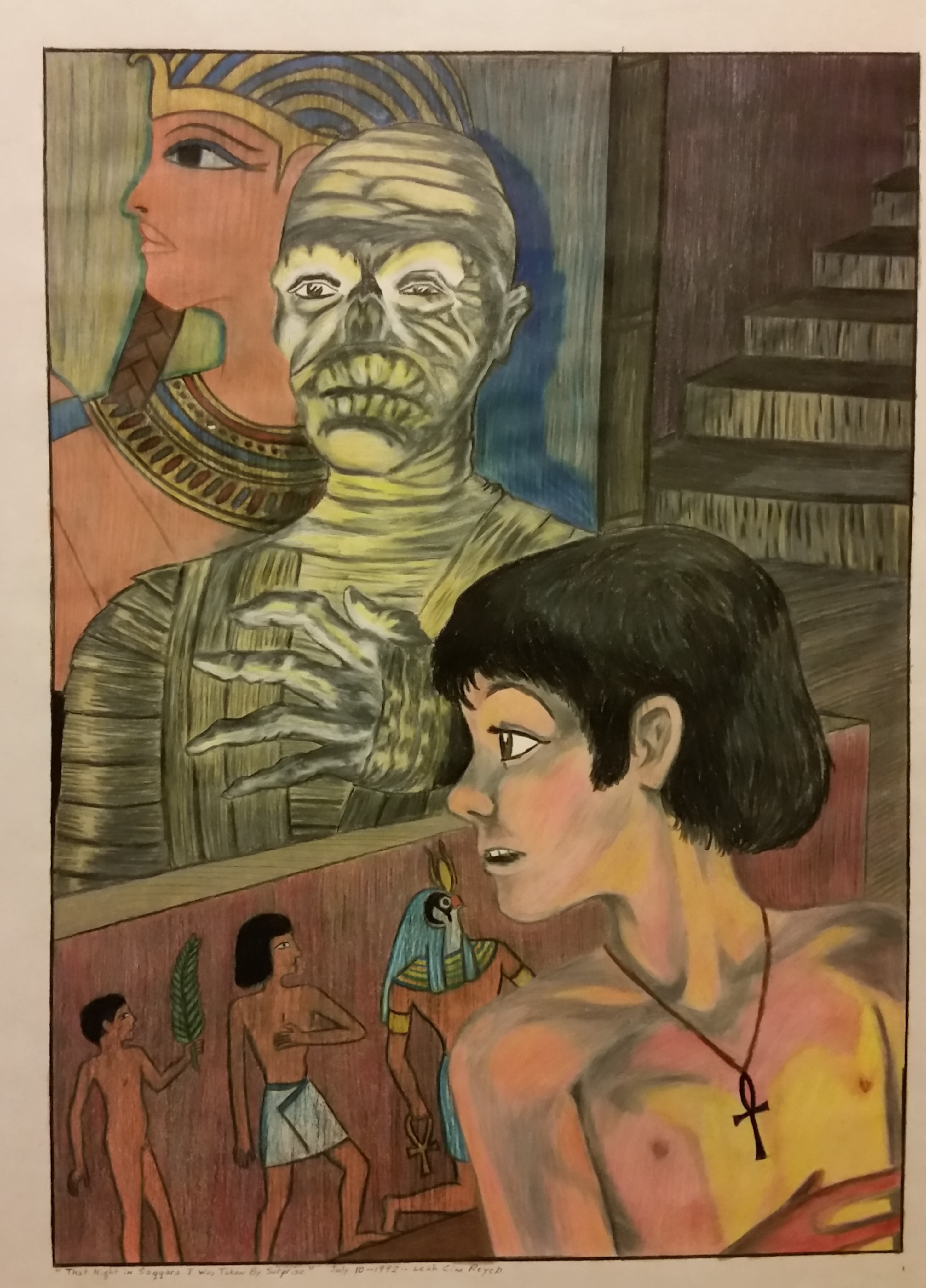
Yes, I admit it. I am a Surrealist. I also hope that it is not too terrible a thing to be. Because I truly think that everyone who was raised by television, and lived through the revolution where computers took over human life, is one too.
a 20th-century art form in which an artist or writer combines unrelated images or events in a very strange and dreamlike way
Full Definition of surrealism;
the principles, ideals, or practice of producing fantastic or incongruous imagery or effects in art, literature, film, or theater by means of unnatural or irrational juxtapositions and combinations
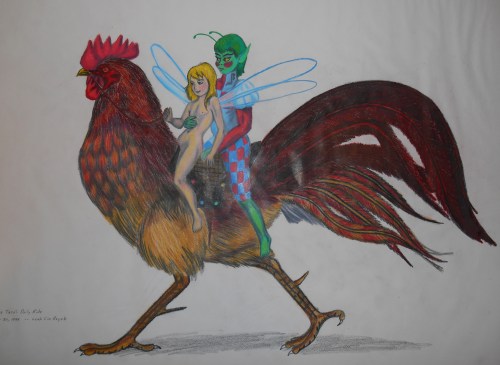
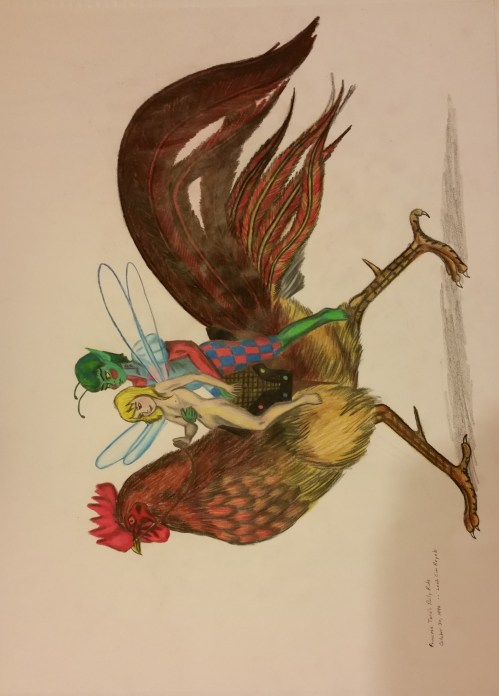
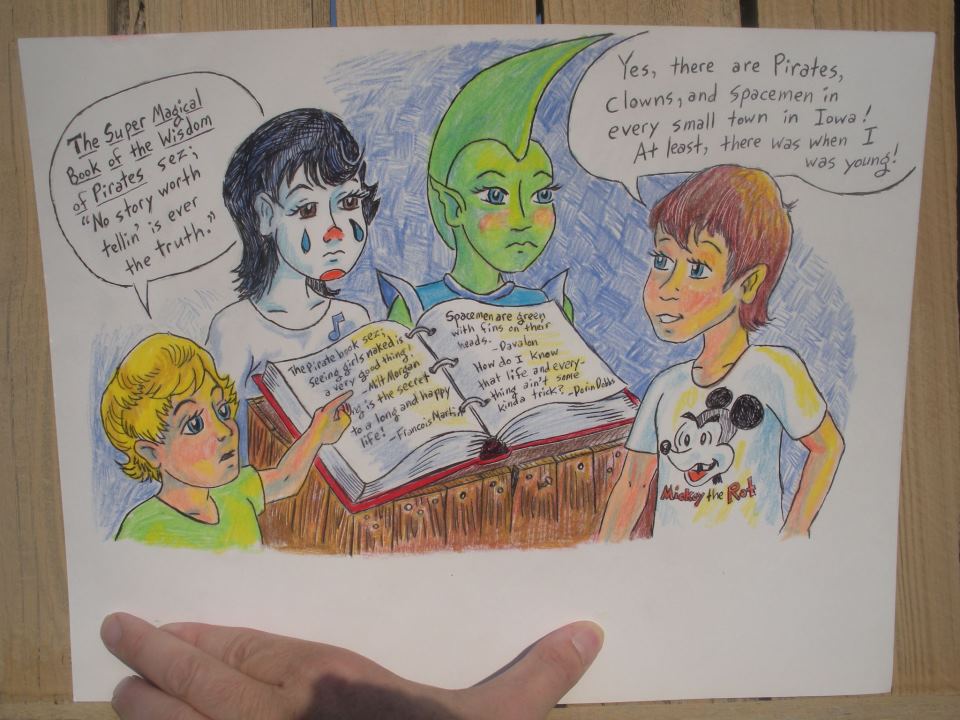
There is a certain satisfaction to be had in knowing for certain how to define oneself. I learned about Surrealism in high school art class back in the early 70’s. I saw and admired the works of Salvador Dali, Rene Magritte, and Max Ernst. And I realized that everything I wanted to do in the Realm of Art, whether it was weird paintings, cartoons, comic book art, or bizarre puppet shows… fantasy, science fiction, or humor… it was ALL Surrealism. Surrealism saturates out culture and our very thinking. We are drawn to watch baseball by the antics of a giant pantomime chicken. Our food choices are influenced by a happy red, yellow, and white clown who battles a blobby purple monster and a hamburglar over shakes and French fries. It is only natural then, that I would want to draw bug-sized fairies who would saddle and ride a red rooster. I have embraced surrealism as a way of life.
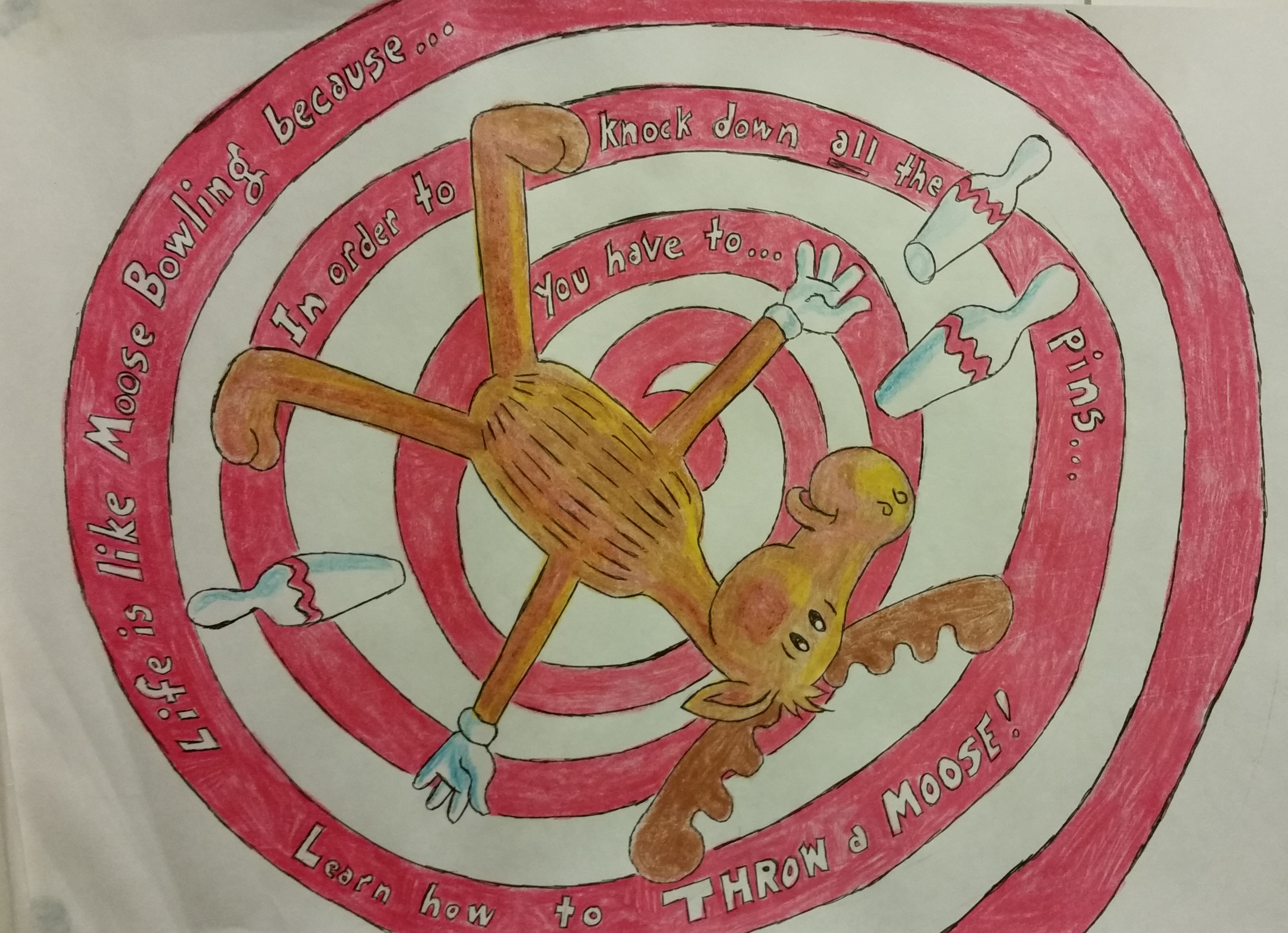
I have no trouble writing a poem about the difficulties of life by writing about a game of bowling where you have to roll a moose down the alley into the pins.
Surrealism is all about creating things by lumping all kinds of disparate goodies into the same pot and cooking it up as a stew. It is important that the stew tastes good in the end, so the mixture has to have large doses of reality and realism in it. Dali painted melting watches and boneless soft-sculpture people with almost photographic realism. I am compelled to do that too.
And what is humor, after all, if not lumping strange things together into a reality sandwich that makes you laugh because it takes you by surprise? I don’t shy away from weirdness. I embrace it. It makes life all the funnier.
And why did I put bullet points on everything in this post? Because it allows me to mash bits of wit and wisdom together in a weird way that only seems to have no connection, one to the other, and only seems to make no sense.
Sometimes we just have to look at things sideways.
I was recently accused of being eclectic in my posting topics by one regular commentator. I could wear that word like a badge of honor.
This describes a combination of many different individual elements of styles, themes, mediums or inspirations pooled from many sources. It can refer to musical tastes, dress sense, interior design…many things.
She has an ecletic sense of style, today she wears biker boots, pink fishnet stockings, a pencil skirt, a military jacket, a baseball hat, a my little pony t-shirt and a dunlop bag covered in badges from all her favourite bands from ABBA to Kooks
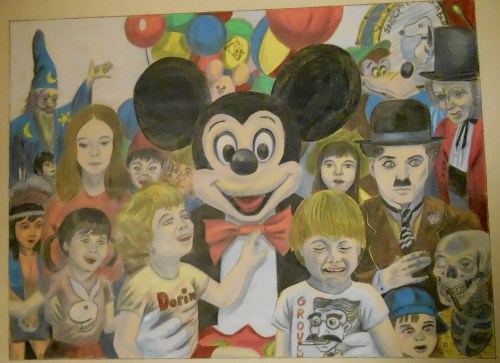
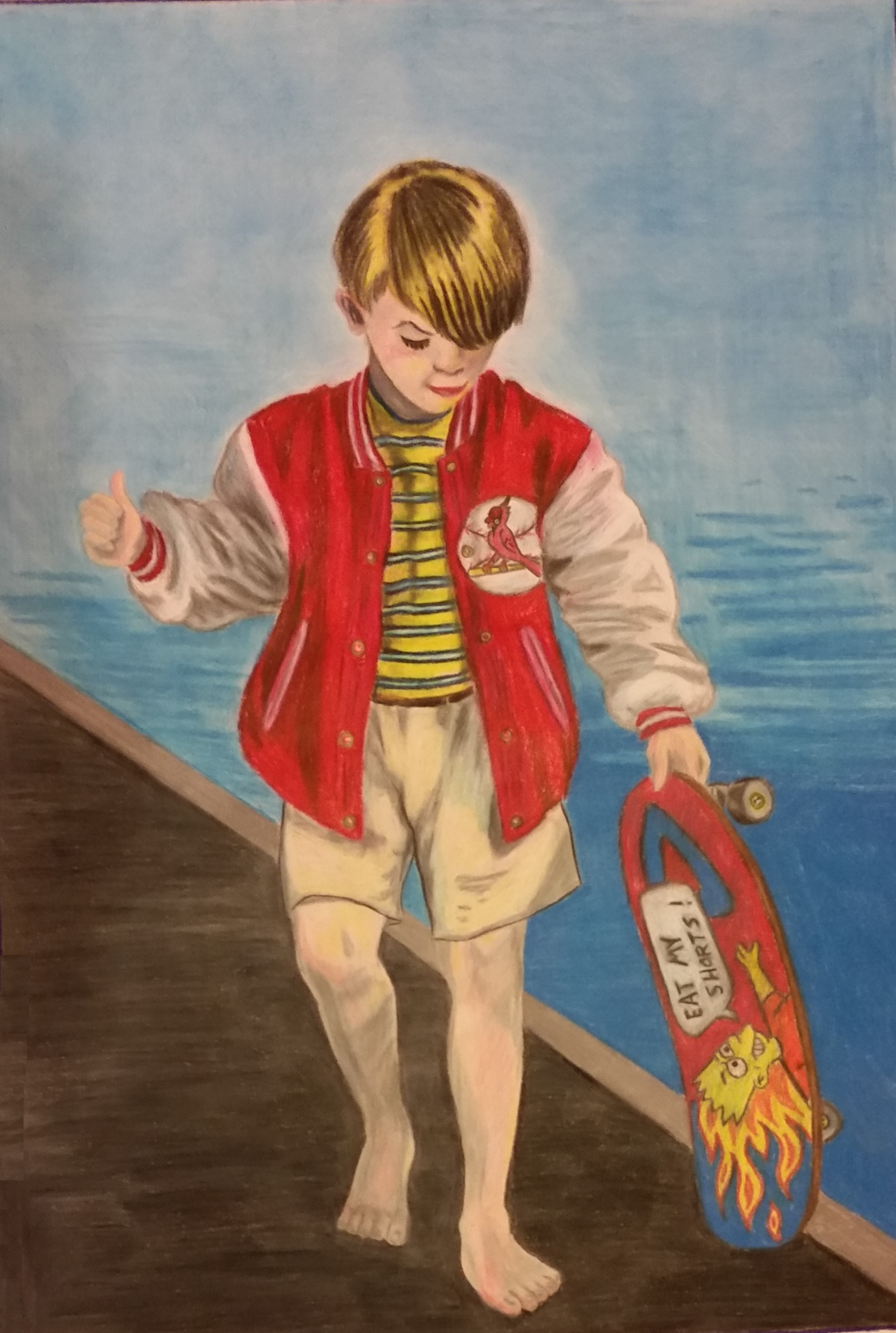
Fifty-eight years ago, when I was ten, the world was a very different place. Many people long for the time when they were young. They see it as a better, more innocent time. Not me. Childhood was both a blessing and a nightmare for me. I was creative and artistic and full of life. And my family encouraged that. But I was also a victim of a sexual assault and believed I had to keep a terrible secret even from my parents so that the world would not reject me as something horrible. We were on the way to the moon and the future looked bright. But President Kennedy had been assassinated in 1963, and Apollo 1 would end in a fiery tragedy in 1967. I look back with longing at many, many things, but I would never want to go back to that time and place without knowing everything I know now. I am grateful that I survived. But I remember the nightmares as vividly as I do the dreams.
As a teacher, I learned that childhood and young adulthood defines the adult. And the kid who is coddled and never faces the darkness is the one who becomes a total jerk or a criminal… or Donald Trump. I almost feel that the challenges we faced and the tragedies we overcame in our lives are the very things that made us strong and good and worthy.
When you are a boy growing up, hating girls on the outside and pining to get a look in the girls’ shower room on the inside, you can’t wait to grow up and get away from the horrors of being a child. Except, there are good things too. Tang, of course, wasn’t one of them. We drank it because the astronauts drank it, but it was so sweet and artificial that it tasted bitter in that oxymoronic way that only fake stuff can achieve. Quisp is nasty-tasting stuff too… but we begged for it because, well, the cartoon commercials were cool. I only ever choked down about two boxes of the vile stuff. You went to school a little queasy on mornings when you ate Quisp in milk for breakfast. But one box had a toy inside, and the other had an alien mask on the back that you could cut out, but not actually wear.
But when it comes down to how you end a goofy-times-ten-and-then-squared essay like this one, well, how do you tie a proper knot at the end of the thread? Maybe like this: It is a very hard thing to be a boy and then grow up to be a man. But I did it. And looking back on it, the pie was not my favorite flavor… but, hey! It was pie!
I recently posted about being synesthetic and discovering how I am different from normal people. Here is the post if you are interested.. Then I discovered that Kanye West is also synesthetic as he gushed some southern-fried crappie-doo about how wonderful he is as an artist because he sees the colors of his music. Well, now I don’t want that mental affliction any more. I don’t wish to be anything like him. Of course, it has to be incurable, doesn’t it.
Now I am wasting today’s post on another metacognative thinking-about-thinking style of paragraph pile when I could be rhapsodizing about the humor of Dave Barry or the wisdom of Robert Fulghum, the author of
All I Really Need to Know I Learned in Kindergarten.
I could be shamelessly promoting the work of artists whose works I love instead of examining the random filing cabinets in the back rooms of my stupid old head. But I can’t because I now need to explain myself to myself again. Self doubt and self examination are features of being an artist. We reach a point where we have to think about how we do what we do, because if you don’t know where the magic comes from, you might not be able to call on it the next time you need it.
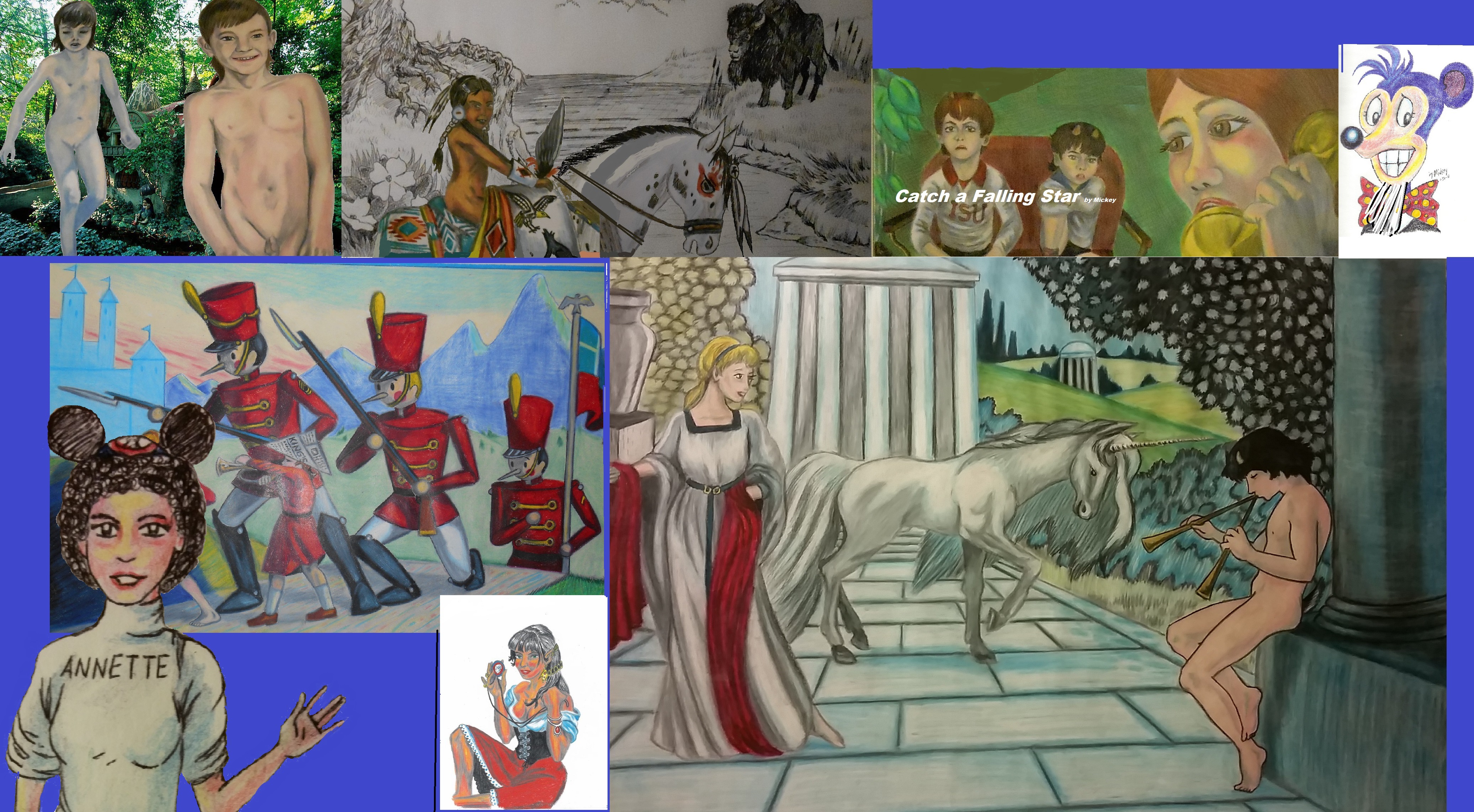
I am a self-taught artist. I have had art classes in high school and college, but never professional art training. I know how to manipulate the rule of thirds, directional composition, movement, perspective, and lots of other artsy-craftsy techniques, but it is all a matter of trial and error and an instinct for repeating what works. I have had a good deal more professional training as a writer. But I do that mostly by instinct as well. Trained instinct. I have reached a point where my art is very complex and detailed. And I don’t mean to suggest there are no flaws. In fact, I am capable enough to see huge, glaring mistakes that really skew my original intent and make me feel hopelessly incompetent. But others who see it and don’t know the inner workings of the process can look past those mistakes and not even see them. Given enough time to look at my own work with new eyes, I am able to see at least some of what they see.
Now that I have totally wasted 500-plus words on goofy talking-to-myself, what have I really accomplished beyond boring you to death? What’s that you say? You are not dead yet? Well, that’s probably only because you looked at the pictures and didn’t read any of my sugar-noodle brain-scrapings in loosely paragraph-like form. And if you did read this awful post by a colorblind artist who doubts his own abilities, you probably didn’t learn anything from it. But that’s not the point. The point is, I care about doing this, and I need to do it right. And I managed to learn something… how to ramble and meander and make something that is either a hot mess… or something that vaguely resembles self-reflective art.
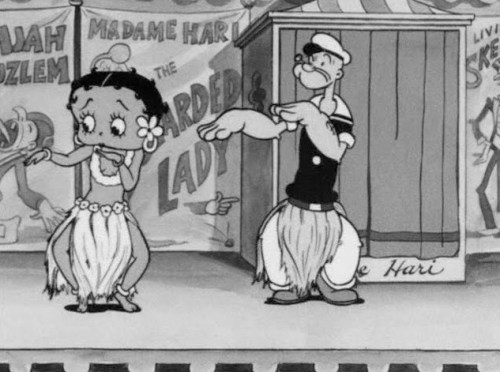
If you are as goofy and cartoon-obsessed as me, you may remember that Popeye the sailor was known for the catchphrase, “I yam what I yam”. And if you do remember that, it will not surprise you that, when told a yam is another name for sweet potato, Popeye was furious. “It cannot be!” he argued. “I would not say I sweet potato what I sweet potato! That’s ridicumess!”
Well he has a point.
But I would like to talk today about the things that I sweet potato, and why I sweet potato those things.
First of all, I yam a humorist.
I yam this thing not because I am funny. You may think I yam funny because I say really goofy things for no apparent reason, and then keep on talking long enough to convince you that I did have a point to make, but my brain leans so far to the left that I am hardly right about anything.
And I make bad puns a lot.
You see, I have to use humor constantly to deal with all the hard things in life, because being too serious in the face of the world’s basic uncaring cruelty only leads to depression and taking a beating from life. In fact, I can think of any number of situations in my past where I avoided a beating only because I made a joke that made the bully laugh.
So, being a humorist is a survival tactic. Humor keeps you alive.
You see someone like me has to face all the pain and heartache and cruelty the world has to offer by using humor. The real reason is that, when faced with a bad situation, if the humor gland can’t empty itself of all the jokes it produces, it will begin to swell. The humor gland is located either in the brain or maybe in the behind (I am not medically qualified to tell you which it really is), and it can only swell to a certain point, and then it will explode. This is very bad thing for you, if you survive it, and certainly unpleasant for anybody nearby.
But the joke, properly launched at the target, will make somebody laugh, even if it is only the humorist himself. And laughter is the best medicine. Unless it kills you. You have to be careful not to die laughing. The angels will be offended, and the demons will all laugh too.
But I yam not only a humorist. I yam also a teacher.
I began to realize that I might be a teacher when, in graduate school to get a remedial master’s degree to help with the fact that plain English majors all starve to death, I discovered I had a talent for explaining things in simple terms. And then, immediately afterwards, I discovered I had an even greater talent for being ignored while the people I was explaining to made the mistakes they wouldn’t have made if only they had listened to me, before they failed spectacularly, and then realized how the solution I had explained would’ve made them succeed instead. There is apparently no better way to learn an important lesson.
Teaching is, of course, a pretty cool job. You tend to have the summers off. And you get paid for summer because they split the amount of money you earn for the year (which considering what a babysitter makes on average per child and per hour is far too little for the hours you put in) into twelve monthly pittances.
Of course you are expected to have a university degree (although no teacher college in the world can teach you what you really need to know in order to face that many little monsters… err, darlings… every day) and preferably some grad school, and a certification to teach in your chosen subject, and an additional certification if you are going to teach more than one subject (and ESL and Speech and Journalism, all of which I was expected to teach, are separate certifications) and you have to take hours of additional training every single year, and you have to get re-certified every five years, and… Well, you have to be basically smarter and much better-educated than Bill Gates… But the school janitor will probably be making more money per month than you do.
Anyway, it’s a job you just gotta love. I yam a teacher.
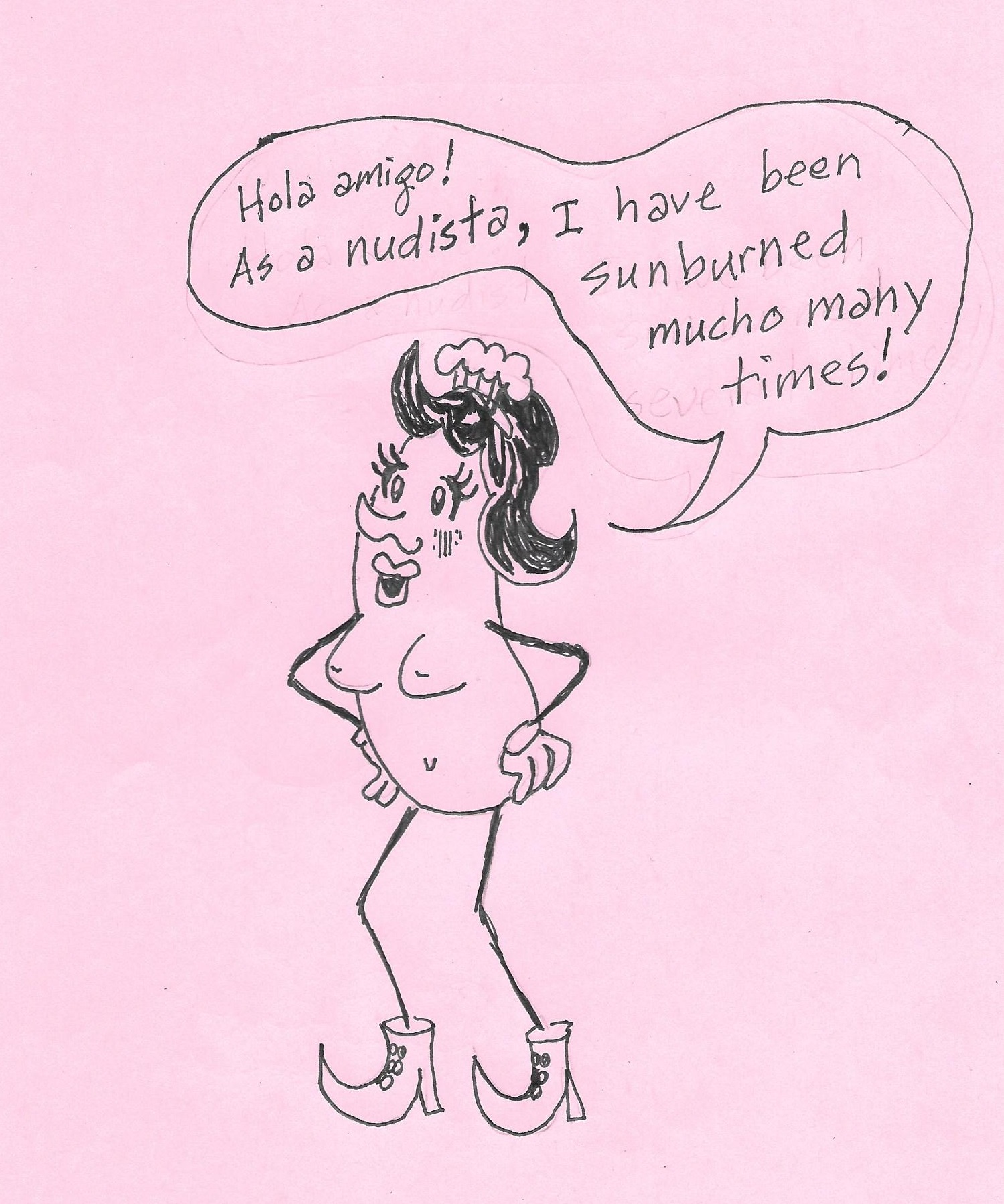
And really, there are a whole lotta yams in my basket yet that I could tell you about. I yam a Red Skelton fan. I yam sometimes a nudist (when I don’t have to put on clothes to keep myself from scratching all my psoriasis-plagued skin off). I yam also an artist (of the type known as a cartoonist). I yam pig-headed sometimes, and I yam Grumpy sometimes (so I go from being Porky to one of the Seven Dwarfs.) I yam a lotta things. And my sweet-potato basket is large.
But I can’t talk about all of my yams today. Too many yams are bad for my diabetes.
But here’s one last yam. I yam a storyteller. The book is the first in my series of AeroQuest books. It is a science fiction story with a humorous bent. And I mean, it is seriously bent in some places.
So, click on the link and get yourself a copy. It’s funny. And I will save the other sweet potatoes for another day.
Suppose being grumpy was a super power, and we could, as a grumpy old brotherhood of geezers, coots, and conservative uncles, could change things just by complaining about them.
No woman would ever leave a toilet seat down again. The Dunkin’ Donuts on Frankford Road would magically reopen and never run out of donuts again. And liver spots and wrinkles would suddenly be attractive to beautiful young women whether they were linked to fortunes or not.
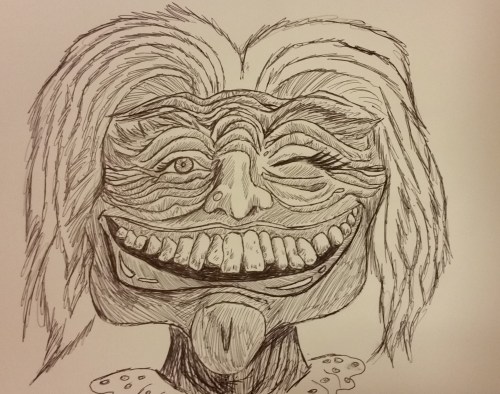
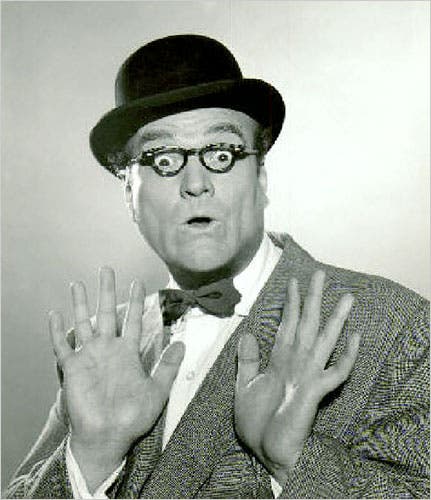
But what if, in order to make better use of this unexplainable super power, we start telling old coots like the fool in the picture that they have to prove they will use this super power only for good, or we will raise their taxes? Or we would forbid them from ever eating bacon again? Either of those things would definitely motivate them.
Of course, the biggest problem with geezers, old coots, and conservative uncles that no one wants to sit next to at Thanksgiving is that they don’t generally get smarter and nicer with age. It is probably not wise to give them a super power that can alter reality. Yes, they are generally quite literally mean-spirited and unqualifiably dumb. And it isn’t really a matter of whether they could ever actually have a super power like that. The real problem is that they already have it. They proved it in 2016 when they elected a gigantic orange-faced Pillsbury Doughboy with mental flatulence to lead our government. And it wasn’t the dumb part that did it. It was the literally mean part. Trump is a walking, talking old coot-complaint given to us by mean old men to tell us, “We are unhappy geezers, coots, and conservative uncles who would rather blow up the government than lift a single tax dollar (especially from a rich dude) to try and fix it”.
What we truly need to do is harness a bit of that grumpy-old-man complaining power, a truly misunderstood and misused super power, to tackle problems like making public schools better, cleaning the environment, and electing smarter leaders (not the stupid ones who actually represent the majority of us). But of course, we will first have to turn off the spigots in the brewery of prejudice and ignorance that is Fox News, and brand all the greedy and stupid people with a red letter “R” for Trumpian Republican. That way, knowing who to vote for to make things better will become easier to the point that even us geezers, old coots, and conservative uncles can do it right.
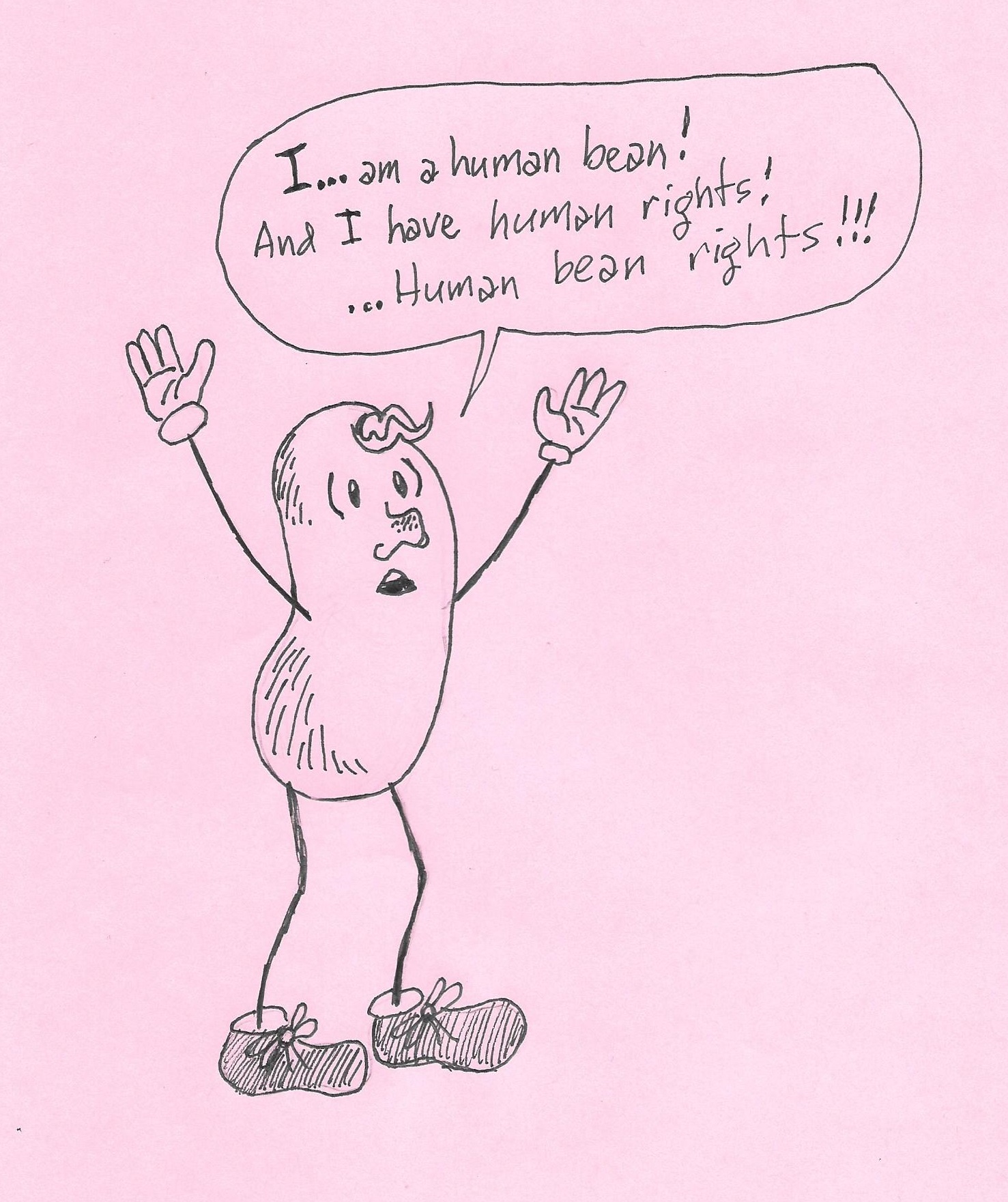
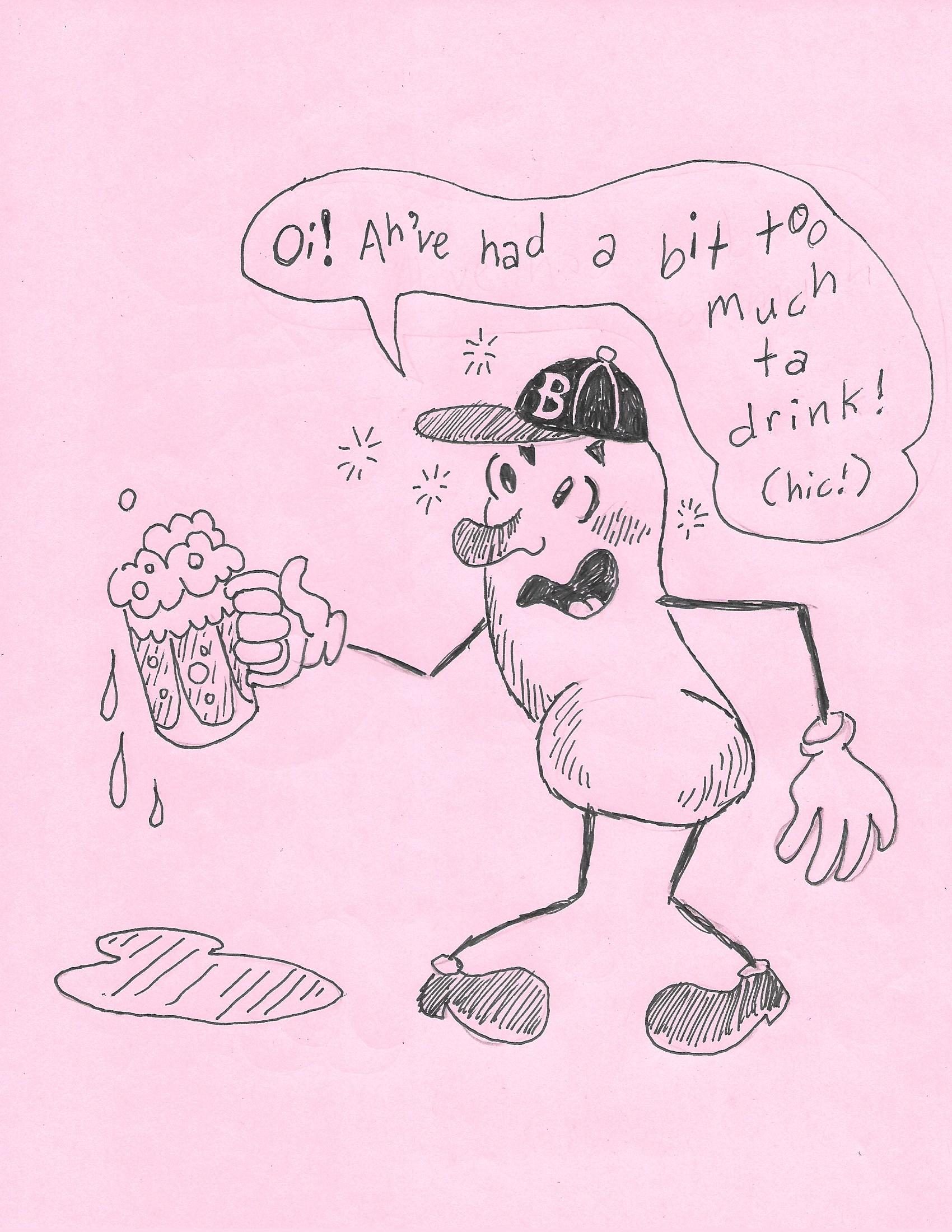
People are not really vegetables… even though I have seen IQ scores as a teacher that might say otherwise. But I often use the pun of calling them Human Beans.
Your basic human bean.
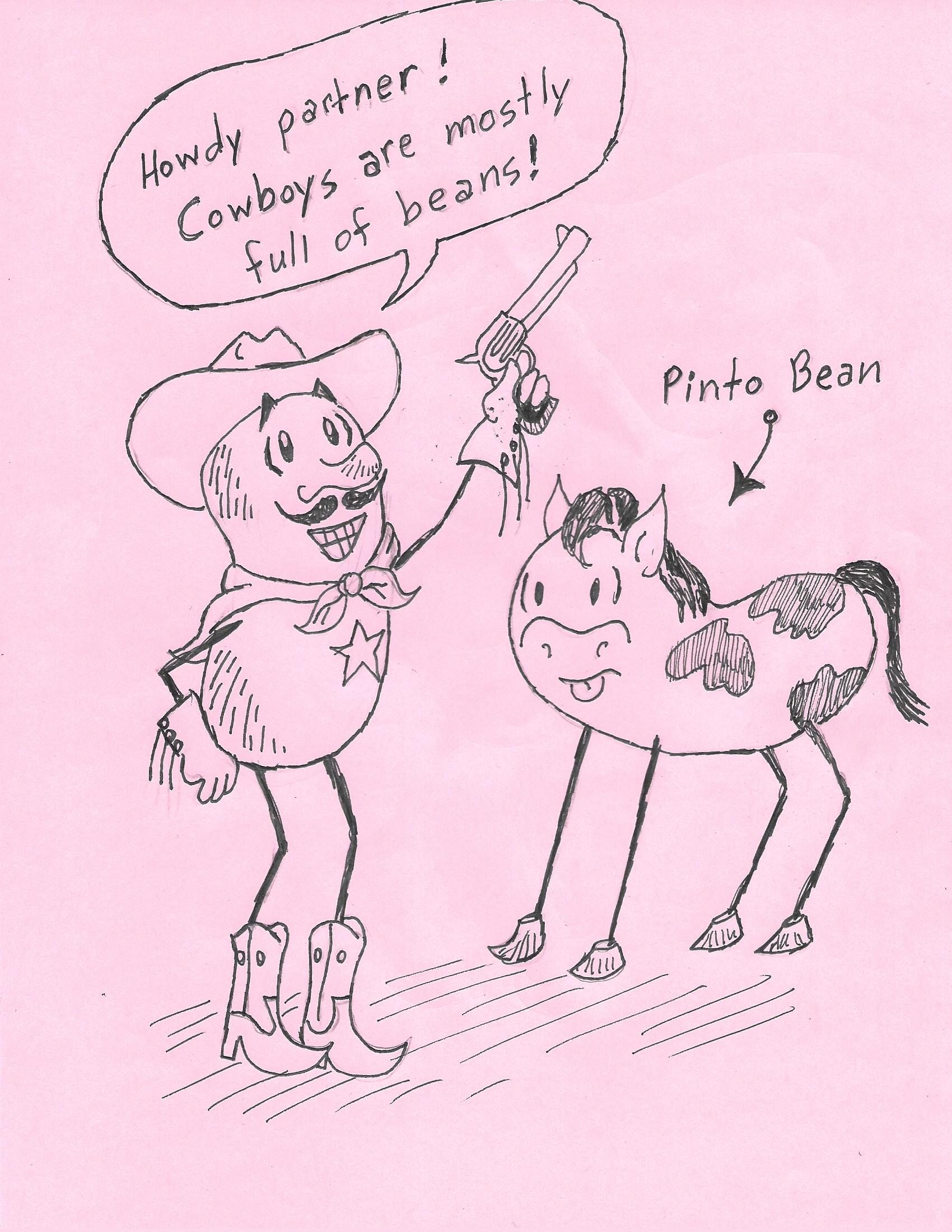
Western style beans
Of course, being a Texan means having a healthy appreciation for beans as a staple food. Cowboys used to live off of beans and beef jerky, and if Louis L’Amour is to be believed, they even made tea from mesquite beans. That makes your average cowboy made up of over 50 per cent beans. Of course the rest of him is mostly gas caused by the beans in his diet, whether it comes out as a fart or as a Texas tall tale… And yes, I admit it, I get a lot of my writing ideas from eating beans.
A Boston baked bean
We must also be aware that Texas has no corner on the beans market. We all know Boston baked beans by reputation. They, like the ever-hapless Cubs, had a habit of never winning the World Series. And now, in the last two decades, it has actually been difficult for the other teams to keep them from winning it all. But we shouldn’t mix up beans with baseball metaphors. Baseball is like life. Full of long and boring parts punctuated by intense moments of hitting, scoring, committing errors, and player versus player individual drama. And concession stand food! Beans, however, can taste good in chili draped over the ballpark hot dogs which cost more than a restaurant meal at most reasonable restaurants. And I promise you, you will never hit a home run over the fence by hitting it with a bean.
A Mexican style re-fried bean
And I wish to point out that this last human bean is not a racist cartoon. Beans are not part of the human race. They only have legs in cartoons and would come in last even when racing a snail. And all beans are created equal in the sight of God. Kidney beans, butter beans, navy beans, string beans… all beans are just beans, no matter what the color of their skin is, and no matter how they add flavor to a casserole. All beans are just in it to live life the best they can, and if that’s not enough… they can be planted as seeds to raise the next generation of human beans.
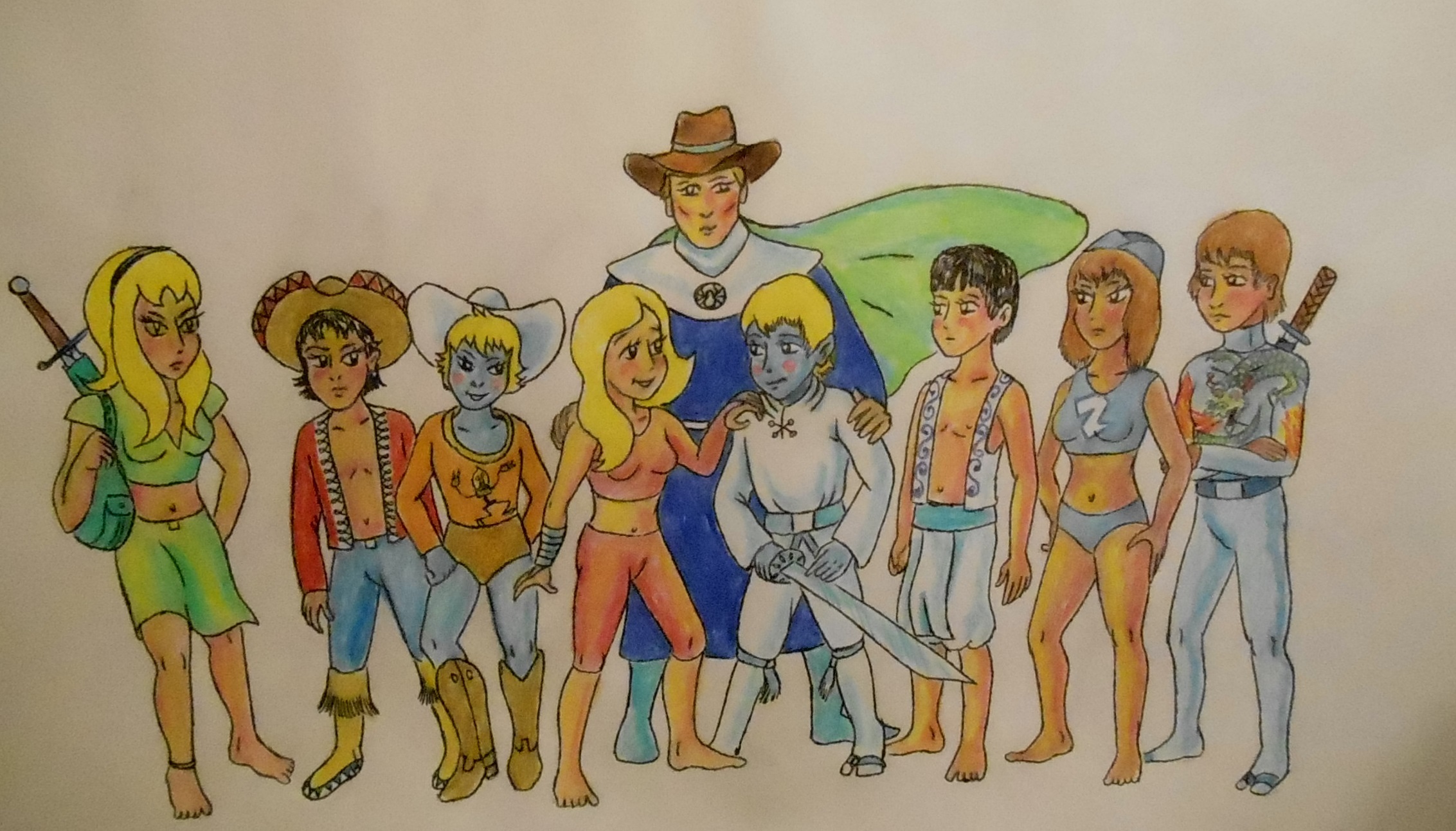
Back in the 1980’s I was given the gift of teaching the Chapter I program students in English. This was done because Mrs. Soulwhipple was not only a veteran English teacher, but also the superintendent’s wife. She was the one gifted with all the star kids, the A & B students, the ones that would be identified as the proper kids to put into our nascent Gifted and Talented Program. That meant that I would get all the kids that were C, D, & F in most of their classes, the losers, the Special Edwards, the learning disabled, the hyper rocketeers of classroom comedy, and the trouble makers. And I was given this gift because, not only was I not a principal’s or superintendent’s wife, but I actually learned how to do it and became good at it. How did I do that, you might ask? I cheated. I snooped into the Gifted and Talented teacher training, learned how to differentiate instruction for the super-nerd brain, and then used the stolen information to write curriculum and design activities for all my little deadheads (and they didn’t even know who the Grateful Dead were, so that’s obviously not what I meant). I treated the little buggers like they were all GT students. Voila! If you tell a kid they are talented, smart, and worthy of accelerated instruction… the little fools believe it, and that is what they become.
Even the goofy teacher is capable of believing the opposite of what is obvious and starts treating them like super-nerds because he actually believes it. I soon had kids that couldn’t read, but were proud of their abstract problem-solving skills. I had kids that could enhance the learning of others with their drawing skills, their singing ability, and their sense of what is right and what is wrong. I had them doing things that made them not only better students for me, but in all their classes. And I did not keep the methods to my madness a secret, either. I got so good at coercing other teachers to try new ideas and methods that I got roped into presenting some of the in-service training that all Texas teachers are required by law to do. And unlike so many other boring sessions we all sat through, I presented things I was doing in the actual classroom that other teachers could also use with success. The other teachers tried my activities and sometimes made them work better than I did.
Yes, I know this all sounds like bragging. And I guess it probably is. But it worked. My kids kept getting better on the standardized tests and the State tests that Texas education loves so much. And Mrs. Soulwhipple was still the superintendent’s wife, but she did not stay a teacher forever. She eventually went to a new school district with her husband. And guess who they started thinking of when the question of who would be the next teacher for the nerd classes was considered. That’s right, little ol’ Reluctant Rabbit… that goofy man who drew pictures on the board and made kids read like a reading-fiend… me.
So, a new era began in Cotulla. In addition to still getting to teach all the deadheads (because they weren’t going to trust those precious children to anyone else, naturally), I began teaching at least one edition of Mr. B’s famous Nerd Class every school year. We actually assigned long novels and great pieces of literature for the kids to read and discuss and study in depth. Novels like To Kill a Mockingbird by Harper Lee and Across Five Aprils by Irene Hunt were read. We began talking about “big ideas”, “connections to the wider world”, and how “things always change”. We began taking on ideas like making our world better and how to help our community. Kids began to think they were learning things that were important. We did special units on Exploring Our Solar System, The World of Mark Twain, Finding the Titanic, and The Tragedy of Native American History. And we spent as much as a third of the year on each. I am myself cursed with a high IQ and a very disturbing amount of intelligence. I am the deepest living stockpile of useless facts and trivia that most of my students would ever meet in their lifetimes. And even I was challenged by some of the learning we took on. That’s the kind of thing that makes a teaching career fun. It kept me teaching and meeting new students and new challenges long after my health issues made it a little less than sensible to keep going. And if I manage to tell you a few Nerd Class stories in the near future, then at least you stand a chance of knowing a little bit about what-the-heck I am talking about. So be prepared for the worst. I am retired now, and have plenty of time for long-winded stories about being a teacher.
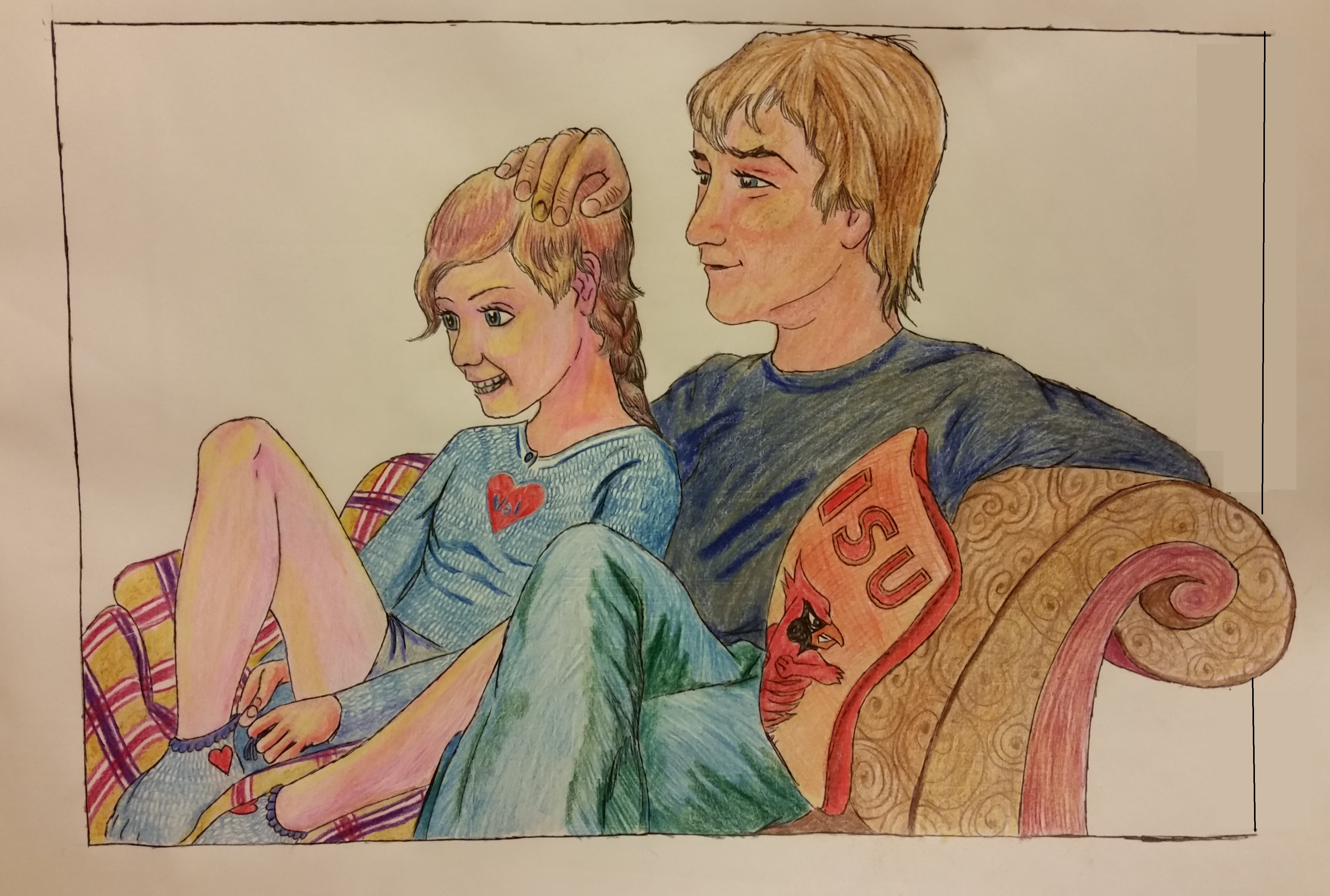
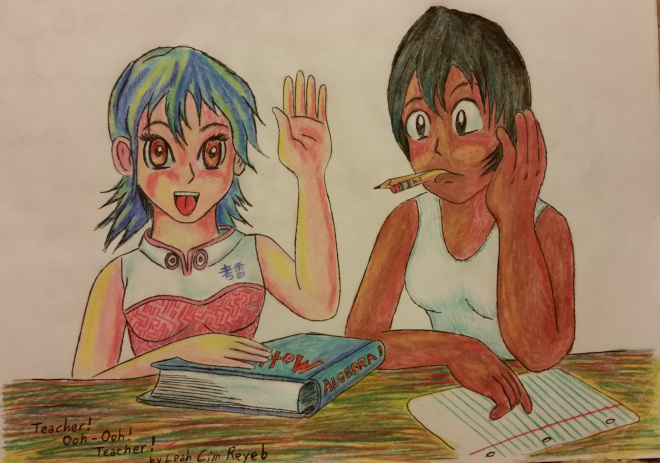
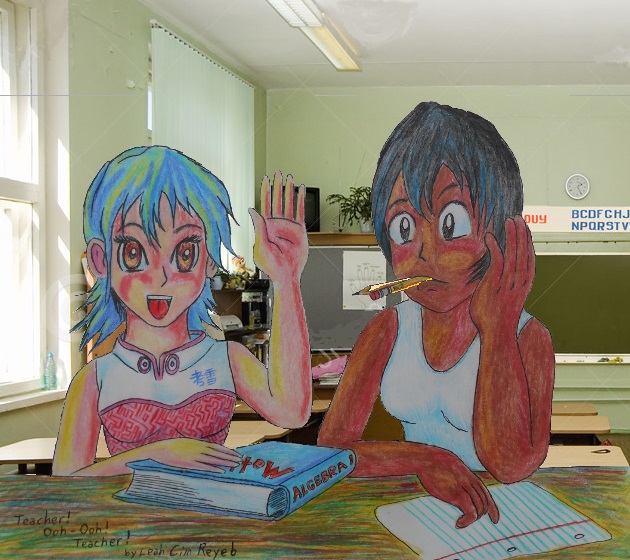
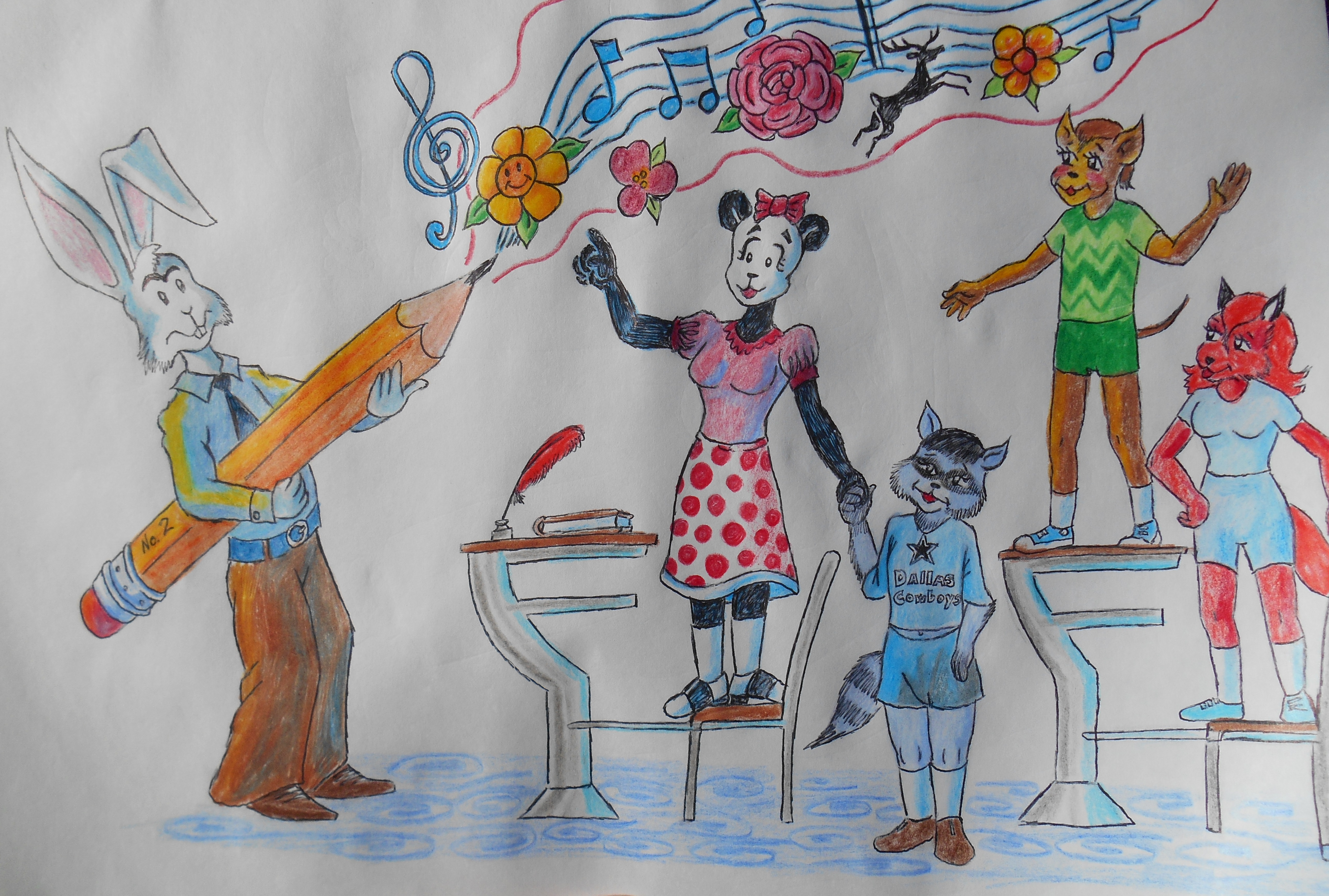
I was born an artist. It has to be developed and nurtured and practiced over time to become what it can truly be, but artistic talent is something you are born with, and there is a genetic aspect to it. Great Aunt Viola could draw and paint. She produced impressive art during her lifetime. My father can draw. He has demonstrated ability a number of times, though he never developed it. Both my brother and I can draw and have done a lot of it. All three of my children can draw and paint. My daughter, the Princess, even wants to pursue a career in graphic design and animation.
One of the factors that weighs heavily on a career in art is the starving artist factor. To be a serious artist, you have to study art in great detail. You need lots of practice, developing not only pencil-pushing prowess, but having an artist’s eyeball, that way of seeing that twists and turns the artist’s subject to find the most novel and interesting angle. It takes a great deal of time. And if you are doing this alone, you are responsible also for building your own following and marketing your own work and creating your own brand. You need to be three people in one and do this while potentially not being able to make any money at all for it. I have taught myself to do the art part, but I paid the bills with something else I loved to do, teaching English to hormone-crazed middle-schoolers.
An important part of art is what you have to sacrifice to do it.
Many artists become alcoholics, drug users, or suicidal manic-depressives. There is an artistic sort of PTSD. Doing real art costs a lot because it alters your lifestyle, your mental geography, and your spiritual equilibrium. Depending on how much of yourself you put into it, it can use you up, leaving no “you” left within you.
I am not trying to leave you with the impression that I mean to scare you into not wanting to be an artist. For many reasons it is a great thing to be. But it is a lot like whether you are born gay or straight… or somewhere in between. The choice is not entirely up to you. You can only control what you do with the awful gift of art once it is given to you. And that is a serious choice to make. Me, I have to draw. I have to tell stories. My life and well-being depend on it. It is the only way I can be me.
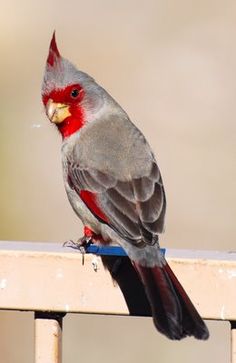
It sings and behaves almost exactly like its scarlet cousins. It never flies away from seasonal changes or difficult weather, and it also tolerates drier conditions than its bright red family members.
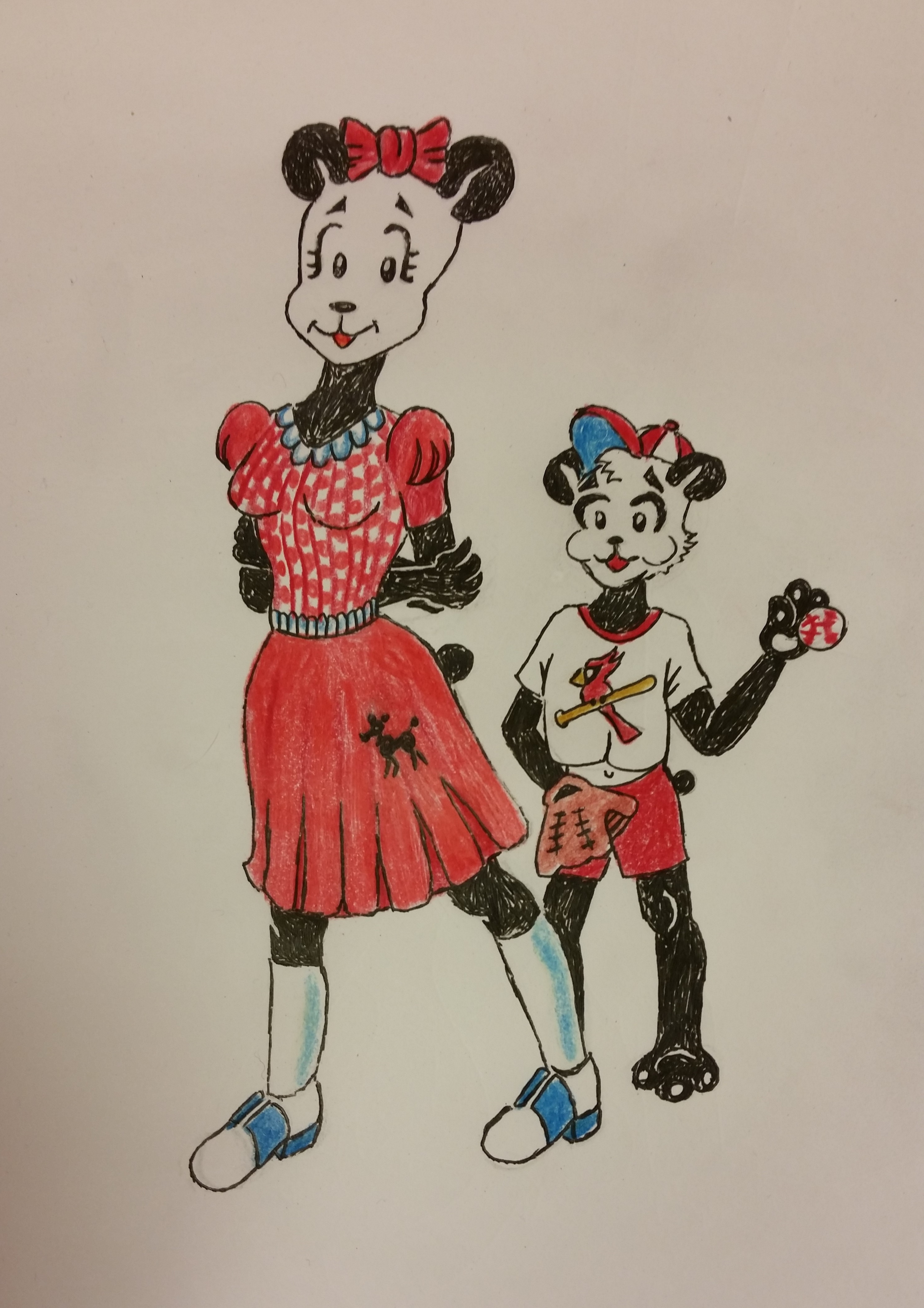
Why do you need to know that? Because I am a birdbrain. I connect things that are totally unlike each other. I am a surrealist. And for me, being a cardinal is all about never flying away when the winter comes, never giving up.
There was a time in my life when I wasn’t entirely sure of who I would become. Let me say clearly, “I am not now, nor have I ever been a homosexual.” And if I had been one, like a couple of my friends turned out to be, I would not be ashamed to be one. But there was a time, in my high school years, when I really wasn’t certain, and I was terrified of what the answer might be.
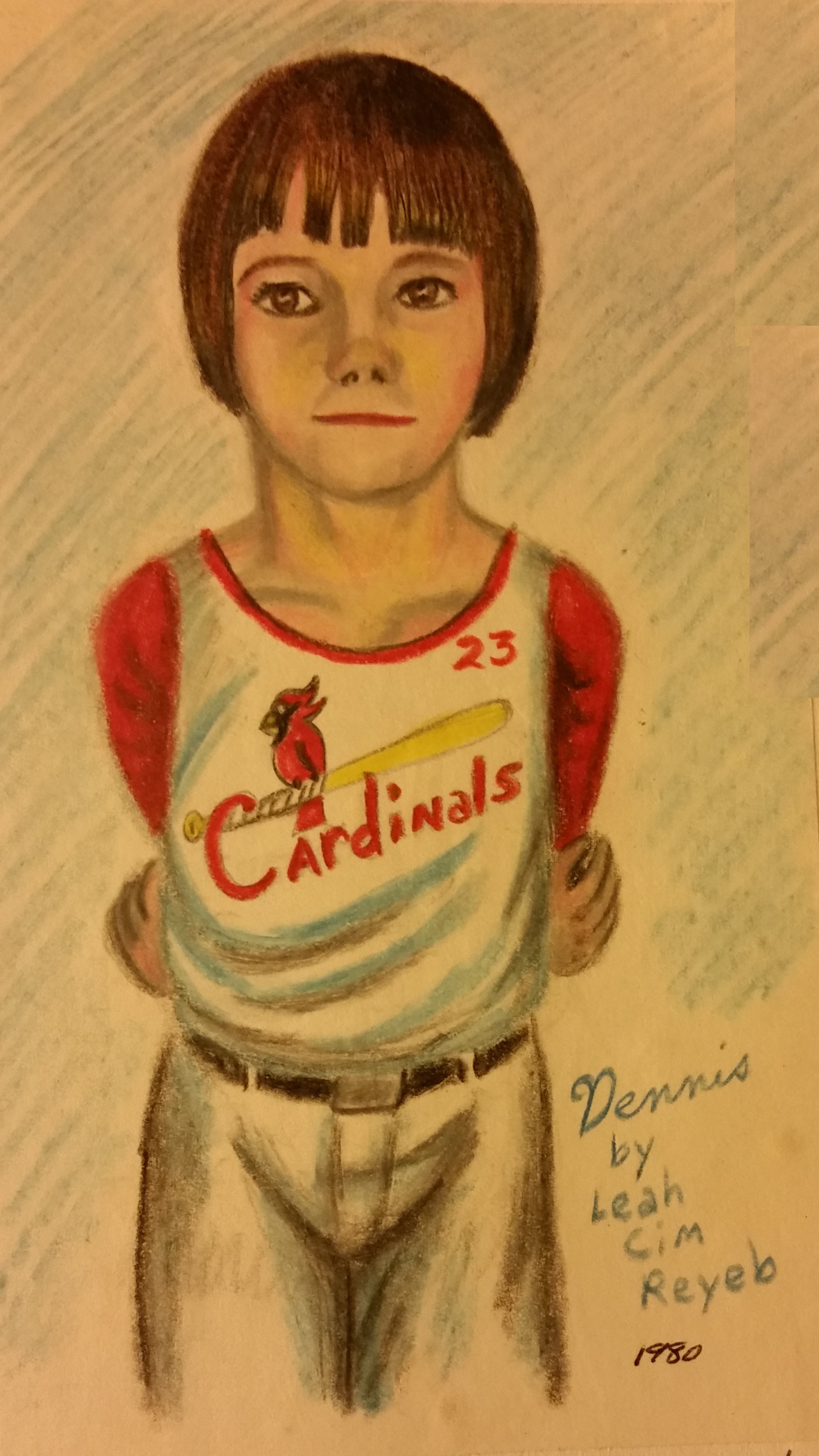
And it was in high school that I met Dennis.
Now, to be honest, I noticed him while I was still an eighth grader, and he was in my sister’s class and two years younger. It was in the locker room after eighth grade P.E. class was ended and sixth grade P.E. was getting dressed for class. I was returning to pick up a book I had left. He was standing just inside the door in nothing but shorts. The feeling of attraction was deeply disturbing to my adolescent, hormone-confused brain. I didn’t want to have anything to do with that feeling. But I felt compelled to find out who he was anyway. He was the younger brother of my classmate Rick Harper (not his real name). In fact, he was the book end of a set of twins. But I came to realize that it was Dennis I saw, not Darren, because they were trying to establish their identities by one of them curling his hair, and the other leaving his straight.
Nothing would ever have come of it, but during my Freshman year of high school, I encountered him again. During a basketball practice where the ninth grade team was scrimmaging with the eighth graders, the seventh graders were all practicing free throws at the side of the junior high gym. While I was on the bench, he came up to me from behind and tapped me on the shoulder. I turned around and he tossed me his basketball. “Play me one on one?” He asked. I almost did. But I remembered that Coach Rod had warned us to be ready to go into the game when he called on us. I had a turn coming up. So, I told him that and promised I would play him some other time. He grinned at me in a way that gave me butterflies in my stomach. Why? To this day I still don’t really know.
Dennis’s older brother and I were in Vocational Agriculture class together that year and both on the Parliamentary Procedure team preparing for a competition. We were at Rick’s house. After a few rounds of practice that convinced our team we would definitely lose the competition, Dennis and his brother trapped me in a corner.
“Hey, Meyer, how’re ya doin’?” Dennis said. Darren just stared at me, saying nothing.
“It’s Beyer, not Meyer,” I said. Of course, he knew that. The Meyers were a local poor family with a bad reputation, and it was intended as an insult. And it also rhymed, making it the perfect insult.
“Still one of the worst basketball players ever?”
“I try. I’m working on it really hard.” That got him to laugh and ask me to give him a high five.
“Goin’ to the basketball game later?”
“Yeah, probably.”
I knew then that he wanted to be my friend. I wasn’t sure why. He was picking me out of the blue to make friends with. We didn’t move in the same circles, go to the same school, or even live in the same town. He was a Belmond boy, I was Rowan kid. And he didn’t know I was only a few years past being sexually assaulted and not ready to face the demons my trauma had created within me.
Later, at the basketball game, he found me in the bleachers and sat down beside me. In my defense, I am not a homophobe. And neither he nor I turned out to be a homosexual. He just wanted to be my friend and was taking difficult steps to make that connection. He was the one taking the risks. I greeted him sarcastically, and looking back on it, somewhat cruelly, because I was filled with too many uncertainties. I never meant to drive him away. But I will never forget the wounded look on his face as he scooted away down the bleacher seat.
He tried to talk to me several times after that. He apparently never lost the urge to befriend me. But as much as I wanted to accept his friendship, it never came to be. I have regretted that ever since.
Dennis passed away from cancer early this year. It is what made me think about who we both once were and what I gave away. I went on to actually befriend a number of boys through college and into my teaching career. I never chose any of them. The friendship was always their idea. I went on teach and mentor a number of fine young men. I like to think I did it because I felt a bit guilty of never really being Dennis’s friend. I hope somewhere along the way I made up for my mistake. I hope Dennis forgives me. And I wish I could tell him, “I really do want to be your friend.”
The pyrrhuloxia is a member of the family of cardinals and grosbeaks. And it does not migrate away from troublesome seasons and bad weather. There is dignity in being a pyrrhuloxia.










Old and Grumpy
Suppose being grumpy was a super power, and we could, as a grumpy old brotherhood of geezers, coots, and conservative uncles, could change things just by complaining about them.
No woman would ever leave a toilet seat down again. The Dunkin’ Donuts on Frankford Road would magically reopen and never run out of donuts again. And liver spots and wrinkles would suddenly be attractive to beautiful young women whether they were linked to fortunes or not.
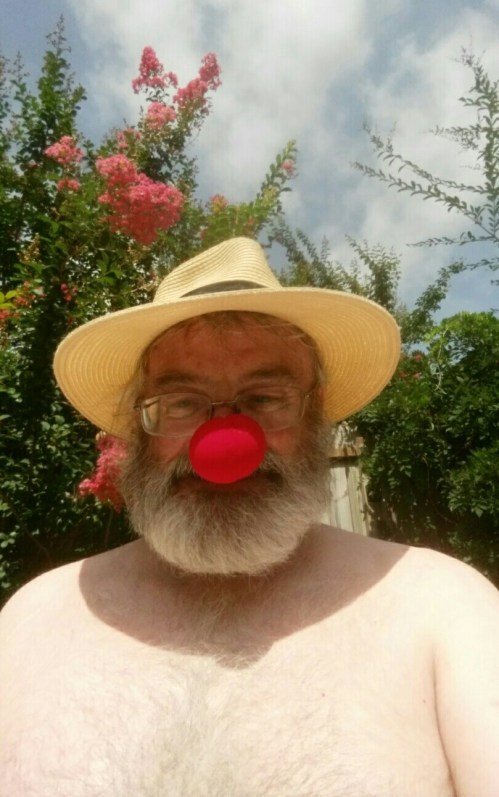
But what if, in order to make better use of this unexplainable super power, we start telling old coots like the fool in the picture that they have to prove they will use this super power only for good, or we will raise their taxes? Or we would forbid them from ever eating bacon again? Either of those things would definitely motivate them.
Of course, the biggest problem with geezers, old coots, and conservative uncles that no one wants to sit next to at Thanksgiving is that they don’t generally get smarter and nicer with age. It is probably not wise to give them a super power that can alter reality. Yes, they are generally quite literally mean-spirited and unqualifiably dumb. And it isn’t really a matter of whether they could ever actually have a super power like that. The real problem is that they already have it. They proved it in 2016 when they elected a gigantic orange-faced Pillsbury Doughboy with mental flatulence to lead our government. And it wasn’t the dumb part that did it. It was the literally mean part. Trump is a walking, talking old coot-complaint given to us by mean old men to tell us, “We are unhappy geezers, coots, and conservative uncles who would rather blow up the government than lift a single tax dollar (especially from a rich dude) to try and fix it”.
What we truly need to do is harness a bit of that grumpy-old-man complaining power, a truly misunderstood and misused super power, to tackle problems like making public schools better, cleaning the environment, and electing smarter leaders (not the stupid ones who actually represent the majority of us). But of course, we will first have to turn off the spigots in the brewery of prejudice and ignorance that is Fox News, and brand all the greedy and stupid people with a red letter “R” for Trumpian Republican. That way, knowing who to vote for to make things better will become easier to the point that even us geezers, old coots, and conservative uncles can do it right.
Leave a comment
Filed under angry rant, commentary, goofy thoughts, humor, oldies, Paffooney, satire
Tagged as family, fiction, life, politics, writing