
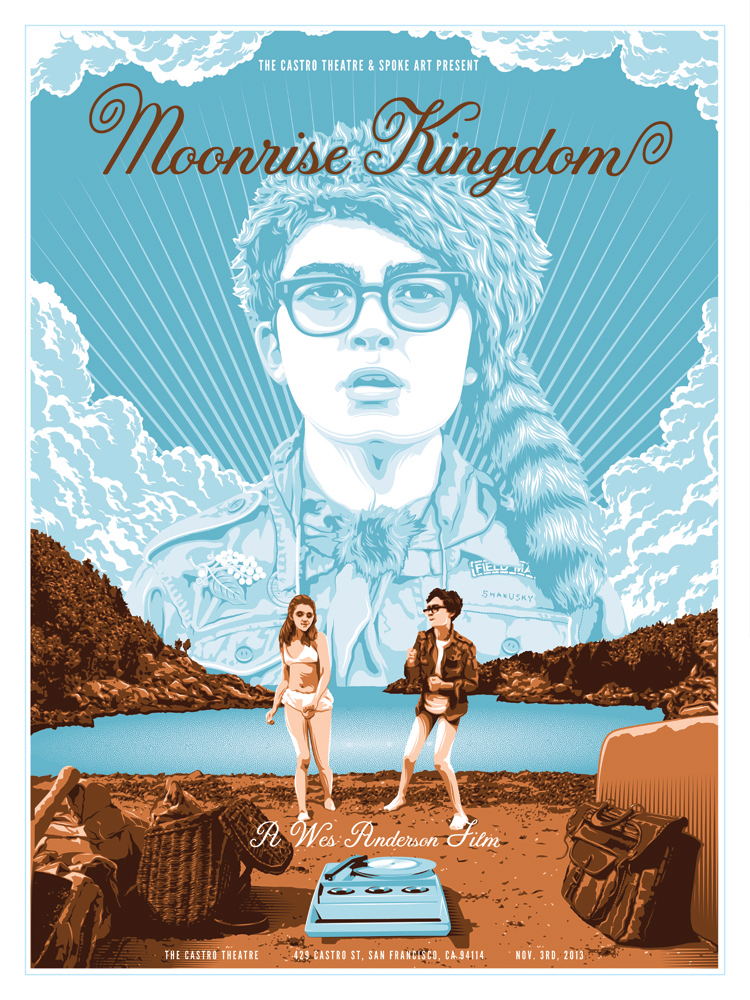
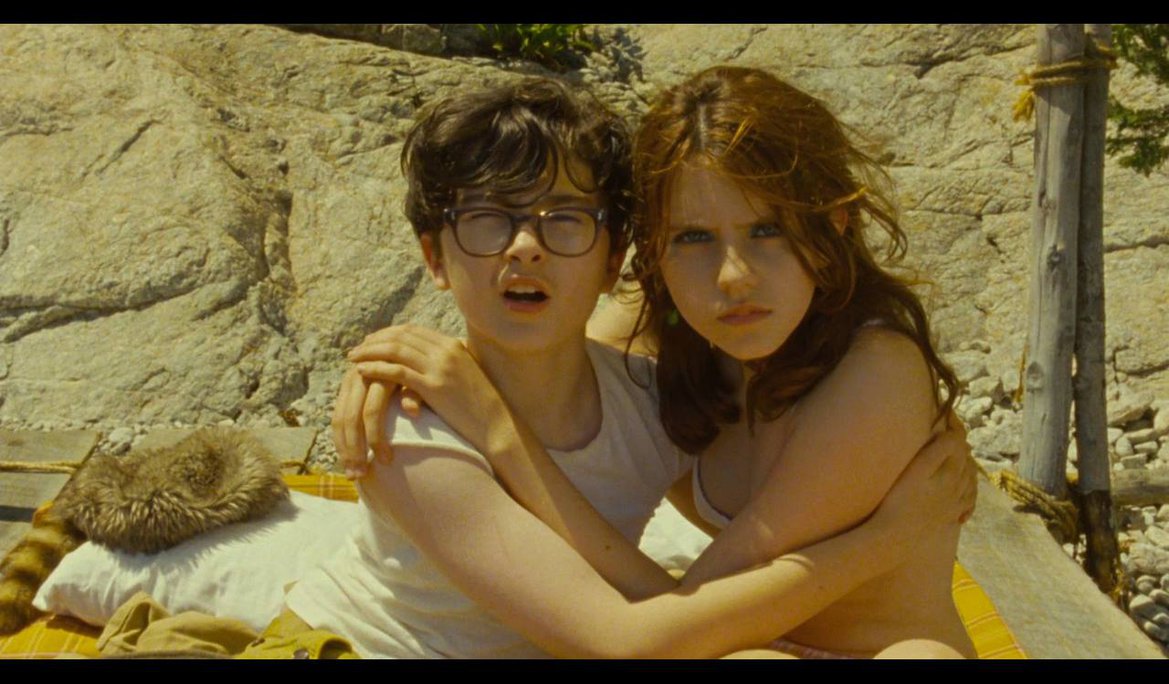
Yesterday was a weird day. If you looked carefully at the mental map I made of Mickey’s head the other day, you realize that Uncle Slappy’s Big Box of Weirdness occupies a key position in the top center. I had a traffic accident in the parking lot of Long Middle School yesterday morning, banging bumpers with a lady named Vilma. The sun was in my eyes, and she started to go, then suddenly stopped for no reason I could see. No damage was done to anything but my pride. My wife put her parents, Tatang and Inang, on an airplane yesterday bound for the Philippine Islands, going home for a visit. Afterwards, my wife was feeling mortal, betting me that she was going to die before me even though I have the head start of six incurable diseases and surviving cancer once already. There are no symptoms for her impending heart attack, so I will probably win that bet. But the point is, it was a weird time yesterday to stumble weirdly over a weird and wacky movie on Netflix called Moonrise Kingdom. It is a Romeo and Juliet sort of story about two twelve-year-olds who fall in love at first sight, and though their families try to keep them apart, they end up together. Thankfully it is not a Shakespearian Tragedy where everybody dies at the end, though Sam is struck by lightning and the big storm nearly drowns all the boy scouts. It is more like a Shakespearian Comedy where everybody gets married at the end, though the twelve-year-olds don’t get married at the end… rather, they are married by the middle.


Wes Anderson is the genius director behind movies like;
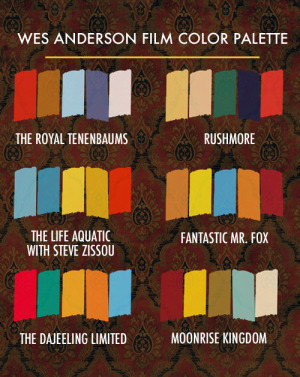
None of which I have seen, but now have to watch ALL of them sooner or later. Kinda like the mad quest to see every Tim Burton movie ever made. I am one of the few idiots out there who think Dark Shadows was a truly wonderful movie, and along with Edward Scissor-hands, one of the finest things Johnny Depp has ever done.
In Moonrise Kingdom Anderson uses tracking shots at the beginning that shift quickly from one room to the next in a way that invokes an old-time slide show. The story is set in 1965 in Maine, and is filled with all kinds of iconic references to things we 60’s kids all vividly recall.
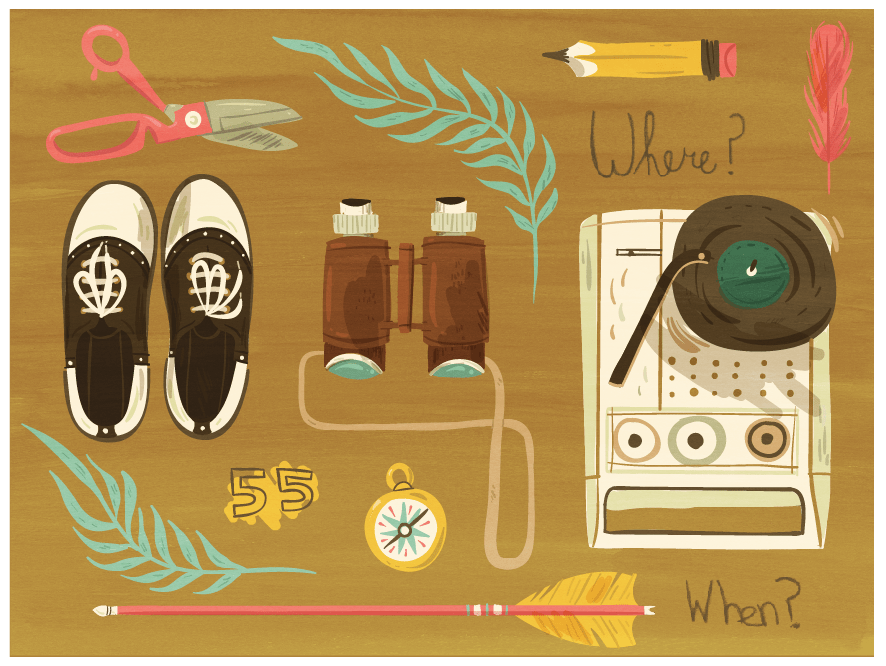
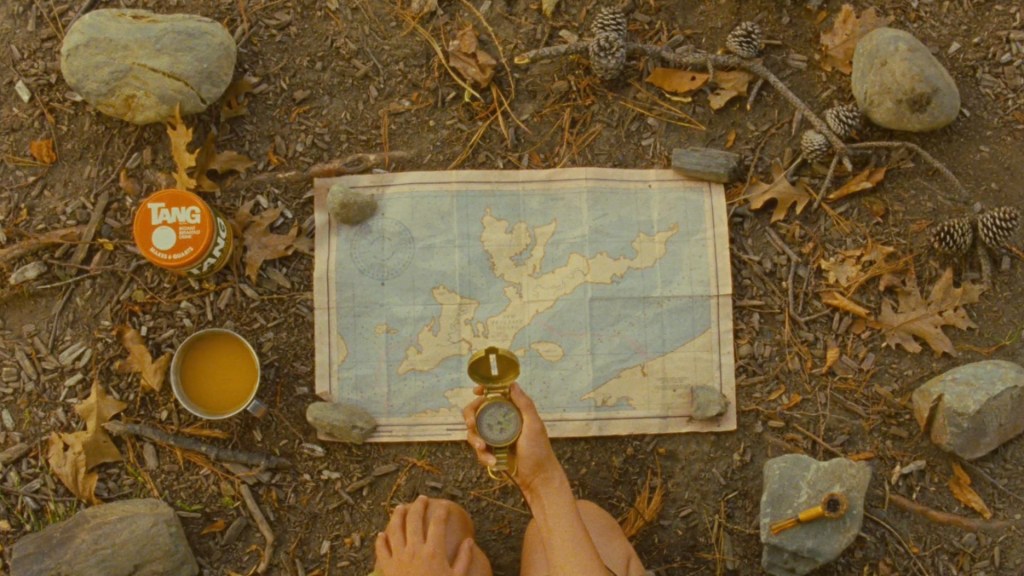
The movie also tells the love story of Sam and Suzy with a painter’s sense of iconic pictures that focus you on important plot points and themes.
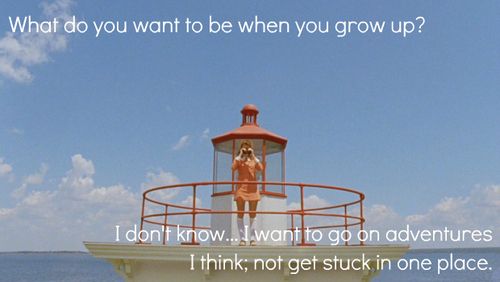
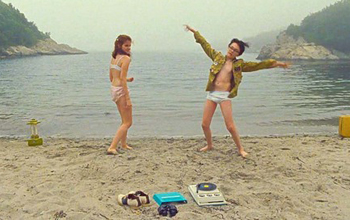

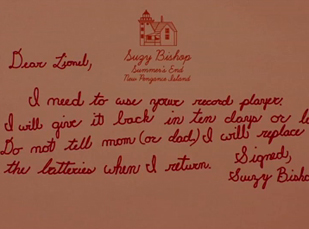
And there are numerous quotable bits that make the movie what we teachers refer to as a text-rich environment, complete with phony kids’ books and maps and notes.
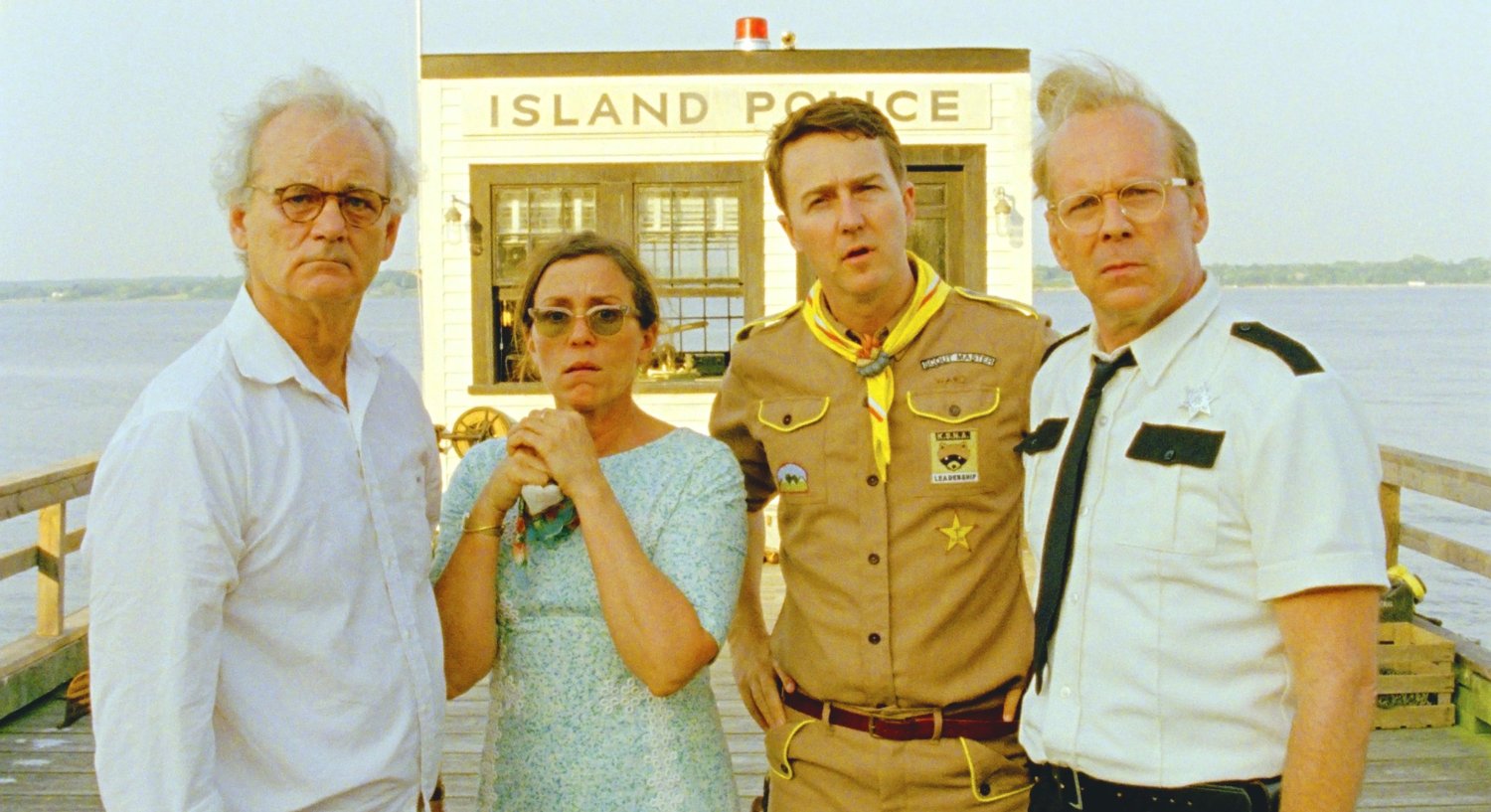
The all-star cast is pretty good, too.
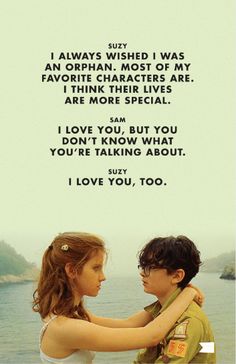
This is now one of my new favorite movies. It is a happy-ending-type fairy tale with no fairies in it. It is full of ineffectual and incompetent adults who have rules of behavior like grown-ups and motivations like goofy kids… just like real life. The plot is driven by the notion that anything you do in life is a mistake, and mistakes have consequences, but you have to do them anyway because, well… that’s life.
Am I telling you that you should watch this movie too? Well, you should… but, no. I am simply gushing about this quirky movie because I like it, and yesterday was a very weird day.





![Clofillia, Josphine [Madame Clofullia, P.T. Barnum's "Bearded Lady of Geneva"]. Daguerreotype by Thomas M. Easterly, 1853. Photographs and Prints Collections. Missouri History Museum. Easterly 321. NS 17387. Scan © 2008, Missouri History Museum.](https://i0.wp.com/catchafallingstarbook.net/wp-content/uploads/2018/04/beardedlady.jpg?w=273&h=154&ssl=1 "beardedlady")


 J
J


 Catch a Falling Star
A Mr. Holland Moment
Life is making music. We hum, we sing to ourselves, movie music plays in our head as the soundtrack to our daily life. At least, it does if we stop for a moment and dare to listen. We make music in many different ways. Some play guitar. Some are piano players. And some of us are only player pianos. Some of us make music by writing a themed paragraph like this one. Others make an engine sing in the automotive shop. Still others plant gardens and make flowers or tomatoes grow. I chose teaching kids to read and write. The music still swells in my ears four years after retiring.
The 1995 movie, Mr. Holland’s Opus, is about a musician who thinks he is going to write a magnificent classical orchestra opus while teaching music at a public high school to bring in money and allow him time to compose and be with his young wife as they start a new family.
But teaching is not, of course, what he thought it was. He has to learn the hard way that it is not an easy thing to open up the closed little clam shells that are the minds of students and put music in. You have to learn who they are as people first. You have to learn to care about what goes on in their lives, and how the world around them makes them feel… and react to what you have to teach. Mr. Holland has to learn to pull them into music appreciation using rock and roll and music they like to listen to, teaching them to understand the sparkles and beats and elements that make it up and can be found in all music throughout their lives. They can even begin to find those things in classical music, and appreciate why it has taken hold of our attention for centuries.
And teaching is not easy. You have to make sacrifices. Big dreams, such as a magnum opus called “An American Symphony”, have to be put on the shelf until later. You have children, and you find that parenting isn’t easy either. Mr. Holland’s son is deaf and can never actually hear the music that his father writes from the center of his soul. And the issue of the importance of what you have to teach becomes something you have to fight for. Budget cuts and lack of funding cripples teachers in every field, especially if you teach the arts. Principals don’t often appreciate the value of the life lessons you have to give. Being in high school band doesn’t get you a high paying job later.
But in the end, at the climax of the movie, the students all come back to honor Mr. Holland. They provide a public performance of his magnum opus, his life’s work. And the movie ends with a feeling that it was all worth it, because what he built was eternal, and will be there long after the last note of his music is completely forgotten. It is in the lives and loves and memories of his students, and they will pass it on.
But this post isn’t a movie review. This post is about my movie, my music. I was a teacher in the same way Mr. Holland was. I learned the same lessons about being a teacher as he did. I had the same struggles to learn to reach kids. And my Mr. Holland moment wasn’t anywhere near as big and as loud as Mr. Holland’s. His was performed on a stage in front of the whole school and alumni. His won Richard Dreyfus an Academy Award for Best Actor. But his was only fictional.
Mine was real. It happened in a portable building on the Naaman Forest High School campus. The students and the teacher in the classroom next door threw a surprise party for me. They made a lot of food to share, almost all of which I couldn’t eat because of diabetes. And they told me how much they would miss me, and that they would never forget me. And I had promised myself I would never cry about having to retire. But I broke my promise. In fact, I am crying now ten years later. But they are not tears of sadness. My masterwork has now reached its last, bitter-sweet notes. The crescendos have all faded. But the music of our lives will still keep playing. And not even death can silence it completely.
Leave a comment
Filed under artwork, autobiography, commentary, happiness, insight, kids, movie review, teaching
Tagged as education, learning, music, music-education, teachers, teaching