
Today during the school-drop-off downpour, I was forced to pull into the Walmart parking lot and pass out for a few rainy minutes. Good times, huh? But life is like that with diabetes. I have been a diagnosed diabetic since April of 2000. I have learned to live with my sugars out of whack, my mind potentially turned into Swiss cheese with cream gravy at any moment, and a strangely comforting capacity to weather headaches, both the heartbeat in the temples like a timpani kind, and the red-hot needles of Nyarlathotep boring into my skull kind. I suffer, but I also survive. In fact, the terrible incurable disease most likely to kill me is, in some ways, a sort of a back-handed blessing. I certainly don’t take life for granted with it. I am more conscious of how food can affect me and make me feel. I have had to learn how to take care of myself when taking care of myself is tricky like an Indiana Jones’ adventure in the Doomed Temple of Mickey’s Body. I take going to the doctor seriously and have learned what questions to ask. I have been to the heart specialist and the endocrinologist and the dietitian more than most people, though not more than most people should see them. I have also learned how to make fun of dread diseases… a skill I never imagined I might develop later in life.
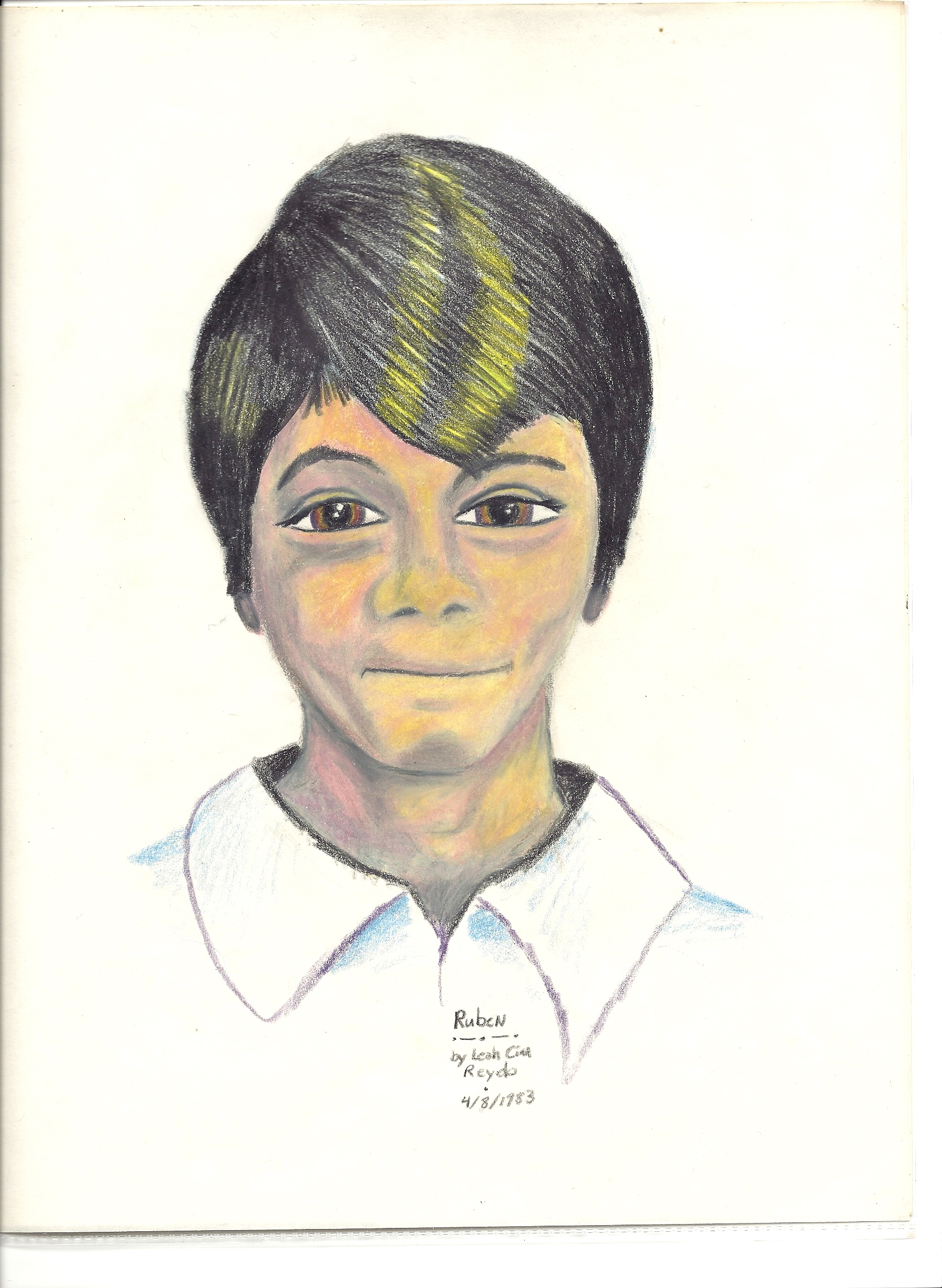
My first experience of diabetes wasn’t even my own illness. Back in 1984 I had a boy in my seventh grade class who seemed to be falling asleep constantly. He was a shy little Hispanic boy with curly hair who was usually whip-smart and very charming. But I couldn’t seem to keep his head off his desk. So I asked him what the matter was. He was too shy and worried that he had done something wrong to answer me. So I asked him to get some water to wake himself up. The reading teacher across the hall told me, “You know, Juanito is diabetic. His blood sugar might be low.”
So I asked him, “Is that your problem?”
He nodded and smiled.
“The office keeps some orange juice in the refrigerator for him,” the reading teacher said.
So, I saved his life for the first time in my career without even knowing what the problem was or how to solve it. He came back from the office perky and smiley as ever. And I realized for the first time that I needed to know what diabetes was and what to do about it.
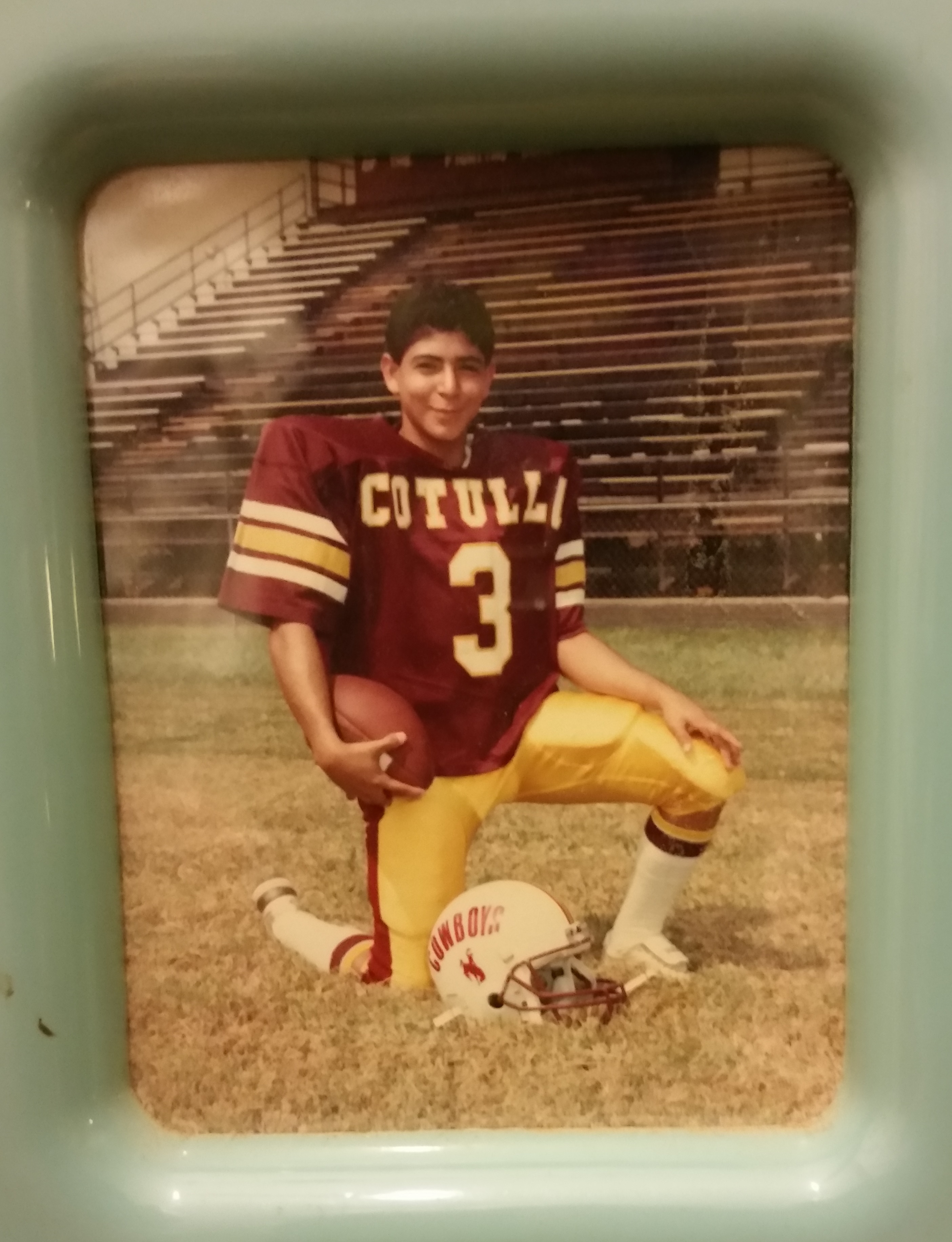
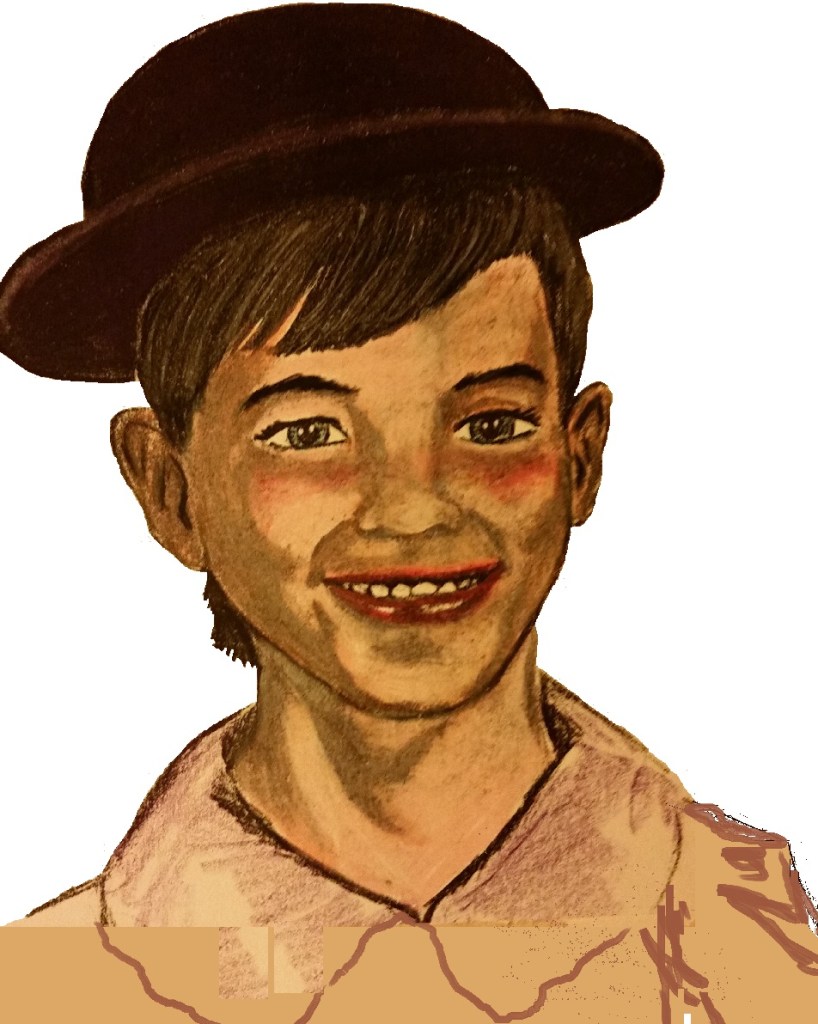
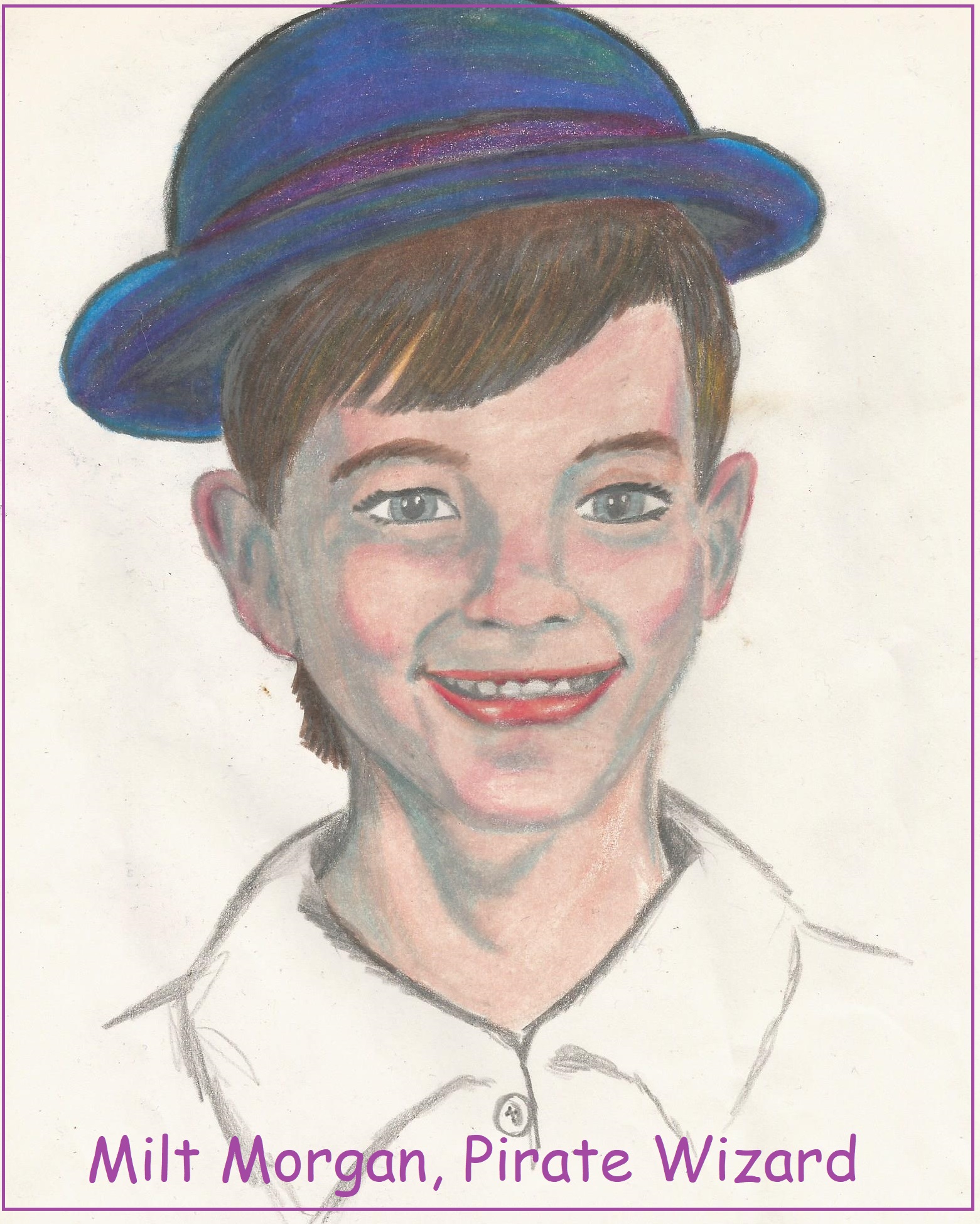
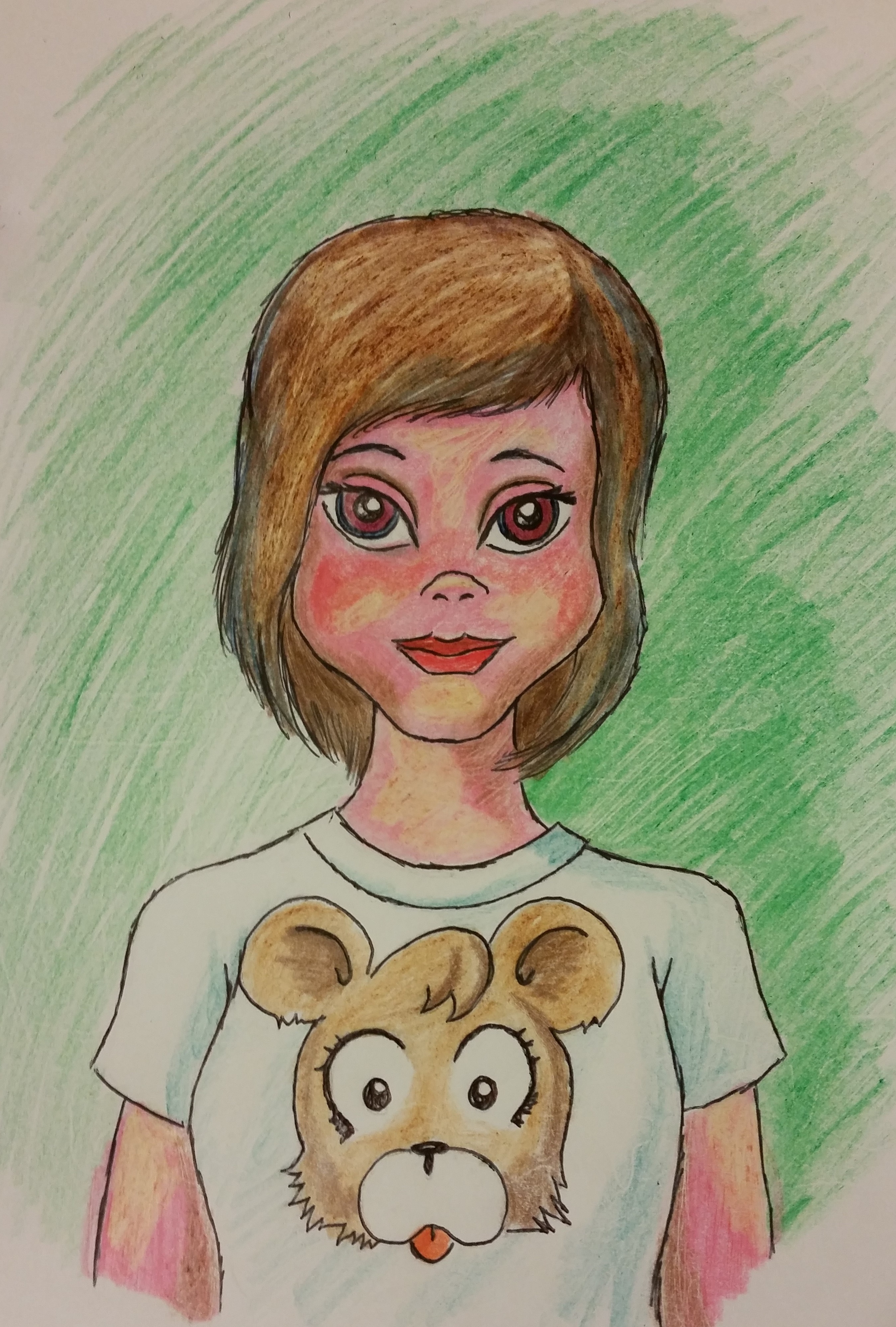
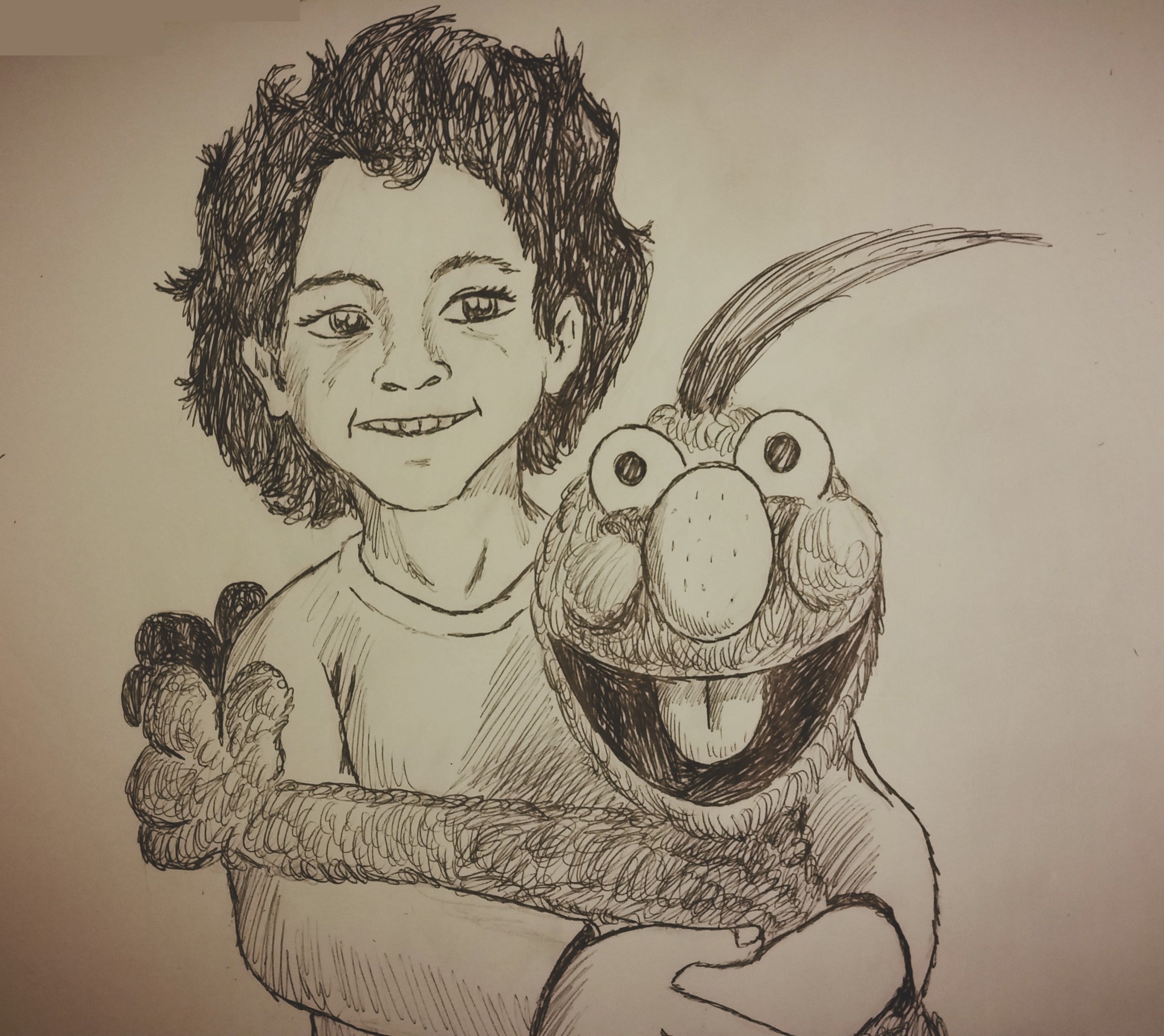
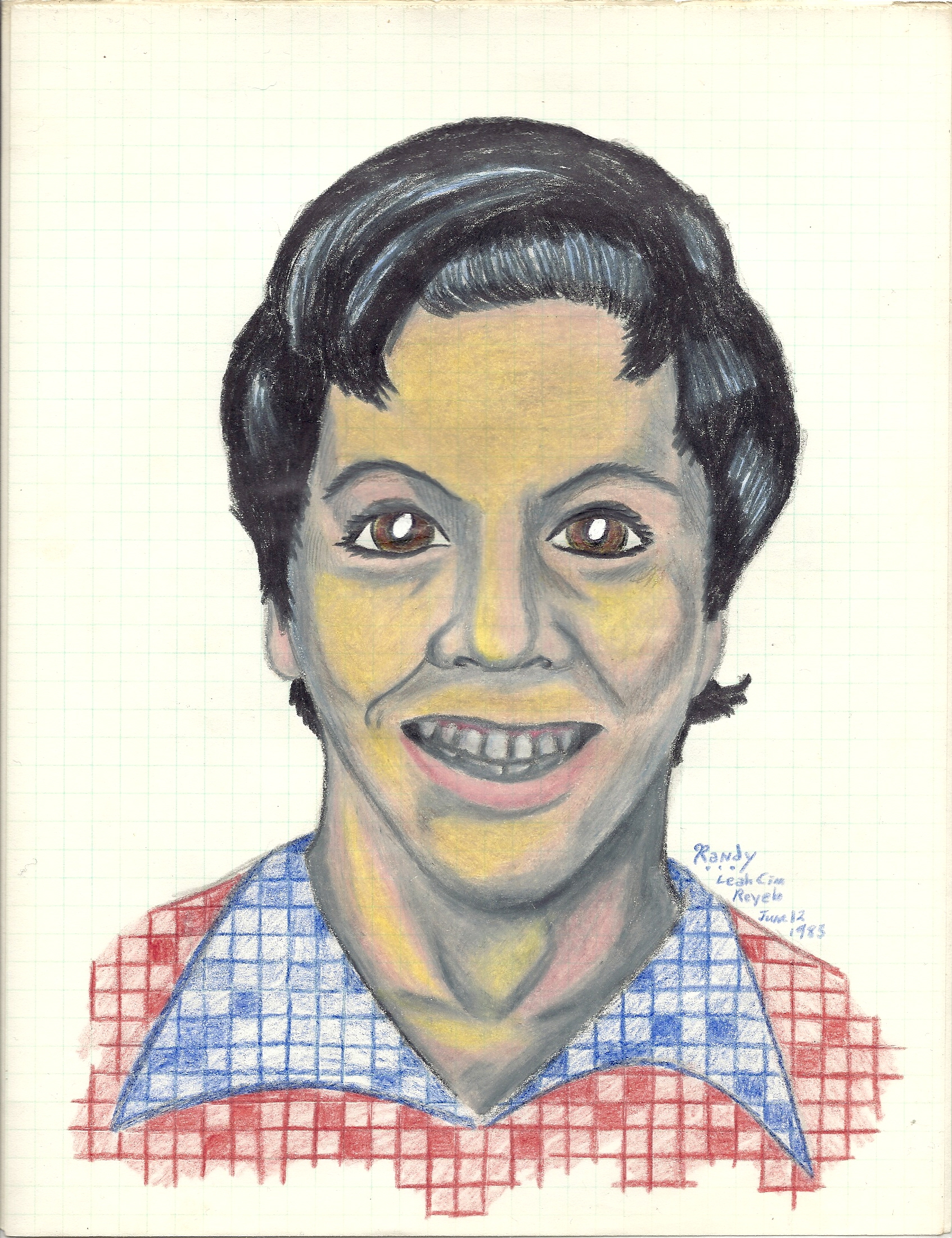
Juanito became one of a number of fatherless boys that adopted me and spent Saturdays hanging out with me to play video games and role playing games. He was one out of a pack of kids that swarmed my home in the off hours and would do anything I asked in the classroom no matter how hard. He was a juvenile diabetic, the son of a woman with severe type-two diabetes (adult-onset). His older sister had become a nurse at least partly because of the family illness. Juvenile diabetics, though their lives can be severely at risk, have the capability of growing out of it. As a seventh grader he didn’t really know how to take care of himself. Teachers who unknowingly offered candy as a motivator could’ve put him in a coma because he was too polite and shy to say no. But I fed him a few times, befriended him a lot, encouraged his interest in sports, and he grew up to be a star defensive back on the high school football team. He gave me the portrait I share with you here for attending so many of his football games and rooting for him to overcome the odds. When he visited me at the school years later, he was basically diabetes-free.
Juanito’s story gives me hope. I know I will not overcome the dreaded Big D disease of South Texas. I will live with it until it kills me. It caused my psoriasis. It gives me episodes of depression and chronic headache. But at this point, I am still controlling it through diet and exercise, not taking insulin or other drugs. (In fact, it was one of those other drugs that was making me pass out at work constantly from low blood sugar. Diet works better than pharmaceuticals.) One day it will give me a fatal infarction or a stroke and be the end of me. But until that time I will continue to do the difficult dance with it and get by, because, after all, dancing is exercise, and exercise overcomes the effects of the disease. Just ask Juanito.











All That Really Matters
This is a classic repost from June of 2020
I was not able to post yesterday for a number of reasons. Not the least of which is the turmoil caused by this nation trying to come to terms with those sins of the past that come back to haunt us and hunt us in the present.
I am an old white man. I suffer from “white privilege” in ways I can’t explain to some of my white friends back in Iowa, a State that was almost entirely white when I was growing up there. (And I pray that I grew UP, not just old.)
I learned yesterday that it matters how you put in order the things that you can say on matters of race. You can’t just say, “Black lives matter” to some white people. They will angrily insist that “All lives matter.” They will then proceed to tell you that you are being a racist when you suggest that black people are somehow more important than white people. I learned that you should say instead, “All lives matter, which means black lives certainly matter too. And the debate now is about a few recent black lives that were treated like they didn’t matter, and so, their lives ended in being murdered.” You can’t give white people a reasonable-sounding way to get out of admitting that, or they will. (See, I can be a bit racist too. I sometimes have a hard time believing all white people have positive human feelings in them somewhere.)
It has often, in my teaching career, been a disadvantage to be a white male. Black kids don’t believe you can see them as a good person. If you have to call them down for misbehavior, the worst ones will automatically assume it is about their race and not their behavior. A good teacher needs to listen more than they talk. You have to get them to open up about what happens in their lives that makes them behave the way that they do. You have to make them understand that you actually care about them and want to help. You have to earn their trust to get their best learning behavior. And being white makes that all so much harder. Not just with Afro Americans. Hispanic kids too. Vietnamese kids too. And I promise you, if you take the time to really get to know a kid… from any race or culture… you will discover that underneath it all, there are no bad kids. You stand a very good chance of learning to love them… no matter their racial or cultural differences from you.
And as an old white man, I suffer the disadvantage of never being able to truly understand what it feels like to have to worry that, at any moment, the police might kill you with a gun, or press the life out of you with a knee on your neck… just because of the color of your skin. That is in no way a fair thing that black men, black women, and black kids have to worry about that.
I am saddened and frustrated too that I can’t do any more to correct this terrible injustice than I am doing. I can’t attend protests because of my poor health and the pandemic that will probably kill me anyway. I am too old and crippled and broke to do any more than write this essay and post things on social media that make some of my old white friends angry and ready to argue.
I feel bad. The deaths of George Floyd, Breonna Taylor, Philando Castile, and too many more diminish me, make me hurt in my heart. And all I can do about it is tell you that there needs to be more love in this world, and less hate. And I hope maybe you have a little more of it to add to the world. After all, that’s all that really matters.
Leave a comment
Filed under 1000 Voices Speak for Compassion, angry rant, commentary, compassion, empathy, kids, Liberal ideas, philosophy, racial profiling
Tagged as George Floyd, history, News, politics, writing