Category Archives: humor

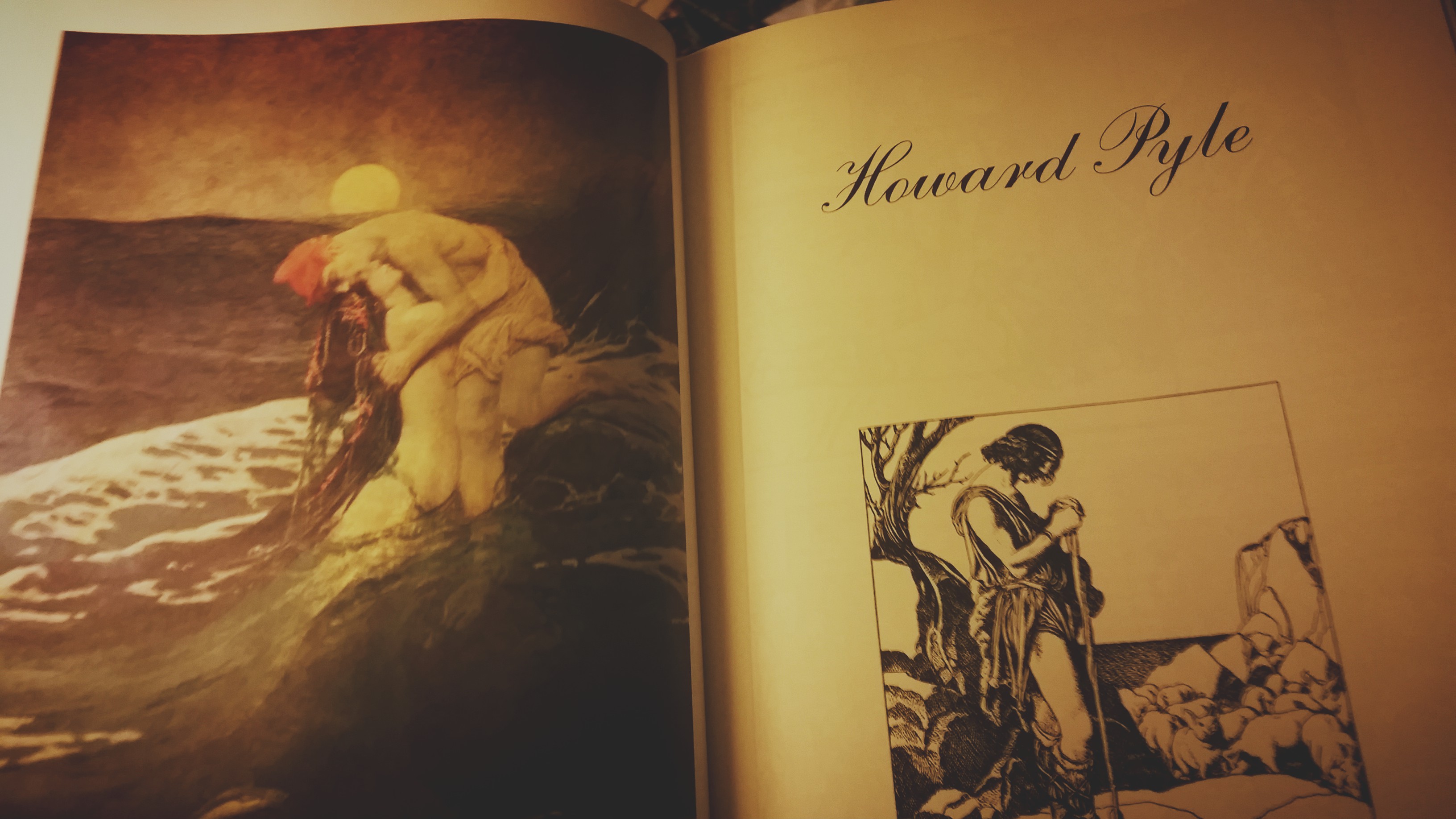
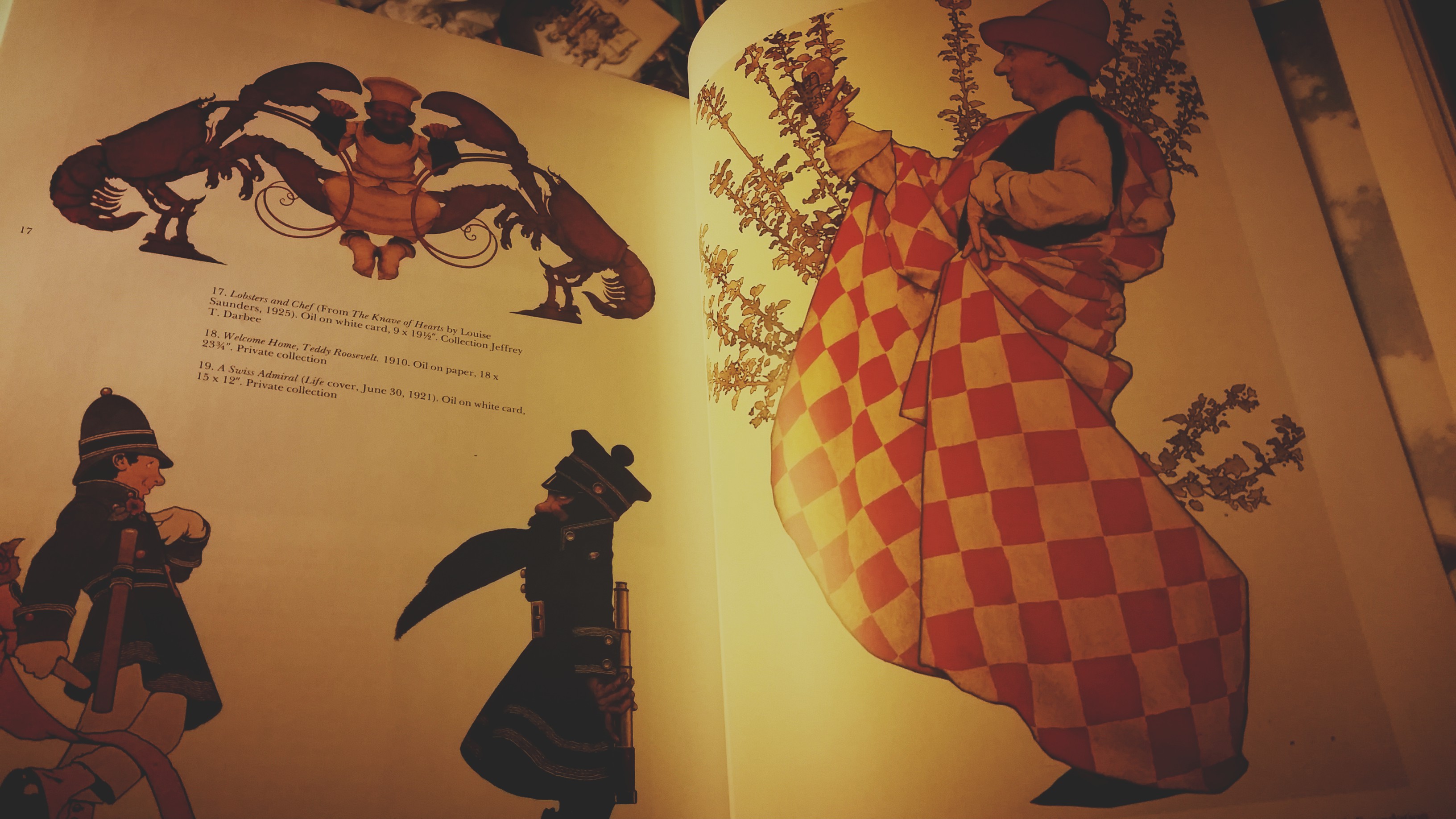
The Truest of Magicks

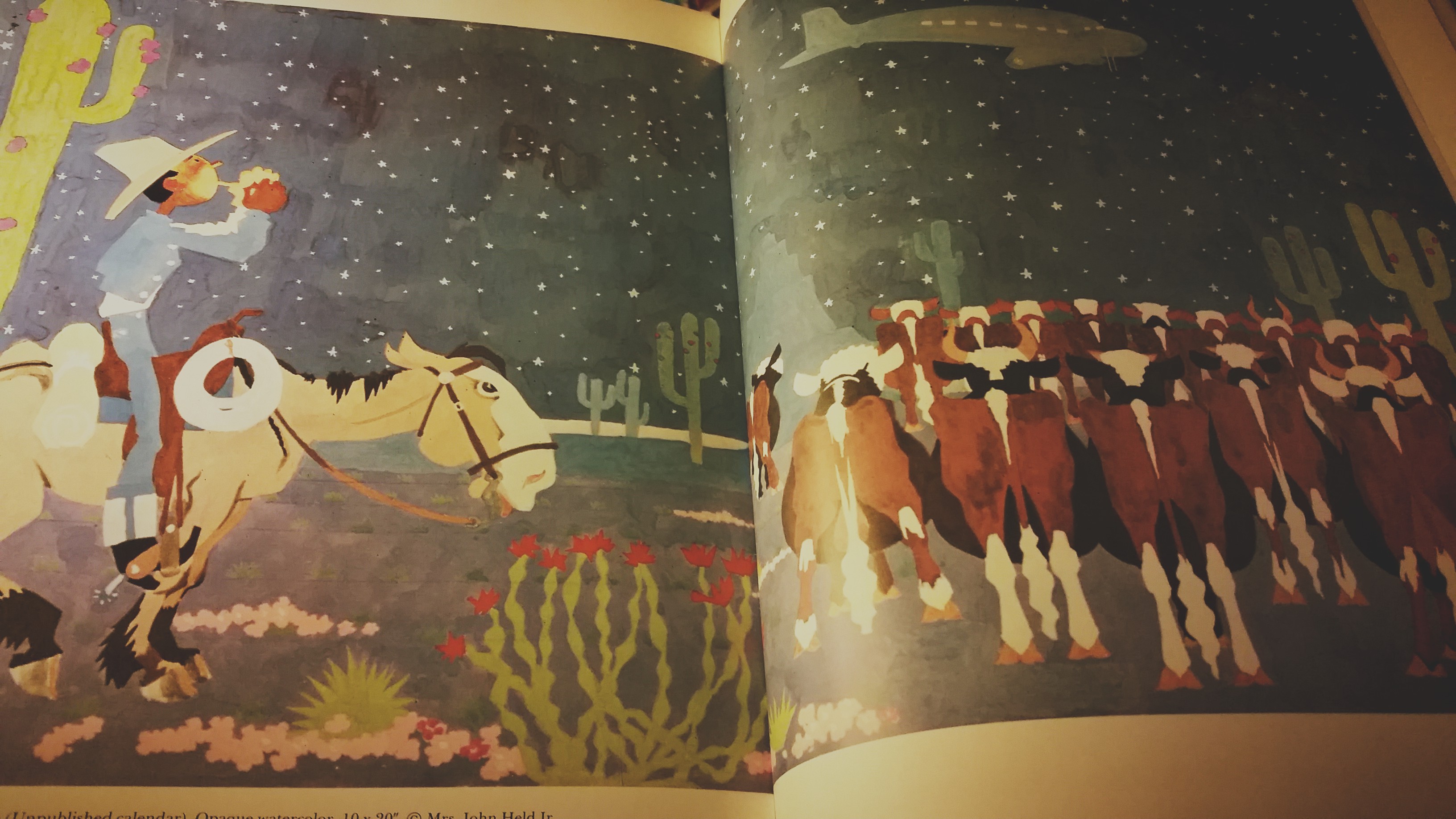
Okay, life is like this; you are born, a lot of dumb stuff happens that you are mostly not in control of, you suffer a little bit, you are happy a little bit, and then you die.   That is a pretty gloomy prospect, and most of us spend our entire lives obsessing over it, examining it with microscopes, doctoring it with needles and potions and chainsaws, trying to make it last a little longer, wailing and complaining about our sorry allotment, and wasting what little time we have.  So what secret exists that could ever make a difference?  Could ever open up our eyes… even just a tiny bit?

Zoric

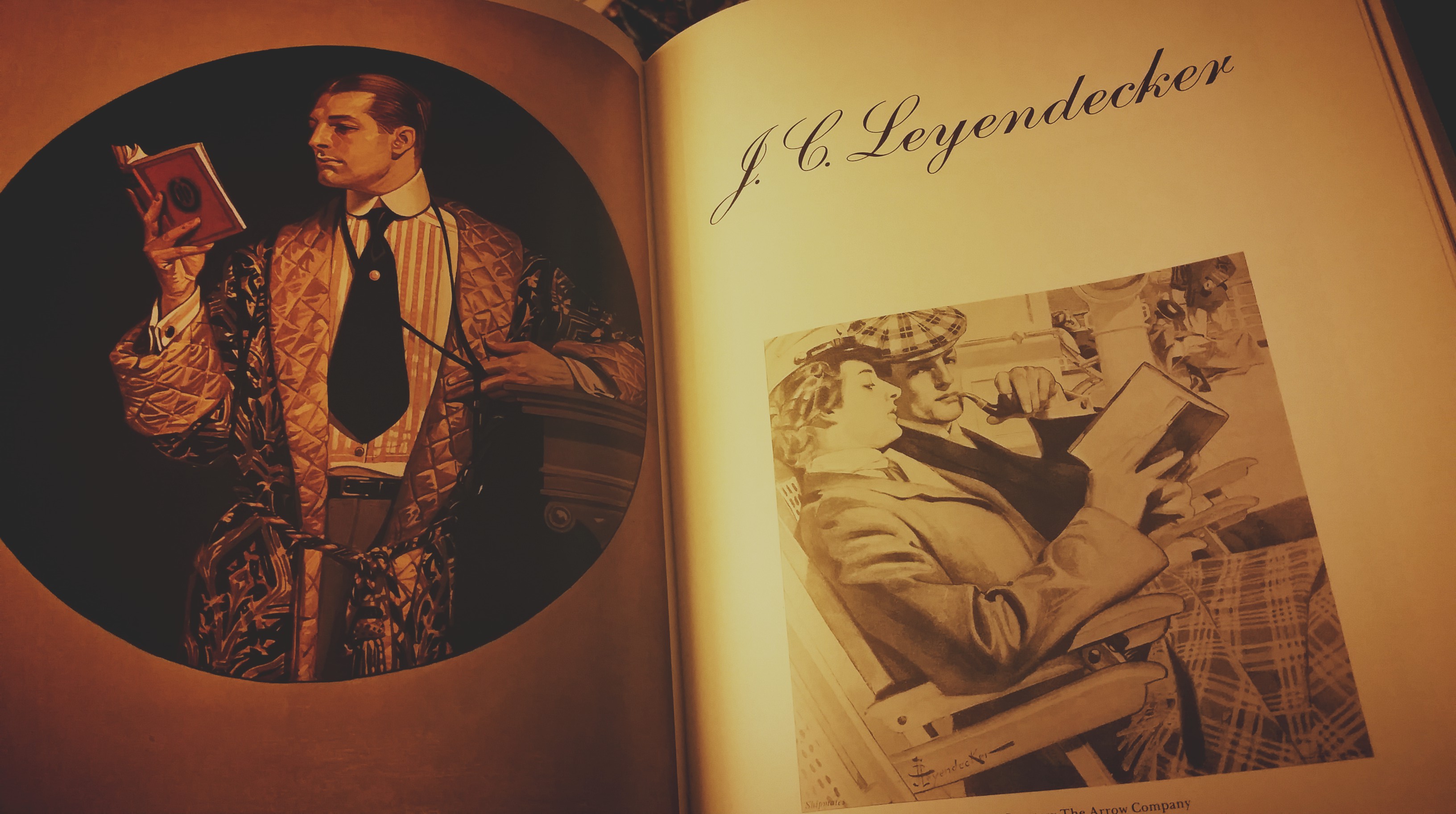
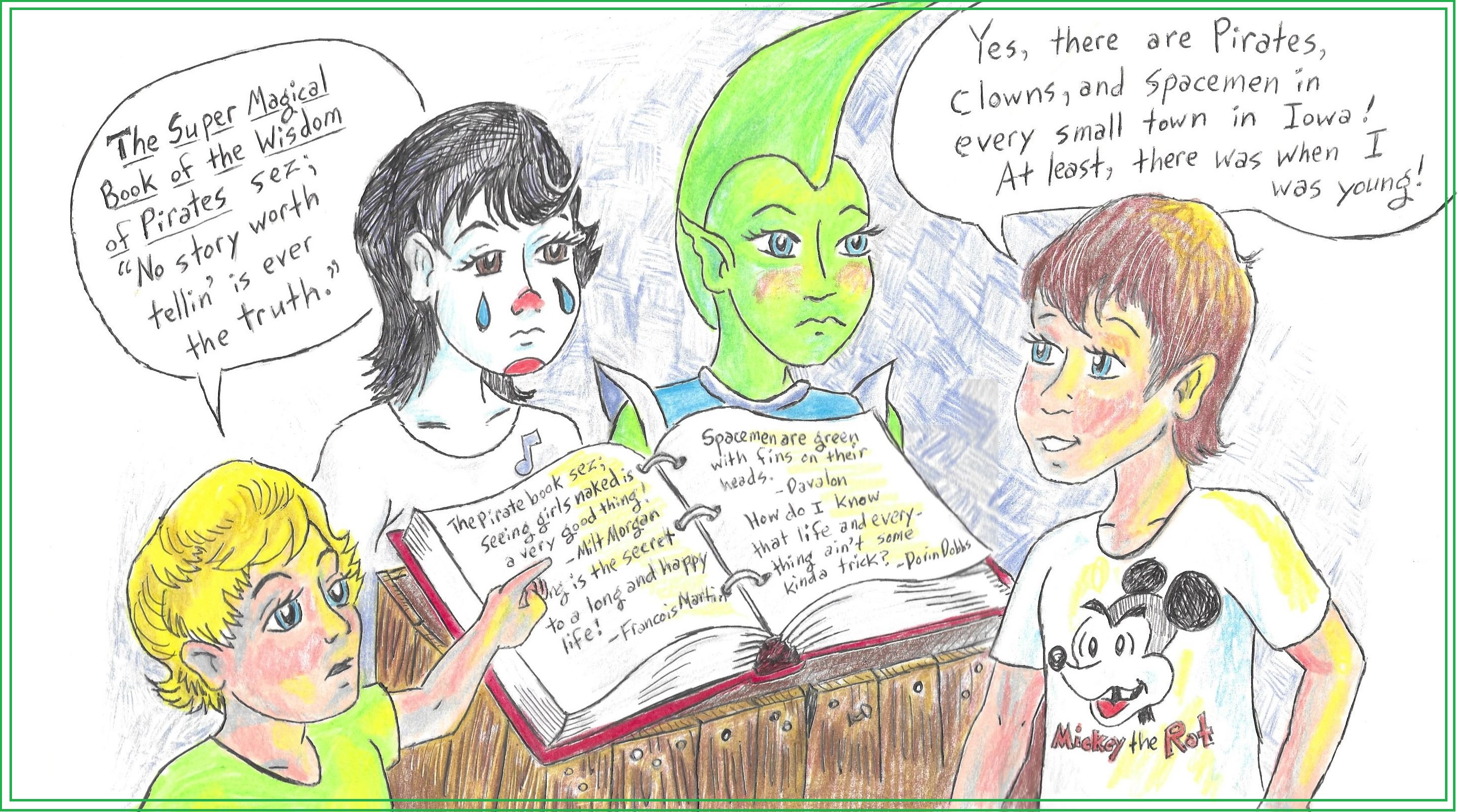
The secret, as far as I can tell (and I am certainly one of the dumber and more random among you because I am cursed with insight and wisdom won through suffering and making huge mistakes), is reading the right books.

Eli Tragedy

I am not alone in this sort of thinking.  There are those who believe that if you gather the best books together into a personal library and read them, they add experiences and knowledge to your life that you would not otherwise have.  (Of course, one must acknowledge, especially if you read fiction, that most books are filled with lies and misinformation, and some, Bill O’Reilly’s Killing Jesus leaps to mind, might leave you stupider than you were when you started.)  It deepens, broadens, and intensely colors the experience of life.

Skorpio

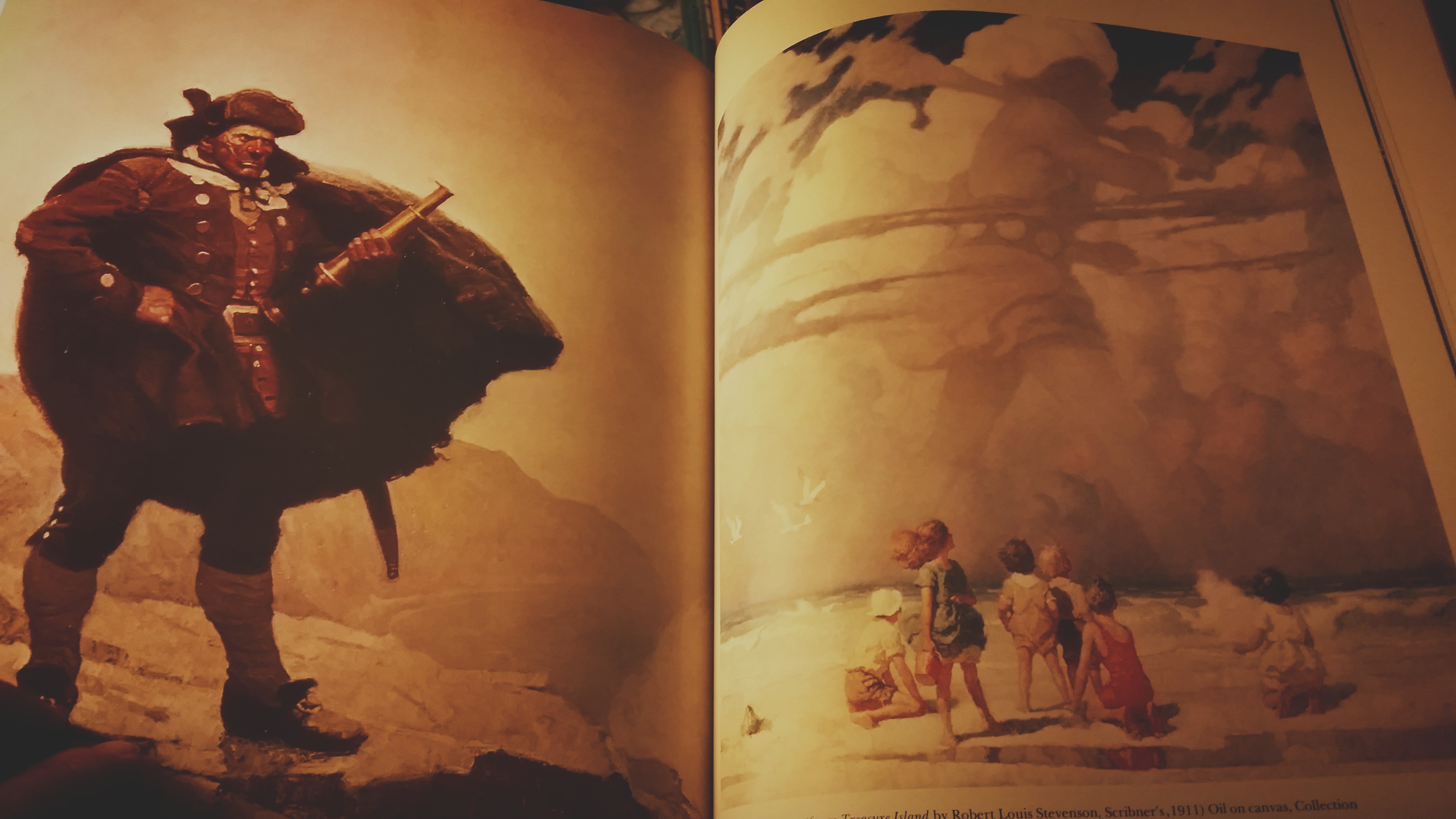
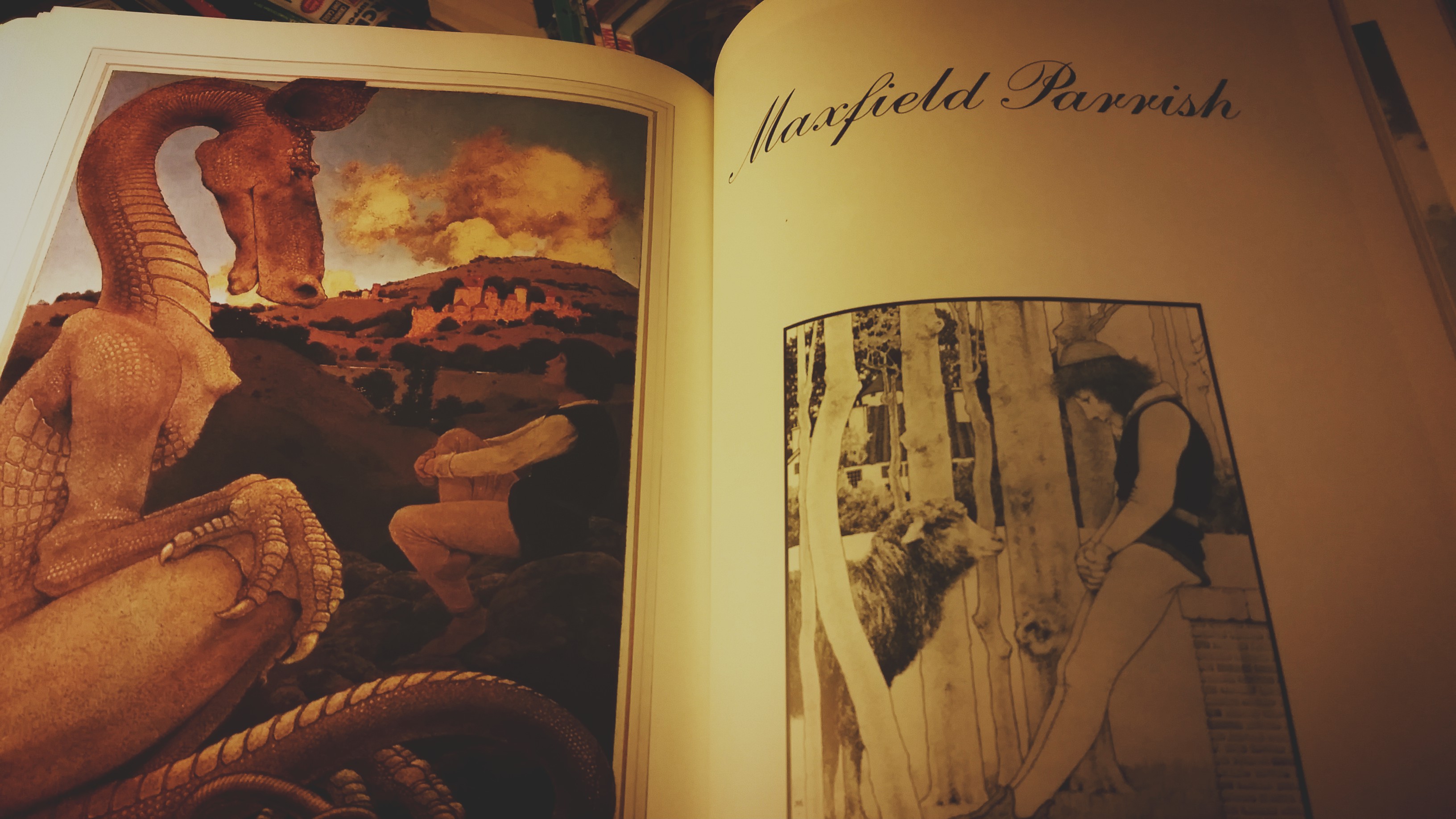
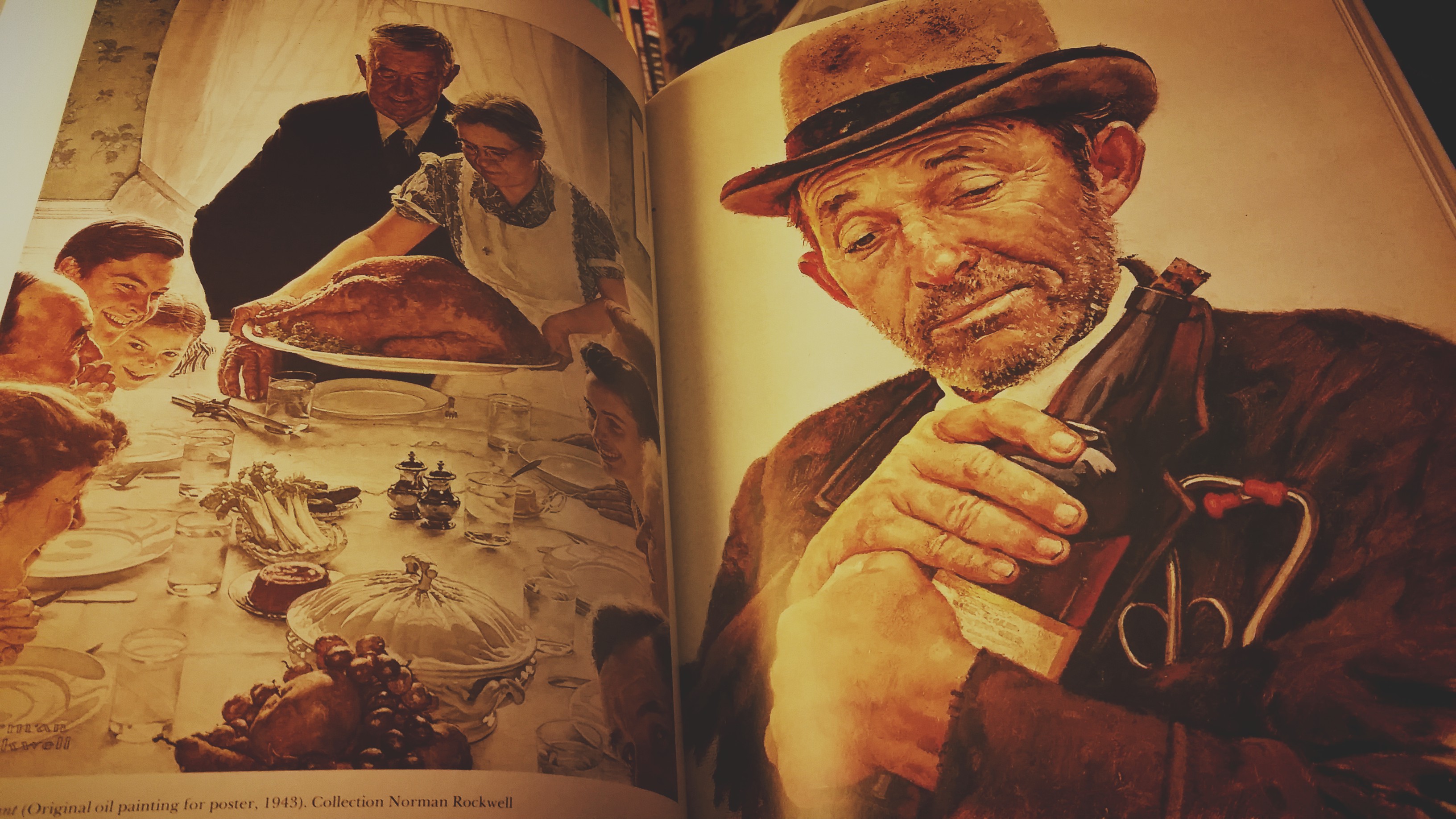
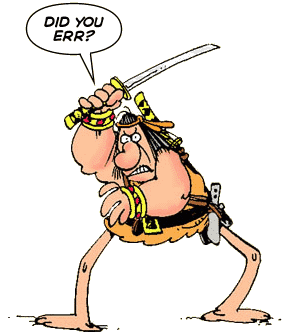
People who read books a lot… really read them, and re-read them, and collect them, and study them, and think about and write about them… are called wizards.  Wizards are wise men.  It is what the word means.  Being one does not make you better than anyone else.  In fact, wizards are generally weaker than normal men.  It comes from all that ruining of eyes and fuddling up brains with too much thinking.  You don’t want a wizard to back you up in a fist fight.  You will certainly lose.  And you don’t want a wizard to tell you how live your life.  They are not good role models.  But if a wizard tells a story, you should listen.  Because if you really listen, and the wizard is really wise, you can expand the borders of your life, and push on nearer to immortality.

Ice Alchemist

Leave a comment

Filed under humor, Paffooney, wisdom, wizards

Bird is the Word

birdwords

Birds are always talking,

And birds are always squawking,

And they are using bird-words,

These are the words I heard.

Twitter-pated – this word comes from the owl in Bambi and means not being able to think straight because you’re in love.

Aviary – is a great big bird house, big enough to fly around in

Feather-dusted – to you and me it means clean, to a bird it means the feathers are dirty

Bird-brained – don’t be insulted if a bird calls you this.  It is a compliment.

Fume-fluttered – you gotta fly and get away from that bad smell.

Wing-walking –  it’s how you get from here to there if you’re a bird… Duh!

Wakka wakka – it’s those dang ducks again, always telling jokes!

Egg-zactly – as precise and perfect as an egg.

Coo-coo-karoo – that stupid rooster wants us to get up again at daybreak.  It’s like a bird can never sleep in!

Clucker butter – Can you believe that KFC place?  Butter on improperly cremated dead chickens (ah, well, they were only chickens after all).

Now that you have less than one per cent of the bird vocabulary, please don’t try to tell me what they are saying.  I really don’t want to know!

Leave a comment

Filed under birds, humor, Paffooney, wordplay

Yes, I Throw a Moose or Two

I thought that this silly poem needed to be re-posted because school is ending.  The need for silliness is absolutely imperative.  I also need to throw a few mooses… er… moosei… er… meese?  How do you pluralize the word moose?

Life is as Hard as Bowling with a Moose (A Poem)

Life is like Moose Bowling,
Because…
In order to knock over all the pins,
And win…
You have to learn HOW TO THROW A MOOSE!

As the days count down, I have had to exercise my moose-throwing muscles more and more.  Today I have five days left in my teaching career.  So many precious kids I have to give up and never see again…  So many teachers will tell you that every year the kids are getting worse and worse, and their attitudes are turning more sour, disrespectful, and violent.  But those teachers don’t know the secret.  You have to throw a moose or two at the problem.  Real discipline is hard work.  Harder than demanding that kids sit in rows and be silent… heads down and pens scratching away.  You have to actually talk to kids and learn who they are… what they feel is important… what their problems are, and what they want you to do about them.   You have to be honest, give them a hook or two to draw them into the whole learning thing.  You have to actually care. 

So, I do.  I care.  And I let them talk.  It’s a moose that has to be tossed.

The comment was made this morning that you have to keep them working right up until the end of the year.  Doing no formal lessons in class is actually a lot harder and more risky than continuing to plod through the textbook.  But in five more days there are no more classes, no more books, no more teachers’ dirty looks… school’s out forever.   I haven’t done any lessons since two weeks ago.  Grades are in the gradebook.  I have been showing kids my favorite movies.  Especially movies from the eighties.  (Truthfully, I have not been well enough to actually teach.  My body aches and I can’t breathe very well)  I have been talking to kids about those movies… what they think about them, and what they think about life in general.  Kids are telling me they are worried about my poor health.  They say they are interested in my books and my writing, even though they don’t actually read just for pleasure and will never buy what I write… or even look at this blog.  They tell me about their troubles, their hopes and dreams, their most significant relationships, and they tell me that they will miss me next year.  Five days… will I make it through without breaking into tears?  No, I won’t.  I may not even try.  That’s one moose too heavy to throw.

But I have no regrets.  I have touched more than two thousand five hundred lives (a pretty close estimate… I don’t have a good enough memory to actually count.)  They have touched my life in return.  No other thing I could have done with my life would ever mean as much.  Doctors save lives, but teachers shape real people.  So what does it all mean?  I mean, really?  It means I have thrown a lot of mooses… er… moosei… er… well, you know what I mean.  And if my arms are growing weary, then it is for a very good reason.

1 Comment

Filed under humor, Paffooney, strange and wonderful ideas about life, teaching

Olfactory Story Telling

20150603_112214

My dog Jade

While walking the dog yesterday, we struck up a conversation about writing and being a writer that proved once and for all that DOGS REALLY DON’T KNOW HOW TO WRITE!

She turned around on the end of her leash and looked at me with that woeful you-don’t-feed-me-enough look on her little well-fed face.  “You know, I was reading your blog today, and I think I know how to make you a well-known writer and best-selling author.”

“Oh, really?” I said.  “Since when do you know anything about being a writer or marketing fiction?”

“Well, you do remember that I wrote a couple of blog posts for you already.”

“True.  But I can’t afford to do that again.   You type with your tongue and it leaves the keyboard all sticky.  I haven’t gotten it truly clean and working properly again since that last time.  If you are asking to write another post, you can forget it.”

“Well, sorry about that.  But I do think I know how to make your writing more popular with a bigger audience.”.

“Oh?  How could you possibly know that?”

“Hey, talking dog here!  That has to count for something, doesn’t it?  Don’t you think people would be amazed to learn about things from a dog’s perspective?”

15895039_1378412102217918_6555632764506710572_n

“Nobody’s going to believe I have a talking dog.  That isn’t something within the realm of what is normal.  They are all going to think I am just a crazy old man.”

“Well, you are a crazy old man.  I can’t help that.  But what if you told stories from a dog’s perspective?  You know, things that only a dog could’ve come up with?”

“Oh, like what, for instance?”

tacobelldogtvtakesjpg

Why does the neighbor’s dog always smell like burritos?

“Well, you know that more than half of what a dog perceives about the world she gets through her sense of smell?”

“Okay…”

“Like that spot on the grass over there.  Boy dog.  Handsome border collie… ate three hotdogs about four days ago.  Ooh!  He smells perfect!”

“You’re talking about poop smells again, aren’t you?”

“Well, yes.  But I can also tell you about the pigeons that were in that live oak tree there yesterday.”

“Oh?  What color were they?”

“I don’t know… gray maybe?”

“Bird doo.  You are smelling old bird poop!  You want me to write about poop more?”

“Well, no… not exactly.  But if you could tell your stories through the sense of smell more…  that would be unique and different.  People would like that a lot because it’s never really been done before.”

“You do understand that I can’t use my laptop to write smells?  There are no words I could use that will automatically put smells into the reader’s nose.”

“Well, but if you could invent one…”

“According to you, it would be mostly poop smells anyway.  Who wants to sniff that?”

“It would make your blog more popular with dogs.”

“But dogs don’t read!”

“How do you know for sure?  You believed me when I said I read your blog today.”

“Well, you certainly got me there.  Now, don’t we have some important business to take care of?”

“Yes, but…  You see that squirrel over there?”

“Yes, so?”

“So one day soon, I’m gonna eat him!”

spudsmackenzieandbudlightandladies

2 Comments

Filed under family dog, foolishness, goofy thoughts, humor, photo paffoonies, strange and wonderful ideas about life, writing, writing humor

Toons Are Easy

Leave a comment

Filed under cartoons, feeling sorry for myself, humor, Paffooney

Oxfordian Rationalizations

Yes, I am, perhaps, a bit of a fool for believing Edward de Vere, the 17th Earl of Oxford, is the writer behind the works of William Shakespeare.  How do you prove something is true when it is so obvious that someone worked really hard to keep it a secret for all this time?  Is it a betrayal of the man to go against his apparent wishes and try to out him for his incredible secret?  It is hard for me to judge.  After all, I know I am a fool.

But even if he is not Shakespeare, and just sits at the apex of a mountain of coincidences, I am fascinated by the historical character of Edward de Vere.

the_keep_at_castle_hedingham_-_geograph-org-uk_-_30510

The keep at Hedingham Castle, the de Vere family seat in Essex (photo by David Phillips)

He was born the only son of John de Vere, the 16th Earl of Oxford, and heir to the second oldest title among English nobility.  His father stood by Elizabeth when she was under house arrest under the reign of Bloody Mary, and went with her as a court favorite to the throne of England when she survived the ordeal.  So naturally Edward was a favorite of Elizabeth’s since childhood.  Later stories would suggest he became the Queen’s secret lover, but the rumors of the Virgin Queen’s harlotry were most likely the invention of Philip of Spain and other nobility in Catholic Europe who plotted endlessly against her because she chose to adopt her father’s protestant Anglican religion instead of returning England to Catholicism like her half-sister Mary before her.  Elizabeth’s personal integrity may not have been perfect, but the love she bore for young Edward was probably not the improper kind that the movie Anonymous by Roland Emmerich suggested.

But even though de Vere was born lucky, I would not say he was particularly lucky in life.  He was only twelve when his father (though having completed his will) died.  The result being that he was made ward to Queen Elizabeth herself.  She was not exactly the foster-mother type, however.  She sent the boy to be raised in the home of her Secretary of State and chief adviser, William Cecil (later made Lord Baron Burghley).  Meanwhile Elizabeth took possession of some of his estates in payment for the wardship and bestowed them on Robert Dudley (her childhood friend and probable one true love, though he was married to someone else).  Young Edward was a difficult student.  His tutor, the famous scholar Laurence Nowell, resigned in frustration, probably because the boy was too bright and far-reaching for the antiquarian scholar to deal with, possibly himself being a bit dumber than advertised.   Edward quickly developed a reputation for love poetry at Elizabeth’s royal court.  He was a gifted, though somewhat conflicted, prodigy.

cecilwilliam1bburghley04

William Cecil, 1st Baron Burghley

And here is what I find most fascinating about his life story.  As you reread it, keeping the works of Shakespeare in mind, you begin to see Shakespeare’s source material coming to life.  Edward would end up marrying Cecil’s young daughter Anne, so that Lord Burghley was not only a man who raised him, but also his father-in-law.  But marrying off your offspring to nobility was an accepted manner of social climbing, and Cecil wasn’t entirely sure he couldn’t do better for his daughter.  And the meddlesome, lecturing, and self-righteous nature of the man comes out in Shakespearean characters like Polonius in Hamlet who spies upon the suicidal prince because he fears the effect Hamlet’s love for his daughter Ophelia might have on her reputation, causing him to spout all manner of cliches and stuffy, self-important advice.

cecil

Robert Cecil, Lord Salisbury

Cecil’s son Robert, the hunchbacked boy who grows up to take over his father’s office as adviser to both Elizabeth and James I, is a crafty statesman and plotter who is the undoing of the Earl of Essex in a real-life plot against the throne of Elizabeth.  It is hard not to read about his real-life exploits without seeing the connections to Iago in Othello and the conniving hunchback Richard III.

So, once again I have overshot my target length in this essay because I get so wound up in the details of my discoveries.  There are numerous things written and published about the connections between de Vere and the Bard himself.  I have only begun to scratch the surface in this telling of it.  But I am just a fool with a humor blog.  If it interests you at all, I encourage you to go to as many of the available sources as you can possibly google.  I haven’t yet finished doing that myself.  And I do hope I haven’t told anything here that makes Shakespeare turn over in his grave (if, indeed, a grave could ever really hold him.)

Leave a comment

Filed under artists I admire, conspiracy theory, foolishness, humor, strange and wonderful ideas about life, William Shakespeare

The Oxford Obfuscation

queen-elizabeth-iIf you are going to entertain a completely absurd notion like, “Shakespeare wasn’t really written by Shakespeare”, then you have to have some knowledge of the times and the context within which such a profoundly counter-intuitive thing could possibly be true.  And it also helps to understand more precisely what the “writing of Shakespeare” actually means.  Now, I know it is not particularly fair to confuse you, dear reader, right before I try to dazzle you with my complicated and over-thunk lackwit conspiracy theory, but that is, after all, what obfuscation actually means.

The plays, sonnets, and other poetry of William Shakespeare reveal the mind of a genius.  Whoever wrote the works has to be a complicated man living a complicated life.  He has to be a sensitive, empathetic, highly intelligent, observant, and troubled man.  You don’t write the dark and deeply troubled suicidal tragedy of Hamlet without ever having thought of taking your own life.  You cannot portray the madness of King Lear without ever having experienced the turmoil of the mind that threatens to tear your soul apart.  And you don’t write about the complexities of love found in As You Like It or Romeo and Juliet without ever having experienced the massive thunderstorms of the mind that go along with falling in love.  And we are talking true love, not necessarily the domestic love you have for the wife you are stuck with.   You see what I did just there?  I put you into the head of the writer, and started you thinking like you yourself are Shakespeare.  As goofy a mental gymnastic exercise as that is, bear with me and keep thinking it.

At the time of Shakespeare’s ascendancy as the Bard Laureate of English Literature, England was not a safe place to be either a noble or a playwright.  Queen Elizabeth’s mother had her head cut off for bad politics even though she was married to the King of England at the time.  Lady Jane Gray, one of Elizabeth’s predecessors, lost her head when she was no more than a sixteen-year-old girl.  During Elizabeth’s reign, one of her court favorites, Robert Devereaux, Earl of Essex, attempted to seize the queen herself after a riot fomented by a performance of Shakespeare’s play, Richard II, at which eleven of Essex’s noble supporters were said to be present stirring up the emotions of the crowd.  It was a near thing for the writer of the play (about the life of a king whose reign ended in controversy about succession and which led eventually to the War of the Roses) to escape without also being caught up in the rebellion’s failure and round of executions that separated Essex from his head.  Elizabeth banned numbers of plays with religious or political content, bans that never seemed to touch the writer of Shakespeare’s plays, even when they touched on political themes.  You didn’t have to rebel against the Queen to lose your head either.  Elizabeth was trying to reinstate Anglican Protestantism against the critical tides of Catholic Europe.  You could be banished, put to death, or impressed  by force into the English Navy for being suspected of ideas that were too Catholic.  And witchcraft, or consulting with witches, as Macbeth depicts, earned you a nice warm fire in the public square to cleanse your immortal soul.

edwarddevereattribmarcusgheeraerts

Edward de Vere, 17th Earl of Oxford

So, if one were to be both a playwright and a nobleman, known to and beloved by Queen Elizabeth, might there not be good reason to write under a pseudonym?  And numerous people who write about Edward de Vere mention the fact that he wrote poetry and plays, and the plays were very popular.  Some scraps of poetry by the Earl of Oxford still exist, but whatever happened to the manuscripts of his plays?  It is a conspiracy theory so delicious, that I have to take at least one more bite.  (You understand, I try to stick to a 500-word target for these posts, and even this 600+ is really too long.  So that means there has to be an Earl of Oxford Part II at least.)

Leave a comment

Filed under conspiracy theory, foolishness, humor, politics, William Shakespeare

Mickian Fantasy Art

There is a reason why anything in my artwork starting with a rabbit is assumed to be autobiographical. I raised rabbits as a 4-H project from about the age of 10 and we kept rabbits in pens until I was finishing my undergraduate degree. (Rabbit chores fell to my little brother when I was away from home.) In many ways, I was a rabbit-man. My personal avatar as a school teacher was Reluctant Rabbit.

The panda known as Mandy in my cartoon world is an avatar of my wife, an immigrant from the Pandalore Islands.

There is often an exaggerated sense of adventure in my cartoonally weird Paffoonies, the very name of which is a fantasy word.

I have been known to actually believe gingerbread can be magical enough for gingerbread men to come to life once baked. It is the reason I bite the legs off first, so they can’t run away.

I have been known to see elves, fairies, and numerous other things that aren’t really there. In fact, a whole secret hidden kingdom of them inhabited the schoolyard in Iowa where I attended grades K through 6. They were all mostly three inches tall. The biggest ones, like dragons reaching only about six inches tall at their largest.

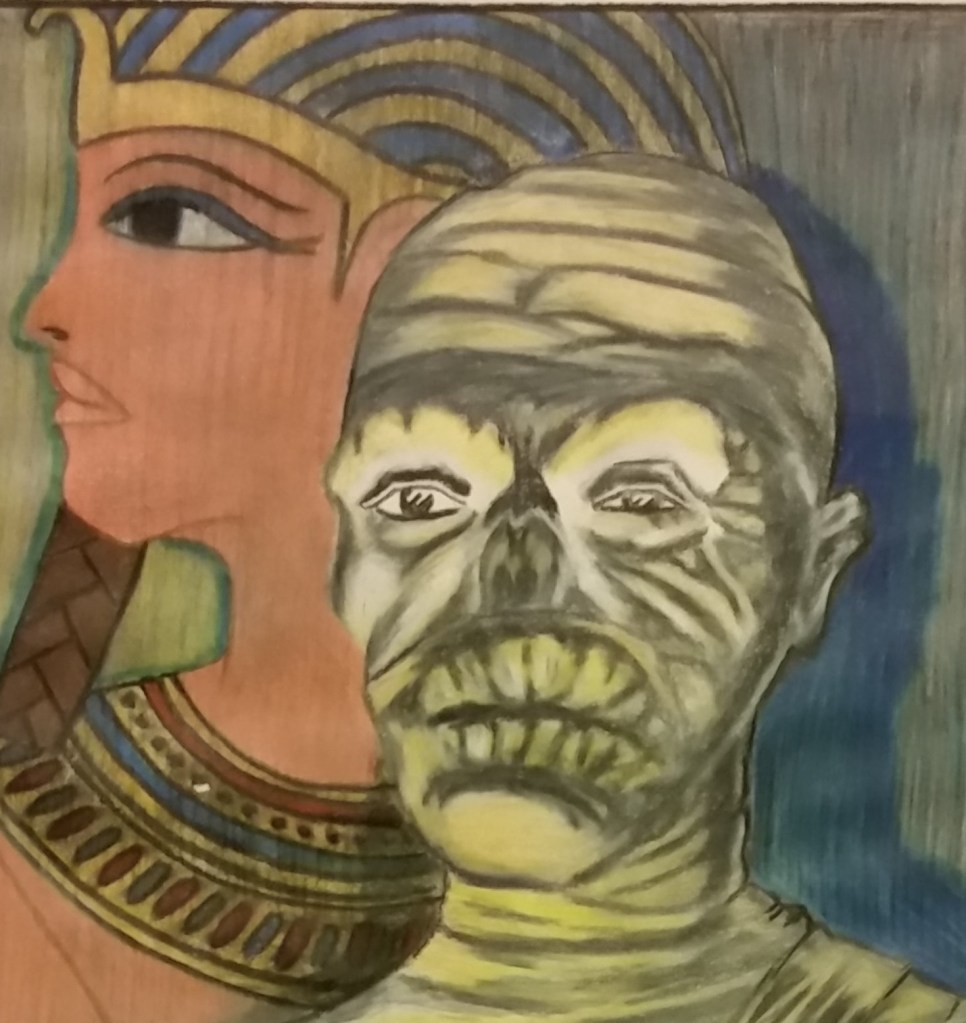
Of course I am afraid of death, evil, and… (shudder) mummies.
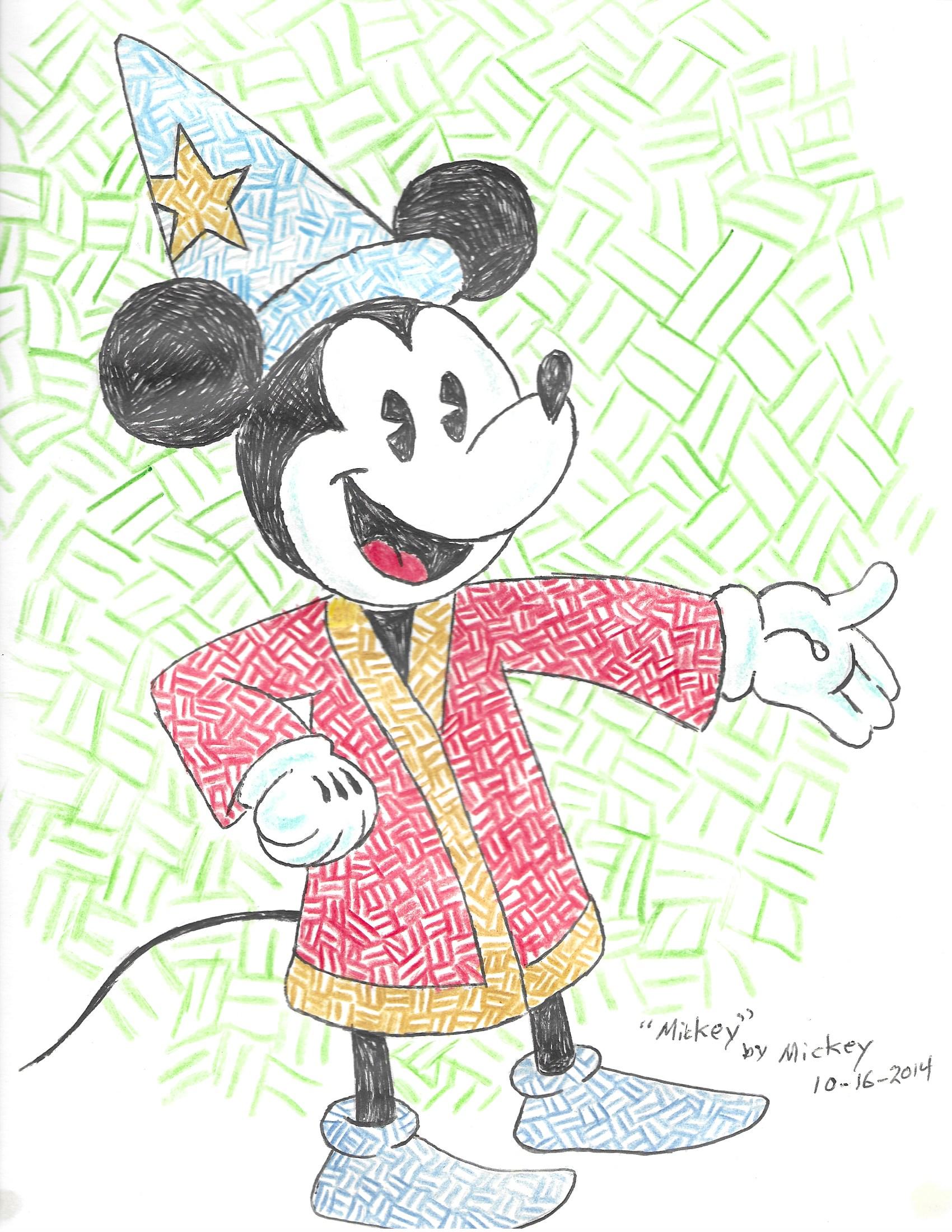
I think of art and story-telling as a form of music. I am a troubadour whose songs (like this one) are often completely silent.
My fantasy art tends to be more “comic book” than “art gallery”.

2 Comments

Filed under artwork, autobiography, cartoons, cartoony Paffooney, colored pencil, humor, Paffooney, strange and wonderful ideas about life, surrealism

Kit Marlowe, Secret Agent

christopher_marlowe

Christopher Marlowe is often sited as the real Shakespeare, a problematic assertion given that he would’ve been forced to write a number of plays after he was dead, giving new meaning to the term “ghost writer”.  But I would like to add to the assertion that “Marlowe is NOT Shakespeare!” that I also believe he did not die as they claim that he did.  Marlowe is a fascinating character of debauchery and misbehavior, intrigue and mystery, and undeniable genius.  As a writer, he was a maverick and risk-taker, having begun the ascendance of the theatrical play as one of the heights of Elizabethan literature with his play Tamburlaine the Great, about the historical figure who rose from shepherd boy to monarch.  This play, and its sequel, Tamburlaine the Great Part II, were among the very first English plays to be written in blank verse, meaning there is a very definite connection between the style of writing established by Marlowe and the later work of Shakespeare.  It is probable that for a few years, Kit Marlowe was a member of the Gray’s Inn group along with Sir Francis Bacon and several other suspicious literary luminaries like Sir Walter Raleigh and possibly Ben Jonson.  (I have to admit at this point that if I am wrong about the Stratford guy and he did write the plays, then he was a member of this group as well, because it was not closed to commoners, only to stupid people.  The Stratford guy was in no way stupid or a villain, no matter what you may believe about the authorship question.)  But here is where the link to Shakespeare’s plays and poetry both begins and ends.  Yes, Kit Marlowe was a capable enough author to have written such sublime plays.  He has all the individual skills to make up the whole.  But if you read his masterwork, The Tragicall History of the Life and Death of Doctor Faustus, you will see that the voice, the unique literary style of the work is simply not by the same author.  Although Shakespeare revisits some of the same themes that Marlowe used in his plays, his manner of development, handling of character, style of humor, and underlying conviction in the existence of God are all different and opposed to Marlowe’s.  Marlowe is NOT Shakespeare.  Shakespeare’s works have more in common with Bacon’s than Marlowe’s.  And I have already said that, “Shakespeare is NOT Bacon… or eggs either.”  And if I said it, it must be so.  (Don’t throw eggs and tomatoes at your computer screen when you read this.  Just call me stupid and vain in the comments like everybody else does.)

maxresdefault

And an even more compelling reason to those of you who don’t obsess over reading Shakespeare and Marlowe and Ben Jonson is that, at the time Shakespeare’s plays were probably written, Kit Marlowe was busy either being stone cold dead, or, having faked his death, was busy being a secret agent for Queen Elizabeth.

And why would a goofball like me think that Christopher Marlowe cunningly faked his own death and went into his own thrilling quest to be like James Bond more than 300 years before Ian Fleming?  Well, because I know how to read and am not generally bright enough not to believe what others have written about him and his connections to the world of spying in Elizabethan times.

These authors have brought out the fact that Marlowe’s frequent absences from college and later public obligations coincide with things like the mysterious tutor called “Morley” who tutored Arbella, niece of Mary Queen of Scots, and a potential successor to Queen Elizabeth, in 1589.  He was also arrested in the Netherlands for allegedly counterfeiting coins related to the activities of seditious Catholics.  He was brought back to England to be dealt with by Lord Treasurer Burghley, the closest adviser to Queen Elizabeth, and was then not so much punished as let off the hook and even rewarded monetarily.  Still think he was not a spy?  Well, his demise probably came about through his relationship with Lord Francis Walsingham and his friendship with Walsingham’s son.  You see, Walsingham was Elizabeth’s “M”, leader of her spies and intelligence units.  After Walsingham died, there was deep concern that no one was still able to protect Marlowe from possible consequences of being both a homosexual and an atheist.  (Being gay was obviously not as serious a sin as atheism for which torture and death penalties lay in wait.)  It was possible that rival spies and nefarious forces could kidnap Marlowe and get information out of him that the Queen needed to be kept secret.

So, when Lord Burghley tortured Marlowe’s friend and sometime roommate, Thomas Kyd, into naming Marlowe a heretic and sending men out with a warrant to arrest Marlowe, Kit’s other friend, Thomas Walsingham probably warned Marlowe.  The bar fight that supposedly ended Marlowe’s life was witnessed by two friends of his, Nicholas Skeres and Robert Poley, both provably con men and professional liars.  The knife that stabbed him in the forehead above his right eye was wielded by Ingram Fizer, another of Marlowe’s disreputable friends, allegedly over an unpaid debt.  Fizer, of course, though he freely admitted killing Marlowe, was acquitted of the murder.  And the coroner’s report is suspect.  Rules of investigation were not followed, and the body was never independently identified by someone other than the three friends at the scene of the crime.  And the body was hastily buried before anyone else could get a close look at it.

edward2a

I am not only telling you that I believe Christopher “Kit” Marlowe was NOT Shakespeare… or eggs either (though that joke doesn’t really work here), but I believe he didn’t die the way it has been reported to us by history.  And why do I believe these things?  Because I think the story of Christopher Marlowe is a really great story, and it exists as a story whether it is historically true or not.

Leave a comment

Filed under angry rant, artists I admire, conspiracy theory, goofy thoughts, humor, poetry, satire, telling lies, William Shakespeare

The Man From Stratford on Avon

c360_2017-01-13-19-11-50-170

I am, unfortunately, a dedicated conspiracy theorist.  No, not the braying, unintelligent kind like Alex Jones who has an unhinged and hidden agenda.  More the Indiana Jones kind, seeking the truth no matter where it leads, but always relying on research, science, and creative methods of re-framing the facts in order to reveal truths that other people don’t see even when the answers are right in front of them.

An example of this is my firm belief that everything we think we know about the man known as William Shakespeare is based on an ages-old deception and is basically an unrevealed lie.

Of course, I am not the only literature-obsessed kook who has ever taken up this notion of someone else having written the great works of Shakespeare.  I share the opinion with Ralph Waldo Emerson, Nathaniel Hawthorn, Walt Whitman, Prime Minister Benjamin Disraeli, Charles Dickens, Actor Derek Jacobi, and the great Mark Twain (also not the writer’s real name) .

slide_2-1

It is very possible the standard details of the life of William Shakespeare have been fudged just a bit… or maybe quite a lot.

The biggest question that I can see when looking at the man we pretend is the actual author of the plays, is why doesn’t this man look like an author?  As brought out in the video, the only example we have of the author’s own handwriting are six signatures from legal documents, three of which come from his last will and testament.  And if the name is really William Shakespeare, then the Stratford man misspelled his own name.  He wrote it as Shakspere or Shaksper.  And the handwriting is atrocious, nothing like the carefully practice signature I sometimes put on my own handwritten work.  How does that happen?  I have seen signatures by many other authors, both famous and obscure, and nowhere do I see such careless script as what is allegedly the signature of the greatest and most acclaimed writer who ever lived.

The accepted life story of Shaksper doesn’t bear up under scrutiny either.  In spite of being a wealthy businessman and mayor, his father can be seen to be provably illiterate, relying on associates and underlings to write the paperwork involved in his business and mayoral rule.  There is no proof in the form of enrollment lists or written record of Shaksper having ever enrolled at or attended the school that supposedly taught Stratfordian youths to read and write.  His wife and children and grandchildren were also provably illiterate.  What other writer has such a lack of effect on his own family?

And Shaksper’s will details everything he owned and left to others at his death.  Nowhere is there a mention of plays, manuscripts, poetry, or even books.  The greatest author who ever lived owned no books at all?  He was provably wealthy enough to buy books, and public libraries did not exist back then.  How then did he demonstrate such knowledge of Ovid’s Metamorphosis, as well as the functioning of royal courts both in England and abroad?  How did he get so many details right about places in Italy and Europe which he had never visited or seen with his own eyes?  Something is definitely missing.

It is true that everything mentioned is merely circumstantial evidence.  And yet, if all circumstantial evidence leans in only one direction, then isn’t the conclusion probably sound?

shakespeare

Do you not see the lines of the mask in this portrait?

But if Shaksper, the Stratford man, did not write the masterful literary works he has been given credit for, then who did?  And why did he let the credit go to someone else?

Ah, I am betting you are beginning to smell a multi-part essay brewing.  I mean to tell you who I think is under the mask, who it was I believe actually wrote under the pen name of William Shakespeare.


Leave a comment

Filed under conspiracy theory, goofy thoughts, humor, Paffooney, strange and wonderful ideas about life, William Shakespeare