
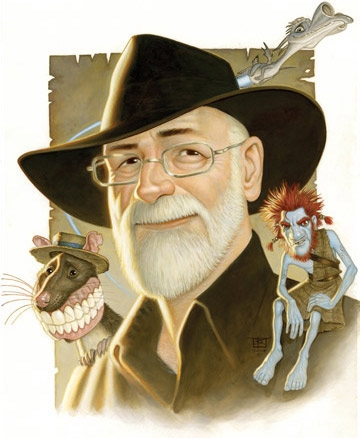
image borrowed from TVtropes.com
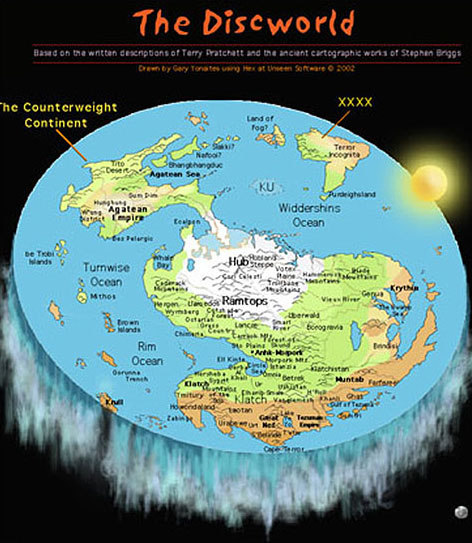
I firmly believe that I would never have succeeded as a teacher and never gotten my resolve wrapped around the whole nonsense package of being a published author if I hadn’t picked up a copy of Mort, the first Discworld novel by Terry Pratchett that I ever encountered. I started reading the book as a veteran dungeon-master at D&D role-playing games and also as a novice teacher having a world of difficulty trying to swim up the waterfalls of Texas education fast enough to avoid the jagged rocks of failure at the bottom. I was drinking ice tea when I started reading it. More of that iced tea shot out my nose while reading and laughing than went down my gullet. I almost put myself in the hospital with goofy guffaws over Death’s apprentice and his comic adventures on a flat world riding through space and time on the backs of four gigantic elephants standing on the back of a gigantic-er turtle swimming through the stars. Now, I know you have no earthly idea what this paragraph even means, unless you read Terry Pratchett. And believe me, if you don’t, you have to start. If you don’t die laughing, you will have discovered what may well be the best humorist to ever put quill pen to scroll and write. And if you do die laughing, well, there are worse ways to go, believe me.
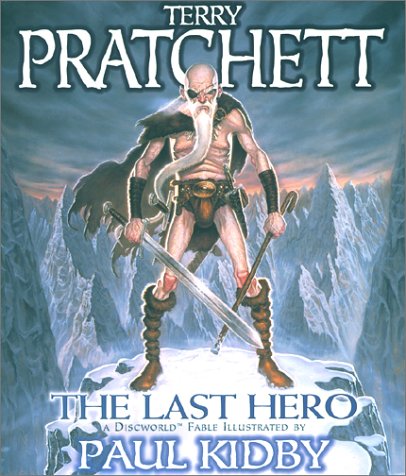
Discworld novels are fantasy-satire that make fun of Tolkien and Conan the Barbarian (written by Robert E. Howard, not the barbarian himself) and the whole world of elves and dwarves and heroes and dragons and such. You don’t even have to love fantasy to like this stuff. It skewers fantasy with spears of ridiculousness (a fourth level spell from the Dungeons of Comedic Magic for those fellow dungeon masters out there who obsessively keep track of such things). The humor bleeds over into the realms of high finance, education, theater, English and American politics, and the world as we know it (but failed to see from this angle before… a stand-on-your-head-and-balance-over-a-pit-of-man-eating-goldfish sort of angle).
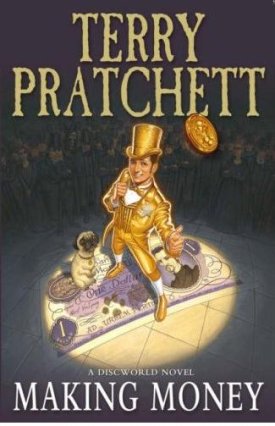
Terry Pratchett’s many wonderful books helped me to love what is ugly, because ugly is funny, and if you love something funny for long enough, you understand that there is a place in the world even for goblins and trolls and ogres. Believe me, that was a critical lesson for a teacher of seventh graders to learn. I became quite fond of a number of twelve and thirteen year old goblins and trolls because I was able see through the funny parts of their inherent ugliness to the hidden beauty that lies within (yes, I know that sounds like I am still talking about yesterday’s post, but that’s because I am… I never stop blithering about that sort of blather when it comes to the value hidden inside kids).
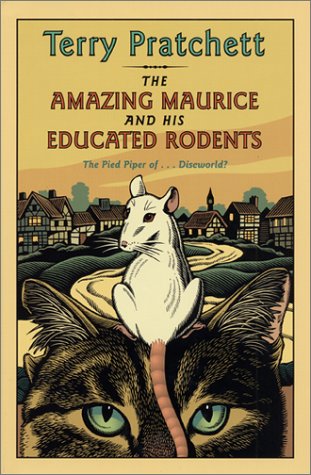
I have made it a personal goal to read every book ever written by Terry Pratchett. And that goal is now within reach because even though he is an incredibly prolific writer, he has passed on withing the last year. He now only has one novel left that hasn’t reached bookstores. Soon I will only need to read a dozen more of his books to finish his entire catalog of published works. And I am confident I will learn more lessons about life and love and laughter by reading what is left, and re-reading some of the books in my treasured Terry Pratchett paperback collection. Talk about your dog-eared tomes of magical mirth-making lore! I know I will never be the writer he was. But I can imitate and praise him and maybe extend the wonderful work that he did in life. This word-wizard is definitely worth any amount of work to acquire and internalize. Don’t take my convoluted word for it. Try it yourself.
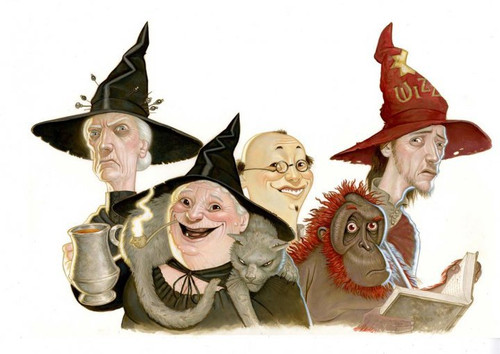
borrowed from artistsUK.com
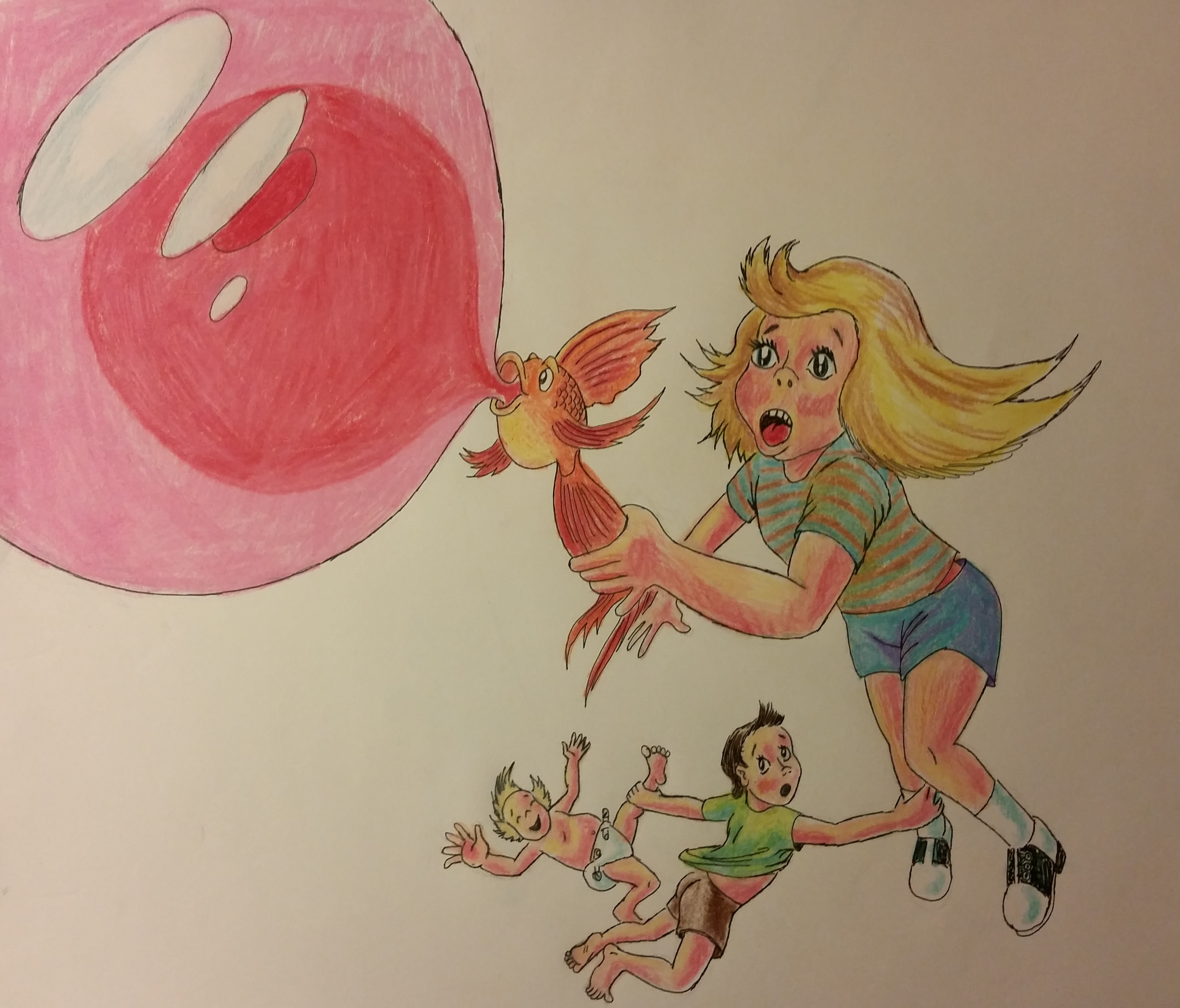



 Catch a Falling Star
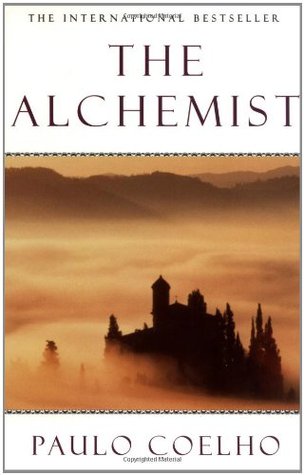
The Alchemist by Paulo Coelho
Some books come along telling a story that has to be taken seriously in ways that don’t make sense in any normal way. The Alchemist is one of those books.
What is an alchemist, after all?
An alchemist uses the medieval forms of the art of chemistry to transmute things, one thing becoming another thing.
Coelho in this book is himself an alchemist of ideas. He uses this book to transmute one idea into another until he digs deep enough into the pile of ideas to finally transmute words into wisdom.
There is a great deal of wisdom in this book, and I can actually share some of it here without spoiling the story.
Here are a few gemstones of wisdom from the Alchemist’s treasure chest;
“It’s the possibility of having a dream come true that makes life interesting…” (p.13)
“It’s the simple things in life that are the most extraordinary; only wise men are able to understand them.” (p.17)
“All things are one. And, when you want something, all the universe conspires in helping you to achieve it.” (p.24)
“And when he had gone only a short distance, he realized that, while they were erecting the stall, one of them had spoken Arabic and the other Spanish. And they had understood each other perfectly well. There must be a language that doesn’t depend on words, the boy thought.” (p.45)
All of these quotes from the book, as you can see, come from the first third of the book. There are many more treasures to be found in this book. I should not share them with you here. Just as the main character of the story learns, you have to do the work for yourself. But this book is not only an enjoyable read, but a map for how you can execute your own journey towards your “Personal Legend”. In fact, you may find that the book tells you not only how to go about making a dream come true, but, if you are already on that journey successfully, it tells you what things you are already doing right.
Leave a comment
Filed under book reports, book review, commentary, good books, magic, strange and wonderful ideas about life, wisdom, wizards
Tagged as book review, magical books, mystical books, the Alchemist by Paulo Coelho