

The centaur… Kentaur, Κένταυρος, Centaurus, Sagittary… human from the waist up,horse body from the waist down… I hate to break it to you, but the damned things are only imaginary. There are no real ones anywhere. Not even in Thessaly. The half-horse children of Ixion and Nephele are totally made up by goofy story-tellers in the distant past.


And yet, what they actually represent in poems, plays, stories, and myths is a very real part of what it means to be human and what it means to be alive.


There are many centaurs in literature, going all the way back to the Greeks. But my favorite depictions of the man-horses of literature occur in what are basically children’s books. In the Chronicles of Narnia C. S. Lewis portrays centaurs as wise and noble, gifted at star-gazing, prophecy, healing,and warfare. Aslan the Lion, the Christ-figure of the tales, relies on their steadfast faithfulness in his battles against evil and the White Witch. In the Harry Potter books of J.K. Rowling, the centaurs live in the Forbidden Forest just outside of the Hogwarts grounds, always in hiding from the human world and shy, at least until Firenze comes Chiron-like to join the faculty, aid in the teaching of magic, and help in the struggle against the evil of Voldemort. In the Percy Jackson series by Rick Riordan, Chiron himself of Greek myth teaches the young heroes, though the rest of the centaurs you meet in the stories are very Dionysian and basically a bunch of drunken party boys… err… party horses… err… horseboys.
So essentially the centaur has a dual nature. On the one hand they are cultured and learned and wise. On the other hand, they are directly connected to the earth and the natural world, liking the sensual half of the human experience. And it might be important to note… centaurs never wear pants… in fact, could never wear pants.

In Greek mythology, the Centauromachy, or war between the centaurs and the Lapiths, represents a central struggle in the human psyche. The centaurs are pictured as being as wild as untamed horses. They are sensual and willful and try to disrupt the wedding of Hippodamia to Pirithous, King of Lapithae by kidnapping Hippodamia and all the other Lapith women and girls. It turns out badly for the centaurs because they represent unbridled sensuality without rules while the Lapiths (who are directly related to the centaurs as cousins) represent rules and rationality. We all know how that is expected to play out in human society… so of course that is what happens in the myth. The rational always rules in the end.
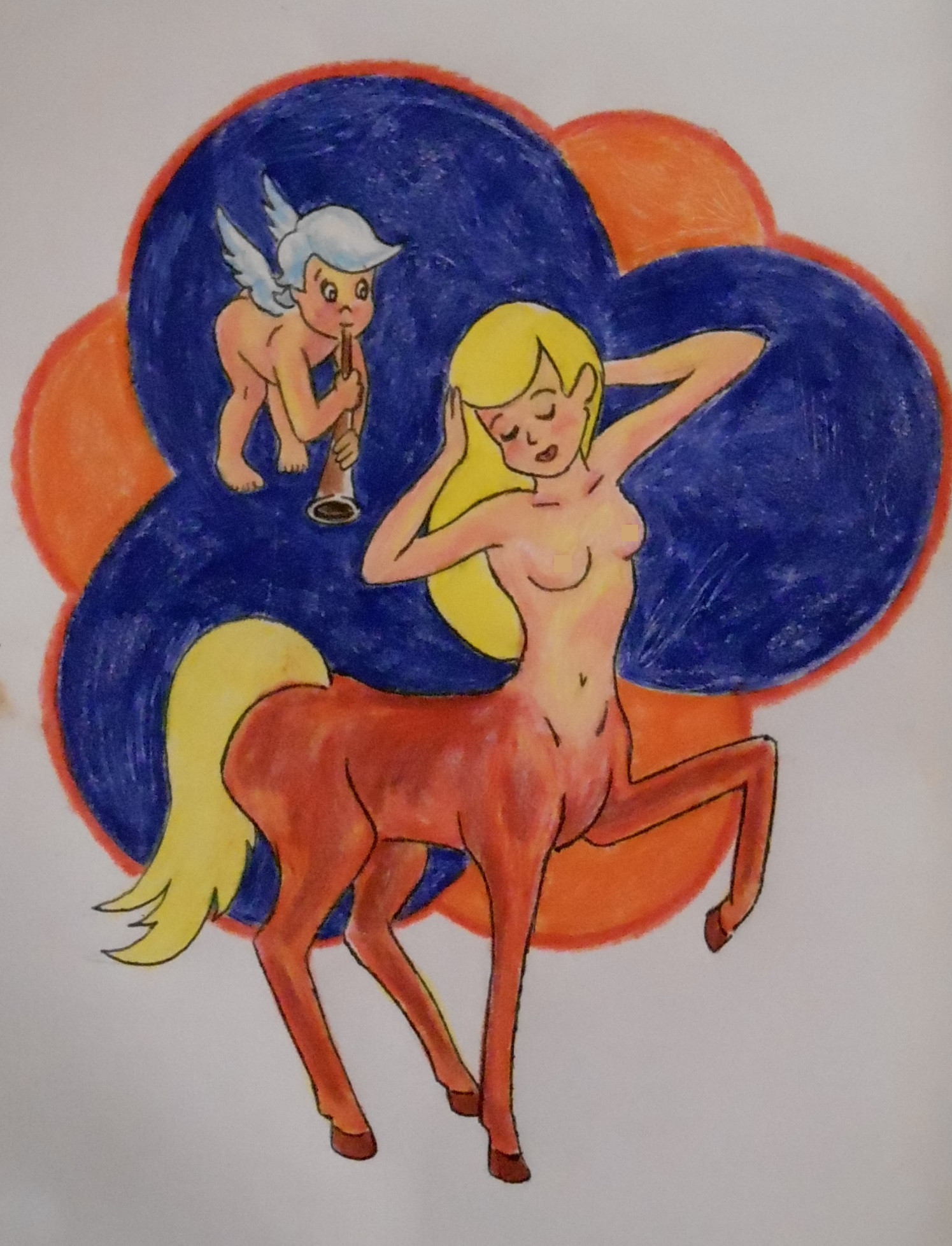
So I identify strongly with the idea of the centaur. The rational man-part guiding the sensual horse-part. The whole teacher-y Chiron thing… and getting to walk around naked… on four legs. The centaur is a thing to draw and a thing to tell stories with and a thing to invade your dreams. Part man, part horse, and totally unreal.







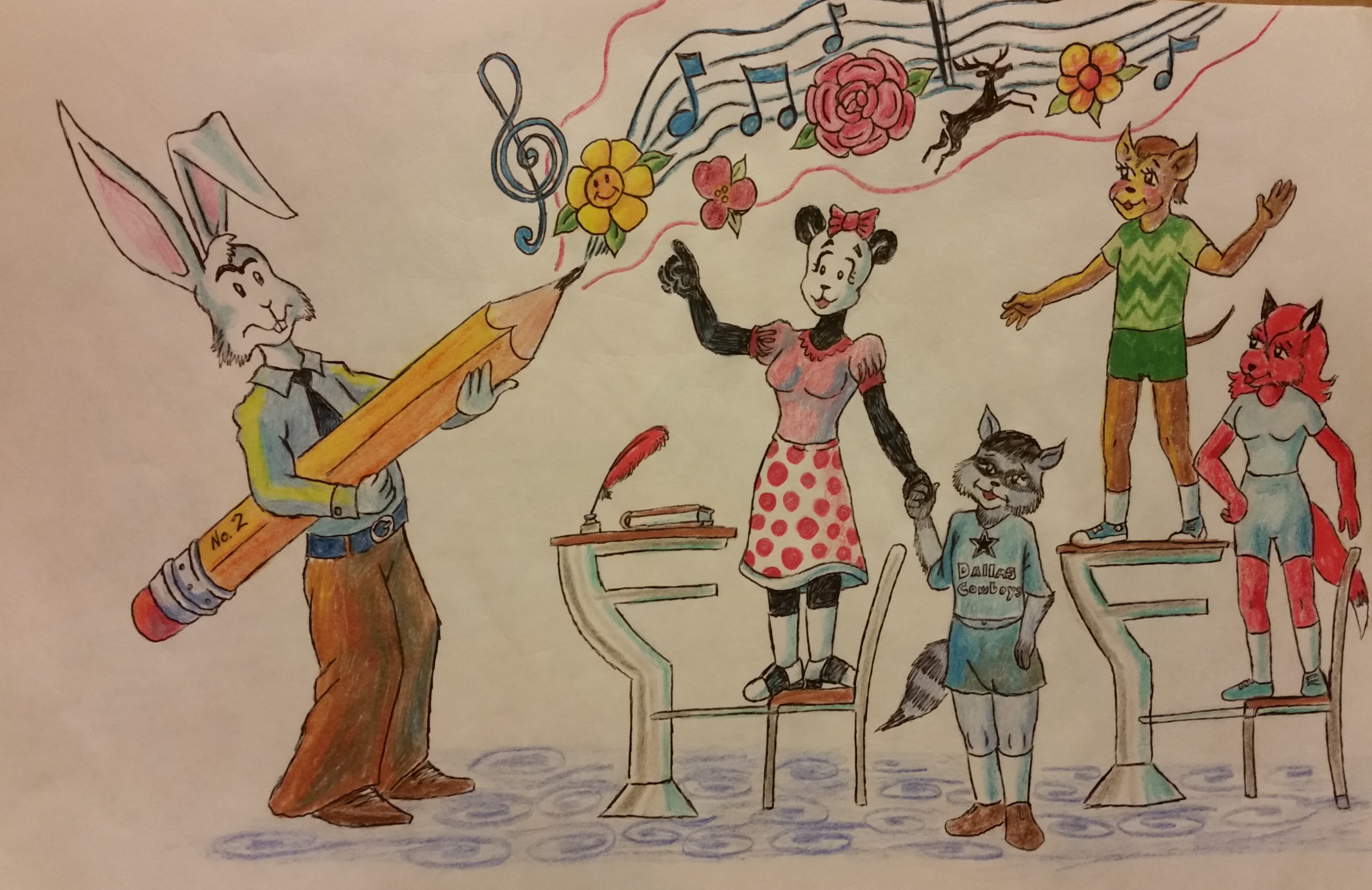
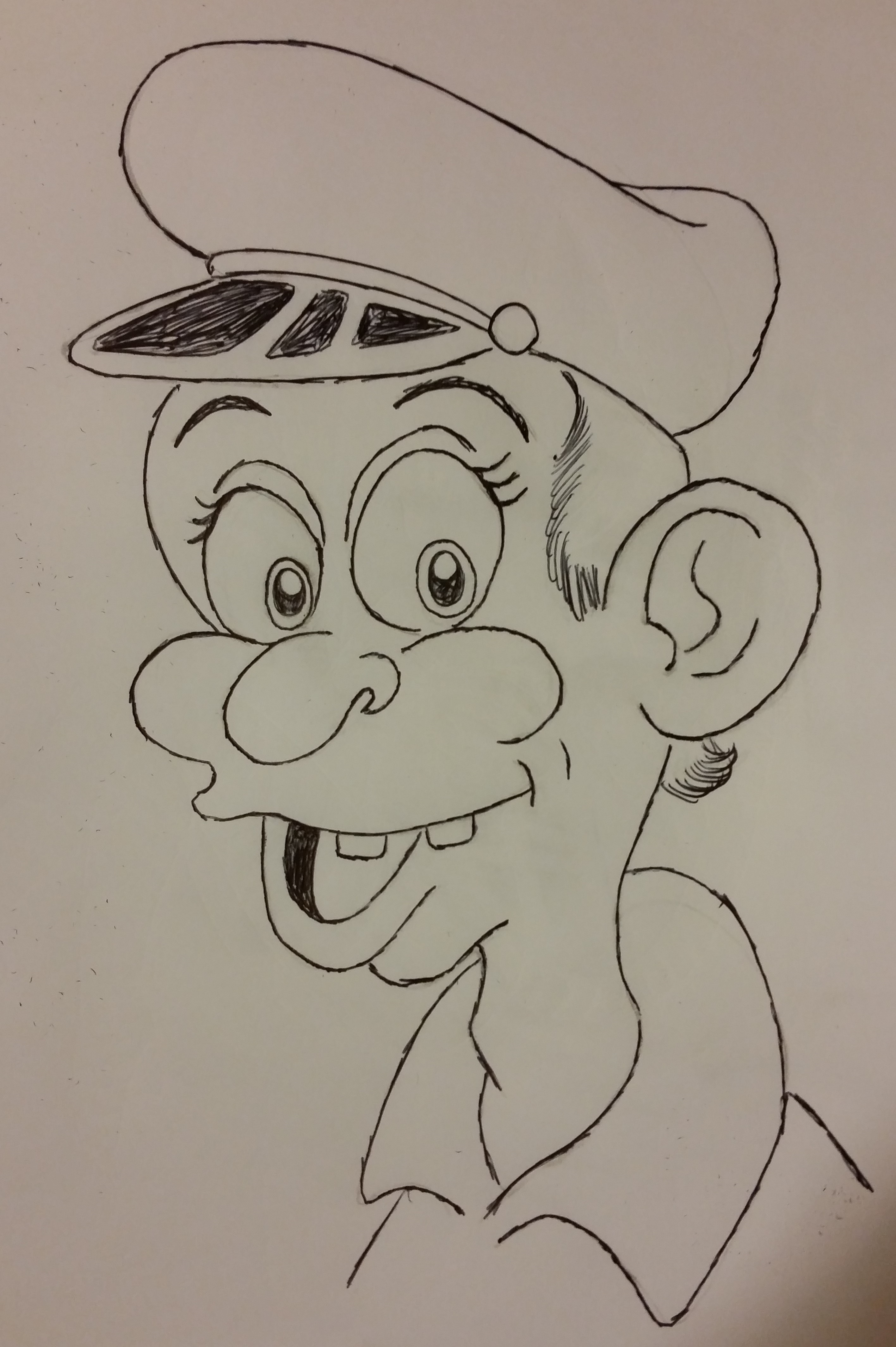
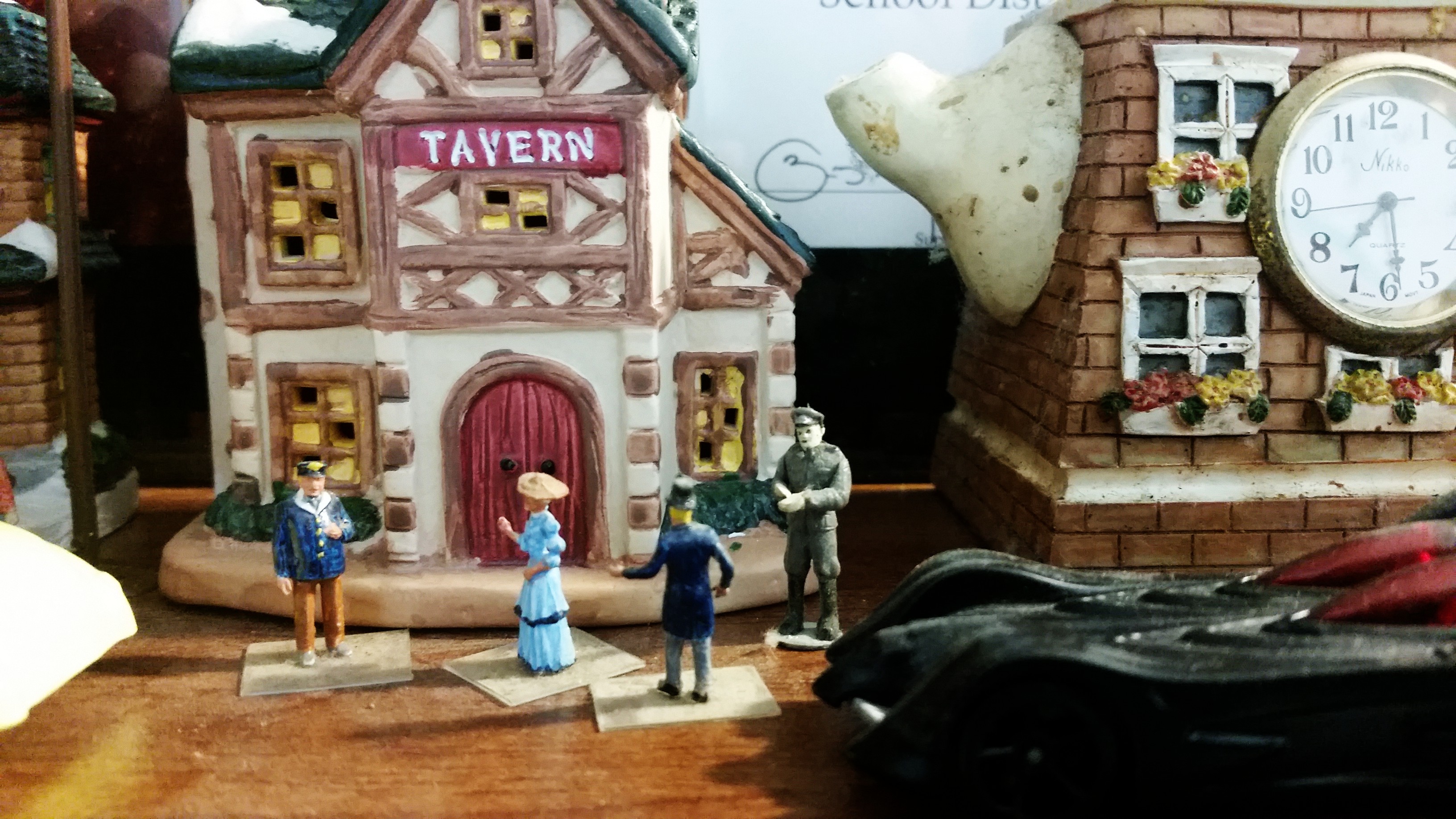
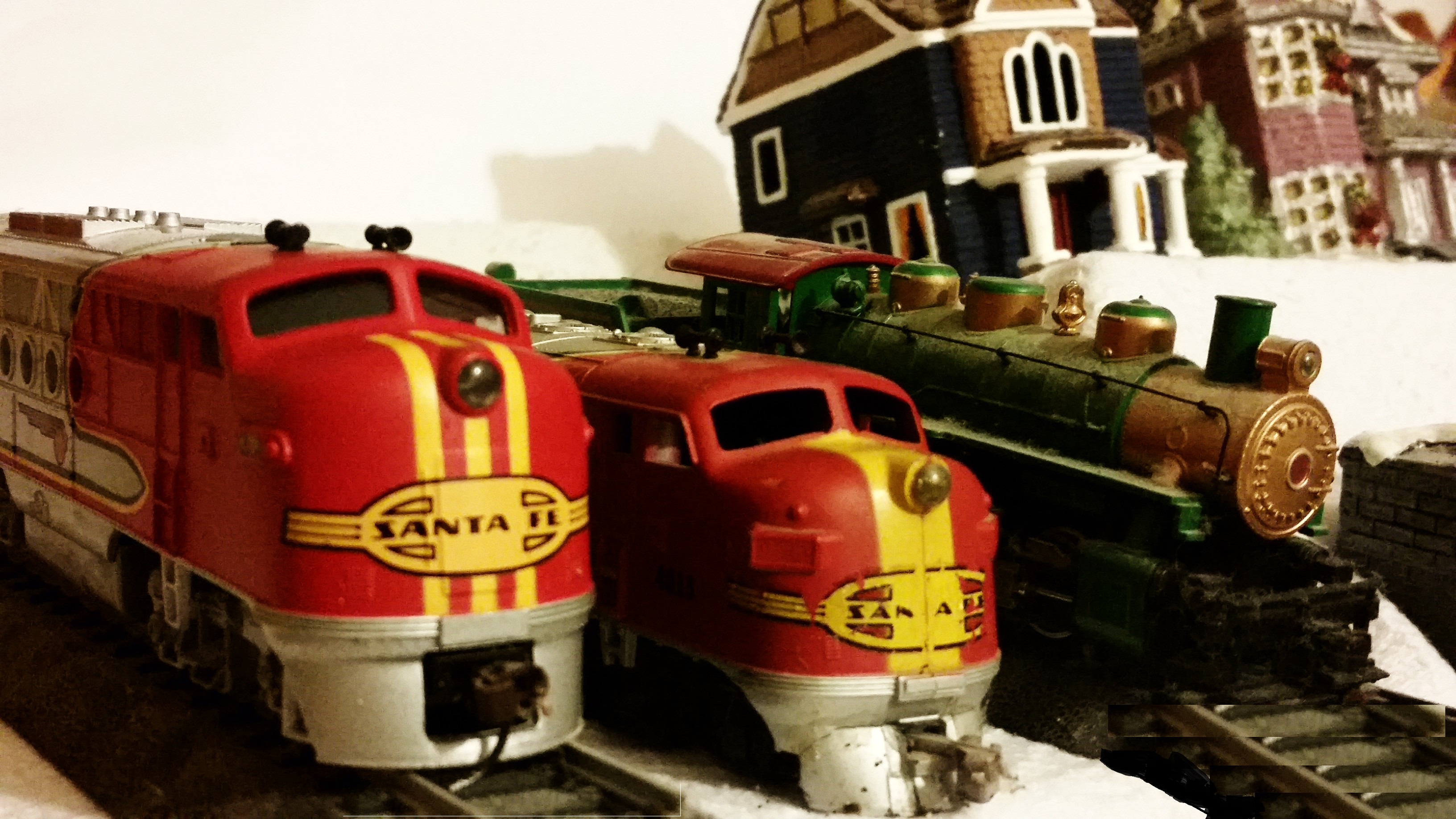
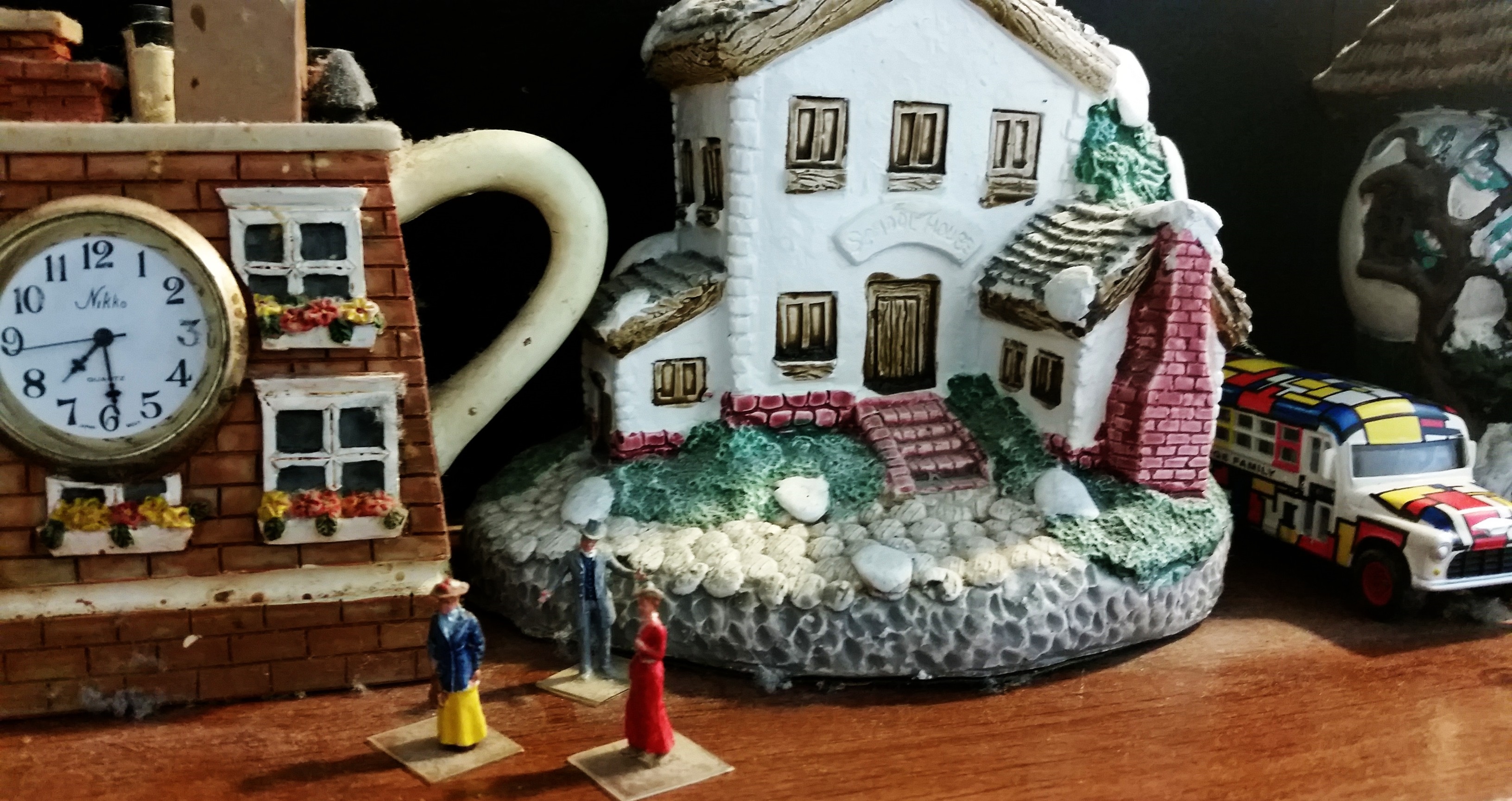
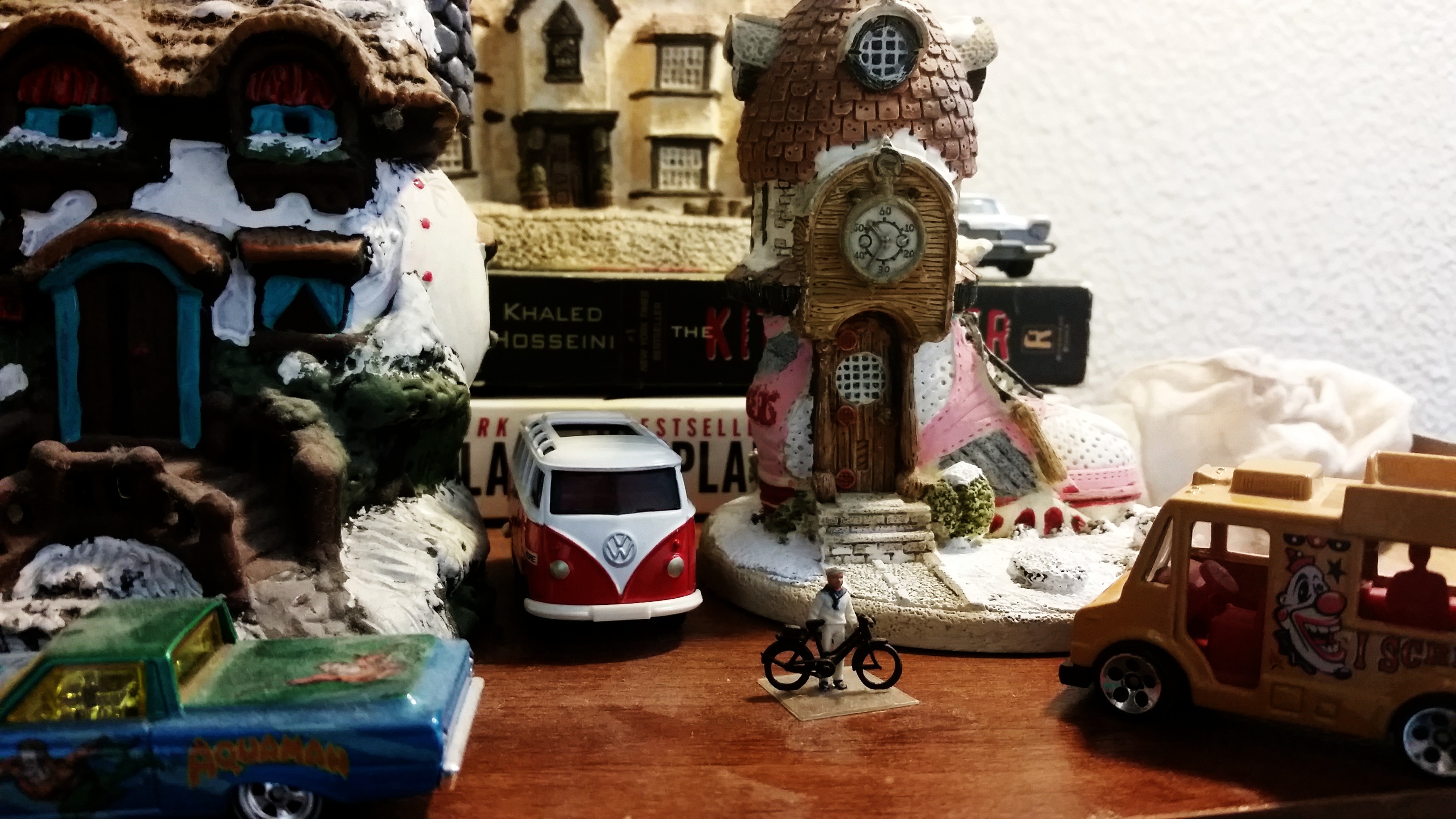
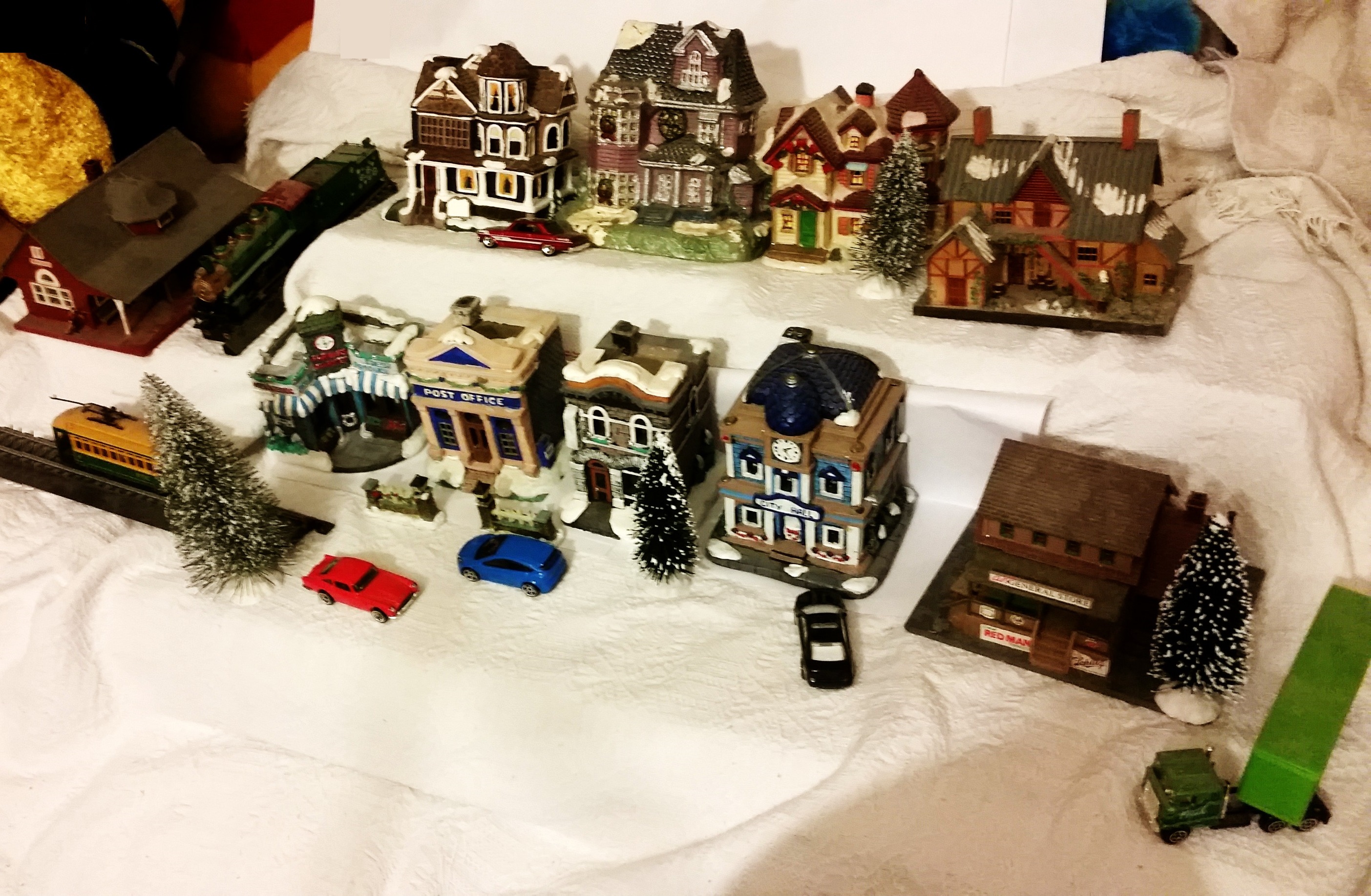
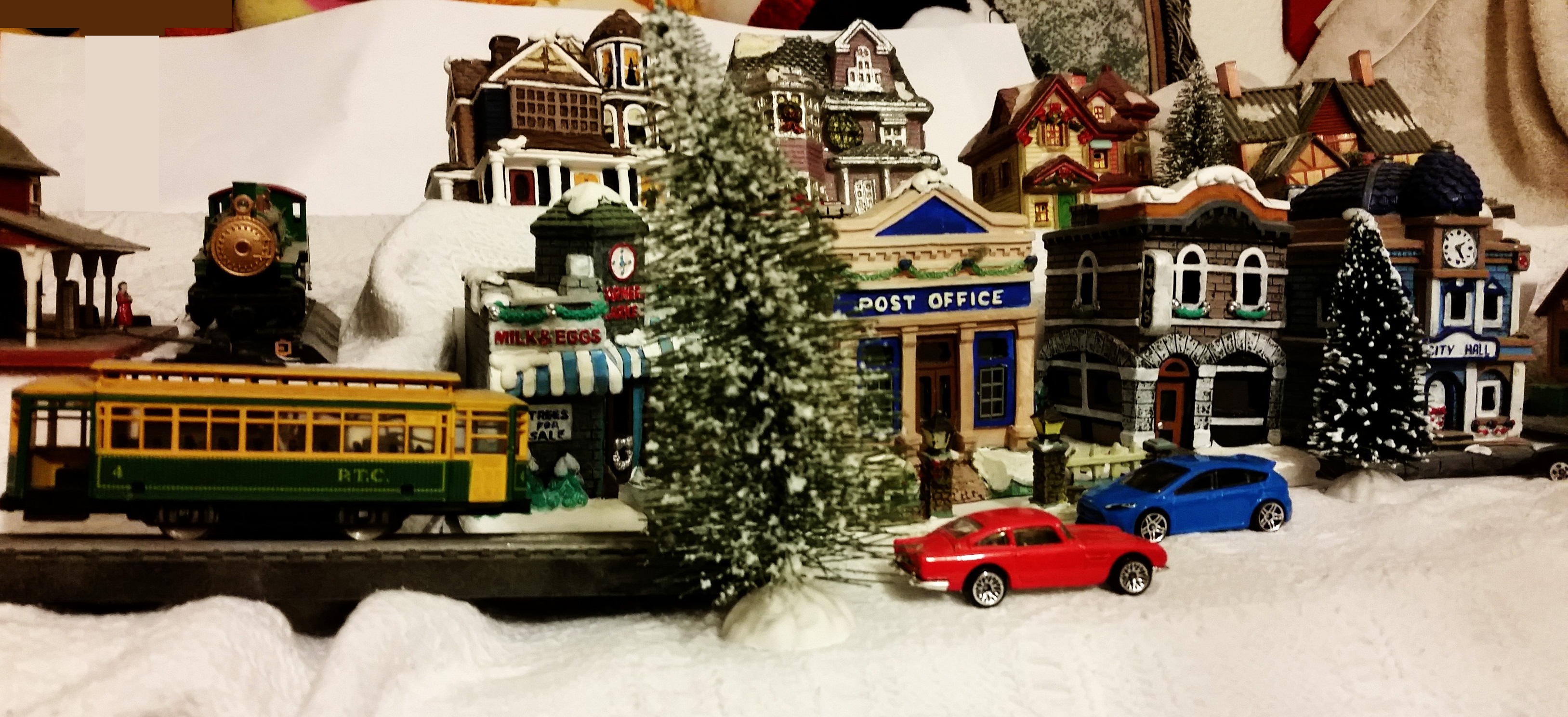
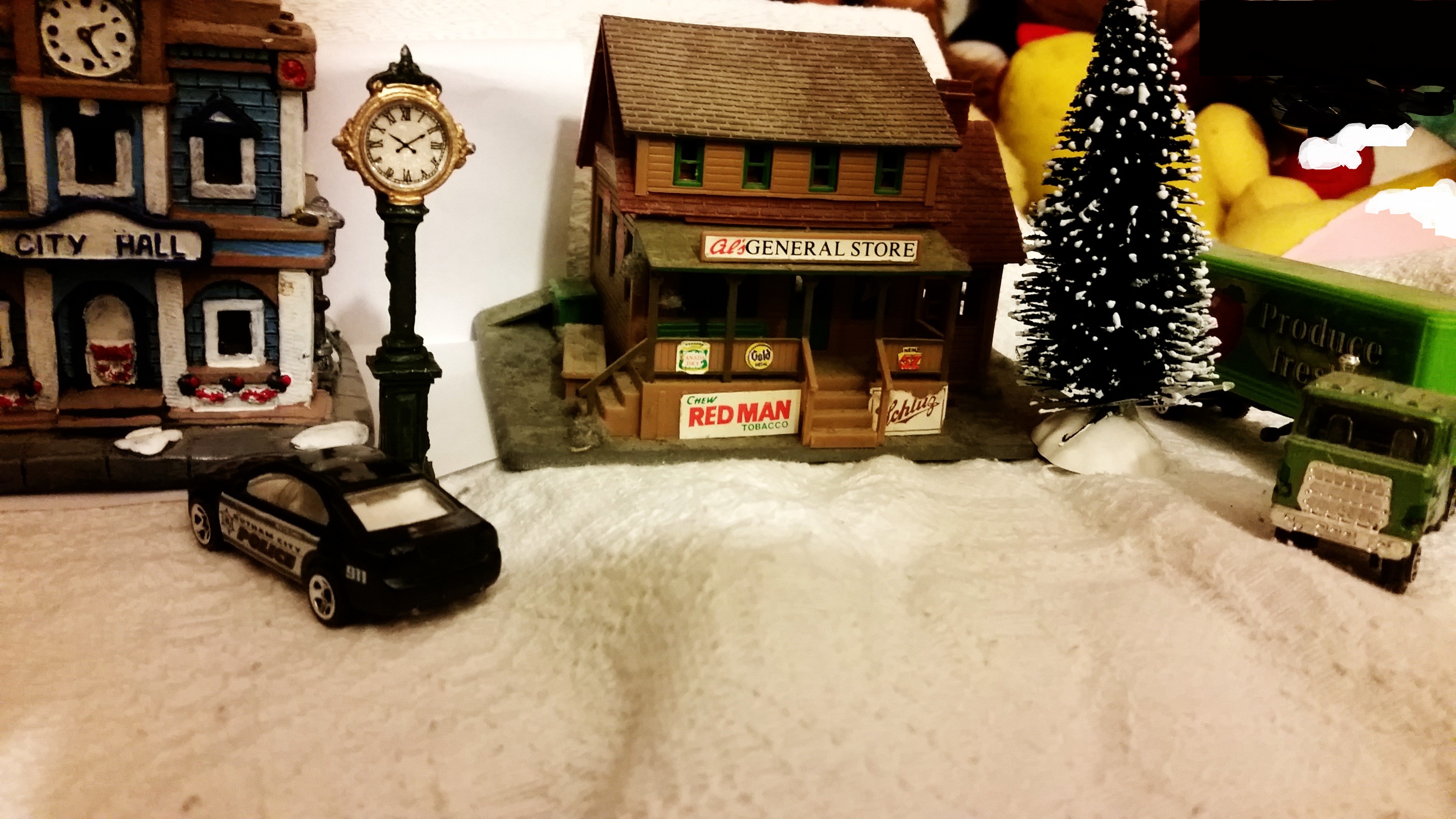
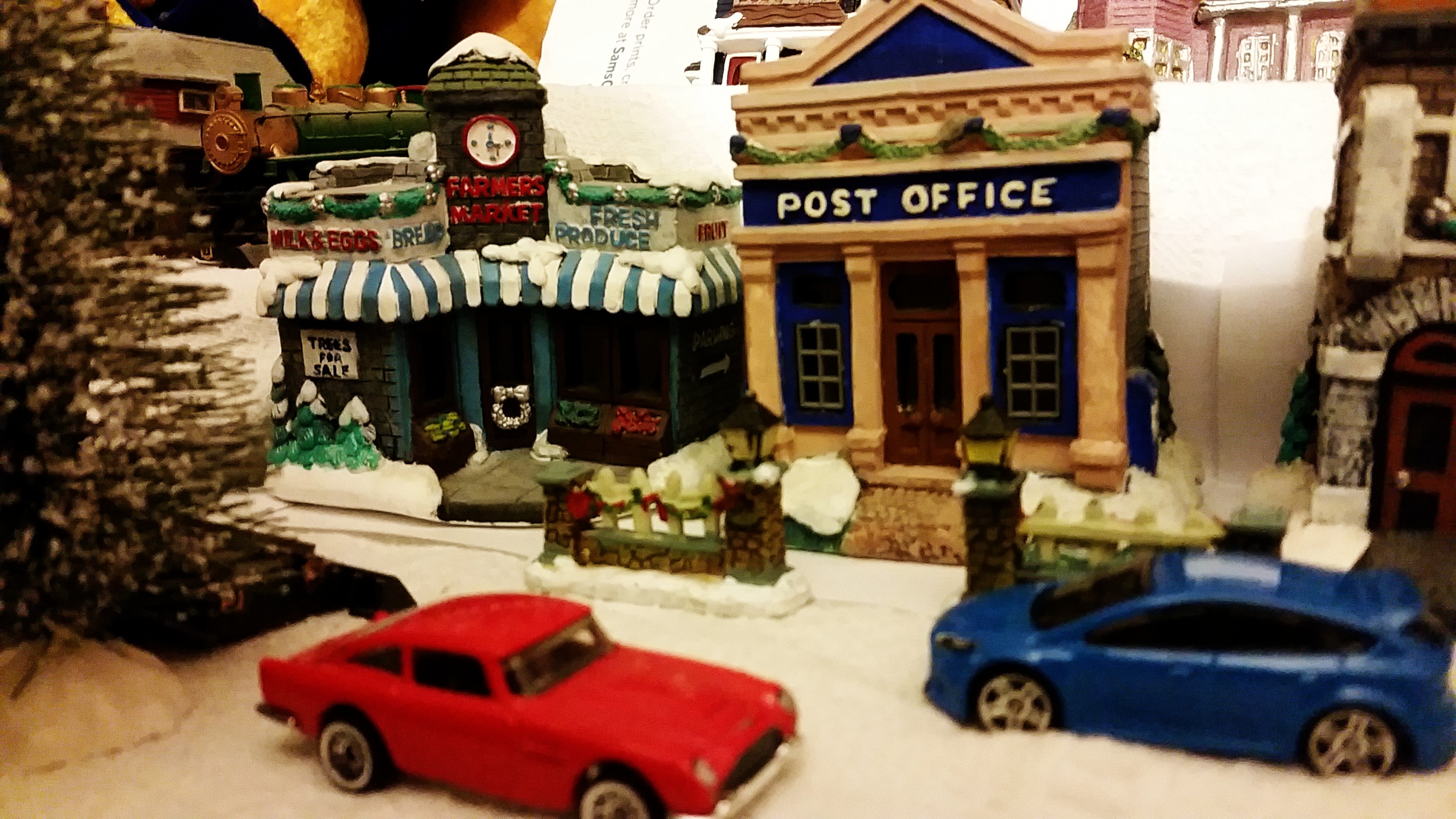
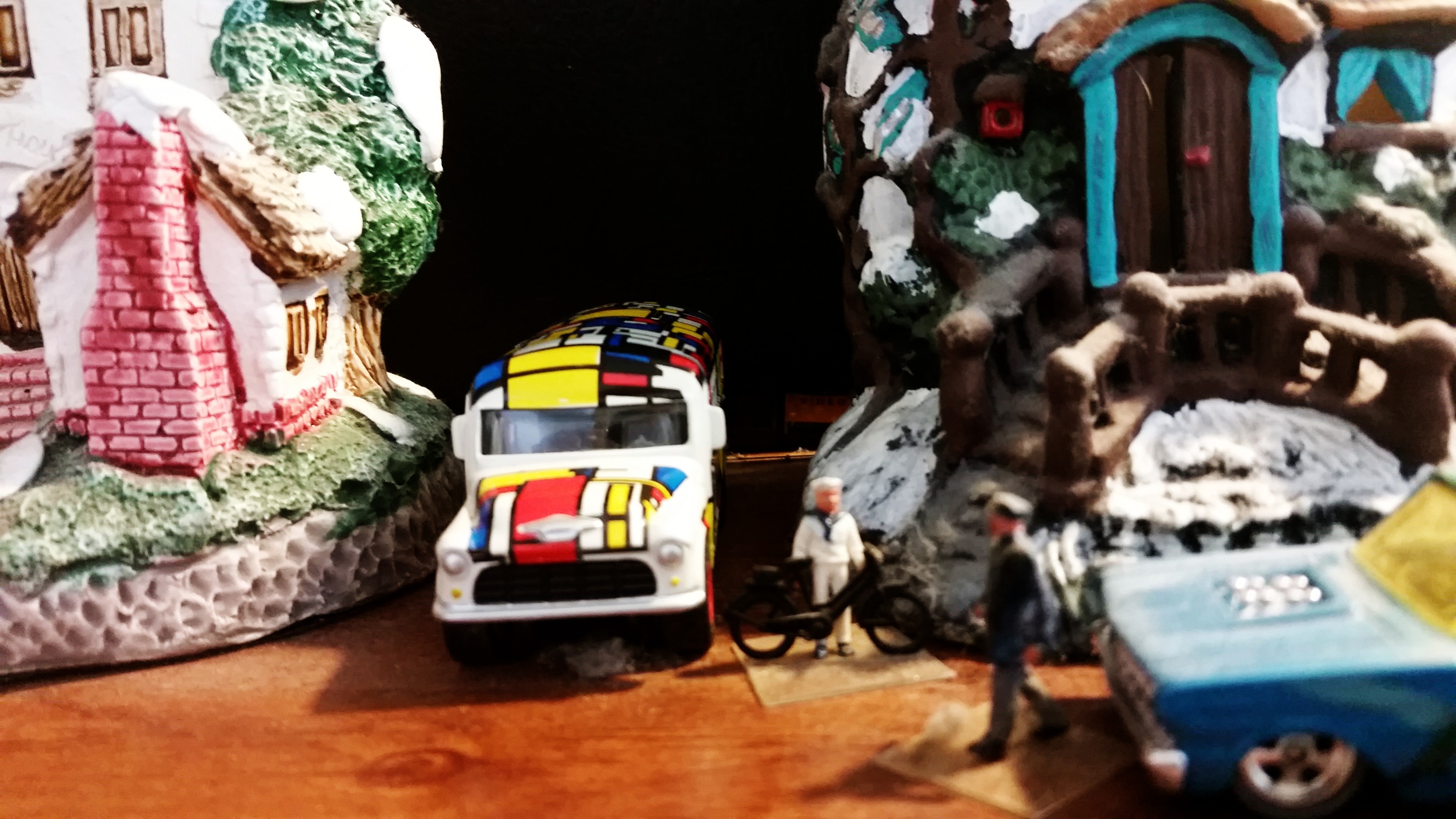 Here’s a view of the front of that same TV bus as it sits between Miss Wortle’s place and Eggbert Egghead’s Egg House. Dabney Egghead is the boy in the sailor suit showing off his brand new velocipede.





The Be-Bop Beat of Mickey’s Brain
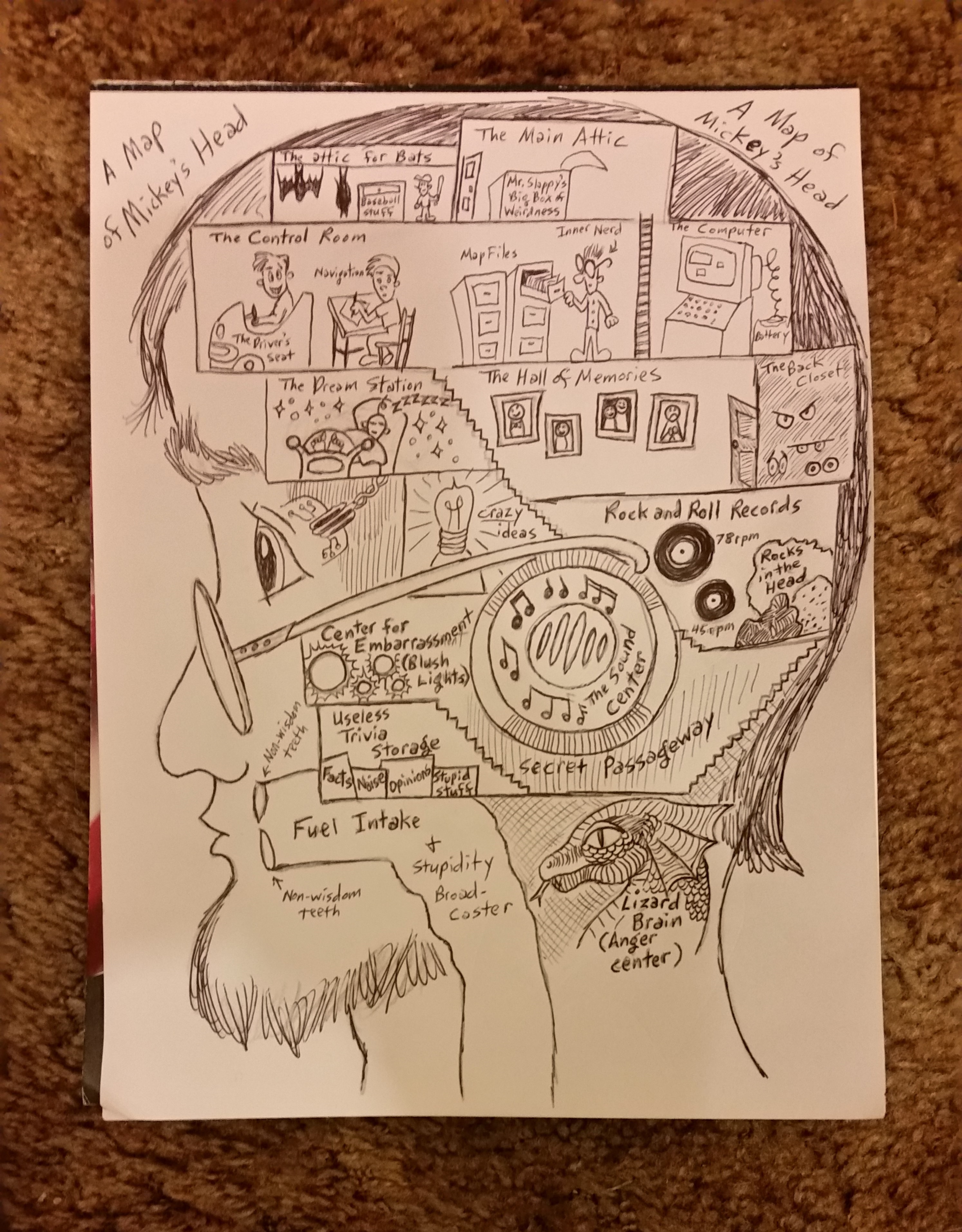
Truthfully, when I look back at the string of posts in the picket fence of this daily blog, I fail to see the overall map of it in any semblance of pattern or order. Honestly, I did not set out to be purposefully wacky.
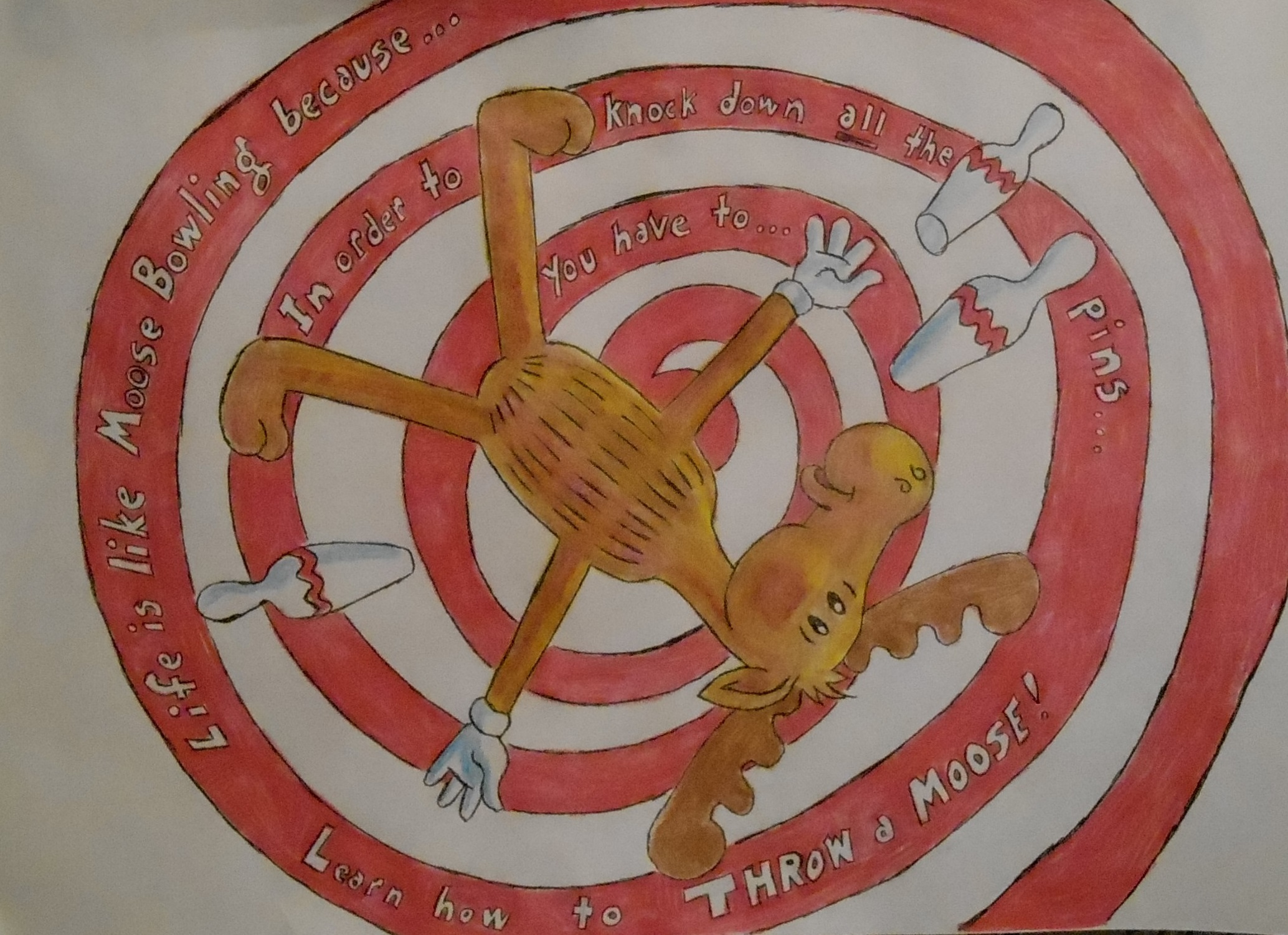
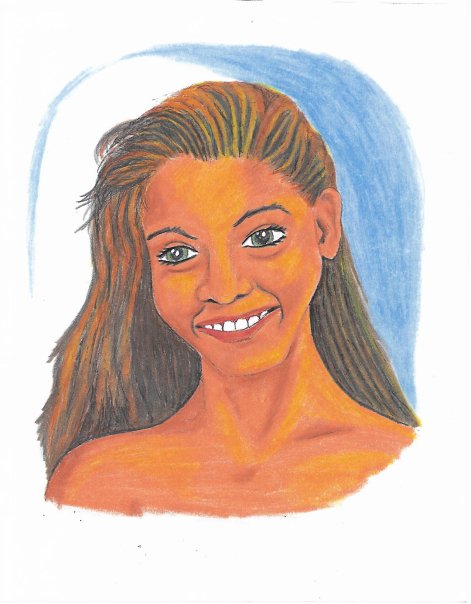
I did, however, set out to be purposefully surreal. I mean it, I consciously put bizarrely dissimilar things together in an attempt to find parallels and connections in unlike things because, not only is it funny and surprising, but is a comic act that serves to keep the mind nimble and never numb. I do think quite a lot. And I try to see connections between things where others wouldn’t. For instance, the Coppertone girl with her bare butt and Bullwinkle with his unicycle are both being threatened in a way that is both comic, and taking advantage of their inherent image of innocence. Neither will lose anything by it. The girl stands to brown her pale white behind in the sun, while Bullwinkle will probably land on his head and it will make a decent cushion to preserve him because of it’s empty and rubbery qualities.
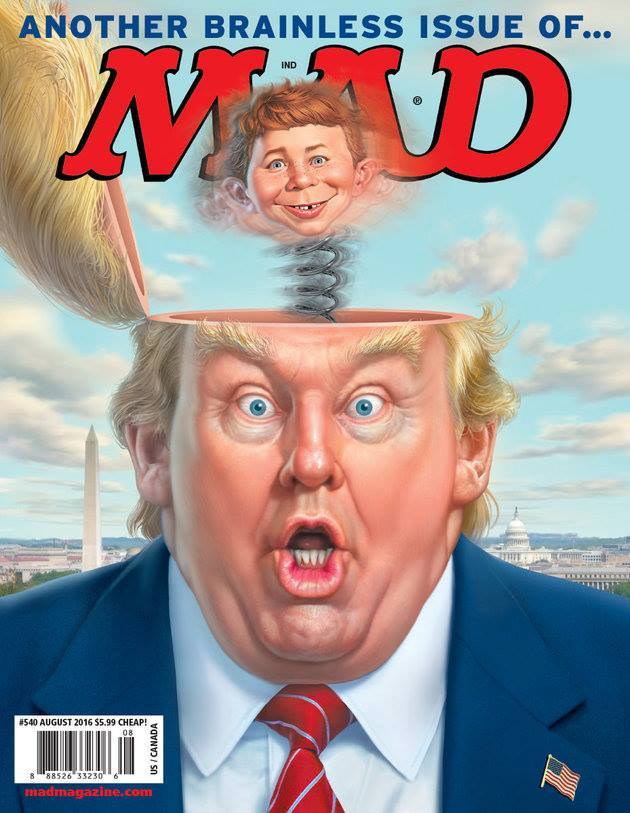
I must also admit to a bit of the old telling of stretchers, the misrepresentation of the truth, the loquacious layer-onner of lies. Not Trumpian lies that land on you like elephants dropped like bombs out of B-52’s. Instead, fictions that entertain and elucidate. It is the most likely reason I keep saying connecting words and phrases like “truthfully” and “honestly” and “I mean it”. Those are words that liars love.
Yes fiction writers like me tell little white lies.
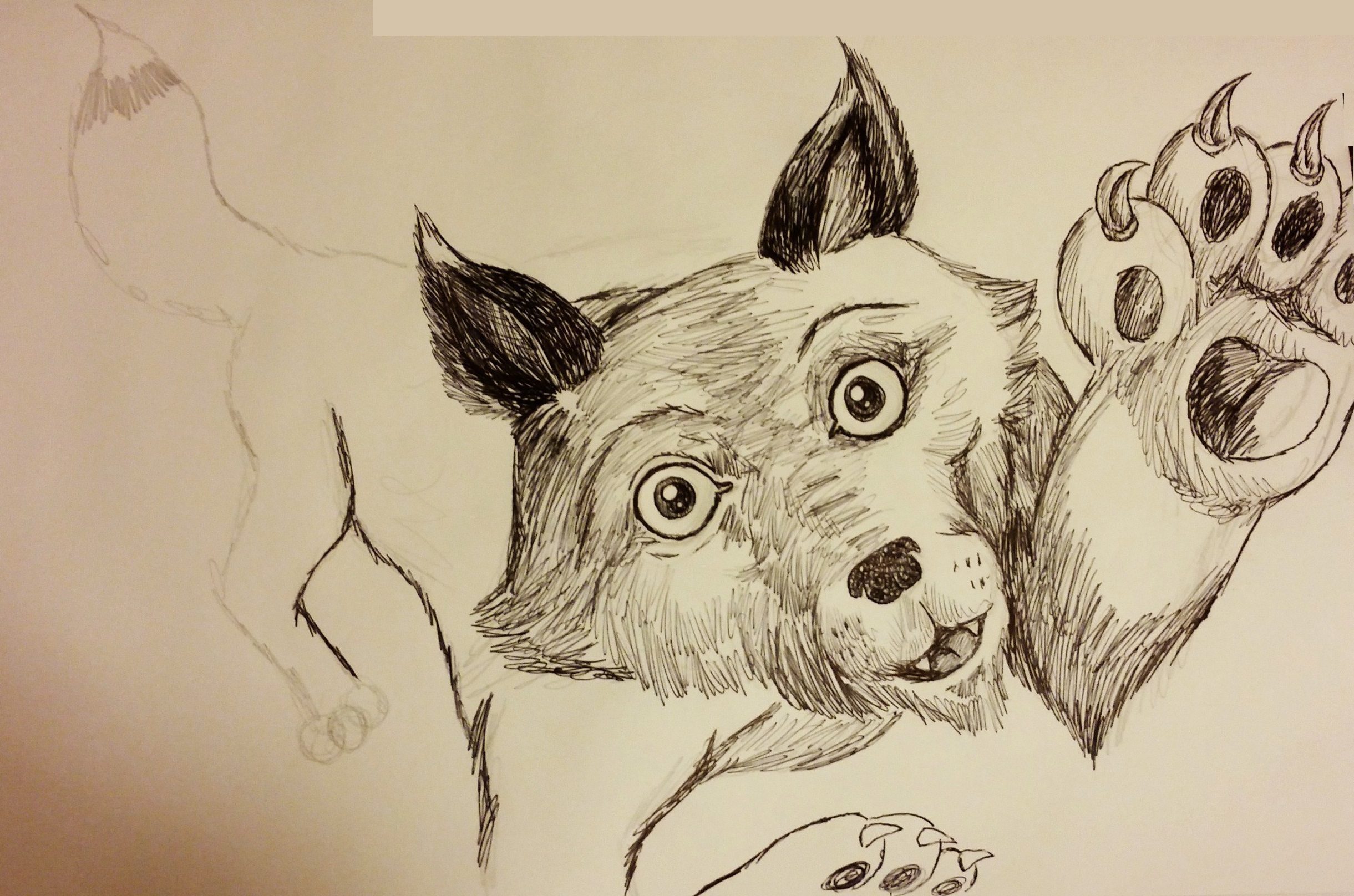
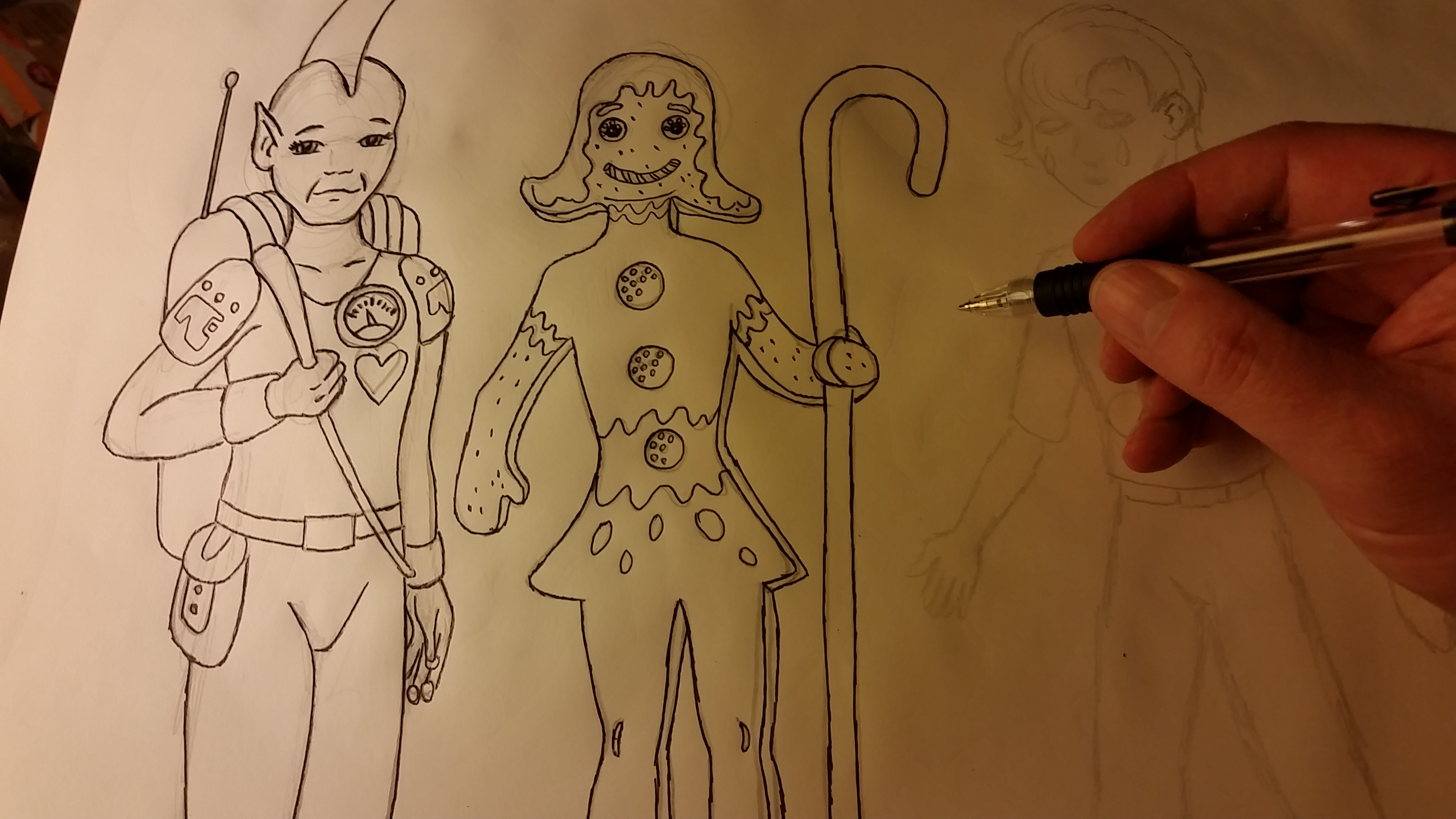
I have now published my novel Recipes for Gingerbread Children. It is a novel based on real people I have known and loved and listened to. It is about an old German woman, a survivor of WWII concentration camps, who loves to tell stories to children and bake gingerbread cookies, especially gingerbread men. It features a pair of teenage nudist girls who believe in going completely naked whenever you are indoors, even if you are in someone else’s house. It features Nazis, both in flashback and ghostly forms. It also features fairies from the Hidden Kingdom of Tellosia, a fairy kingdom filled with little three-inch tall magical people living under our very noses. And it has a werewolf in it, though admittedly a very young one. It is a comedy with its requisite sad parts, and it is definitely an example of surrealism. It is also full of lies… err, I mean fiction.
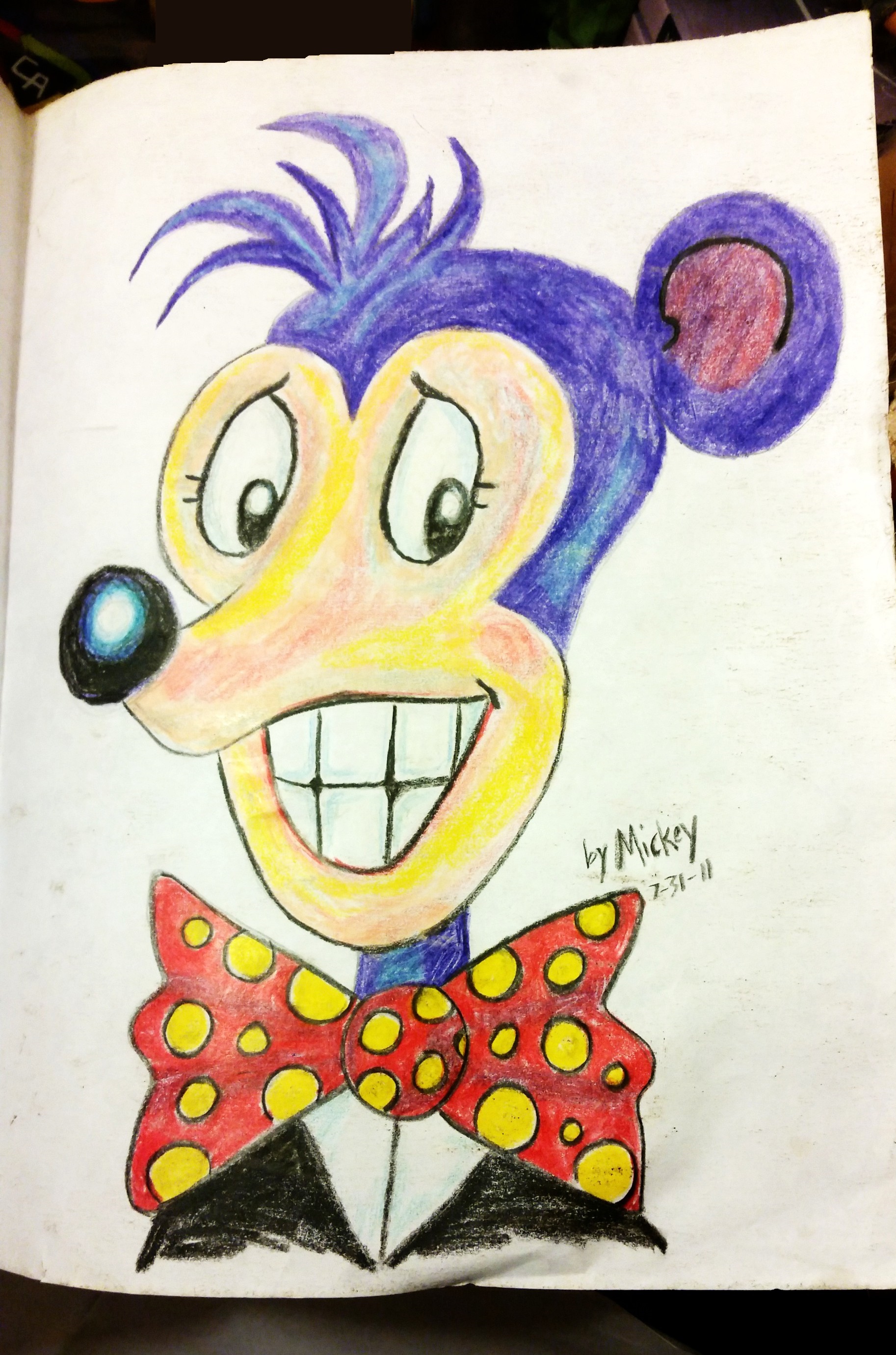
But the real purpose of this supposedly be-bop brain fart in blog-post form is not so much to explain my blog (because how do you explain a blog that goes from Flashbacks and Foobah to telling about Madman Trump to Another novel part… #37 to Centaurs to a book and movie review, to this eccentric and eclectic thing, which probably exists more to make alliteration jokes than anything else in the most musical beat I can bang out?) but to prove that I do often think about thinking and how things fit together and what it all means… and how to write a run-on sentence that adds to the effect rather than simply annoys. And, yeah, I’m doing that. And it feels like a good thing to do.
1 Comment
Filed under blog posting, commentary, foolishness, humor, imagination, metaphor, Paffooney, self portrait, strange and wonderful ideas about life, surrealism
Tagged as goofiness, humor, justification for blogging, Metacognition