
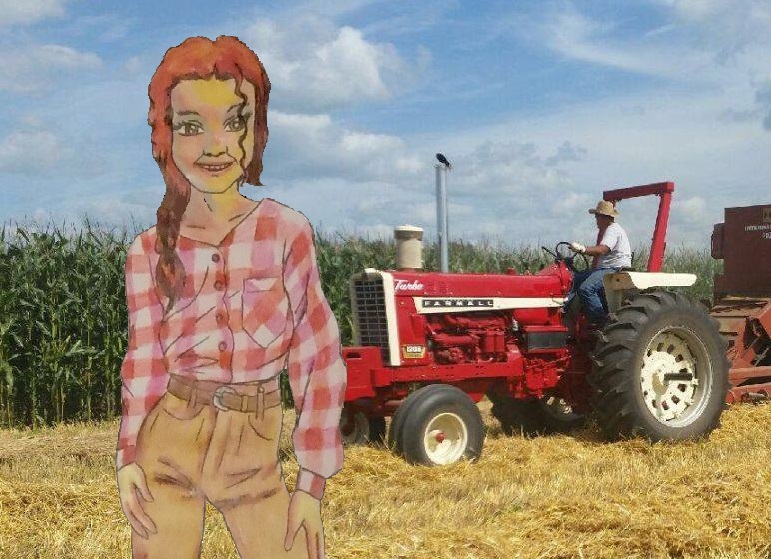
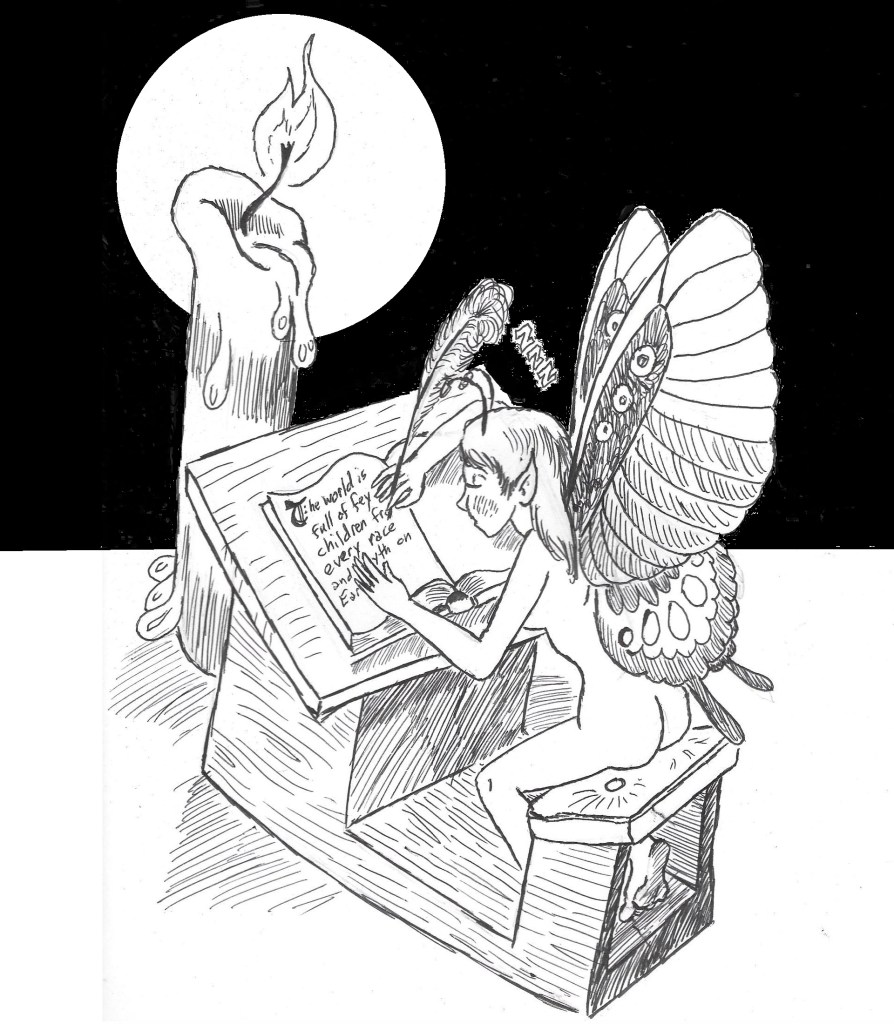
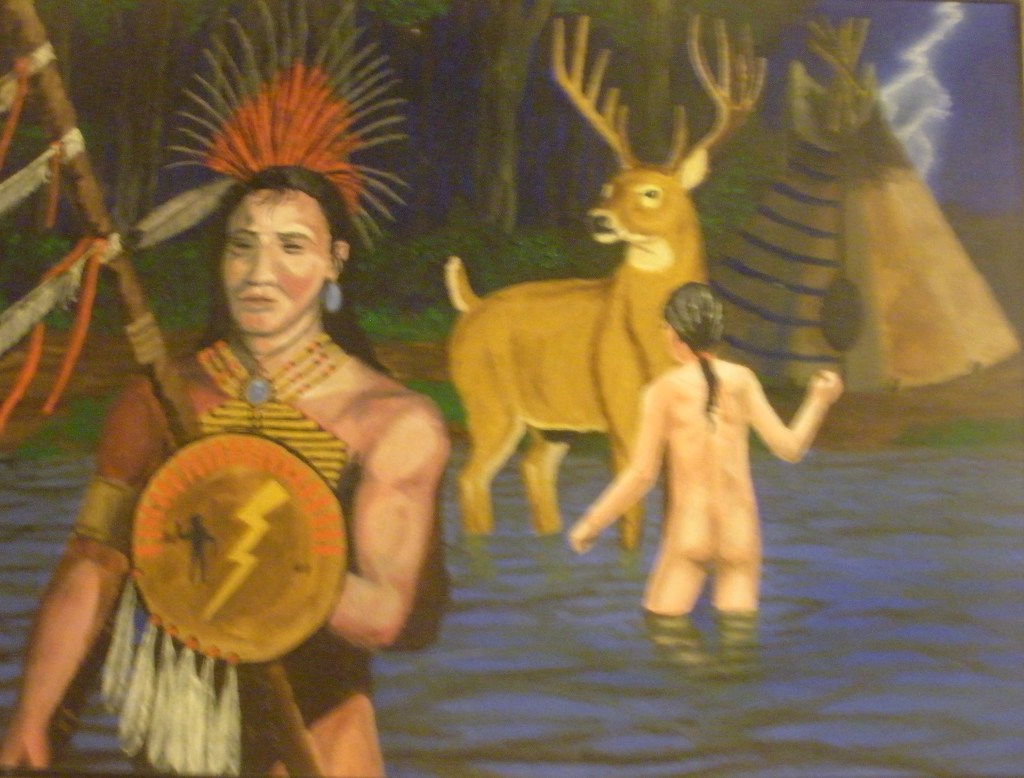
Creating myself as an author meant making some conscious choices at the beginning. I made some very clear ones. First of all, I intended to write as much about my real life as I possibly could. Accepting, of course, the fact that my real life was infested with imaginary people and events. There was the faun that slept in my bed with me every night in the form of a large, black pillow my sister made for me as a 4-H project. There were the three-inch-tall fairies that had a complete underground empire that surfaced at the roots of the old willow tree by the Rowan school building and community center. There was the gryphon that circled the skies looking constantly to swoop down and eat me at any opportunity. So, it wasn’t as much about realism as it was surrealism. It was necessary to protect my traumatized psyche from the damage I sustained as a ten-year-old.
Of course, I had literary heroes and inspirations to go by. I read some key books as a college student that deeply influenced how I wanted to write.
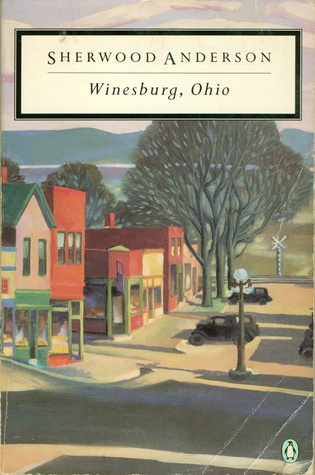
Winesburg, Ohio is the first major influence that affected the stories I began writing in my college years. Sherwood Anderson was writing about his own hometown in this short-story cycle, basing Winesburg on his home town of Clyde, Ohio in the very early 1900s.
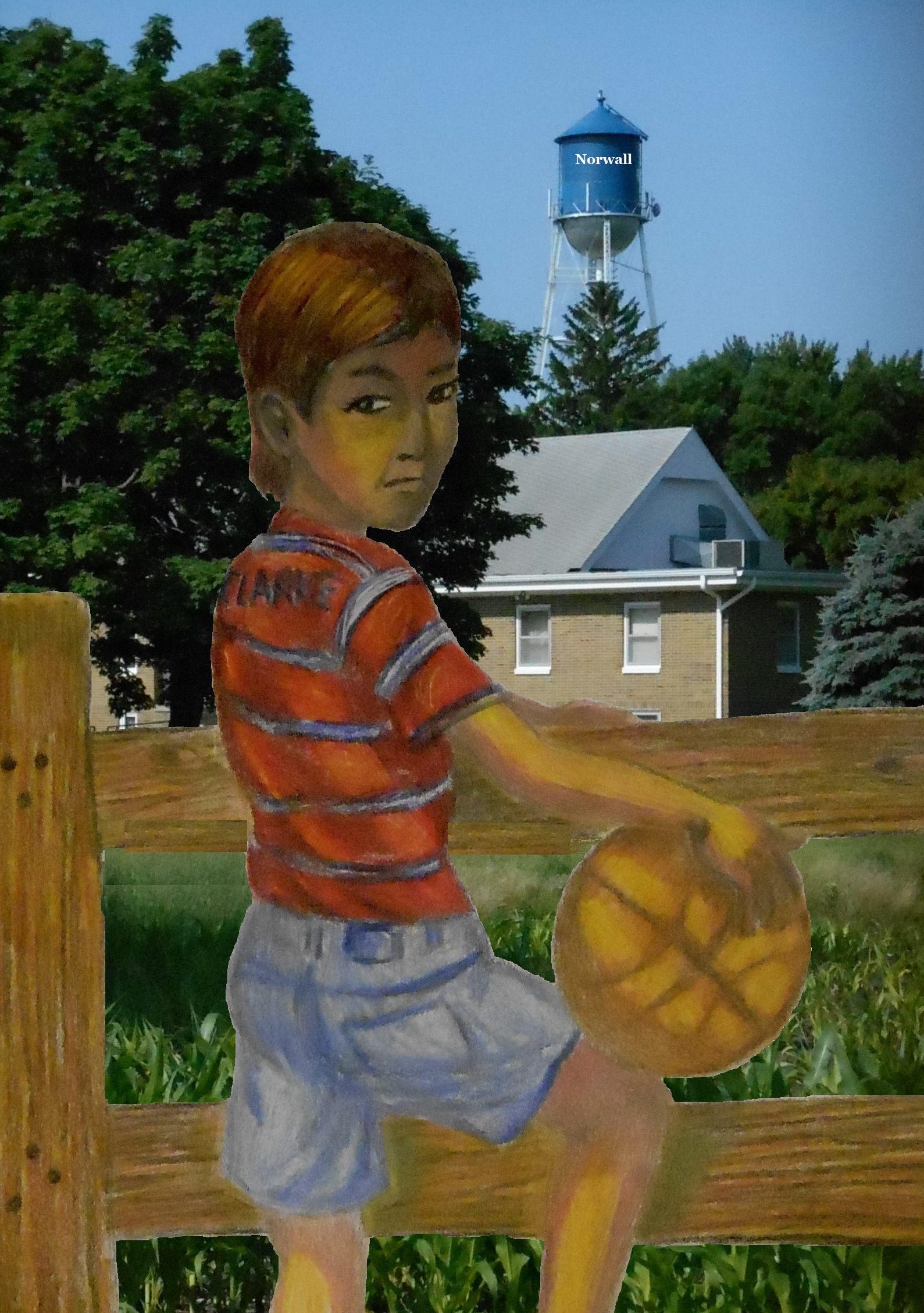
Arguably he wrote stories about real people from his renamed home town. Thus, I renamed Rowan, my home town, Norwall, mixing up the letters from Rowan and adding two letter “L’s.” His stories were all themed about the loneliness and longings of a small Midwestern town. I would make mine about breaking out of the cages loneliness builds with the people who surround you.
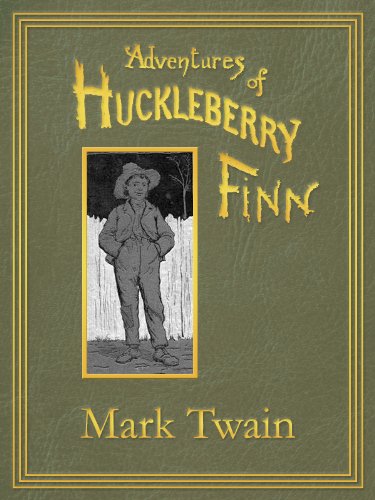
I also determined that like Mark Twain, I would give my characters a sense of realism by basing them on real people from Rowan, Belmond (where I went to high school), and Cotulla, Texas (where I would teach for 23 years.) And I would change some basically minor physical details to hide their true identities behind names I found in the Ames, Iowa phone book from 1978. But I always tried to give them their authentic voices, though that often meant translating Texican and Hispanish into Iowegian.
And like Twain vowed to write stories only about the 19th Century, I decided to only set my stories in the last half of the 20th Century.
Of course, imagination is not easily limited, so I had to also accept that some of my stories of the science-fiction persuasion would be set in the 56th Century in the Orion Spur of the Sagittarius Spiral Arm of the Milky Way Galaxy.
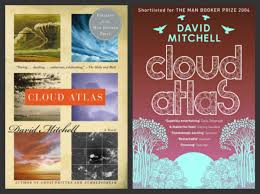
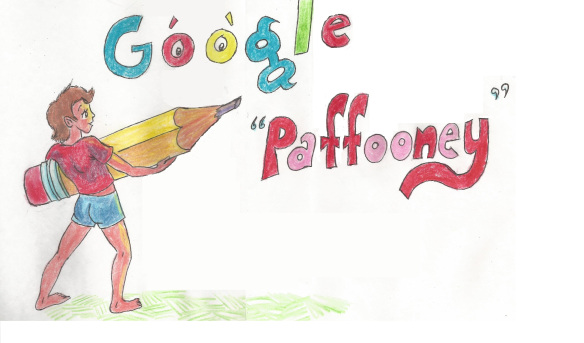
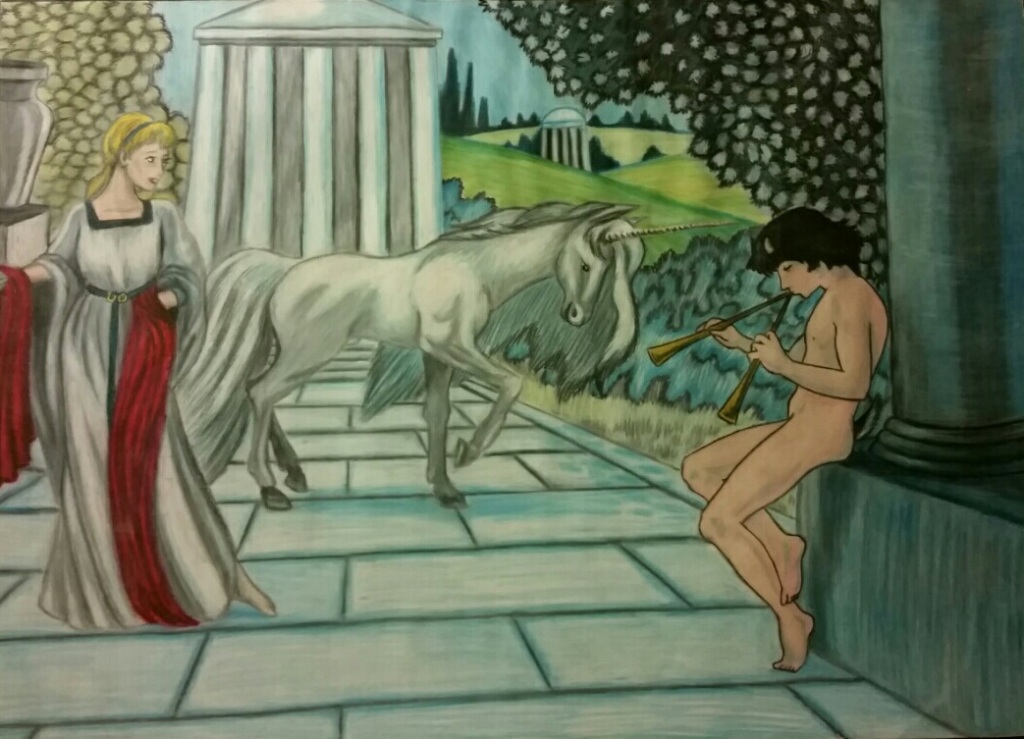
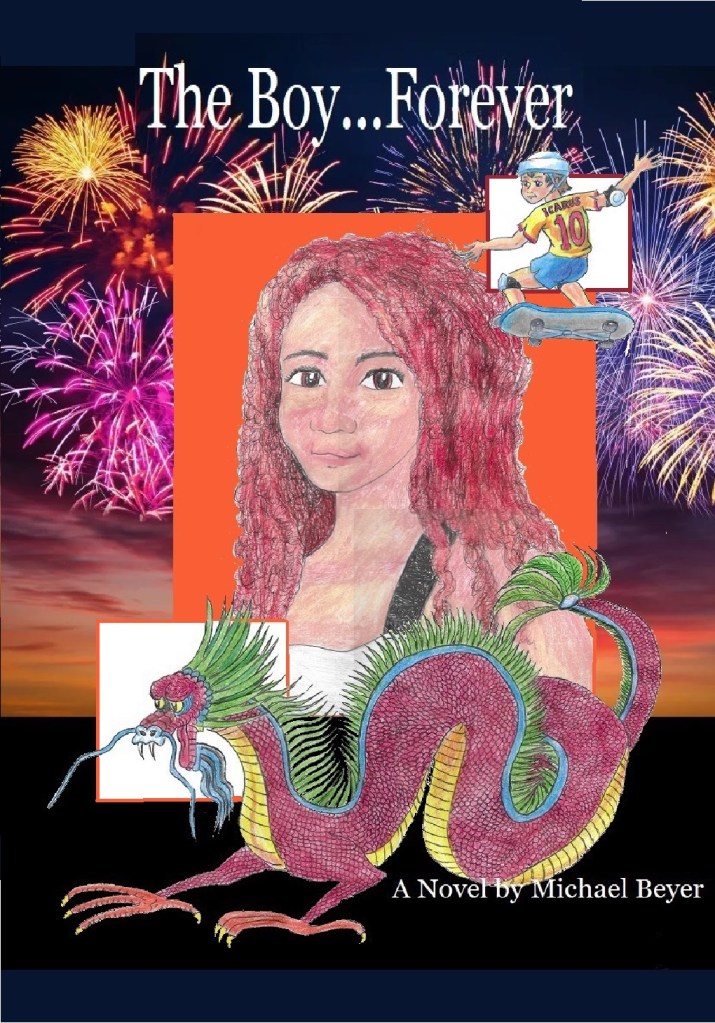
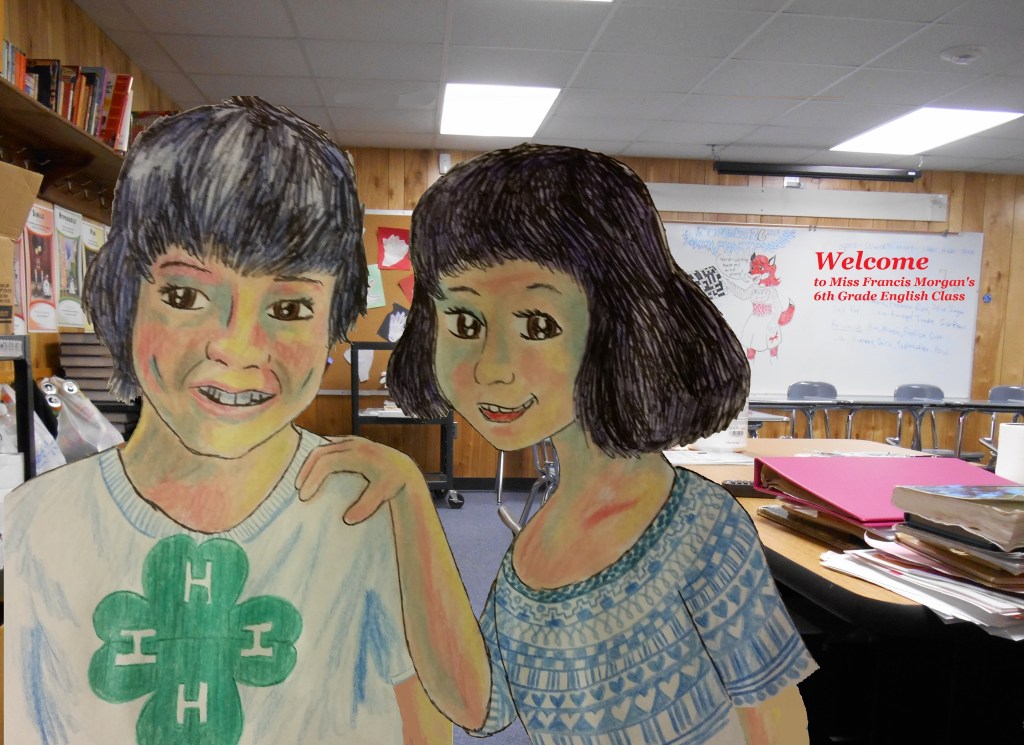
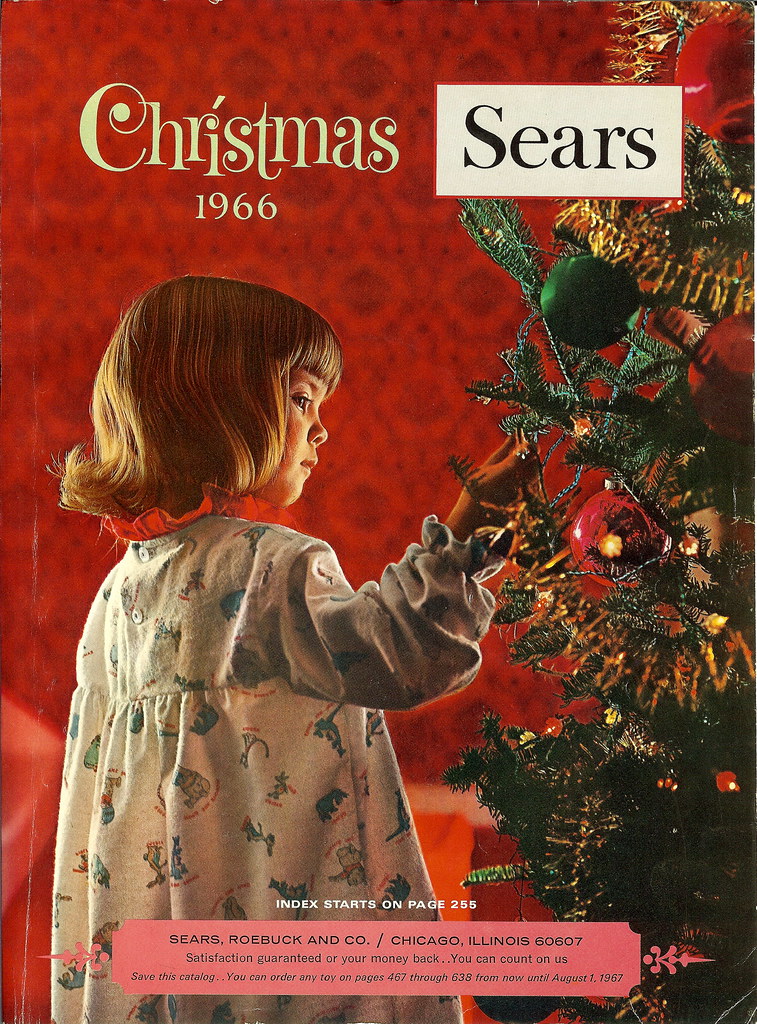
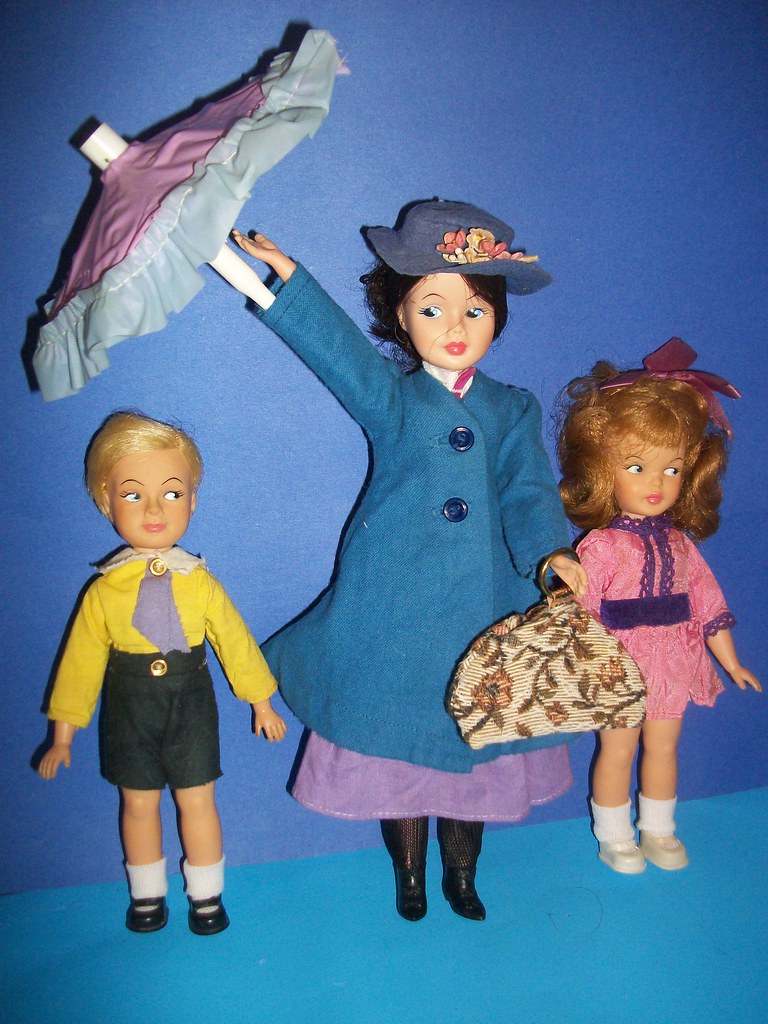
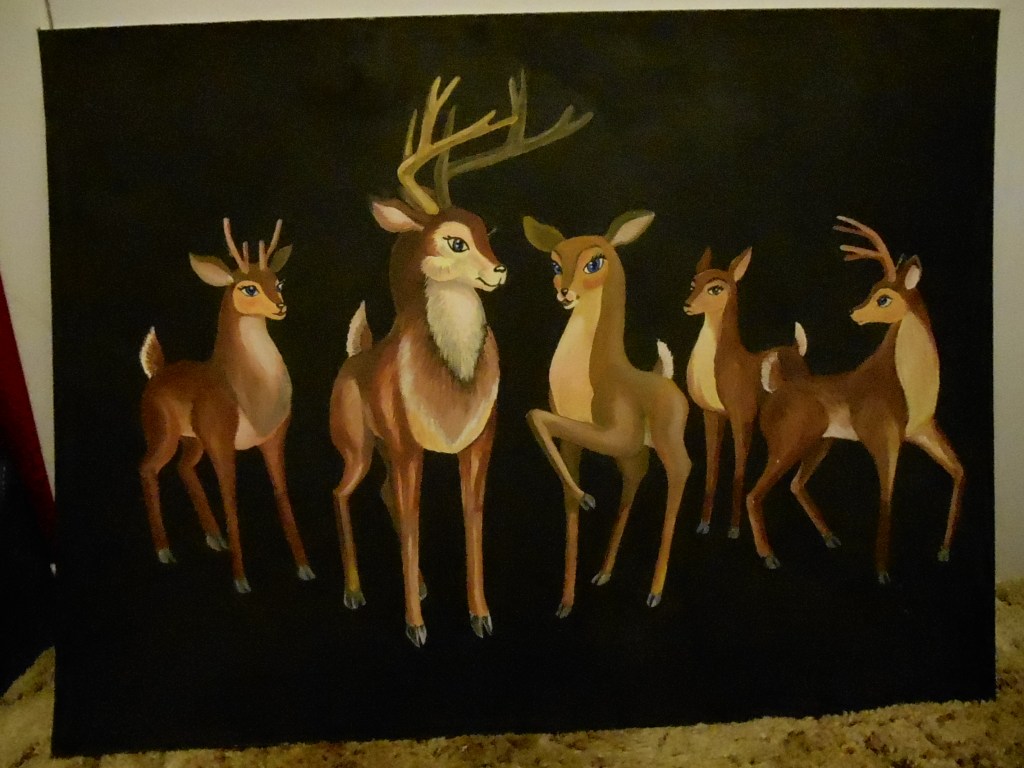
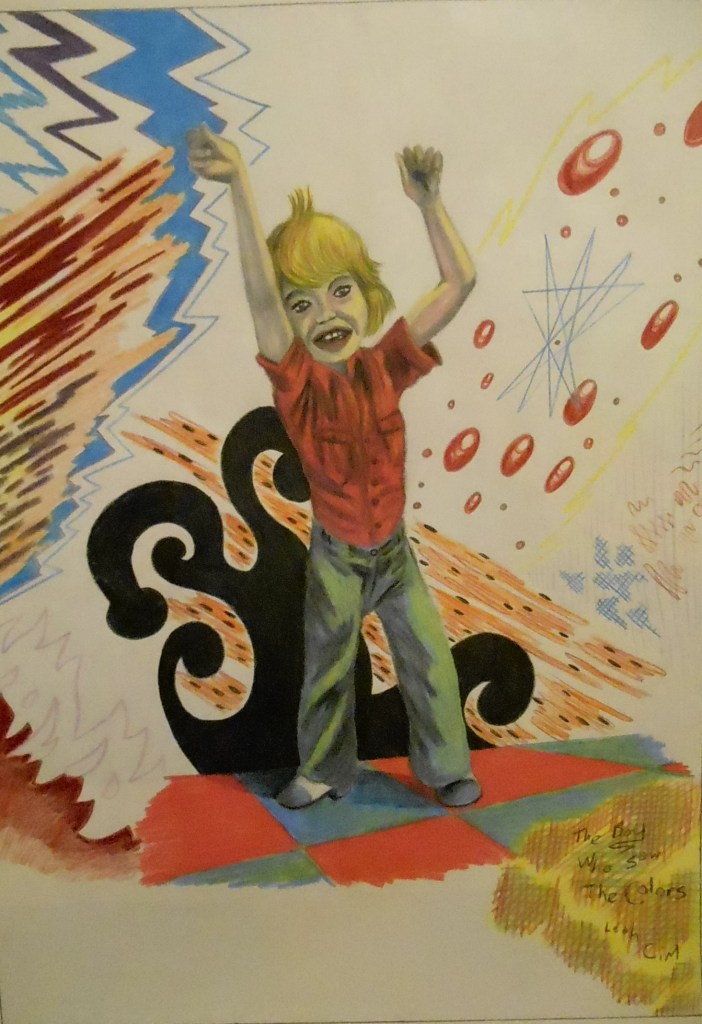
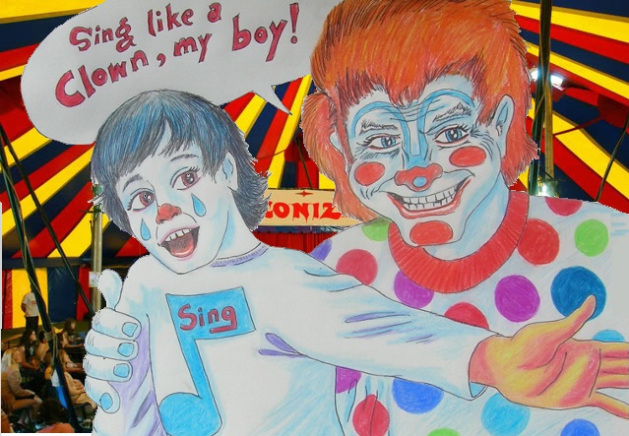
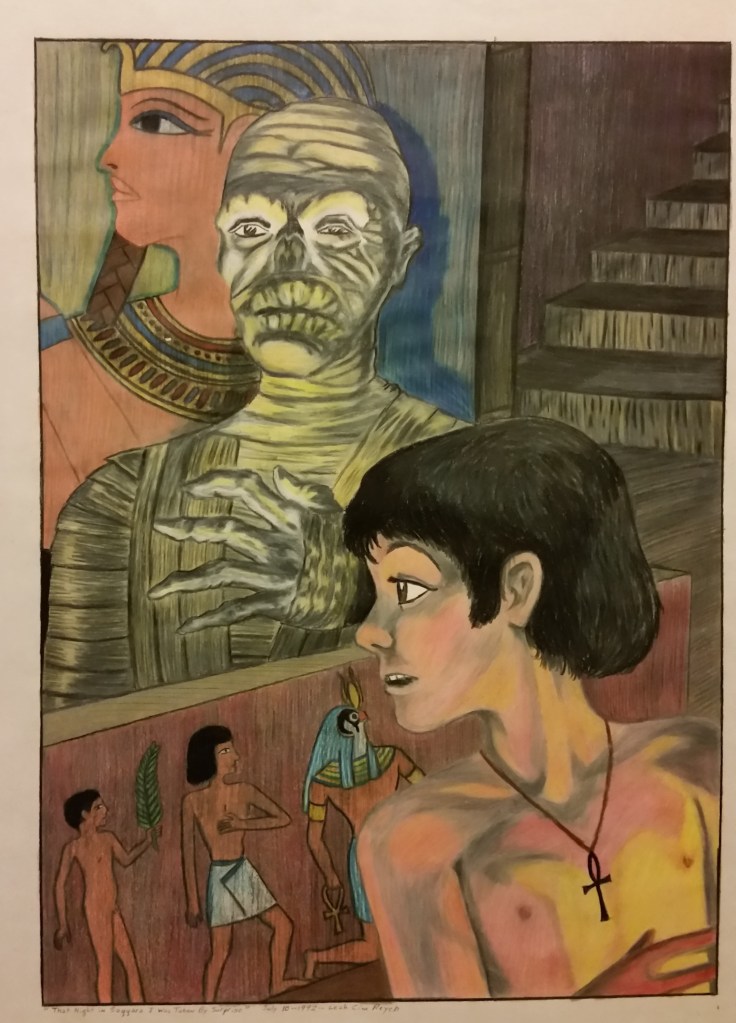
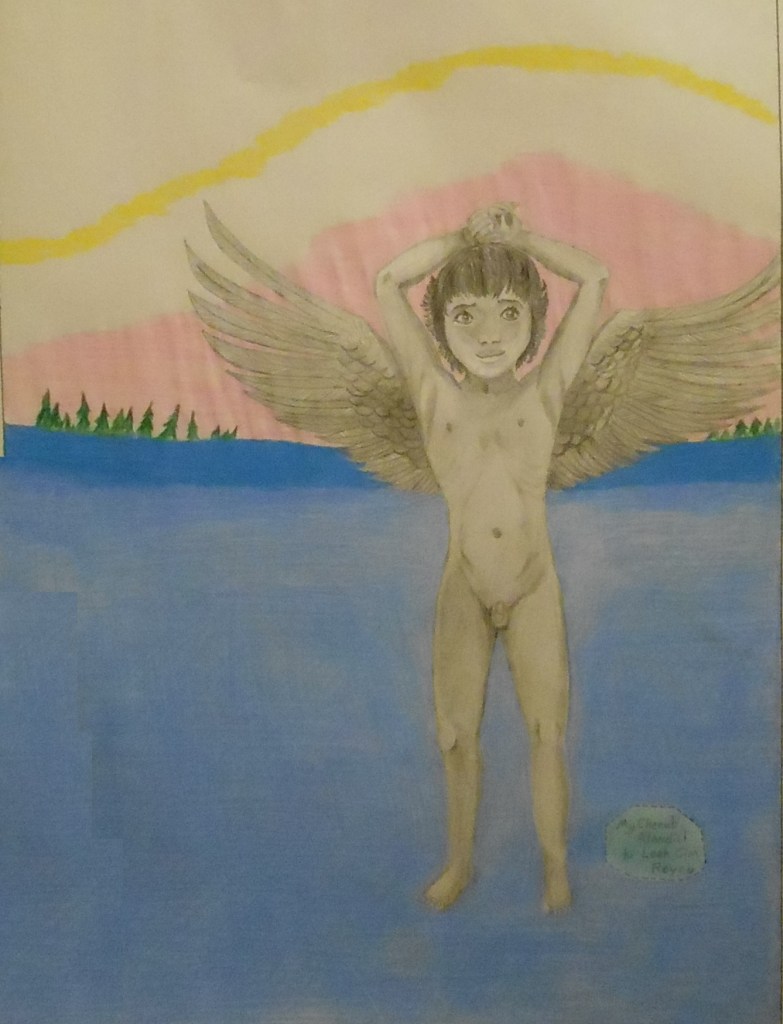
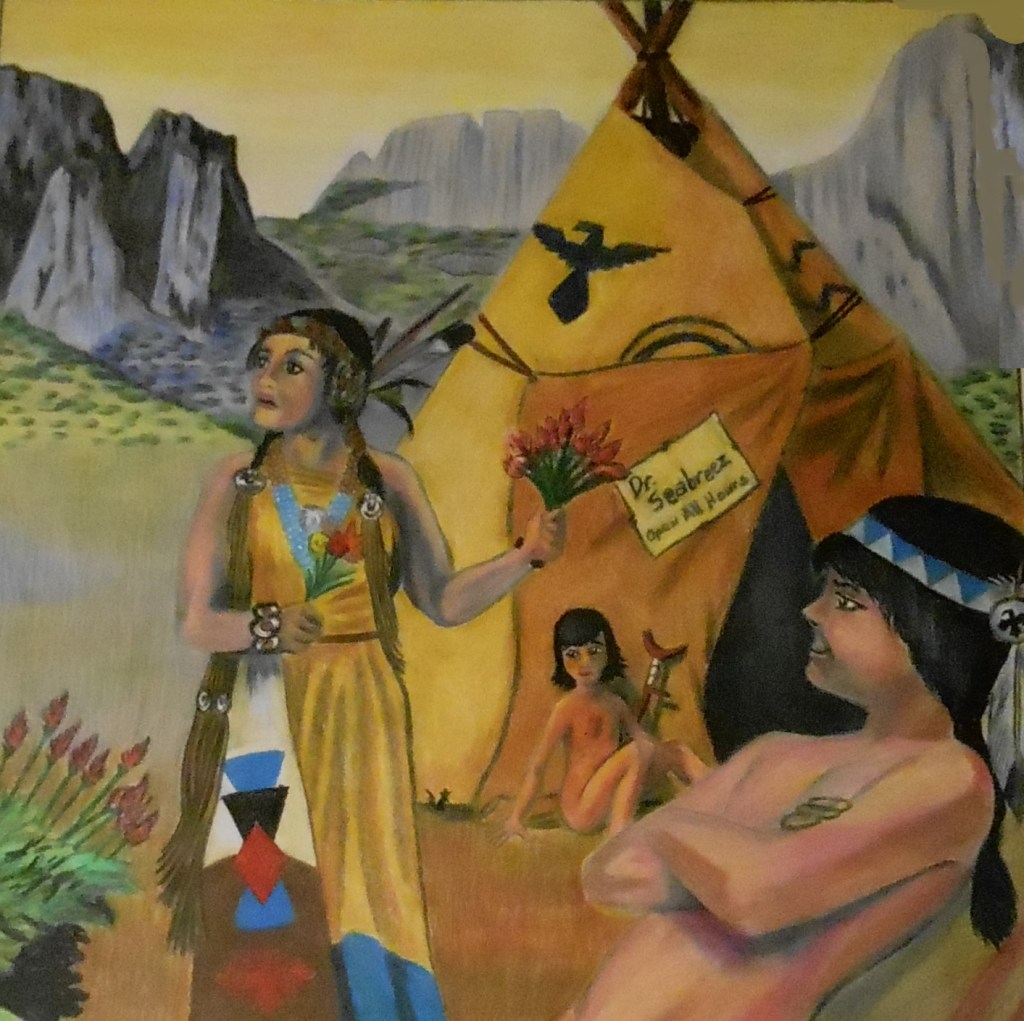
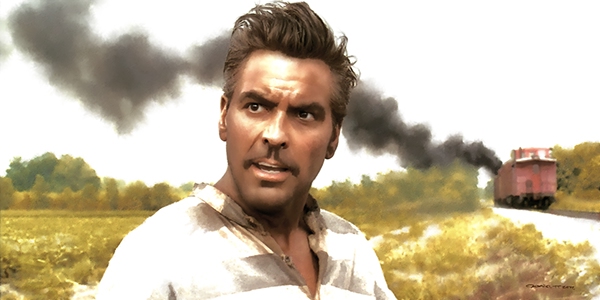
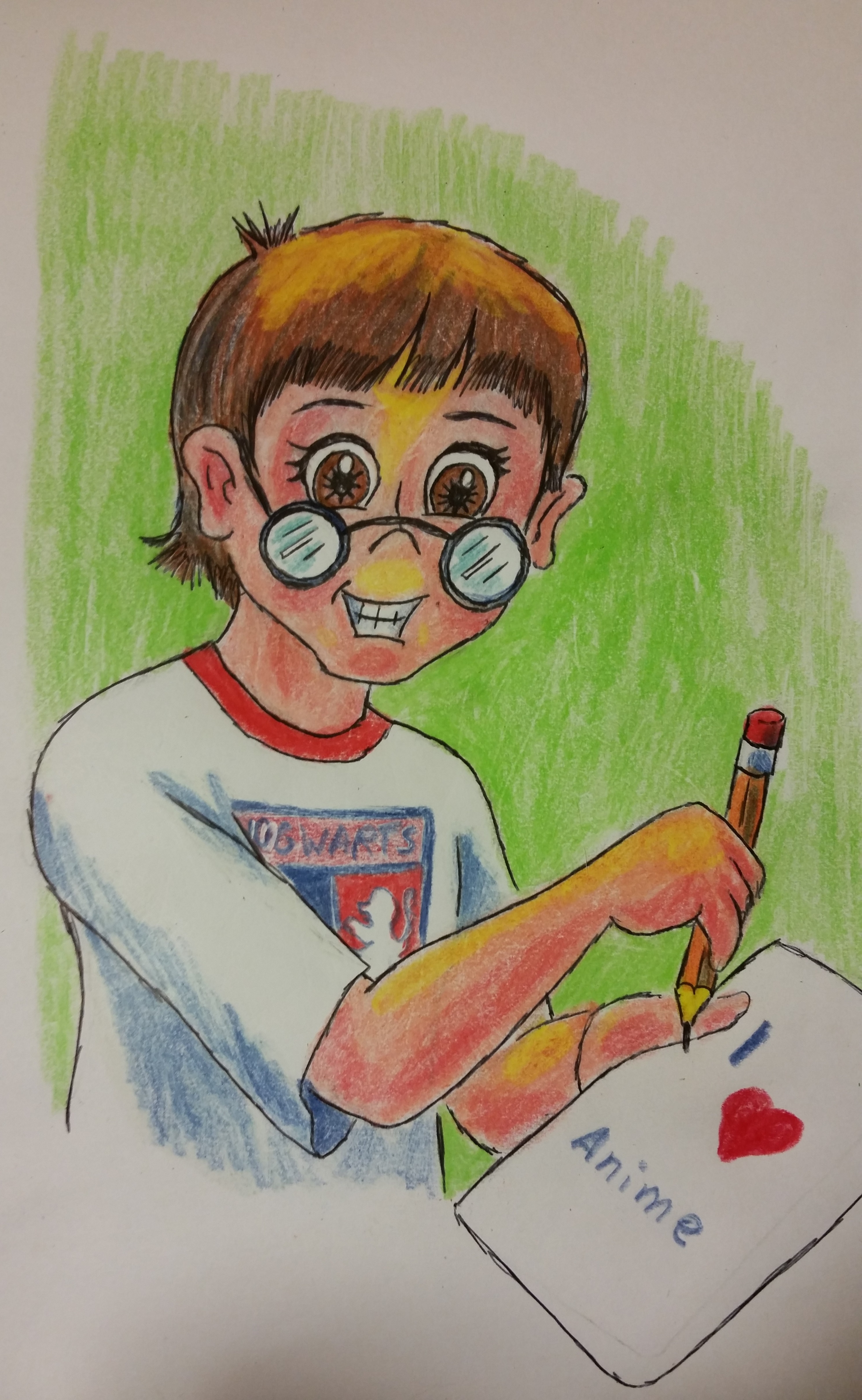
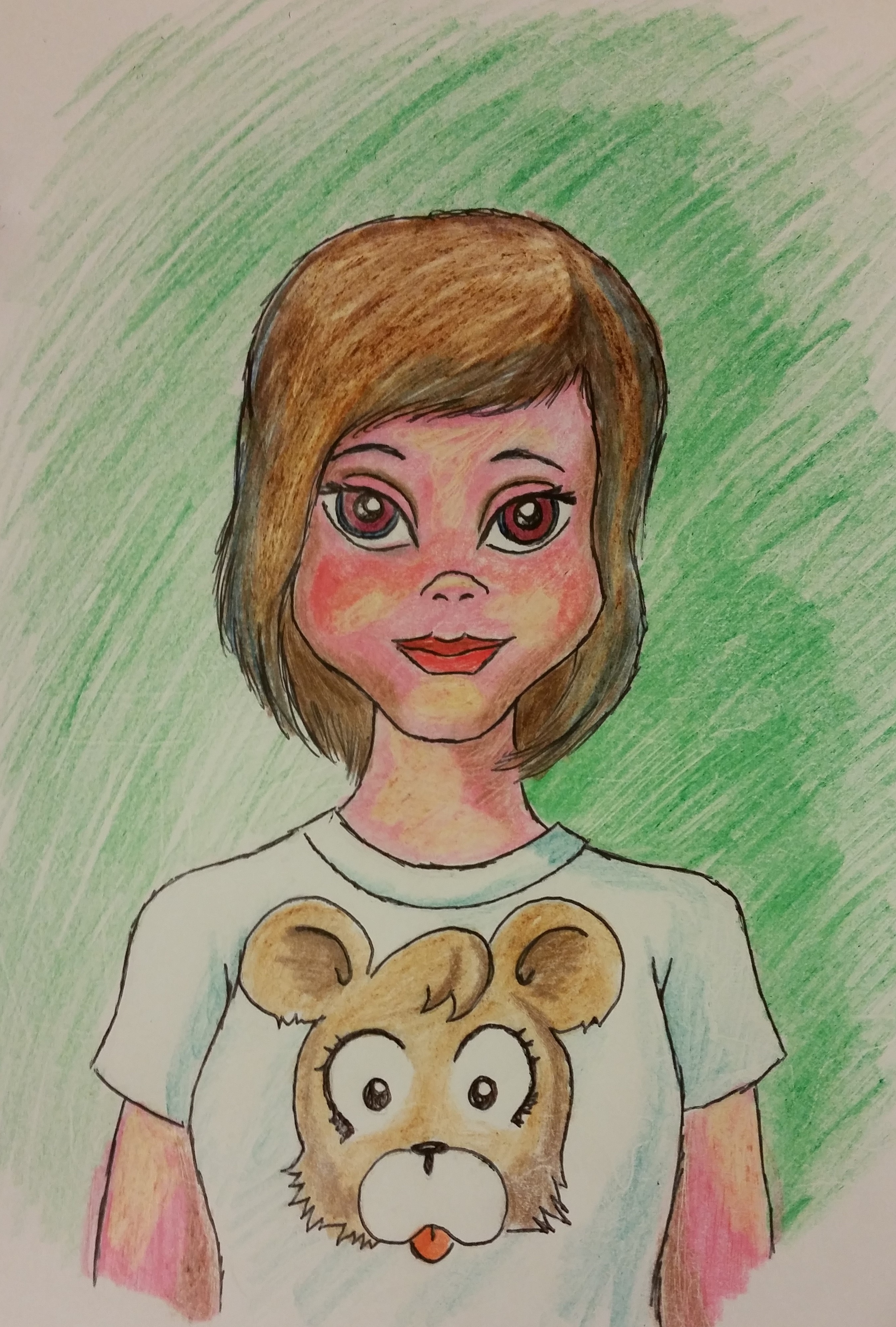
And even before I discovered the genius of David Mitchell through his spectacular novel, Cloud Atlas, I had begun to explore how stories could be expanded and connected and revisited through shared characters, shared histories, and shared places, all of which develop, grow, or deteriorate over time. All things are connected, after all. Anita Jones from that first picture, and Brent Clarke in the last picture were both in the first novel, Superchicken, set in 1974, and Anita appears as an adult in Sing Sad Songs set in 1985, while Brent appears in the last novel in my timeline, The Wizard in his Keep, set in 1999.
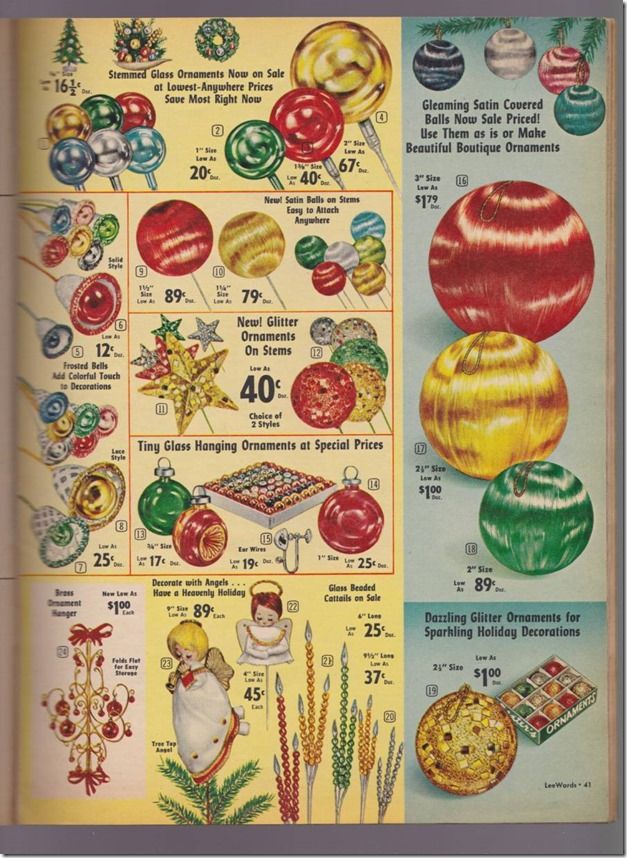
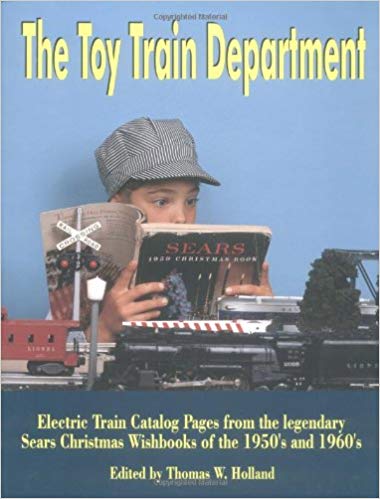
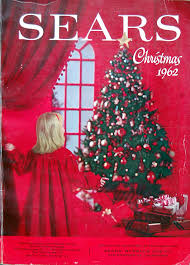









Special Snowflakes
When conservative cultural warriors, Twitter Trolls, or dyspeptic gasbags like Rush Limbaugh call you a “Special Snowflake”, I have discovered, to my chagrin, that they don’t mean it as a compliment. In their self-centered, egotistical world you have to be as emotionally tough and able to “take it” as they believe (somewhat erroneously to my way of thinking) they themselves are. They have no time for political correctness, safe spaces, or, apparently, manners polite enough not to get you killed on the mean streets where they never go. Being a retired school teacher who was once in charge of fragile young psyches trying to negotiate a cruel Darwinian world, I think I disagree with them.
Have you ever tried to draw a snowflake? Believe me, it is difficult. Snowflakes are hexagonal star-shapes with enough lace and filigrees in them to make it a nightmare to draw it with painfully arthritic hands. The one above took me an hour with ruler and compass and colored pencils, and it still doesn’t look as good as a first grader can create with scissors and folded paper. Much better to use a computer program to spit them out with mathematical precision and fractal beauty. That’s how all the tiny ones in the background were created. But even a computer can’t recreate the fragile, complicated beauty of real snowflakes.
You see how the fragile crystalline structures will break in spots, melt in spots, attach to others, and get warped or misshapen? That is the reason no two snowflakes are alike, even though they all come from the same basic mathematically precise patterns generated by ice crystals. Life changes each one in a different way.
And that, of course, is the reason this essay is really about people rather than mere physical artifacts of cold weather. Our fragilities and frailties are earned, and they make us who we are. I have a squinky eye like Popeye from playing baseball and getting hit by a pitch. I have a big toe that won’t bend from playing football. They both represent mistakes that I learned from the hard way.
As a teacher, I learned that bipolar disorder and anxiety disorders are very real things. I lost a job once to one of those. And I spent a long night talking someone out of suicide one horrible December. Forgive me, I had to take fifteen minutes just there to cry again. I guess I am just a “special snowflake”. But the point is, those things are real. People really are destroyed by them sometimes. And they deserve any effort I can make to protect them or help them make it through the night.
But people are like snowflakes. They are all complex. They are all beautiful in some way. They are all different. No two are exactly the same.
And I really think boorish bastards have no right to insist that we need to take safe spaces and sanctuaries away from them. Every snowflake has worth. Winter snow leaves moisture for seedlings to get their start every spring. If you are a farmer, you should know this and appreciate snowflakes. And snowflakes can be fascinating. Even goofy ones like me.
Leave a comment
Filed under 1000 Voices Speak for Compassion, artwork, battling depression, commentary, compassion, humor, metaphor, Paffooney, self portrait, Snow Babies, strange and wonderful ideas about life
Tagged as Christmas, compassion, humor, poetry, snow, snowflakes, winter