Category Archives: publishing

Und So Weiter…

DJJQVl5VoAAouAQ

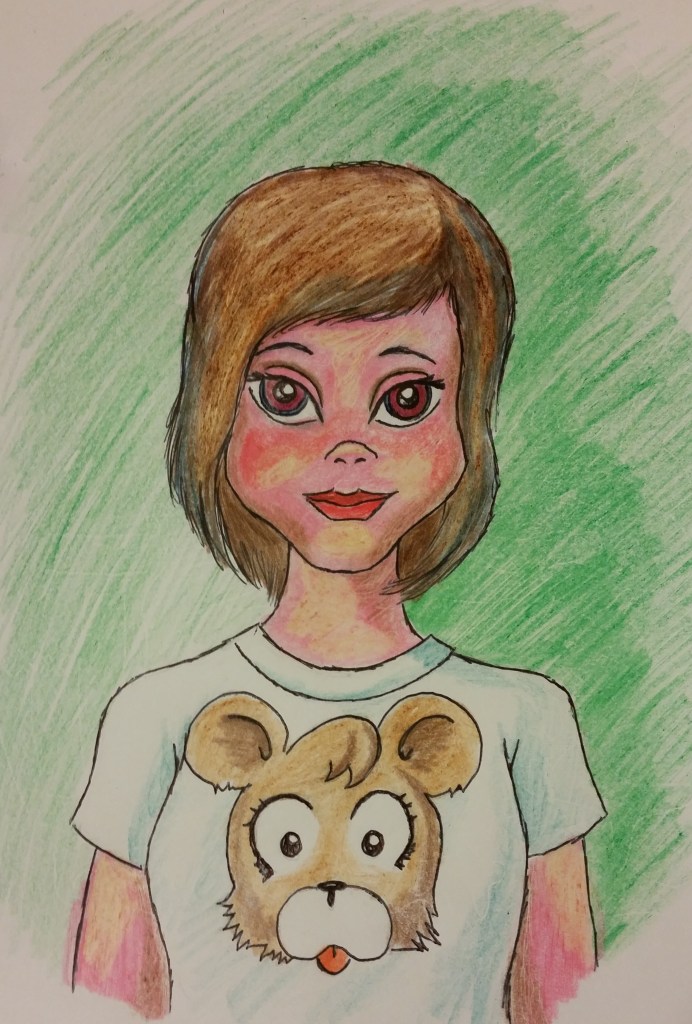
Page Publishing finally printed my novel.  I was hoping to see a physical book in print being promoted by its publisher, though I am no longer confident that such a thing can happen.  The more time that passes, the more I find out about Page being a scammer-type publisher.  The mistakes they made in my work in editing were apparently on purpose.  I think if I had more control over the publishing process, the book might actually sell.  So my resolve was to do only the cheapest possible self-publishing. Amazon KDP came through with that, though I make practically nothing in royalties and have to promote the book myself.

C360_2017-10-01-08-14-09-922

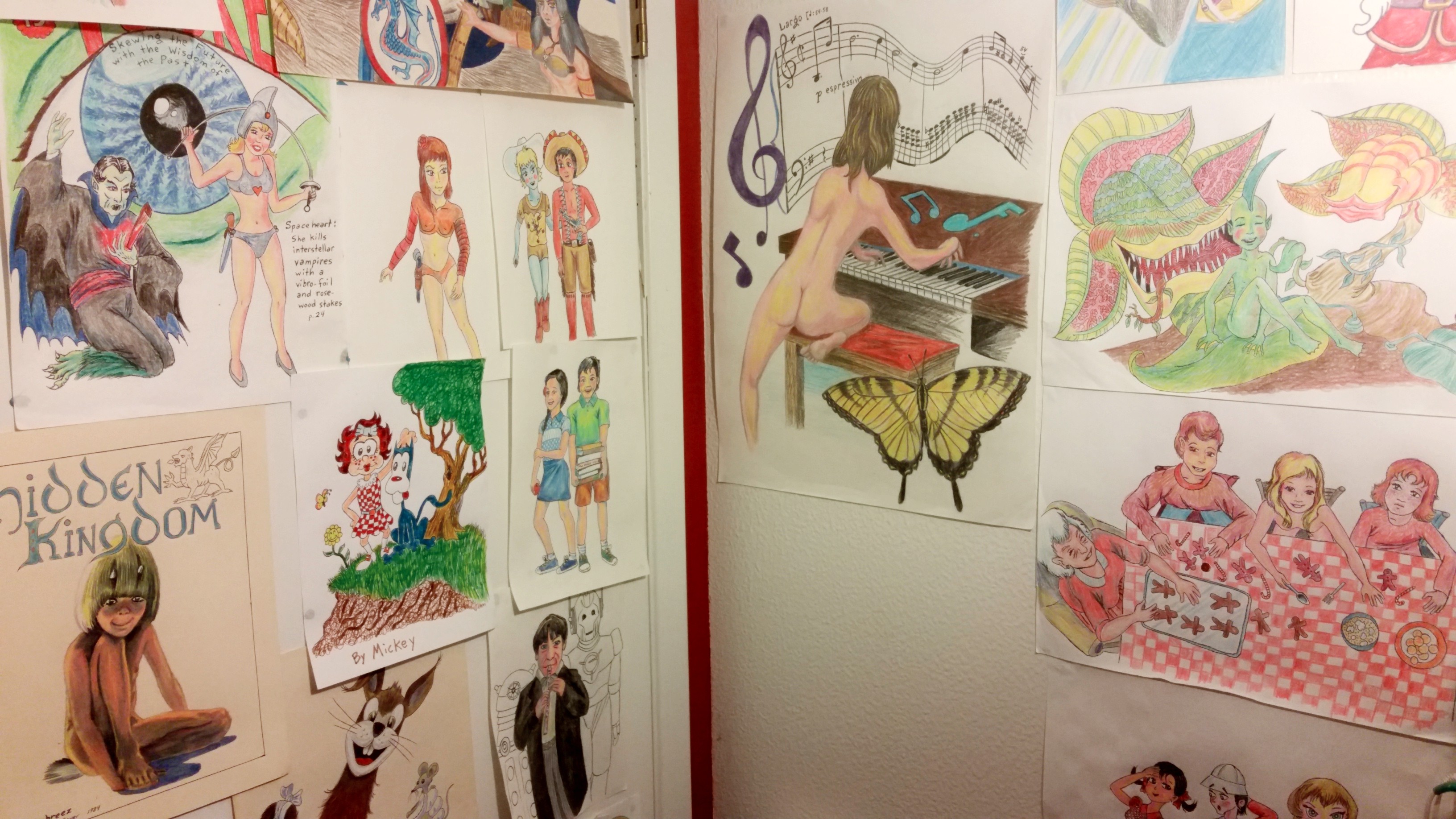
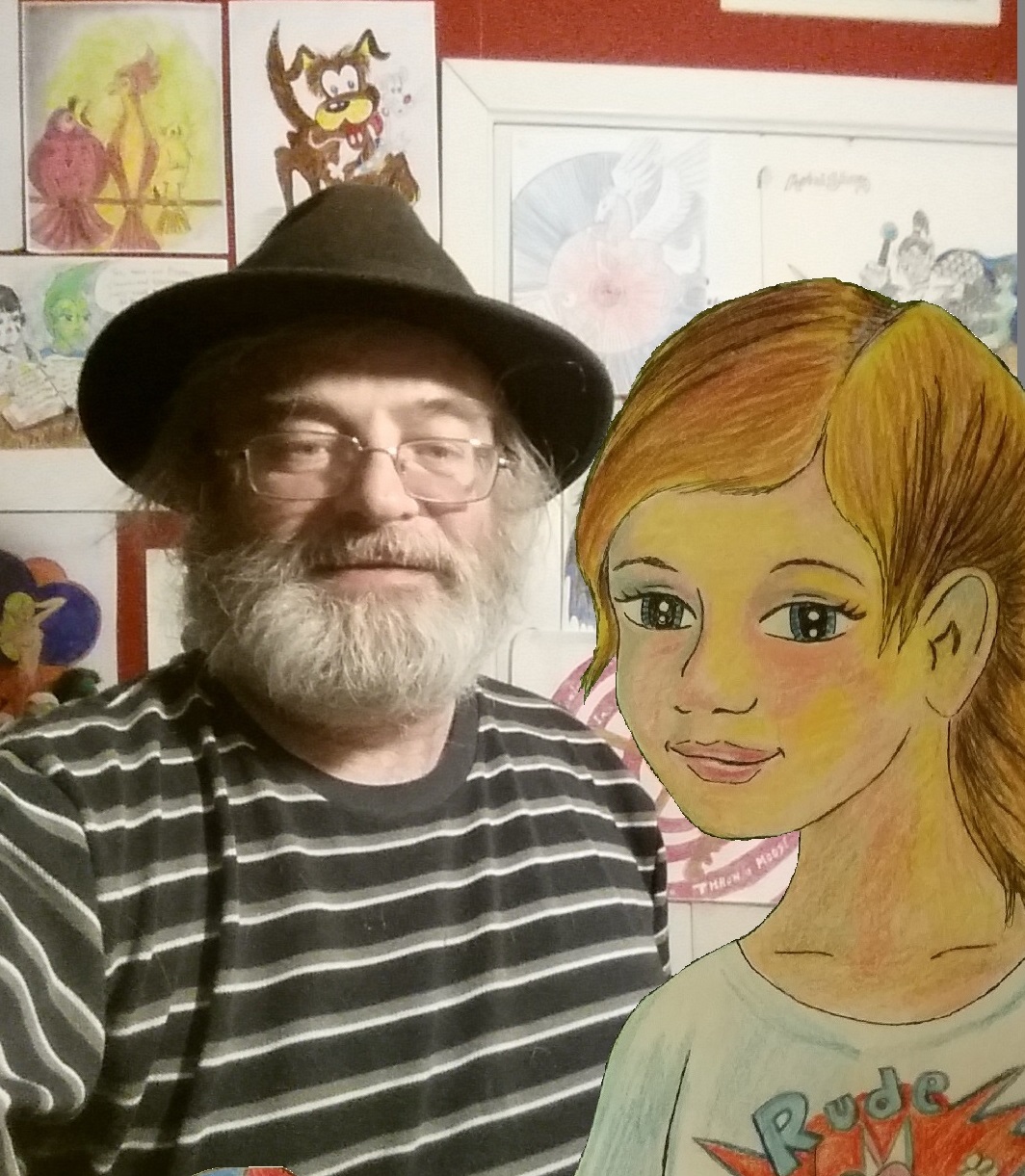
My art, my writing, and my life are basically organic, growing and changing in dynamic and unpredictable ways.  That is the biggest drag on living in this mechanized, grinding-wheels-for-profit world.  I don’t fit into their neat and perfectly stackable boxes of officially sanctioned society.  They have to chop the leaves and branches off my tree of creativity to make me fit.  I am thoroughly tired of saw blades and wood-choppers of the metaphorical kind.

20171001_150c441

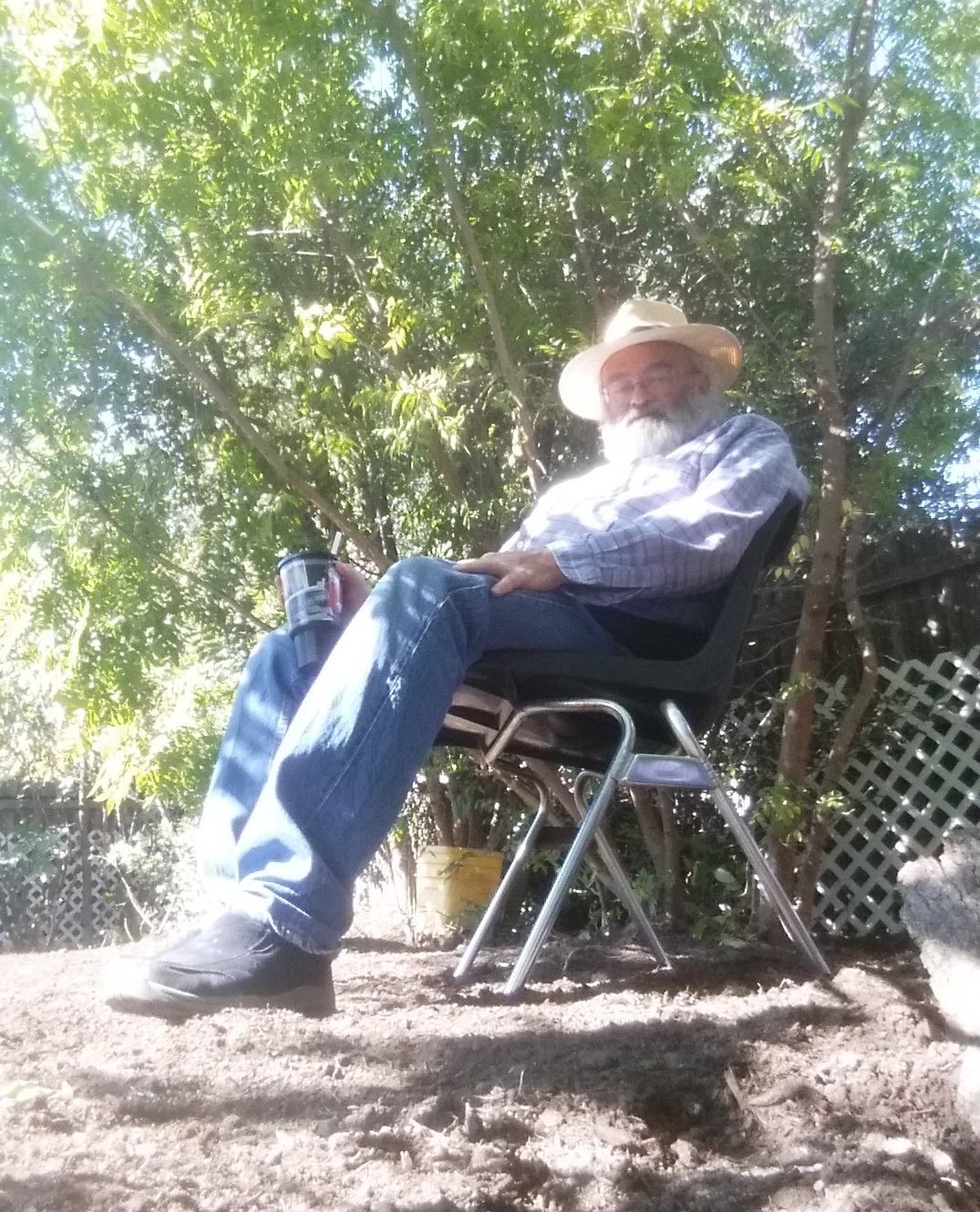
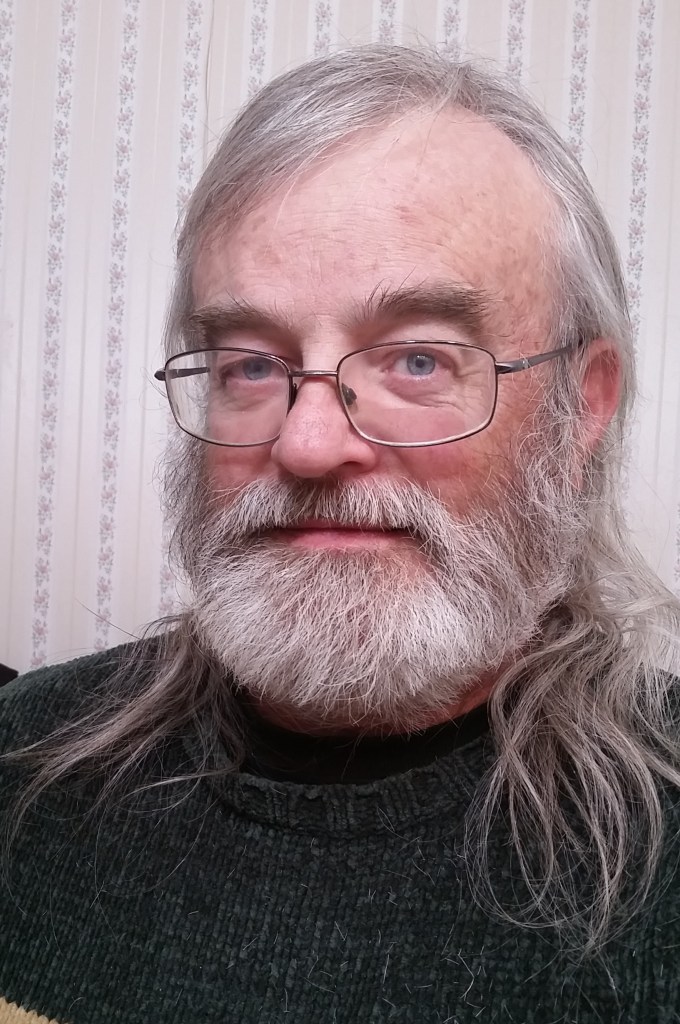
My swimming pool is now a grassless space for reading in the sunshine.  I hope to grow flowers there.  There need to be more flowers in this life.

2017-f10

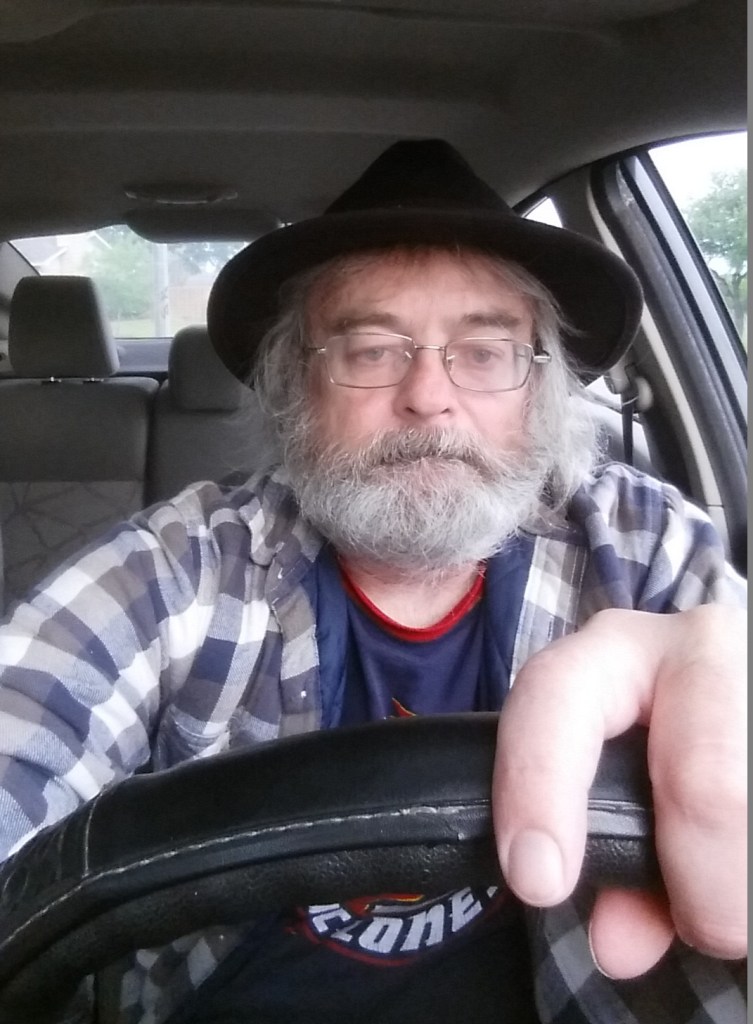
My work is more real to me now than reality is.  I intend to spend as much of my remaining time on Earth creating things, making the world of my mind tangible and viewable to others.

I finished a novel for my Tuesday blog posts.  I am debating what to plug in there next.  I discovered that the scammers at Publish America are being sued in a second class-action suit by authors.  I might be able to score some money, even though I never paid them for anything.  They have had the rights to my novel Aeroquest bound up in their publishing agreement since 2007.  But my contract is long over.  I can use that novel on Tuesdays with ample rewriting. And I have published it as four books so far on Amazon.

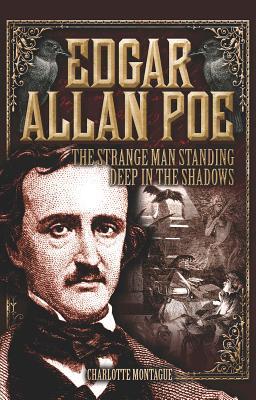
I have made peace with the idea of never having enough money again.  Life continues to cost more than I make.  I tried to sign up as an Uber driver for extra cash when I am well enough to drive.  Unfortunately, I am only rarely well enough.  And even more unfortunately, my Android phone refuses to download either the Uber or the Lyft driver apps.  So I am all signed up, but unable to receive even one driving assignment.  I just read a literary biography of Poe, though, and even though he was a better writer than I am, he lived in abject poverty for the majority of his adult life.  Who am I to do better than he?  For that matter, who is James Patterson?  I don’t claim to better than him, but he is definitely not better than me.  And that dude is a writing millionaire.

22282103_1602759846412638_1381546063187797567_n
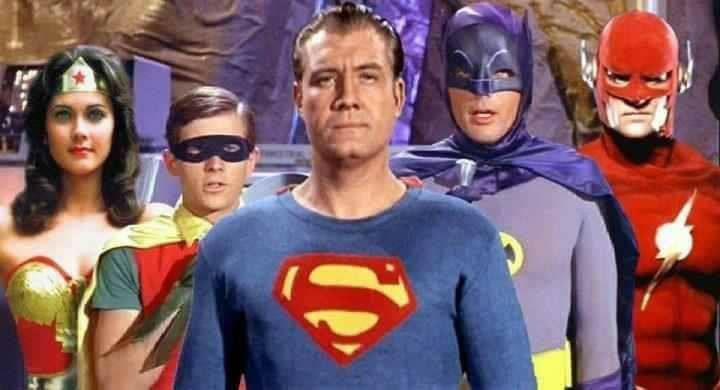
The TV Justice League from my boyhood.


That, then, is my “So on and so on…” for today.  Thanks for letting me complain.  If you read this far through my ramble-brambles, you are a noble and worthy reader.  I appreciate you.  And I promise you, it gets better from here on.


Leave a comment

Filed under angry rant, grumpiness, humor, Paffooney Posts, publishing, rants

“Unfortunately, you are a Writer,” He Said.

I have made up my mind to risk investing more money in getting another book published.  Being an author, especially an unknown Indie author, is really just an expensive hobby.  Even investing in professional editorial services and print-on-demand publishers can’t help you make any money at it, even if you are talented and good at story-telling.  The best I can really hope for is to get my books in print and pray that people will discover them and like them after I die, beaten to death for a crust of bread in debtor’s prison.

So, why would anyone in their right mind want to be a writer?

It is entirely possible that I was simply born that way.  I have been drawing cartoons and telling stories since I was about five years old.  Maybe even before that.  I don’t have many clear memories of my pre-school years.  It is possible that I was lost in a library once… or dropped on my head… or in a library and having a book dropped on my head… something set it off if it wasn’t simply in my genes.

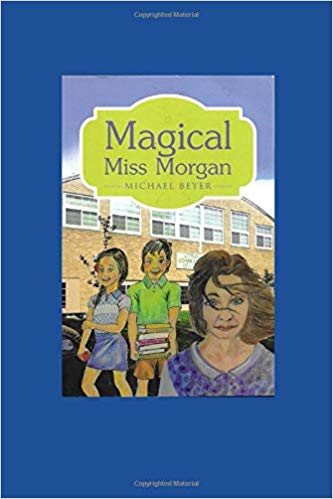
I am planning to publish Magical Miss Morgan with Page Publishing.  They are a pay-to-print publisher who are slightly more affordable than I-Universe that I used to get Catch a Falling Star into print.  I feel like I have to get it published before I die because it is the distillation of my entire life as a classroom teacher.  Books like this are important to me.  In the Bible, there are prophets and holy men who are filled with the Word of God, men like Jeremiah, that claim the Word is burning within them, and will burn its way out of them if they don’t speak it.  My stories that I am working at turning into books are like that.  They are consuming me from the inside out.  I have to get them written and printed if I possibly can.

I have recently tried and failed to get novels like Snow Babies, Magical Miss Morgan, and Superchicken published with publishers that don’t charge for their services.   I got several rejections and one contract that came to nothing because of the economic failings of the publisher.  I have tried being infinitely patient.  It doesn’t work.

Cool School Blue

I will try to bargain for the most affordable deal I can to get Magical Miss Morgan into print.  They will apparently let me input artwork into the final cover.  I understand that successful writers tend to starve for at least fifteen years before they see any success and profit.  At best, I have six more years of that to go.  But this, after all, is my life now.  I need to write books and I need to get them published.  I am, unfortunately, a Writer.

This being an old post reposted, I now have this book available on Amazon.

Leave a comment

Filed under humor, illustrations, novel, novel plans, NOVEL WRITING, Paffooney, publishing, writing, writing humor

Being Ignored

I have never been an attention-seeker. In the Elysian Fields of modern society, I have never really been the honeybee. I have always been the flower. I had a reputation in high school for being the quiet nerd who ends up surprising you immensely in speech class, at the science fair, or at the art show. I was the one they all turned to when everybody in the conversation had already had their chance to strut and pontificate and say dumb things, and they were finally ready to get the solution to the problem being discussed, or the best suggestion on where to begin to find it.

When I became the teacher of the class instead of the student, I had to make major changes. I had to go from being patient, quiet, and shy to being the fearless presenter, forceful, sharp as an imparter of knowledge, and able to be easily understood, even by the kids whom you couldn’t legally call stupid, but were less than smart, and not in a pleasant Forrest Gump sort of way.

Shyness is only ever overcome by determination and practice. The standard advice given is to picture your audience naked so that you are not intimidated by them. But if your audience is seventh graders, you have to be extra careful about that. They are metaphorically naked all the time, ready at a moment’s notice to explode out of any metaphorical clothing they have learned to wear to cover the things that they wish to keep to themselves about themselves. And while you want them to open up and talk to you, you don’t want the emotional nakedness of having them sobbing in front of the entire class, or throwing things at you in the throes of a mega-tantrum over their love-life and the resulting soap operas of betrayal and revenge. And you definitely don’t want any literal nakedness in your classroom. (Please put your sweat pants back on, Keesha. Those shorts are not within the limits of the dress code.) Calling attention to yourself and what you have to say, because you are being paid to do so, is a critical, yet tricky thing to do. You want them looking at you, and actually thinking about what you are saying (preferably without imagining you naked, which they will do at any sort of unintentional slip or accidental prompting.) The ones who ignore you are a problem that has to be remedied individually and can eat up the majority of your teaching time.

I trained myself to be fairly good at commanding the attention of the room.

But now that I am retired, things have changed. I can still command attention in the room, which I proved to myself by being a successful substitute teacher last year. But I no longer have a captive audience that I can speak to five days a week in a classroom. Now my audience is whoever happens to see this blog and is intrigued enough by the title and pictures to read my words.

Now that I am retired and only speaking to the world at large through writing, I am ignored more than ever before. Being ignored is, perhaps, the only thing I do anymore. It is the new definition of Mickey. Mickey means, “He who must be ignored. Not partially, but wholly… and with malice.”

I put my blog posts on Facebook and Twitter where I know for a fact that there are people who know me and would read them and like them if they knew that they were there. But the malevolent algorithms on those social media sites guarantee that none of my dozens of cousins, old school friends, and former students will see them. Only the single ladies from Kazakhstan and members of the Butchers Union of Cleveland see my posts. Why is this? I do not know. Facebook and Twitter ignore me when I ask.

My books, though liked by everybody who has actually read and responded to them, are lost in a vast ocean of self-published books, most of which are not very good and give a black eye to self-published authors in general. I recently got another call from I-Universe/Penguin Books publishers about Catch a Falling Star, the one book I still have with them. They are concerned that my book, which is on their Editor’s Choice list, is not performing as well as their marketing people think it should. But to promote it, I would have to pay four hundred dollars towards the marketing campaign, even though they are already subsidizing it by fifty percent. They tell me they believe in my book. But apparently not enough to pay for 100% of the promotion.

I have decided to invest in a review service that will cost me about twenty dollars a month. But my confidence is not high. The last time I paid somebody to review a book, they reviewed a book with the same title as mine from a different author. That service still owes me money.

But the only reason it is a problem that I am being thoroughly ignored these days is that an author needs to be read to fulfill his purpose in life. Maybe pictures of pretty girls in this post will help. But, even if they don’t, well, I had their attention once upon a time. And since my purpose as a teacher is already fulfilled, perhaps that will be enough for one lifetime.

Leave a comment

Filed under artwork, autobiography, education, humor, Paffooney, publishing, teaching

Catch a Falling Star – Book Review

mewall24

I finally got the book review from Serious Reading.  If you are actually interested, you can find it here;

Seriousreading.com Book Review

I have not been a very successful marketer of my own book.  But I have made attempts to get help with it.  This book review is an example of that.  I have chosen to reproduce the interview here as a way of ditching my responsibility for writing anything new in this post.

Interview with Michael Beyer, author of “Catch a Falling Star”

A common misconception entwined with authors is that they are socially inept, how true is that?

Quite true… the person who goes on to become a successful author is the sociopath who sits in the back of the classroom during his freshman year of high school watching everybody through pop-bottle-bottom glasses and taking notes on everything everyone else is doing or saying. But, the rub is that you cannot successfully write anything without learning how to talk to people first. This is why most of them take years to get their books successfully completed. It is also why some authors have closets full of manuscripts that no one has ever seen.

Do all authors have to be grammar Nazis?

Alle begrüßen die heiligen Worte! Yes, authors must pass through the grammar Nazi stage, even if they are to become grammar anarchists like Kurt Vonnegut or Terry Pratchett. You have to know the rules you are breaking before you can break them without simply being stupid.

If you could have been the original author of any book, what would it have been and why?

My own book. The good books that are out there are good only because you couldn’t rewrite it and make it any better than it already is. I also don’t want to waste my time re-writing a dumb book or an evil book or a goofy book… well, I might have to think twice about the goofy book.

What makes this particular genre you are involved in so special?

I was a public school English teacher for 31 years in Texas. I write YA novels because, not only are kids my main audience, but also my primary source material. All the best fantasy, science fiction, and humor ideas can be accidentally happened upon and written down somewhere in a middle school classroom. All the best characters and clowns too.

What works best for you: Typewriters, fountain pen, dictate, computer or longhand?

For twenty years I wrote everything out in longhand in spiral notebooks. It took considerable work to copy it all out on a typewriter. Then some nut invented that computer thing, and an even nuttier nut showed me how to use one. The world will live to regret those two big mistakes.

When did it dawn upon you that you wanted to be a writer?

I started writing things down in the back of the classroom when I was about twelve. Before that I told stories to everyone who would listen… or couldn’t escape listening. My sisters still blame me for recurring nightmares and my grade school best friend still reminds me that I am not actually a changeling left on Earth by Martians. I guess I haven’t actually made up my mind yet about becoming a writer.

How often do you write?

Are you asking how many times a day? Or how often I stop writing? The second one is easier to answer… never.

Do you have a set schedule for writing, or are you one of those who write only when they feel inspired?

I write whenever life doesn’t interfere. Now that I am retired from teaching I write every morning for at least an hour and at least 500 finished words. But I am writing in my head even when I am at Wal-Mart returning the sneakers my daughter begged me for because I wasn’t smart enough not to buy pink ones.

How hard was it to sit down and actually start writing something?

About as hard as it is to remember to breathe. As an English teacher I always made it my policy to write any writing assignment I ever assigned to my students. Other members of the faculty all knew that I was willing to write anything that needed writing, and the State of Texas requires teachers to write huge stacks of B.S. daily. So at least some of their lesson plans look suspiciously like mine.

Writers are often associated with loner tendencies; is there any truth to that?

I know a lot of other writers who are stressed by being around stupid people too much. But, as a former school teacher, I like people… especially kid people… even the stupid ones.

Do you think writers have a normal life like others?

No. I don’t have to explain that one, do I? The world does not have as many writers as there are normal people. There has to be a reason for that, don’t you think?

Do you set a plot or prefer going wherever an idea takes you?

I have in the past mapped out elaborate road-maps of plot and character motivation. I never followed a single one to the “X marks the spot”. You only find treasure if you learn to dig for treasure along the way.

What, according to you, is the hardest thing about writing?

Quitting for the session. I try always to leave something unwritten that I wanted to say to pick up next time… and it often brings me back to do some more well before I had planned to.

What would you say is the easiest aspect of writing?

Everything about writing is hard. I do it easily now only because I have worked at it since I was twelve. Years of practice and re-writing, trying new things and failing badly, trying again and failing again, ironing out the wrinkles and then putting them back in… It takes effort, just like building the Great Wall of China, one brick at a time… but isn’t it a danged big old wall now?

Have you ever experienced “Writer’s Block”? How long do they usually last?

Dang! How am I ever going to answer that? I have to really think about it. Maybe I can answer by next Tuesday.

Any tips you would like to share to overcome it?

Well, I guess that wasn’t really that hard after all. All I did was write something down as soon as it came into my head. If it turns out to be a stupid idea, computers make it easy to erase and replace. I told you that you were going to regret that particular invention, didn’t I?

Do you read much and if so who are your favorite authors?

Terry Pratchett, Michael Crichton, Louis L’Amour, R. A. Salvatore, William Faulkner, William Shakespeare, J.R.R. Tolkein, Madeleine L’Engle, Ernest Hemingway, Mark Twain… and these are just the authors I have read three or more books from (over ten from each of the first four) Reading allows me to live more than one life.

Over the years, what would you say has improved significantly in your writing?

My ability to finish a story to the point I don’t feel that it has to be totally re-written.

What is the most important thing about a book in your opinion?

Whether it makes you laugh or makes you cry or both, the most important thing is that one sweet-sad moment when you have to tell yourself, “Yes,this is true.”

If you had the choice to rewrite any of your books, which one would it be and why?

I am busy rewriting all of them now, except for the two I already have published, and I am busily thinking about at least one of those.

What is your take on the importance of a good cover and title?

Something about the title and cover has to entice the reader into making the mistake of picking the book up and looking inside. It is the essential booby trap that makes or breaks a book.

Have you ever designed your own book cover?

Yes. And so far publishers have ignored my wishes every time. I have found a small publisher called PDMI that may let me do the cover illustrations for the book they have foolishly agreed to publish.

Does a bad review affect your writing?

If I get a review that honestly defines the problem the reader had with my work, then of course I will try to fix the problem. Most bad reviews however are of the sort where very little thought went into it, and the only purpose was to vent and take something out on me as the author. It doesn’t always seem to be reflecting my writing… rather the prejudices that stand between the reader and my work.

Any advice you would like to give to your younger self?

Don’t worry about looking like an idiot, because you will, and you are, and the only thing you can do about it is write more and worry less.

What did you want to become when you were a kid?

I told my parents when I was five that I wanted to be a clown. When I was in junior high I decided I wanted to be a writer and a cartoonist. I said in high school that the last thing I would ever want to be is a teacher. So I went to college and learned to be a teacher, and along the way I got to be the other three things as well.

Do you recall the first ever book/novel you read?

The White Stag by Kate Seredy. I picked it off the classroom reading shelf in third grade because it had a plain red cover… the dust jacket was long lost. I believed that wonderful things were concealed by plain and ordinary appearances. I kept it for three months and read it at least four times. My teacher thought I was crazy. But by the end of fourth grade she asked for my help reading the book Ribsy by Beverly Cleary aloud to the whole class. I turned into a surprisingly good oral reader, and had from that first book onwards developed a lifelong love of reading.

Which book inspired you to begin writing?

I suppose it was Robert Louis Stevenson’s Treasure Island which I read in the fourth grade. It colored all the stories I told my friends and cousins in our little Iowa town. I loved adventure. I loved N. C. Wyeth’s illustrations in the edition my Grandma had in her house. I knew from halfway through the first chapter that I had to be like young Jim Hawkins and tell a story like that.

Did you ever think you would be unable to finish your first novel?

Yes. For most of the twenty-two years it took me to finally reach the last page.

Do you read any of your own work?

How can I write anything without reading it? I like to go back regularly to re-read as much as I can, and every time I do that, I get to the point that I almost think I actually know that dumb old guy who wrote that nonsense.

Tell us about your writing style, how is it different from other writers?

I can’t say, really. When I am writing I hear the voices in my head not as my own voice, but as the characters in the story. The characters are all people I know, though every character has some part of me mixed in too. I try to write what makes me laugh and makes me cry and makes me feel good inside… and I leave it up to the reader to try to feel that too.

Do your novels carry a message?

Every novel has to be full of metaphor and meaning. If we can’t as readers jump inside the characters and walk around in their lives for a bit, then what was the point of even writing it? There is no one message. There is a multitude of messages. And readers should maybe read stuff backwards and upside down to look for clues. You never know what else might be in there. Maybe Elvis is really alive and ordering chili every day at a Wendy’s in Michigan and that can only be revealed by reading the paragraph on page 23 in reverse order.

How much of yourself do you put into your books?

Jeez! I have to work hard to keep some stuff out of my books and save it for myself. Otherwise there would soon be nothing left of me. I don’t have any secrets left in life that aren’t found in my writing somewhere. I keep my ears out of my writing, or else what would I hear with? I keep my fingers out too so I have something to draw pictures with. I use much more of me than I should.

Have you ever incorporated something that happened to you in real life into your novels?

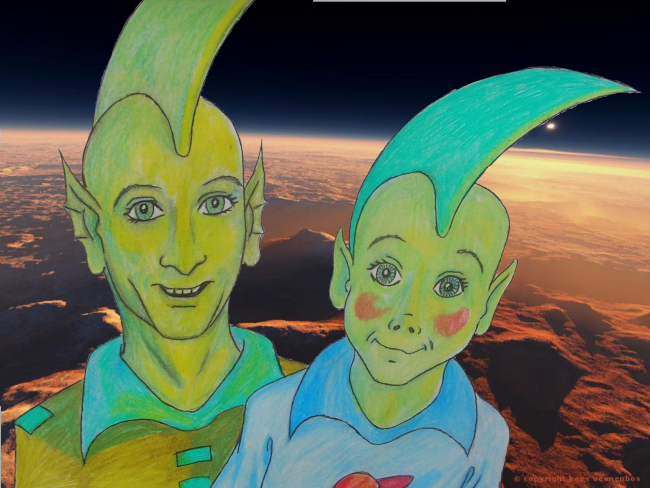
Yes. My friend Robert remembers when the aliens tried and failed to invade my hometown when we were boys. That became the basis for Catch a Falling Star. Of course, I changed a few things, because if Robert realized which character in the book was him, he’d probably want to punch me in the nose. The characters in my stories are all students I have taught, kids I grew up with, and people I have known. Even the really weird ones were real once upon a time. Sorry, Robert, but it’s true.

How realistic are your books?

I write humorous books about science fiction subjects and fantasy adventures. They are filled with lies and exaggerations. So everything is photo realistic. You believe me, don’t you?

What books have influenced your life the most?

Tolkien’s Lord of the Rings trilogy, Douglas Adams’ Hitchhiker’s Guide to the Galaxy trilogy… er quadrilogy… or maybe five-ilogy… I don’t know…, and Frank Herbert’s Dune. I have a thing for realistic fiction.

Are there any books that you are currently reading and why?

I started reading Terry Pratchett’s Hogfather because it is the only Terry Pratchett book I own that I haven’t read yet, and I haven’t gotten hold of a copy of Hat Full of Sky already.

Have any new writers grasped your interest recently?

I love John Green’s books Paper Towns and The Fault in Our Stars.

Is there anything you are currently working on that may intrigue the interest of your readers?

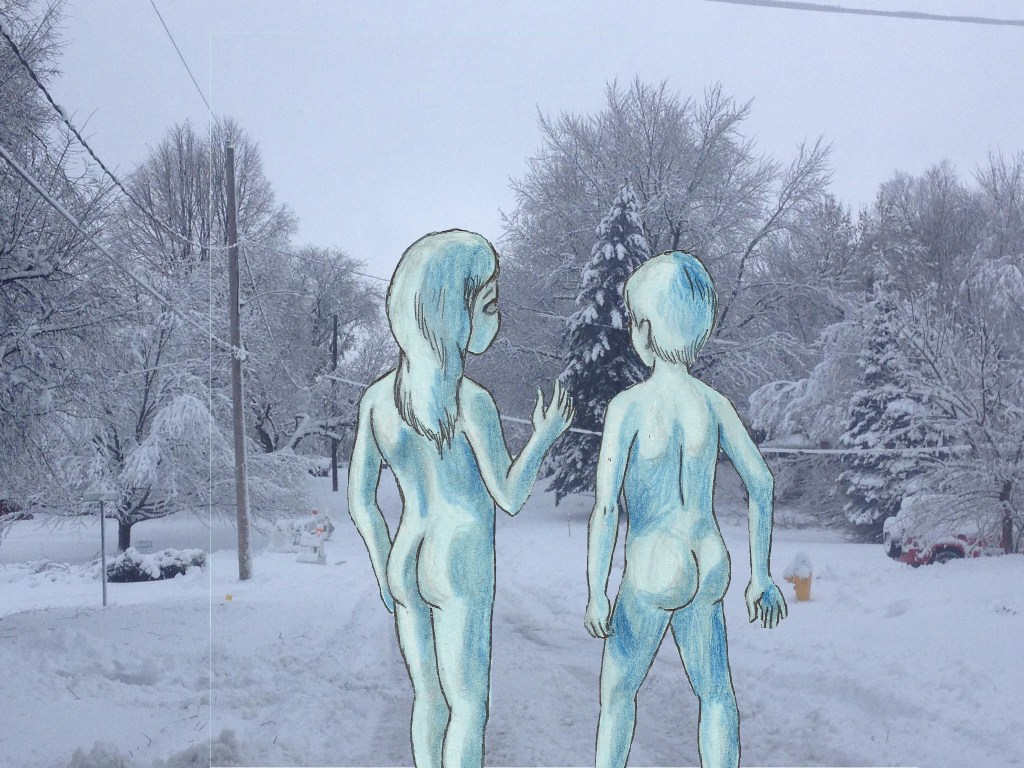
I am trying to get published a novel called Snow Babies. It is a fantasy-comedy about freezing to death in a blizzard and it has snow ghosts and clowns in it. That is a rather fast and flippant summation about a book that I think will make you cry a little and laugh a lot, but it is also fairly accurate. I am hoping the publisher I signed the contract with stays in business long enough to publish it. They have also made the mistake of allowing me to submit a cover illustration.

Who are your books mostly dedicated to?

I dedicate what I write to the people I have known and used as characters. I dedicate my writing to former students, friends, family, and co-workers, because what other reason could I have for writing?

It is often believed that almost all writers have had their hearts broken at some point in time, does that remain true for you as well?

My heart breaks every time a child fails in the classroom. My heart breaks every time I see something incredibly beautiful that I know will not last much longer. I have fallen in love at least five times, and had my heart broken by that at least ten times, maybe more. The scars you carry on the inside either fester and kill you, or they turn over time into pearls, the same way oysters deal with irritants inside their shells, and they can also be called “books you have to write” once they become pearls.


Leave a comment

Filed under book review, humor, publishing, writing

Mickey Viewed From the Inside

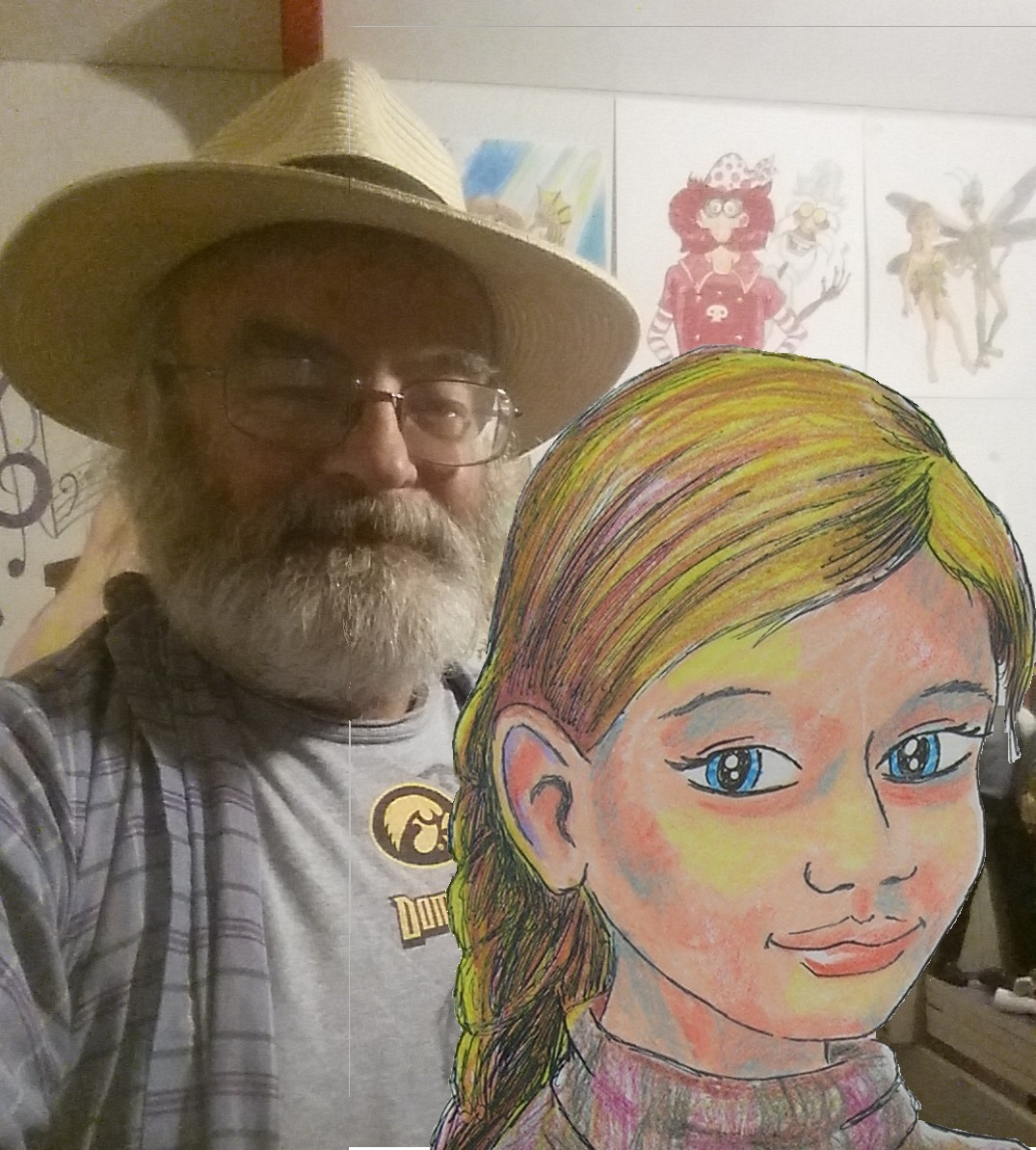
Yes, this post is a self-examination.  Not the kind you see Donald Trump enacting every weekend, where he says any crappy thing that occurs to his craptastical very good brain to cover what he doesn’t want us to believe about the truth on Twitter, basically for the purpose of continuing to say he is great and we are poop.   I do not like myself the way Trump likes himself.  I am an old bag of gas that is in pain most of the time, in poor health, and the subject of endless persecution from Bank of America and other money-grubbing machines that are convinced any money I might accidentally have really belongs to them.  But this is not a complain-about-crap fest either.

This is a self-examination that attempts to honestly examine where I am in my quest for wisdom and my affliction with being a writer.
DJHpWqAXcAAIpEW

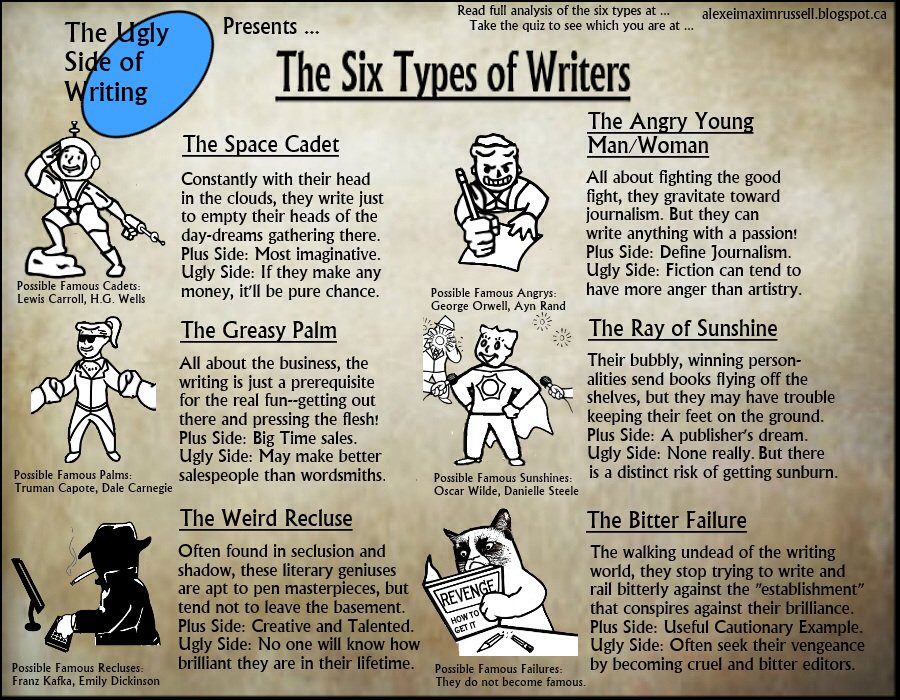
If I am being honest about the type of writer I really am, I guess I am most like the Weird Recluse in the bottom corner.  I can’t claim to be as good as Kafka or Dickinson, but I am definitely better than some of the crap that gets published and marketed as young adult literature.  The business of publishing is more interested in how many books they can sell, rather than literary merit or good writing.  Some of the crap that is out there and being made into bad movies (which I have not seen because I don’t go to movies that don’t pass the fiction-source smell test) is actually a form of brain poison that will mold young people into sexual predators and professional poop makers.  And people will take poison happily if it has been deviously marketed well.  So far, in the money test, I have made only $16.43 dollars as an author (plus whatever I have made from I-Universe that doesn’t cut a check until it reaches at least $25 dollars).  Nobody is buying my books because nobody has read them.  I have sold a few copies to friends and relatives.  Some of those books are just sitting on a shelf somewhere unread.  I have a couple of 5-star reviews on Amazon, and that is it.  I will die in the near future not having known any measurable success from my books at all.
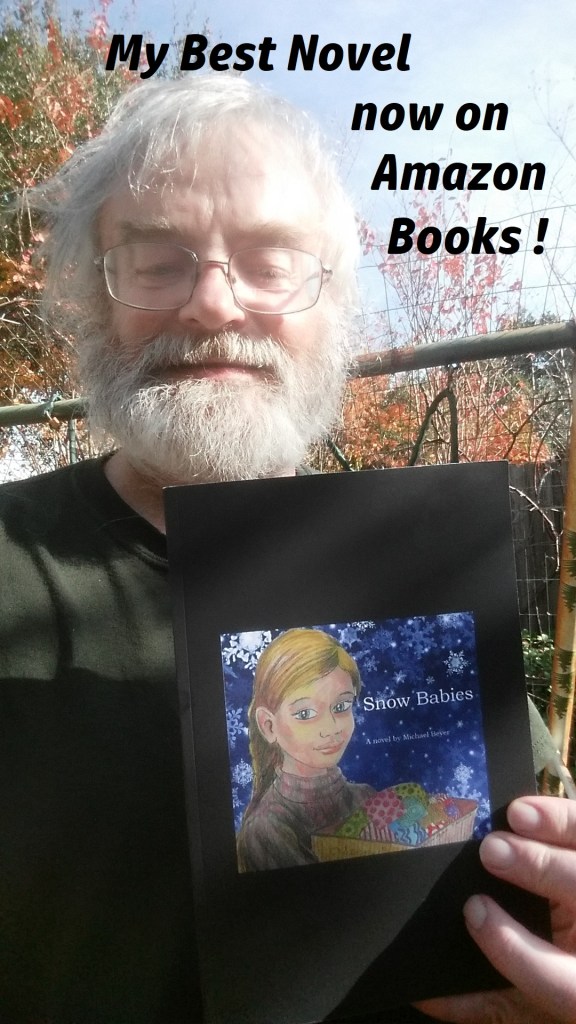
I have entered novels in writing contests and done well enough to make it into the final round of judging twice.  I have not, however, made a big enough splash that anyone really noticed.  I have paid reviewers to review my books online.  One of those charged me money, and then reviewed a book with the same title by a different author, a book which was nothing like my book, and then, when forced to correct their error, only read the blurb on the back of the book to write the oopsie-I-goofed-last-time review.  They were not worth the money I paid them, money that Bank of America could’ve sued me for instead.
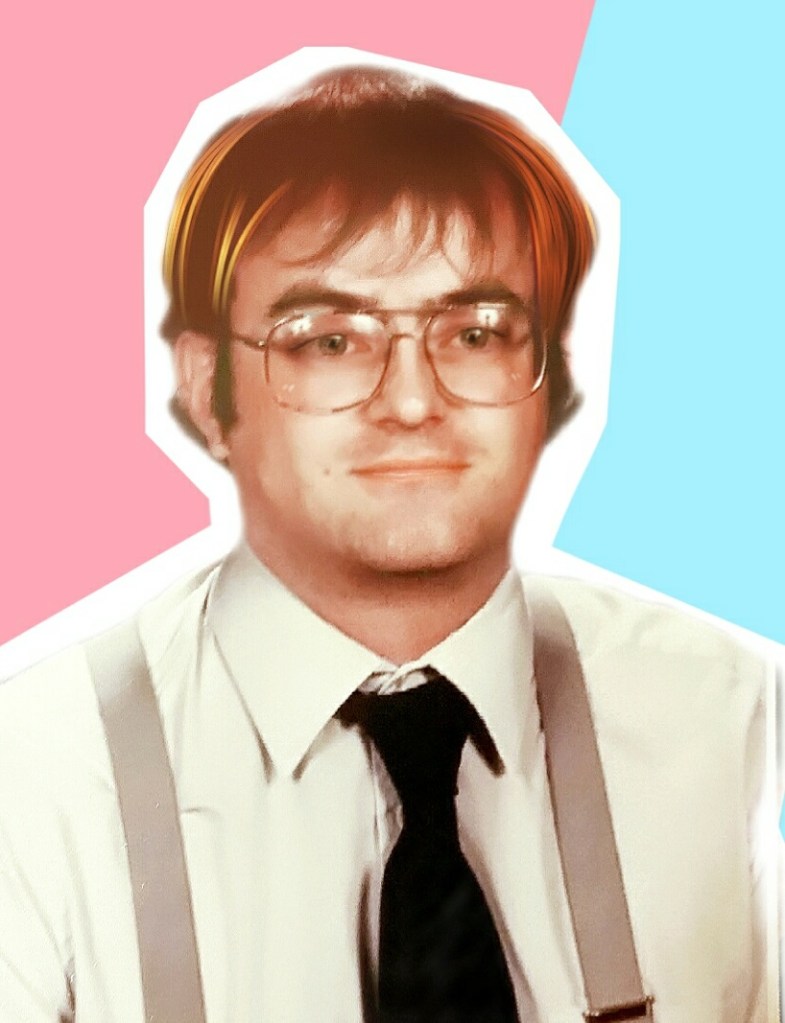
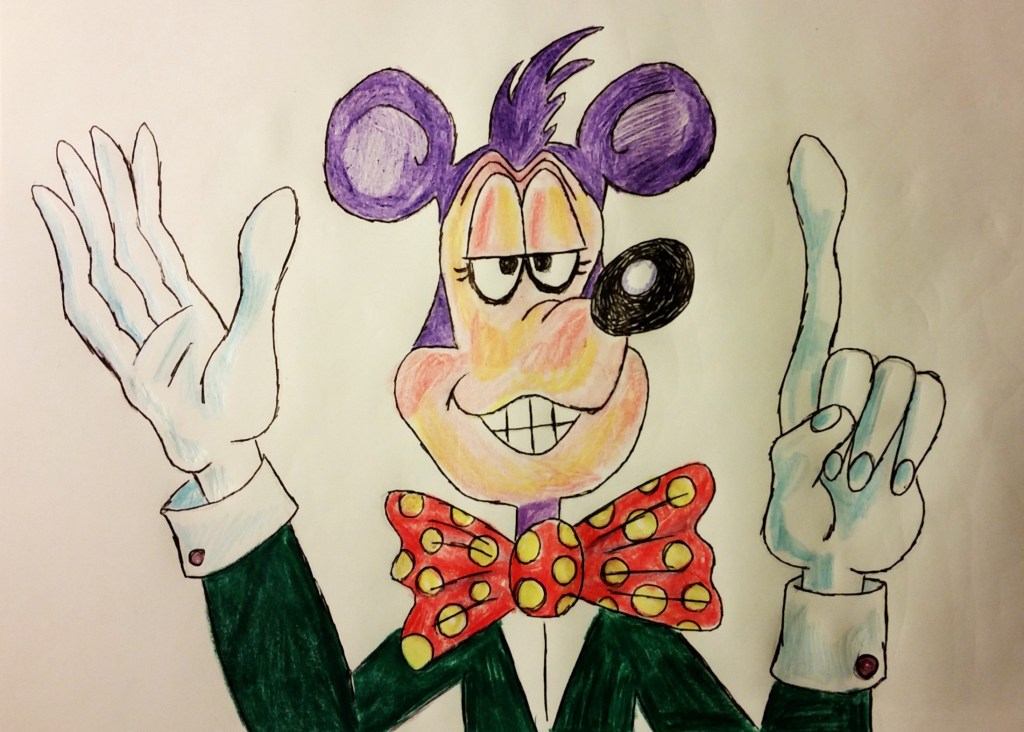
The only thing I have done successfully as a writer is, I think, this goofy blog.  By writing every day, I have managed to give myself considerable practice at connecting with readers.  I have practiced writing humor and written some laughable stuff.  I have plumbed my soul for new writing ideas, and found a creative artesian well bubbling up with new ideas daily.  I can regularly manufacture inspiration.  I am never truly without an idea to write about.  Even when I write a post about not having an idea to write about, I am lying.  Of course, I am a fiction writer, so telling lies is what I do best.  I am also a humorist, so that means I can also tell the truth when I have to, because the best humor is the kind where you surprise the reader with a thing that is weirdly true.  Like just now.

So, somewhere ages and ages hence, I hope there will be a trove of old books in a cellar somewhere that will include one of mine.  And some future kid will pick it up, read it, and laugh.  The golden quality of that laughter is the only treasure I have really been searching for.  It is the reason I write.  It is the reason I continue to be Mickey.

Since I wrote this blog post originally, I have added a few books published on Amazon.  You can find information about this random noveliciousness here at this page in my blog.  Click on this linkie thingie here.
Leave a comment

Filed under autobiography, feeling sorry for myself, foolishness, forgiveness, humor, Paffooney, philosophy, publishing, self pity, self portrait, strange and wonderful ideas about life, writing humor

My Bookish Journey (Finale)

by Maxfield Parrish

Like every real, honest-to-God writer, I am on a journey. Like all the good ones and the great ones, I am compelled to find it…

“What is it?” you ask.

“I don’t know,” I answer. “But I’ll know it when I see it.”

“The answer?” you ask. “The secret to everything? Life, the universe, and everything? The equation that unifies all the theories that physicists instinctively know are all one thing? The treasure that pays for everything?”

Yes. That. The subject of the next book. The next idea. Life after death. The most important answer.

And I honestly believe that once found, then you die. Life is over. You have your meaning and purpose. You are fulfilled. Basically, I am writing and thinking and philosophizing to find the justification I need to accept the end of everything.

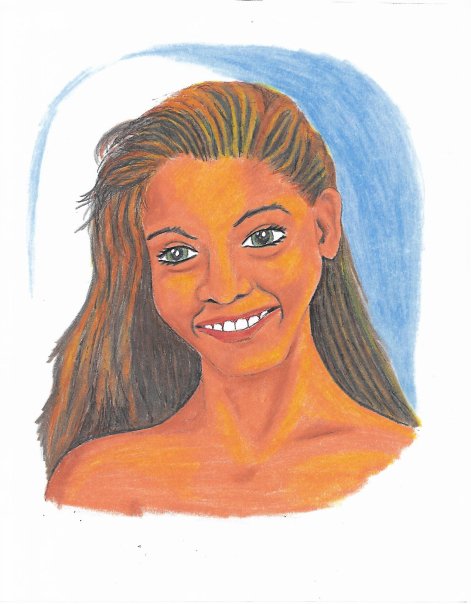
Leah Cim Reyeb is me, Michael Beyer written backwards.

And you know what? The scariest thing about this post is that I never intended to write these particular words when I started typing. I was going to complain about the book-review process. It makes me think that, perhaps, I will type one more sentence and then drop dead. But maybe not. I don’t think I’ve found it yet.

The thing I am looking for, however, is not an evil thing. It is merely the end of the story. The need no longer to tell another tale.

When a book closes, it doesn’t cease to exist. My life is like that. It will end. Heck, the entire universe may come to an end, though not in our time. And it will still exist beyond that time. The story will just be over. And other stories that were being told will continue. And new ones by new authors will begin. That is how infinity happens.

I think, though, that the ultimate end of the Bookish Journey lies with the one that receives the tale, the listener, the reader, or the mind that is also pursuing the goal and thinks that what I have to say about it might prove useful to his or her own quest.

I was going to complain about the book reviewer I hired for Catch a Falling Star who wrote a book review for a book by that name that was written by a lady author who was not even remotely me. And I didn’t get my money back on that one. Instead I got a hastily re-done review composed from details on the book jacket so the reviewer didn’t have to actually read my book to make up for his mistake. I was also going to complain about Pubby who only give reviewers four days to read a book, no matter how long or short it is, and how some reviewers don’t actually read the book. They only look at the other reviews on Amazon and compose something from there. Or the review I just got today, where the reviewer didn’t bother to read or buy the book as he was contracted to do, and then gave me a tepid review on a book with no other reviews to go by, and the Amazon sales report proves no one bought a book. So, it is definitely a middling review on a book that the reviewer didn’t read. Those are things I had intended to talk about today.
But, in the course of this essay, I have discovered that I don’t need to talk about those tedious and unimportant things. What matters really depends on what you, Dear Reader, got from this post. The ultimate McGuffin is in your hands. Be careful what you do with it. I believe neither of us is really ready to drop dead.

Leave a comment

Filed under book review, commentary, humor, illustrations, novel writing, Paffooney, publishing, reading, strange and wonderful ideas about life, writing

My Bookish Journey (Part V)

Creating myself as an author meant making some conscious choices at the beginning. I made some very clear ones. First of all, I intended to write as much about my real life as I possibly could. Accepting, of course, the fact that my real life was infested with imaginary people and events. There was the faun that slept in my bed with me every night in the form of a large, black pillow my sister made for me as a 4-H project. There were the three-inch-tall fairies that had a complete underground empire that surfaced at the roots of the old willow tree by the Rowan school building and community center. There was the gryphon that circled the skies looking constantly to swoop down and eat me at any opportunity. So, it wasn’t as much about realism as it was surrealism. It was necessary to protect my traumatized psyche from the damage I sustained as a ten-year-old.

Of course, I had literary heroes and inspirations to go by. I read some key books as a college student that deeply influenced how I wanted to write.

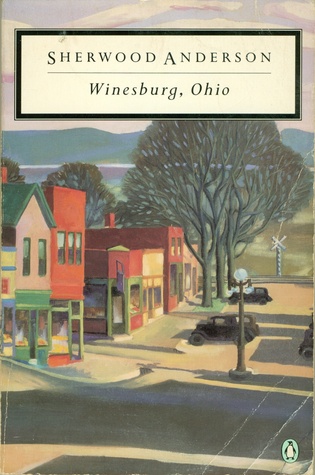
Winesburg, Ohio is the first major influence that affected the stories I began writing in my college years. Sherwood Anderson was writing about his own hometown in this short-story cycle, basing Winesburg on his home town of Clyde, Ohio in the very early 1900s.

Arguably he wrote stories about real people from his renamed home town. Thus, I renamed Rowan, my home town, Norwall, mixing up the letters from Rowan and adding two letter “L’s.” His stories were all themed about the loneliness and longings of a small Midwestern town. I would make mine about breaking out of the cages loneliness builds with the people who surround you.

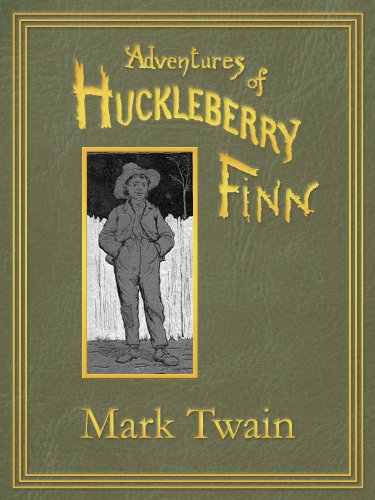
I also determined that like Mark Twain, I would give my characters a sense of realism by basing them on real people from Rowan, Belmond (where I went to high school), and Cotulla, Texas (where I would teach for 23 years.) And I would change some basically minor physical details to hide their true identities behind names I found in the Ames, Iowa phone book from 1978. But I always tried to give them their authentic voices, though that often meant translating Texican and Hispanish into Iowegian.

And like Twain vowed to write stories only about the 19th Century, I decided to only set my stories in the last half of the 20th Century.

Of course, imagination is not easily limited, so I had to also accept that some of my stories of the science-fiction persuasion would be set in the 56th Century in the Orion Spur of the Sagittarius Spiral Arm of the Milky Way Galaxy.

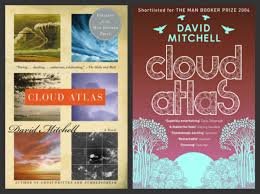
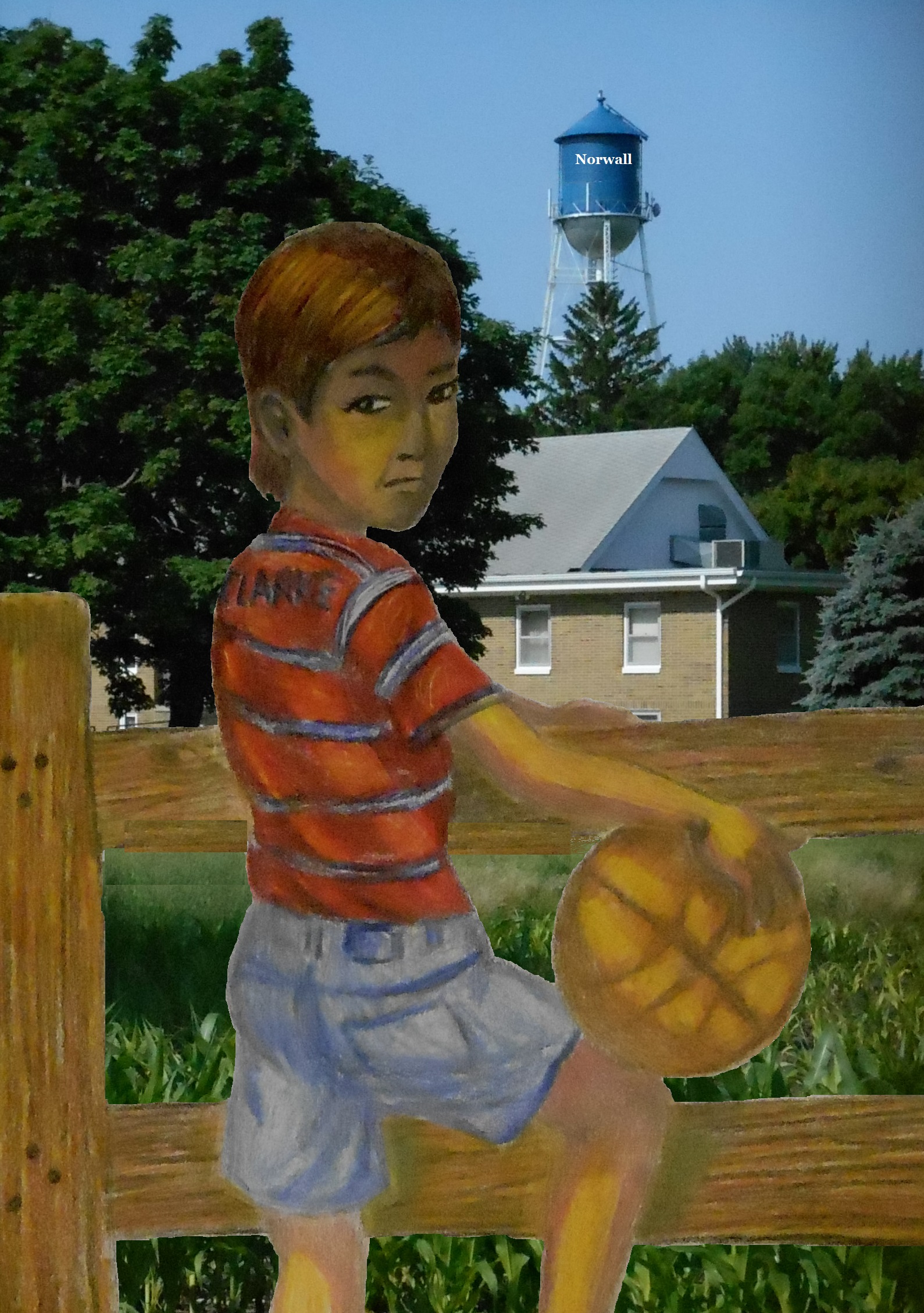
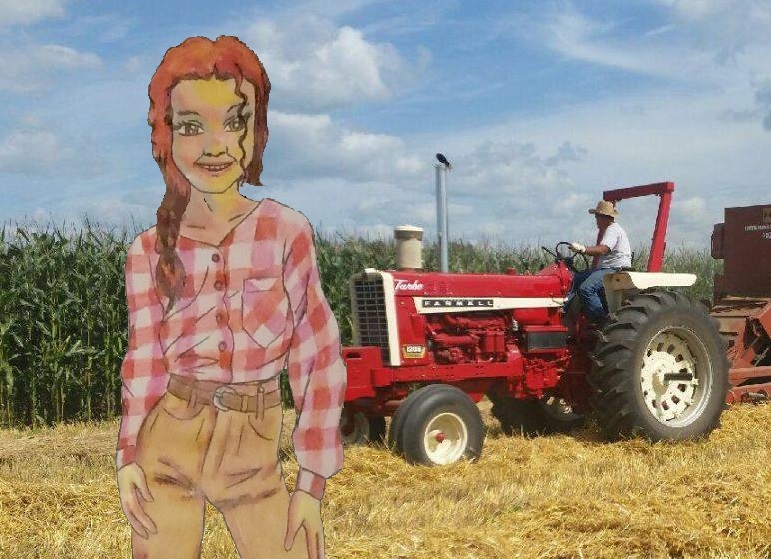
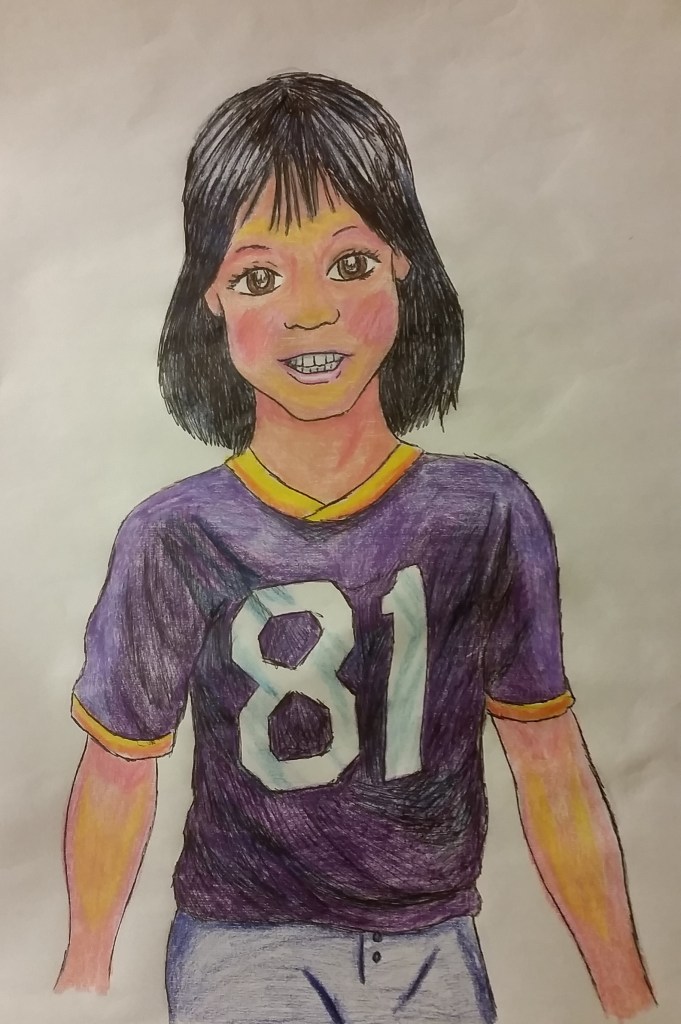
And even before I discovered the genius of David Mitchell through his spectacular novel, Cloud Atlas, I had begun to explore how stories could be expanded and connected and revisited through shared characters, shared histories, and shared places, all of which develop, grow, or deteriorate over time. All things are connected, after all. Anita Jones from that first picture, and Brent Clarke in the last picture were both in the first novel, Superchicken, set in 1974, and Anita appears as an adult in Sing Sad Songs set in 1985, while Brent appears in the last novel in my timeline, The Wizard in his Keep, set in 1999.

Leave a comment

Filed under humor, novel writing, Paffooney, publishing, strange and wonderful ideas about life, surrealism, writing

My Bookish Journey (Part III)

As I indicated in Part II, I killed PDMI Publishing with my first contest novel, Snow Babies. Not because it was that bad of a novel. Rather, it was the endless compounding of my bad luck over time, caused by the Publishing Gods’ keen desires to keep my stories from being generally read and enjoyed. Fickle and cruel are the Publishing Gods.

I took some of the most memorable events in my time as a teacher, put them in a cook-pot and added a batter made of characters based on real teachers I have taught with, learned from, and copied their methods, mixed it with a wooden whisk made of fairy tales, and then baked it with the high heat of the love of teaching to make the next manuscript I would submit to the same YA Novel contest, the Rossetti Awards.

I thought it was an excellent novel. And, like Snow Babies before it, it made the final round of the judging. And there was a range of prizes for the best in about five categories of YA novel for which Magical Miss Morgan qualified for two of them. If it had taken any of those prizes, it would’ve gained me the attention of major publishers looking for new talent.

Alas, there were more novels in competition in that second contest, and I only won the placement in the final round of judging. The Publishing Gods are powerful and implacable.

I submitted it to another publisher that I meant to kill, and they promptly rejected it. They could not handle many novels, got an avalanche of mostly terrible novels, and rejected mine after the first page didn’t dazzle them enough. My consolation had to be that, even though they didn’t give me a contract, they did die shortly after, being closed the next time I checked on them.

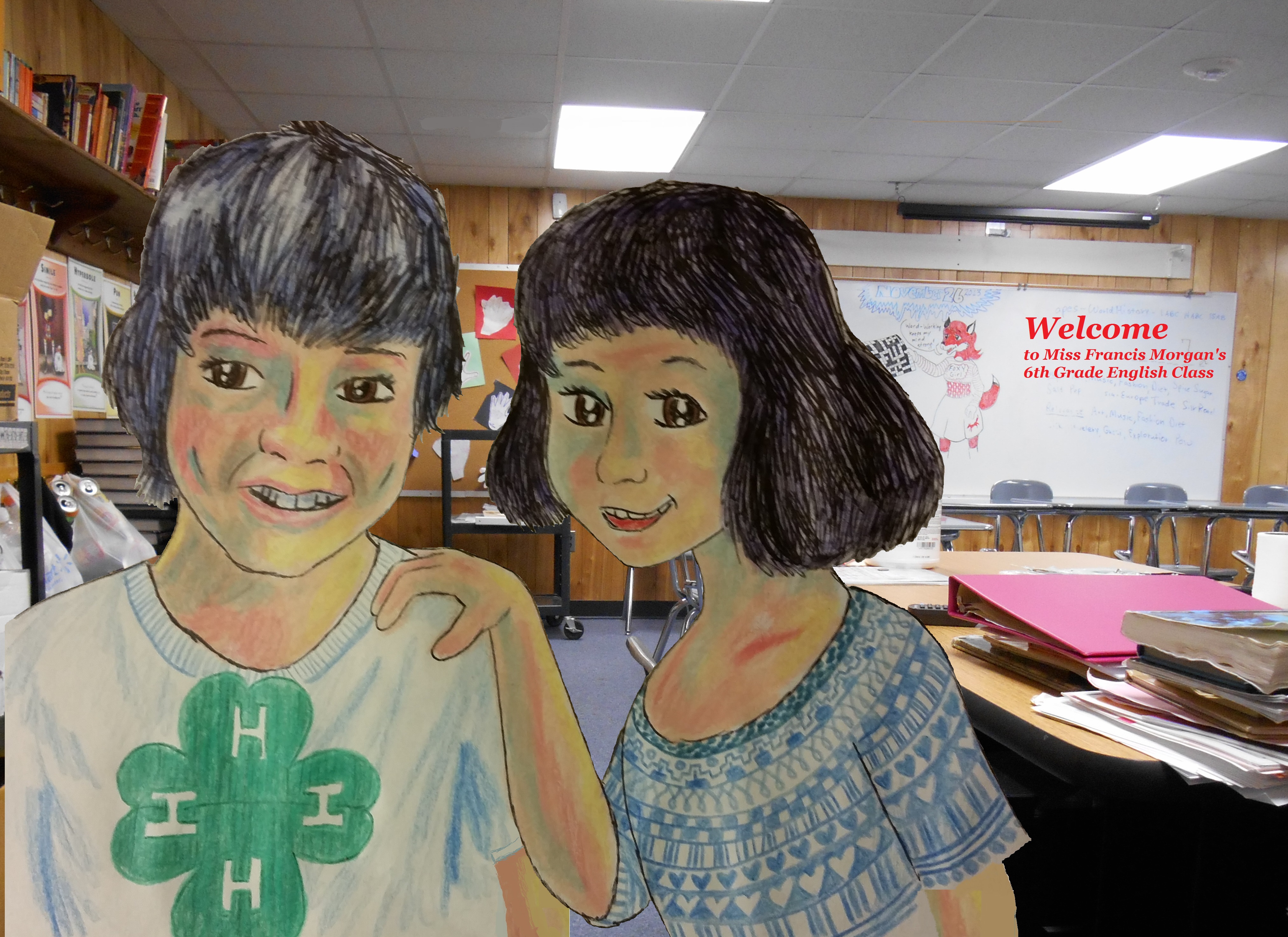
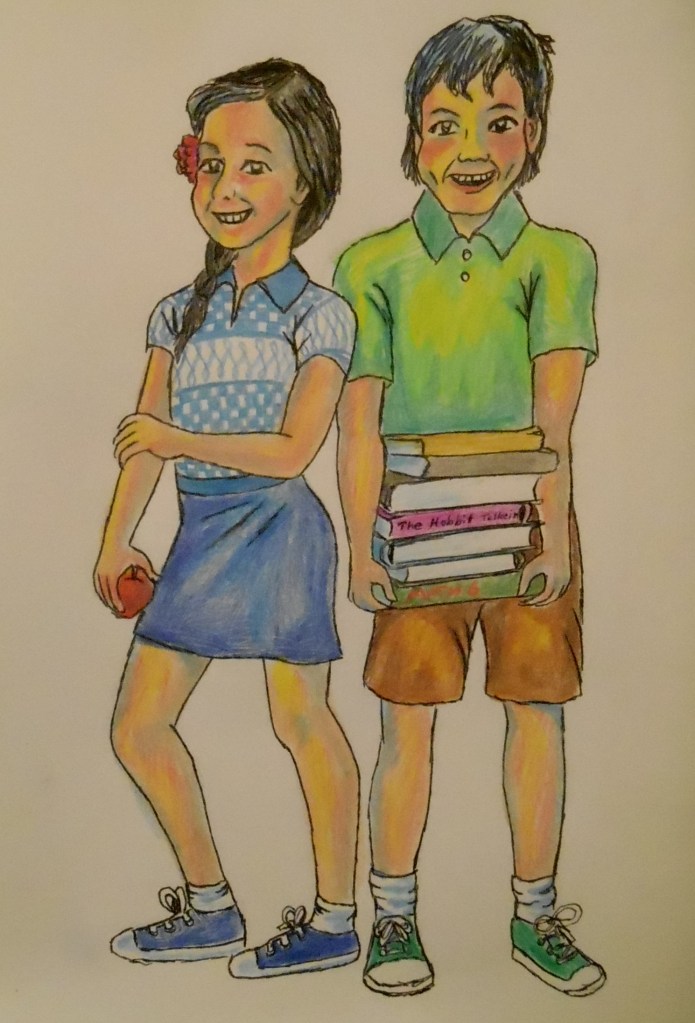
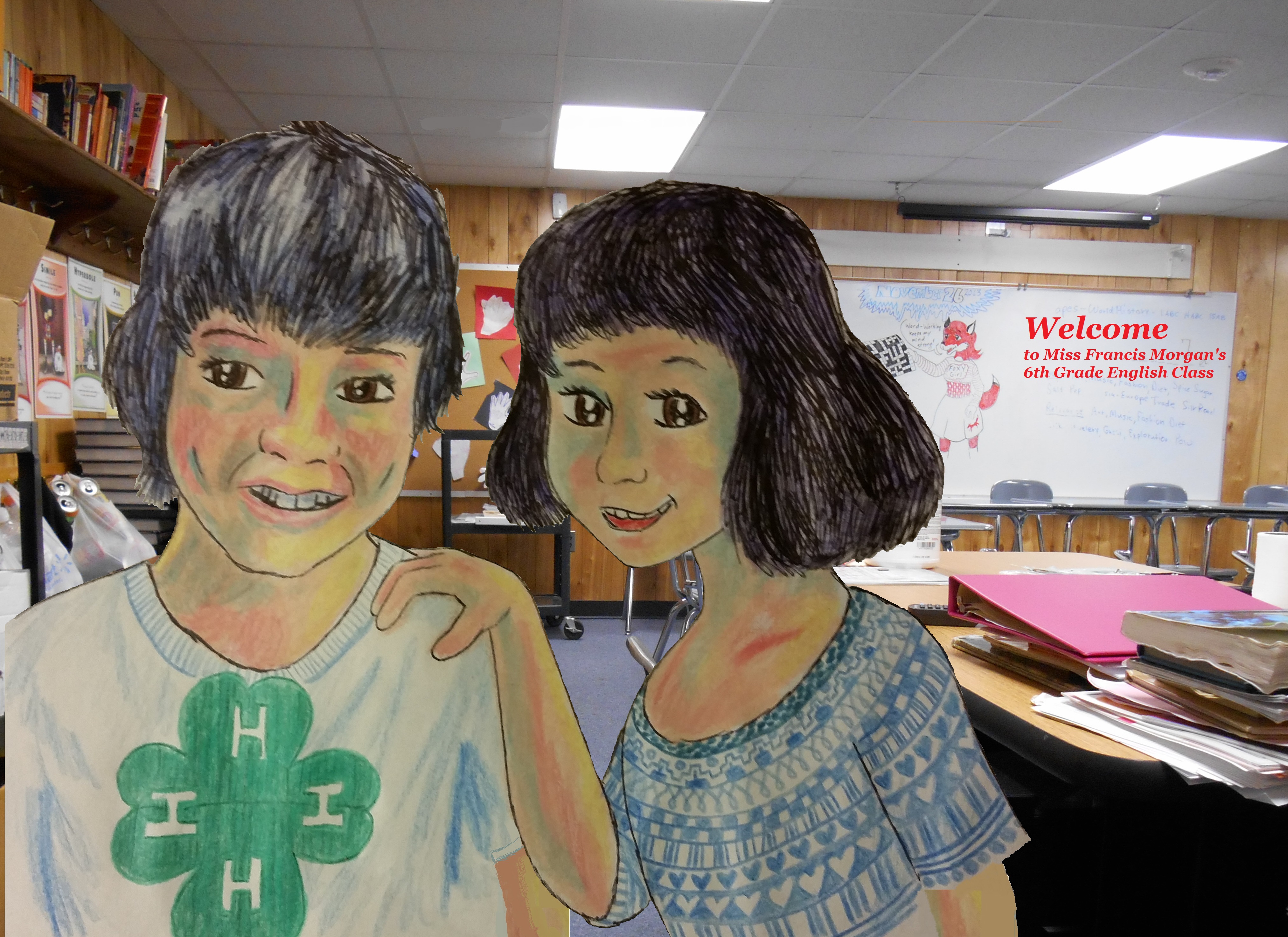
Mike Murphy and Blueberry Bates, two of Miss Morgan’s students

So, I gritted my teeth and tried the pay-to-publish publishers one more time. I chose Page Publishing because they only cost a third of what I-Universe did. I could, at that time, barely still afford it with my partially-restored credit rating.

Unfortunately, as a Publisher, Page was worth only one one-hundredth of the value of I-Universe. They didn’t actually have editors. I basically edited the whole thing myself. Their “editor” only communicated to me once with a proof-read copy that I basically had to re-edit and change everything back to being correct English usage. The major editorial contribution? They tried to change every instance of my use of Miss Morgan to Ms. Morgan. Even in the title. The young bozo-editor didn’t understand that even married female teachers are addressed as “Miss.”

As hard as they tried to mess up the novel for me, almost as badly as Publish America did to AeroQuest, I was pleased with the final outcome and the ten copies they sent me. However, I had already vowed to myself that I would never again trust my work to fly-by-night small publishers. And, of course, no major publisher was accepting unsolicited manuscripts. So, I began my relationship with Amazon Kindle Direct Publishing.

That, then, will be the topic of Part IV.

Leave a comment

Filed under humor, novel writing, Paffooney, publishing

My Bookish Journey (Part II)

It is possible, I suppose, that after my unlooked-for hiatus from teaching, and the subsequent employment as an ESL teacher for the Garland, Texas School District in 2007. I might never have tried picking up the magic pencil again.

I loved teaching. And I was seriously considering doing it until the day I dropped dead.

But, God, of course, usually has other ideas for everybody. My last three years as a Texas public school teacher were my hardest health-wise. I had the H1N1 flu twice in one year. Both strains, one time each. I spent a week in the hospital with pneumonia. I reached a point where I was sick more days every semester than I had sick days to cover. My paychecks began to shrink. And it got harder to make it through the day standing in front of classrooms holding the big pencil of lesson delivery.

As I contemplated the inevitable dropping into deadness that happens even to English teachers, I began to realize that I couldn’t just let my stories disappear when I did. I needed to actually get serious about publishing them. I wrote another. I took an old manuscript called Nobody’s Babies and rewrote it as Snow Babies. I submitted it in manuscript form to a writing contest. I entered it into Chanticleer Book Reviews’ YA novel-writing contest called the Dante Rossetti Awards. https://www.chantireviews.com/contests/ I made it through to the final round of judging, one of twelve books. I didn’t win, and I couldn’t legally put on the eventual cover of the book that it was a finalist, but it was. So, it was time to find a new publisher. Preferably one that didn’t require my indentured servitude to Mastercard and Discover for the rest of my life.

I found a publisher that loved my book. PDMI Publishing was a business operated as an Indie publisher by a poet and his wife and supported by all the writers and editors and artists whose work he put into print. They were expanding when I signed a contract with them. I was given a brand new book editor who joined them shortly after I did. Jessie Cornwell was her name.

My book was humming along towards publication for two years. Then, rather suddenly, the business collapsed and they released me from my contract. Being the next book in line to be published, I believe it was my incredible luck as an author trying to get published and actually make money from writing that killed the publisher. I didn’t get the final draft of my novel back, so, now I give credit as Editor to Jessie, but the only changes she made to it are the ones I remembered and agreed with.

I would make one more stab at working with an actual publisher for the next book I wanted to publish, Magical Miss Morgan. But that debacle is the subject of Part Three.

But I would go on to self-publish Snow Babies on Amazon, and, to date, it is the book I consider to be the best thing I have ever written.

Leave a comment

Filed under novel writing, Paffooney, publishing, writing

My Bookish Journey

My journey as a writer actually began in grade school. I was writing Star Trek-like comics from the time I was in the fourth and fifth grade, ten and eleven years old. I called my comics Zebra Fleet, about the last fleet in the Star League on the distant, far reaches of the Milky Way Galaxy.

I started writing book-length stories in college, at Iowa State University. They weren’t all science fiction. They began to be more and more about the time and place where I grew up, Rowan, Iowa in the 1960s and 1970s They involved the people I knew there and then. My family, my friends, the people of Rowan, and random Iowegians. I based important characters on people I actually knew, mostly those I knew quite well. But I changed and swapped character details to hide their identities a little bit, and I gave them names that were mixed and matched and borrowed from the 1977 Ames, Iowa phone book. Dettbarn, Efram, Sumpter, Bircher, Clarke, MacMillan, White, and Murphy all came from there. Niland came from a famous alumni of the University of Iowa who played for the Dallas Cowboys.
In order to have food to eat and money to spend as an adult, I had to take my BA in English and add to it an MA in Education to get a job as a teacher. I took my closet full of nascent novels and moved to Texas where my dad’s job took my parents before I graduated college. There I added hundreds of characters who were perfect for Young Adult novels as I got to know real kids and learned about their real lives. I changed their names, details, and often cultures as I added them to my stories.

Other than a couple of shots in the dark as submissions of cartoons and manuscripts to publishers, I mostly kept my stories in the closet and focused more on teaching (which, to be fair, is also a form of story-telling.) I put my handful of rejection letters in the closet too.

But then, I got laid off for two years due to health and a wicked witch as a principal, and I spent my non-job-hunting time writing a novel about my science-fiction role-playing games with former students. It was called AeroQuest.

I managed to find a publisher for that book. But it was a bogus sort of experience. They paid me an advance of one dollar. Then they had me sign a seven-year contract in 2007. No editor or proofreader even worked for them. I basically had to edit and format the book myself. All they did is intentionally flub-up some titles and sections of text in the printed form. This was part of the master plan to get me to pay for an extensive fix to the mistakes they made. The only marketing they did was to send a notice for my over-priced paperback to the list of friends and relatives that they required me to make for them. Publish America is no longer in business. They were closed down by a class-action lawsuit from the authors they had tricked into paying them thousands of dollars for totally defective publishing services. Since I didn’t pay them any scam pennies, I didn’t get any of the money from the lawsuit. I only got my publishing rights back.

So, I went back to whole-heartedly teaching. Then, in 2012 I completed another manuscript that I thought was the best work that I had ever done. I submitted it to I-Universe publishers. They read it and loved it. As it turned out, they were in the process of being acquired by Penguin Books. They were the closest thing to a mainstream publisher that would entertain submissions by new and unproven authors like me.

They, of course, were offering a publishing package that included working with real editors and marketing personnel. But I had to go a bit into debt to swing the price. So, I was still paying someone to publish my book correctly. But, as a step in my author’s journey, it was invaluable. I got to work closely with an experienced editor who had previously worked for both MacMillan and Harcourt, two mainstream traditional publishers.

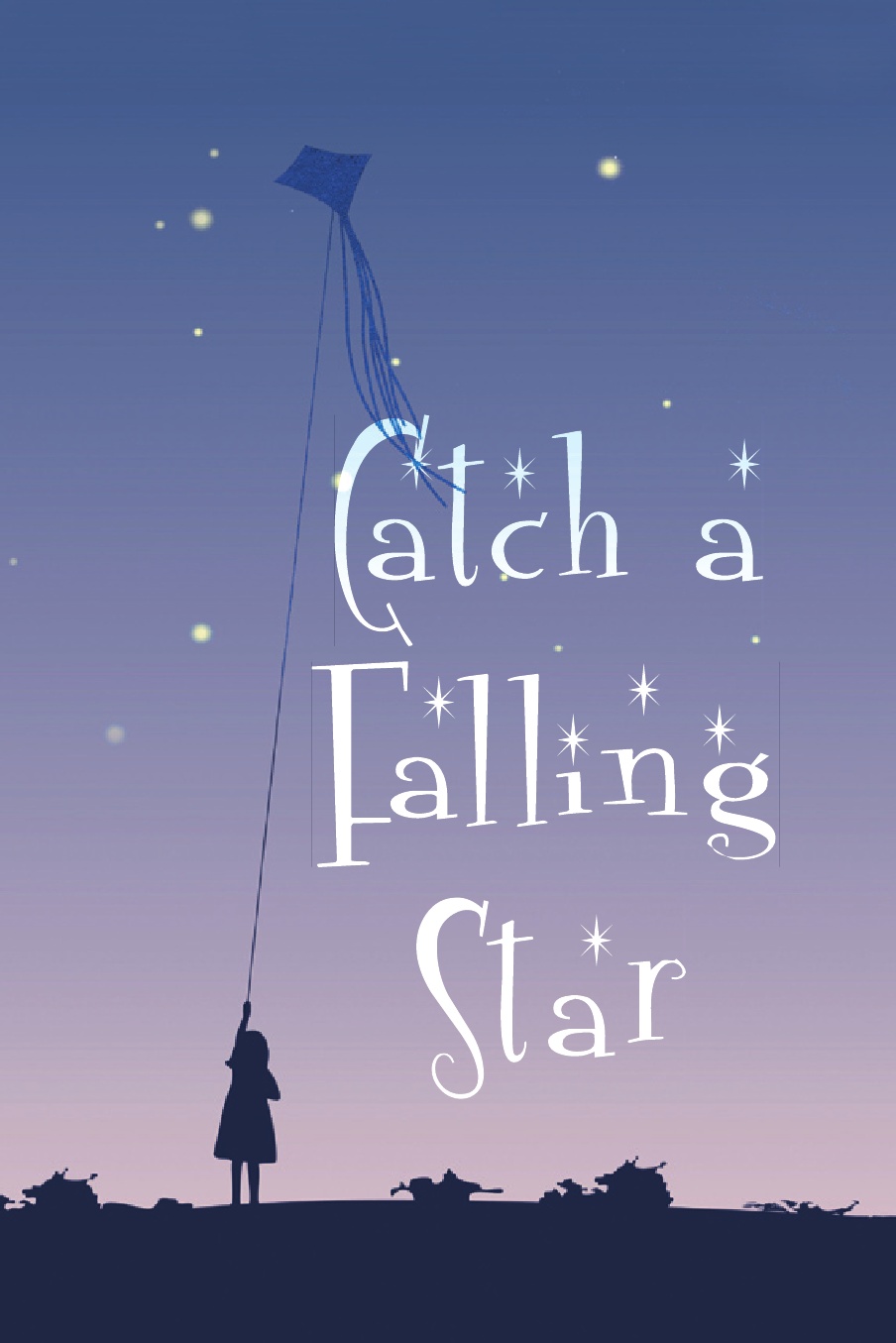
My book was given the stock cover you see here despite the cover requests I made and got approved. My original ask was apparently too expensive to print. There is no girl flying a kite in the story at all, let alone at night. It is a story about incompetent aliens trying to invade a small town in Iowa. I had requested a flying saucer with a kite flying behind it.

That first real publisher, though, made me into a real writer. The I-Universe marketeers got me listed as a winner of the Editor’s Choice Award. And they put that award and the Rising Star award on every paperback copy they printed. Everyone who read the book seemed to really like it. They set me up with this blog, space on their website for my book and bio, and they put me in touch with Barnes and Noble to talk about “meet the author” sessions to promote getting the book on their shelves. But a trip to the hospital with pneumonia and the end of the room on my Discover Card caused me to bring an end to my marketing campaign. I ended up with two five-star reviews and sixteen dollars-worth of royalties.

At this point in the story, temporarily stalled, I must start touting the part two of my essay for today. I should warn you, I have a lot more negative things to say about publishing next time.

4 Comments

Filed under autobiography, commentary, novel writing, Paffooney, publishing, writing