
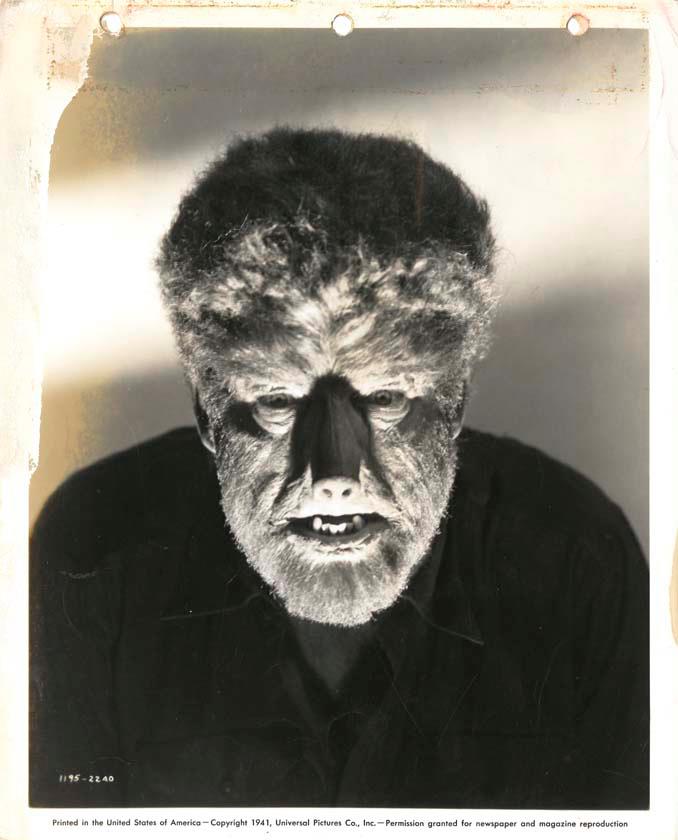
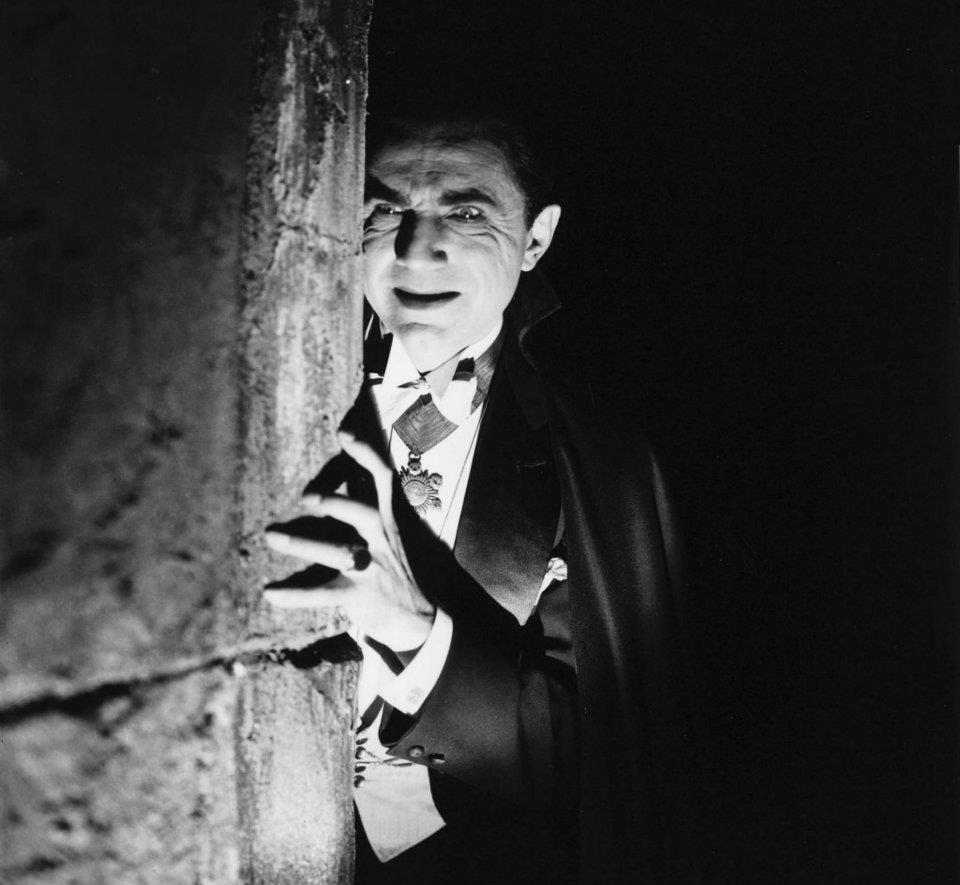
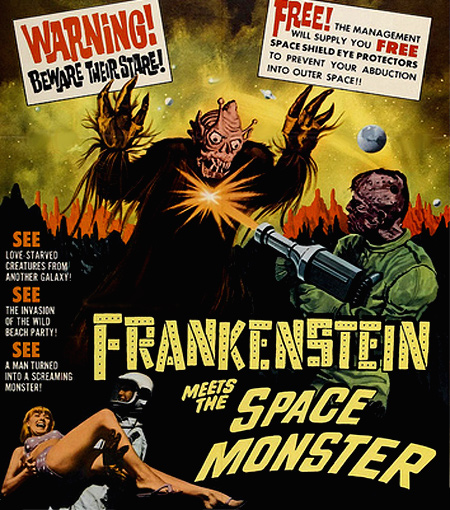
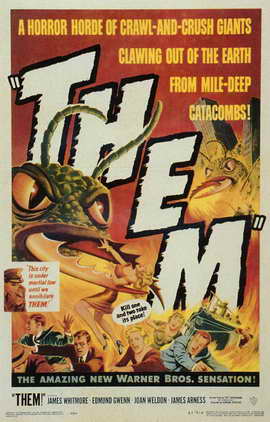
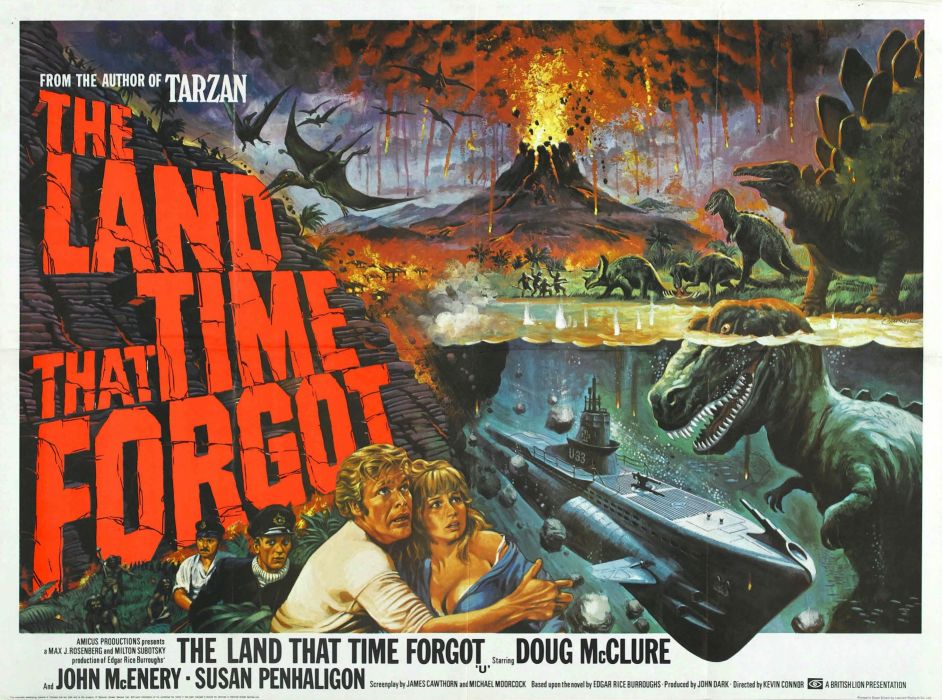
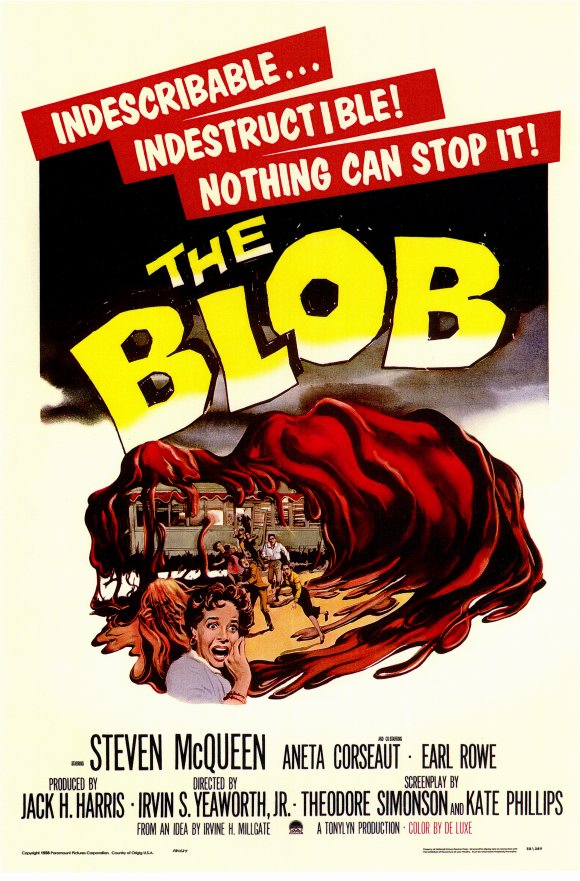
I am fascinated by the darker alleyways in the city of human thought. I love monster movies, those love-story tragedies where the monster is us with one or more of our basic flaws pumped up to the absolute maximum. We are all capable of becoming a monster. There are consequences to every hurtful thing we have ever thought or ever said to other people, especially the people we love.
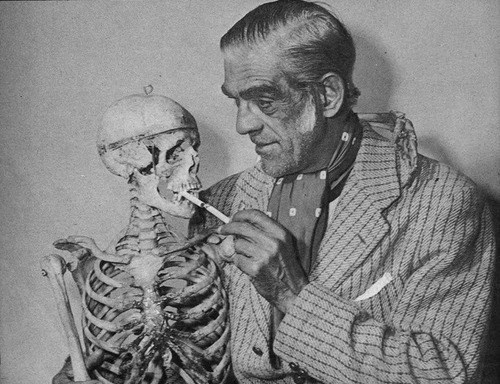
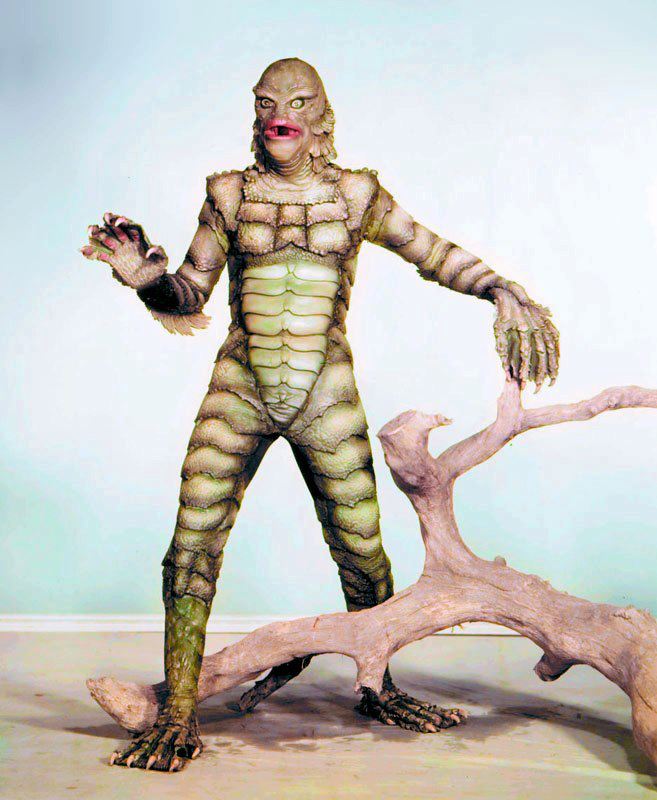
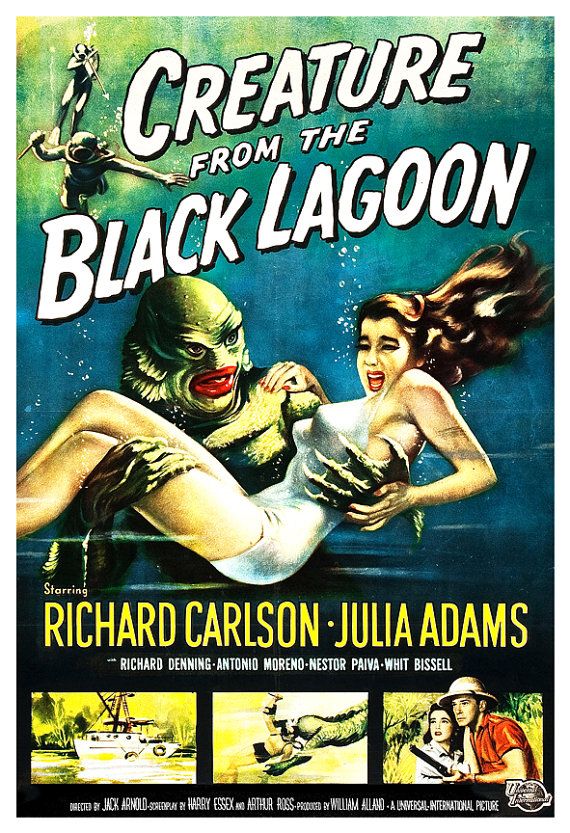
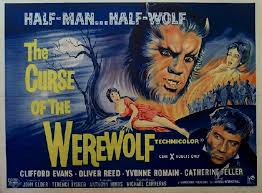
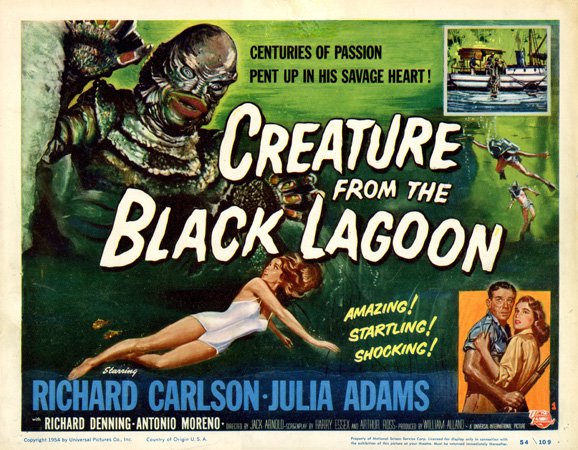
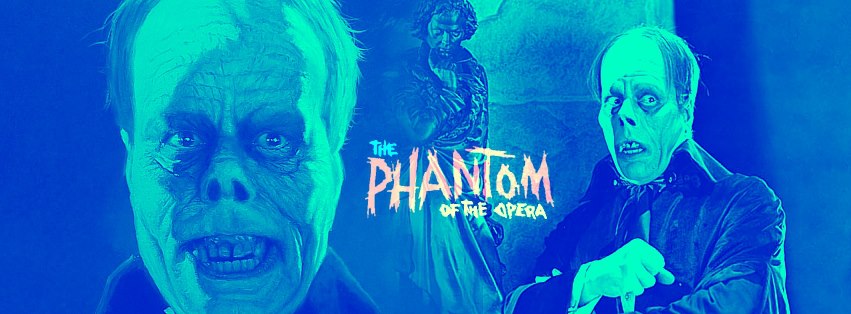
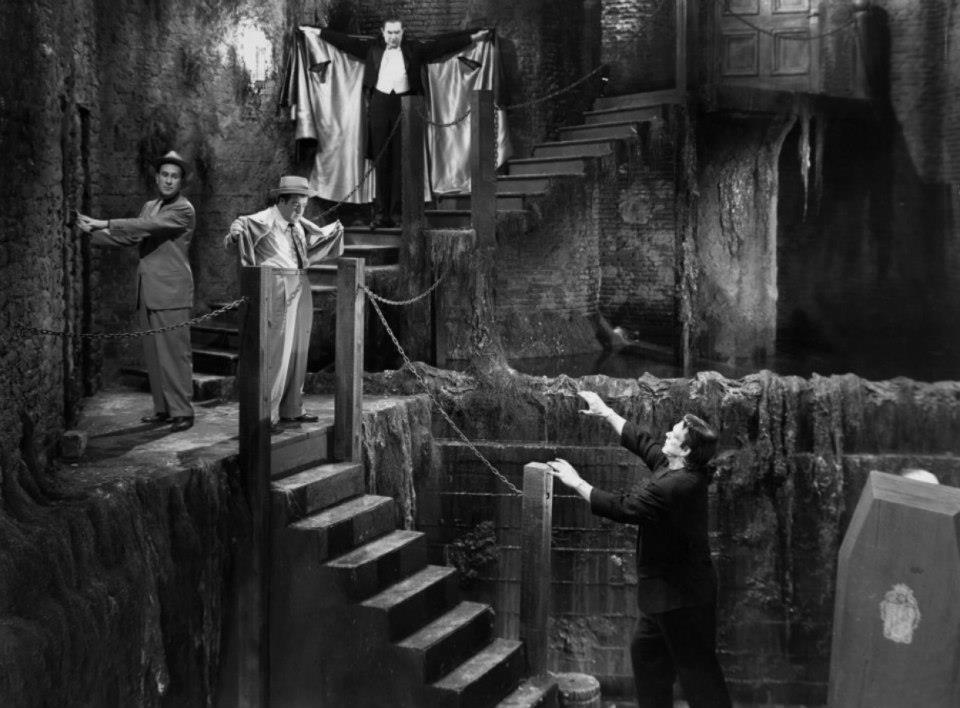
The monster movies I love most are the old black-and-whites from Universal Studios. But I can also seriously enjoy the monsters of Hammer Films, and even the more recent remakes of Frankenstein, The Mummy, and their silly sequels. I am fascinated by the Creature from the Black Lagoon because it is the story of a total outsider who is so different he can’t really communicate with the others he meets. All he can do is grab the one that attracts him and strike out at those who cause him pain. It occurs to me that I am him when having an argument with my wife. Sometimes I am too intelligent and culturally different to talk to her and be understood. She gets mad at me and lashes out at me because when I am trying to make peace she thinks I am somehow making fun of her. How do you convince someone of anything if they always think your heartfelt apology is actually sarcasm? How do you share what’s in your heart if they are always looking for double meaning in everything you say?
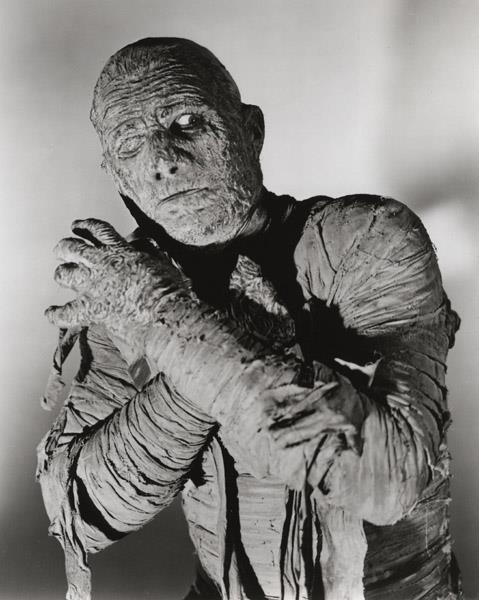
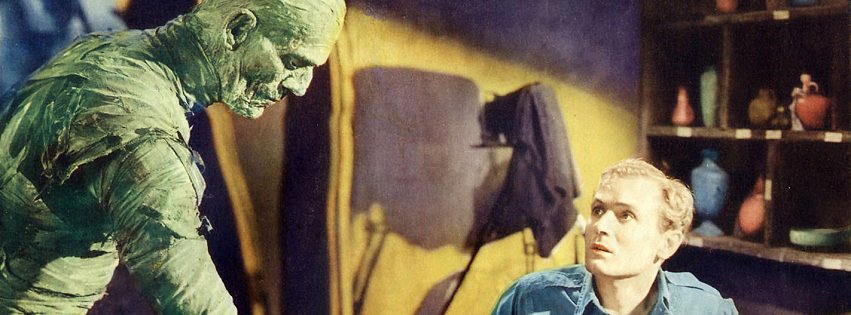
But other people can change into monsters too. I am not the only one. People who are bitter about how their life seems to have turned out can strike out at others like the Mummy. Wrapped in restrictive wrappings of what they think should have been, and denied the eternal rest of satisfaction over the way the past treated them, they attack with intent to injure, even just with hurtful words, because their past sins have animated them with a need to change the past, though the time is long past when they should’ve let their bitterness simply die away.
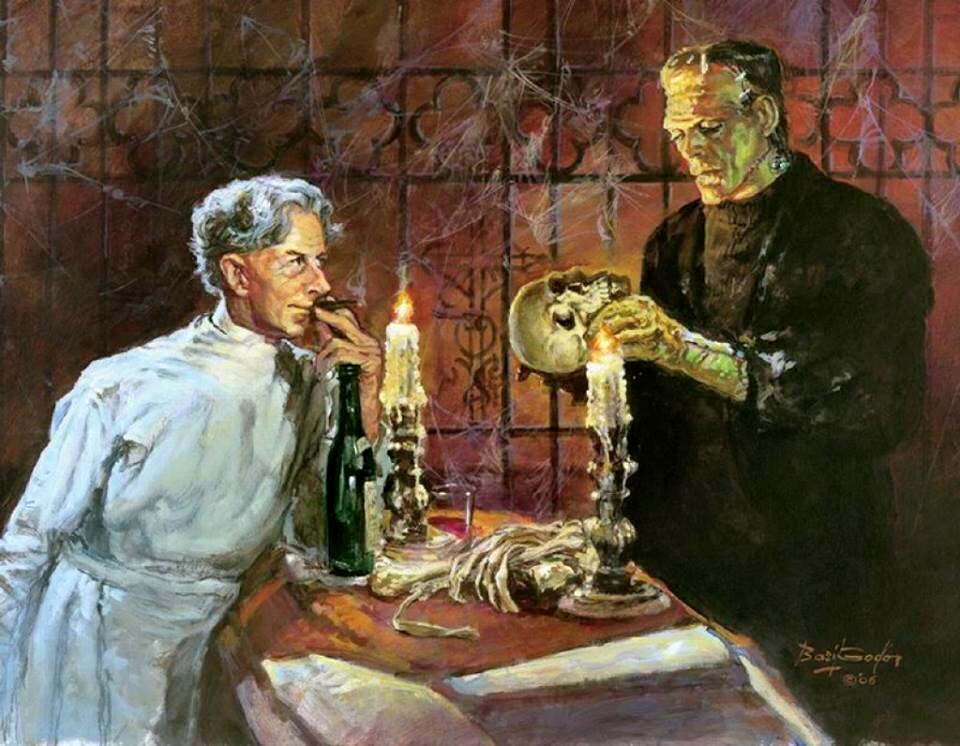
And we might all of us fall into the trap of Victor Frankenstein’s monster, who never asked to be made. He finds life to be an unmanageable nightmare with others constantly assaulting him with the pitchforks and torches of their fear and rejection.
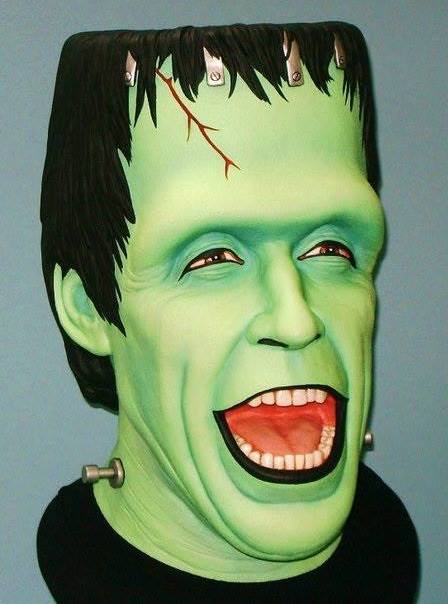
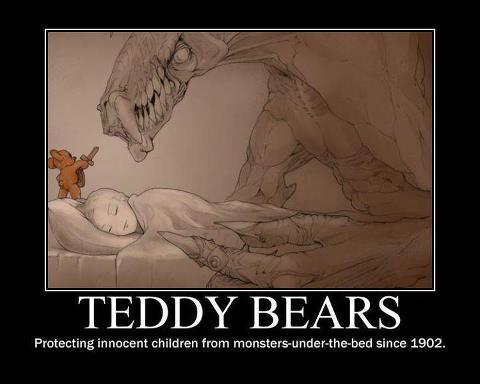
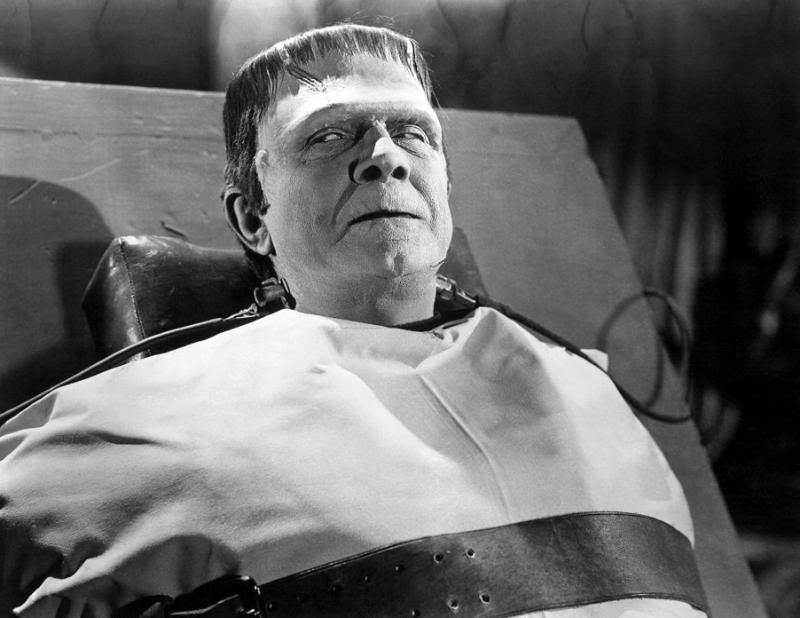 But the thing about monster movies… at least the good ones, is that you can watch it to the end and see the monster defeated. We realize in the end that the monster never really wins. He can defeat the monstrous qualities within himself and stop himself. Or the antidote to what ails him is discovered (as Luke did with Darth Vader). Or we can see him put to his justifiable end and remember that if we should see those qualities within ourselves, we should do something about it so that we do not suffer the same fate. Or, better yet, we can learn to laugh at the monstrosity that is every-day life. Humor is a panacea for most of life’s ills.








 Catch a Falling Star
Why We Doo
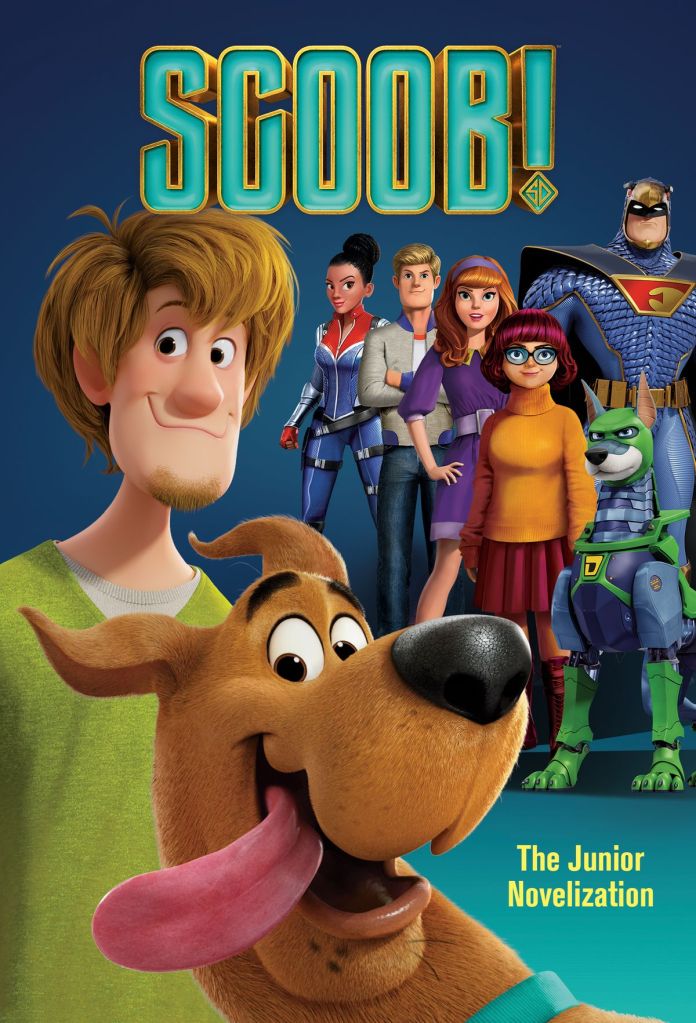
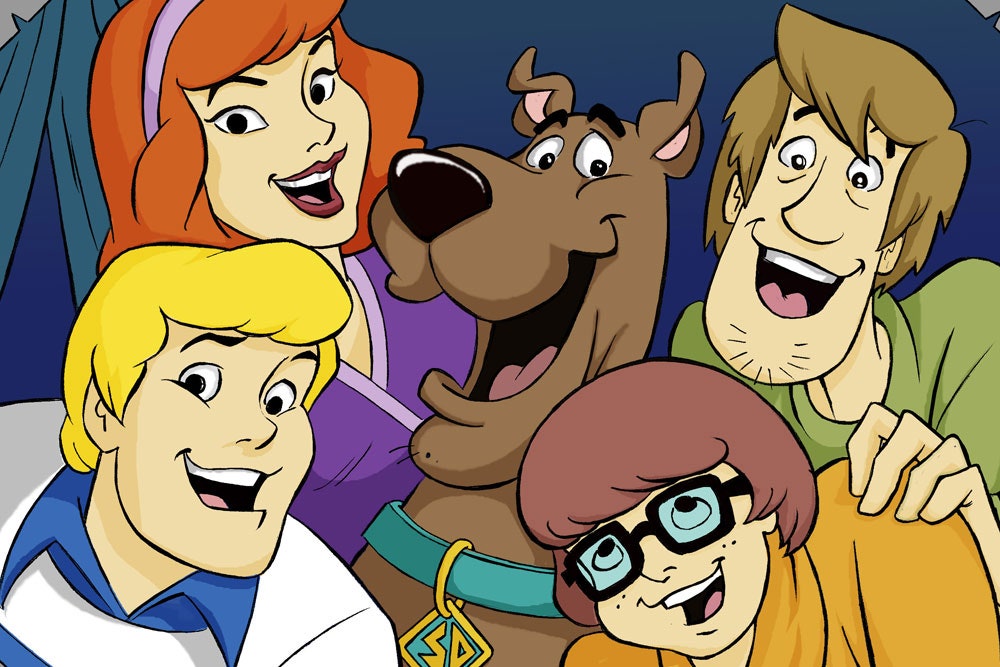
I remember when Scooby Doo, Where Are You? premiered on Saturday Morning Cartoons in 1969. I was thirteen and in the 7th grade. I had been six during the Cuban Missile Crisis of 1962, seven when Kennedy was assassinated in 1963, ten when I was sexually assaulted in 1966, and still twelve when Neil Armstrong walked on the Moon in the Summer of 1969. I was obsessed with monsters, horror comics, 20,000 Leagues Under the Sea, and the Pirates threatening Jim Hawkins in Treasure Island. I knew what fear was. And I was mad to find ways to combat the monsters I feared.
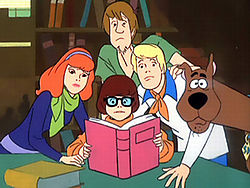
Don’t get me wrong. I was under no illusions that Fred, Daphne, Velma, Norville “Shaggy” Rogers and Scooby Doo were the answer to all my fears as viable heroes and heroines. They were goofballs, all of them, based on the characters I vaguely remembered from The Many Loves of Dobie Gillis. I was aware that Shaggy was just Maynard Krebs in cartoon form (the hippie character portrayed by Gilligan’s Island actor Bob Denver.)
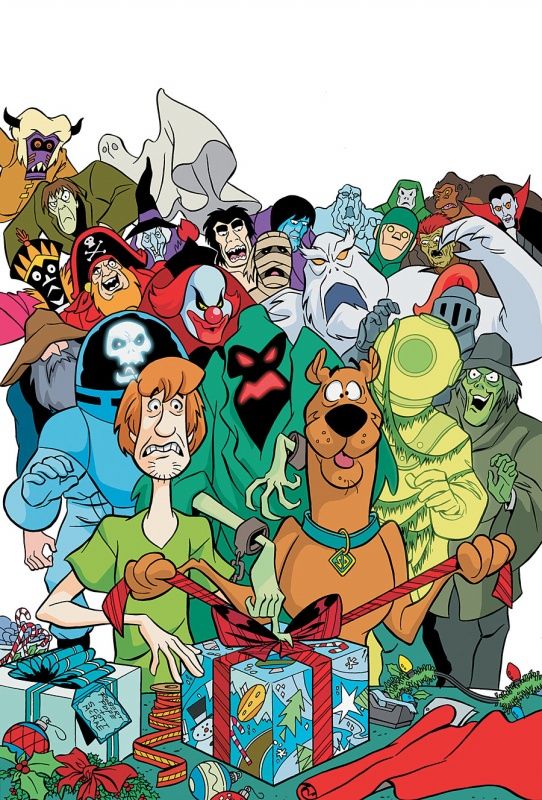
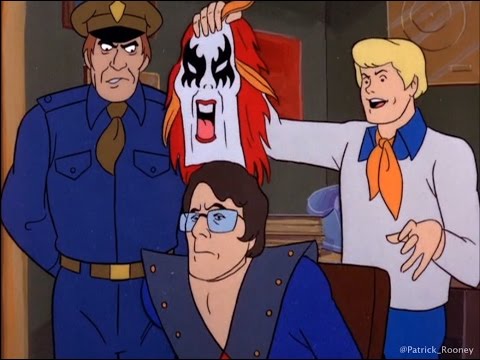
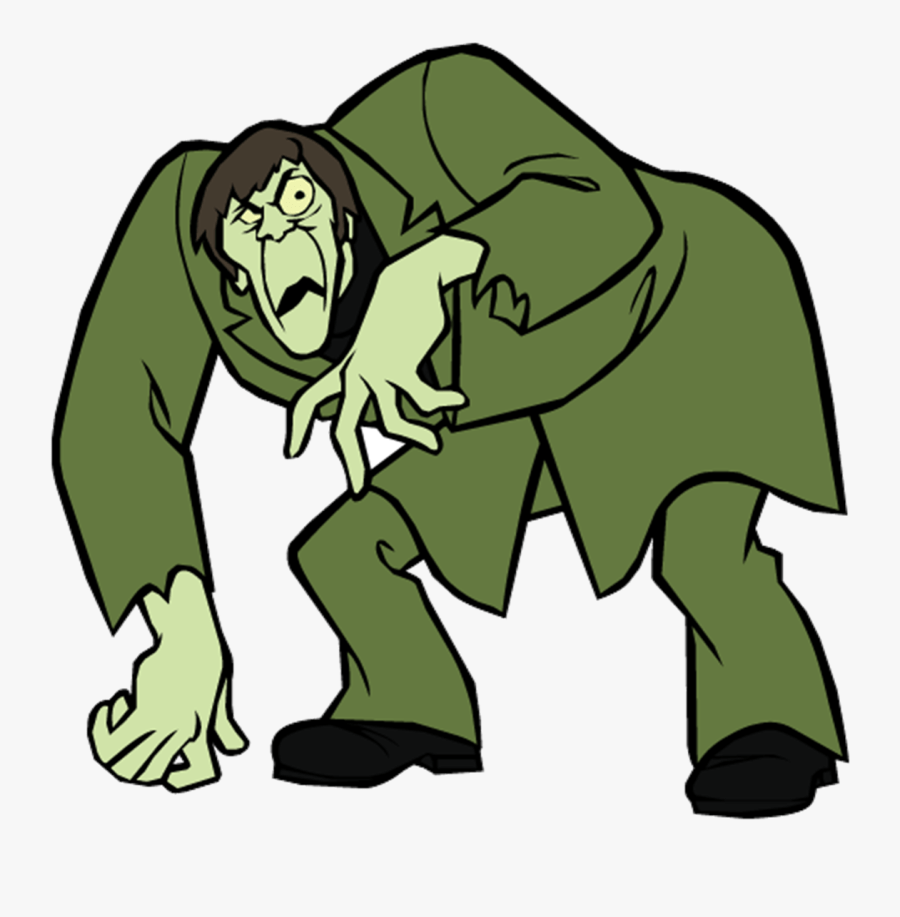
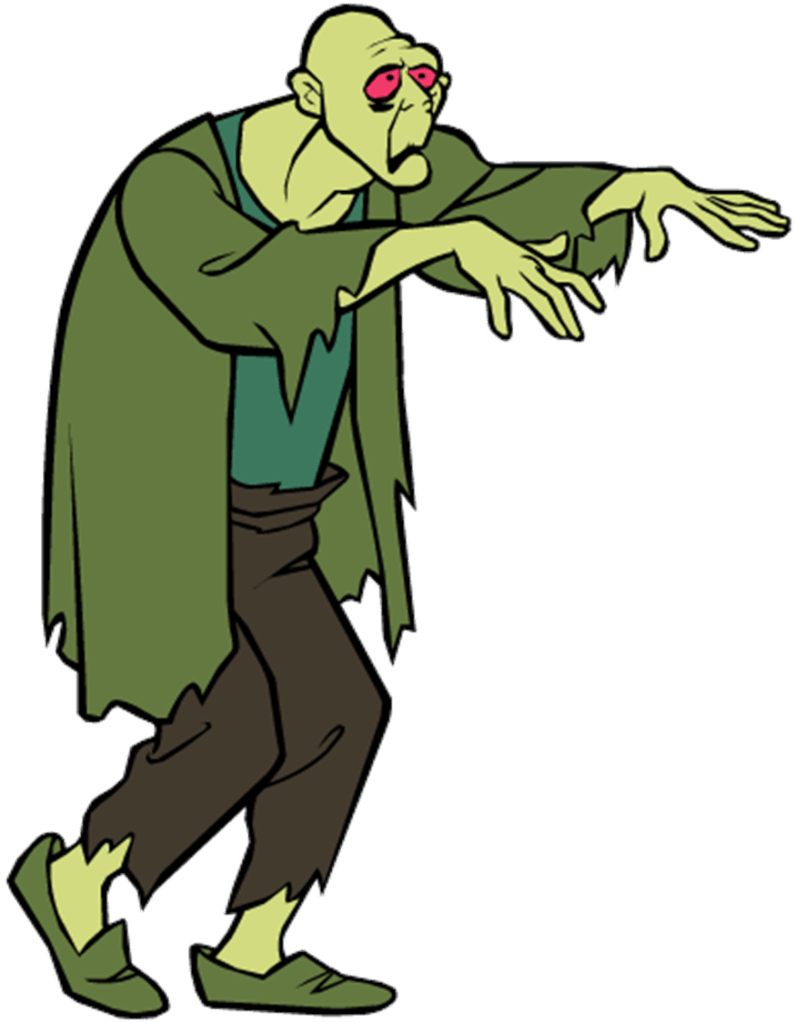
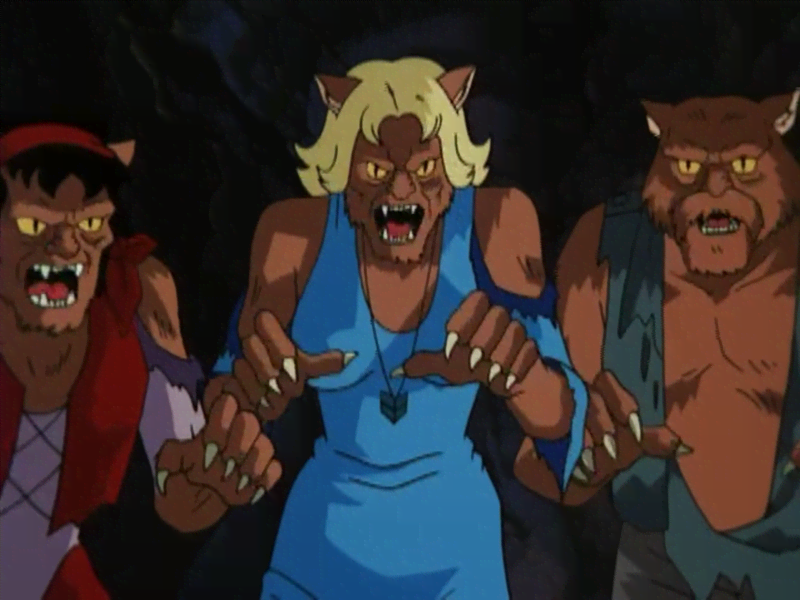
One of the critical things about the show for me was the fact that there was a rational explanation for the monsters. They were men in masks, special effects and projector tricks, or remote-controlled mechanical things.
And the way you overcame them and saved the day was by having Shaggy and Scooby act as bait, cause the traps to get sprung at the wrong time, and then fall on the villains, trapping them under the butt of the talking dog.
Villains and horror could be overcome by laughing at them. They were more likely to be clowns than carnivores. And even if they were carnivores, the teeth were not real.
There was a universal truth in that. Danger and horror and fear were easier to handle when you could laugh in spite of those things.
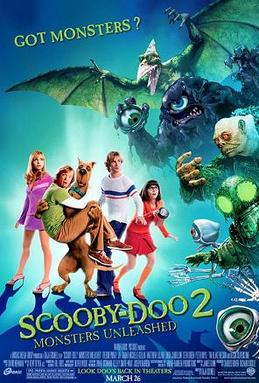
And to top it all off, those meddling kids and their stupid talking dog were with me my whole life. Those cartoons got remade and spun off so many times that my kids learned to love them as much as I did. And those four meddling kids and that talking dog are still making new stories even now.
And that is why we do the Doo!
Leave a comment
Filed under autobiography, cartoon review, cartoons, commentary, humor, monsters, Uncategorized
Tagged as hanna-barbera, horror, Netflix, review, Scooby Doo