
One of the side “benefits” of having diabetes is that it often comes with an extra helping of diabetic depression. I had the blues really bad this week. I am not the only member of my family suffering.
So, what do you do about it?
Or, rather, what does a goofy idiot like me do about it?
Especially on a windy day when the air is saturated with pollen and other lovely things that I am absolutely, toxically allergic to?
Well, for one thing, I used the word toxically in this post because it is a funny-sounding adverb that I love to use even though the spell-checker hates it, no matter how I spell or misspell it.
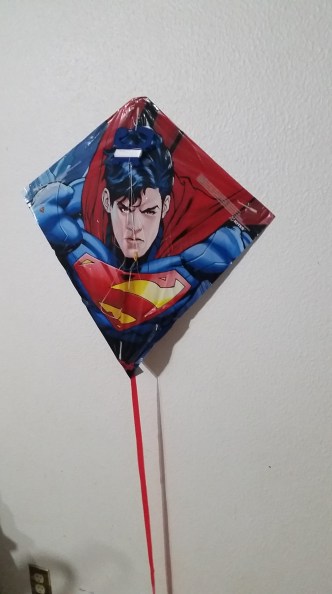
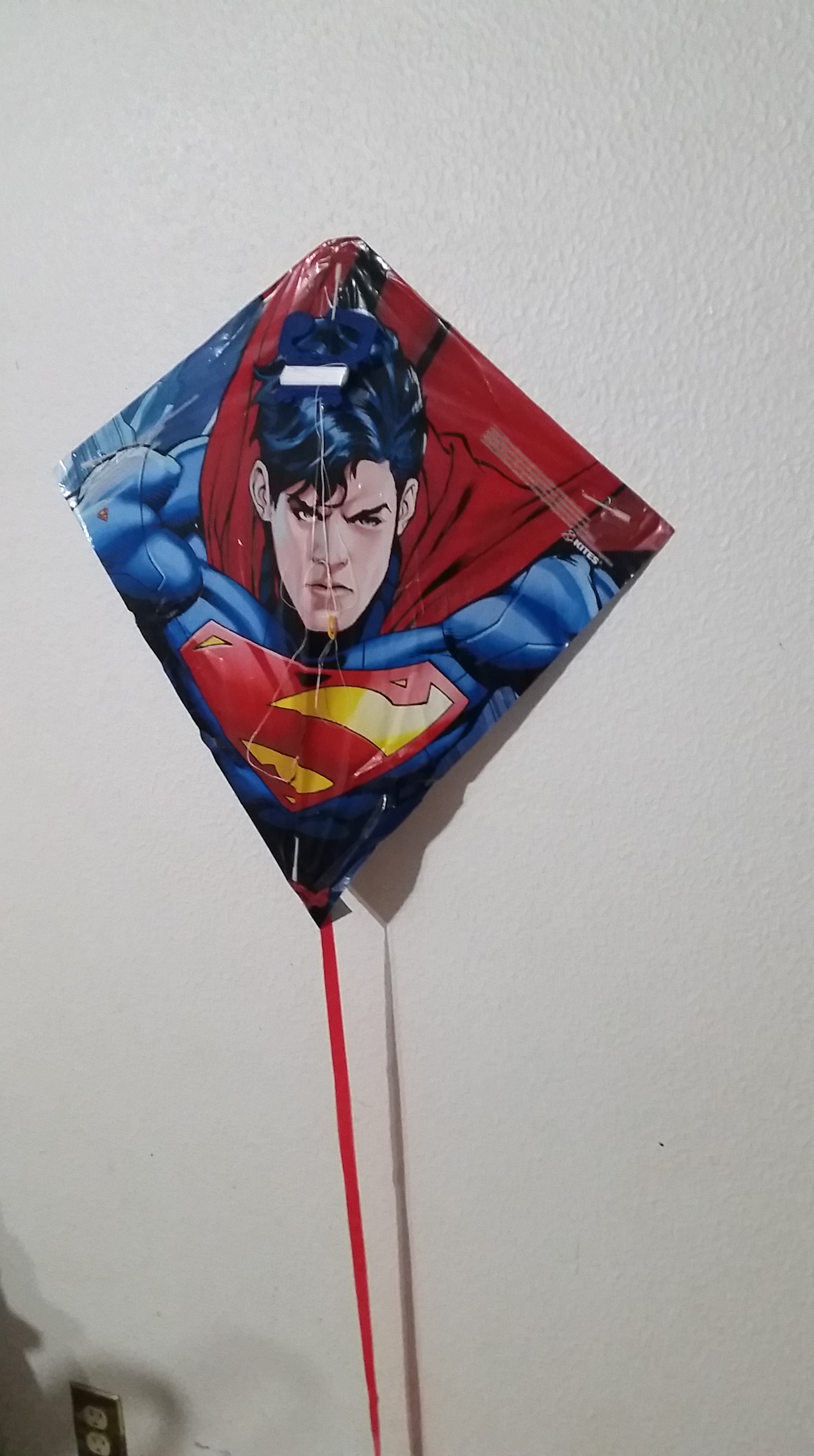
And I bought a kite.
Yes, it is a cheap Walmart kite that has a picture of Superman on it that looks more like Superboy after taking too much kryptonite-based cough syrup for his own super allergies.
But I used to buy or make paper diamond kites just like this one when I was a boy in Iowa to battle the blues in windy spring weather. One time I got one so high in the sky at my uncle’s east pasture that it was nothing more than a speck in the sky using two spools of string and one borrowed ball of yarn from my mother’s knitting basket. It is a way of battling blue meanies.
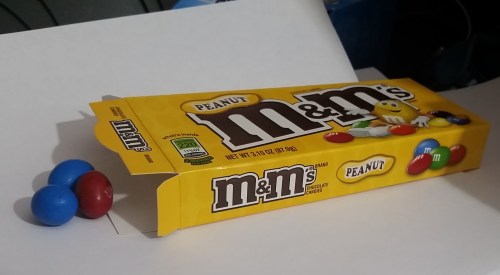
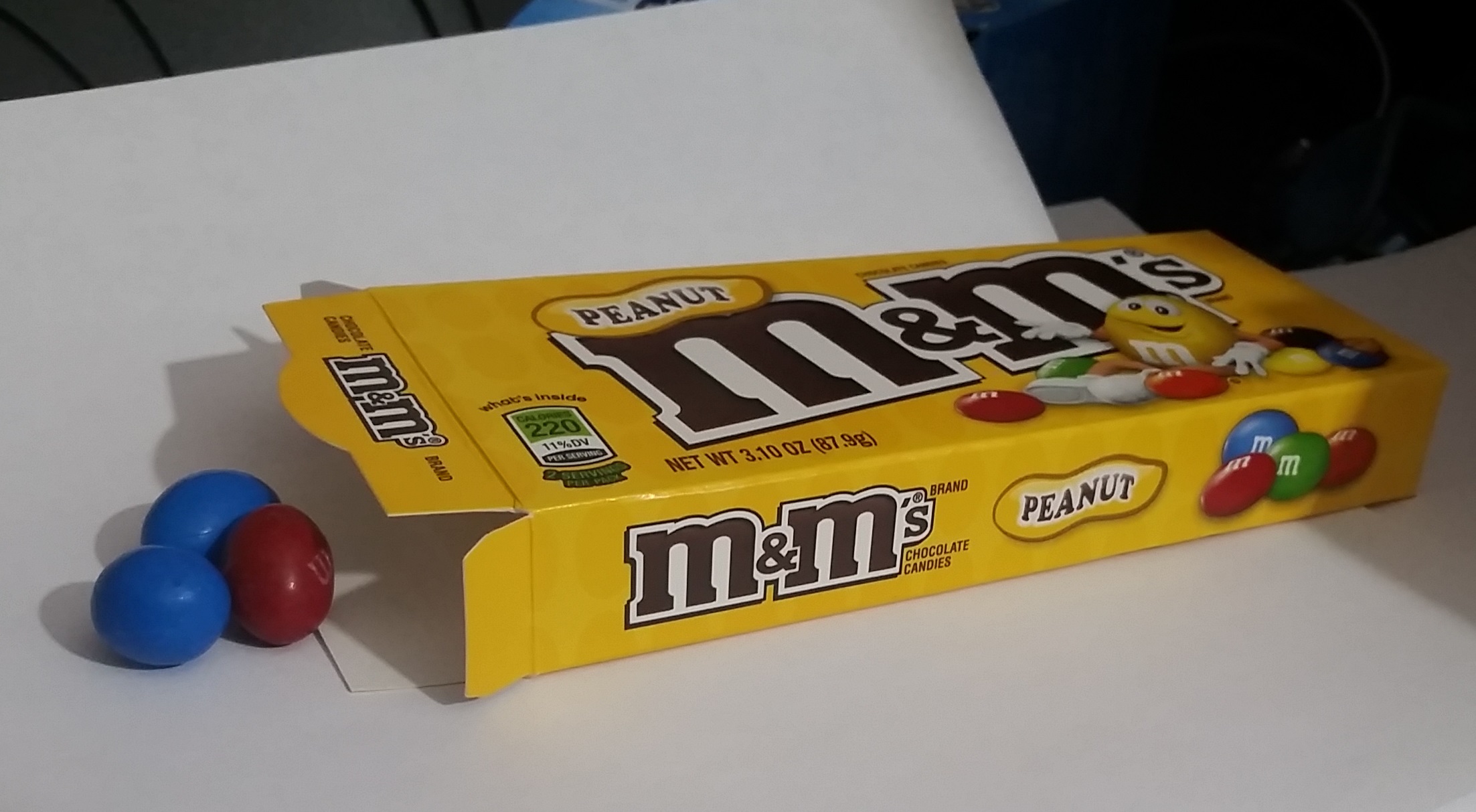
And I bought more chocolate-covered peanuts. The chocolate brings you up, and the peanut protein keeps you from crashing your blood sugar. I have weathered more than one Blue Meanie attack with m&m’s peanuts.


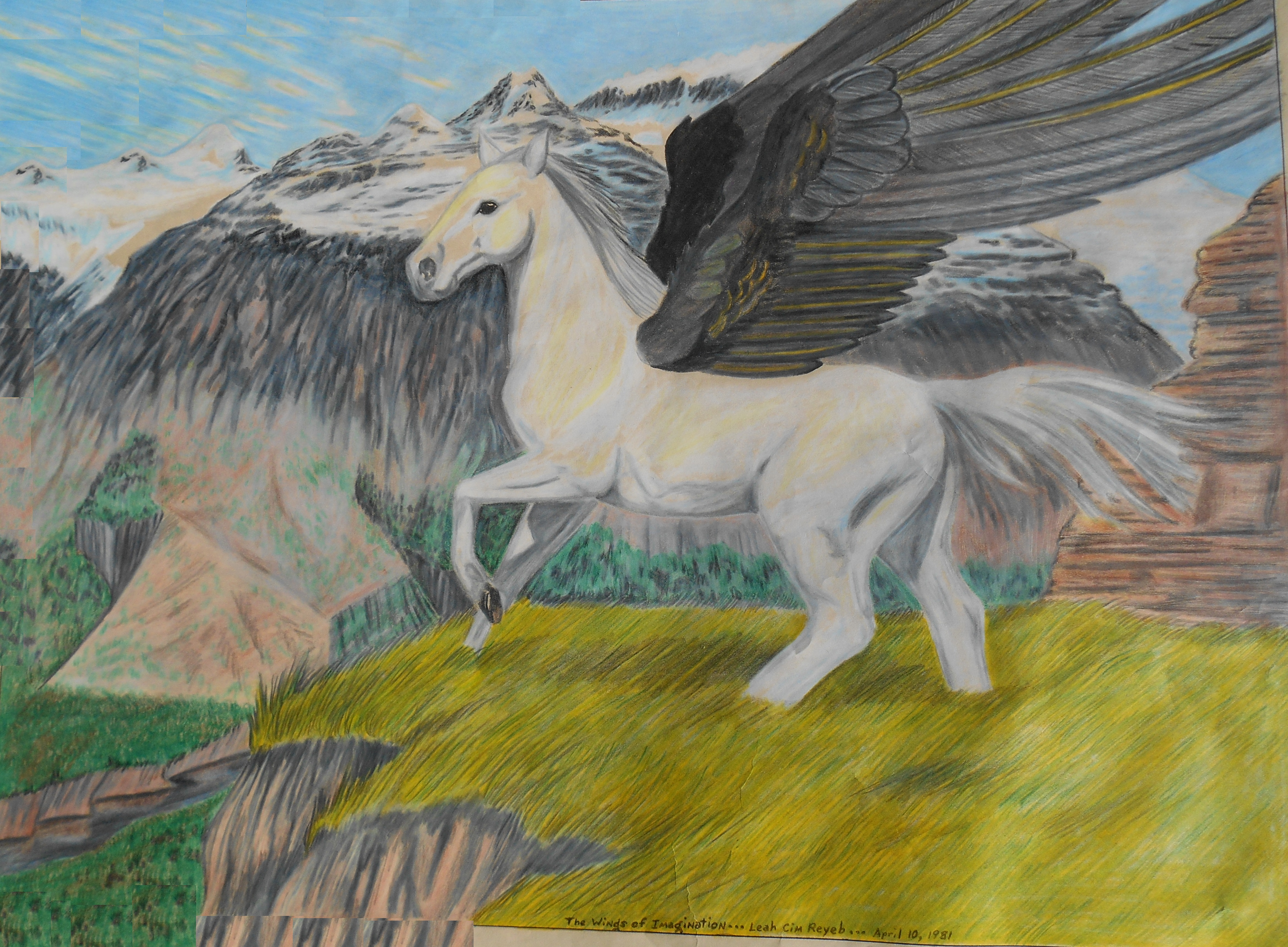
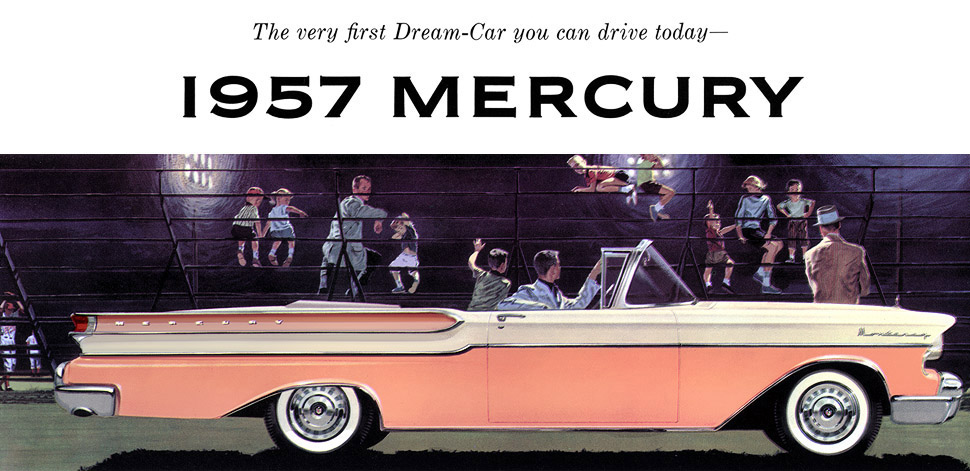
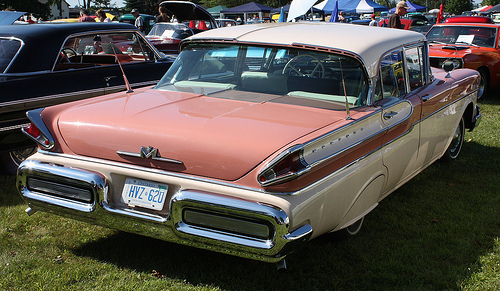
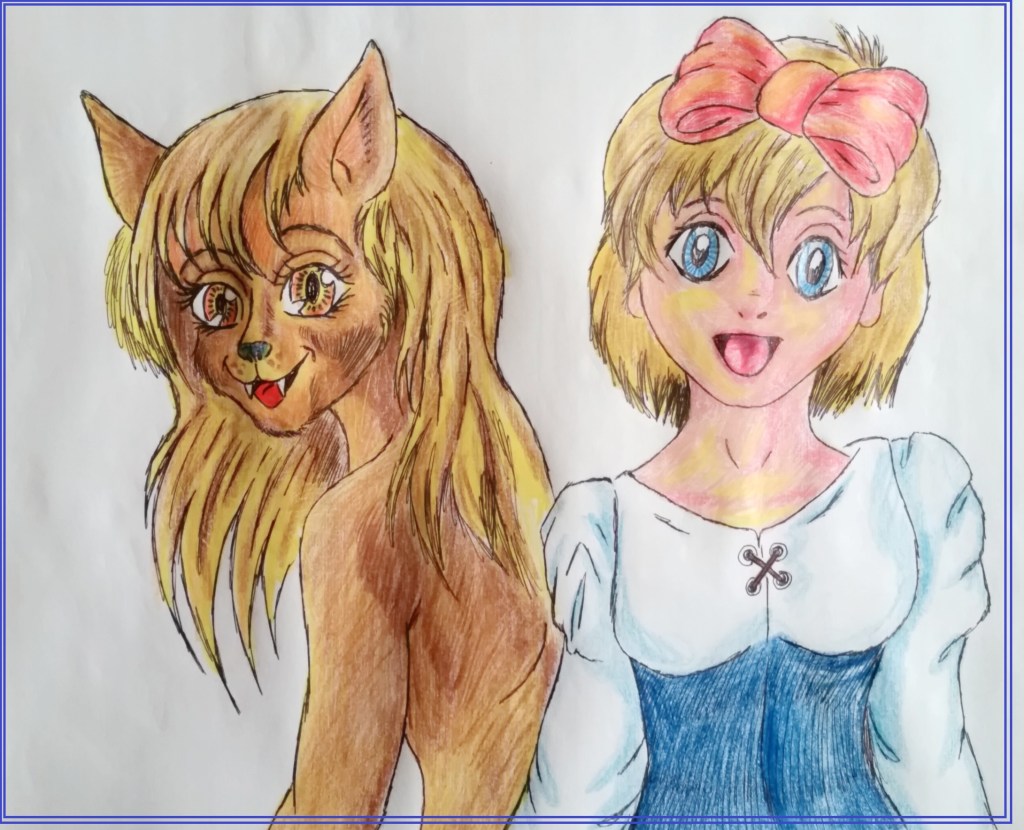
And I used the 1957 Pink and White Mercury of Imagination to bring my novel, The Baby Werewolf, home. I wrote the last chapter Monday night in the grip of dark depression, and writing something, and writing it well, makes me a little bit happier.


And I have collected a lot of naked pictures of nudists off Twitter. Who knew that you could find and communicate with such a large number of naked-in-the-sunshine nuts on social media? It is nice to find other nude-minded naturists in a place that I thought only had naked porn until I started blogging on naturist social media. Being naked in mind and body makes me happier than I ever thought it would.


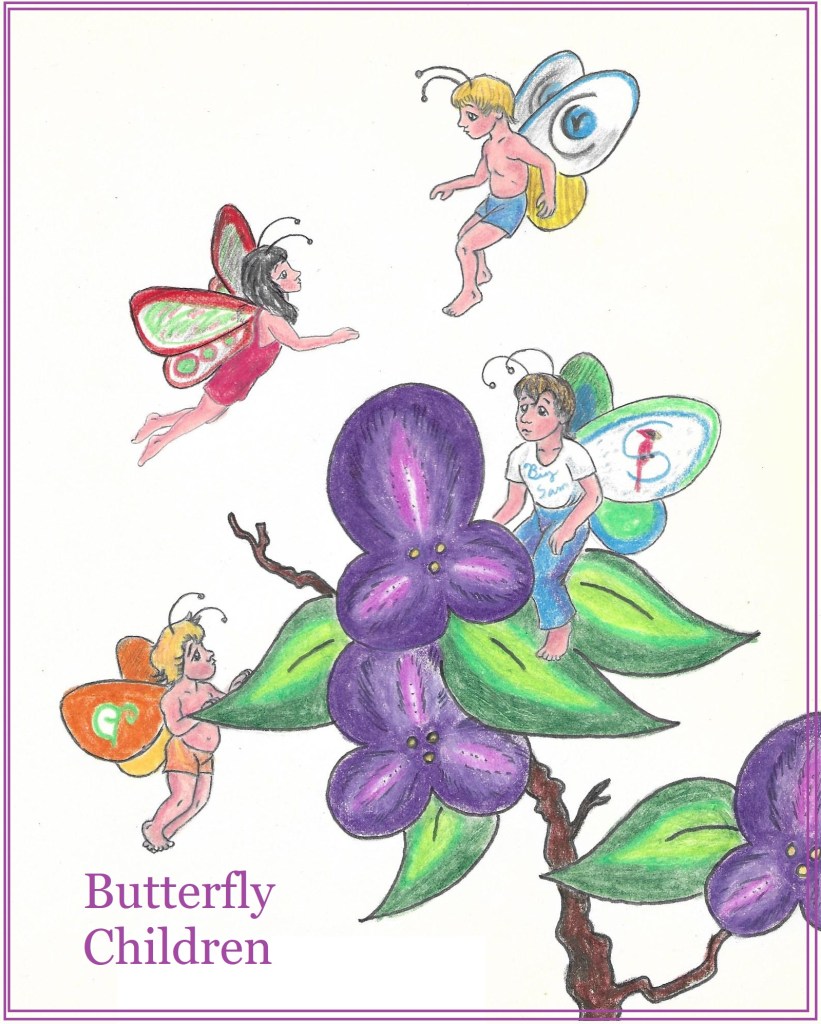
And besides being bare, I also like butterflies and books and baseball and birds, (the Cardinals have started baseball season remember) and the end of winter. “I just remember of few of my favorite things, and then I don’t feel so bad!” Oh, and I like musical movies like The Sound of Music too.
The monsters of deep, dark depression are being defeated as we speak.








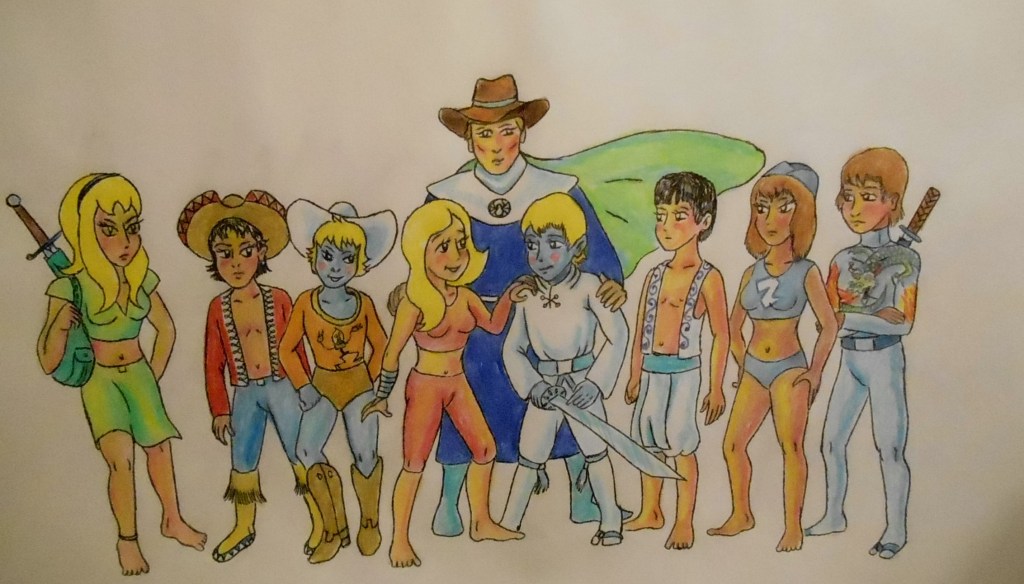
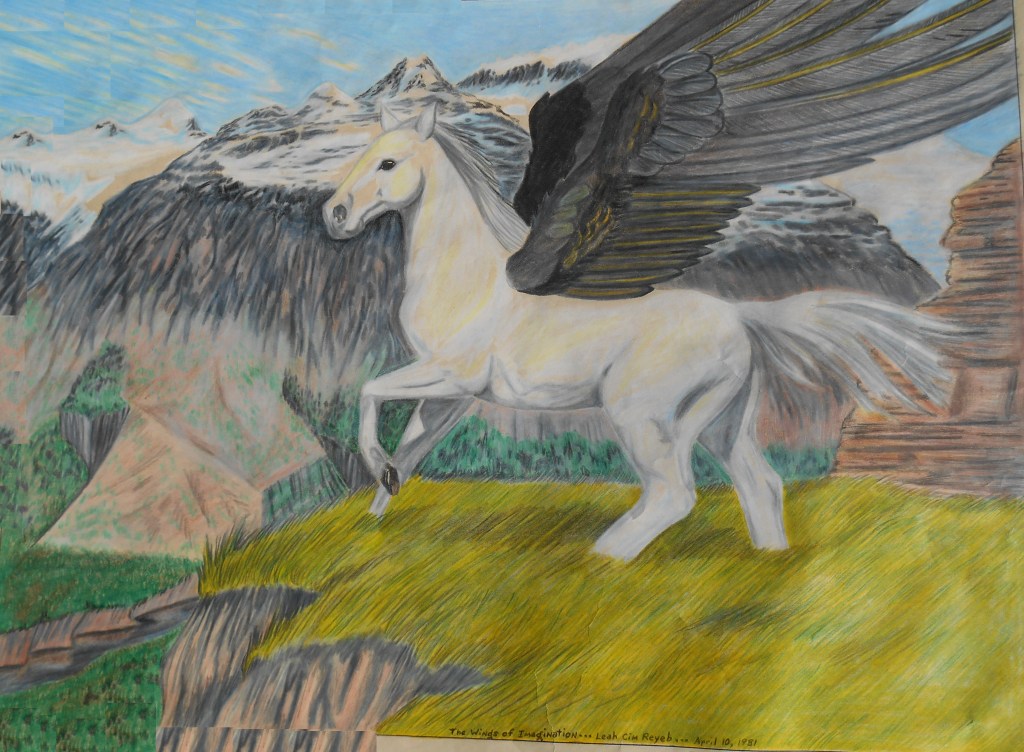
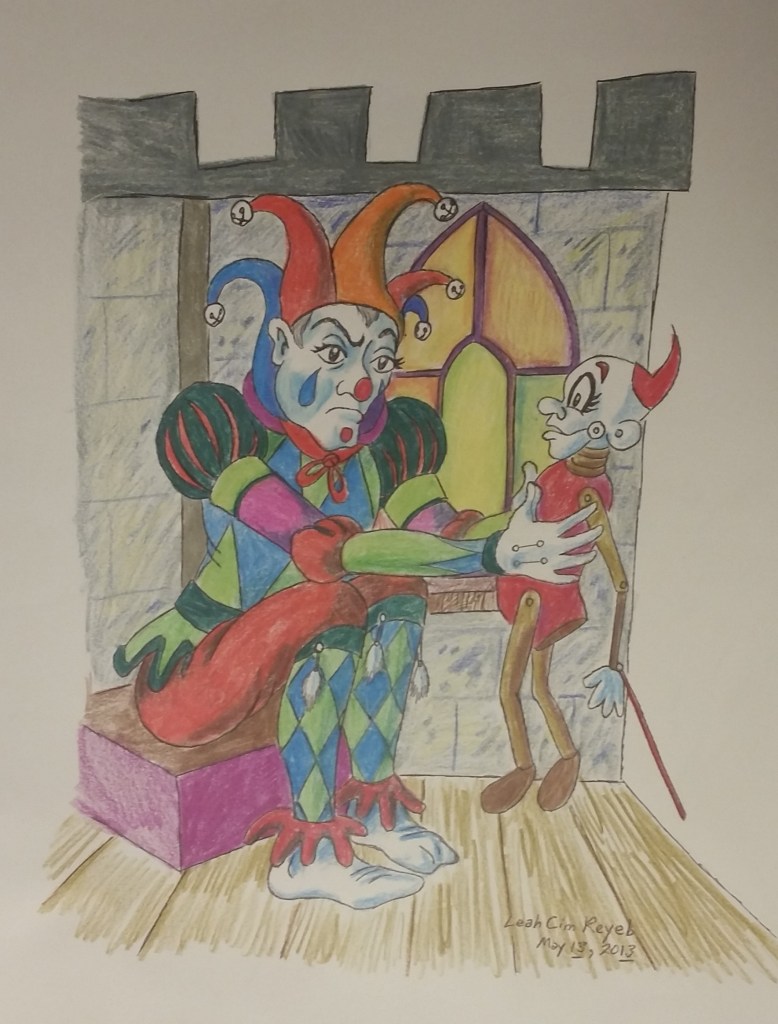
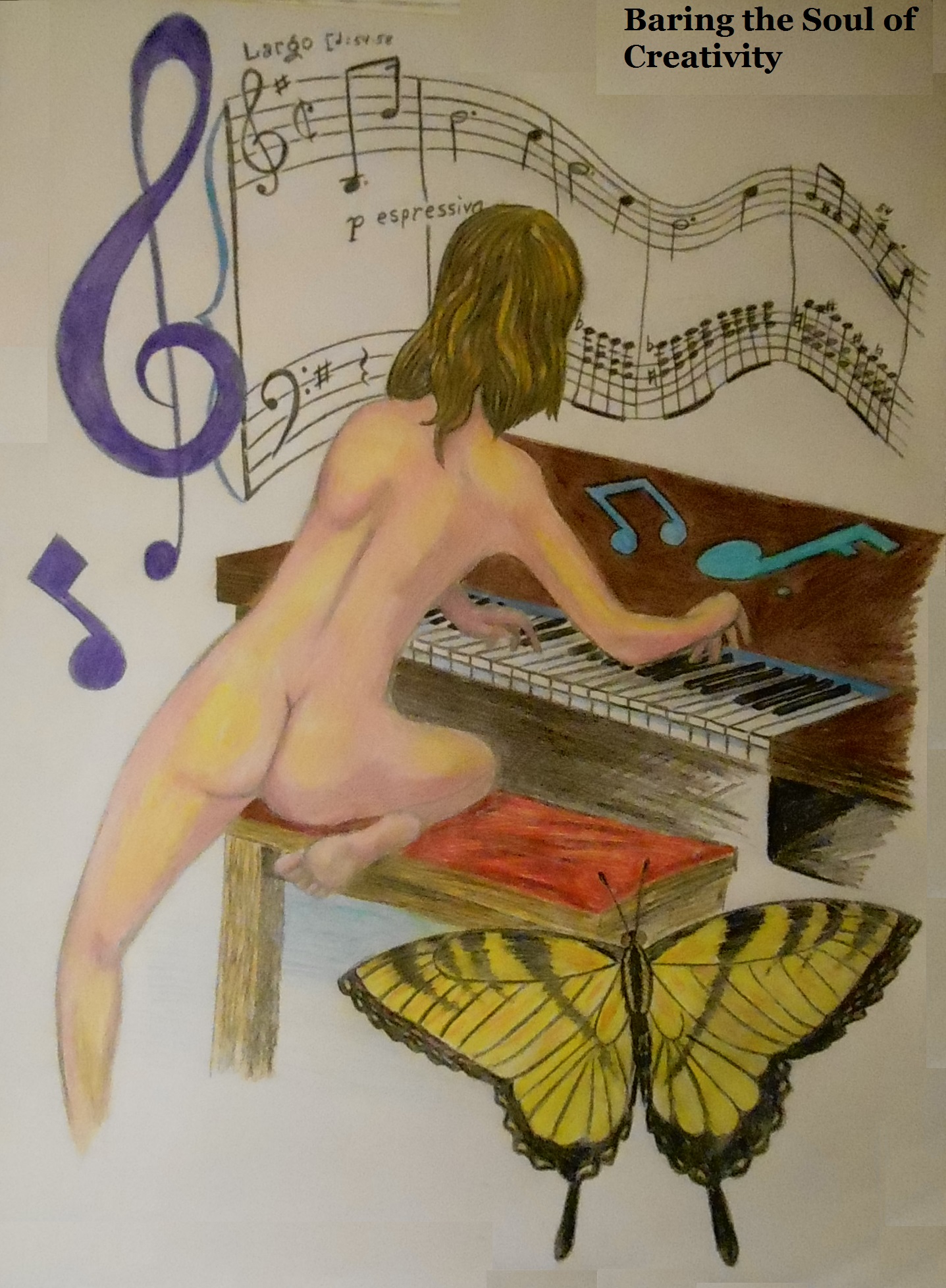
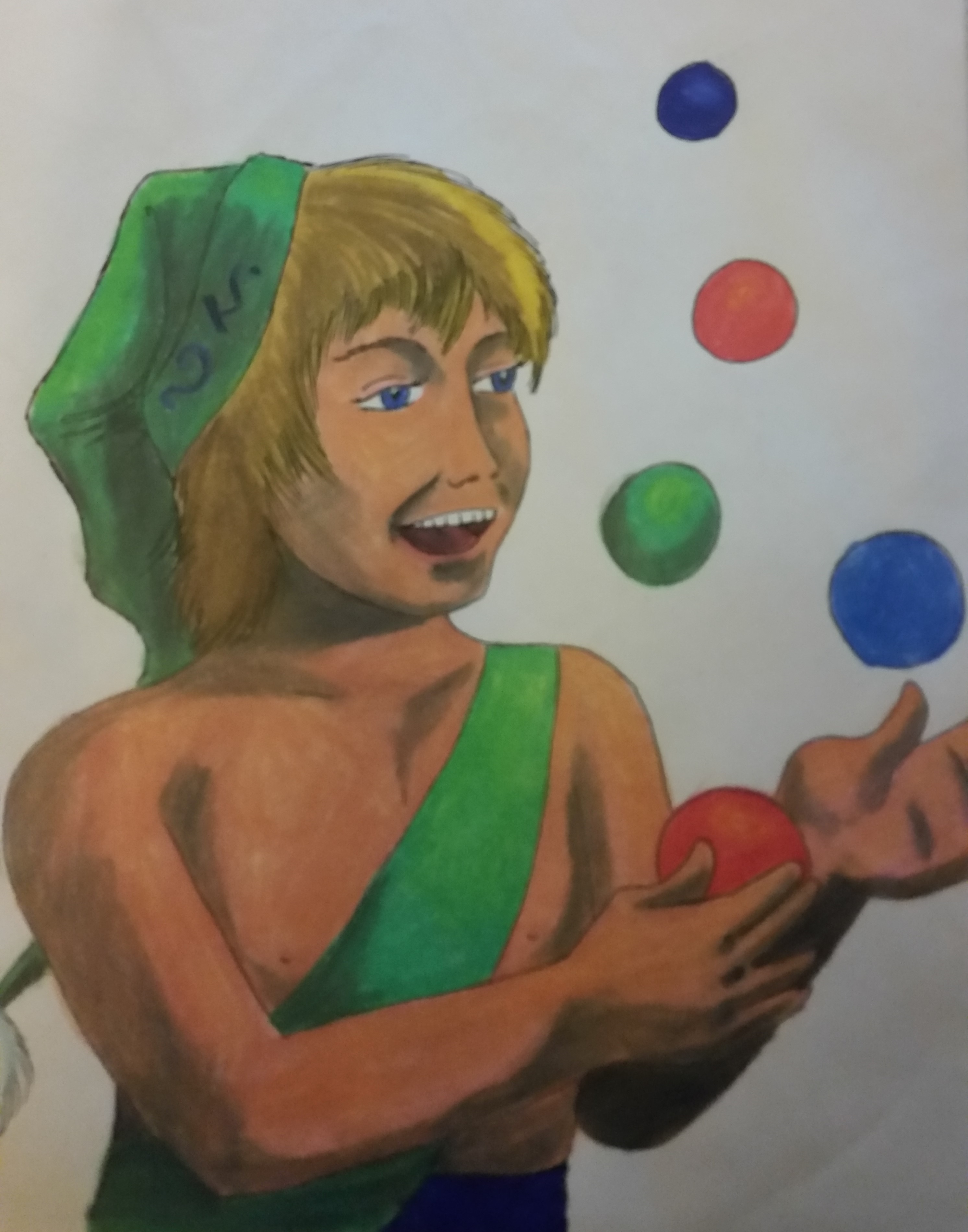
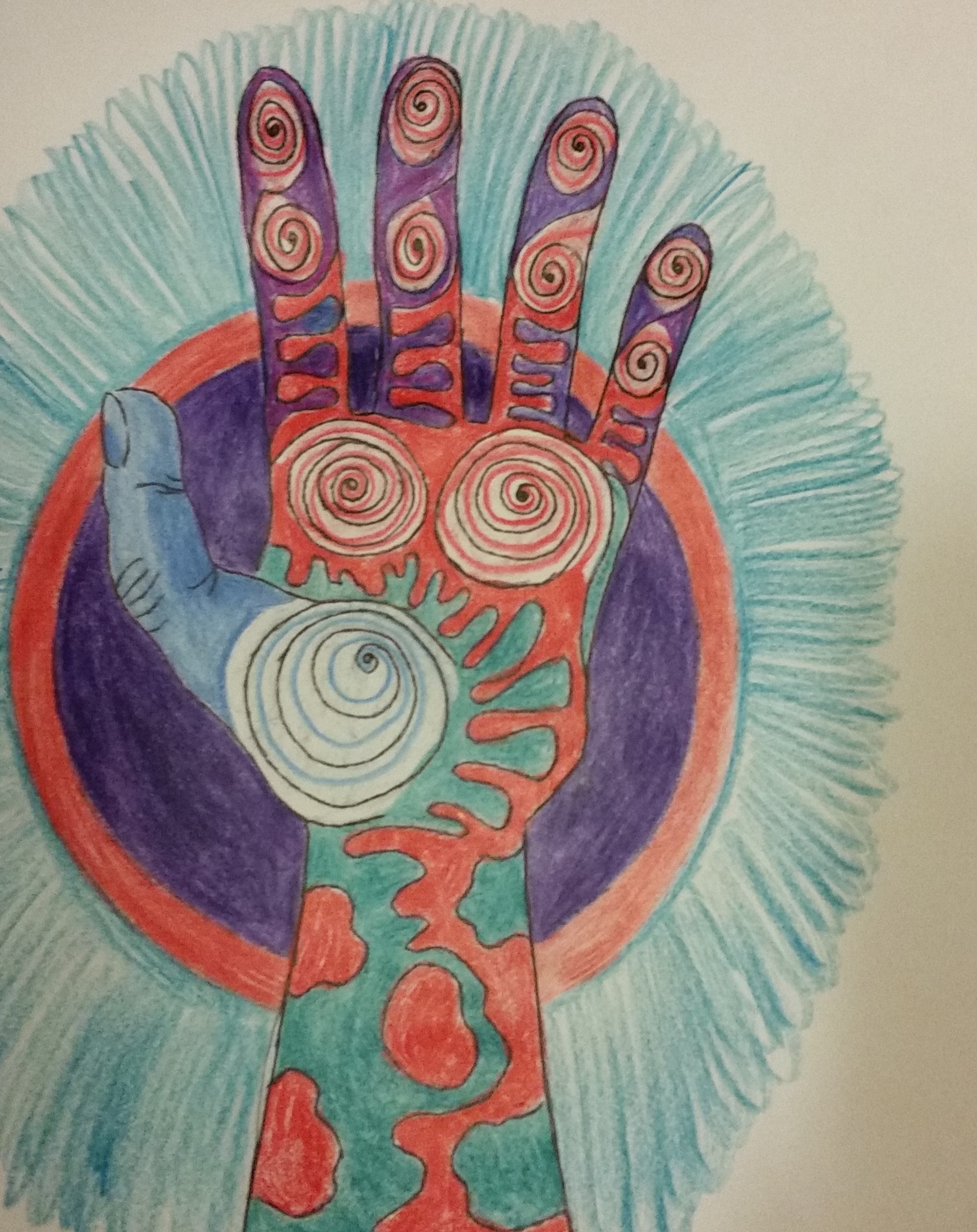
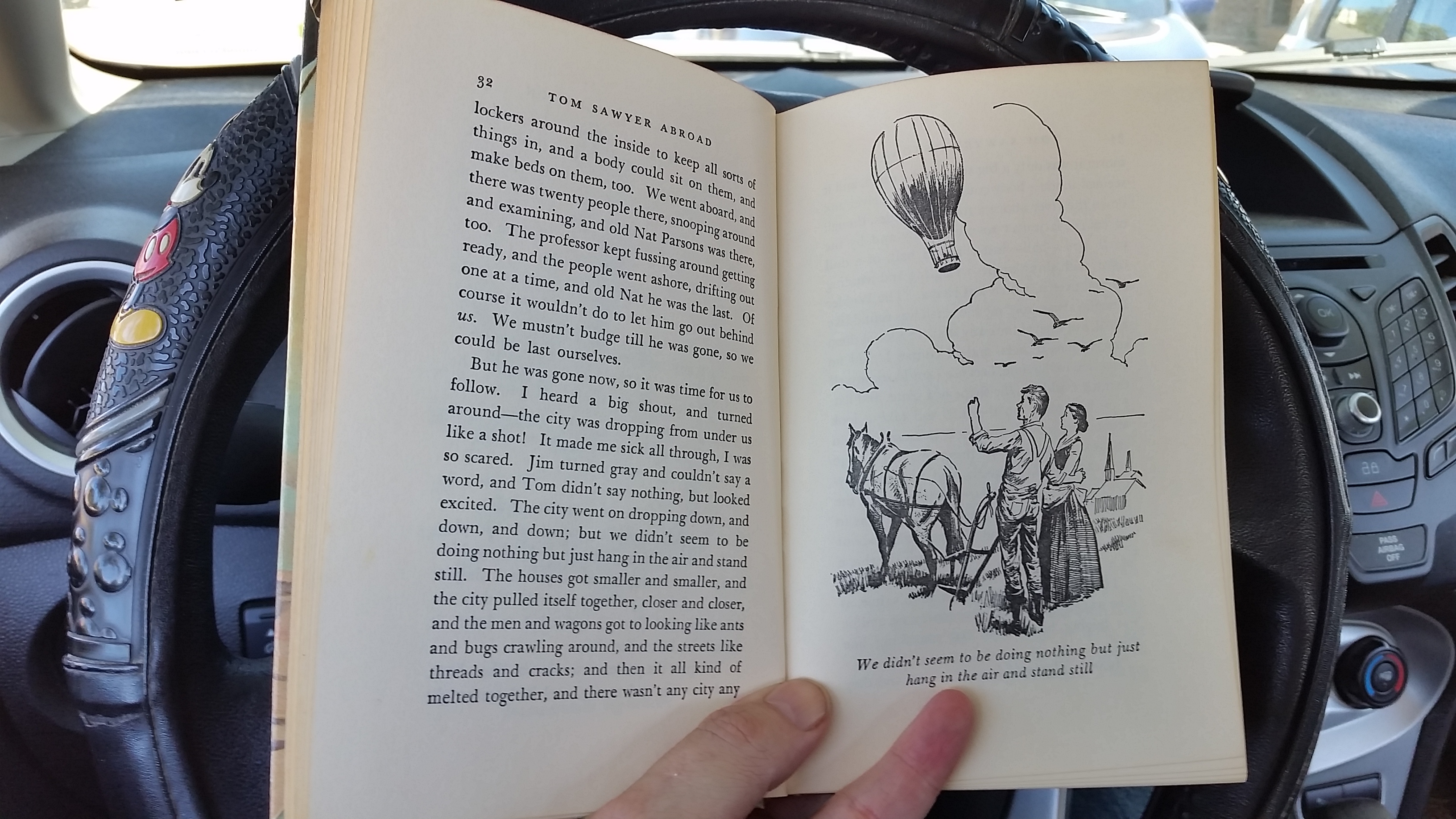
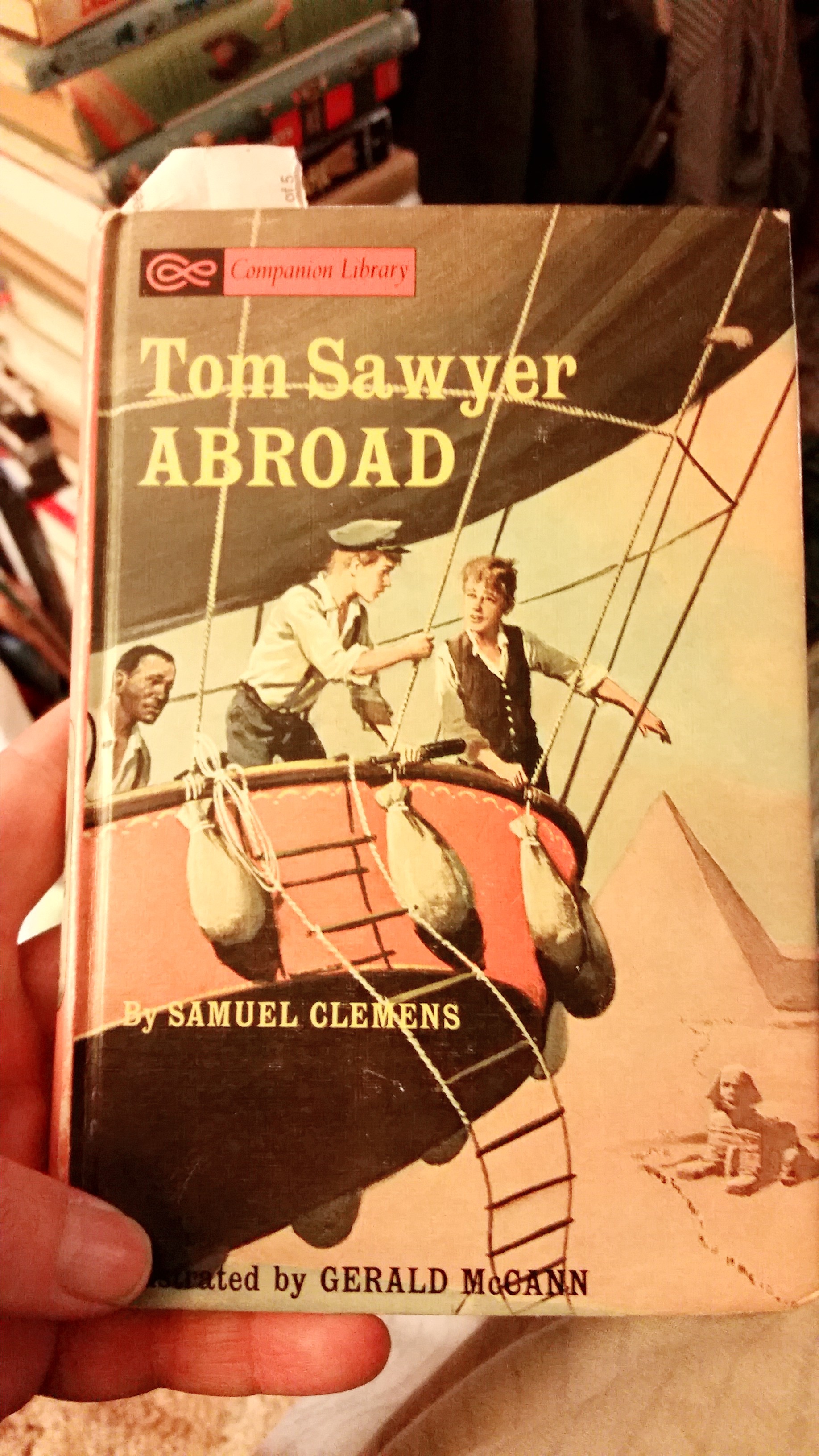
 Catch a Falling Star
Fascination
I am falling apart. My health is poor and continuing to fail. My memory is suffering from an inability to remember the names of things. I find myself in the kitchen having gone in for a specific purpose, and not being able to remember what that purpose was. That is not to say I am not coping. I have quite a lot of adaptability and significant problem-solving skills. But that will eventually become a losing battle. Especially if I get the virus… any virus. So, what am I going to talk about with a dissolving brain and an hourglass of lifeforce swiftly running out? Fascination. I am fascinated by the details of the process. Like Mr. Spock, I find practically everything, “Fascinating!”
Birds and butterflies
My childhood fascinations turned into obsession first around natural things. When my mother would go to Vey Osier’s Beauty Salon, Vey had this fascinating parrot that was probably a hundred years old and knew how to swear really, really foully. I remember that being the only reason I was willing to go there and wait for Mom to get her hair fussed up (What my Grandpa Aldrich, her father, used to call it.)
I remember waiting for hours to hear that bird say the magic F-word or the horrible S-word. Or even the zillion other bad words I didn’t know anything about when I was seven. And, of course, I never did. The bird was mute the whole time during who-knows-how-many visits. But I did get to look endlessly at that green parrot’s amazing nutcracker bill that Vey always assured us would snap our fingers off like biting a salted pretzel if we got them anywhere close to the bill.
And when I was nine I was given as a present a plastic model kit of a Golden-Crowned Kinglet (the bird in that first picture). My relatives knew I was a burgeoning artist since my teachers constantly complained about all the skeletons, crocodiles, and monsters I drew in the margins of my school workbooks. So, I had a plastic bird to paint with all the necessary paints, but no idea what the bird looked like. We had to go all the way to Mason City to Grandma Beyer’s house because we called up there and checked, and, sure enough, there was a colored picture in the K volume of her Collier’s Encyclopedia. I painted it so accurately, the danged thing looked almost alive.
And if you have ever seen any of my butterfly posts, you know I became a butterfly hunter before ever entering junior high school, where Miss Rubelmacher, the rabid seventh-grade science teacher, made that obsession a hundred times worse. (She didn’t actually have rabies, just a reputation of requiring excessively hard-to-find life-science specimens like a nasturtium that bloomed in October in Iowa, or a Mourning Cloak butterfly.
I was able to find for her numerous Red-Spotted Purples like the one in the picture. I got them off the grill of Dad’s Ford, as well as in Grandpa Aldrich’s grove. And I eventually caught a pair of Mourning Cloaks as well on Grandpa Aldrich’s apple trees, though not until summer after seventh grade was over for me. I could tell you about my quest to catch a Tiger Swallowtail, too. But that’s an entirely different essay, written for an entirely different thematic reason.
Needless to say, my bird fascination led me to become an amateur bird-watcher with a great deal of useless naturalist information crammed into my juvenile bird-brain about birds. Especially Cardinals. And my fascination with butterflies opened my eyes to a previously invisible world of fascinating and ornately-decorated bugs. (Of course, I should’ve said “insects” instead of “bugs” since I absolutely did learn the difference.) And I still to this day know what a Hairstreak Butterfly looks like, what a Luna Moth is (Think Lunesta Commercials,) and how you have to look at the underside of the lower wings to correctly identify a Moonglow Fritillary Butterfly.
During my lifetime, my fascinations have become legion. I became obsessed with the comic books done by artist Wally Wood, especially Daredevil. I became obsessed with Disney movies, especially the animated ones like The Rescuers, The Jungle Book, Pinocchio, and Fantasia. I rode the bucking bronco of a fascination with the Roswell Crash (and the actual alien space ships I am almost certain the U.S. Army recovered there.) And so many other things that it would make this essay too long, and would probably bore you into a death-like coma. So, here’s what I have learned by being fascinated with my own fascinations;
2 Comments
Filed under birds, bugs, commentary, humor, imagination, insight