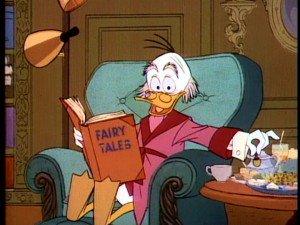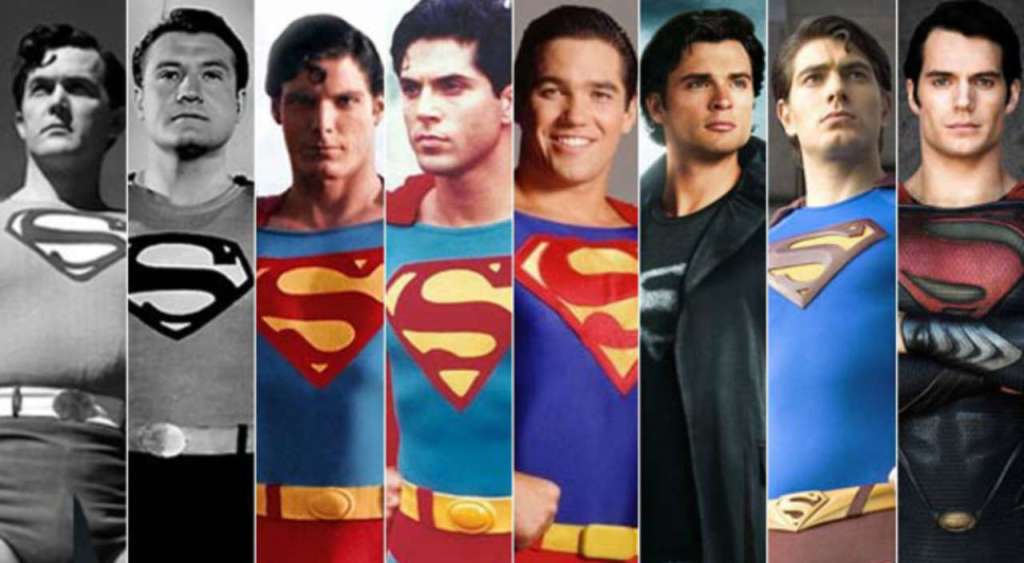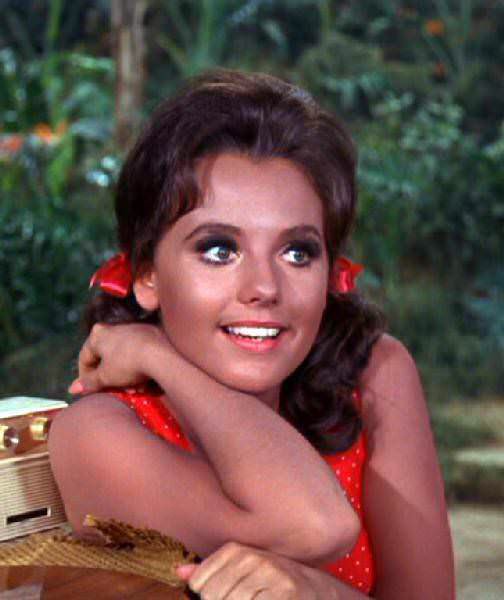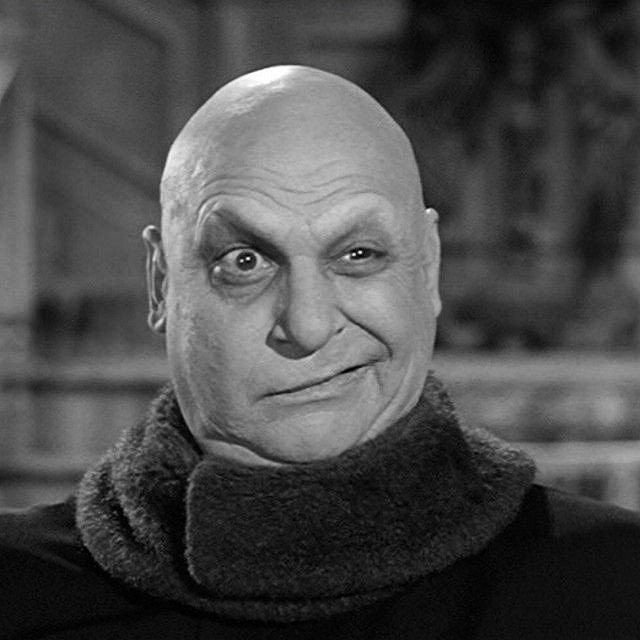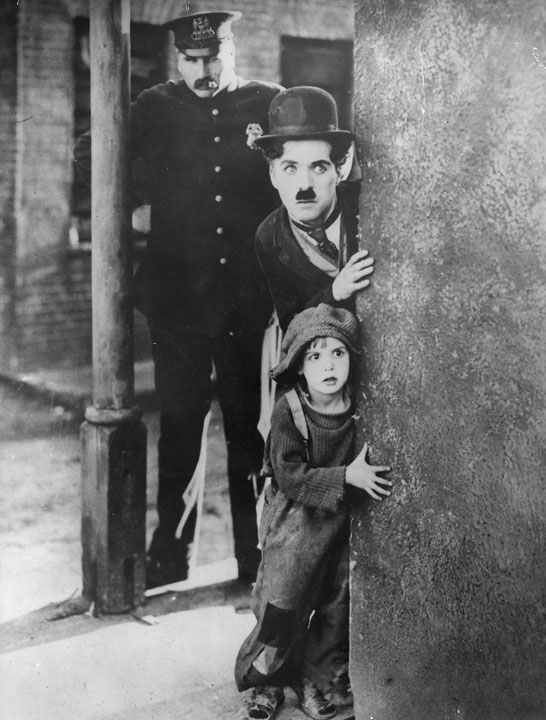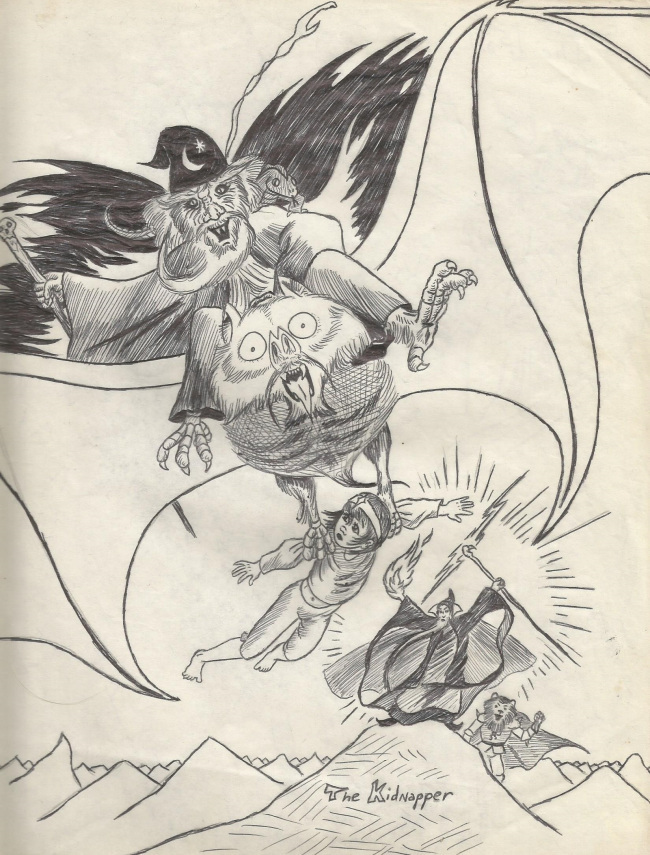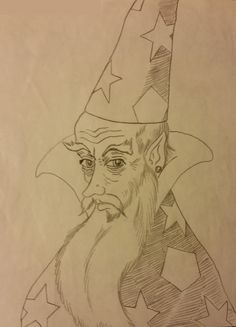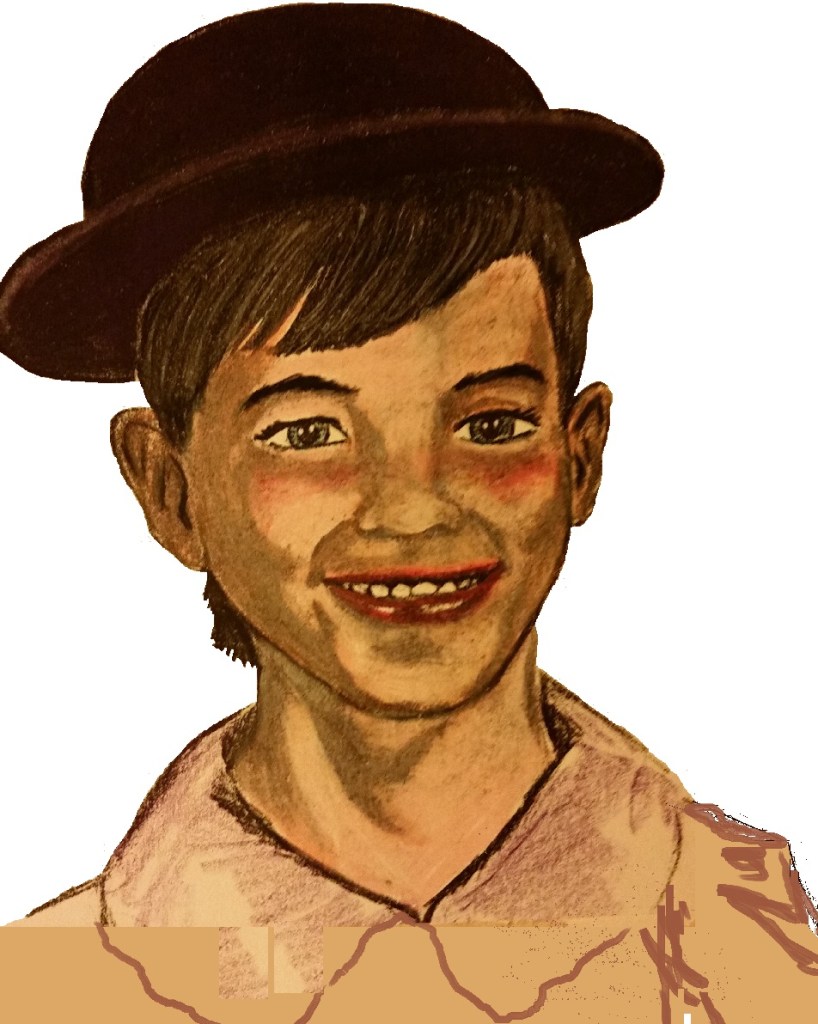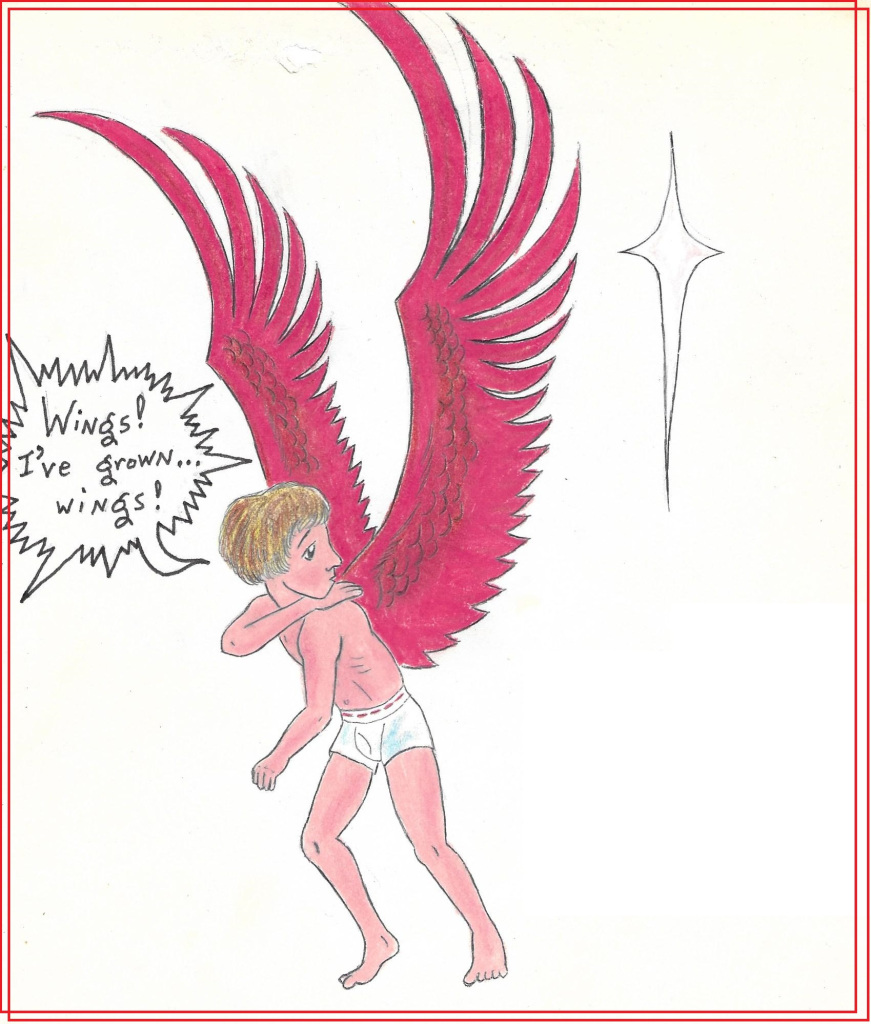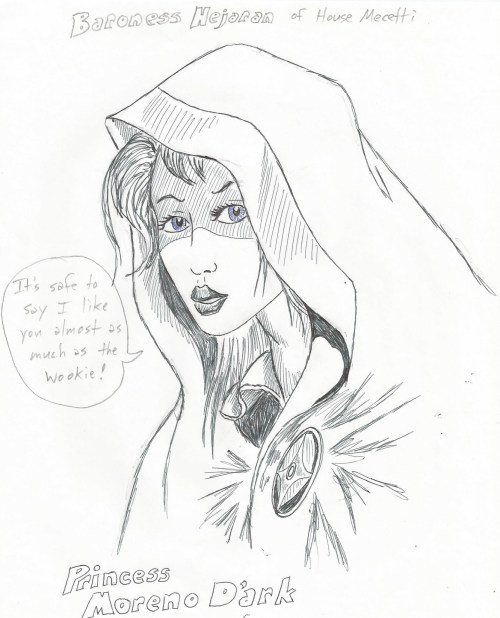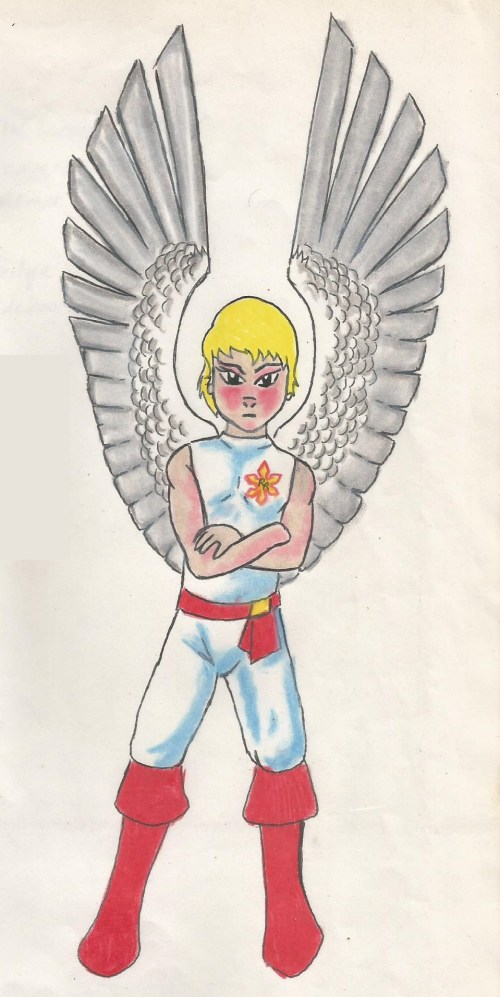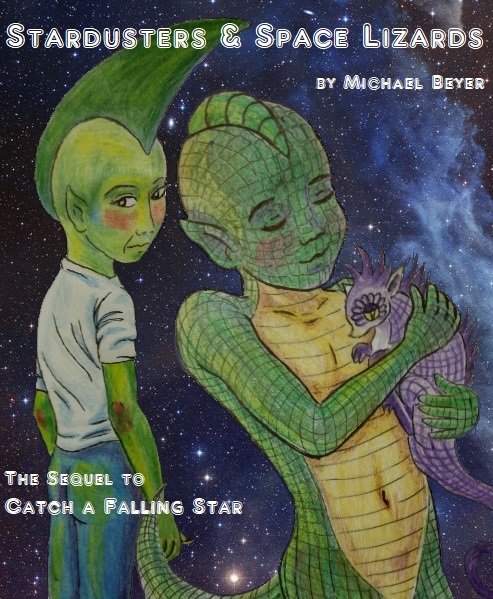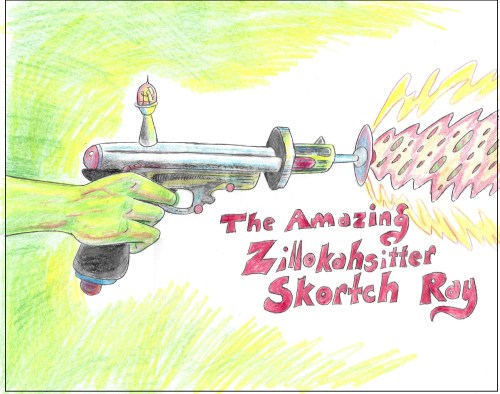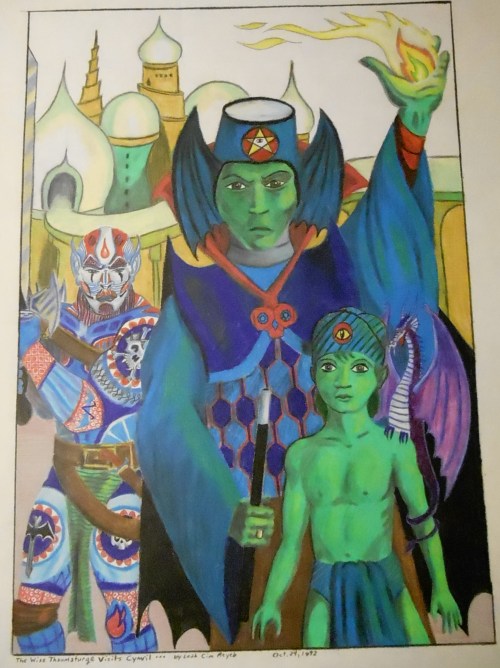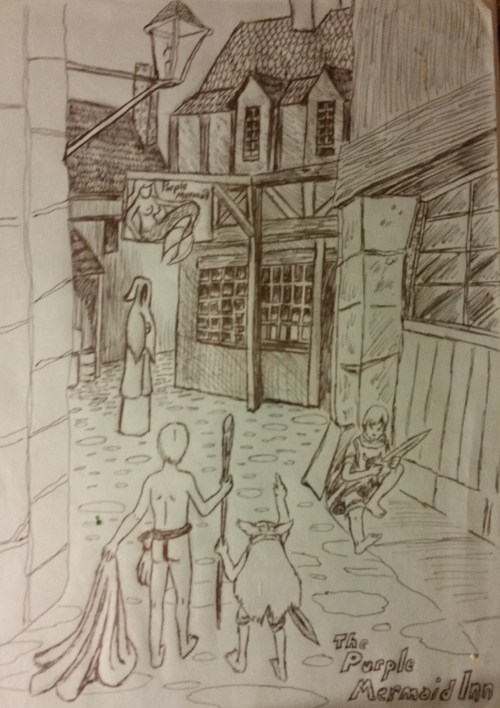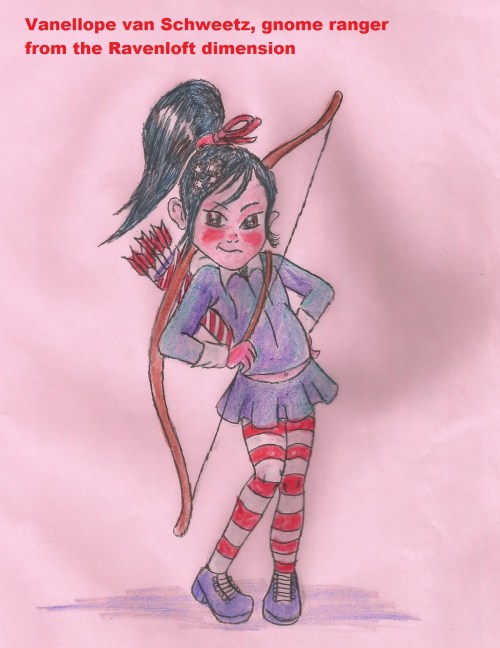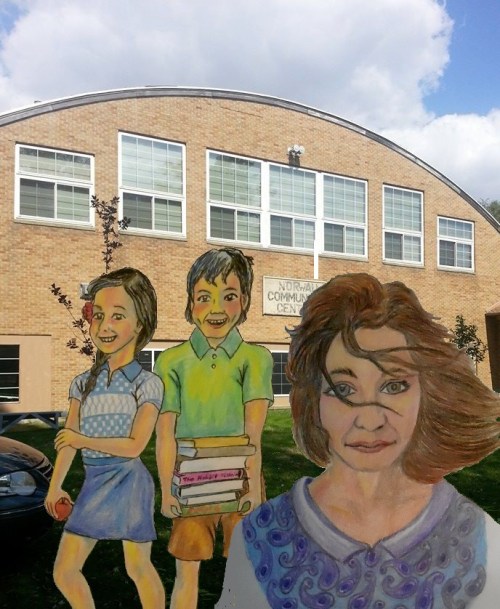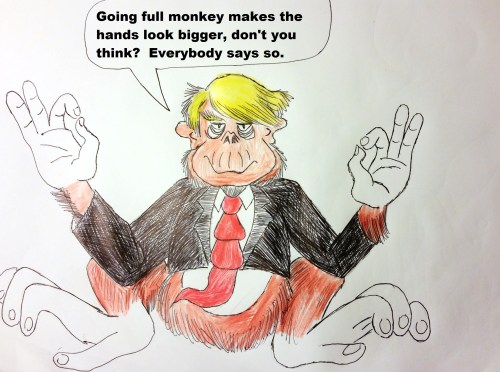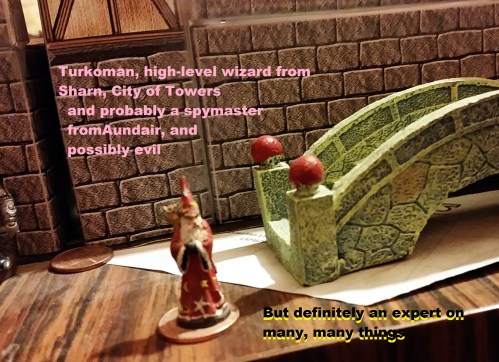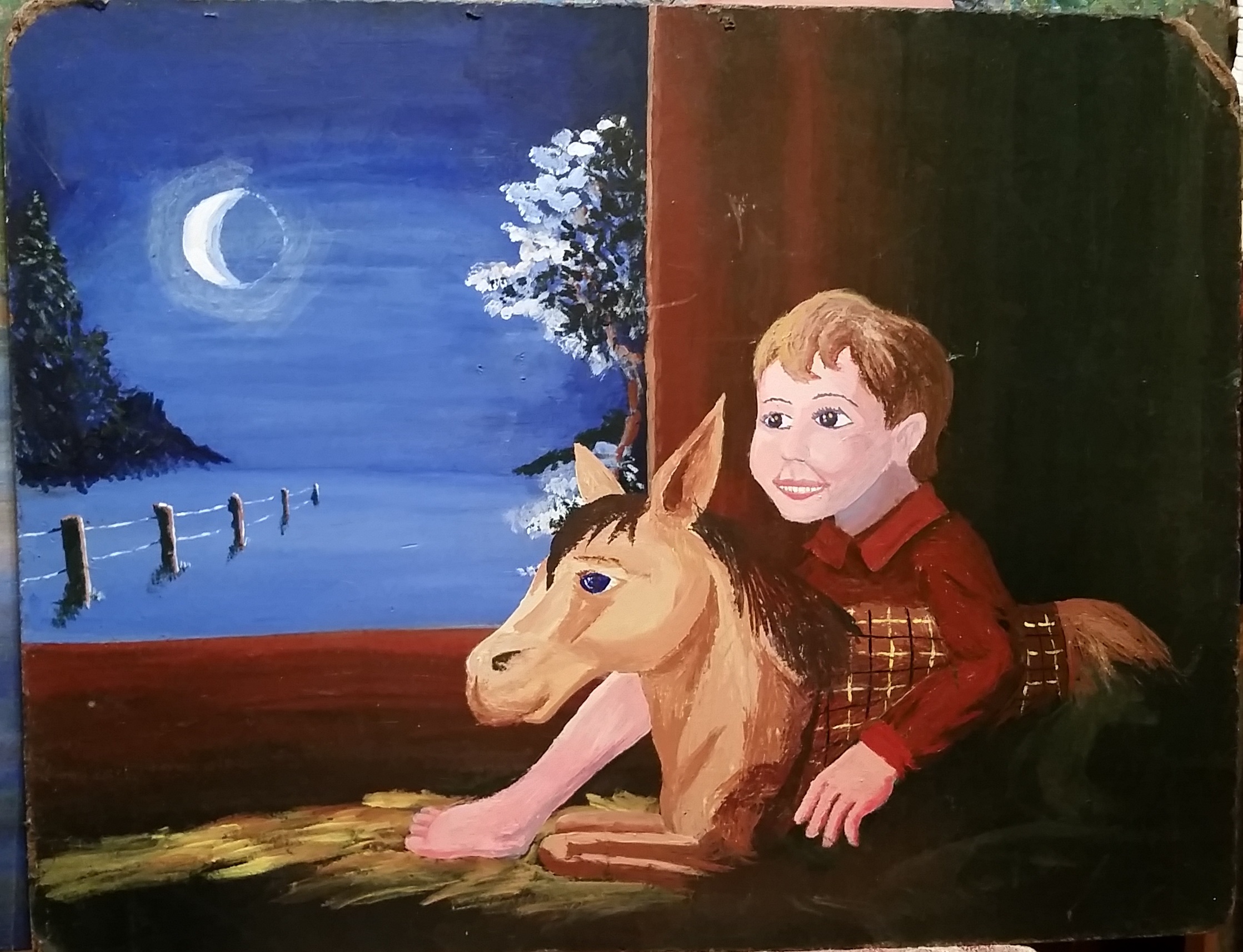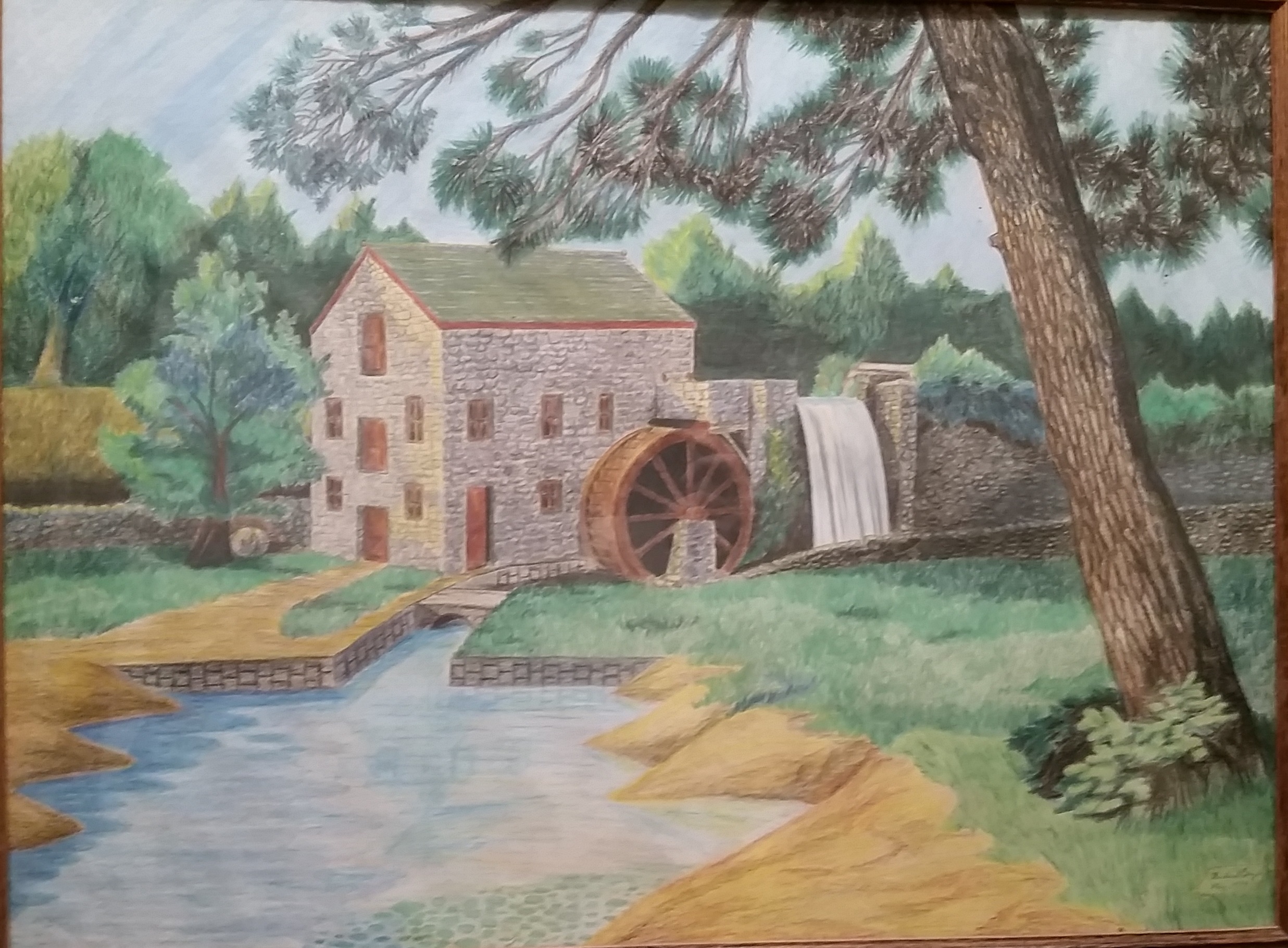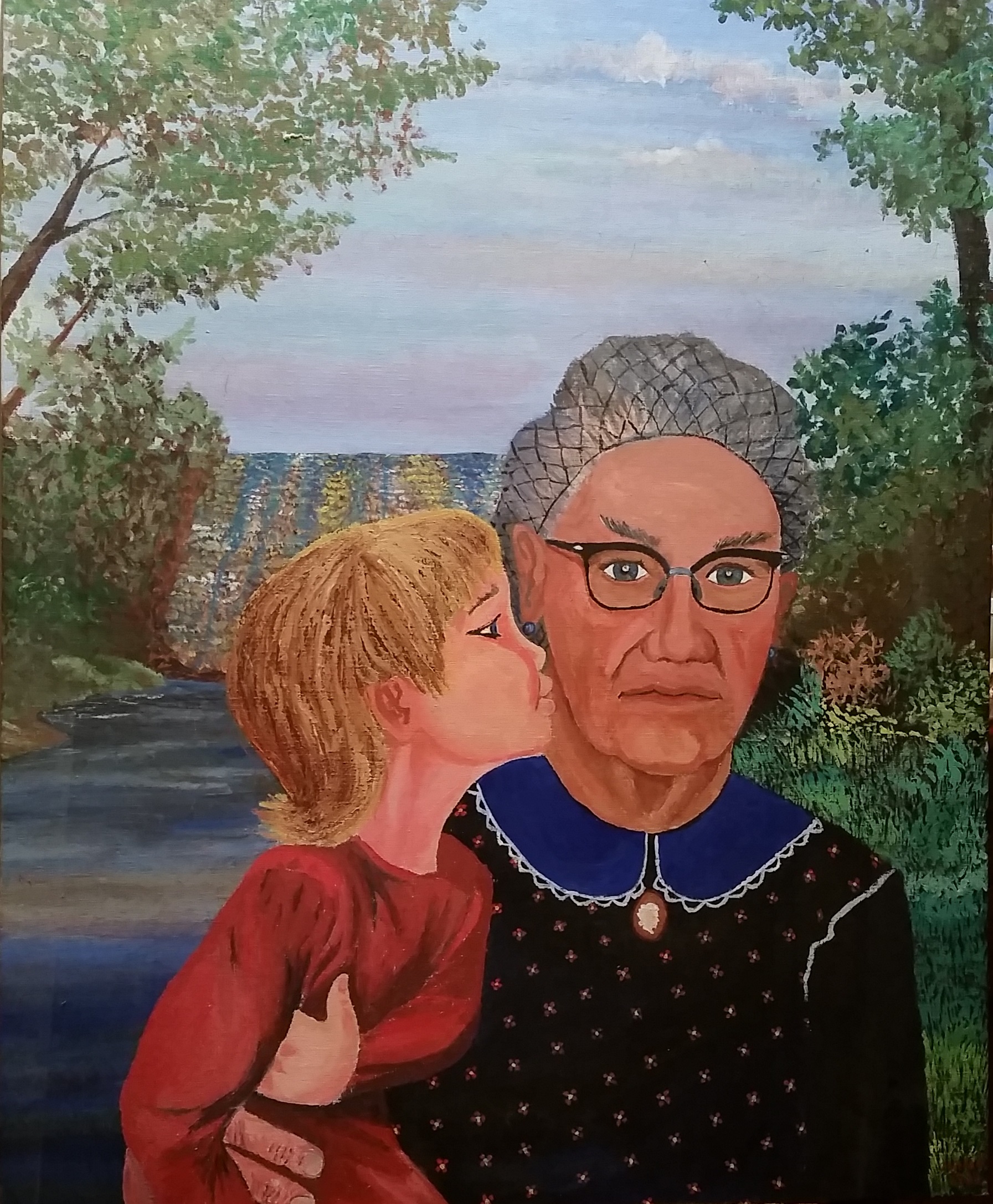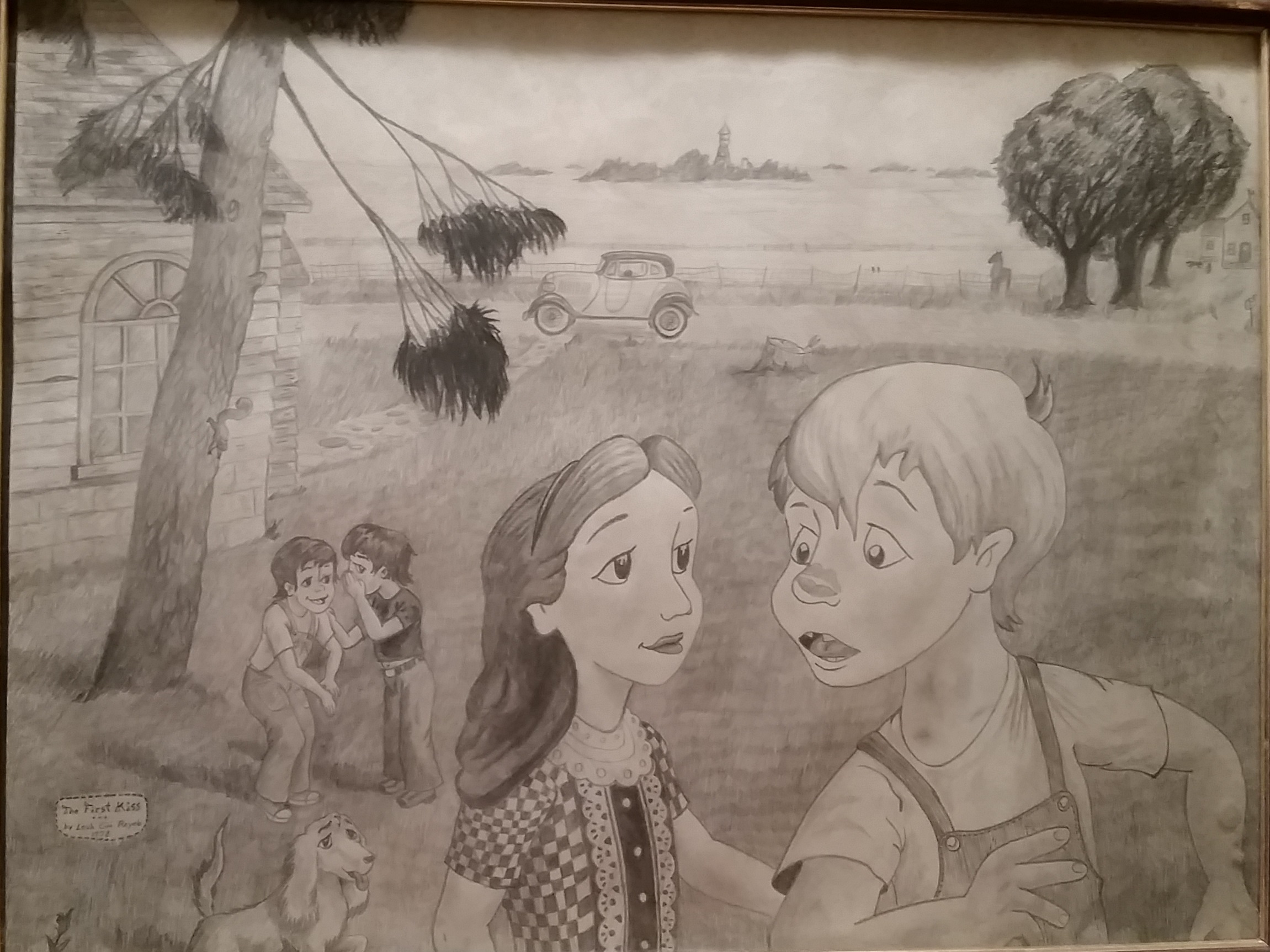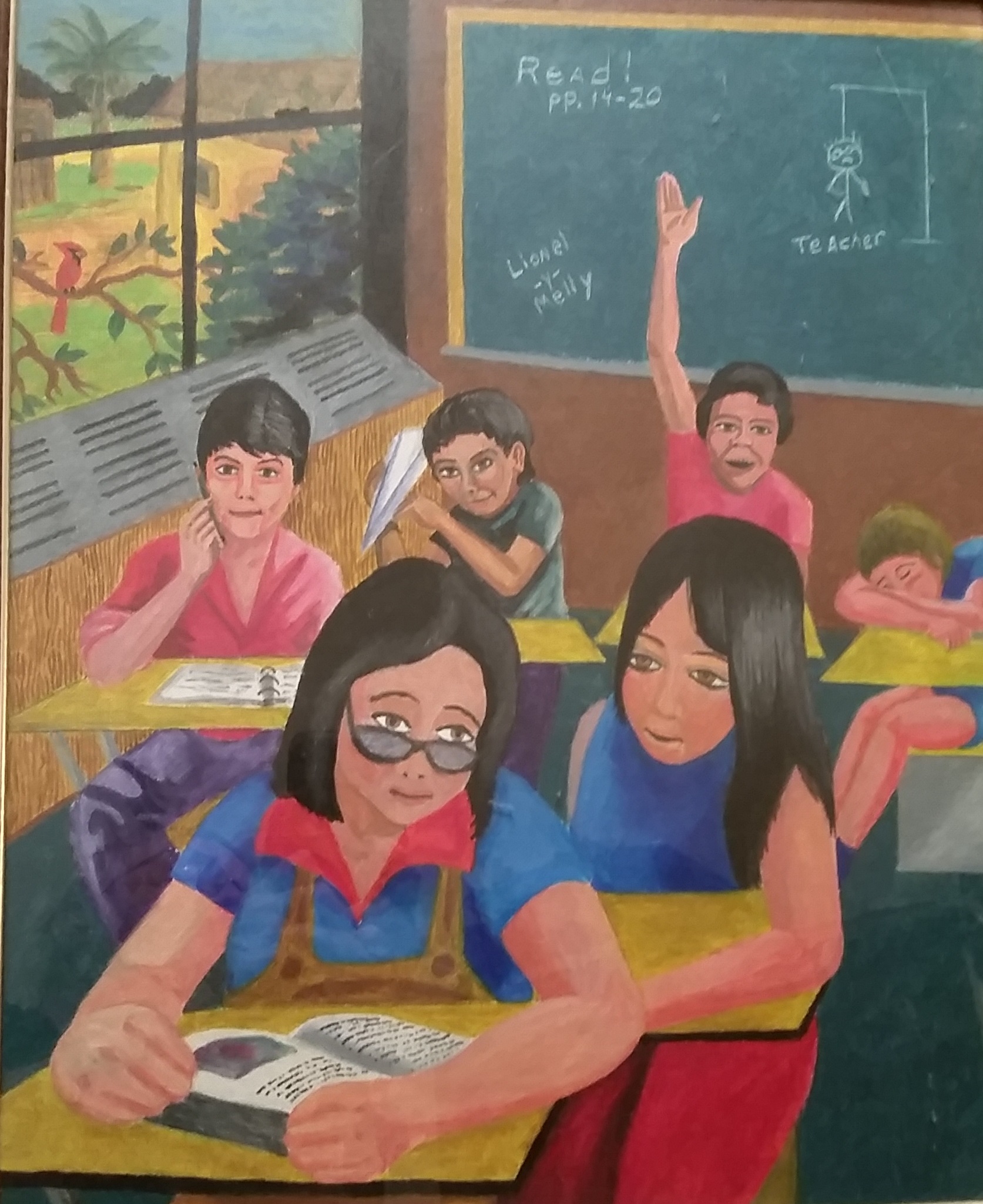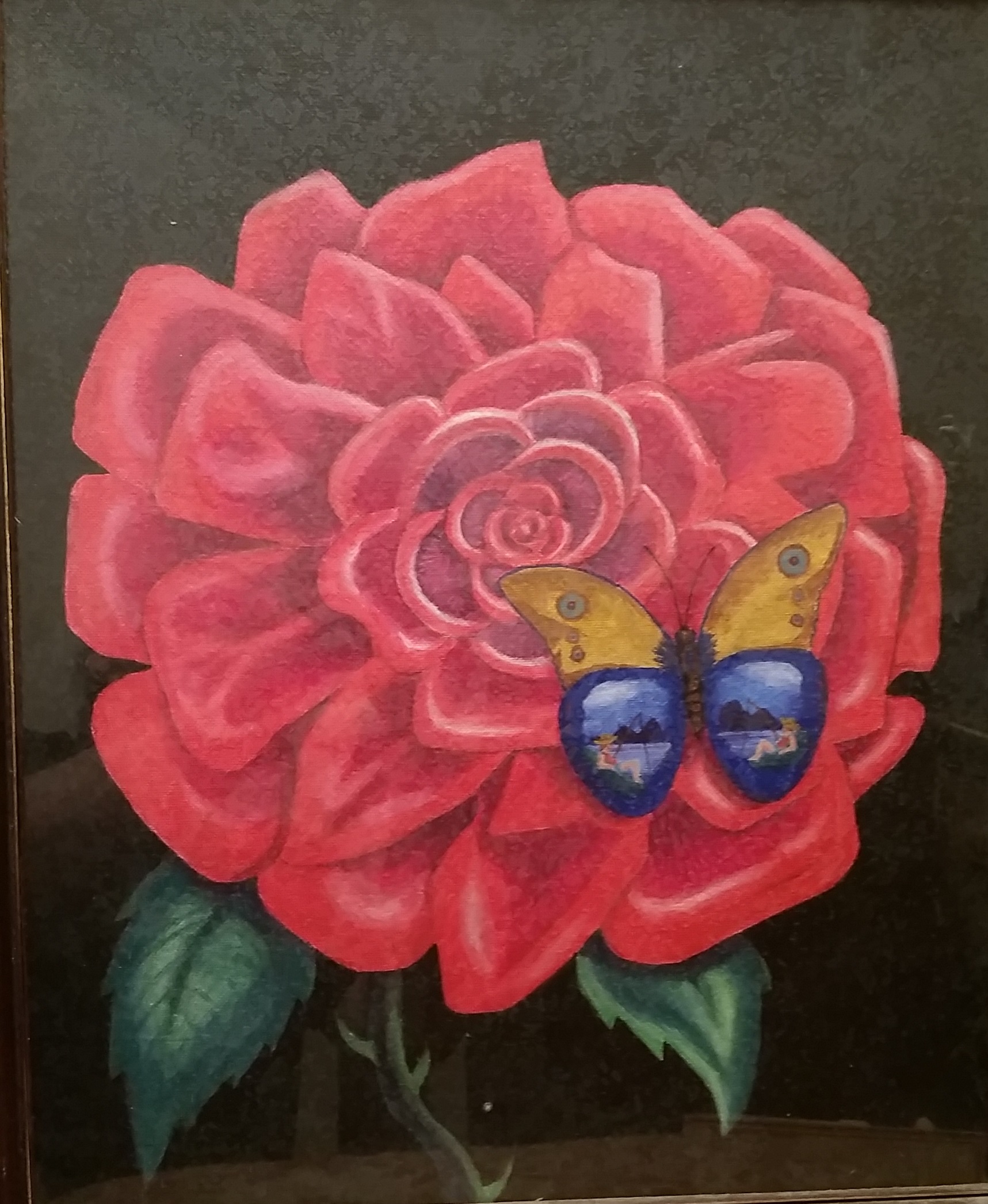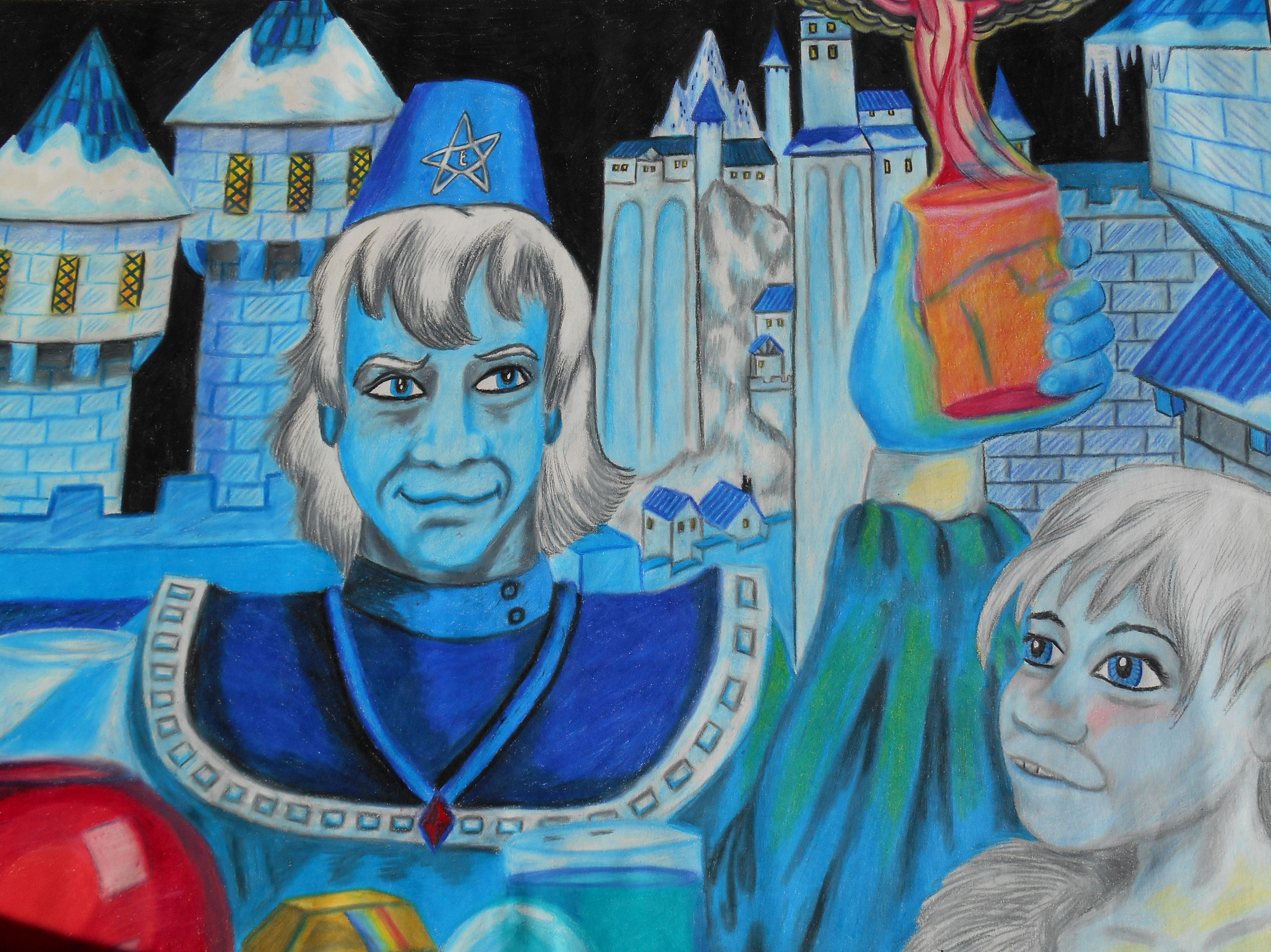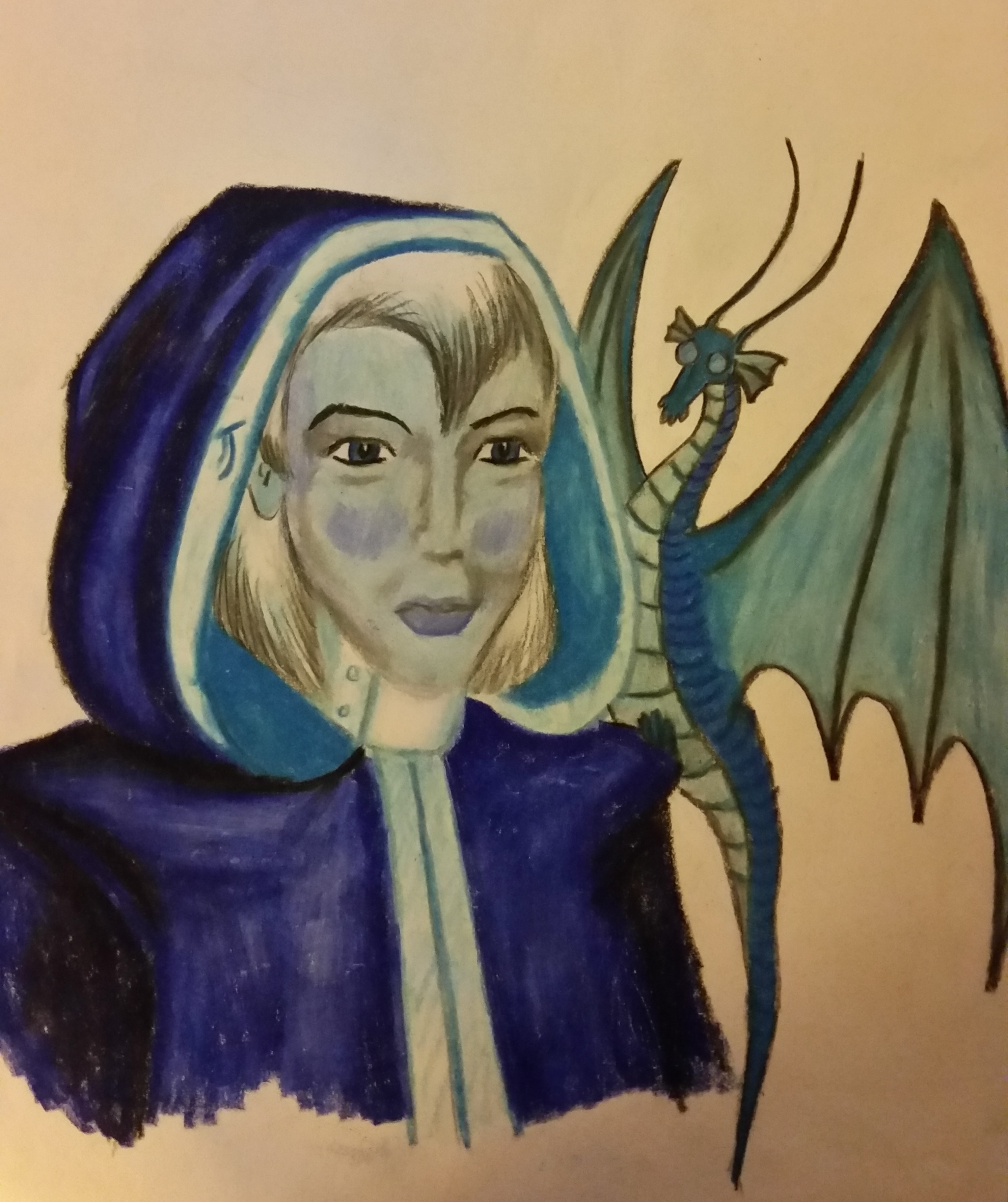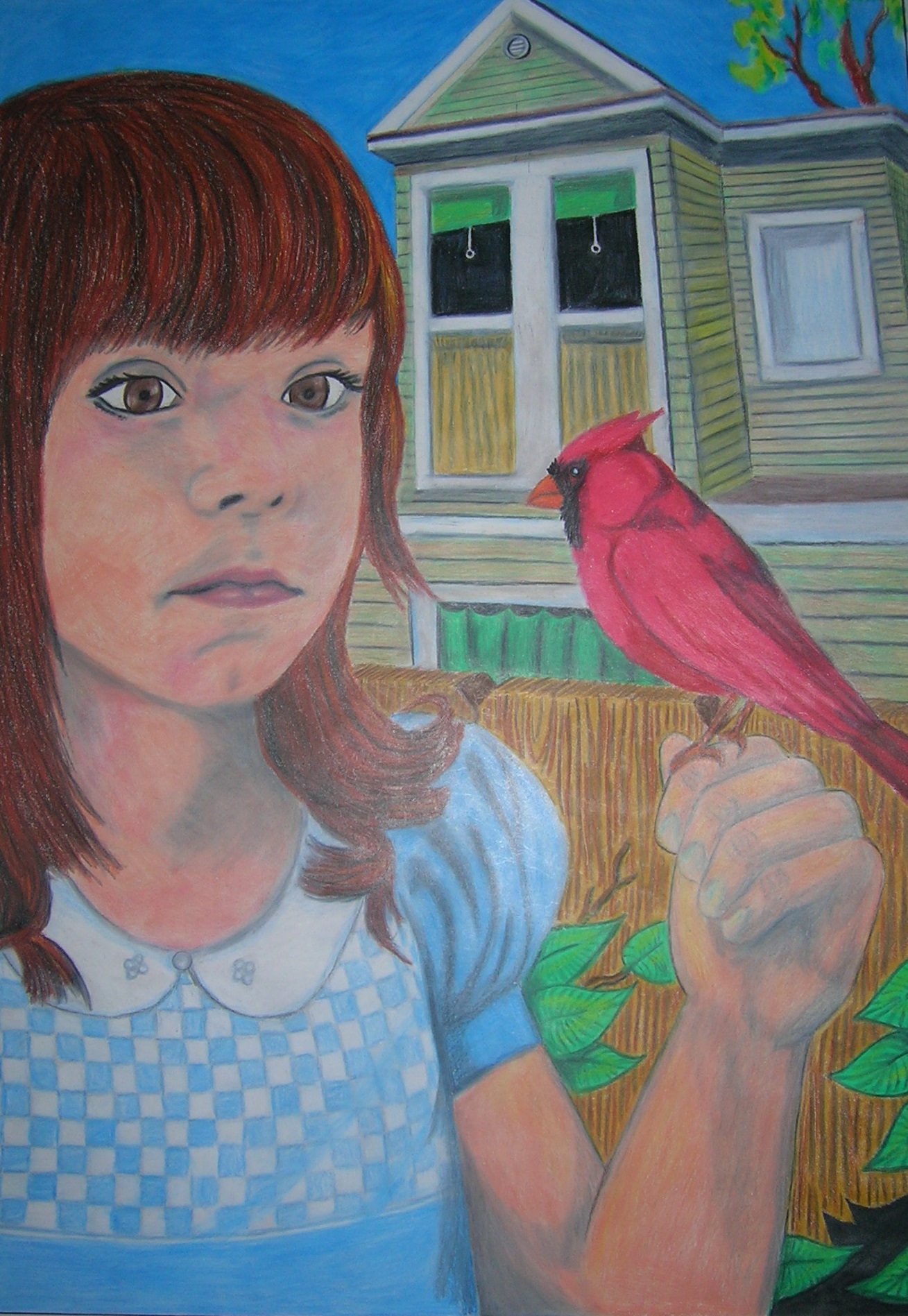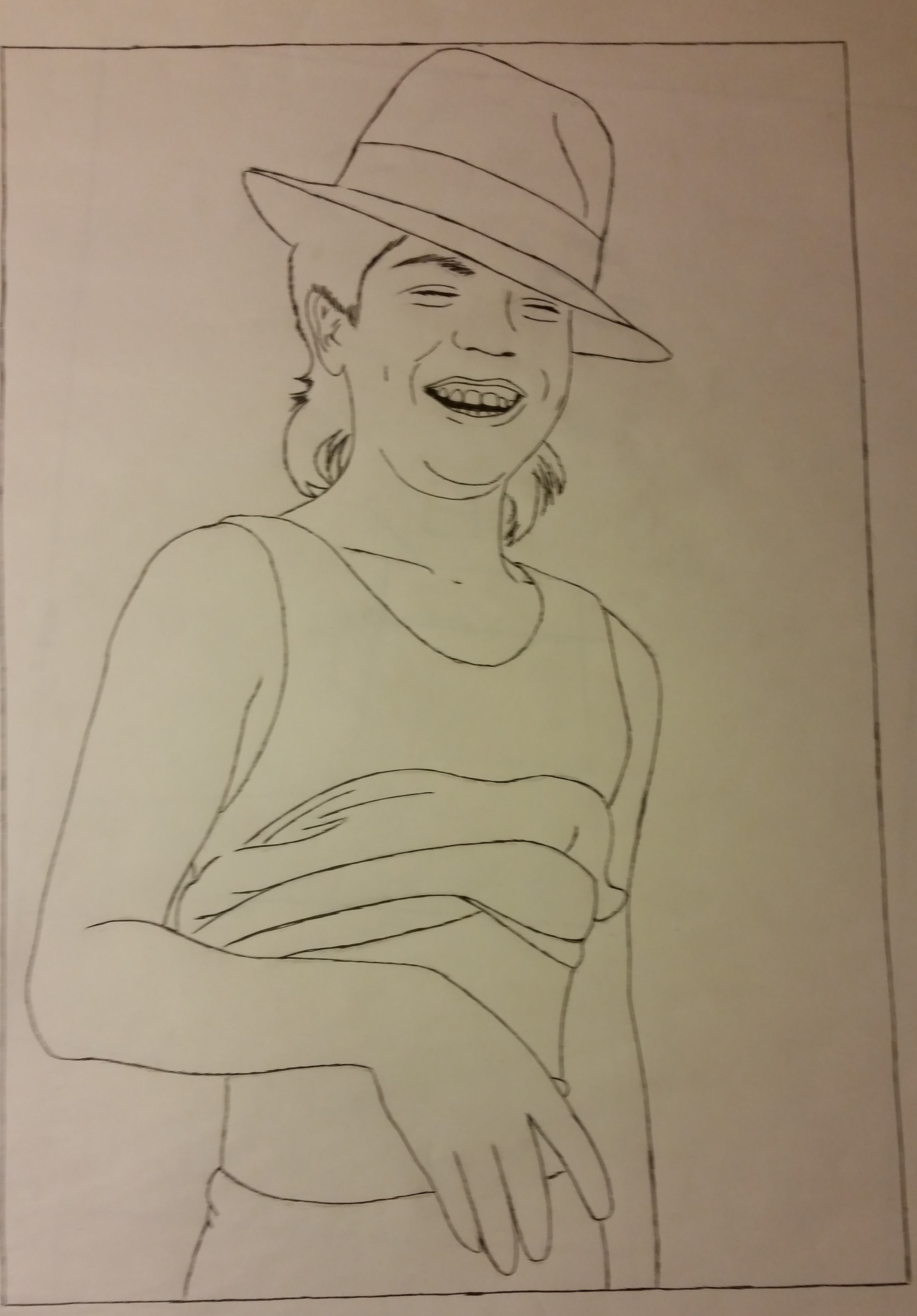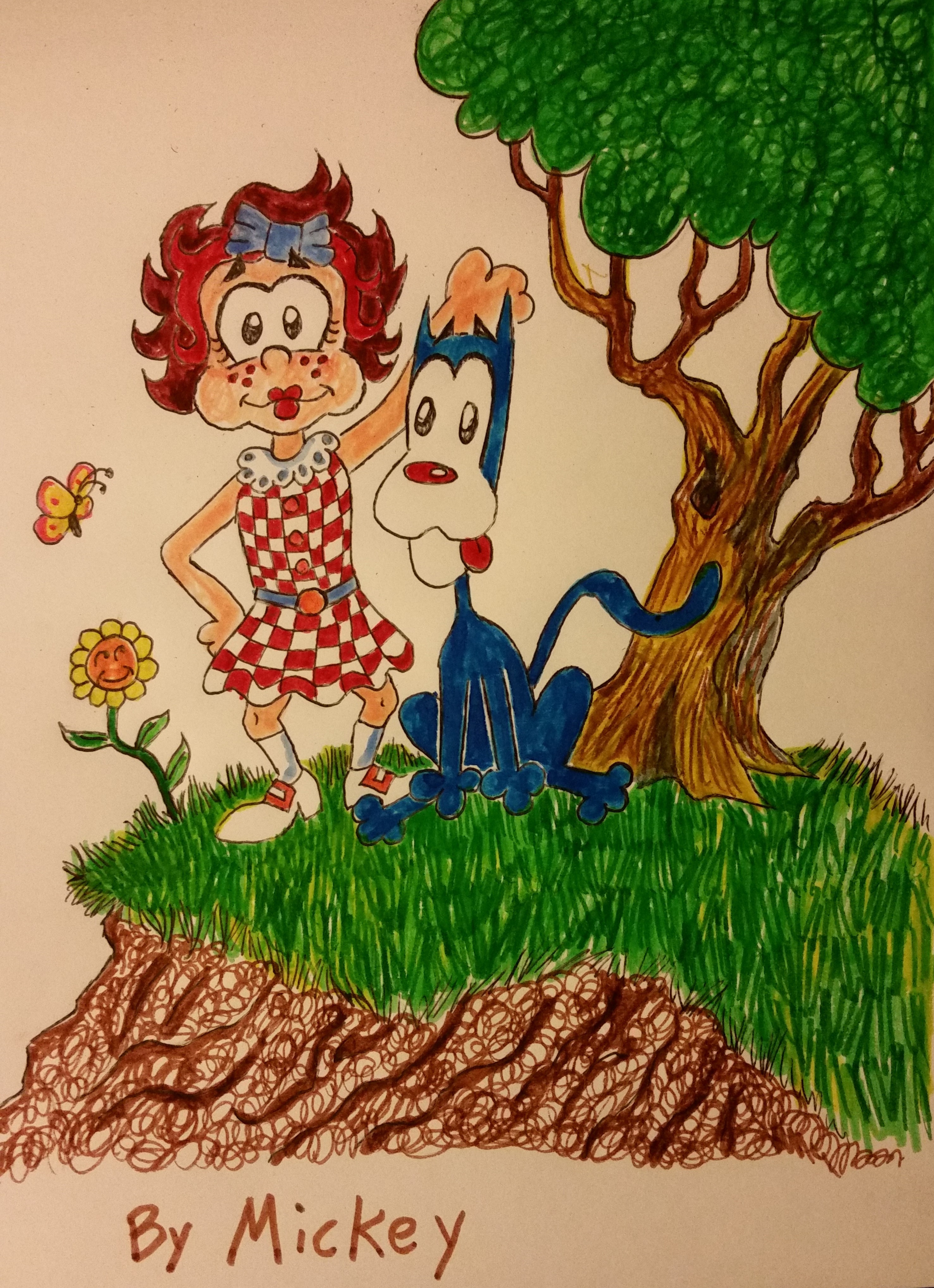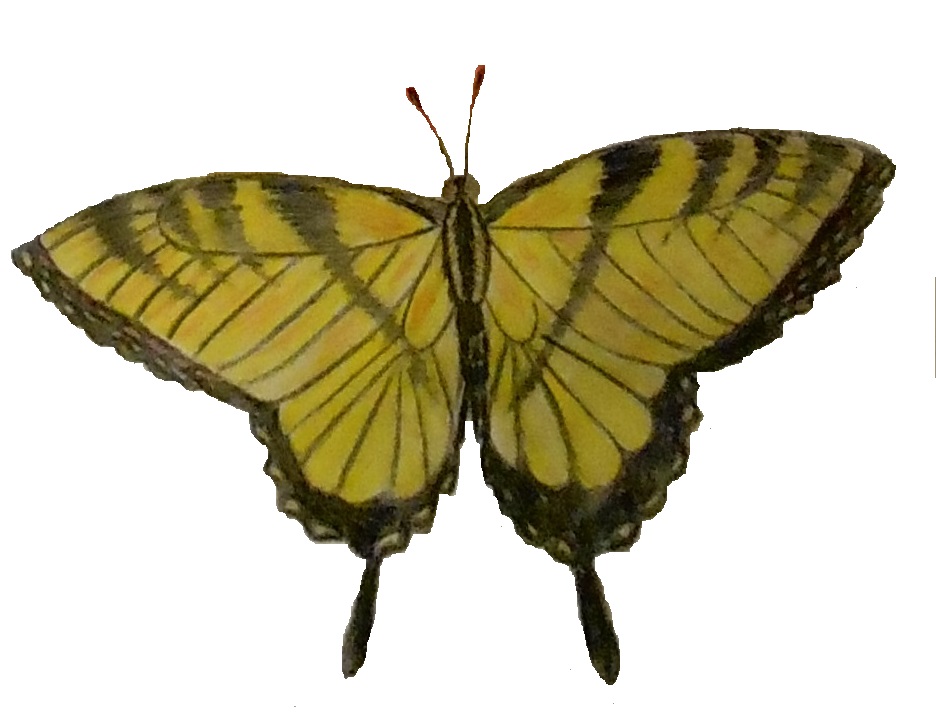
These are the pieces of art and illustrations that are going into the re-writing project of my novel Aeroquest.
I decided to totally rework the novel and illustrate it more fully because it was always supposed to be a science-fiction satire and parody that was more cartoonish than literary.
It is a story about a teacher conquering a space empire. It arose from a science-fiction role-playing game that filled my days in the 1980’s and early 90’s.

It parodies Star Wars, Star Trek, Flash Gordon, Buck Rodgers, Dune, and much more besides. And it includes many of my own wacky inventions about what the future might hold in store.
Here is the original teacher in space and some of his first class of students.
Many of the main characters are based on the actual role-playing characters made up by the boys and young men who played the game with me. Many had to be re-named, however, because, like Tron Blastarr above, they often had movie-character names.
This important character was a parody of Professor X of the X-men, from the comic books and well before the movies.
It was a simple matter to give him psionic powers and transfer him into outer space. Oh, and get him out of the wheel chair too.
The character’s creator was the son of the local high school science teacher.
Ninja powers were a thing with teenage boys in the 80’s.
Combat is an important part of the role-playing game.
We became well-versed on weapons and tactics… and how to manipulate the rolls of the dice… by cheating if necessary.
How else do heroes overcome impossible odds?
Two more player characters that play a critical role in the novels.
Again with the parody characters that came from player-character ideas stolen from TV and the movies.
Aliens are necessary to this kind of story.
I am near to completing this third novel in the series.
The Nebulon aliens, though very human-like, are blue of skin. That is not easy to depict in a black-and-white drawing.
I remember when Scooby Doo, Where Are You? premiered on Saturday Morning Cartoons in 1969. I was thirteen and in the 7th grade. I had been six during the Cuban Missile Crisis of 1962, seven when Kennedy was assassinated in 1963, ten when I was sexually assaulted in 1966, and still twelve when Neil Armstrong walked on the Moon in the Summer of 1969. I was obsessed with monsters, horror comics, 20,000 Leagues Under the Sea, and the Pirates threatening Jim Hawkins in Treasure Island. I knew what fear was. And I was mad to find ways to combat the monsters I feared.
Don’t get me wrong. I was under no illusions that Fred, Daphne, Velma, Norville “Shaggy” Rogers and Scooby Doo were the answer to all my fears as viable heroes and heroines. They were goofballs, all of them, based on the characters I vaguely remembered from The Many Loves of Dobie Gillis. I was aware that Shaggy was just Maynard Krebs in cartoon form (the hippie character portrayed by Gilligan’s Island actor Bob Denver.)
One of the critical things about the show for me was the fact that there was a rational explanation for the monsters. They were men in masks, special effects and projector tricks, or remote-controlled mechanical things.
And the way you overcame them and saved the day was by having Shaggy and Scooby act as bait, cause the traps to get sprung at the wrong time, and then fall on the villains, trapping them under the butt of the talking dog.
Villains and horror could be overcome by laughing at them. They were more likely to be clowns than carnivores. And even if they were carnivores, the teeth were not real.
There was a universal truth in that. Danger and horror and fear were easier to handle when you could laugh in spite of those things.
And to top it all off, those meddling kids and their stupid talking dog were with me my whole life. Those cartoons got remade and spun off so many times that my kids learned to love them as much as I did. And those four meddling kids and that talking dog are still making new stories even now.
What makes people visit your blog and maybe even click “like”? I should tell you up front, I have no idea how best to navigate the crazy internet. I want to. I have a book to promote. I have ideas and experiences to share. I am a writer and I would like to make something more than excessive heartache out of being one. But how you actually go about it is still a mystery.
I know what I surf the internet for. I like artwork, especially original artwork. That is why I try to post as much of my own stuff as I can. I am an amateur artist, self-taught with a little bit of college art classes, contact with real artists, and a lot of TV Bob Ross. I surf to find other artists whose stuff catches my eye. I post about artists like Loish, Maxfield Parrish, Paul Detlafsen, and Norman Rockwell. I go to sites like DeviantArt (Example at this link) and follow artists like James Brown and Shannon Maer on Facebook. I help promote their work by sharing as often as I can. Do I worry about copyright violation with my artwork? No. I am long past the point of making a profitable career as an artist. I like having people see my work and if someone decides to claim they are the artist instead of me, I have the real originals and even some pictures of work in progress. The Big Eyes thing will not happen to me.
So sharing pictures seems to matter. I got lots of hits from the monster picture post because I used a lot of monster-movie images that people normally search for on the internet. Pictures of pretty girls work too. It doesn’t seem to matter if I drew them or if they are a picture of a relative, those pictures pull people in too.
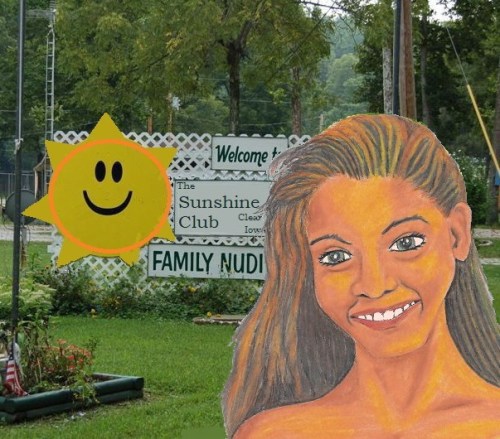
Pictures of photogenic nieces aid my blogging popularity in a rather noticeable way.
Yes, I do believe I have just intimated that Minnie Mouse is my niece, a daughter of my sister-in-law. Lying is part of blogging. You have to put spin on things and make people understand the things they want to understand more than you need them to see what is really true in the empirical sense.
Being able to put the words “nude” or “naked” in titles or in the tags brings in more views too. Those words get lots of hits on search engines and some of the people who visit my blog looking for that actually read what’s posted. Just because an idea is a little bit naughty, it doesn’t mean only perverts and bad people respond to it.
This is a picture of Rowan Atkinson as Mr. Bean. It is NOT a picture of me.
And it doesn’t hurt to be a little funny now and then. Humor is something I look for in the posts of others. I try to be funny in my posts too… though whether they are hah-hah funny or merely eeuw! funny is debatable. Much of my humor is only intended to raise a smirk or half a smile. I am most satisfied when I make you think, “heh, that’s right, isn’t it.”
This is Millis, not me. He was an actual rabbit that was turned humanoid by a scientist’s experiment with alien technology.
So why is this post called Stuff That Works if, as I am claiming, I really don’t know anything about how blogging works? I may have been a little less than truthful when I made claims. Or maybe I was claiming with a little bit of “tongue in cheek”? I hope I have demonstrated that I do know how. The thing I have yet to wrestle with is WHY. So now I have to get busy and work on that.
If there is a Church of Sacred Landscapes then Bob Ross is its Jesus Christ. That is not a sacrilegious statement of bizarre cult-mindedness. Painting is a religion that has its tenets. And Bob Ross explained to us the will of God on his painting show on PBS. All the illustrations used in this post come from the Facebook page Joy of Painting with Bob Ross. All the wisdom comes from things the Master said on the show.
Bob Ross was the prophet of the paintbrush. He would present us with a lightly prepared canvas at the beginning of the show and then proceed on camera to take his brush and palette knife, and all his paints, and create a piece of the world before our very eyes. And he was not Picasso or Van Gogh or even Norman Rockwell. He was not a talented artist, but rather a very practiced one who knew all the tricks and shortcuts to sofa painting, the art of knocking out scene after scene after scene. He could make his little piece of the world in only half an hour, and he made it obvious how we could do the same. His work was not gallery quality… but his teachings were Jesus-worthy.
His work was natural, flowing, and realistic in the random complexity it presented. He took standard paintbrush strokes and pallet knife tricks and made them dance across the canvas to make happy little trees.
His painting methods presented us with a philosophy of life and a method of dealing with whatever mistakes we might make.
And of course, any good religion must take into account the existence of evil.
Bob Ross tells us that evil is necessary as a contrast to what is good and what is true. We need the dark. But we don’t have to embrace it. Bob’s paintings were never about the dark bits. He always gravitated towards the light.
Of course, sometimes you have to beat back the darkness. A good artist takes care of his tools.
Bob Ross admonishes us to look and to learn and love what we see. The man radiated a calm, gentle nature that makes him a natural leader. His simple, countrified wisdom resonates because we need calm and pastoral peace in our lives. It is one of the main reasons mankind needs religion.
So I definitely think we ought to consider building a Bob-Rossian Church of the Sacred Landscapes. We have our prophet. The man has passed away, yet he is risen to paint again endlessly on YouTube.
And if you are willing to try… Bob Ross will smile upon you.
Yes, I admit it. I am a Surrealist. I also hope that it is not too terrible a thing to be. Because I truly think that everyone who was raised by television, and lived through the revolution where computers took over human life, is one too.
a 20th-century art form in which an artist or writer combines unrelated images or events in a very strange and dreamlike way
Full Definition of surrealism;
the principles, ideals, or practice of producing fantastic or incongruous imagery or effects in art, literature, film, or theater by means of unnatural or irrational juxtapositions and combinations
There is a certain satisfaction to be had in knowing for certain how to define oneself. I learned about Surrealism in high school art class back in the early 70’s. I saw and admired the works of Salvador Dali, Rene Magritte, and Max Ernst. And I realized that everything I wanted to do in the Realm of Art, whether it was weird paintings, cartoons, comic book art, or bizarre puppet shows… fantasy, science fiction, or humor… it was ALL Surrealism. Surrealism saturates out culture and our very thinking. We are drawn to watch baseball by the antics of a giant pantomime chicken. Our food choices are influenced by a happy red, yellow, and white clown who battles a blobby purple monster and a hamburglar over shakes and French fries. It is only natural then, that I would want to draw bug-sized fairies who would saddle and ride a red rooster. I have embraced surrealism as a way of life.
I have no trouble writing a poem about the difficulties of life by writing about a game of bowling where you have to roll a moose down the alley into the pins.
Surrealism is all about creating things by lumping all kinds of disparate goodies into the same pot and cooking it up as a stew. It is important that the stew tastes good in the end, so the mixture has to have large doses of reality and realism in it. Dali painted melting watches and boneless soft-sculpture people with almost photographic realism. I am compelled to do that too.
And what is humor, after all, if not lumping strange things together into a reality sandwich that makes you laugh because it takes you by surprise? I don’t shy away from weirdness. I embrace it. It makes life all the funnier.
And why did I put bullet points on everything in this post? Because it allows me to mash bits of wit and wisdom together in a weird way that only seems to have no connection, one to the other, and only seems to make no sense.
Sometimes we just have to look at things sideways.
I was recently accused of being eclectic in my posting topics by one regular commentator. I could wear that word like a badge of honor.
This describes a combination of many different individual elements of styles, themes, mediums or inspirations pooled from many sources. It can refer to musical tastes, dress sense, interior design…many things.
She has an ecletic sense of style, today she wears biker boots, pink fishnet stockings, a pencil skirt, a military jacket, a baseball hat, a my little pony t-shirt and a dunlop bag covered in badges from all her favourite bands from ABBA to Kooks
Fifty-eight years ago, when I was ten, the world was a very different place. Many people long for the time when they were young. They see it as a better, more innocent time. Not me. Childhood was both a blessing and a nightmare for me. I was creative and artistic and full of life. And my family encouraged that. But I was also a victim of a sexual assault and believed I had to keep a terrible secret even from my parents so that the world would not reject me as something horrible. We were on the way to the moon and the future looked bright. But President Kennedy had been assassinated in 1963, and Apollo 1 would end in a fiery tragedy in 1967. I look back with longing at many, many things, but I would never want to go back to that time and place without knowing everything I know now. I am grateful that I survived. But I remember the nightmares as vividly as I do the dreams.
As a teacher, I learned that childhood and young adulthood defines the adult. And the kid who is coddled and never faces the darkness is the one who becomes a total jerk or a criminal… or Donald Trump. I almost feel that the challenges we faced and the tragedies we overcame in our lives are the very things that made us strong and good and worthy.
When you are a boy growing up, hating girls on the outside and pining to get a look in the girls’ shower room on the inside, you can’t wait to grow up and get away from the horrors of being a child. Except, there are good things too. Tang, of course, wasn’t one of them. We drank it because the astronauts drank it, but it was so sweet and artificial that it tasted bitter in that oxymoronic way that only fake stuff can achieve. Quisp is nasty-tasting stuff too… but we begged for it because, well, the cartoon commercials were cool. I only ever choked down about two boxes of the vile stuff. You went to school a little queasy on mornings when you ate Quisp in milk for breakfast. But one box had a toy inside, and the other had an alien mask on the back that you could cut out, but not actually wear.
But when it comes down to how you end a goofy-times-ten-and-then-squared essay like this one, well, how do you tie a proper knot at the end of the thread? Maybe like this: It is a very hard thing to be a boy and then grow up to be a man. But I did it. And looking back on it, the pie was not my favorite flavor… but, hey! It was pie!
I recently posted about being synesthetic and discovering how I am different from normal people. Here is the post if you are interested.. Then I discovered that Kanye West is also synesthetic as he gushed some southern-fried crappie-doo about how wonderful he is as an artist because he sees the colors of his music. Well, now I don’t want that mental affliction any more. I don’t wish to be anything like him. Of course, it has to be incurable, doesn’t it.
Now I am wasting today’s post on another metacognative thinking-about-thinking style of paragraph pile when I could be rhapsodizing about the humor of Dave Barry or the wisdom of Robert Fulghum, the author of
All I Really Need to Know I Learned in Kindergarten.
I could be shamelessly promoting the work of artists whose works I love instead of examining the random filing cabinets in the back rooms of my stupid old head. But I can’t because I now need to explain myself to myself again. Self doubt and self examination are features of being an artist. We reach a point where we have to think about how we do what we do, because if you don’t know where the magic comes from, you might not be able to call on it the next time you need it.
I am a self-taught artist. I have had art classes in high school and college, but never professional art training. I know how to manipulate the rule of thirds, directional composition, movement, perspective, and lots of other artsy-craftsy techniques, but it is all a matter of trial and error and an instinct for repeating what works. I have had a good deal more professional training as a writer. But I do that mostly by instinct as well. Trained instinct. I have reached a point where my art is very complex and detailed. And I don’t mean to suggest there are no flaws. In fact, I am capable enough to see huge, glaring mistakes that really skew my original intent and make me feel hopelessly incompetent. But others who see it and don’t know the inner workings of the process can look past those mistakes and not even see them. Given enough time to look at my own work with new eyes, I am able to see at least some of what they see.
Now that I have totally wasted 500-plus words on goofy talking-to-myself, what have I really accomplished beyond boring you to death? What’s that you say? You are not dead yet? Well, that’s probably only because you looked at the pictures and didn’t read any of my sugar-noodle brain-scrapings in loosely paragraph-like form. And if you did read this awful post by a colorblind artist who doubts his own abilities, you probably didn’t learn anything from it. But that’s not the point. The point is, I care about doing this, and I need to do it right. And I managed to learn something… how to ramble and meander and make something that is either a hot mess… or something that vaguely resembles self-reflective art.
Today during the school-drop-off downpour, I was forced to pull into the Walmart parking lot and pass out for a few rainy minutes. Good times, huh? But life is like that with diabetes. I have been a diagnosed diabetic since April of 2000. I have learned to live with my sugars out of whack, my mind potentially turned into Swiss cheese with cream gravy at any moment, and a strangely comforting capacity to weather headaches, both the heartbeat in the temples like a timpani kind, and the red-hot needles of Nyarlathotep boring into my skull kind. I suffer, but I also survive. In fact, the terrible incurable disease most likely to kill me is, in some ways, a sort of a back-handed blessing. I certainly don’t take life for granted with it. I am more conscious of how food can affect me and make me feel. I have had to learn how to take care of myself when taking care of myself is tricky like an Indiana Jones’ adventure in the Doomed Temple of Mickey’s Body. I take going to the doctor seriously and have learned what questions to ask. I have been to the heart specialist and the endocrinologist and the dietitian more than most people, though not more than most people should see them. I have also learned how to make fun of dread diseases… a skill I never imagined I might develop later in life.
My first experience of diabetes wasn’t even my own illness. Back in 1984 I had a boy in my seventh grade class who seemed to be falling asleep constantly. He was a shy little Hispanic boy with curly hair who was usually whip-smart and very charming. But I couldn’t seem to keep his head off his desk. So I asked him what the matter was. He was too shy and worried that he had done something wrong to answer me. So I asked him to get some water to wake himself up. The reading teacher across the hall told me, “You know, Juanito is diabetic. His blood sugar might be low.”
So I asked him, “Is that your problem?”
He nodded and smiled.
“The office keeps some orange juice in the refrigerator for him,” the reading teacher said.
So, I saved his life for the first time in my career without even knowing what the problem was or how to solve it. He came back from the office perky and smiley as ever. And I realized for the first time that I needed to know what diabetes was and what to do about it.
Juanito became one of a number of fatherless boys that adopted me and spent Saturdays hanging out with me to play video games and role playing games. He was one out of a pack of kids that swarmed my home in the off hours and would do anything I asked in the classroom no matter how hard. He was a juvenile diabetic, the son of a woman with severe type-two diabetes (adult-onset). His older sister had become a nurse at least partly because of the family illness. Juvenile diabetics, though their lives can be severely at risk, have the capability of growing out of it. As a seventh grader he didn’t really know how to take care of himself. Teachers who unknowingly offered candy as a motivator could’ve put him in a coma because he was too polite and shy to say no. But I fed him a few times, befriended him a lot, encouraged his interest in sports, and he grew up to be a star defensive back on the high school football team. He gave me the portrait I share with you here for attending so many of his football games and rooting for him to overcome the odds. When he visited me at the school years later, he was basically diabetes-free.
Juanito’s story gives me hope. I know I will not overcome the dreaded Big D disease of South Texas. I will live with it until it kills me. It caused my psoriasis. It gives me episodes of depression and chronic headache. But at this point, I am still controlling it through diet and exercise, not taking insulin or other drugs. (In fact, it was one of those other drugs that was making me pass out at work constantly from low blood sugar. Diet works better than pharmaceuticals.) One day it will give me a fatal infarction or a stroke and be the end of me. But until that time I will continue to do the difficult dance with it and get by, because, after all, dancing is exercise, and exercise overcomes the effects of the disease. Just ask Juanito.
You probably guessed it just from the title. I started this post without any idea at all what I was going to write about. And so I had to rummage around in the back rooms of my silly old brain looking for stuff to put out there that wasn’t too moldy, but definitely had been thoroughly cooked and stored away for a while.
So here is something I know… If you want to make someone pay attention to you, make a joke. You can do that by surprising people with something that they immediately recognize and realize that it is totally backwards to what they saw before. In other words, when I say or write things that make people wrinkle their noses at me, I am not merely being weird. I am being a humorist.
Here is something else I know… If you want to have an idea that is worth having, you need to look at things from a totally different angle. If I want to know myself better, I need to reflect on how Charles Schultz would draw me. I would be half Linus and half Charlie Brown because I am most profound when I have my blanket to comfort me, but things constantly go wrong for me and I see myself as a loser… but I have people who love me, and a dog that battles the Red Baron.
Another thing I know… If you want to make something, you have to follow the rules, and only occasionally break them. This post began with a simple enough rule. It had to have simple statements of things I have learned over the course of my life, and the pictures all had to come from a randomly selected picture file on my laptop. I save all kinds of weirdly chosen and goofy things in my art and memes files. So how dangerous can that rule be? Of course, I also want to put up a bit of my own artwork, and this file that I chose doesn’t seem to have any in it. So, I have to break the rule… but only this one last time.
Now, I know you will probably look at this and think to yourself, “What the hell is wrong with you, Mickey?” Or maybe you will say it out loud in your most disgusted voice. But I do know this… If you are old and you have lived long enough to have learned a thing or two… or possibly three, you can simply start writing and the ideas will be there. And it might turn out to be something you will be glad you wrote and shared. This is simply a thing that I know.
Why We Doo
I remember when Scooby Doo, Where Are You? premiered on Saturday Morning Cartoons in 1969. I was thirteen and in the 7th grade. I had been six during the Cuban Missile Crisis of 1962, seven when Kennedy was assassinated in 1963, ten when I was sexually assaulted in 1966, and still twelve when Neil Armstrong walked on the Moon in the Summer of 1969. I was obsessed with monsters, horror comics, 20,000 Leagues Under the Sea, and the Pirates threatening Jim Hawkins in Treasure Island. I knew what fear was. And I was mad to find ways to combat the monsters I feared.
Don’t get me wrong. I was under no illusions that Fred, Daphne, Velma, Norville “Shaggy” Rogers and Scooby Doo were the answer to all my fears as viable heroes and heroines. They were goofballs, all of them, based on the characters I vaguely remembered from The Many Loves of Dobie Gillis. I was aware that Shaggy was just Maynard Krebs in cartoon form (the hippie character portrayed by Gilligan’s Island actor Bob Denver.)
One of the critical things about the show for me was the fact that there was a rational explanation for the monsters. They were men in masks, special effects and projector tricks, or remote-controlled mechanical things.
And the way you overcame them and saved the day was by having Shaggy and Scooby act as bait, cause the traps to get sprung at the wrong time, and then fall on the villains, trapping them under the butt of the talking dog.
Villains and horror could be overcome by laughing at them. They were more likely to be clowns than carnivores. And even if they were carnivores, the teeth were not real.
There was a universal truth in that. Danger and horror and fear were easier to handle when you could laugh in spite of those things.
And to top it all off, those meddling kids and their stupid talking dog were with me my whole life. Those cartoons got remade and spun off so many times that my kids learned to love them as much as I did. And those four meddling kids and that talking dog are still making new stories even now.
And that is why we do the Doo!
Leave a comment
Filed under autobiography, cartoon review, cartoons, commentary, humor, monsters, Uncategorized
Tagged as hanna-barbera, horror, Netflix, review, Scooby Doo