
Troubled hearts can be soothed with words. In 1Samuel 16:23 David plays the harp and his singing was a relief for Saul and the bad spirit departed from upon him. In the same way, the written word can touch the soul of the reader and, like Saul, free the reader from the demons besetting him. That is power. That is responsibility.
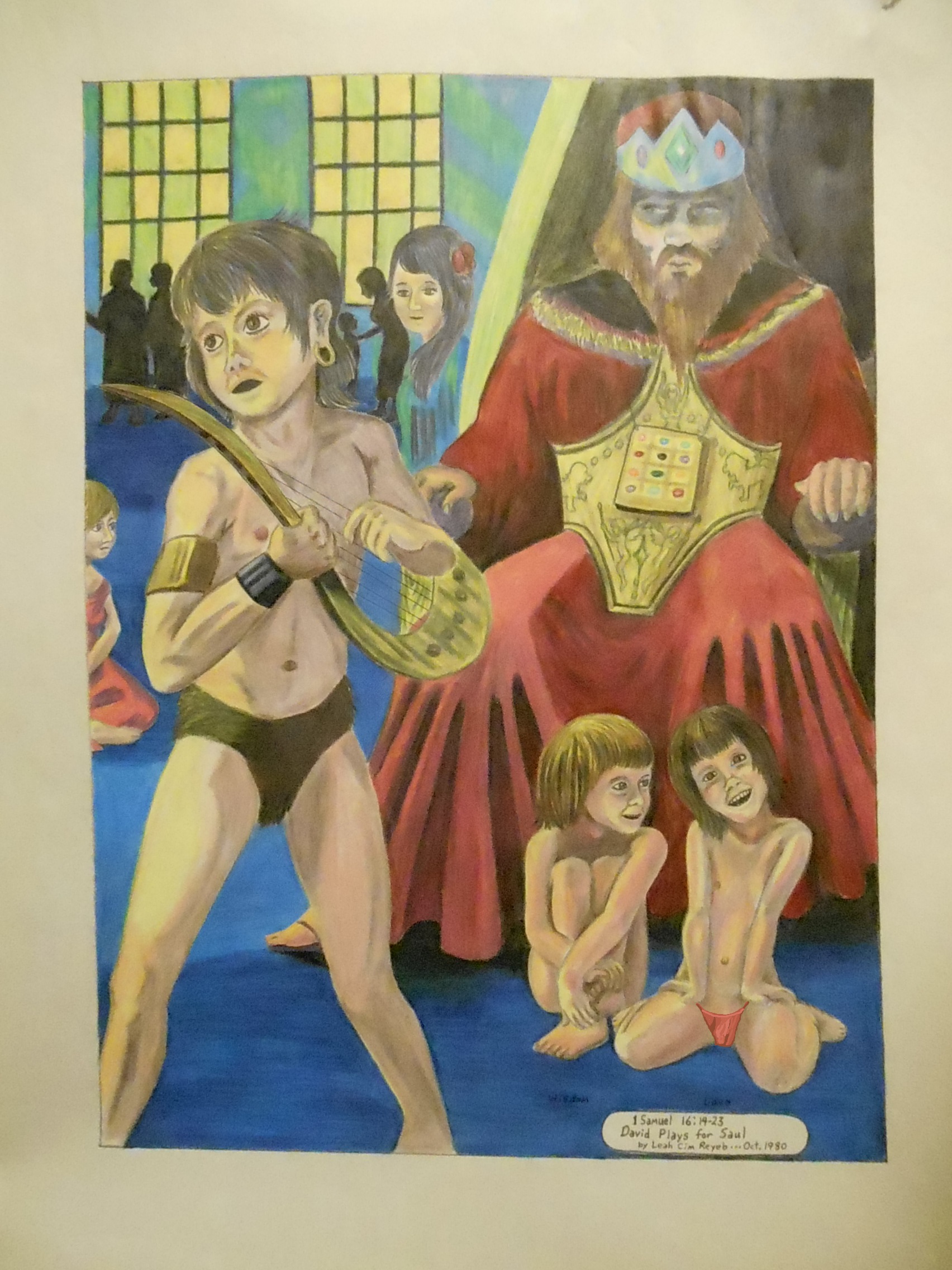
Of course, I am the last person to claim that I can teach you to write with power… I can’t even claim that I can write with power myself. But I know how to write well enough to make myself laugh, cry, and feel through my writing. And occasionally someone else reads my writing and agrees. Through years worth of being a writing teacher, I do have some thoughts about how it may be done.
First of all, I am not wrong to choose David’s harp playing, inspired by Jehovah as it was, as a metaphor for writing power. It is in the very sounds of the words that a great deal of emotion and meaning is embedded. One can evoke a very bitter and angry feeling by describing a cruel woman not as a “mean girl” but as one whose laughter is “like the crass cackling of devious old witch”. Mean girl has too soft a labial sound, even with the hard g, to be as ugly and staccato as the repeated k sounds added to the tch and the fact that “devious” comes so close to “devil”… a related word. A happy feeling can be created by describing a smile as “a sudden sunburst of white teeth and happiness”. That almost makes me laugh…unless you add “shark’s” between “white” and “teeth”… and then I am convinced I am about to be eaten. The s sounds in the description are like a sizzling burn that leads into the firework display at the end of the word “sunburst”. To write with the music inherent in words, at some point you have to hear it out loud. I always hear the words in my head when I write, spoken in a wide variety of voices. But to truly get it right, I have to read aloud to hear with my ears… which I have already done three times to this paragraph alone.
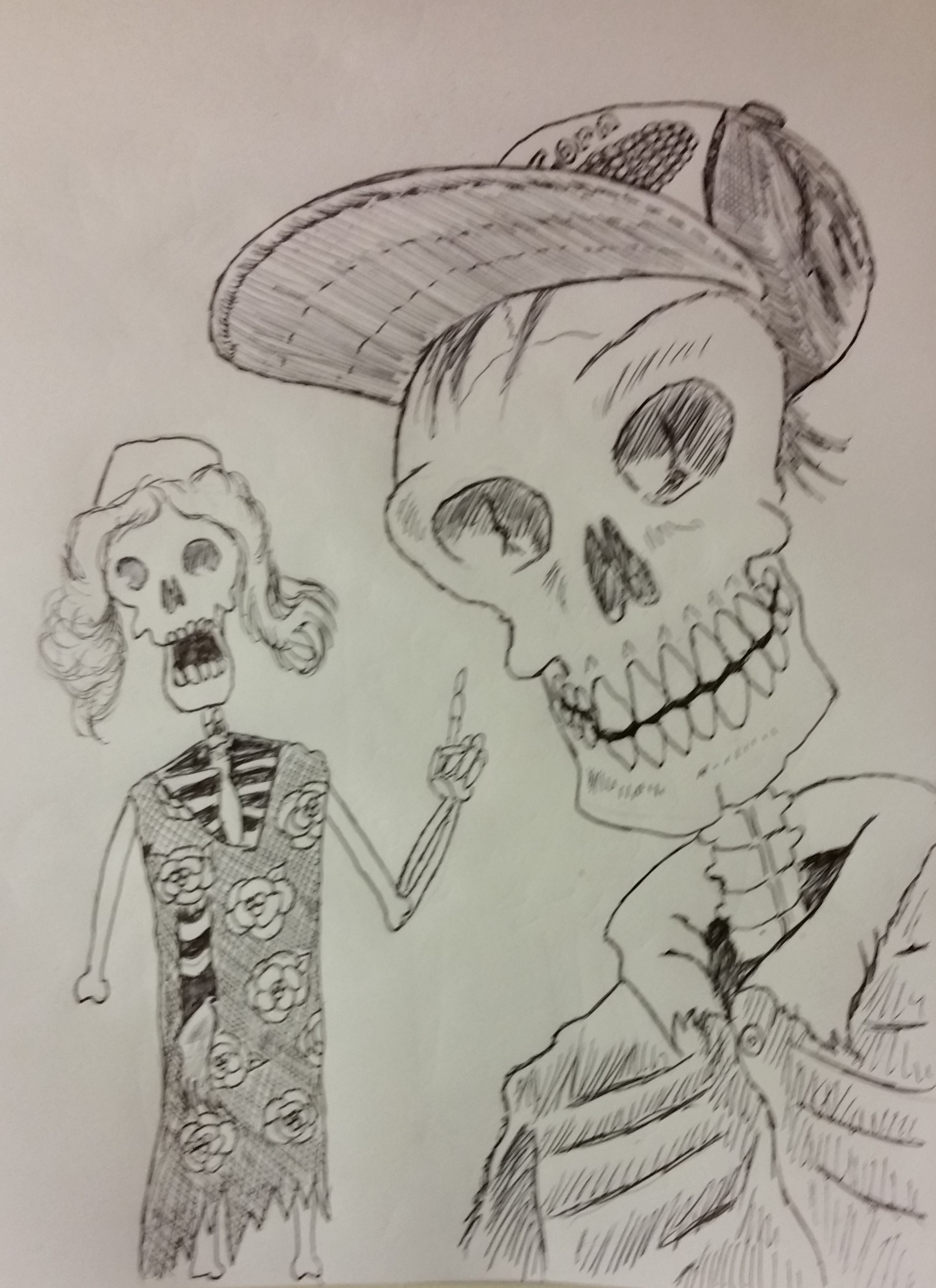
In order to have power, writing must manipulate feelings. I don’t mean by using the word “manipulate” that it is some sort of Machiavellian bad thing. Simply put, a writer must control the feelings of the reader, not by sound alone, but by the depth of meaning of the words. You must be able to weave a paragraph together not only with the simple meanings of the words themselves, but all the connotations and denotations in those words. You must use metaphor and simile, comparison, allusion, and sensory details. Ernest Hemingway had a working style almost completely devoid of metaphor and the writer’s own personal commentary… but that only worked because all his themes were about dispirited people suffering tragedy and loss and a pervasive sense of disconnectedness. Hemingway is a powerful writer… but his books never make me laugh. Purple prosey over-describers like Charles Dickens can make me laugh with a simple list of things. “The boy’s desk had a nearly dry ink bottle, several pens that needed new nibs and were chewed about the grip, and a small stack of papers crammed full of ink drawings of skulls and skeletons.” It is that last startling detail in the list that makes the mundane suddenly funny.
I suppose to do today’s topic true justice, I should write about it in book length. There is so much more to say. But I have bored you long enough for one post with writing nuts and bolts. It is enough to say that I believe in the magic of words, and I think that if, like any good Dungeons and Dragons wizard, you study your books of magic long enough, you can soon be casting fireballs around the room made up of nothing but words.
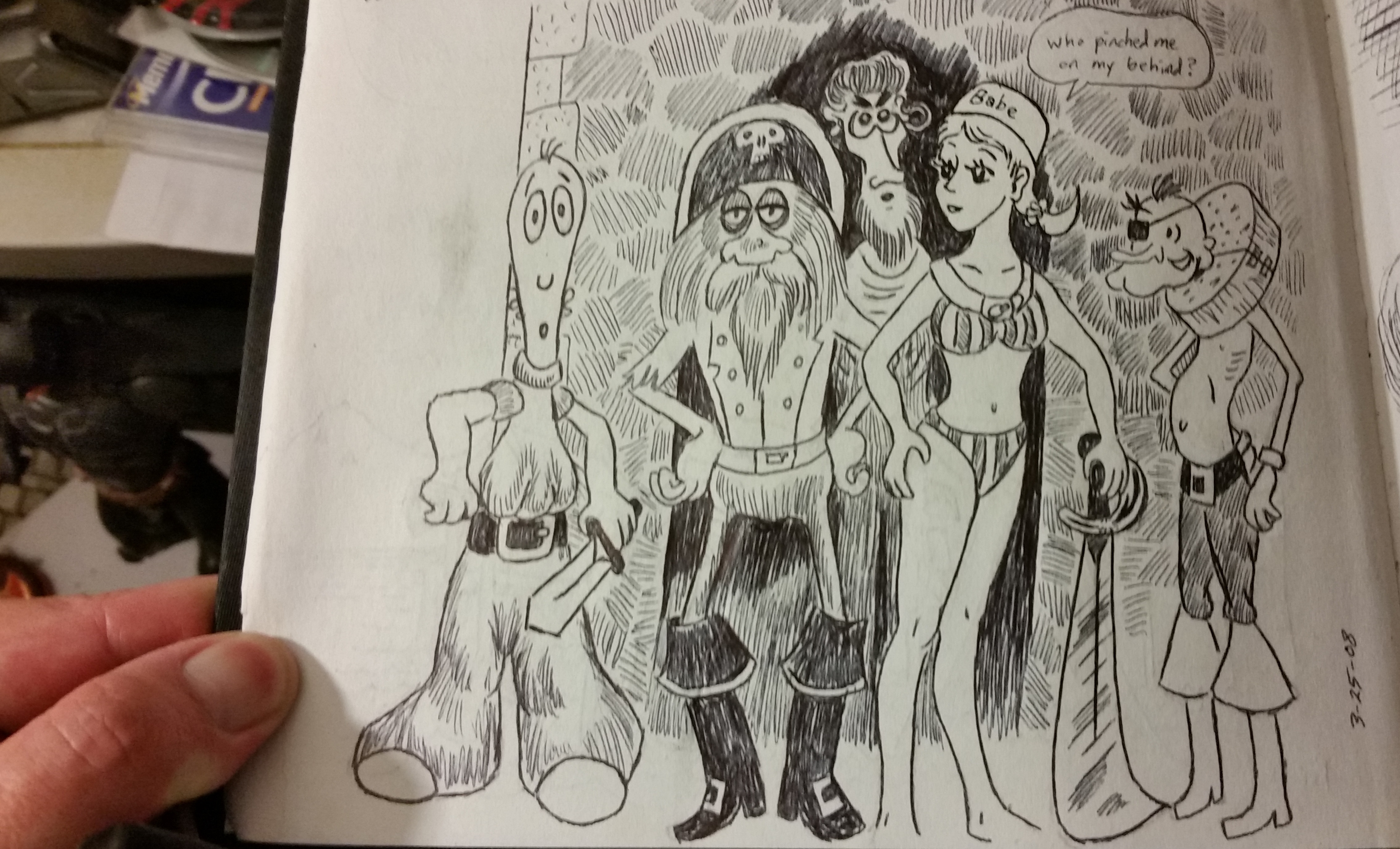

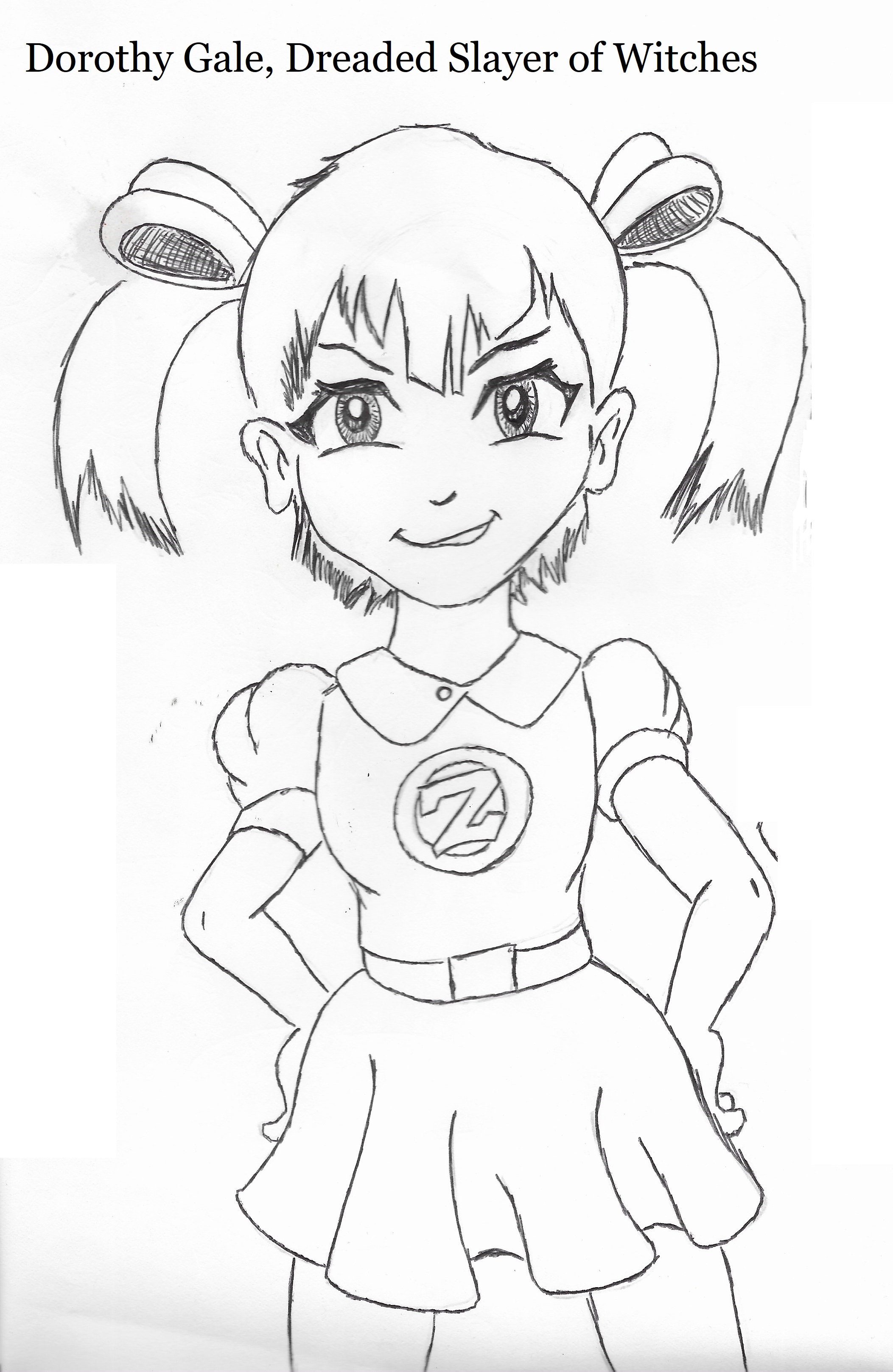




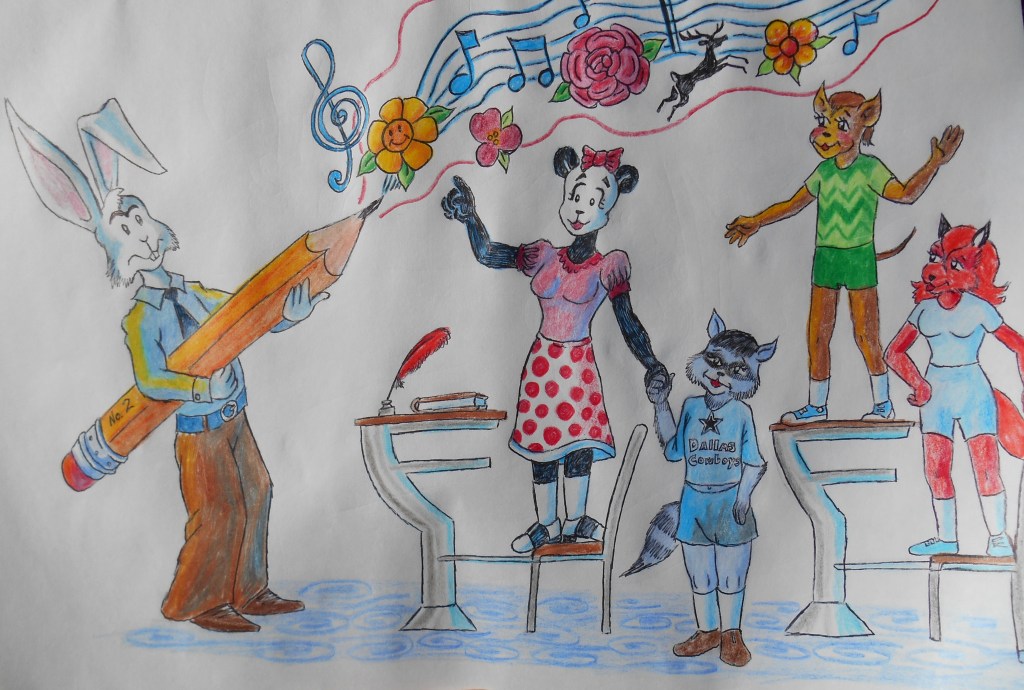
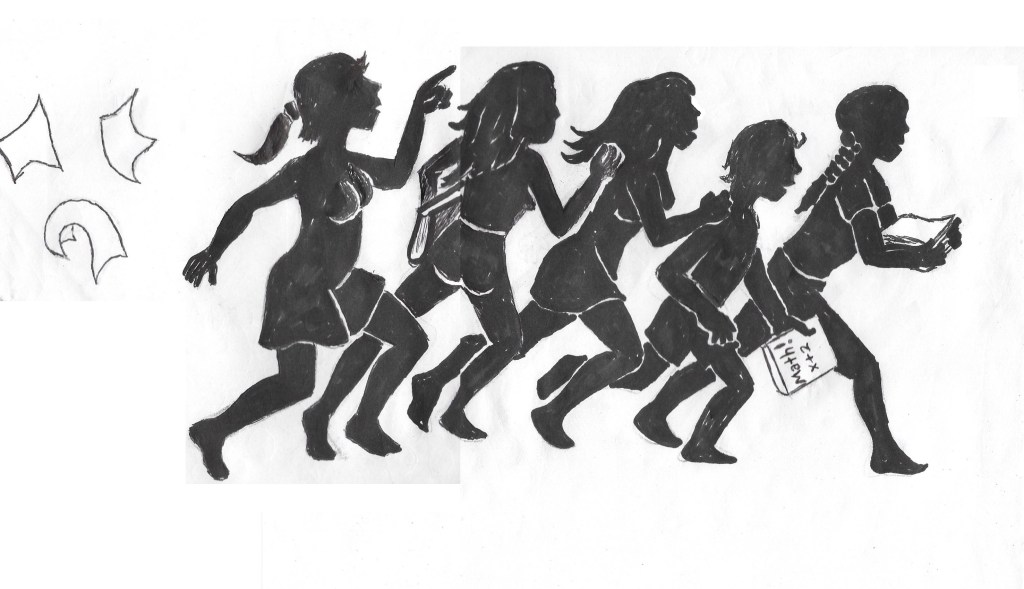
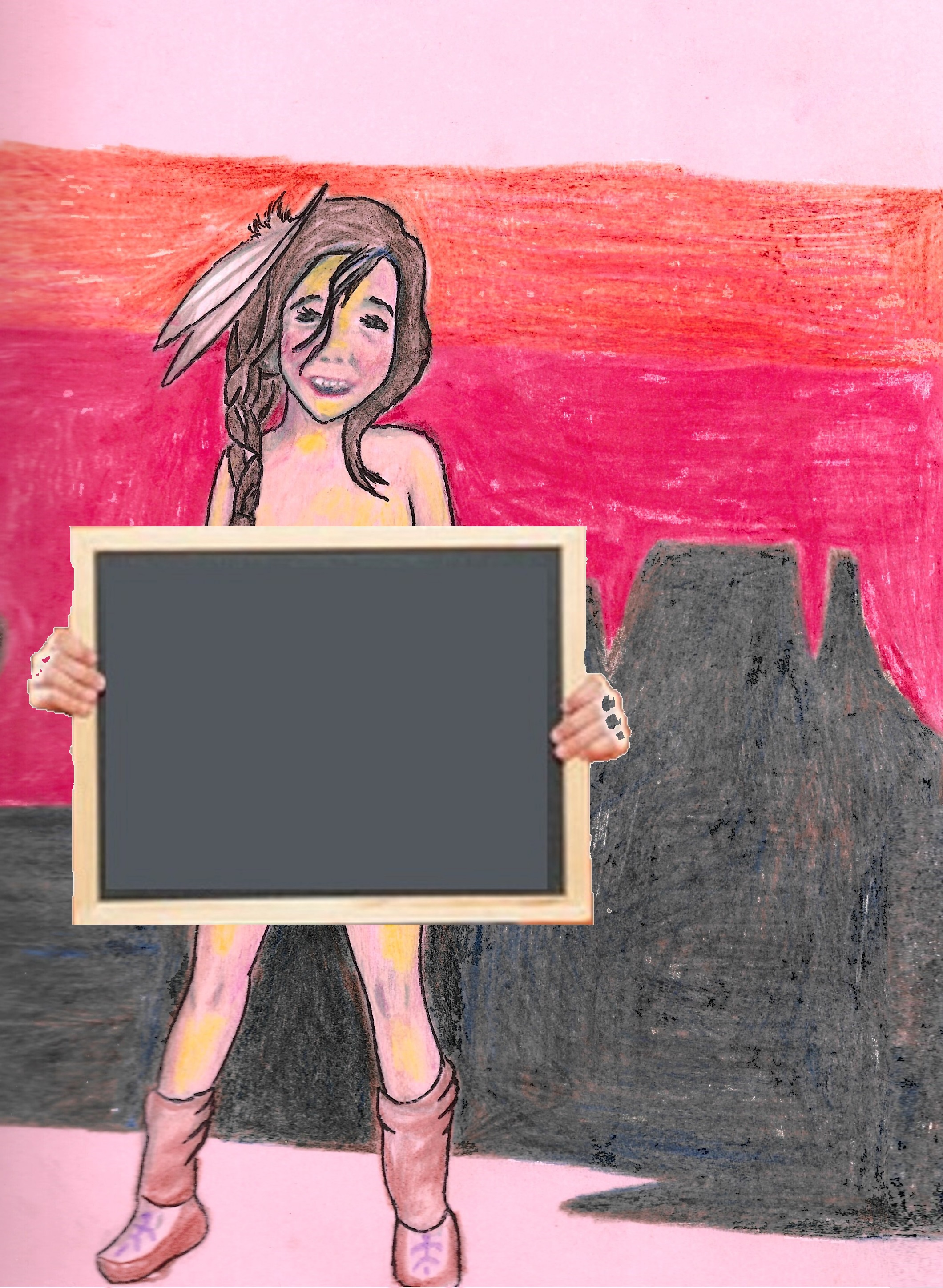
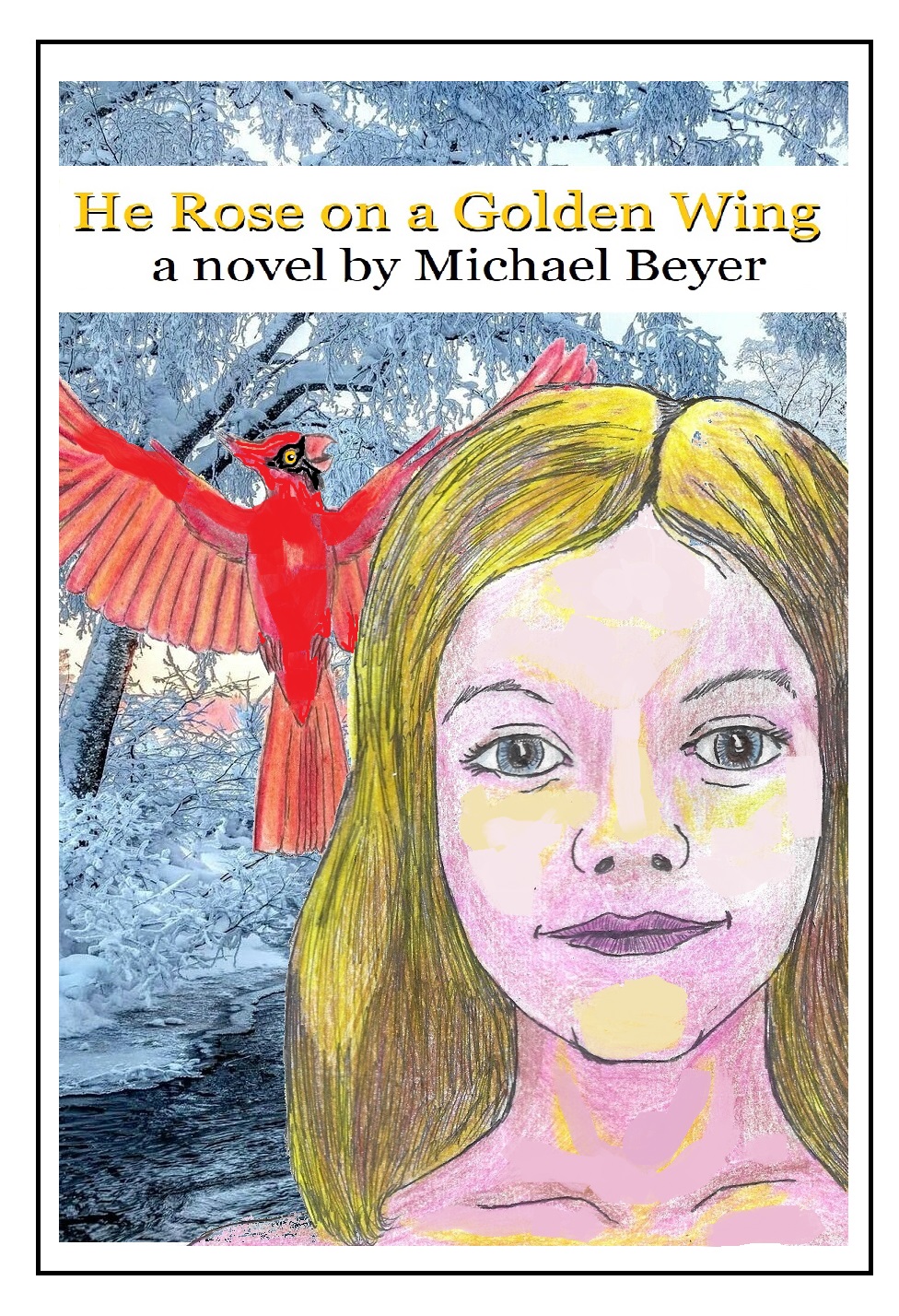
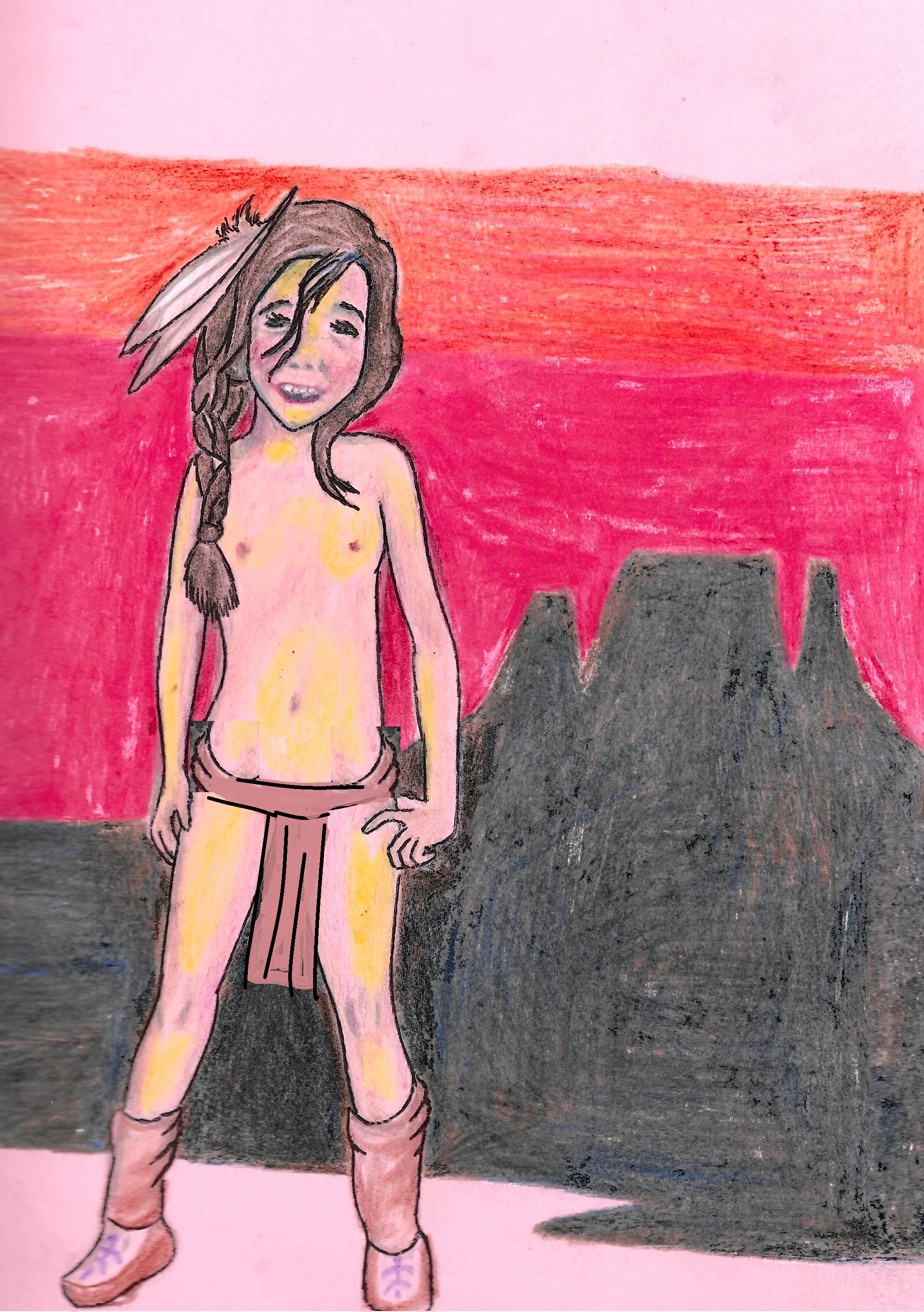



Self-Reflection
Every writer, whether he or she writes fiction or non-fiction, is really writing about themselves. The product originates within the self. So, that self has to gaze into the mirror from time to time.
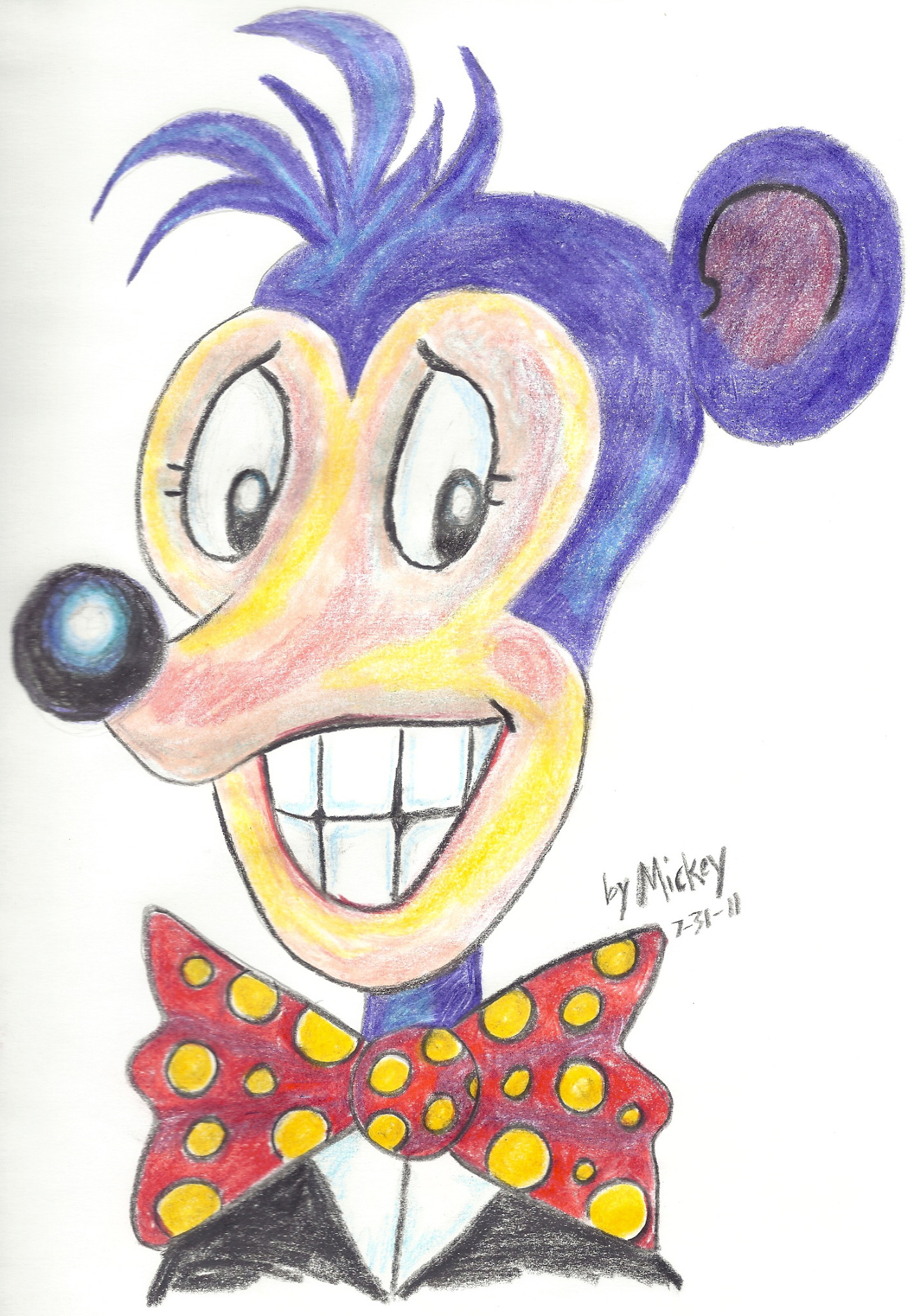
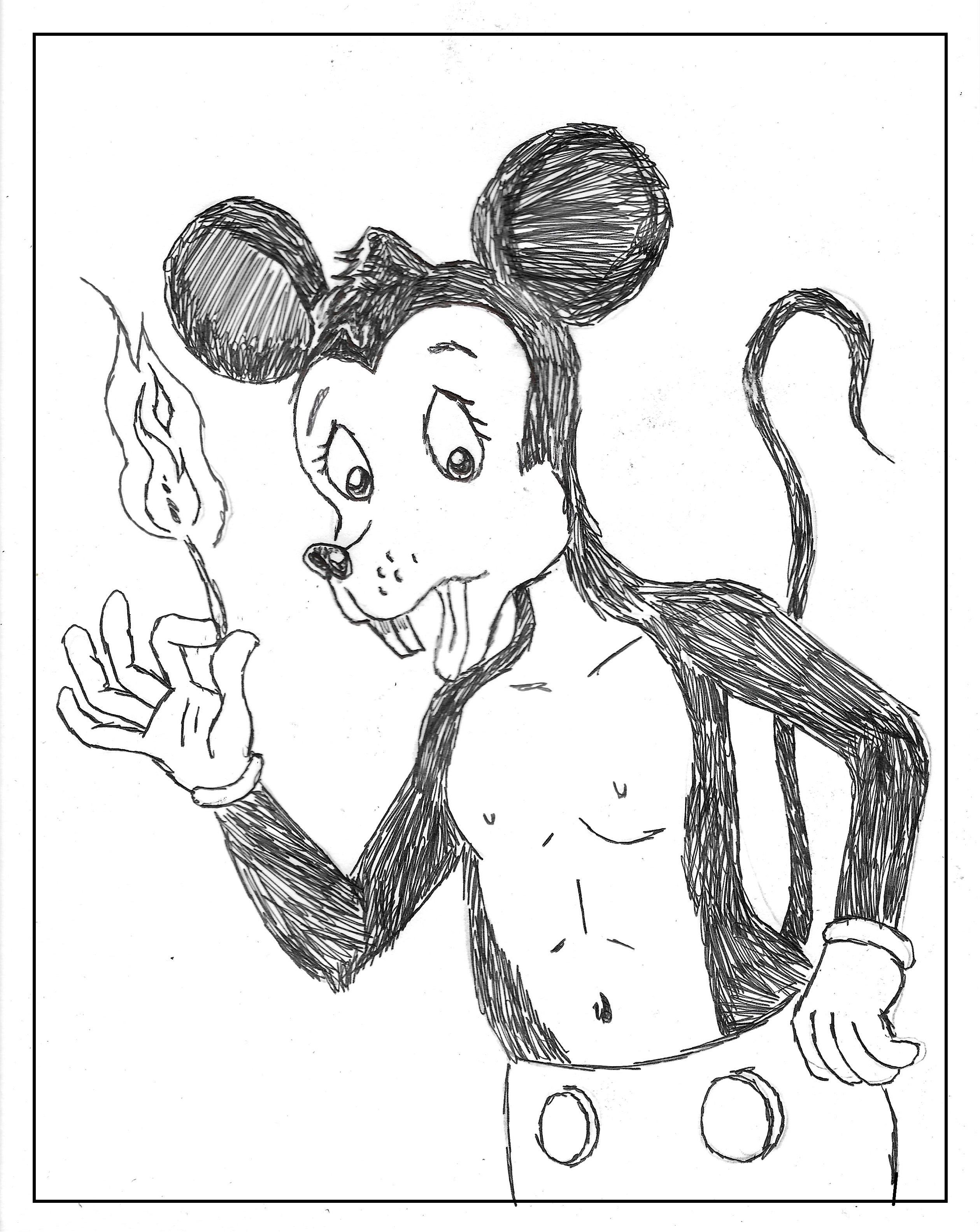
So, the question for today is, who, or possibly what, is Mickey?
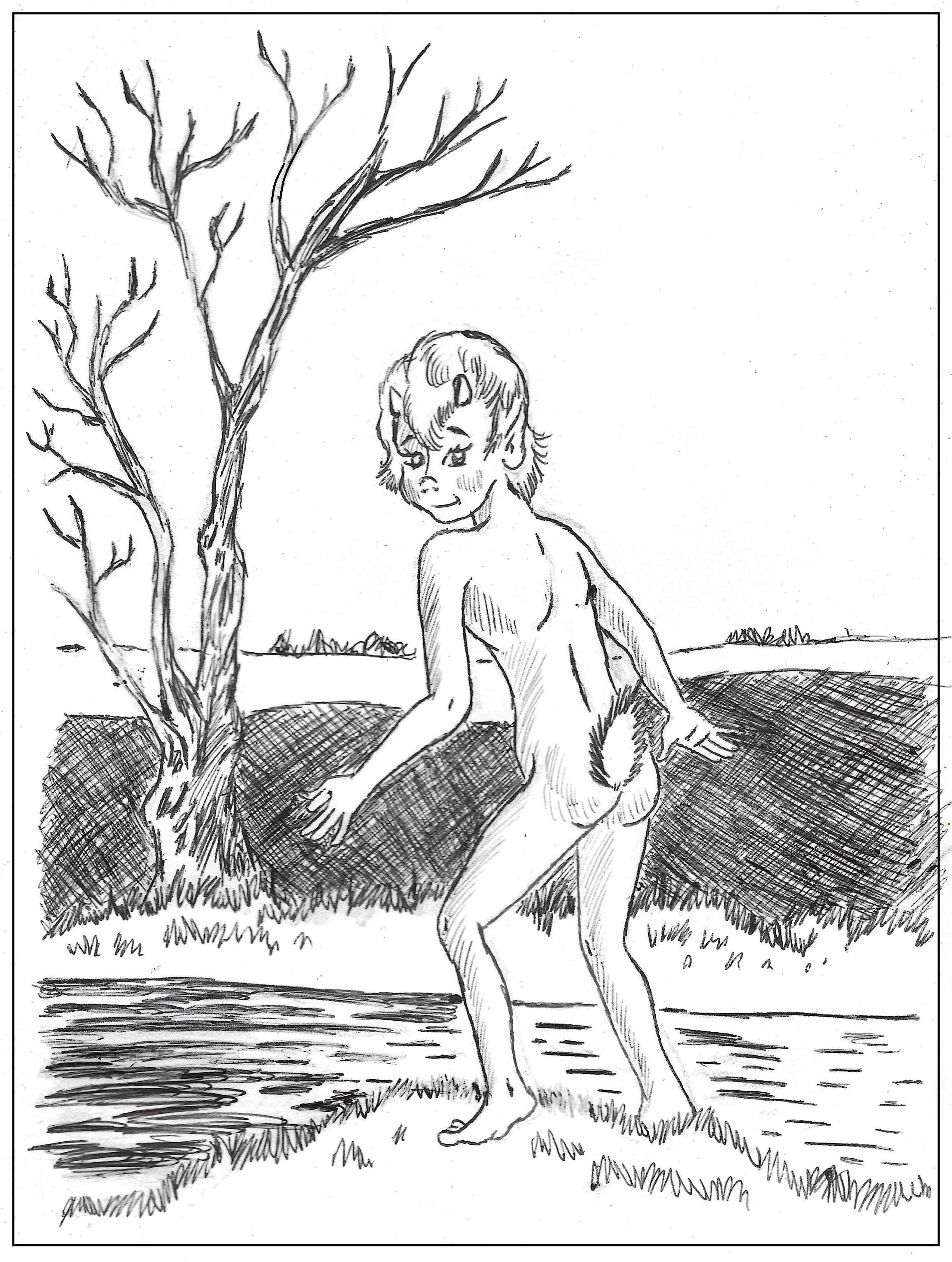
I have been posting stuff every day for a few years now, and in that time, I have been much-visited on WordPress. Maybe not much-read, but then, you cannot actually tell if somebody read it or not. Most probably look only at the pictures. And, since I am also an artist of sorts, that can also be a good thing. Though, just like most artists, my nude studies are more popular than the pieces I value the most. But unless the looker makes a comment or leaves a “like”, you really have no idea if they read or understood any of the words I wrote. And you have no idea what they feel about the art. Maybe they just happened to click on one of my nudes while surfing for porn.
I rarely get below 50 views of something in my blog every day. The last three days were 86 views, 124 views yesterday, and 88 views already today. My blog has definitely picked up pace over the length of the coronavirus quarantine. But no definable reason seems obvious. Some of my posts are polished work, but Robin is right when he says today’s post is merely fishing with the process, which is true almost every day.
As a person I am quirky and filled with flaws, pearls of wisdom that result from clam-like dealing with flaws, strange metaphors that shine the pearls, and obsessions like the one I have with nudism that leaves me properly dressed for diving for pearls.
I have demonstrated throughout my life that I have an interest in and experience with nudism, though not the boldness to parade my naked self before the world outside of the writing that I do. I also spent most of my bachelorhood dating reading teachers and teachers’ aides, finally settling down and marrying another English teacher. I completed a thirty-one year career as an English teacher, which means I spent a lot of time teaching writing and reading to kids who were ages 12 to 18. Twenty-four of those years were spent in the middle school monkey house. And all of that led to being so mentally damaged that I wasn’t good for much beyond becoming a writer of YA novels or possibly subbing for other mentally-damaged teachers in middle schools around our house.
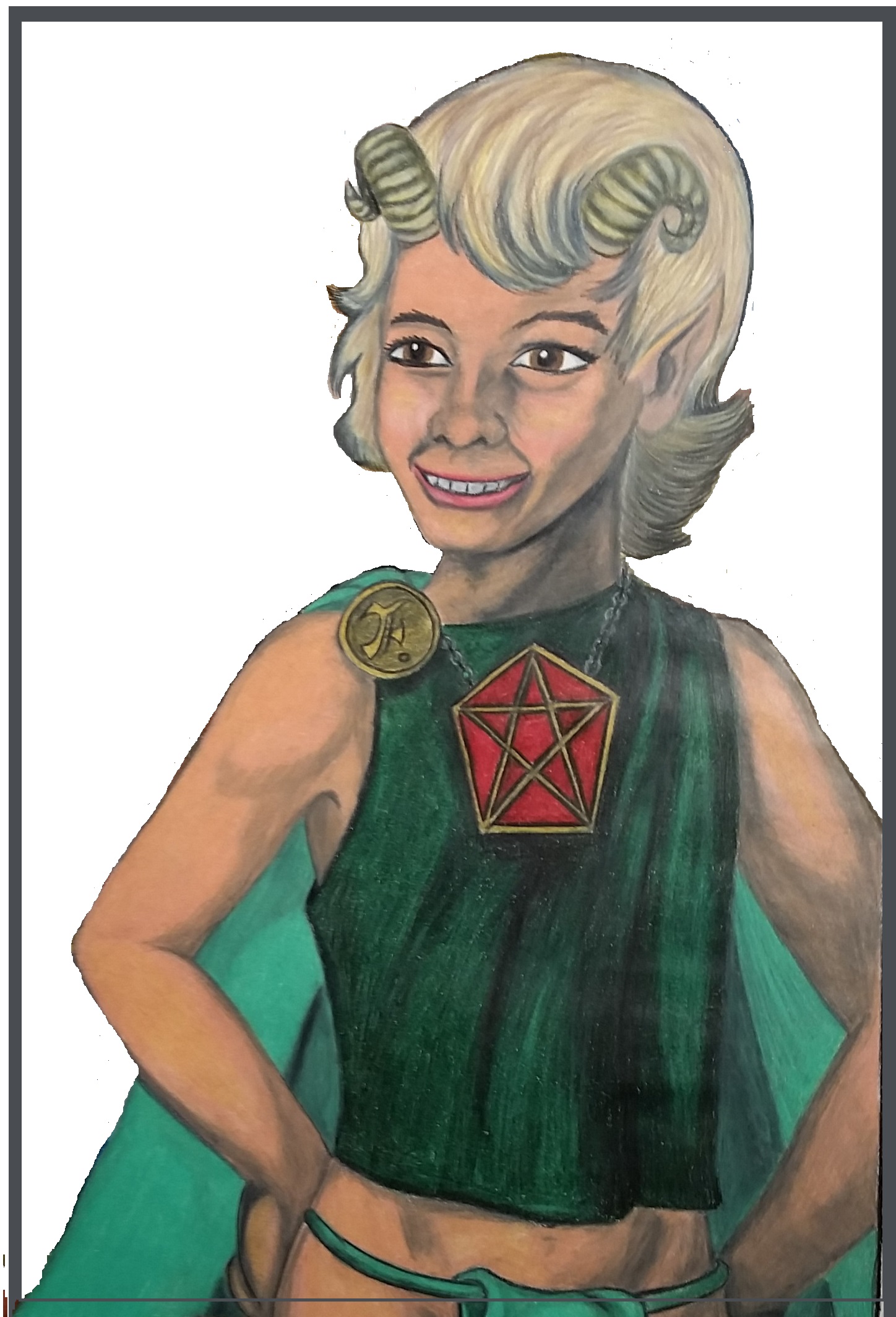
A real telling feature of what I have become is the fact that most of the characters I write about in my fiction are somehow a reflection of me. Milt Morgan, seen to the left, is illustrated here with a picture of me as a ten-year-old wearing a purple derby. Yes, I was that kind of geeky nerd.
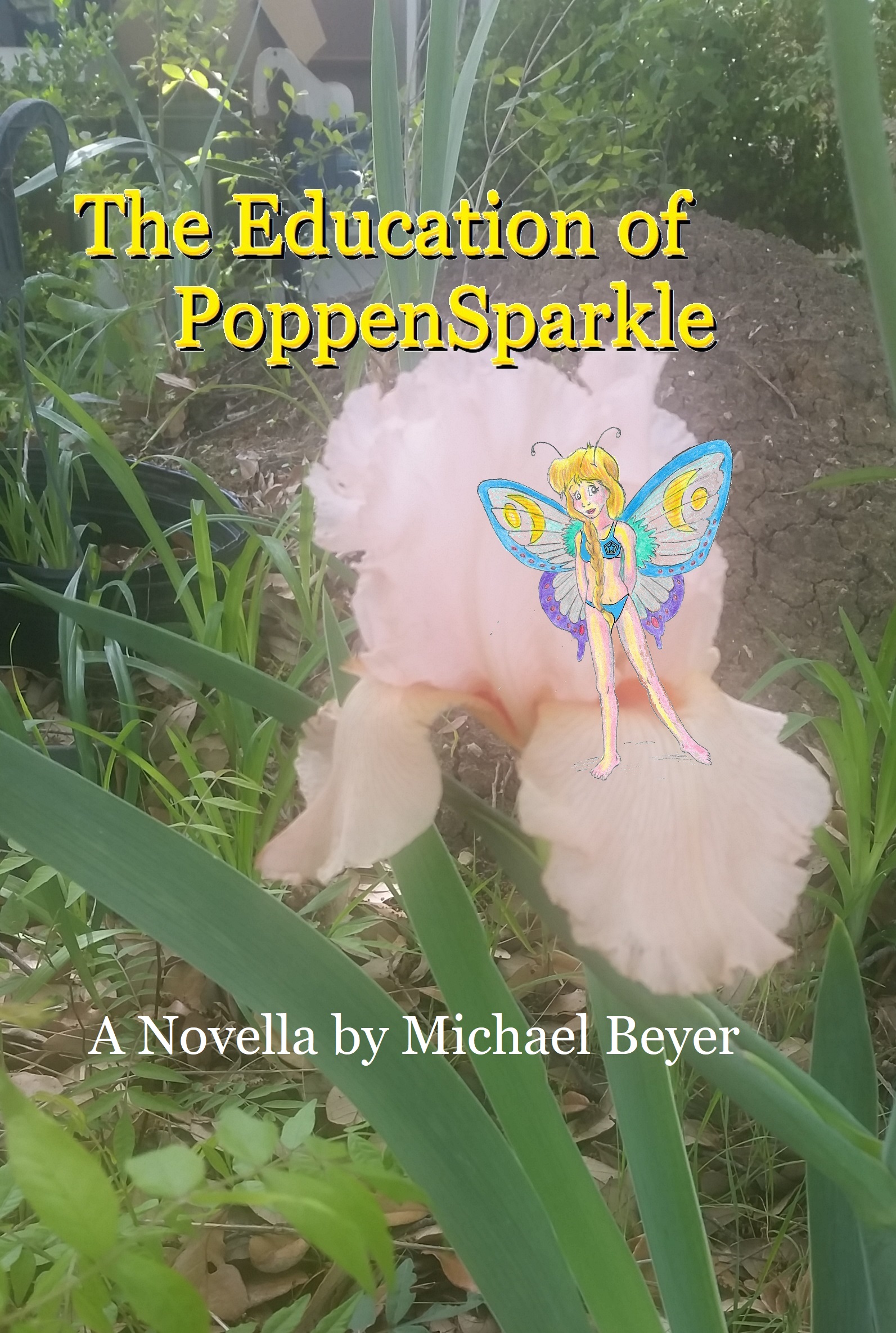
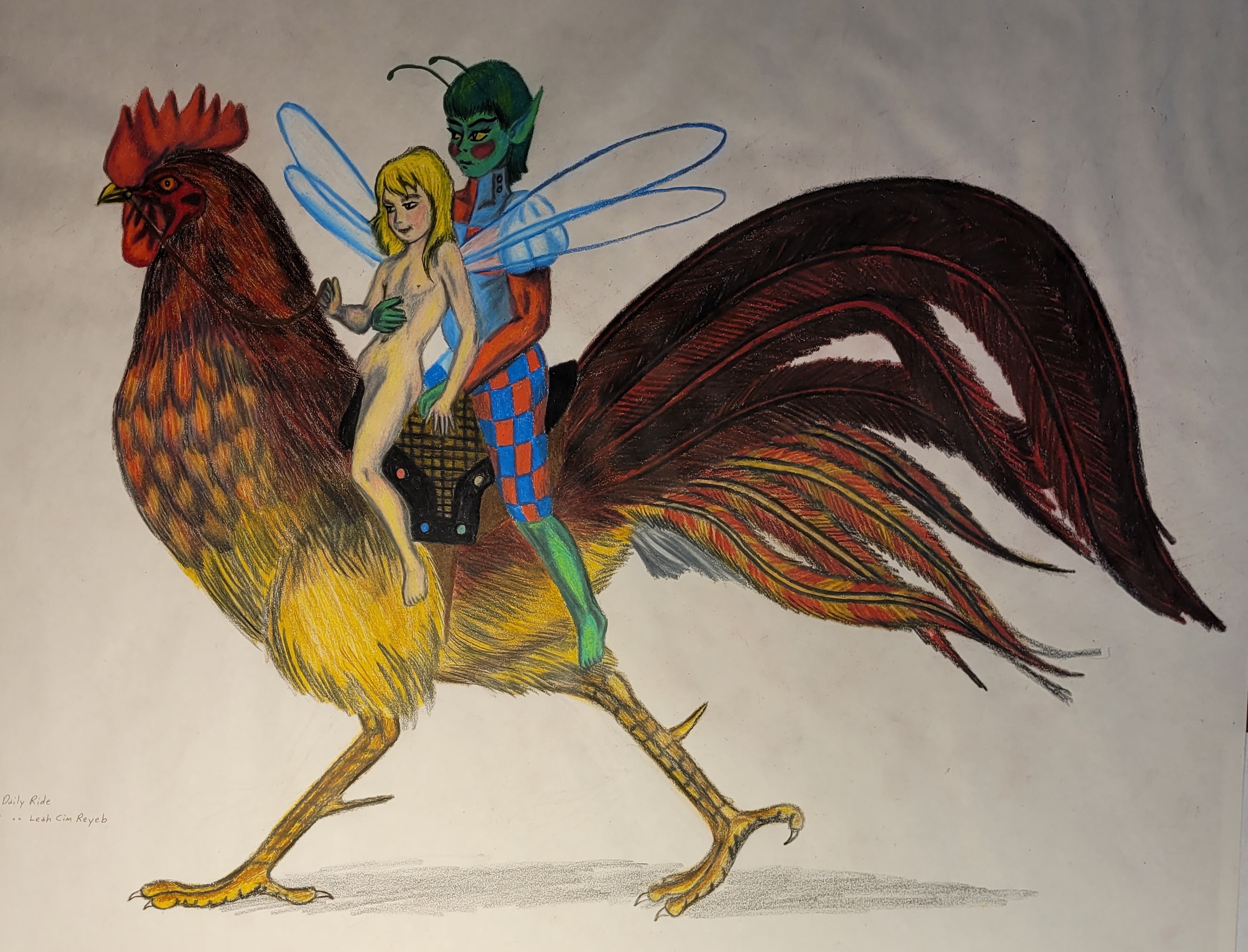
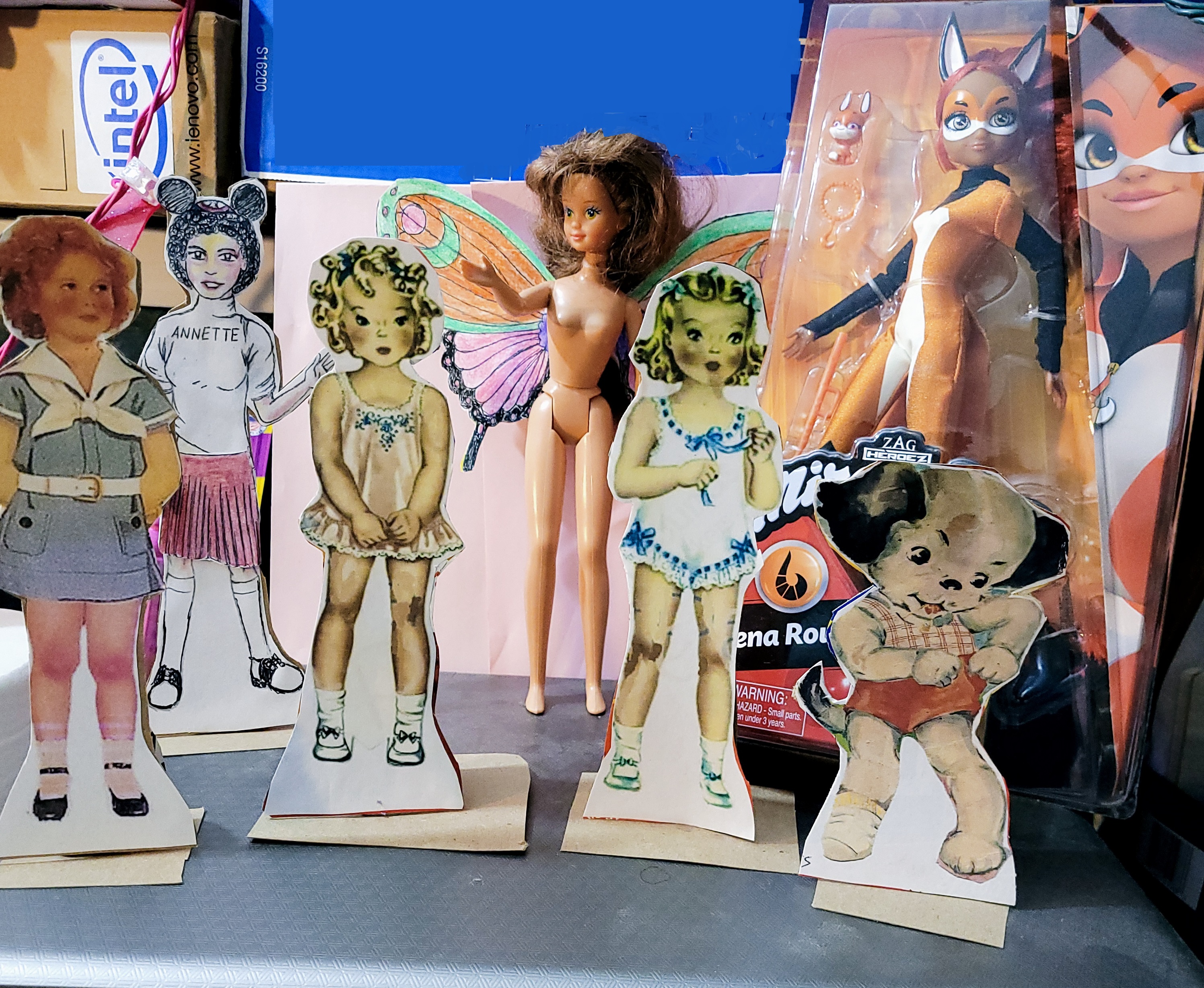
And most of the plots are based around things that happened to me as a child, a youth, or a young teacher. Many of the events in the stories actually happened to me, though the telling and retelling of them are largely twisted around and reshaped. And I am aware of all the fairies, aliens, werewolves, and clowns that inhabit my stories. Though I would argue that they were real too in an imaginative and metaphorical way.
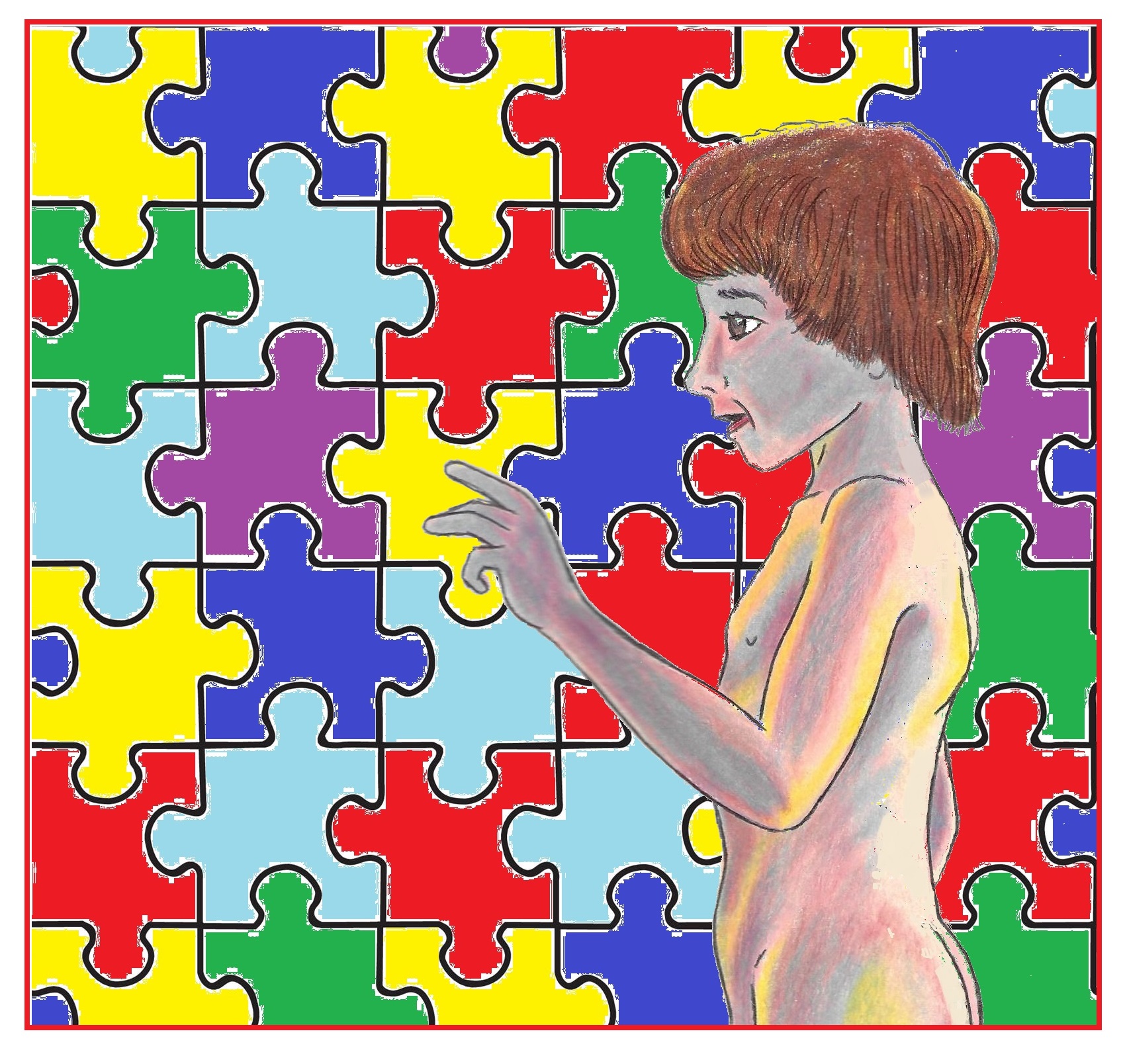
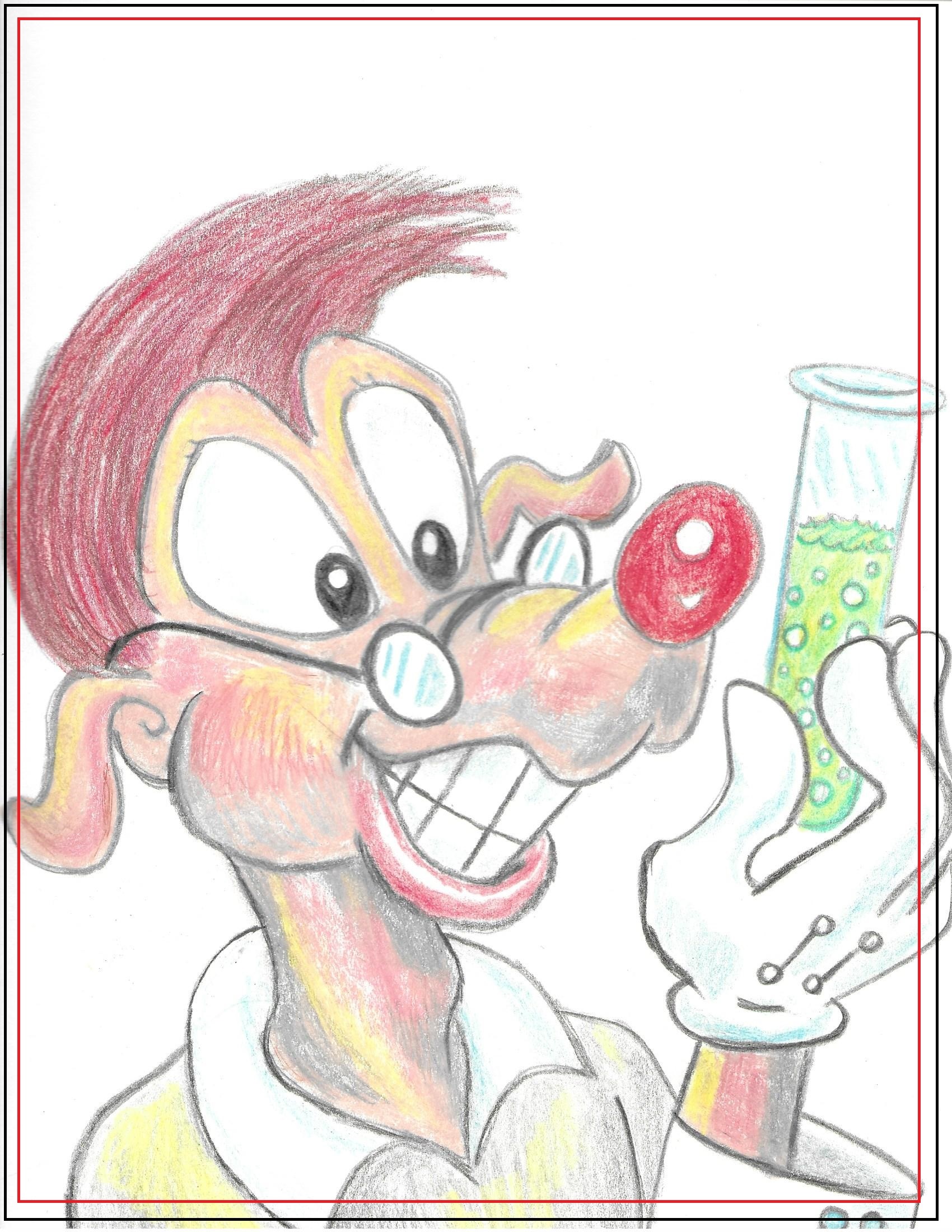
So, here now is a finished post of Mickey staring into the metaphorical mirror and trying in vain to define the real Michael, an impossible, but not unworthy task.
1 Comment
Filed under artwork, autobiography, commentary, humor, imagination, insight, inspiration, Paffooney, writing teacher