
I have just finished a novel project that I worked on for a year, from Spring of 2016 to Spring of 2017. And part of my personal project procedure involves using drawings to help me visualize the characters in the story and begin to view them as real people, even when they most certainly aren’t real. I even have this derfy Mickian idea that Paffoonies (those picture ideas that are inseparably fused to words) are essential to Mickian fiction. (Mickian fiction= another frighteningly goofy idea that needs to go unexplained.)
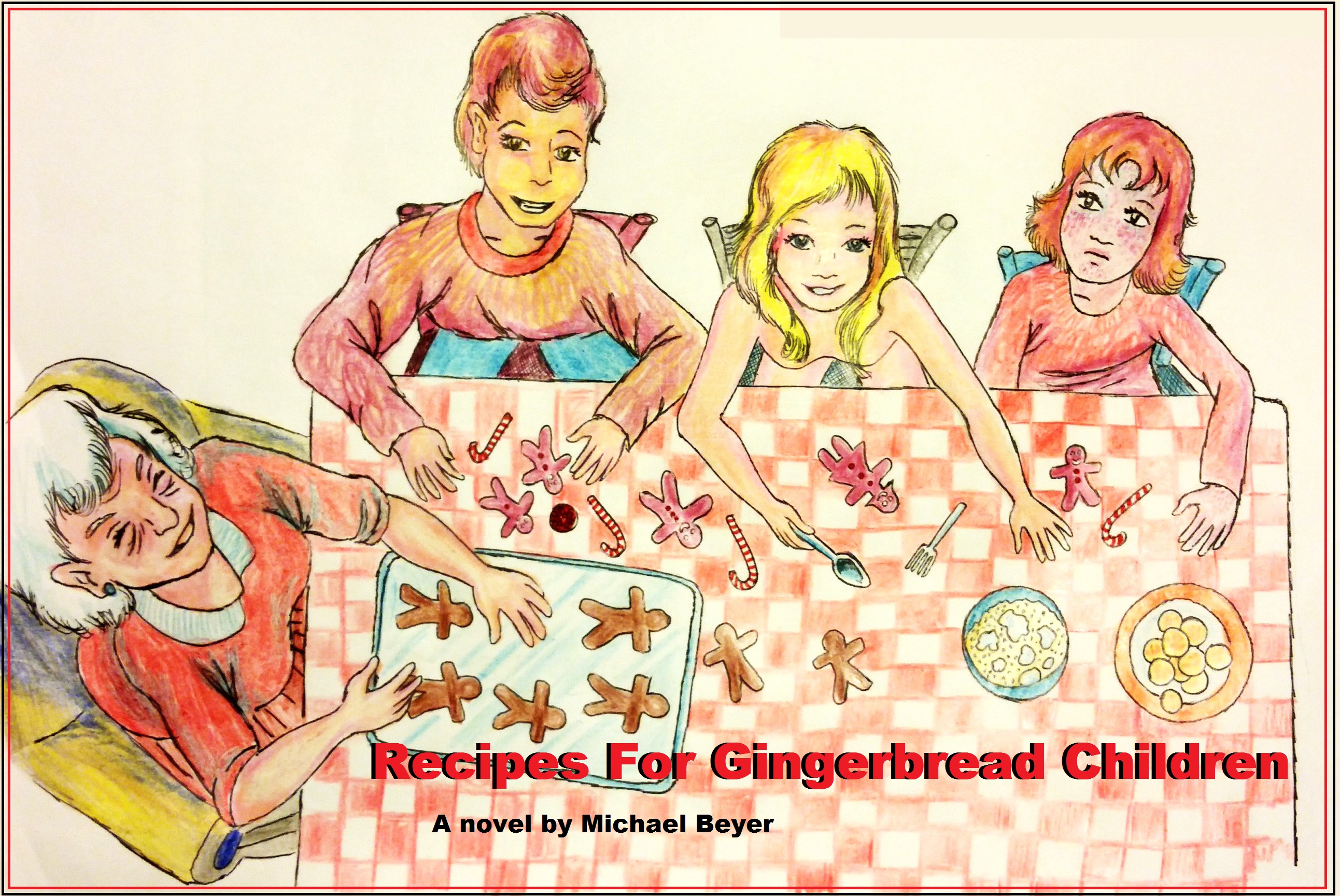
The book, Recipes for Gingerbread Children is about an old woman, a German immigrant and Holocaust survivor, who comes to a small Iowa town with a gift for story-telling and a gift for baking things, especially gingerbread cookies.
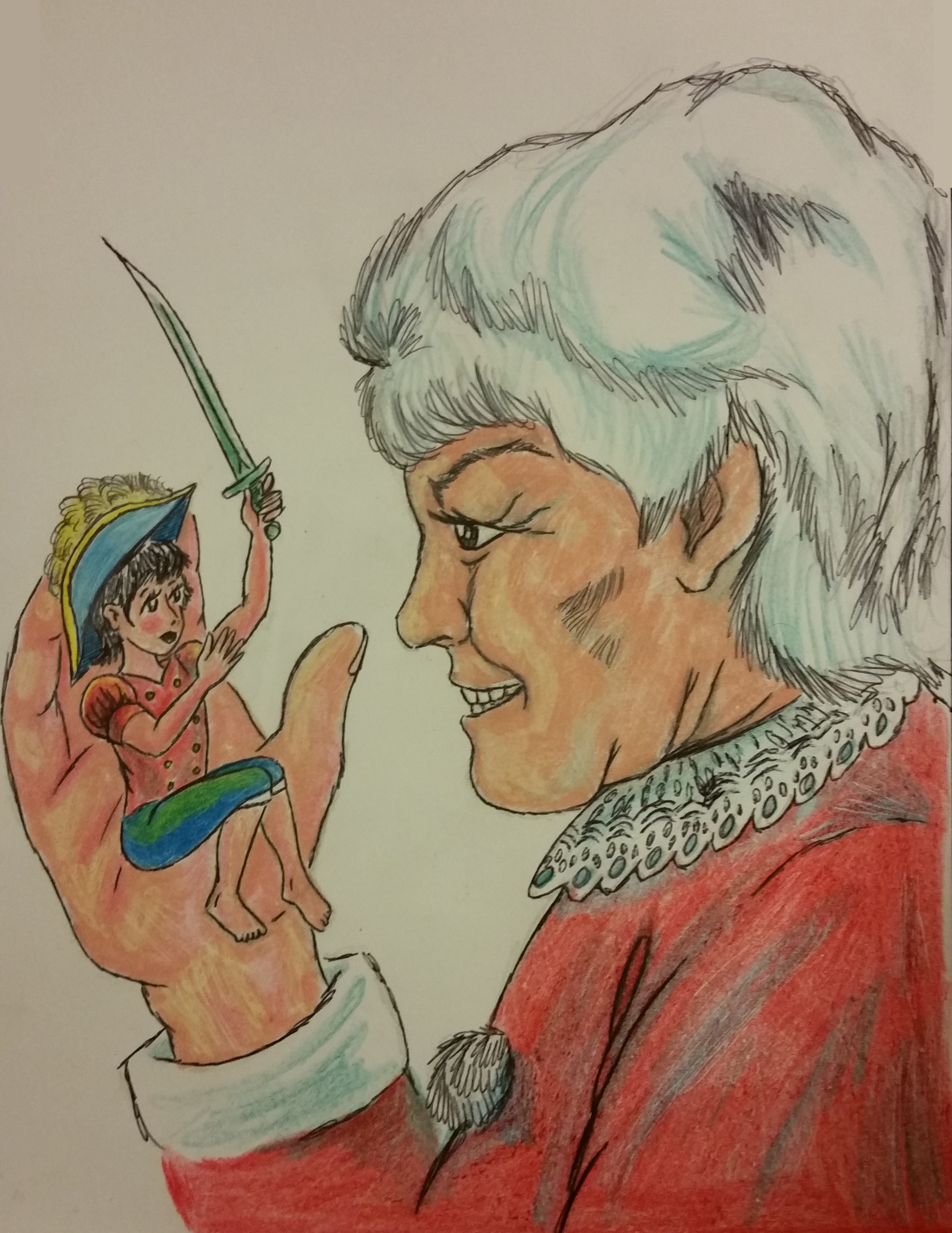
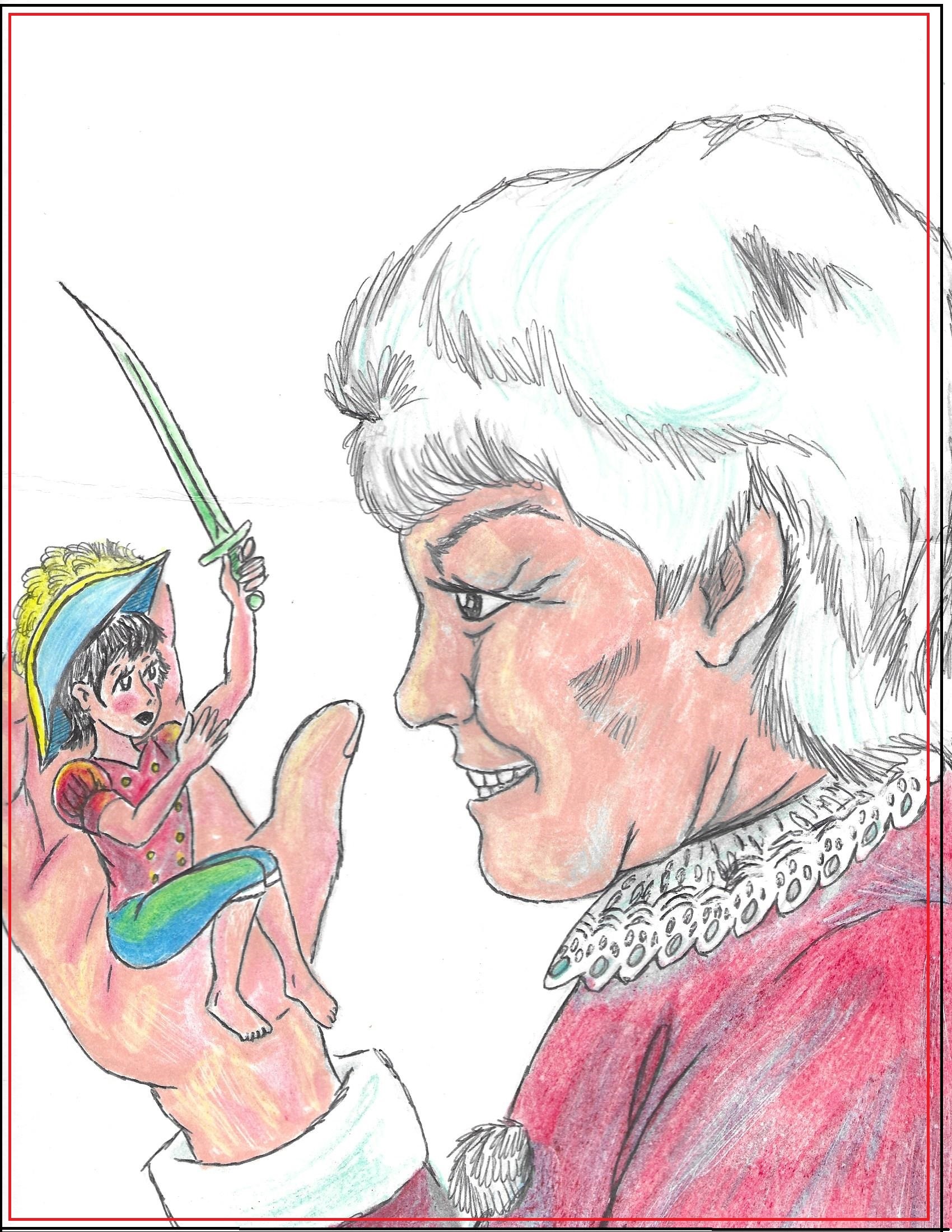
Grandma Gretel Stein, seen in the Paffooney on the left, is the main character of the story. She tells stories, mostly fairy tales, that have lessons about being true and faithful even in the face of great evil. The fairy in her hand is General Tuffaney Swift, an immortal Storybook fairy who leads the army of the local fairy kingdom called Tellosia. Gretel believes he is real Honestly, she gets so into story-telling that her fairy friends seem absolutely real to her. And who is to say that there aren’t little magical people living in a hidden kingdom among the cornfields in Iowa? Gretel convinced me that they were real. She even has a hand in making new fairies by the baking of gingerbread. She gets a magical recipe from the fairy Erlking, a wise and magical being, and uses it to create living gingerbread boys and gingerbread girls.
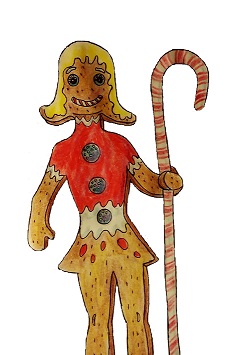
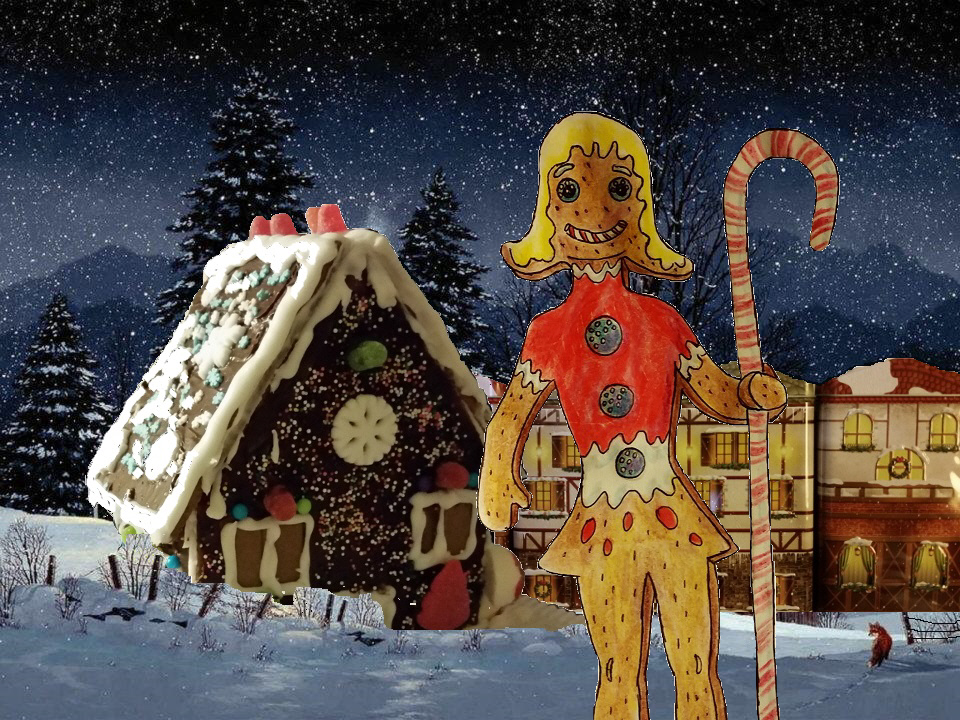
The gingerbread girl on the right is Anneliese, named after Gretel’s own daughter and decorated with frosting, food coloring, and gumdrops by the favorite story listener who constantly listens to Gretel’s stories and helps bake Gretel’s gingerbread, Sherry Cobble.
Sherry is a beautiful young eighth grade girl who reminds Gretel of her long-lost daughter. Sherry has a twin sister named Shelly and they are identical twins, but Sherry not only looks like Anneliese once did, she acts like her with the same confidence and enthusiasm for life that Anneliese once had before the war.
Sherry and Shelly are both part of the Cobble family, who have a reputation locally as wacky-pants loonies because they believe firmly in being nudists and engaging in nature completely naked while not actually wearing any wacky pants. I haven’t done any actual pictures of Sherry in the nude, but if you look carefully at the first picture of her above and see clothing, then you are seeing things that are not there. Yep, the girl bakes and decorates gingerbread men in the buff, wearing her pale pink birthday suit, even when the weather outside in Iowa makes that nonsensical.
So by now you can probably draw several conclusions about me as both a novelist and an illustrator. #1, There is definitely something a little bit off about me. #2, I haven’t said anything yet about this book having dead Nazis and a werewolf in it, even though I rarely talk about this book without throwing those things in somewhere. #3, Number 2 is actually taken care of in a backhanded way if you are reading this whole list carefully. #4, This story is probably about things that really aren’t just gingerbread recipes. #5, You should congratulate yourself if you read this far in this post. You have unusual amounts of patience and curiosity, and an extremely high tolerance for levels of goofy that put actual Goofy to shame.


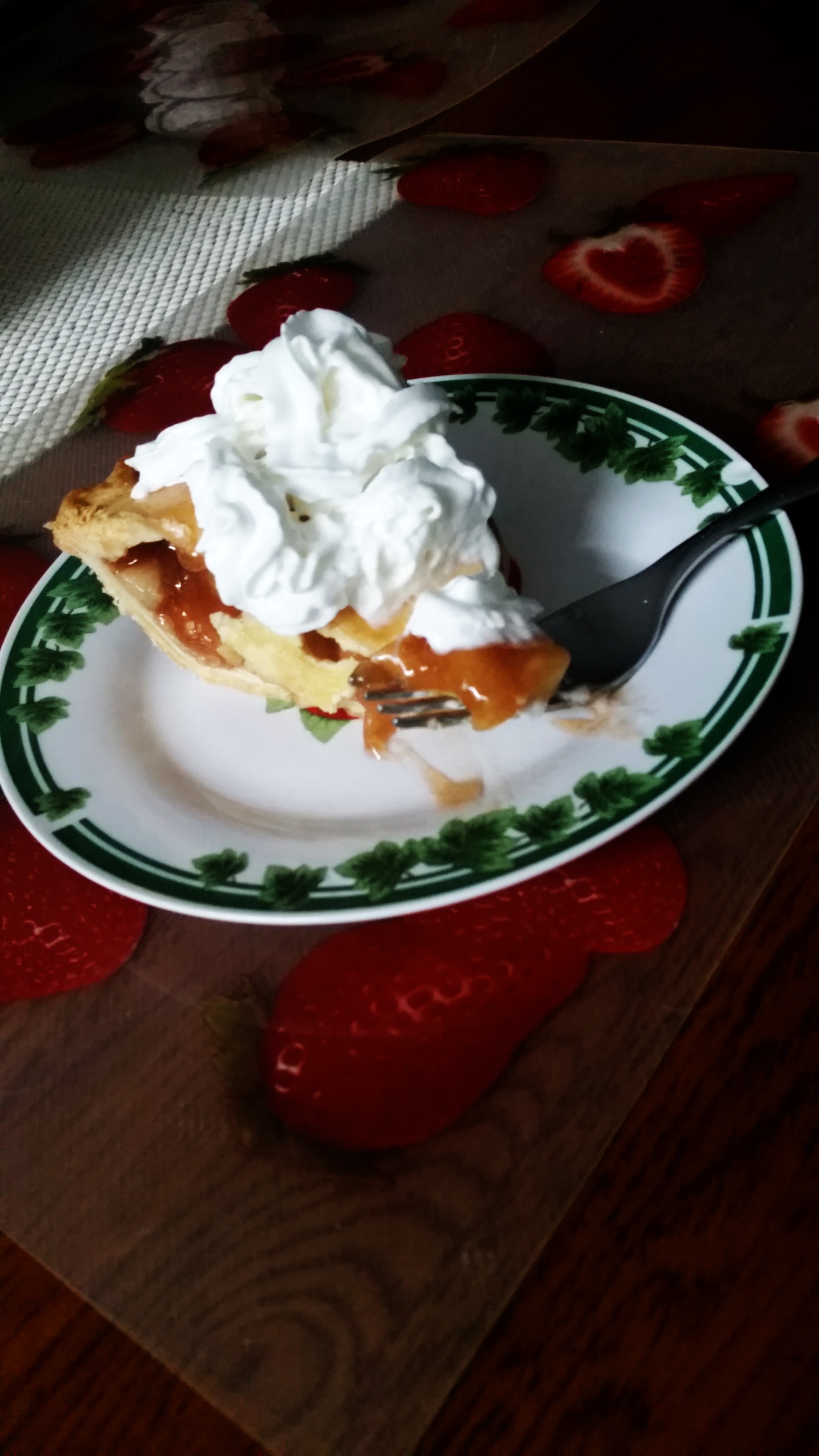
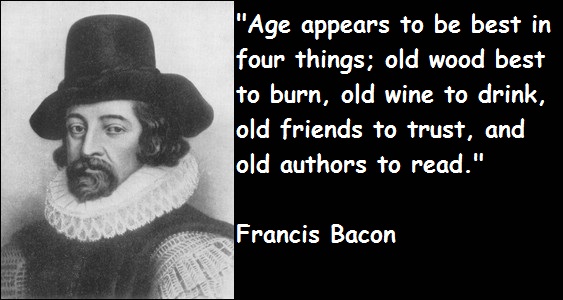
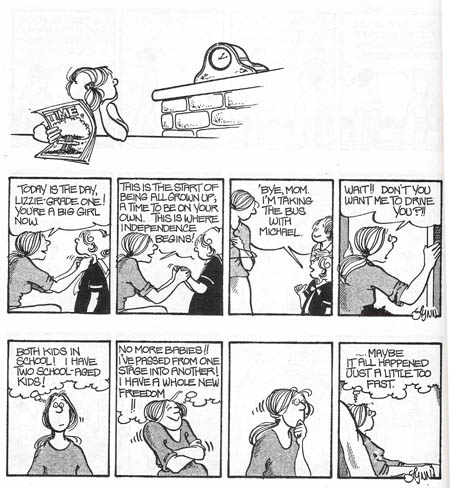 Lynn Johnston’s For Better or Worse is also an old friend. I used to read it in the newspaper practically every day. I watched those kids grow up and have adventures almost as if they were members of my own family. So the mashed potatoes part of the meal is easy to digest too.
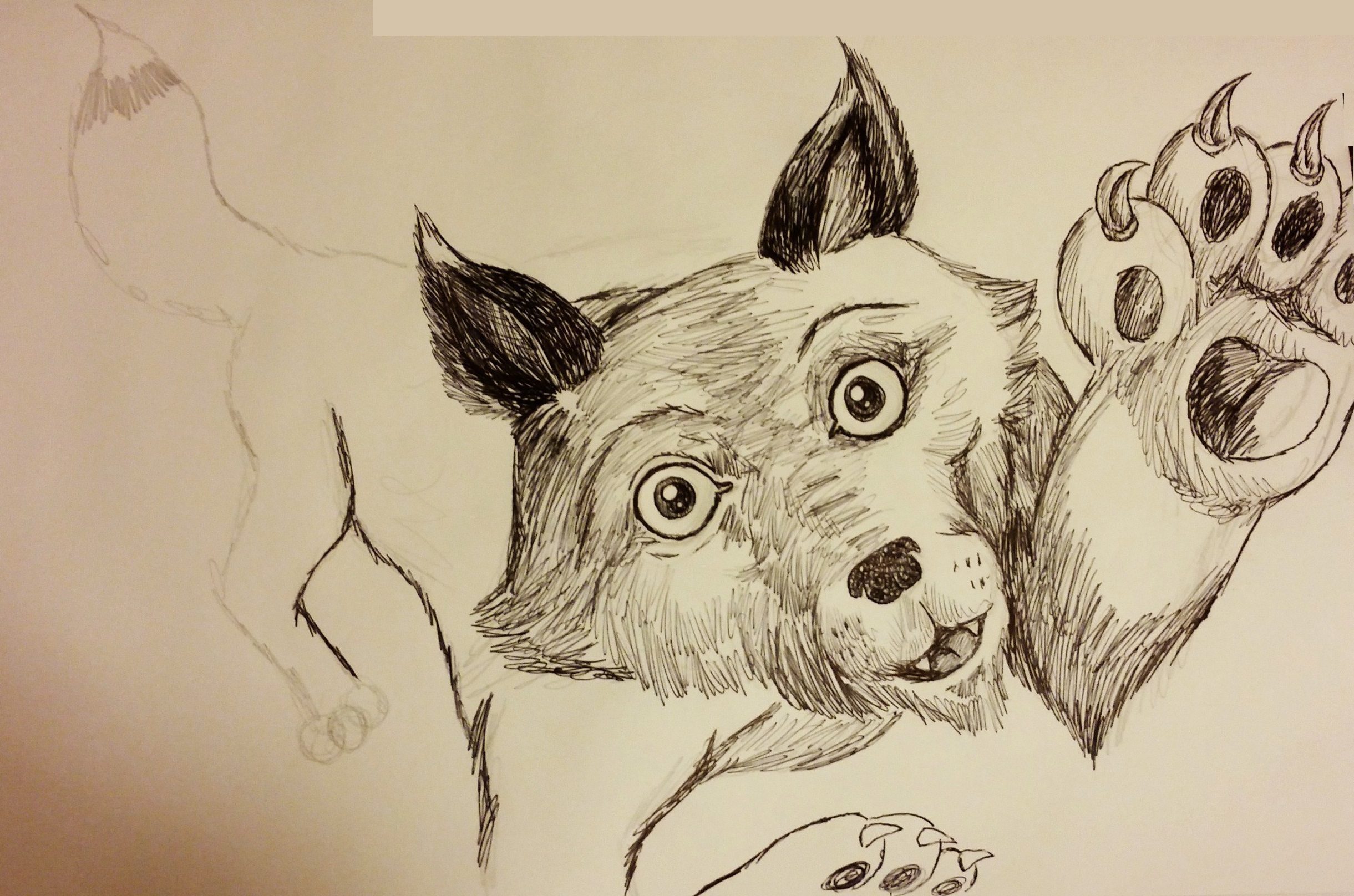
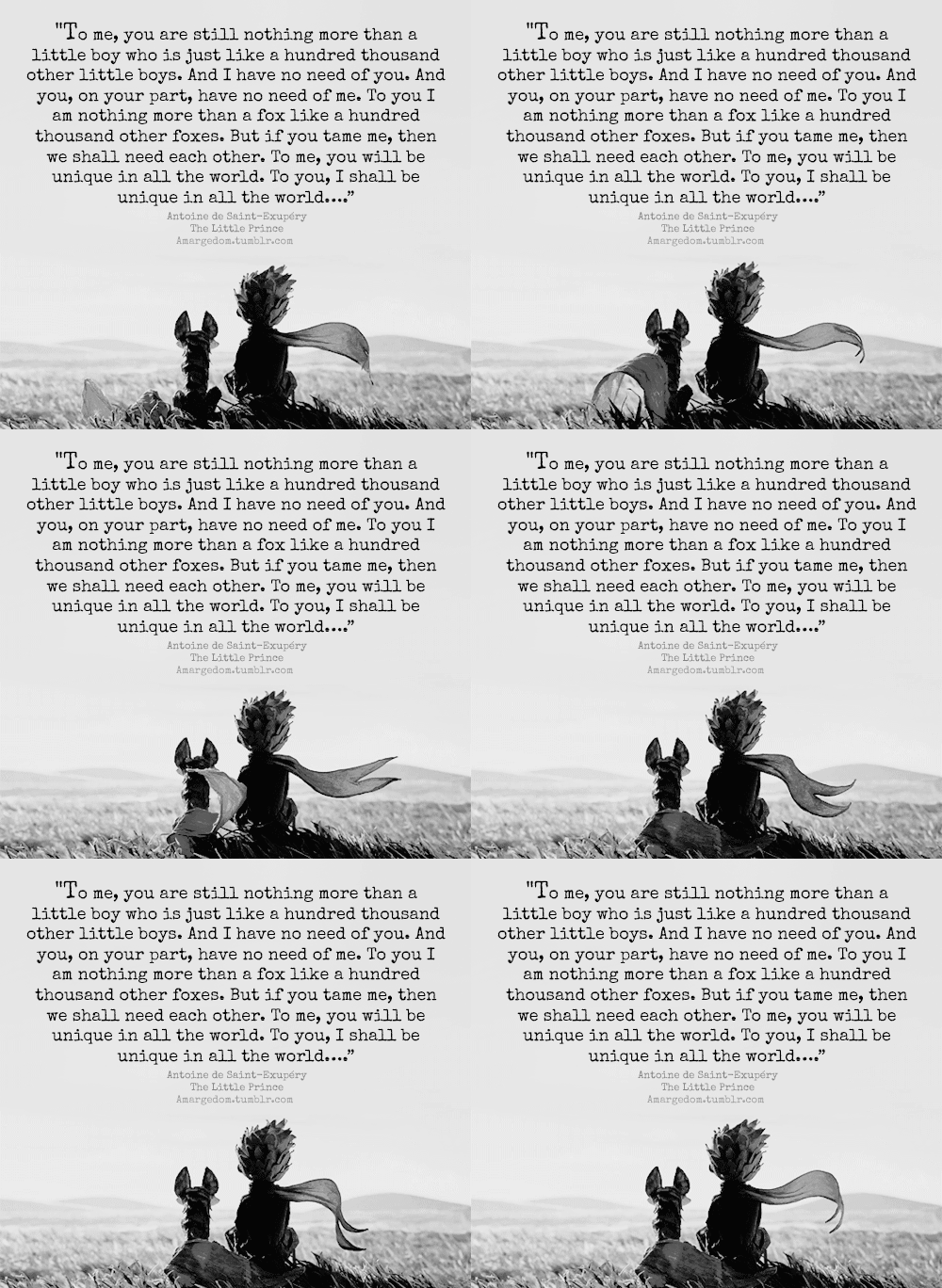
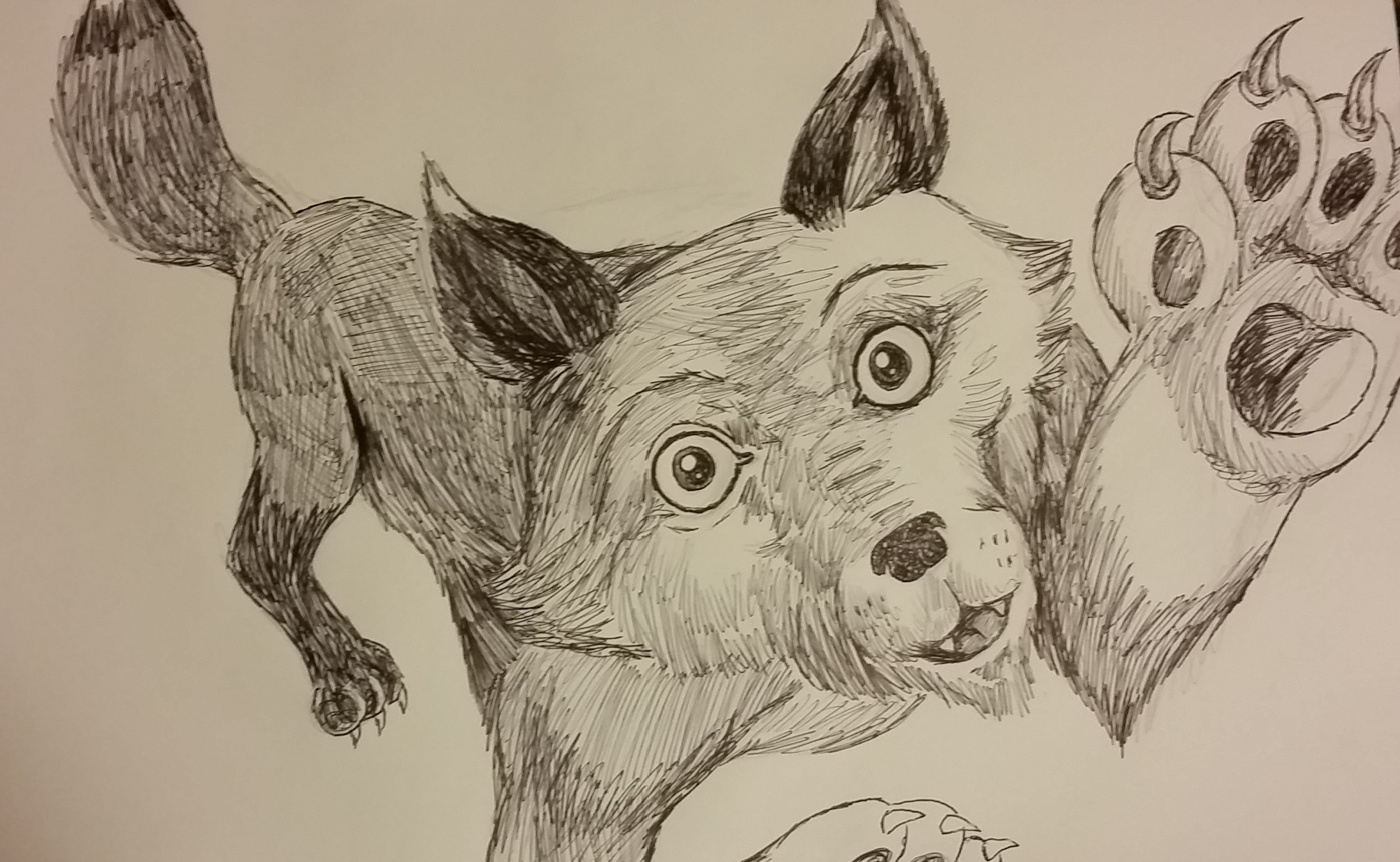



 Catch a Falling Star
Reading Other Writers
Nobody who wants to be a writer gets by with just writing and never reading anything by anybody else. It is too easy to devolve into some kind of human mushroom that way, thinking only thoughts a mushroom could think, all fungus-like and having no chlorophyll of their own. You never learn to decode other people and other people’s thinking if you don’t read other people’s thoughts crystallized in writing.
And not every other writer is Robert Frost. Or even Jack Frost who thinks he’s Gene Kelly. There has to be some interpretation, some digging for understanding. What did that writer mean when she said political correctness was like a tongue disease? And what does it mean when a commenting troll calls me a nekkid poofter? Is that how he spells “exceptional genius”? I think it is. Trolls are not smart.
I know people have to make an effort to understand me. When I write, I am writing under the delusion that I can produce literary quality off the top of my head. In fact, I can barely produce hair off the top of my head, and it is gray when I do it. See what I did there? It is the kind of joke a surrealist makes, pretending the idiomatic expression you use is to be taken literally when it doesn’t literally make sense. That kind of nonsense is what my readers have to put up with, and probably also the reason why most of them just look at the pictures. If you have to think too hard when you read, your brain could over-heat and your hair could catch fire. I like that kind of purple paisley prose that folds back in on itself and makes you think in curlicues. But most people don’t. Most people don’t have fire-proof hair like I do.
Sometimes, it doesn’t even take a word to make the point. For instance, why, in the picture, is Fluttershy trying to drink out of the toilet in the dollhouse bathroom? For that matter, why does a doll house even need a bathroom? Applejack doesn’t even fit in that yellow bathtub. I know. I tried to stuff her in there for this picture. And, as you read this, doesn’t this paragraph tell you a lot about me that you probably didn’t even want to know?
When I am reading the writing of others, I am looking for a cornucopia of things. I want to not only understand their ideas, I want to detect the limping footprints across the murder scene of their paragraphs and come to know the deeper things about them as well. I spent years decoding and trying to understand the writing of preliterate kids in my middle school English classes in order to be able to teach them to write better. And I learned that no writer is a bad writer as long as they are using readable words. I also learned that very few writers are James Joyce or Marcel Proust. Thank God for that! And given enough time I can read anything by anybody and learn something from it. I read a lot. And it may not always make me a better writer to read it, but it always has value. It is always worth doing.
1 Comment
Filed under commentary, education, goofy thoughts, humor, irony, photo paffoonies, photos, reading, strange and wonderful ideas about life, surrealism, teaching, wordplay, writing, writing teacher
Tagged as creative-writing, reading for writing, writing, writing advice, writing-community, writing-tips